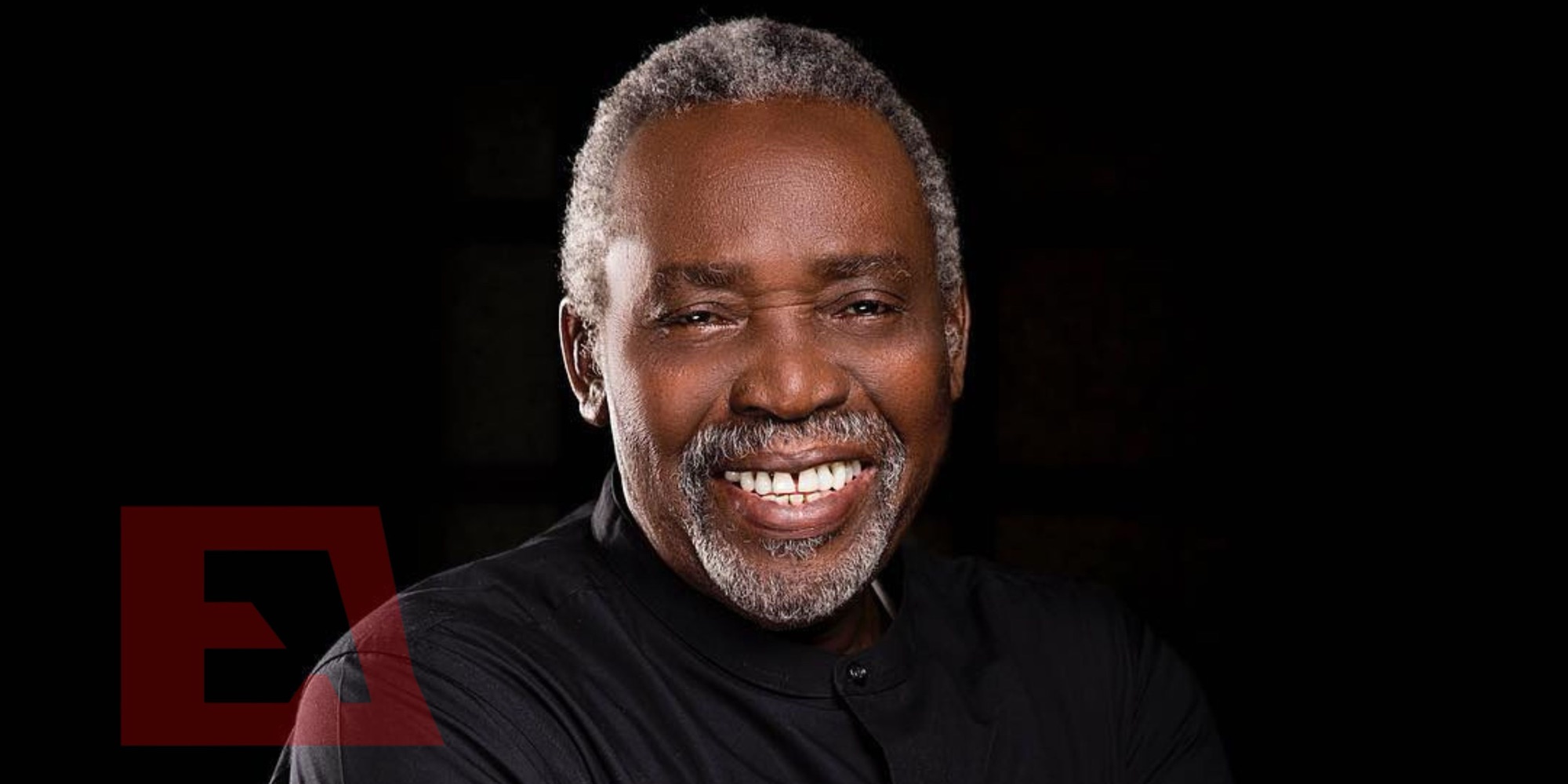
Veteran Nigerian actor and film executive Oludotun Baiyewun Jacobs, popularly known as Olu Jacobs, has died at the age of 84.
The Jacobs family announced his passing on Wednesday, September 16, 2026, describing the celebrated actor as “The Lion of Lufodo.”
In a statement shared by his son and associated with the family, they wrote:
“It is with gratitude to God for a life well lived and fought, that we announce the passing of our dear husband, father, grandfather and uncle. The Lion of Lufodo. Oludotun Baiyewun Jacobs (MFR) 11/07/1942 – 16/09/2026.”
The family also appealed to the media and social media users to respect their privacy during the period of mourning.
Born on July 11, 1942, Olu Jacobs built a career that spanned more than five decades, establishing himself as one of the most respected actors to emerge from Nigeria.
He trained at the Royal Academy of Dramatic Art (RADA) in London, where he began his professional acting career before appearing in several British television productions and international films.
His early credits included appearances in television series such as The Goodies, Till Death Us Do Part, The Professionals, Angels and The Tomorrow People. He also appeared in international films including The Dogs of War (1980), Baby: Secret of the Lost Legend (1985) and Roman Polanski’s Pirates (1986).
After returning to Nigeria, He became one of the defining figures of the country’s emerging film industry.
Over the course of his career, he appeared in more than 100 Nigerian films and became particularly recognised for his commanding portrayals of traditional rulers, fathers, politicians, elders and other authoritative characters.
His distinctive voice and screen presence eventually made him one of the most recognisable faces in Nigerian cinema, with Jacobs frequently mentioned among the foundational figures of Nollywood.
Jacobs’ contributions to African cinema earned him numerous honours throughout his career.
He won the Africa Movie Academy Award for Best Actor in a Leading Role in 2007 and received the Industry Merit Award at the 2013 Africa Magic Viewers’ Choice Awards.
He was also honoured with a Lifetime Achievement Award at the Africa International Film Festival, while the Nigerian government conferred on him the national honour of Member of the Order of the Federal Republic (MFR) in 2011.
In 2026, his 84th birthday was celebrated publicly by his wife, veteran actress Joke Silva, who referred to him as “The Lion of Lufodo.”
Beyond his work on screen, He played an important role in developing Nigeria’s creative industry infrastructure.
Together with Joke Silva, whom he married, he co-founded the Lufodo Group, a company involved in film production and distribution, as well as the Lufodo Academy of Performing Arts.
Through the academy and their wider work in the industry, the couple contributed to the training and development of a new generation of Nigerian performers.
Olu Jacobs gradually stepped away from acting and public appearances in his later years.
His reduced presence on screen followed revelations from Joke Silva that he had been living with Lewy body dementia, a progressive neurological condition. The family had previously faced repeated false reports of his death, including a widely circulated rumour in 2024 that was publicly debunked by his son.
The announcement of his passing on September 16, 2026, therefore marks the end of the life and career of one of the most influential figures in Nigerian acting.
For generations of Nigerian and African audiences, Olu Jacobs was more than a prolific actor. His work connected Nigeria’s theatre tradition with the country’s rapidly expanding film industry and helped establish a standard for screen performance that influenced countless actors who followed.
From British television and international cinema to the growth of Nollywood, he maintained a career that crossed industries and generations.
He leaves behind his wife, Joke Silva, their children and grandchildren, as well as a body of work that remains deeply embedded in the history of Nigerian cinema.
The Jacobs family has asked the public, bloggers and social media influencers to respect their privacy as they mourn.
Nigerian dancer and performer Poco Lee, whose real name is Iweh Pascal Odinaka, is set to return to court in the United Kingdom in February 2027 as proceedings continue over allegations of sexual offences.
The development follows a Plea and Trial Preparation Hearing held at Snaresbrook Crown Court today, Tuesday, September 15, 2026.
Poco Lee is facing five charges in connection with alleged incidents in east London on July 23, 2026. The charges include two counts of rape, one count of attempted rape and two counts of assault by penetration.
According to reports from the proceedings, the prosecution requested additional time to gather further evidence in the case. The court subsequently scheduled Poco Lee’s plea hearing for February 8, 2027, while the trial is expected to begin on March 8, 2027.
The latest hearing was part of the preliminary legal process and was not the trial itself.
Poco Lee was previously granted bail on September 11, 2026. Reports have also stated that he remains subject to bail conditions while the case proceeds.
The allegations against the entertainer remain before the court, and he is presumed innocent unless and until proven guilty.
Community leader Benjamin Kuti has also called for restraint and respect for the judicial process as the case continues, urging the public not to prejudge the outcome.
The case has attracted attention among fans and followers of the Nigerian entertainer, with some sharing messages of support online.
For now, the next major development will be Poco Lee’s February 8, 2027 plea hearing, ahead of the scheduled trial in March.
Nigerian dancer and entertainer Iweh Pascal Odinaka, popularly known as Poco Lee, has been formally charged in the United Kingdom with five alleged sexual offences, including attempted rape, two counts of rape and two counts of assault by penetration.
The charges were confirmed by Snaresbrook Crown Court in London, following inquiries by Nigerian media outlets. The court’s Admin Team Leader, James Baker, confirmed that the case is officially listed for plea and trial preparation on September 15, 2026.
According to the court’s confirmation, Poco Lee faces: One count of attempted rape, two counts of rape and two counts of assault by penetration.
The court has also imposed a reporting restriction designed to protect the anonymity of the complainant under Section 1 of the Sexual Offences (Amendment) Act 1992.
The September 15 hearing is listed as a plea and trial preparation hearing, rather than the full trial itself. At the hearing, proceedings are expected to move forward with the necessary preparations for the case.
Reports concerning Poco Lee’s detention in the UK began circulating online in August, initially with limited publicly confirmed information about the nature of the case.
The Snaresbrook Crown Court subsequently confirmed that a case involving the entertainer was before the court and that he was scheduled to appear on September 15. Earlier reports had described the matter only as an alleged assault case.
The latest confirmation from the court provides the specific offences for which he has been charged.
Poco Lee’s management has also urged the public and media to exercise caution over unverified details surrounding the case.
In particular, his team rejected claims that drink-spiking formed part of the charges, stating that such claims were not included among the allegations before the court. The management asked people to refrain from adding details that are not contained in the actual case.
Poco Lee’s next scheduled appearance is September 15, 2026, at Snaresbrook Crown Court, where the case will proceed through plea and trial preparation.
Streamdorm will continue to follow the case and provide verified updates as they become available.
The nominations for the 18th Headies Awards have officially been unveiled, setting the stage for another major celebration of Nigerian and African music.
The 2026 edition brings together some of the biggest names in Afrobeats alongside a new generation of artists making significant waves across the continent. Davido, Wizkid and Burna Boy headline the major categories, while artists including FOLA, Ayra Starr, Mavo, Omah Lay, Tems, Asake, Rema and Tiwa Savage also feature prominently.
The 18th Headies is taking the awards to Toronto, Canada, under the theme “Africa to the World”, reflecting the continued global expansion of African music. The ceremony is scheduled for October 23, 2026, with several Headies Week events planned around the main ceremony.
Three of Afrobeats’ biggest stars remain at the centre of the Headies conversation.
Davido earns nominations across several major categories, including Afrobeats Album of the Year for 5ive, Best Male Artiste, Song of the Year, Afrobeats Single of the Year, Best Recording of the Year, Best Headies Collaboration and Headies Viewers’ Choice.
His collaboration with Omah Lay, “With You,” is particularly dominant, earning nominations for Song of the Year, Afrobeats Single of the Year, Best Recording, Best Headies Collaboration and Viewers’ Choice.
Wizkid is also strongly represented. Morayo competes for Afrobeats Album of the Year, while the singer is nominated for Best Male Artiste, Digital Artiste of the Year and Viewers’ Choice. His collaborations with Asake, “MMS” and “Jogodo,” also feature in major categories.
For Burna Boy, No Sign of Weakness earns an Afrobeats Album of the Year nomination, while “Bundle By Bundle” competes for Afrobeats Single of the Year and its music video is nominated for Music Video of the Year. He is also in contention for Best Male Artiste.
One of the biggest stories from this year’s nominations is the presence of FOLA across multiple major categories.
The singer’s catharsis is nominated for Best R&B Album, while “you” earns nominations for Afrobeats Single of the Year and Best Recording of the Year.
FOLA is also nominated for Digital Artiste of the Year, Best Male Artiste, Best Headies Collaboration for “Lost” with Kizz Daniel, Writer of the Year and Next Rated.
His strong showing makes him one of the most prominent emerging acts at the 18th Headies.
Next Rated Race Features Fido, FOLA, Llona, Mavo and Shoday
The highly anticipated Next Rated category features five of the year’s most talked-about rising acts:
The category is one of the most closely watched every year because it often signals the next major stars of Nigerian music. The winner of the 18th edition’s Next Rated award is also set to receive a brand-new car courtesy of Cream Platform.
Album of the Year Race
The Album of the Year category features a strong mixture of established stars and critically recognised projects:
FOLA — catharsis
Omah Lay — Clarity of Mind
Erigga — G.O.A.T
Wizkid — Morayo
ODUMODUBLVCK — The Machine Is Coming
Tiwa Savage — This One Is Personal
Burna Boy — No Sign of Weakness
It is one of the night’s most competitive categories, bringing together projects that have generated substantial conversation across Afrobeats, rap, R&B and alternative music.
Afrobeats Album of the Year
The genre’s biggest album category features:
Davido — 5ive
BNXN — Captain
Omah Lay — Clarity of Mind
Adekunle Gold — Fuji
Wizkid — Morayo
Burna Boy — No Sign of Weakness
With Davido, Wizkid, Burna Boy and Omah Lay all represented, this category could become one of the night’s biggest talking points.
Song of the Year
The nominees for Song of the Year are:
Kunmie — “Arike”
Poco Lee, Shoday & Rahman Jago — “Hey Jago”
Ayra Starr — “Hot Body”
Fido — “Joy Is Coming”
Asake & Wizkid — “MMS”
Davido & Omah Lay — “With You”
The category captures some of the year’s biggest records, from Ayra Starr’s “Hot Body” to the massive “With You” and the Asake-Wizkid collaboration “MMS.”
Ayra Starr, Tems and Tiwa Savage Lead the Female Category
The Best Female Artiste category features:
Ayra Starr
Qing Madi
Sewa
Tems
Teni
Tiwa Savage
Ayra Starr also earns nominations for Song of the Year, Digital Artiste of the Year, Best Performer (Live) and Viewers’ Choice, among others.
Tems is nominated for Best R&B Album with Love Is a Kingdom, while Tiwa Savage’s This One Is Personal also competes in the same category.
Best Male Artiste
The male category brings together:
Adekunle Gold
Asake
FOLA
Mavo
Rema
Wizkid
Burna Boy
It is another category where established superstars face some of the fastest-rising names in the Nigerian music scene.
Digital Artiste of the Year
The Digital Artiste of the Year category features:
Asake
Ayra Starr
BNXN
Chella
FOLA
Mavo
Seyi Vibez
Wizkid
The award is particularly significant in an era where streaming, social media, viral records and digital fan engagement increasingly shape an artist’s reach. The Headies identifies Digital Artiste, Next Rated and Viewers’ Choice among its public-voting categories.
Producer of the Year
The battle behind the music will see five major producers compete for Producer of the Year:
Magicsticks
P.Priime
Ragee
SARZ
Tempoe
Their nominated works include some of the year’s biggest records, with Magicsticks linked to Asake and Wizkid’s “Jogodo,” P.Priime to “MMS” and Rema’s “Baby (Is It a Crime),” Ragee and SARZ to Ayra Starr’s “Hot Body,” and Tempoe to Davido and Omah Lay’s “With You.”
Best Collaboration
The nominees for Best Headies Collaboration include:
CKay ft Mavo — “Body (Danz)”
Mavo ft WAVE$TAR — “Escaladizzy”
Poco Lee, Shoday & Rahman Jago — “Hey Jago”
FOLA ft Kizz Daniel — “Lost”
ODUMODUBLVCK ft Victony — “Pity This Boy”
Davido ft Omah Lay — “With You”
Mr Eazi & King Promise — “See What We’ve Done”
Chief Priest ft Spyki — “Finally”
Best Vocal Performance
The male nominees are Adekunle Gold, Flavour, Magixx, Odeal, Syemca and Tay Iwar, while the female category features LayeFa, Amaeya, Sewa, Qing Madi, Liya and Tiwa Savage.
THE 18TH HEADIES AWARDS — BEST PERFORMER NOMINEES
Adekunle Gold — Live at the National Theatre Lagos with MUSON Orchestra Asake — Red Bull Symphonic Ayra Starr — Global Citizen Festival NYC 2025 Johnny Drille — Johnny’s Room Live 6 Ruger — Live @ Indigo at the O2, London (2025) pic.twitter.com/U77XSA7AkS
The 18th Headies also continues to spotlight Nigeria’s diverse sounds.
Best Rap Album features Tuff King, AQ, Erigga, Jeriq, Blaqbonez and ODUMODUBLVCK.
Best Street-Hop Artiste includes Famous Pluto, Kashcoming, Poco Lee, Seyi Vibez, Shallipopi, Tuff King and Rybeena.
Meanwhile, Best Alternative Album features SDC’s Afrika Magik, Sewa’s Detox, BOJ’s Duplicity, Wizard Chan’s Healers Chapel, Scottyolorin’s Olorin Pack and Zaylevelten’s Then 1t Got Crazy.
International and African Categories Expand the Field
The 18th Headies continues its international outlook with nominees from across Africa and the diaspora.
International Artiste of the Year features Ciara, Dave, Gunna, Jazmine Sullivan, Shenseea and Tiakola.
The Best West African Artiste category includes Black Sherif, Himra, KiDi, King Promise, Moliy, Wally B. Seck and Stonebwoy.
Other regional categories recognise artists from East Africa, North Africa and Central Africa, while the new African Diaspora-Canadian Artiste category features Debby Friday, Tôme, Bolu Ajibade, Nonso Amadi, Rooky Kamiz and Tobi.
More Major Categories
Other categories announced include:
Best Performer (Live): Adekunle Gold, Asake, Ayra Starr, Johnny Drille and Ruger.
Best Recording of the Year: Kunmie — “Arike”; Amaeya — “How Do You?”; Rema — “Baby (Is It a Crime)”; Omah Lay & Elmah — “Coping Mechanism”; Davido & Omah Lay — “With You”; FOLA — “you.”
Music Video of the Year: Director Pink’s “10 Kilo” by Davido, Dammy Twitch’s “With You,” TG Omori’s “Afroculture,” Jyde Ajala’s “Kai,” DK’s “Bundle By Bundle” and Meji Alabi’s “Who’s Dat Girl.”
Lyricist on the Roll: Blaqbonez, Dremo, Modenine, PDSTRN and YCEE.
Songwriter of the Year: Adekunle Gold, Victony, Wizard Chan, FOLA, Kunmie and Amaeya.
Best Original Song for Visual Media: “All My Love,” “Behind the Scenes,” “Save Me” and “Only in Lagos.”
The 18th Headies will be preceded by a series of events throughout Headies Week, including a talent showcase, Headies Rewind, the DJ Obi Welcome & Nominees’ Party, the Global Trade & Investment Summit, nominees’ interviews and the red carpet. The main awards ceremony is scheduled for October 23 at 9:00 p.m. in Toronto.
With established superstars competing alongside a new generation of Nigerian and African talent, the 18th Headies has produced one of the most diverse nomination slates in recent editions.
The biggest questions now are simple: Who will dominate the night? Can the established stars hold off the new generation? And which emerging artiste will leave Toronto as Nigeria’s next big star?
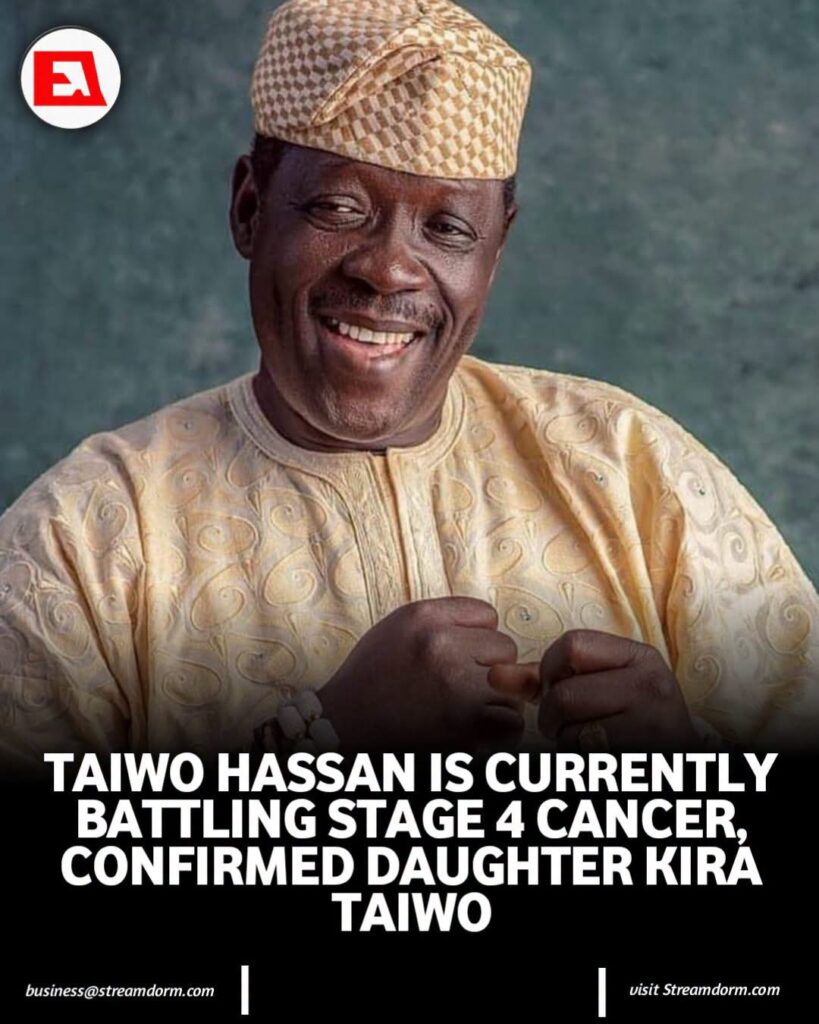
Veteran Nollywood actor, filmmaker and Yoruba cinema icon Taiwo Hassan, popularly known as Ogogo, has died at the age of 66 after battling stage-four cancer.
The actor reportedly died on Sunday, August 23, 2026, while receiving treatment for the illness. A colleague confirmed the development to National Insight, expressing shock over the actor’s death.
His death comes just days after his daughters, Lima and Kira Taiwo, publicly revealed that their father was battling stage-four cancer and appealed for urgent medical assistance.
The family had initially believed that the actor was dealing with an ulcer before his condition was eventually diagnosed as stage-four cancer. His daughters said his condition had deteriorated significantly and that the hospital treating him could no longer continue with chemotherapy.
They repeatedly stressed that they were not seeking financial donations, but were looking for medical specialists, hospitals and treatment options that could help save their father.
The revelation prompted an outpouring of support from across the Nigerian entertainment industry. Veteran actors including Jide Kosoko, Yinka Quadri, Antar Laniyan, Bukky Wright, Wale Elesho, Yomi Fash-Lanso, Fausat Balogun and Mr Latin gathered in Lagos for a special prayer session for Ogogo’s recovery.
His daughter Kira also spoke emotionally about the family’s ordeal, revealing that some individuals had allegedly attempted to profit from her father’s illness by demanding large sums of money while claiming to have solutions to his condition.
The actor’s reported death comes only five days after his family dismissed an earlier viral report claiming that he had died. On August 18, Lima Taiwo described that report as fake and urged the public to disregard it.
Born on October 31, 1959, in Ilaro, Ogun State, Taiwo Hassan built a career spanning more than four decades and became one of the most recognisable faces of Yoruba Nollywood.
He began acting professionally in 1981 while still working outside the entertainment industry before eventually leaving his day job in 1994 to pursue acting full-time.
Over the years, Ogogo became particularly known for his commanding portrayals of warriors, chiefs, traditional rulers, fathers and other authoritative characters.
He appeared in numerous Yoruba and English-language productions, including Owo Blow, Omin, Elewon, Omo Ghetto, Aye O, Tenant of the House, Amerah, Bank Alert and Aníkúlápó.
His performance as Alaafin Ademuyiwa in Aníkúlápó earned him an AMVCA Best Supporting Actor nomination in 2023.
Beyond acting, Hassan also worked as a producer, director and screenwriter and was regarded as one of the important figures who helped shape the modern Yoruba film industry.
Nigerian Afrobeats singer and Mavin Records artist Magixx has announced the passing of his mother, Esther, in an emotional tribute shared on X on Sunday, August 23, 2026.
The singer, born Alexander Adelabu, opened up about the depth of his grief, describing the loss as a pain unlike anything he has experienced before.
“I have never felt pain like this, Never been this lost. still processing that this is real, can’t believe this will happen to you Mom.”
Magixx revealed that he had watched his mother battle illness for several years, particularly over the last six years, while continuing to show remarkable strength and positivity.
“I watched you fight so hard for your family, friend and strangers, especially these last 6 years, with a smile on your face, full of life, even in sickness! the strength of your heart!” he wrote.
The singer went on to celebrate his mother’s personality, describing her as a free spirit who was witty, kind and fiercely protective of the people around her.
He recalled telling his friends, “if my mom got an issue with you, you’re the problem,” adding that she somehow proved him right every time.
Addressing her directly, Magixx described Esther as his “reason, my why, my guardian, my twin, my everything.” He said he would choose her “again and again in every life time, every cycle,” while expressing regret that he could not tell her one more time, face to face, how much he loved her.
The tribute ended with a deeply emotional message of hope and remembrance:
“This isn’t goodbye, it is goodnight.. as we will surely meet again in the morning my queen, I love you to infinity and a billion lifetimes, Thank you Esther… 💔🕊️”
Magixx has previously spoken about the impact of his mother’s health struggles on his life and music. In interviews in 2024, he revealed that his song “Okay” was largely inspired by the pain and emotions surrounding her illness.
Following the announcement, fans, fellow musicians and members of the Nigerian music community have flooded social media with messages of condolences and support for the singer and his family.
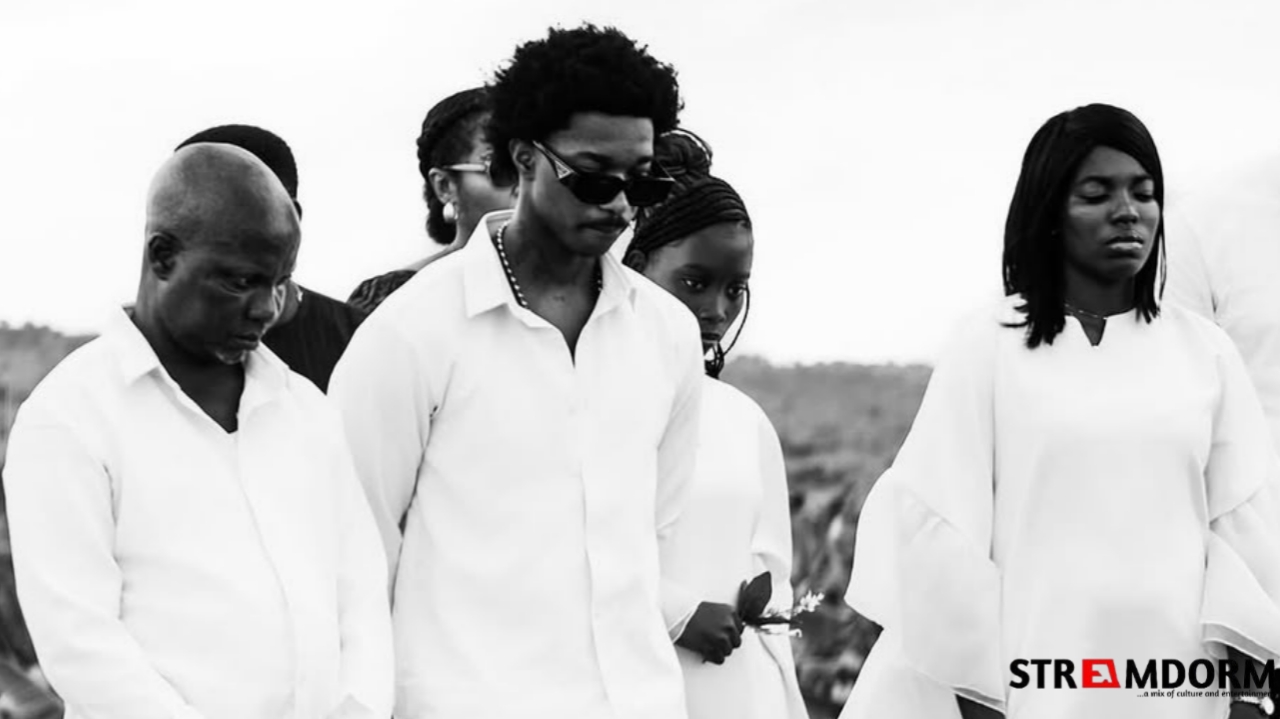
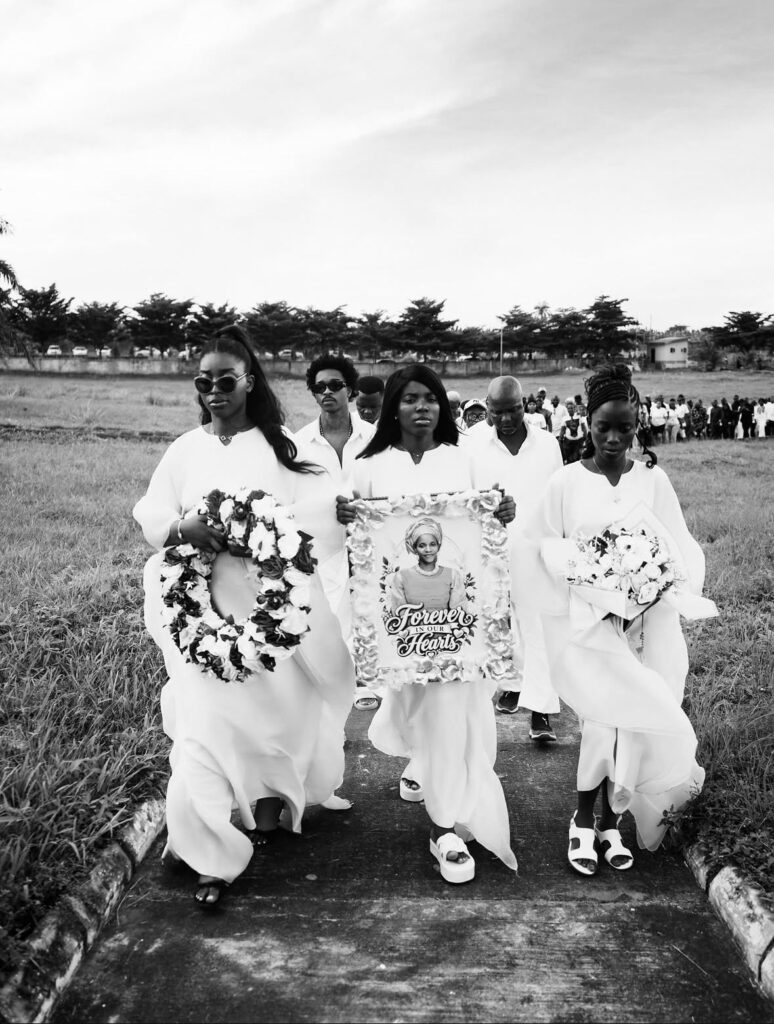
Entertainment platform Streamdorm also shared messages of sympathy alongside images believed to be connected to funeral or burial proceedings, showing family members dressed in white and carrying a framed portrait bearing the words, “Forever in Our Hearts.”
However, no official details regarding the precise cause of her death have been publicly disclosed at the time of writing. Magixx’s tribute instead focused on her strength, character and the profound impact she had on his life.
As the singer navigates the loss of the woman he described as his everything, fans and colleagues continue to stand with him and his family during this difficult period.
Streamdorm extends its deepest condolences to Magixx and his family. May Esther’s soul rest in perfect peace.
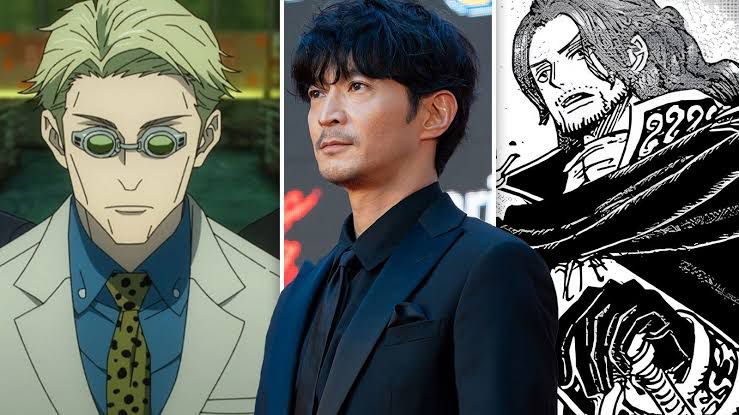
Kenjiro Tsuda, the acclaimed Japanese voice actor behind iconic anime characters like Seto Kaiba in Yu-Gi-Oh! and Kento Nanami in Jujutsu Kaisen, has reportedly taken legal action against TikTok over the alleged unauthorized use of an AI-generated replica of his voice.
According to reports emerging from Japan, Tsuda filed a lawsuit at the Tokyo District Court accusing the platform of allowing monetized content creators to distribute videos narrated with an AI voice that closely imitates his signature tone and delivery.
The lawsuit claims that one TikTok account uploaded nearly 200 videos using the AI-generated narration. Tsuda’s legal team alleges that the account profited from the content, reportedly earning hundreds of thousands of yen monthly through monetization.
Lawyers representing the veteran actor argue that the AI voice imitation violates his publicity rights and unfairly exploits the years of work and recognition attached to his vocal identity. They also warned that unchecked AI replication could create long-term risks for voice actors and performers whose likenesses can now be digitally reproduced without consent.
TikTok’s Japanese operator has reportedly denied the claims, arguing that the narration in question was merely a “generic male voice” and not a direct reproduction of Tsuda’s performance or identity.
The lawsuit is already being viewed as a potentially landmark case in Japan’s growing conversation around artificial intelligence and intellectual property. As generative AI tools become more accessible, entertainment industries worldwide are increasingly grappling with questions surrounding consent, compensation, and ownership of digital likenesses.
Kenjiro Tsuda remains one of Japan’s most recognizable voice talents, widely celebrated for his performances in major anime franchises including Yu-Gi-Oh!, Jujutsu Kaisen, Tokyo Revengers, Chainsaw Man, and Attack on Titan. His deep, commanding voice has become a defining part of many fan-favorite characters over the years.
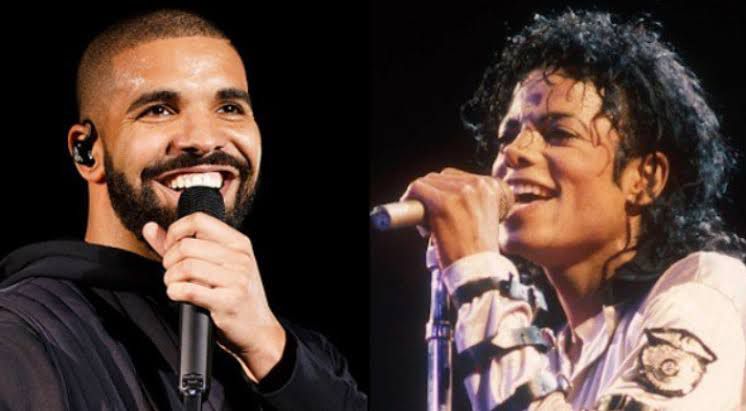
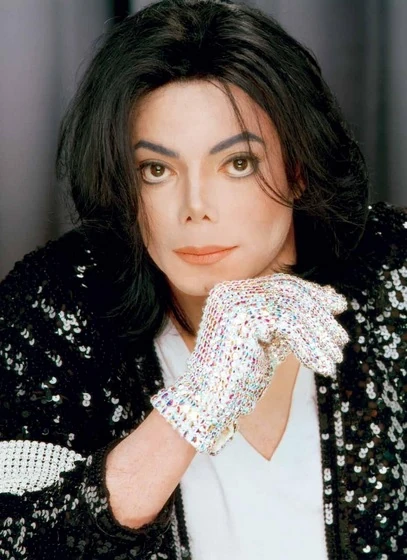
Drake has officially made Billboard history after his latest single, “Janice STFU,” debuted at No. 1 on the Billboard Hot 100, pushing him past Michael Jackson for the most chart-topping songs by a solo male artist.
The milestone gives Drake his 14th No. 1 hit on the Hot 100, surpassing Michael Jackson’s legendary total of 13 chart-toppers, a record that stood for decades and symbolized Jackson’s dominance during the peak of his global music reign.
Michael Jackson’s No. 1 records came across several iconic eras of pop music, with classics such as “Billie Jean,” “Beat It,” “Black or White,” “The Way You Make Me Feel,” and “Rock With You” helping define generations. Widely regarded as the “King of Pop,” Jackson transformed global entertainment with groundbreaking music videos, unmatched stage performances, and record-breaking album sales.
For years, his Billboard achievements remained among the most untouchable records in music history. However, Drake’s consistency in the streaming era has steadily seen him climb the all-time charts, breaking numerous records previously held by music legends.
“Janice STFU” continuing that streak further reflects Drake’s remarkable longevity and commercial power. The song exploded across streaming platforms immediately after release, dominating playlists, social media conversations, and digital sales charts worldwide.
With the new record now in his possession, Drake adds yet another historic achievement to a career already filled with Billboard milestones, multi-platinum albums, and sold-out global tours.
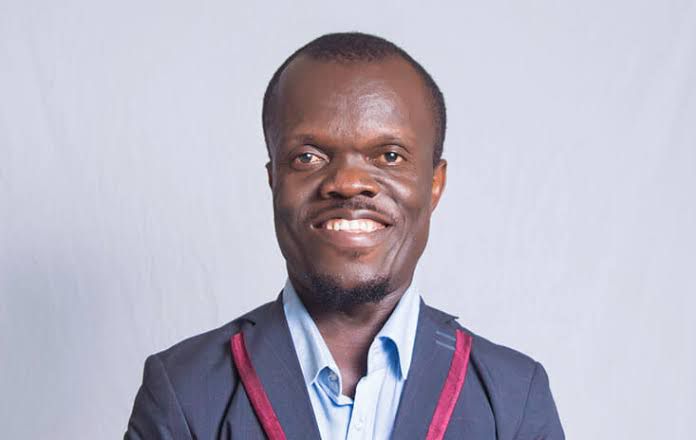
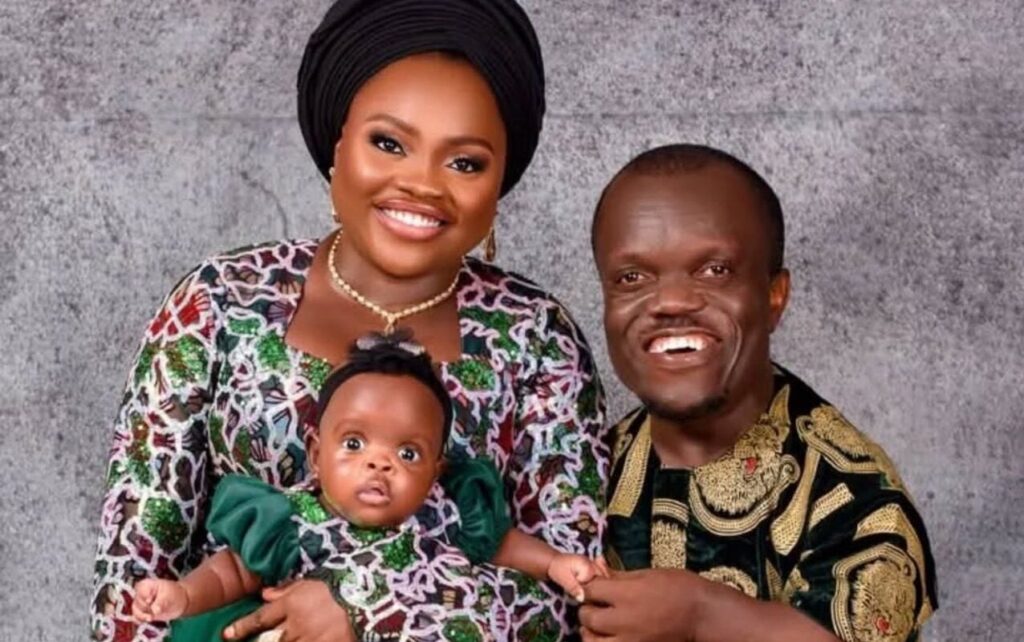
Popular Nigerian actor and content creator Victor Udochukwu Nwaogu, popularly known as Nkubi, has responded to growing criticism surrounding his decision to have a child despite living with dwarfism.
The comedian recently addressed the issue during an interview clip that has gone viral across social media platforms. In the video, Nkubi firmly rejected claims that people with dwarfism should avoid parenthood, stressing that the condition has existed throughout human history.
“People should stop blaming me for having a child. Dwarfism is as old as man,” he said during the conversation, while passionately reacting to public scrutiny and online debates.
Nkubi, who has long spoken openly about his experiences as a little person in Nigeria, revealed that discrimination played a major role in shaping his career path. According to the actor, he often faced rejection from conventional jobs because of his height before eventually finding success in entertainment and digital content creation.
His marriage and journey into fatherhood have continued to spark mixed reactions online. While many people have praised the couple for embracing family life confidently, others questioned their decision to conceive because of the possibility of passing down dwarfism genetically.
Despite the criticism, Nkubi and his wife, Vivian, have maintained that they were fully prepared for any outcome. The couple welcomed their first child, a daughter, who does not have dwarfism.
Vivian previously recounted a difficult experience during pregnancy after undergoing an anomaly scan. She claimed a doctor asked whether there was a history of dwarfism in the family before allegedly suggesting alternative options such as conceiving with another man or using a sperm donor to reduce the chances of having a child with dwarfism. The couple said they immediately dismissed the suggestion.
Beyond the controversy, Nkubi has consistently used his platform to advocate for empathy, inclusion, and equal opportunities for people living with dwarfism. Through interviews, comedy, and public appearances, the actor continues to challenge stereotypes and encourage conversations around acceptance and respect.
“Twitter people should stop blaming me for having a child” Nkubi warns banger boys pic.twitter.com/LvtP8ERZQa
The Ghanaian entertainment industry has been thrown into mourning following the heartbreaking death of actress and television personality Beverly Afaglo Baah, who reportedly passed away on Saturday night, May 23/24, 2026, after a two-year battle with cancer.
The beloved screen star died just four days before her 43rd birthday. Born on May 28, 1983, Beverly was widely known for her contributions to Ghana’s movie industry, television space, and entrepreneurial scene.
Her husband, musician Choirmaster, formerly of the defunct music group Praye, confirmed the tragic news in an emotional Instagram tribute that has since stirred reactions across social media.
“My heart is shattered beyond words over the death of my beloved wife Beverly Afaglo!!! It would have been just like 4 more days to your birthday but I guess the Lord wanted to Celebrate with you so he Called you,” he wrote.
He continued by describing the late actress as his strength, happiness, and the reason his life felt complete, adding that every moment spent with her would forever remain cherished.
According to reports shared by her manager, Abu Iddris, Beverly had been battling genetic breast cancer for the past two years. The illness, said to be hereditary, had previously claimed the lives of both her father and sister before eventually spreading and worsening her condition.
She reportedly passed away around 11:45 PM at the Tema International Maritime Hospital.
Before rising to fame in the movie industry, Beverly Afaglo trained as a beauty therapist and later studied at the Ghana Institute of Journalism. Over the years, she built a successful career in acting and television, starring in films such as Sidechic Gang and A Northern Affair among others.
Beyond entertainment, she also ventured into business, managing several entrepreneurial projects including shawarma outlets.
In a statement mourning her passing, the Creative Arts Agency described her death as “a great loss not only to her family but also to the entire nation and the creative arts industry she served diligently.”
Tributes have continued pouring in from fans, colleagues, and celebrities across Ghana and beyond, with many expressing shock at her passing so close to her birthday. Reports also indicate that stars including Jackie Appiah and James Gardiner gathered with family members to mourn the actress.
A one-week observance for the late actress is scheduled to hold on May 30, 2026, at the Green Flavour Events Centre in Tema.
Beverly Afaglo Baah is survived by her husband Choirmaster and their children.