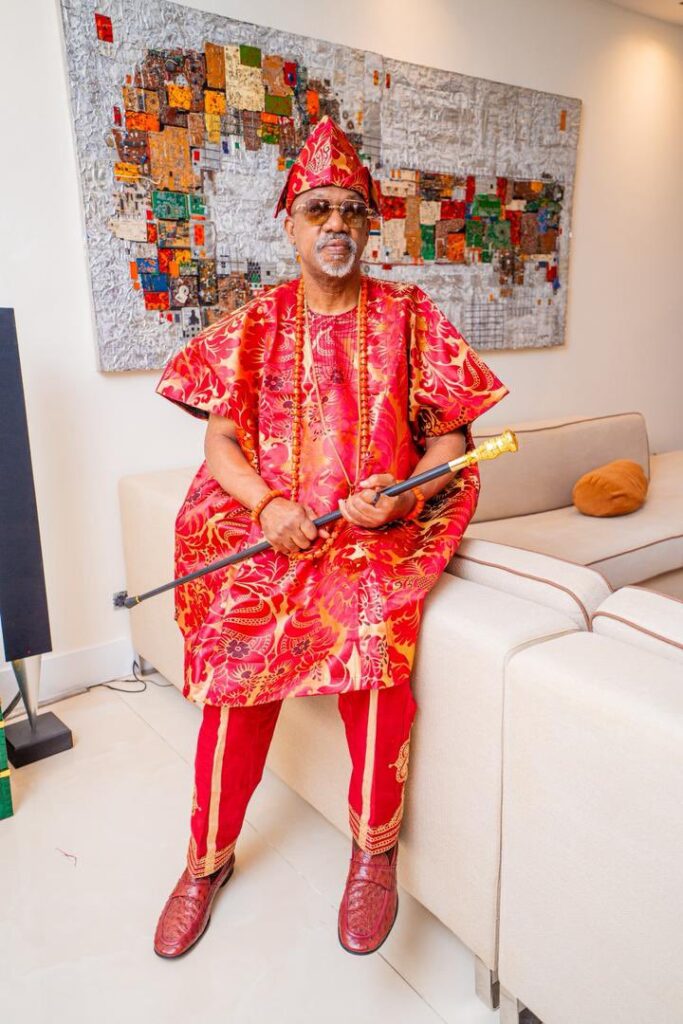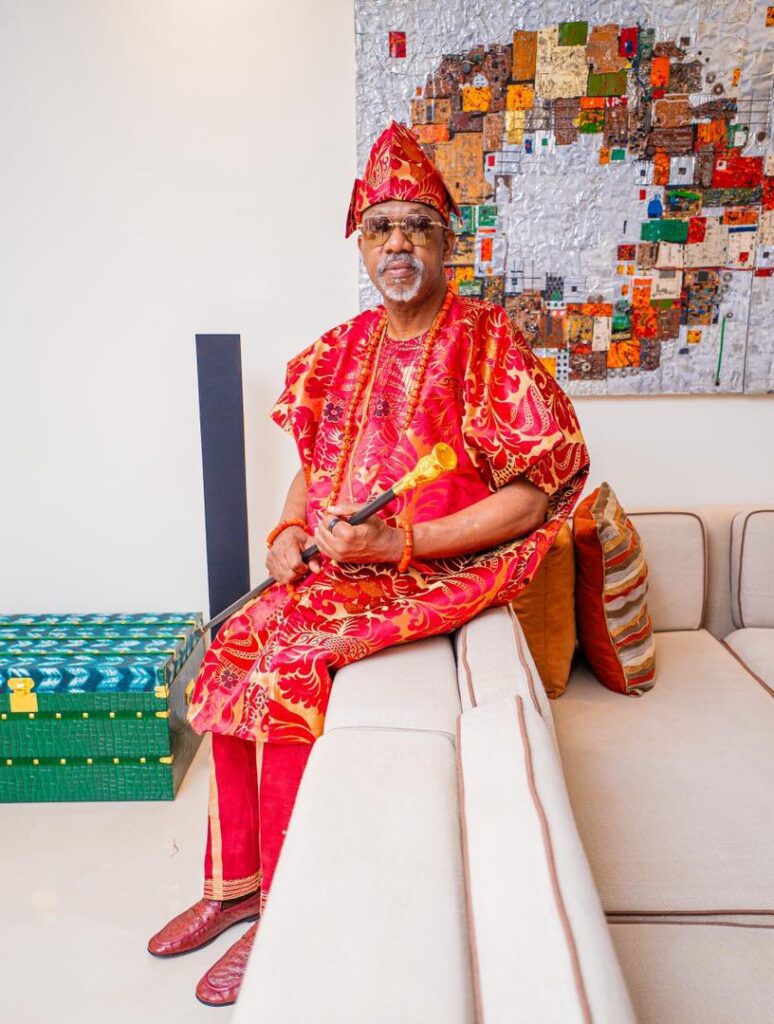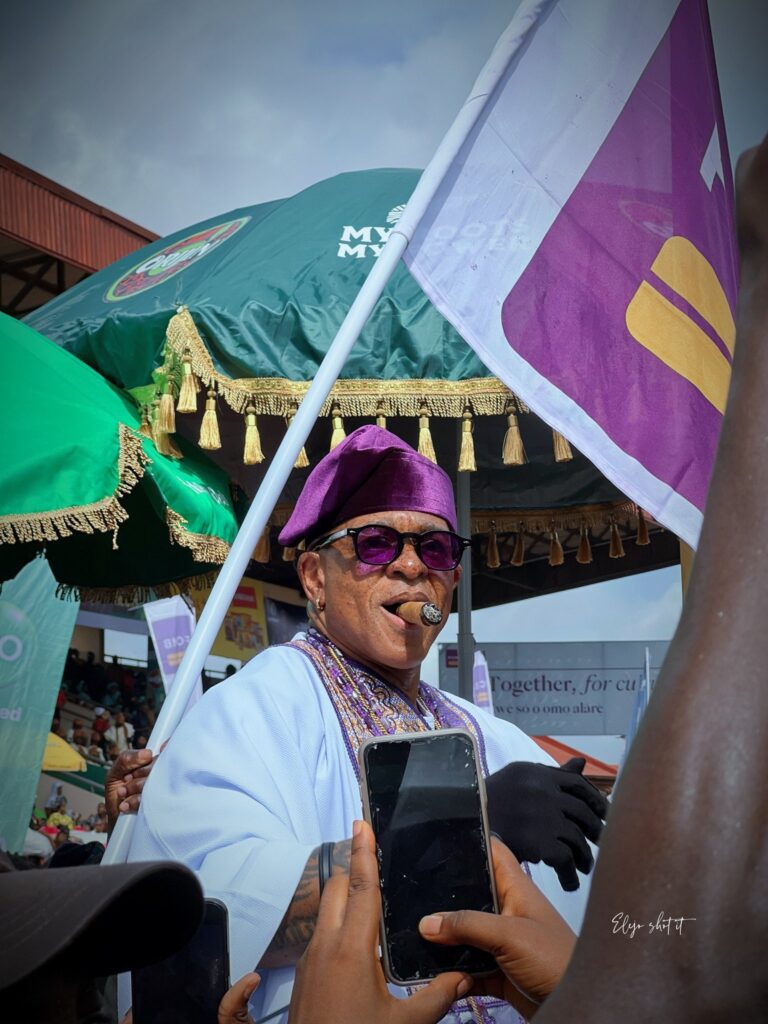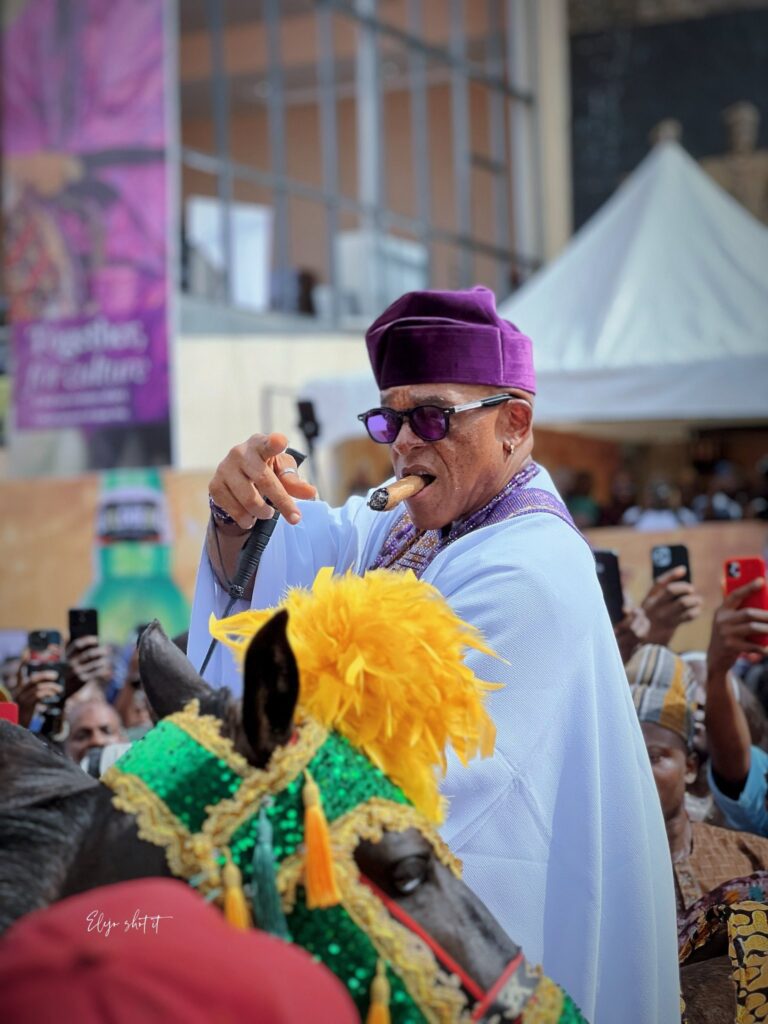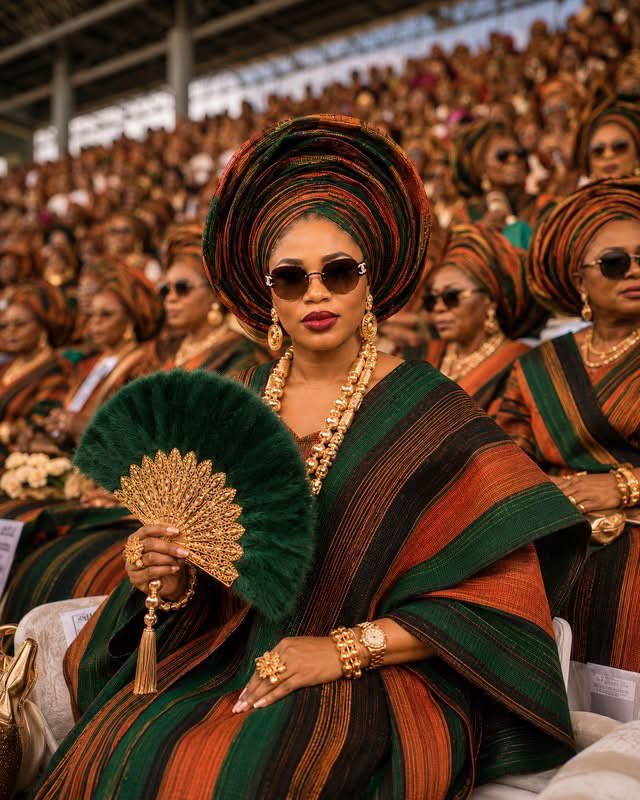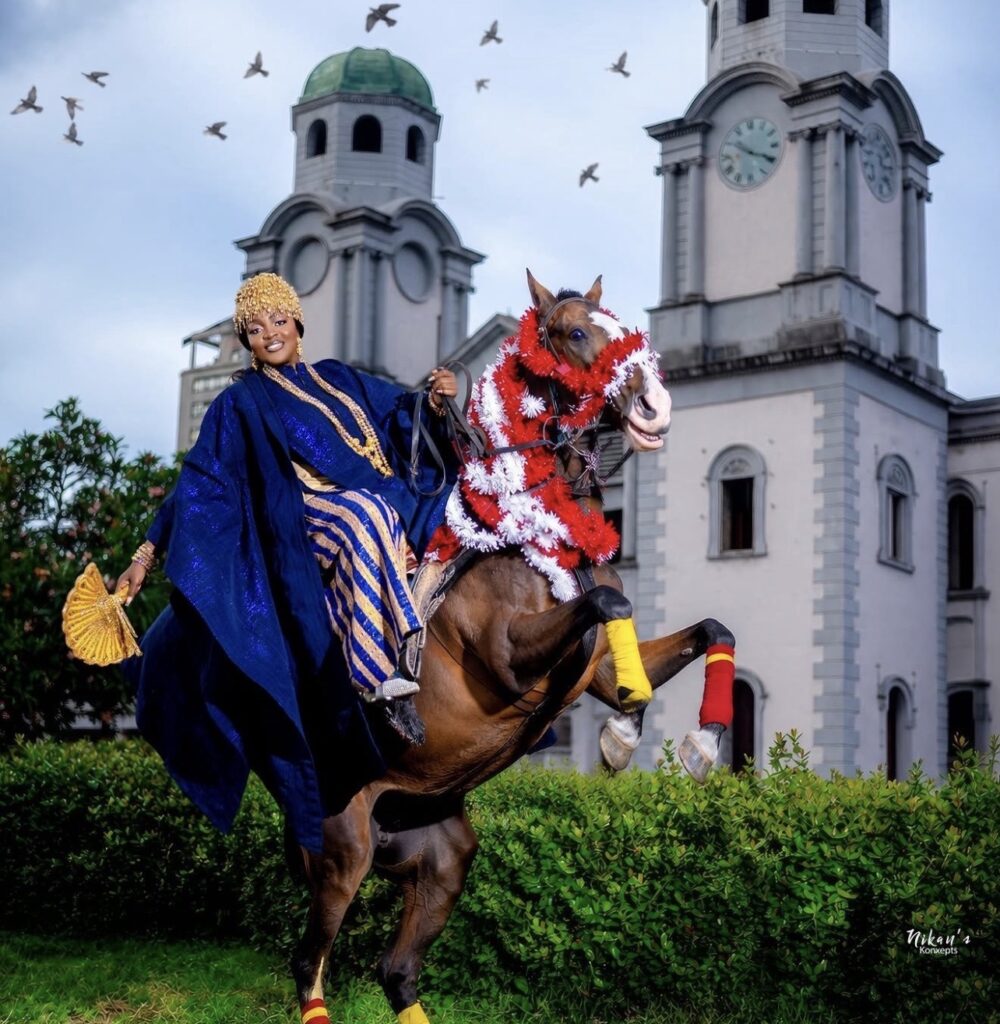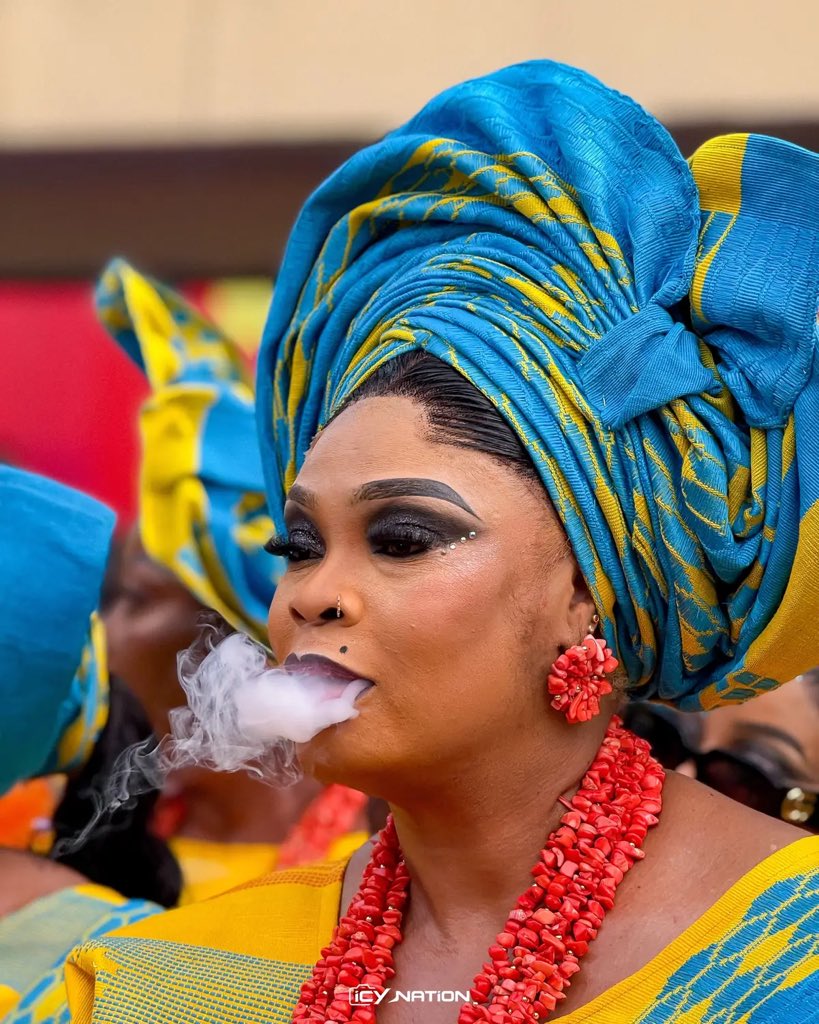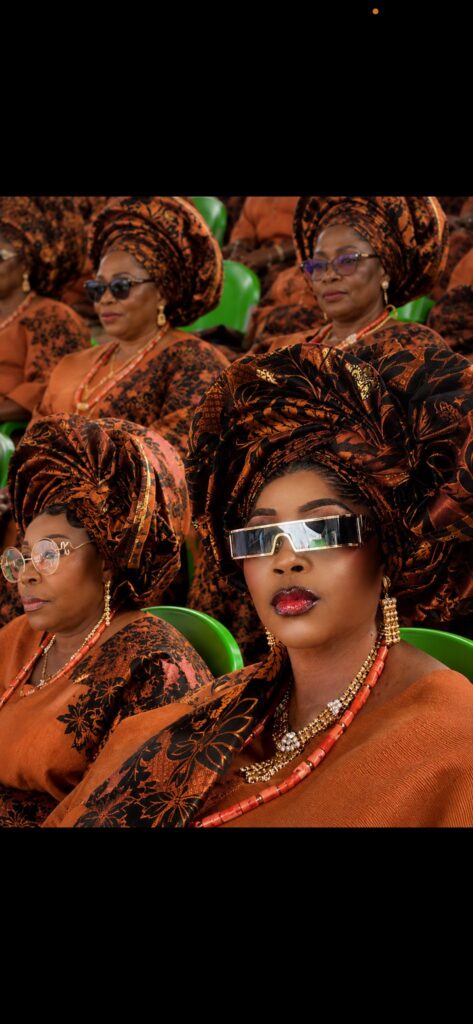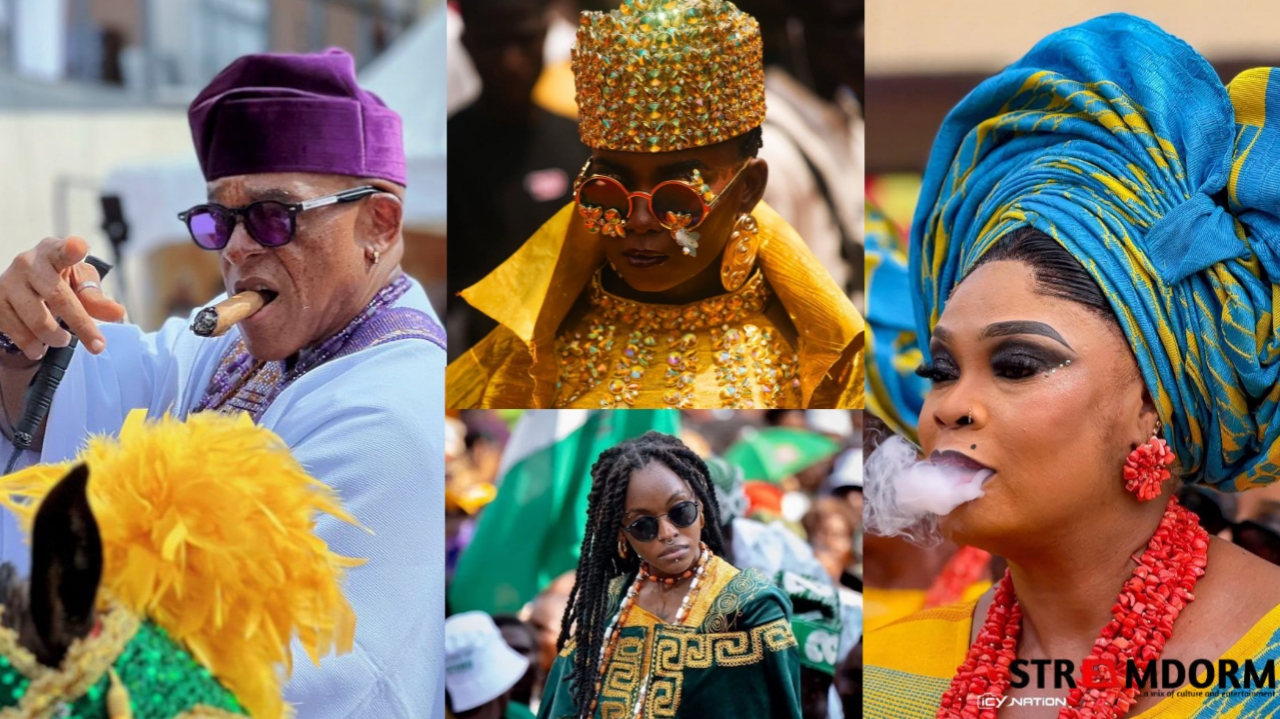
Argungu International Fishing and Cultural Festival 2026: Kebbi State’s Celebration of Culture, Music, and Adventure

Kebbi State is set to welcome visitors from across Nigeria and the world as preparations intensify for the 2026 Argungu International Fishing and Cultural Festival. Slated to take place from February 11 to 14, 2026, this iconic festival promises to be a celebration of tradition, culture, and community, offering a vibrant showcase of Nigeria’s heritage to global audiences.

A Historic Celebration of Culture and Fishing

The Argungu Festival, held annually in the historic town of Argungu, is one of Nigeria’s most famous cultural events. Recognized by UNESCO on the Representative List of the Intangible Cultural Heritage of Humanity, the festival has grown from a local fishing competition into an international tourism and cultural event.

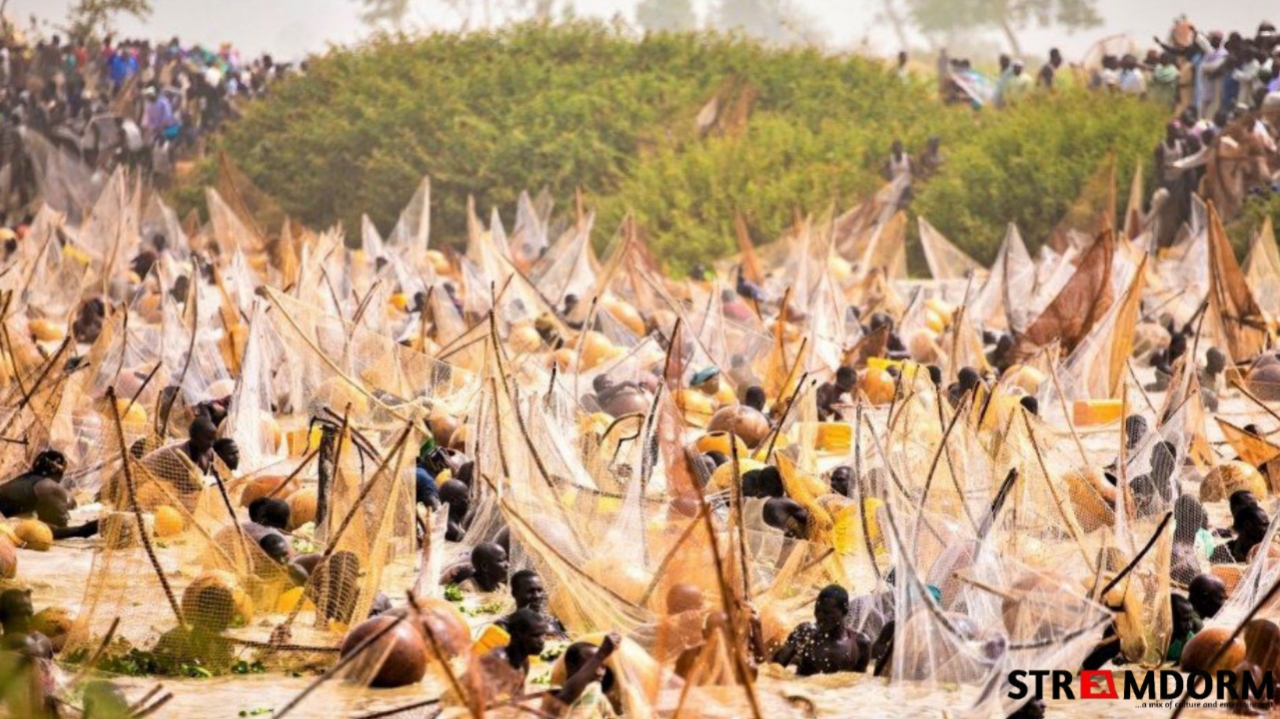
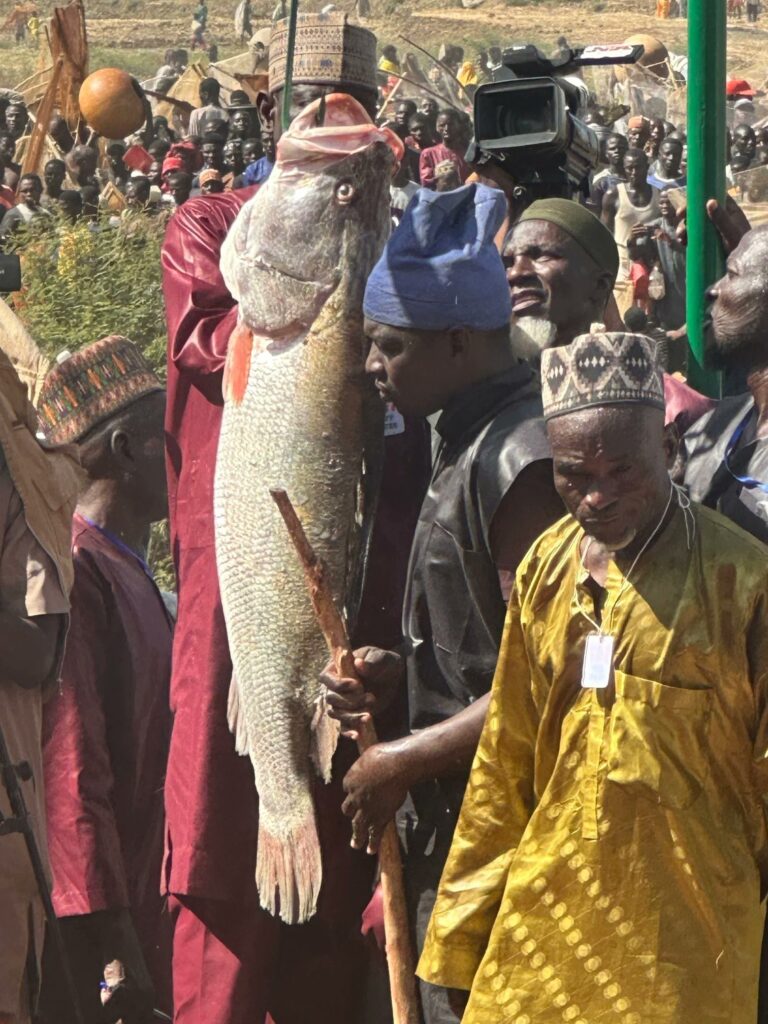
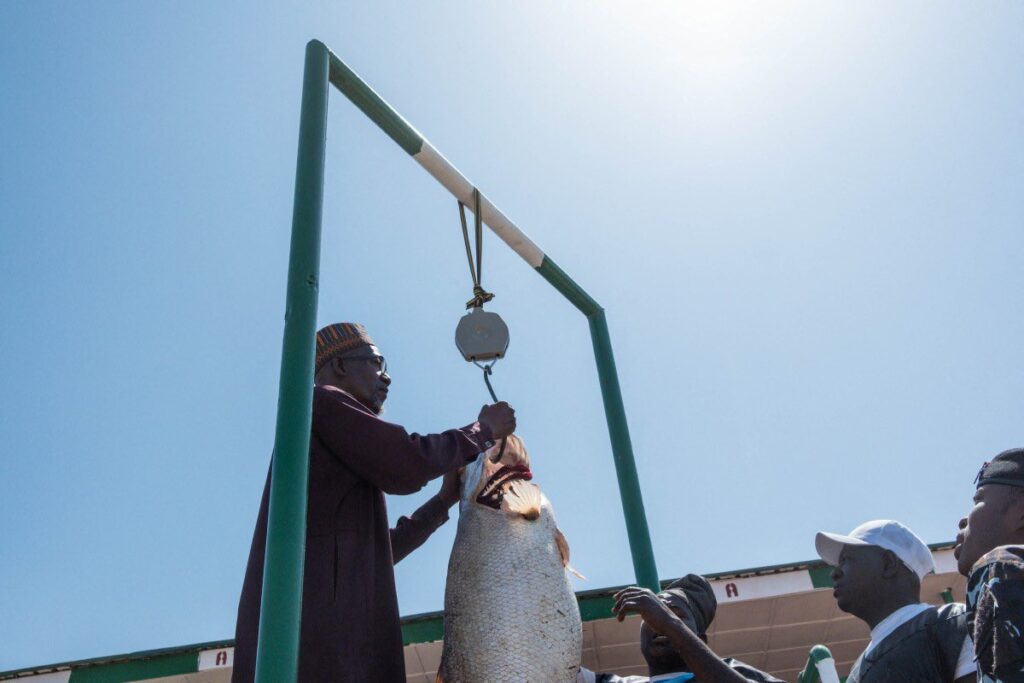
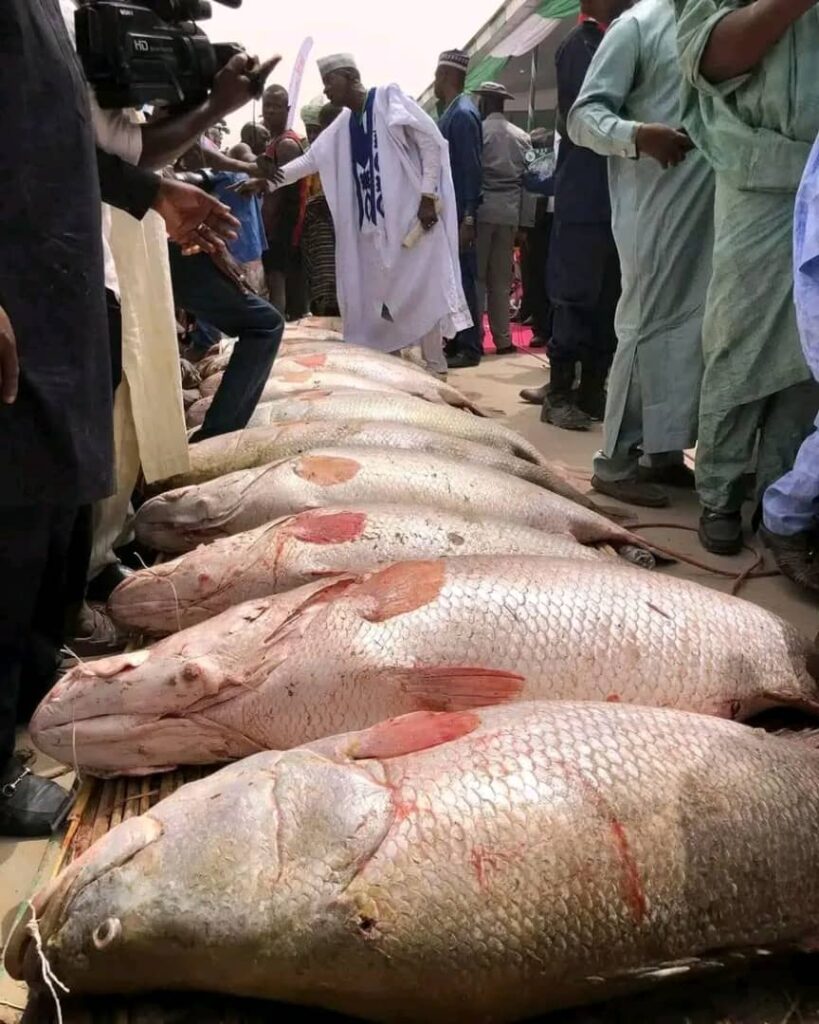
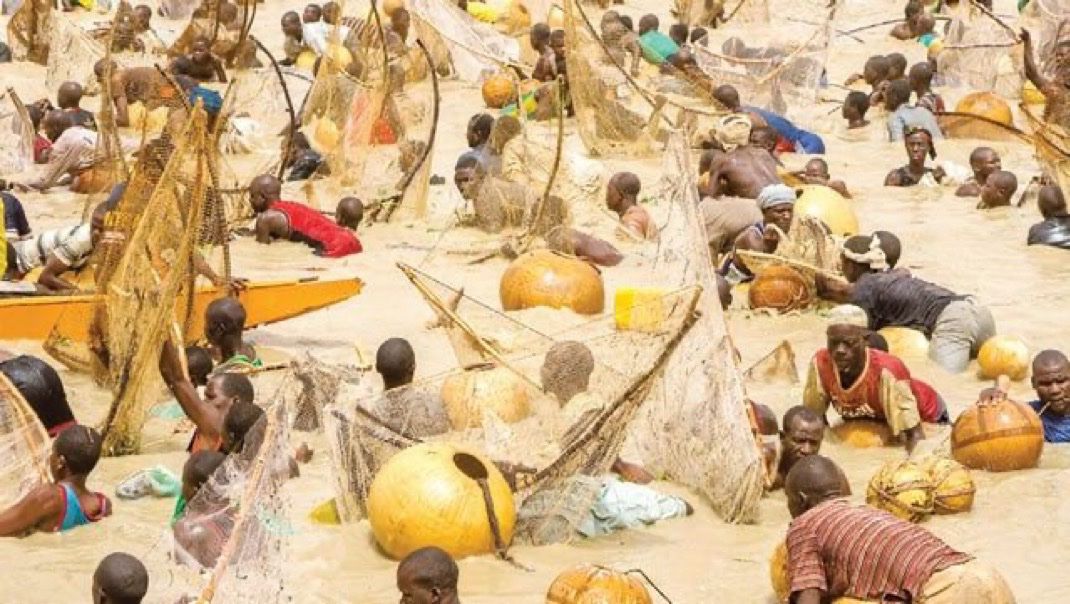
Central to the festival is the bare-hand fishing competition held in the Matan Fada River, where skilled fishermen race against time to catch the largest fish without nets or hooks. The competition, however, is just one element of a broader cultural celebration. Visitors can also expect:

  • Canoe races and water sports, showcasing the agility and teamwork of local participants.
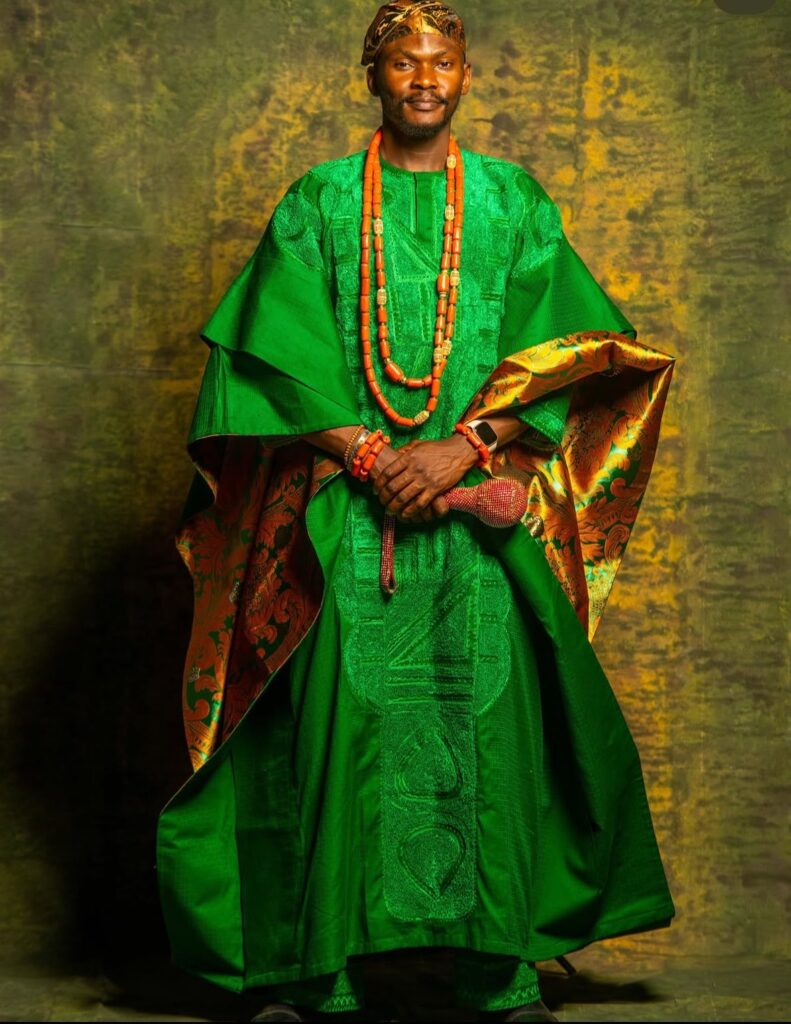
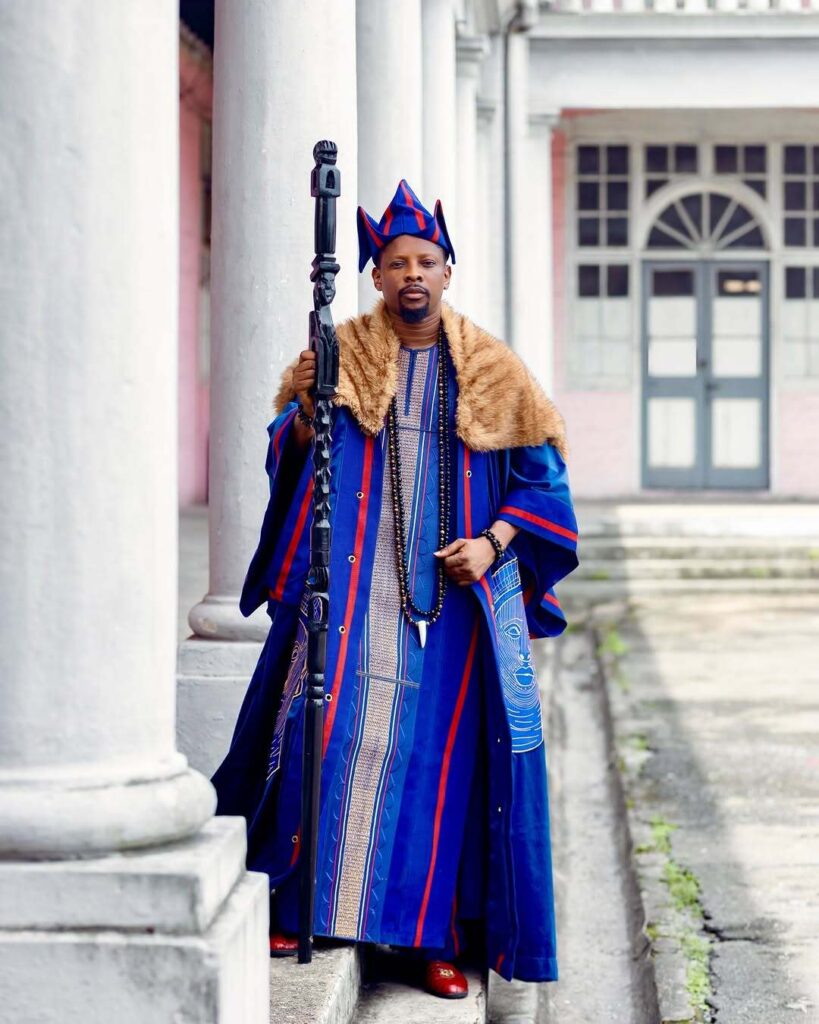
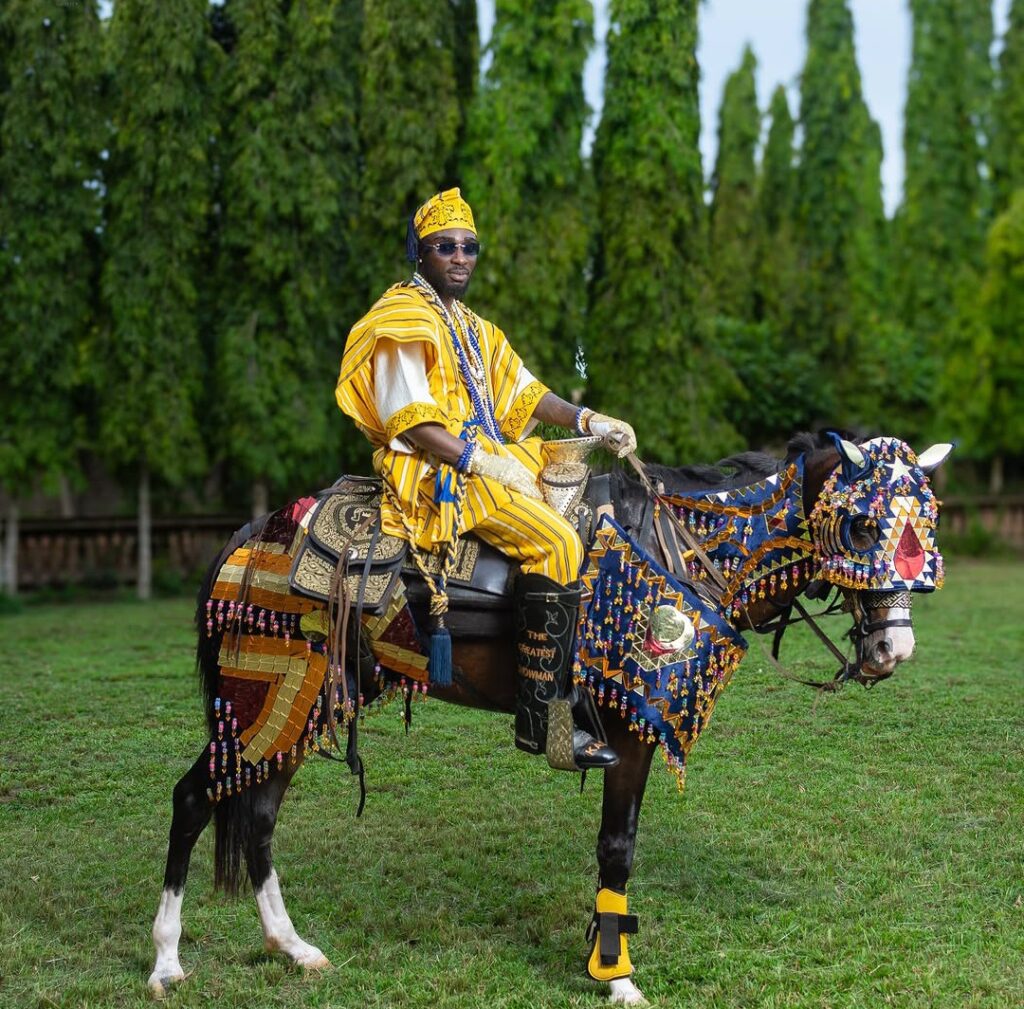
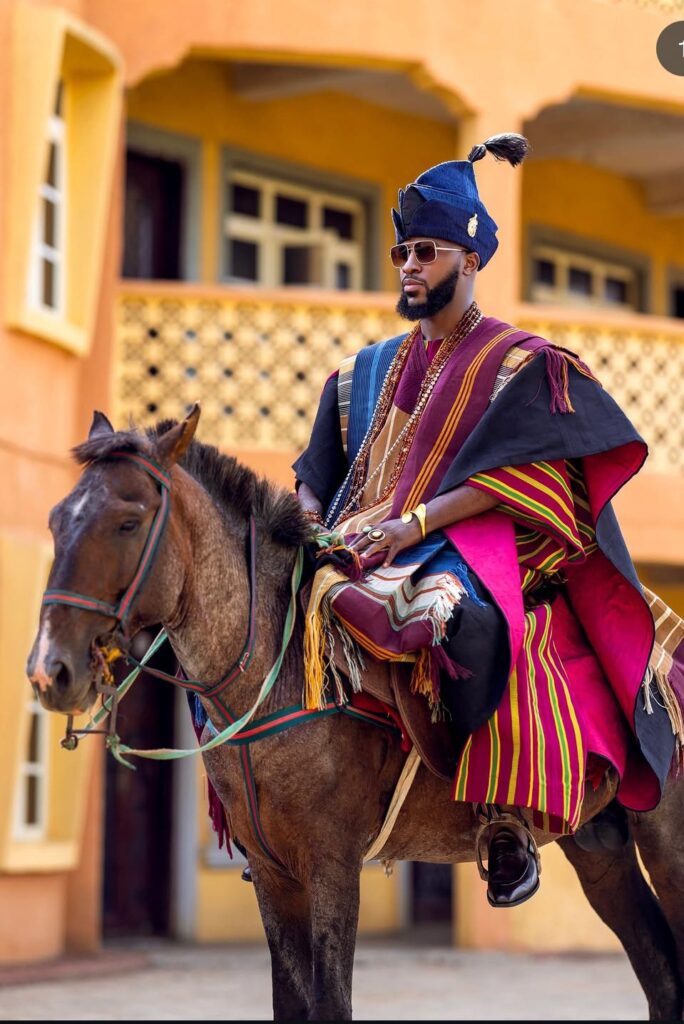
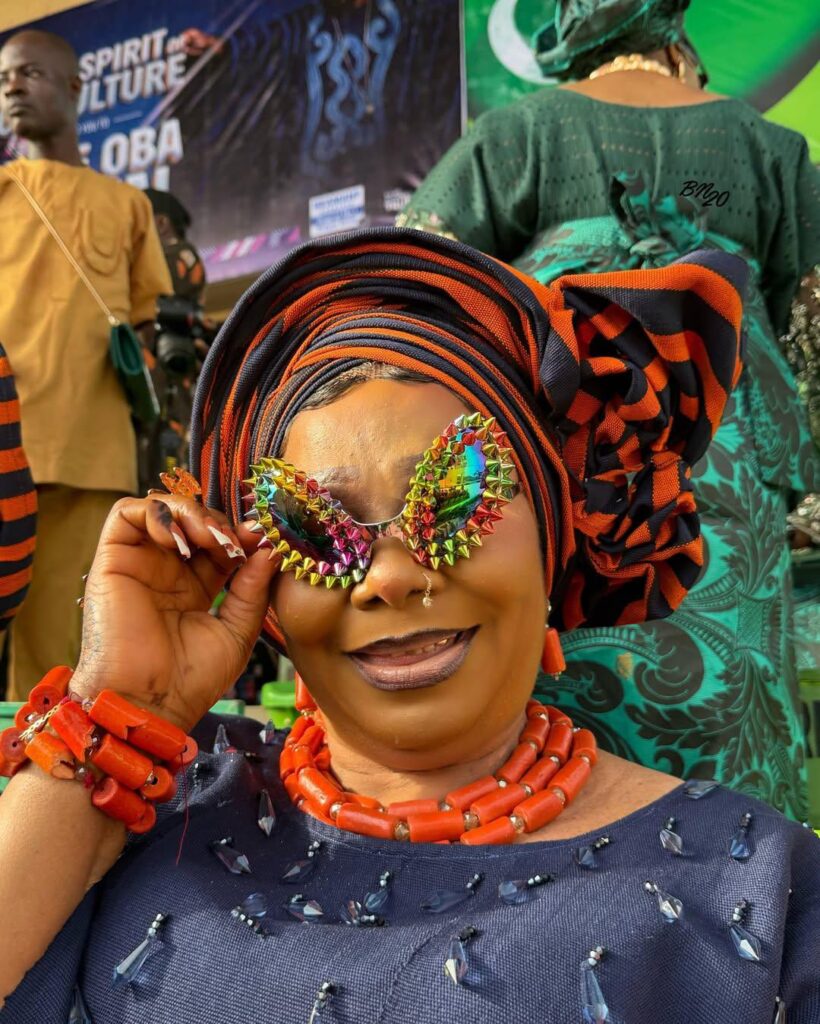
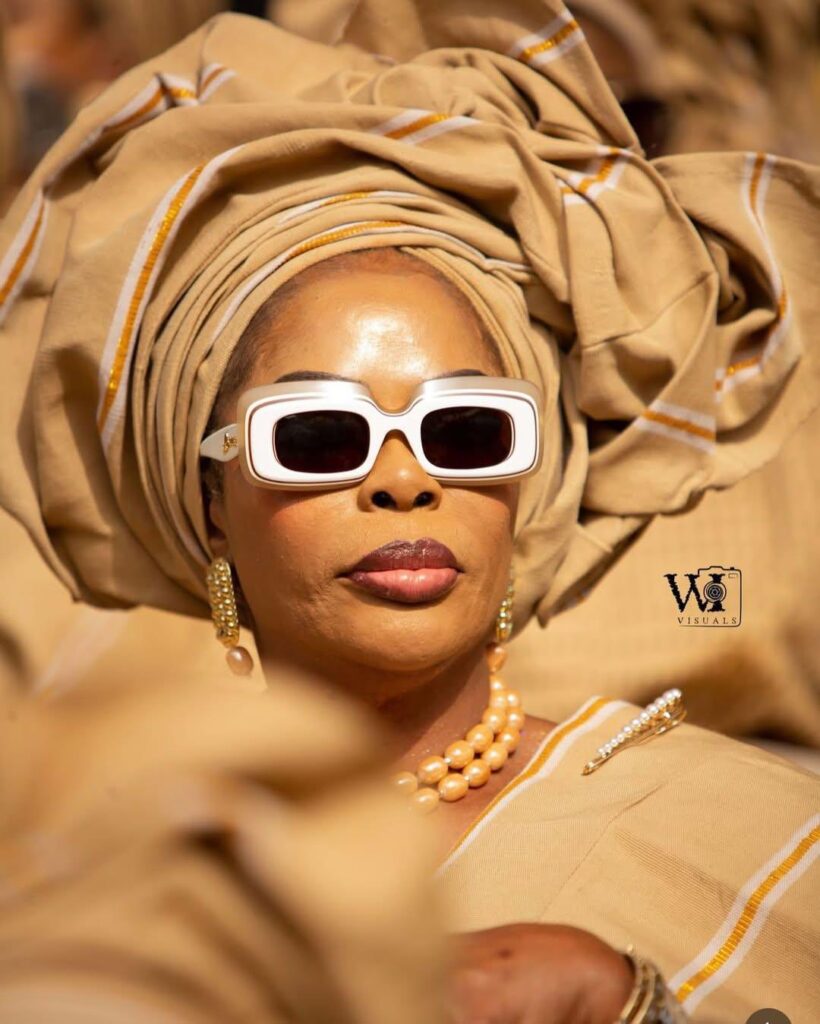
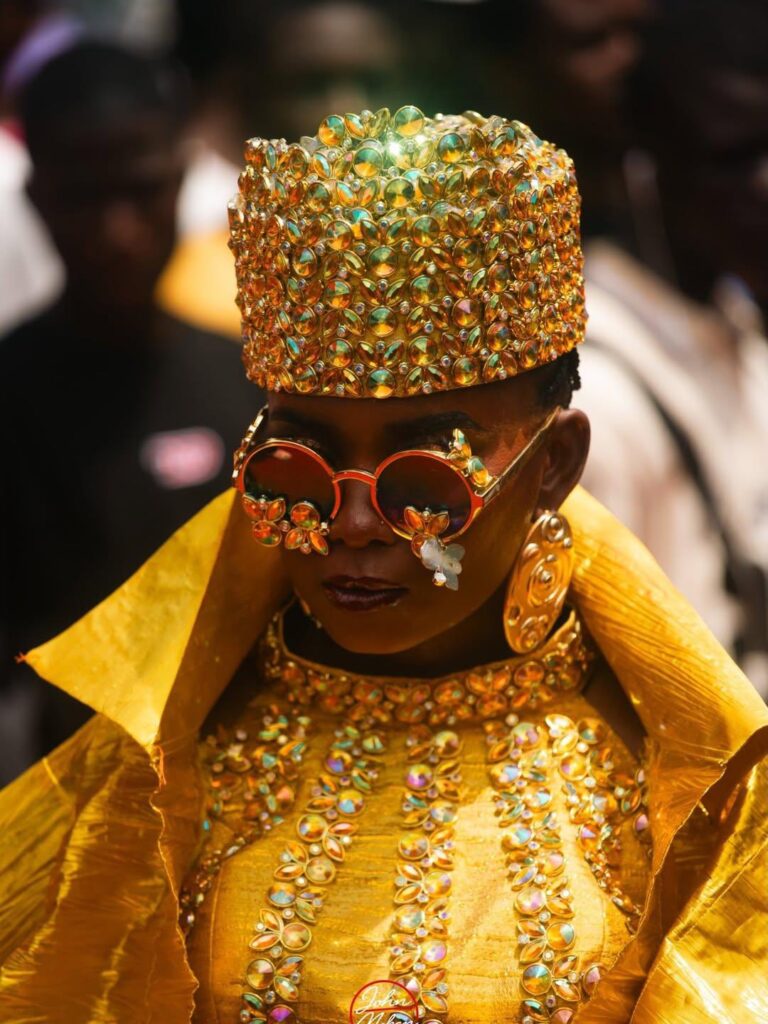
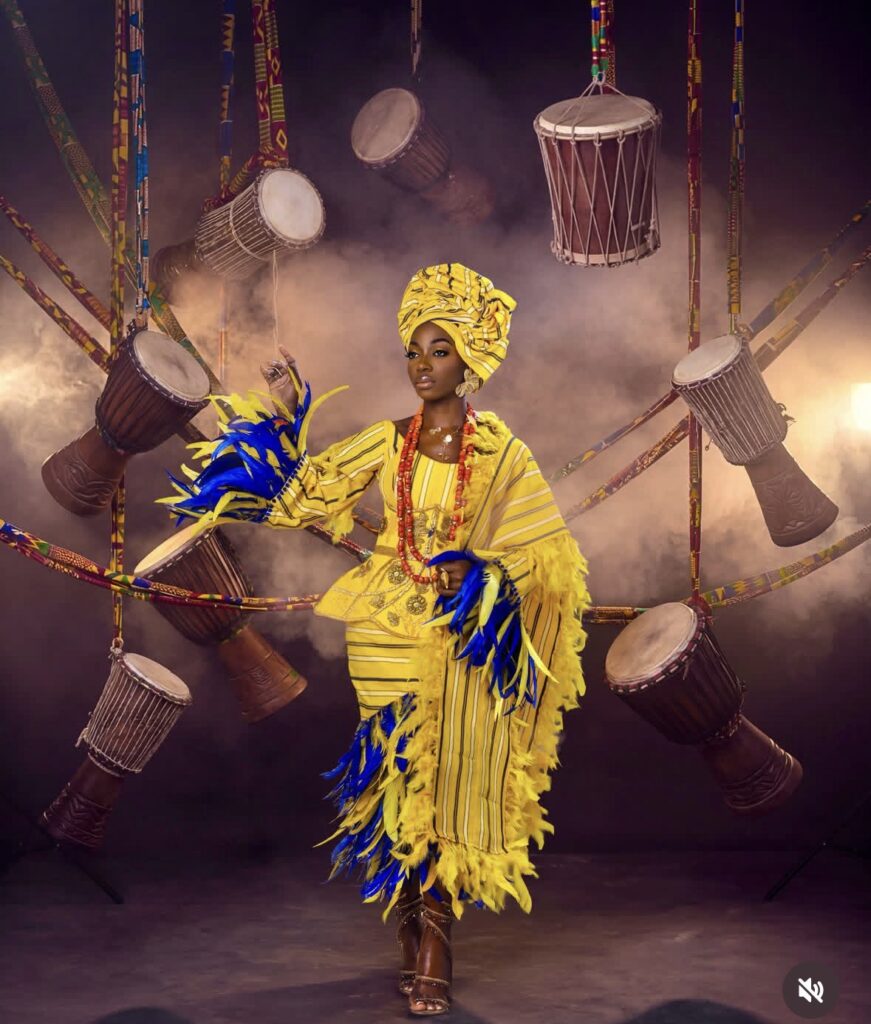
  • Traditional music and dance, featuring performers in vibrant cultural attire.
  • Wrestling, boxing, and other athletic displays, reflecting the competitive spirit of the local communities.
  • Agricultural and trade exhibitions, highlighting Kebbi State’s farming innovations and local products.

For the 2026 edition, the Kebbi State Government has set ambitious plans to position the festival as a hub for tourism, culture, and investment. The Kebbi Investment Promotion Agency (KIPA) is leading the preparations, working on logistics, accommodation, security, and promotion to ensure the festival meets international standards.

Federal agencies, including the Ministry of Arts, Culture, Tourism and Creative Economy, the Federation of Tourism Associations of Nigeria (FTAN), the Nigerian Tourism Development Authority (NTDA), and the National Council for Arts and Culture (NCAC), have pledged support for the event. Their involvement aims to not only attract tourists but also to foster economic growth and cultural exchange.

Visitors attending the 2026 festival can anticipate four days of excitement and cultural immersion. Each day is expected to be packed with activities, from early morning fishing competitions to evening concerts and cultural displays. The festival also serves as a platform for entrepreneurs, artisans, and local farmers to showcase their products to a diverse audience, creating opportunities for trade and collaboration.

For Kebbi State, the festival is also a strategic tool for economic development. Tourism, hospitality, and local businesses all experience a surge during the festival, while the global spotlight helps attract investment in agriculture, trade, and cultural initiatives.

Nigeria Ranks Fourth Among Countries Granted UK Study Visas (September 2025 Data)

Nigeria has emerged as the fourth-largest source of international students granted UK study visas, according to official UK immigration data for the year ending September 2025.

The ranking places Nigeria behind India, China, and Pakistan, and ahead of countries such as the United States, Bangladesh, and Ghana, highlighting the country’s growing role in the UK’s international education pipeline.

UK Study Visas by Nationality (Year Ending September 2025)

Based on UK Home Office immigration statistics covering sponsored study visas issued to main applicants, the top nationalities are as follows:

  1. India – 101,229
  2. China – 89,656
  3. Pakistan – 39,497
  4. Nigeria – 36,839
  5. Nepal – 21,681
  6. United States – 16,702
  7. Bangladesh – 12,708
  8. Saudi Arabia – 6,256
  9. Turkey – 5,893
  10. Kuwait – 5,149

While exact figures may vary slightly across reporting summaries, the ranking order is consistent in official UK government data, confirming Nigeria’s fourth-place position globally for study visas issued during the period.

The figures refer specifically to sponsored study visas granted to main applicants. This means:

  • Students must have received a Confirmation of Acceptance for Studies (CAS) from a UK institution
  • The data excludes most dependants, following UK policy changes introduced in early 2024
  • The numbers reflect approved visas, not just applications

Recent UK immigration reforms have reshaped student migration patterns:

  • Restrictions on dependants reduced overall visa numbers but kept main applicant demand relatively stable
  • Increased scrutiny of student sponsorship and compliance affected some institutions
  • Greater emphasis on academic credibility and financial proof influenced application outcomes

Despite these changes, Nigeria maintained a strong presence in the rankings, indicating sustained interest and adaptability among Nigerian applicants to travel out.

Alongside India, China, and Pakistan, Nigeria is now firmly established as one of the core contributors to the UK’s international student population.

Oxford English Dictionary Adds 24 Nigerian Words

The Oxford English Dictionary (OED) has officially recognized the growing influence of Nigerian and West African English by adding 24 new words and phrases. From everyday slang to local foods and cultural expressions, these words reflect the global reach of Nigerian culture, music, and language.

This update marks a milestone in acknowledging Nigerian English and Pidgin English as vibrant contributors to the English language worldwide.

24 Nigerian Words Now in the Oxford English Dictionary

Here’s the complete list of newly added Nigerian and West African words, now officially part of the global English lexicon:

  1. Abeg – A Pidgin term meaning “please” or used to soften requests.
  2. Abrokyire – From Twi, meaning foreign or overseas countries.
  3. Adowa – Traditional Ghanaian dance style.
  4. Amala – A Nigerian staple swallow made from yam, cassava, or plantain flour.
  5. Ampesi – A Ghanaian boiled dish of tubers like yam or plantain.
  6. Benachin – Senegalese/Gambian one-pot rice dish (similar to jollof).
  7. Bend down (and) select – Refers to choosing second-hand clothes, now used as a noun and verb.
  8. Biko – Igbo word meaning “please,” also used as an interjection for surprise or emphasis.
  9. Domoda – Mandinka peanut and tomato stew.
  10. Dumboy – A Liberian boiled cassava dish.
  11. Ghana Must Go – The iconic checkered travel bag, named after a historical deportation event.
  12. Kpanlogo – A Ghanaian dance and music style.
  13. Light soup – Spicy Ghanaian tomato-based soup.
  14. Mammy Market – Markets traditionally run by women, especially in military barracks.
  15. Moi Moi – Steamed bean pudding from Nigeria (Yoruba origin).
  16. Nawetan – A football tournament in Senegal and Gambia.
  17. Nyash – Pidgin slang for “buttocks” or something attractive.
  18. Obroni – Ghanaian term for foreigner, especially light-skinned people.
  19. Poda-poda – Sierra Leonean minibus taxi.
  20. Swallow – Class of starchy foods eaten by hand (fufu, amala, eba).
  21. Talk less – Phrase meaning “seriously” or “no joke.”
  22. Yassa – Senegalese marinated dish with meat or fish and onions.
  23. Hiplife – Ghanaian music genre combining hip-hop and highlife.
  24. Articulator – Usage noted in West African contexts, added to OED for cultural relevance.

How Nigerian Words Are Going Global

  1. Social Media & Music – Phrases like “Abeg” and “Talk less” trend online, showing how Nigerian Pidgin spreads internationally.
  2. Food & Culture – Words like Moi Moi, Amala, and Yassa reflect Nigeria’s and West Africa’s culinary influence.
  3. Fashion & Lifestyle – “Bend down (and) select” represents local markets and fashion culture that now resonates globally.
  4. Diaspora Influence – Nigerian and Ghanaian communities abroad help these words enter mainstream English.

The Oxford English Dictionary has officially acknowledged what Nigerians have always known: their language, slang, and culture are shaping global English. Next time you say “Abeg” or enjoy Moi Moi, remember: you’re speaking officially recognized English now.

2026 Batch ‘A’ NYSC Orientation Course to Begin January 21 Nationwide

The National Youth Service Corps (NYSC) has announced that the 2026 Batch ‘A’ Orientation Course will officially commence on Wednesday, January 21, 2026, across all orientation camps nationwide.

The announcement confirms the start of activities for prospective corps members following months of anticipation, marking the beginning of another service year under the NYSC scheme.

Key Dates and Schedule

According to the official schedule released by the NYSC, reporting and registration for the 2026 Batch ‘A’ corps members will begin on January 21 and run until midnight on January 23, 2026. Prospective corps members are expected to complete all registration formalities within this window at their respective orientation camps.

The swearing-in ceremony, a major highlight of the orientation programme, is scheduled to take place on Friday, January 23, 2026, officially inducting the corps members into national service.

The orientation course will span three weeks, with the closing ceremony fixed for Tuesday, February 10, 2026, after which corps members will be posted to their various places of primary assignment (PPA).

The orientation course will be held simultaneously in all 36 states of the federation and the Federal Capital Territory (FCT), continuing NYSC’s long-standing tradition of nationwide participation and integration.

During the camp period, corps members will undergo paramilitary drills, lectures, skill acquisition training, and cultural integration activities, designed to prepare them for the service year ahead.

Nigeria Police Suspend Tinted Glass Permit Enforcement After Court Order

The Nigeria Police Force (NPF) has formally suspended the nationwide enforcement of the Tinted Glass Permit policy, originally scheduled to commence on January 2, 2026, following an interim court order restraining its implementation. 

In a statement issued by CSP Benjamin Hundeyin, Force Public Relations Officer, the Nigeria Police disclosed that it was served with an interim order of court in Suit No. HOR/FHR/M/31/2025, issued on 17 December 2025, which restrains the Force from enforcing the tinted glass permit policy pending the hearing and determination of the substantive suit or until the order is lifted. 

The statement emphasised that, in strict compliance with the subsisting court order, the enforcement has been placed on hold nationwide until further direction from the judiciary. 

The Nigeria Police Force confirmed that it has entered an appearance in the matter, filed preliminary objections, and formally applied for the vacation of the interim order. The matter has been adjourned to 20 January 2026 for further proceedings. 

Inspector-General of Police, Kayode Adeolu Egbetokun, further explained the Force’s commitment to uphold the rule of law while continuing its statutory responsibilities to protect lives and property across the nation. 

The Tinted Glass Permit policy was first introduced by the Nigeria Police as part of efforts to strengthen internal security and public safety by regulating the use of tinted vehicle glass, which authorities have linked to concealment in criminal activities. 

Originally announced to take effect on 2 January 2026, the policy required motorists to obtain permits for vehicles fitted with tinted glass, with applications processed via a digital portal. The initiative had been paused or extended multiple times due to public pushback and legal disputes. 

The policy has faced sustained legal challenges and criticism from civil rights organisations, legal bodies, and motorists. Critics argue that the Nigeria Police lacks statutory authority to impose tinted glass permits on vehicle owners and have questioned the constitutionality and fairness of the policy. 

The Nigerian Bar Association (NBA) has been particularly vocal, describing the policy as potentially illegal and unconstitutional and has engaged in court actions challenging its enforcement. 

France Move to  Ban Social Media for Under 15s from September 2026

In one of the most significant digital policy moves in Europe, France is preparing to ban children under the age of 15 from using social media starting September 1, 2026. The proposal, backed by President Emmanuel Macron, aims to protect young people from online harms ranging from excessive screen time to cyberbullying and inappropriate content. 

The draft legislation will be formally submitted for legal review in early January 2026 before being debated in Parliament; a necessary step before it becomes law. But if approved, it would dramatically reshape how millions of French children interact with digital platforms. 

France’s government says the ban is about protecting youth well-being in an era of pervasive digital content. Officials have cited several concerns:

  • Excessive Screen Time: Growing evidence suggests long hours on social media can disrupt sleep and reduce attention span. 
  • Mental Health Risks: Social networking platforms have been linked to anxiety, self-esteem issues, and depression among teens. 
  • Online Harms: Exposure to inappropriate content, cyberbullying, and addictive algorithms are among the specific dangers lawmakers want to curb. 

President Macron and other supporters say that setting a minimum age will help ensure that children reach a level of maturity before being exposed to the complex social dynamics and pressures of online communities. 

The draft bill includes two major changes: 

  1. Social Media Ban for Under-15s

Social media companies would be legally barred from allowing users under 15 to access their platforms. That means popular services like TikTok, Instagram, Snapchat and others could not open accounts for children below this age if the law is passed. 

  1. Expanded Mobile Phone Restrictions

France already bans mobile phones in primary and middle schools. The new law would extend that restriction into high schools, meaning older teens would also face limits on phone use during school hours. 

The audiovisual and digital regulator, known as Arcom, would be responsible for enforcing the social media rules once they take effect. 

New Zealand Are Already in 2026 with Spectacular Sky Tower Fireworks

Auckland Leads the World Into the New Year

New Zealand officially welcomed the year 2026 late on December 31, 2025, with Auckland becoming one of the first major cities on Earth to greet the new year at midnight. Thanks to its position near the International Date Line, Kiwis marked the occasion about 18 hours before celebrations in New York’s Times Square, drawing global attention to the Pacific nation’s vibrant start to the year. 

The festivities began hours before midnight with lasers and community-submitted moments  including personal highlights from 2025 displayed on the tower  building anticipation for the countdown. At midnight, crowds in the Central Business District (CBD) and waterfront areas erupted in cheers as the sky lit up with bursts of colour, welcoming the new calendar year. 

At the heart of the celebration was a dazzling five-minute fireworks show launched from Auckland’s iconic Sky Tower; the tallest structure in the Southern Hemisphere. More than 3,500 individual fireworks were fired in a 360-degree pyrotechnic display, synchronized with laser projections and music that echoed across the city skyline. 

Prime Minister Christopher Luxon marked the milestone online, celebrating Auckland’s fireworks and extending “Happy New Year, New Zealand!” messages across social media platforms as the global clock began its near-24-hour cycle of celebrations around the world. 

Eyo Festival 2025 Highlights: Lagos’ Timeless Celebration of Culture and Heritage

Lagos Island once again became the centre of culture and tradition as the Eyo Festival 2025 returned after an eight-year break. Known as one of Nigeria’s most iconic cultural celebrations, the festival attracted thousands of spectators, including locals, diaspora Nigerians, and international visitors, cementing its reputation as a global symbol of Yoruba heritage.

The highlight of the festival is the Eyo masquerade procession, a breathtaking display of Yoruba tradition. Hundreds of participants dressed in flowing white robes and veiled hats moved gracefully through Lagos Island, carrying long palm staffs (Opambata) that signify ancestral blessings and authority.

The streets around Marina, CMS, and Broad Street were closed to traffic, transforming the city into a massive cultural stage. Spectators lined the roads to witness the rhythmic drumming, traditional chants, and colourful spectacle that make the Eyo Festival unlike any other cultural event in Nigeria.

Honouring Lagos’ Legendary Figures

The 2025 festival paid tribute to four iconic Lagos personalities whose contributions shaped the state’s history:

  • Alhaja Abibatu Mogaji, Iyaloja General and mother of President Bola Ahmed Tinubu
  • Brigadier-General Mobolaji Johnson, first Military Governor of Lagos
  • Alhaji Lateef Kayode Jakande, first civilian Governor of Lagos
  • Sir Michael Otedola, former Governor of Lagos State

Music and dance form the heart of the Eyo Festival. Traditional Yoruba drumming, chants, and songs fill the streets, blending ceremony with celebration. The performances are not only entertaining; they are spiritual, connecting the present generation with ancestors and keeping cultural heritage alive.

The Five Eyo Groups

The festival’s masquerades are organised into five principal groups, each identified by the colour of their hats:

  • Adimu (Black) – Highest-ranking group
  • Laba (Red) – Festival enforcers
  • Oniko (Yellow) – Symbolising cleansing
  • Ologede (Green) – Representing peace and prosperity
  • Agere (Purple) – Known for theatrical flair

The 2025 edition saw President Bola Ahmed Tinubu participate in the procession, highlighting the festival’s national significance. Officials emphasised the Eyo Festival as a symbol of cultural pride, unity, and Lagos’ potential as a global cultural destination.

Nigerians Who Have Broken Guinness World Records (Updated)

Nigeria has never been short of exceptional talent, creativity, and resilience. Over the years, several Nigerians have gone beyond borders to showcase their skills, passion, and determination by having their names in the Guinness World Records. These records cut across diverse fields including sports, entertainment, arts, cooking, and humanitarian efforts, reflecting the versatility and greatness of Nigerians on the global stage.

In addition to her globally celebrated 2023 cooking marathon record, Hilda Effiong Bassey (popularly known as Hilda Baci) recently embarked on another Guinness World Record attempt, this time for the Largest Pot of Jollof Rice. The attempt took place at Eko Hotel and Suites, Lagos, where a custom-built pot measuring 6 metres wide and 6 metres tall, with a capacity of 22,619 litres, was used to cook thousands of kilograms of rice. Despite challenges during the weighing process, Guinness World Records has officially confirmed her achievement, cementing Nigeria’s cultural pride and Hilda’s place among record-setting Nigerians.

Below is a fact list of Nigerians who have broken or set Guinness World Records:

  • Hilda Effiong Bassey (Hilda Baci): Longest cooking marathon by an individual (93 hours 11 minutes, 2023) and Largest pot of Jollof rice (22,619 litres, 2025).
  • Tunde Onakoya: Longest chess marathon (57 hours 58 minutes, 2024).
  • Oside Oluwole “Khoded” : Longest video game marathon playing a football game (75 hours, 2024).
  • Bose Omolayo: Heaviest para power lift by a woman in the -79 kg category (144 kg, 2021).
  • Paul Kehinde: Heaviest para power lift by a man in the -65 kg category (221 kg, 2018).
  • Gbenga Ezekiel: Most skips in one minute on one leg; most double-under skips on one leg (2022).
  • Chukwuebuka Ezugha & Victor Richard Kipo: Most consecutive football passes using the soles (2021).
  • Chinonso Miracle Eche: Multiple freestyle football records (headers, touches while balancing on the head, etc.).
  • Kanyeyachukwu Tagbo-Okeke: Largest individual artwork on canvas (12,303.87 m², 2023).
  • Bayo Omoboriowo: Largest photo book (60.84 m², 2021).
  • Helen Williams: Longest handmade wig; widest wig; most hair clips in a wig in 30 seconds (2023–2024).
  • Rema (Divine Ikubor): First song to top the Official MENA Chart (Calm Down, 2023).
  • Hawwal Ogungbadero & 29 artists: Longest recording marathon (40 hours 19 minutes, 2024).
  • Micheal Odenigbo: Most trees planted by an individual in 24 hours (25,000+, 2025).
  • Akwa Ibom Christmas Carols Festival: Largest gathering of carol singers (25,272 singers, 2014).
  • Fela Anikulapo Kuti: Most studio albums released by a solo artist (46 albums).
  • Kaffy (Kafayat Shafau): Longest dance marathon (55 hours, 2006).
  • Stephen Keshi: Youngest person to win the Africa Cup of Nations as both a player and a coach.
  • Haruna Abdulazeez: Most American football touches with the feet in one minute (2020).
  • Olawunmi Treasures Bayode: Longest reading marathon aloud (122 hours, 2018).
  • Adetunwase Adenle: Four Guinness records: largest painting by children, most children reading aloud with an adult, most children washing hands simultaneously, and largest football jersey.

Nigerians and TikTok: Why the World is Farming Nigerian Engagement

Open TikTok anytime and chances are you’ll come across Nigerian-related content. Jump into the comment section of a non-Nigerian creator and you’re likely to find Nigerians there too, dropping jokes, slang, and reactions that sometimes outshine the video itself.
Nigeria has quietly become one of TikTok’s most influential hubs, not just in Africa but worldwide. And now, people from across the globe are deliberately leaning on Nigerian culture and audiences to boost their own visibility.

TikTok has become the world’s stage for creativity, and few countries have embraced the platform as vibrantly as Nigeria. From dance challenges to comedy skits, Nigerian creators have not only captured local audiences but also shaped global trends. Yet behind the virality lies a curious dynamic: people from other parts of the world are deliberately targeting Nigerian users to farm engagement.

Nigeria’s Rise on TikTok

Nigeria stands out as one of TikTok’s fastest-growing markets in Africa. With more than 60% of its population under the age of 25, the country provides a young, digitally active audience hungry for content. Afrobeats, Nigeria’s most popular cultural export, has become a global soundtrack on the app, pulling millions into dances and remixes that often begin on Nigerian soil.

For TikTok’s algorithm, which favors quick and heavy interaction, Nigerian activity is gold. The country’s users comment, share, and like at strikingly high rates, boosting the visibility of videos in record time. This engagement has turned Nigeria into an unlikely hub for creators around the world who want fast traction on their content.

Farming Engagement: How Global Creators Tap In

Across continents, creators are increasingly tailoring content with Nigerians in mind. The methods vary:

  1. Using Afrobeats tracks to ride viral sound trends.
  2. Recreating Nigerian dance steps or comedy skits for global audiences.
  3. Hashtag targeting, where foreign creators push their content under Nigerian-related tags.

The result is often predictable, Nigerian users engagement is massive, pushing these creators’ videos higher in TikTok’s discovery feed and sometimes to worldwide visibility.

This dynamic has sparked debate: is the global adoption of Nigerian content a form of cultural appreciation, or is it another example of extraction where others profit off creativity without acknowledgment?

Nigerians are not just participants in the TikTok ecosystem; they are the spark that powers it. Our creativity has fueled global trends, soundtracked millions of videos, and reshaped how audiences interact with short-form content.

Scroll to Top