Kisarazu Declared Official Hometown for Nigerians Ready to Live and Work in Japan

Japan has designated Kisarazu City as the official hometown for Nigerians wishing to live and work in the country, offering special visas and economic opportunities to strengthen Nigeria–Japan ties.

Kisarazu Declared Official Hometown for Nigerians in Japan

In a landmark move to deepen ties between Nigeria and Japan, Kisarazu, a coastal city in Chiba Prefecture, has been officially declared the “hometown” for Nigerians looking to live and work in Japan.

The announcement came at the 9th Tokyo International Conference on African Development (TICAD9), where Japan introduced a special visa program for Nigerians. The scheme is designed for highly skilled professionals, artisans, and blue-collar workers willing to upskill, aligning with Japan’s efforts to revitalize its regions and address labor shortages.

Why Kisarazu Was Chosen

Kisarazu holds a unique bond with Nigeria, having hosted the country’s athletes during the Tokyo 2020 Olympics. Its welcoming spirit and existing ties made it the ideal choice for this designation.

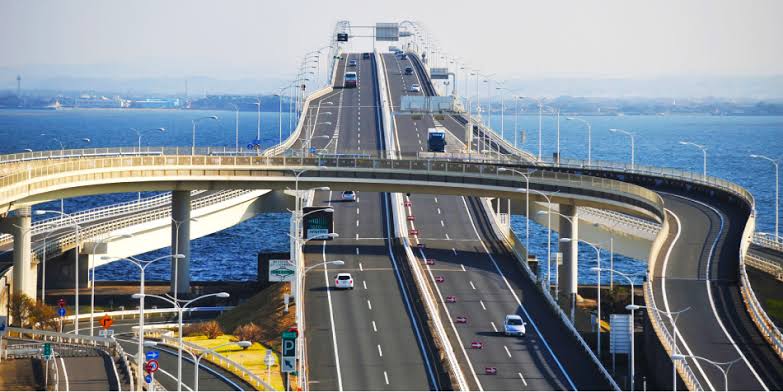
The city is just 70 km from Tokyo, connected by the Tokyo Bay Aqua-Line, and offers a thriving economy based on steel, electronics, agriculture, and fishing. It also has modern attractions like Mitsui Outlet Park and cultural highlights such as local seafood cuisine and Kōzō-ji Temple. With affordable living costs and strong community structures, Kisarazu provides an ideal environment for Nigerians to settle.

The Special Visa Program

A key part of this initiative is the creation of a special visa category that will make it easier for Nigerians to relocate to Japan.

  • The visa will target young, highly skilled Nigerians, as well as artisans and blue-collar workers who are willing to undergo upskilling in Japan.
  • The aim is to fill labor shortages in Japan while creating new pathways for Nigerians to access career opportunities abroad.
  • Details such as eligibility criteria, application timelines, and procedures are yet to be finalized. The Japanese government has not announced when Nigerians can start applying, but updates are expected through the Japanese Embassy in Nigeria and the Ministry of Foreign Affairs of Japan.
  • Like other Japanese work visas, the process is likely to involve securing a Certificate of Eligibility (COE) from a Japanese employer or host institution, followed by visa application at the embassy in Nigeria.

Until the program officially launches, Nigerians interested in relocating are advised to monitor official embassy announcements, prepare their professional documentation (CVs, certificates), and stay informed about upskilling opportunities that could qualify them for the program.

A Broader African Initiative

Kisarazu’s designation is part of a wider Japanese strategy to pair cities with African countries:

  • Nagai (Yamagata Prefecture) with Tanzania
  • Sanjo (Niigata Prefecture) with Ghana
  • Imabari (Ehime Prefecture) with Mozambique

These partnerships are aimed at boosting people-to-people exchanges, cultural integration, and local population growth.

At TICAD9, Japanese Prime Minister Shigeru Ishiba also announced a $5.5 billion investment package for Africa, emphasizing youth empowerment, private sector growth, and regional economic development.
This initiative creates a bridge between Nigeria and Japan, opening doors for Nigerians to pursue opportunities abroad while helping Japan tackle its demographic challenges.

What This Means for Nigerians

The “hometown” designation provides several opportunities for Nigerians:

  • Special Visa Pathways for skilled youth, artisans, and professionals.
  • Job Opportunities across Kisarazu’s growing industries.
  • Community Support for cultural integration, including language and adaptation programs.

The formal ceremony marking the designation was attended by Nigeria’s Charge d’Affaires in Japan, Mrs. Florence Akinyemi Adeseke, and Mayor Yoshikuni Watanabe of Kisarazu, solidifying the agreement.

This initiative creates a bridge between Nigeria and Japan, opening doors for Nigerians to pursue opportunities abroad while helping Japan tackle its demographic challenges.

For many Nigerians, Kisarazu is now more than a city, it is an official gateway to Japan.


The Psychology Behind Suya Tasting in Nigeria

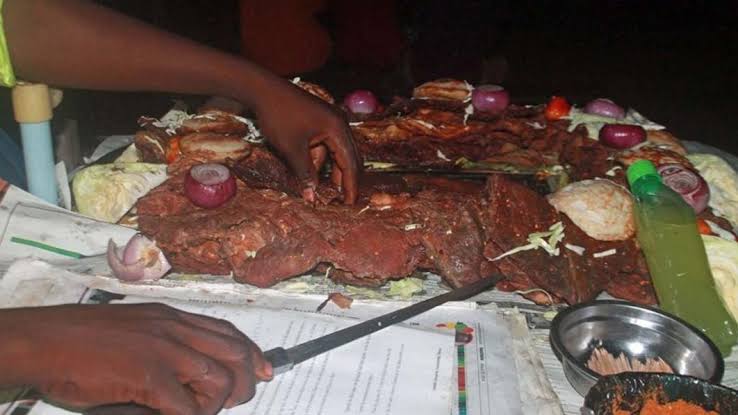
Have you ever met someone who tasted suya and walked away without buying? I haven’t. But I have met someone who walked away because the Mai Suya refused to give him a taste. That tiny piece of meat, handed over with a smile, carries more weight than most people realize. It’s not just about the flavour, it’s a subtle play of psychology, culture, and salesmanship.

1. The Law of Reciprocity

In psychology, people naturally feel obliged to return a favor. When the Mai Suya offers you that small piece for free, you subconsciously feel the need to “give back” by making a purchase. Even if you didn’t intend to buy suya at first, that little act can tip you into buying more than you intended.

2. Anchoring and Commitment

That first bite sets the standard. If it tastes delicious, your mind quickly locks in the thought: “I should get more of this.” The simple act of tasting makes you part of the transaction already, and psychologically, it becomes harder to walk away empty-handed.

3. Building Trust

Buying food from the roadside often comes with questions about hygiene or quality. By offering a taste upfront, the seller is essentially saying, “See? I have nothing to hide.” That small gesture builds immediate trust and reassures you about what you’re paying for.

4. Appetite Stimulation

Suya’s unique blend of pepper, spice, and smoky aroma is designed to awaken the senses. A small taste teases your appetite without satisfying it, triggering cravings that push you to order more. It’s the same logic behind supermarkets offering free food samples.

5. Cultural Warmth

Beyond business, suya tasting is also part of Nigeria’s communal food culture. That small bite makes the exchange feel less transactional and more like friendship. It’s a subtle way of saying, “You’re welcome here.” This emotional warmth builds loyalty, which is why many people keep returning to their favourite suya spots.

That tiny piece of suya isn’t just about taste, it’s a clever mix of psychology, culture, and salesmanship. Without knowing it, the Mai Suya is using the same principles that big marketers and global brands rely on to win customers.

So next time you get that first bite, enjoy it—but also smile knowing you’ve just been nudged by some street orientation.

48hrs Ultimatum: Ooni of Ife vs. Alaafin of Oyo

The long-standing rivalry between two of Yorubaland’s most powerful royal stools has resurfaced dramatically. On 19 August 2025, the Alaafin of Oyo, Oba Abimbola Akeem Owoade I, issued a 48-hour ultimatum to the Ooni of Ife, Oba Adeyeye Enitan Ogunwusi, Ọjàjá II, demanding he revoke a chieftaincy title recently bestowed on Ibadan businessman, Dotun Sanusi.

At the heart of this dispute lies not just a title, but the deeper question of who holds authority over Yoruba-wide honours—a matter steeped in history, culture, and law.

The Trigger: Okanlomo of Yorubaland Title

Earlier in August, the Ooni conferred the title Okanlomo of Yorubaland on Dotun Sanusi, popularly known as Ilaji. The move was celebrated in Ibadan, where Sanusi has strong influence, but it angered the Alaafin.

The Alaafin argued that such a Yorubaland-wide title exceeds the Ooni’s authority, citing a Supreme Court ruling which, according to him, reserves the power to confer such titles for the Alaafin of Oyo alone. He described the Ooni’s action as an “unconstitutional encroachment” and demanded a reversal within 48 hours—or risk “dire consequences.”

Ooni’s Response: Silence, Dismissal, and Defiance

The Ooni, through his spokesperson Moses Olafare, refused to directly respond to the ultimatum. Instead, the palace dismissed the order as nothing more than an “empty threat” from what it called “a dead empire.”

We shall not dignify the Alaafin’s ultimatum with any formal reply. The Ooni has more pressing developmental commitments than to entertain jokers,” Olafare said.

Rather than backtrack, the Ooni has continued to focus on projects like the planned Ojaja Smart City in Ibadan, signaling he will not bow to the Alaafin’s pressure.

Reactions Across Yorubaland

The feud has stirred widespread debate and divided opinions among Yoruba traditional and cultural leaders and online users.

Ibadan traditional rulers condemned the ultimatum as an affront on Ibadanland, arguing that the Alaafin had no business challenging the Ooni’s decision.
Oba Omotooyosi Akinleye, Olukosi of Ilukosi-Ijesa, stressed that the Alaafin’s authority ends in Oyo land, while the Ooni holds broader spiritual supremacy as custodian of Oduduwa’s throne.
The Yoruba Council Worldwide expressed dismay at the public spat, warning that the dispute undermines Yoruba unity and respect for tradition.

Historical Tension Between Thrones

The Ooni of Ife is traditionally regarded as the spiritual head of the Yoruba people, based in Ile-Ife, the ancestral cradle of creation in Yoruba cosmology. The Alaafin of Oyo, on the other hand, historically commanded political and military power during the Oyo Empire’s height.

While both thrones today serve largely ceremonial roles, their historical prestige often leads to contests of authority, especially over matters that touch on Yorubaland at large.

What Next?

The 48-hour ultimatum has already began without compliance from the Ooni. With both palaces standing firm, the standoff is now being closely watched—not just by Yoruba people, but across Nigeria.

At stake is more than one chieftaincy title; it is the delicate balance of authority between two of Yorubaland’s greatest stools. If left unchecked, the rift risks deepening long-standing rivalries that many believe should be channeled instead toward fostering cultural unity and development.

The feud highlights the enduring tensions between the Ooni of Ife’s spiritual pre-eminence and the Alaafin of Oyo’s historical claim to political authority. While both monarchs hold immense cultural influence, their public clash raises urgent questions about Yoruba unity in today’s Nigeria.

African Countries That Retained Their Colonial Names After Independence

When African nations began gaining independence in the mid-20th century, many saw renaming as an important act of reclaiming identity. Countries such as the Gold Coast became Ghana (1957), Upper Volta became Burkina Faso (1984), and French Sudan became Mali (1960), all in a bid to restore indigenous pride.

However, not all states chose to abandon their colonial names. Some retained them due to global recognition, deep geographical links, or because the names were already widely accepted. Below is a look at African countries that kept their colonial-era names, with details on their independence year and colonial rulers.

Nigeria

Nigeria, Africa’s most populous country and one of its largest economies, was a key British colony in West Africa. Its name, however, was coined by a British journalist rather than drawn from indigenous origins.

Colonial Name: Nigeria (from ‘Niger Area,’ coined by Flora Shaw in 1897)
Colonizer: Britain
Independence: October 1, 1960

Kenya

Kenya, home to rich wildlife reserves and diverse ethnic groups, was a British colony that became a central hub of East Africa. Its name is tied to its highest peak, Mount Kenya.

Colonial Name: Kenya (derived from Mount Kenya, from Kikuyu ‘Kirinyaga’)
Colonizer: Britain
Independence: December 12, 1963

Uganda

Uganda, often called the ‘Pearl of Africa,’ was named after the Buganda Kingdom, one of its most influential pre-colonial states. The British mispronounced Buganda as Uganda, and the name stuck.

Colonial Name: Uganda (from Buganda Kingdom)
Colonizer: Britain
Independence: October 9, 1962

Cameroon

Cameroon’s name dates back to Portuguese explorers who discovered a river teeming with prawns and named it Rio dos Camarões. The territory later passed through German, French, and British control.

Colonial Name: Cameroon (from Portuguese ‘Rio dos Camarões’ – River of Prawns)
Colonizer: Germany, Britain & France
Independence: 1 January, 1960/ 1 October, 1961 

Gabon

Gabon, situated along the Atlantic coast of Central Africa, derived its name from the Portuguese word for cloak, describing the estuary’s shape. It remained a French colony until independence.

Colonial Name: Gabon (from Portuguese ‘Gabão’ – cloak-shaped estuary)
Colonizer: France
Independence: August 17, 1960

Senegal

Senegal, with its strategic location on the Atlantic coast, was a major French colonial center. Its name comes from the Senegal River, a lifeline for the country’s people.

Colonial Name: Senegal (from Senegal River, Wolof origin, adapted by traders)
Colonizer: France
Independence: April 4, 1960

Chad

Chad, a landlocked nation in Central Africa, took its name from Lake Chad, one of Africa’s largest freshwater bodies. The French adopted the local Kanuri term ‘Tshad,’ meaning lake.

Colonial Name: Chad (from Lake Chad, ‘Tshad’ meaning ‘lake’ in Kanuri)
Colonizer: France
Independence: August 11, 1960

Niger

Niger, a Sahelian country named after the Niger River, was under French control until 1960. Like Nigeria, its colonial name was based on a major waterway.

Colonial Name: Niger (from River Niger, adopted by French)
Colonizer: France
Independence: August 3, 1960

Togo

Togo, a narrow stretch of land along the Gulf of Guinea, derived its name from a Ewe expression meaning ‘water shore.’ The Germans first adopted it during colonization, followed later by the French.

Colonial Name: Togo (from Ewe ‘to’ = water, ‘go’ = shore, adapted by Germans/French)
Colonizer: Germany, France
Independence: April 27, 1960

Tanzania

Tanzania emerged as a union between Tanganyika and Zanzibar in 1964. Both territories had colonial histories under Germany, Britain, and Oman. Their merger created a new name, but one built from colonial terms.

Colonial Name: Tanganyika (German/British), Zanzibar (Arab/British). Union formed Tanzania.
Colonizer: Germany, Britain, Oman
Independence: 1961/1963; Union 1964

Some Reasons Why These Countries Might Have Their Colonial Names

  1. Geographical Recognition: Names tied to rivers, lakes, or mountains (Nigeria, Niger, Chad, Senegal, Kenya) felt neutral and descriptive rather than foreign impositions.
  2. International Acceptance: By the 1960s, these names were already established in diplomacy, trade, and maps.
  3. National Unity: Some leaders feared that changing names could reignite ethnic divisions, so they kept the colonial label to maintain cohesion.

While renaming was a powerful act of reclaiming African identity, not every country felt it necessary. For nations like Nigeria, Kenya, Uganda, and Cameroon, retaining colonial names was more about continuity, unity, and global recognition. These names, though European in origin, have since been indigenized and now carry African meaning and pride.

Your Sports Bets May Be Costing You More Than Money—Here’s the Truth

Sports betting has exploded into one of Nigeria’s most dominant forms of entertainment. From Bet9ja to SportyBet, BetKing, and 1xBet, millions of Nigerians log in daily to place wagers, mostly on football matches. On the surface, betting is marketed as fun, thrilling, and rewarding. Yet beneath the flashy adverts and quick payouts lies a growing crisis: sports betting is silently eroding mental health, financial stability, and social wellbeing across the country.

A Nation of Bettors

The numbers reveal the scale of the boom. Studies estimate that over 60 million Nigerians between 18 and 40 years old actively participate in betting. On average, they spend ₦3,000 daily, amounting to nearly ₦730 billion annually. In fact, Nigeria is now considered one of Africa’s largest betting markets, with betting shops and mobile apps dominating both urban and rural landscapes.
What makes this rise even more striking is the context: a nation where over 40% of the population lives in poverty is also home to one of the highest rates of gambling participation in the world.

The Impact on Mental Health

The thrill of betting is tied to brain chemistry. Each wager triggers dopamine; the same chemical linked to pleasure and reward. But this excitement can quickly spiral into addiction.
Many bettors report mood swings, sleepless nights, and constant anxiety. Losing streaks bring feelings of guilt and despair, while the urge to “chase losses” only deepens the cycle. A growing number of Nigerian psychologists now warn that sports betting has become a major driver of depression, anxiety, and even suicidal thoughts.
In one heartbreaking case, a university student in Ilaro took his own life after losing his school fees to betting. In another, a man in Lagos ended his life after losing ₦2.5 million on virtual games. These stories, though shocking, are far from isolated.

Financial Ruin Disguised as Fun

The financial toll of sports betting is devastating. For many Nigerians, especially young men, betting is seen as a potential escape from unemployment and hardship. But instead of financial freedom, it often results in deeper poverty.

Research shows that:

  • 62% of addicted bettors in Lagos borrow money to fund gambling.
  • 28% fail to meet essential payments such as rent or school fees.
  • Some lose millions of naira within weeks, selling assets or borrowing heavily in the process.

The painful truth is that bookmakers always have the edge. Wins are temporary, but losses accumulate—leaving countless Nigerians trapped in debt cycles.

Social and Emotional Strain

Sports betting does not only harm individuals, it reshapes relationships. Families often suffer when breadwinners divert money meant for food, rent, or education into betting. Friends drift apart as shame and secrecy build.
Among students, the impact is equally alarming. Studies show that 14% of Nigerian university students already suffer problem gambling, and nearly half of those who bet regularly display addictive behaviours. Academic performance suffers as money, time, and focus are swallowed by betting apps.

The Role of Betting Apps

Modern betting companies have perfected the art of addiction. Platforms like Bet9ja, SportyBet, NairaBet, 1xBet, and BetKing employ strategies designed to keep players hooked:

  • 24/7 accessibility: With apps on smartphones, betting is available anytime, anywhere.
  • Flashy promotions: Welcome bonuses, odds boosts, and “free bets” encourage more spending.
  • Fast-play features: Virtual games and live betting deliver instant results, fueling compulsive behavior.
  • Psychological hooks: Near misses, bright visuals, and celebratory alerts simulate victory even in loss.

These features transform betting from occasional fun into compulsive daily habits, making it one of the fastest-growing addictions in Nigeria.

Why Betting Feels Unescapable

Experts describe sports betting in Nigeria as a perfect storm:

  • Economic desperation: With limited job opportunities, betting feels like a shortcut to wealth.
  • Passion for football: Tying wagers to beloved sports makes it socially acceptable.
  • Aggressive advertising: From billboards to Instagram feeds, betting brands flood media with success stories, rarely showing the ruin that follows.

One bettor who lost ₦10 million in two weeks described it bluntly: “It’s like a sect. Once you’re in, it’s extremely difficult to leave.”

Protecting Wellbeing

While sports betting is legal and often positioned as harmless entertainment, its impact on wellbeing is undeniable. To address this crisis:

  • Public awareness campaigns are needed to highlight the risks.
  • Limits and regulations should be enforced on betting advertisements and promotions.
  • Financial literacy and job creation must be prioritized to reduce dependence on gambling.
  • On a personal level, individuals must set strict betting limits, avoid chasing losses, and seek help when betting becomes uncontrollable.

Sports betting in Nigeria is no longer “just a game.” It is a powerful industry feeding off economic hardship, passion for football, and human vulnerability. While some may enjoy it casually, for millions it has become a trap—undermining mental health, draining finances, and tearing at the fabric of relationships.
In the end, the question remains: is the thrill of a potential win worth the silent cost to wellbeing?

I await your comments 

Subscribe to our newsletter for more articles like this.

Dangote Group and the Burden of Truck-Related Accidents in Nigeria

The Dangote Group, Africa’s largest conglomerate and a dominant force in Nigeria’s manufacturing and logistics sectors, has built a vast network of cement, sugar, salt, and flour operations. However, alongside its industrial successes, the company’s heavy-duty truck operations have frequently made headlines for tragic reasons road accidents involving Dangote-branded vehicles. Over the years, these incidents have sparked national debate on corporate responsibility, road safety, and regulatory enforcement.

This article examines some of the most notable truck-related accidents linked to the Dangote Group, including the recent case involving a relative of a popular Nigerian reality TV star, and assesses the company’s responses over time.

The Recent Auchi Incident – August 2025

The most recent case involves Ruth Otabor, younger sister of BBNaija Season 7 winner, Ijeoma Josephina Otabor (popularly known as Phyna). On August 13, 2025, a Dangote truck struck Ruth in Auchi, Edo State, causing severe injuries that led to the amputation of one leg.

Following public outcry, the Dangote Group issued a statement pledging comprehensive medical care and appropriate compensation under its welfare policies. Senior company representatives, accompanied by insurance officials, visited both the accident site and Ruth’s family at the Irrua Specialist Teaching Hospital.

Talks are still ongoing on social media as users are still commenting and reacting to the issue and calling out the company. Even a popular X influencer, has called out for people who have been affected in the past by these accidents to come online to share their experiences and proof of the harms Dangote Group trucks has done in the past.

Ruth Otabor

Some Past Cases of Dangote Truck Accidents

Kogi State – February 2017

In early 2017, tragedy struck on the Lokoja–Abuja Highway when a Dangote truck collided head-on with a motorcycle carrying two young men, Caleb Idakwoand Prosper Ojodale. Both victims died instantly. The incident was further compounded by delayed emergency intervention due to a doctors’ strike in the state. The police impounded the truck while investigations were carried out.

Lagos–Ibadan Expressway (Arepo) – April 2017

Later that year, another Dangote truck made headlines when its driver, allegedly driving against traffic, ran over and killed three pedestrians near ItoriComprehensive High School in Arepo. The driver fled the scene but was apprehended by local residents before being handed over to the police.

Abuja–Lokoja Expressway – November 2017

A devastating crash involving a Dangote truck and a vehicle transporting cattle traders at Jamata village in Kogi State resulted in sixteen fatalities. The Dangote Group eventually provided ₦500,000 to each bereaved family, after an initial sum of ₦50,000, bringing the total payout to ₦8 million.

(Daily Trust, 2017: https://dailytrust.com/families-of-dangote-truck-accident-victims-get-n500-000-each/)

Umuchu, Anambra – 2018

In 2018, a Dangote cement truck lost control and plowed into the bustling Afo Ibughubu Market in Umuchu, Anambra State. The collision claimed at least three lives and injured seven others. Through its insurer, NEM Insurance Plc, the company paid ₦10 million in compensation to victims and their families.

(ThisDay, 2019: https://www.thisdaylive.com/index.php/2019/06/09/dangote-compensates-victims-of-anambra-truck-accident/)

Lagos–Abeokuta Expressway (Toll-Gate, Sango–Ota) – May 2020

A brake failure in a Dangote truck led to a chain collision involving multiple vehicles and motorcycles, killing two people and injuring seven others. The driver escaped the scene, while police and emergency agencies worked to prevent a mob from setting the truck ablaze.

Ota, Ogun State – February 2020

Just months earlier, another cement-laden Dangote truck was involved in a high-casualty crash on the Lagos–Abeokuta Expressway in Ota, Ogun State. The incident left seven people dead and ten injured. Enraged residents set the truck on fire before emergency responders arrived. Preliminary reports pointed to brake failure and excessive speeding as contributing factors.

Agbor, Delta State – April 2019

A pedestrian lost his life after being struck by a fully loaded Dangote truck along the Lagos–Asaba Expressway near Agbor. In retaliation, a mob burnt the truck to ashes before authorities could intervene.

Mosinmi–Sagun Road (Ogun State) & Lagos – August 2020

On the Mosinmi–Sagun Road in Ogun State, a Dangote truck ran over and killed a motorist and a female pedestrian. Around the same period in Lagos, another Dangote vehicle was involved in a separate fatal crash. No formal compensation was publicly reported for these incidents.

Adekunle Ajasin University, Ondo State – January 2021

A particularly harrowing incident occurred when a Dangote truck, reportedly experiencing brake failure, rammed into shops near the university gate in Akungba-Akoko. Eight students lost their lives. In response, the company provided ₦500,000 to each bereaved family and pledged additional support.

(Premium Times, 2021: https://www.premiumtimesng.com/news/top-news/445735-dangote-group-compensates-ondo-accident-victims-officials.html)

Patterns, Concerns, and Public Reaction

An analysis of these incidents reveals recurring factors:

  • Mechanical faults, particularly brake failure, feature prominently.
  • Driver behavior, including overspeeding and dangerous driving, has been cited repeatedly.
  • Public anger is a frequent outcome, with multiple instances of mobs destroying Dangote trucks after accidents.
  • Compensation policies appear inconsistent — ranging from no public acknowledgment to substantial payouts, often influenced by media coverage and public pressure.

Corporate Responsibility and the Road Ahead

The Dangote Group’s swift response in some cases, such as the Auchi incident and the Anambra market crash, shows a willingness to take responsibility. However, the persistence of such accidents raises questions about fleet maintenance, driver training, and enforcement of road safety standards.

Suggestions that could mitigate these tragedies by:

1.​Implementing stricter vehicle maintenance protocols.
2. ​Expanding driver safety training programs.
3. ​Introducing onboard vehicle monitoring systems to track speed and mechanical health.
4. ​Collaborating with government regulators to enforce higher safety standards for heavy-duty transport.

Given the Dangote Group’s prominence and influence in Nigeria’s economy, its approach to road safety could set the standard for other logistics-intensive companies. The hope is that the lessons from these repeated tragedies and the public scrutiny they attract will translate into long-term, systemic safety reforms.

Why Gen Z Is Rethinking Marriage and Long-Term Love in 2025

Marriage, once considered the hallmark of adulthood and stability, is being redefined by Generation Z, the most educated, digitally connected, and socially conscious demographic to date. In 2025, the attitudes of Gen Z Nigerians and the world as a whole toward marriage and long-term relationships reflect a cultural shift rooted in self-awareness, economic reality, and emotional intelligence. This is not a rejection of love—but a clear recalibration of how commitment is understood and pursued.

Marriage Is No Longer the Default Life Path

Unlike previous generations, Gen Z does not view marriage as a compulsory milestone. A 2024 report by The Future Africa Research Institute revealed that only 42% of urban Gen Z Nigerians aged 20–28 see marriage as a priority before age 30, compared to 70% of millennials at the same age range a decade ago.

This change is driven by:

  • Higher education levels among young Nigerians (with 60% enrollment increase in tertiary institutions between 2010 and 2023 — NUC data),
  • Greater global exposure through social media, and
  • A growing belief in personal fulfillment before partnership.

Marriage is increasingly seen as a choice, not a life requirement.

Economic Uncertainty Is Delaying Commitments

Gen Z is coming of age during one of the most volatile economic periods in Nigeria’s history. With youth unemployment at 33.6% as of Q1 2025 (NBS) and inflation driving up the cost of living, many young Nigerians are simply not in a position to consider marriage or child-rearing.

A wedding in urban Nigeria now averages ₦2.8 million, while setting up a home requires significant investment. As a result:

  • More couples are choosing long-term dating over legal marriage.
  • Cohabitation is quietly on the rise, even though culturally sensitive.
  • “Soft life” goals—financial freedom, travel, self-care—are taking precedence.

This isn’t fear of marriage. It’s financial realism.

Emotional Intelligence Is Non-Negotiable

Another defining trait of Gen Z is their emphasis on mental health and emotional clarity. This generation is more likely to seek therapy, practice mindfulness, and openly discuss emotional trauma.

Unlike older generations that often viewed relationship endurance as a virtue; regardless of emotional harm—Gen Z prefers healthy relationships over long ones.

Key trends include:

  • Increased relationship breakups when emotional needs aren’t met
  • Greater acceptance of boundaries and therapy as part of dating
  • Online discourse centered around healing and emotional literacy

The Role of Technology and Non-Traditional Relationships

Tech is another game-changer. Dating apps like Tinder, Badoo, and Bumble have normalized virtual dating and non-monogamous arrangements, creating more diverse relationship models.

Many Gen Z Nigerians are:

  • Open to long-distance and online relationships
  • Choosing non-traditional structures like open relationships, “talking stages,” or polyamory (still niche, but growing)
  • Using tech to build emotionally meaningful connections without societal pressure

These dynamics are part of a broader trend—flexibility over formality.

Redefining the Purpose of Marriage

It’s important to note that Gen Z is not necessarily discarding the idea of marriage altogether. Instead, they’re redefining its purpose.
Today’s Gen Z Nigerian wants:

  • Partnerships built on equality, not traditional gender roles
  • Transparent financial expectations (e.g., conversations about joint income, bills, and personal goals)
  • The freedom to choose if, when, and how they want to start a family (including child-free marriages or adoption)

Surveys conducted by She Leads Africa in 2024 showed that 61% of Gen Z women in Nigeria said they would only marry someone who supports their career and personal autonomy—a demand that reflects deep-rooted shifts in expectations.

Gen Z is not afraid of love. They’re simply more intentional, informed, and introspective than previous generations. With eyes wide open to the realities of modern life, they’re choosing relationships that reflect their values, support their growth, and respect their individuality and it goes for both male and female.

In 2025, marriage is no longer a finish line. For Gen Z, it’s just one of many ways to love; and only if it truly aligns with who they are becoming.

References

  • The Future Africa Research Institute (2024). ‘Youth and Marriage in Urban Nigeria’ – National Attitude Survey.
  • National Bureau of Statistics (2025). ‘Labour Force Report: Q1 2025’.
  • Nigerian Universities Commission (NUC). Tertiary Enrollment Growth Reports, 2010–2023.
  • She Leads Africa (2024). ‘Women, Work & Love: Aspirations of the Nigerian Gen Z Woman’ – Social Trends White Paper.
  • X (formerly Twitter), TikTok Nigeria Trends, Instagram Nigeria Explore Feed – 2024/2025 Social Media Observation.
  • Nigerian Wedding Cost Survey (2025). ‘Urban Wedding Planning Statistics in Lagos and Abuja’.
  • Online Dating & Relationship Trends Nigeria (2024). A Report by TechLife Weekly Nigeria.

What to Expect at the 2025 Bole Festival: Food, Music, Culture & Commerce

Each year, the city of Port Harcourt transforms into a colourful playground of taste, sound, and street-style celebration and it’s all thanks to the Bole Festival. What started as a small food fair in 2016 has become one of Nigeria’s most anticipated cultural events. And in 2025, the Bole Festival returns even bigger, brighter, and bolder.

Whether you’re a first-timer or a long-time attendee, here’s everything you need to know about the 2025 edition of the Port Harcourt Bole Festival — from the food and music to the cultural vibes and commercial impact.

When and Where?

The 2025 Bole Festival is set to take place on August 30–31 at the Yakubu Gowon Stadium, Elekahia, Port Harcourt — a venue now synonymous with the Bole spirit. With over 35,000 guests expected, the stadium will once again become a hub of culinary explosions, music stages, art zones, and vendor booths.

The Food: Bole and Beyond

At the heart of the festival is Bole — roasted plantain, often served with spicy pepper sauce, roasted fish, yam, or potatoes. But the food lineup doesn’t stop there. You’ll find:
– Creative twists on bole — think plantain tacos, bole burgers, grilled suya wraps
– Local delicacies — from Rivers-style native soup to ukodo and nkwobi
– Snacks & sweets — chin chin, puff puff, local candy, palm wine
– Refreshing drinks — zobo cocktails, chapman, and cold brews
Whether you’re a foodie or a curious explorer, the Bole Festival offers a plate (or two) for everyone.

Image from previous Bole Festival

The Music: Live Vibes and Amapiano Heat

In true Port Harcourt fashion, music at the BolèFestival is loud, live, and unapologetically Nigerian. Over the years, stars like Ruger, Cavemen, and Nasboihave graced the stage. For 2025, expect:
– Top-tier Nigerian artists
– Rising Port Harcourt talents
– Live bands & DJs
– Dance battles and crowd contests
From Afrobeats to Amapiano, and highlife to street hop — the energy never dips.

The Culture & Commerce: More Than Just a Festival

Beyond food and music, the Bolè Festival has evolved into a cultural marketplace — a place where commerce meets creativity:

  • 100+ Small Vendors: Food vendors, artisans, clothing brands, skincare startups, and creatives showcase and sell their work.
  • Cultural Showcases: Indigenous dance troupes, street artists, spoken word poets, and fashion parades.
  • Community Vibes: Face painting, body art, kids’ games, DIY crafts, and local folklore storytelling.
  • Corporate Brand Experiences: From branded chill zones to drink lounges and interactive games hosted by sponsors like MTN, Tecno, La Casera, and Budweiser.

It’s a one-stop shop for expression, entrepreneurship, and entertainment.

What Should You Wear?

Come as you are, but come to slay. Expect to see streetwear drip, bold Ankara fits, and plenty of fashion statements. The Bolè Festival is an open runway — and Port Harcourt always delivers style with substance.

The Bolè Festival is more than just a food event — it’s a celebration of Southern Nigerian identity. It shines a spotlight on Port Harcourt’s vibrant street culture, supports local businesses, gives small vendors a platform to thrive, and offers youth an inclusive space to express themselves through food, fashion, music, and art.

In a country full of festivals, the Bolè Festival has carved its own lane — authentic, energetic, and proudly rooted in local flavour.

Visa-Free African Countries You Can Visit in 2025

One of the biggest travel headaches for Nigerians is the visa application process — long queues, embassy drama, hidden costs, and, sometimes, heartbreaking rejections. But guess what? Things are changing fast, and for the better.

In 2025, a growing number of African countries are throwing their borders wide open for fellow Africans. If you’ve got your green passport, there are now over 20 African countries you can visit without needing a visa beforehand.

From vibrant cities to scenic coastlines, here’s your ultimate guide to where you can go visa-free, hassle-free, and full of vibes.

Kenya

Kenya made a bold move at the start of 2024 by scrapping visa requirements for all African citizens. For Nigerians, this means all you need is an online Electronic Travel Authorization (eTA), and you’re good to go.

What to expect? From watching lions in Maasai Mara to sipping cocktails on Diani Beach, Kenya is full of jaw-dropping experiences. Nairobi gives Lagos a run for its money when it comes to nightlife and culture.

Travel tip: Apply for your eTA at least 3–5 days before your flight. Make sure your passport has at least 6 months validity left.

Rwanda

Rwanda joined the visa-free league in early 2024, opening its gates to all African nationals. So yes, your Nigerian passport works just fine.

Why visit? Kigali is believed to be one of the cleanest cities in Africa. It’s a great spot to unwind, with beautiful hills, art galleries, and calm vibes. Go gorilla trekking in Volcanoes National Park for a once-in-a-lifetime adventure.

Stay duration: You can stay for up to 90 days without stress.

Ghana

Ghana officially removed visa requirements for African citizens in April 2025, and Nigeria’s ECOWAS connection already gives us visa-free access for up to 90 days.

What’s hot? Accra is a vibe! Art, fashion, music, food — it’s got it all. Visit historic places like the Cape Coast Castle, walk the Kakum canopy bridge, or just enjoy beach parties.

The Gambia

As of January 1, 2025, The Gambia allows visa-free entry to all African Union citizens — including Nigerians.

What to do there? This tiny West African country is full of surprises. Chill by the Atlantic, take a river cruise, or explore traditional villages.

Heads-up: There’s a small entry fee (around $20), even though it’s visa-free. So keep some cash handy.

Senegal

Senegal offers visa-free access to Nigerians for up to 90 days — thanks to ECOWAS. Dakar is where Afrobeats meets mbalax, and the energy is unmatched.

Don’t miss: The stunning Pink Lake (Lac Rose), the historic slave-trade site at Gorée Island, and bustling local markets.

Cameroon

Cameroon is another ECOWAS member that welcomes Nigerians for 90 days visa-free.

What’s popping? From the buzzing city of Douala to hiking Mount Cameroon and chilling in Limbe — there’s nature, nightlife, and culture wrapped in one.

Bonus: It’s one of the cheapest international trips you can take from Nigeria.

Other ECOWAS Countries: No Visa, Just Vibes

Thanks to the ECOWAS Free Movement Protocol, Nigerians can travel visa-free for up to 90 days in:
– Togo
– Sierra Leone
– Liberia
– Senegal
– Guinea
– Mali
– Burkina Faso
– Côte d’Ivoire
– Niger
– Cape Verde
– Chad
– Guinea-Bissau
Each destination has its own story to tell — from cultural festivals to natural wonders and beach getaways.

Seychelles: Island Bliss

Seychelles offers Nigerians visa-free entry for up to 30 days (you’ll be issued a visitor’s permit on arrival).

What to love? Think white-sand beaches, turquoise waters, and peaceful island life. It’s perfect for couples’ vacation or solo recharge trips.

Be aware: There have been mixed reports about Nigerian travelers facing entry restrictions. Check with the airline or Seychelles immigration before booking.

Before You Pack…

  • Make sure your passport is valid for at least 6 months from your travel date.
  • Some countries might ask for proof of accommodation or return tickets.
  • Even visa-free doesn’t always mean free — you might need to pay small entry or airport fees.
  • Double-check with each country’s embassy or official travel site before booking — just to be sure.

This movement is bigger than tourism. It’s about Pan-African unity, and economic empowerment. So, if you’ve been itching to travel, 2025 might just be your year.

Most Instagrammable Places to Visit in Nigeria – July 2025 List

Let’s face it: in 2025, if you didn’t take a picture, did it even happen? Nigeria is bursting with scenic gems that are just waiting to light up your Instagram feed,whether you’re a content creator, travel blogger, or just someone who loves sharing good vibes with your followers. From cultural landmarks to natural wonders, this country is a playground for anyone looking to capture beauty, colour, and authenticity.

If you’re looking for Instagrammable spots that are trending right now, especially this July 2025, I’ve rounded up the best places where your phone (and your followers) will thank you. Ready to explore? Let’s dive into this unforgettable list.

Nike Art Gallery – Lagos

Step into a world of colour, creativity, and culture at Nike Art Gallery, one of the largest art galleries in West Africa. It’s a go-to spot for art lovers, culture enthusiasts, and influencers alike. The moment you walk in, you’re surrounded by stunning textile patterns, traditional paintings, sculptures, and even handmade jewelry.

But it’s not just the art. The building itself is an aesthetic wonder. From the bold white exteriors to the spiral staircase and the beautifully curated African-themed decor, it’s impossible not to snap a photo.

Kajuru Castle – Kaduna

This feels like something out of a storybook. Built in the 1980s in the style of a medieval European castle, Kajuru Castle is nestled among the mountains of Kaduna. It has dramatic stone towers, a crocodile pit, and a pool that overlooks miles of untouched landscape.

If you’re going for a luxury-meets-escapism aesthetic, this is it. It’s peaceful, private, and gives serious Game of Thrones kind of energy, only with Naija sunshine instead of snow.

Lekki Conservation Centre – Lagos

For nature lovers and adventure seekers, Lekki Conservation Centre is a must. It’s home to Africa’s longest canopy walkway, and the views from the top are something else. Think lush green treetops, light filtering through the leaves, and a perfect mix of serenity and thrill.

Zuma Rock – Niger State

Standing tall along the Abuja-Kaduna expressway, Zuma Rock is more than just a rock, it’s a natural wonder with a human-like face carved by nature. In 2025, more travelers are visiting not just for the view but for its cultural symbolism.

Wuse Market Murals – Abuja

Street art is taking over Abuja in 2025, especially around Wuse Market, which has become a spontaneous outdoor gallery. Artists are turning once-plain walls into vibrant murals that reflect modern Nigerian life, culture, and fashion.

Erin Ijesha Waterfalls – Osun State

Also known as Olumirin Waterfalls, this multi-level cascade is one of Nigeria’s most magical natural attractions. Every level offers unique views and natural pools surrounded by greenery.

Lagos Boardwalk – Victoria Island

Opened earlier this year, the Lagos Boardwalk is one of the city’s trendiest new hangouts. Located by the Atlantic, it features wooden paths, cozy spots, and incredible sunset views.

Jabi Lake Rooftop – Abuja

Jabi Lake Mall’s rooftop offers an unbeatable view of Abuja’s skyline and the calm lake below. Great for content creators who want that elevated, classy vibe.

Nigeria is full of magic, beauty, and style — and as more people explore, they’re realizing that this country is a content haven. Whether you’re chasing waterfalls, murals, castles, or city views, these spots will leave you with not just stunning photos, but unforgettable memories.

So grab your phone, charge your power bank, and hit the road — your next viral photo might just be waiting in one of these Instagrammable corners of Nigeria.

Scroll to Top