Olu Jacobs, Legendary Nollywood Actor and ‘Lion of Lufodo,’ Dies at 84

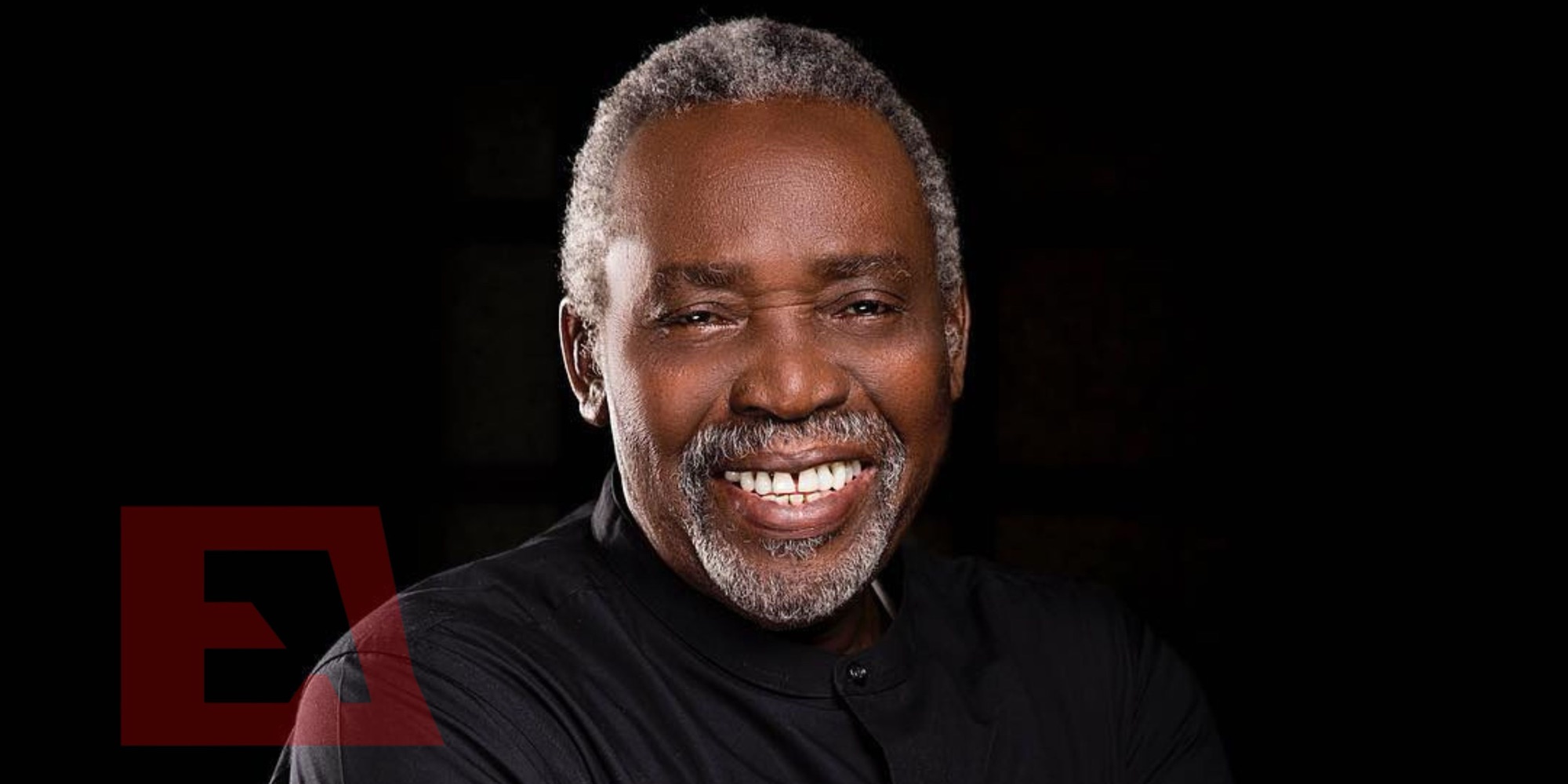
Veteran Nigerian actor and film executive Oludotun Baiyewun Jacobs, popularly known as Olu Jacobs, has died at the age of 84.

The Jacobs family announced his passing on Wednesday, September 16, 2026, describing the celebrated actor as “The Lion of Lufodo.”

In a statement shared by his son and associated with the family, they wrote:

“It is with gratitude to God for a life well lived and fought, that we announce the passing of our dear husband, father, grandfather and uncle. The Lion of Lufodo. Oludotun Baiyewun Jacobs (MFR) 11/07/1942 – 16/09/2026.”

The family also appealed to the media and social media users to respect their privacy during the period of mourning.

Born on July 11, 1942, Olu Jacobs built a career that spanned more than five decades, establishing himself as one of the most respected actors to emerge from Nigeria.

He trained at the Royal Academy of Dramatic Art (RADA) in London, where he began his professional acting career before appearing in several British television productions and international films.

His early credits included appearances in television series such as The Goodies, Till Death Us Do Part, The Professionals, Angels and The Tomorrow People. He also appeared in international films including The Dogs of War (1980), Baby: Secret of the Lost Legend (1985) and Roman Polanski’s Pirates (1986).

After returning to Nigeria, He became one of the defining figures of the country’s emerging film industry.

Over the course of his career, he appeared in more than 100 Nigerian films and became particularly recognised for his commanding portrayals of traditional rulers, fathers, politicians, elders and other authoritative characters.

His distinctive voice and screen presence eventually made him one of the most recognisable faces in Nigerian cinema, with Jacobs frequently mentioned among the foundational figures of Nollywood.

Jacobs’ contributions to African cinema earned him numerous honours throughout his career.

He won the Africa Movie Academy Award for Best Actor in a Leading Role in 2007 and received the Industry Merit Award at the 2013 Africa Magic Viewers’ Choice Awards.

He was also honoured with a Lifetime Achievement Award at the Africa International Film Festival, while the Nigerian government conferred on him the national honour of Member of the Order of the Federal Republic (MFR) in 2011.

In 2026, his 84th birthday was celebrated publicly by his wife, veteran actress Joke Silva, who referred to him as “The Lion of Lufodo.” 

Beyond his work on screen, He played an important role in developing Nigeria’s creative industry infrastructure.

Together with Joke Silva, whom he married, he co-founded the Lufodo Group, a company involved in film production and distribution, as well as the Lufodo Academy of Performing Arts.

Through the academy and their wider work in the industry, the couple contributed to the training and development of a new generation of Nigerian performers.

Olu Jacobs gradually stepped away from acting and public appearances in his later years.

His reduced presence on screen followed revelations from Joke Silva that he had been living with Lewy body dementia, a progressive neurological condition. The family had previously faced repeated false reports of his death, including a widely circulated rumour in 2024 that was publicly debunked by his son. 

The announcement of his passing on September 16, 2026, therefore marks the end of the life and career of one of the most influential figures in Nigerian acting.

For generations of Nigerian and African audiences, Olu Jacobs was more than a prolific actor. His work connected Nigeria’s theatre tradition with the country’s rapidly expanding film industry and helped establish a standard for screen performance that influenced countless actors who followed.

From British television and international cinema to the growth of Nollywood, he maintained a career that crossed industries and generations.

He leaves behind his wife, Joke Silva, their children and grandchildren, as well as a body of work that remains deeply embedded in the history of Nigerian cinema.

The Jacobs family has asked the public, bloggers and social media influencers to respect their privacy as they mourn.

Olu Jacobs was 84.

May his soul rest in peace.
Poco Lee’s UK Court Case Adjourned to February 2027, Trial Set for March

Nigerian dancer and performer Poco Lee, whose real name is Iweh Pascal Odinaka, is set to return to court in the United Kingdom in February 2027 as proceedings continue over allegations of sexual offences.

The development follows a Plea and Trial Preparation Hearing held at Snaresbrook Crown Court today, Tuesday, September 15, 2026.

Poco Lee is facing five charges in connection with alleged incidents in east London on July 23, 2026. The charges include two counts of rape, one count of attempted rape and two counts of assault by penetration.

https://x.com/streamdorm/status/2092991985565020503?s=46

According to reports from the proceedings, the prosecution requested additional time to gather further evidence in the case. The court subsequently scheduled Poco Lee’s plea hearing for February 8, 2027, while the trial is expected to begin on March 8, 2027.

The latest hearing was part of the preliminary legal process and was not the trial itself.

Poco Lee was previously granted bail on September 11, 2026. Reports have also stated that he remains subject to bail conditions while the case proceeds.

The allegations against the entertainer remain before the court, and he is presumed innocent unless and until proven guilty.

Community leader Benjamin Kuti has also called for restraint and respect for the judicial process as the case continues, urging the public not to prejudge the outcome.

The case has attracted attention among fans and followers of the Nigerian entertainer, with some sharing messages of support online.

For now, the next major development will be Poco Lee’s February 8, 2027 plea hearing, ahead of the scheduled trial in March.

AFRIMMA 2026: Full Winners List as Fally Ipupa, Davido, Tems, Tyla, Fola & More Take Home Major Wins 

The 2026 African Muzik Magazine Awards (AFRIMMA) have officially concluded, bringing together some of the biggest names in African music, entertainment and culture for a night celebrating the continent’s creative excellence.

The awards returned in 2026 after a two-year break, with this year’s ceremony taking place on September 12 at Annette Strauss Square in Dallas, Texas, as part of the expanded AFRIMMA MusicFest.

The 2026 edition saw artists from across Africa and the diaspora compete across regional, musical and cultural categories, with 41 honors ultimately presented.

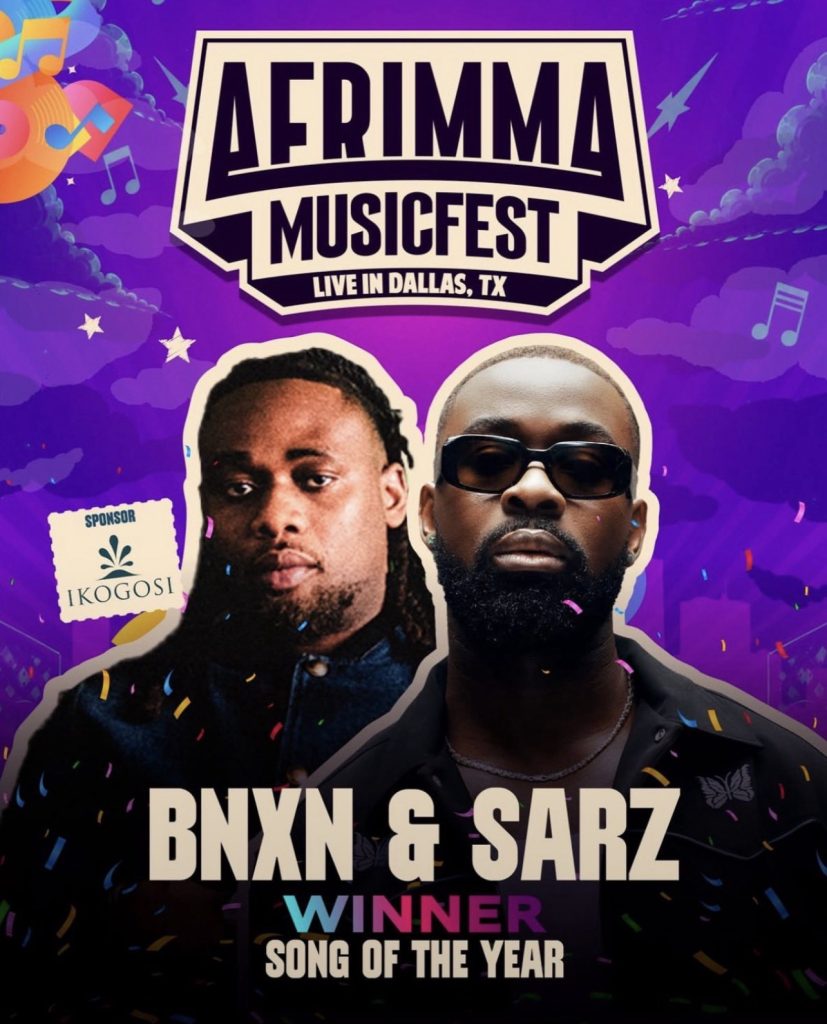
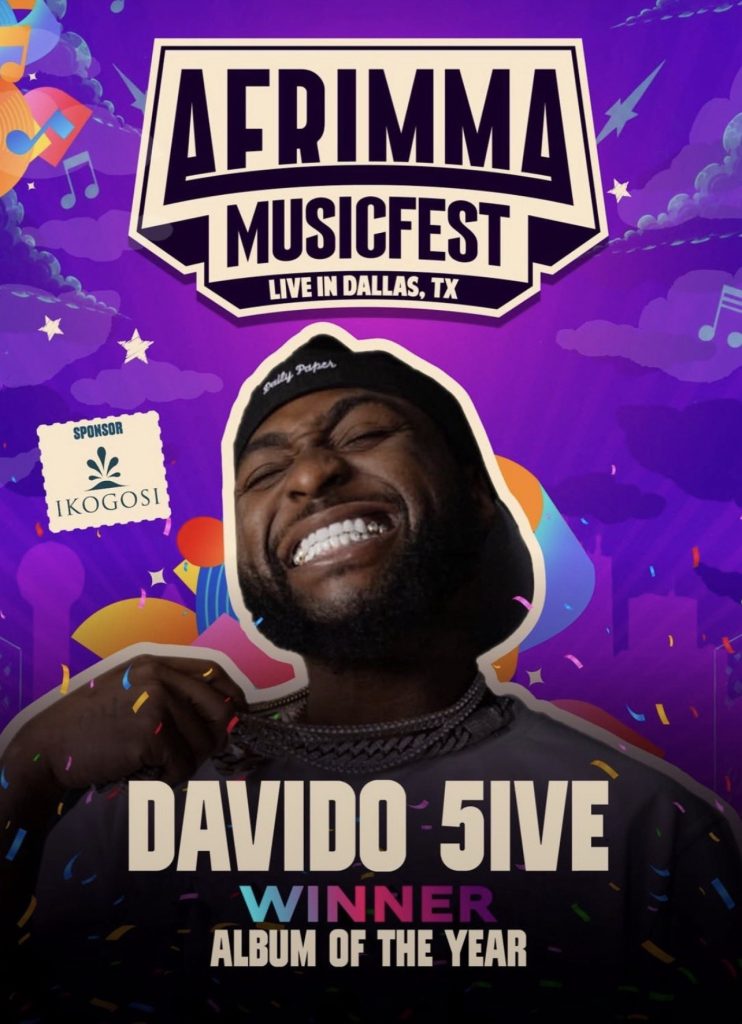
DR Congo’s Fally Ipupa emerged as one of the biggest winners of the night, taking home Artist of the Year and the Crossing Boundaries with Music Award. Nigeria’s Davido won Album of the Year for 5ive, while BNXN and Sarz took home both Song of the Year and, alongside Diamond Platnumz and Juma Jux, competed among the year’s biggest collaborations.

Other notable winners included Tems, Ruger, Tyla, Marioo, Nikita Kering, Fola, Phyno, Mercy Chinwo, Eno Barony, DJ Tunez, London, Patoranking, Shenseea, Dope Nation, Victor Osimhen, Victony and Didi B. 

Full AFRIMMA 2026 Winners List

Regional Awards

Best Male West Africa
Nominees: Davido, Black Sherif, BNXN, Rema, Asake, Didi B, Djodje, Burna Boy, Wizkid, Ruger, Dino Santiago
Winner: Ruger 

Best Female West Africa
Nominees: Hadzi Vodushi, Tems, Josey, Viviane Chidid, Ayra Starr, Moliy, Tiwa Savage, Mariam Ba Lagare, Teni, Soraia Ramos
Winner: Tems 

Best Male East Africa
Nominees: Lij Michael, Marioo, Eddy Kenzo, Diamond Platnumz, Juma Jux, Bien, Mbosso, Joshua Baraka, Single Dee, Barnaba
Winner: Marioo 

Best Female East Africa
Nominees: Abigail Chams, Veronica Adane, Bridget Blue, Zuchu, Nikita Kering, Ariel Wayz, Njerae, Winnie Nwagi, Salemia
Winner: Nikita Kering 

Best Male Central Africa
Nominees: Matias Damásio, Dadju, TayC, Fally Ipupa, Calema, Gims, Gerilson Israel, Ko-C
Winner: Gerilson Israel 

Best Female Central Africa
Nominees: Anna Joyce, Rebo, Krys M, Blanche Bailly, Cindy Le Coeur, Espoir La Tigresse, Jessy B, Emma’a
Winner: Emma’a 

Best Male Southern Africa
Nominees: Scott Maphuma, Nutty O, Yo Maps, DJ Maphorisa, Zeze Kingston, Cassper Nyovest, William Last KRM, Kabza De Small
Winner: DJ Maphorisa 

Best Female Southern Africa
Nominees: Mawhoo, Tamy Moyo, Charma Gal, Babalwa M, Hanna, Uncle Waffles, Bombshell Grenade, Makhadzi, Tyla
Winner: Tyla 

Best Male North Africa
Nominees: Wegz, Stormy, Adviser, Amr Diab, Marwan Moussa, ElGrandeToto, DJ Snake, Cheb Momo
Winner: DJ Snake 

Best Female North Africa
Nominees: Marwa Loud, Chirine Lajmi, Manal, Souhila Ben Lachhab, Sherine, Latifa, Kenza Morsli, Zina Daoudia
Winner: Latifa

https://twitter.com/streamdorm/status/2098331224028631489?s=46

Music Awards

Crossing Boundaries with Music Award
Nominees: Burna Boy, Aya Nakamura, Rema, Davido, Toby Nwigwe, Flavour, Wizkid, Fally Ipupa, Odeal
Winner: Fally Ipupa

Best Newcomer
Nominees: Lisandro Cuxi, Mavo, Abigail Chams, 6uff, Lava Lava, Florito, Toxic Lyrikali, Fola
Winner: Fola

Artist of the Year
Nominees: Asake, Fally Ipupa, Diamond Platnumz, Burna Boy, Rema, Tyla, Tems, Davido, Bien
Winner: Fally Ipupa

Best Gospel
Nominees: Mercy Chinwo, Prosper Germoh, Christina Shusho, Miguel Buila, Bidemi Olaoba, Deborah Lukalu, Joel Lwaga, Moïse Mbiye, Sunmisola Agbebi Okeleye
Winner: Mercy Chinwo

Best Female Rap Act
Nominees: Rosa Ree, Eno Barony, Bombshell Grenade, Freda Rhymz, Moozlie, Ssaru, Ami Yerewolo, Candy Bleakz
Winner: Eno Barony

Best Male Rap Act
Nominees: Odumodublvck, Jeriq, Ninho, Black Sherif, A-Reece, 6uff, Blxckie, Yung Lunya, Phyno, Himra
Winner: Phyno

Best Collaboration
Nominees: Bien & Alikiba — “Finale”; BNXN & Sarz — “Back Outside”; Davido & Omah Lay — “With You”; Diamond Platnumz ft. Juma Jux — “Joy”; Patoranking ft. Ruger — “Shake That”; Fally Ipupa ft. Wizkid — “Jam”; Jazzworx & Tukuthela — “Bengicela”; Flavour ft. Baaba Maal — “Afroculture”; Marvais Djo ft. Kano Choir — “Pile”
Winner: Diamond Platnumz & Juma Jux — “Joy”

Song of the Year
Nominees: Davido ft. Omah Lay — “With You”; BNXN & Sarz — “Back Outside”; Bien & Alikiba — “Finale”; Diamond Platnumz ft. Juma Jux — “Joy”; Moliy ft. Shenseea & Skillibeng — “Shake It to the Max”; Black Sherif — “So It Goes”; Ciza — “Isaka (6AM)”; Young Jonn — “Elumelu”; DopeNation — “Kakalika”; Marvais Djo ft. Kano Choir — “Pile”; DJ Kedjevara — “Ça Fait Mal”
Winner: BNXN & Sarz — “Back Outside”

Best Video Director
Nominees: Hanscana, Director Pink, Elias Belkader, Mateo Da Silva, TG Omori, Babs Direction, Jake Zaral, Dammy Twitch
Winner: Pink

Best DJ Africa
Nominees: DJ Spinall, DJ Dollar, Uncle Waffles, DJ Obi, DJ Tunez, DJ Sly King, DJ Commissioner Wysei, DJ Nelasta, Major League DJs, DJ Kaywise, DJ Dope Caesar, DJ Moh
Winner: DJ Tunez

Best African DJ USA
Nominees: DJ Kuncept, DJ Akua, DJ Prince, DJ Bode, DJ Chelsea, DJ Shinski, DJ Birame BB L’amour, DJ Oreo, Lex and Answer, DJ Nani
Winner: DJ Prince

Music Producer of the Year
Nominees: Masterkraft, Andre Vibez, 207, Dlala Thukzin, Magicsticks, MOG Beatz, Xduppy, London
Winner: London

Best African Dancer
Nominees: Masaka Dance Kids, Incredible Zigi, Poco Lee, Ghetto Kids, Angel Nyigu, Hope Ramafalo, Wet Bad Gang, Dancegod Lloyd, Hooliboy
Winner: Ghetto Kids

Best Male Reggae/Dancehall
Nominees: Valiant, Mr. Killa, Patoranking, Shatta Wale, Skillibeng, Vybz Kartel, Popcaan, Kranium
Winner: Patoranking

Best Female Reggae/Dancehall
Nominees: Shenseea, Jada Kingdom, Moliy, Spice, Koffee, Lila Iké, Shaneil Muir, Vanessa Bling
Winner: Shenseea

Best African Group
Nominees: Disco Misr, Calema, Show Dem Camp, Toofan, DopeNation, Team Paiya, Mi Casa, Bracket
Winner: Dope Nation

Album of the Year
Nominees: Black Sherif — Top of The Morning Era; Omah Lay — Clarity of Mind; Asake — M$NEY; Tyla — A-Pop; Burna Boy — No Sign of Weakness; Lloyiso — Never Thought I Could; Davido — 5ive; Leigh-Anne — My Ego Told Me To; Himra — SORRY I’M BAD
Winner: Davido — 5ive

Best African USA-Based Artist
Nominees: Kwate, Bills, Mannywellz, Moses Sumney, Libianca, Palmwine Tappers Band, Detty K, J Pako, Emma Nyra
Winner: Kwate

AFRIMMA Music Without Borders Award
Winner: Juma Jux

AFRIMMA Timeless Impact Award
Nominees: Timaya, Amr Diab, Sarkodie, Nameless, Oskido, Kcee, Slap Dee, Bebe Cool, Flavour, Mafikizolo
Winner: Timaya

Culture & Impact Awards

African Athlete of the Year
Nominees: Victor Osimhen, Serhou Guirassy, Ademola Lookman, Achraf Hakimi, Pascal Siakam, Faith Kipyegon, Nnamdi Madubuike
Winner: Victor Osimhen 

Best Influencer
Nominees: Peller, Carter Efe, Khaby Lame, Nasty Blaq, Lasizwe Dambuza, Ilyas El Maliki, Crazy Kennar, Sabinus
Winner: Nasty Blaq 

Best Actor/Actress
Nominees: Timini Egbuson, Uzor Arukwe, Bimbo Ademoye, Uche Montana, Elizabeth Michael “Lulu”, Zander Adika, Pallance Dladla, Masali Baduza
Winner: Uche Montana 

Best Comedian
Nominees: Basketmouth, Bovi, Warri Pikin, Eric Omondi, Trevor Noah, Godfrey, Patrick “Salvado” Idringi, Ty Ngachira
Winner: Warri Pikin 

Best Hypeman/MC
Nominees: Big Smart, Shody, Ogee The MC, MC Wild, Robot Boii, Balaa MC, MC Mignon, Do2dtun
Winner: Big Smart 

Community Impact Award
Nominees: Ester Mathew Tonlagha Foundation, Noella Foundation, FAWE, Educate!, IkamvaYouth, Street Child, Tony Elumelu Foundation
Winner: Esther Mathew Tonlagha

The remaining special recognition categories were also revealed as part of AFRIMMA’s expanded 2026 honors.

Best Francophone – Innoss’B
Best Lusophone – Gerilson Israel
AFRIMMA Fans Choice Award – Victony
AFRIMMA Rising Star – Florito
Francophone Viewers Choice Award – Didi B 

Nigerian Content Creator Nkubi Defends Decision to Have Child Amid Dwarfism Debate

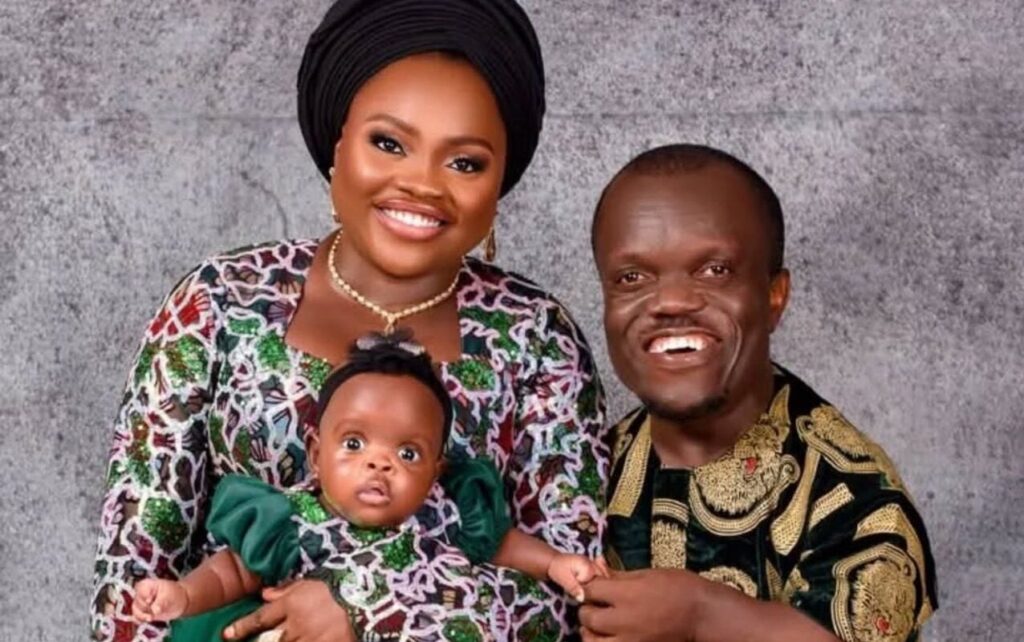
Popular Nigerian actor and content creator Victor Udochukwu Nwaogu, popularly known as Nkubi, has responded to growing criticism surrounding his decision to have a child despite living with dwarfism.

The comedian recently addressed the issue during an interview clip that has gone viral across social media platforms. In the video, Nkubi firmly rejected claims that people with dwarfism should avoid parenthood, stressing that the condition has existed throughout human history.

People should stop blaming me for having a child. Dwarfism is as old as man,” he said during the conversation, while passionately reacting to public scrutiny and online debates.

Nkubi, who has long spoken openly about his experiences as a little person in Nigeria, revealed that discrimination played a major role in shaping his career path. According to the actor, he often faced rejection from conventional jobs because of his height before eventually finding success in entertainment and digital content creation.

His marriage and journey into fatherhood have continued to spark mixed reactions online. While many people have praised the couple for embracing family life confidently, others questioned their decision to conceive because of the possibility of passing down dwarfism genetically.

Despite the criticism, Nkubi and his wife, Vivian, have maintained that they were fully prepared for any outcome. The couple welcomed their first child, a daughter, who does not have dwarfism.

Vivian previously recounted a difficult experience during pregnancy after undergoing an anomaly scan. She claimed a doctor asked whether there was a history of dwarfism in the family before allegedly suggesting alternative options such as conceiving with another man or using a sperm donor to reduce the chances of having a child with dwarfism. The couple said they immediately dismissed the suggestion.

Beyond the controversy, Nkubi has consistently used his platform to advocate for empathy, inclusion, and equal opportunities for people living with dwarfism. Through interviews, comedy, and public appearances, the actor continues to challenge stereotypes and encourage conversations around acceptance and respect.

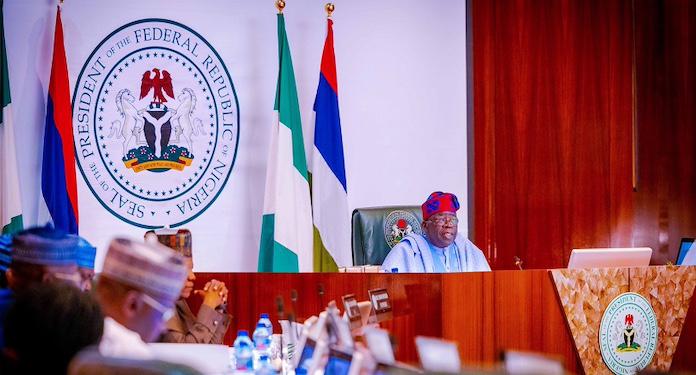
Sports: President Tinubu Approves Nigeria’s Hosting of 2026 CAF Awards

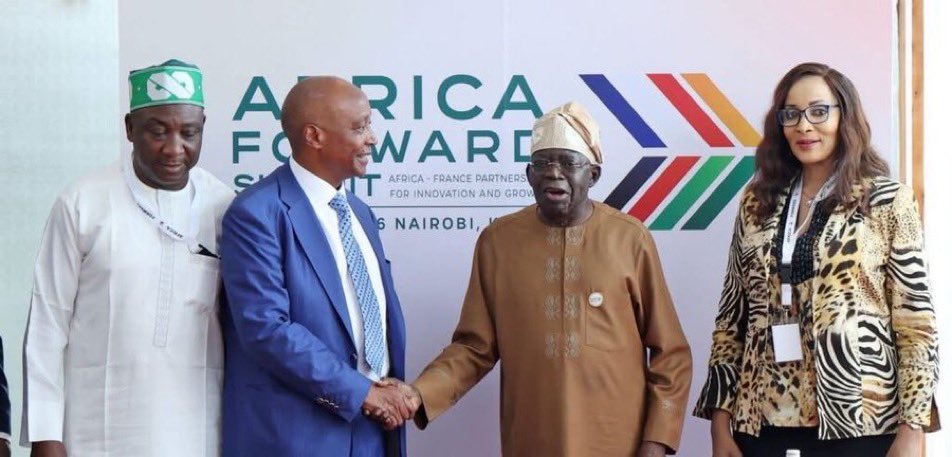
President Bola Ahmed Tinubu has approved Nigeria’s bid to host the 2026 Confederation of African Football (CAF) Awards and the 48th CAF Ordinary General Assembly, major milestone for the country’s football administration and international sports profile.

The approval was announced following a high-level meeting between President Tinubu and CAF President Patrice Motsepe during the Africa Forward Summit held in Nairobi.

According to reports from the Nigeria Football Federation (NFF), the meeting also had in attendance Nigeria’s Minister of Foreign Affairs Bianca Odumegwu-Ojukwu, NFF President Ibrahim Musa Gusau, former NFF President Amaju Pinnick, and CAF Acting General Secretary Samson Adamu.

The 48th CAF Ordinary General Assembly is scheduled to take place in 2026 and is expected to bring together representatives from CAF’s 54 member associations, football administrators, and stakeholders from across the continent.

Nigeria will also host the prestigious CAF Awards ceremony, one of Africa’s biggest football events that celebrates outstanding achievements by players, coaches, clubs, national teams, and football officials.

The decision is seen as a major boost for Nigerian football and sports tourism, as the country prepares to welcome football executives, athletes, media organizations, and fans from across Africa and beyond.

Nigeria has previously hosted the CAF Awards in cities such as Lagos and Abuja. The last time the country hosted the event was in 2017, when Algerian football star Riyad Mahrez won the Men’s Player of the Year award, while Nigerian striker Asisat Oshoala claimed the women’s award.

More details, including the official host city and event schedule, are expected to be announced by CAF in the coming months.

MTN Suspends Airtime and Data Borrowing Services in Nigeria Over New Lending Rules

MTN Nigeria has suspended its airtime and data borrowing services, widely known as XtraTime and XtraByte, cutting off a widely used fallback option for millions of subscribers across the country.

The move, which quietly took effect this week, has triggered reactions among users who depend on the service for urgent calls, messages, and data access, especially in moments when immediate cash is not available.

At the center of the decision is a new regulatory position introduced by the Federal Competition and Consumer Protection Commission (FCCPC), which now classifies airtime and data borrowing as a form of digital lending.

This reclassification changes the nature of the service entirely. What was once seen as a telecom convenience is now being treated as a financial product, requiring telecom operators to meet stricter legal and consumer protection standards. As a result, companies like MTN must secure proper licensing and demonstrate compliance with lending regulations before continuing the service.

Existing borrowed balances, however, remain valid and will still be deducted whenever users recharge their lines, ensuring that prior usage is not erased by the suspension.

MTN maintains that the suspension is temporary, positioning it as a compliance step rather than a permanent discontinuation. The expectation is that the service will return once regulatory approvals are secured and operational adjustments are completed.

MTN’s move is unlikely to exist in isolation. Other telecom operators are expected to follow similar compliance paths, suggesting that this is not just a company-specific decision but an industry-wide transition.

The Federal Competition and Consumer Protection Commission serves as Nigeria’s primary consumer protection authority, established to regulate fair business practices and safeguard users from exploitative systems across industries.

In 2025, the commission introduced a sweeping framework targeting digital and non-traditional lending. Under this regulation, any service that provides value upfront and recovers payment later is now legally defined as a loan. This includes not just cash lending platforms, but also telecom-based services like airtime and data borrowing.

By bringing these services under formal lending laws, the FCCPC is requiring providers to operate with the same level of transparency and accountability expected of financial institutions. This means clear disclosure of charges, defined repayment structures, proper user consent, and stricter data protection standards.

Federal Government Bans Roadblocks for Tax and Levy Collection Nationwide

The Federal Government has taken a decisive step to eliminate unauthorized revenue collection on Nigerian highways by banning the use of roadblocks, checkpoints, and road stickers for tax and levy collection across the country. The directive, issued by the Joint Revenue Board (JRB), aims to strengthen tax administration, improve the ease of doing business, and curb harassment of motorists and transporters. 

The announcement followed the conclusion of the JRB’s 158th meeting, held on December 9–10, 2025, at the Transcorp Hilton in Abuja. According to the communiqué released at the end of the session, the board has outlawed the collection of road taxes, levies, rates and related charges at checkpoints, whether mounted by state actors or non‑state groups. Early reports today March 3, 2026 stated that formal implementation has began.

The board’s communique emphasized the outright abolition of road stickers and similar instruments that have been used to extract payments from road users. Such practices have long been criticised for contributing to multiple taxation, extortion, and disruptions to commercial transport activities. 

“The Board restates its commitment to eradicating the menace of non‑state actors in the nation’s revenue administration value chain,” the JRB said, urging Nigerians to refuse payment of levies at unauthorized checkpoints and to report offenders to the relevant security agencies. 

To ensure compliance with the ban, the JRB has called on key security bodies, including the Office of the National Security Adviser (ONSA) and the Nigeria Police Force to dismantle illegal roadblocks erected along major transport corridors and take action against those responsible for unlawful revenue collection. 

The ban aligns with the broader 2025 tax reform agenda of the Federal Government, which is introducing new tax laws and revenue administration frameworks intended to modernise Nigeria’s tax system. These reforms emphasise digital payments and structured collection mechanisms, reducing reliance on informal and arbitrary methods. 

The JRB also encouraged state governments to fast‑track the passage of the Harmonised Taxes and Levies (Approved List for Collection) Bill into law. This measure is expected to ensure greater uniformity in tax practices nationwide and eliminate overlapping taxes that undermine economic activity. 

This article is based on multiple verified reports from Nigerian news outlets.

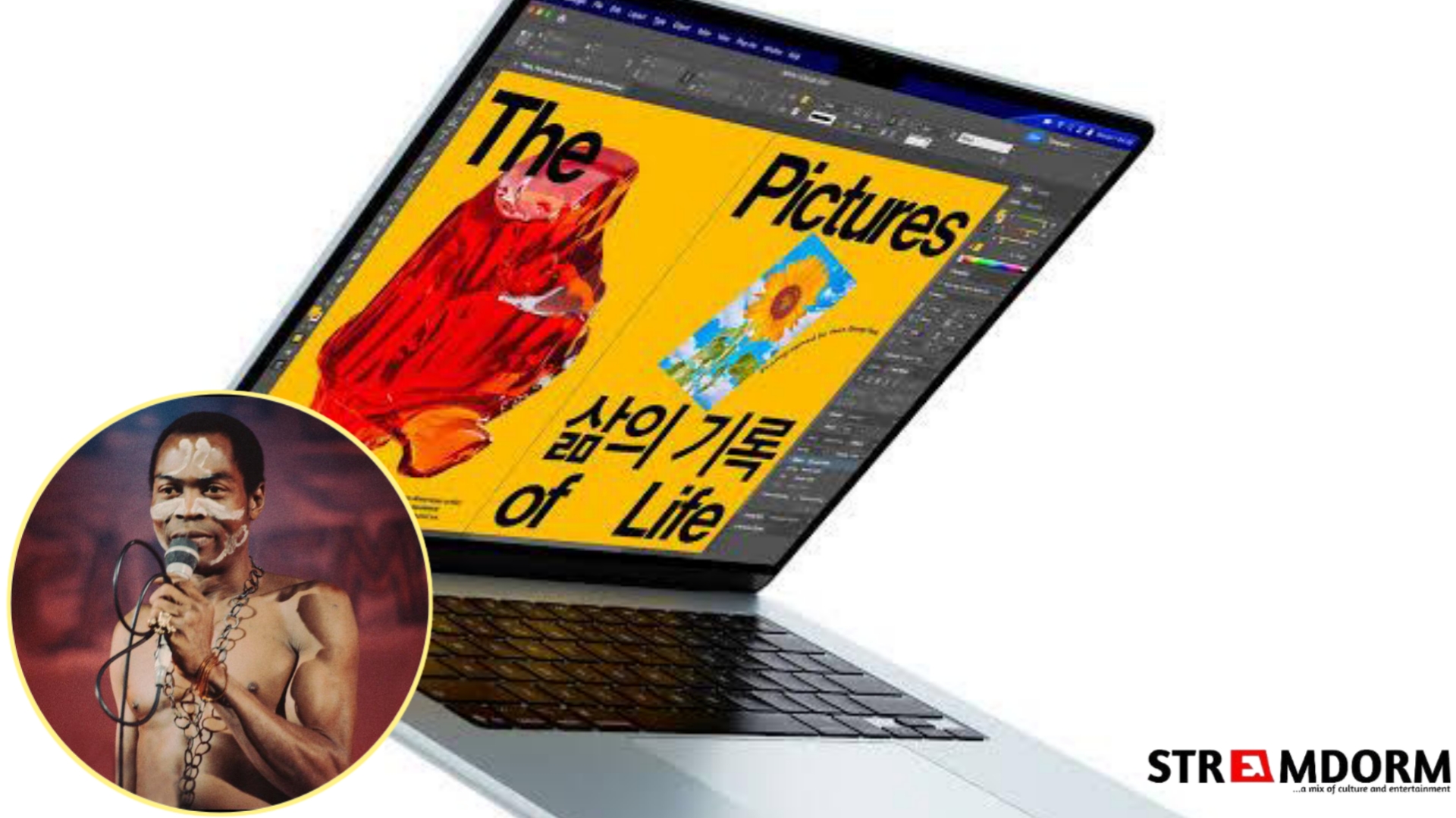
Apple Unveils MacBook Air M5 With Fela Kuti’s 1971 Classic “Let’s Start” Featured in Launch

Apple has officially unveiled a new generation of the MacBook Air powered by its latest M5 chip, introducing upgraded performance and expanded base storage to its most popular laptop line.

The new MacBook Air comes equipped with Apple’s M5 processor, delivering improved CPU and GPU performance over the previous generation. The company confirmed that the device maintains its fanless design while offering enhanced efficiency and extended battery life of up to 18 hours, depending on usage. Apple has also increased the base storage configuration to 512GB, doubling the previous entry-level capacity.

The laptop retains its slim aluminum build and Liquid Retina display and will be available in both 13-inch and 15-inch models. Pre-orders begin shortly after the announcement, with retail availability following days later in select markets.

During promotional materials and launch visuals tied to the unveiling, Apple featured “Let’s Start,” the 1971 Afrobeat track by Fela Kuti. The song was originally performed by Fela and his band Africa ’70 and appeared on the live album Live! released in 1971. The track is widely regarded as one of the early recordings that helped define the Afrobeat genre.

“Let’s Start” is known for its extended instrumental structure and rhythmic arrangement, characteristic of Fela’s early 1970s sound. Its inclusion in the MacBook Air M5 launch marks a notable intersection between global technology branding and African musical heritage.

The inclusion of a foundational Nigerian record in a global product unveiling comes at a time when Nigeria’s digital and cultural markets are expanding their international footprint.

Nigeria remains one of Africa’s largest smartphone markets, with recent rebounds in device shipments and sustained demand in the premium segment despite broader price sensitivity. While mass-market brands dominate by volume, premium devices  including Apple products maintain strong aspirational appeal among urban and affluent consumers. At the same time, Nigeria’s youthful population and mobile-first economy continue to drive high levels of app usage, digital content creation, and online engagement.

Culturally, Nigerian music and film have become major global exports. Afrobeat, once niche, is now mainstream worldwide. Featuring “Let’s Start” in the MacBook Air campaign situates the product within that broader cultural momentum.

Apple has not issued a specific statement explaining the selection of the song. However, the timing aligns with Nigeria’s growing relevance in global technology consumption and its expanding influence across music, media, and digital culture.

Sniper, Hypo and Household Chemicals: The Deadly Risks Behind Common Substances in Nigeria

In recent times, several disturbing incidents involving the ingestion of harmful household substances have surfaced online in Nigeria, sparking conversations around mental health, social media pressure, and the accessibility of toxic chemicals.

A few weeks back, a TikTok user known as Mirabel made headlines after a distressing video surfaced in which she claimed to have consumed Sniper, a popular insecticide brand in Nigeria. Authorities later intervened, and the situation triggered widespread debate online about misinformation, emotional distress, and online sympathy campaigns.

Similarly, reports have been circulating on social media about media personality King Mitchy allegedly ingesting bleach (“hypo”) during a live session following an online dispute. As of publication, some claims surrounding that incident remain unverified as her management has confirmed that she’s dead and at the same time the hospital where the management claimed she died has come out to say she was never even admitted at their hospital. 

While the details of these cases continue to be debated online, what is not in doubt is the danger posed by these substances.

Long before these viral incidents, there have been multiple documented reports across Nigeria involving harmful substance ingestion.

These reports span different regions and age groups, suggesting the issue goes beyond isolated viral moments.

1. Sniper and Organophosphate Insecticides

Sniper is one of the most recognizable insecticide brands in Nigeria. Some formulations contain Dichlorvos, a chemical designed to kill insects by shutting down their nervous systems.

The problem is that the same mechanism that makes it effective against pests makes it extremely dangerous to humans.

Organophosphates interfere with enzymes that regulate nerve signals in the body. When ingested or inhaled in significant amounts, they can overwhelm the nervous system, leading to breathing difficulties, muscle paralysis, seizures, and in severe cases, organ failure. Exposure in poorly ventilated spaces increases the risk dramatically.

Over the years, Nigerian hospitals have treated multiple pesticide poisoning cases, prompting regulatory conversations about restricting high-toxicity insecticides. The danger lies not only in deliberate misuse but also in improper storage and unsafe indoor spraying.

Sniper is not just a household product. It is a potent chemical compound that must be treated with extreme caution.

2. Hypo and other Household Bleach

Household bleach, commonly referred to as hypo, is another product many Nigerians use almost daily. It typically contains Sodium hypochlorite, a strong disinfectant trusted for cleaning and sanitizing.

But bleach is not harmless simply because it is common.

Sodium hypochlorite is corrosive. When swallowed, it can burn the mouth, throat, and stomach lining. The damage is chemical, not mechanical meaning tissues can be destroyed from the inside. Even inhaling concentrated fumes in a closed environment can irritate the lungs and airways.

The risk becomes even more serious when bleach is mixed with acidic cleaners. That combination can release Chlorine gas, a dangerous vapor that can cause severe respiratory distress.

The familiarity of bleach has created a false sense of safety. In reality, it is a powerful chemical disinfectant that demands responsible handling.

3. Acid-Based Toilet Cleaners and Industrial Cleaning Agents

Many toilet cleaners and heavy-duty cleaning products contain strong acids such as Hydrochloric acid. These substances are formulated to dissolve stubborn stains, mineral deposits, and grime.

Acid-based cleaners can cause immediate burns upon contact with the skin. If splashed into the eyes, they may result in serious injury. When swallowed, they can severely damage internal organs within minutes.

Emergency units frequently handle cases of chemical burns resulting from improper handling of such products. The packaging may look like ordinary cleaning liquid, but chemically, these substances are highly reactive and corrosive.

The danger is not always visible until it is too late.

4. Kerosene and Petrol

Kerosene and petrol are deeply integrated into daily life in many Nigerian households. They power generators, fuel lamps, and support cooking in certain houses.

If swallowed, kerosene or petrol can enter the lungs and cause chemical pneumonia; a dangerous inflammation triggered not by infection but by toxic exposure. Vapors can also affect the brain and nervous system when inhaled in confined spaces.

One recurring public health concern involves storing kerosene in soft drink bottles, making it easy for children to mistake it for water or juice. Such accidents are tragically preventable.

These fuels may be routine household staples, but medically, they are hazardous substances.

5. Automotive Fluids and Battery Acid

Automotive maintenance products present another overlooked risk. Car batteries contain Sulfuric acid, a highly corrosive compound capable of causing severe burns.

Other automotive fluids, including antifreeze and brake fluids, contain toxic chemicals that can damage the kidneys, liver, and nervous system if ingested.

Unlike food or drink products, these substances are not designed for human contact. Yet in homes where they are improperly stored or handled without protective gear, the risk of exposure increases.

The recurring reports of harmful substance ingestion, whether accidental or tied to emotional distress, reveal a deeper public health challenge. These chemicals are easily accessible, affordable, and often poorly regulated at the retail level.

At the same time, conversations about mental health support in Nigeria remain ongoing. When emotional crises intersect with easy access to highly toxic substances, the consequences can be severe.

Awareness is not about sensationalism. It is about prevention.

They are not safe because they are common.

And they are not forgiving when misused.

Understanding their effects is the first step toward protecting lives.

Disclaimer

This article is intended for educational and awareness purposes only. It does not provide instructions for the misuse of any substances. The chemicals discussed, including Sniper insecticide, bleach (hypo), and other household products, are highly toxic and can cause serious injury or death if ingested or misused. If you or someone you know is experiencing emotional distress or considering self-harm, please seek immediate help from qualified professionals or contact local support services.

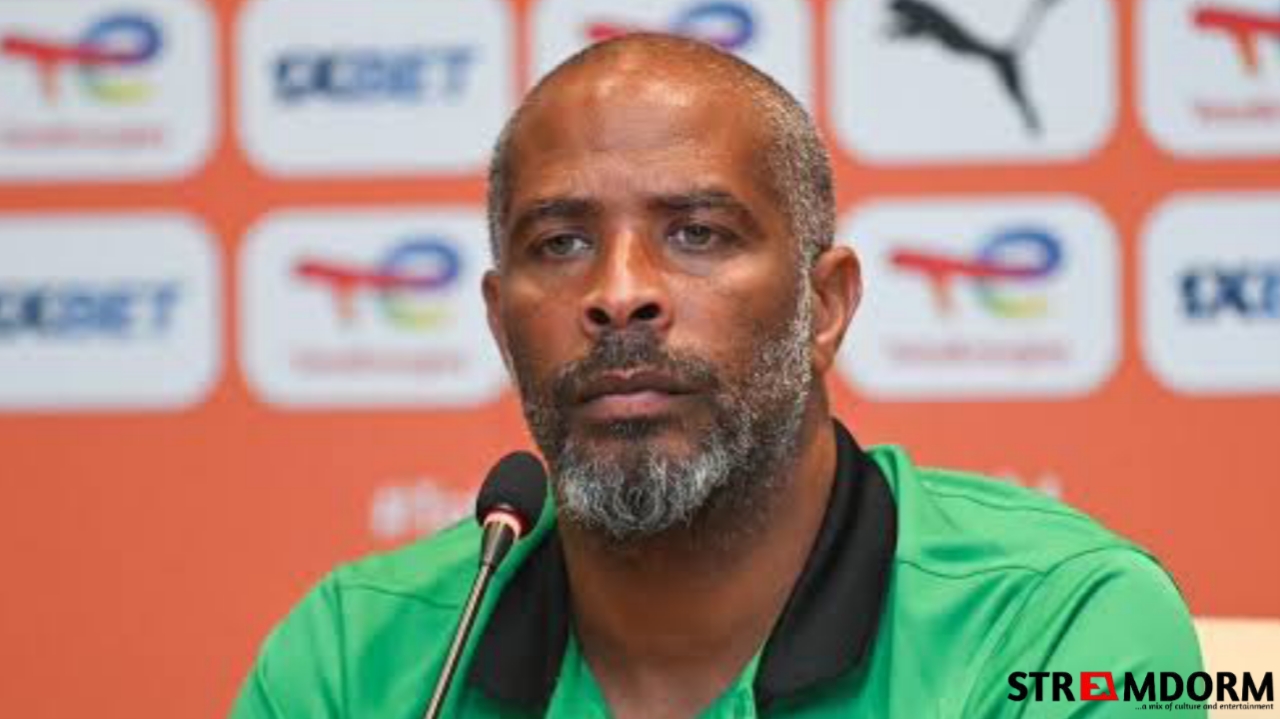
Super Eagles Controversy: Gara-Gombe Warns NFF Against Reported $130,000 Salary for Eric Chelle

Nigeria’s beloved national football team, the Super Eagles, is facing an unexpected off-field controversy, and it’s not about match results or tournament outcomes. Instead, the spotlight is on head coach Eric Chelle and reports that he requested a $130,000 monthly salary, a figure that has drawn criticism from football stakeholders and fans alike.

According to reports, Chelle, who guided Nigeria to a respectable finish at the 2025 Africa Cup of Nations, submitted a 19-point proposal to the Nigeria Football Federation (NFF), seeking an increase in his monthly salary from $50,000 to $130,000 (about ₦174 million).

But the proposal reportedly went beyond just a pay rise. Sources say Chelle’s package included:

  • A secure official residence with uninterrupted power supply
  • A private SUV with a driver and security detail
  • Flight allowances for family members
  • Autonomy over team selection and friendly matches
  • Salaries for his technical staff and personal assistant

Former Gombe State FA chairman and football administrator Ahmed Shuaibu Gara-Gombe has been one of the loudest critics of the reported package. He warned that the NFF could regret agreeing to such terms.

“The Super Eagles brand elevated Chelle, not the other way around. Demanding such figures at this stage is almost blackmail,” Gara-Gombe said, describing the proposal as excessive and disconnected from the realities of Nigerian football. Via Africa Soccer

Critics argue that such financial expectations could undermine the team’s stability and shift focus away from player development and performance.

The NFF has since denied that Chelle formally demanded $130,000 monthly. According to a federation spokesperson, the figures circulating in the media are speculative and not part of official negotiations.

Whether the reports are exaggerated or accurate, the controversy underscores the tension between perception and reality in Nigerian football governance.

For the NFF, the challenge is clear: negotiate a fair deal, maintain team focus, and preserve public trust. The decisions made now will influence not just the next season, but the long-term direction of Nigerian football.

Scroll to Top