Despite Backlash and Past Setbacks, FG Moves Ahead With New GMO Cotton Seeds

Nigeria’s Federal Government has pushed ahead with the rollout of genetically modified (GM) cotton seeds, launching two new varieties; Mahyco C567 BGII and Mahyco C571 BGII despite lingering backlash and the mixed performance of earlier GMO cotton initiatives.

The move signals a renewed commitment to biotechnology as a solution to Nigeria’s struggling cotton and textile industry, even as farmers, civil society groups and environmental advocates continue to question its long-term impact.

The new GM cotton varieties were unveiled through the National Agricultural Seeds Council (NASC) in partnership with Mahyco Nigeria. According to officials, both Mahyco C567 BGII and C571 BGII are engineered with Bt (Bacillus thuringiensis) technology, designed to protect cotton plants against bollworm infestations, one of the crop’s most destructive pests.

Government representatives say the seeds are capable of delivering significantly higher yields, estimating production levels of 3.5 to 4.4 tonnes per hectare, compared to Nigeria’s current average of under 1.5 tonnes per hectare using conventional cotton varieties.

Other promised benefits include:

  • Reduced pesticide use
  • Lower production costs
  • Improved fibre quality for textile manufacturing

Officials argue that widespread adoption could help revive dormant ginneries, support local textile mills and create jobs across the cotton value chain.

Nigeria’s renewed push for GM cotton comes against the backdrop of earlier GMO trials that failed to meet expectations.

In 2018, Nigeria approved commercial cultivation of Bt cotton, also developed by Mahyco. At the time, the seeds were promoted as a breakthrough that would transform cotton farming. However, several years later, industry stakeholders reported that yields remained low and that farmers saw limited economic improvement.

Critics argue that the government’s current approach risks repeating past mistakes by focusing heavily on seed technology while ignoring structural problems.

Beyond performance issues, the new GM cotton rollout has reignited broader debates around genetically modified organisms in Nigeria.

Civil society organisations and environmental groups have raised concerns about: Farmer dependence on proprietary seeds that cannot be replanted, Long-term environmental and biodiversity risks, Transparency in biosafety approvals and Insufficient independent impact assessments.

Some advocacy groups have called on lawmakers to suspend or restrict GMO approvals until stronger regulatory safeguards and long-term studies are made public.

The government, however, maintains that the seeds have passed biosafety reviews and insists that biotechnology is essential to achieving food security and agricultural competitiveness.

Nigeria once had a thriving cotton sector that supported a robust textile industry. Today, most textile mills operate far below capacity, while cotton production remains fragmented and underfunded.

The introduction of Mahyco C567 BGII and C571 BGII represents another attempt to reverse that decline. Whether these new varieties will deliver better results than earlier GMO cotton and whether farmers will see sustainable gains remains uncertain.

For now, Nigeria’s cotton revival strategy rests once again on genetically modified seeds, even as the debate over their effectiveness, safety and long-term impact continues.

NAFDAC Begins Enforcement of Sachet Alcohol Ban Across Nigeria

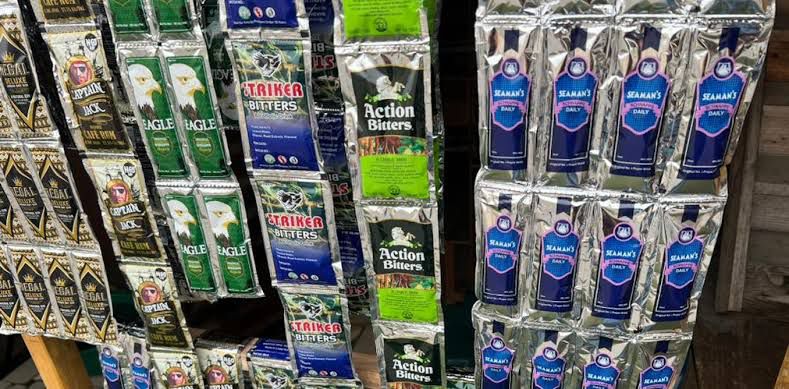
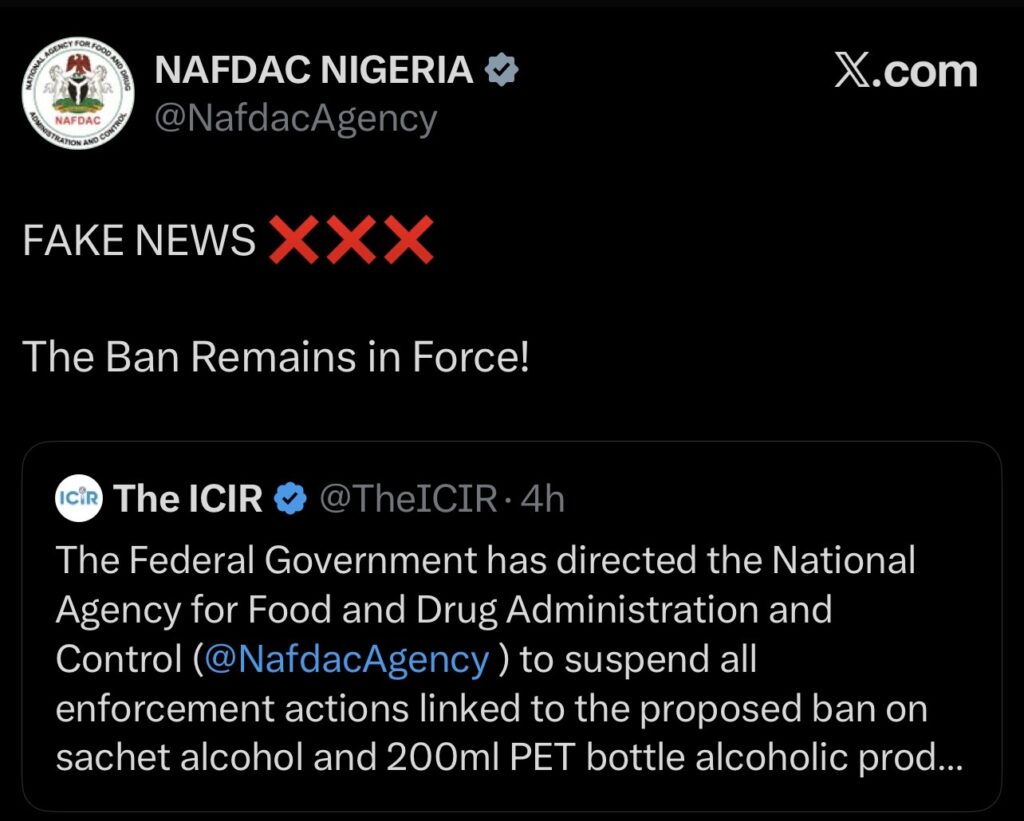
The National Agency for Food and Drug Administration and Control (NAFDAC) has officially commenced enforcement of the long-standing ban on sachet alcohol and alcoholic beverages packaged in PET bottles below 200 ml across Nigeria.

The move marks the end of a multi-year grace period given to manufacturers and distributors and signals a decisive regulatory shift aimed at addressing growing public health and youth safety concerns.

The sachet alcohol ban was first introduced in 2018 following consultations between NAFDAC, the Federal Ministry of Health, the Federal Competition and Consumer Protection Commission (FCCPC), and industry stakeholders.

At the time, regulators cited the widespread availability of high-alcohol products in small, inexpensive packaging as a major risk factor for underage drinking, alcohol abuse, and unsafe consumption habits.

Manufacturers were initially granted a phase-out period, which was later extended multiple times. The final deadline for compliance was set for December 31, 2025, after which full enforcement was mandated.

Earlier this year, the Nigerian Senate directed NAFDAC to proceed with enforcement nationwide, ruling out any further extensions.

Speaking at a media briefing in Lagos, NAFDAC Director-General Prof. Mojisola Adeyeye confirmed that the agency has begun coordinated enforcement actions to halt the production, distribution, and sale of sachet alcohol and sub-200 ml PET-packaged alcoholic drinks.

According to NAFDAC, some of the banned products previously contained extremely high alcohol concentrations, in some cases exceeding levels considered safe for responsible consumption.

Public health advocates have largely welcomed the enforcement, arguing that sachet alcohol’s affordability and portability made it particularly appealing to minors and vulnerable groups.

However, industry stakeholders have raised concerns about the economic impact, warning that the ban could affect small-scale manufacturers, distributors, and retailers who rely heavily on sachet sales.

Some industry groups have also cautioned that enforcement without sufficient consumer education could drive demand toward unregulated or illicit alcohol products, a risk NAFDAC says it is monitoring closely.

NAFDAC has reiterated its commitment to public awareness campaigns while urging manufacturers and sellers to comply fully with the law.

CBN Launches Aggressive Industry-Wide Crackdown on Digital Fraud, Sets 30-Minute Response Target

The Central Bank of Nigeria (CBN) has announced a sweeping, industry-wide offensive against the growing threat of digital fraud, introducing new measures aimed at slashing fraud response times across Nigeria’s financial system to under 30 minutes.

The initiative was unveiled at the Nigeria Electronic Fraud Forum (NeFF) Technical Kick-Off Session, bringing together regulators, commercial banks, fintech firms, payment service providers, and law enforcement agencies in a coordinated push to strengthen fraud prevention and response mechanisms nationwide.

At the heart of the new framework is speed. The CBN has directed financial institutions to significantly shorten the time it takes to detect, escalate, and respond to fraud incidents, warning that delays allow criminals to move stolen funds across multiple platforms before recovery efforts begin.

By enforcing a sub-30-minute response window, the apex bank aims to improve recovery rates, limit customer losses, and reduce systemic risk within Nigeria’s rapidly expanding digital payments ecosystem.

The initiative emphasizes deep collaboration across the financial ecosystem, requiring banks, fintechs, and payment processors to break down operational silos and share intelligence in real time. According to the CBN, coordinated monitoring and joint response protocols are now critical as fraud schemes become more sophisticated and cross-platform.

Stakeholders are also expected to align their internal systems with shared industry standards for fraud detection, reporting, and escalation.

Nigeria’s digital economy has expanded rapidly, driven by mobile banking, instant transfers, and fintech adoption. While recent reports indicate a moderation in electronic fraud cases, the CBN has stressed that cybercriminals continue to evolve, making proactive regulation and faster intervention essential.

The regulator reaffirmed its commitment to stronger identity verification frameworks, including the continued integration of Bank Verification Numbers (BVN) and National Identification Numbers (NIN), alongside advanced analytics and real-time transaction monitoring tools.

CBN officials signaled that compliance with the new response-time benchmark will be closely monitored. Banks and payment service providers are expected to invest in robust fraud prevention infrastructure and staff capacity to meet the regulator’s expectations.

The move reflects a firmer regulatory stance as the CBN seeks to protect consumer confidence, strengthen financial stability, and support long-term growth in Nigeria’s digital financial services sector.

By framing digital fraud as a collective industry challenge, the CBN’s latest initiative marks a strategic shift in how Nigeria confronts financial crime. If fully implemented, the sub-30-minute response target could redefine fraud management standards and significantly weaken the operating space for digital fraudsters.

IShowSpeed Becomes First Black Creator to Hit 50M YouTube Subscribers Live on His 21st Birthday in Nigeria

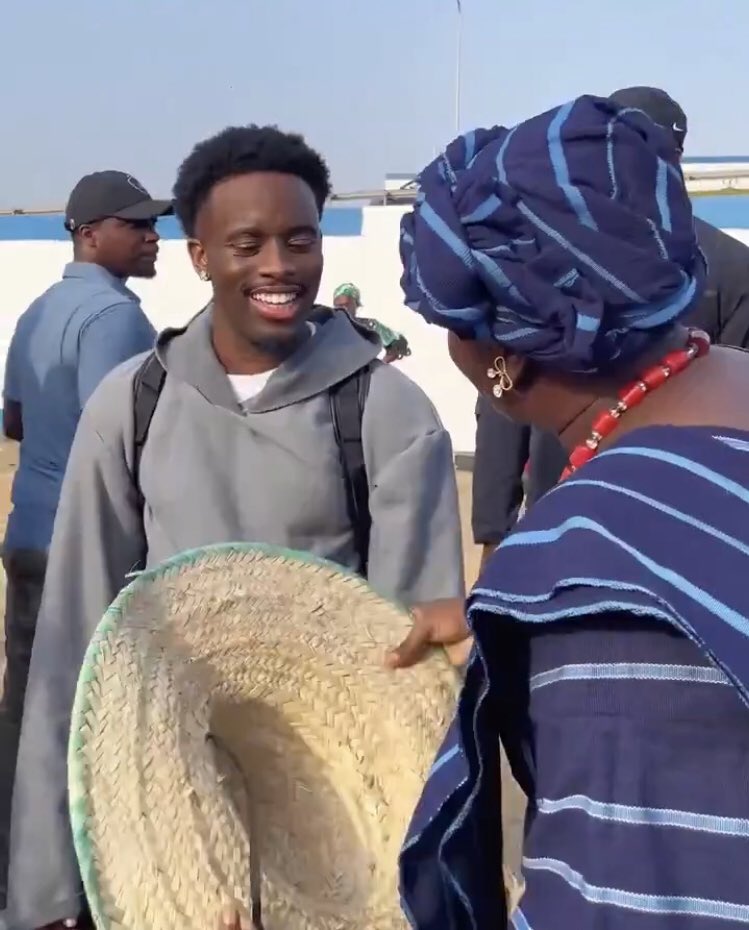
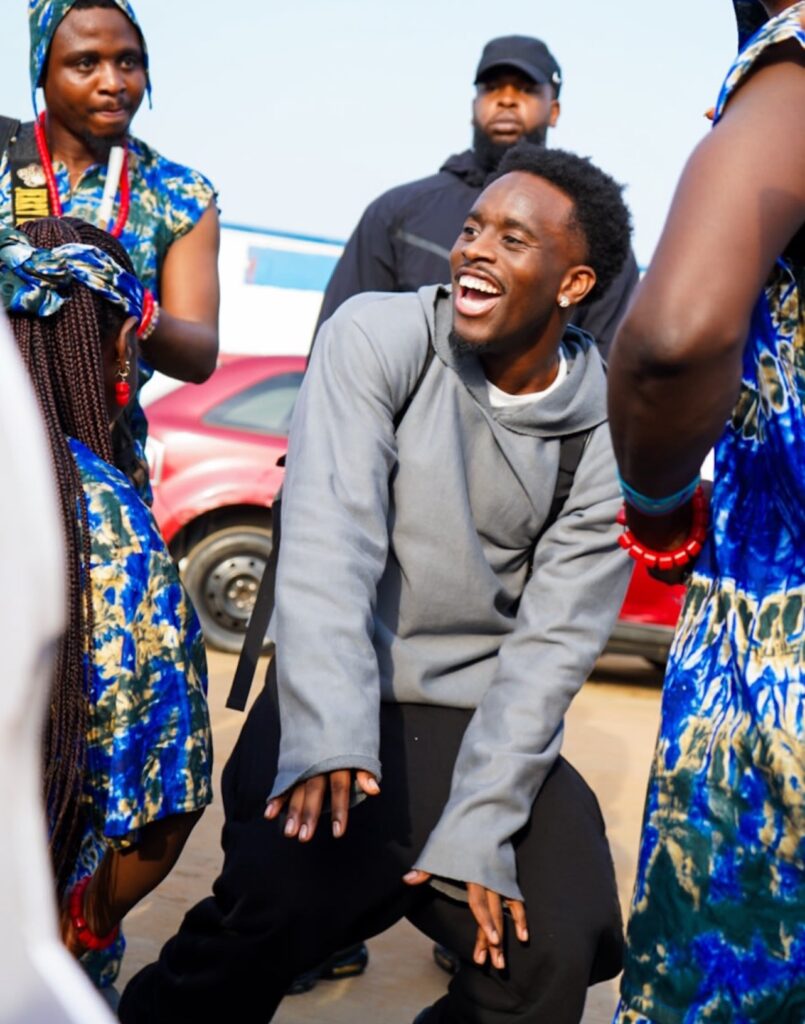
In a historic moment for the global digital community, IShowSpeed (Darren Jason Watkins Jr.) has officially surpassed 50 million subscribers on YouTube and he did it live on his 21st birthday while streaming from Nigeria. The milestone marks a defining moment not only for Speed’s career but also for Black creators on the platform.

Fans from around the world watched as the YouTube subscriber counter ticked past 50 million during his Africa tour livestream. Nigeria, one of the stops on his “Speed Does Africa” tour, became the backdrop for what many are calling a landmark achievement for Black creators in YouTube history. Social media exploded as viewers celebrated both his birthday and the historic milestone.

Social media reports confirms that IShowSpeed’s main channel now officially stands at 50,000,000 subscribers, cementing him as a true digital powerhouse.

One of the standout moments from Speed’s time in Nigeria was his verdict on Nigerian jollof rice live on stream, he declared Nigerian jollof the best he’d had so far in comparison with Senegalese jollof, a declaration that delighted viewers and reignited the long‑standing West African jollof debate. 

Social posts from fans also echoed that sentiment, noting how the streamer reacted to the spiciness and flavour of local dishes during his livestream in Lagos. 

Real‑time posts on community forums show Nigerians celebrating his presence, reacting positively to his content, and noting that he’s actively absorbing cultural experiences rather than just passing through. Many locals highlighted how he engages with audiences and talks about Nigerian culture to his millions of viewers live on stream. 

The ongoing stream content indicates that Speed has been interacting with his surroundings, food, and local energy in Lagos; typical of how he’s been doing in other countries on the tour. 

This milestone is more than just numbers; it’s a statement about the power of youth, global audiences, and cultural representation in the digital space. 

Google Report: 88% of Nigerians Use AI Chatbots — Far Above the Global Average

Nigeria is emerging as one of the world’s most active users of artificial intelligence, according to a new Google-Ipsos study. The report reveals that 88% of Nigerian adults have used an AI chatbot, placing the country far ahead of the global average of 62%.

Titled Our Life with AI: Helpfulness in the Hands of More People, the study highlights how Nigerians are already integrating AI into education, work, and income-generating activities not as a future concept, but as a practical everyday tool.

The data positions Nigeria among the highest adopters of AI chat tools globally, with usage rising sharply over the past year. Google notes that chatbot adoption in Nigeria increased by 18 percentage points, a growth rate that outpaces most regions surveyed.

This level of engagement suggests that AI tools are no longer niche technologies in Nigeria. Instead, they are becoming mainstream digital utilities, used across age groups and professional backgrounds.

One of the strongest use cases identified in the report is learning.

According to the survey: 93% of Nigerians use AI to learn or understand complex topics, compared to a global average of 74%.

Students, professionals, and self-learners are increasingly turning to AI chatbots to:

  • Break down difficult subjects
  • Explain concepts in simpler terms
  • Support exam preparation and research
  • Learn new digital and professional skills

Beyond education, AI is playing a growing role in workplace productivity.

The report shows that: 91% of Nigerian respondents use AI to assist with work tasks

These tasks range from:

  • Writing and editing content
  • Research and information gathering
  • Planning and organising projects
  • Brainstorming ideas and presentations

Perhaps most notably, the report highlights AI’s role in entrepreneurship and side hustles, a critical part of Nigeria’s economy.

Google’s findings reveal that: 80% of Nigerians use AI to explore business ideas or career opportunities, nearly double the global average of 42%.

In a country where many people combine multiple income sources, AI is becoming a low-cost tool for experimentation and growth.

Fela Kuti Legacy: How Nigeria’s Afrobeat Legend Changed Music and Culture Forever

Fela Anikulapo Kuti, born in 1938 in Abeokuta, Nigeria, remains one of the most influential figures in African music and culture. Known as the pioneer of Afrobeat, Fela’s life was a blend of revolutionary music, outspoken activism, and fearless challenges to political authority. Even decades after his passing in 1997, his legacy continues to resonate across music, politics, and African identity.

The Birth of Afrobeat

Fela Kuti’s journey into music began at a young age. Raised in a politically active family; his mother, Funmilayo Ransome-Kuti, was a feminist and activist. Fela was exposed early to the struggles of ordinary Nigerians. He studied music in London at the Trinity College of Music, where he learned classical piano and trumpet. But it was upon his return to Nigeria that he fused traditional African rhythms with jazz, funk, highlife, and soul to create Afrobeat.

Afrobeat was more than a music genre; it was a vehicle for social commentary. Through extended compositions, intricate horn sections, and polyrhythmic percussion, Fela delivered sharp critiques of corruption, military rule, and social injustice in Nigeria and across Africa. Hits like “Zombie” and “Sorrow, Tears and Blood” were not only musical masterpieces but also acts of resistance.

Activism and Political Influence

Fela’s music was inseparable from his activism. His lyrics openly criticized Nigeria’s military regimes and exposed the harsh realities of life under oppressive governments. His Kalakuta Republic commune served as both a home and a political haven, where artists, musicians, and activists collaborated to resist authoritarianism.

Fela endured repeated arrests, raids, and physical assaults. Despite this, he remained steadfast, using his international fame to draw global attention to Nigeria’s political struggles. His activism inspired countless musicians and activists worldwide to use art as a tool for social change.

Cultural Impact

Beyond music and politics, Fela Kuti reshaped African cultural identity. He challenged colonial mindsets by promoting African traditions, attire, and language in his performances. His stage shows were theatrical, often including dancers, elaborate costumes, and improvisational elements that celebrated African heritage.

Today, Fela’s influence is evident in the global rise of Afrobeat, which has evolved into a worldwide phenomenon. Artists such as Burna Boy, Wizkid, and Tiwa Savage credit Fela as a major inspiration. The genre has also crossed borders, influencing international musicians from Beyoncé to Major Lazer, bridging African sounds with global pop culture.

Fela Kuti’s Family Legacy

Fela’s legacy extends through his family, many of whom are accomplished artists and activists. His children, including Seun Kuti and Femi Kuti, continue to perform Afrobeat with the same political passion. The Fela Shrine in Lagos, now a museum and live music venue, keeps his memory alive, drawing fans from across the world to celebrate his music and message.

Fela’s life and impact have been immortalized through multiple mediums. The Broadway musical Fela! brought his story to international audiences, combining music, dance, and storytelling. Documentaries, films, and books continue to explore his influence, while Nigerian festivals and global Afrobeat events celebrate his contributions annually.

Fela’s fearless stance against injustice, combined with his artistic genius, created a blueprint for generations of musicians and activists. His influence on culture, politics, and music remains unparalleled, making him a symbol of resistance, creativity, and African pride.

Fela Kuti’s relevance persists because the struggles he highlighted; corruption, inequality, and political oppression still exist. His life reminds us of the power of art as a force for change and the importance of staying true to one’s convictions. In an age where African music dominates global charts, remembering Fela ensures that the roots of this cultural revolution are not forgotten.

Fela Kuti’s legacy is a reminder that music is more than entertainment; it can be a catalyst for awareness, unity, and transformation. His story is a call to celebrate African heritage, challenge injustices, and inspire future generations to use their voices boldly and not to be chasing unnecessary clout on social media.

Hilda Baci Makes History Again: Guinness World Records Confirms Largest Serving of Rice

In a stunning celebration of Nigerian cuisine and cultural pride, celebrity chef Hilda Baci has officially carved her name into the Guinness World Records once again; this time for the largest serving of rice ever prepared. The record-breaking achievement was confirmed on Guinness’s official site under the title “Largest serving of rice”, following a monumental cooking event that took place in Victoria Island, Lagos, Nigeria on September 12, 2025. 

This extraordinary feat builds on Hilda’s reputation as one of Nigeria’s most dynamic culinary ambassadors and continues a journey that has sparked global interest in Nigerian food culture.

According to the Guinness World Records, the largest serving of rice was achieved by Hilda Baci in partnership with Gino Nigeria, weighing an astonishing 8,780 kilograms (about 19,356 pounds). The massive total wasn’t just any rice, it was Nigerian-style jollof rice, the beloved West African dish celebrated across the continent and beyond. 

To qualify for the record, the dish had to meet specific criteria set by Guinness including making sure rice made up at least 80 % of the total weight. After intensive preparation and coordination, Hilda and her team achieved exactly that and served the huge quantity to eager attendees during the event. 

The cooking took place in a custom-built steel cauldron, designed just for the occasion, and required meticulous planning, logistics, and energy. 

What made this record more than just a Guinness entry was the way the food was shared. After the jollof rice was cooked and weighed, it was distributed to those in attendance. Reports described over 16,600 plates being handed out to a thrilled crowd, turning a world record into a moment of community celebration and shared joy. 

This isn’t Hilda Baci’s first brush with Guinness World Records. In May 2023, she captured international attention with a marathon cooking session that lasted 93 hours and 11 minutes, setting a record for the longest continuous cooking by an individual at the time. That achievement drew massive global interest and helped launch her into international fame. 

Hilda Baci’s confirmation by Guinness World Records for the largest serving of rice is a celebration of food, community, and national pride. With 8,780 kg of jollof rice prepared, served, and shared, she has once again shown what passion and creativity can accomplish not just for a chef, but for a culture. 

Wizkid Breaks Silence, Fires Back at Seun Kuti as Long-Running Saga Explodes on Social Media

What started as a warning directed at a fanbase has now turned into a full-blown clash between two of Nigeria’s most influential musical legacies.

The long-running tension between Seun Kuti and Wizkid FC officially crossed a new line after Wizkid broke his silence on social media, responding directly to the controversy for the first time. But this moment did not come out of nowhere.

It began weeks earlier with a pointed message from Seun Kuti; one that reignited debates around Fela Kuti’s legacy, celebrity worship, and fan culture in Nigeria.

The saga began when Seun Kuti publicly warned Wizkid FC to stop invoking Fela Anikulapo Kuti’s name in online debates and fan-driven arguments.

In his message, Seun made it clear that:

  • Fela’s legacy should not be used as ammunition in fanbase wars
  • Activism, resistance, and cultural critique should not be reduced to internet banter
  • His father’s name carried historical and political weight beyond pop culture arguments

The post quickly gained traction and was widely interpreted as a direct response to Wizkid fans who had repeatedly referenced Fela while defending the superstar against criticism.

While Wizkid himself did not respond at the time, Wizkid FC took the message personally, triggering days of online back and forth, insults, and ideological arguments.

Throughout this period, Wizkid remained silent, allowing the storm to play out between Seun Kuti and his fanbase.

That silence ended abruptly. This comes after Seun Kuti released another video hammering on Wizkid FC and stating that Wizkid didn’t care about them and that is why he is yet to say anything about the ongoing saga. 

In a series of posts on X (formerly Twitter), Wizkid has started tweeting about the controversy and reposting tweets that talk about Seun Kuti, firing back in an unusually emotional and confrontational tone.

Nigeria Ranks Fourth Among Countries Granted UK Study Visas (September 2025 Data)

Nigeria has emerged as the fourth-largest source of international students granted UK study visas, according to official UK immigration data for the year ending September 2025.

The ranking places Nigeria behind India, China, and Pakistan, and ahead of countries such as the United States, Bangladesh, and Ghana, highlighting the country’s growing role in the UK’s international education pipeline.

UK Study Visas by Nationality (Year Ending September 2025)

Based on UK Home Office immigration statistics covering sponsored study visas issued to main applicants, the top nationalities are as follows:

  1. India – 101,229
  2. China – 89,656
  3. Pakistan – 39,497
  4. Nigeria – 36,839
  5. Nepal – 21,681
  6. United States – 16,702
  7. Bangladesh – 12,708
  8. Saudi Arabia – 6,256
  9. Turkey – 5,893
  10. Kuwait – 5,149

While exact figures may vary slightly across reporting summaries, the ranking order is consistent in official UK government data, confirming Nigeria’s fourth-place position globally for study visas issued during the period.

The figures refer specifically to sponsored study visas granted to main applicants. This means:

  • Students must have received a Confirmation of Acceptance for Studies (CAS) from a UK institution
  • The data excludes most dependants, following UK policy changes introduced in early 2024
  • The numbers reflect approved visas, not just applications

Recent UK immigration reforms have reshaped student migration patterns:

  • Restrictions on dependants reduced overall visa numbers but kept main applicant demand relatively stable
  • Increased scrutiny of student sponsorship and compliance affected some institutions
  • Greater emphasis on academic credibility and financial proof influenced application outcomes

Despite these changes, Nigeria maintained a strong presence in the rankings, indicating sustained interest and adaptability among Nigerian applicants to travel out.

Alongside India, China, and Pakistan, Nigeria is now firmly established as one of the core contributors to the UK’s international student population.

Super Eagles Earn $2.5 Million After AFCON 2025 Bronze Finish in Morocco

Nigeria’s Super Eagles will receive $2.5 million in prize money after finishing third at the 2025 Africa Cup of Nations (AFCON) in Morocco.

The bronze medal reward follows the official prize structure released for the tournament, which allocates $2.5 million to third-place finishers. Nigeria secured the position after edging out their opponents in the third-place playoff, ending the tournament on a positive note.

AFCON 2025 came with a significantly improved financial package, reflecting CAF’s continued push to increase the tournament’s global appeal and competitiveness. Under the prize breakdown, the champions take home $10 million, runners-up earn $4 million, while fourth place receives $1.3 million. Teams that reached the quarterfinals also pocket $800,000, with additional rewards for group-stage placements.

For the Super Eagles, the bronze finish represents both a sporting and financial boost. After a challenging campaign filled with high-intensity matches and dramatic moments, Nigeria’s podium finish reaffirms their status as one of Africa’s most consistent football powerhouses.

Beyond the prize money, the team’s performance in Morocco has been widely praised by fans, with several players delivering standout displays throughout the competition. The result also provides momentum as Nigeria looks ahead to future international fixtures and qualification campaigns.

Scroll to Top