Ghanaian Actress Beverly Afaglo Baah Dies at 42 After Battle With Cancer

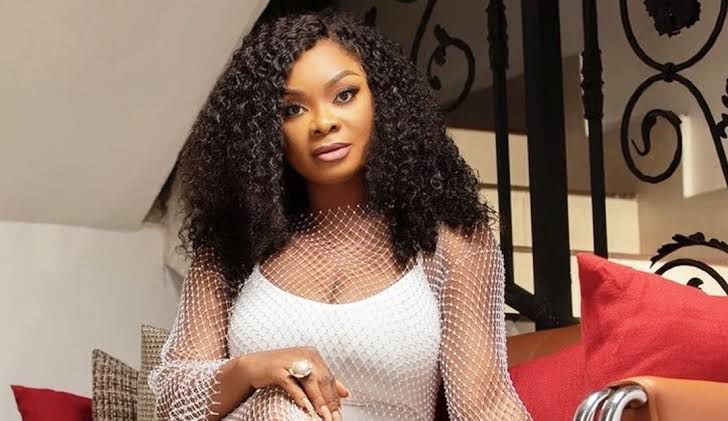
The Ghanaian entertainment industry has been thrown into mourning following the heartbreaking death of actress and television personality Beverly Afaglo Baah, who reportedly passed away on Saturday night, May 23/24, 2026, after a two-year battle with cancer.

The beloved screen star died just four days before her 43rd birthday. Born on May 28, 1983, Beverly was widely known for her contributions to Ghana’s movie industry, television space, and entrepreneurial scene.

Her husband, musician Choirmaster, formerly of the defunct music group Praye, confirmed the tragic news in an emotional Instagram tribute that has since stirred reactions across social media.

My heart is shattered beyond words over the death of my beloved wife Beverly Afaglo!!! It would have been just like 4 more days to your birthday but I guess the Lord wanted to Celebrate with you so he Called you,” he wrote.

He continued by describing the late actress as his strength, happiness, and the reason his life felt complete, adding that every moment spent with her would forever remain cherished.

According to reports shared by her manager, Abu Iddris, Beverly had been battling genetic breast cancer for the past two years. The illness, said to be hereditary, had previously claimed the lives of both her father and sister before eventually spreading and worsening her condition.

She reportedly passed away around 11:45 PM at the Tema International Maritime Hospital.

Before rising to fame in the movie industry, Beverly Afaglo trained as a beauty therapist and later studied at the Ghana Institute of Journalism. Over the years, she built a successful career in acting and television, starring in films such as Sidechic Gang and A Northern Affair among others.

Beyond entertainment, she also ventured into business, managing several entrepreneurial projects including shawarma outlets.

In a statement mourning her passing, the Creative Arts Agency described her death as “a great loss not only to her family but also to the entire nation and the creative arts industry she served diligently.

Tributes have continued pouring in from fans, colleagues, and celebrities across Ghana and beyond, with many expressing shock at her passing so close to her birthday. Reports also indicate that stars including Jackie Appiah and James Gardiner gathered with family members to mourn the actress.

A one-week observance for the late actress is scheduled to hold on May 30, 2026, at the Green Flavour Events Centre in Tema.

Beverly Afaglo Baah is survived by her husband Choirmaster and their children.

May her soul rest in peace.

Ghana Sack Coach Otto Addo Just Less Than 3 Months Before 2026 World Cup

In a shocking and rather expected turn of events, the Ghana Football Association (GFA) has dismissed head coach Otto Addo just 72 days ahead of the 2026 FIFA World Cup. The decision follows a string of disappointing friendly results, leaving fans, analysts and trolls questioning Ghana’s readiness for the world stage.

Otto Addo, 50, a former Ghanaian international and ex-Bundesliga player, returned as Black Stars coach in March 2024. He led Ghana to a successful qualification campaign for the 2026 World Cup but struggled in warm-up games. Most recently, the team endured four consecutive friendly defeats, including a 5–1 loss to Austria and a recent 2–1 defeat to Germany, raising doubts about tactics, cohesion, and morale.

Despite earlier successes, the GFA decided that a change was necessary to give the team the best chance at competing in North America. In a statement, the association thanked Addo for his contributions but confirmed he would not continue in his role.

This decision, coming in less than three months before Ghana faces England, Croatia, and Panama in the World Cup, has drawn criticism and concern. 

Ghana’s squad, featuring key players such as Mohammed Kudus and Antoine Semenyo, will now need to adapt quickly to a new coaching approach. The GFA is expected to be exploring potential replacements, with names like Kwasi Appiah already being discussed as candidates.

During his second spell, Addo guided Ghana to the World Cup but also left behind mixed results in friendlies and African qualifiers. His overall record stood at eight wins, five draws, and nine losses in 22 matches. While he achieved the crucial objective of qualification, recent performances suggested the team was struggling to find consistency.

The Black Stars now face a short, intense window of preparation. The incoming coach will have less than ten weeks to finalize tactics, boost team morale, and solidify a starting lineup capable of competing against some of the world’s best.

Ghana Joins South Africa Legalises Cannabis Cultivation for Industrial and Medicinal Use

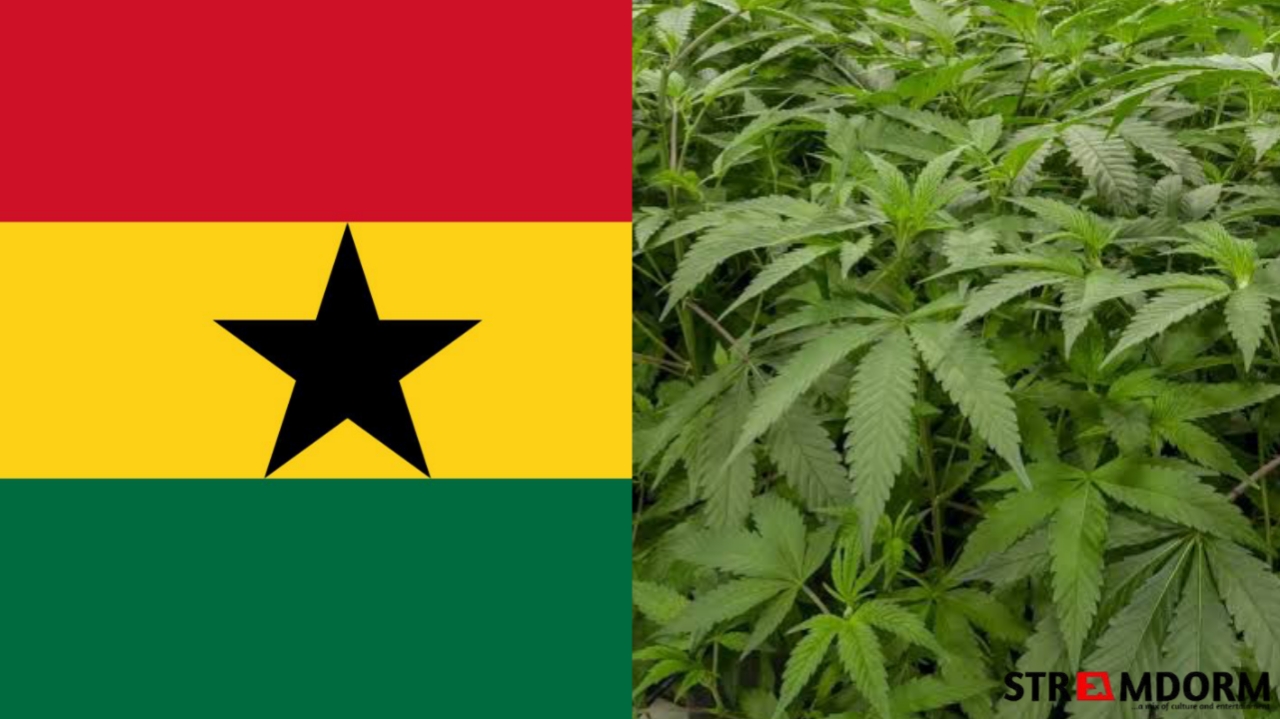
The government of Ghana has officially legalized the cultivation of cannabis for industrial and medicinal purposes, opening the door for licensed individuals and corporations to participate in a new regulated sector.

The move is being implemented through the country’s drug regulatory authority, the Narcotics Control Commission, which will oversee the licensing process and ensure compliance with national laws governing the production and distribution of cannabis.

Under the new framework, applicants can obtain licenses that allow them to cultivate, process, transport, and manage cannabis plants for approved uses. The licenses will be available to both private individuals and corporate entities, provided they meet the strict regulatory and security requirements set by the government.

Authorities say the policy aims to create a controlled cannabis industry that supports economic development while preventing misuse.

However, the legalization applies only to low-THC cannabis varieties, commonly known as industrial hemp. These plants must contain no more than 0.3 percent tetrahydrocannabinol (THC), the chemical compound responsible for the psychoactive effects associated with marijuana.

Because of this restriction, the law does not permit recreational cannabis use, which remains illegal in Ghana.

Government officials believe the policy could create new opportunities in agriculture, pharmaceuticals, and research. Industrial hemp can be used to produce a wide range of products, including textiles, medical extracts, paper, cosmetics, and construction materials.

The introduction of legal cannabis cultivation is also expected to encourage investment and job creation in the agricultural and biotechnology sectors.

Officials have further indicated that the program could strengthen Ghana’s position in emerging global markets for medical cannabis and hemp-based products, which are expanding rapidly across several regions.

Ghana now joins a number of African countries that have introduced regulated cannabis industries for medical or industrial use. Nations such as South Africa, Lesotho, Morocco, and Zimbabwe have already adopted similar policies in recent years.

Across the continent, governments are increasingly exploring the economic potential of cannabis while maintaining strict controls over its cultivation and distribution.

Africa’s 10 Strongest Currencies in 2026 And Where Nigeria’s Naira Stands

Currency strength is often misunderstood in Africa. A strong currency doesn’t necessarily mean a country is richer or more developed; it simply reflects how much value one unit of a currency holds against the U.S. dollar.

Using that measure, here’s a breakdown of Africa’s 10 strongest currencies as of January 2026, why they rank so highly, and why Nigeria’s naira is notably absent from the list.

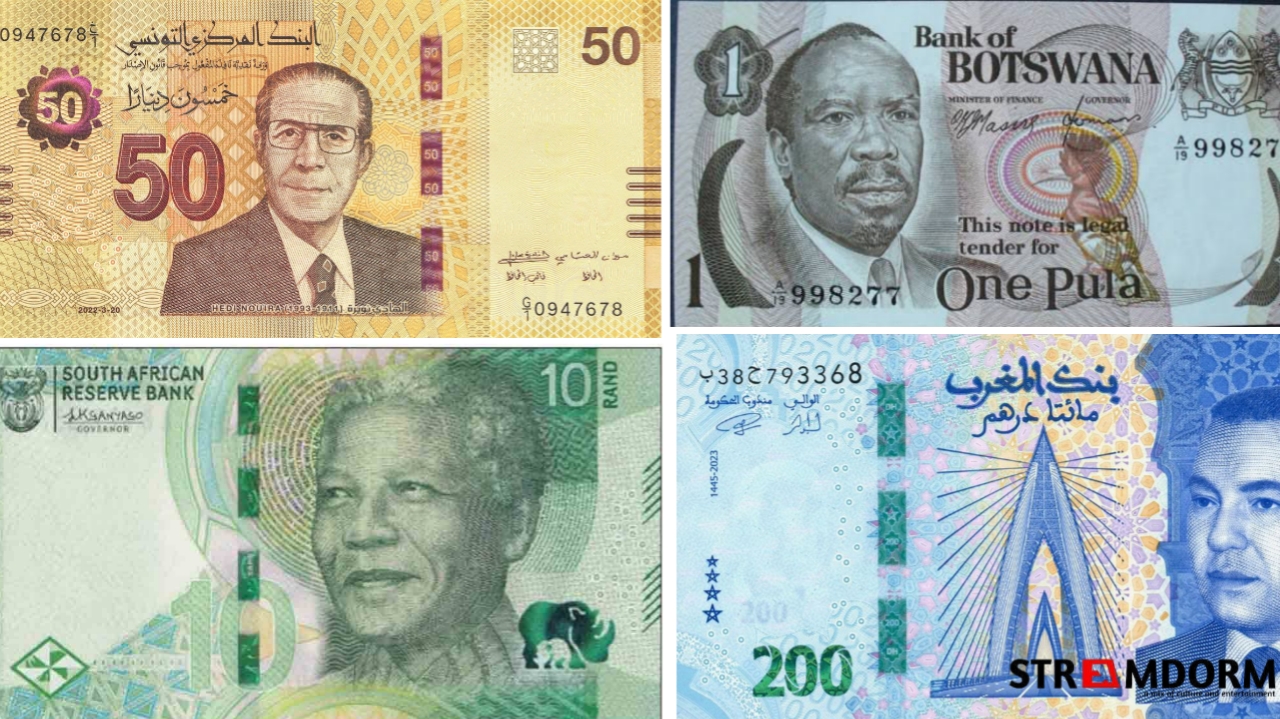
1. Tunisian Dinar (TND) — Tunisia

The Tunisian dinar remains Africa’s strongest currency by exchange value, trading at under 3 dinars to the dollar. Its strength is largely driven by strict currency controls, which tightly regulate access to foreign exchange and limit speculation. While Tunisia faces economic challenges, the central bank’s tight grip on the dinar has helped preserve its nominal value, even when broader economic indicators suggest fragility.

2. Libyan Dinar (LYD) — Libya

Despite years of political instability, the Libyan dinar continues to rank among Africa’s strongest currencies. Libya’s oil-driven foreign exchange inflows play a major role here, providing the central bank with dollar liquidity to support the currency. Like Tunisia, Libya operates a managed FX system, meaning the dinar’s strength is less about market confidence and more about controlled supply.

3. Moroccan Dirham (MAD) — Morocco

Morocco’s dirham reflects a more balanced story. Backed by a diversified economy; spanning manufacturing, agriculture, tourism, and exports to Europe, the dirham benefits from relative macroeconomic stability. Morocco has gradually liberalized its exchange regime without allowing sharp volatility, helping the dirham maintain steady strength against the dollar.

4. Ghanaian Cedi (GHS) — Ghana

Ghana’s presence in the top four is notable given its recent debt restructuring and IMF-backed reforms. The cedi’s ranking reflects currency redenomination history and monetary restructuring, rather than pure economic dominance. While the cedi has experienced sharp swings in recent years, policy tightening and external support have helped stabilize its nominal value enough to keep it among Africa’s strongest by unit value.

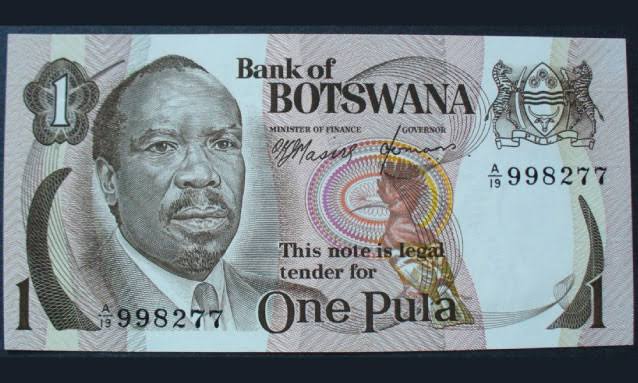
5. Botswana Pula (BWP) — Botswana

Botswana’s pula is one of Africa’s most respected currencies, supported by strong institutions, prudent fiscal management, and diamond exports. The country’s conservative monetary policy and low public debt have made the pula relatively stable over time. Unlike many peers, Botswana has avoided extreme FX volatility, reinforcing confidence in its currency.

6. Seychellois Rupee (SCR) — Seychelles

Seychelles’ rupee ranks high largely due to the country’s tourism-driven foreign exchange earnings. With tourism accounting for a significant share of GDP, steady inflows of dollars and euros help support the rupee. While the economy is small, its openness and reliance on foreign visitors give the currency a consistent FX lifeline.

7. Eritrean Nakfa (ERN) — Eritrea

The Eritrean nakfa’s strength is almost entirely policy-driven. Eritrea operates one of Africa’s most tightly controlled economies, with fixed exchange mechanisms and limited currency convertibility. As a result, the nakfa’s nominal value remains high; though this does not necessarily reflect market demand or economic openness.

8. South African Rand (ZAR) — South Africa

Africa’s most traded currency, the rand earns its place through deep financial markets and global liquidity, not tight controls. While the rand is volatile and sensitive to global risk sentiment, South Africa’s advanced banking system, capital markets, and export base help prevent extreme devaluation compared to many peers.

9. Lesotho Loti (LSL) — Lesotho

The Lesotho loti is pegged one to one with the South African rand, meaning it mirrors the rand’s movements almost exactly. Its ranking here is therefore less about Lesotho’s domestic economy and more about its monetary union with South Africa, which provides currency stability and predictability.

10. Namibian Dollar (NAD) — Namibia

Like Lesotho, Namibia’s dollar is also pegged to the South African rand, ensuring parity in value. This peg helps Namibia maintain currency stability, benefit from South Africa’s financial infrastructure, and avoid the FX shocks seen in more isolated economies.

Where Is Nigeria’s Naira?

Nigeria’s naira does not feature anywhere near Africa’s strongest currencies list.

As of late 2025 and early 2026, the naira traded around ₦1,400–₦1,500 to the U.S. dollar, placing it among the weaker currencies on the continent by exchange value.

Nigeria’s currency struggles reflect structural FX challenges, not economic irrelevance. Persistent dollar shortages, high inflation, heavy import dependence, and long-standing FX market distortions have weighed heavily on the naira. While recent reforms have improved transparency and reduced volatility, they haven’t yet translated into a stronger nominal exchange rate.

Some of Africa’s strongest currencies exist in tightly controlled or small economies. Meanwhile, larger economies like Nigeria and Egypt operate weaker currencies shaped by market forces, trade deficits, and reform cycles.

Scroll to Top