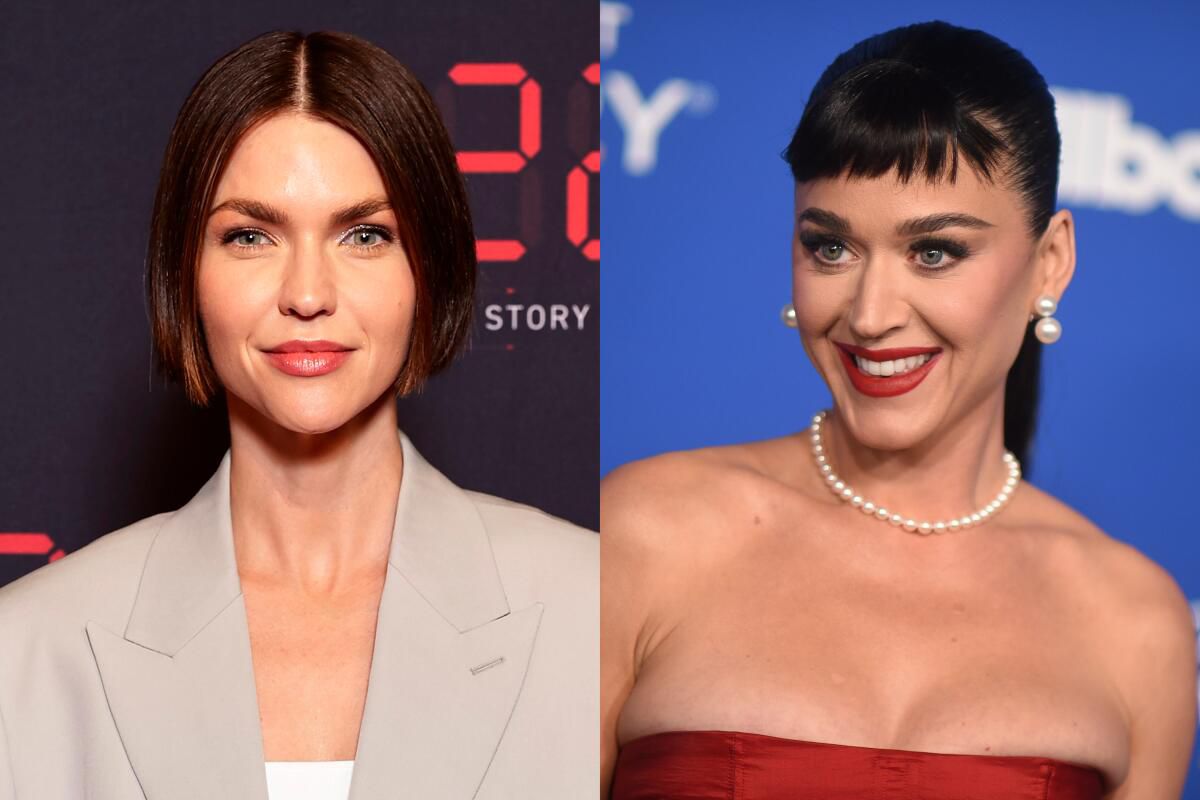
Victoria Police have officially launched an investigation into a historical sexual assault allegation reportedly involving Australian actress Ruby Rose and American pop star Katy Perry, following claims connected to an alleged incident in Melbourne dating back to 2010.
The development marks the formal involvement of law enforcement after the allegation surfaced publicly on social media, sparking widespread attention across entertainment and news platforms.
The allegation first came to public attention when Ruby Rose reportedly made a series of social media posts accusing Katy Perry of sexual assault tied to an incident said to have occurred in Melbourne in 2010. Rose claimed the incident happened at a nightclub in the city when she was in her early twenties.
In her posts, she also suggested that the experience had remained with her for years before she eventually chose to speak publicly about it. The claims quickly gained traction online, prompting intense public debate and media scrutiny.
Katy Perry has strongly denied the allegations through her representatives, describing them as “categorically false” and rejecting the claims in full. Her team has maintained that the accusations are untrue, while Perry herself has not issued a detailed personal statement addressing the specifics of the allegation.
On Wednesday, Victoria Police confirmed that detectives are now examining a report of a “historical sexual assault that occurred in Melbourne in 2010.” Authorities stated that the matter is being handled by specialist investigators and is currently in the early stages.
Police have not released further details, citing the ongoing nature of the investigation.
At this stage, no charges have been filed, and the investigation remains ongoing. Both parties are maintaining opposing positions, with Rose standing by her account and Perry firmly denying the allegations.
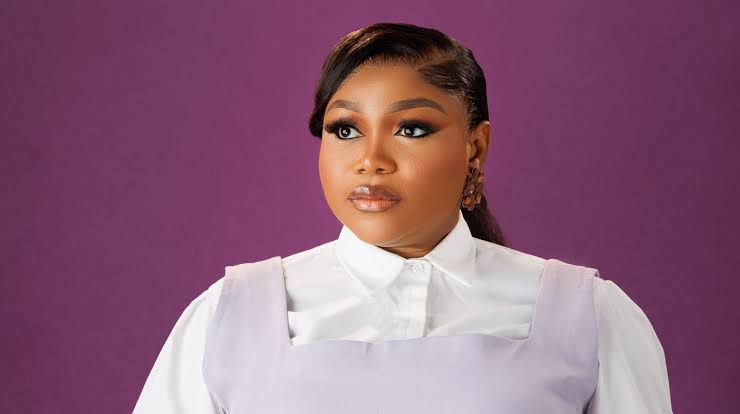
Nollywood actress and filmmaker Ruth Kadiri has ignited widespread conversation online after sharing a spiritual analogy linking the Holy Spirit to artificial intelligence.
In a video posted on Instagram on April 14, 2026, the actress described what she framed as a personal revelation, stating that the Holy Spirit can be understood as the original “first A,I” a divine helper designed to guide, comfort, and provide answers long before modern technology emerged.
Speaking in a direct and conversational tone, Kadiri said, “God told me that when somebody says, ‘Who is the Holy Spirit?’ The Holy Spirit is what people will call today the first AI.”
Her comparison drew a parallel between how people now interact with AI tools asking questions, seeking clarity, and finding solutions and the traditional Christian belief in the Holy Spirit as a constant, all-knowing guide.
Kadiri’s message centered on what she sees as a growing cultural shift. According to her, many people including Christians are increasingly turning to artificial intelligence for answers and emotional support, rather than relying on spiritual connection.
She warned that this pattern could lead to a deeper sense of emptiness over time, arguing that while AI can offer convenience, it cannot provide true fulfillment. In her view, the Holy Spirit was given as a complete source of direction, wisdom, and comfort; something technology can imitate but not replace.
The actress also framed her message within a broader spiritual narrative, suggesting that modern innovations may reflect attempts to replicate what already exists in a divine form.
The video quickly gained traction across platforms, sparking mixed reactions and debate.
Supporters praised Kadiri for offering a thought-provoking perspective on faith in a tech-driven world. Some described her message as timely, agreeing that spiritual grounding should not be replaced by digital tools.
Others, however, questioned the analogy. Critics argued that comparing the Holy Spirit to AI oversimplifies complex theological concepts, while some dismissed the statement as an attempt to align religious ideas with trending conversations around technology.
Known for her work across Nollywood as an actress, producer, and storyteller, Ruth Kadiri has built a reputation for blending entertainment with personal expression.
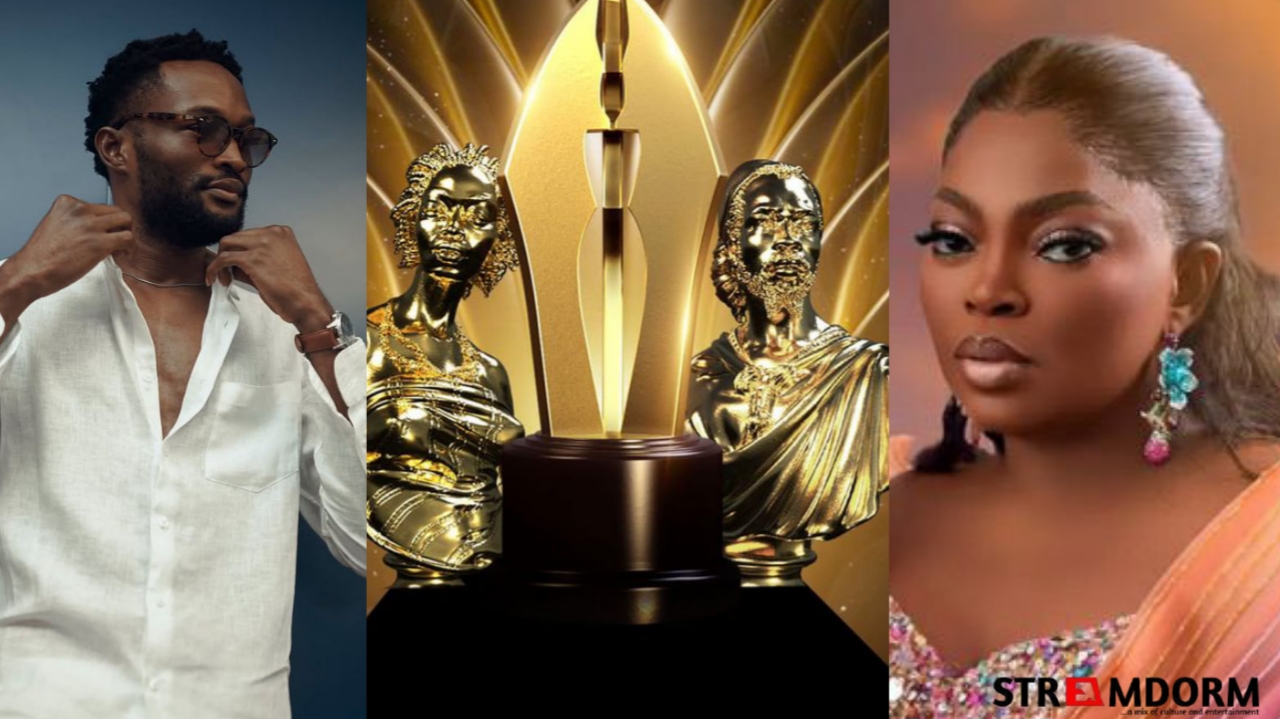
The 12th Africa Magic Viewers’ Choice Awards (AMVCA 2026) has officially unveiled its nominees. The announcement came on March 29, 2026, ahead of the awards ceremony scheduled for May 9, 2026, in Lagos, Nigeria.
The AMVCA, which celebrates excellence across film, television, and digital content, has once again highlighted the best of African storytelling. This year’s edition includes 32 categories, recognizing not just blockbuster hits but also indigenous-language productions and streaming content, showing Nollywood’s expanding influence across Africa and beyond.
The Serpent’s Gift Lisabi: A Legend Is Born Labake Olododo Olorisha Aljana
East Africa
Inside Job Sayari Addis Fikir My Son Kimote
South Africa
Bet I Love You Sebata: The Beast Ben Made It Terra Of Queens And Kuma 2 Tlhaho Ya Mosadi
North Africa
The Omnipresent The Delivery The Hidden Voice This Is Portsaid Artal Alhanin: Our Memories
Central Africa
Mabanda Safou: A Gift From Nature Golden Spoon
Best Scripted & Unscripted TV / Series
Best Scripted M‑Net Original
Adam to Eve Mother of the Bride The Yard The Low Priest Bobo
Best Unscripted M‑Net Original
Nigerian Idol S10 Ultimate Girls Trip: Africa Chapa Chapa My Love Out N About (Harar) Undugu
Best Indigenous M‑Net Original
Inimba Kukoyi Undugu Out N’ About (Harar) Kampala Creme The Chocolate Empire Mgbuka
Best Short Film
Fleas Rise Telephone Hussaini My Body, God’s Temple
Acting Categories
Best Supporting Actor
Simileoluwa Hassan – The Yard Lateef Adedimeji – Gingerrr Gabriel Afolayan – Colours Of Fire Bucci Franklin – To Kill A Monkey Femi Adebayo – King Of Thieves 2 Lateef Adedimeji – Red Circle Femi Branch – Owambe Thieves Uzor Arukwe – Behind The Scenes
Best Supporting Actress
Linda Ejiofor – The Herd Olamide Kidbaby – Oversabi Aunty Bisola Aiyeola – Gingerrr Sola Sobowale – The Covenant Nadia Dutch – Aljana Amal Umar – The Herd Juliebrenda Nyambura – MTV Shuga Mashariki Funke Akindele – Behind The Scenes
Best Lead Actor
Mike Ezuruonye – Oversabi Aunty Lateef Adedimeji – Lisabi: A Legend Is Born William Benson – To Kill A Monkey Kanayo O. Kanayo – Grandpa Must Obey Khumbuza Meyiwa – Bet I Love You Uzor Arukwe – Colours Of Fire Wale Ojo – 3 Cold Dishes Femi Branch – Red Circle
Best Lead Actress
Linda Ejiofor – The Serpent’s Gift Bimbo Akintola – To Kill A Monkey Ifeoma Fafunwa – The Lost Days Ariyike Owolagba – Something About The Briggs Sola Sobowale – Her Excellency Scarlet Gomez – Behind The Scenes Genoveva Umeh – The Herd Gloria Anozie‑Young – Mother Of The Brides
AMVCA 2026 Nominees for Best Lead Actor: – Mike (Oversabi Aunty) -Lateef Adedimeji (Lisabi:) – William (To Kill A Monkey) – Kanayo O. (Grandpa Must Obey) – Khumbuza (Bet I Love You) – Uzor (Colours Of Fire) – Wale Ojo (3 Cold Dishes) – Femi Branch (Red Circle) pic.twitter.com/tXj7kes2oh
— Streamdorm | Film & TV News (@Streamdorm_) March 30, 2026
Craft & Technical Categories
Best Cinematography
Jermaine Edwards – My Father’s Shadow Kabelo Thathe – To Kill A Monkey Emmanuel Igbekele – The Herd Daanong Gyang – Finding Nina Emmanuel Igbekele – The Serpent’s Gift KC Obiajulu – Stitches Emmanuel Igbekele – Gingerrr
Best Editing
Kazeem Agboola – Cordelia Omar Guzman Castro – My Father’s Shadow Wanguma Peter Chidebere & Dele Doherty – Landline Asurf Amuwa Oluseyi – 3 Cold Dishes Winston Aig‑Ohioma – Osamede Daniel Anyiam – To Kill A Monkey
Best Sound Design
Pius Fatoke & CJ Mirra – My Father’s Shadow Tolu Obanro – Gingerrr Vaughan Phillips – Ben Made It Tolu Obanro – The Party Vaughan Phillips – Sebata: The Beast Fisayo Adefolaju – The Herd
Best Music Score
Duval Timothy & CJ Mirra – My Father’s Shadow Nissi Ogulu – 3 Cold Dishes Chubb Okobah – Osamede Tolu Obanro – Gingerrr Tolu Obanro – The Party Sofresh – MTV Shuga Mashariki Oscar Heman‑Ackah – To Kill A Monkey
Best Art Direction
Zainab Oladipupo – The Serpent’s Gift Omolade Abisola – The Herd Ajamolaya Bunmi – Colours Of Fire Olatunji Afolayan & Gideon Stephen – Aljana Victor Akpan – Suky Thabiso Senne – Inimba
Best Costume Design
Mary Chukwuma – The Serpent’s Gift Deola & Darey Art Alade – The Real Housewives Of Lagos Valerie Okeke – Colours Of Fire Yolanda Okereke – Something About The Briggs Ikechukwu Urum & John Joseph Angel – To Kill A Monkey
Best Makeup
Mojisola Imam – Behind The Scenes Adeola Bamgboye – Lisabi: A Legend Is Born Dablaq Artistry – Gingerrr Adeola Bamgboye – Abanisete Hakeem Effect – Warlord Ruth Harcourt – Suky Adeola Bamgboye – Labake Olododo
Writing & Production Categories
Best Writing (TV Series)
The Wives MTV Shuga Mashariki Our Husband Addis Fikir Baba Oh The Party Gizat
Best Writing (Movie)
The Herd My Father’s Shadow Blackout Cards On The Table Gingerrr Suky 3 Cold Dishes
Best Documentary
Beyond Olympic Glory The Good, The Bad of Afrobeat The People Shall Not Addressing This Anymore BOU
Series & TV
Best Scripted Series
To Kill A Monkey The Yard The Chocolate Empire Inimba Kash Money
Best Unscripted Series
The Real Housewives Of Lagos Nigerian Idol Ultimate Girls Trip: Africa Offair With Gbemi And Toolz Out N’ About (Harar)
Directing & Overall Movie
Best Director
Akinola Davies Jr – My Father’s Shadow Tunde Kelani – Cordelia James Omokwe – Osamede Daniel Etim Effiong – The Herd Yemi Filmboy Morafa – Gingerrr Asurf Amuwa Oluseyi – 3 Cold Dishes
Best Overall Movie
Gingerrr The Herd My Father’s Shadow 3 Cold Dishes The Serpent’s Gift Behind The Scenes
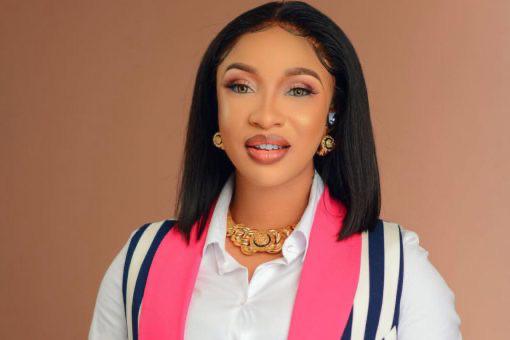
For over a decade, Tonto Dikeh built one of Nollywood’s most defiant personal brands. The “King Tonto” identity was bold, controversial, and intentionally disruptive, a symbol of female authority in an industry that rarely handed women the crown.
In a video shared on March 2, 2026, the actress publicly announced that she will no longer answer to “King Tonto Dikeh,” describing the decision as an act of spiritual obedience.
“In obedience to the Holy Spirit, I will no longer be addressed as ‘King Tonto Dikeh.’ You can call me ‘The Woman of God,’ ‘Evangelist Tonto.’ I’m going from a mess to a message.”
She added that “Tonto Dikeh” or “Auntie Tonto” are also acceptable but the royal moniker that once defined her public image has officially been laid to rest.
When Dikeh adopted the “King” title around 2011, it wasn’t random branding. It became a statement.
Through marriage headlines, divorce battles, co-parenting disputes, political ambition, mental health conversations, and frequent online controversies, the “King” persona functioned as armor. It projected dominance in moments when public scrutiny was at its peak.
But in 2026, she is repositioning herself not as a symbol of resistance, but as a vessel of ministry.
Unlike some celebrity conversions that appear abrupt, Dikeh’s shift has been building publicly since late 2025.
She recently completed a discipleship program at Streams of Joy International, describing it as a foundational step in deepening her spiritual walk. She has also shared testimonies about financial restoration, claiming what she called “mega money” blessings after recommitting herself to Christian discipline.
Her Instagram presence has noticeably changed. Prayer sessions. Bible reflections. Invitations to worship and “speak in tongues” during live broadcasts. Language centered on healing, obedience, and divine reconstruction.
Dikeh has not announced retirement from Nollywood. However, her public language suggests ministry may take precedence. Whether that translates into gospel media projects, church leadership, faith-based films, or a complete pivot away from mainstream entertainment is still unclear.
She continues to operate the Tonto Dikeh Foundation, which focuses on philanthropy and advocacy.
If there is one constant in Tonto Dikeh’s career, it is reinvention.
From controversial actress to political aspirant, from “King” to now “Evangelist,” she has consistently reshaped her narrative in public view. Whether “Evangelist Tonto” becomes a permanent identity or another chapter in an evolving public story will unfold over time. But as of March 2, 2026, one of Nollywood’s most polarizing figures has clearly chosen a new spotlight and it’s spiritual.
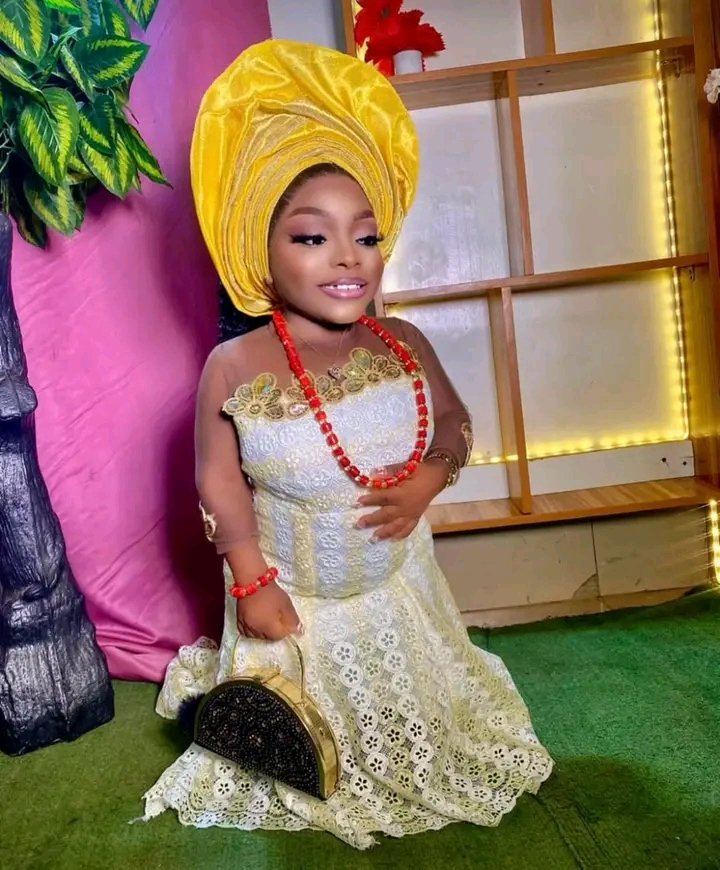
The Nigerian film industry is in mourning following the death of Ajara Lasisi, popularly known as Aunty Ajara, a respected actress in the Yoruba segment of Nollywood. News of her passing was confirmed on Thursday, February 5, 2026, by family members, bringing an end to weeks of public concern over her declining health.
Aunty Ajara built a reputation as a familiar and compelling face in Yoruba cinema, known for portraying emotionally grounded characters that reflected everyday Nigerian experiences. Over the years, she appeared in several productions including Gingerrr, Queen Lateefah, and Isiti, earning admiration from audiences for her authenticity and on-screen presence.
Colleagues frequently described her as hardworking, humble, and deeply passionate about storytelling; qualities that made her a respected figure within Nollywood’s close-knit creative community.
Concern about her health became widespread in late January 2026 when videos and updates shared by fellow actors revealed she had been hospitalized in critical condition. Several industry figures appealed publicly for financial support and prayers to assist with her medical treatment, drawing attention to the challenges many creatives face during medical emergencies.
The appeals sparked an outpouring of support from fans, colleagues, and well-wishers across Nigeria and beyond.
Despite the support and ongoing treatment, Aunty Ajara’s condition reportedly worsened in the days leading up to her death. Family representatives later confirmed her passing and expressed gratitude to everyone who offered assistance during her illness. They also requested that fundraising efforts linked to her treatment be discontinued.
Her death has triggered widespread tributes on social media, with many actors and fans celebrating her contributions to Yoruba storytelling and Nollywood at large.
Beyond her filmography, Aunty Ajara leaves behind a legacy of perseverance and artistic commitment; one that continues to resonate with audiences who followed her journey on screen.
As Nollywood reflects on her life and career, many remember her not only for the roles she played but for the impact she made within the creative community.