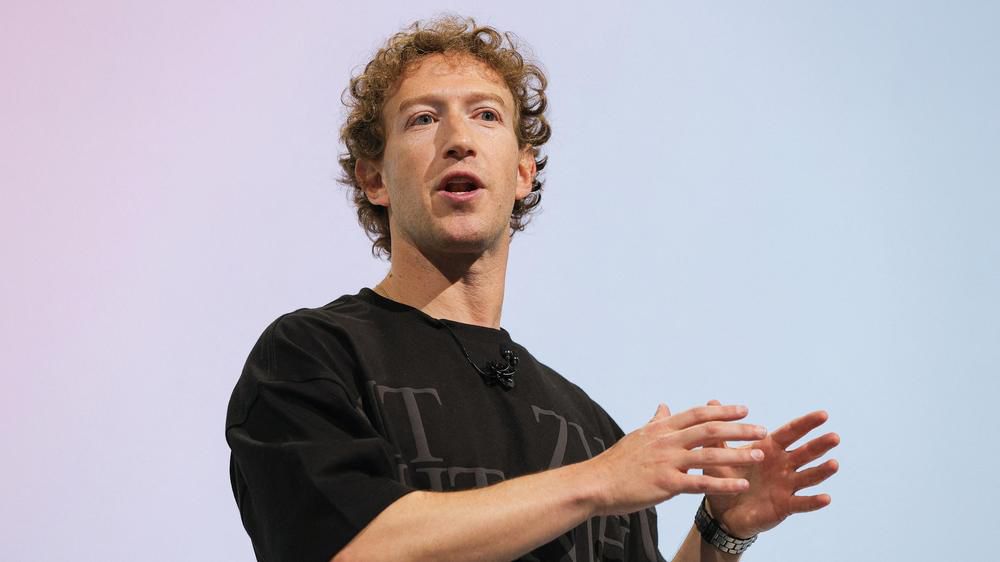
Meta CEO Mark Zuckerberg has sparked fresh Big Tech debate after criticizing Apple during a viral resurfaced clip from his appearance on The Joe Rogan Experience (#2255).
In the widely circulated segment, Zuckerberg argued that Apple has not delivered meaningful breakthrough innovations in years, suggesting the company has largely relied on the success of the iPhone era while tightening control over its ecosystem.
Zuckerberg acknowledged the iPhone as one of the most important inventions in modern tech history, but claimed Apple’s momentum has slowed significantly since then.
He stated that Apple has “kind of been sitting” on the iPhone legacy for nearly two decades, arguing that most updates in recent years have been incremental rather than revolutionary.
He also questioned Apple’s growth trajectory, suggesting iPhone sales may be flattening or declining as users hold onto devices longer due to minimal upgrade incentives.
A major point of criticism was Apple’s tightly controlled ecosystem.
Zuckerberg argued that Apple has made it difficult for competitors to build comparable integrations with iPhones, especially in areas like accessories and connected devices. While he praised products like AirPods for their seamless experience, he claimed the company’s closed system limits broader innovation.
He also revisited long-standing industry criticism of Apple’s App Store policies, describing its commission structure as a way of “squeezing people” as hardware growth slows.
The comments also reflected the broader competitive tension between Meta and Apple, particularly in emerging technologies.
Zuckerberg positioned Meta as more aggressive in next-generation innovation, highlighting its work in artificial intelligence, mixed reality, and smart wearables through products like Quest headsets and Orion AR glasses. He contrasted this with Apple’s more controlled and closed ecosystem approach.
The resurfaced clip, originally from a long-form conversation aired in early 2025, was reposted on X (formerly Twitter) by @cptdankkk on May 24, 2026. It quickly gained millions of views, reigniting debate around whether Apple has lost its innovative edge or simply matured into a more ecosystem-driven company.
Mark Zuckerberg says Apple's lack of innovation since the iPhone will lead to its decline
"They haven't really invented anything great in a while. Steve Jobs invented the iPhone, and now they're kind of sitting on it 20 years later"
Spotify and Universal Music Group (UMG) have announced a licensing agreement that will allow users to create AI-generated covers and remixes using officially licensed music from participating artists.
The partnership marks one of the music industry’s biggest moves toward integrating artificial intelligence into mainstream streaming while ensuring artists and rights holders are compensated for the use of their work.
According to reports, the new feature will be introduced as a paid add-on for Spotify Premium subscribers. Users will be able to generate alternate versions of songs, including AI-assisted remixes and covers, using music from UMG artists who choose to opt into the program. Artists who do not wish to participate will reportedly have the option to opt out.
Spotify said the initiative is built around the principles of “consent, credit, and compensation,” emphasizing that artists and songwriters involved in AI-generated creations will receive royalties from derivative works created on the platform.
The agreement signals a major shift in the entertainment industry’s approach to AI music. Rather than aggressively removing fan made AI content from online platforms, record labels and streaming services are now exploring ways to legally monetize and regulate the technology through official licensing systems.
The deal also reflects growing demand for interactive music experiences among streaming audiences, especially younger listeners who frequently engage with remix culture and user-generated content online.
However, the announcement has sparked debate across the music industry. While some artists and fans see AI tools as a new creative opportunity, others remain concerned about the long-term impact of artificial intelligence on originality, artistic identity, and the value of human creativity.
AI integration into Music 🤔 Naija at its forefront again.
— Music on Streamdorm 🎧 (@Streamdorm) May 22, 2026
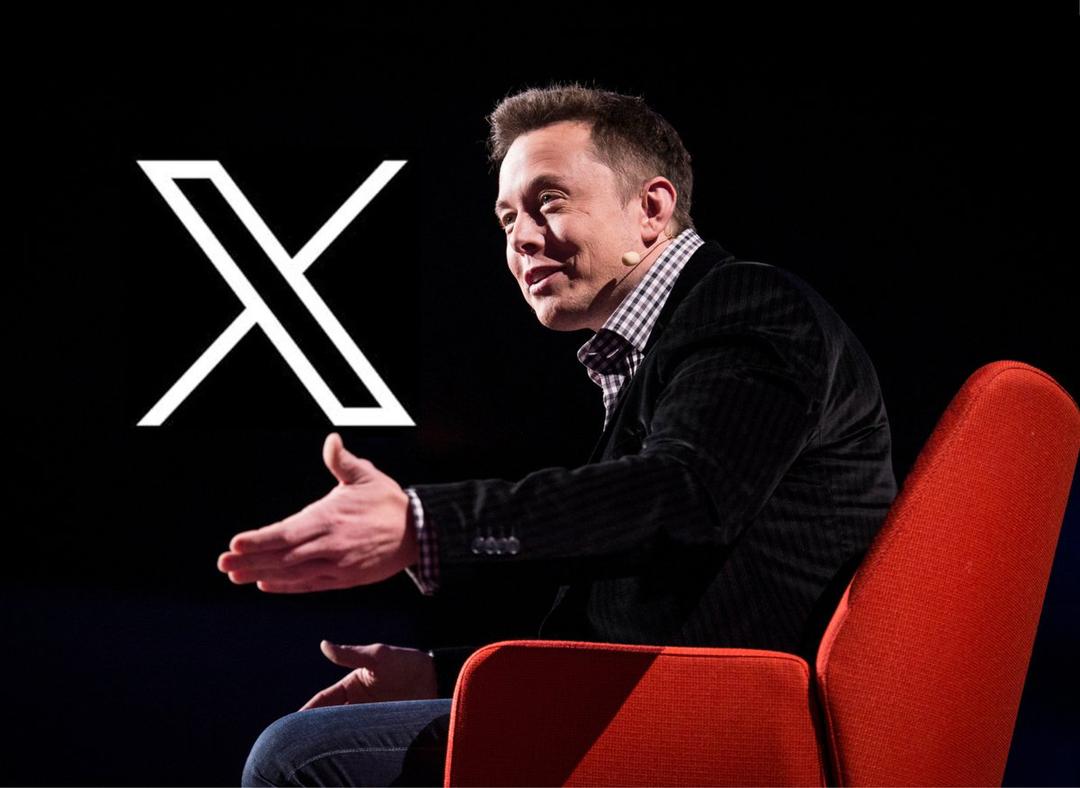
X, the social media platform owned by Elon Musk, has begun rolling out a new feature called Custom Timelines, renewing a significant shift in how users discover and interact with content on the platform.
The update allows users to pin up to 75 topics directly to their Home tab, creating multiple dedicated feeds tailored to specific interests such as sports, entertainment, technology, or finance. Each pinned topic functions as its own timeline, offering a more structured alternative to X’s traditional “For You” feed.
At the core of the feature is Grok, the AI system developed by xAI. Grok analyzes posts across the platform, categorizes them by subject, and curates content streams based on a user’s activity and engagement patterns. As users interact with posts through likes, reposts, and replies, the system refines each timeline to better match their preferences over time.
The feature is currently being rolled out as early access to Premium subscribers on iOS devices, with support for Android expected in a future update. There is no confirmed timeline yet for a broader public release, as other latest reports will also be reported by us.
Custom Timelines represents an evolution of existing features like Lists, combining them with AI-driven recommendations and deeper personalization. Instead of relying on a single algorithmic feed, users can now navigate between multiple interest based streams within the same interface.
The update also signals X’s continued investment in AI-powered discovery tools, as the platform looks to increase user engagement and content relevance. In addition to Custom Timelines, X is reportedly testing tools that would allow users to temporarily mute or “snooze” specific topics from appearing in their feeds.
Ladies and gentlemen, today we're launching one of our biggest changes to 𝕏
Introducing Custom Timelines
This feature allows you to pin a specific topic to your home tab. With support for over 75 topics, you can dive deep into your favorite niche on X.
The structure of the internet is undergoing a major shift and not because of human users.
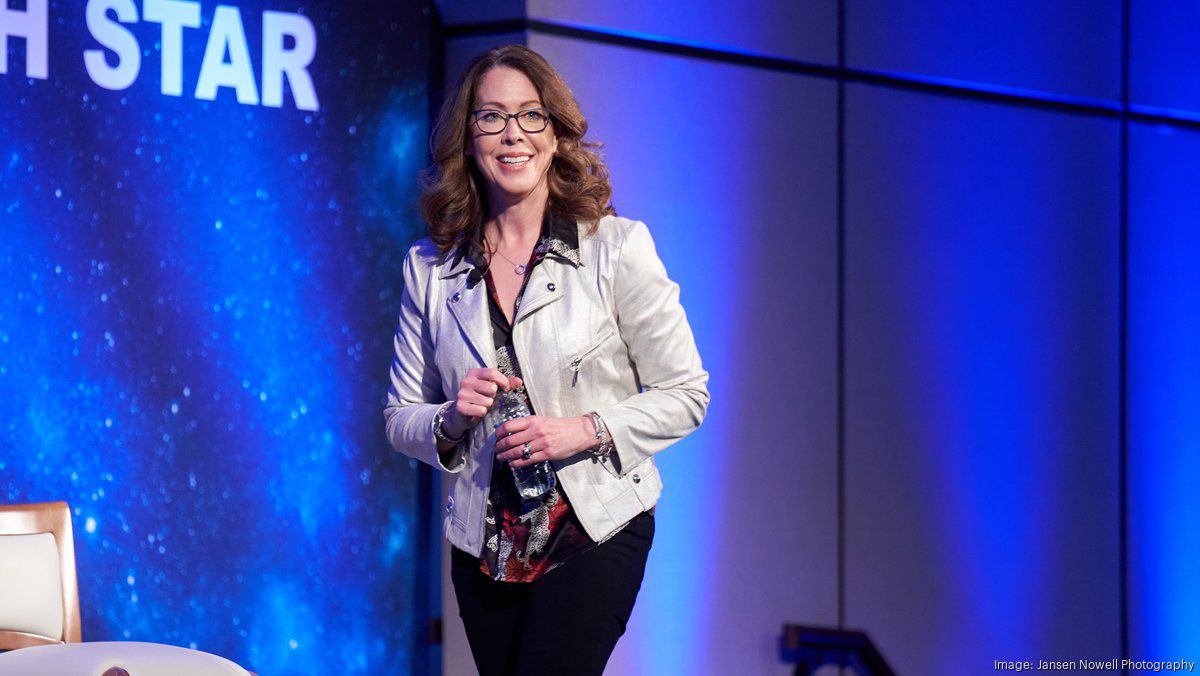
According to Kate Johnson, CEO of Lumen Technologies, artificial intelligence bots now account for more than 50% of all internet traffic worldwide. The revelation highlights how rapidly machine-driven activity is beginning to dominate the digital ecosystem.
Kate Johnson made the disclosure while speaking on the growing impact of AI infrastructure, noting that what was once a human-centered internet is increasingly being shaped by autonomous systems.
At the center of this transformation are what Johnson described as “autonomous workers” AI systems designed to perform tasks online without direct human input. These include: AI chatbots and virtual assistants, Automated data scrapers, Algorithmic trading systems and AI-powered customer service agents.
Unlike traditional internet users, these systems operate continuously, exchanging massive volumes of data in real time. As a result, they generate significantly more traffic than individual human activity.
For a company like Lumen, which operates critical global internet infrastructure, the data provides a rare look into how traffic flows at the backbone level. The implication is clear: the internet is no longer dominated by people but by machines interacting with other machines.
Despite the scale of AI traffic today, she emphasized that the industry is still in its early stages. The current surge is being driven by increased adoption of generative AI tools, automation platforms, and enterprise-level AI systems.
This suggests that the 50% threshold may only be the beginning, with AI-generated traffic expected to grow even more rapidly in the coming years.
The rise is also fueled by companies integrating AI into everyday operations from customer support to logistics leading to a constant stream of machine-to-machine communication.
Nollywood actress and filmmaker Ruth Kadiri has ignited widespread conversation online after sharing a spiritual analogy linking the Holy Spirit to artificial intelligence.
In a video posted on Instagram on April 14, 2026, the actress described what she framed as a personal revelation, stating that the Holy Spirit can be understood as the original “first A,I” a divine helper designed to guide, comfort, and provide answers long before modern technology emerged.
Speaking in a direct and conversational tone, Kadiri said, “God told me that when somebody says, ‘Who is the Holy Spirit?’ The Holy Spirit is what people will call today the first AI.”
Her comparison drew a parallel between how people now interact with AI tools asking questions, seeking clarity, and finding solutions and the traditional Christian belief in the Holy Spirit as a constant, all-knowing guide.
Kadiri’s message centered on what she sees as a growing cultural shift. According to her, many people including Christians are increasingly turning to artificial intelligence for answers and emotional support, rather than relying on spiritual connection.
She warned that this pattern could lead to a deeper sense of emptiness over time, arguing that while AI can offer convenience, it cannot provide true fulfillment. In her view, the Holy Spirit was given as a complete source of direction, wisdom, and comfort; something technology can imitate but not replace.
The actress also framed her message within a broader spiritual narrative, suggesting that modern innovations may reflect attempts to replicate what already exists in a divine form.
The video quickly gained traction across platforms, sparking mixed reactions and debate.
Supporters praised Kadiri for offering a thought-provoking perspective on faith in a tech-driven world. Some described her message as timely, agreeing that spiritual grounding should not be replaced by digital tools.
Others, however, questioned the analogy. Critics argued that comparing the Holy Spirit to AI oversimplifies complex theological concepts, while some dismissed the statement as an attempt to align religious ideas with trending conversations around technology.
Known for her work across Nollywood as an actress, producer, and storyteller, Ruth Kadiri has built a reputation for blending entertainment with personal expression.
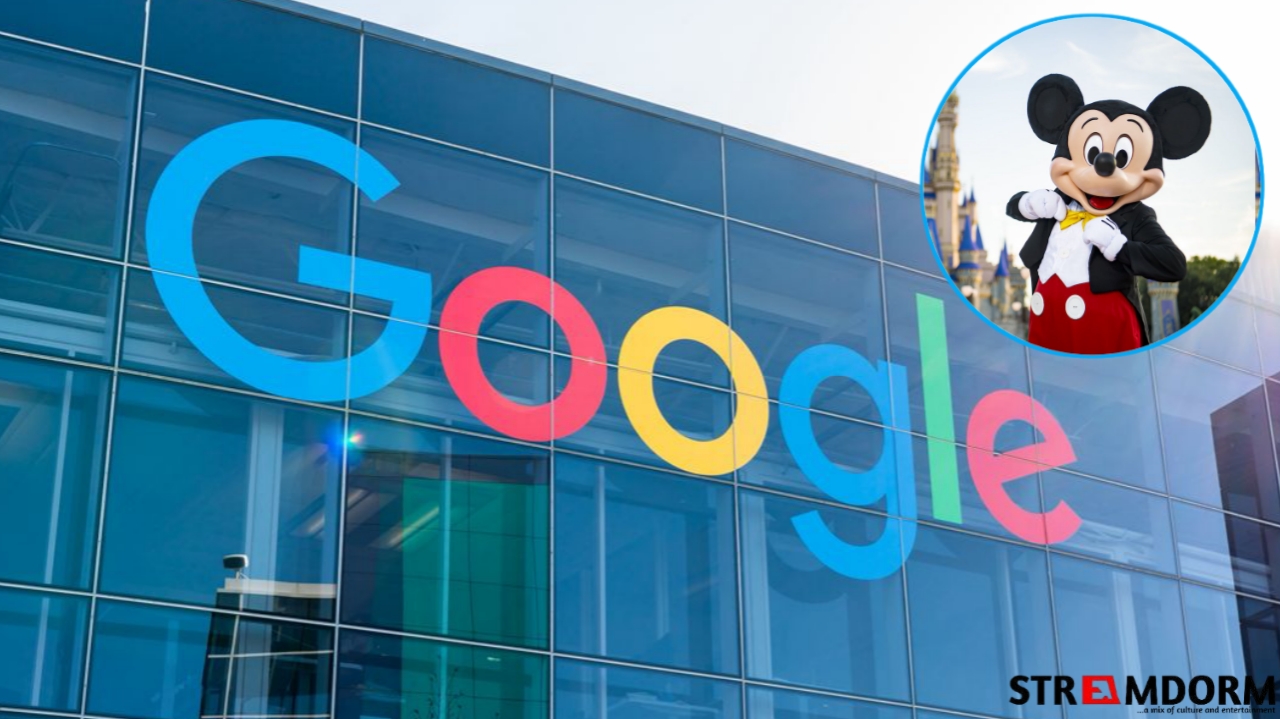
In a move that underscores the escalating battle between generative AI and intellectual property rights, Google has started blocking prompts related to Disney characters across its AI platforms, including its Gemini models. This change comes shortly after The Walt Disney Company issued a legal warning claiming that Google’s AI was producing unauthorized content featuring Disney’s iconic characters.
According to reports, Disney’s legal team argued that Google’s AI tools were capable of generating images, videos, and other content involving characters from franchises like Frozen, Marvel, and Star Wars without permission. The company described this as copyright infringement on a “massive scale,” warning that such content could mislead users and harm Disney’s brand reputation.
Since the warning, Google has adjusted its AI systems. Users attempting to generate content featuring popular Disney characters have reported receiving error messages or refusals from the AI, signaling at least a partial compliance with Disney’s demands. Attempts to generate images of Elsa, Iron Man, or other recognizable Disney and Marvel characters may now be blocked entirely.
While Disney is cracking down on unlicensed AI-generated content, the company is also taking a more collaborative approach with some AI firms. Disney recently struck a multi-million-dollar licensing deal with OpenAI, giving the company official access to Disney characters for AI applications. This contrast highlights a strategic dual approach: protecting intellectual property through legal enforcement while enabling controlled, licensed AI collaborations.
Experts see this development as a key moment in the ongoing debate over AI-generated content and copyright law. The restrictions from Google’s AI tools signal that tech companies may need to adapt their systems to respect intellectual property, while navigating the growing demand for AI creativity.
Google is not alone. Other AI companies, including image generators and character-based AI platforms, have received similar warnings. At the same time.
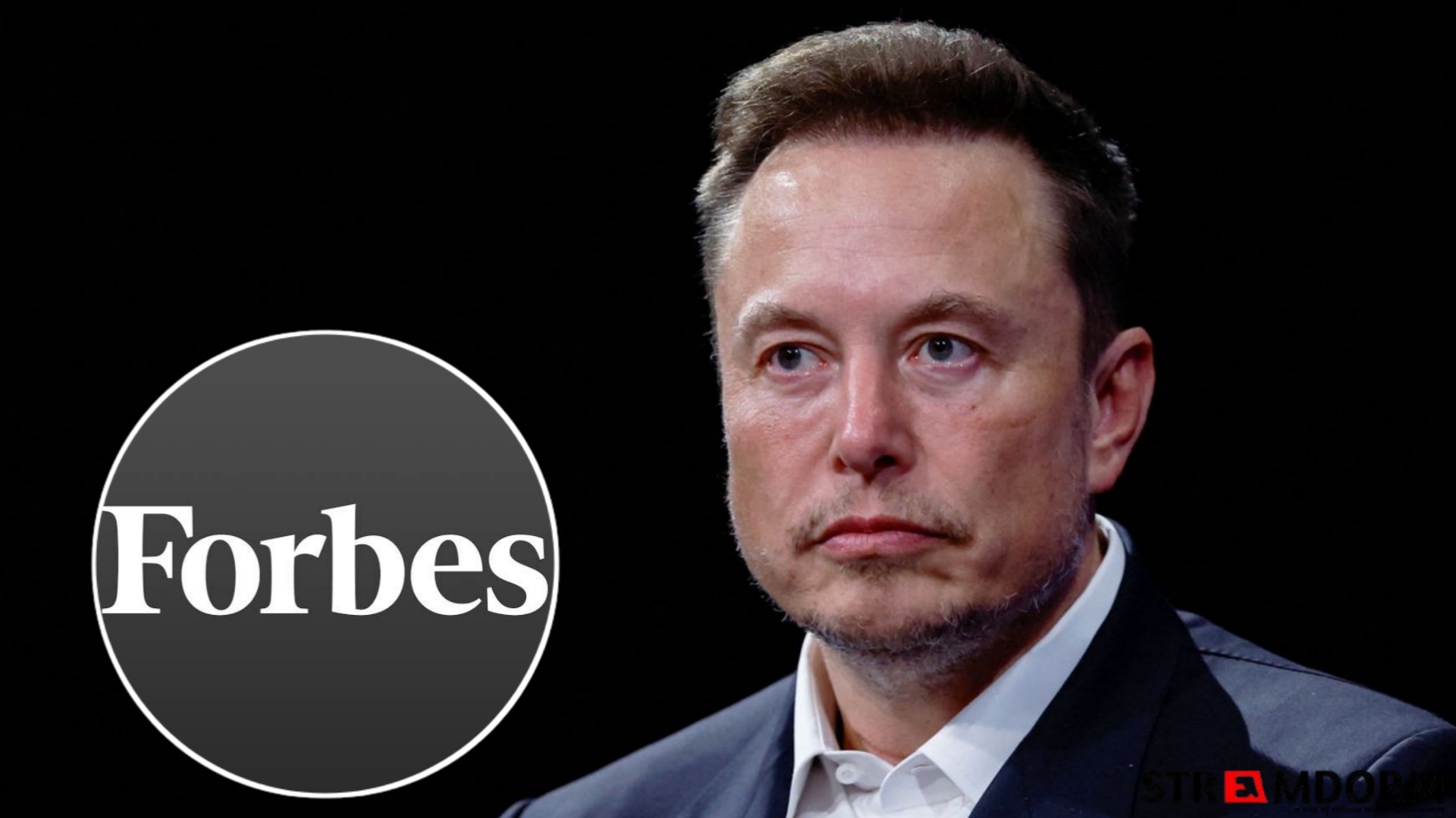
The Top 10 Richest People in the World in Feb. 2026: Forbes Report
The February, 2026 Forbes ranking of the world’s billionaires highlights individuals whose wealth reflects the most influential industries today. From technology and AI to luxury and strategic investments, this list shows where global power and economic influence reside.
Notably, eight of the ten richest individuals are from the United States, reflecting the country’s dominance in technology and innovation, while Bernard Arnault is from France and Amancio Ortega is from Spain, representing luxury and retail sectors outside the U.S.
Elon Musk
Elon Musk tops the 2026 list with an estimated net worth of $775 billion. Musk’s wealth spans multiple ventures, including Tesla, SpaceX, and his AI-focused company, xAI. Tesla’s groundbreaking electric vehicles, combined with SpaceX’s commercial space contracts and Musk’s investments in artificial intelligence, have propelled him to the very top of global wealth rankings. His position highlights how technological innovation and risk-taking in emerging industries remain key drivers of extreme wealth in the 21st century.
Larry Page
Larry Page, co-founder of Google and Alphabet, holds the second spot with a net worth exceeding $200 billion. Page’s fortune comes primarily from Alphabet’s dominance in search, advertising, and cloud computing. Platforms like YouTube and the Android operating system have sustained Alphabet’s global reach and profitability, rewarding Page with one of the largest personal fortunes in history. His ranking underscores the value of founding companies that serve fundamental needs on a global scale.
Sergey Brin
Sergey Brin, Alphabet co-founder, ranks third with an estimated net worth of $190 billion. Brin’s wealth is tied to the same tech ecosystem as Page, including search, cloud services, and YouTube. Unlike some of his peers, Brin maintains a relatively private lifestyle, yet his fortune continues to grow due to the long-term value of Google’s market dominance.
This year, Brin moved up one position compared to last year, overtaking Jeff Bezos, reflecting growth in Alphabet’s market value while Amazon stock experienced relative stagnation. His position illustrates that sustained ownership in global tech platforms can generate immense wealth even without public visibility.
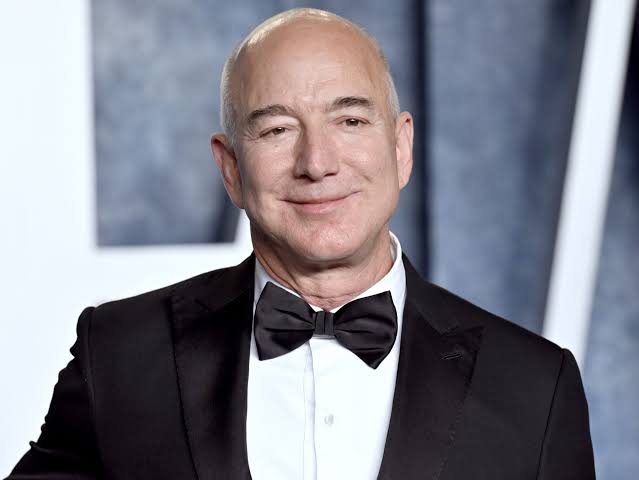
Jeff Bezos
Jeff Bezos, founder of Amazon, sits fourth with a net worth exceeding $150 billion. Bezos continues to profit from Amazon’s global e-commerce operations and the highly lucrative Amazon Web Services cloud division.
Compared to 2025, Bezos has dropped one position, reflecting slower growth in Amazon stock relative to other tech companies like Nvidia and Alphabet. Even after stepping down as CEO, Bezos’ wealth reflects Amazon’s central role in modern retail and cloud computing, demonstrating the long-term financial rewards of pioneering digital marketplaces.
Mark Zuckerberg
Mark Zuckerberg ranks fifth, with a net worth around $140 billion. As CEO of Meta, he oversees Facebook, Instagram, and WhatsApp, platforms that dominate social networking and digital advertising worldwide.
Zuckerberg’s ranking is unchanged from last year, despite challenges in user growth and regulatory scrutiny, Meta’s advertising business remains highly profitable, maintaining Zuckerberg’s status among the globe’s wealthiest. His presence shows how social networks continue to be powerful engines for wealth creation.
Larry Ellison
Larry Ellison, co-founder of Oracle, ranks sixth with an estimated net worth of $120 billion. Ellison built his fortune through enterprise software and cloud solutions that serve corporations worldwide. Oracle’s transition into cloud computing has preserved its relevance, and Ellison’s wealth highlights the enduring financial potential of software solutions that power business infrastructure globally.
Bernard Arnault
Bernard Arnault, chairman and CEO of LVMH, occupies the seventh spot with an estimated net worth of $115 billion. Arnault’s fortune comes from luxury brands such as Louis Vuitton, Dior, and Sephora, catering to high-end consumers worldwide.
Arnault moved down one position compared to 2025, after a strong rise in tech stock valuations outpaced luxury gains. His ranking demonstrates that even in a tech-dominated era, luxury goods and cultural influence remain major sources of wealth.
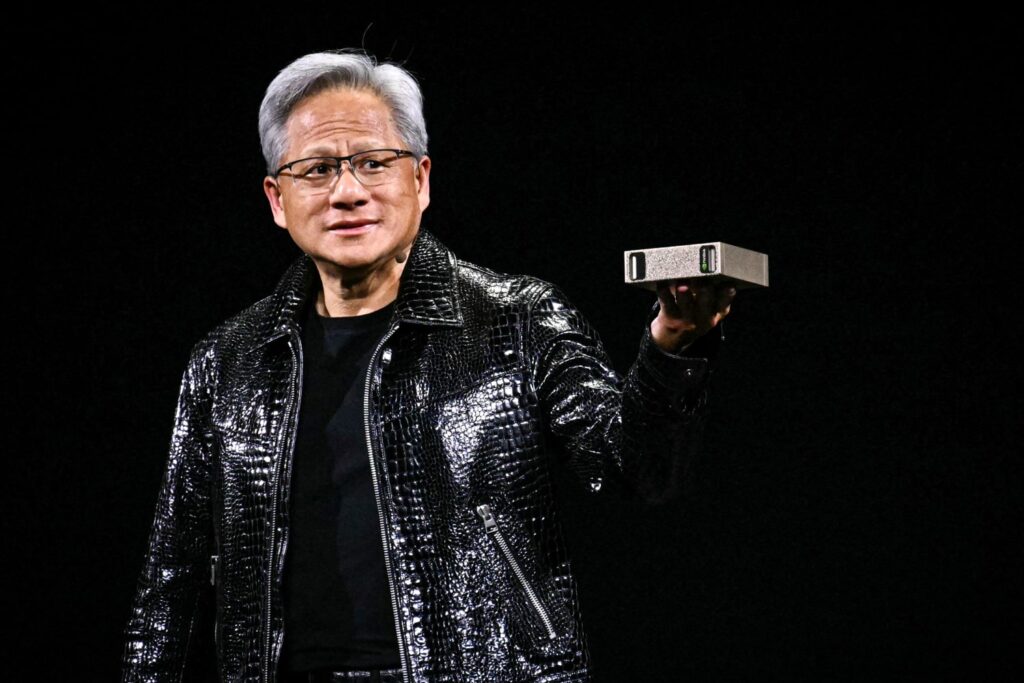
Jensen Huang
Jensen Huang, CEO of Nvidia, ranks eighth with an estimated net worth of $110 billion. Huang’s leadership in AI hardware and semiconductors has positioned Nvidia at the center of the artificial intelligence revolution.
This marks a significant rise compared to 2025, reflecting the explosive growth in AI and the increased demand for Nvidia GPUs powering AI and high-performance computing worldwide. Huang is one of the biggest gainers this year in the top ten.
Nvidia’s GPUs power AI models, data centers, and advanced computing applications, reflecting how technology beyond software; specifically AI infrastructure can create extraordinary wealth.
Amancio Ortega
Amancio Ortega, founder of Inditex and Zara, ranks ninth with a net worth of $85 billion. Ortega built a global retail empire through Zara’s fast-fashion model, emphasizing efficiency, rapid design cycles, and international expansion. His inclusion shows that traditional industries such as fashion and retail, when executed at scale, can generate wealth comparable to the largest technology companies.
Warren Buffett
Warren Buffett, chairman of Berkshire Hathaway, rounds out the top ten with an estimated net worth of $80 billion. Buffett’s fortune is the result of decades of strategic, long-term investing across diverse industries including insurance, retail, and energy.
Buffett moved down one position compared to 2025, as tech and AI-related fortunes outpaced traditional investing. Nonetheless, his decades-long strategy of diversified investments continues to secure him a place in the world’s wealthiest.
His ranking emphasizes that wealth can be built and preserved not only through innovation but also through disciplined investment and portfolio management.
The 2026 Forbes top 10 richest people reveal several key trends. Technology and artificial intelligence dominate wealth creation, with six of the ten billionaires deriving their fortunes from tech ventures. Luxury and global retail industries remain powerful, as demonstrated by Bernard Arnault and Amancio Ortega. Long-term investing continues to produce significant wealth, as exemplified by Warren Buffett.
These individuals not only represent vast financial resources but also influence global industries, job creation, and market trends. Understanding their paths to wealth provides insight into where opportunity, innovation, and economic power are concentrated in the modern world.
YouTube appears to be taking its strongest action yet against low-quality AI-generated content, as several major channels accused of producing so-called “AI slop” have either disappeared or had their videos wiped from the platform.
According to research highlighted by video platform Kapwing, at least 16 high-performing AI-focused channels have been impacted, with their combined reach previously standing at around 4.7 billion views and roughly 35 million subscribers.
While YouTube has not publicly issued a detailed announcement confirming each removal, multiple tech outlets report that these channels are now either gone entirely or left with empty pages, suggesting a platform-wide cleanup effort is underway.
For creators and viewers alike, this could mark a turning point in how YouTube handles mass-produced AI content.
Not all AI content is considered a problem. Many creators use AI tools responsibly to edit videos, generate subtitles, or improve production quality.
But “AI slop” refers to something different.
The term is commonly used to describe low-effort, repetitive videos generated almost entirely by automated systems, usually produced at scale to exploit YouTube’s recommendation algorithm.
These videos often include:
Automated voiceovers
Repetitive storytelling formats
Stock or AI-generated visuals
Minimal human creativity or originality
Mass uploads designed purely to capture ad revenue
In short, they are designed to maximize clicks and watch time rather than provide genuine entertainment or value.
Over the past year, viewers have increasingly complained about seeing similar AI-produced videos flooding recommendations, sometimes pushing out original human-created content.
Kapwing’s research suggests that among the top AI-content channels on YouTube, 16 major players have recently been removed or stripped of content.
Some channels were reportedly deleted outright, while others still exist but no longer contain videos.
However, YouTube itself has not publicly listed the affected channels, so exact enforcement details remain partly unclear.
YouTube has been under growing pressure to maintain content quality as AI tools make video production faster and cheaper than ever.
Removing large AI slop networks may be YouTube’s way of protecting both viewer experience and legitimate creators.
Importantly, YouTube is not banning AI content itself.
The issue appears to be low-quality, mass-produced videos, not creators who responsibly use AI tools as part of their creative workflow.
For years, some operators built channels that relied on automation rather than storytelling, originality, or personality. AI tools allowed them to produce hundreds of videos quickly, often earning advertising revenue with minimal human effort.
Now, that model looks increasingly risky.
AI has made content creation accessible to more people than ever before, but it has also created an explosion of automated media designed purely to chase engagement.
TikTok, Instagram, and streaming platforms are all dealing with similar issues as AI content becomes easier to produce at scale.
YouTube’s current actions may only be the beginning of stricter moderation across platforms.
YouTube has not confirmed whether further removals are coming, but analysts expect moderation to increase throughout 2026 as the platform refines policies around AI content.
Nigeria is emerging as one of the world’s most active users of artificial intelligence, according to a new Google-Ipsos study. The report reveals that 88% of Nigerian adults have used an AI chatbot, placing the country far ahead of the global average of 62%.
Titled Our Life with AI: Helpfulness in the Hands of More People, the study highlights how Nigerians are already integrating AI into education, work, and income-generating activities not as a future concept, but as a practical everyday tool.
The data positions Nigeria among the highest adopters of AI chat tools globally, with usage rising sharply over the past year. Google notes that chatbot adoption in Nigeria increased by 18 percentage points, a growth rate that outpaces most regions surveyed.
This level of engagement suggests that AI tools are no longer niche technologies in Nigeria. Instead, they are becoming mainstream digital utilities, used across age groups and professional backgrounds.
One of the strongest use cases identified in the report is learning.
According to the survey: 93% of Nigerians use AI to learn or understand complex topics, compared to a global average of 74%.
Students, professionals, and self-learners are increasingly turning to AI chatbots to:
Break down difficult subjects
Explain concepts in simpler terms
Support exam preparation and research
Learn new digital and professional skills
Beyond education, AI is playing a growing role in workplace productivity.
The report shows that: 91% of Nigerian respondents use AI to assist with work tasks
These tasks range from:
Writing and editing content
Research and information gathering
Planning and organising projects
Brainstorming ideas and presentations
Perhaps most notably, the report highlights AI’s role in entrepreneurship and side hustles, a critical part of Nigeria’s economy.
Google’s findings reveal that: 80% of Nigerians use AI to explore business ideas or career opportunities, nearly double the global average of 42%.
In a country where many people combine multiple income sources, AI is becoming a low-cost tool for experimentation and growth.
Why This Decade of Technological Advancement Matter for Nigerian Small Businesses
For many small business owners in Nigeria, growth often feels slow and uncertain. Rising operating costs, intense competition, poor infrastructure, and limited access to funding make scaling difficult. For years, technology felt like something only large companies could afford.
That is changing real fast today.
As we close 2025 and moving to 2026, technology and artificial intelligence are becoming more accessible to Nigerian businesses of all sizes. Tools that once required large budgets are now available through mobile phones, cloud platforms, and simple software subscriptions. This shift means small businesses now have the opportunity to grow faster, operate smarter, and compete more effectively.
The businesses that succeed will not necessarily be the biggest. They will be the ones that understand how to use technology and AI as practical tools, not abstract ideas.
What Scaling Really Looks Like in Nigeria
Scaling is often misunderstood as simply increasing sales. In reality, scaling means growing in a way that does not break your operations. For Nigerian businesses, this means improving efficiency, reducing manual work, and creating systems that can handle more customers without increasing stress.
Technology and AI help small businesses do more with less. They allow business owners to automate repetitive tasks, understand customer behaviour, and make better decisions based on data instead of guesswork.
Using AI to Simplify Daily Business Operations
Many Nigerian entrepreneurs spend a large part of their day responding to messages, writing captions, tracking orders, and managing records manually. These tasks are important, but they slow growth when done without support.
AI tools help simplify these daily operations. Businesses can now use AI to respond to customer inquiries automatically, generate marketing content in minutes, and organize business information more efficiently. This does not replace human effort; it supports it. By reducing time spent on routine tasks, business owners can focus on strategy, sales, and expansion.
In 2026, automation will no longer be a luxury. It will be a basic requirement for any business that wants to scale sustainably.
Understanding Customers Better With Data and AI
One of the biggest advantages technology offers is clarity. Many small businesses struggle because they do not fully understand their customers. AI-powered tools help change this by analyzing sales patterns, customer behaviour, and engagement trends.
With these insights, businesses can see which products perform best, identify peak buying periods, and understand why customers return or stop buying. This leads to smarter pricing, better inventory planning, and more effective marketing.
When decisions are based on data rather than assumptions, growth becomes more predictable and less risky.
Building a Strong Digital Presence That Drives Growth
By 2026, customers expect businesses to be visible and accessible online. A strong digital presence is no longer optional. Whether through a website, an online store, or social media platforms, businesses must meet customers where they already spend their time.
AI plays a quiet but powerful role here. It helps businesses improve search visibility, recommend better content ideas, and optimize marketing campaigns. This means small businesses can reach more people without spending excessively on advertising.
A well-structured online presence allows a business to attract customers consistently, even outside normal working hours.
Improving Customer Experience With Smart Technology
Customer experience has become one of the strongest competitive advantages in modern business. Nigerian customers value fast responses, clear communication, and smooth service delivery.
AI-powered tools help businesses meet these expectations by supporting faster replies, automated order updates, and personalized follow-ups. When customers feel heard and valued, they are more likely to return and recommend the business to others.
As competition increases in 2026, businesses that invest in customer experience will stand out more than those that focus only on pricing.
Reducing Costs and Scaling Sustainably With Cloud Technology
Scaling does not always require heavy spending. One of the biggest mistakes small businesses make is investing in expensive systems too early. Cloud-based technology offers a more flexible alternative.
With cloud and AI software, businesses can pay only for what they use. They can upgrade tools as they grow and avoid the burden of maintaining expensive hardware. This approach reduces financial pressure while supporting long-term expansion.
For Nigerian businesses facing fluctuating costs and currency challenges, this flexibility is especially valuable.
Expanding Beyond Your Immediate Market
Technology has removed many of the traditional limits on business growth. Nigerian small businesses can now reach customers beyond their local environment, and even outside the country.
AI helps with market research, audience targeting, and content adaptation, making it easier to explore new markets without losing focus. At the same time, businesses that understand local culture and customer behavior can use technology to strengthen their local advantage.
Scaling in 2026 will be about balancing local relevance with wider reach.
You Do Not Need to Be a Tech Expert to Scale
A common fear among business owners is that AI is too complex. In reality, most modern tools are designed for everyday users. You do not need to know how to code or build software.
What matters is understanding your business problems and choosing tools that solve them. Learning gradually, testing solutions, and training staff in small steps makes tech adoption manageable and effective.
The goal is not to become a tech company, but to run a smarter business.
Technology and AI are reshaping how small businesses grow in Nigeria. In 2026, success will depend less on working harder and more on working intelligently.
Small businesses that adopt tech early, focus on efficiency, and prioritize customer experience will be better positioned to grow sustainably. The opportunity is not in using every tool available, but in using the right ones at the right time.
Scaling is no longer about size. It is about systems, strategy, and smart use of technology. Take the right step to grow your business today!