Markiplier Confirms Iron Lung Will Be Sold Digitally Exclusively via YouTube

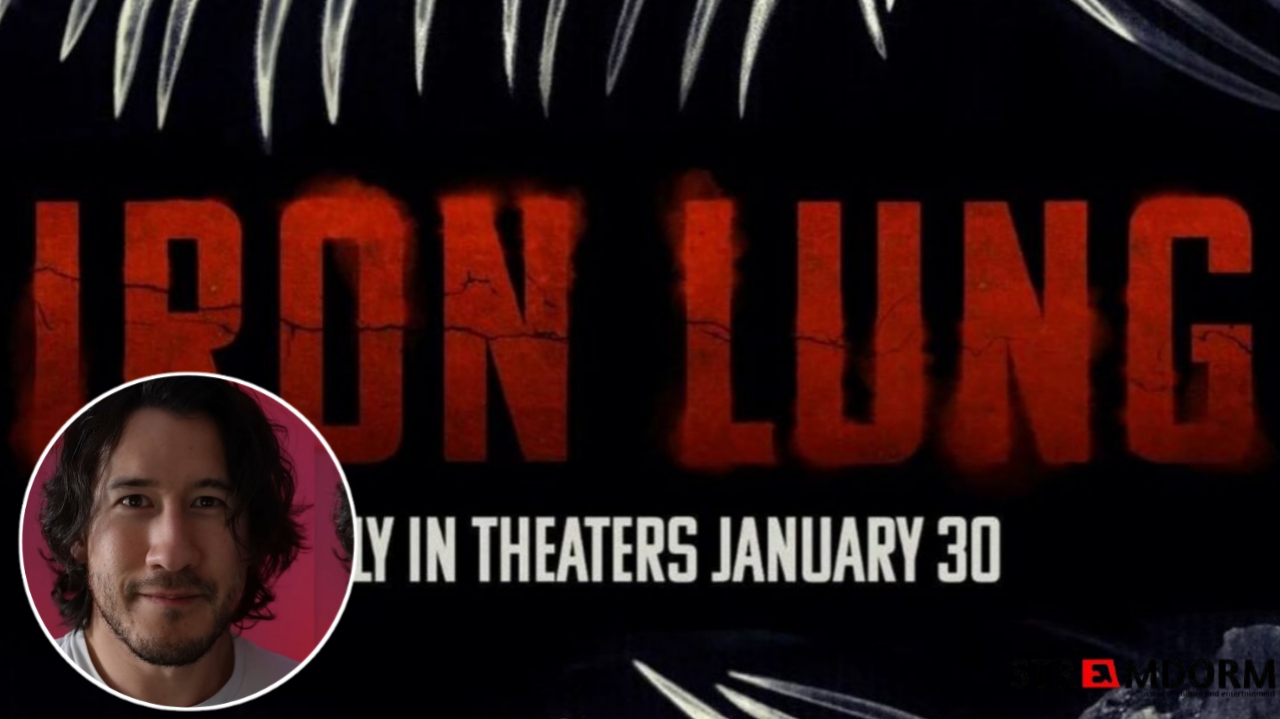
Markiplier has officially confirmed a major and unconventional release strategy for his upcoming horror film Iron Lung, revealing that the movie will be available for digital purchase exclusively through YouTube.

The announcement positions Iron Lung as one of the most high-profile experiments yet in creator-led film distribution, bypassing traditional streaming platforms and theatrical-first release models in favor of a direct to audience digital storefront on YouTube.

According to details shared by Markiplier, the film will not initially debut on subscription based streaming services. Instead, viewers will be able to buy the movie digitally on YouTube, effectively treating the platform as a standalone cinema marketplace.

Markiplier is one of the most influential digital creators to emerge from YouTube, known for his energetic personality, comedic timing, and strong presence in the gaming and entertainment space. He first gained widespread popularity through gameplay videos, especially horror games, where his expressive reactions and storytelling style helped him build a massive global audience.

Over the years, Markiplier has expanded beyond traditional content creation into larger creative projects, including podcasts, live events, charity initiatives, and filmmaking. He has built a reputation not just as a content creator, but as a multi-platform entertainer with a strong focus on creative independence and audience engagement. His move into feature filmmaking represents a natural extension of his long-standing interest in storytelling and horror.

Iron Lung is an upcoming independent horror film directed by Markiplier, based on the critically acclaimed indie horror game of the same name. The story is set in a dystopian future where humanity has been pushed into survival mode after a catastrophic cosmic event, leaving the remnants of civilization dependent on exploration missions into deadly, unknown environments.

The film follows a lone pilot sent inside a small, submerged vessel, commonly referred to as an “iron lung” tasked with exploring a blood-filled ocean on a mysterious moon. Cut off from the outside world, the protagonist must document what they find while confronting isolation, fear, and the psychological strain of confinement.

Unlike conventional studio horror films, Iron Lung is being developed as a fully independent project, with a strong emphasis on atmosphere, tension, and minimalism rather than dialogue heavy storytelling. It has attracted significant attention due to both its unique premise and Markiplier’s involvement as both creator and lead figure behind the production.

The film is now also notable for its planned release strategy, which includes direct digital purchase via YouTube, positioning it as one of the most ambitious creator led film distribution experiments in recent years.

The decision has sparked significant interest across both the creator economy and film industry circles. Markiplier, already one of YouTube’s most influential personalities, is leveraging his audience to test whether a creator-driven film can bypass Hollywood gatekeeping while still achieving mainstream reach.
YouTube Introduces New Feature Allowing Users to Remove Shorts from Their Feed

YouTube has introduced a new feature that gives users greater control over their viewing experience, allowing them to effectively remove Shorts from their feed entirely.

The update, which is being rolled out gradually, introduces a “Shorts feed limit” setting that can be adjusted within the app. By setting the limit to zero minutes, users can stop Shorts from appearing on their homepage, recommendations, and overall browsing experience.

Unlike previous options that only allowed users to temporarily hide or reduce Shorts content, this new setting functions as a more permanent solution. Once activated, the Shorts shelf disappears from the homepage, and the platform stops pushing short form videos into the user’s feed.

While the Shorts tab itself may still exist within the app, attempting to engage with it will trigger a notification indicating that the user has reached their set limit.

This marks a significant shift for YouTube, which has heavily promoted Shorts in recent years as its response to short-form video platforms like TikTok and Instagram Reels.

The introduction of this feature appears to respond directly to growing user feedback around content fatigue and digital wellbeing. By allowing users to fully opt out, YouTube is becoming a platform that prioritizes flexibility and personalization.

Burna Boy Leads Top 5 Most Subscribed Nigerian Musicians on YouTube in 2026

As Afrobeats continues its transformation from regional sound to global export, YouTube has become one of the clearest markers of long-term fan loyalty. Beyond streaming numbers and chart placements, subscriber counts reveal something deeper: sustained audience commitment.

Based on 2025–2026 data compiled from channel analytics trackers and industry reports, five Nigerian artists currently dominate YouTube’s subscriber rankings and the margins between them tell an important story about momentum, virality, and global positioning.

1. Burna Boy: 5.4–5.7 Million Subscribers

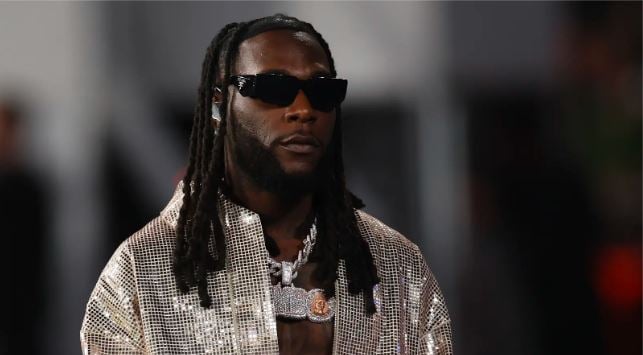
Burna Boy remains the most-subscribed Nigerian musician on YouTube in early 2026.

With reported figures ranging between 5.43 million and 5.7 million subscribers, the Grammy winner continues to convert global acclaim into digital loyalty. His channel houses high-production music videos, tour documentation, festival performances, and official releases including material from I Told Them….

More significantly, his total views reportedly exceed 3 billion, a milestone that reinforces not just popularity but sustained visual consumption across continents.

Burna’s dominance reflects consistency. His audience does not spike only during album cycles; it remains active between releases.

2. Rema: 4.9–5.4 Million Subscribers

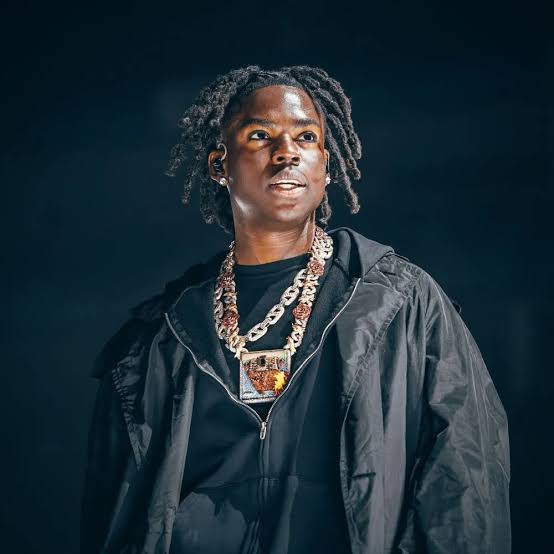
If there is a serious challenger to the top spot, it is Rema.

With subscriber counts estimated between 4.97 million and 5.38 million, the gap between him and Burna Boy has narrowed considerably. The global success of “Calm Down”, particularly its international remix run, continues to drive discovery traffic to his channel.

Rema’s strategy leans heavily on youthful branding, global collaborations, and steady visual output. His growth curve suggests that YouTube is becoming a core pillar of his international expansion.

If momentum continues at its current pace, the number one position may soon face real competition.

3. Davido: 4.6–4.9 Million Subscribers

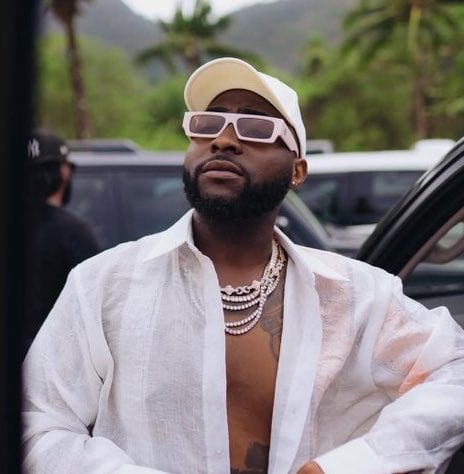
Davido remains firmly in the top three, with subscriber figures hovering between 4.6 million and 4.91 million.

Unlike some peers whose channels focus strictly on polished visuals, Davido blends official videos with personality-driven content. Behind the scenes moments, collaborations, and lifestyle elements contribute to his engagement levels.

His YouTube presence complements his strong performance across DSPs, maintaining his reputation as one of Afrobeats’ most commercially consistent figures.

4. CKay: 4.1–4.3 Million Subscribers

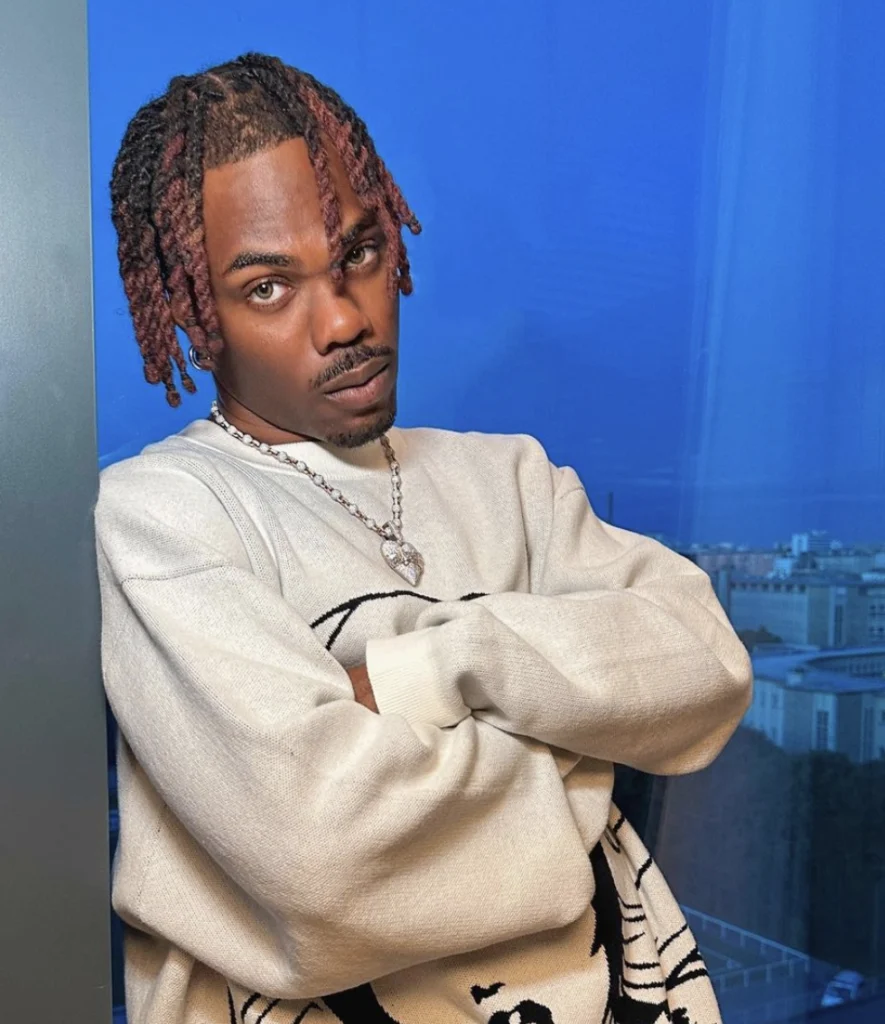
CKay’s ranking reflects the long tail of global virality.

Following the international explosion of “Love Nwantiti,” his channel subscriber base has stabilized between 4.14 million and 4.31 million. What stands out is retention. Many viral artists struggle to convert momentary attention into sustained subscription growth.

His hybrid Afrobeats-R&B sound and steady output have allowed him to maintain a strong global audience well beyond the peak of a single record.

5. Wizkid: 3.3–3.5 Million Subscribers

Wizkid closes the top five with approximately 3.34 million to 3.5 million subscribers on his primary channel.

Wizkid’s digital presence extends beyond one official channel, with features, label uploads, and collaborative visuals dispersed across platforms. While his subscriber count may not lead, his global catalog performance and cultural footprint remain immense.

This ranking reflects channel concentration not influence.

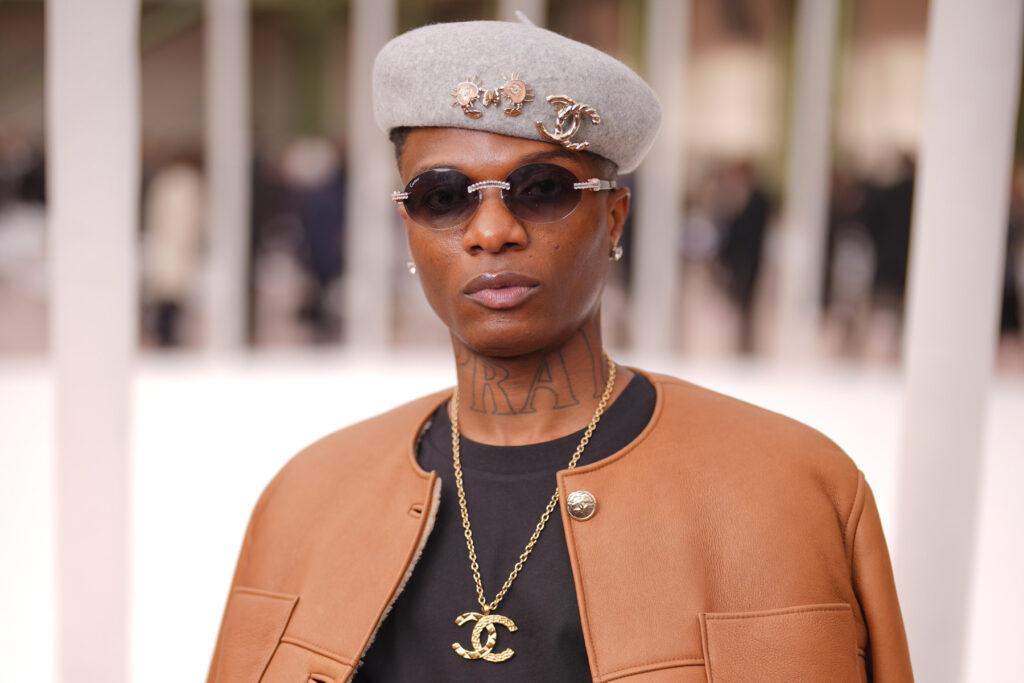
Wizkid at Chanel RTW Spring 2025 as part of Paris Ready to Wear Fashion Week held at Grand Palais on October 1, 2024 in Paris, France. (Photo by Swan Gallet/WWD via Getty Images)

BLACKPINK Makes History as First Musical Act to Reach 100 Million YouTube Subscribers

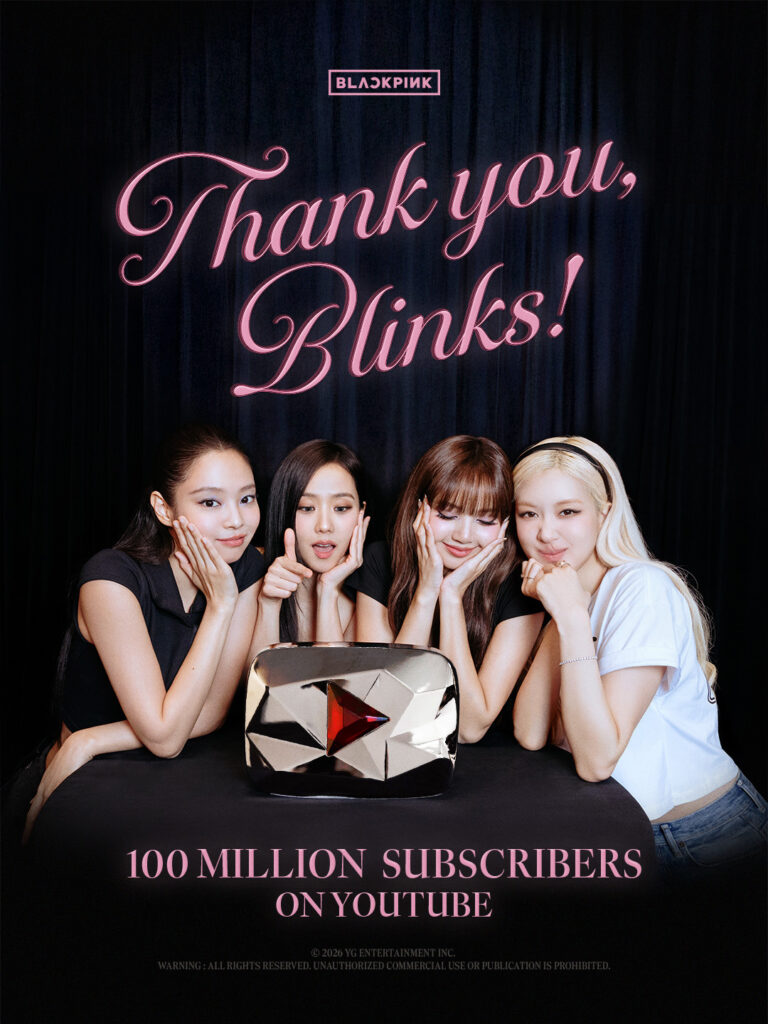
On February 20, 2026, BLACKPINK officially crossed a milestone no other musical act had achieved before: 100 million subscribers on their official YouTube channel. This historic moment, confirmed by the group on their official X (formerly Twitter) account, reinforces BLACKPINK’s status as a global powerhouse in digital music and fan engagement.

Within hours, fans known as BLINKs flooded the platform with reactions, memes, and tributes to the group’s unprecedented achievement.

BLACKPINK’s feat is even more remarkable considering the scale of their discography: around 33 songs and just 13 music videos. Despite this, their subscriber growth has surpassed that of major Western acts and fellow K-pop groups, making them the most-subscribed music act on YouTube.

This landmark qualifies BLACKPINK for YouTube’s exclusive Red Diamond Play Button, awarded only to channels that reach the 100 million subscriber threshold. They are the first musical act to receive this honor. 

BLACKPINK’s journey began with their 2016 debut under YG Entertainment, with early hits like Boombayah, Whistle, and DDU-DU DDU-DU; the latter becoming the first K-pop music video to surpass 2 billion views. Subsequent releases, including How You Like That, Lovesick Girls, and Pink Venom, consistently shattered viewership records, often within hours of release.

Today, BLACKPINK’s channel has accumulated over 41 billion total views, and their videos regularly rank among YouTube’s most-watched. Beyond the numbers, what sets BLACKPINK apart is the coordination and loyalty of BLINKs, who turn streaming, voting, and sharing into global campaigns. This digital fan mobilization has been central to their unprecedented success.

The milestone comes just days before the release of BLACKPINK’s third mini-album, DEADLINE, scheduled for February 27, 2026. Fans speculate that the timing was strategic, building momentum for the comeback while celebrating the 100 million subscriber milestone.

Congratulations to Jisoo, Jennie, Rosé and Lisa. 

YouTube Begins Removing Major “AI Slop” Channels After Billions of Views

YouTube appears to be taking its strongest action yet against low-quality AI-generated content, as several major channels accused of producing so-called “AI slop” have either disappeared or had their videos wiped from the platform.

According to research highlighted by video platform Kapwing, at least 16 high-performing AI-focused channels have been impacted, with their combined reach previously standing at around 4.7 billion views and roughly 35 million subscribers.

While YouTube has not publicly issued a detailed announcement confirming each removal, multiple tech outlets report that these channels are now either gone entirely or left with empty pages, suggesting a platform-wide cleanup effort is underway.

For creators and viewers alike, this could mark a turning point in how YouTube handles mass-produced AI content.

Not all AI content is considered a problem. Many creators use AI tools responsibly to edit videos, generate subtitles, or improve production quality.

But “AI slop” refers to something different.

The term is commonly used to describe low-effort, repetitive videos generated almost entirely by automated systems, usually produced at scale to exploit YouTube’s recommendation algorithm.

These videos often include:

  • Automated voiceovers
  • Repetitive storytelling formats
  • Stock or AI-generated visuals
  • Minimal human creativity or originality
  • Mass uploads designed purely to capture ad revenue

In short, they are designed to maximize clicks and watch time rather than provide genuine entertainment or value.

Over the past year, viewers have increasingly complained about seeing similar AI-produced videos flooding recommendations, sometimes pushing out original human-created content.

Kapwing’s research suggests that among the top AI-content channels on YouTube, 16 major players have recently been removed or stripped of content.

Some channels were reportedly deleted outright, while others still exist but no longer contain videos.

However, YouTube itself has not publicly listed the affected channels, so exact enforcement details remain partly unclear.

YouTube has been under growing pressure to maintain content quality as AI tools make video production faster and cheaper than ever.

Removing large AI slop networks may be YouTube’s way of protecting both viewer experience and legitimate creators.

Importantly, YouTube is not banning AI content itself.

The issue appears to be low-quality, mass-produced videos, not creators who responsibly use AI tools as part of their creative workflow.

For years, some operators built channels that relied on automation rather than storytelling, originality, or personality. AI tools allowed them to produce hundreds of videos quickly, often earning advertising revenue with minimal human effort.

Now, that model looks increasingly risky.

AI has made content creation accessible to more people than ever before, but it has also created an explosion of automated media designed purely to chase engagement.

TikTok, Instagram, and streaming platforms are all dealing with similar issues as AI content becomes easier to produce at scale.

YouTube’s current actions may only be the beginning of stricter moderation across platforms.

YouTube has not confirmed whether further removals are coming, but analysts expect moderation to increase throughout 2026 as the platform refines policies around AI content.

Bimbo Ademoye Cries Out as YouTube Demonetises “Where Love Lives” Over Alleged Copyright Theft

Nollywood actress and filmmaker Bimbo Ademoye has raised a public alarm after YouTube removed monetisation from her movie Where Love Lives following an alleged fraudulent copyright claim on one of its soundtracks.

According to Ademoye, the song in question is a track she fully owns, with proper clearance and approval obtained directly from the artist before it was used in the film. Despite this, she says an individual identified as Emmanuel Davies filed a copyright claim against the movie, leading YouTube to redirect monetisation away from her channel.

In an emotional statement shared on social media, Bimbo accused Davies of stealing her soundtrack, uploading it to digital platforms such as Spotify, and then using that upload to falsely assert ownership.

A song I have full ownership of… was lifted and claimed by one Emmanuel Davies.

Not only did he steal my song, he also claimed copyrights and took monetisation,” she wrote.

The actress stressed that she follows due process on every project, noting that she pays for all soundtracks used in her films and conducts thorough checks before uploading any content online.

As a result of the claim, YouTube reportedly demonetised Where Love Lives, meaning ad revenue from the film is now being withheld or redirected while the dispute is unresolved.

Bimbo described the situation as deeply frustrating, especially given the time, resources, and financial investment that went into producing the movie.

Taking a firm stance, the actress warned that she intends to pursue the matter through legal and regulatory channels, stating that she would not back down until the issue is fully addressed.

Until I see you behind bars, I will not rest. I’d let the authorities do their job,” she added.

For many Nigerian filmmakers who rely on YouTube revenue, such claims pose a serious threat to sustainability in an industry already battling piracy.

IShowSpeed Becomes First Black Creator to Hit 50M YouTube Subscribers Live on His 21st Birthday in Nigeria

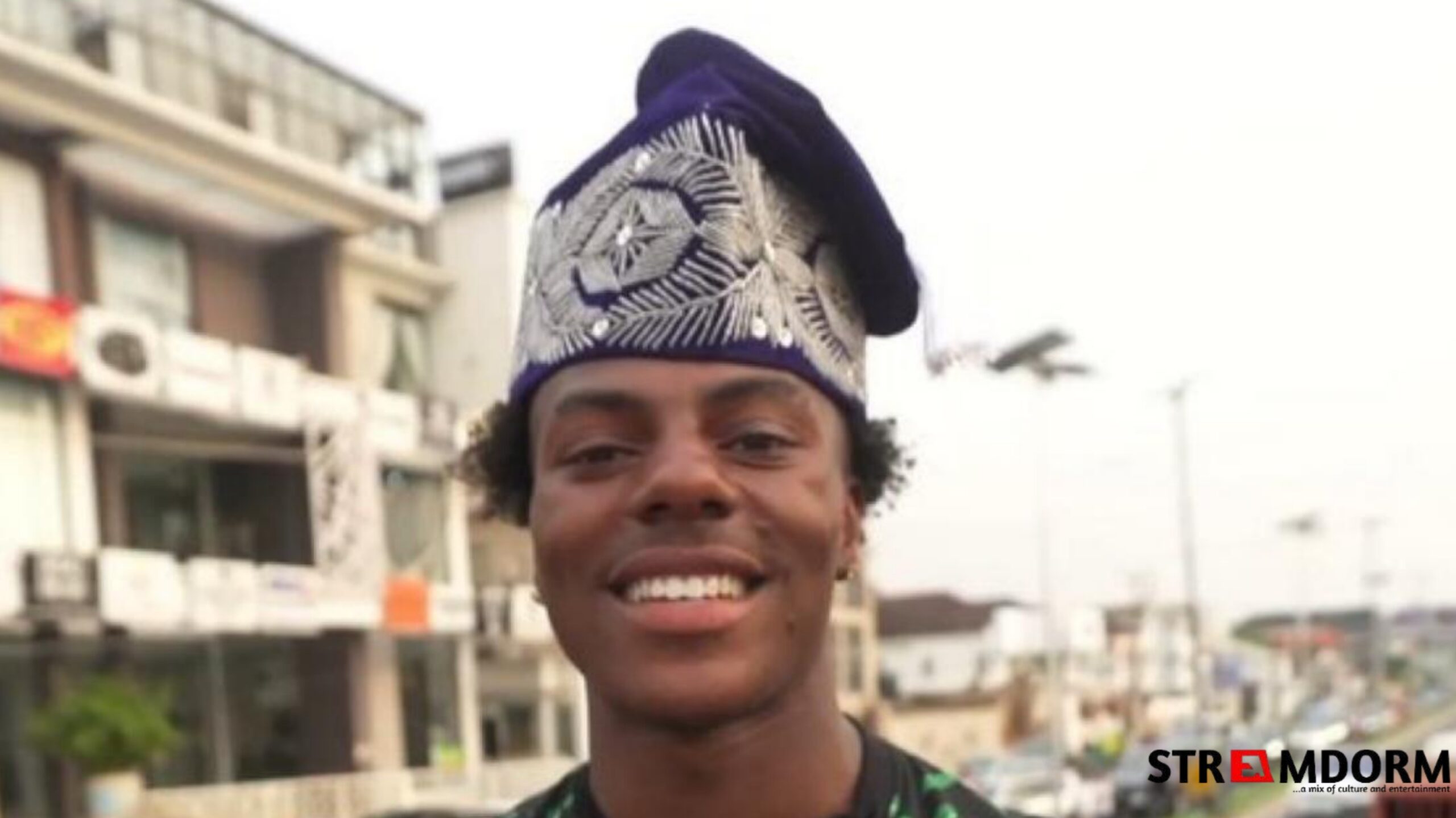
In a historic moment for the global digital community, IShowSpeed (Darren Jason Watkins Jr.) has officially surpassed 50 million subscribers on YouTube and he did it live on his 21st birthday while streaming from Nigeria. The milestone marks a defining moment not only for Speed’s career but also for Black creators on the platform.

Fans from around the world watched as the YouTube subscriber counter ticked past 50 million during his Africa tour livestream. Nigeria, one of the stops on his “Speed Does Africa” tour, became the backdrop for what many are calling a landmark achievement for Black creators in YouTube history. Social media exploded as viewers celebrated both his birthday and the historic milestone.

Social media reports confirms that IShowSpeed’s main channel now officially stands at 50,000,000 subscribers, cementing him as a true digital powerhouse.

One of the standout moments from Speed’s time in Nigeria was his verdict on Nigerian jollof rice live on stream, he declared Nigerian jollof the best he’d had so far in comparison with Senegalese jollof, a declaration that delighted viewers and reignited the long‑standing West African jollof debate. 

Social posts from fans also echoed that sentiment, noting how the streamer reacted to the spiciness and flavour of local dishes during his livestream in Lagos. 

Real‑time posts on community forums show Nigerians celebrating his presence, reacting positively to his content, and noting that he’s actively absorbing cultural experiences rather than just passing through. Many locals highlighted how he engages with audiences and talks about Nigerian culture to his millions of viewers live on stream. 

The ongoing stream content indicates that Speed has been interacting with his surroundings, food, and local energy in Lagos; typical of how he’s been doing in other countries on the tour. 

This milestone is more than just numbers; it’s a statement about the power of youth, global audiences, and cultural representation in the digital space. 

CoComelon’s “Wheels on the Bus” Crosses Major Global Viewership Milestone of 2 Billion Views in 2025

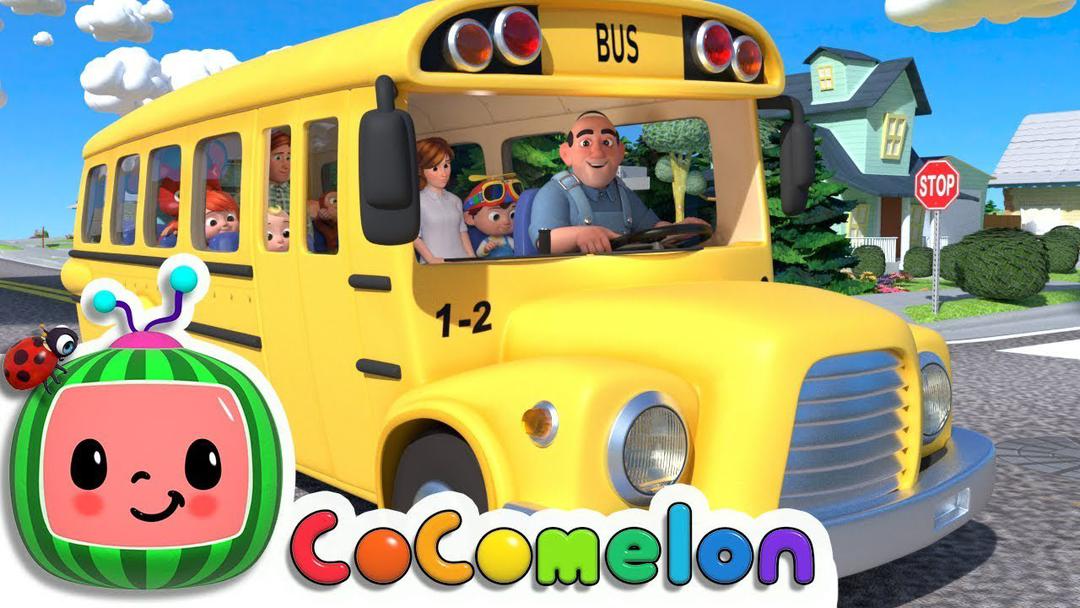
CoComelon has recorded another historic milestone on YouTube, as its animated children’s classic “Wheels on the Bus” emerged as one of the most-watched music videos worldwide in 2025, pulling in an estimated two billion views within the year across global audiences.

The achievement reinforces CoComelon’s dominance in digital children’s entertainment and highlights the continued power of nursery rhymes in the streaming era.

Produced by Moonbug Entertainment, CoComelon has long been a heavyweight on YouTube, consistently ranking among the platform’s most-subscribed and most-viewed channels. “Wheels on the Bus” is one of its flagship videos, enjoyed by toddlers and families across multiple regions and languages.

While YouTube does not release official annual rankings that isolate children’s content from general music videos, industry trackers and viewership estimates indicate that “Wheels on the Bus” recorded extraordinary engagement in 2025, with view counts reportedly crossing the two-billion-view mark within the calendar year.

Unlike mainstream pop releases, CoComelon’s success exists in a unique category where children’s music often rivals and sometimes surpasses global chart hits in raw view numbers. Over time, “Wheels on the Bus” has accumulated billions of lifetime views, placing it among YouTube’s most-watched videos of all time.

Its 2025 performance further cements children’s digital programming as one of the most powerful segments in online video consumption.

Pastor Jerry Eze’s NSPPD Becomes 3rd Most-Watched YouTube Channel Globally in 2025

In a remarkable feat for Nigerian digital content creators, Pastor Jerry Eze’s YouTube channel, New Season Prophetic Prayers and Declarations (NSPPD), has become the third most-watched YouTube channel worldwide in 2025. With over 102 million watch hours accumulated this year, NSPPD has emerged as a global hub for faith-based content, highlighting the growing international appetite for spiritual programming.

NSPPD began as a digital extension of Pastor Jerry Eze’s ministry, offering daily prayers, prophetic declarations, and spiritual guidance. What started as a way to connect with church members during the COVID-19 pandemic has now transformed into a global phenomenon, attracting millions of viewers from Africa, Europe, the Americas, and Asia.

The channel’s rapid rise is particularly notable because it competes not with traditional entertainment or gaming content but with other top-tier global YouTube channels. In 2025, NSPPD ranks only behind some of the world’s most-watched entertainment creators, making it a rare achievement for faith-based digital media.

Record-Breaking Viewership and Engagement

According to reports, NSPPD amassed over 102 million watch hours, making it the third-highest channel globally by total watch time. The channel regularly draws hundreds of thousands of live participants during prayer sessions, creating a highly engaged community that is active not just in watching content but interacting in real time.

This level of engagement has positioned NSPPD as a powerhouse in digital ministry, demonstrating that niche content with high authenticity and community engagement can compete with mainstream global media.

Pastor Jerry Eze

Revenue Milestone: ₦11.8 Billion in 2025

NSPPD’s global viewership has also translated into substantial earnings, with reports estimating ₦11.8 billion in revenue for 2025. This revenue comes from a combination of YouTube ad monetization, Super Chats, memberships, and sponsorships, reflecting the financial potential of faith-based digital media when executed at scale.

For perspective, this places NSPPD among the highest-earning non-gaming channels globally, and it underscores the economic potential of African content creators in the global digital ecosystem.

The Global Impact of NSPPD

The channel’s success is more than just numbers. It reflects a broader shift in global media consumption, where viewers increasingly turn to live digital experiences for connection, guidance, and inspiration. Pastor Jerry Eze’s approach combines spiritual messaging with highly accessible digital formats, allowing him to reach audiences across cultures and continents.

This milestone also demonstrates that African creators can lead globally, with content that resonates beyond regional or cultural boundaries. NSPPD has effectively turned digital ministry into a world-class platform, setting a benchmark for other faith-based creators.

As 2025 comes to a close, NSPPD’s achievement signals a new era for online religious content. Channels like NSPPD are not only shaping digital media trends but are also redefining what it means to build a global community around shared values and beliefs.

YouTube Set to End Data Sharing With Billboard in 2026 

In a significant shake-up for the global music industry, YouTube has announced it will stop providing its streaming data to Billboard’s U.S. music charts starting January 16, 2026. This decision ends a decade-long partnership that helped measure song popularity and influence chart positions for artists around the world. 

The move arose from a dispute over how Billboard weights different types of streams, raising questions about digital consumption, fairness, and how chart success should be defined in the streaming era. Here’s a breakdown of what this change means for artists, fans, and the music business at large.

Why YouTube Pulled Back Its Data

At the heart of the split is a disagreement over Billboard’s chart methodology specifically, how it assigns different values to paid versus ad-supported streams:

  • Billboard currently gives more weight to paid or subscription streams (like Spotify Premium or Apple Music) than to free, ad-supported plays.
  • YouTube argues this system undervalues listening behaviour on its platform, where billions of users stream music for free with ads. 

In response, Billboard updated its formula for 2026 to make ad-supported streams count more than they did before (reducing the number of streams needed to count toward the charts). However, paid streams still count significantly more than free streams, and YouTube says this doesn’t reflect how modern fans actually engage with music. 

YouTube’s global head of music, Lyor Cohen, called Billboard’s formula “outdated” and insisted that all streams paid or free should be counted equally for chart calculations. Because Billboard would not adopt this approach, YouTube announced it will stop submitting its data for all Billboard charts, including the Billboard Hot 100 and Billboard 200. 

Lyor Cohen

A Brief History of YouTube & Billboard Charts

YouTube began contributing data to Billboard’s Hot 100 in 2013, recognizing that video streams were a growing part of how people consume music. Later, its data was added to album charts like the Billboard 200. 

Because YouTube reaches billions of listeners worldwide; especially in regions where paid subscriptions are less common, its inclusion historically helped songs chart higher based on popularity across video and music formats.

Now, with the partnership ending after January 16, 2026, YouTube streams will no longer factor into these official U.S. rankings unless the two organizations find a new agreement. 

How Billboard’s New Chart Rules Work

For charts dated January 17, 2026 (tracking data from January 2-8), Billboard will adjust its streaming values:

  • 1,000 paid/subscription on-demand streams = one album unit
  • 2,500 ad-supported on-demand streams = one album unit

This narrows the difference between paid and free streams compared with previous years, but paid streams still count more per stream than ad-supported ones. 

Under this system, a song must be streamed more times on a free tier to count the same as fewer paid streams, a key reason YouTube disagrees with the approach. 

What this could mean for Artists

  • Chart Visibility Changes: Songs that used to climb based on huge YouTube view counts alone may now chart lower or not at all on Billboard charts.
  • Strategy Shifts: Labels may push artists toward platforms where plays still count fully for Billboard, such as Spotify, Apple Music, or other paid services.
  • Video Release Planning: Big-budget music videos might become less central to chart strategies, though they’ll still matter for engagement and reach.

Artists with strong YouTube performance particularly in genres like K-pop, hip-hop, Latin pop, and Afrobeats,  may feel the biggest impact, as many of their fans use YouTube as a primary means of listening. 

For Fans

  • Streaming Choices Matter More: Streaming on paid platforms may have more chart impact than listening on YouTube alone.
  • Billboard Chart Dynamics Change: Fans who boosted songs to the charts via YouTube views might see different results going forward.

What This Doesn’t Change

  • Music Industry Certifications: YouTube streams will still count toward certifications like RIAA Gold and Platinum, which have their own criteria separate from Billboard charts.
  • Luminate Reporting: YouTube continues to submit data to Luminate (a major industry analytics provider), so labels and artists will still see full YouTube consumption metrics. 

YouTube’s move isn’t just a technical shift in how charts are calculated, it’s a cultural statement about what matters most in music consumption today. Whether this leads to new chart models or renewed negotiation between platforms and publishers remains to be seen.

Scroll to Top