Toyin Abraham Responds to Abike Shugaa’s Claims Over Ijakumo Payment and Cut Scenes

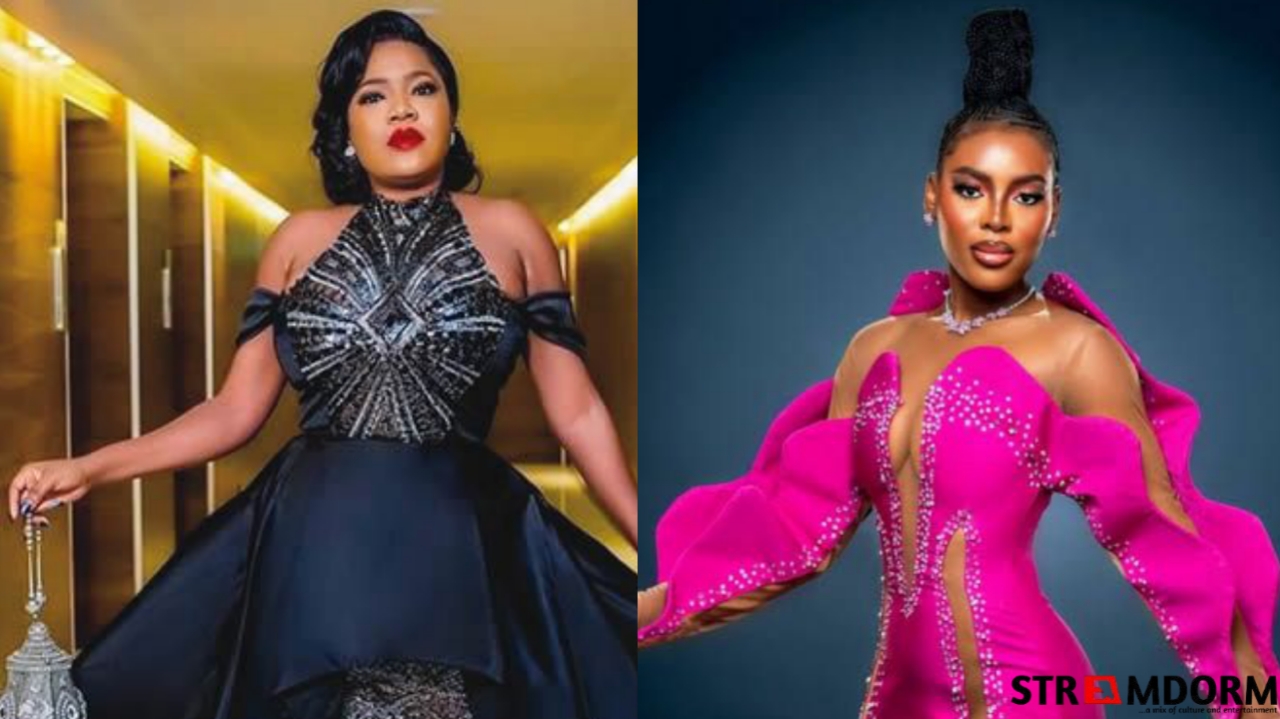
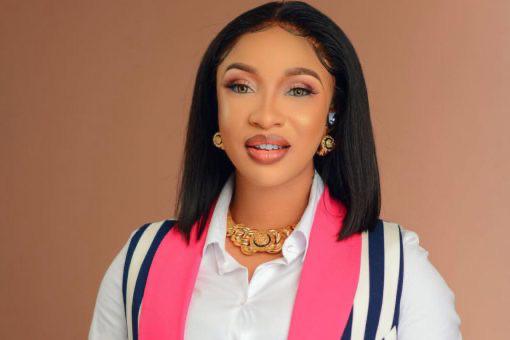
Nollywood actress and producer Toyin Abraham has publicly responded to claims made by actress Abike Shugaa regarding her experience working on the 2023 film Ijakumo: The Born Again Stripper.

The issue surfaced after a video circulated online in which Shugaa detailed her involvement in the film. In the clip, she stated that she shot two scenes for Ijakumo and was paid ₦50,000, but later discovered that her scenes were removed from the final version of the film. She also said she was not informed about the removal before the film’s release.

In response, Abraham addressed the claims in posts shared on X (formerly Twitter), confirming aspects of the account. She stated that she paid ₦50,000 for two scenes in Ijakumo and added that the scenes were removed by the film’s director.

Abraham also referenced a separate project, stating that she paid Shugaa ₦500,000 for work related to the film Malaika.

In a follow-up post, Abraham said she had initially chosen not to speak on the matter, describing Shugaa as someone she regards “like a daughter.” She also mentioned providing support to Shugaa earlier in her career, including financial assistance.

Shugaa, in her earlier statements, compared her experience on Ijakumo with other projects, including work done with Funke Akindele, where she said she earned between $600 and $800 for PR and content-related roles.

The exchange has generated reactions across social media, with discussions focusing on compensation, communication, and post-production decisions in Nollywood.

Abike Shugaa is the stage name of Olawuni Oluwapelumi Abike, a Nigerian actress, TikTok content creator, and influencer who transitioned from social media fame into Nollywood roles.

She first gained attention on TikTok and Instagram through lifestyle content, skits, fashion posts, and short-form entertainment videos, where she built a young online following. She later moved into acting and gained recognition for appearing in Nollywood productions, including: Malaika (2023), produced by Toyin Abraham. 


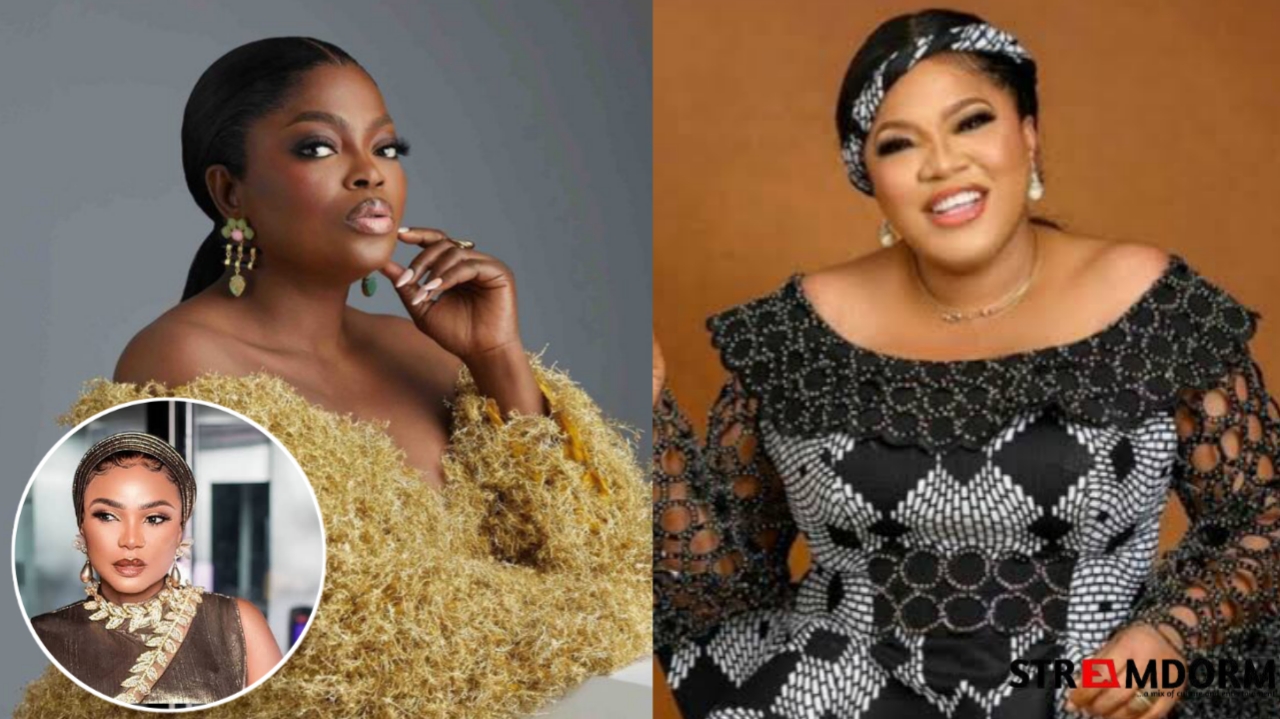
Iyabo Ojo Breaks Silence on Funke Akindele and Toyin Abraham Feud, Reveals What Sparked Latest Tension

For years, the relationship between Funke Akindele and Toyin Abraham has moved in cycles, quiet reconciliation followed by public tension. In a post today, Tuesday 31st, April, 2026, Iyabo Ojo has stepped forward with rare clarity, offering insight into what may be fueling their latest fallout.

In a detailed public statement, Iyabo Ojo addressed the growing speculation surrounding both actresses, pushing back against online narratives while revealing her own role behind the scenes.

She explained that contrary to public perception, the two stars had already resolved their issues at some point. According to her, that peace did not happen naturally. It required intervention. Iyabo disclosed that she personally stepped in to mediate, going as far as pleading with both parties to embrace peace. Her efforts, she said, eventually paid off, leading to a period where both actresses were seen interacting without tension.

That phase, however, came with a condition: disagreements were to remain private and never spill onto social media.

According to her, the current wave of tension can be traced back to December, when Toyin Abraham raised concerns about her film performance in cinemas, suggesting possible sabotage. What followed was a surge of fan speculation, with some audiences pointing accusing fingers at Funke Akindele. That narrative, amplified across social media, appears to have reignited friction between both actresses.

In many ways, Iyabo’s account reframes the situation. Rather than a direct clash between two Nigeria film industry leaders, it suggests a conflict intensified; if not largely driven by public perception and fan interference.

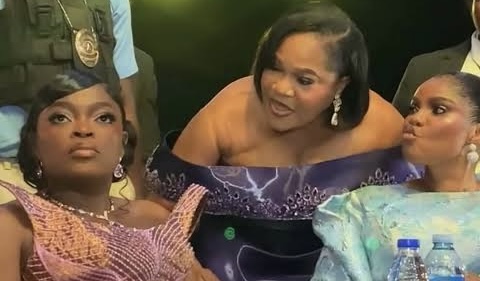
The conversation gained further traction after a viral moment at the recent premiere of Iyabo’s new film, The Return of Arinzo. In the circulating clip, Toyin Abraham appeared to greet Funke Akindele, who seemingly did not respond. The brief exchange quickly became a talking point, reinforcing assumptions that their relationship had once again deteriorated.

Funke Akindele, Toyin Abraham and Iyabo Ojo at the Movie premiere of The Return of Arinzo

Beyond addressing the feud, Iyabo also revealed that Toyin Abraham was initially expected to feature in The Return of Arinzo. According to her, Toyin later withdrew from the project due to exhaustion and travel commitments, a decision that forced last-minute changes to the film’s production. While the situation was eventually resolved between them, Iyabo admitted it came at a significant cost.

She made it clear that she no longer intends to involve herself in resolving the issues between both actresses. Having already played the role of mediator in the past, Iyabo says she has reached her limit.

Still, she maintains respect and affection for both women, describing the situation as unfortunate rather than irreparable.

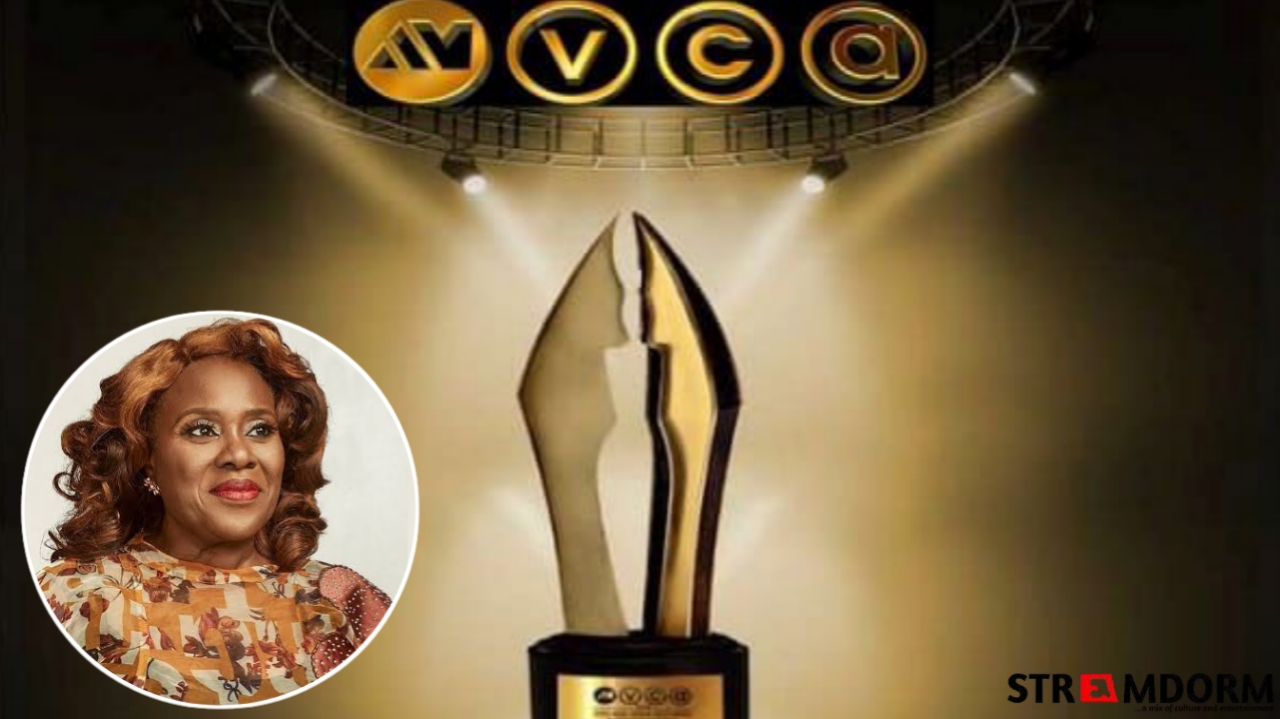
AMVCA 2026: Everything to Know About Dates, Categories, Voting, and Key Updates

The road to the 12th edition of the Africa Magic Viewers’ Choice Awards is officially set, with organisers unveiling early details ahead of what is expected to be one of the big moments for African film and television this year.

Set against a rapidly evolving industry where cinema, streaming platforms, and digital content now intersect, AMVCA 2026 arrives at a time when African storytelling is expanding in both reach and influence. 

The ceremony is scheduled to take place in Lagos, Nigeria, on May 9, 2026. As with previous editions, the main event will be preceded by a series of activities that typically shape the build-up, including the announcement of nominees and other industry-facing engagements that extend the awards beyond a single night.

A total of 32 categories will be awarded, covering film, television, and digital content. These categories are split between those decided by a jury and those influenced by audience voting.

The voting system remains hybrid. Submissions are first reviewed by a panel of judges who determine the nominees, after which selected categories are opened up for public voting. Final decisions are then made through a combination of jury input and audience participation, a format that has become central to how the awards position themselves within the industry.

One of the more notable developments ahead of this year’s ceremony is the appointment of Veteran Actress Joke Silva as Head Judge. Her role places her in charge of overseeing the judging process, particularly in categories determined by the jury. 

The official nominees for AMVCA 2026 are expected to be announced on March 29, 2026.

Beyond the awards themselves, AMVCA continues to hold a unique position within African entertainment. In an era where streaming platforms and social media can rapidly elevate content and creators, the awards still function as a more structured form of recognition. 

Note, this article is for informational and editorial purposes only and is not a promotional piece.

Why Piracy Remains a Major Threat to Nigeria’s Entertainment Industry

The arrest of Emmanuel Analike (NetNaija founder) on  Wednesday, March 4, at the Federal High Court in Abuja on multiple charges of copyright infringement has again pushed the issue of piracy in Nigeria’s entertainment industry into the national spotlight. While initial reports centred on the arraignment itself, the case has quickly evolved into a wider conversation about copyright protection and the long-standing impact of digital piracy on Nigeria’s creative economy.

For years, NetNaija has remained one of the most widely visited websites in Nigeria for free access to movies, television series, and music. Its popularity among audiences is undeniable, but industry stakeholders have consistently argued that platforms like it undermine the commercial structure that sustains the entertainment business.

According to the Nigerian Copyright Commission, the platform allegedly facilitated the distribution of films and other copyrighted materials without the permission of their creators or rights holders. Authorities say the case is being prosecuted under the Copyright Act 2022, Nigeria’s updated copyright law designed to address intellectual property violations in the digital era.

For many filmmakers in Nollywood, this case is one of the most visible attempts in recent years to confront online piracy.

Piracy has remained one of the industry’s most persistent structural challenges. Film producers often invest millions of naira into production, marketing, and distribution, only for pirated copies of their work to appear online shortly after release. In some cases, illegal copies circulate even before a film reaches cinemas or legitimate streaming platforms.

When that happens, the financial model that supports film production begins to collapse. Revenue that should come from cinema ticket sales, streaming licensing, or digital distribution is instead diverted to illegal platforms offering the same content for free.

The result is not only lost income for producers but also fewer resources for future projects, affecting actors, crew members, distributors, and the wider creative workforce.

The rise of internet distribution has made piracy significantly harder to control. Unlike physical piracy, which once relied on DVDs sold in markets, digital piracy spreads rapidly across websites, social media channels like Telegram, and file-sharing platforms.

The Copyright Act 2022 was introduced partly to address this evolving challenge by strengthening enforcement powers and updating legal protections for digital content.

Over the past decade, streaming services have begun to reshape how audiences watch films and television in Nigeria. Platforms like Netflix, Amazon Prime Video, and regional services such as Showmax (Paused) have expanded their Nollywood catalogues, giving filmmakers new distribution channels.

The case involving NetNaija could also shape how Nigerian authorities approach other websites associated with pirated content. If the prosecution leads to meaningful enforcement under the Copyright Act 2022, it may signal a stronger commitment to protecting intellectual property within the country’s creative industries.

For filmmakers, musicians, and digital creators, the stakes extend far beyond a single website.

The outcome of the case highlights a deeper challenge facing Nigeria’s entertainment industry: how to protect creative work in a digital environment where distribution is instant, global, and difficult to control.

Nollywood in Hollywood 2026: Three Nigerian Films Set for Los Angeles Showcase

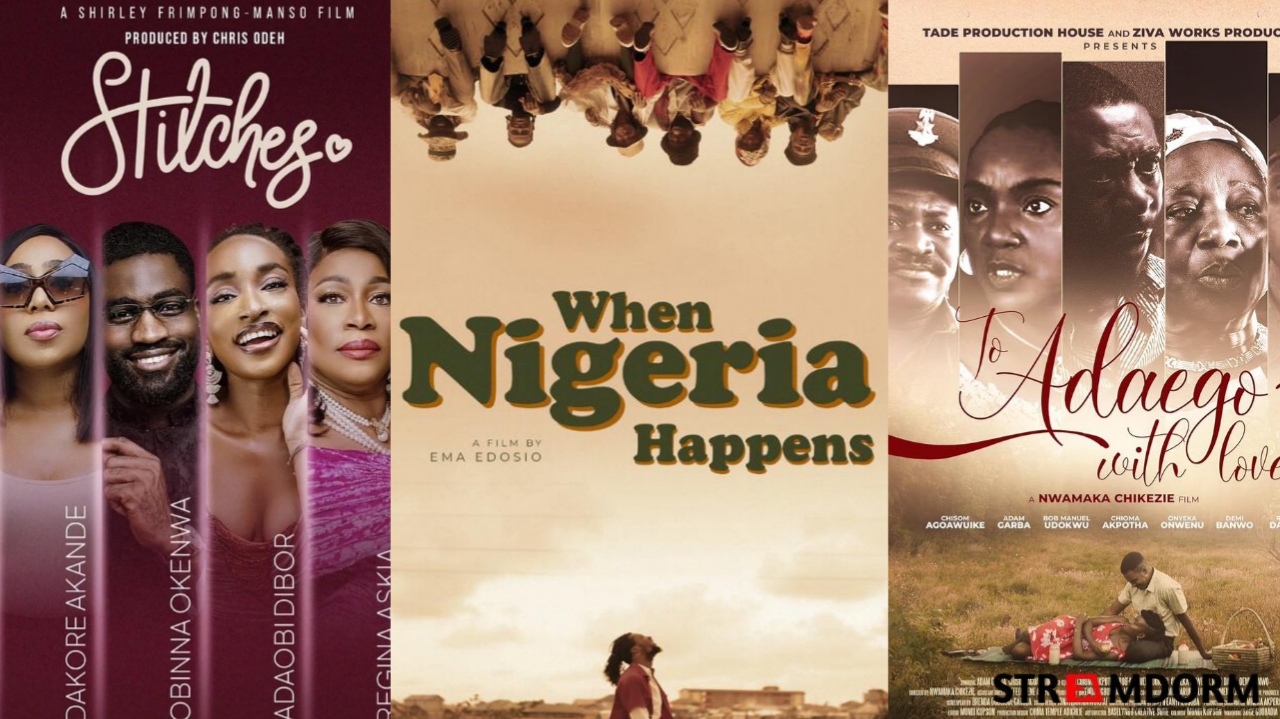
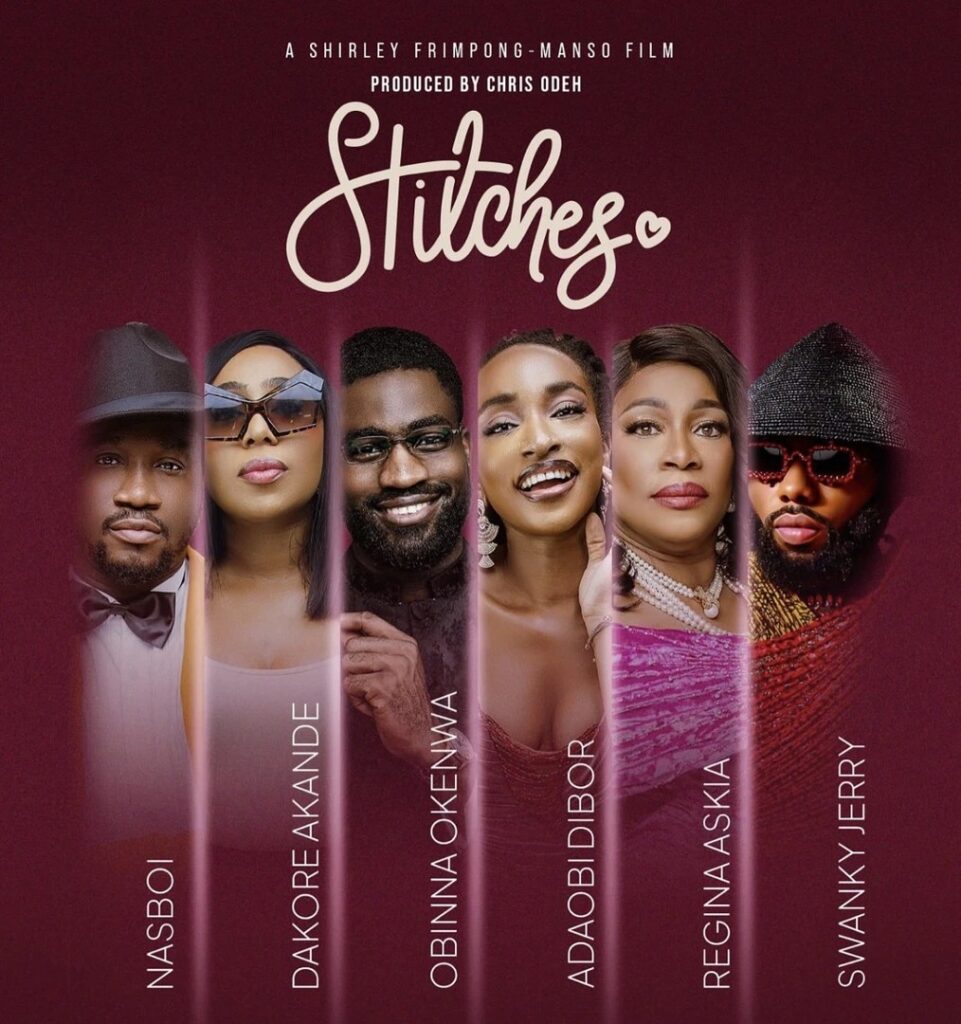
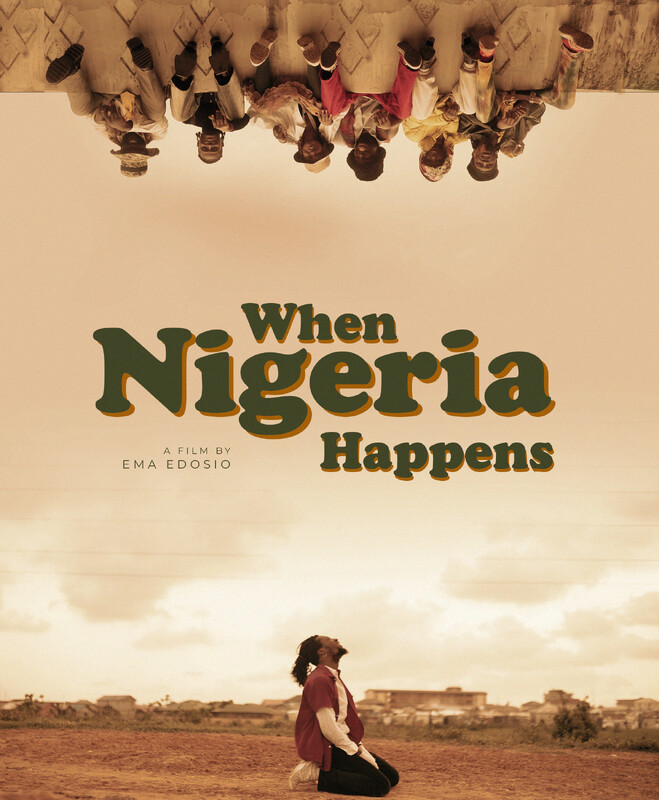
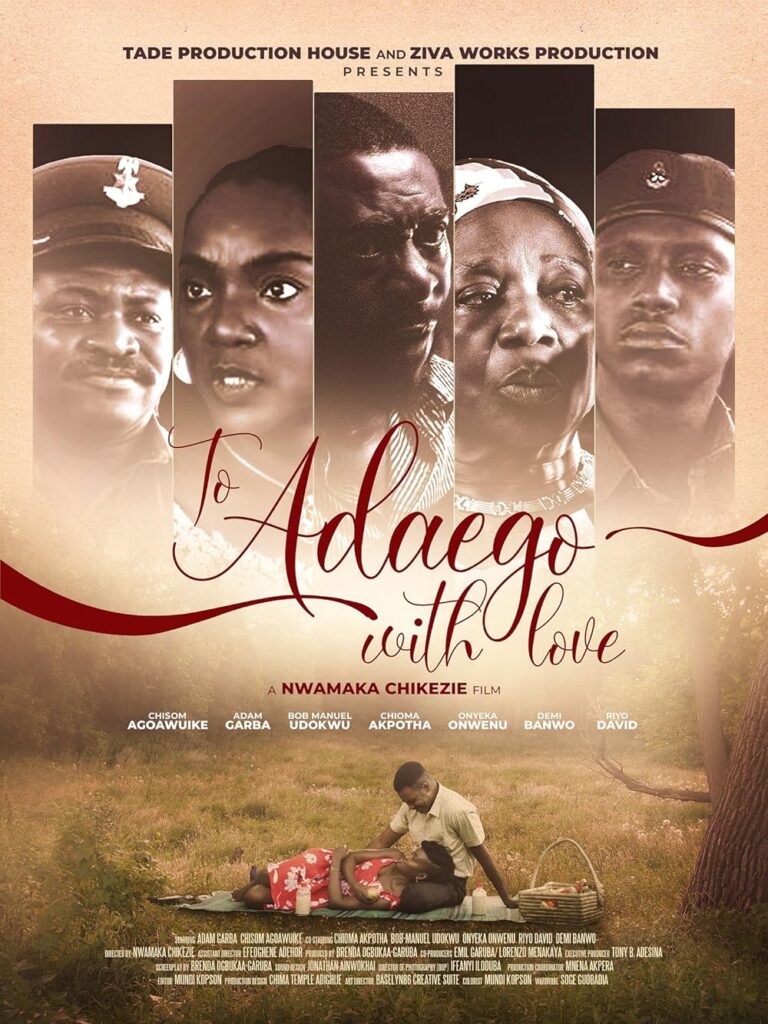
Nigerian cinema will once again take center stage in the United States as the Nollywood in Hollywood showcase returns to Los Angeles starting today, March 6 and 7, 2026, with three films selected for this year’s program: Stitches, When Nigeria Happens, and To Adaego With Love.

The announcement was made during a special screening of My Father’s Shadow at the USC Norris Theatre at the University of Southern California. The event gathered filmmakers, industry professionals, and members of the Nigerian diaspora to preview the upcoming showcase.

Founded in 2018 by Ose Oyamendan, Nollywood in Hollywood was created to introduce Nigerian films to American audiences while encouraging dialogue between filmmakers from both industries.

The 2026 Film Lineup

Stitches — March 6

The showcase will open with Stitches, directed by Shirley Frimpong-Manso. The film will premiere on March 6 at the Aero Theatre in Santa Monica.

The romantic drama follows a talented fashion designer from a modest background whose sudden entry into high society exposes her to complicated relationships and long-hidden secrets.

When Nigeria Happens — March 7 (Afternoon)

On March 7, the afternoon screening will feature When Nigeria Happens, directed by Ema Edosio-Deelen, at the Norris Cinema Theatre.

Blending drama with contemporary dance, the film explores the lives of young performers navigating ambition, love, and social expectations in Lagos. Through movement and storytelling, it captures the resilience and creative spirit of a new generation of artists.

To Adaego With Love — March 7 (Evening)

The showcase will close with To Adaego With Love, directed by Nwamaka Chikezie.

Set in post-conflict Nigeria, the film tells the story of an unlikely relationship between a Northern soldier and an Igbo schoolteacher. The narrative explores themes of reconciliation, identity, and the emotional aftermath of conflict.

Since its launch, Nollywood in Hollywood has grown into an important platform for Nigerian filmmakers seeking international exposure. The event includes film screenings, panel discussions, and networking opportunities designed to connect African creatives with industry professionals in the United States.

The 2026 edition is presented in collaboration with American Cinematheque, the USC School of Cinematic Arts, and O2A Media.

By showcasing diverse stories from across Nigeria, the program continues to highlight the evolving voice of Nollywood and its growing influence on the global film landscape.

Written by Amara Awana

Tonto Dikeh Drops ‘King’ Persona, Embraces Faith-Driven Rebrand as “Evangelist Tonto”

For over a decade, Tonto Dikeh built one of Nollywood’s most defiant personal brands. The “King Tonto” identity was bold, controversial, and intentionally disruptive, a symbol of female authority in an industry that rarely handed women the crown.

In a video shared on March 2, 2026, the actress publicly announced that she will no longer answer to “King Tonto Dikeh,” describing the decision as an act of spiritual obedience.

In obedience to the Holy Spirit, I will no longer be addressed as ‘King Tonto Dikeh.’ You can call me ‘The Woman of God,’ ‘Evangelist Tonto.’ I’m going from a mess to a message.

She added that “Tonto Dikeh” or “Auntie Tonto” are also acceptable but the royal moniker that once defined her public image has officially been laid to rest.

When Dikeh adopted the “King” title around 2011, it wasn’t random branding. It became a statement.

Through marriage headlines, divorce battles, co-parenting disputes, political ambition, mental health conversations, and frequent online controversies, the “King” persona functioned as armor. It projected dominance in moments when public scrutiny was at its peak.

But in 2026, she is repositioning herself not as a symbol of resistance, but as a vessel of ministry.

Unlike some celebrity conversions that appear abrupt, Dikeh’s shift has been building publicly since late 2025.

She recently completed a discipleship program at Streams of Joy International, describing it as a foundational step in deepening her spiritual walk. She has also shared testimonies about financial restoration, claiming what she called “mega money” blessings after recommitting herself to Christian discipline.

Her Instagram presence has noticeably changed. Prayer sessions. Bible reflections. Invitations to worship and “speak in tongues” during live broadcasts. Language centered on healing, obedience, and divine reconstruction.

Dikeh has not announced retirement from Nollywood. However, her public language suggests ministry may take precedence. Whether that translates into gospel media projects, church leadership, faith-based films, or a complete pivot away from mainstream entertainment is still unclear.

She continues to operate the Tonto Dikeh Foundation, which focuses on philanthropy and advocacy.

If there is one constant in Tonto Dikeh’s career, it is reinvention.

From controversial actress to political aspirant, from “King” to now “Evangelist,” she has consistently reshaped her narrative in public view. Whether “Evangelist Tonto” becomes a permanent identity or another chapter in an evolving public story will unfold over time. But as of March 2, 2026, one of Nollywood’s most polarizing figures has clearly chosen a new spotlight and it’s spiritual.

Richard Mofe-Damijo Returns in The Black Book 2: Old Scores

The Nigeria film industry achieved a major global milestone with The Black Book  in 2023. Directed, produced, and co-written by Editi Effiong under Anakle Films, this crime thriller became the first Nigerian movie to reach No. 3 on Netflix’s worldwide film charts. It amassed over 20 million views in its opening weeks, appearing in the Top 10 in more than 69 countries.

The story centers on Paul Edima (played by Richard Mofe-Damijo), a former government hitman now living as a deacon. When his son is framed for a kidnapping and murdered by a corrupt police gang to cover up high-level corruption, Paul returns to his violent past to seek justice and revenge. The narrative explores themes of police brutality, government corruption, redemption, and the fight for justice in contemporary Nigeria.

The cast featured Nollywood veterans including Richard Mofe-Damijo in the lead, alongside Ade Laoye, Sam Dede, Shaffy Bello, Alex Usifo, Olumide Oworu, Kelechi Udegbe, Iretiola Doyle, Femi Branch, and Taiwo Ajai-Lycett. Made on a budget of approximately $1 million considered substantial for a Nigerian production; the film emphasized high production values, including Panavision lenses, to meet international standards.

With international partnerships, a broadened cast, and a deeper narrative arc, Old Scores signals a bold evolution not just for the franchise, but for Nollywood’s positioning on the world stage.

The Black Book 2: Old Scores, announced by Anakle Films in February 2026, Editi Effiong returns as writer and director. The project partners with Emmy-nominated producer Nicky Weinstock (known for Apple TV+’s Severance) through his Invention Studios, alongside producer Mimi Bartels. Principal photography has wrapped according to reports, and the film is in post-production, with a theatrical release planned in Nigerian cinemas. However, no exact date or streaming details have been confirmed. 

The cast announcement revealed a stacked ensemble blending returning stars and new additions:

  • Richard Mofe-Damijo (returning as Paul Edima)
  • Kate Henshaw
  • Bright Okpocha (Basketmouth)
  • Shaffy Bello (returning)
  • Alex Usifo (returning)
  • William Benson
  • Masami Kosaka
  • Rick Kiesewetter
  • Soibifaa Dokubo
  • Mallum Arik
  • Sola Fosudo
  • Ejike Asiegbu
  • Bob-Manuel Udokwu
  • Emeka Okoye
  • And others including Chidi Ajufo, Awe Ayobami, and more.

Production scaled up significantly, involving a 300-strong crew from Nigeria, the US, UK, China, Japan, and beyond, marking one of the largest Nigerian productions to date and aiming for even greater global impact.

Nollywood Actor Ray Emodi Reveals He’s Officially Quitting Acting to Focus on Music

Nollywood actor Ray Emodi has announced a major career shift, revealing that he is stepping away from acting to focus fully on music.

In a video shared on his social media platforms, the actor addressed fans directly, stating that while he appreciates the support he has received from movie lovers over the years, his creative direction is changing.

I love every Nollywood fan, but I’m going to make music for the dance floor. I want to make music for people that are knacking. We’re working on my EP,” he said.

The announcement has sparked widespread reactions across social media, with many fans expressing surprise at what appears to be a complete transition from film to music even though he has been dropping clips of him singing on his social media handles. 

Ray Emodi, who has built a reputation as one of Nollywood’s charismatic leading men in recent years, suggested that the decision was not made lightly. According to him, his family does not support the move. He explained that his family has a reputation to protect and certain expectations, which makes the switch even more complicated.

While he did not confirm an official release date for the EP, he stated that work is already in progress. As of now, no tracklist or collaborators have been publicly announced.

The actor’s pivot reflects a broader trend of entertainers exploring multiple creative lanes, though it remains unclear whether this is a permanent exit from film or a temporary break to focus on music. Emodi did not explicitly state that he would never return to acting, but his comments suggest a serious commitment to his new path.

For now, fans await further details on the EP and what his sound will ultimately deliver. Whether the transition will reshape his public image or expand his fanbase. 

Kilanko: The Invisible Child Set for March Release, Showcases the Late Allwell Ademola’s Final Directorial Masterpiece

Nollywood is once again preparing for a deeply emotional cinematic moment. Kilanko: The Invisible Child, the latest project from actor turned producer Rotimi Salami, is set to hit Nigerian cinemas this March and it carries more weight than a typical film release.

Beyond its storyline, Kilanko stands as one of the final directorial works of Allwell Ademola, whose passing in late 2025 sent shockwaves through the industry. Although she passed away before the film’s release, Kilanko now serves as a posthumous showcase of her artistry. It reminds Nollywood and its audiences of the power a director has in giving stories life, and it reveals  her place as one of the industry’s talents. Beyond this single film, her work continues to influence emerging filmmakers who aspire to combine commercial appeal with meaningful narratives.

In the broader context of Nigerian cinema, Allwell Ademola’s legacy is about showing the value of perspective and empathy. Her final directorial effort ensures that, even in absence, her voice continues to resonate not just in the themes she explored, but in the standard of storytelling she leaves behind.

While official plot details remain guarded, Kilanko: The Invisible Child has been described as an emotional drama exploring hidden pain, sacred sacrifice, and maternal resilience. The title alone suggests a narrative centered on a child overlooked by society; physically present, yet emotionally unseen.

Early descriptions from the production team hint at themes that resonate strongly within Nigerian communities: neglect, family bonds, and the quiet strength of mothers who endure more than they reveal. If executed with depth, the film could join the growing class of socially reflective Nollywood dramas that prioritize storytelling over spectacle.

The film brings together respected Nollywood veterans, including:

  • Saidi Balogun
  • Ibrahim Chatta
  • Biola Adebayo
  • Saka Oyetoro

With Rotimi Salami also appearing on screen, the ensemble suggests a production rooted in performance-driven storytelling. 

For Salami, this project represents another step in his evolution from actor to full-fledged producer. In recent years, Nollywood has seen a wave of performers stepping behind the camera to control narrative direction and production quality. Kilanko appears to sit firmly within that shift.

The emotional core of this release lies in its direction. Allwell Ademola was widely respected for her ability to craft intimate, character-focused stories. Her involvement elevates Kilanko beyond commercial expectations; it becomes a preservation of artistic legacy.

For an industry still experiencing the loss of influential creatives, the film offers audiences a chance to witness one of her final creative visions on the big screen.

Kilanko: The Invisible Child is scheduled to premiere on March 1, 2026, before opening nationwide in Nigerian cinemas on March 6, 2026.

The March window positions it strategically outside the heavy December blockbuster season, giving it space to breathe and potentially build word of mouth momentum.

If early anticipation translates into box office interest, Kilanko could become one of the more emotionally discussed Nollywood releases of the first quarter of 2026.

King Kosoko: The Battle for Lagos — Femi Adebayo Leads Nollywood’s 2026 Historical Epic

Nollywood’s historical renaissance is showing no signs of slowing down. With large-scale productions increasingly revisiting Nigeria’s pre-colonial and early colonial past, a new epic is now commanding attention: King Kosoko: The Battle for Lagos.

Set for release in 2026, the film dramatizes the turbulent reign of Oba Kosoko, who ruled Lagos between 1845 and 1851. His leadership unfolded during one of the most decisive moments in the city’s history; a period marked by political rivalry, resistance, and eventual confrontation with British colonial forces.

Historically, Oba Kosoko’s reign was defined by internal succession disputes and mounting tensions with the British, who sought to expand their influence along the West African coast.

The 1851 bombardment; often linked to what is known as the “Salt Water War” (Ogun Olomiro), became a turning point in Lagos history. The confrontation ultimately paved the way for increased British intervention and would later influence the eventual annexation of Lagos in 1861.

By bringing this chapter to the screen, the filmmakers are revisiting a defining moment in Nigeria’s historical trajectory, one that continues to spark scholarly and cultural discussion.

Award-winning actor Femi Adebayo leads the project in the title role. Known for his commanding screen presence and emotional range, Femi Adebayo’s casting signals the scale and seriousness of the production.

Early promotional materials suggest a performance grounded in authority and intensity; a portrayal likely to balance royal dignity with political defiance.

Joining him is a heavyweight ensemble cast that reflects Nollywood’s upper tier:

  • Jide Kosoko
  • Femi Branch
  • Faithia Williams
  • Gabriel Afolayan
  • Odunlade Adekola (in a key supporting role)

The film is directed by Adebayo Tijani, a filmmaker associated with large-scale Yoruba historical storytelling. His previous works include Jagun Jagun and Olori Ogun, both noted for elaborate costuming, stylized battle sequences, and strong cultural detailing.

Producers Ayo Ajayi and Segun Olojo Kosoko are attached to the project, with the latter’s surname drawing attention due to its historic ties to the Kosoko lineage; a detail that has fueled conversations about authenticity and cultural consultation.

King Kosoko: The Battle for Lagos arrives amid a renewed appetite for Nigerian historical epics. Films like Jagun Jagun and Lisabi: A Legend Is Born have demonstrated that audiences are eager for stories rooted in indigenous history, folklore, and resistance narratives.

This resurgence marks an important evolution in Nollywood’s storytelling identity. For decades, contemporary dramas and comedies dominated the industry. Now, filmmakers are investing in: Cultural reclamation, Pre-colonial political narratives, Traditional aesthetics and language and Higher production value

For Nollywood, it represents something bigger: a growing confidence in telling African stories with epic scale and historical depth.

If executed with the care and ambition suggested by its early details, King Kosoko: The Battle for Lagos could become one of 2026’s defining Nigerian films.

Streamdorm will continue to update this story as trailers, confirmed release dates, and additional production details emerge.

Scroll to Top