Bruce Bruce Returns to Netflix with Long-Awaited Comedy Special I Ain’t Playin’

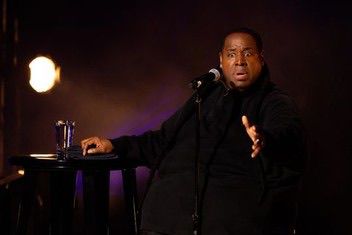
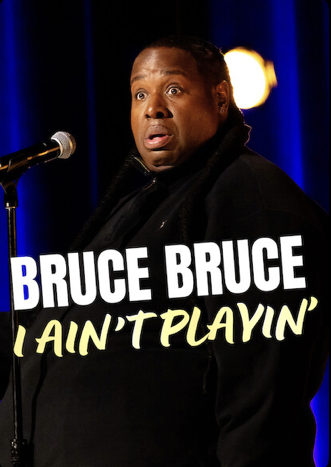
After 14 years away from the spotlight of a major comedy special, veteran American comedian Bruce Bruce has returned with his first-ever Netflix special, I Ain’t Playin’. Filmed live at the Old Vic Theater in Chicago, this special marks a major milestone in Bruce Bruce’s career, showcasing the larger-than-life personality and distinctive humor that have made him a favorite of comedy fans for decades.

Known for his expressive storytelling, infectious energy, and ability to make audiences laugh while connecting to real-life experiences, Bruce Bruce proves once again why he has remained relevant in a constantly evolving comedy landscape.

In I Ain’t Playin’, Bruce tackles a wide range of topics, blending personal topics with sharp observations about the world around him. He talks about family life, fame, and the challenges that come with living across different generations. He explores the humorous side of marriage, relationships, and even intimate matters, all delivered with his signature boldness and charm.

Unlike scripted performances, his comedy feels genuine and spontaneous, creating a sense of intimacy with the audience. Fans who have followed his work know that Bruce Bruce doesn’t shy away from topics that make people think, laugh, all at the same time.

One of the most compelling aspects of this special is how Bruce balances humor with storytelling. While he is undeniably funny, there is also a rhythm and depth to his performance that draws viewers in. His personal stories are relatable, and his takes on generational gaps and family dynamics resonate with audiences from different backgrounds.

Bruce’s humor often highlights the absurdities of everyday life, but he delivers it in a way that feels light-hearted rather than judgmental. This combination of relatability and larger-than-life personality is what sets him apart from many other comedians today.

Just as Nollywood stars and African comedians have found international audiences through streaming, Bruce Bruce’s special demonstrates how comedians from the United States can reach viewers around the world without relying solely on traditional television or live tours. For fans in Nigeria and other parts of the world, the special offers an opportunity to experience a live comedy performance with the convenience of streaming at home. This access helps connect audiences to global humor trends while also inspiring local content creators to explore new ways to reach viewers.

Bruce Bruce has long been celebrated for his ability to blend comedy with authenticity. In this special, that skill is on full display. His stories are not only entertaining but also reflect his unique perspective on life, love, and the challenges of growing older in the public eye. He has always had a talent for turning everyday situations into moments of laughter, and I Ain’t Playin’ is no exception.   

For longtime fans, it’s a nostalgic return to the humor they fell in love with; for new viewers, it’s an introduction to a comedian whose style is unmistakable.

This special is also notable for its production quality. Filmed in Chicago, the live audience adds an extra layer of energy, with their reactions enhancing the experience and making it feel like you are part of the performance. The setting at the Old Vic Theater provides a classic stage environment, emphasizing the intimacy and immediacy of stand-up comedy while capturing Bruce Bruce’s dynamic presence.

Ultimately, I Ain’t Playin’ is more than just a comedy special, it is a statement from a performer who has navigated the highs and lows of a long career while staying true to himself. Bruce Bruce’s humor is universal, but it also carries the personal imprint of his experiences, making the special both entertaining and meaningful.

 Are you planning to watch it tonight? Do you enjoy comedy that is raw, real, and personal like Bruce Bruce’s, or do you prefer performances that are more structured and story-driven? Either way, I Ain’t Playin’ is a must-see for anyone who appreciates a comedian who can make you laugh while connecting with the realities of life.

Written by Favour Awana

Warner Bros. Discovery Agrees to $110 Billion Sale to Paramount Skydance After Netflix Walks Away

Warner Bros. Discovery (WBD) has formally agreed to sell itself to Paramount Skydance in a massive $110 billion deal, with shareholders set to receive $31 per share in cash. The companies announced their definitive agreement on Friday, ending months of speculation, boardroom negotiations, and a tense bidding war.

The acquisition marks one of the largest media mergers in recent history and reshapes the global entertainment landscape.

The deal closes the door on WBD’s previous arrangement with Netflix, which had been in talks to acquire key assets from the company. However, after Paramount Skydance, backed by media executive David Ellison submitted a superior all-cash offer, WBD’s board determined it was financially stronger and more attractive to shareholders.

Netflix reportedly had four days to match the $31-per-share bid but declined almost immediately, stating that matching the offer would no longer be financially viable. With that, the streaming giant exited the race, clearing the path for Paramount’s victory.

Upon completion, the merger will unite two historic entertainment libraries under one roof. Warner Bros. Discovery brings iconic film and television assets along with its streaming platform, HBO Max. Paramount Skydance adds Paramount Pictures, CBS, and its streaming arm, Paramount+.

Despite the formal agreement, the deal is not yet complete. It must still pass regulatory review and receive shareholder approval. Given the size of the merger and the consolidation of major studios, antitrust scrutiny is expected.

If approved, the transaction is projected to close later in 2026.

Netflix Withdraws From Warner Bros. Discovery Bidding Race as Paramount Skydance Emerges Frontrunner

Netflix has officially withdrawn from the bidding race for Warner Bros. Discovery, clearing the path for Paramount Skydance to move closer to securing the deal.

In a statement addressing the development, Netflix executives said the streaming giant would not match Paramount Skydance’s revised offer, noting that “at the price required to match Paramount Skydance’s latest offer, the deal is no longer financially attractive.”

The decision effectively ends Netflix’s pursuit of Warner Bros. Discovery, one of Hollywood’s most influential media companies, and positions Paramount Skydance as the leading bidder in the high-stakes acquisition battle.

According to reports, Paramount Skydance significantly improved its offer in recent days, prompting Warner Bros. Discovery’s board to determine that the proposal constituted a “superior offer” under the terms of its agreement.

The revised bid reportedly includes enhanced financial terms designed to appeal to shareholders, strengthening Paramount’s position in the race. With Netflix opting not to increase its offer, the competitive tension surrounding the deal has effectively subsided.

For Netflix, the withdrawal signals a disciplined financial strategy rather than a retreat under pressure. Executives indicated that matching Paramount’s valuation would stretch the economics of the transaction beyond acceptable thresholds.

The streaming leader has historically prioritized profitability and measured expansion, and sources suggest the company was unwilling to overpay in an increasingly competitive and capital-sensitive media environment.

If finalized, the acquisition would mark a significant consolidation move in the entertainment industry. Warner Bros. Discovery controls major global brands including HBO and CNN, alongside an expansive film and television library.

An integration with Paramount Skydance could reshape content pipelines, distribution strategies, and streaming competition worldwide.

With Netflix out of the running, attention now turns to regulatory review and shareholder approval processes. While final terms and timelines have yet to be publicly detailed, further clarity is expected in the coming weeks.

For now, Paramount Skydance appears set to secure one of the most consequential media deals of the year, as Netflix steps aside from what has become an increasingly expensive contest.

Richard Mofe-Damijo Returns in The Black Book 2: Old Scores

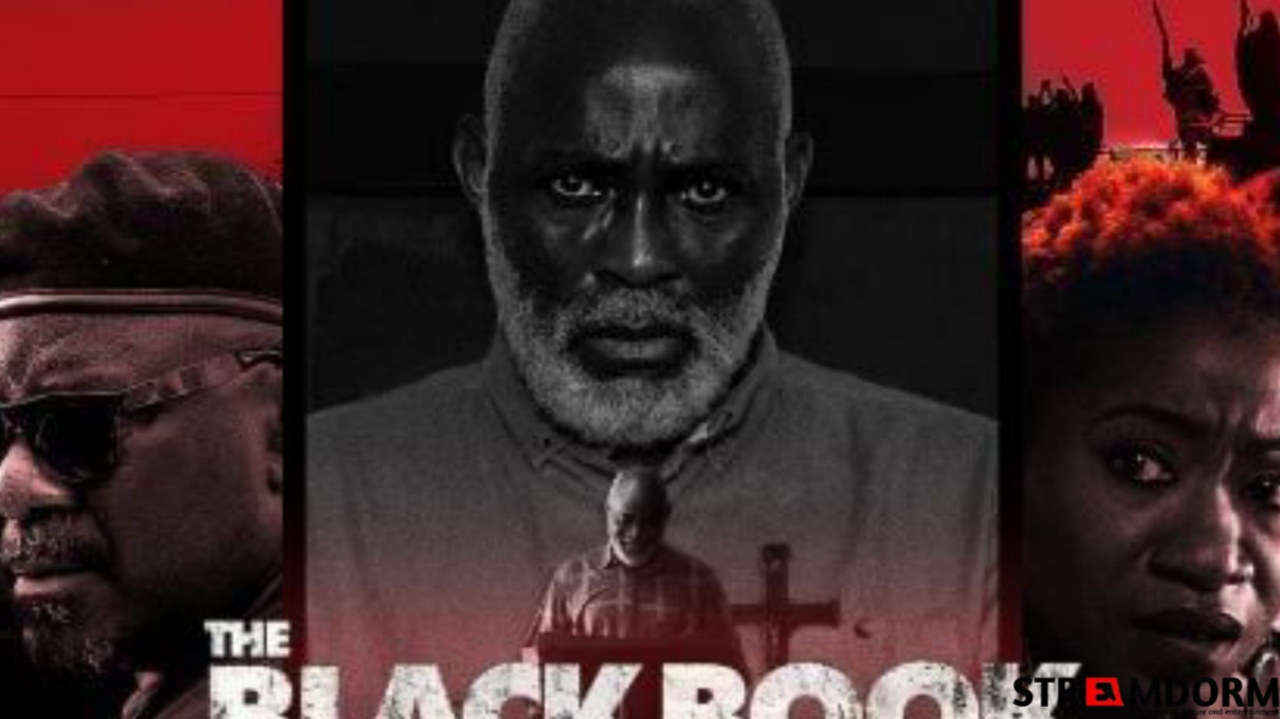
The Nigeria film industry achieved a major global milestone with The Black Book  in 2023. Directed, produced, and co-written by Editi Effiong under Anakle Films, this crime thriller became the first Nigerian movie to reach No. 3 on Netflix’s worldwide film charts. It amassed over 20 million views in its opening weeks, appearing in the Top 10 in more than 69 countries.

The story centers on Paul Edima (played by Richard Mofe-Damijo), a former government hitman now living as a deacon. When his son is framed for a kidnapping and murdered by a corrupt police gang to cover up high-level corruption, Paul returns to his violent past to seek justice and revenge. The narrative explores themes of police brutality, government corruption, redemption, and the fight for justice in contemporary Nigeria.

The cast featured Nollywood veterans including Richard Mofe-Damijo in the lead, alongside Ade Laoye, Sam Dede, Shaffy Bello, Alex Usifo, Olumide Oworu, Kelechi Udegbe, Iretiola Doyle, Femi Branch, and Taiwo Ajai-Lycett. Made on a budget of approximately $1 million considered substantial for a Nigerian production; the film emphasized high production values, including Panavision lenses, to meet international standards.

With international partnerships, a broadened cast, and a deeper narrative arc, Old Scores signals a bold evolution not just for the franchise, but for Nollywood’s positioning on the world stage.

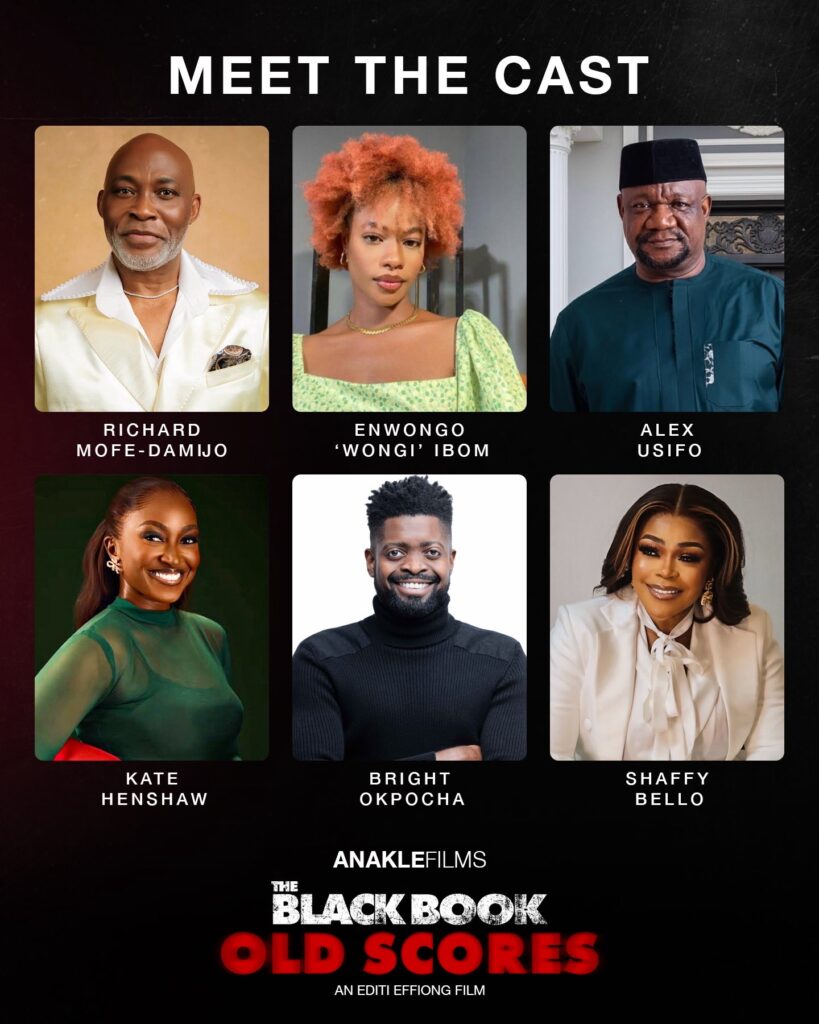
The Black Book 2: Old Scores, announced by Anakle Films in February 2026, Editi Effiong returns as writer and director. The project partners with Emmy-nominated producer Nicky Weinstock (known for Apple TV+’s Severance) through his Invention Studios, alongside producer Mimi Bartels. Principal photography has wrapped according to reports, and the film is in post-production, with a theatrical release planned in Nigerian cinemas. However, no exact date or streaming details have been confirmed. 

The cast announcement revealed a stacked ensemble blending returning stars and new additions:

  • Richard Mofe-Damijo (returning as Paul Edima)
  • Kate Henshaw
  • Bright Okpocha (Basketmouth)
  • Shaffy Bello (returning)
  • Alex Usifo (returning)
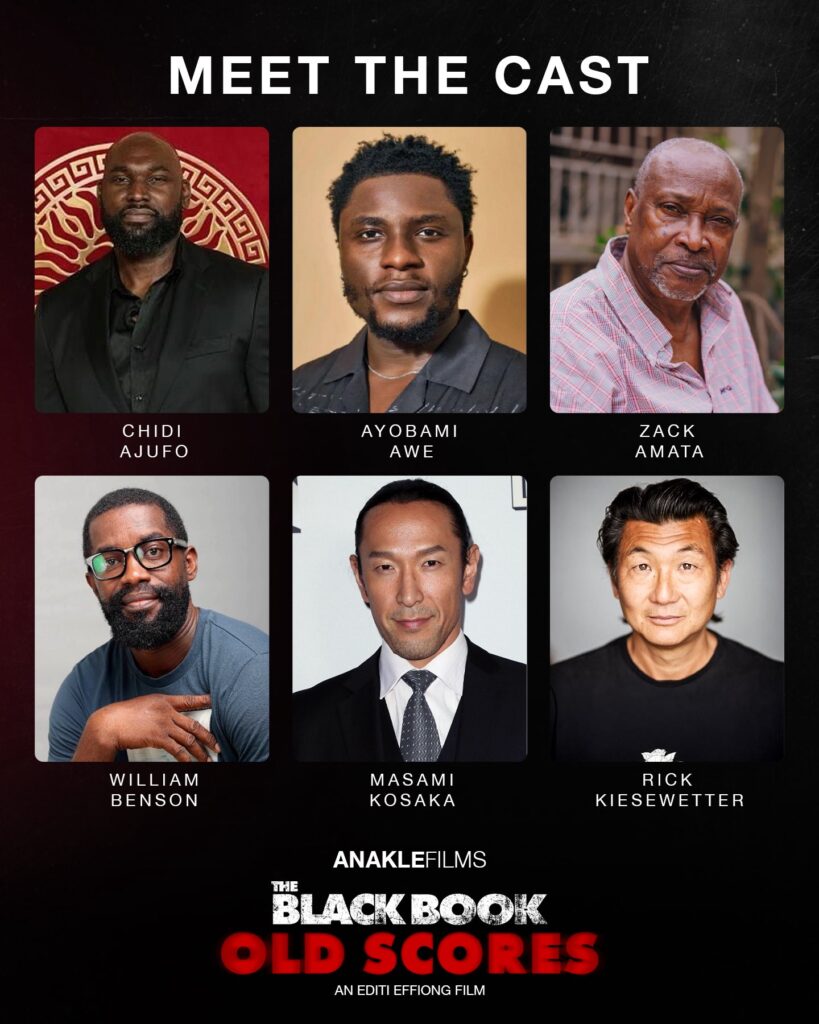
  • William Benson
  • Masami Kosaka
  • Rick Kiesewetter
  • Soibifaa Dokubo
  • Mallum Arik
  • Sola Fosudo
  • Ejike Asiegbu
  • Bob-Manuel Udokwu
  • Emeka Okoye
  • And others including Chidi Ajufo, Awe Ayobami, and more.

Production scaled up significantly, involving a 300-strong crew from Nigeria, the US, UK, China, Japan, and beyond, marking one of the largest Nigerian productions to date and aiming for even greater global impact.

Floyd Mayweather vs Manny Pacquiao Rematch Announced for 2026 in Las Vegas

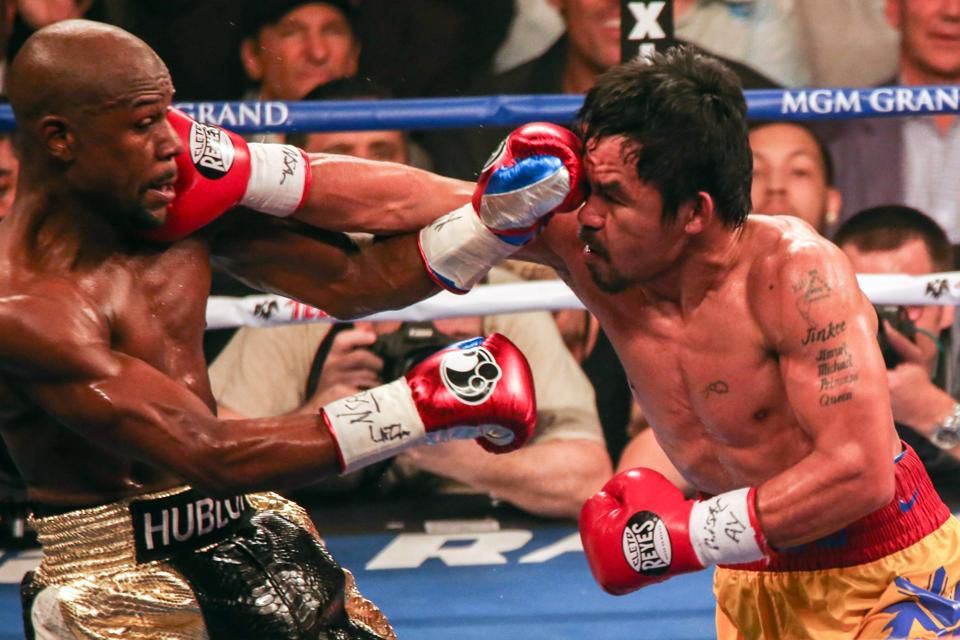
More than a decade after their historic first encounter, boxing legends Floyd Mayweather Jr. and Manny Pacquiao have officially announced a professional rematch, reigniting one of the biggest rivalries in modern boxing history.

The two icons, now aged 48 and 47 respectively, confirmed that they will meet again on September 19, 2026, in Las Vegas. The fight is scheduled to take place at Sphere, the technologically advanced venue that has quickly become one of the most talked-about arenas in the United States. Organizers are already positioning the bout as potentially the most expensive fight ever staged, citing expected global streaming numbers, sponsorship deals, and gate revenue.

The rematch will be streamed worldwide on Netflix, marking another major step in the platform’s expansion into live sports broadcasting. Industry analysts believe the global reach of the streaming giant could significantly surpass traditional pay-per-view models, opening the door for record-breaking viewership figures.

Their first bout in 2015, famously dubbed “The Fight of the Century,” generated over $600 million in total revenue and remains one of the highest-grossing fights in boxing history. Mayweather won that contest via unanimous decision, maintaining his undefeated professional record. However, the fight drew criticism at the time from some fans who felt it came several years after both fighters were at their peak.

This second meeting carries a different narrative. Both men have remained visible in the sport; Mayweather through high-profile exhibition bouts and Pacquiao through intermittent returns to competitive boxing and public life in the Philippines. The rematch now appears driven as much by legacy and spectacle as by competition.

Promoters have yet to release full details regarding purse splits, undercard matchups, or ticket pricing, but early projections suggest the event could challenge or even surpass previous financial records set by their first encounter.

With two Hall of Fame careers already secured, the rematch between Mayweather and Pacquiao is shaping up to be less about proving greatness and more about delivering one final global boxing event of historic commercial scale.

Netflix Warns of $6 Billion in Potential Job Cuts if Paramount Buys Warner Bros. Discovery

Hollywood is in the midst of one of its biggest shake-ups in years. As Netflix and Paramount battle to acquire Warner Bros. Discovery (WBD), industry insiders are sounding alarms over potential job losses, cost-cutting strategies, and the future of one of the world’s most influential media empires. This isn’t just about streaming wars or box office dominance.

The stage is set for a high-stakes showdown. Netflix has a pending deal to acquire Warner Bros. Discovery for around $83 billion, including its studio assets and the HBO Max streaming platform. Regulatory approval is still in process, with the U.S. Department of Justice reviewing the acquisition for antitrust concerns. Paramount Skydance, however, launched a hostile $108.4 billion cash bid, positioning itself as a competitor willing to pay more to secure WBD. Paramount claims its approach will create the largest media conglomerate in the world. Warner Bros. Discovery’s board has so far rejected Paramount’s offers, citing financial risk and job uncertainty, while Netflix continues to emphasize stability and gradual integration.

A recent statement from Netflix’s Chief Global Affairs Officer, Clete Williams, has drawn attention. He warned that if Paramount’s bid succeeds, it could trigger massive layoffs across Warner Bros. Discovery, highlighting Paramount’s own projection of $6 billion in “synergies.” Williams explained, “Paramount’s plan focuses heavily on cost-cutting and efficiency, which could translate into widespread job losses across the company.

In corporate acquisitions, “synergies” refer to cost savings from merging two companies, often achieved by reducing duplicate roles, departments, or operational expenses. Analysts say that a $6 billion target could correspond to thousands of layoffs, affecting studio production, streaming operations, and corporate teams. Netflix, in contrast, has indicated it expects $2–3 billion in annual savings through technology and licensing efficiencies, which it claims would result in fewer workforce disruptions.

The potential fallout has Hollywood insiders on edge. Thousands of production, marketing, and administrative jobs could be at risk if Paramount’s $6 billion synergy target is implemented. Executives, unions, and employees are closely watching, as the bidding war could redefine the media landscape. Lawmakers and regulators are also involved, with the DOJ’s antitrust review exploring whether Netflix’s deal would harm competition or reduce jobs. Industry analysts emphasize that while the $6 billion figure is real, it does not mean Paramount has announced layoffs yet. It reflects potential cost reductions if the merger occurs.

Hollywood has changed dramatically in the past decade. Streaming services, blockbuster franchises, and media consolidation have reshaped the industry. The Netflix vs. Paramount fight is more than a financial story, it’s a warning about the human cost of corporate consolidation. For employees, studios, and creators, the stakes are high. For the public and investors, the battle signals a new era of mergers and acquisitions, where billions in “synergies” could reshape an entire industry.

Netflix’s warning about potential $6 billion job cuts isn’t speculation; it’s grounded in Paramount’s own cost-saving projections. How many jobs will actually be affected remains uncertain, pending the outcome of regulatory reviews, board decisions, and shareholder input. What is certain is that Hollywood’s landscape could change dramatically, and this acquisition battle will be one of the most closely watched stories in 2026.

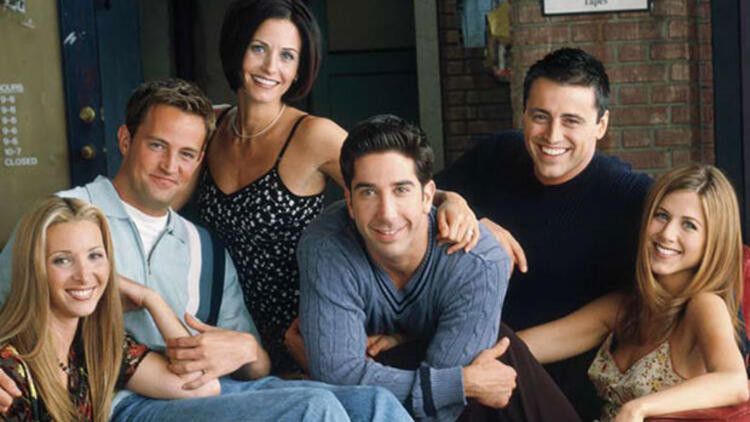
“Friends” Lands New UK Streaming Platform After Leaving Netflix

After over a decade of being a staple on Netflix, the iconic sitcom Friends has officially left the UK streaming platform. The departure comes as Netflix’s licensing agreement with Warner Bros. expired on 30 December 2025, leaving millions of UK fans searching for where they can continue to binge the beloved series.

The move marks a major shift in the UK streaming landscape, as Friends joins a growing list of shows returning to their parent companies’ own platforms amid the global streaming wars.

The decision to pull Friends from Netflix UK stems from content rights and licensing. Warner Bros. Discovery, the studio behind Friends, has opted to consolidate the show on HBO Max, the company’s own streaming service. In the United States and other regions, Friends has already been part of HBO Max’s library, making the UK transition a long-awaited but logical step.

This trend mirrors global shifts where major studios are reclaiming popular content to drive subscriptions to their own platforms rather than renting it to third-party services.

UK fans won’t have to wait long. HBO Max is officially launching in the UK and Ireland on 26 March 2026, and Friends is expected to be a cornerstone of its catalogue. This launch will give UK viewers access not only to Friends but also to other Warner Bros. Discovery titles.

Popular shows are increasingly tied to their production studios’ own services rather than third-party platforms. For fans, this may require juggling multiple subscriptions, but it also guarantees that shows like Friends remain readily available on platforms invested in long-term streaming access.

For those who’ve grown up on the misadventures of Ross, Rachel, Monica, Chandler, Joey, and Phoebe, the good news is that the laughs aren’t disappearing; they’re just moving to a new home.

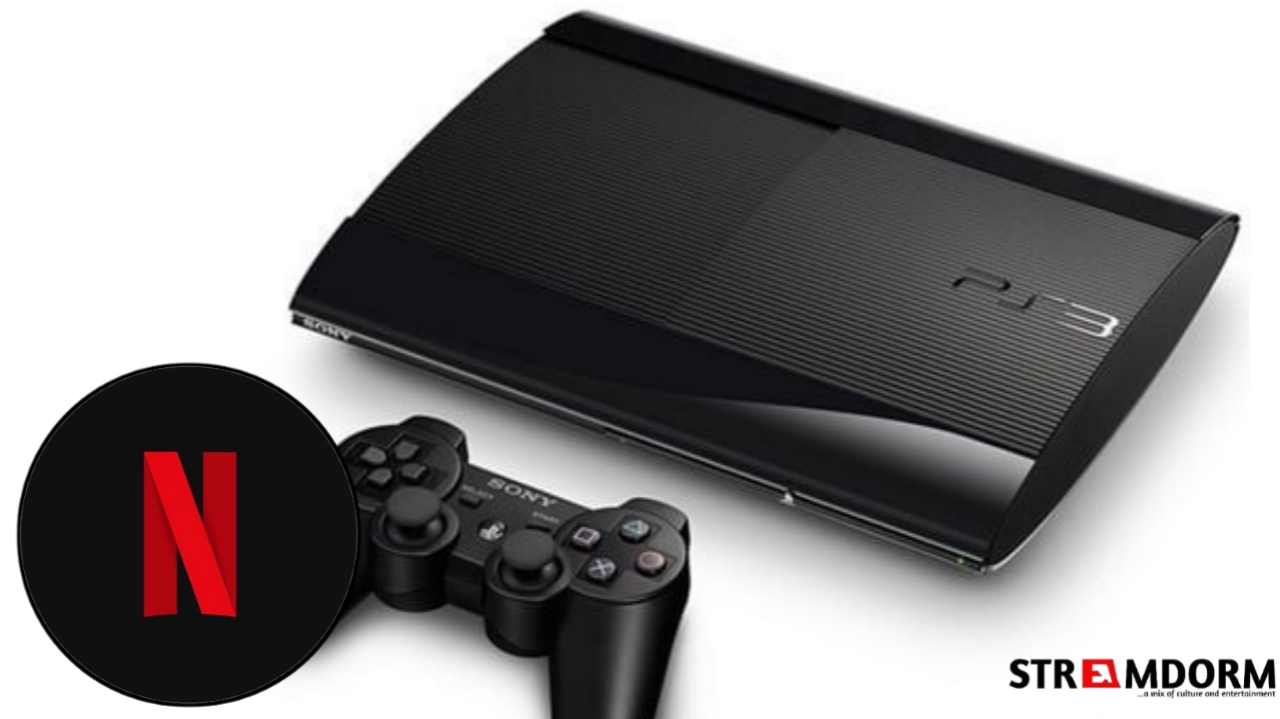
Netflix to End Support on PlayStation 3 from March 2, 2026

Netflix will no longer be available on PlayStation 3.

After nearly two decades of streaming, Netflix is officially saying goodbye to the PlayStation 3. Starting March 2, 2026, the popular streaming app will no longer be accessible on Sony’s eighth-generation console, marking the end of an era for gamers and cord-cutters alike.

PS3 users who try to open Netflix after this date will see a message informing them that the app is no longer supported. The decision follows years of gradual app retirements on older devices, as streaming platforms shift focus to newer hardware that can support updated features, faster streaming, and improved security.

For PlayStation 3 owners, this change is a reminder of the console’s age. Originally released in 2006, the PS3 has outlived many of its contemporaries, maintaining a dedicated fan base that has relied on it for gaming and entertainment. Netflix has not provided an official explanation for the shutdown, but experts suggest that maintaining support for legacy systems is increasingly expensive and technically challenging.

The good news is that Netflix remains available on PlayStation 4, PlayStation 5, smart TVs, and mobile devices, ensuring that users can continue streaming their favorite shows and movies without interruption. For PS3 owners, it may be time to consider upgrading to a newer console or alternative streaming device to maintain uninterrupted access to Netflix.

While this move may disappoint long-time PS3 users, it’s part of a broader trend in the entertainment industry: older hardware is gradually phased out in favor of newer, more capable devices. Netflix has previously retired support on other legacy devices, including certain smart TVs and media players, and the PS3 is now the latest in this list.

For gamers who have relied on the PS3 as their entertainment hub, March 2, 2026, marks the end of a significant chapter. The console will still work for games, but streaming Netflix will no longer be an option. Those looking to continue their binge-watching experience are encouraged to explore alternative platforms that support the service, including PS4, PS5, PCs, and mobile devices.

Netflix, Apple, Sony, and Warner Bros. Sit Out Super Bowl Film Marketing — Here’s What That Means

As Super Bowl LX approaches on February 8, 2026, Hollywood’s usual Big Game marketing frenzy looks different this year. Some of the biggest names in film; Netflix, Apple Original Films, Sony, and Warner Bros. etc  are reportedly opting out of traditional Super Bowl advertising for their upcoming releases.

The move is striking because for decades, the Super Bowl has been the ultimate stage to debut movie trailers, with over 100 million viewers tuning in worldwide. Traditionally, a well-timed Big Game spot can spark massive social media buzz, drive trailer views, and generate early ticket sales. But this year, these studios are taking a different path.

Reports confirm that Netflix is skipping Super Bowl ad slots for its upcoming films, while Apple Original Films is also sitting out, favoring other promotional channels. Sony Pictures will not be buying movie ad space during the Big Game, and Warner Bros. is absent as well, despite its history of high-profile Super Bowl campaigns. Instead of spending millions on 30-second TV spots, these studios are focusing on digital-first marketing, using online trailers, social media campaigns, and targeted fan events to reach audiences without the massive price tag.

Not all studios are sitting on the sidelines. Disney, Universal, and Paramount are expected to lead the Super Bowl film marketing charge this year, with trailers for major blockbusters. Fans can anticipate promos for Toy Story 5, The Mandalorian & Grogu, and Super Mario Galaxy, among others. This split shows a strategic divide in Hollywood, with some studios viewing the Super Bowl as an essential launchpad while others are betting on digital-first campaigns and extended hype-building.

Several factors explain the shift. Skyrocketing costs make a 30-second Super Bowl ad increasingly expensive, with average prices hitting $8 million, not including production or talent fees. Digital platforms like YouTube and social media allow studios to reach their audiences more precisely. Meanwhile, many franchises are adopting strategies that favor sustained hype through social campaigns, trailers, and exclusive previews rather than relying on a single broadcast moment.

Even without Netflix, Apple, Sony, and Warner Bros. participating, the Super Bowl will still feature high-profile trailers and teasers. For studios that do advertise, the game remains a chance to set the tone for their biggest releases of the year. The takeaway is clear: Hollywood is experimenting with where, when, and how to reach audiences. The Super Bowl remains important, but it is no longer the automatic marketing must-have for every studio.

Cinema vs Netflix: What the Funke Akindele–Kunle Afolayan Conversation Says About Nollywood’s Future

The Nigerian film industry is at a crossroads and the recent online conversation involving Funke Akindele and Kunle Afolayan has unintentionally brought that reality into sharp focus.

While social media see the moment as a personal “saga,” between the film makers, the substance of the discussion has little to do with rivalry. Instead, it exposes a fundamental divide in Nollywood’s production and release ecosystem: the growing tension between cinema-led filmmaking and streaming-first distribution, particularly via platforms like Netflix.

Funke Akindele and Kunle Afolayan represent two of Nollywood’s most successful yet structurally different approaches to filmmaking.

Funke Akindele’s recent run has been defined by cinema dominance. Her projects are built to thrive in theatres, relying on strong opening weekends, repeat viewership, and sustained audience attention over several weeks. This cinema-first model places heavy emphasis on visibility, demanding relentless promotion to keep films culturally relevant and commercially viable during their theatrical lifespan.

Kunle Afolayan’s recent body of work, by contrast, has leaned more toward platform-backed production, particularly through Netflix. In this system, films are often greenlit with clearer financial parameters, predefined distribution agreements, and a primary focus on content value rather than box-office optics. Promotion exists, but it is rarely as intense or personal as what cinema releases now demand.

At the centre of the debate is the burden of promotion.

Kunle Afolayan’s comments about the exhaustion that comes with modern film marketing echo a growing sentiment among filmmakers. 

It is draining. I want to make a film if you guarantee me that I don’t have to dance to sell that film

There’s no competition. I don’t want two billion in cinema, or even one billion, if I won’t make ten million from it.

Cinema releases in Nigeria increasingly require creators to act not just as directors or producers, but as full-scale digital entertainers  constantly producing skits, trends, behind-the-scenes content, and viral moments to sustain public interest.

Funke Akindele’s indirect response reframes the issue entirely. Her message is simple: every filmmaker must choose what works for them. Cinema success, in her case, is inseparable from aggressive marketing, audience engagement, and cultural presence. It is not a burden, it is the business.

If you can’t beat them or join them, create your own path. No allow jealousy burn you. The sky is so big for everybody to fly. Eyin Werey jojo!!!”

I’m not the one hindering your progress. Ka rin ka po, yiyeye ni n ye ni.” 

Go ahead and create alternative promotion or marketing strategies for promoting your business, or hire a company to handle it. You can do it! The opportunities are endless, and everyone has their own path. I’m focused on mine, and I have faith in God’s plan for me.” 

One reason this conversation resonates is because cinema and streaming measure success differently.

Cinema success is public and immediate: Ticket sales, Opening-weekend figures, Records broken and Audience turnout.

Streaming success is quieter and less transparent: Licensing value, Global reach, Completion rates and Long-term catalogue relevance.

Netflix productions do not need daily online performances from filmmakers to survive. Cinema films often do.

The Funke Akindele–Kunle Afolayan discourse highlights a larger shift happening across Nollywood. As streaming platforms reassess budgets and cinema costs continue to rise, filmmakers are being forced to make strategic choices earlier in the production process.

Neither path is wrong. But they are no longer the same road.

Nollywood is no longer unified by a single definition of success. The industry has matured into a space where cinema blockbusters and streaming originals coexist  sometimes uneasily under the same umbrella.

The current conversation is not about who is right or wrong. It is about what kind of industry Nollywood wants to be in the next decade.

The Funke Akindele–Kunle Afolayan moment matters because it captures Nollywood in transition. And how filmmakers respond to this divide may shape the future of Nigerian cinema more than any box-office record ever could.

Scroll to Top