Netflix Lays Off 1,000 Employees as Streaming Competition Intensifies

Netflix has laid off approximately 1,000 employees, representing around 6% of its workforce, in its largest round of job cuts since 2022. The layoffs were announced on October 14, 2026, as the streaming giant looks to streamline its operations and direct more resources towards areas it believes will drive future growth.

The job cuts were communicated in an internal memo from Netflix co-CEOs Ted Sarandos and Greg Peters. The move comes at a time when the company remains profitable but faces growing pressure to maintain audience engagement, attract new subscribers and compete for viewers’ attention in an increasingly crowded entertainment market.

Despite reporting strong financial results in 2025, Netflix is reassessing how it allocates its resources as the streaming industry continues to evolve.

The latest Netflix layoffs primarily affect employees in product, technology, legal and human resources, although reports indicate that other parts of the business, including film and television operations, may also be affected.

In their internal memo, they explained that the company’s ambitions require careful decisions about where its people and resources are deployed.

The executives stressed that Netflix’s business remains strong and growing, adding that the company remains on track to meet its full-year financial forecast for 2026.

They also reaffirmed Netflix’s intention to continue investing in areas that can improve its service, support innovation and generate further growth.

The announcement suggests that the company is seeking to reorganise its workforce around its priorities rather than simply reduce spending across the business. However, the scale of the cuts highlights the difficult decisions facing even established streaming platforms as they adapt to changing audience habits and competitive pressures.

Although Netflix has not attributed the layoffs to a single cause, the decision comes amid concerns about growth, audience engagement and the company’s position in the wider entertainment market.

Netflix has built its success on original programming, a global subscription business and its ability to keep viewers returning to the platform. Maintaining that momentum, however, has become increasingly challenging as audiences divide their time across more entertainment services.

Sarandos acknowledged the challenge in late September 2026, saying, “We’re not growing as fast as I want us to.”

The comment reflects the pressure on Netflix to accelerate its growth, even as it remains one of the most influential companies in streaming.

Competition is no longer limited to other subscription services. YouTube, TikTok and other digital platforms offer enormous libraries of content, much of it free to watch, giving audiences more options for how they spend their time.

YouTube, in particular, has strengthened its position in television viewing, challenging the traditional distinction between streaming services and other forms of digital entertainment.

As viewing habits change, Netflix must compete not only for subscriptions but also for the hours audiences are willing to spend watching its content.

Netflix’s latest workforce reduction comes despite a strong financial performance in 2025, when the company generated approximately $45.2 billion in revenue and $11 billion in net income.

Those figures underline an important point: the layoffs do not, by themselves, indicate that Netflix is struggling to remain profitable.

Instead, the company is operating in an environment where financial success does not automatically guarantee faster growth or greater audience engagement.

The company’s next earnings update, expected around October 20, could provide further insight into its financial outlook and strategic direction.

The streaming industry has become a broader contest for attention, with Netflix competing against services that operate under very different business models.

YouTube benefits from a vast supply of creator-led videos, livestreams and other content, while TikTok has built a large audience around short-form entertainment. Both platforms compete for time that viewers might otherwise spend watching films, series and other long-form programming.

For Netflix, this creates a challenge that extends beyond adding subscribers. The company must also give existing users compelling reasons to keep watching, return for new releases and maintain their subscriptions.

The pressure is particularly significant as streaming markets mature and consumers become more selective about the services they pay for.

The company has faced questions about its growth prospects, content spending and ability to deliver major hits consistently. Its unsuccessful pursuit of Warner Bros. Discovery assets has also formed part of the wider debate about its future content strategy and opportunities for expansion.

The company’s stated approach is to prioritise the people and resources needed to advance its most important goals. In practice, that means balancing its established film and television business with newer opportunities that could strengthen its position in the evolving entertainment market.

Netflix’s decision to eliminate around 1,000 jobs is a significant development for the company and the wider entertainment industry. It is the largest workforce reduction Netflix has undertaken since 2022.

Wizkid Becomes First African Act to Surpass 500 Million Streams on Pandora

Nigerian global superstar Wizkid has reportedly become the first African artist to surpass 500 million streams on Pandora, extending his dominance on one of the United States’ major streaming platforms.

This new milestone marks a continuation of a steady rise that has seen the Afrobeats icon consistently break records on Pandora over the past few years.

Wizkid first made headlines in 2022 when he crossed the 200 million streams mark, becoming the most streamed African artist on the platform at the time. His momentum continued into 2024, when he officially became the first African act to surpass 400 million streams on Pandora, further solidifying his global appeal and consistency across digital streaming platforms. 

Now, with reaching the 500 million mark, Wizkid appears to have extended that record even further, a rare achievement for any African artist on Pandora, which remains one of the most US-centered streaming platforms.

Pandora is a music streaming and internet radio platform that is mainly popular in the United States. Unlike services where users actively search and play specific songs, Pandora is built around a radio-style experience where you start with a song, artist, or genre, and the platform automatically creates a personalized station that plays similar music.

It works using a recommendation system known as the Music Genome Project, which analyses songs based on their musical characteristics such as rhythm, melody, vocals, and instrumentation. This allows Pandora to continuously suggest tracks that match a listener’s taste without requiring constant input.

Top 10 Most Streamed African Artists on Pandora

  1. Wizkid — 500M
  2. Rema — 278M
  3. Burna Boy — 247M
  4. Davido — 238M
  5. Tems — 231M
  6. Maleek Berry — 212M
  7. Tekno — 188M
  8. P-Square — 129M
  9. Fireboy DML — 114M
  10. Mr Eazi — 112M

Source data from The Debut Hub on X


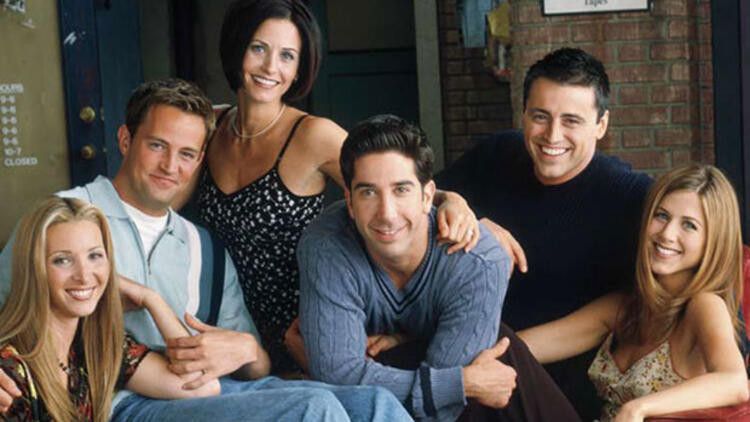
“Friends” Lands New UK Streaming Platform After Leaving Netflix

After over a decade of being a staple on Netflix, the iconic sitcom Friends has officially left the UK streaming platform. The departure comes as Netflix’s licensing agreement with Warner Bros. expired on 30 December 2025, leaving millions of UK fans searching for where they can continue to binge the beloved series.

The move marks a major shift in the UK streaming landscape, as Friends joins a growing list of shows returning to their parent companies’ own platforms amid the global streaming wars.

The decision to pull Friends from Netflix UK stems from content rights and licensing. Warner Bros. Discovery, the studio behind Friends, has opted to consolidate the show on HBO Max, the company’s own streaming service. In the United States and other regions, Friends has already been part of HBO Max’s library, making the UK transition a long-awaited but logical step.

This trend mirrors global shifts where major studios are reclaiming popular content to drive subscriptions to their own platforms rather than renting it to third-party services.

UK fans won’t have to wait long. HBO Max is officially launching in the UK and Ireland on 26 March 2026, and Friends is expected to be a cornerstone of its catalogue. This launch will give UK viewers access not only to Friends but also to other Warner Bros. Discovery titles.

Popular shows are increasingly tied to their production studios’ own services rather than third-party platforms. For fans, this may require juggling multiple subscriptions, but it also guarantees that shows like Friends remain readily available on platforms invested in long-term streaming access.

For those who’ve grown up on the misadventures of Ross, Rachel, Monica, Chandler, Joey, and Phoebe, the good news is that the laughs aren’t disappearing; they’re just moving to a new home.

Digital Streaming Services vs Cable TV: Which One Is Really Worth Your Money?

In today’s digital world, the way we consume entertainment has Improved significantly. Gone are the days when cable TV reigned supreme as the primary source of television content. With the rise of digital streaming services, we as viewers now have more options than ever before. But with this abundance of choices comes the inevitable question:

Which one is truly worth my hard-earned money? Let’s look into the comparison between digital streaming services and cable TV to help make an informed decision.

Cost Comparison

Monthly Subscription Fees: When it comes to cost, digital streaming services often appear to be the more affordable option at first glance. With subscription plans typically ranging from 3,000 Naira to 15,000 per month on platforms like Netflix, they seem like a bargain compared to the hefty monthly bills associated with cable TV. However, it’s essential to consider additional costs and hidden fees that may accrue over time.

Content Variety

Selection of TV Shows and Movies: One of the most significant advantages of digital streaming services is the vast array of content they offer. From blockbuster movies to binge-worthy TV shows, there’s something for everyone’s taste and preferences. Moreover, streaming platforms often provide exclusive access to original content that can’t be found elsewhere.

Convenience and Accessibility

Availability on Multiple Devices: Gone are the days of being tethered to your living room couch to watch your favorite shows. Digital streaming services allow you to access content on a variety of devices, including smartphones, tablets, laptops, and smart TVs. Whether you’re at home or on the go, you can enjoy your favorite movies and TV shows with ease.

Quality of Viewing Experience

Streaming Quality and Resolution: One of the key factors that set digital streaming services apart from cable TV is the quality of the viewing experience. With high-definition and even 4K resolution options available, streaming platforms deliver crystal-clear images and immersive audio that rival traditional television broadcasts.

https://twitter.com/Streamdorm/status/1788164726108623080?t=rbuNTNSv5mbUDak93uGYIA&s=19

User Interface and Experience

Ease of Navigation: Navigating through the vast library of content offered by digital streaming services is a breeze thanks to user-friendly interfaces. Intuitive menus, personalized recommendations, and search functionalities make it easy to discover new content tailored to your interests.

Exclusive Features

DVR Capabilities: While cable TV has long offered DVR (Digital Video Recorder) functionality, many streaming services now provide similar features. Users can record their favorite shows and movies to watch later, giving them greater flexibility and control over their viewing experience.

Reliability and Technical Issues

Buffering and Streaming Problems: One of the downsides of digital streaming services is the occasional occurrence of buffering and streaming issues. Factors such as internet speed and network congestion can impact the quality of the streaming experience, leading to interruptions and frustration for viewers.

Image from Roku

Customer Service and Support

Response Time to Inquiries: When it comes to customer service, cable TV providers have historically received their fair share of criticism for long wait times and poor responsiveness. In contrast, many digital streaming services offer prompt and efficient support through online chat, email, or phone, ensuring that users’ issues are addressed promptly.

Flexibility of Packages

Customization Options: Unlike traditional cable TV packages, which often come with fixed channel lineups and pricing tiers, digital streaming services offer greater flexibility and customization. Users can choose from a variety of subscription plans tailored to their specific viewing preferences and budgetary constraints.

Market Trends and Future Outlook

Growth of Streaming Services: The exponential growth of digital streaming services in recent years is a testament to their increasing popularity among consumers. With more and more viewers opting to cut the cord and embrace streaming, the future of television seems firmly rooted in the digital realm.

Environmental Impact

Energy Consumption Comparison: In addition to the economic considerations, it’s essential to examine the environmental impact of both digital streaming services and cable TV. Studies have shown that streaming content online consumes significantly less energy than traditional broadcast methods, making it a more environmentally friendly option.

Social and Cultural Impact

Influence on Viewing Habits: The rise of digital streaming services has not only changed how we watch television but also how we engage with media as a whole. With the ability to binge-watch entire seasons in one sitting and share our favorite shows with friends and family online, streaming platforms have become integral to our social and cultural lives.

Personal Preferences and Lifestyle

Suitability for Different Demographics: Ultimately, the decision between digital streaming services and cable TV boils down to personal preferences and lifestyle choices. While some may prefer the convenience and flexibility of streaming, others may value the reliability and familiarity of traditional television broadcasts.

The debate between digital streaming services and cable TV is far from black and white. Both options have their pros and cons, and the right choice ultimately depends on individual needs and preferences. Whether you prioritize cost-effectiveness, content variety, or viewing experience, there’s no one-size-fits-all solution. However, with careful consideration and research, you can find the option that best suits your lifestyle and budget.

Scroll to Top