Tonto Dikeh Drops ‘King’ Persona, Embraces Faith-Driven Rebrand as “Evangelist Tonto”

For over a decade, Tonto Dikeh built one of Nollywood’s most defiant personal brands. The “King Tonto” identity was bold, controversial, and intentionally disruptive, a symbol of female authority in an industry that rarely handed women the crown.

In a video shared on March 2, 2026, the actress publicly announced that she will no longer answer to “King Tonto Dikeh,” describing the decision as an act of spiritual obedience.

“In obedience to the Holy Spirit, I will no longer be addressed as ‘King Tonto Dikeh.’ You can call me ‘The Woman of God,’ ‘Evangelist Tonto.’ I’m going from a mess to a message.”

She added that “Tonto Dikeh” or “Auntie Tonto” are also acceptable but the royal moniker that once defined her public image has officially been laid to rest.

When Dikeh adopted the “King” title around 2011, it wasn’t random branding. It became a statement.

Through marriage headlines, divorce battles, co-parenting disputes, political ambition, mental health conversations, and frequent online controversies, the “King” persona functioned as armor. It projected dominance in moments when public scrutiny was at its peak.

But in 2026, she is repositioning herself not as a symbol of resistance, but as a vessel of ministry.

Unlike some celebrity conversions that appear abrupt, Dikeh’s shift has been building publicly since late 2025.

She recently completed a discipleship program at Streams of Joy International, describing it as a foundational step in deepening her spiritual walk. She has also shared testimonies about financial restoration, claiming what she called “mega money” blessings after recommitting herself to Christian discipline.

Her Instagram presence has noticeably changed. Prayer sessions. Bible reflections. Invitations to worship and “speak in tongues” during live broadcasts. Language centered on healing, obedience, and divine reconstruction.

Dikeh has not announced retirement from Nollywood. However, her public language suggests ministry may take precedence. Whether that translates into gospel media projects, church leadership, faith-based films, or a complete pivot away from mainstream entertainment is still unclear.

She continues to operate the Tonto Dikeh Foundation, which focuses on philanthropy and advocacy.

If there is one constant in Tonto Dikeh’s career, it is reinvention.

From controversial actress to political aspirant, from “King” to now “Evangelist,” she has consistently reshaped her narrative in public view. Whether “Evangelist Tonto” becomes a permanent identity or another chapter in an evolving public story will unfold over time. But as of March 2, 2026, one of Nollywood’s most polarizing figures has clearly chosen a new spotlight and it’s spiritual.
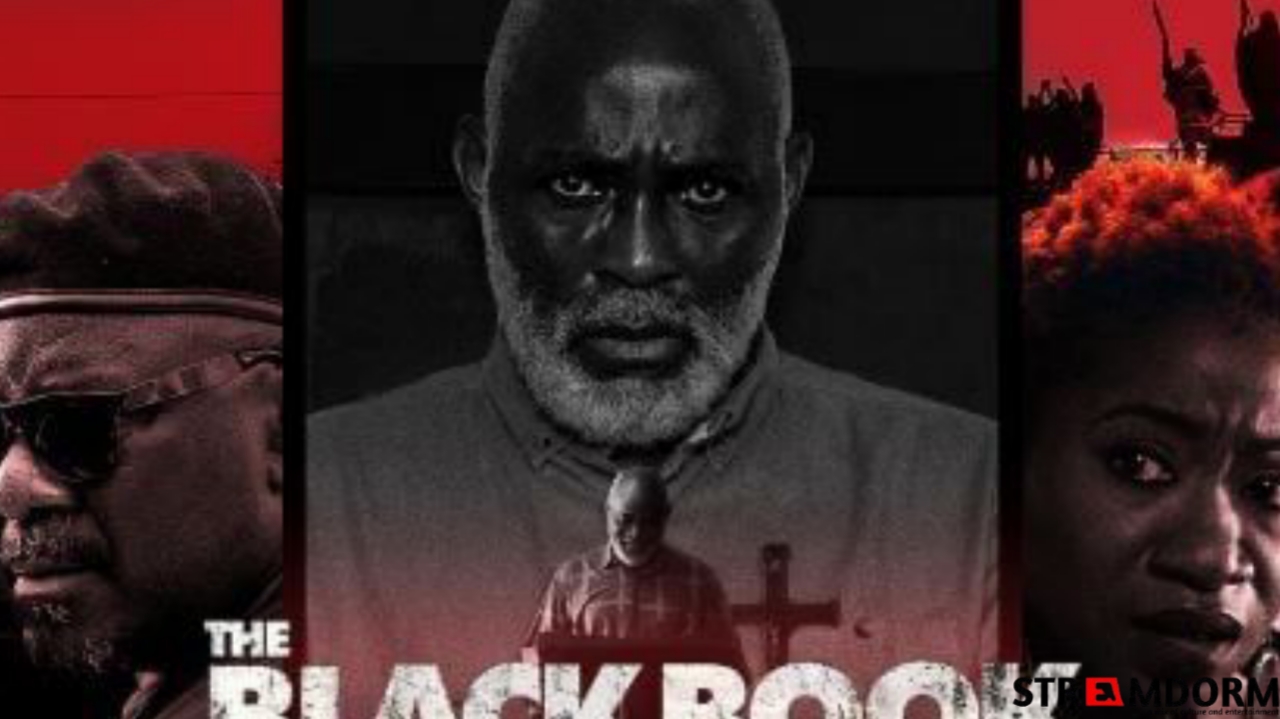

Richard Mofe-Damijo Returns in The Black Book 2: Old Scores

The Nigeria film industry achieved a major global milestone with The Black Book  in 2023. Directed, produced, and co-written by Editi Effiong under Anakle Films, this crime thriller became the first Nigerian movie to reach No. 3 on Netflix’s worldwide film charts. It amassed over 20 million views in its opening weeks, appearing in the Top 10 in more than 69 countries.

The story centers on Paul Edima (played by Richard Mofe-Damijo), a former government hitman now living as a deacon. When his son is framed for a kidnapping and murdered by a corrupt police gang to cover up high-level corruption, Paul returns to his violent past to seek justice and revenge. The narrative explores themes of police brutality, government corruption, redemption, and the fight for justice in contemporary Nigeria.

The cast featured Nollywood veterans including Richard Mofe-Damijo in the lead, alongside Ade Laoye, Sam Dede, Shaffy Bello, Alex Usifo, Olumide Oworu, Kelechi Udegbe, Iretiola Doyle, Femi Branch, and Taiwo Ajai-Lycett. Made on a budget of approximately $1 million considered substantial for a Nigerian production; the film emphasized high production values, including Panavision lenses, to meet international standards.

With international partnerships, a broadened cast, and a deeper narrative arc, Old Scores signals a bold evolution not just for the franchise, but for Nollywood’s positioning on the world stage.

The Black Book 2: Old Scores, announced by Anakle Films in February 2026, Editi Effiong returns as writer and director. The project partners with Emmy-nominated producer Nicky Weinstock (known for Apple TV+’s Severance) through his Invention Studios, alongside producer Mimi Bartels. Principal photography has wrapped according to reports, and the film is in post-production, with a theatrical release planned in Nigerian cinemas. However, no exact date or streaming details have been confirmed. 

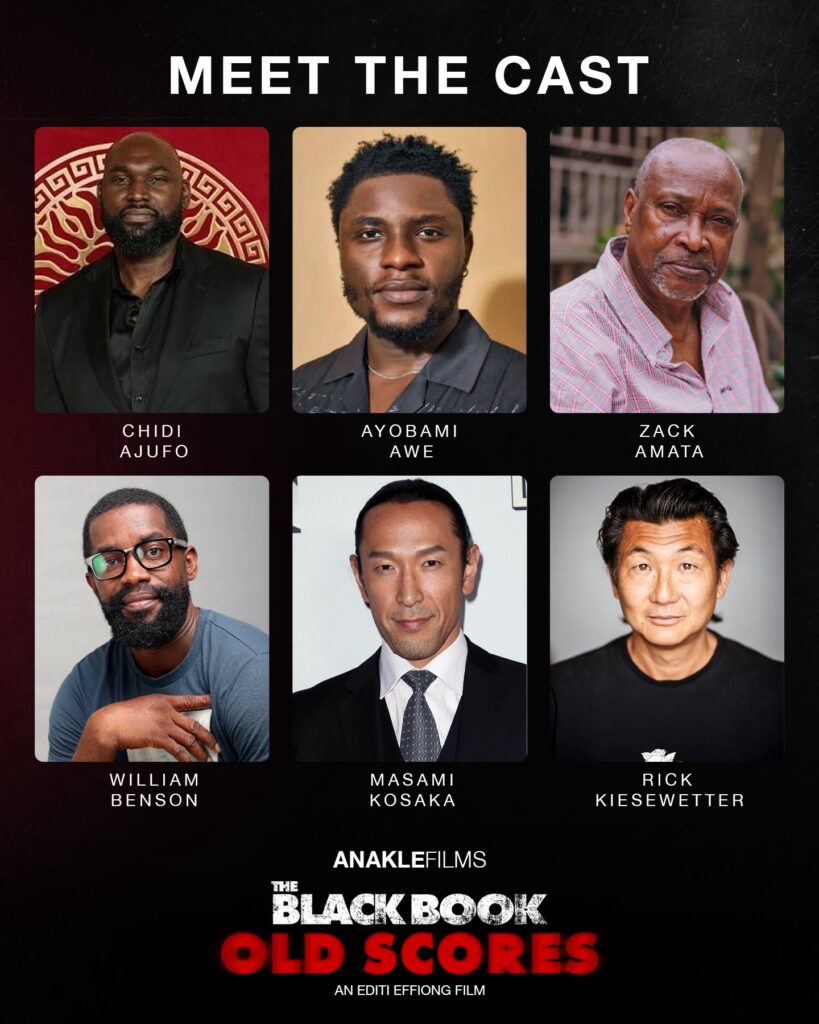
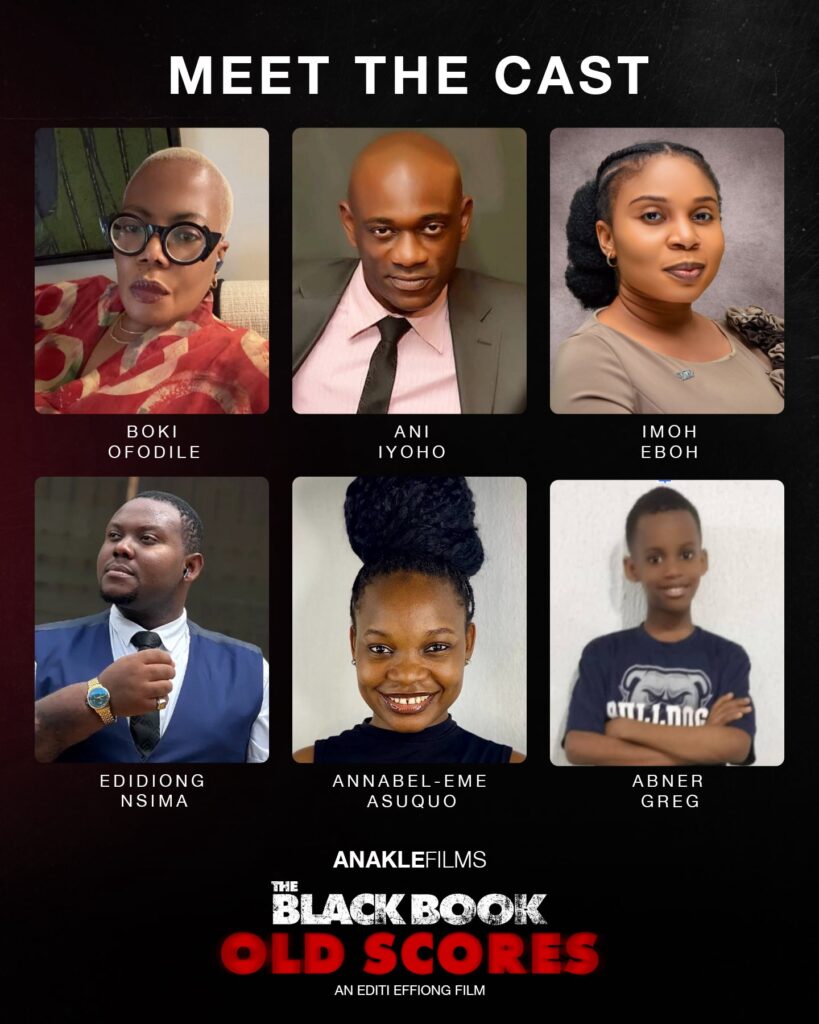
The cast announcement revealed a stacked ensemble blending returning stars and new additions:

  • Richard Mofe-Damijo (returning as Paul Edima)
  • Kate Henshaw
  • Bright Okpocha (Basketmouth)
  • Shaffy Bello (returning)
  • Alex Usifo (returning)
  • William Benson
  • Masami Kosaka
  • Rick Kiesewetter
  • Soibifaa Dokubo
  • Mallum Arik
  • Sola Fosudo
  • Ejike Asiegbu
  • Bob-Manuel Udokwu
  • Emeka Okoye
  • And others including Chidi Ajufo, Awe Ayobami, and more.

Production scaled up significantly, involving a 300-strong crew from Nigeria, the US, UK, China, Japan, and beyond, marking one of the largest Nigerian productions to date and aiming for even greater global impact.

Nollywood Actor Ray Emodi Reveals He’s Officially Quitting Acting to Focus on Music

Nollywood actor Ray Emodi has announced a major career shift, revealing that he is stepping away from acting to focus fully on music.

In a video shared on his social media platforms, the actor addressed fans directly, stating that while he appreciates the support he has received from movie lovers over the years, his creative direction is changing.

“I love every Nollywood fan, but I’m going to make music for the dance floor. I want to make music for people that are knacking. We’re working on my EP,” he said.

The announcement has sparked widespread reactions across social media, with many fans expressing surprise at what appears to be a complete transition from film to music even though he has been dropping clips of him singing on his social media handles. 

Ray Emodi, who has built a reputation as one of Nollywood’s charismatic leading men in recent years, suggested that the decision was not made lightly. According to him, his family does not support the move. He explained that his family has a reputation to protect and certain expectations, which makes the switch even more complicated.

While he did not confirm an official release date for the EP, he stated that work is already in progress. As of now, no tracklist or collaborators have been publicly announced.

The actor’s pivot reflects a broader trend of entertainers exploring multiple creative lanes, though it remains unclear whether this is a permanent exit from film or a temporary break to focus on music. Emodi did not explicitly state that he would never return to acting, but his comments suggest a serious commitment to his new path.

For now, fans await further details on the EP and what his sound will ultimately deliver. Whether the transition will reshape his public image or expand his fanbase. 

Kilanko: The Invisible Child Set for March Release, Showcases the Late Allwell Ademola’s Final Directorial Masterpiece

Nollywood is once again preparing for a deeply emotional cinematic moment. Kilanko: The Invisible Child, the latest project from actor turned producer Rotimi Salami, is set to hit Nigerian cinemas this March and it carries more weight than a typical film release.

Beyond its storyline, Kilanko stands as one of the final directorial works of Allwell Ademola, whose passing in late 2025 sent shockwaves through the industry. Although she passed away before the film’s release, Kilanko now serves as a posthumous showcase of her artistry. It reminds Nollywood and its audiences of the power a director has in giving stories life, and it reveals  her place as one of the industry’s talents. Beyond this single film, her work continues to influence emerging filmmakers who aspire to combine commercial appeal with meaningful narratives.

In the broader context of Nigerian cinema, Allwell Ademola’s legacy is about showing the value of perspective and empathy. Her final directorial effort ensures that, even in absence, her voice continues to resonate not just in the themes she explored, but in the standard of storytelling she leaves behind.

While official plot details remain guarded, Kilanko: The Invisible Child has been described as an emotional drama exploring hidden pain, sacred sacrifice, and maternal resilience. The title alone suggests a narrative centered on a child overlooked by society; physically present, yet emotionally unseen.

Early descriptions from the production team hint at themes that resonate strongly within Nigerian communities: neglect, family bonds, and the quiet strength of mothers who endure more than they reveal. If executed with depth, the film could join the growing class of socially reflective Nollywood dramas that prioritize storytelling over spectacle.

The film brings together respected Nollywood veterans, including:

  • Saidi Balogun
  • Ibrahim Chatta
  • Biola Adebayo
  • Saka Oyetoro

With Rotimi Salami also appearing on screen, the ensemble suggests a production rooted in performance-driven storytelling. 

For Salami, this project represents another step in his evolution from actor to full-fledged producer. In recent years, Nollywood has seen a wave of performers stepping behind the camera to control narrative direction and production quality. Kilanko appears to sit firmly within that shift.

The emotional core of this release lies in its direction. Allwell Ademola was widely respected for her ability to craft intimate, character-focused stories. Her involvement elevates Kilanko beyond commercial expectations; it becomes a preservation of artistic legacy.

For an industry still experiencing the loss of influential creatives, the film offers audiences a chance to witness one of her final creative visions on the big screen.

Kilanko: The Invisible Child is scheduled to premiere on March 1, 2026, before opening nationwide in Nigerian cinemas on March 6, 2026.

The March window positions it strategically outside the heavy December blockbuster season, giving it space to breathe and potentially build word of mouth momentum.

If early anticipation translates into box office interest, Kilanko could become one of the more emotionally discussed Nollywood releases of the first quarter of 2026.

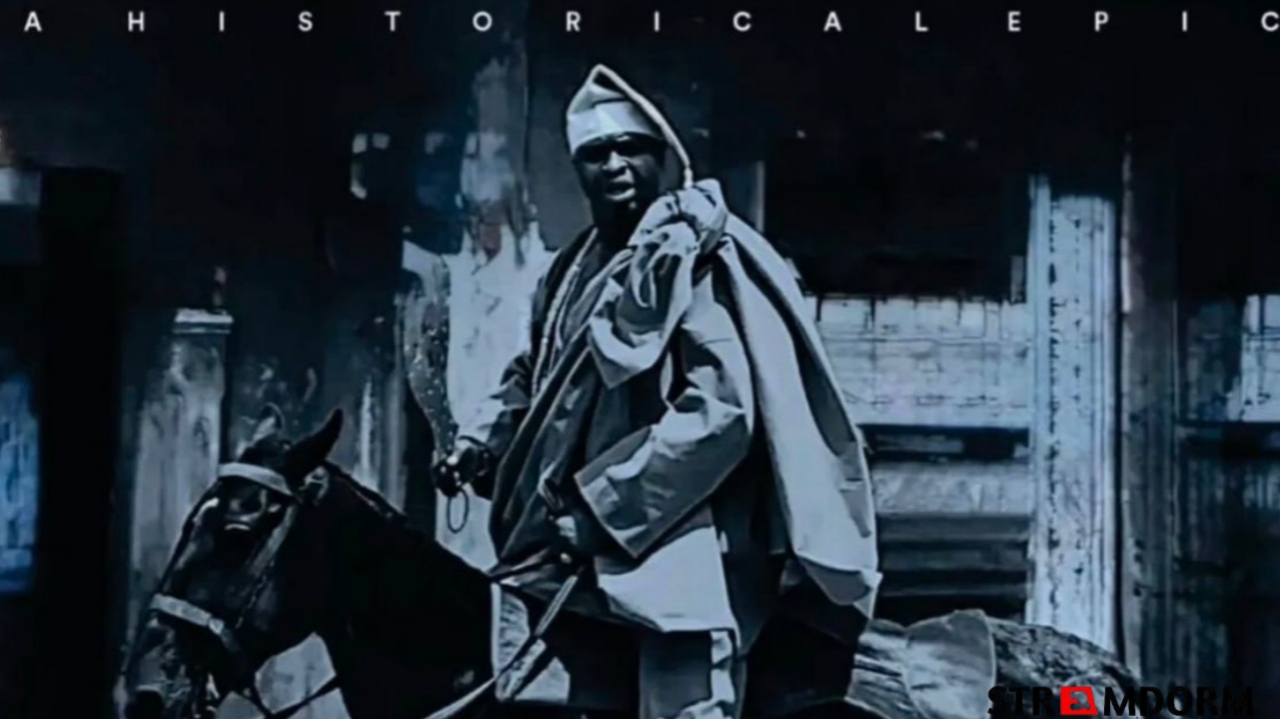
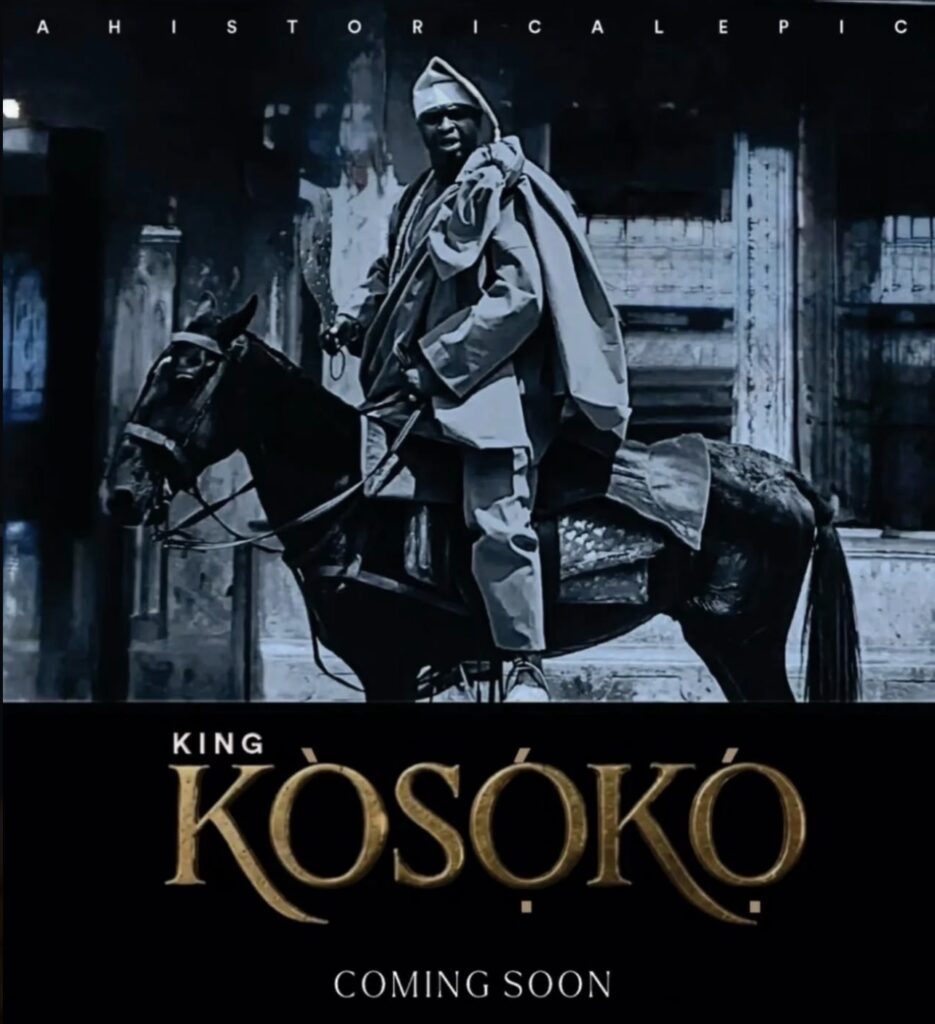
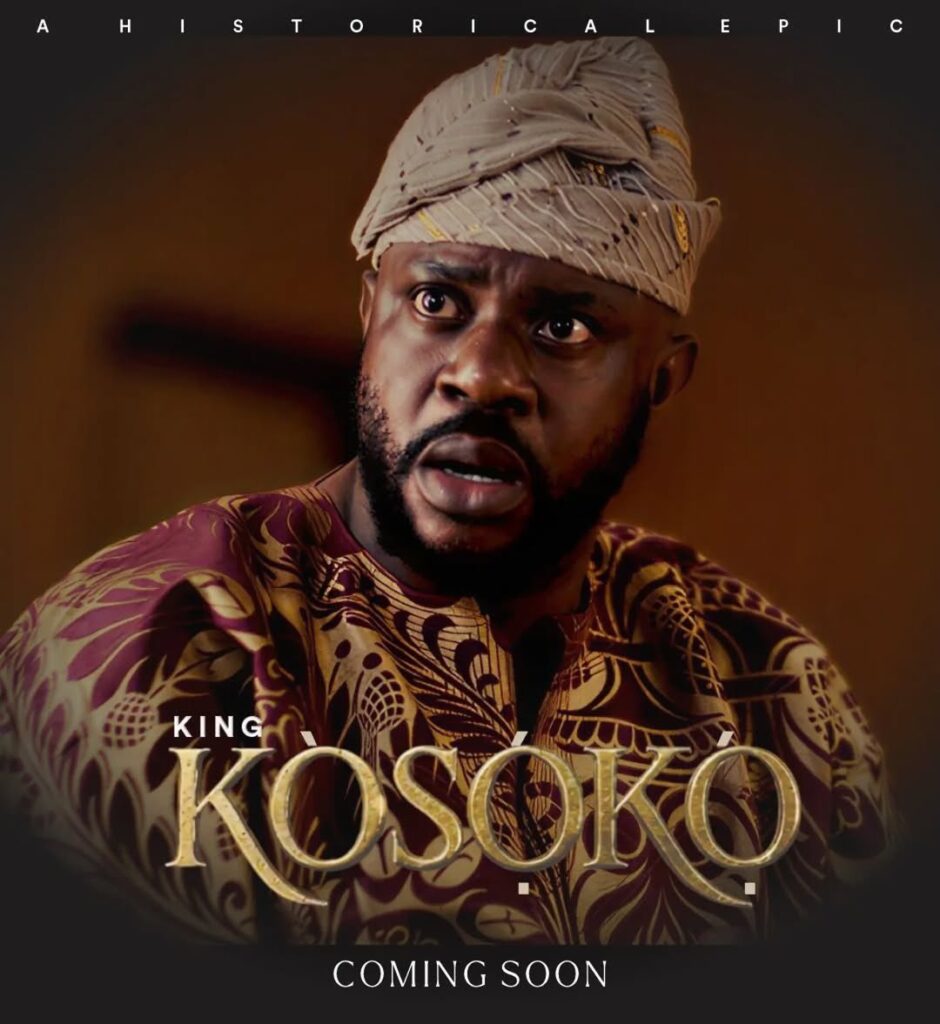
King Kosoko: The Battle for Lagos — Femi Adebayo Leads Nollywood’s 2026 Historical Epic

Nollywood’s historical renaissance is showing no signs of slowing down. With large-scale productions increasingly revisiting Nigeria’s pre-colonial and early colonial past, a new epic is now commanding attention: King Kosoko: The Battle for Lagos.

Set for release in 2026, the film dramatizes the turbulent reign of Oba Kosoko, who ruled Lagos between 1845 and 1851. His leadership unfolded during one of the most decisive moments in the city’s history; a period marked by political rivalry, resistance, and eventual confrontation with British colonial forces.

Historically, Oba Kosoko’s reign was defined by internal succession disputes and mounting tensions with the British, who sought to expand their influence along the West African coast.

The 1851 bombardment; often linked to what is known as the “Salt Water War” (Ogun Olomiro), became a turning point in Lagos history. The confrontation ultimately paved the way for increased British intervention and would later influence the eventual annexation of Lagos in 1861.

By bringing this chapter to the screen, the filmmakers are revisiting a defining moment in Nigeria’s historical trajectory, one that continues to spark scholarly and cultural discussion.

Award-winning actor Femi Adebayo leads the project in the title role. Known for his commanding screen presence and emotional range, Femi Adebayo’s casting signals the scale and seriousness of the production.

Early promotional materials suggest a performance grounded in authority and intensity; a portrayal likely to balance royal dignity with political defiance.

Joining him is a heavyweight ensemble cast that reflects Nollywood’s upper tier:

  • Jide Kosoko
  • Femi Branch
  • Faithia Williams
  • Gabriel Afolayan
  • Odunlade Adekola (in a key supporting role)

The film is directed by Adebayo Tijani, a filmmaker associated with large-scale Yoruba historical storytelling. His previous works include Jagun Jagun and Olori Ogun, both noted for elaborate costuming, stylized battle sequences, and strong cultural detailing.

Producers Ayo Ajayi and Segun Olojo Kosoko are attached to the project, with the latter’s surname drawing attention due to its historic ties to the Kosoko lineage; a detail that has fueled conversations about authenticity and cultural consultation.

King Kosoko: The Battle for Lagos arrives amid a renewed appetite for Nigerian historical epics. Films like Jagun Jagun and Lisabi: A Legend Is Born have demonstrated that audiences are eager for stories rooted in indigenous history, folklore, and resistance narratives.

This resurgence marks an important evolution in Nollywood’s storytelling identity. For decades, contemporary dramas and comedies dominated the industry. Now, filmmakers are investing in: Cultural reclamation, Pre-colonial political narratives, Traditional aesthetics and language and Higher production value

For Nollywood, it represents something bigger: a growing confidence in telling African stories with epic scale and historical depth.

If executed with the care and ambition suggested by its early details, King Kosoko: The Battle for Lagos could become one of 2026’s defining Nigerian films.

Streamdorm will continue to update this story as trailers, confirmed release dates, and additional production details emerge.

Two Nollywood Crew Members Found Dead Inside Car on Lagos Movie Set in Lekki

A routine filming day turned tragic in Lekki Phase 1 after two Nollywood production crew members were found dead inside a parked vehicle at a movie location, sparking a full-scale police investigation.

The victims have been identified as Godstime Imeh, a lighting director and CEO of GeeTee Light, and Walter Odediran, a creative director widely known in industry circles as Director Carrinqton. Both men were part of the technical team working on a film project at the time of the incident.

According to reports from colleagues on set, Imeh and Odediran arrived early on Saturday, February 7, 2026, to handle lighting arrangements ahead of the day’s shoot. After completing their setup, they reportedly remained inside Imeh’s Nissan vehicle, which was parked within the filming premises.

Sources say the car’s air conditioning system was running while the pair rested inside. Around midday, breakfast was delivered to them; the last confirmed interaction anyone had with the two men.

Concerns were raised later in the evening when repeated phone calls went unanswered. Crew members eventually approached the vehicle and discovered both men unresponsive inside. Emergency services were alerted, and authorities were called to the scene.

The Lagos State Police Command confirmed that an investigation has commenced. The case has since been transferred to the State Criminal Investigation Department in Yaba for further forensic examination.

Investigators are reportedly exploring multiple angles, including toxicology testing, mechanical inspection of the vehicle, environmental factors, and interviews with individuals present on the set earlier in the day. CCTV footage from the premises and surrounding areas is also being reviewed.

As of the time of filing this report, authorities have not confirmed a cause of death. Officials say findings from autopsies and laboratory analyses will be critical in determining what happened.

The news has sent shockwaves through the Nollywood production community, particularly among technical crew members who form the backbone of the industry’s daily operations. Tributes have begun pouring in from colleagues describing both men as dedicated professionals committed to their craft.

While speculation continues online, law enforcement authorities have urged the public to allow the investigation to run its course. For now, the deaths of Godstime Imeh and Walter Odediran remain under official review, with the film community and the public awaiting clarity.

We will continue to monitor developments and provide updates as confirmed information emerges.

Top 5 Nollywood Movie Releases for January 2026

For new nollywood release observers, January is rarely the loudest month but 2026 opened with some good films. Instead of chasing spectacle, Nigerian cinema leaned into range; romance, genre experimentation, cultural drama, and commercial heavyweights that refused to fade with the new year.

While streaming platforms stayed relatively quiet, cinemas carried the momentum. These are the five films that defined Nollywood’s cinema conversation in January 2026.

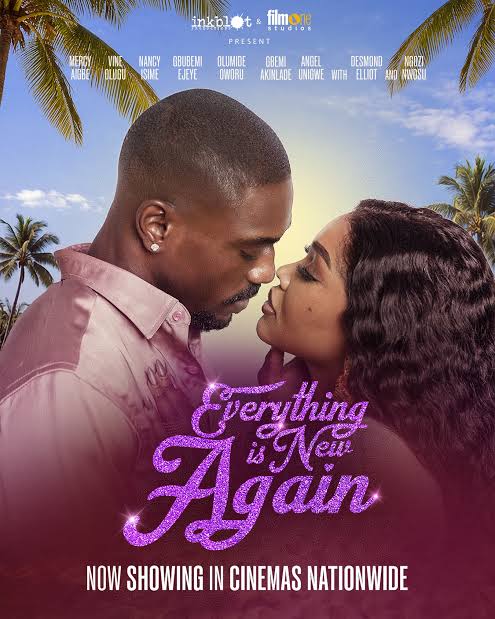
Everything Is New Again

Inkblot Productions and FilmOne Studios began the year with a romantic drama rooted in emotional familiarity rather than novelty. Everything Is New Again explores love through maturity, reflection, and timing; themes that resonate deeply with Nollywood’s core audience.

Storyline summary: The film follows two people forced to confront unfinished emotional business when their paths cross again. As past choices resurface, they must decide whether love deserves another chance and whether starting over is ever truly possible.

Released at the end of January, the film positioned itself as a steady, audience-friendly opener for the year, reinforcing Inkblot’s reputation for clean storytelling and commercial instincts.

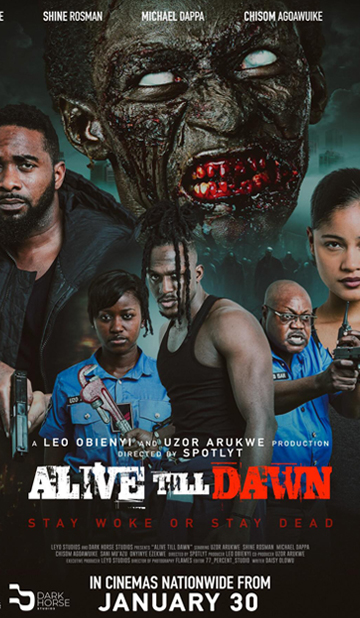
Alive Till Dawn

Few January releases generated as much curiosity as Alive Till Dawn. A zombie thriller led by Uzor Arukwe, the film marked another step in Nollywood’s gradual but deliberate embrace of genre filmmaking.

Storyline summary: Set over one terrifying night, the story follows a small group fighting to survive as a sudden outbreak throws their world into chaos. With danger closing in from every direction, survival becomes a test of instinct, trust, and endurance until daybreak.

Rather than playing it safe, the film leaned into tension and suspense, offering audiences something distinctly different from Nollywood’s traditional drama-heavy slate.

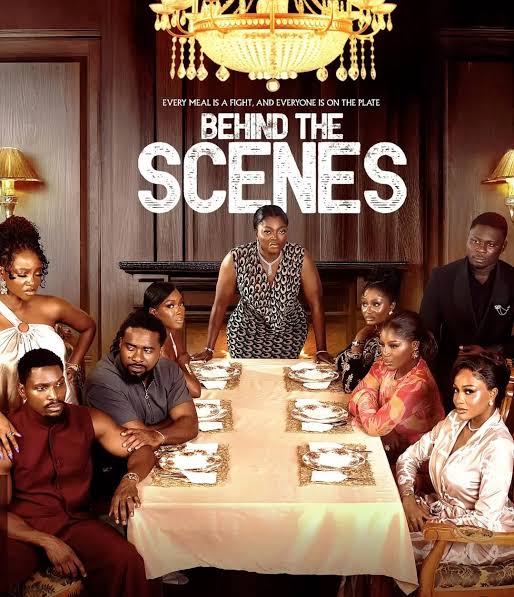
Behind The Scenes

Though released in December 2025, Behind The Scenes remained a dominant presence well into January 2026. Its extended cinema run and sustained audience interest made it one of the most visible Nollywood titles of the month.

Storyline summary: The film pulls back the curtain on ambition, power, and personal compromise within a high-pressure environment. As relationships fracture and hidden agendas emerge, the characters must confront the emotional cost of success.

Its continued relevance highlighted a larger trend: Nollywood hits no longer expire with the calendar year, but now carry cultural momentum across months.

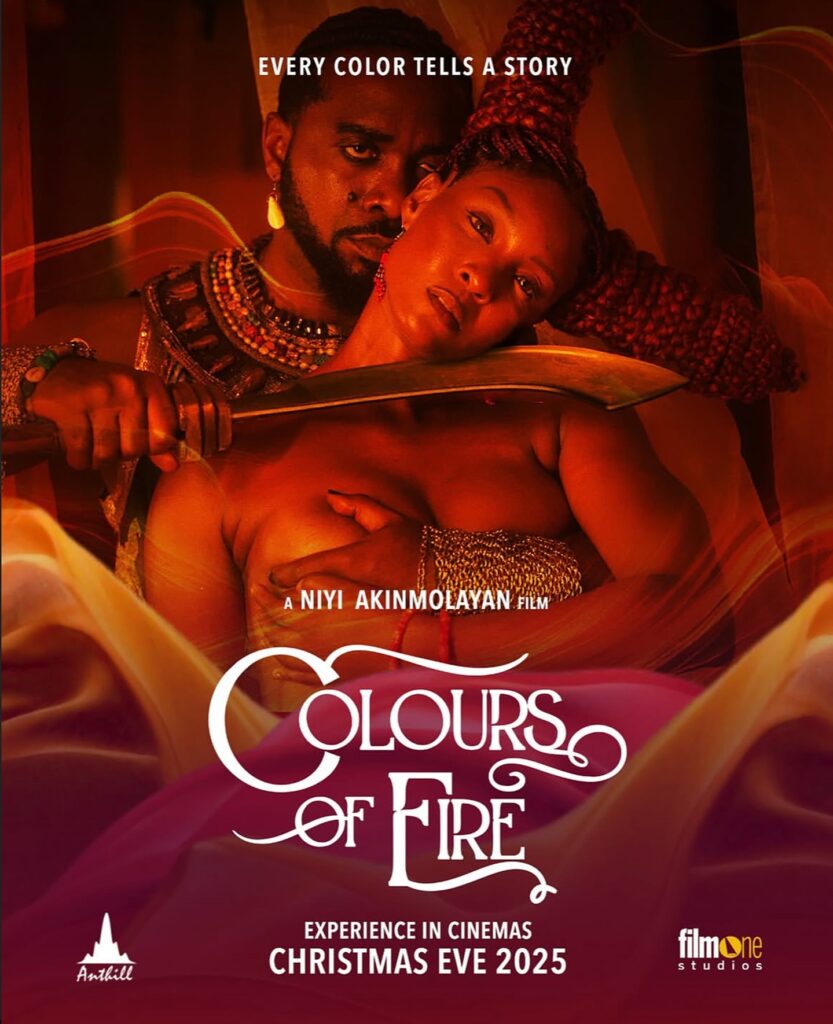
Colours Of Fire

Colours Of Fire leaned fully into Nollywood’s strength in epic, emotionally charged storytelling. Built around themes of forbidden love, tradition, and conflict, the film delivered scale without sacrificing intimacy.

Storyline summary: Against a backdrop of tradition and rivalry, two people fall in love where they are not supposed to. Their relationship ignites tension between families and communities, forcing difficult choices between duty, identity, and desire.

Released in late January, the film found its audience among viewers drawn to dramatic tension and culturally grounded narratives.

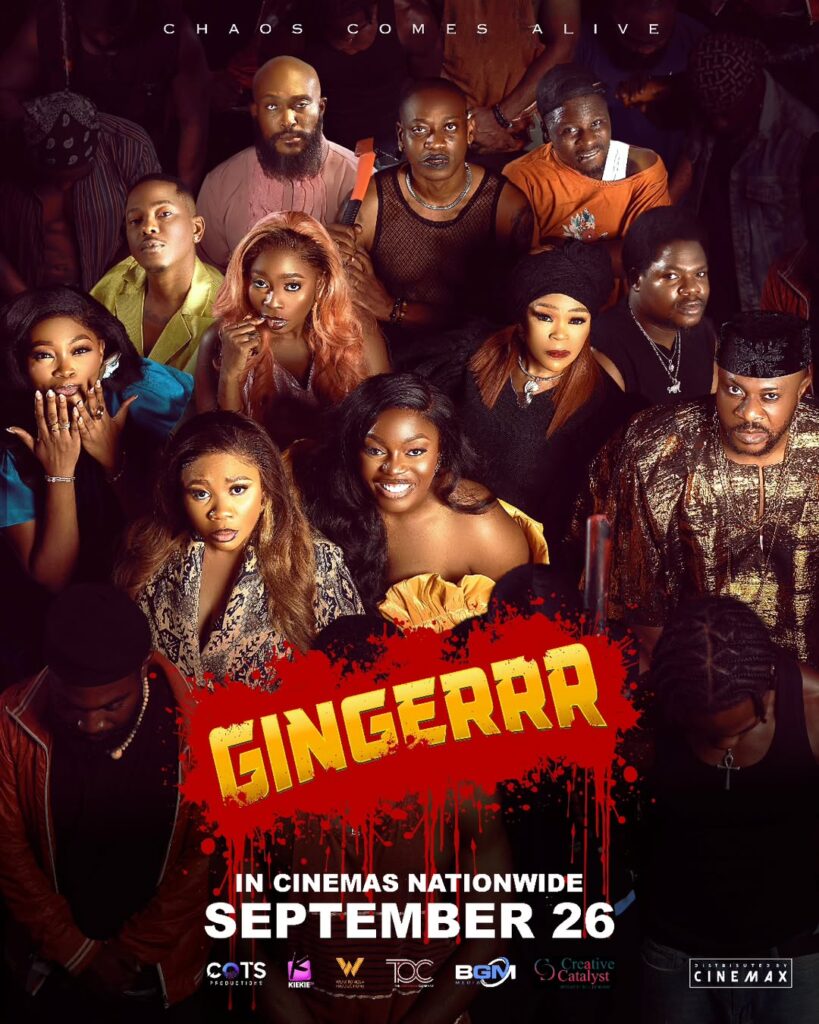
Gingerrr

Rounding out the list is Gingerrr, a stylish action-comedy heist film powered by an all-female ensemble cast. Fast-paced and playful, the film added levity to January’s cinema lineup.

Storyline summary: The story follows a bold, unconventional crew planning a risky operation. As the plan unfolds, personalities clash, loyalties are tested, and nothing goes exactly as expected, blending action with sharp humor.

Its inclusion reflects Nollywood’s growing interest in balance; films that entertain without heavy emotional weight, and stories that broaden the scope of mainstream Nigerian cinema.

Top 3 Must-See Nollywood Movie Releases This February 2026

February 2026 is shaping up to be a month of excitement for Nollywood fans. From heartfelt romance to powerful real-life stories, this month promises films that will entertain, inspire, and spark conversations. Here’s a look at the top three confirmed Nollywood releases you should not miss.

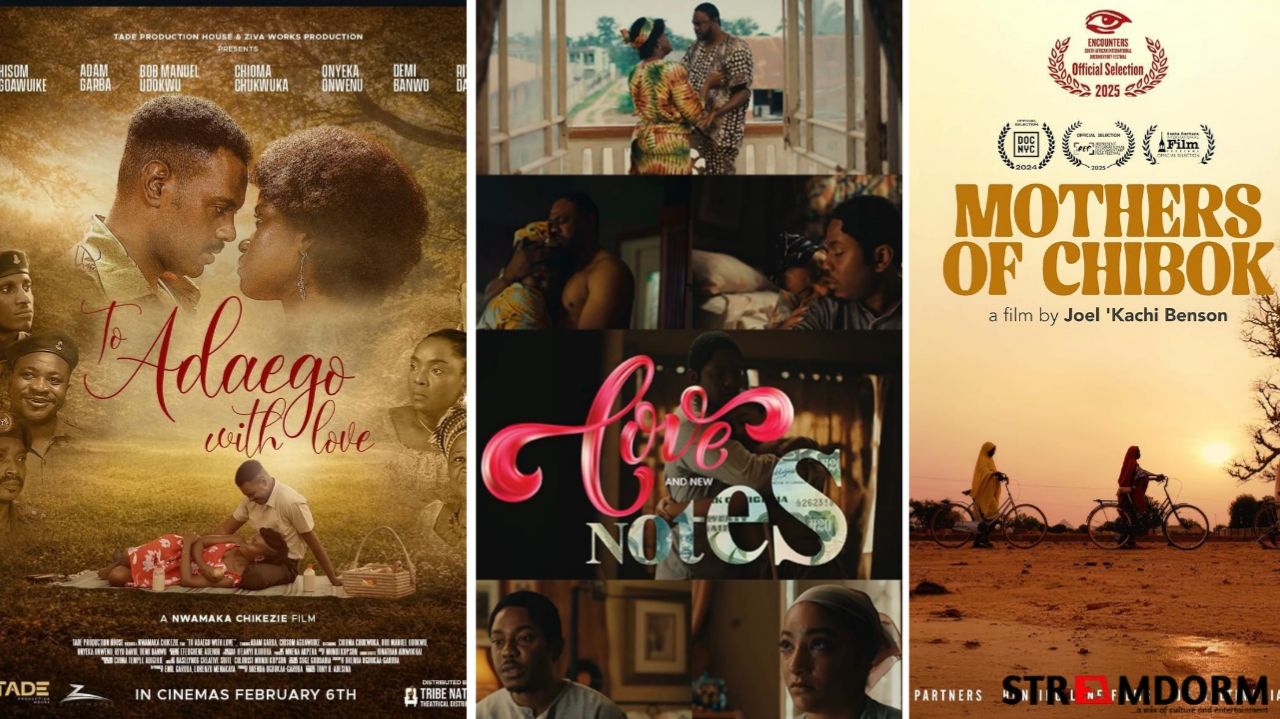
To Adaego With Love

Release Date: February 6, 2026

Genre: Romance / Period Drama

“To Adaego With Love” is one of the most anticipated Nollywood films of the year. Set in post-Civil War Nigeria (1975), the movie tells the story of a soldier and a school teacher from rival communities who fall in love against the backdrop of a society healing from conflict.

The film stars Chisom Agoawuike, Adam Garba, Chioma Chukwuka, Bob-Manuel Udokwu, and includes one of the final screen appearances of the late Onyeka Onwenu, adding a layer of historical and emotional significance. The movie is a perfect mix of romance, drama, and Nigerian history, making it both entertaining and culturally rich.

Viewers can expect a story of forgiveness, unity, and the power of love that transcends barriers. For lovers of romantic dramas with emotional depth, this is a film not to miss.

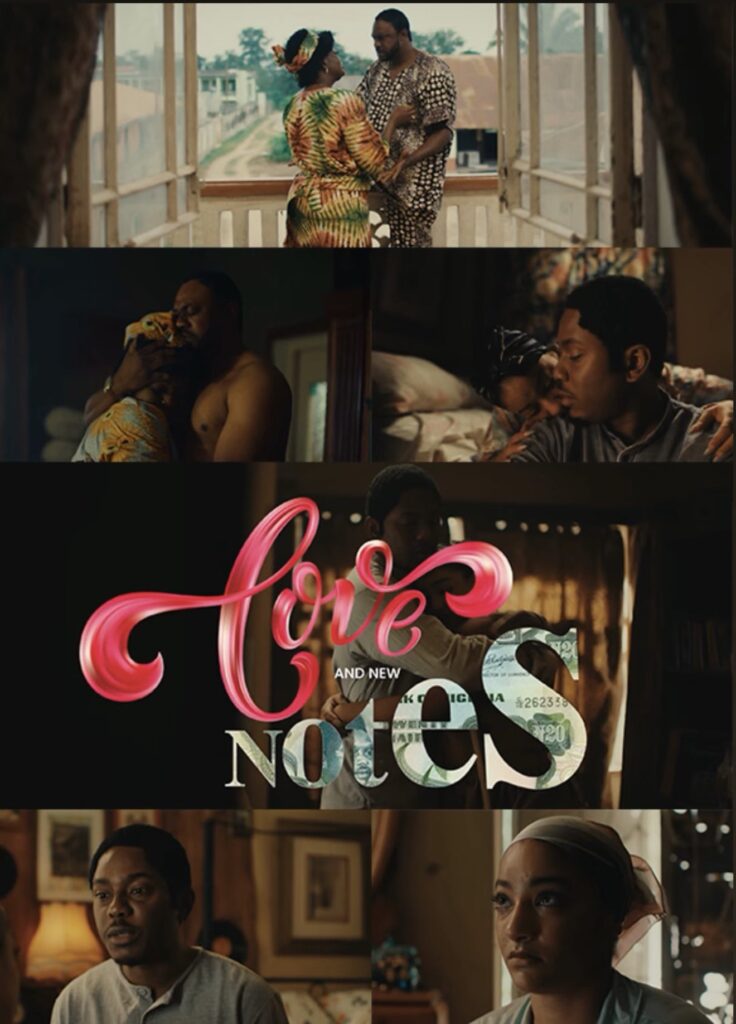
Love & New Notes

Release Date: February 13, 2026

Genre: Romance / Contemporary Drama

If you are looking for a light, modern romance, “Love & New Notes” is the perfect choice for Valentine’s season. Directed by Kayode Kasum and starring Timini Egbuson, the movie captures the humour, heartbreak, and charm of modern Lagos love stories.

The story combines witty dialogues, relatable relationship moments, and a cast that includes Odunlade Adekola, Eniola Badmus, and Sophie Alakija. Its Valentine’s release date positions it as the go to movie for couples and young adults looking for entertainment that reflects contemporary Nigerian love and life.

For anyone who enjoys romantic comedies with heart and strong performances, this film is set to be a standout of the month.

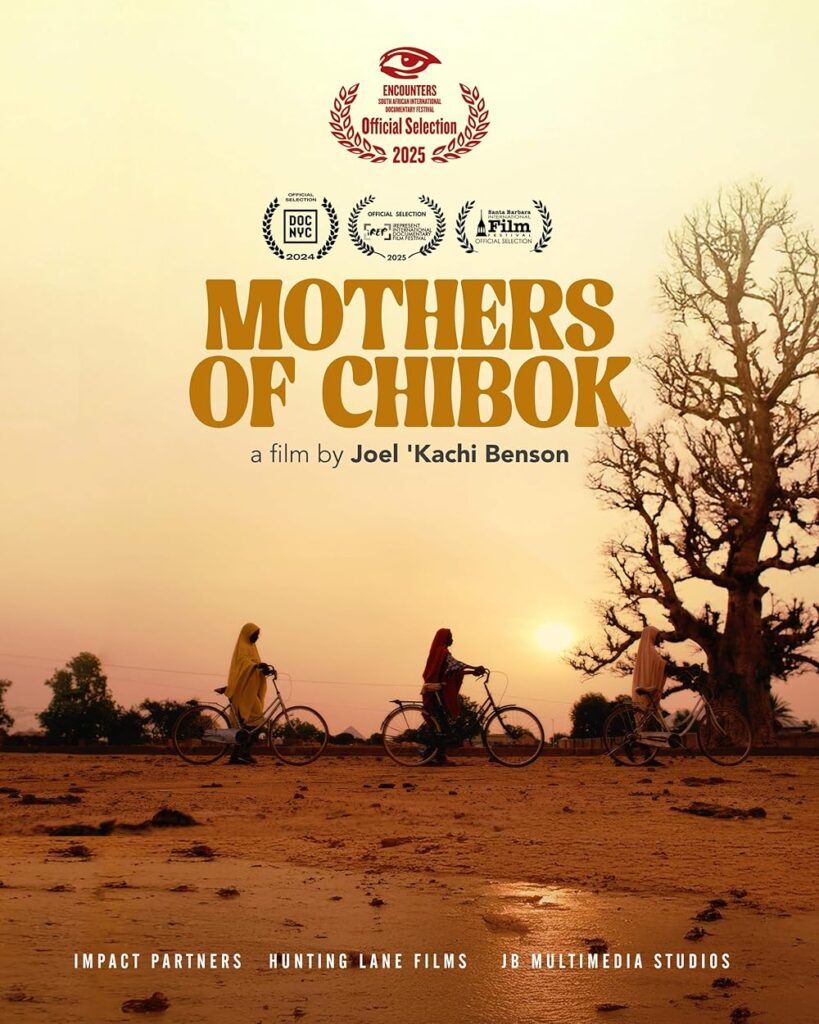
Mothers of Chibok

Release Date: February 27, 2026

Genre: Documentary / Social Issue

“Mothers of Chibok” is more than just a movie; it is a documentary that tells one of Nigeria’s most important stories. The film focuses on the mothers of the Chibok school girls abducted in 2014, sharing their stories of resilience, courage, and hope.

Directed by Kachi Benson, the documentary is a moving exploration of the human spirit and a reminder of the power of persistence in the face of adversity. It highlights how ordinary people can display extraordinary strength and determination.

This film is ideal for viewers who are drawn to stories that matter, films that educate, and narratives that inspire social awareness and empathy.

From historical romances to contemporary love stories and documentaries that touch the heart, February 2026 offers a diverse Nollywood lineup. Whether you’re a fan of love stories, historical dramas, or real-life social issues, these three films promise to deliver unforgettable experiences on the big screen.

AMVCA 2026 Submissions for the 12th Edition Are Officially Open

Africa’s biggest night in film and television is officially underway.

The 12th Africa Magic Viewers’ Choice Awards (AMVCA) has opened submissions, inviting filmmakers and TV creators across the continent to submit eligible projects released in 2025. If your work made waves on cinema screens, television, or streaming platforms last year, this is your moment to step forward.

From breakout performances to technical brilliance and bold storytelling, the AMVCA remains the most influential platform celebrating African screen excellence  and the race for 2026 has begun.

Submission Timeline

  • Entries Open: 11 January 2026
  • Entries Close: 15 February 2026
  • Eligibility Period: Projects must have been publicly screened or broadcast between 1 January and 31 December 2025
  • Official Portal: www.africamagic.tv/amvca

Now in its 12th edition, the Africa Magic Viewers’ Choice Awards has grown beyond an awards show into a cultural institution. Powered by Africa Magic and MultiChoice, the AMVCA has helped shape careers, spotlight emerging talent, and push African film and television into global conversations.

This year’s edition continues its commitment to inclusivity, with expanded Indigenous Language categories that now fully accommodate works from North and Central Africa, reinforcing the AMVCA’s pan-African vision.

Eligible entries include:

  • Feature films
  • Television series
  • Made-for-TV movies
  • Select documentary projects

After submissions close on 15 February 2026, entries will be reviewed by the AMVCA jury panel, followed by public voting in selected categories. Nominees will be announced ahead of the highly anticipated 2026 AMVCA ceremony in Lagos, Nigeria, where Africa’s finest screen talents will take centre stage.

Submission link: www.africamagic.tv/amvca

Nollywood Actress and Producer, Allwell Ademola Dies Aged 43

The Nigerian film industry has been shaken by the sudden death of Nollywood actress, director, and producer Allwell Ademola on Saturday, December 27, 2025. She was 43 years old at the time of her passing. 

Reports say Ademola collapsed at her Lagos residence and was rushed to Ancilla Hospital in Agege, where she was later confirmed dead. Unofficial sources indicate she may have suffered a sudden heart attack before her collapse, although official medical confirmation is yet to be released. 

Allwell Ademola was more than a screen presence; she was a creative force in Yoruba Nollywood, known for her versatility as an actress, director, and producer. Over her career, she featured in and helped shape numerous films, blending traditional storytelling with modern cinematic vision. 

Among her notable works, she produced and starred in False Flag (2017), a film that underscored her talent behind and in front of the camera. 

News of Ademola’s passing spread quickly across social media and entertainment platforms. Colleagues and fans shared messages of disbelief and grief, describing her death as a devastating loss for Nollywood.

Veteran actress Faithia Williams took to Instagram with an emotional tribute, while Bidemi Kosoko expressed shock and sorrow, stating:

“No way… I refuse to accept this one.” 

Personal and Family Background

Allwell Ademola also came from a distinguished lineage. She was a granddaughter of Sir Adetokunbo Ademola, one of Nigeria’s  respected jurists and a former Chief Justice of Nigeria. 

Despite her public career, she maintained a relatively private personal life. There is no widely confirmed information about a spouse or children in the immediate context of her death. 

May her soul rest in peace.

Scroll to Top