NAFDAC Says “The Ban Stays,” Dismisses Reports of FG Order to Suspend Sachet Alcohol Enforcement

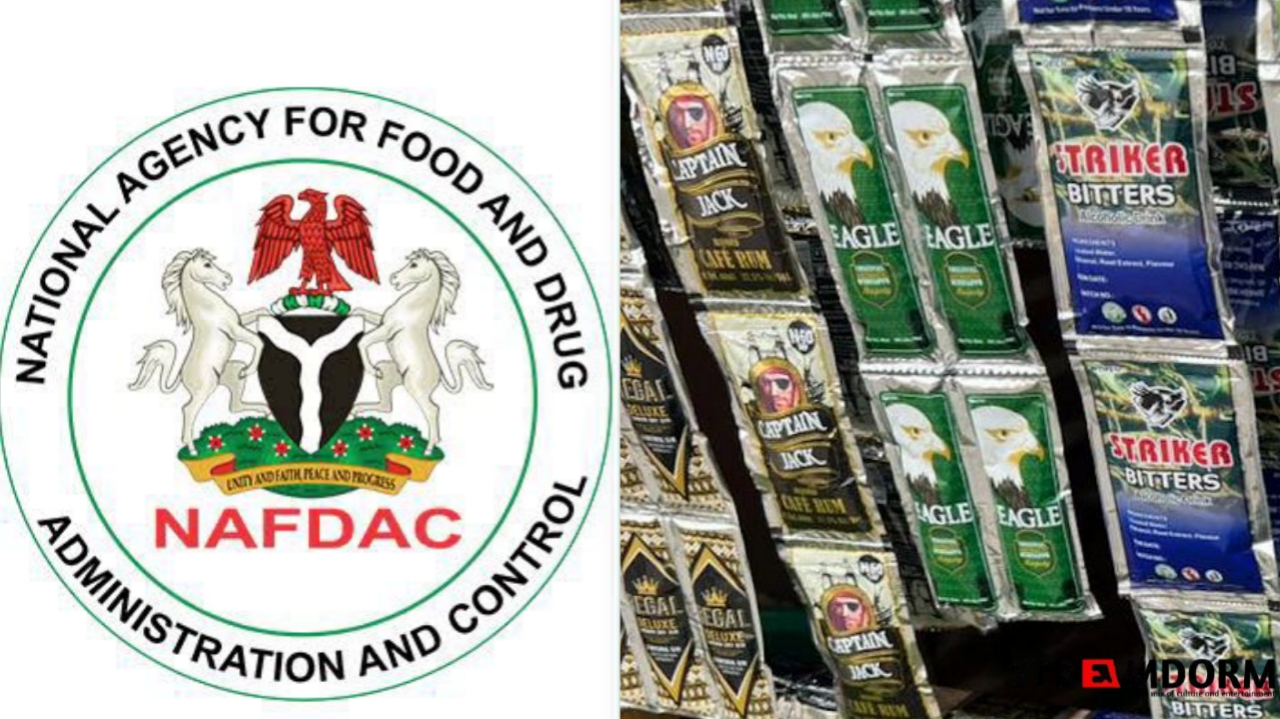
Just hours after reports circulated claiming the Federal Government had directed a pause on the sachet alcohol ban, the National Agency for Food and Drug Administration and Control (NAFDAC) has pushed back strongly, insisting that no such directive has been officially communicated and that the policy remains in force.

In a public statement released Wednesday, NAFDAC described the suspension claims as “false and misleading,” clarifying that it has not received any formal order instructing it to stop enforcement of regulations affecting alcohol sold in sachets and small-volume containers, including 200ml PET bottles.

The agency’s response comes amid growing confusion following earlier reports suggesting that federal authorities had asked regulators to suspend enforcement while broader consultations and policy reviews were underway. NAFDAC’s latest position introduces a direct contradiction, highlighting a widening gap between media reports and the agency’s official stance.

According to NAFDAC, any change in enforcement procedures would be communicated through formal government channels and verified agency platforms. Until then, regulatory activities will continue under existing laws and approved policy frameworks.
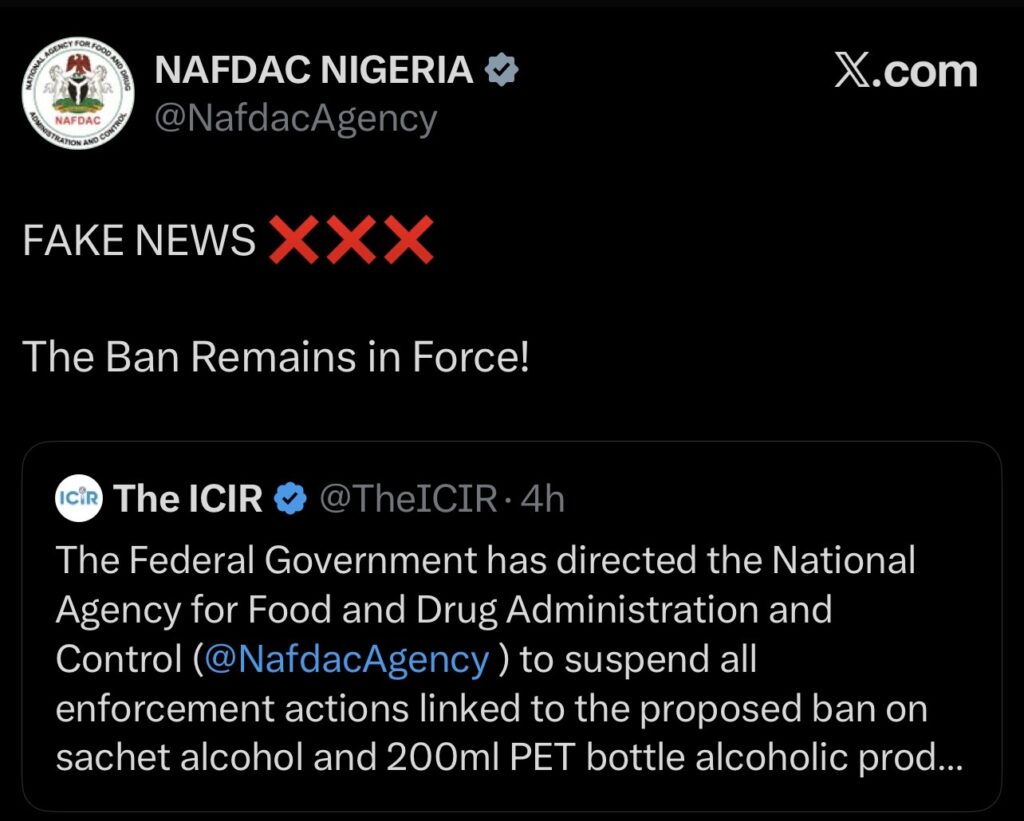
Screenshot

The sachet alcohol ban has remained one of Nigeria’s most contentious regulatory issues in recent years. Public health advocates have backed strict enforcement, arguing that cheap, widely accessible alcohol contributes to addiction risks, youth consumption, and broader social harm.

Industry stakeholders and labour groups, however, have warned that abrupt enforcement could threaten thousands of jobs and destabilise supply chains in the beverage and retail sectors. The debate intensified after enforcement actions reportedly affected factories and distribution networks in early 2026.

The disagreement over whether enforcement has been suspended also raises broader questions about communication and authority within Nigeria’s regulatory structure. Civil society organisations have already initiated legal challenges around government involvement in enforcement decisions, arguing that regulatory agencies must operate within clearly defined statutory boundaries.

As conflicting narratives continue to circulate, industry players, retailers, and consumers are left navigating uncertainty over compliance and future policy direction.

Earlier Reports
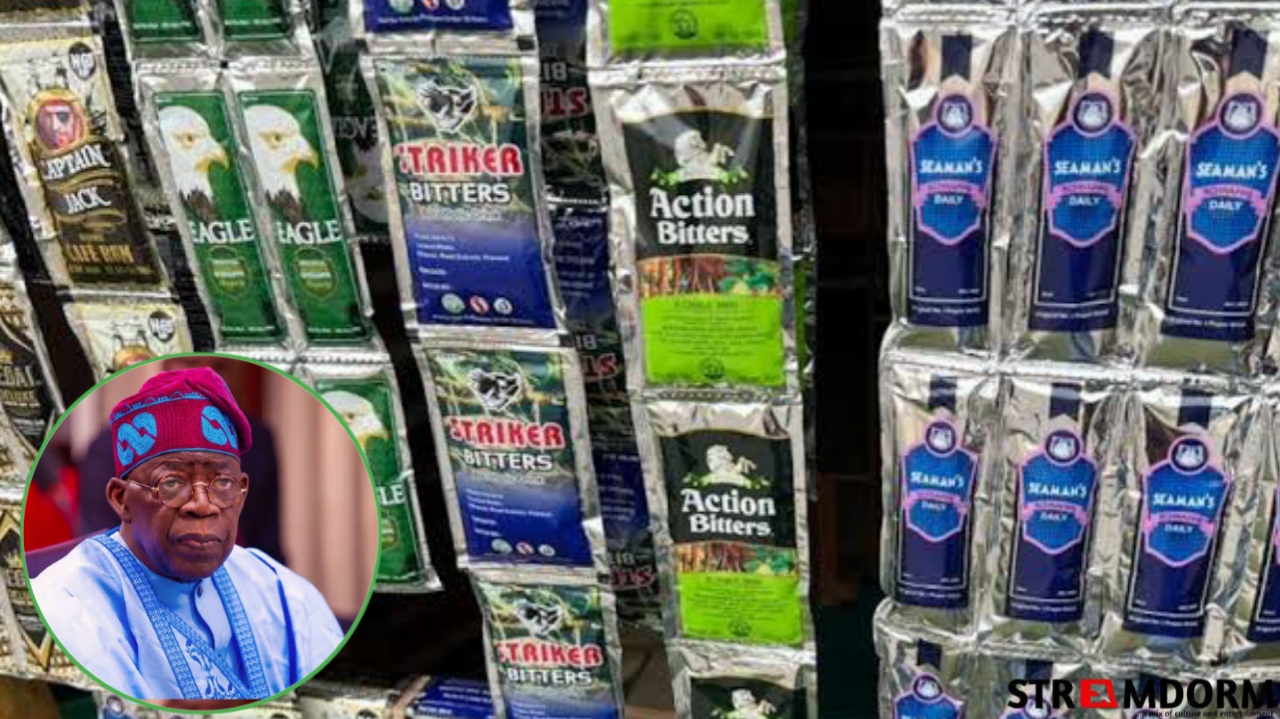
FG Orders NAFDAC to Suspend Enforcement of Sachet Alcohol Ban Amid Policy Review

Nigeria’s Federal Government has directed the National Agency for Food and Drug Administration and Control (NAFDAC) to immediately suspend enforcement of the controversial ban on sachet alcohol and small-pack alcoholic beverages, marking a significant policy pause in one of the country’s most debated public health regulations.

The directive halts ongoing enforcement activities, including factory shutdowns and warehouse sealings tied to alcoholic products packaged in sachets and containers below 200ml. The order was issued following consultations involving the Office of the Secretary to the Government of the Federation and national security authorities, who raised concerns about economic disruption and the absence of a fully harmonised national alcohol policy guiding implementation.

NAFDAC had begun enforcing the ban as part of a broader push to reduce alcohol abuse, particularly among young Nigerians and vulnerable populations. Regulators argued that low-cost sachet alcohol products made consumption more accessible and contributed to rising public health concerns.

However, the Federal Government’s intervention signals that enforcement may have moved ahead of broader policy coordination. Officials stated that the suspension would remain in place while the government reviews legislative, economic, and social implications of the ban and considers how it fits into a comprehensive National Alcohol Policy framework.

The decision does not cancel the ban outright but pauses enforcement pending further directives.

The sachet alcohol policy has been controversial since its early stages. Public health advocates have consistently supported strict regulation, arguing that cheap and widely available alcohol products contribute to addiction, social instability, and increased health risks.

Industry stakeholders and labour unions, however, have pushed back strongly. Manufacturers and distributors warned that a sudden ban could lead to widespread job losses, disrupt supply chains, and damage small businesses that rely heavily on low-cost alcohol products for income. Protests and public demonstrations had intensified in recent weeks as enforcement actions began affecting production and distribution networks.

Read our previously published article on earlier reports of the ban.

NAFDAC Begins Enforcement of Sachet Alcohol Ban Across Nigeria

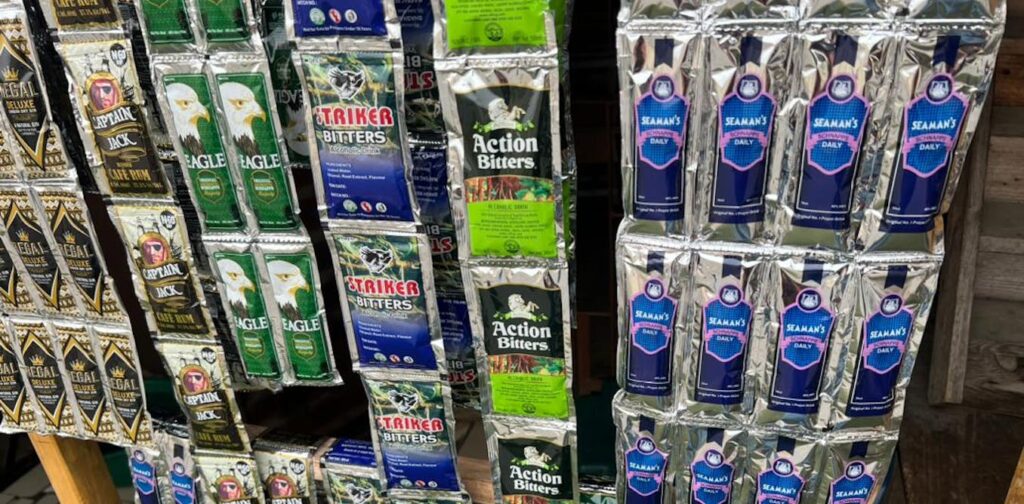
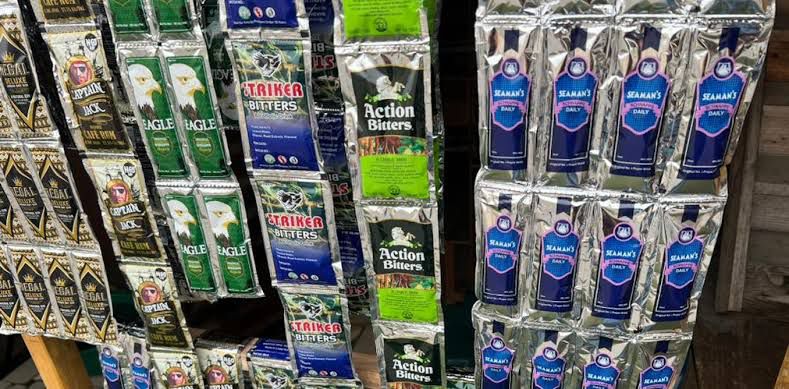
The National Agency for Food and Drug Administration and Control (NAFDAC) has officially commenced enforcement of the long-standing ban on sachet alcohol and alcoholic beverages packaged in PET bottles below 200 ml across Nigeria.

The move marks the end of a multi-year grace period given to manufacturers and distributors and signals a decisive regulatory shift aimed at addressing growing public health and youth safety concerns.

The sachet alcohol ban was first introduced in 2018 following consultations between NAFDAC, the Federal Ministry of Health, the Federal Competition and Consumer Protection Commission (FCCPC), and industry stakeholders.

At the time, regulators cited the widespread availability of high-alcohol products in small, inexpensive packaging as a major risk factor for underage drinking, alcohol abuse, and unsafe consumption habits.

Manufacturers were initially granted a phase-out period, which was later extended multiple times. The final deadline for compliance was set for December 31, 2025, after which full enforcement was mandated.

Earlier this year, the Nigerian Senate directed NAFDAC to proceed with enforcement nationwide, ruling out any further extensions.

Speaking at a media briefing in Lagos, NAFDAC Director-General Prof. Mojisola Adeyeye confirmed that the agency has begun coordinated enforcement actions to halt the production, distribution, and sale of sachet alcohol and sub-200 ml PET-packaged alcoholic drinks.

According to NAFDAC, some of the banned products previously contained extremely high alcohol concentrations, in some cases exceeding levels considered safe for responsible consumption.

Public health advocates have largely welcomed the enforcement, arguing that sachet alcohol’s affordability and portability made it particularly appealing to minors and vulnerable groups.

However, industry stakeholders have raised concerns about the economic impact, warning that the ban could affect small-scale manufacturers, distributors, and retailers who rely heavily on sachet sales.

Some industry groups have also cautioned that enforcement without sufficient consumer education could drive demand toward unregulated or illicit alcohol products, a risk NAFDAC says it is monitoring closely.

NAFDAC has reiterated its commitment to public awareness campaigns while urging manufacturers and sellers to comply fully with the law.

Scroll to Top