Nigerian Content Creator Nkubi Defends Decision to Have Child Amid Dwarfism Debate

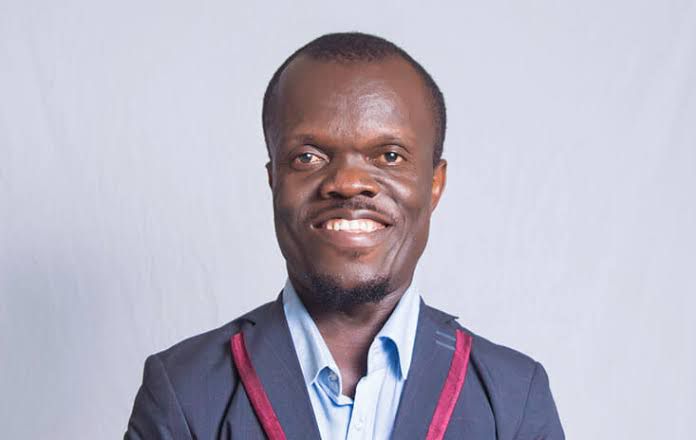
Popular Nigerian actor and content creator Victor Udochukwu Nwaogu, popularly known as Nkubi, has responded to growing criticism surrounding his decision to have a child despite living with dwarfism.

The comedian recently addressed the issue during an interview clip that has gone viral across social media platforms. In the video, Nkubi firmly rejected claims that people with dwarfism should avoid parenthood, stressing that the condition has existed throughout human history.

People should stop blaming me for having a child. Dwarfism is as old as man,” he said during the conversation, while passionately reacting to public scrutiny and online debates.

Nkubi, who has long spoken openly about his experiences as a little person in Nigeria, revealed that discrimination played a major role in shaping his career path. According to the actor, he often faced rejection from conventional jobs because of his height before eventually finding success in entertainment and digital content creation.

His marriage and journey into fatherhood have continued to spark mixed reactions online. While many people have praised the couple for embracing family life confidently, others questioned their decision to conceive because of the possibility of passing down dwarfism genetically.

Despite the criticism, Nkubi and his wife, Vivian, have maintained that they were fully prepared for any outcome. The couple welcomed their first child, a daughter, who does not have dwarfism.
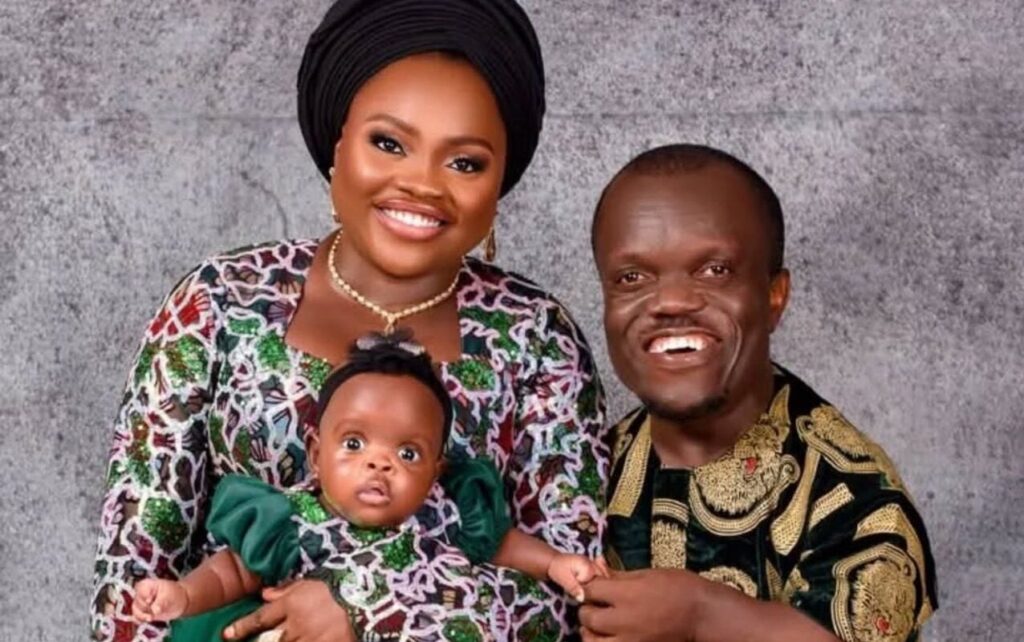
Vivian previously recounted a difficult experience during pregnancy after undergoing an anomaly scan. She claimed a doctor asked whether there was a history of dwarfism in the family before allegedly suggesting alternative options such as conceiving with another man or using a sperm donor to reduce the chances of having a child with dwarfism. The couple said they immediately dismissed the suggestion.

Beyond the controversy, Nkubi has consistently used his platform to advocate for empathy, inclusion, and equal opportunities for people living with dwarfism. Through interviews, comedy, and public appearances, the actor continues to challenge stereotypes and encourage conversations around acceptance and respect.
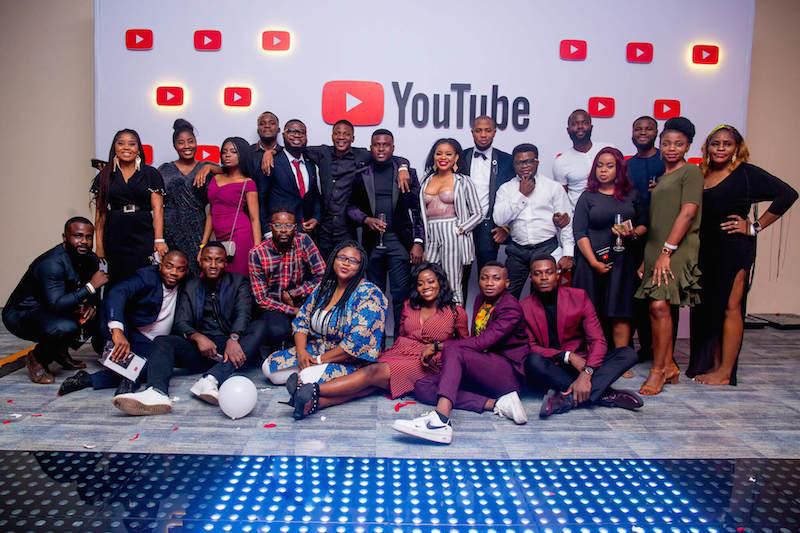
From Side Hustles to Full Brands: How Nigerian Creators Are Monetising Everyday Life

In Nigeria, the idea of a side hustle has changed. What used to be something people did just to survive is now becoming a full-fledged personal brand. Young Nigerians are turning their daily skills, passions, and hobbies into businesses that make money, build influence, and even shape culture.

Whether it’s fashion, food, fintech, or lifestyle content, creators are showing that anyone with creativity and consistency can turn small beginnings into big opportunities.

A few years ago, Nigerian hustle culture was all about juggling multiple jobs to make ends meet. Today, it’s about turning what you enjoy doing into something profitable.

Social media platforms like Instagram, TikTok, and YouTube allow creators to reach audiences directly. No middlemen. No corporate barriers. With just a phone and creativity, anyone can start building a brand.

Everyday Skills That Turn Into Brands

The difference between a side hustle and a real brand is value. Successful creators post content that solves problems, entertains, educates, or inspires.

Some examples:

  • Fashion curators who showcase affordable Nigerian styles and connect followers with sellers.
  • Food content creators sharing simple recipes using local ingredients.
  • Finance educators explaining how to save, invest, or grow money with local fintech tools.
  • Beauty and skincare influencers giving tips with locally available products.

How Nigerian Creators Make Money

Nigerian creators don’t rely on just one income stream. They combine multiple ways to earn:

  • Sponsored posts: Brands pay to feature products or services.
  • Affiliate marketing: Creators earn commissions from referrals.
  • Digital products: eBooks, presets, online courses, and templates.
  • Paid communities and consultations: Exclusive content for subscribers.
  • Merchandise and physical products: Turning personal brands into goods.

One key reason this trend works so well in Nigeria is authenticity. Audiences want content that feels real and relatable. When creators share both their wins and struggles, followers trust them more. That trust then becomes economic value, driving sales and engagement.

Challenges Nigerian Creators Face

Building a full brand isn’t always easy. Some common challenges include:

  • Irregular income streams
  • High competition in popular niches
  • Algorithm changes on social media platforms
  • Burnout from constant content creation

Real-Life Examples of Nigerian Creators

Some trends in Nigeria’s creator space include:

  • Beauty and fashion influencers partnering with local designers
  • Food creators turning simple recipes into viral content
  • Finance educators simplifying investments and savings
  • Comedy and lifestyle storytellers shaping cultural conversations

The next step in this trend is the rise of creator ecosystems; brands built on more than just social media popularity. These include products, services, and communities that exist beyond a single platform.

What started as a side hustle is fast becoming a new Nigerian economy, one where creativity, influence, and business intersect.

Sony’s Creators Convention

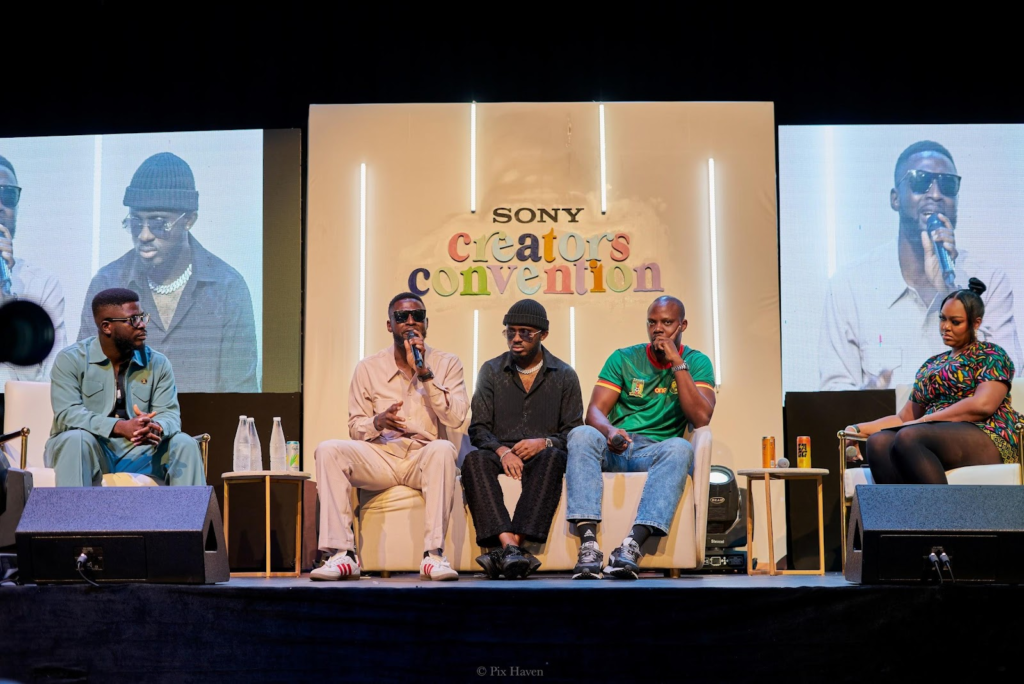
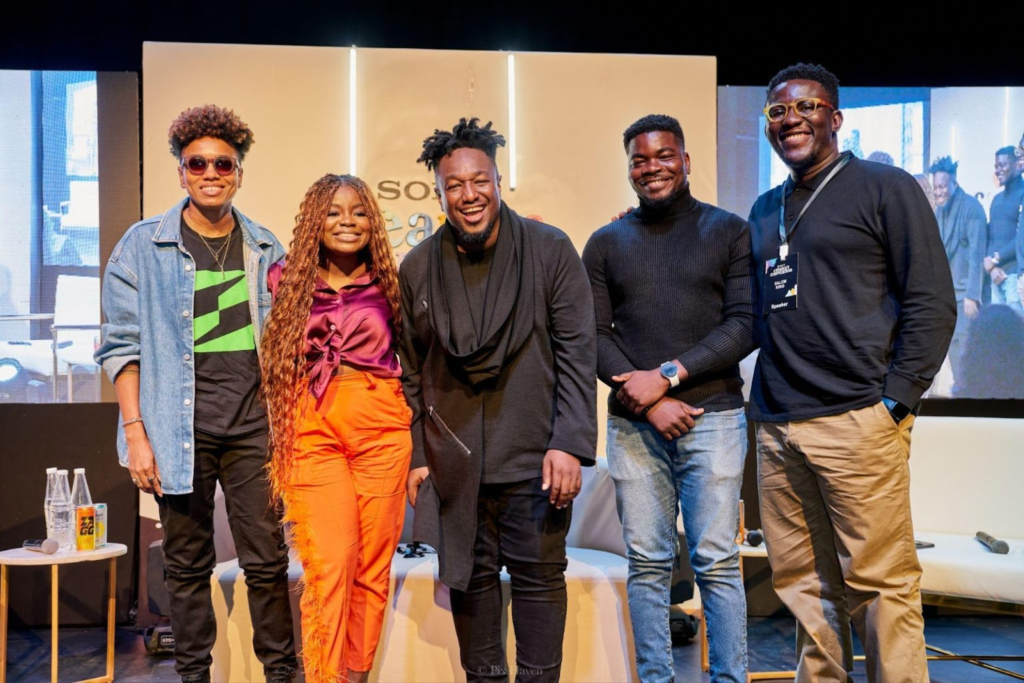
On Saturday, March 23rd, 2024, Sony held the 2024 edition of Sony’s Creators Convention in Lagos, Nigeria. This year’s edition aims to redefine the creative landscape for content creators. In attendance were prominent off-screen and on-screen content creators. Every participant in this year’s event was assured access to the necessary resources to stay motivated, educated, and armed with the tools required to elevate their content creation abilities.

The Sony Creators Convention 2024 took place at the Nexthought Creative Hub in Lekki, Lagos, with Daro Umaigba as the host. The efforts and contributions of creators in diverse areas like art, culture, and digital content creation were celebrated.

Jobin Joejoe, Managing Director at Sony Middle East and Africa, says, “We are proud to support and empower Nigerian creators as they continue to push the boundaries of creativity and innovation. The Creators Convention serves as a testament to our commitment to support content creators and provide them with the best available technologies, create lasting connections to learn and network, and establish collaborative opportunities together.”

Dr. Emmanuel Iwueke, Ifiok Effanga, Timi Agbaje, Akinyemi Ayinoluwa, and Precious Omoregie were the speakers at the event, addressing issues that impact creators, such as the preservation of intellectual property. In a panel discussion on crafting content with widespread appeal, Debo Adedayo, Maryam Apaokagi, Dami Dawson, and Hauwa Lawal.

Kelechi Amadi-Obi gave a presentation on turning inspiration into action. Adaora Mbelu, Tobi Ayeni, Fisayo Fosudo, and Salem King shared insights on diversifying revenue streams and forging lasting partnerships.

Anjola Awosika, Tilewa Odedina, and Ify Igwe also facilitated a riveting masterclass in food photography, offering practical tips for elevating creative pursuits to professional heights. 

Participants had the opportunity to engage in sessions tailored to their interests during the event and an opportunity to network and collaborate.

Scroll to Top