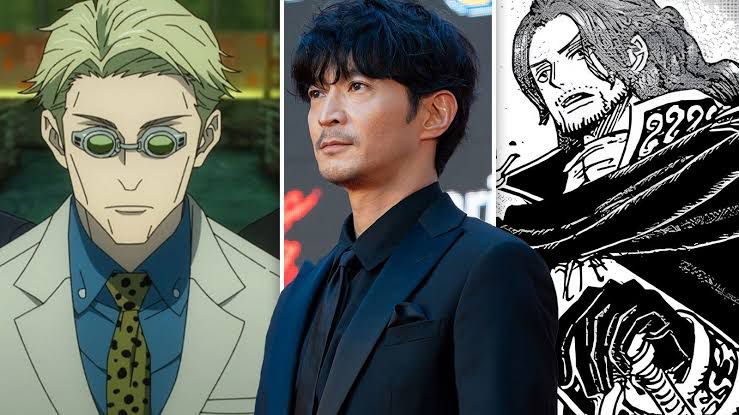
Yu-Gi-Oh! and Jujutsu Kaisen Voice Actor Kenjiro Tsuda Sues TikTok Over AI Voice Replication

Kenjiro Tsuda, the acclaimed Japanese voice actor behind iconic anime characters like Seto Kaiba in Yu-Gi-Oh! and Kento Nanami in Jujutsu Kaisen, has reportedly taken legal action against TikTok over the alleged unauthorized use of an AI-generated replica of his voice.

According to reports emerging from Japan, Tsuda filed a lawsuit at the Tokyo District Court accusing the platform of allowing monetized content creators to distribute videos narrated with an AI voice that closely imitates his signature tone and delivery. 

The lawsuit claims that one TikTok account uploaded nearly 200 videos using the AI-generated narration. Tsuda’s legal team alleges that the account profited from the content, reportedly earning hundreds of thousands of yen monthly through monetization.

Lawyers representing the veteran actor argue that the AI voice imitation violates his publicity rights and unfairly exploits the years of work and recognition attached to his vocal identity. They also warned that unchecked AI replication could create long-term risks for voice actors and performers whose likenesses can now be digitally reproduced without consent.

TikTok’s Japanese operator has reportedly denied the claims, arguing that the narration in question was merely a “generic male voice” and not a direct reproduction of Tsuda’s performance or identity.

The lawsuit is already being viewed as a potentially landmark case in Japan’s growing conversation around artificial intelligence and intellectual property. As generative AI tools become more accessible, entertainment industries worldwide are increasingly grappling with questions surrounding consent, compensation, and ownership of digital likenesses.

Kenjiro Tsuda remains one of Japan’s most recognizable voice talents, widely celebrated for his performances in major anime franchises including Yu-Gi-Oh!, Jujutsu Kaisen, Tokyo Revengers, Chainsaw Man, and Attack on Titan. His deep, commanding voice has become a defining part of many fan-favorite characters over the years.
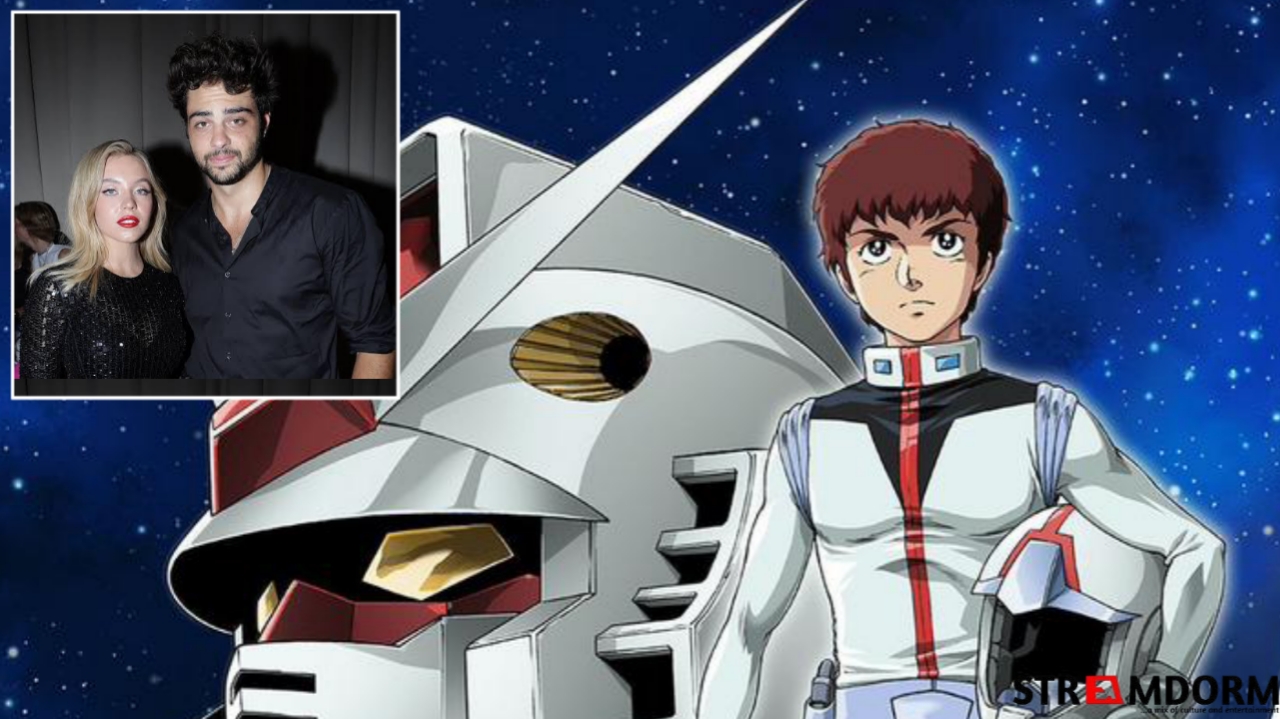

Netflix Secures Live-Action GUNDAM Movie Starring Sydney Sweeney and Noah Centineo

Netflix is officially bringing one of anime’s most legendary franchises to global streaming audiences.

The platform has secured a deal to release the long-developing live-action Gundam movie, with Sydney Sweeney and Noah Centineo attached to star. The project, produced by Legendary Pictures in collaboration with Bandai Namco Filmworks, marks a major step forward for an adaptation fans have been waiting years to see.

With production now moving ahead, the announcement signals Netflix’s continued push into big-budget genre storytelling and global pop-culture franchises.

First launched in 1979, Mobile Suit Gundam helped redefine anime storytelling. Unlike traditional giant-robot shows focused purely on action, Gundam explored the political, emotional, and human consequences of war.

Over decades, the franchise has expanded into: Multiple anime series and films, Manga and novels, Video games and the globally popular Gunpla model kits.

Hollywood stars Sydney Sweeney and Noah Centineo are confirmed to lead the film, though character details remain under wraps.

The movie is being directed by Jim Mickle, known for character-driven genre projects, suggesting the adaptation may aim to balance spectacle with emotional storytelling.

Legendary Pictures is producing the film alongside Bandai Namco Filmworks, while Netflix will distribute it globally.

No release date has been announced yet, and filming timelines have not been confirmed.

While anime fans have long known Gundam, a Netflix release introduces the universe to millions of viewers who may never have watched the series.

Netflix continues to invest heavily in franchise-level productions capable of driving global conversation, following successes with anime adaptations and large-scale genre projects.

Hollywood studios are increasingly adapting anime properties, with mixed results. Successful projects like Netflix’s One Piece have shown it can work when handled with care.

Translating Gundam into live action won’t be easy. The franchise spans multiple timelines and story arcs, making it difficult to decide which direction the movie should take.

Early reactions online show cautious optimism.

Some fans are excited to see Gundam finally receive a large-scale Hollywood treatment, while others worry about whether the adaptation will respect the original material.

Still, anticipation remains high, especially with strong production backing and recognizable stars attached.

ONE PIECE Season 1 Ends After 26 Years and Over 1,000 Episodes – A New Era Begins in April 2026

After more than a quarter-century of almost nonstop episodes, the ONE PIECE anime has reached the end of what many fans are calling “Season 1.” The long-running series concluded its current run with over 1,155 episodes and has officially closed its weekly broadcast era, ushering in a brand-new seasonal format set to begin in April 2026. 

Launched in October 1999, ONE PIECE has been a Sunday staple for anime fans around the world. For 26 years, the show delivered fresh episodes nearly every week, becoming one of the most enduring and beloved anime series in history. This uninterrupted run spanning more than 1,000 episodes is now ending as the anime finishes the Egghead Island arc in late December 2025. 

Toei Animation; the studio behind ONE PIECE  has announced a major overhaul of the anime’s production schedule. Here’s what fans should expect: 

Seasonal Format

Instead of year-round weekly episodes, ONE PIECE will adopt a seasonal release structure starting in April 2026. Under this new format:

  • The anime will air around 26 episodes per year.
  • Episodes will be split into two separate blocks (called “cours”) each year.
  • There will be planned breaks between seasons to allow for better pacing and animation quality. 

The anime will go on a three-month break from January to March 2026 after the finale of the Egghead Arc. It will then return with fresh episodes beginning in April 2026. 

Elbaph Arc Kicks Things Off

The first chapter of this new season will be the highly anticipated Elbaph Arc, starting on April 5, 2026. The Elbaph Arc follows the Straw Hat Pirates as they enter the land of giants, setting the stage for some of the most epic adventures yet. 

This shift isn’t just a scheduling update; it’s a creative decision. For years, fans and critics have pointed out issues with ONE PIECE’s pacing, where extended storylines sometimes felt too slow compared to the original manga. The seasonal format is intended to give the production team more time for quality animation and tighter storytelling.

Scroll to Top