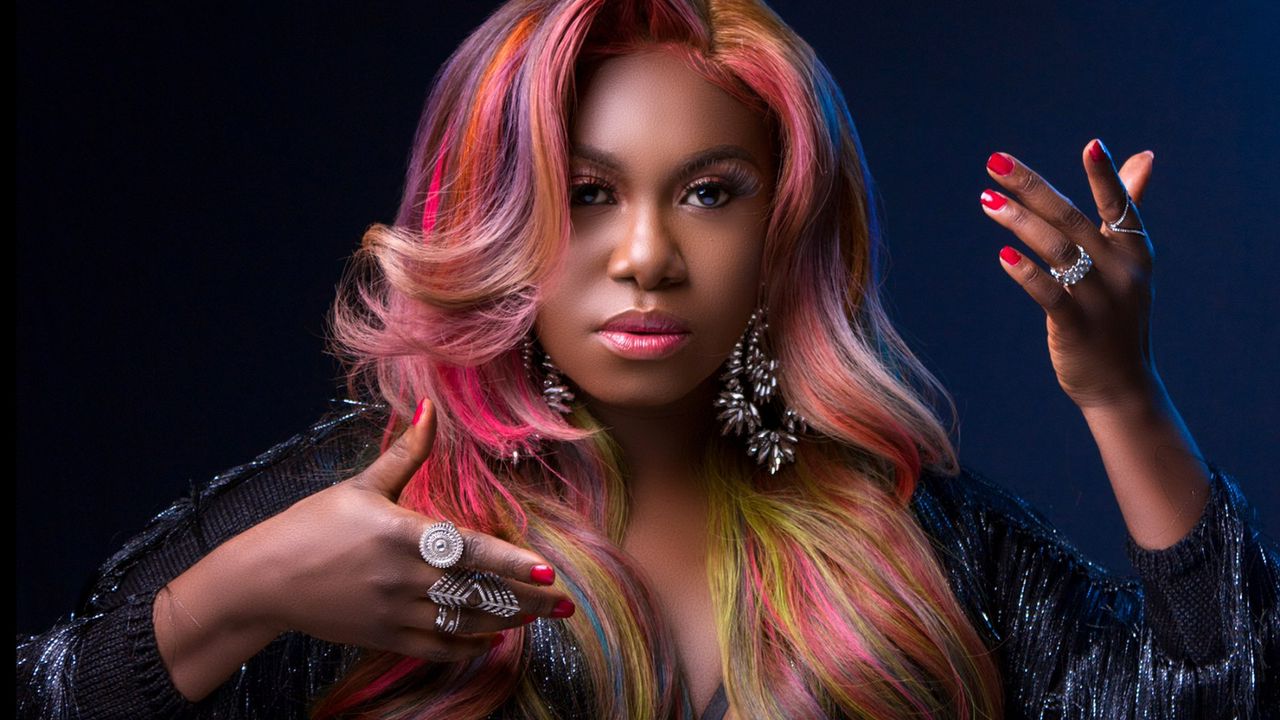
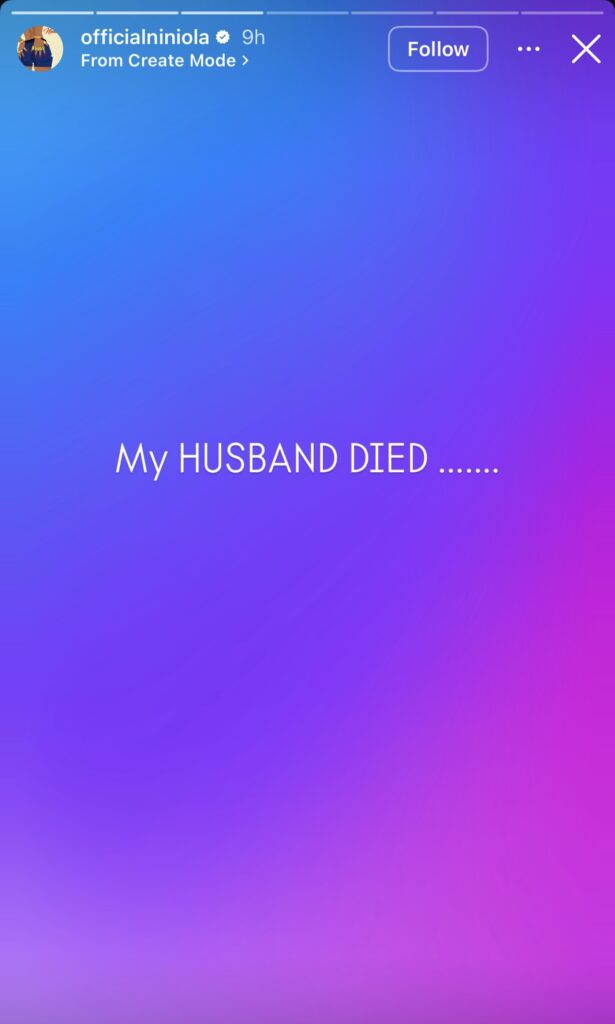
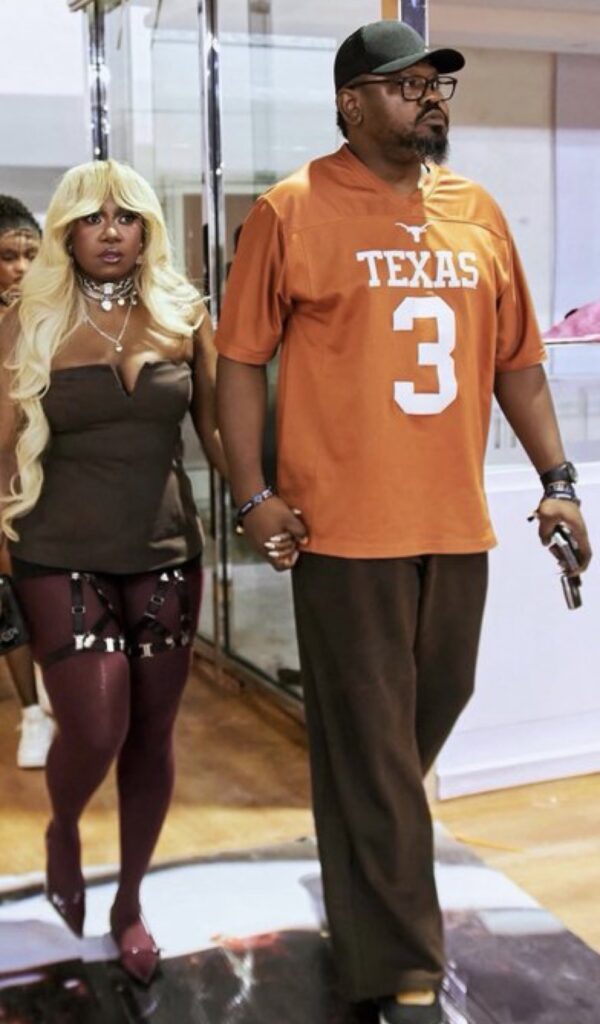
Nigerian Afro-house star Niniola Apata has confirmed the death of her husband, Michael Ndika, in a series of emotional Instagram Story posts that have since sparked widespread reactions across the entertainment industry and social media.
The singer, known for maintaining a private personal life despite her public career, revealed the news in short but emotional statements, including: “God took him.” “My husband died.” and “God took him. 13 years. 13 f***ing years.”
The posts suggest the couple had been together in a long-term relationship of over a decade, reportedly kept away from public attention throughout much of Niniola’s rise in the music industry.
The revelation has surprised many fans, as Niniola had consistently kept her romantic life out of the spotlight and, in past interviews, had not publicly confirmed being married.
Reports indicate that the union with Michael Ndika had remained largely undisclosed, making the announcement both shocking and emotional for followers.
Michael Ndika, also known as Big Mike or X.O., was a Nigerian music executive and businessman. He was reportedly the Chief Executive Officer of NaijaReview LTD, a platform focused on promoting Afro-house, Afrobeats, and contemporary African music.
He was also described in various reports as closely involved in Niniola’s professional journey, though full details of his public profile remain limited.
As of the time of filing this report, no official details have been released regarding the cause, time, or circumstances of his death.
The news has triggered an outpouring of condolences from fans, colleagues, and members of the Nigerian entertainment community. Many expressed shock at both the sudden announcement and the revelation of a long-term private marriage.
Niniola Apata has not issued any further public statement beyond her initial posts.
More updates are expected as the story develops. May his soul rest in peace.
The BET Awards 2026 nominations are officially out, and this year’s list is shaping up to be one of the most globally competitive editions yet, with African stars once again making a strong impact across key categories.
From viral visuals to chart dominating collaborations, the nominations reflect a music landscape where Afrobeats, R&B, and hip-hop continue to collide on a worldwide stage.
Nigeria continues its steady dominance on the BET stage.
BET Awards 2026 Full Nominations
VIDEO OF THE YEAR
Ella Mai — 100 Doechii — Anxiety Mariah the Scientist — Burning Blue Tyla — CHANEL Teyana Taylor — Escape Room (Short Film) Kehlani — Folded T.I. — Let ’Em Know Kendrick Lamar & SZA — Luther
ALBUM OF THE YEAR
Am I The Drama? — Cardi B Don’t Tap The Glass — Artist TBC everything is a lot. — Artist TBC Hearts Sold Separately — Artist TBC Let God Sort Em Out — Clipse Mutt Deluxe: Heel — Artist TBC The Fall-Off — J. Cole The Romantic — Artist TBC
BEST FEMALE R&B / POP ARTIST
SZA Tems Ari Lennox Coco Jones Ella Mai Jill Scott Kehlani Mariah the Scientist Olivia Dean
BEST MALE R&B / POP ARTIST
Chris Brown Usher Bruno Mars Bryson Tiller Brent Faiyaz Giveon Leon Thomas October London Durand Bernarr BEST FEMALE HIP HOP ARTIST
Cardi B Doja Cat Megan Thee Stallion Latto GloRilla Doechii Coi Leray Sexyy Red
BEST MALE HIP HOP ARTIST
Drake J. Cole Kendrick Lamar A$AP Rocky Baby Keem Don Toliver DaBaby BigXthaPlug T.I.
BEST GROUP
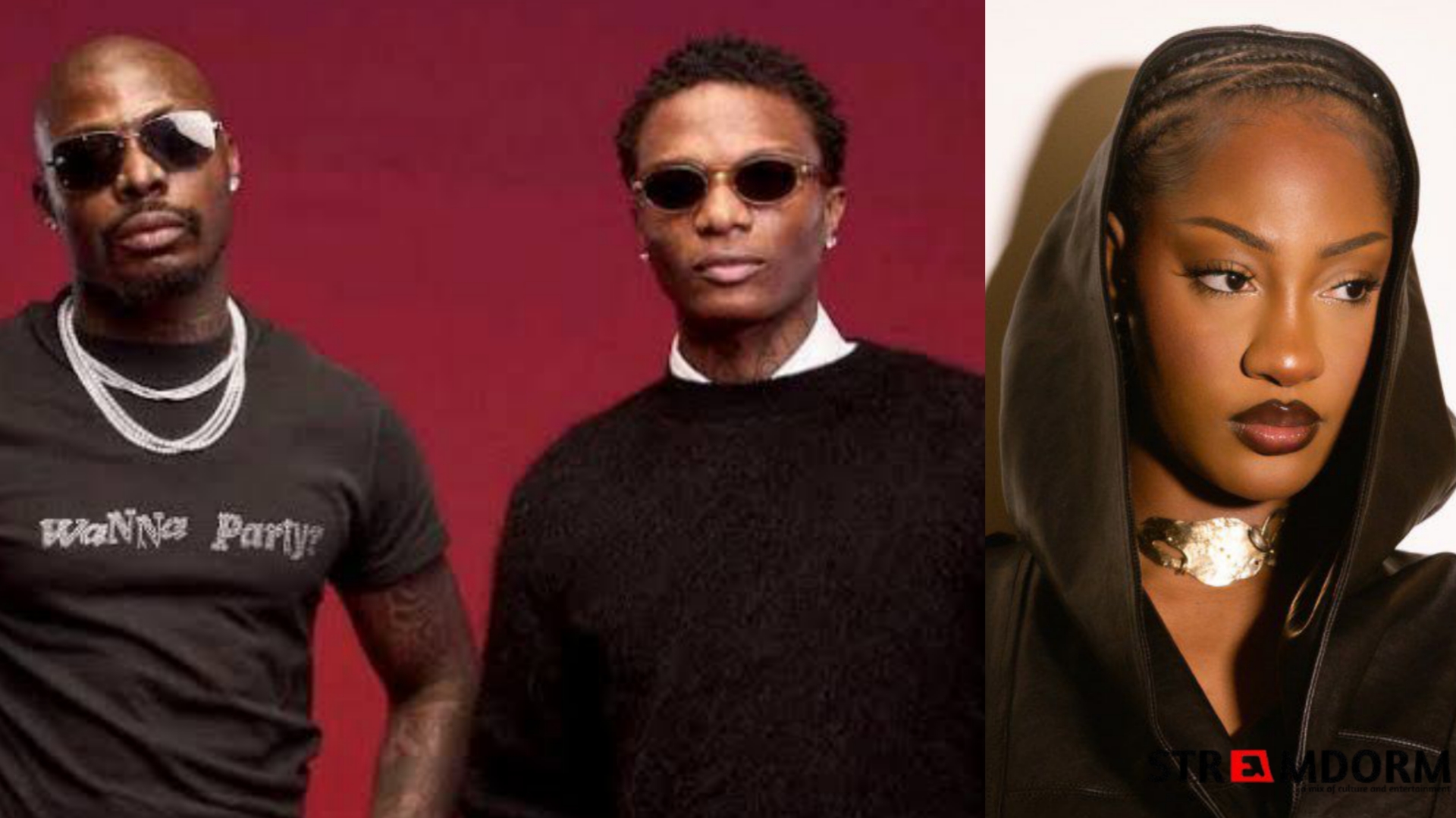
Wizkid & Asake Nas & DJ Premier Metro Boomin & DJ Spinz French Montana & Max B Clipse De La Soul FLO Terrace Martin & Kenyon Dixon 41
BEST COLLABORATION
Gunna ft. Burna Boy — WGFT Mariah the Scientist & Kali Uchis — Is It a Crime Chris Brown ft. Bryson Tiller & Usher — It Depends (Remix) Baby Keem ft. Kendrick Lamar — Good Flirts Metro Boomin ft. Quavo, YK Niece & DJ Spinz — Take Me Thru Dere
VIEWER’S CHOICE AWARD
Drake — NOKIA Chris Brown — Residuals Doechii — Anxiety Dave ft. Tems — Raindance GELO — Tweaker Pluto & YK Niece — Whim Whamiee
BET HER AWARD
Tems — First Beyoncé — Blackbiird Summer Walker — Heart of a Woman Mary J. Blige — Beautiful People Doechii — Bloom
BEST NEW ARTIST
Leon Thomas Mariah the Scientist Olivia Dean GELO Breskii YK Niece
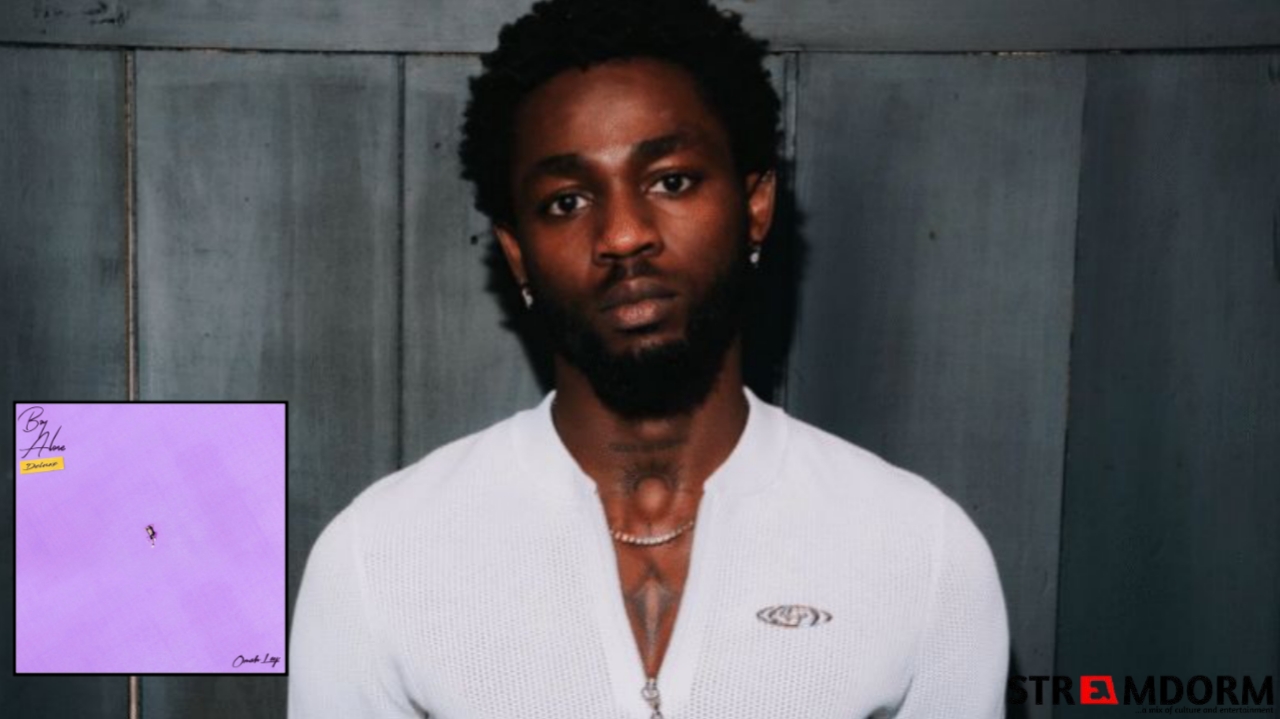
Nigerian singer-songwriter Omah Lay has reached a major streaming benchmark as his album Boy Alone (Deluxe) surpasses 1.3 billion streams on Spotify, becoming the fourth Nigerian album to cross the mark on the platform.
The project, which is the expanded edition of his 2022 debut album Boy Alone, continues to perform strongly nearly two years after the deluxe version was released.
With the milestone, Boy Alone (Deluxe) joins a select group of Nigerian albums that have crossed one billion streams on Spotify, alongside projects by some of the genre’s biggest stars.
These include Rave & Roses by Rema and two albums by Burna Boy – Love, Damini and African Giant. The achievement positions Omah Lay among the leading Nigerian artists shaping the streaming era of Afrobeats.
Originally released in July 2022, Boy Alone marked Omah Lay’s first full-length studio album after gaining international attention with earlier projects like Get Layd and What Have We Done. The album explored themes of loneliness, fame, mental health, and relationships.
In June 2023, the deluxe edition expanded the project with additional songs, helping to extend the album’s life on streaming platforms and introduce it to new listeners.
Several songs from the album became standout hits, including “Soso,” “Understand,” and “Attention,” the latter featuring global pop star Justin Bieber. These tracks played a significant role in driving the album’s long-term streaming performance.
In recent years, Afrobeats albums have consistently crossed major streaming milestones, reflecting the genre’s widening international audience and its dominance in global music charts and playlists.
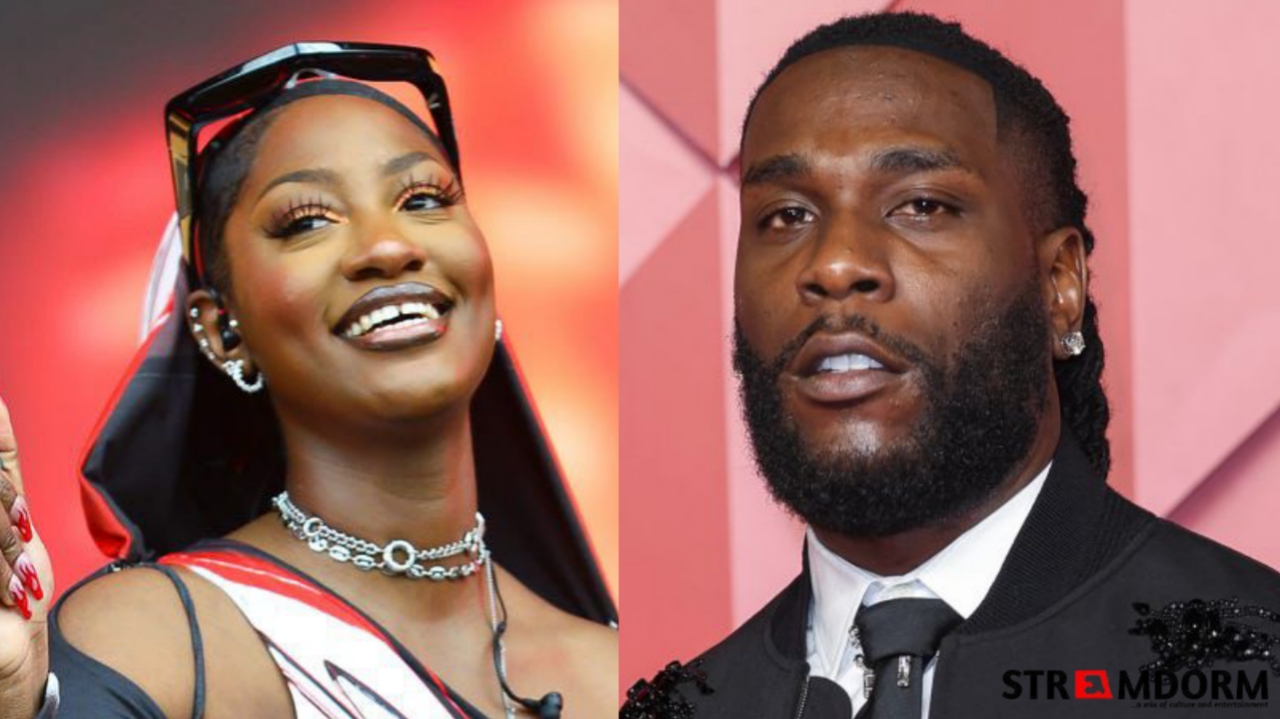
Nigerian global stars Burna Boy and Tems have earned nominations at the 2026 Music Week Awards, in a time where Afrobeats’ growing influence not just on the charts, but within the global business of music is ever increasing.
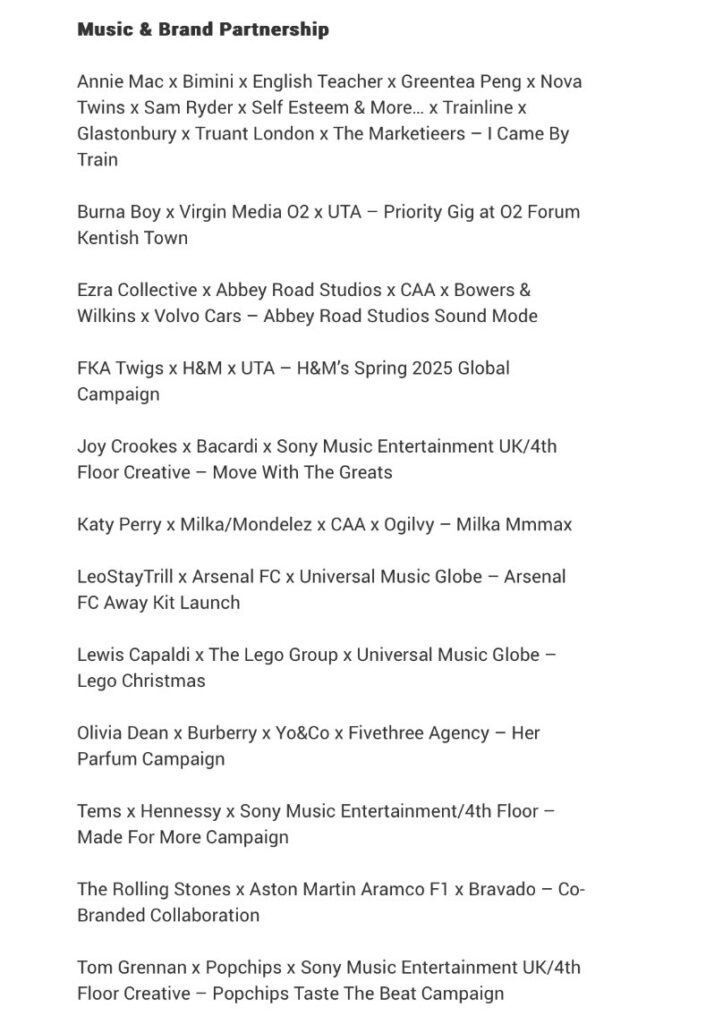
Both artists were recognized in the Music & Brand Partnerships category, a segment that celebrates standout collaborations between musicians and major brands.
Burna Boy received a nomination for his partnership with Virgin Media O2, tied to a Priority gig at London’s O2 Forum Kentish Town. The collaboration blended live music experiences with brand-driven audience engagement, positioning the Grammy-winning artist at the center of a campaign designed to reward and connect with loyal customers.
Tems, on the other hand, was nominated for her work with Hennessy on the “Made For More” campaign, a creative partnership that spotlighted ambition, cultural identity, and artistic excellence. The campaign aligned with Tems’ global image as one of Africa’s most influential contemporary voices, reinforcing her brand power beyond streaming numbers and touring milestones.
The nominations were announced as part of the 2026 edition of the Music Week Awards, an annual event organized by Music Week to recognize excellence across the UK and international music business. Unlike fan-voted award shows, the Music Week Awards focus on industry achievements, from marketing and live events to label strategy and brand innovation.
For Burna Boy, this marks another milestone in a career that has consistently expanded Afrobeats’ global footprint, particularly in the UK market. For Tems, the nomination underscores her continued crossover appeal and growing influence in the luxury and lifestyle branding space.
The winners of the 2026 Music Week Awards are expected to be announced at the official ceremony scheduled to take place on Thursday, May 7, 2026 in London, United Kingdom. The event will be held at JW Marriott Grosvenor House and will bring together key figures from the global music business to celebrate excellence in industry achievement
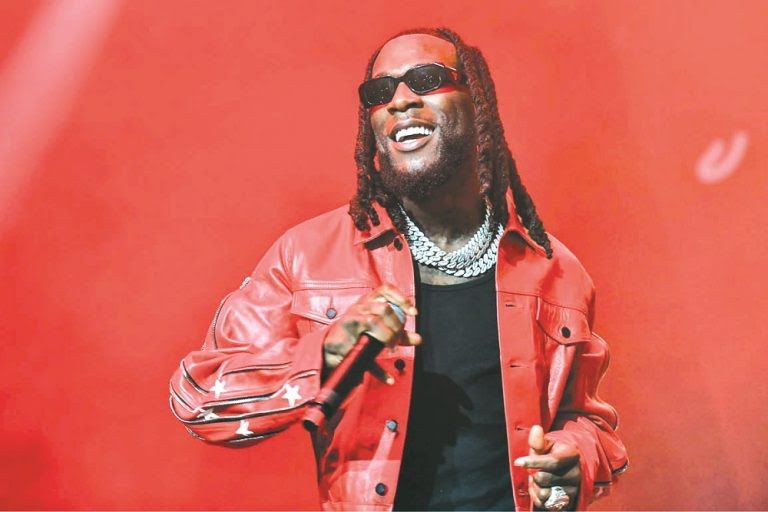
For six straight years, Burna Boy has found his way onto one of music’s most competitive charts. Now, the Nigerian global star has officially made history.
The Grammy-winning artist has become the first African musician to have at least one song appear on the Billboard Hot 100 for six consecutive years; spanning from 2021 to 2026. The milestone reinforces not just his dominance, but the sustained global expansion of Afrobeats.
According to chart data published by Billboard, Burna Boy’s streak began in 2021 and has continued every year since, without interruption.
The run started in 2021 with Loved By You. In 2022, Last Last became his biggest solo crossover hit to date, earning massive global streaming numbers and radio rotation in multiple territories.
In 2023, he returned with Sittin’ On Top Of The World and the remix of Talibans II, further strengthening his presence on the chart.
The momentum carried into 2024 with Just Like Me and We Pray, proving that his chart appearances were not accidental spikes but part of a sustained international run.
By 2025, WGFT kept the streak alive, and now in 2026, his new entry Only You officially extends the record to a sixth consecutive year.
While African artists have appeared on the Hot 100 before, maintaining entries across six straight calendar years is a different level of consistency. It signals not just viral success, but long-term global positioning.
Burna Boy’s achievement also reflects a wider shift in the music industry. Afrobeats is no longer treated as a regional sound breaking through occasionally. It is now a recurring presence in mainstream global charts, festivals, and award conversations. However, this particular milestone belongs solely to him.
What makes the feat even more impressive is that the entries span different eras of his sound, from emotionally reflective records to club-ready anthems and international collaborations. The consistency suggests a strategic evolution rather than repetition.
For Nigerian music and African pop culture at large, the moment feels symbolic. A decade ago, charting on the Hot 100 was rare. Today, one artist has turned it into an annual expectation.
With Only You now on the chart in 2026, the question shifts from whether Burna Boy can sustain global visibility to how long this historic streak can continue.
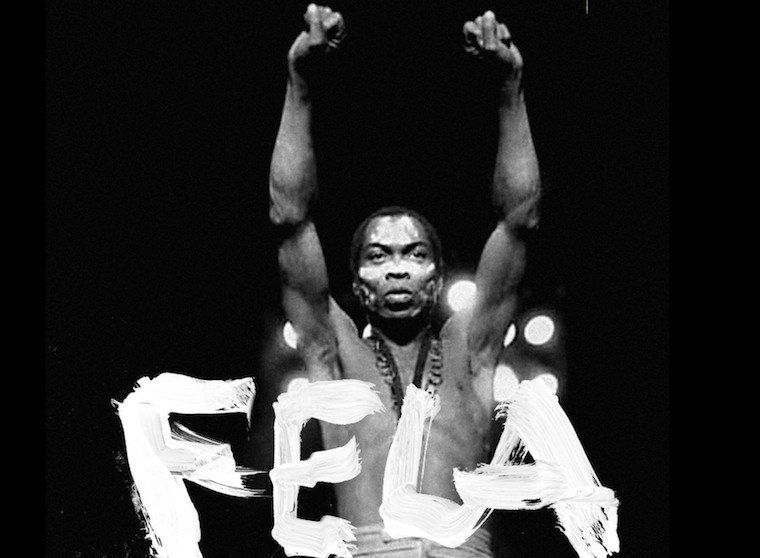
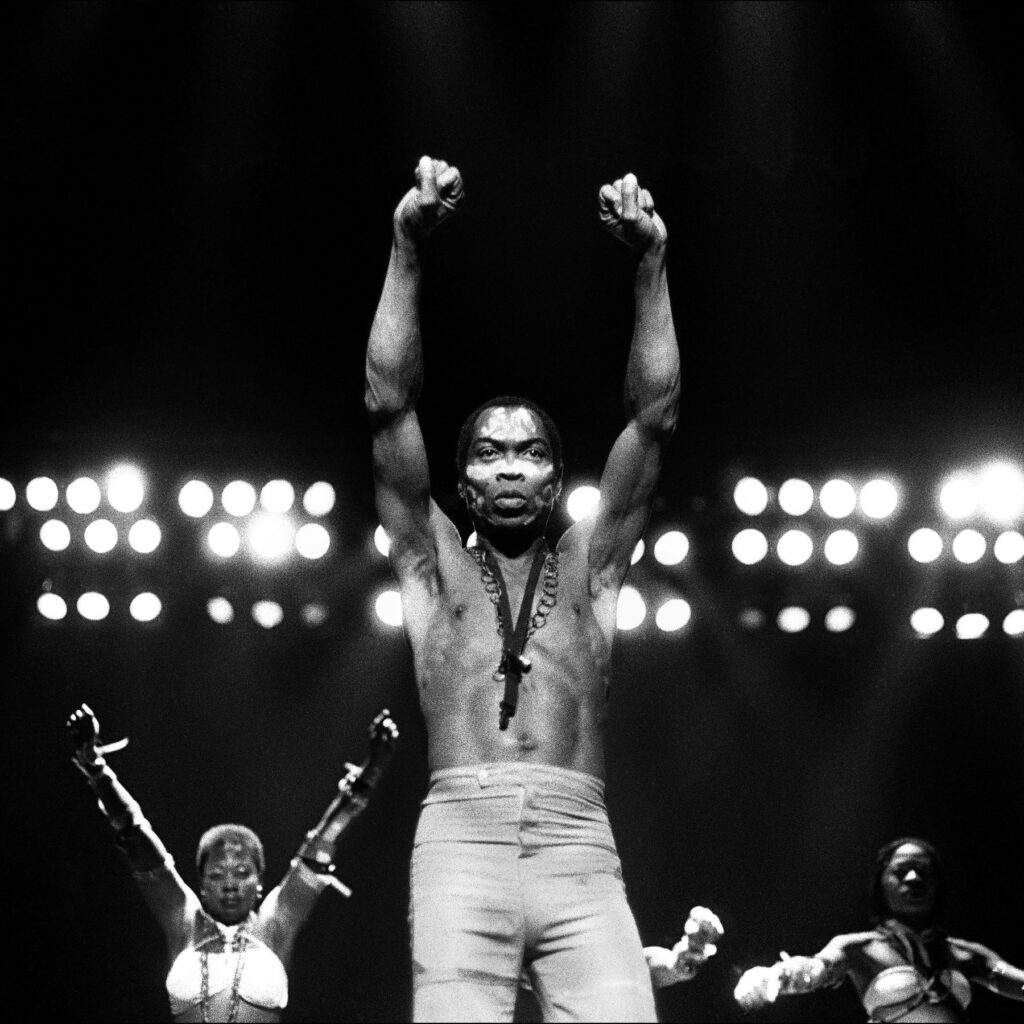
Fela Anikulapo Kuti, born in 1938 in Abeokuta, Nigeria, remains one of the most influential figures in African music and culture. Known as the pioneer of Afrobeat, Fela’s life was a blend of revolutionary music, outspoken activism, and fearless challenges to political authority. Even decades after his passing in 1997, his legacy continues to resonate across music, politics, and African identity.
The Birth of Afrobeat
Fela Kuti’s journey into music began at a young age. Raised in a politically active family; his mother, Funmilayo Ransome-Kuti, was a feminist and activist. Fela was exposed early to the struggles of ordinary Nigerians. He studied music in London at the Trinity College of Music, where he learned classical piano and trumpet. But it was upon his return to Nigeria that he fused traditional African rhythms with jazz, funk, highlife, and soul to create Afrobeat.
Afrobeat was more than a music genre; it was a vehicle for social commentary. Through extended compositions, intricate horn sections, and polyrhythmic percussion, Fela delivered sharp critiques of corruption, military rule, and social injustice in Nigeria and across Africa. Hits like “Zombie” and “Sorrow, Tears and Blood” were not only musical masterpieces but also acts of resistance.
Activism and Political Influence
Fela’s music was inseparable from his activism. His lyrics openly criticized Nigeria’s military regimes and exposed the harsh realities of life under oppressive governments. His Kalakuta Republic commune served as both a home and a political haven, where artists, musicians, and activists collaborated to resist authoritarianism.
Fela endured repeated arrests, raids, and physical assaults. Despite this, he remained steadfast, using his international fame to draw global attention to Nigeria’s political struggles. His activism inspired countless musicians and activists worldwide to use art as a tool for social change.
Cultural Impact
Beyond music and politics, Fela Kuti reshaped African cultural identity. He challenged colonial mindsets by promoting African traditions, attire, and language in his performances. His stage shows were theatrical, often including dancers, elaborate costumes, and improvisational elements that celebrated African heritage.
Today, Fela’s influence is evident in the global rise of Afrobeat, which has evolved into a worldwide phenomenon. Artists such as Burna Boy, Wizkid, and Tiwa Savage credit Fela as a major inspiration. The genre has also crossed borders, influencing international musicians from Beyoncé to Major Lazer, bridging African sounds with global pop culture.
Fela Kuti’s Family Legacy
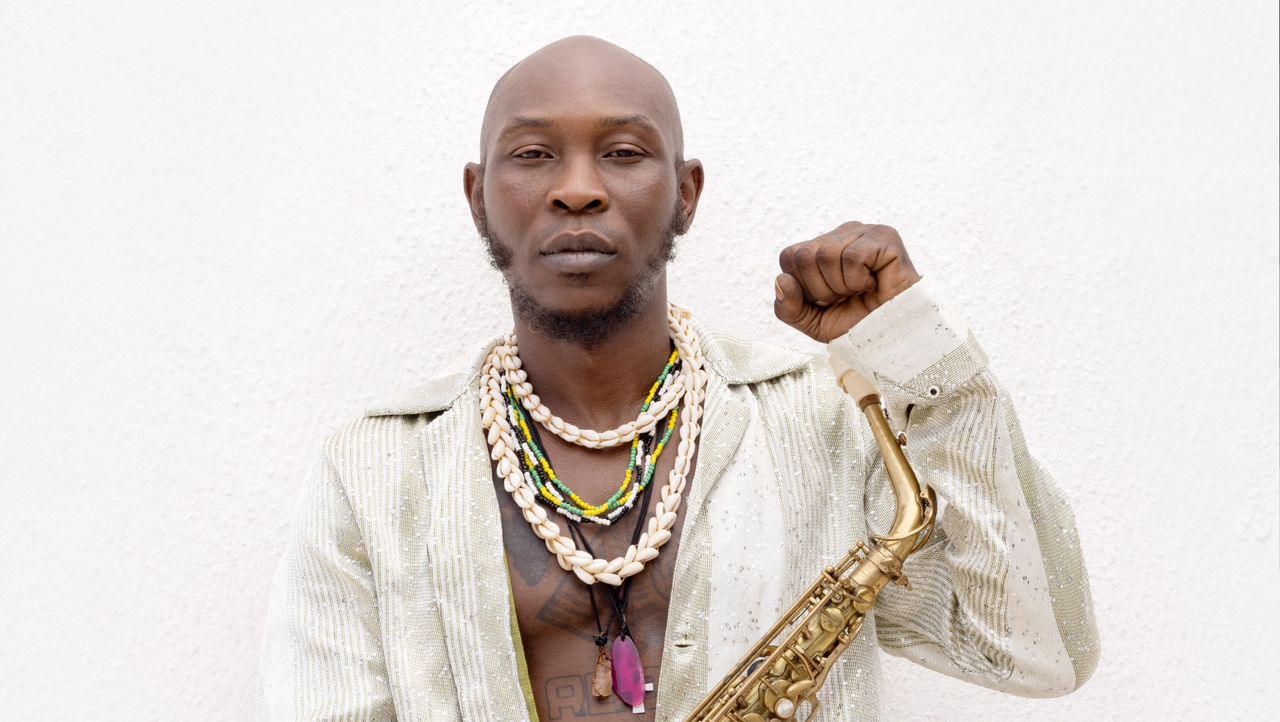
Fela’s legacy extends through his family, many of whom are accomplished artists and activists. His children, including Seun Kuti and Femi Kuti, continue to perform Afrobeat with the same political passion. The Fela Shrine in Lagos, now a museum and live music venue, keeps his memory alive, drawing fans from across the world to celebrate his music and message.
Fela’s life and impact have been immortalized through multiple mediums. The Broadway musical Fela! brought his story to international audiences, combining music, dance, and storytelling. Documentaries, films, and books continue to explore his influence, while Nigerian festivals and global Afrobeat events celebrate his contributions annually.
Fela’s fearless stance against injustice, combined with his artistic genius, created a blueprint for generations of musicians and activists. His influence on culture, politics, and music remains unparalleled, making him a symbol of resistance, creativity, and African pride.
Fela Kuti’s relevance persists because the struggles he highlighted; corruption, inequality, and political oppression still exist. His life reminds us of the power of art as a force for change and the importance of staying true to one’s convictions. In an age where African music dominates global charts, remembering Fela ensures that the roots of this cultural revolution are not forgotten.
Fela Kuti’s legacy is a reminder that music is more than entertainment; it can be a catalyst for awareness, unity, and transformation. His story is a call to celebrate African heritage, challenge injustices, and inspire future generations to use their voices boldly and not to be chasing unnecessary clout on social media.
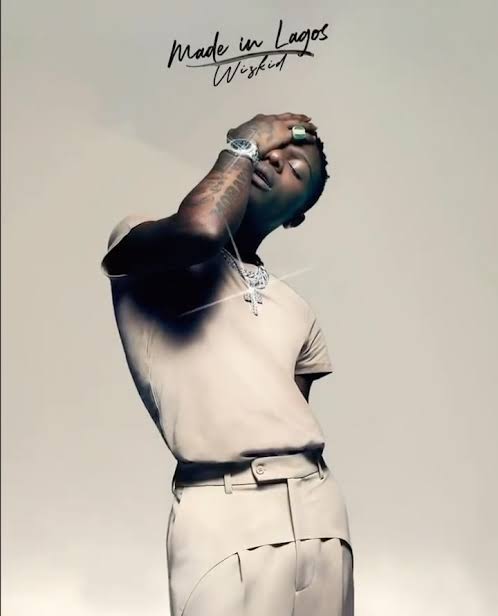
Nigerian Afrobeat musician Seun Kuti has sparked fresh controversy on social media after he publicly admonished fans of global pop star Wizkid, particularly members of Wizkid FC for comparing the award‑winning artist to his late father, Afrobeat pioneer Fela Anikulapo Kuti.
According to reports and the widely shared video circulating online, Seun delivered a pointed message in his video addressing what he described as an inaccurate and disrespectful narrative about Wizkid or any other artist being the “new Fela.”
“Wizkid FC needs to keep Fela’s name out of their mouth. You people try to steal the man’s image. You try to claim your fake artiste is the new Fela. It’s an insult to Fela to call Wizkid the new Fela. Wizkid FC are the most ignorant fanbase in the world.”
In recent weeks, debates have flared online around whether modern Nigerian stars like Wizkid should be celebrated in the same vein as Fela. Some fans and social media users beyond just Wizkid FC have jokingly or seriously heralded Wizkid’s success as being “on par” with Fela’s cultural legacy.
Seun’s message appears to draw a clear boundary between the politically charged Afrobeat legacy of his father and the commercial, global pop success of today’s Afrobeats artists particularly those who lean into mainstream sound and international collaborations. In calling out comparisons to Fela, Seun reiterated that Fela’s legacy was rooted in socio‑political resistance and cultural revolution, which he implies cannot be easily equated with modern pop stardom.
Seun Kuti, who has long positioned himself as a guardian of Afrobeat’s original spirit, has spoken publicly on similar themes in the past, including debates about Grammy nominations and how modern artists are compared to legacy figures.
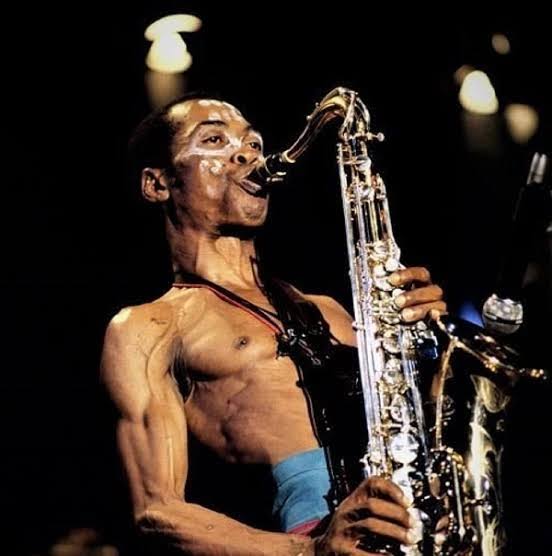
Fela Anikulapo Kuti
Fan Reactions
The response online has been mixed and often heated:
Some social media users support Seun, praising him for defending Fela’s legacy and rejecting comparisons that feel shallow or forced.
Other fans argue that celebrating Wizkid’s achievements doesn’t diminish Fela’s impact, and that music can evolve without erasing history.
Whether fans agree with Seun or not, the viral video has reignited a significant cultural debate. It isn’t simply about fandom, it’s about how legends are remembered, how new talent is honored, and how different eras of music influence each other without losing their identity.
Fela’s legacy remains monumental. A revolutionary sound rooted in resistance. Wizkid’s success represents global Afrobeats reaching new audiences.
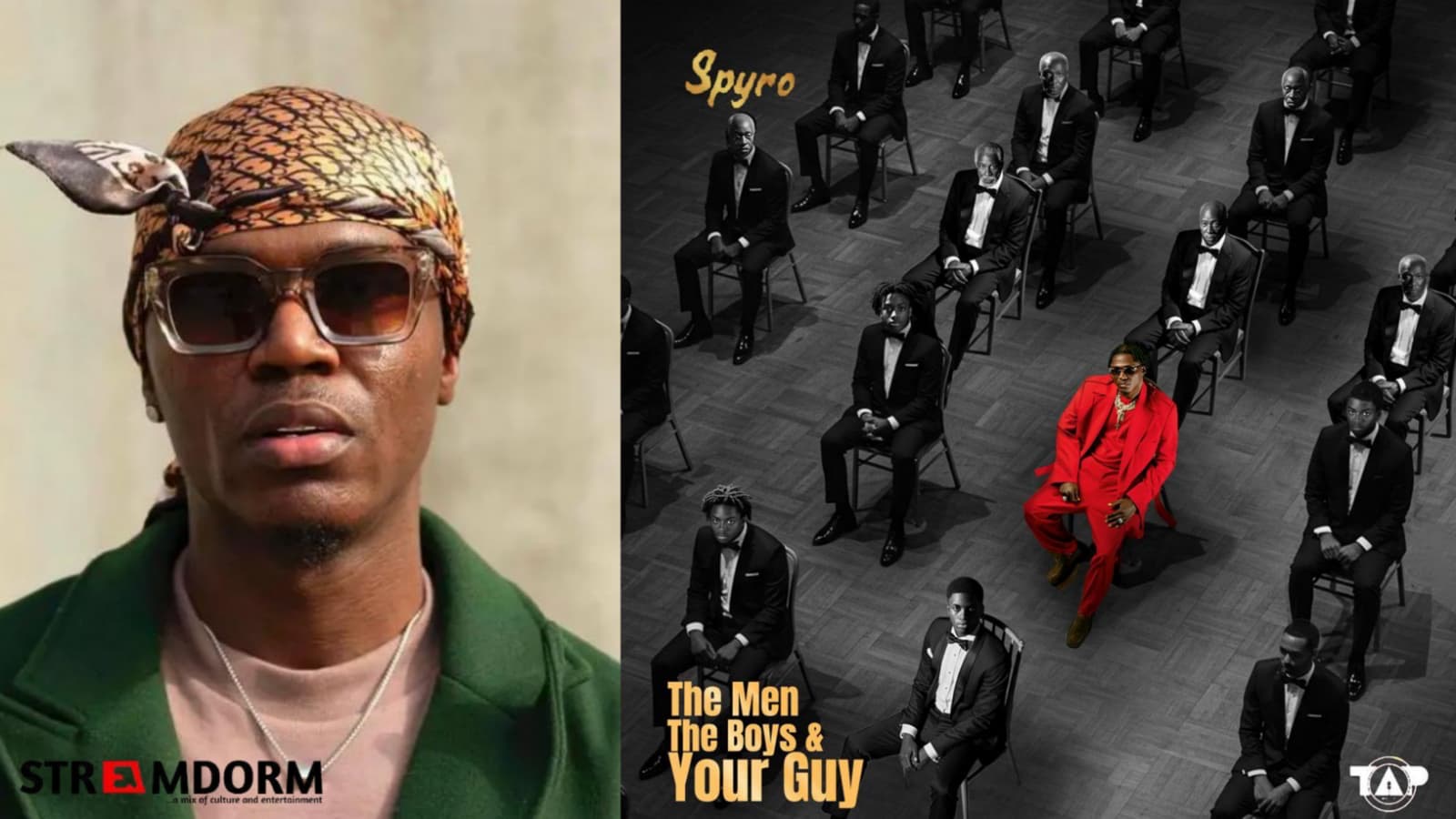
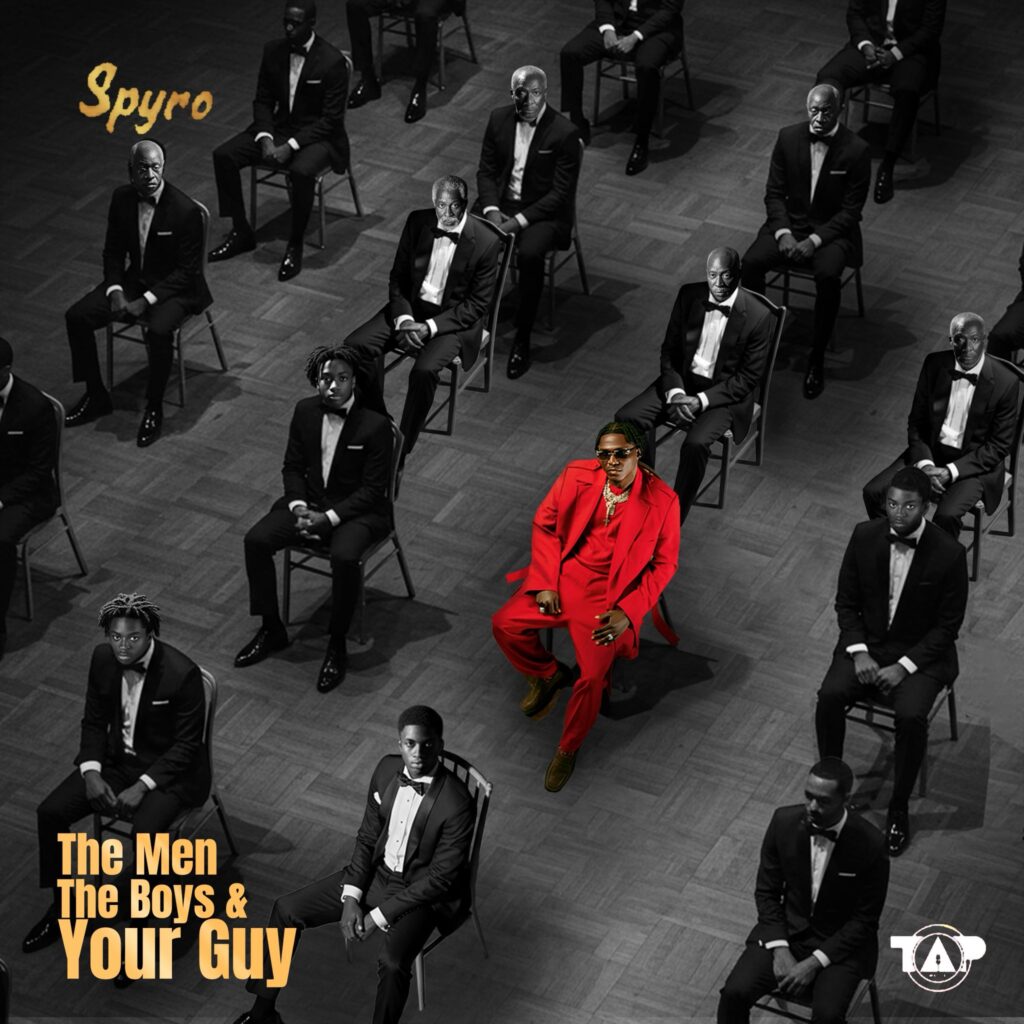
Fast-rising Afrobeats star Spyro is preparing to drop his highly anticipated debut album, The Men, The Boys & Your Guy, on Friday, September 26, 2025. The artist who is known for his viral hit “Who Is Your Guy?”
The concept separates Nigerian music into three categories: “The Men” (industry veterans), “The Boys” (the new wave), and “Your Guy” (Spyro’s personal voice). With this unique structure, Spyro aims to bridge generations in Afrobeats while cementing his place as a central figure in the genre’s evolution.
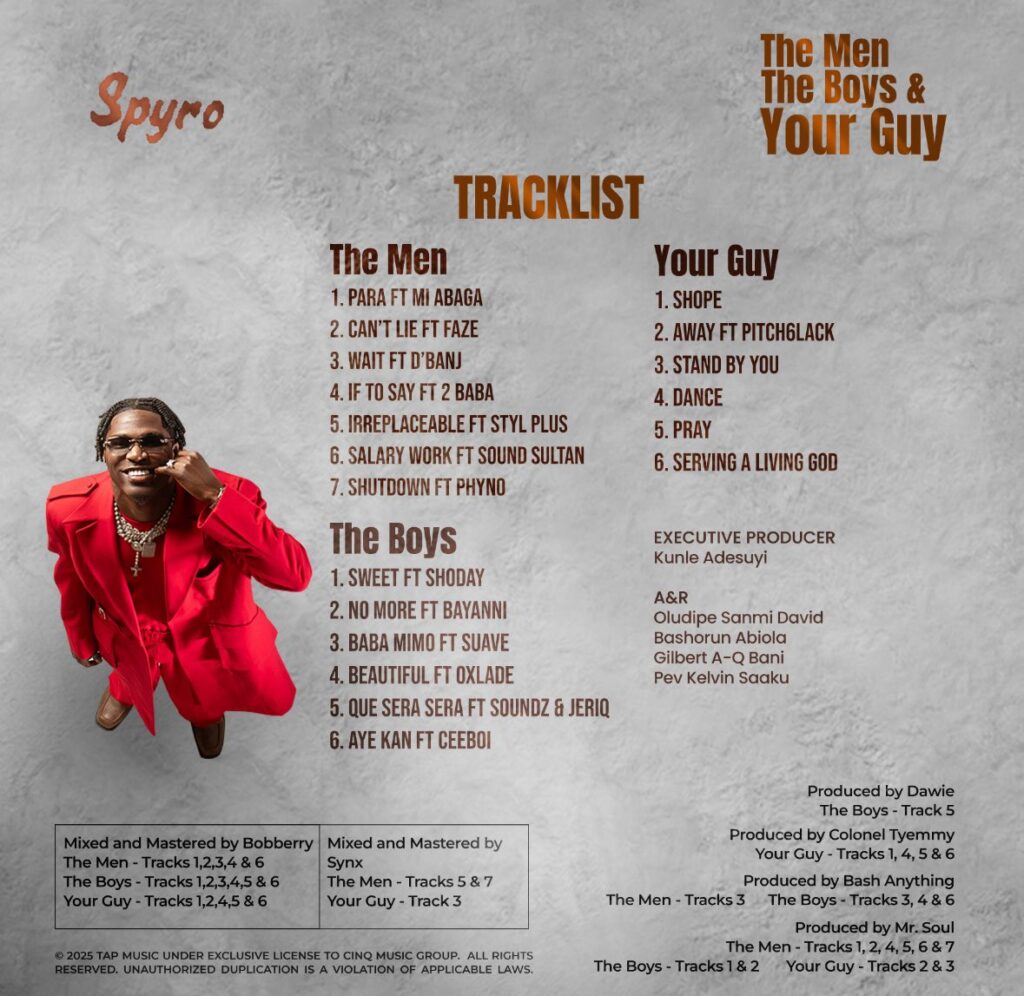
Spyro The Men, The Boys & Your Guy Tracklist
The Men
Para ft. M.I Abaga
Can’t Lie ft. Faze
Wait ft. D’Banj
If To Say ft. 2Baba
Irreplaceable ft. Styl Plus
Salary Work ft. Sound Sultan
Shutdown ft. Phyno
The Boys
Sweet ft. Shoday
No More ft. Bayanni
Baba Mimo ft. Suave
Beautiful ft. Oxlade
Que Sera Sera ft. Soundz & Jeriq
Aye Kan ft. Ceeboi
Your Guy
Shope
Away ft. Pitch6lack
Stand By You
Dance
Pray
Serving a Living God
The Album Concept
The Men
This section pays homage to the legends of Nigerian music; M.I Abaga, 2Baba, Styl Plus, D’Banj, Phyno, Sound Sultan, and Faze. Spyro uses these collaborations to ground himself in the rich history of Afrobeats.
The Boys
Here, Spyro shines a spotlight on the next generation with features from Oxlade, Bayanni, Shoday, Soundz, Jeriq, Ceeboi, and Suave. These rising voices represent the future of Nigerian pop culture, and Spyro positions himself as their connector.
Your Guy
This is the heart of the album. Tracks without industry giants, where Spyro speaks directly to his audience. With songs like “Pray” and “Serving a Living God”, Spyro reveals his personal journey, spiritual side, and musical identity.
Album Outlook
Cross-Generational Appeal: By combining old-school legends with young Afrobeats stars, Spyro is targeting both long-time fans and Gen Z audiences. Artistic Ambition: Splitting an album into three distinct parts is risky, but it allows Spyro to showcase versatility while blending nostalgia, new school vibes, and personal storytelling. Potential Impact: If executed well, The Men, The Boys & Your Guy could establish Spyro as more than a one-hit wonder, solidifying him as a major player in Afrobeats.
Spyro’s debut project, The Men, The Boys & Your Guy, is not just another Afrobeats release, it’s a bold statement about legacy, the present, and the future of Nigerian music. By bringing together icons, rising stars, and his own voice, Spyro has created one of the most anticipated albums of 2025.
Spyro debut album, The Men The Boys & Your Guy, Spyro 2025 album, Spyro tracklist, Afrobeats albums 2025, Nigerian music new releases, Spyro ft M.I Abaga, Spyro ft 2Baba, Spyro ft Oxlade
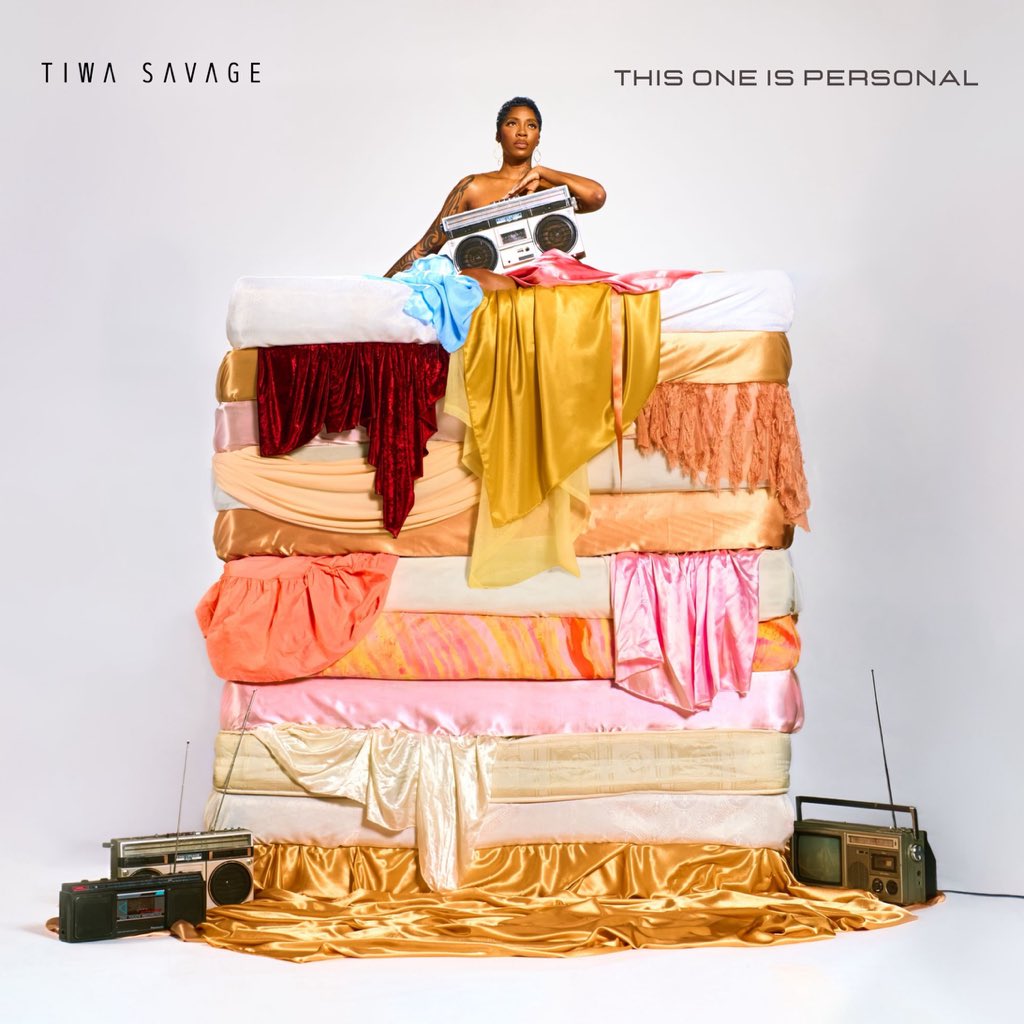
After five years away from her last album release, Tiwa Savage returns with This One Is Personal; a 15-track body of work that pulls her away from Afropop dominance into a stripped-down, deeply vulnerable space. Where 2020’s Celia was bold, global, and radio-ready, This One Is Personal feels like the diary entries Tiwa never intended to share but bravely did anyway.
Sound & Atmosphere
The first thing you notice is what’s missing: the high-energy beats that once powered hits like “All Over” or “Ma Lo.” Instead, the production here is minimal, at times skeletal—pianos, soft percussion, and spacious R&B backdrops.
This shift is deliberate. On “I’m Done,” the piano feels like a stage light focused solely on her voice. “You4Me” reworks Tamia’s So Into You into a breezy Afrobeats-R&B hybrid. “On the Low” carries a smoky sensuality, its Afro-groove subdued to make room for Skepta’s rap.
It’s intimate, yes but also risky. The quieter sound creates room for her voice to shine, but it also strips away some of the dynamism that made her previous projects more versatile. For some listeners, the pacing may drag after a few tracks, as the emotional weight leans heavily toward sorrow and reflection.
Themes & Storytelling
Tiwa promised vulnerability, and she delivers. The lyrics carry raw honesty, often exposing cracks instead of polishing them over.
Toxic Love: “Angel Dust” paints love as an addiction, seductive but destructive.
Heartbreak & Bitterness: “You’re Not the First (You’re Just the Worst)” might be her bluntest song yet, sharp, even petty, but undeniably human.
Faith & Spirituality: On “Change,” featuring James Fauntleroy, romantic yearning blurs into a conversation with God—a rare pivot that elevates the record’s depth.
Emotional Fatigue: “Pray No More” feels like a sigh of exhaustion, a prayer from someone tired of constant battles.
The narrative arc is heavy: heartbreak, disillusionment, attempts at healing. It’s moving but narrow. One missing element is contrast; there are few bright or hopeful moments to balance the melancholy.
Collaborations That Complement
One of the album’s smartest choices is restraint with features. Skepta’s appearance on “On the Low” feels organic, adding grit without stealing attention. Rising star Taves fits seamlessly into “Addicted.” James Fauntleroy on “Change” provides the record’s spiritual climax.
In an era of feature-stuffed albums, this discipline gives This One Is Personal cohesion. Every guest feels like part of the story, not a marketing checklist.
What Works
Honesty: This is Tiwa at her most unguarded. She doesn’t hide behind pop gloss.
Cohesion: The album feels like one body of work, not a random playlist.
Intentional Features: Skepta, Taves, and Fauntleroy serve the music, not the hype.
What Doesn’t
Pacing: The mid-tempo mood rarely shifts, making some tracks blur together.
Limited Emotional Range: Almost all songs sit in heartbreak and reflection. A moment of joy or defiance would have added balance.
Commercial Appeal: Fans wanting another “Koroba” will find little to dance to here.
This One Is Personal is not a flawless album, but it’s a brave one. Tiwa Savage steps away from her comfort zone, risking commercial momentum to reveal her humanity. The result is a project that may not dominate charts but will resonate with those who crave authenticity in music.
It’s a record for headphones, quiet car rides, and solitary nights—not for the club. And maybe that’s the point.
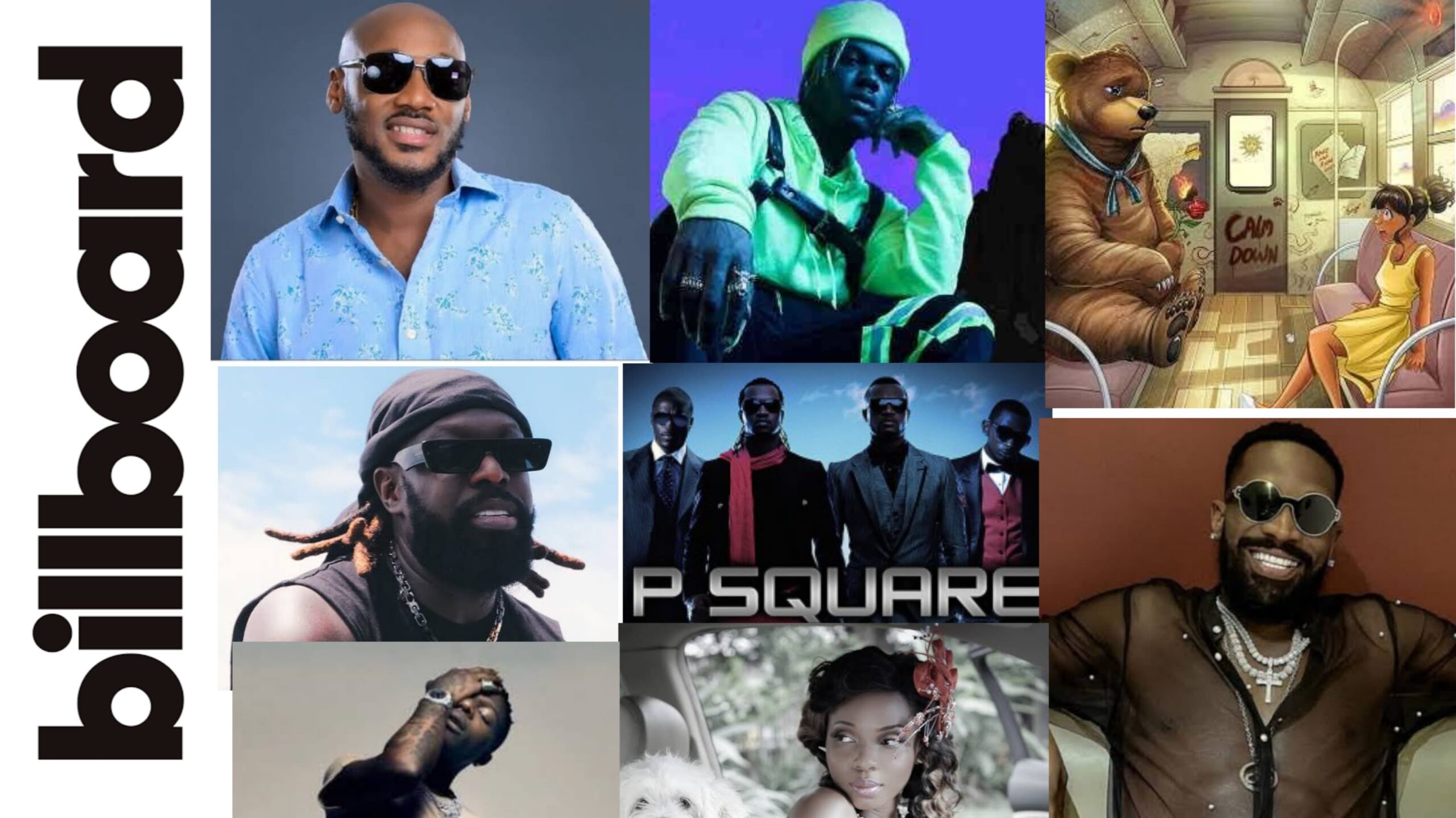
Billboard has officially released its list of the 50 greatest Afrobeats songs of all time, highlighting some of the most iconic and groundbreaking tracks that have shaped the genre. Afrobeats, which has its roots in Nigeria and Ghana, has now become a global sound influencing artists worldwide. The list features a mix of legendary classics and recent international smashes that propelled the genre beyond Africa.
Spotlight on the Top 10 Afrobeats Songs of All Time
1. African Queen – 2Face Idibia (2004) This timeless love ballad remains one of the most iconic songs in African music. 2Face’s “African Queen” put Nigerian music on the global map and is celebrated as a masterpiece that helped pave the way for Afrobeats’ worldwide success.
2. Ojuelegba – Wizkid (2014) Wizkid’s “Ojuelegba” tells the story of struggle and triumph, capturing the spirit of Lagos. The remix featuring Drake and Skepta further expanded its global reach, solidifying Wizkid as one of the biggest Afrobeats stars.
3. Nwa Baby (Ashawo Remix) – Flavour (2005) Flavour’s highlife-infused anthem became a cultural staple, known for its infectious rhythm and relatable lyrics. It cemented Flavour’s place as a household name in African music.
4. Calm Down – Rema (2022) Rema’s “Calm Down” took the world by storm, especially with the Selena Gomez remix. It became one of the most streamed Afrobeats songs globally, highlighting the new wave of Nigerian artists pushing Afrobeats into the mainstream.
5. Essence – Wizkid ft. Tems (2021) Dubbed the “song of the summer,” “Essence” is the first Nigerian song to chart on the Billboard Hot 100. Tems’ soulful delivery and Wizkid’s smooth style created a masterpiece that captured hearts worldwide.
6. Love Nwantiti – CKay (2019)Initially a slow-burn hit, “Love Nwantiti” exploded through TikTok, becoming one of the most remixed and viral Afrobeats songs of all time. It solidified CKay’s place in the global music scene.
7. Oliver Twist – D’banj (2012) A song that marked Afrobeats’ breakthrough into the UK charts, D’banj’s “Oliver Twist” was a game-changer. It proved Afrobeats could thrive on the international stage.
8. Fall – Davido (2017) “Fall” became one of the longest-charting Nigerian pop songs on Billboard. Its fusion of Afrobeats and international pop influences helped Davido gain worldwide recognition.
9. Ye – Burna Boy (2018) “Ye” is widely regarded as Burna Boy’s breakthrough international hit. With its catchy hook and relatable themes, it became an anthem that transcended borders and genres.
10. Chop My Money (Remix) – P-Square ft. Akon (2012) This collaboration between Nigerian duo P-Square and Akon showcased Afrobeats’ crossover appeal. The track gained massive popularity and became a fan favorite across Africa and beyond.
Full Ranking: Positions 11–50 (with Release Dates)
11
Olufunmi
Styl-Plus
2003
12
Gongo Aso
9ice
2008
13
Do Me
P-Square
2007
14
Dami Duro
Davido
2011
15
Johnny
Yemi Alade
2013
16
Fall in Love
D’banj
2008
17
Bumper to Bumper
Wande Coal
2008
18
Adonai
Sarkodie ft. Castro
2014
19
Azonto
Fuse ODG ft. Itz Tiffany
2012
20
Fada Fada
Phyno ft. Olamide
2016
21
Eminado
Tiwa Savage & Don Jazzy
2013
22
Last Last
Burna Boy
2022
23
Bobo
Olamide
2015
24
Drogba (Joanna)
Afro B
2018
25
Pakurumo
Wizkid
2011
26
Skin Tight
Mr Eazi ft. Efya
2015
27
Iskaba
Wande Coal & DJ Tunez
2016
28
Peru
Fireboy DML
2021
29
Sad Girlz Luv Money
Amaarae & Moliy
2020
30
Killin Dem
Burna Boy & Zlatan
2018
31
Rush
Ayra Starr
2022
32
Dorobucci
Mavins
2014
33
Mad Over You
Runtown
2016
34
Personally
P-Square
2013
35
Pana
Tekno
2016
36
Kontrol
Maleek Berry
2016
37
Ku Lo Sa
Oxlade
2022
38
Monalisa
Lojay & Sarz
2021
39
Shake Body
Skales
2014
40
UNAVAILABLE
Davido ft. Musa Keys
2023
41
Peace Be Unto You
Asake
2022
42
People
Libianca
2022
43
Buga
Kizz Daniel & Tekno
2022
44
Oleku
Ice Prince ft. Brymo
2010
45
Yahooze
Olu Maintain
2007
46
Soweto
Victony & Tempoe
2022
47
Raise Da Roof
Jazzman Olofin & Adewale Ayuba
2004
48
Dem Mama
Timaya
2005
49
Tonight
Nonso Amadi
2016
50
Ijoya
Weird MC
Billboard’s list of the 50 Best Afrobeats Songs of All Time is more than a ranking—it’s a history of Afrobeats itself. From 2Face Idibia’s classic African Queen to Rema’s global smash Calm Down, it captures how a genre rooted in African rhythms has become a universal language.
The diversity of the list, spanning pioneers like Weird MC and contemporary stars like Ayra Starr and Asake, proves that Afrobeats is not only here to stay but also destined to keep evolving as one of the world’s dominant genres.
Personally I will make some few changes to this List. Will you? Drop a comment