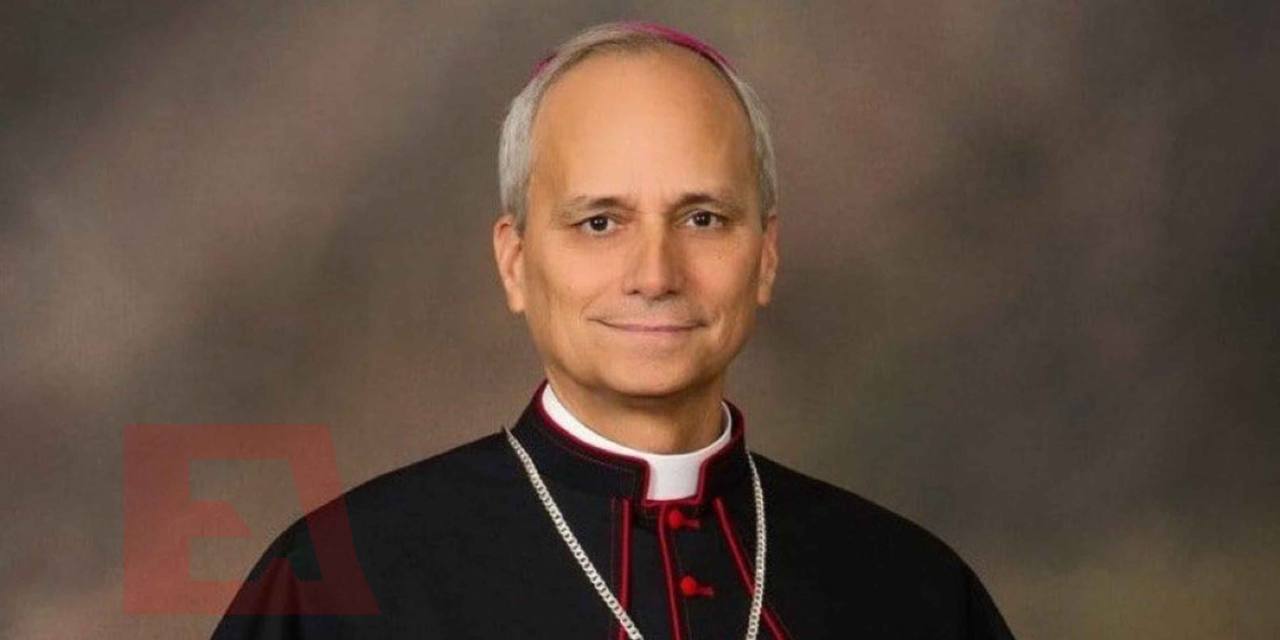
Pope Leo XIV has been discharged from Rome’s Agostino Gemelli University Hospital and returned to the Vatican, four days after undergoing surgery to remove a cancerous portion of his right lung.
The 71-year-old pontiff left the hospital on Saturday, October 17, 2026, walking unaided and greeting well-wishers who had gathered outside the facility. Smiling and waving to the crowd, he briefly responded to those nearby, saying, “I am better, thank you,” before leaving in a black vehicle.
According to his medical team, morning blood tests, a chest X-ray and clinical evaluations indicated that he was well enough to continue his recovery outside the hospital. His discharge came earlier than initially anticipated, as doctors had expected his hospital stay to last approximately one week.
Following his return to the Vatican, Pope Leo XIV is expected to resume a key public responsibility on Sunday, October 18, by leading the traditional Angelus prayer and delivering a blessing from the window of the Apostolic Palace overlooking St. Peter’s Square.
The Vatican had previously cancelled his public audiences through October 20 to allow time for recovery. His planned appearance would mark an early return to public duties following the operation, although his medical team will continue to monitor his condition.
The Pope was admitted to Gemelli Hospital on October 13 after medical examinations identified a small, localised nodule in his right lung. He had previously disclosed the finding to pilgrims in St. Peter’s Square on October 11, describing it as having been detected at an early stage.
Surgeons subsequently performed a video assisted thoracoscopic procedure to remove the affected tissue. The operation involved removing the lower lobe of his right lung, with an examination during surgery confirming pulmonary adenocarcinoma, a common form of lung cancer.
The procedure was reported to have been successful, with no complications. Following surgery, Leo began respiratory physiotherapy, resumed eating normally and gradually increased his physical activity while continuing some work from his hospital room.
Although his early recovery has been encouraging, further details about the cancer’s staging and whether additional treatment will be necessary have not been fully disclosed.
The Vatican is also preparing for the pontiff’s planned trip to Latin America in November, which is expected to include Peru, where he spent years serving as a missionary. Whether the trip proceeds as scheduled may depend on his recovery in the coming weeks.
For emerging artists navigating the music industry, deciding whether to sign with a record label or build a career independently remains an important consideration. While a record deal can provide access to funding, distribution, promotion and industry connections, independence offers artists greater control over their music and career decisions.
But is signing with a record label the fastest route to success, or can artists achieve more by remaining independent?
Nigerian artists Kizzie, Blade Escobar and Olamiplenty BMT share their perspectives on record deals, artist independence and the conditions that could influence their decisions.
Kizzie: A Record Label must Offer More than Independence already Provides
For Kizzie, signing with a record label is not out of the question. However, he believes the decision should depend on what the label can bring to the table.
“Nothing is wrong with record labels, provided what they’re offering is something I’m not already doing for myself,” he explained.
When asked whether artists signed to record labels could rise faster than their independent counterparts, Kizzie agreed to an extent, pointing to the importance of having the right label behind an artist.
“I will agree to an extent. With a proper label that understands your vision and invests in your growth, you can rise faster. But independence can work too with the right strategy,” he said.
His position highlights the importance of finding a label that understands an artist’s creative direction and is willing to invest in their development, rather than signing a deal simply for the sake of being signed.
Kizzie also stressed that artists need support to succeed, regardless of their career structure.
“You can’t do it alone. You will always need somebody,” he added, emphasising the importance of having people who can contribute to an artist’s growth.
Blade Escobar: Promotion and Distribution over a Traditional Record Deal
Blade Escobar is also open to working with a record label, but he is particularly concerned about the terms of any potential agreement.
“I’m open to it as long as the deal isn’t a 360 or a slavery deal,” he said.
Rather than pursuing a conventional record deal, Blade Escobar explained that he would prefer a promotion and distribution arrangement that allows him to finance his own music while partnering with investors who can help take it to a wider audience.
“I’d ideally prefer a promotion/distribution deal though. I make the music with my own money, investors distribute my music and promote it worldwide and we agree on royalty splits,” he explained.
His preferred arrangement reflects an approach in which an artist retains responsibility for financing their music while seeking external support for distribution and promotion. In exchange, the parties agree on how the resulting royalties will be shared.
Blade Escobar’s perspective suggests that working with industry partners does not necessarily have to mean surrendering control of an artist’s career. For him, the priority is finding a business arrangement that supports his ambitions without requiring him to accept terms he considers unfavourable.
Listen to Blade Escobar’s new EP “Hits Only, No Mrs” on your Music platform
Olamiplenty BMT: Independence can be More Rewarding
Olamiplenty BMT takes a more cautious position on record deals, arguing that the decision ultimately depends on the label and the terms being offered.
“It’s depends on the record label and the deal,” he said.
He believes independence can be more rewarding for artists who have the resources and skills to manage the key aspects of their careers, including music production, distribution and promotion.
“Being an independent artist is actually more rewarding when you have what it takes in terms of music production, distribution, and promotion,” he explained.
Although he acknowledges the appeal of signing with a record label, Olamiplenty BMT warns that artists should consider the potential disadvantages before committing to a deal.
“While being signed to a record label may seem exciting, it has its dark side. Most times, the deals favor the label more than the artist, and you may lose a lot of personal freedom,” he said.
He also questioned whether signing with a well-known label necessarily guarantees long term success, noting that some artists who secured deals with established labels have since faded from public attention.
As a result, he recommends that artists remain independent when they have the capacity to manage the process themselves.
“As an artist, I strongly recommend staying independent if you can handle the process,” he added.
His position underscores the importance of understanding what a record deal offers, what an artist may have to give up, and whether the benefits justify the commitment.
The perspectives shared by Kizzie, Blade Escobar and Olamiplenty BMT point to a common consideration: signing with a record label should be a strategic decision rather than an achievement in itself.
For artists who lack the resources to fund their music, reach new audiences or build a strong promotional network, the right label could provide opportunities that might otherwise take years to establish independently. A label that invests in an artist’s development and understands their creative vision can offer meaningful support.
However, a record deal is not automatically the best option for every artist. Those who already have the resources, industry connections and strategy to manage their careers may prefer the control that independence provides. Others may seek specific partnerships for distribution, marketing or promotion without committing to a broader arrangement.
The terms of an agreement also matter. Artists need to understand how royalties will be divided, who owns or controls their recordings, what rights they are granting, how long the agreement lasts and what obligations each party must fulfil.
Ultimately, neither independence nor signing with a label guarantees success. The outcome depends on an artist’s circumstances, the strength of their team, the quality of their music, their business decisions and their ability to connect with an audience.
For Kizzie, the right record label is one that offers value beyond what an artist can achieve independently. Blade Escobar would prefer a promotion and distribution partnership with agreed royalty splits, while Olamiplenty BMT believes independence can be more rewarding for artists capable of managing their own careers.
Their perspectives differ in emphasis, but they share an important consideration: artists should understand what they are getting into before committing to a record deal.
In an industry where visibility, investment and ownership can shape a career, the question may not simply be whether an artist should sign with a record label or remain independent. It is whether the arrangement they choose gives them the best opportunity to grow while protecting their long-term interests.
Follow Streamdorm for more of these insightful publications about the entertainment industry set to be rolled out feature by feature.
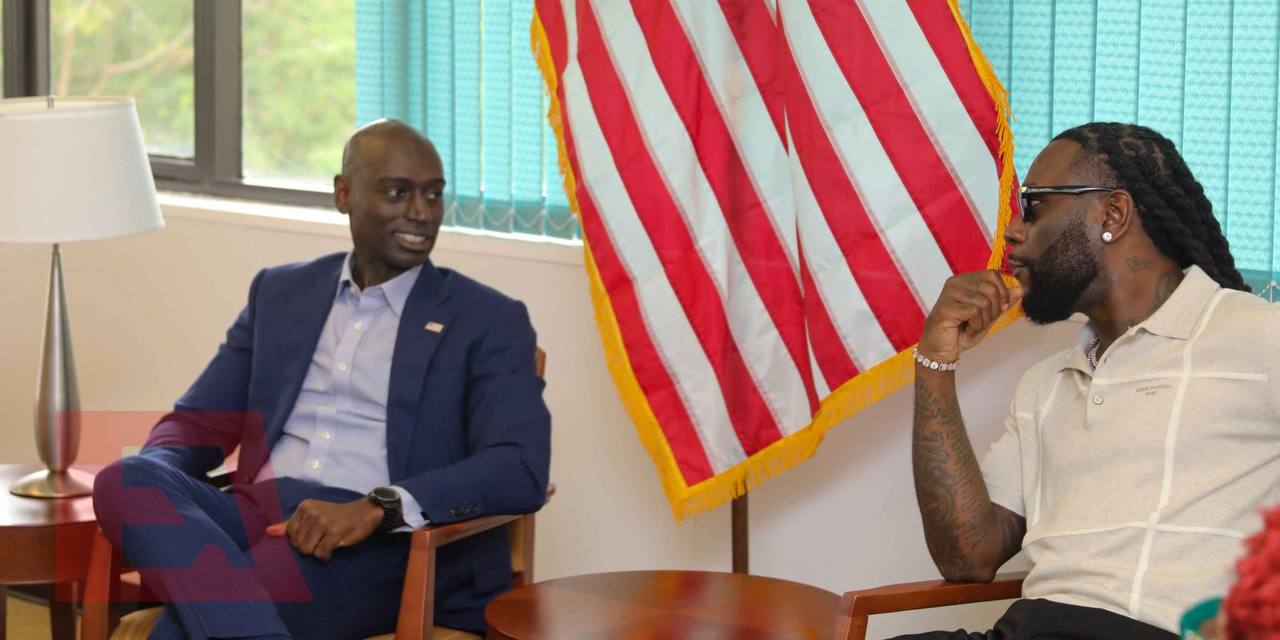
Grammy-winning Nigerian superstar Burna Boy has met with U.S. Consul General Brandon Hudspeth at the U.S. Consulate General in Lagos to discuss opportunities for deeper collaboration between the American and Nigerian creative industries.
The meeting focused on translating the cultural ties between both countries into economic opportunities through stronger commercial partnerships, investment and industry development.
Key areas explored included business relationships among American and Nigerian recording studios, record labels and streaming platforms, alongside improved intellectual property protection, artist and industry exchanges, and investment in creative infrastructure.
The discussions highlight the growing importance of Nigeria’s entertainment industry in international cultural and commercial relations, particularly as Afrobeats continues to connect Nigerian artists with audiences and businesses across global markets.
Burna Boy meets U.S. Consul General Brandon Hudspeth in Lagos to discuss expanding U.S./Nigeria Creative Industry Collaboration 🇺🇸🇳🇬 pic.twitter.com/j0BkDWHAba
Stronger partnerships between both countries could create new opportunities for artists, music executives and other creative professionals while supporting the growth of the wider entertainment industry.
Brandon Hudspeth is the U.S. Consul General in Lagos, representing the United States in southern Nigeria. His role includes strengthening diplomatic, economic and cultural relations between both countries. His meeting with Burna Boy reflects efforts to explore opportunities for collaboration between the American and Nigerian creative industries, with a focus on trade, investment and economic growth.
The Nigerian filmmaker speaks to Streamdorm about her journey from the EbonyLife Creative Academy to feature filmmaking, the experiences that inspire her storytelling, and the questions she hopes audiences will confront through her Film Africa 2026 selection.
For Nigerian filmmaker Chinazaekpere Chukwu, storytelling begins with an interest in the ordinary experiences that shape people’s lives. From the choices they make to the things they desire and the sacrifices they are expected to endure, she finds meaning in the everyday realities that often go unquestioned.
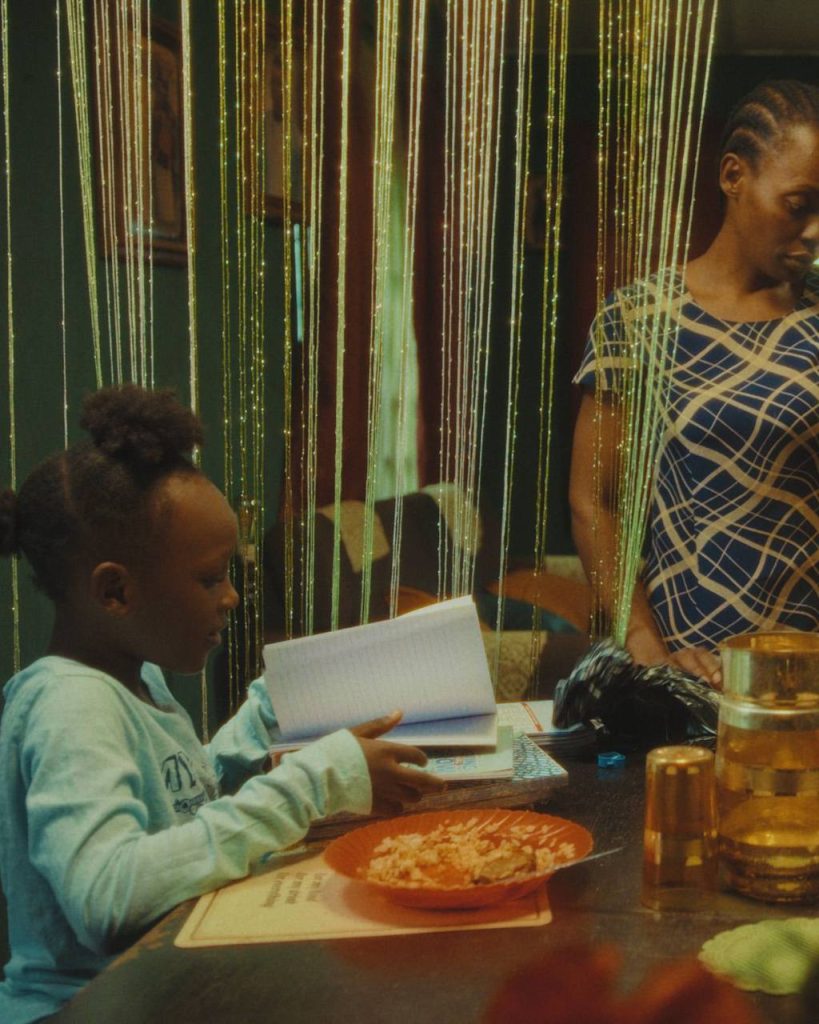
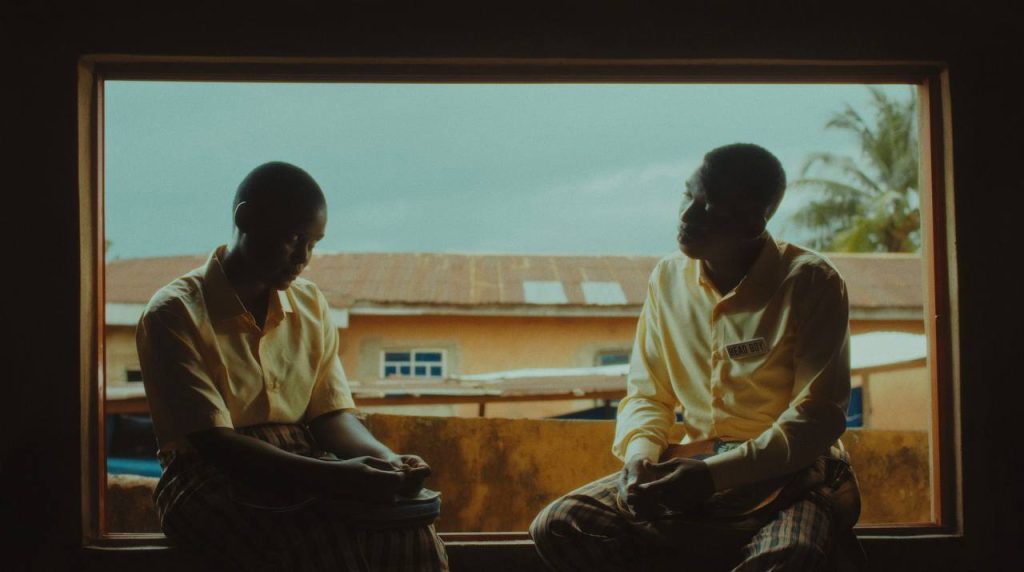
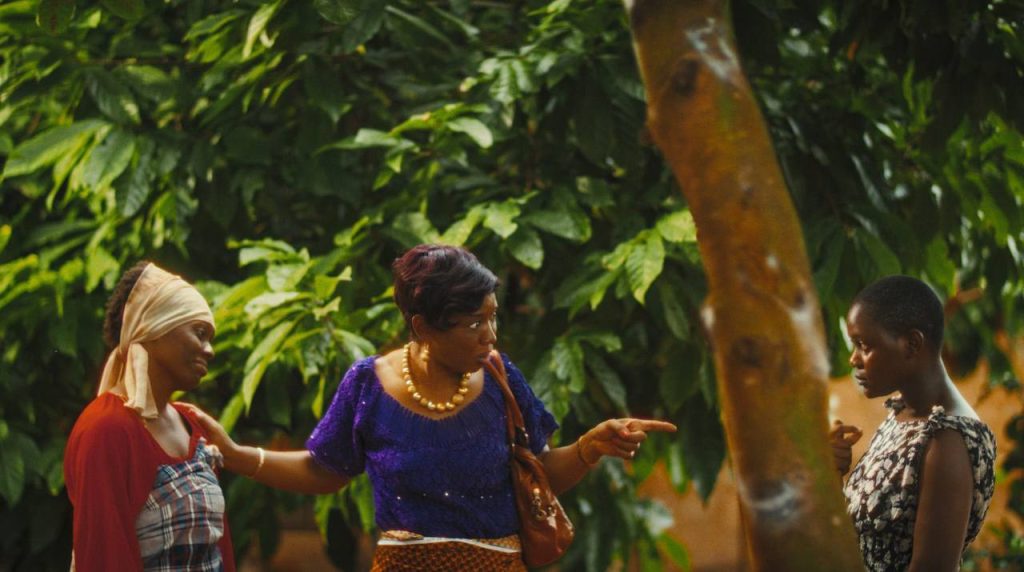
That perspective informs Her Daughters’ Mother, also known by its original-language title, Oni ómó-Emeté, her feature directorial debut. The Nigerian drama follows Ejiro, a woman whose life is shaped by marriage, motherhood and societal expectations, particularly the pressure to produce a male heir.
Married off at 16, Ejiro returns home in her thirties as a widow with two daughters. Her subsequent marriage to Osato, which promises a more secure future, becomes another source of suffering when she fails to provide him with a son. Through Ejiro’s experiences, the film examines women’s autonomy and the personal cost of living according to expectations imposed by others.
For Chinazaekpere Chukwu, however, the story is not simply about the circumstances Ejiro faces. It also raises a more fundamental question about the freedom women have to make decisions about their own lives.
Selected for Film Africa 2026 in London, Her Daughters’ Mother marks a significant milestone in her career, bringing a story rooted in the cultural realities of Nigeria’s South-South region to an international audience.
In this conversation with Streamdorm, the filmmaker reflects on the experiences that have shaped her creative journey, the questions at the heart of her debut feature, and what she hopes audiences will take away from Ejiro’s story.
Streamdorm: Looking back at your journey from writing and directing for television and short films to making your first feature, what part of that journey forced you to confront yourself the most, and how has it changed the filmmaker you are today?
Chinazaekpere Chukwu: When I came out of EbonyLife Creative Academy in 2021, I wasn’t entirely sure what kind of artist I wanted to be. I only knew that I wanted to make films. Then I met Damilola Orimogunje, who took me under his wing and decided to mentor me. Suddenly, I was being introduced to an entirely different world of filmmaking, one that challenged almost everything I thought I had learned in the months before.
It forced me to confront how much I didn’t know, but also how much more there was to discover. I began to understand that filmmaking wasn’t just about learning the craft or getting things right. It was also about developing a way of seeing, learning to trust my instincts, and figuring out what I wanted to say as an artist. That experience has stayed with me. I think I’m still figuring out the kind of filmmaker I want to be, but I’m much more comfortable with the uncertainty now. I know the kinds of stories I want to tell, and I’m more interested in the questions they leave behind than in having all the answers.
Streamdorm: Every filmmaker has stories they feel compelled to tell, but not every story is easy to tell. What is it about the world, the people around you, or your own experiences that continues to draw you towards the stories you tell?
Chinazaekpere Chukwu: I think I’m drawn to the ordinary, everyday experiences that make us who we are. I want to tell simple stories that replicate lived experiences. It’s that simple. I’m interested in people, in how they navigate their lives, the choices they make, the things they desire, and the things they have to give up. I think there’s so much to explore in the lives we live every day, and I want to make films that reflect that. Stories that feel familiar, even when the circumstances are different from your own.
Streamdorm: Ejiro’s story is shaped by expectations placed on her as a woman, a wife, and a mother, particularly the pressure to produce a male heir. What did you discover about these expectations while making the film that you hadn’t fully understood before you began telling her story?
Chinazaekpere Chukwu: I think what struck me most is how deeply these expectations are woven into the fabric of our lives, to the point where we sometimes stop questioning them. Making this film made me think more about how much of a woman’s life can be shaped by what other people need her to be. And how easily her own desires can become secondary to those expectations. I think that’s something a lot of women will recognize, even if their circumstances are different from Ejiro’s.
Streamdorm: When audiences watch Her Daughters’ Mother, they may leave with different interpretations of Ejiro’s choices and circumstances. What is one uncomfortable question about women, family, or society that you hope the film leaves them wrestling with long after watching?
Chinazaekpere Chukwu: I hope it makes people question how much freedom a woman actually has to make choices about her own life. We often talk about women making choices, but we don’t always interrogate the circumstances in which those choices are made. What does choice mean when your survival, your children’s future, or your place in your family depends on making the decision other people expect of you?
I don’t think the film necessarily provides an answer to that question. But I hope it makes people sit with it, particularly when they find themselves judging Ejiro’s decisions.
Streamdorm: Your feature debut is heading to London for Film Africa 2026, taking a story rooted in the cultural realities of Nigeria’s South-South region to an international audience. When you imagine people watching this film far from the world in which it was made, what does that moment mean to you, and what do you hope they recognize in Ejiro’s story?
Chinazaekpere Chukwu: It means a great deal to me, especially because this is my first feature film. I made a story rooted in the cultural realities of the South-South region of Nigeria, and I’m excited about the possibility of people encountering that world through Ejiro.
I think one of the beautiful things about cinema is that it allows us to enter lives that are different from our own and still find something familiar in them. The cultural context of Ejiro’s story may be specific, but I believe the questions she is navigating are not. Questions about womanhood, marriage, motherhood, freedom, and the things we sacrifice to belong to a family are not exclusive to one place or culture.
I hope audiences connect with Ejiro as a person, beyond the circumstances that define her, and leave with a little more curiosity about her life and the lives of women whose stories they may never have encountered otherwise.
Her Daughters’ Mother is directed by Chinazaekpere Chukwu and stars Ejovwoke Obad Olikuntuyi, Osas Okonyon and Philip Asaya. The film is scheduled to screen at Film Africa 2026 in London on October 28.
Netflix has laid off approximately 1,000 employees, representing around 6% of its workforce, in its largest round of job cuts since 2022. The layoffs were announced on October 14, 2026, as the streaming giant looks to streamline its operations and direct more resources towards areas it believes will drive future growth.
The job cuts were communicated in an internal memo from Netflix co-CEOs Ted Sarandos and Greg Peters. The move comes at a time when the company remains profitable but faces growing pressure to maintain audience engagement, attract new subscribers and compete for viewers’ attention in an increasingly crowded entertainment market.
Despite reporting strong financial results in 2025, Netflix is reassessing how it allocates its resources as the streaming industry continues to evolve.
The latest Netflix layoffs primarily affect employees in product, technology, legal and human resources, although reports indicate that other parts of the business, including film and television operations, may also be affected.
In their internal memo, they explained that the company’s ambitions require careful decisions about where its people and resources are deployed.
The executives stressed that Netflix’s business remains strong and growing, adding that the company remains on track to meet its full-year financial forecast for 2026.
They also reaffirmed Netflix’s intention to continue investing in areas that can improve its service, support innovation and generate further growth.
The announcement suggests that the company is seeking to reorganise its workforce around its priorities rather than simply reduce spending across the business. However, the scale of the cuts highlights the difficult decisions facing even established streaming platforms as they adapt to changing audience habits and competitive pressures.
Although Netflix has not attributed the layoffs to a single cause, the decision comes amid concerns about growth, audience engagement and the company’s position in the wider entertainment market.
Netflix has reportedly laid off around 1,000 employees, 6% of its staff
Netflix has built its success on original programming, a global subscription business and its ability to keep viewers returning to the platform. Maintaining that momentum, however, has become increasingly challenging as audiences divide their time across more entertainment services.
Sarandos acknowledged the challenge in late September 2026, saying, “We’re not growing as fast as I want us to.”
The comment reflects the pressure on Netflix to accelerate its growth, even as it remains one of the most influential companies in streaming.
Competition is no longer limited to other subscription services. YouTube, TikTok and other digital platforms offer enormous libraries of content, much of it free to watch, giving audiences more options for how they spend their time.
YouTube, in particular, has strengthened its position in television viewing, challenging the traditional distinction between streaming services and other forms of digital entertainment.
As viewing habits change, Netflix must compete not only for subscriptions but also for the hours audiences are willing to spend watching its content.
Netflix’s latest workforce reduction comes despite a strong financial performance in 2025, when the company generated approximately $45.2 billion in revenue and $11 billion in net income.
Those figures underline an important point: the layoffs do not, by themselves, indicate that Netflix is struggling to remain profitable.
Instead, the company is operating in an environment where financial success does not automatically guarantee faster growth or greater audience engagement.
The company’s next earnings update, expected around October 20, could provide further insight into its financial outlook and strategic direction.
The streaming industry has become a broader contest for attention, with Netflix competing against services that operate under very different business models.
YouTube benefits from a vast supply of creator-led videos, livestreams and other content, while TikTok has built a large audience around short-form entertainment. Both platforms compete for time that viewers might otherwise spend watching films, series and other long-form programming.
For Netflix, this creates a challenge that extends beyond adding subscribers. The company must also give existing users compelling reasons to keep watching, return for new releases and maintain their subscriptions.
The pressure is particularly significant as streaming markets mature and consumers become more selective about the services they pay for.
The company has faced questions about its growth prospects, content spending and ability to deliver major hits consistently. Its unsuccessful pursuit of Warner Bros. Discovery assets has also formed part of the wider debate about its future content strategy and opportunities for expansion.
The company’s stated approach is to prioritise the people and resources needed to advance its most important goals. In practice, that means balancing its established film and television business with newer opportunities that could strengthen its position in the evolving entertainment market.
Netflix’s decision to eliminate around 1,000 jobs is a significant development for the company and the wider entertainment industry. It is the largest workforce reduction Netflix has undertaken since 2022.
Pope Leo XIV has been diagnosed with lung cancer following surgery at Rome’s Agostino Gemelli University Hospital, the Vatican has confirmed.
The 71-year-old Pontiff underwent Surgery on Tuesday, October 13, to remove a tumour from his right Lung after Doctors discovered a small, localised nodule during recent Medical examinations.
According to the Vatican, an examination conducted during the operation confirmed a diagnosis of Lung Adenocarcinoma, a type of Cancer that develops in the Glandular Cells of the Lungs.
The procedure involved removing the lower lobe of the Pope’s right Lung using a video-assisted surgical technique. The Vatican reported that the operation was successful and that there were no complications.
The Lung abnormality was detected during medical examinations before the Pope announced on Sunday, October 11, that he would undergo surgery on his doctors’ advice.
At the time, Leo XIV described the nodule as having been detected at a very early stage and as being well localised. He subsequently confirmed that he would proceed with the recommended operation.
Pope Leo XIV Diagnosed With Lung Cancer After Surgery to Remove Part of His Right Lung, Vatican Confirms. pic.twitter.com/7Vn9aZc27r
The surgery marks the most significant publicly reported health issue of his papacy, which began in May 2025.
Following the procedure, the Pope returned to his hospital room to begin his recovery. The Vatican had previously indicated that he was expected to remain in hospital for approximately one week.
Although the surgery was reported to have gone well, details about the Pope’s next steps in treatment and long-term prognosis remain limited.
Further medical assessments will help determine whether the cancer has spread beyond the affected area and whether additional treatment will be necessary.
Lung Adenocarcinoma is a form of non-small Cell Lung Cancer. Its outlook varies depending on factors including the stage of the disease, whether it has spread and how successfully it responds to treatment.
The Vatican has suspended the Pope’s public audiences through October 20 to allow him time to recover.
His health will remain a key concern for Catholics around the world as he recuperates from the operation. Further news will see to it that this post is updated.
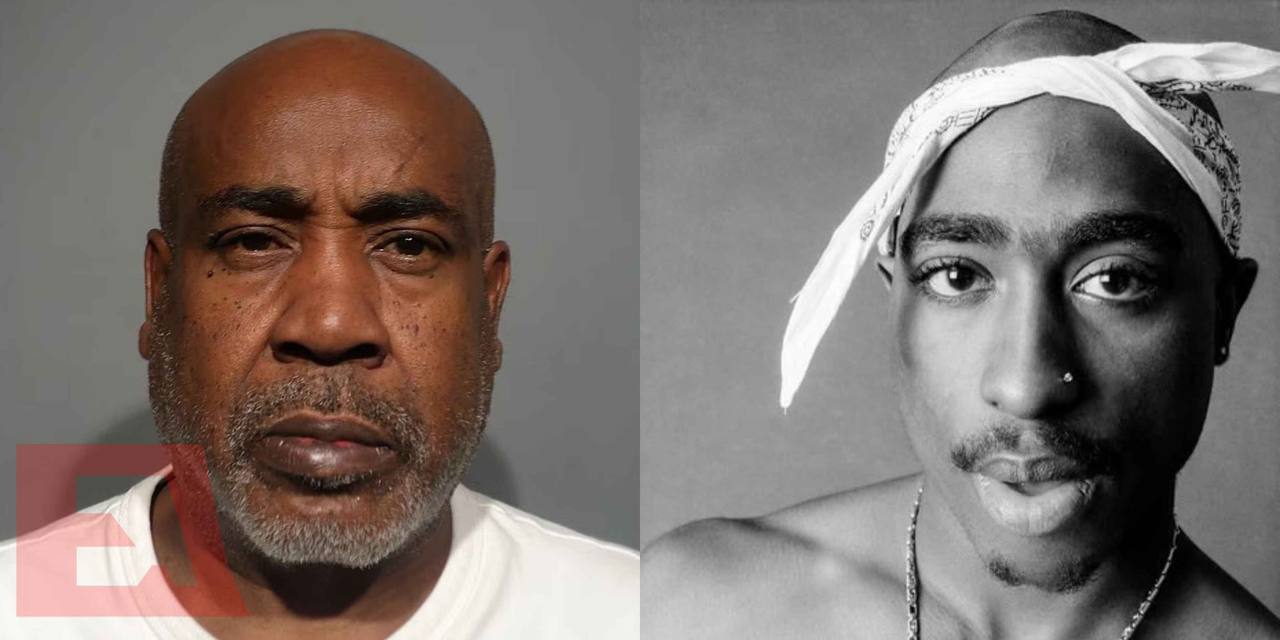
Duane “Keffe D” Davis has been sentenced to 40 years to life in prison for his role in the 1996 murder of legendary rapper Tupac Shakur, marking a major development in one of hip-hop’s most notorious criminal cases.
Keffe D Sentenced to 40 Years to Life in Prison for the 1996 Murder of Tupac Shakur. pic.twitter.com/uud3hUHZvw
Davis, 63, was sentenced on Tuesday, October 13, 2026, in a Las Vegas courtroom, nearly two months after a jury found him guilty of first-degree murder for orchestrating the fatal shooting that claimed Shakur’s life at the age of 25.
Judge Carli Kierny handed Davis a sentence of 20 years to life for first-degree murder, followed by a consecutive 20-year sentence associated with the use of a deadly weapon, bringing the total sentence to 40 years to life.
During the hearing, Judge Kierny addressed the gravity of the crime and the impact of Shakur’s death on his family.
“You don’t get to take a man from his family,” Judge Kierny said. “You don’t get to take his very life, his whole future, from him and just walk away from it. Especially when that man is Tupac Shakur.”
The sentence means Davis could spend the remainder of his life in prison. Although he could eventually become eligible for parole, release is not automatic, and his legal team has indicated that it intends to appeal his conviction.
Tupac Shakur was shot on September 7, 1996, while riding in a black BMW driven by Marion “Suge” Knight, the co-founder of Death Row Records, in Las Vegas.
The shooting occurred after a heavyweight boxing match between Mike Tyson and Bruce Seldon at the MGM Grand casino. Earlier that evening, Shakur and members of his entourage had been involved in a physical altercation with Orlando Anderson, Davis’s nephew.
The confrontation was linked to longstanding tensions between rival street gangs in California.
According to prosecutors, the casino fight prompted Davis and his associates to seek revenge against Shakur and his entourage. Later that night, a white Cadillac pulled alongside the BMW near the Las Vegas Strip, and gunfire erupted.
Shakur was struck multiple times. Knight survived the attack, but the rapper died from his injuries six days later, on September 13, 1996.
He was 25 years old.
His death sent shockwaves through the music industry and left one of hip-hop’s most influential artists unable to fulfil the enormous creative potential that had made him a global figure.
For nearly three decades, the murder remained unsolved, becoming one of the most widely discussed cases in music history.
Prosecutors argued that Davis helped organise the attack, supplied the firearm and was inside the Cadillac from which the shots were fired.
They maintained that he played a leading role in the retaliation following the confrontation involving his nephew, even though he was not accused of personally firing the fatal shots.
Davis became the central figure in the investigation after making statements about his involvement in the shooting over several years.
His accounts appeared in interviews, media appearances and his 2019 memoir, Compton Street Legend. He also discussed the incident during a 2008 interview with investigators under an agreement connected to a separate investigation.
Prosecutors argued that Davis’s own words helped establish his involvement and provided investigators with information they could corroborate.
His public statements eventually helped revive an investigation that had stalled for years.
Davis was arrested in September 2023 and charged with murder in connection with Shakur’s death. He was the only person ever charged in the case.
Davis pleaded not guilty and disputed the prosecution’s account of his role in the murder.
His defence team argued that his previous statements were not necessarily reliable and that he had exaggerated aspects of the story. They also challenged the lack of physical evidence directly connecting him to the shooting, including the absence of the murder weapon.
Prosecutors, however, argued that Davis’s accounts, alongside other evidence presented at trial, established his responsibility for orchestrating the attack.
After hearing the evidence, a jury found Davis guilty of first-degree murder on August 31, 2026, following a trial that lasted several weeks. The jury reached its verdict after less than three hours of deliberation.
The conviction made Davis the first and only person to be found guilty in connection with Shakur’s murder.
Orlando Anderson, Davis’s nephew, was identified during the investigation as a possible gunman because of the confrontation with Shakur earlier on the night of the shooting.
Anderson was questioned by police but was never charged in connection with the rapper’s murder. He died in a separate shooting in 1998, two years after Shakur’s death.
Prosecutors argued that the earlier altercation involving Anderson provided the motive for the attack later that night.
However, the identities of the people who fired the fatal shots have not been conclusively established through the case.
Davis’s conviction was based on his alleged role in organising the murder, rather than an allegation that he personally pulled the trigger.
Davis’s sentence consists of consecutive terms, meaning the second term follows the first rather than running at the same time.
In practical terms, he faces a minimum prison term of 40 years before potentially becoming eligible for parole, subject to the applicable legal calculations and rules.
Davis was born in June 1963 and is 63 years old. Serving the full 40-year minimum would put him at approximately 103 years old before completing that period, although credit for time already served may affect the calculation.
According to reporting on the sentencing, Davis received credit for 731 days already served.
Even when an inmate becomes eligible for parole, release is not guaranteed. If parole is denied, Davis could remain in prison for the rest of his life.
The sentence therefore leaves open the possibility of release while placing Davis at risk of dying behind bars.
Tupac Shakur’s murder has remained a defining tragedy in hip-hop history, attracting years of speculation, documentaries, books and investigations.
The rapper was celebrated for his music, his screen performances and his ability to address social inequality, violence and life in marginalised communities. His influence has endured long after his death, with his catalogue continuing to reach new generations of listeners.
From major album campaigns to emerging acts and international collaborations, Nigerian and Afrobeats linked recordings are appearing in reports about submissions for the 69th Grammy Awards. Here is what is known about the projects, the categories they are targeting and what happens next.
Nigerian music is once again generating conversation ahead of the Grammy Awards, with reports of submissions from some of the country’s biggest stars and a growing number of artists whose work reflects the diversity of its contemporary music scene.
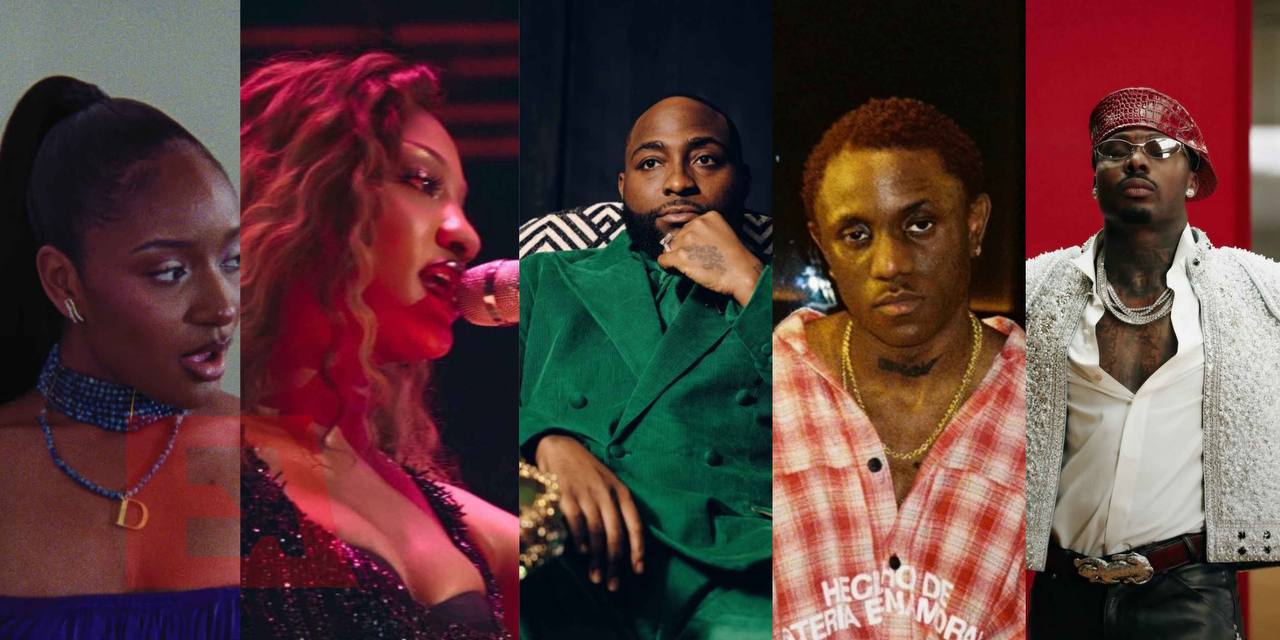
Ayra Starr, Tems, Davido, Asake and Seun Kuti are among the established names whose reported entries span multiple categories, from Album of the Year and Record of the Year to Best African Music Performance. More recent reports have brought Victony and NO11 into the conversation, while a reported submission involving Colombian superstar Shakira and Nigerian singer Burna Boy has added an international dimension to the story.
However, an important distinction must be made: submission for Grammy consideration is not the same as a Grammy nomination. The entries discussed here come from music-industry reporting, label announcements and social media accounts tracking the awards season. They are not an official list of nominees, and the full set of individual submissions has not been independently verified.
With first round voting scheduled for October 12–22, 2026, and the nominations announcement set for November 16, the coming weeks will determine which recordings advance to the official nominee list.
The Grammy Awards are administered by the Recording Academy, which operates a formal process for receiving entries, reviewing eligibility, determining category placement and selecting nominees and winners. A submission is the initial step in that process, not an indication that a nomination has been secured.
For the 69th Annual Grammy Awards, the eligibility period covers recordings and other qualifying works released between August 31, 2025, and August 28, 2026. The official Online Entry Process ran from July 7 to August 21, 2026.
Only eligible Recording Academy members and registered media companies could submit entries during that window. Once submissions closed, the Academy’s Awards staff began reviewing entries for eligibility, while genre-based screening committees assess whether recordings have been placed in the appropriate categories.
The entries that pass the required review proceed to the official first-round ballot. Voting members of the Recording Academy then determine the nominees, with a separate final voting round selecting the winners.
The Academy’s published schedule places the nominations announcement on November 16, 2026, and the awards ceremony on February 7, 2027, in Los Angeles.
Ayra Starr Leads a Wide-Ranging Reported Campaign
Ayra Starr is among the Nigerian artists attracting attention for the breadth of her reported submissions, which cover her album, solo recordings and international collaborations.
According to reports, her album Starrgirl has been submitted for consideration in Album of the Year, Best Global Music Album, Best Engineered Album and Best Album Cover.
Her reported individual entries extend into several other fields. “Heaven Baby”, her collaboration with Zayn, is linked to Record of the Year, Song of the Year and Best Pop Duo/Group Performance. “Who’s Dat Girl”, featuring Rema, is targeting Best Global Music Performance.
Several other collaborations are associated with Best African Music Performance, including “Ms. Paper” with Theodora, “Aye Kan (Are You Coming Back?)” with Angélique Kidjo, “Le Show” with Davido and French Montana, and “Show Me” with Latto.
“Tornado” is in consideration for Best Music Video, while “Wo Man – Edit”, featuring Peggy Gou, is linked to Best Dance Pop Recording.
Tems Targets Album, R&B and Collaborative Categories
Tems is another major Nigerian name appearing prominently in the reported submission lists.
Her album Love Is a Kingdom is reportedly targeting Album of the Year, Best Global Music Album, Best Engineered Album and Best Album Cover.
Her individual recordings and collaborations have also been linked to several categories. “What You Need” is in connection with Record of the Year, Song of the Year, Best R&B Solo Performance and Best R&B Song, with some reports also listing Best Music Video.
“Raindance”, featuring British rapper Dave, has attracted attention for its reported placements across major recording, songwriting and rap-related categories.
“Big Daddy” is targeting Best African Music Performance, while “I Think You’re Special”, her collaboration with Justin Bieber, is linked to Best R&B Duo/Group Performance.
Davido Puts Forward Oriadé and Multiple Singles
Davido’s reported submissions include his album Oriadé and several individual recordings, making him another of the Nigerian artists seeking recognition across multiple categories.
The singer entered his album alongside several songs through the Grammy submission process. The album is in consideration for Album of the Year, Best Global Music Album, Best Engineered Album (Non-Classical) and Best Album Cover.
“B4 B4”, featuring Mayorkun and FOLA, is linked to Record of the Year, Song of the Year and Best African Music Performance. “Nakupenda”, involving TxC, Zlatan, Shoday, Scotts Maphuma and Al Xapo, is targeting Song of the Year and Best African Music Performance.
“Le Show”, featuring Ayra Starr and French Montana, is also associated with Best African Music Performance. Another entry, “I Know Who I Be”, with JAZZWRLD and GL_Ceejay, is linked to Best Music Video.
Asake Targets Album and Song Recognition
Asake is also among the artists whose reported submissions have attracted attention in the run-up to the nominations announcement.
According to his label, Giran Republic the singer has four entries spanning his album and individual recordings. His album M$NEY is linked to Album of the Year and Best Global Music Album.
“Gratitude” is targeting Record of the Year, Song of the Year and Best African Music Performance. “Jogodo”, his collaboration with Wizkid, is linked to Best African Music Performance, while “Worship”, featuring French DJ and producer DJ Snake, is targeting Best Dance Pop Recording.
Asake has previously received Grammy nominations for “Amapiano”, with Olamide, and “MMS”, featuring Wizkid. The reported 2027 entries provide another opportunity for his work to seek recognition from the Academy.
Seun Kuti Brings the Afrobeat Tradition
While much of the attention surrounding the Grammy season centres on contemporary Afrobeats, Seun Kuti’s reported entries highlight a different but equally important strand of Nigerian musical history.
According to Pulse Nigeria, Seun has submitted “Na Dem” and “Problems” for consideration in Best African Music Performance.
Seun’s reported entries stand alongside the contemporary pop and Afrobeats recordings in this year’s discussion, demonstrating the range of Nigerian music seeking international recognition.
Victony Enters the Conversation With Starlife and “Slick”
Recent reports circulating within Nigerian music communities have added Victony to the growing list of artists reportedly seeking consideration for the 2027 awards.
According to information shared by Streamdorm, Victony is reportedly linked to Best New Artist, while his sophomore album Starlife is associated with Album of the Year and Best Global Music Album.
His song “Slick” is also targeting Record of the Year, Song of the Year and Best African Music Performance.
VICTONY’S SUBMISSIONS FOR THE 2027 GRAMMYs
BEST NEW ARTIST
💿 STARLIFE ▫️ Album of the Year ▫️ Best Global Music Album
🎵 SLICK ▫️ Record of the Year ▫️ Song of the Year ▫️ Best African Music Performance pic.twitter.com/HMFeLQ624X
Another name appearing in recent social media discussions is NO11, also styled No11 or No. 11. Reports associate the act with “How Far”, a recording referenced alongside Monochrome and, in some accounts, Ayjay Bobo. The track is reportedly linked to Best African Music Performance.
NO11 submits “HOW FAR” (with Monochrome) for GRAMMYs consideration in the Best African Music Performance category. 🏆 pic.twitter.com/rkGXNnew3p
Shakira and Burna Boy: An International Collaboration
One of the most notable international developments in the reported submissions is “Dai Dai”, a collaboration between Colombian pop star Shakira and Nigerian singer Burna Boy.
Reports circulating on social media link the track to Record of the Year, Song of the Year, Best Global Music Performance and Best Music Video.
Other new submissions will be updated.
Angélique Kidjo submits multiple entries for GRAMMYs consideration.
“HOPE!” – Album of the Year, Best Global Music Album “Bando” – Record of the Year, Song of the Year, Best Global Music Performance, Best Music Video “Aye Kan” (feat. Ayra Starr) – Best African Music Performance pic.twitter.com/tJEMqV511u
Nigerian singer Ayra Starr has announced the Starrgirl World Tour, a new international tour supporting her third studio album, Starrgirl, with performances scheduled across Africa, Europe and North America.
The singer announced the tour on Monday, October 12, shortly after delivering a headline halftime performance at the NFL London Game at Tottenham Hotspur Stadium on Sunday. The announcement extends an eventful period for the Mavin Records star, whose international profile continues to grow.
The tour will begin with its African leg in December 2026 before moving to Europe in January 2027 and North America in March. While further African dates are yet to be announced, Ayra has confirmed that she will begin in the continent before the end of the year.
The European leg will begin on January 20, 2027, in Cologne, Germany, before continuing through several cities, including Amsterdam, Paris, Milan, Zürich and Brussels. The leg is scheduled to conclude in London on February 2, with a performance at O2 Shepherd’s Bush Empire.
Ayra will then begin the North American leg on March 18 in Houston, Texas. The schedule includes stops in Dallas, Atlanta, the Washington, D.C. area, Boston, Philadelphia, New York, Toronto, Montreal, Chicago, Minneapolis, Denver and San Francisco, with the final currently announced date set for April 14.
The initial announcement includes seven European and UK dates and 13 North American dates, with additional African performances expected to provide more opportunities for fans to see the singer live.
Ayra Starr announces Starrgirl World Tour! 💜🌍
The tour kicks off in Africa in December 2026, before heading to Europe in January and North America in March 2027. pic.twitter.com/Ju76dGoBVp
The tour supports Starrgirl, Ayra Starr’s third studio album, released on August 14, 2026, through Mavin Records and Republic Records. The 16-track project brings together Afrobeats, R&B and pop, featuring collaborations with ZAYN, Wizkid, Rema, Leon Thomas, kwn, Theodora and Danny Ocean.
Among the album’s collaborations is “Heaven Baby,” featuring ZAYN, alongside a wider catalogue of releases that have helped shape the current era, including “Where Do We Go,” “Tornado,” “Gimme Dat” with Wizkid, “Hot Body” and “Who’s Dat Girl” with Rema.
With the album providing the foundation for the tour, the upcoming shows will give her an opportunity to bring the Starrgirl sound to audiences across multiple markets while continuing to build on the international following she has developed through her previous releases and live performances.
Ayra Starr has steadily expanded her international presence since the release of her debut album, 19 & Dangerous, in 2021. Her follow-up, The Year I Turned 21, arrived in 2024, further establishing her as one of the Nigerian artists attracting audiences beyond the Afrobeats scene.
Her live-performance includes appearances at Glastonbury’s Pyramid Stage and opening slots for major international acts, including Coldplay and Chris Brown. Her NFL London Game halftime performance on October 11 added another significant moment to that journey.
General ticket sales for the announced European and North American dates are scheduled to begin on Friday, October 16, 2026, at 10 a.m. local time. Several presales are scheduled to open earlier in the week, including artist presales on October 14.
Nigerian singer Ayra Starr made history on October 11, 2026, as she headlined the halftime show during the NFL International Series game between the Philadelphia Eagles and Jacksonville Jaguars at Tottenham Hotspur Stadium in London.
The performance marked a significant milestone for the whole of African music, with Ayra Starr becoming the first African artist to headline an NFL International Series halftime show. The appearance also underscored the growing international reach of Afrobeats, bringing one of the genre’s leading contemporary voices to a major American football event on British soil.
Presented by American Express, the halftime show took place in front of fans gathered at Tottenham Hotspur Stadium for the London matchup. It added another major international stage to Ayra Starr’s growing list of global appearances.
Ayra Starr delivered a high-energy performance featuring a medley of songs from her growing catalogue, combining material from her Starrgirl era with some of her established hits.
The set featured “Heaven Baby,” her collaboration with ZAYN, alongside “Hot Body,” “Ms. Paper” and “Rush.” The performance brought together her newer releases and one of her most recognisable songs, giving international viewers a taste of the sound that has helped establish her as a prominent figure in Afrobeats.
Ayra Starr performs “Heaven Baby” at the NFL Halftime Show in London. 🏈🇬🇧
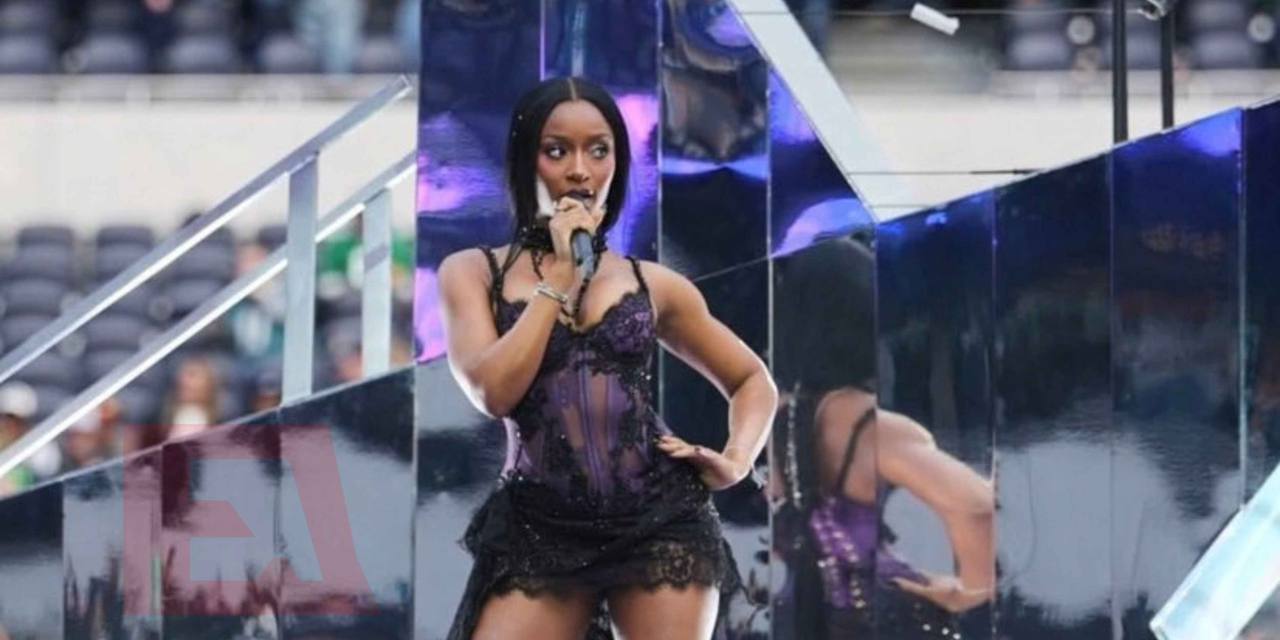
She performed on a raised stage positioned at midfield, surrounded by dancers dressed predominantly in black. The production featured mirrored geometric platforms, dramatic lighting and smoke effects, creating a striking visual backdrop for the medley.
The transitions between songs kept the performance moving, while the choreography and staging complemented Ayra Starr’s energetic delivery.
Ayra Starr also made a statement with her outfit for the occasion. She appeared in a purple-toned corseted top with sheer, lace-inspired details, paired with a short black skirt and boots.
Following the performance, clips from the show began circulating across social media, with fans highlighting her stage presence, vocals, choreography and the significance of the moment for African music.
The appearance generated particular excitement among Afrobeats fans, many of whom viewed the booking as another important step in the genre’s continued expansion into major international entertainment spaces.
Ahead of the show, the singer had spoken about preparing something special for the occasion and acknowledged the significance of becoming the first African artist to headline an NFL International Series halftime show.
Ayra Starr’s NFL appearance arrives amid the continued international growth of Afrobeats and the increasing visibility of Nigerian artists across major music, fashion and entertainment platforms.
From international festival stages to collaborations with global stars, Nigerian musicians have continued to expand their reach. Ayra Starr’s halftime performance adds another notable moment to that trajectory, placing Afrobeats at the centre of an international sporting event.