‘Obsession’ Surpasses $500 Million Worldwide, Ranks Among Top 5 Highest-Grossing Horror Films Ever (See the Full Top 15 List)

In an era dominated by blockbuster franchises, massive production budgets and increasingly expensive theatrical releases, Obsession has emerged as one of the most remarkable box office success stories in modern cinema.

The supernatural horror film, directed by first time theatrical filmmaker Curry Barker, has now surpassed $500 million at the worldwide box office, earning approximately $501.6 million globally as of late August 2026. Made on a reported production budget of just $750,000, Obsession has transformed from a low-budget genre film into a global cultural and commercial phenomenon.

The extraordinary run has also placed the film among the five highest-grossing horror movies of all time worldwide.

Obsession follows Bear, played by Michael Johnston, a music-store employee who discovers a mysterious object known as the “One Wish Willow.”

Driven by his feelings for his friend Nikki, played by Inde Navarrette, Bear uses the supernatural power to make her fall obsessively in love with him.

However, as the familiar saying goes, viewers should be careful what they wish for.

The wish gives Bear exactly what he asks for. But, with increasingly disturbing and dangerous consequences.

The film also stars Cooper Tomlinson, Megan Lawless and Andy Richter.

Barker wrote, directed and edited Obsession, marking an impressive leap for the filmmaker, who previously built an audience as a YouTuber. The movie was filmed in Los Angeles in 2024 and premiered at the Toronto International Film Festival in September 2025.

Following its premiere, Focus Features acquired the film for a reported $14 million to $15 million, making it one of the biggest acquisitions for a genre title at the festival. Jason Blum later joined the project as an executive producer through Blumhouse.

Obsession was released theatrically in the United States on May 15, 2026, opening to a respectable but far from record-breaking $17 million.

Rather than experiencing the usual decline in box office numbers after its opening weekend, Obsession continued to gain momentum. The film reportedly posted higher weekend totals than its debut across multiple consecutive weekends, driven by powerful word of mouth and growing interest among younger audiences, particularly Gen Z.

The film’s domestic earnings eventually climbed beyond $263 million, while strong performances across international markets pushed its worldwide total past the $500 million mark.

Its success in major markets, including the United Kingdom and China, helped turn what began as a modestly budgeted horror release into one of 2026’s biggest theatrical success stories.

With approximately $501.6 million in worldwide earnings, Obsession has officially climbed into the top tier of horror box office history.

Top 15 Highest-Grossing Horror Films of All Time Worldwide

Note: Figures are unadjusted for inflation and rankings may change due to ongoing theatrical runs, re-releases and final box office reporting.

  1. It (2017) — $719.8 million
  2. The Sixth Sense (1999) — $672.8 million
  3. I Am Legend (2007) — $585.5 million
  4. World War Z (2013) — $540.0 million
  5. Obsession (2026) — $501.6 million
  6. The Conjuring: Last Rites (2025) — $499.3 million
  7. Jaws (1975) — $495.2 million
  8. It Chapter Two (2019) — $473.1 million
  9. Beetlejuice Beetlejuice (2024) — $452.0 million
  10. The Exorcist (1973) — $430.9 million
  11. Signs (2002) — $408.3 million
  12. Prometheus (2012) — $403.4 million
  13. Backrooms (2026) — $395.1 million
  14. Sinners (2025) — $371.0 million
  15. The Nun (2018) — $366.1 million

In an industry where many movies generate the bulk of their revenue during their opening weekend, Obsession continued to attract audiences long after its debut. That kind of staying power is increasingly rare and demonstrates the impact that strong word-of-mouth can have when audiences genuinely connect with a film.

The movie has also reportedly become the highest-grossing title in Focus Features history and one of the most profitable films ever when measured against its relatively tiny production budget.
The 10 Greatest Horror Movies of All Time

Horror films have always tapped into humanity’s deepest fears, whether through supernatural forces, psychological tension, or relentless killers. The genre has produced some of the most iconic and influential works in cinema history. Below is a ranking of the greatest horror movies of all time, complete with summaries, about-sections, and their lasting impact on the genre.

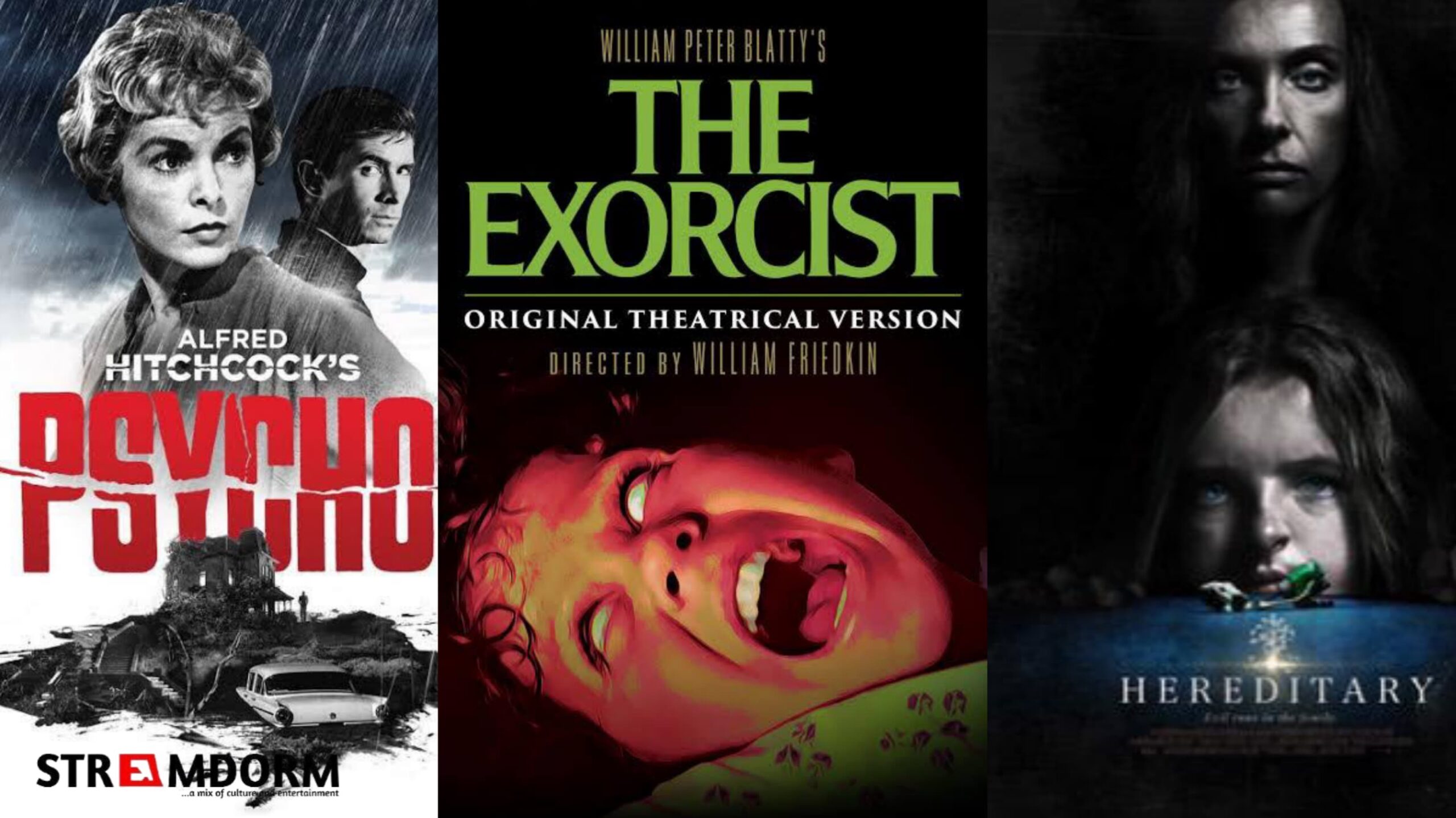
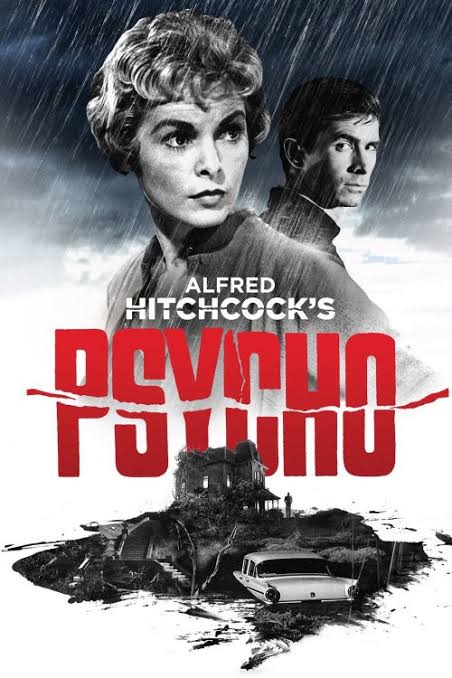
Psycho (1960, Alfred Hitchcock)

Summary: Marion Crane, on the run after stealing money, checks into the Bates Motel, where she meets Norman Bates, a seemingly shy innkeeper with a disturbing secret.

About the film: Hitchcock’s masterpiece shocked audiences with its bold violence and psychological depth. The infamous shower scene and Norman Bates’ dual personality redefined horror. Psycho is widely credited with creating the foundation for modern slasher films while elevating horror into serious cinema.

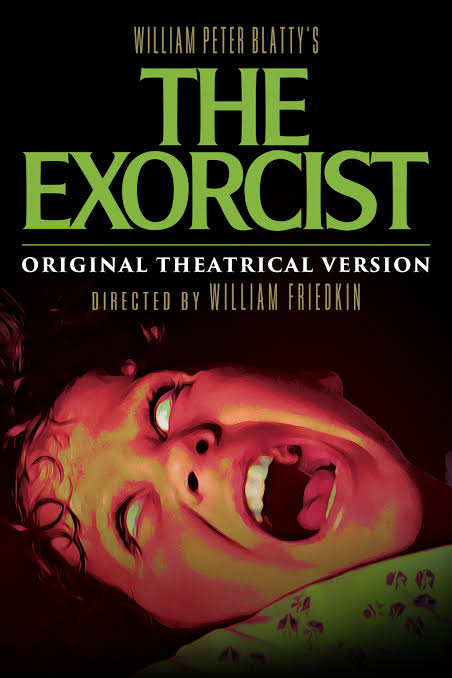
The Exorcist (1973, William Friedkin)

Summary: A young girl named Regan becomes possessed by a demonic entity, and two priests attempt a dangerous exorcism to save her.

About the film: The Exorcist was a cultural phenomenon, terrifying audiences with groundbreaking effects and disturbing imagery. Its exploration of faith, good versus evil, and human fragility gave it depth beyond its shocking visuals, making it one of the most influential horror films ever made.

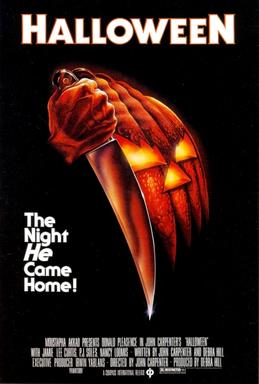
Halloween (1978, John Carpenter)

Summary: On Halloween night, masked killer Michael Myers escapes from an asylum and stalks babysitters in his hometown, targeting teenager Laurie Strode.

About the film: With a shoestring budget, Carpenter created a horror juggernaut. Its haunting score, minimalist approach, and suburban setting proved horror didn’t need gore to be terrifying. Halloween became the model for countless slashers and made Michael Myers an enduring horror icon.

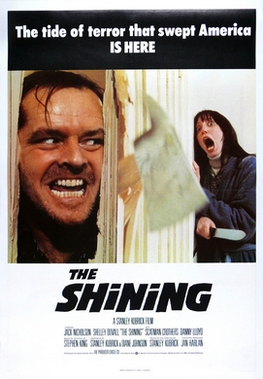
The Shining (1980, Stanley Kubrick)

Summary: Jack Torrance takes a caretaker job at the remote Overlook Hotel, where isolation and supernatural forces drive him into madness, threatening his family.

About the film: Kubrick’s meticulous direction and Jack Nicholson’s unforgettable performance turned The Shining into a chilling exploration of madness. Its use of symmetry, atmosphere, and ambiguity unsettles viewers decades later, cementing it as both a horror masterpiece and an art-house triumph.

Jaws (1975, Steven Spielberg)

Summary: A small beach town is terrorized by a massive great white shark, forcing the police chief, a fisherman, and a scientist to hunt it down.

About the film: Though often classified as a thriller, Jaws is horror at its core, striking primal fear of the unknown. Spielberg’s suspenseful pacing and John Williams’ two-note score created one of cinema’s most terrifying experiences. The film also birthed the modern summer blockbuster.

Rosemary’s Baby (1968, Roman Polanski)

Summary: Rosemary, a young woman, becomes suspicious that her pregnancy is part of a sinister plot involving her neighbors and a Satanic cult.

About the film: A slow-burn masterpiece, Rosemary’s Baby thrives on paranoia and suggestion rather than spectacle. Mia Farrow’s haunting performance and the film’s shocking conclusion left audiences unsettled. Its success proved that horror could thrive on psychological manipulation rather than gore.

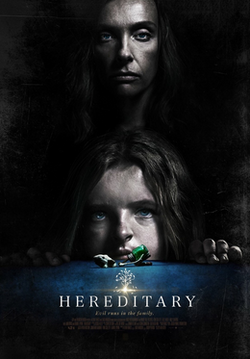
Hereditary (2018, Ari Aster)

Summary: After her mother’s death, Annie and her family uncover horrifying secrets that tie their grief to a dark supernatural curse.

About the film: A modern classic, Hereditary blends family trauma with supernatural terror. Toni Collette’s emotionally raw performance elevated the film, while Ari Aster’s direction created some of the most shocking moments in recent horror. It has been hailed as redefining what 21st-century horror can achieve.

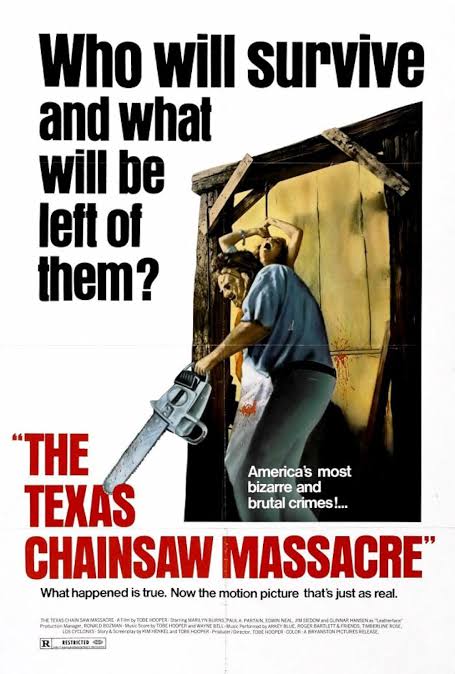
The Texas Chain Saw Massacre (1974, Tobe Hooper)

Summary: A group of friends stumble upon a farmhouse inhabited by a family of cannibals, including the chainsaw-wielding Leatherface.

About the film: With its documentary-like realism, gritty sound design, and oppressive atmosphere, The Texas Chain Saw Massacre remains one of the most disturbing films ever. Surprisingly low on gore, its horror lies in its relentless dread. Leatherface became a cultural icon of terror.

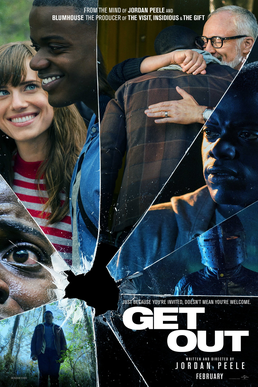
Get Out (2017, Jordan Peele)

Summary: Chris, a young Black man, visits his white girlfriend’s family estate, where he discovers a sinister plot beneath their welcoming façade.

About the film: Jordan Peele’s debut combined horror thrills with sharp social commentary, addressing racial dynamics in a way never before seen in the genre. Acclaimed for its symbolism, tension, and originality, Get Out redefined horror for modern audiences and won Peele an Academy Award.

Alien (1979, Ridley Scott)

Summary: The crew of the Nostromo spaceship encounter a deadly alien creature that stalks them one by one in deep space.

About the film: By blending science fiction and horror, Alien created one of the most terrifying monsters in cinema. The claustrophobic setting and the shocking chestburster scene cemented its legacy. Sigourney Weaver’s Ripley became an iconic heroine, changing the “final girl” archetype forever.

From Hitchcock’s Psycho to Peele’s Get Out, these films represent the pinnacle of horror storytelling. Each redefined fear for its time, shaping both the genre and popular culture. Horror is not just about scares—it’s about reflection, tension, and innovation. That’s why these ten movies remain the greatest horror films of all time.

Scroll to Top