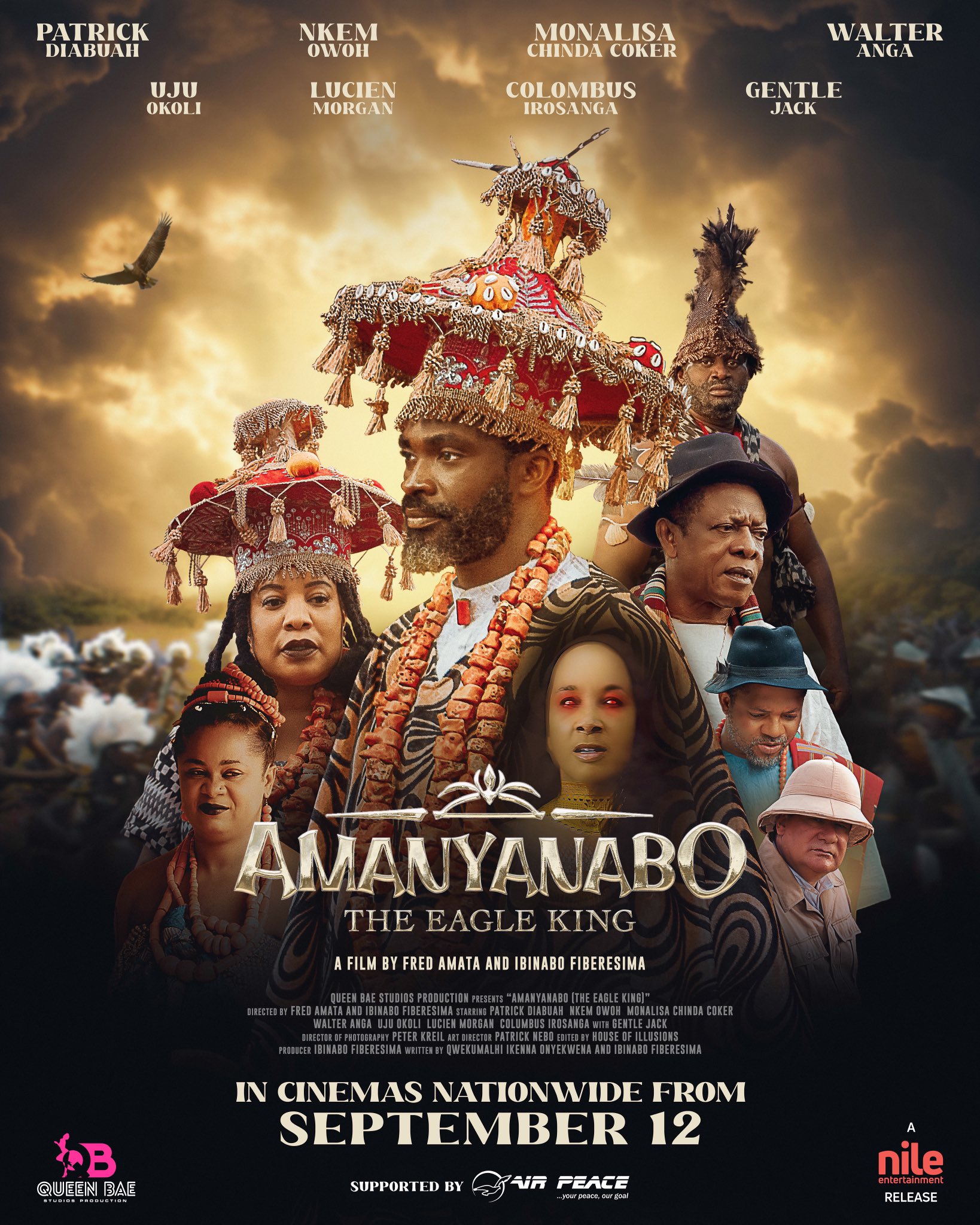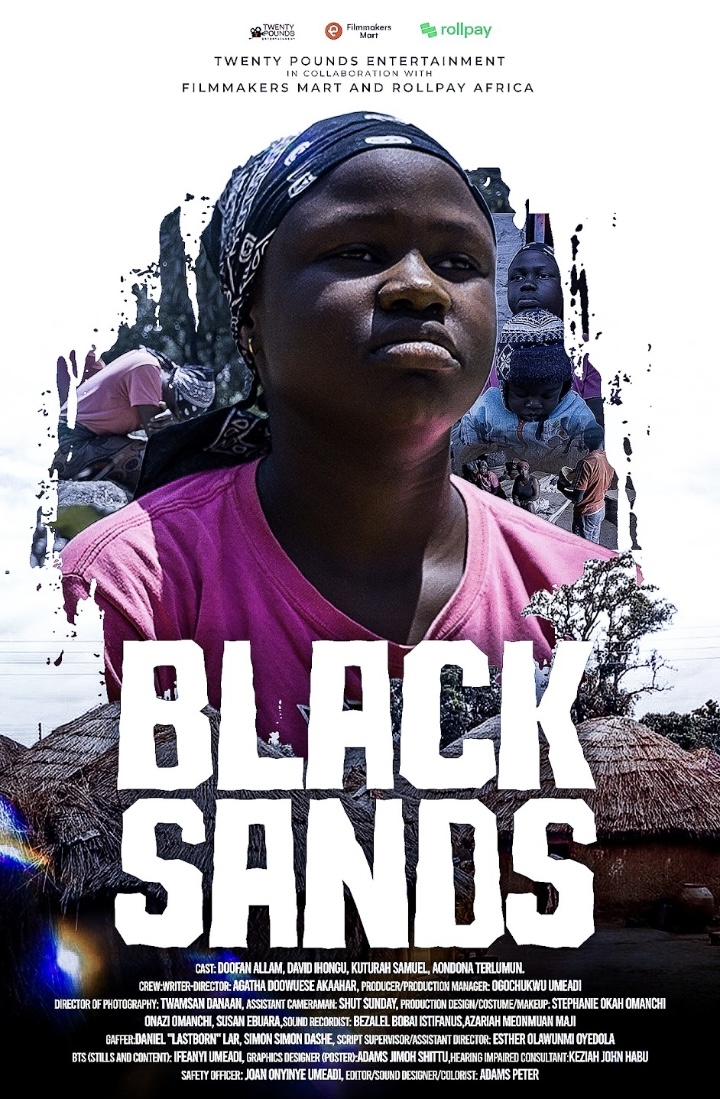
Nollywood’s latest historical epic, Amanyanabo: The Eagle King, is officially set to hit cinemas across Nigeria on September 12, 2025, marking one of the year’s most anticipated theatrical releases.
The film, directed by Fred Amata and Ibinabo Fiberesima, brings to life the story of King Ibanichuka (Ado VI), a 19th-century warrior of Okrika in the Niger Delta who was chosen by the goddess Tamunoba to become king. Drawing from Dr. Alfred S. Abam’s book ‘King Ibanichuka (Ado VI) 1816-1896’, the movie blends history, mythology, and drama, exploring themes of leadership, cultural identity, colonial resistance, and personal sacrifice.
Amanyanabo, the eagle king, a story of heritage, power, and destiny is coming to life on the big scree, from tomorrow, September 12.
The epic features a rich ensemble of Nollywood veterans and rising stars. Patrick Diabuah leads as King Ibanichuka, supported by Nkem Owoh as Chief Ogan, Monalisa Chinda Coker as Queen Mboro, Walter Anga as Chief Okpokiri, and Gentle Jack as Igbanibo Will-Braide. International actor Lucien Morgan also appears as Consul Ralph Moor, representing colonial interests in the story.
Themes of Power and Conflict
Amanyanabo: The Eagle King dives deep into the political, spiritual, and cultural struggles of its era. It portrays the clash between indigenous traditions and Christianity, the influence of colonial powers, and the burden of leadership placed on Ibanichuka as he navigates loyalty, betrayal, and divine expectation.
Release and Distribution
Following its Lagos premiere, the film will now roll out to cinemas nationwide, with distribution handled by The Nile. Producers say the release is a milestone in Nollywood’s commitment to telling African historical stories on a grand cinematic scale, pairing elaborate costumes and set designs with powerful performances.
Early reviews from critics following its August 29 premiere in UK, have praised the film’s ambition and visual richness, though some noted its theatrical pacing. Nonetheless, many see the September 12 release as a defining moment for Nollywood, especially in elevating stories rooted in Nigerian history and culture.
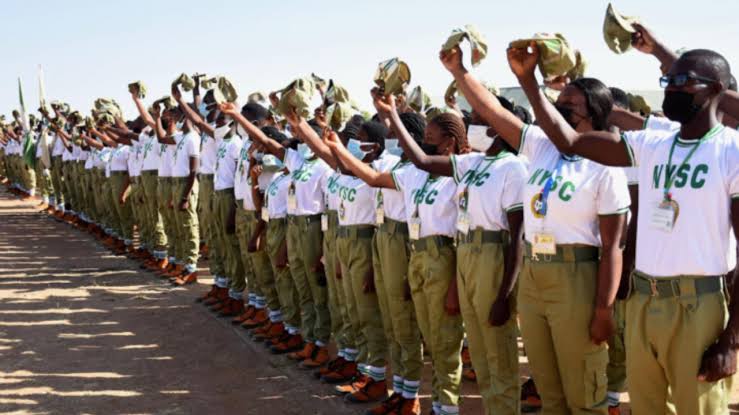
The National Youth Service Corps (NYSC) has officially announced the registration dates for its 2025 Batch B Stream II orientation exercise. According to the timetable released on the NYSC portal, the registration process will commence on Monday, September 8, 2025, and will run until Saturday, September 13, 2025.
This announcement is crucial for all prospective corps members (PCMs), both locally trained and foreign-trained graduates, who are expected to participate in the scheme’s one-year mandatory national service.
Printing of Deployment & Call-up Letters (Institutions & PCMs)
September 21 – 23, 2025
Registration Guidelines for PCMs
To ensure a smooth process, PCMs are advised to take note of the following:
NYSC Portal: Registration should be done strictly on the official NYSC portal (www.nysc.gov.ng). Avoid unofficial sites to prevent scams.
Required Information for Local Graduate: Valid email address and phone number, NIN (National Identification Number, Matriculation/JAMB number for verification, Recent passport photograph (white background recommended)
Requirements for Foreign-Trained Graduates: – International passport and student visa, Original degree or HND certificate, WAEC/NECO/GCE results with scratch cards for verification, Transcript (if applicable), Physical verification at designated centers between September 14 and 18, 2025.
Biometric Capture: During registration, all PCMs are expected to complete biometric fingerprint capture.
Call-Up Letter Printing: From September 21 to 23, 2025, PCMs will be able to print their call-up letters. Those who paid during registration can print directly from the portal, while others must collect from their respective institutions.
After registration and call-up letter issuance, PCMs will be deployed to various states across Nigeria for the orientation camp exercise. The official camp opening date for Batch B Stream II will be communicated by the NYSC in due course.
During the three-week camp, PCMs will undergo:
Orientation and training
Lectures on national integration and youth development
Skills acquisition programs
Parade and drills
Swearing-in ceremony
Prospective corps members are advised to begin preparations early, gather all necessary documents, and strictly adhere to NYSC guidelines. Timely registration is essential, as the portal will automatically close after the set deadline of September 13, 2025.
For updates, always check the official NYSC website and verified media outlets.
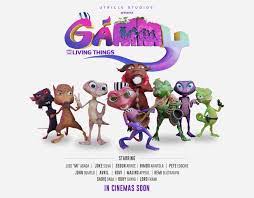
The Nigerian film industry is about to make history with the release of its first-ever full-length 3D animated musical, Gammy and the Living Things. Produced by Utricle Studios and distributed by FilmOne Entertainment, the landmark project will debut in cinemas nationwide on September 5, 2025, setting a new standard for local animation and storytelling.
The film follows Gammy, a redhead agama lizard with big dreams of becoming a music superstar. Determined to “blow,” he leaves his small town and embarks on a thrilling adventure to Lagos, the cultural capital of Nigeria. His journey blends humor, ambition, and self-discovery with electrifying music, dance, and unmistakable Naija energy.
Star-Studded Voice Cast
Adding depth and personality to the characters is an impressive lineup of Nigerian stars. Hip-hop legend Jude “MI” Abaga voices Gammy, while veteran actors Pete Edochie and Joke Silva bring their iconic voices to key roles. Popular comedian Bovi Ugboma and other well-known talents also feature in the cast, making it one of the most star-studded animated films in Nollywood history.
Industry Recognition and Anticipation
Even before its official release, Gammy and the Living Things has been praised as a milestone achievement. A private screening in Lagos in 2023, attended by then–Vice President Yemi Osinbajo, drew acclaim for its creative ambition and cultural relevance. Film analysts have described it as a defining moment for Nigerian animation, with the potential to open doors for more African stories told through world-class animated formats.
Beyond its musical spectacle, the film celebrates Nigerian creativity and resilience. Its use of popular Naija hits, energetic dance sequences, and familiar cultural expressions promises to resonate deeply with local audiences while also appealing to international viewers curious about African animation.
A New Era for Nollywood Animation
The release of Gammy and the Living Things signals more than just another movie premiere; it represents the coming of age of Nigerian animation. With Utricle Studios leading production and FilmOne Entertainment ensuring widespread distribution, the project is positioned to redefine how Nollywood is perceived globally.
Audiences across Nigeria can look forward to experiencing this historic production when it premieres in cinemas on September 5, 2025.
The United Kingdom has reaffirmed its commitment to deepening cybersecurity cooperation with Nigeria, pledging technical assistance, intelligence sharing, and strategic frameworks to address growing digital threats.
At the “Anticipatory, Cyber and Digital Diplomacy” seminar held in Abuja on September 2, 2025, UK officials emphasized the importance of safeguarding Nigeria’s digital landscape against cybercrime, disinformation, and emerging risks linked to artificial intelligence (AI).
British High Commissioner to Nigeria, Richard Montgomery, described the collaboration as “vital for strengthening national resilience,” noting that cyber threats have become increasingly sophisticated. He highlighted the potential misuse of AI to amplify disinformation and hate speech, warning that both nations must stay ahead of evolving risks.
Expanding the Cybersecurity MoU
The UK and Nigeria first signed a cybersecurity Memorandum of Understanding (MoU) in 2024. Under the expanded framework, cooperation now spans five key areas:
Threat hunting
Cyber threat intelligence sharing
Protection of critical national infrastructure
Digital forensics
Incident response planning
This expansion reflects a shift from policy dialogue to more practical, technical, and operational cooperation.
Broader Security and Digital Initiatives
The partnership builds on several recent milestones:
July 2025: The Third UK–Nigeria Security and Defence Partnership Dialogue in London prioritized cybercrime, disinformation, AI misuse, and hybrid threats.
May 2025: Nigeria launched a Joint Case Team on Cybercrime with UK and Commonwealth support, bringing together agencies like the EFCC, Police, and Ministry of Justice to coordinate investigations and prosecutions.
May 2025: A Fraud MoU was signed to improve fraud prevention and strengthen prosecutions.
March 2025: The UK concluded a Cybersecurity Trade Mission in Nigeria, where experts and stakeholders worked on frameworks for a National Cybersecurity Architecture.
Both countries have pledged to continue their strategic partnership, with the next round of the UK–Nigeria Security and Defence Dialogue scheduled for 2026 in Abuja. Analysts say the success of these initiatives will depend on effective implementation, funding, and the ability to balance cybersecurity with digital rights.
“Cybersecurity is no longer a national challenge but a global one,” Montgomery stressed. “By working together, the UK and Nigeria can set a model for resilience and responsible governance in the digital age.”
In Nigeria, Saturdays are not just another day on the calendar—they carry a rhythm, a culture, and a vibe that sets them apart. Across the country, Saturdays symbolize celebration, relaxation, and community. Whether it’s the glitz of owambes or the calm of unwinding at home, the day holds a special meaning for Nigerians everywhere.
Owambes
Ask any Nigerian what Saturdays mean, and the answer will likely involve an owambe; mostly popular amongst the Yorubas but regardless of the ethnicity, everyone parties on Saturday. These are the lavish weddings, birthdays, and celebratory gatherings known for their music, fashion, and food. Guests turn out in brightly colored aso-ebi, the DJs spin Afrobeats hits, and the atmosphere is always electric. For many, Saturdays are incomplete without an owambe invitation—or at least scrolling Instagram to see who wore what. Owambes are more than just parties; they are cultural showcases where Nigerian fashion, cuisine, and music shine brightly.
Sporting Saturdays
Another staple of Nigerian Saturdays is football. Whether it’s cheering for local teams in a neighborhood viewing center or streaming English Premier League matches, football binds people together. Saturdays often become mini-festivals of passion, noise, and camaraderie as fans support their favorite clubs. Football on Saturdays is more than a sport, it’s a social ritual that unites people from all walks of life.
Chill Saturdays
Not everyone goes out, of course. For many Nigerians, Saturdays are reserved for catching up on rest after a long work week. It’s a day to recharge—watching movies, doing small chores, or spending quality time with family. Some prefer the calm of an early morning market run, followed by a hearty pot of jollof rice shared with loved ones. This slower pace makes Saturdays a perfect balance between productivity and leisure.
Interestingly, Nigerian Saturdays often mix productivity with fun. From wedding errands to laundry day, people use the weekend to tick things off their list while still finding time to celebrate. This balance is what makes Saturdays unique: productive yet joyful, loud yet restful. It reflects the Nigerian lifestyle where hard work and celebration often go hand-in-hand.
Why Saturdays Feel Special in Nigeria
At its core, Saturdays are about connection. Whether through the energy of owambes, the unity of football, or the intimacy of family moments, Saturdays embody the Nigerian spirit of togetherness. They remind us that life is meant to be lived loudly, joyfully, and in style. Nigerian Saturdays are not just about the activities—they are about the feelings, the memories, and the bonds created along the way.
Discover the top 5 trending topics in Nigeria this week—from AFRIMA 2025 nominations to Johnny Drille & Tiwa Savage’s new collaboration, TikTok culture, and more.
Every week in Nigeria, a few topics dominate conversations, whether on Twitter (X), Instagram, WhatsApp groups, or even the streets. This week has been no different. From entertainment to politics, lifestyle trends, and social buzz, here are the top five trending topics Nigerians can’t stop talking about:
AFRIMA 2025 Nominations
The buzz around the All Africa Music Awards (AFRIMA 2025) is still hot. Fans are celebrating their favorites while arguing about who got snubbed. With heavyweights like Burna Boy, Ayra Starr, and Asake leading nominations, the debates on “who deserves Album of the Year” have flooded social media. AFRIMA remains one of the most talked-about music events in Africa, and Nigerians are proudly backing their stars.
SAMA 2025 and Afrobeats Conversations
Even though the South African Music Awards (SAMA 2025) are not Nigerian, they still caused a stir online. Nigerian fans are comparing South Africa’s music culture with the global dominance of Afrobeats, sparking heated debates about who really owns the African sound right now. The cross-border music rivalry has kept timelines busy all week.
Johnny Drille & Tiwa Savage Collaboration
This unexpected collab had Nigerians buzzing all week. Both artists are known for soulful, emotional music, and their first track together felt refreshing. The reaction online shows how much fans love when artists blend unique sounds. Some are already calling it one of the best Nigerian collaborations of 2025.
TikTok’s Nigerian Wave
From viral skits to dance challenges, Nigerians continue to set global trends on TikTok. This week, the conversation tilted toward how creators outside Nigeria are using Nigerian culture, slang, and music to farm engagement proof of Nigeria’s growing influence on digital content. With TikTok’s algorithm favoring Nigerian-style creativity, it’s clear the world is watching.
The Cost of Living Conversations
Away from music and entertainment, Nigerians have been actively discussing the rising cost of living. Food prices, transportation costs, and fuel hikes sparked countless viral memes and tweets. While the humor softens the blow, the frustration is clear. It’s a reminder that alongside the fun and vibes, Nigerians never shy away from real issues.
From global music awards to cultural influence on TikTok, Nigerians proved once again that they shape conversations beyond borders. Whether it’s through music, lifestyle, or social commentary, these are the trending topics defining
Open TikTok anytime and chances are you’ll come across Nigerian-related content. Jump into the comment section of a non-Nigerian creator and you’re likely to find Nigerians there too, dropping jokes, slang, and reactions that sometimes outshine the video itself. Nigeria has quietly become one of TikTok’s most influential hubs, not just in Africa but worldwide. And now, people from across the globe are deliberately leaning on Nigerian culture and audiences to boost their own visibility.
TikTok has become the world’s stage for creativity, and few countries have embraced the platform as vibrantly as Nigeria. From dance challenges to comedy skits, Nigerian creators have not only captured local audiences but also shaped global trends. Yet behind the virality lies a curious dynamic: people from other parts of the world are deliberately targeting Nigerian users to farm engagement.
Nigeria’s Rise on TikTok
Nigeria stands out as one of TikTok’s fastest-growing markets in Africa. With more than 60% of its population under the age of 25, the country provides a young, digitally active audience hungry for content. Afrobeats, Nigeria’s most popular cultural export, has become a global soundtrack on the app, pulling millions into dances and remixes that often begin on Nigerian soil.
For TikTok’s algorithm, which favors quick and heavy interaction, Nigerian activity is gold. The country’s users comment, share, and like at strikingly high rates, boosting the visibility of videos in record time. This engagement has turned Nigeria into an unlikely hub for creators around the world who want fast traction on their content.
Farming Engagement: How Global Creators Tap In
Across continents, creators are increasingly tailoring content with Nigerians in mind. The methods vary:
Using Afrobeats tracks to ride viral sound trends.
Recreating Nigerian dance steps or comedy skits for global audiences.
Hashtag targeting, where foreign creators push their content under Nigerian-related tags.
The result is often predictable, Nigerian users engagement is massive, pushing these creators’ videos higher in TikTok’s discovery feed and sometimes to worldwide visibility.
This dynamic has sparked debate: is the global adoption of Nigerian content a form of cultural appreciation, or is it another example of extraction where others profit off creativity without acknowledgment?
Nigerians are not just participants in the TikTok ecosystem; they are the spark that powers it. Our creativity has fueled global trends, soundtracked millions of videos, and reshaped how audiences interact with short-form content.
In a world where every day seems to blur into work, hustle, and endless routines, Sundays in Nigeria stand out as a day that feels different. No matter the city or village, the energy shifts on this day. Streets are calmer, kitchens are busier, and families seem to find their way back to each other. In a sense, Sundays still hold a sacred charm that refuses to fade.
A Day of Faith and Reflection
For many Nigerians, Sunday begins with faith. Churches come alive across the country, from the echo of hymns in small village chapels to the energetic praise sessions in mega auditoriums. For Christians, Sunday is not just a day of worship but also of community, a chance to reset spiritually before the week ahead. Even for those who don’t attend services, the aura of quiet reflection and gratitude lingers in the air.
The Tradition of Sunday Rice
If there is one tradition that has stood the test of time, it is the Sunday meal. In countless homes, “Sunday rice” has become more than food; it’s a cultural ritual. Whether it’s jollof, fried, or white rice with stew, the dish unites families together. It’s often the only day when everyone eats together in high spirit, turning a simple meal into a memory that carries through generations.
Rest, Reset, and Reconnection
Unlike other days packed with deadlines and errands, Sunday encourages rest. Children play in the yard, parents catch up on conversations, and some families visit relatives. For many, it’s also a day of slowing down, catching a football match, or simply napping after a heavy lunch. The balance of activity and rest makes Sunday feel like a pause button on life.
A Cultural Constant in Changing Times
Despite Nigeria’s rapid modernization, from bustling tech hubs to non-stop social media, Sundays still retain their sacredness. The blend of faith, family, food, and rest is deeply ingrained in the culture. Even younger generations, who may prefer streaming Netflix or hanging out with friends, often find themselves pulled back into the rhythm of tradition.
More Than Just a Day
Ultimately, Sundays in Nigeria remind us that life is not just about work or survival. It’s about community, togetherness, and honoring traditions that bring meaning to our days. The sacredness of Sunday lies not only in religion but also in the simple joys of food, laughter, and shared time. And in a fast-moving world, that might just be the most important ritual of all.
Japan has designated Kisarazu City as the official hometown for Nigerians wishing to live and work in the country, offering special visas and economic opportunities to strengthen Nigeria–Japan ties.
Kisarazu Declared Official Hometown for Nigerians in Japan
In a landmark move to deepen ties between Nigeria and Japan, Kisarazu, a coastal city in Chiba Prefecture, has been officially declared the “hometown” for Nigerians looking to live and work in Japan.
The announcement came at the 9th Tokyo International Conference on African Development (TICAD9), where Japan introduced a special visa program for Nigerians. The scheme is designed for highly skilled professionals, artisans, and blue-collar workers willing to upskill, aligning with Japan’s efforts to revitalize its regions and address labor shortages.
Why Kisarazu Was Chosen
Kisarazu holds a unique bond with Nigeria, having hosted the country’s athletes during the Tokyo 2020 Olympics. Its welcoming spirit and existing ties made it the ideal choice for this designation.
The city is just 70 km from Tokyo, connected by the Tokyo Bay Aqua-Line, and offers a thriving economy based on steel, electronics, agriculture, and fishing. It also has modern attractions like Mitsui Outlet Park and cultural highlights such as local seafood cuisine and Kōzō-ji Temple. With affordable living costs and strong community structures, Kisarazu provides an ideal environment for Nigerians to settle.
The Special Visa Program
A key part of this initiative is the creation of a special visa category that will make it easier for Nigerians to relocate to Japan.
The visa will target young, highly skilled Nigerians, as well as artisans and blue-collar workers who are willing to undergo upskilling in Japan.
The aim is to fill labor shortages in Japan while creating new pathways for Nigerians to access career opportunities abroad.
Details such as eligibility criteria, application timelines, and procedures are yet to be finalized. The Japanese government has not announced when Nigerians can start applying, but updates are expected through the Japanese Embassy in Nigeria and the Ministry of Foreign Affairs of Japan.
Like other Japanese work visas, the process is likely to involve securing a Certificate of Eligibility (COE) from a Japanese employer or host institution, followed by visa application at the embassy in Nigeria.
Until the program officially launches, Nigerians interested in relocating are advised to monitor official embassy announcements, prepare their professional documentation (CVs, certificates), and stay informed about upskilling opportunities that could qualify them for the program.
A Broader African Initiative
Kisarazu’s designation is part of a wider Japanese strategy to pair cities with African countries:
Nagai (Yamagata Prefecture) with Tanzania
Sanjo (Niigata Prefecture) with Ghana
Imabari (Ehime Prefecture) with Mozambique
These partnerships are aimed at boosting people-to-people exchanges, cultural integration, and local population growth.
At TICAD9, Japanese Prime Minister Shigeru Ishiba also announced a $5.5 billion investment package for Africa, emphasizing youth empowerment, private sector growth, and regional economic development. This initiative creates a bridge between Nigeria and Japan, opening doors for Nigerians to pursue opportunities abroad while helping Japan tackle its demographic challenges.
What This Means for Nigerians
The “hometown” designation provides several opportunities for Nigerians:
Special Visa Pathways for skilled youth, artisans, and professionals.
Job Opportunities across Kisarazu’s growing industries.
Community Support for cultural integration, including language and adaptation programs.
The formal ceremony marking the designation was attended by Nigeria’s Charge d’Affaires in Japan, Mrs. Florence Akinyemi Adeseke, and Mayor Yoshikuni Watanabe of Kisarazu, solidifying the agreement.
This initiative creates a bridge between Nigeria and Japan, opening doors for Nigerians to pursue opportunities abroad while helping Japan tackle its demographic challenges.
For many Nigerians, Kisarazu is now more than a city, it is an official gateway to Japan.
Have you ever met someone who tasted suya and walked away without buying? I haven’t. But I have met someone who walked away because the Mai Suya refused to give him a taste. That tiny piece of meat, handed over with a smile, carries more weight than most people realize. It’s not just about the flavour, it’s a subtle play of psychology, culture, and salesmanship.
1. The Law of Reciprocity
In psychology, people naturally feel obliged to return a favor. When the Mai Suya offers you that small piece for free, you subconsciously feel the need to “give back” by making a purchase. Even if you didn’t intend to buy suya at first, that little act can tip you into buying more than you intended.
2. Anchoring and Commitment
That first bite sets the standard. If it tastes delicious, your mind quickly locks in the thought: “I should get more of this.” The simple act of tasting makes you part of the transaction already, and psychologically, it becomes harder to walk away empty-handed.
3. Building Trust
Buying food from the roadside often comes with questions about hygiene or quality. By offering a taste upfront, the seller is essentially saying, “See? I have nothing to hide.” That small gesture builds immediate trust and reassures you about what you’re paying for.
4. Appetite Stimulation
Suya’s unique blend of pepper, spice, and smoky aroma is designed to awaken the senses. A small taste teases your appetite without satisfying it, triggering cravings that push you to order more. It’s the same logic behind supermarkets offering free food samples.
5. Cultural Warmth
Beyond business, suya tasting is also part of Nigeria’s communal food culture. That small bite makes the exchange feel less transactional and more like friendship. It’s a subtle way of saying, “You’re welcome here.” This emotional warmth builds loyalty, which is why many people keep returning to their favourite suya spots.
That tiny piece of suya isn’t just about taste, it’s a clever mix of psychology, culture, and salesmanship. Without knowing it, the Mai Suya is using the same principles that big marketers and global brands rely on to win customers.
So next time you get that first bite, enjoy it—but also smile knowing you’ve just been nudged by some street orientation.