The National Youth Service Corps (NYSC) has announced that the 2026 Batch ‘A’ Orientation Course will officially commence on Wednesday, January 21, 2026, across all orientation camps nationwide.
The announcement confirms the start of activities for prospective corps members following months of anticipation, marking the beginning of another service year under the NYSC scheme.
Key Dates and Schedule
According to the official schedule released by the NYSC, reporting and registration for the 2026 Batch ‘A’ corps members will begin on January 21 and run until midnight on January 23, 2026. Prospective corps members are expected to complete all registration formalities within this window at their respective orientation camps.
The swearing-in ceremony, a major highlight of the orientation programme, is scheduled to take place on Friday, January 23, 2026, officially inducting the corps members into national service.
The orientation course will span three weeks, with the closing ceremony fixed for Tuesday, February 10, 2026, after which corps members will be posted to their various places of primary assignment (PPA).
The orientation course will be held simultaneously in all 36 states of the federation and the Federal Capital Territory (FCT), continuing NYSC’s long-standing tradition of nationwide participation and integration.
During the camp period, corps members will undergo paramilitary drills, lectures, skill acquisition training, and cultural integration activities, designed to prepare them for the service year ahead.
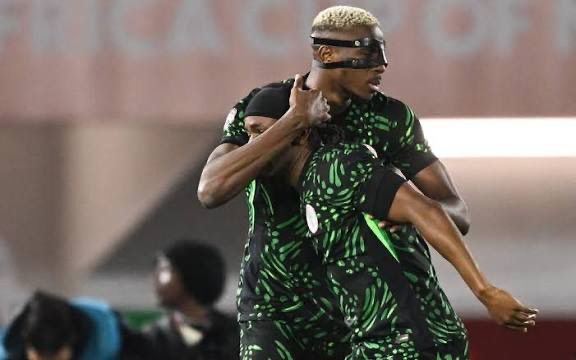
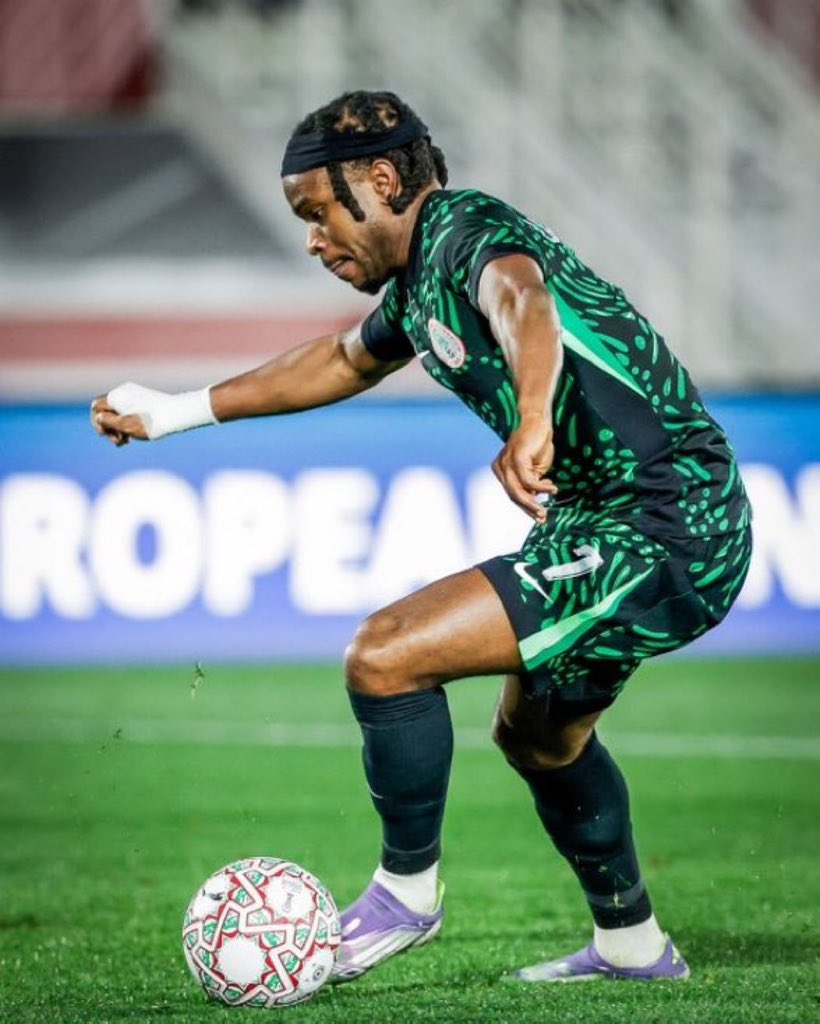
The Africa Cup of Nations Round of 16 delivered contrasting narratives as Egypt edged past Benin after extra time, while Nigeria produced a commanding display to dismantle Mozambique, sealing their place in the quarterfinals.
Egypt 3–1 Benin
Egypt booked their quarterfinal spot after a dramatic 3–1 extra-time victory over Benin in Agadir.
The breakthrough arrived in the 69th minute when Marwan Attia struck from distance, but Benin responded late through Jodel Dossou’s 83rd-minute equaliser, forcing extra time.
In the additional period, Egypt’s experience proved decisive. Yasser Ibrahim restored the lead in the 97th minute, before Mohamed Salah sealed the win in the 124th minute, ending Benin’s resistance.
Final Score:
• Egypt 3–1 Benin (after extra time)
• Goals: Attia (69′), Ibrahim (97′), Salah (124′); Dossou (83′)
Nigeria 4–0 Mozambique
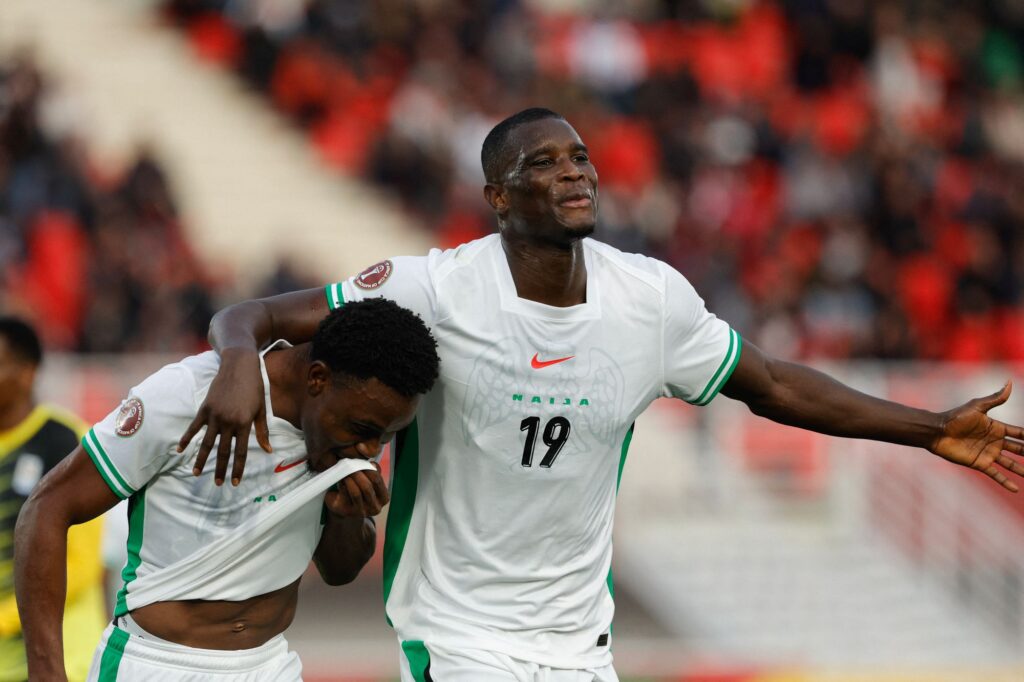
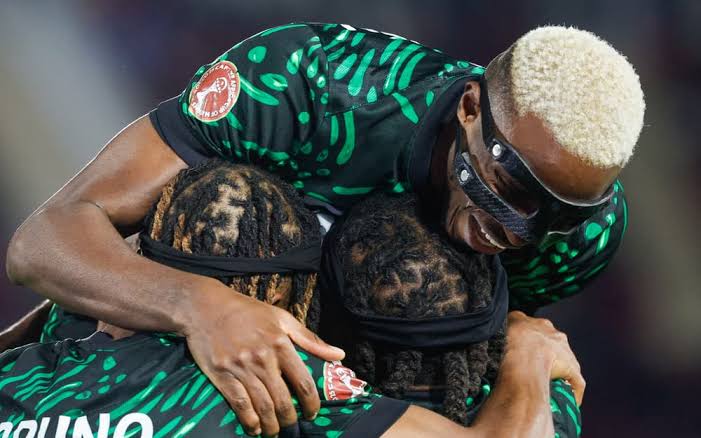
Nigeria delivered one of the most emphatic performances of the knockout stage, defeating Mozambique 4–0 to book their place in the AFCON quarterfinals.
The Super Eagles set the tone early when Ademola Lookman opened the scoring in the 20th minute. Just five minutes later, Victor Osimhen doubled Nigeria’s advantage, finishing clinically to put Mozambique under severe pressure.
Osimhen struck again shortly after the restart in the 47th minute, effectively ending the contest. Nigeria continued to dominate and were rewarded once more when A. Adams added a fourth goal in the 75th minute, completing a comprehensive victory.
Final Score:
• Nigeria 4–0 Mozambique
• Goals: A. Lookman (20′), V. Osimhen (25′, 47′), A. Adams (75′)
AFCON 2025 Quarterfinalists So Far
With Round of 16 matches now concluded up to January 5, the following teams have secured quarterfinal places:
Senegal
Mali
Morocco
Cameroon
Egypt
Nigeria
The remaining Round of 16 fixtures will determine the final spots as the tournament heads deeper into its decisive phase.
OPay has quietly introduced a ₦9,999 preset transfer option in its app, and Nigerians are paying close attention. The move comes amid growing concerns over the ₦50 stamp duty now applied to electronic transfers of ₦10,000 and above, a policy that officially took effect at the start of 2026.
While ₦50 may seem insignificant on its own, frequent transfers mean the cost adds up quickly. For millions of Nigerians who rely on fintech apps for daily transactions, even small deductions matter.
OPay’s new transfer option appears to offer a simple workaround, staying just below the threshold where stamp duty applies.
Understanding the ₦50 Stamp Duty on Bank Transfers
Under Nigeria’s updated stamp duty framework:
Electronic transfers of ₦10,000 or more attract a ₦50 stamp duty
The charge is deducted from the sender
Transfers below ₦10,000 are exempt
The rule applies across banks and fintech platforms
The policy is part of broader government efforts to improve tax compliance and generate revenue through digital transactions. However, its rollout has been met with mixed reactions, especially from users who make multiple transfers daily.
What the ₦9,999 Transfer Option Does
OPay’s ₦9,999 button allows users to send money without triggering the stamp duty charge. Instead of manually typing an amount, users can now select a preset value that keeps the transaction just under the ₦10,000 mark.
The feature:
Reduces friction for users trying to avoid extra charges
Speeds up transfers with a one-tap option
Reflects how Nigerians already adjust spending habits around policy thresholds
OPay has not officially stated that the feature was designed to bypass stamp duty, but the timing and amount strongly suggest a response to user behaviour and concerns.
On social media, many users say they were already sending ₦9,999 manually before the update. The difference now is convenience.
Some users also admit to splitting larger transfers into multiple ₦9,999 transactions. While this is not illegal, financial experts advise moderation, as excessive micro-transactions can sometimes raise flags on financial platforms.
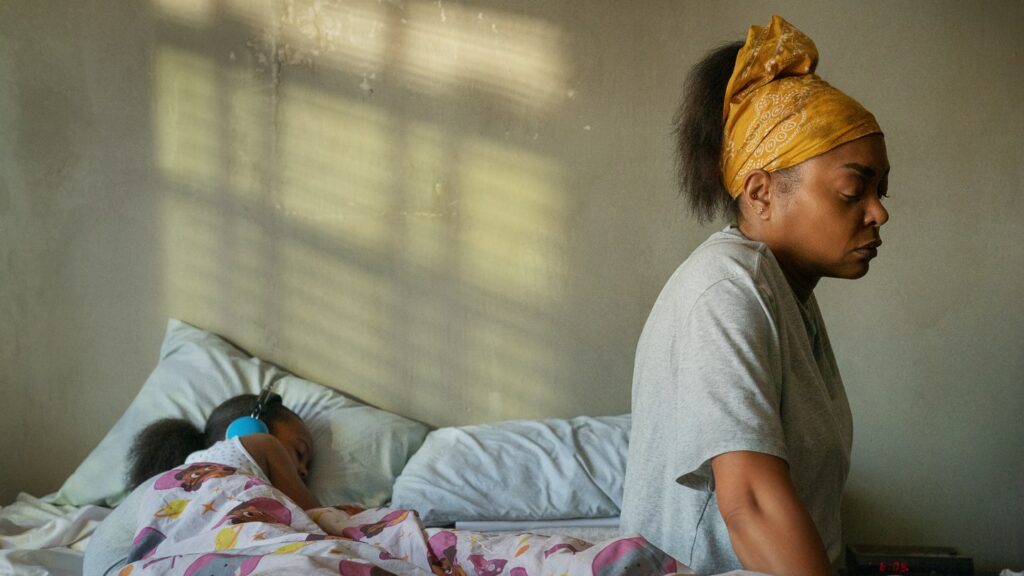
Tyler Perry’s psychological drama Straw has emerged as Nigeria’s most-searched movie of 2025, according to Google’s official Year in Search data.
The film, which stars Taraji P. Henson, as a desperate single mother pushed to her limits, dominated movie related searches in Nigeria throughout the year, outperforming both major Hollywood releases and popular Nollywood titles.
The ranking highlights the strong connection Nigerian audiences had with the film’s emotional themes and central performance.
At the core of Straw is a story about economic pressure, motherhood, survival, and moral choices under extreme stress; themes that strongly resonate with viewers in Nigeria.
Taraji P. Henson’s intense performance sparked widespread online conversation, with many viewers searching for:
Plot explanations
Reviews and reactions
Character motivations
Tyler Perry’s creative choices
Perry’s focus on family struggles, economic hardship, and emotional resilience aligns closely with themes that often trend well among Nigerian audiences, especially on streaming platforms and social media.
Google Year in Search
Google’s Year in Search rankings are based on search growth, not total views or box office numbers. This means Straw recorded the highest spike in interest among Nigerian users compared to other films released in 2025.
The list reflects what Nigerians were most curious about, the movies that drove conversations, debates, and repeat searches throughout the year.
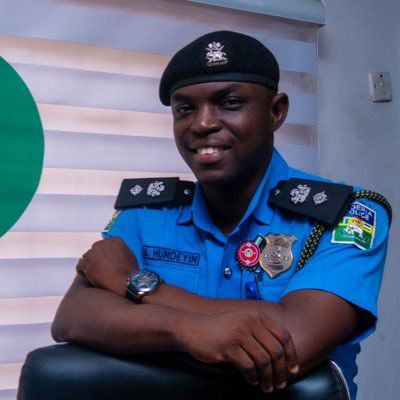
The Nigeria Police Force (NPF) has formally suspended the nationwide enforcement of the Tinted Glass Permit policy, originally scheduled to commence on January 2, 2026, following an interim court order restraining its implementation.
In a statement issued by CSP Benjamin Hundeyin, Force Public Relations Officer, the Nigeria Police disclosed that it was served with an interim order of court in Suit No. HOR/FHR/M/31/2025, issued on 17 December 2025, which restrains the Force from enforcing the tinted glass permit policy pending the hearing and determination of the substantive suit or until the order is lifted.
The statement emphasised that, in strict compliance with the subsisting court order, the enforcement has been placed on hold nationwide until further direction from the judiciary.
The Nigeria Police Force confirmed that it has entered an appearance in the matter, filed preliminary objections, and formally applied for the vacation of the interim order. The matter has been adjourned to 20 January 2026 for further proceedings.
Inspector-General of Police, Kayode Adeolu Egbetokun, further explained the Force’s commitment to uphold the rule of law while continuing its statutory responsibilities to protect lives and property across the nation.
The Tinted Glass Permit policy was first introduced by the Nigeria Police as part of efforts to strengthen internal security and public safety by regulating the use of tinted vehicle glass, which authorities have linked to concealment in criminal activities.
Originally announced to take effect on 2 January 2026, the policy required motorists to obtain permits for vehicles fitted with tinted glass, with applications processed via a digital portal. The initiative had been paused or extended multiple times due to public pushback and legal disputes.
The policy has faced sustained legal challenges and criticism from civil rights organisations, legal bodies, and motorists. Critics argue that the Nigeria Police lacks statutory authority to impose tinted glass permits on vehicle owners and have questioned the constitutionality and fairness of the policy.
The Nigerian Bar Association (NBA) has been particularly vocal, describing the policy as potentially illegal and unconstitutional and has engaged in court actions challenging its enforcement.
The Africa Cup of Nations (AFCON 2025) delivered a dramatic final round of Group C and Group D matches on Tuesday, 30 December, as teams battled for a place in the Round of 16. From Nigeria’s perfect group stage to Senegal’s clinical win and Tanzania’s historic progression, here’s a complete rundown of today’s matches with goal scorers.
Uganda 1–3 Nigeria
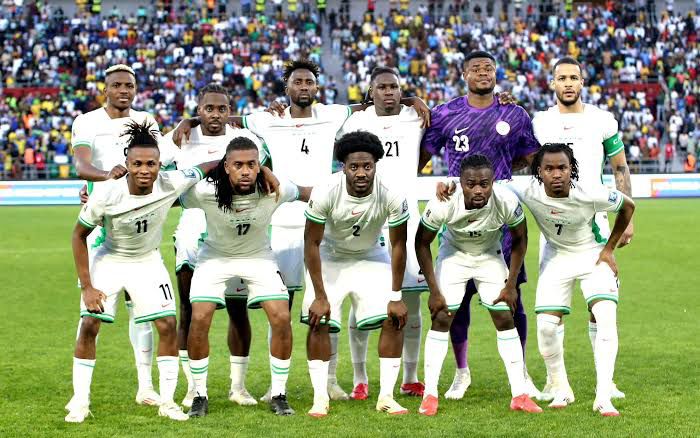
Nigeria capped off their group stage with a 3–1 victory over Uganda in Fès. Paul Onuachu opened the scoring in the 28th minute before Raphael Onyedika added a brace in the 62nd and 67th minutes. Uganda pulled one back late through Rogers Mato in the 75th minute, but it was too little too late.
The Super Eagles finish the group stage with a perfect 3‑0 record, topping Group C and entering the knockout stages with high spirit.
Tanzania 1–1 Tunisia
Tanzania earned a historic 1–1 draw with Tunisia, securing their first-ever AFCON Round of 16 qualification as one of the best third-placed teams. Tunisia went ahead from the penalty spot in the 43rd minute via Ismaël Gharbi, but Tanzania responded immediately after halftime with Feisal Salum scoring in the 47th minute.:
This draw marks a milestone in Tanzanian football history, as the Taifa Stars advance to the knockout stage for the first time in AFCON.
Benin 0–3 Senegal
Senegal confirmed their Group D dominance with a 3–0 win over Benin. Abdoulaye Seck opened the scoring in the 39th minute with a powerful header, Habib Diallo doubled the lead in the 70th minute, and Iliman Ndiaye sealed the victory in the 90th minute.
Botswana 0–3 DR Congo
DR Congo finished second in Group D with a convincing 3–0 win over Botswana. Nathanaël Mbuku opened the scoring in the 31st minute, followed by Gaël Kakuta, who converted a penalty in the 41st minute and added a third in the 60th minute.
The Africa Cup of Nations continued on Saturday, December 27, with a mix of history-making moments, tight battles, and shared points across multiple grounds. Benin recorded their first-ever AFCON victory, Senegal were held despite a Sadio Mané strike, and Uganda vs Tanzania produced a balanced East African stalemate. Nigeria qualify to the knockout rounds as they beat Tunisia after full time.
FULL MATCH RESULTS & ANALYSIS
Benin 1–0 Botswana
Benin’s win marks a historic moment for the national team as they registered their first victory at the Africa Cup of Nations. Yohan Roche scored the decisive goal, and Benin’s defensive shape held strong until the final whistle. This result immediately shifts the tone of their AFCON campaign and places them in a competitive group position.
Senegal 1–1 DR Congo
As former champions, Senegal entered with expectations, but DR Congo made sure there was no easy night in Marrakech. Congo took the lead before Sadio Mané produced the equaliser that kept Senegal in the contest. The result puts pressure on Senegal heading into the next round, proving the championship path this year won’t be simple.
Uganda 1–1 Tanzania
The East African derby lived up to expectations. It was physical, aggressive, and filled with tactical battles across the pitch. Uganda tried to stretch the game with direct play, while Tanzania used midfield control to push back. In the end, both teams left with a point; a fair result, but one that increases qualification pressure moving forward.
Nigeria vs Tunisia
Highlight of the night at Fez Stadium, Nigeria edged Tunisia 3–2 to strengthen their position in the group. Victor Osimhen opened the scoring in the 44th minute, giving the Super Eagles a halftime lead. Just after the break, Wilfred Ndidi doubled the advantage in the 50th minute, and Ademola Lookman added a third in the 67th minute, seemingly putting the game out of reach.
Tunisia fought back late with Mohamed Talbi scoring in the 74th minute and Amine Abdi converting a penalty in the 87th, but Nigeria held on for the win. The result keeps Nigeria firmly in contention for the knockout stages while Tunisia will need a strong response in their next match.
Finding your personal style doesn’t have to be expensive. Many young people feel pressured to keep up with trends or match what they see on social media, but style isn’t about buying everything new, it’s about building a simple wardrobe that fits your life, your budget, and your personality.
This guide breaks down the basic fashion essentials you actually need, how to style them, and how to grow your wardrobe smartly over time.
A Starter Wardrobe
A good starter wardrobe helps you:
Look put-together without trying too hard
Save money by avoiding unnecessary buying
Build confidence in how you look and show up
Create outfits easily instead of stressing every morning
It’s not about dressing to impress others, it’s about owning pieces that make you feel good.
These are simple, affordable items that mix and match easily:
1. Basic Tops
Plain black, white, and neutral T-shirts
A few graphic or personality tees for casual days
Simple shirts for events, school programs, or outings
2. Bottoms That Fit Your Lifestyle
A pair of well-fitting jeans (blue or black)
Casual shorts (for everyday wear)
Joggers or cargo pants (comfortable but stylish)
Tip: Fit matters more than price. If it fits nicely, it looks good.
3. Footwear You Can Rely On
Sneakers for everyday use
Simple sandals or slides
One cleaner pair for outings, events, or family functions
You don’t need 10 shoes – 3 versatile pairs can cover most situations.
4. Light Layers
A hoodie or sweatshirt
A denim or simple bomber jacket
Layers make outfits look planned even when they’re simple.
5. Accessories
Wristwatch (basic)
Cap
Simple bag/backpack for daily use
Accessories aren’t about flexing, they just complete your look and make it feel organized.
How to Build Style Without Following Every Trend
If a trend fits your taste, go for it but don’t feel pressured to change your entire wardrobe every month. Instead:
Start with basics, then add trend pieces slowly
Choose items you can wear more than once
Don’t buy something only because others like it
Style is personal not a competition.
Wear what feels comfortable and true to you
Build slowly: 1–2 pieces at a time is enough
Don’t compare yourself to influencers their wardrobe isn’t your standard
The Super Eagles of Nigeria have officially received the houses and land grants promised to them following their impressive run at the 2023 Africa Cup of Nations (AFCON) in Côte d’Ivoire.
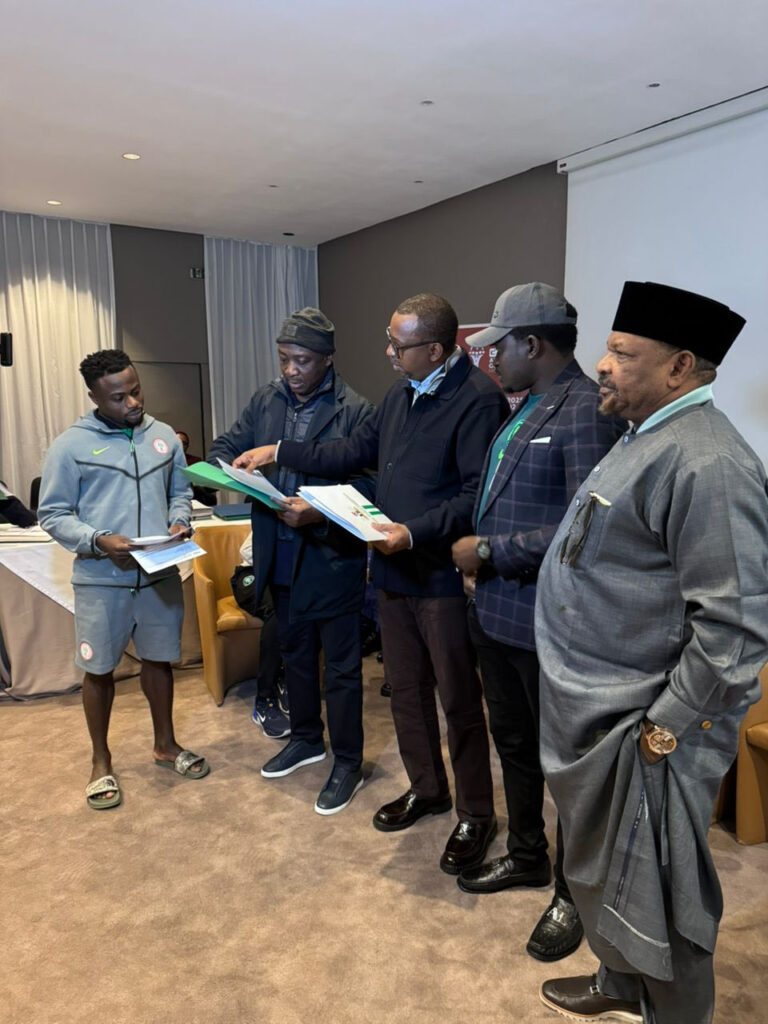
The presentation of the documents took place on Monday at the team’s camp in Fez, Morocco, where the players are currently preparing for the 2025 AFCON tournament. The development puts an end to months of public discussion over the delayed rewards.
After Nigeria finished as runners-up at AFCON 2023, the federal government had announced a reward package for the players and officials in recognition of their performance. The package included housing allocations, land grants, and national honours.
This week, officials of the National Sports Commission (NSC), alongside representatives of the Nigeria Football Federation (NFF), handed over the certificates and title documents to the players, confirming that the pledge has now been fulfilled.
Each member of the AFCON squad received documents for a housing unit as well as plots of land, with locations spread across Abuja and Lagos, according to reports..
In addition to the property rewards, the Super Eagles players were also presented with certificates of national honours, most notably the Member of the Order of the Niger (MON), awarded for their contribution to Nigerian football and national pride.
The honours were first announced shortly after the AFCON final in early 2024, but formal documentation has now been completed.
Boost Ahead of AFCON 2025
The timing of the gesture is significant, coming just days before Nigeria’s opening fixtures at the 2025 Africa Cup of Nations. Beyond the material value, the fulfilment serves as a morale boost for the squad as they aim to go one step further than their AFCON 2023 finish.
Nigeria lost the 2023 final 2–1 to hosts Côte d’Ivoire, narrowly missing out on a fourth continental title. As preparations continue in Morocco, hopes remain high that the Super Eagles can convert past lessons into success on the AFCON stage.
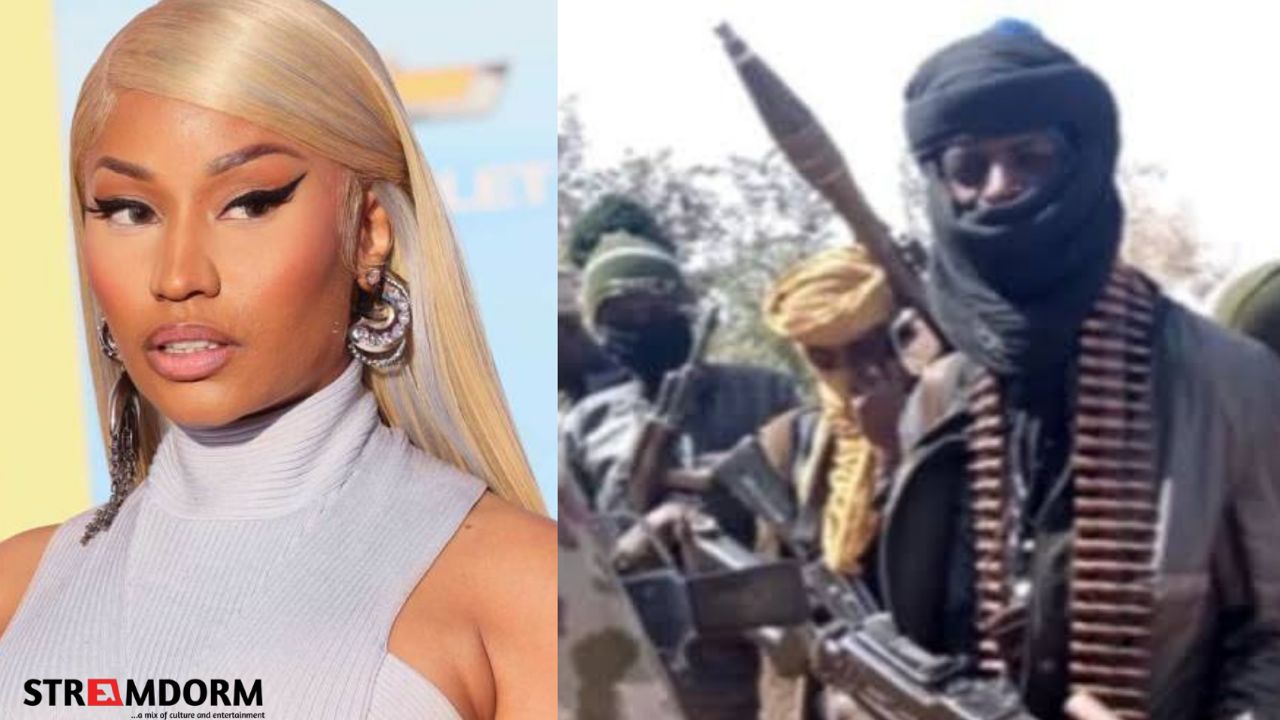
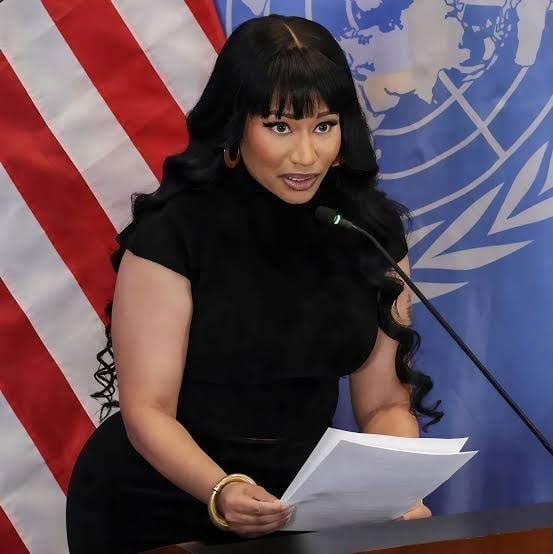
American rapper Nicki Minaj has explained why she decided to publicly address reports of attacks on Christians in Nigeria, saying her comments were driven by personal ties to the country and concern over alleged violence against worshippers.
Nicki Minaj made the remarks during a surprise appearance at AmericaFest on Sunday while responding to a question from Erika Kirk, the widow of conservative activist Charlie Kirk. Speaking on stage, the rapper said Nigeria is a country she has long felt connected to, both personally and spiritually.
According to Nicki Minaj, her pastor is Nigerian, and she also has a large Nigerian fan base, often referred to as “Nigerian Barbz.” She said these connections made reports of attacks on Christians in the country especially troubling to her.
“Nigeria is a place I’ve always loved,” Minaj said. “Someone very dear to me, my pastor, is Nigerian, and I have lots of Nigerian barbs.”
She added that reports of worshippers being attacked during church services pushed her to speak out publicly.
“So hearing that people are being kidnapped while they’re in church, people are being killed, brutalised, all because of their religion; that should spark outrage,” she said.
Nicki Minaj stressed that she believes speaking up is necessary, regardless of criticism. “We’re not backing down anymore. We are not going to be silenced by the bullies anymore. We will speak up for Christians wherever they are in this world,” she stated.
The rapper also spoke more broadly about religious freedom, saying many people take the ability to worship freely for granted. She noted that while some communities can openly practice their faith, others are forced to worship in fear.
“We take for granted that there, right now in this world, are people who cannot worship God as they please, where they please,” Nicki Minaj said. “Every time we pray in fellowship, we have to remember the people that are right now in this world hiding to pray in fellowship, and we have to pray for them.”
Her comments follow an earlier social media reaction to a post by former United States President Donald Trump, who wrote on October 31 that “Christianity is facing an existential threat in Nigeria.” Reacting on November 1, Nicki Minaj said reading the post made her feel grateful for the freedom to worship in the United States.
“We live in a country where we can freely worship God. No group should ever be persecuted for practising their religion,” she wrote.
At AmericaFest, Nicki Minaj also praised Trump and Vice President JD Vance, adding that Christians also face challenges in the United States, though in different forms.
“Christians have been persecuted right here in our country in different ways,” she said.
Meanwhile, the Federal Government of Nigeria has repeatedly rejected claims that Christians are being systematically or officially persecuted in the country. Government officials have maintained that Nigeria’s security challenges affect people of all religions and ethnic backgrounds, and are linked to broader issues such as banditry, terrorism, and communal conflicts.
Despite the official response, Nicki Minaj insists her comments are rooted in concern for religious freedom and the safety of worshippers, saying she felt compelled to use her platform to draw attention to the issue.