Energy Drinks & Nigerian Youth: Experts Warn of Hidden Health Risks as Consumption Rises

Across Nigeria’s campuses, gyms, gaming lounges, and late-night workspaces, energy drinks have quietly become part of everyday youth culture. They promise instant alertness, improved performance, and a boost strong enough to power through exams, work deadlines, workouts, and nightlife. For many young Nigerians juggling multiple responsibilities. 

But beneath the flashy marketing and bold flavours lies a growing public health conversation. Medical professionals and nutrition experts are increasingly raising concerns about how often young people consume these drinks, how early some begin, and how little most consumers actually understand about what they contain.

Energy drinks are not inherently harmful when consumed responsibly, but regular or excessive consumption can come with real health risks, especially for teenagers and young adults whose bodies are still developing. As Nigeria’s youth population continues to grow and health awareness expands, the question is no longer whether energy drinks are popular. The real question is what long-term effects may emerge from a culture built around constant stimulation.

This report explores the hidden health risks, common misconceptions, and what Nigerian youth need to know to make safer decisions.

Energy drinks have surged in popularity over the past decade, driven by aggressive marketing campaigns, celebrity endorsements, and lifestyle branding that links them to productivity, fitness, and nightlife. In major Nigerian cities such as Lagos, Abuja, Benin, and Port Harcourt, they are now widely available in supermarkets, roadside kiosks, gyms, and university campuses.

Many young Nigerians rely on them during late-night study sessions, demanding work schedules, gaming and streaming activities, workouts, long-distance travel, and social outings. Because they are easily accessible and relatively affordable compared to imported supplements, they have become a quick solution for fatigue. During exam periods, some students consume multiple cans daily, while others combine them with alcohol during social events, a trend that health professionals warn against.

The normalization of frequent consumption remains one of the biggest concerns highlighted by public health experts.

Most energy drinks contain a similar mix of ingredients despite differences in branding. High caffeine levels are one of the main components, sometimes equivalent to several cups of coffee. Many brands also include large amounts of sugar, which can exceed recommended daily intake levels. Additional stimulants such as taurine, guarana, and ginseng are commonly added to enhance alertness and perceived performance. Artificial flavours and preservatives are used to extend shelf life and create strong taste profiles that encourage repeated consumption.

The concern lies not only in individual ingredients but in the combined effects and the frequency with which these drinks are consumed.

High caffeine intake can raise heart rate and blood pressure, potentially leading to palpitations, dizziness, or feelings of anxiety. For young individuals with undiagnosed heart conditions or sensitivity to stimulants, the risks may be more significant. Over time, excessive consumption can place strain on the cardiovascular system.

Sleep disruption is another major concern. Many students use energy drinks to stay awake longer, but chronic lack of sleep can weaken memory, reduce academic performance, and increase stress levels. While the drinks may provide temporary alertness, long-term sleep deprivation can negatively affect mental clarity and overall health.

Mental health effects are also being discussed more frequently. Large amounts of stimulants may trigger restlessness, irritability, mood swings, or anxiety-like symptoms in some users. For young people already managing academic pressure or social stress, these effects may worsen emotional wellbeing.

Frequent intake of sugary energy drinks can contribute to weight gain, dental problems, and an increased risk of long-term metabolic issues. Because energy drinks are often consumed quickly, users may not fully realize how much sugar they are taking in.

The growing trend of mixing energy drinks with alcohol adds another layer of risk. Stimulants can mask the feeling of intoxication, causing individuals to consume more alcohol than they intended, which increases the likelihood of impaired judgment and health complications.

Several factors make Nigerian youth more likely to rely on energy drinks. Academic pressure and economic demands often push young people toward quick energy solutions. Hustle culture and the need to balance multiple income streams contribute to irregular sleep patterns. Limited awareness about nutrition labels and the influence of aggressive marketing also play a role. Digital habits and late-night social media use further reduce sleep quality, making stimulant drinks appear necessary for daily functioning.

A widespread misconception is that energy drinks are the same as sports drinks, even though sports drinks are typically designed for hydration during physical activity rather than stimulation. Another belief is that regular gym-goers require energy drinks to perform well, despite the fact that balanced meals and hydration are usually sufficient. Some young people assume that their age protects them from negative effects, yet tolerance to stimulants varies widely from person to person. There is also a growing belief that sugar-free versions are completely safe, even though they may still contain high levels of caffeine and other stimulants.

Health professionals generally encourage moderation and informed decision-making. Being aware of caffeine intake, paying attention to body reactions, and maintaining regular sleep patterns are often emphasized in public health discussions. Experts also caution against combining energy drinks with alcohol and encourage young people to view these beverages as occasional products rather than daily necessities. Natural hydration and balanced nutrition remain the most reliable ways to sustain energy levels over time.

As awareness grows, many experts believe schools and community organizations have an important role to play in educating young people about nutrition and stimulant use. Clearer labeling, responsible advertising practices, and public health campaigns could help consumers better understand what they are drinking. In a country with a large youth population like Nigeria, preventive education could be essential in shaping healthier lifestyle habits and reducing long-term health risks.

Energy drinks have become a defining symbol of modern hustle culture, offering quick stimulation in a fast-paced world. While they may provide temporary boosts in alertness, they also carry potential health risks that many young Nigerians are only beginning to recognize.

The discussion is not about fear or complete avoidance. It is about awareness, moderation, and informed choices. In a generation already navigating academic stress, economic pressure, and digital overload, sustainable habits may offer more lasting energy than any drink can provide.

Disclaimer

This article is for informational and educational purposes only and does not replace professional medical advice, diagnosis, or treatment. Readers are encouraged to consult a qualified healthcare professional regarding any health concerns or before making significant changes to their diet or lifestyle.

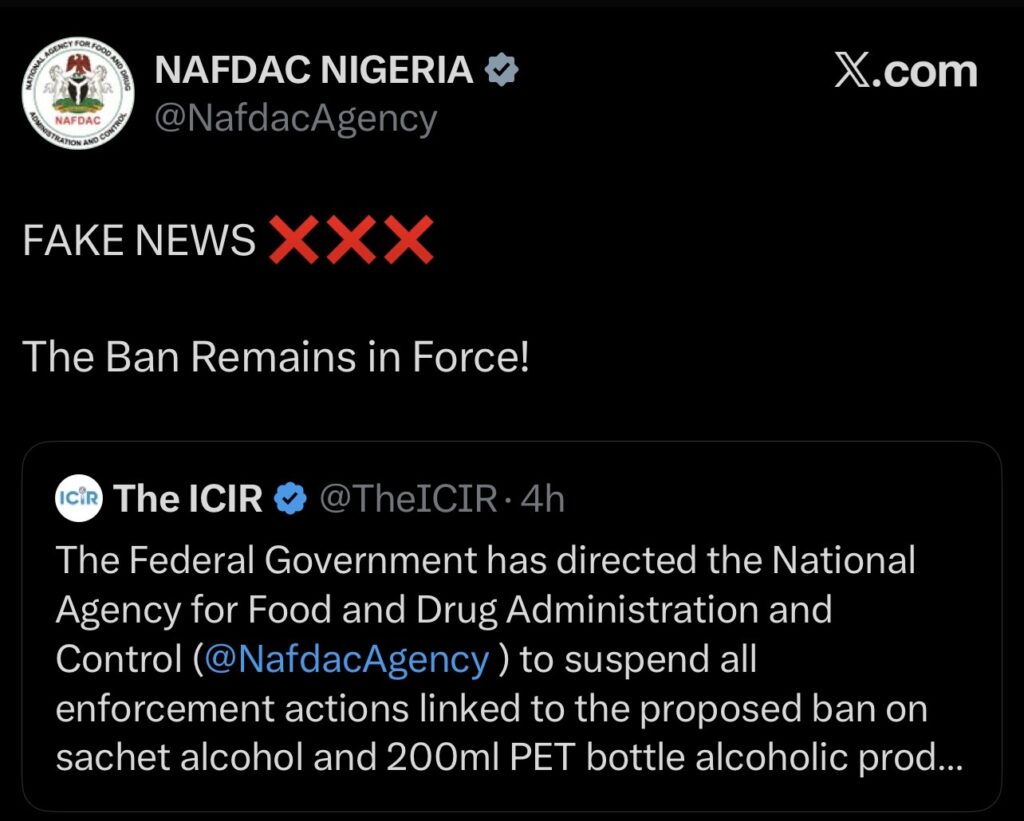
NAFDAC Says “The Ban Stays,” Dismisses Reports of FG Order to Suspend Sachet Alcohol Enforcement

Just hours after reports circulated claiming the Federal Government had directed a pause on the sachet alcohol ban, the National Agency for Food and Drug Administration and Control (NAFDAC) has pushed back strongly, insisting that no such directive has been officially communicated and that the policy remains in force.

In a public statement released Wednesday, NAFDAC described the suspension claims as “false and misleading,” clarifying that it has not received any formal order instructing it to stop enforcement of regulations affecting alcohol sold in sachets and small-volume containers, including 200ml PET bottles.

The agency’s response comes amid growing confusion following earlier reports suggesting that federal authorities had asked regulators to suspend enforcement while broader consultations and policy reviews were underway. NAFDAC’s latest position introduces a direct contradiction, highlighting a widening gap between media reports and the agency’s official stance.

According to NAFDAC, any change in enforcement procedures would be communicated through formal government channels and verified agency platforms. Until then, regulatory activities will continue under existing laws and approved policy frameworks.

Screenshot

The sachet alcohol ban has remained one of Nigeria’s most contentious regulatory issues in recent years. Public health advocates have backed strict enforcement, arguing that cheap, widely accessible alcohol contributes to addiction risks, youth consumption, and broader social harm.

Industry stakeholders and labour groups, however, have warned that abrupt enforcement could threaten thousands of jobs and destabilise supply chains in the beverage and retail sectors. The debate intensified after enforcement actions reportedly affected factories and distribution networks in early 2026.

The disagreement over whether enforcement has been suspended also raises broader questions about communication and authority within Nigeria’s regulatory structure. Civil society organisations have already initiated legal challenges around government involvement in enforcement decisions, arguing that regulatory agencies must operate within clearly defined statutory boundaries.

As conflicting narratives continue to circulate, industry players, retailers, and consumers are left navigating uncertainty over compliance and future policy direction.

Earlier Reports

Nigerian Artists With the Highest Single-Day Spotify Streams Ever (Top 10 Ranked)

Over the last few years, Nigerian artists have shattered streaming records on Spotify, proving their worldwide reach through massive single-day listening numbers. From major album drops to viral global hits, these peak-day streaming figures reflect the moments when Nigerian music captured global attention at scale.

While Spotify does not publicly release official daily peak records for artists, industry trackers and chart monitoring platforms have consistently highlighted several Nigerian acts whose biggest streaming days stand far above the rest. Here’s a ranked look at the Top 10 Nigerian artists with the highest reported single-day Spotify streams.

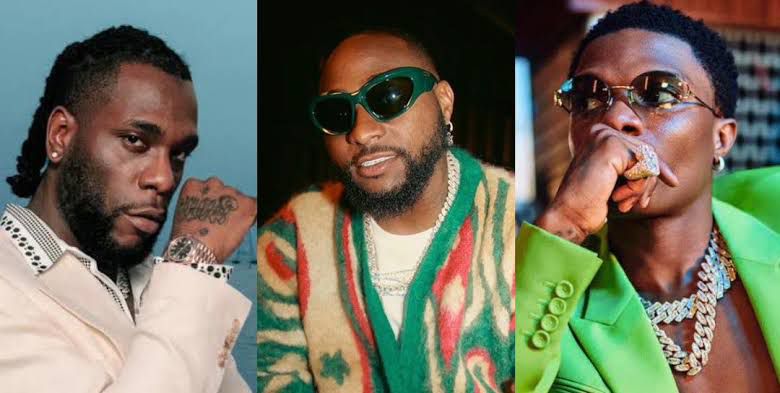
Wizkid sits firmly at No. 1 with a reported 21.6 million streams in a single day; a milestone that underscores his enduring global dominance and massive streaming pull during major releases and peak cultural moments. Davido follows at No. 2 with approximately 17.3 million streams, reflecting his ability to generate huge international traffic whenever he drops new projects or headline collaborations.

Burna Boy claims the No. 3 position with around 14.3 million daily streams at peak, a testament to his crossover success and Grammy-winning global presence. Close behind is Asake at No. 4 with roughly 13 million streams, highlighting how quickly his energetic street-pop sound translated into worldwide streaming numbers during his breakout era.

Tems ranks No. 5 with about 8.7 million streams in a single day, showing the impact of her international collaborations and solo breakthroughs. CKay comes in at No. 6 with around 8.2 million streams, largely driven by the viral global success of his music catalog and streaming longevity.

Ayra Starr secures the No. 7 spot with roughly 7.8 million streams, marking her rise as one of Afropop’s most influential young stars. ODUMODUBLVCK follows at No. 8 with approximately 7.5 million streams, representing the growing mainstream reach of Nigerian hip-hop and alternative sounds.

Veteran hitmaker Olamide lands at No. 9 with about 7.4 million streams in a single day, showing his continued relevance across generations of listeners. Rema completes the Top 10 with roughly 7.2 million streams, reflecting the massive global success of his crossover hits and Gen-Z fanbase.

These figures highlight a major shift: Nigerian artists are no longer just regional successes, they are global streaming heavyweights capable of rivaling international acts on major digital platforms. As streaming continues to shape music consumption, peak daily numbers offer a glimpse into the scale of fan engagement and the global demand for Afrobeats and Nigerian music culture.

However, it’s important to note that most daily peak streaming data comes from industry tracking estimates and fan-compiled chart analytics rather than official Spotify publications. This means numbers may vary slightly depending on the tracking source, but the ranking consistently reflects the artists who have delivered the biggest single-day streaming moments in Nigerian music history.

With new releases and global collaborations arriving every year, the leaderboard is likely to keep shifting but for now, these ten artists represent the peak streaming power of Nigerian music on the world stage.

Kai Cenat’s Second Nigeria Visit: Makoko School Project, Progress Updates and What Happens Next

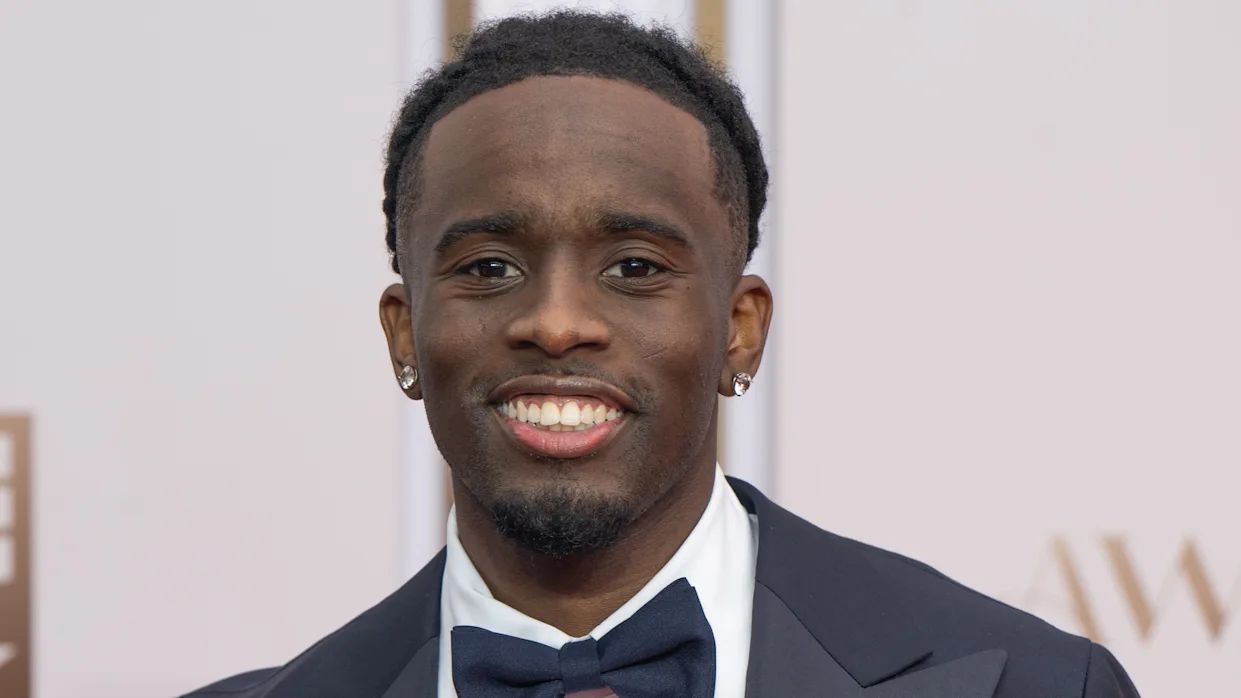
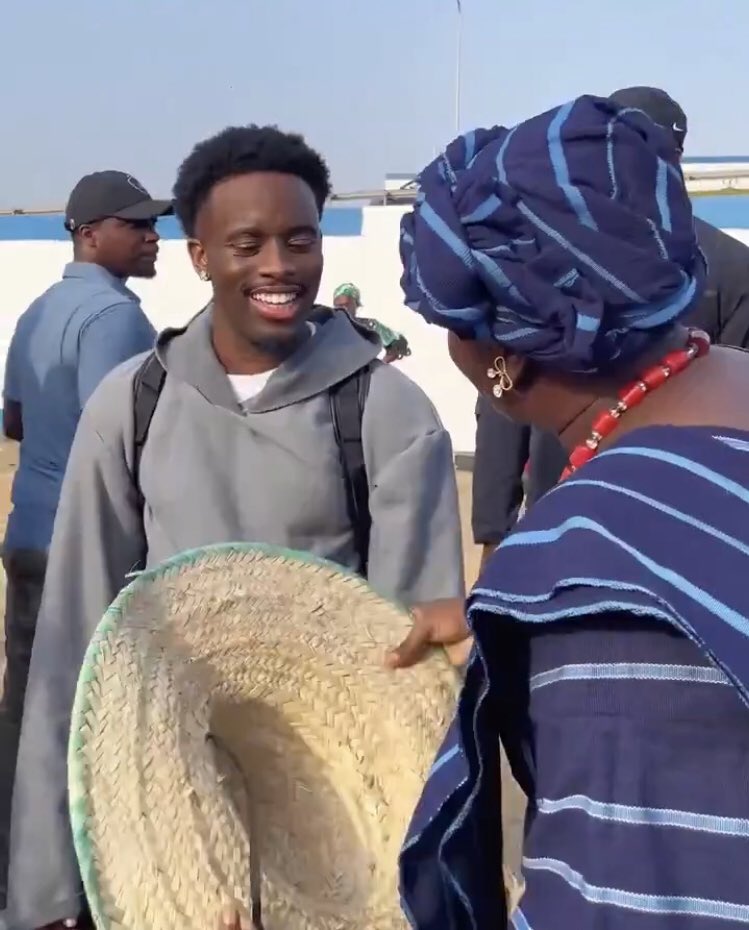
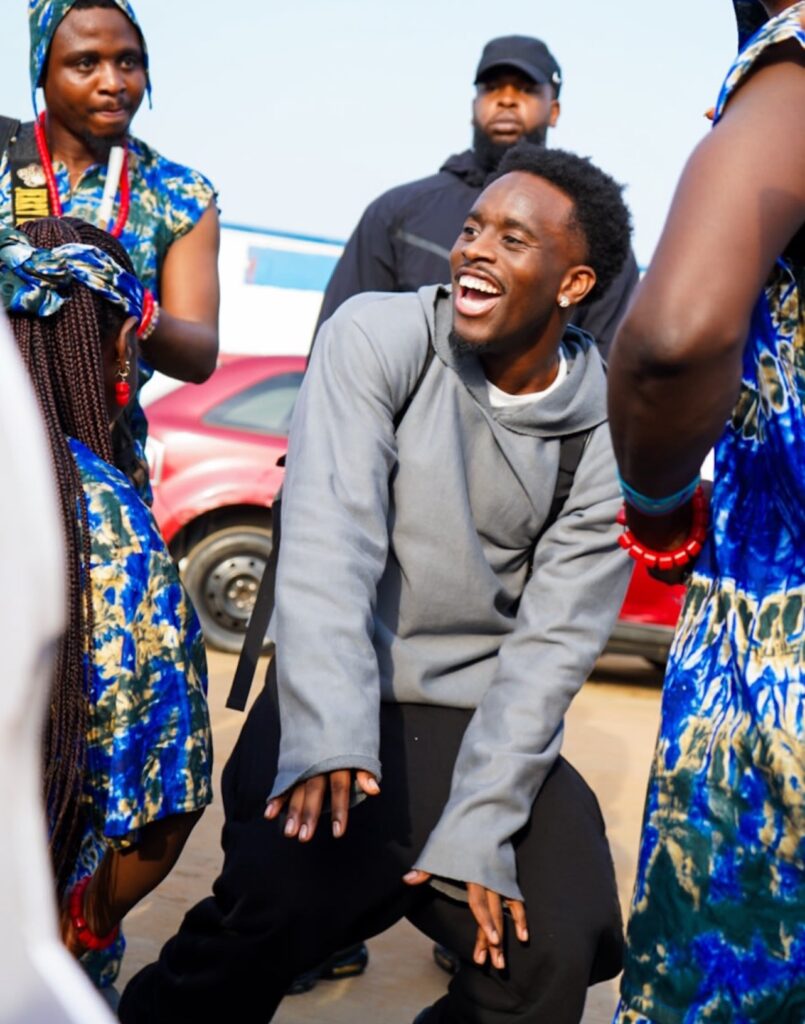
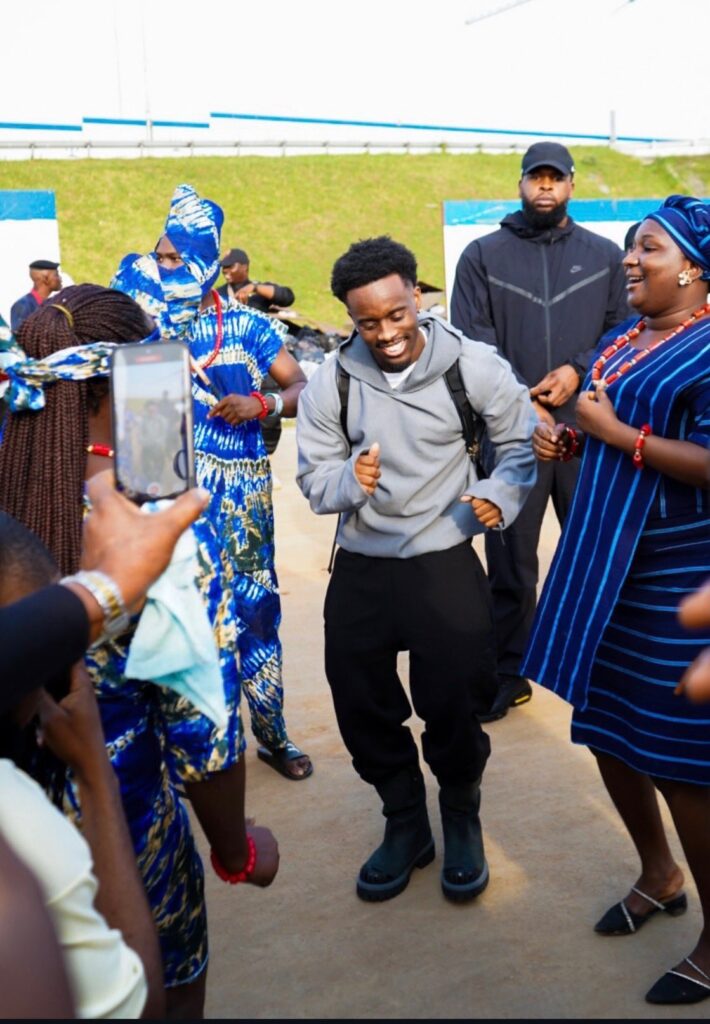
When American streaming superstar Kai Cenat landed in Lagos again in early hours of today, February 4, 2026, it didn’t feel like a typical influencer visit. The buzz around his return wasn’t driven by collaborations or nightlife content; it was tied to a promise that has followed him since his first trip to Nigeria: helping to build a school connected to the Makoko community.

His second visit has reopened a conversation that has been growing for nearly two years one that mixes internet fame, charity promises, community expectations, and the difficult reality of turning online influence into long-term physical infrastructure.

The foundation of this entire story goes back to Kai Cenat’s first trip to Nigeria in 2024. During that visit, he toured parts of Lagos and eventually visited a school and orphanage within Makoko; a waterfront settlement known for its dense population and limited infrastructure.

Images and videos from that visit showed crowded classrooms and buildings struggling with structural limitations. The experience clearly affected him, and shortly afterward he publicly stated that he wanted to help build or significantly upgrade an educational facility that could better serve children in the community.

The announcement quickly spread online. Supporters saw it as an example of global creators using their platform for impact. Critics, however, immediately questioned whether a streamer-driven charity project could realistically deliver something as complex as a full school.

Unlike traditional charity drives backed by large NGOs, Cenat’s funding model came directly from the creator economy. During several high-profile livestream events, including marathon subscription streams known as Mafiathons, he announced that a portion of the revenue would be directed toward the Nigeria school project.

He also spoke about forming a nonprofit structure to manage donations and coordinate the building process. The total value mentioned across various updates has been placed around multi-million-dollar investment levels, although exact audited figures and spending breakdowns have not been publicly released in full detail.

This funding model attracted global attention because it represented a new form of philanthropy, one where fans and digital communities essentially contribute to real-world infrastructure through entertainment.

However, it also increased expectations. Once audiences hear large funding numbers attached to a project, they expect visible results and fast.

One of the biggest questions surrounding the Makoko school promise is simple: if millions were raised, why isn’t the school already completed?

Makoko itself presents serious construction complications. Much of the community is built over water, and major infrastructure projects require specialized engineering solutions. Building directly within the area is significantly more complex than constructing on conventional land.

Because of these challenges, discussions reportedly shifted toward building a facility in a nearby area of Lagos where land is more stable while still serving children connected to Makoko.

Beyond location issues, there are also administrative steps that slow projects like this down. Land acquisition, government approvals, regulatory compliance, and long-term sustainability planning all add layers of time. A school is not just a building; it requires teachers, curriculum approval, safety certifications, and operational planning.

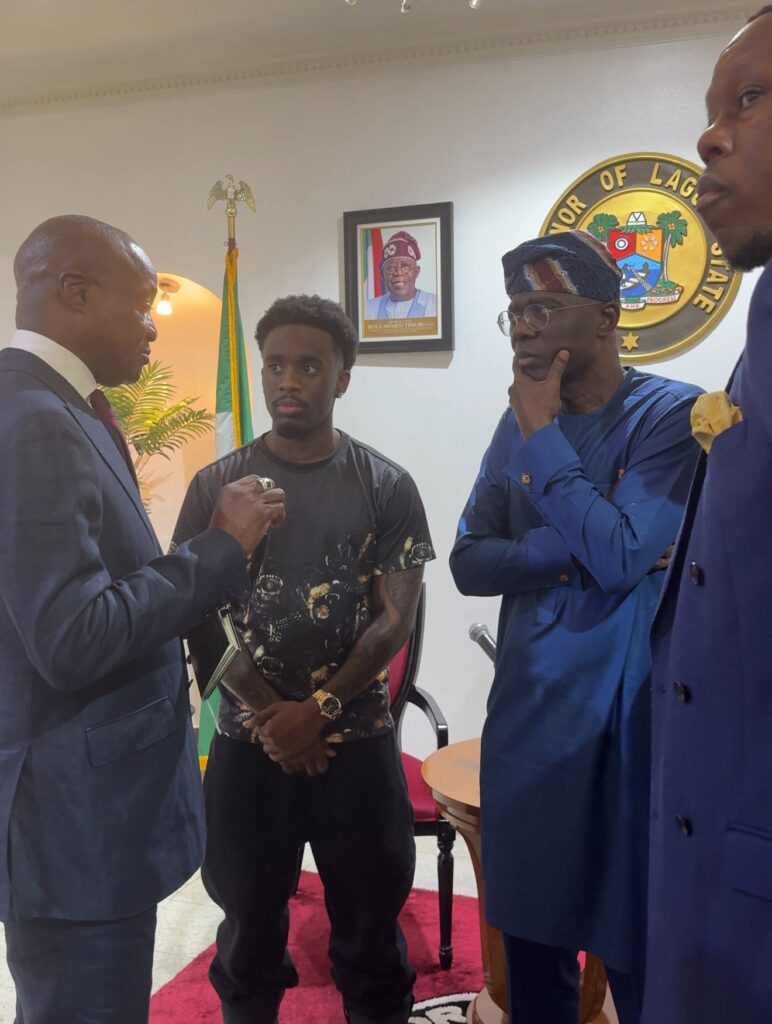
Kai Cenat alongside the Lagos State Governor, Babajide Sandi-Olu and others

Local reports and circulating footage have suggested that early construction or renovation work began after smaller initial donations. There have also been claims that Cenat supported existing educational facilities with resources such as equipment and technology while larger construction plans were being developed.

However, it is important to state clearly that as of now there is no widely confirmed report of a fully completed, operational school building linked directly to the project. This distinction matters because social media narratives often jump ahead of verified outcomes.

His second visit to Lagos has therefore been interpreted by many observers as an attempt to push the project forward physically and demonstrate progress more visibly.

Supporters argue that regardless of delays, the attention alone has highlighted educational inequality and brought global eyes to a community that rarely receives sustained international focus. They see his efforts as genuine, especially considering that many celebrities make promises without ever returning.

Critics, on the other hand, have grown increasingly vocal. Online discussions frequently ask for clearer updates, transparent financial breakdowns, and physical proof of construction progress. Some community voices have expressed concern that the story has generated more headlines than measurable outcomes.

Kai Cenat’s return to Nigeria carries symbolic weight. Unlike a one-time publicity visit, coming back suggests an ongoing commitment to the project and the country.

More importantly, this return places the spotlight back on the children and communities that were the original focus of the project. The story is no longer just about a streamer; it is about whether a globally publicized education project can actually deliver lasting infrastructure.

The Makoko school initiative is becoming a case study in how digital influence translates into physical change. If successful, it could inspire more creator-led community projects globally.

As of February 2026, the confirmed reality is this: Kai Cenat is back in Lagos for a second visit, and the Makoko school project remains ongoing but incomplete.

This article is based on publicly available reports, creator statements, and verified news coverage as of February 2026. Some details about construction progress, total funding allocation, and final school location remain unclear or unconfirmed publicly. We will update this report as more verified information becomes available.

Top 3 Must-See Nollywood Movie Releases This February 2026

February 2026 is shaping up to be a month of excitement for Nollywood fans. From heartfelt romance to powerful real-life stories, this month promises films that will entertain, inspire, and spark conversations. Here’s a look at the top three confirmed Nollywood releases you should not miss.

To Adaego With Love

Release Date: February 6, 2026

Genre: Romance / Period Drama

“To Adaego With Love” is one of the most anticipated Nollywood films of the year. Set in post-Civil War Nigeria (1975), the movie tells the story of a soldier and a school teacher from rival communities who fall in love against the backdrop of a society healing from conflict.

The film stars Chisom Agoawuike, Adam Garba, Chioma Chukwuka, Bob-Manuel Udokwu, and includes one of the final screen appearances of the late Onyeka Onwenu, adding a layer of historical and emotional significance. The movie is a perfect mix of romance, drama, and Nigerian history, making it both entertaining and culturally rich.

Viewers can expect a story of forgiveness, unity, and the power of love that transcends barriers. For lovers of romantic dramas with emotional depth, this is a film not to miss.

Love & New Notes

Release Date: February 13, 2026

Genre: Romance / Contemporary Drama

If you are looking for a light, modern romance, “Love & New Notes” is the perfect choice for Valentine’s season. Directed by Kayode Kasum and starring Timini Egbuson, the movie captures the humour, heartbreak, and charm of modern Lagos love stories.

The story combines witty dialogues, relatable relationship moments, and a cast that includes Odunlade Adekola, Eniola Badmus, and Sophie Alakija. Its Valentine’s release date positions it as the go to movie for couples and young adults looking for entertainment that reflects contemporary Nigerian love and life.

For anyone who enjoys romantic comedies with heart and strong performances, this film is set to be a standout of the month.

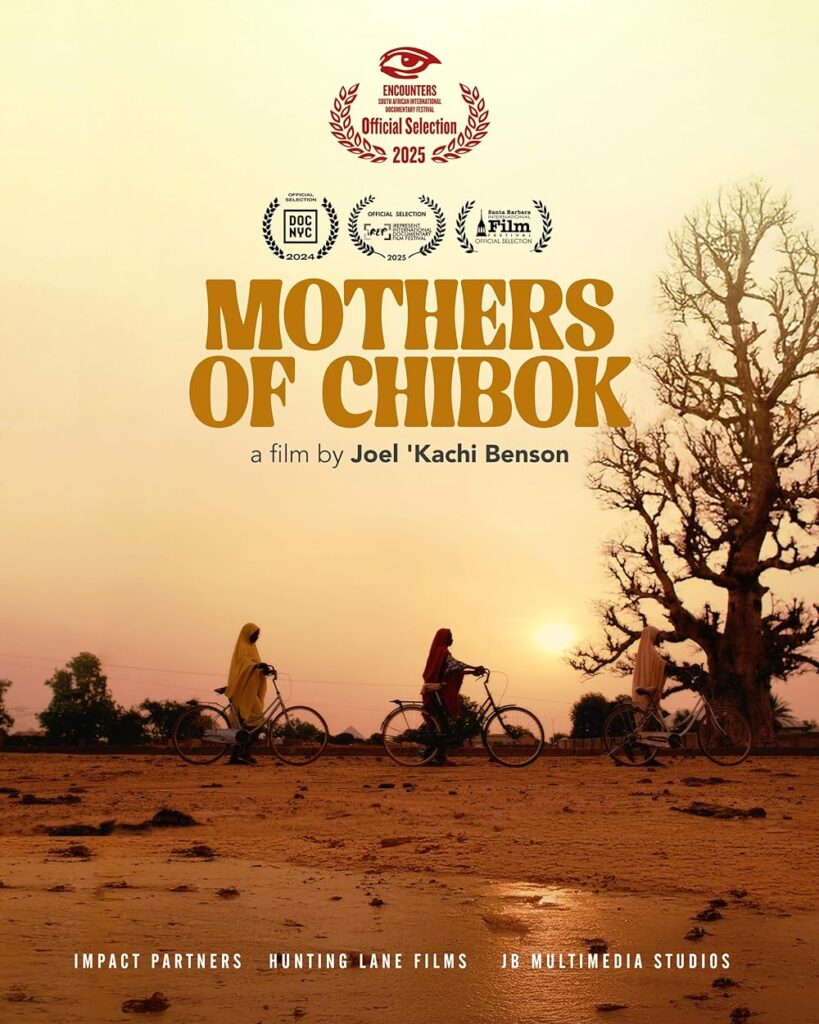
Mothers of Chibok

Release Date: February 27, 2026

Genre: Documentary / Social Issue

“Mothers of Chibok” is more than just a movie; it is a documentary that tells one of Nigeria’s most important stories. The film focuses on the mothers of the Chibok school girls abducted in 2014, sharing their stories of resilience, courage, and hope.

Directed by Kachi Benson, the documentary is a moving exploration of the human spirit and a reminder of the power of persistence in the face of adversity. It highlights how ordinary people can display extraordinary strength and determination.

This film is ideal for viewers who are drawn to stories that matter, films that educate, and narratives that inspire social awareness and empathy.

From historical romances to contemporary love stories and documentaries that touch the heart, February 2026 offers a diverse Nollywood lineup. Whether you’re a fan of love stories, historical dramas, or real-life social issues, these three films promise to deliver unforgettable experiences on the big screen.

Frank Onyeka Joins Coventry City on Loan from Brentford: Nigerian Midfielder Set to Strengthen Promotion Push

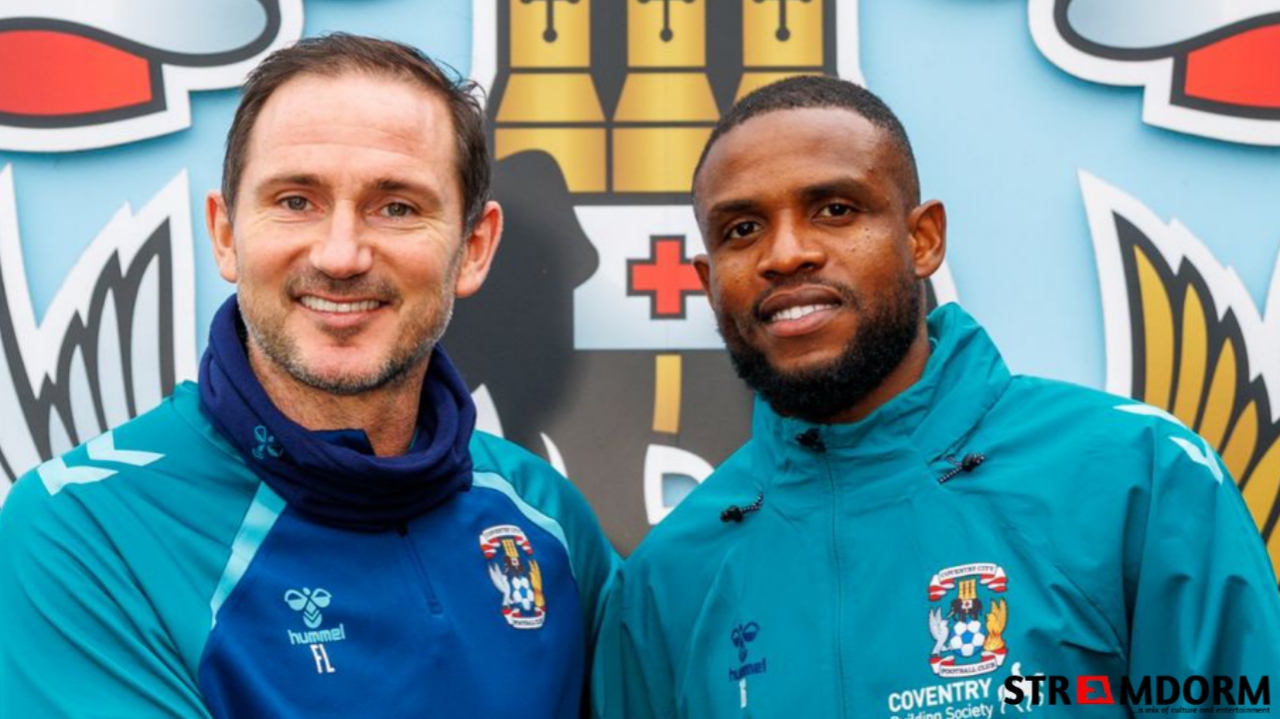
Nigerian international Frank Onyeka has officially joined Coventry City on loan from Premier League side Brentford, marking a keen move for both the player and the Championship club. The loan deal runs until the end of the 2025/26 season, with an obligation for Coventry to make the move permanent if they secure promotion to the Premier League.

The midfielder, who has been a consistent presence in Brentford’s Premier League campaigns, expressed excitement about the new challenge. Frank Onyeka stated he is fully focused on giving 100% to help Coventry achieve promotion, bringing his experience and midfield versatility to a team looking to return to the English top flight.

For Frank Onyeka, this move represents an opportunity to play under Frank Lampard, gaining tactical guidance while taking a central role in Coventry’s midfield. Many football analysts see the loan as a smart step for the 25-year-old, giving him a platform to showcase his abilities and potentially secure a permanent move in the near future.

Social media reactions to his arrival have been a mix of excitement and curiosity. Fans of the club have praised the club for securing an experienced Premier League midfielder, with many noting that his addition strengthens Coventry’s promotion push.

One supporter wrote, “A smart loan move, playing under Lampard gives him guidance and a platform to shine in the Championship.” Another added, “Our new man. Welcome, Frank!”

However, some reactions showed surprise, with a few questioning the transfer decision. One fan tweeted, “Frank Onyeka to Coventry City. How?” reflecting the uncertainty some feel about him leaving the Premier League.

Coventry City have been active in the transfer market, and Onyeka’s arrival demonstrates their intent to compete at the top of the Championship. His combination of defensive stability and attacking drive will be crucial as the team seeks promotion. Lampard’s confidence in Onyeka signals that he will be integral to Coventry’s season ambitions.

Since joining Brentford, Frank Onyeka has developed into one of Nigeria’s promising midfield talents, earning caps for the national team and gaining Premier League experience. This loan provides him with a fresh challenge and the chance to lead a team striving for success in England’s second tier.

As Coventry City chase promotion, all eyes will be on Onyeka to see how quickly he adapts to the Championship. With his skill set and work ethic, the Nigerian midfielder has the potential to make a decisive impact this season, both for the club and his own career trajectory.

Africa’s 10 Strongest Currencies in 2026 And Where Nigeria’s Naira Stands

Currency strength is often misunderstood in Africa. A strong currency doesn’t necessarily mean a country is richer or more developed; it simply reflects how much value one unit of a currency holds against the U.S. dollar.

Using that measure, here’s a breakdown of Africa’s 10 strongest currencies as of January 2026, why they rank so highly, and why Nigeria’s naira is notably absent from the list.

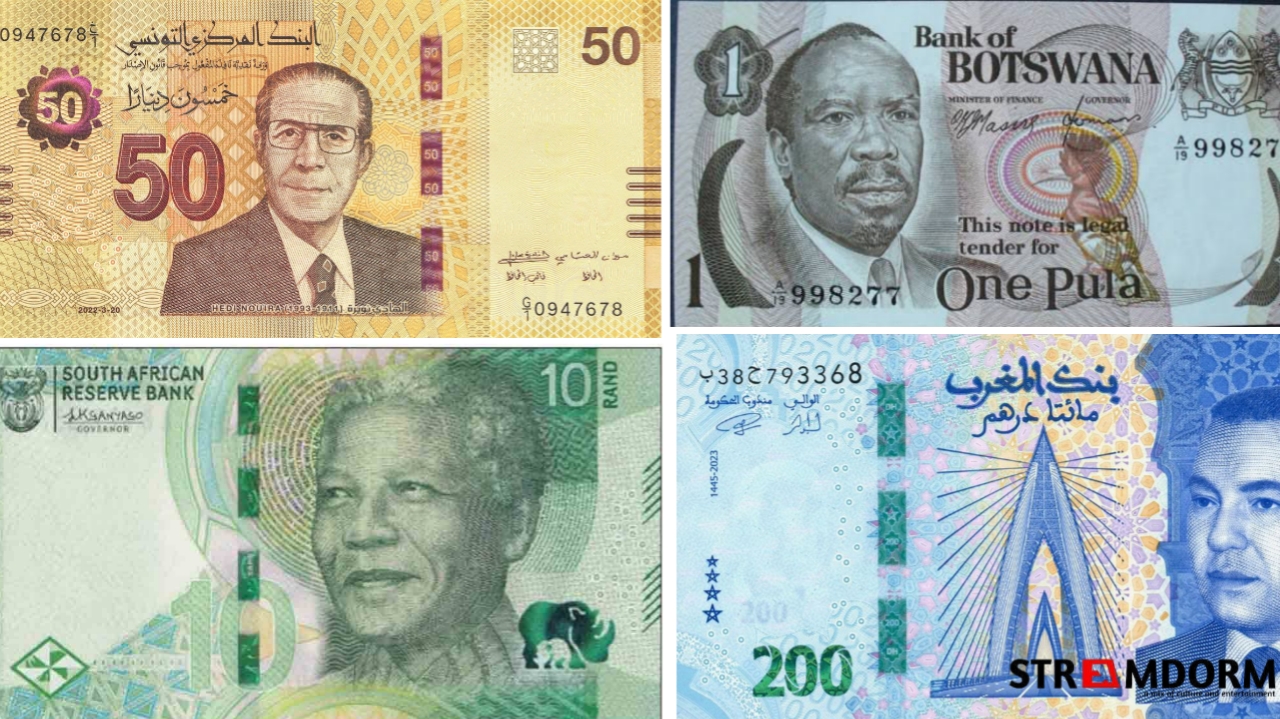
1. Tunisian Dinar (TND) — Tunisia

The Tunisian dinar remains Africa’s strongest currency by exchange value, trading at under 3 dinars to the dollar. Its strength is largely driven by strict currency controls, which tightly regulate access to foreign exchange and limit speculation. While Tunisia faces economic challenges, the central bank’s tight grip on the dinar has helped preserve its nominal value, even when broader economic indicators suggest fragility.

2. Libyan Dinar (LYD) — Libya

Despite years of political instability, the Libyan dinar continues to rank among Africa’s strongest currencies. Libya’s oil-driven foreign exchange inflows play a major role here, providing the central bank with dollar liquidity to support the currency. Like Tunisia, Libya operates a managed FX system, meaning the dinar’s strength is less about market confidence and more about controlled supply.

3. Moroccan Dirham (MAD) — Morocco

Morocco’s dirham reflects a more balanced story. Backed by a diversified economy; spanning manufacturing, agriculture, tourism, and exports to Europe, the dirham benefits from relative macroeconomic stability. Morocco has gradually liberalized its exchange regime without allowing sharp volatility, helping the dirham maintain steady strength against the dollar.

4. Ghanaian Cedi (GHS) — Ghana

Ghana’s presence in the top four is notable given its recent debt restructuring and IMF-backed reforms. The cedi’s ranking reflects currency redenomination history and monetary restructuring, rather than pure economic dominance. While the cedi has experienced sharp swings in recent years, policy tightening and external support have helped stabilize its nominal value enough to keep it among Africa’s strongest by unit value.

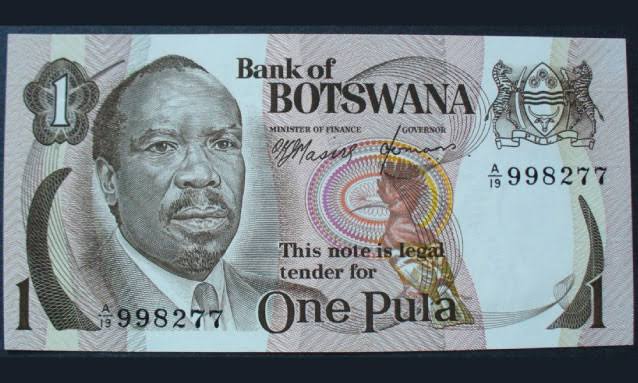
5. Botswana Pula (BWP) — Botswana

Botswana’s pula is one of Africa’s most respected currencies, supported by strong institutions, prudent fiscal management, and diamond exports. The country’s conservative monetary policy and low public debt have made the pula relatively stable over time. Unlike many peers, Botswana has avoided extreme FX volatility, reinforcing confidence in its currency.

6. Seychellois Rupee (SCR) — Seychelles

Seychelles’ rupee ranks high largely due to the country’s tourism-driven foreign exchange earnings. With tourism accounting for a significant share of GDP, steady inflows of dollars and euros help support the rupee. While the economy is small, its openness and reliance on foreign visitors give the currency a consistent FX lifeline.

7. Eritrean Nakfa (ERN) — Eritrea

The Eritrean nakfa’s strength is almost entirely policy-driven. Eritrea operates one of Africa’s most tightly controlled economies, with fixed exchange mechanisms and limited currency convertibility. As a result, the nakfa’s nominal value remains high; though this does not necessarily reflect market demand or economic openness.

8. South African Rand (ZAR) — South Africa

Africa’s most traded currency, the rand earns its place through deep financial markets and global liquidity, not tight controls. While the rand is volatile and sensitive to global risk sentiment, South Africa’s advanced banking system, capital markets, and export base help prevent extreme devaluation compared to many peers.

9. Lesotho Loti (LSL) — Lesotho

The Lesotho loti is pegged one to one with the South African rand, meaning it mirrors the rand’s movements almost exactly. Its ranking here is therefore less about Lesotho’s domestic economy and more about its monetary union with South Africa, which provides currency stability and predictability.

10. Namibian Dollar (NAD) — Namibia

Like Lesotho, Namibia’s dollar is also pegged to the South African rand, ensuring parity in value. This peg helps Namibia maintain currency stability, benefit from South Africa’s financial infrastructure, and avoid the FX shocks seen in more isolated economies.

Where Is Nigeria’s Naira?

Nigeria’s naira does not feature anywhere near Africa’s strongest currencies list.

As of late 2025 and early 2026, the naira traded around ₦1,400–₦1,500 to the U.S. dollar, placing it among the weaker currencies on the continent by exchange value.

Nigeria’s currency struggles reflect structural FX challenges, not economic irrelevance. Persistent dollar shortages, high inflation, heavy import dependence, and long-standing FX market distortions have weighed heavily on the naira. While recent reforms have improved transparency and reduced volatility, they haven’t yet translated into a stronger nominal exchange rate.

Some of Africa’s strongest currencies exist in tightly controlled or small economies. Meanwhile, larger economies like Nigeria and Egypt operate weaker currencies shaped by market forces, trade deficits, and reform cycles.

Veteran Actor Jide Kosoko Declared Oloja of Lagos-Elect After Eight-Year Vacancy

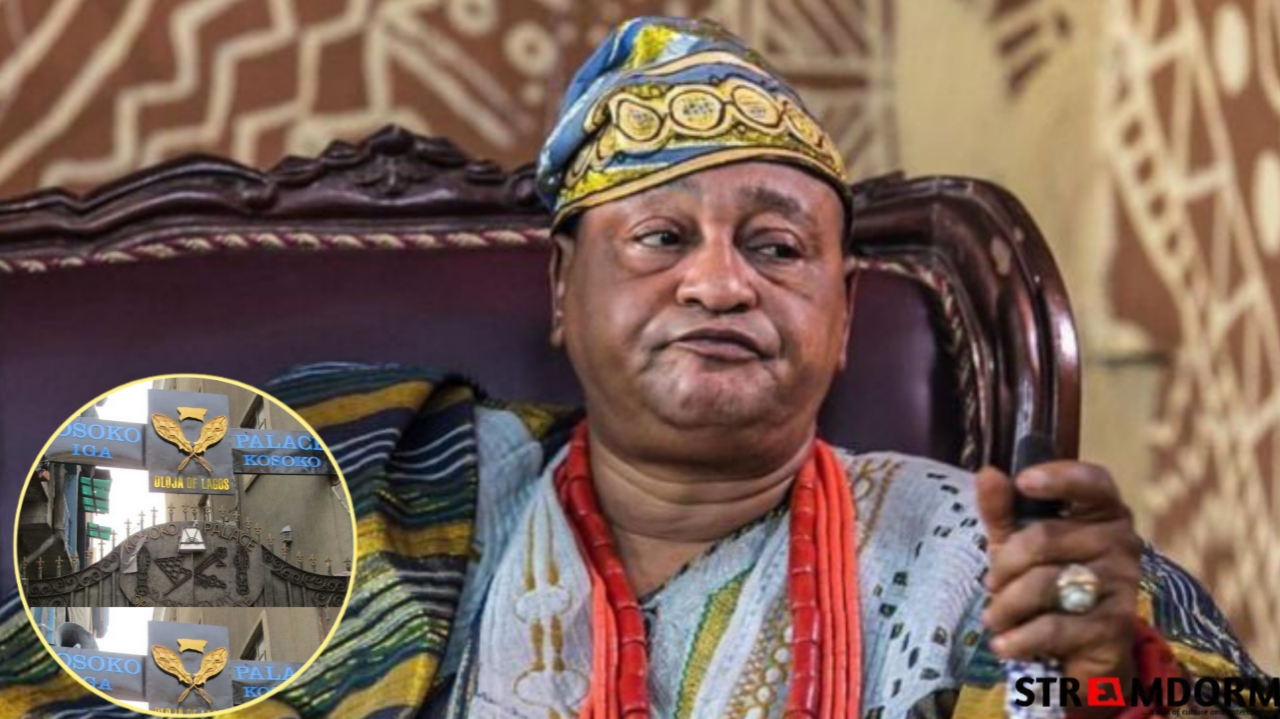
Veteran Nollywood actor and filmmaker Prince Jide Kosoko has been formally declared the Oloja of Lagos-elect, marking a major development in the long-running succession process for one of Lagos State’s most historic traditional stools.

The declaration was made on Tuesday, January 28, 2026, by the King Kosoko Royal Family at the King Kosoko Palace in Ereko, Lagos Island, during a traditional gathering attended by royal family members, elders, and supporters.

The stool of the Oloja of Lagos has remained vacant since the death of Chief Adebola Ige in December 2017, creating years of uncertainty and internal deliberations within the Kosoko royal lineage.

At the palace ceremony, Mrs. Mutiat Ali-Balogun, the Olori Ebi General of the King Kosoko Royal Family, officially presented Jide Kosoko as the Oloja-elect in line with established palace customs. She was joined by Mrs. Oyindamola Ayepola, Deputy Olori Ebi General and head of the Meshimo Ruling House, reinforcing the family’s position on the succession.

The Oloja of Lagos is a significant traditional title within the Kosoko dynasty, historically linked to leadership, cultural preservation, and community representation in Lagos (Eko). The role carries symbolic and cultural authority, rooted in pre-colonial Lagos history.

While the declaration establishes Kosoko as Oloja-elect, it does not yet amount to a full installation.

Customary procedure requires that the Oloja-elect be formally installed and capped by the Oba of Lagos, Oba Rilwanu Akiolu, before assuming the full status of the title. As of now, no official date has been announced for this final stage of the process.

Until that ceremony takes place, Kosoko’s status remains elect, pending completion of traditional rites.

Prince Jide Kosoko is not only a member of the Kosoko royal family but also one of Nigeria’s most respected cultural figures. He began acting in the 1960s and has appeared in hundreds of Yoruba and English-language films, earning recognition as one of Nollywood’s longest-serving actors.

His emergence as Oloja-elect places a prominent public figure at the center of Lagos’s traditional leadership discourse, blending cultural heritage with contemporary relevance.

It is important to note that succession within the Kosoko royal family has not been entirely without contention. Other branches of the family have, in previous years, supported alternative candidates and petitioned relevant authorities for recognition.

These parallel claims highlight the complexity of traditional succession in Lagos, where family lineage, customary law, and state recognition often intersect.

CBN Upgrades Opay, Moniepoint, Kuda and Other FinTechs to National Status

Nigeria’s fintech sector has entered a new phase.

The Central Bank of Nigeria (CBN) has officially upgraded the operating licences of several leading fintech companies and microfinance banks, including Opay, Moniepoint, Kuda Bank, PalmPay and Paga, granting them national operating status. While the announcement may appear administrative on the surface, it represents a significant shift in how Nigeria’s financial regulators now view fintechs no longer as peripheral disruptors, but as core players in the country’s financial system.

For years, these platforms have operated far beyond the limits of their original licences. Through mobile apps and vast agent networks, they already serve customers across all 36 states, powering everyday payments, savings, and business transactions. The CBN’s decision essentially aligns regulation with reality, formally recognising the nationwide reach these companies have long maintained.

By granting national status, the apex bank is also tightening oversight. Fintechs and microfinance banks at this level are subject to stronger regulatory requirements, including higher capital thresholds, more robust risk management standards, and stricter reporting obligations. The move is designed to reduce regulatory gaps as fintechs grow larger, handle more deposits, and play an increasingly important role in the financial lives of millions of Nigerians.

Consumer protection sits at the heart of this upgrade. Digital finance is no longer a convenience add-on; for many Nigerians, fintech apps are their primary banking tools. As usage grows, so do expectations around service reliability, dispute resolution, and data protection. National licensing gives the CBN clearer authority to enforce standards that safeguard users and promote system stability.

The decision also carries implications beyond regulation. Despite being digital-first, nationally licensed institutions are expected to maintain a physical presence in key locations. This could improve access to in-person support, particularly for users in informal sectors or regions where digital literacy and connectivity remain uneven. For small businesses and merchants who depend on platforms like Moniepoint and Opay for daily operations, the upgrade adds a layer of reassurance around continuity and accountability.

Agent banking, a major driver of financial inclusion in Nigeria, stands to benefit as well. With clearer national oversight, agent networks may become more structured and standardised, strengthening trust between fintech operators, agents, and the communities they serve.

More broadly, the CBN’s action signals a maturing financial ecosystem. The traditional divide between banks and fintechs continues to narrow as digital platforms expand into savings, lending, and business banking, while conventional banks deepen their digital offerings. By elevating fintechs to national status, regulators are acknowledging this convergence while reinforcing the need for responsibility at scale.

For users, the shift may come with gradual changes; updated policies, tighter verification processes, and clearer complaint channels. While regulation cannot eliminate all risks, it creates a stronger framework within which innovation and consumer protection can coexist.

Ultimately, the CBN’s upgrade of Opay, Moniepoint, Kuda, PalmPay, Paga and other financial institutions is more than a licence adjustment. It is a clear statement about the future of finance in Nigeria, one where fintechs are firmly embedded in the national system, innovation is balanced with accountability, and digital banking is treated as essential infrastructure rather than an experiment.

Despite Backlash and Past Setbacks, FG Moves Ahead With New GMO Cotton Seeds

Nigeria’s Federal Government has pushed ahead with the rollout of genetically modified (GM) cotton seeds, launching two new varieties; Mahyco C567 BGII and Mahyco C571 BGII despite lingering backlash and the mixed performance of earlier GMO cotton initiatives.

The move signals a renewed commitment to biotechnology as a solution to Nigeria’s struggling cotton and textile industry, even as farmers, civil society groups and environmental advocates continue to question its long-term impact.

The new GM cotton varieties were unveiled through the National Agricultural Seeds Council (NASC) in partnership with Mahyco Nigeria. According to officials, both Mahyco C567 BGII and C571 BGII are engineered with Bt (Bacillus thuringiensis) technology, designed to protect cotton plants against bollworm infestations, one of the crop’s most destructive pests.

Government representatives say the seeds are capable of delivering significantly higher yields, estimating production levels of 3.5 to 4.4 tonnes per hectare, compared to Nigeria’s current average of under 1.5 tonnes per hectare using conventional cotton varieties.

Other promised benefits include:

  • Reduced pesticide use
  • Lower production costs
  • Improved fibre quality for textile manufacturing

Officials argue that widespread adoption could help revive dormant ginneries, support local textile mills and create jobs across the cotton value chain.

Nigeria’s renewed push for GM cotton comes against the backdrop of earlier GMO trials that failed to meet expectations.

In 2018, Nigeria approved commercial cultivation of Bt cotton, also developed by Mahyco. At the time, the seeds were promoted as a breakthrough that would transform cotton farming. However, several years later, industry stakeholders reported that yields remained low and that farmers saw limited economic improvement.

Critics argue that the government’s current approach risks repeating past mistakes by focusing heavily on seed technology while ignoring structural problems.

Beyond performance issues, the new GM cotton rollout has reignited broader debates around genetically modified organisms in Nigeria.

Civil society organisations and environmental groups have raised concerns about: Farmer dependence on proprietary seeds that cannot be replanted, Long-term environmental and biodiversity risks, Transparency in biosafety approvals and Insufficient independent impact assessments.

Some advocacy groups have called on lawmakers to suspend or restrict GMO approvals until stronger regulatory safeguards and long-term studies are made public.

The government, however, maintains that the seeds have passed biosafety reviews and insists that biotechnology is essential to achieving food security and agricultural competitiveness.

Nigeria once had a thriving cotton sector that supported a robust textile industry. Today, most textile mills operate far below capacity, while cotton production remains fragmented and underfunded.

The introduction of Mahyco C567 BGII and C571 BGII represents another attempt to reverse that decline. Whether these new varieties will deliver better results than earlier GMO cotton and whether farmers will see sustainable gains remains uncertain.

For now, Nigeria’s cotton revival strategy rests once again on genetically modified seeds, even as the debate over their effectiveness, safety and long-term impact continues.

Scroll to Top