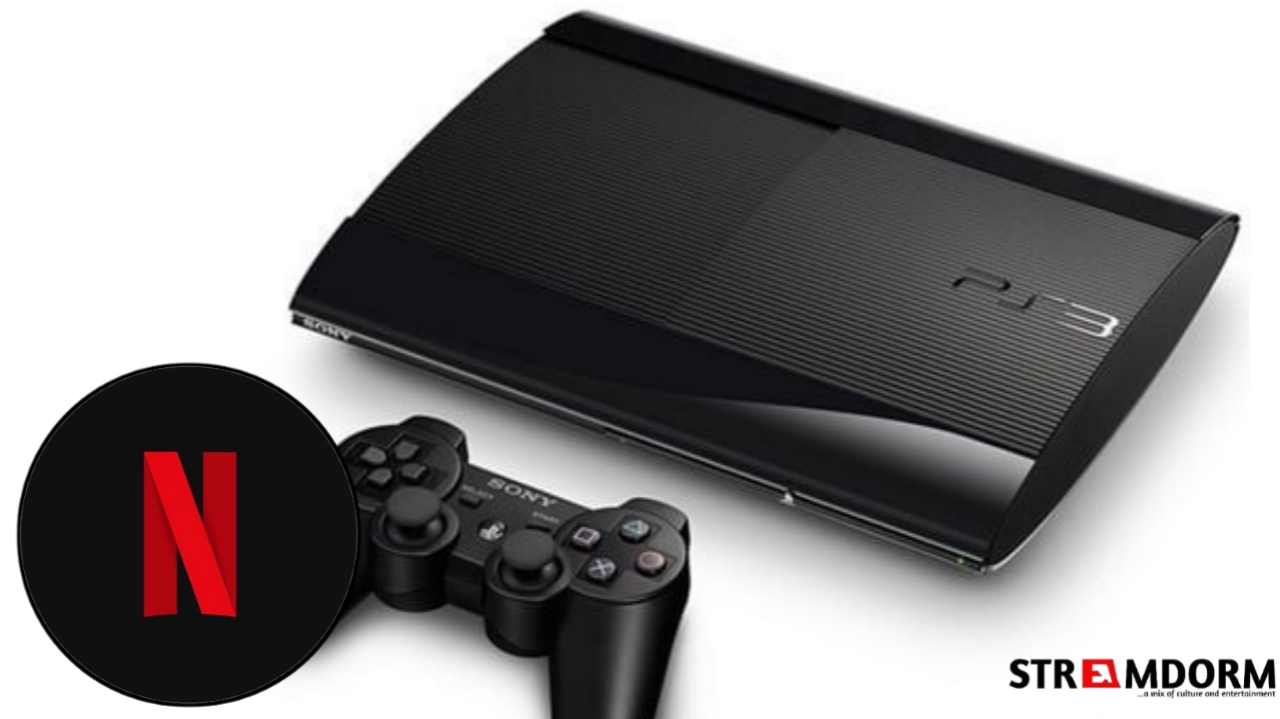
Netflix will no longer be available on PlayStation 3.
After nearly two decades of streaming, Netflix is officially saying goodbye to the PlayStation 3. Starting March 2, 2026, the popular streaming app will no longer be accessible on Sony’s eighth-generation console, marking the end of an era for gamers and cord-cutters alike.
PS3 users who try to open Netflix after this date will see a message informing them that the app is no longer supported. The decision follows years of gradual app retirements on older devices, as streaming platforms shift focus to newer hardware that can support updated features, faster streaming, and improved security.
For PlayStation 3 owners, this change is a reminder of the console’s age. Originally released in 2006, the PS3 has outlived many of its contemporaries, maintaining a dedicated fan base that has relied on it for gaming and entertainment. Netflix has not provided an official explanation for the shutdown, but experts suggest that maintaining support for legacy systems is increasingly expensive and technically challenging.
The good news is that Netflix remains available on PlayStation 4, PlayStation 5, smart TVs, and mobile devices, ensuring that users can continue streaming their favorite shows and movies without interruption. For PS3 owners, it may be time to consider upgrading to a newer console or alternative streaming device to maintain uninterrupted access to Netflix.
While this move may disappoint long-time PS3 users, it’s part of a broader trend in the entertainment industry: older hardware is gradually phased out in favor of newer, more capable devices. Netflix has previously retired support on other legacy devices, including certain smart TVs and media players, and the PS3 is now the latest in this list.
For gamers who have relied on the PS3 as their entertainment hub, March 2, 2026, marks the end of a significant chapter. The console will still work for games, but streaming Netflix will no longer be an option. Those looking to continue their binge-watching experience are encouraged to explore alternative platforms that support the service, including PS4, PS5, PCs, and mobile devices.
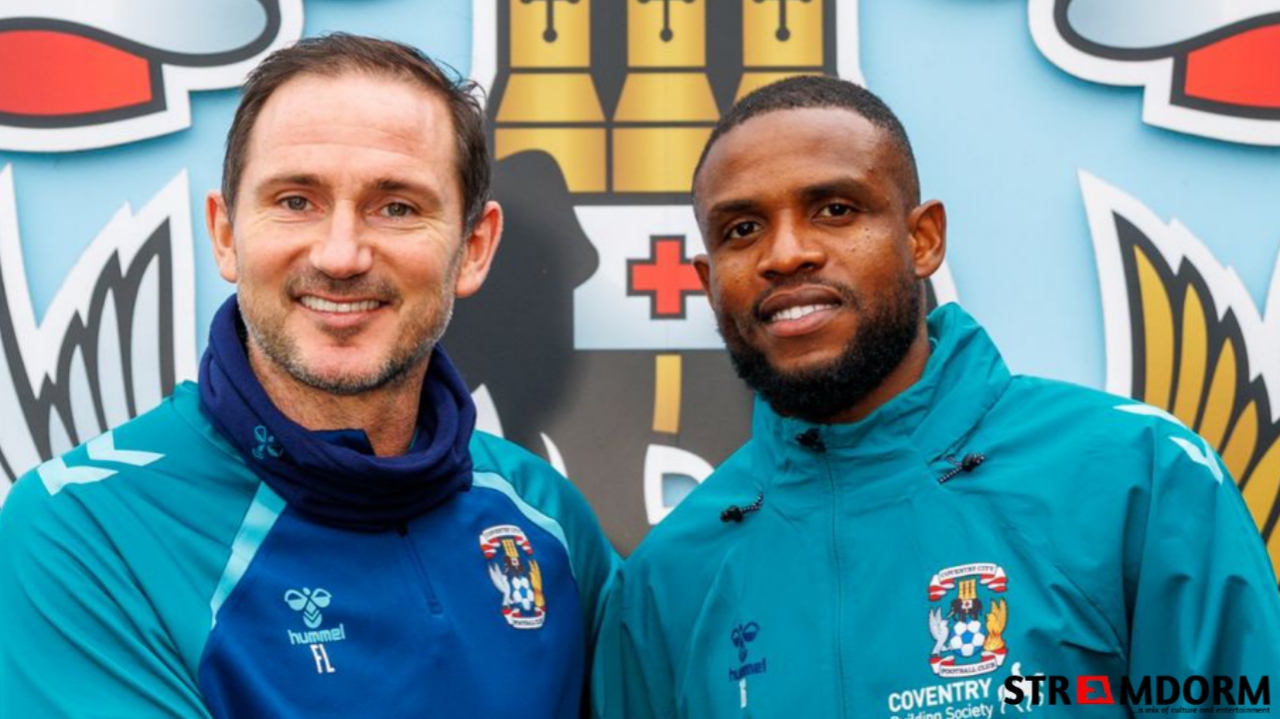
Nigerian international Frank Onyeka has officially joined Coventry City on loan from Premier League side Brentford, marking a keen move for both the player and the Championship club. The loan deal runs until the end of the 2025/26 season, with an obligation for Coventry to make the move permanent if they secure promotion to the Premier League.
The midfielder, who has been a consistent presence in Brentford’s Premier League campaigns, expressed excitement about the new challenge. Frank Onyeka stated he is fully focused on giving 100% to help Coventry achieve promotion, bringing his experience and midfield versatility to a team looking to return to the English top flight.
For Frank Onyeka, this move represents an opportunity to play under Frank Lampard, gaining tactical guidance while taking a central role in Coventry’s midfield. Many football analysts see the loan as a smart step for the 25-year-old, giving him a platform to showcase his abilities and potentially secure a permanent move in the near future.
Social media reactions to his arrival have been a mix of excitement and curiosity. Fans of the club have praised the club for securing an experienced Premier League midfielder, with many noting that his addition strengthens Coventry’s promotion push.
One supporter wrote, “A smart loan move, playing under Lampard gives him guidance and a platform to shine in the Championship.” Another added, “Our new man. Welcome, Frank!”
However, some reactions showed surprise, with a few questioning the transfer decision. One fan tweeted, “Frank Onyeka to Coventry City. How?” reflecting the uncertainty some feel about him leaving the Premier League.
Coventry City have been active in the transfer market, and Onyeka’s arrival demonstrates their intent to compete at the top of the Championship. His combination of defensive stability and attacking drive will be crucial as the team seeks promotion. Lampard’s confidence in Onyeka signals that he will be integral to Coventry’s season ambitions.
Since joining Brentford, Frank Onyeka has developed into one of Nigeria’s promising midfield talents, earning caps for the national team and gaining Premier League experience. This loan provides him with a fresh challenge and the chance to lead a team striving for success in England’s second tier.
As Coventry City chase promotion, all eyes will be on Onyeka to see how quickly he adapts to the Championship. With his skill set and work ethic, the Nigerian midfielder has the potential to make a decisive impact this season, both for the club and his own career trajectory.
The Top 10 Richest People in the World in Feb. 2026: Forbes Report
The February, 2026 Forbes ranking of the world’s billionaires highlights individuals whose wealth reflects the most influential industries today. From technology and AI to luxury and strategic investments, this list shows where global power and economic influence reside.
Notably, eight of the ten richest individuals are from the United States, reflecting the country’s dominance in technology and innovation, while Bernard Arnault is from France and Amancio Ortega is from Spain, representing luxury and retail sectors outside the U.S.
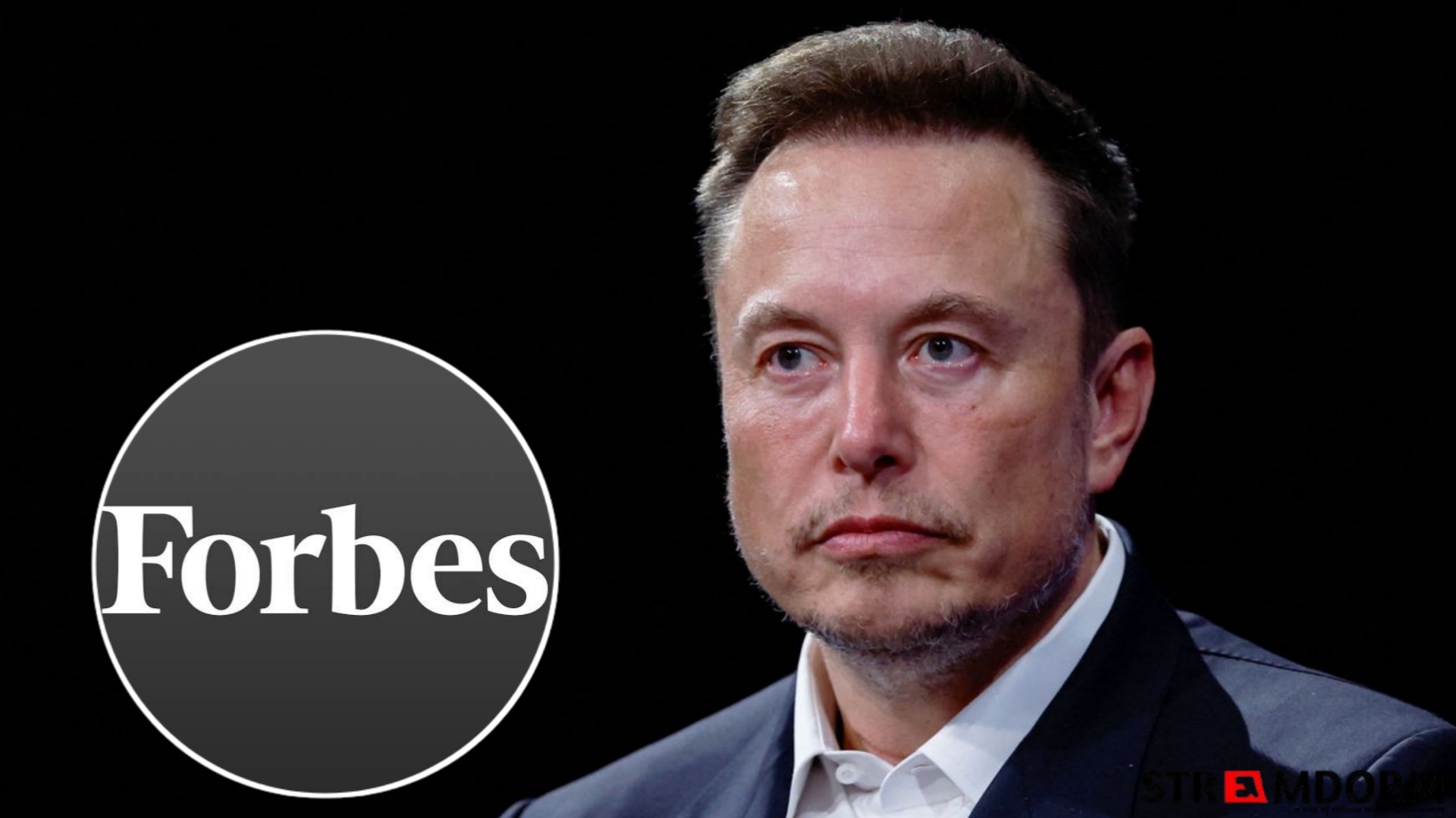
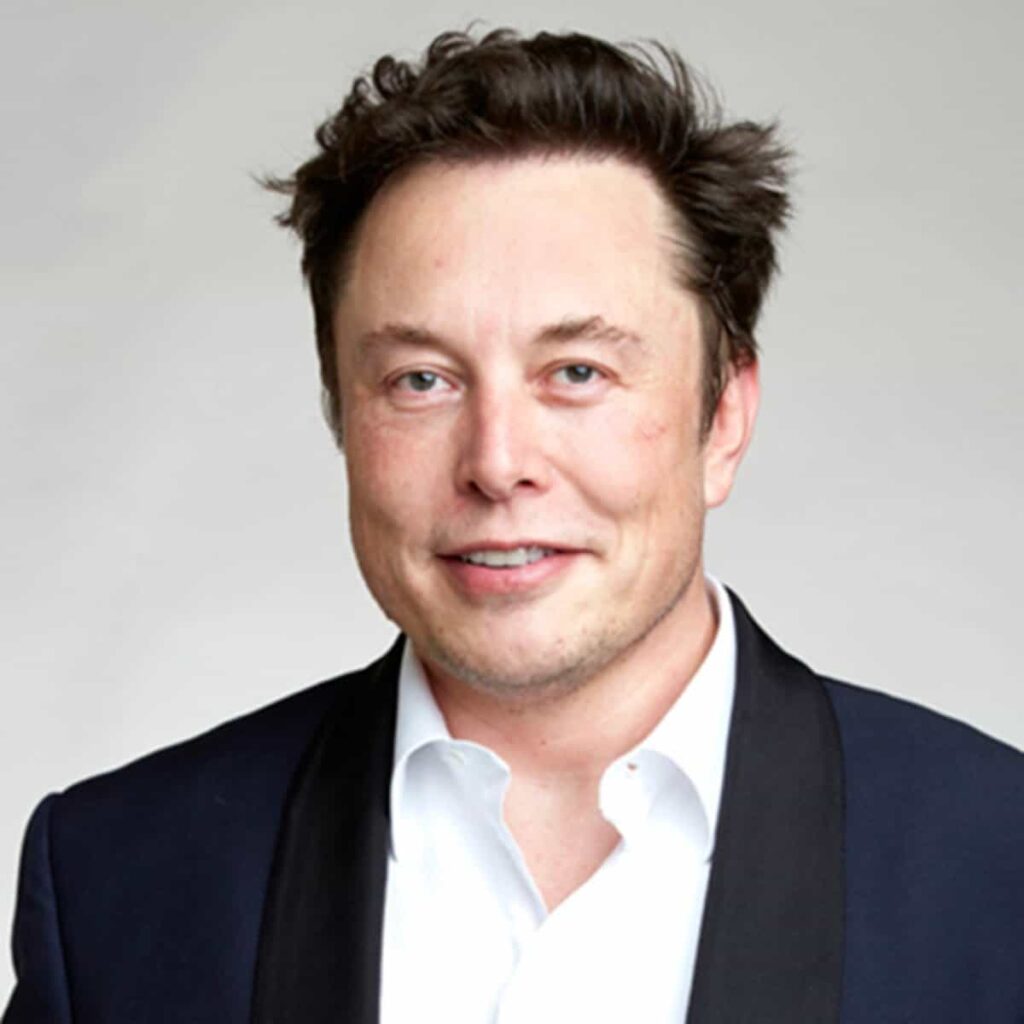
Elon Musk
Elon Musk tops the 2026 list with an estimated net worth of $775 billion. Musk’s wealth spans multiple ventures, including Tesla, SpaceX, and his AI-focused company, xAI. Tesla’s groundbreaking electric vehicles, combined with SpaceX’s commercial space contracts and Musk’s investments in artificial intelligence, have propelled him to the very top of global wealth rankings. His position highlights how technological innovation and risk-taking in emerging industries remain key drivers of extreme wealth in the 21st century.
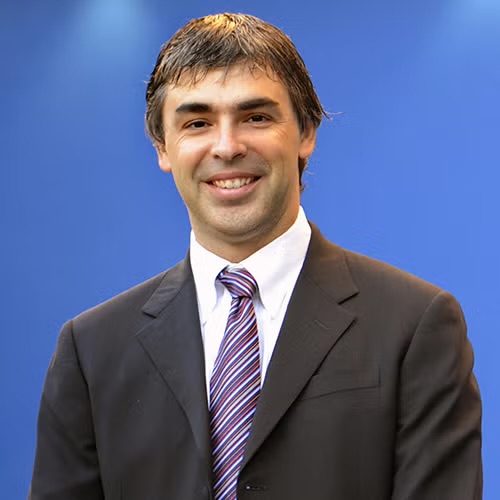
Larry Page
Larry Page, co-founder of Google and Alphabet, holds the second spot with a net worth exceeding $200 billion. Page’s fortune comes primarily from Alphabet’s dominance in search, advertising, and cloud computing. Platforms like YouTube and the Android operating system have sustained Alphabet’s global reach and profitability, rewarding Page with one of the largest personal fortunes in history. His ranking underscores the value of founding companies that serve fundamental needs on a global scale.
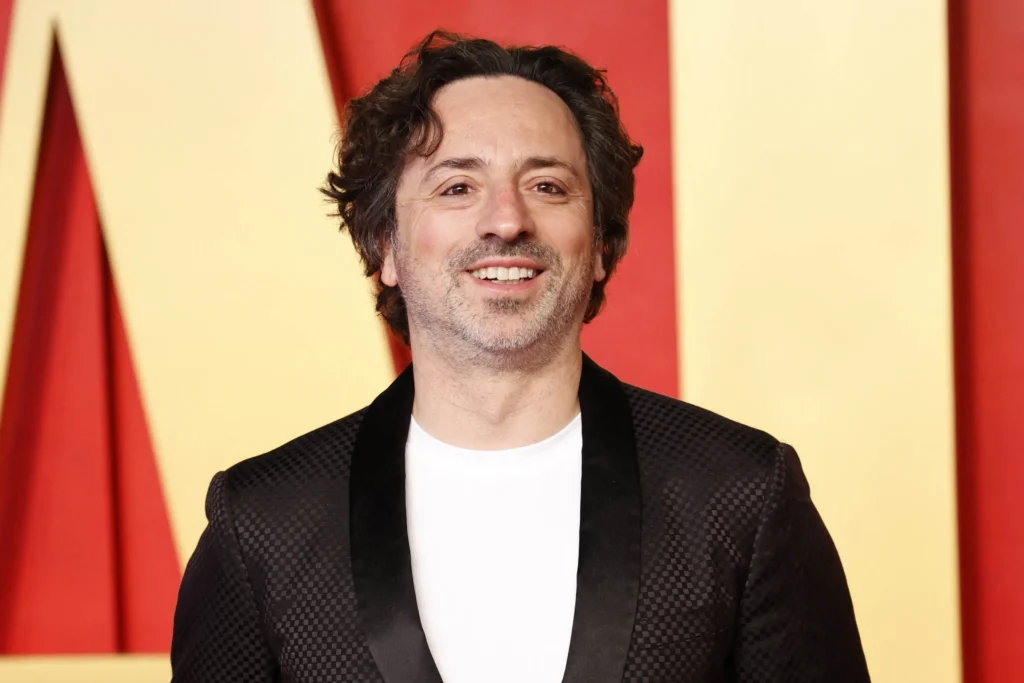
Sergey Brin
Sergey Brin, Alphabet co-founder, ranks third with an estimated net worth of $190 billion. Brin’s wealth is tied to the same tech ecosystem as Page, including search, cloud services, and YouTube. Unlike some of his peers, Brin maintains a relatively private lifestyle, yet his fortune continues to grow due to the long-term value of Google’s market dominance.
This year, Brin moved up one position compared to last year, overtaking Jeff Bezos, reflecting growth in Alphabet’s market value while Amazon stock experienced relative stagnation. His position illustrates that sustained ownership in global tech platforms can generate immense wealth even without public visibility.
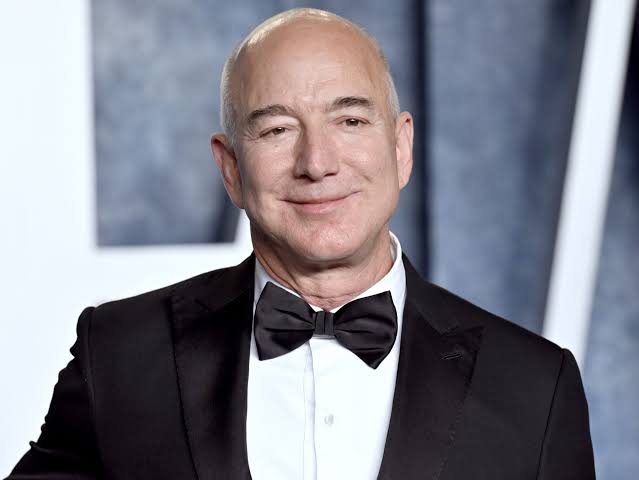
Jeff Bezos
Jeff Bezos, founder of Amazon, sits fourth with a net worth exceeding $150 billion. Bezos continues to profit from Amazon’s global e-commerce operations and the highly lucrative Amazon Web Services cloud division.
Compared to 2025, Bezos has dropped one position, reflecting slower growth in Amazon stock relative to other tech companies like Nvidia and Alphabet. Even after stepping down as CEO, Bezos’ wealth reflects Amazon’s central role in modern retail and cloud computing, demonstrating the long-term financial rewards of pioneering digital marketplaces.
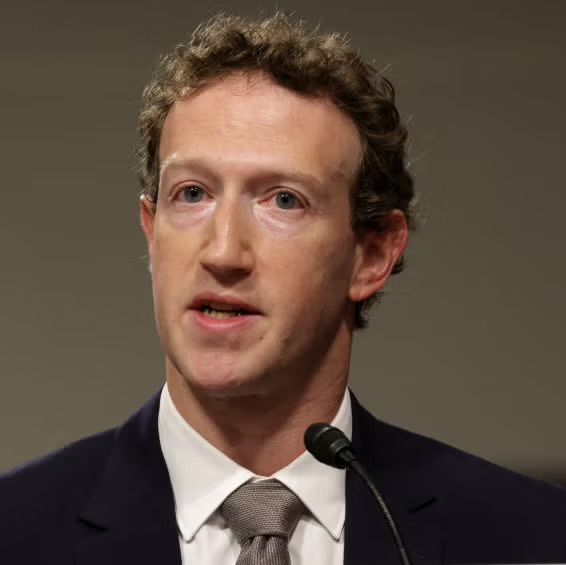
Mark Zuckerberg
Mark Zuckerberg ranks fifth, with a net worth around $140 billion. As CEO of Meta, he oversees Facebook, Instagram, and WhatsApp, platforms that dominate social networking and digital advertising worldwide.
Zuckerberg’s ranking is unchanged from last year, despite challenges in user growth and regulatory scrutiny, Meta’s advertising business remains highly profitable, maintaining Zuckerberg’s status among the globe’s wealthiest. His presence shows how social networks continue to be powerful engines for wealth creation.
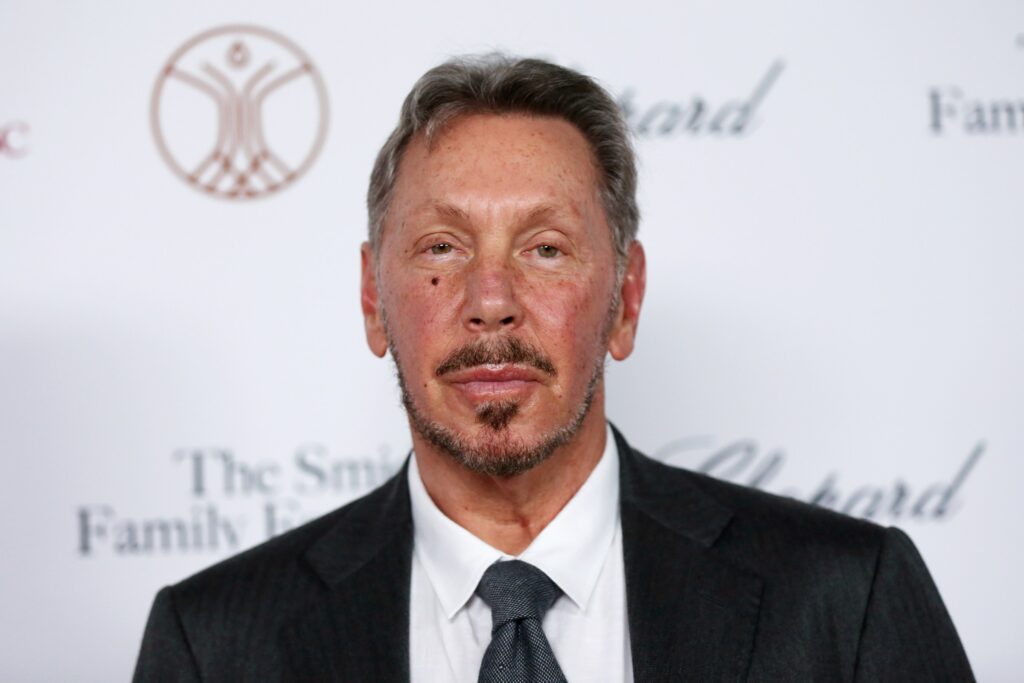
Larry Ellison
Larry Ellison, co-founder of Oracle, ranks sixth with an estimated net worth of $120 billion. Ellison built his fortune through enterprise software and cloud solutions that serve corporations worldwide. Oracle’s transition into cloud computing has preserved its relevance, and Ellison’s wealth highlights the enduring financial potential of software solutions that power business infrastructure globally.
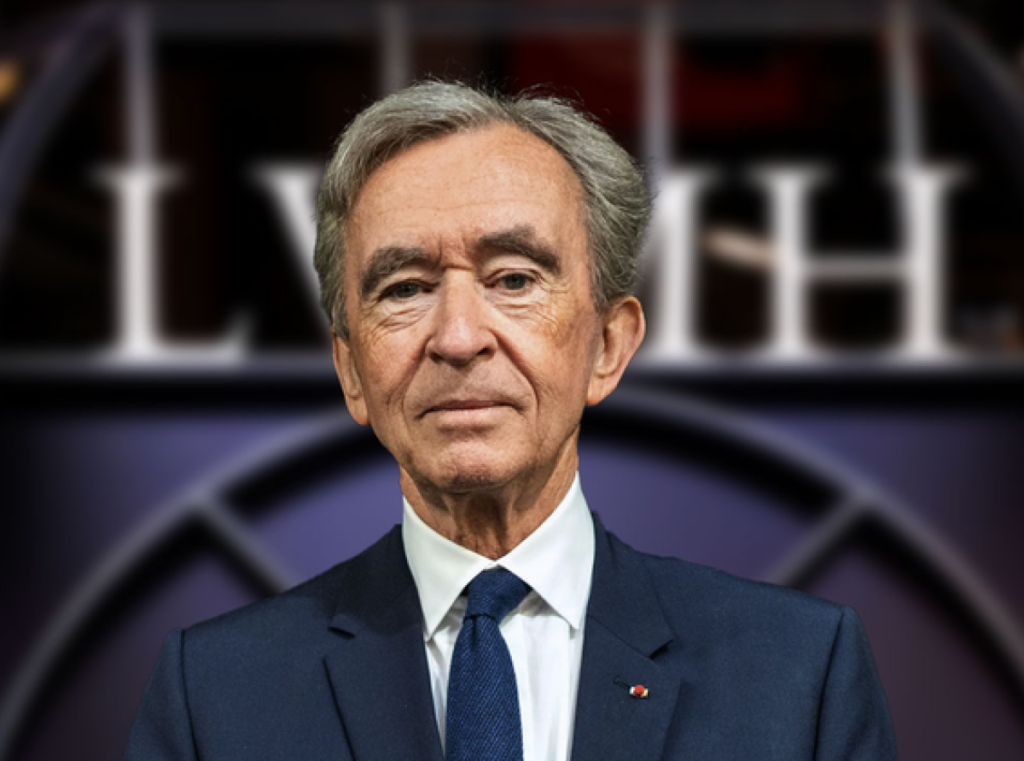
Bernard Arnault
Bernard Arnault, chairman and CEO of LVMH, occupies the seventh spot with an estimated net worth of $115 billion. Arnault’s fortune comes from luxury brands such as Louis Vuitton, Dior, and Sephora, catering to high-end consumers worldwide.
Arnault moved down one position compared to 2025, after a strong rise in tech stock valuations outpaced luxury gains. His ranking demonstrates that even in a tech-dominated era, luxury goods and cultural influence remain major sources of wealth.
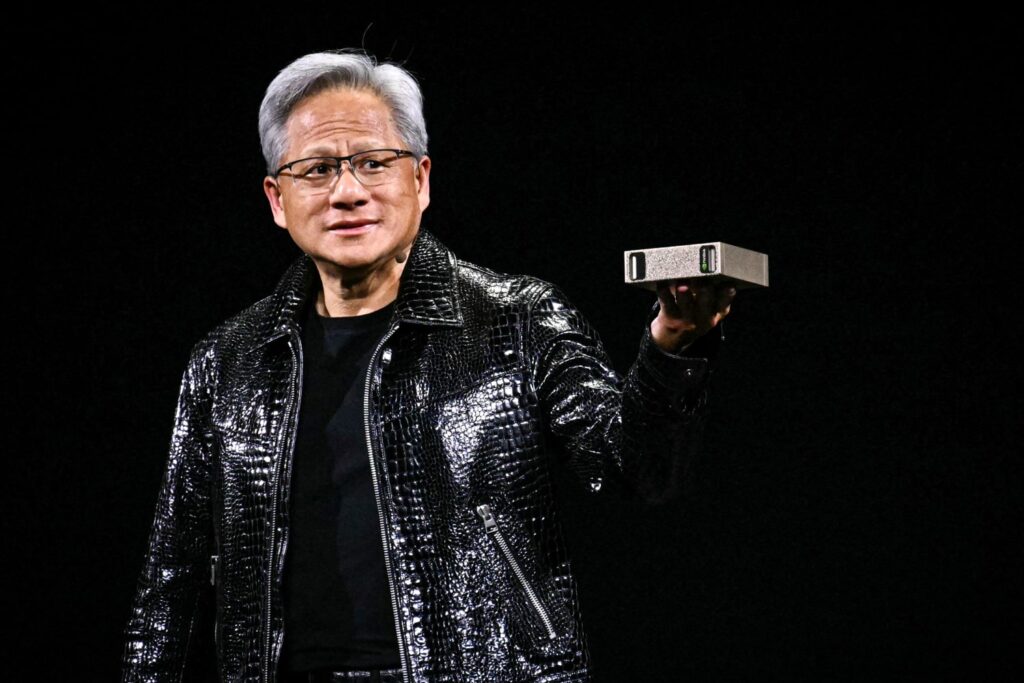
Jensen Huang
Jensen Huang, CEO of Nvidia, ranks eighth with an estimated net worth of $110 billion. Huang’s leadership in AI hardware and semiconductors has positioned Nvidia at the center of the artificial intelligence revolution.
This marks a significant rise compared to 2025, reflecting the explosive growth in AI and the increased demand for Nvidia GPUs powering AI and high-performance computing worldwide. Huang is one of the biggest gainers this year in the top ten.
Nvidia’s GPUs power AI models, data centers, and advanced computing applications, reflecting how technology beyond software; specifically AI infrastructure can create extraordinary wealth.
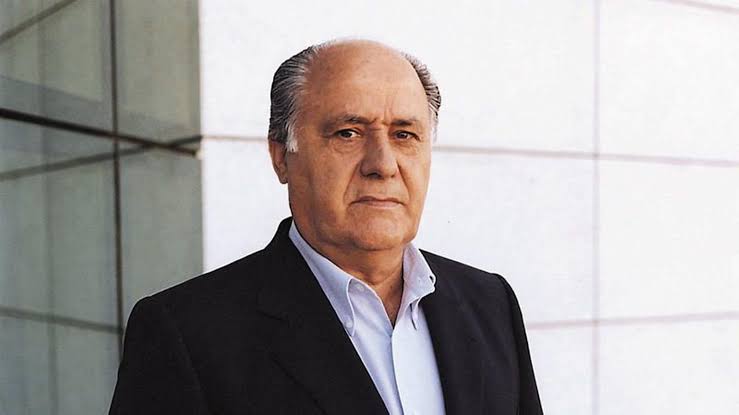
Amancio Ortega
Amancio Ortega, founder of Inditex and Zara, ranks ninth with a net worth of $85 billion. Ortega built a global retail empire through Zara’s fast-fashion model, emphasizing efficiency, rapid design cycles, and international expansion. His inclusion shows that traditional industries such as fashion and retail, when executed at scale, can generate wealth comparable to the largest technology companies.
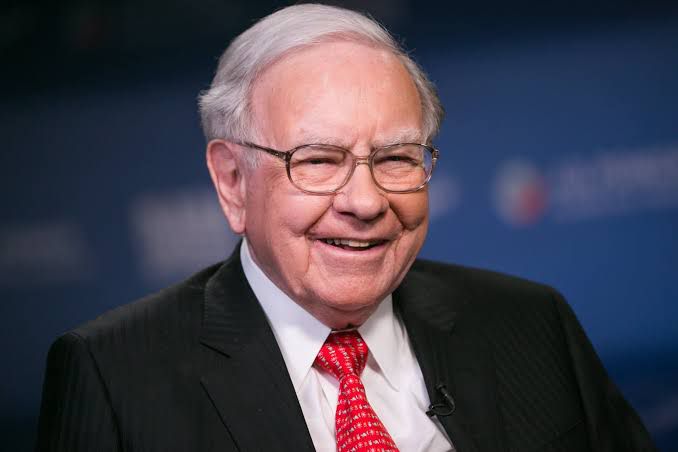
Warren Buffett
Warren Buffett, chairman of Berkshire Hathaway, rounds out the top ten with an estimated net worth of $80 billion. Buffett’s fortune is the result of decades of strategic, long-term investing across diverse industries including insurance, retail, and energy.
Buffett moved down one position compared to 2025, as tech and AI-related fortunes outpaced traditional investing. Nonetheless, his decades-long strategy of diversified investments continues to secure him a place in the world’s wealthiest.
His ranking emphasizes that wealth can be built and preserved not only through innovation but also through disciplined investment and portfolio management.
The 2026 Forbes top 10 richest people reveal several key trends. Technology and artificial intelligence dominate wealth creation, with six of the ten billionaires deriving their fortunes from tech ventures. Luxury and global retail industries remain powerful, as demonstrated by Bernard Arnault and Amancio Ortega. Long-term investing continues to produce significant wealth, as exemplified by Warren Buffett.
These individuals not only represent vast financial resources but also influence global industries, job creation, and market trends. Understanding their paths to wealth provides insight into where opportunity, innovation, and economic power are concentrated in the modern world.
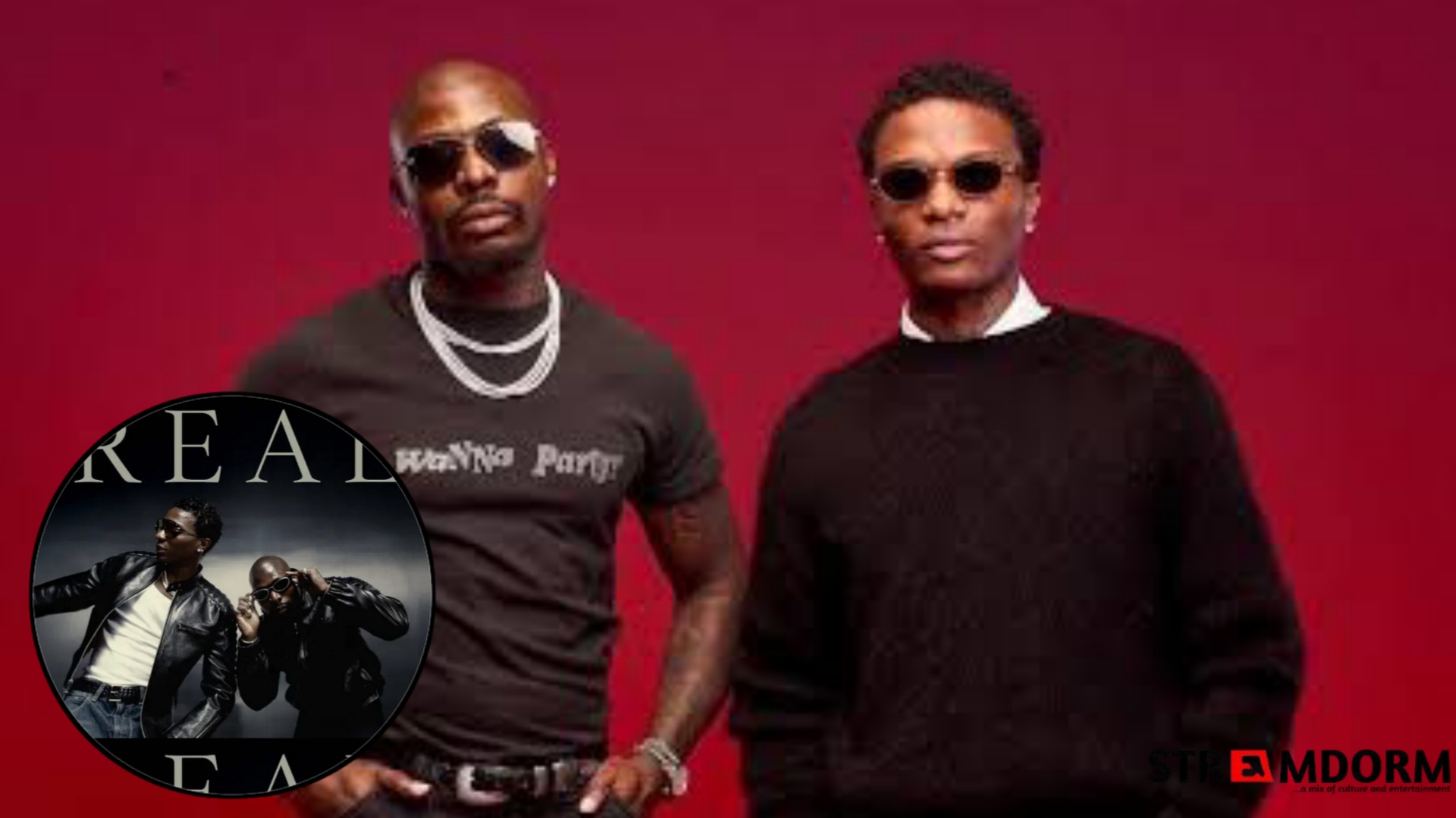
When Wizkid and Asake announced REAL, Vol. 1, expectations were immediate and well anticipated. The collaboration brought together two artists operating at different but equally powerful ends of Afrobeats’ global spectrum; one a decade-long international force, the other one of the most dominant Nigerian hitmakers of the 2020s.
REAL, Vol. 1 has debuted at No. 6 on the Billboard World Albums chart, marking a major global chart moment for the joint EP and reinforcing Afrobeats’ sustained presence on international rankings.
The Billboard World Albums chart tracks the strongest-performing international projects in the United States each week. A Top 10 debut is significant particularly for a short collaborative EP because it reflects not only streaming traction, but real market penetration in one of music’s most competitive territories.
For REAL, Vol. 1 to open at No. 6 places it among the most successful African releases on the chart this year, and highlights the continued global appetite for Nigerian music beyond singles and playlist placements.
Rather than chasing crossover aesthetics, the project leans confidently into its Afrobeats foundation; a choice that appears to be resonating with listeners globally.
Released in January 2026, REAL, Vol. 1 is a concise four-track EP that thrives on chemistry and restraint. Wizkid’s melodic calm and Asake’s gritty, percussive delivery create a contrast that feels intentional rather than forced.
While REAL, Vol. 1 stands on its own, its Billboard entry also fits into a broader narrative around Wizkid’s relationship with the World Albums chart.
Since the release of Made in Lagos in 2020, Wizkid has remained a recurring presence on the chart through various projects, re-entries, and collaborative releases. With REAL, Vol. 1 charting in 2026, Wizkid has now recorded appearances on the Billboard World Albums chart across seven consecutive calendar years; a milestone that underscores his longevity and consistency on the global stage.
While Billboard does not always publish consolidated year-by-year streak summaries, the pattern of Wizkid’s chart activity across these years is well-documented through individual chart entries and reappearances.
For Asake, the EP adds another global credential to an already dominant run.
As African artists continue to chart, tour, and collaborate at global scale, releases like REAL, Vol. 1 feel less like exceptions and more like markers of a maturing ecosystem.
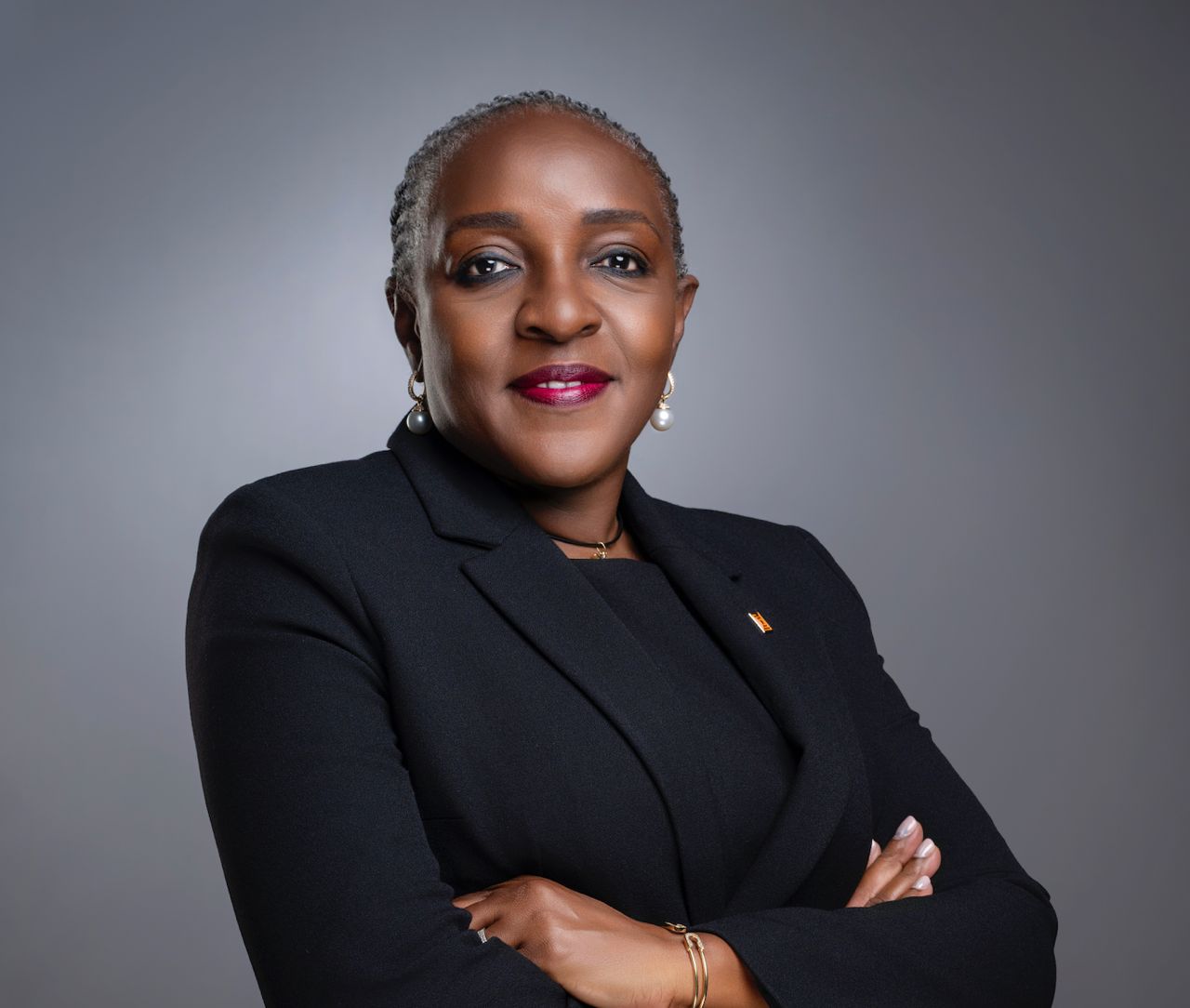
Access Bank Plc has announced the appointment of Ifeyinwa Osime as its new Chairman of the Board, confirming a key leadership transition at one of Nigeria’s most influential financial institutions.
The appointment follows the retirement of Paul Usoro, SAN, who stepped down after completing his regulatory tenure, in line with corporate governance requirements. The development was disclosed by Access Holdings Plc in a formal filing to the Nigerian Exchange Limited.
According to the disclosure, Osime’s appointment forms part of Access Bank’s broader succession and governance strategy, aimed at ensuring continuity at board level while maintaining regulatory compliance.
Group Chairman of Access Holdings, Aigboje Aig-Imoukhuede, described the transition as timely, noting that Osime’s experience and familiarity with the institution would support the bank’s long-term strategic objectives.
Her emergence as Board Chair comes at a period when Nigerian banks are navigating tightening regulations, evolving capital requirements, and increased scrutiny around governance and sustainability.
Ifeyinwa Osime is a seasoned legal practitioner with extensive experience in corporate governance and board oversight. She joined the Access Bank board in November 2019 as an Independent Non-Executive Director, giving her over six years of direct involvement in the bank’s governance structure.
During her time on the board, she chaired several critical committees, including the Board Human Resources and Sustainability Committee and the Board Governance, Nomination and Remuneration Committee; roles that placed her at the centre of leadership development, board evaluation, and succession planning within the institution.
Her committee work is widely viewed as a key factor in her elevation to the board’s highest leadership position.
Ifeyinwa Osime’s appointment signals Access Bank’s continued emphasis on institutional stability and governance continuity, rather than abrupt leadership shifts. As Chairman, she will oversee board strategy, risk oversight, and executive accountability at a time of growing competition within Nigeria’s banking sector and increased regional expansion by the Access brand.
Industry watchers note that her legal and governance background could strengthen board-level decision-making, particularly around compliance, sustainability frameworks, and long-term shareholder value.
With Ifeyinwa Osime now at the helm of the board, Access Bank enters its next phase of leadership with a chairman who combines institutional memory with governance expertise.
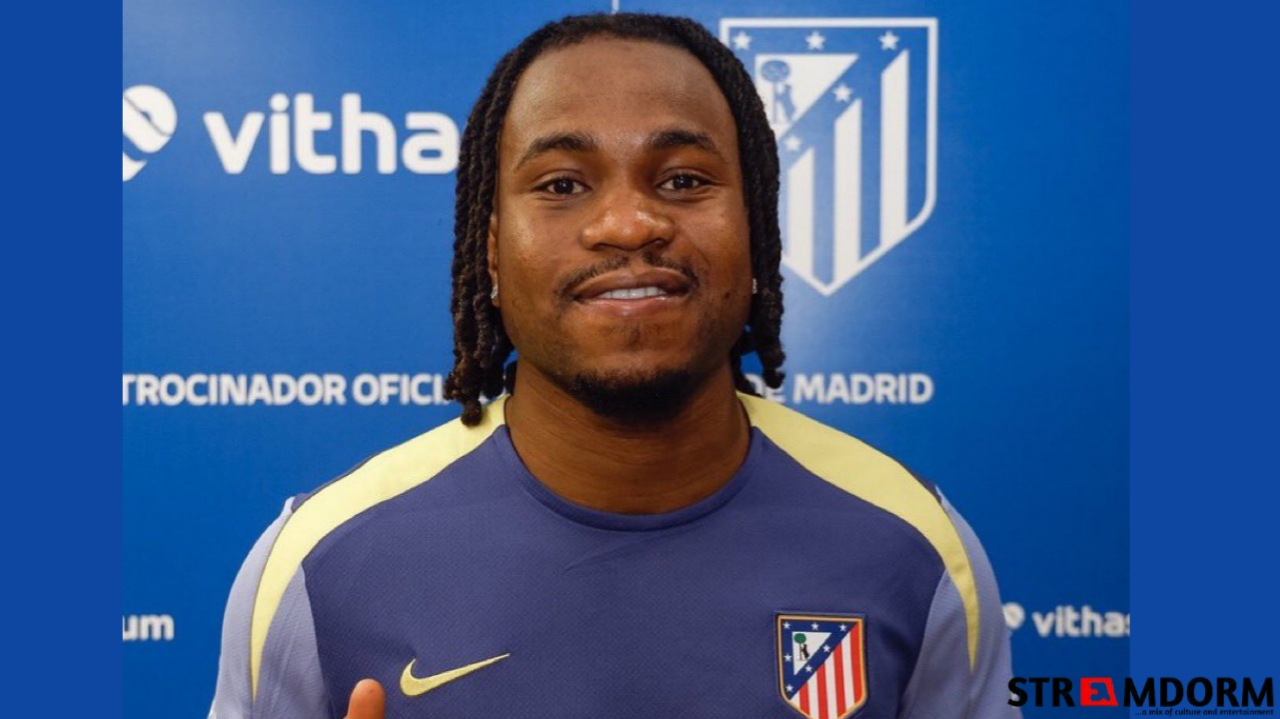
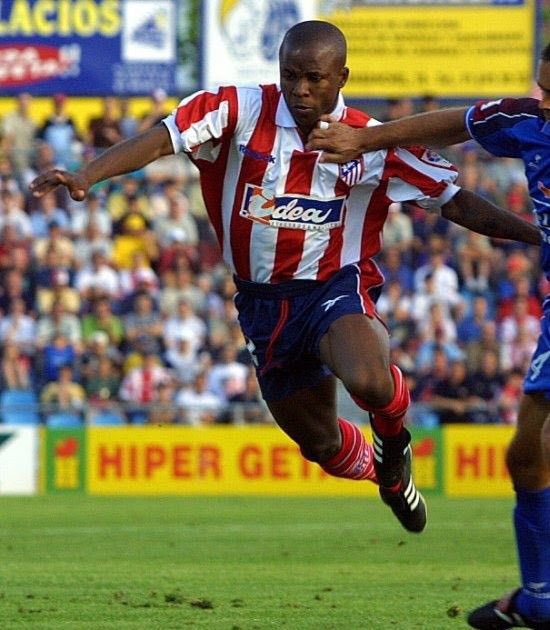
Atlético Madrid have officially completed the signing of Ademola Lookman from Italian side Atalanta, confirming reports that the Nigerian forward is set to strengthen Diego Simeone’s squad ahead of the second half of the 2025–26 season. The 28-year-old attacker becomes the second Nigerian male footballer to represent the Spanish giants, following Abass Lawal (2000–2001).
Lookman, known for his explosive pace and technical skill, has previously made his trade across Europe’s top leagues. After early years in England with Charlton Athletic and Everton, he moved to RB Leipzig in Germany, where he showcased his dribbling and attacking versatility. His recent tenure at Atalanta in Serie A has only solidified his reputation as a dynamic winger capable of influencing high-stakes matches.
The move to Atlético Madrid represents a new chapter in Lookman’s career, as he joins a squad renowned for its tactical discipline, defensive resilience, and European ambitions. Simeone’s side is currently competing on multiple fronts in La Liga and continental competitions, and Lookman’s arrival is expected to provide fresh attacking options.
According to reports, Atlético Madrid secured Lookman’s services for a transfer fee of €35 million, with potential bonuses adding up to €5 million. The forward has signed a long-term contract running until June 2030, signaling the club’s confidence in his ability to make an immediate impact.
Lookman’s arrival at the Wanda Metropolitano is not just a personal milestone, it’s a moment for Nigerian football. By following in the footsteps of Abass Lawal, who briefly represented Atlético Madrid during the 2000–01 season, Lookman becomes only the second Nigerian male player in the club’s history, shining a spotlight on the growing influence of Nigerian talent in Europe.
For Atlético, the addition of a player with Lookman’s speed, creativity, and versatility could prove decisive in the final months of the season, particularly as the club chases domestic and continental honors. For Nigeria, it’s another moment to celebrate one of its finest footballing exports making waves on one of Europe’s biggest stages.
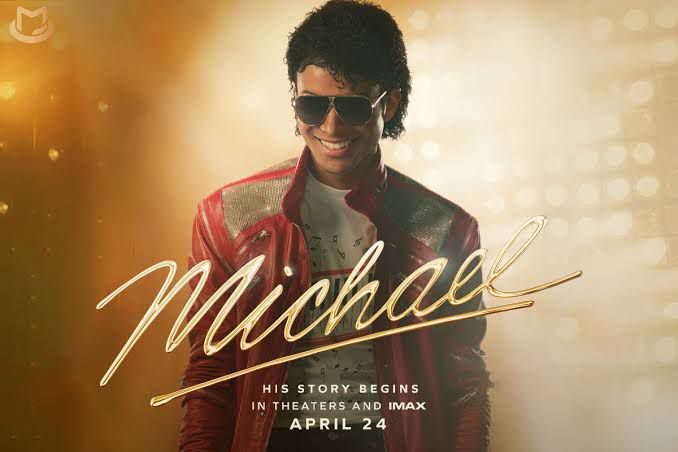
The long-awaited trailer for MICHAEL, the official biopic of global music icon Michael Jackson, has finally been released, and it signals exactly what kind of film Lionsgate is positioning for audiences worldwide: expansive, reverent, and carefully constructed.
Directed by Antoine Fuqua, the film stars Jaafar Jackson, Michael’s nephew, in the lead role. From the opening frames, the trailer makes one thing clear; MICHAEL is not chasing controversy or spectacle for shock value. Instead, it presents Jackson’s life as a cinematic chronicle of ambition, talent, and cultural impact, framed through music, performance, and intimate moments behind the curtain.
The trailer moves briskly through Michael’s early years with the Jackson 5, capturing the discipline, pressure, and early brilliance that shaped him long before superstardom. As it progresses, the focus shifts toward his transformation into a solo artist, with recreated studio sessions, massive concert scenes, and carefully staged performances that echo defining eras of his career. The production scale is unmistakable, leaning into grandeur without overwhelming the emotional center of the story.
Jaafar Jackson’s performance is the trailer’s most striking element. His physical resemblance, vocal tone, and command of Michael’s signature movements have already sparked widespread conversation online. Rather than feeling like an imitation, the portrayal appears studied and restrained, aiming to reflect Michael’s inner world as much as his public persona. That balance will likely define how audiences ultimately receive the film.
Beyond the performances, MICHAEL positions itself as a legacy project. The trailer emphasizes creativity, isolation, and the cost of global fame, hinting at personal struggles without explicitly dramatizing controversy. This approach suggests a deliberate narrative choice, one that centers Michael Jackson as an artist and cultural force first, while allowing complexity to exist without turning the film into a tabloid reenactment.
The supporting cast, including Colman Domingo as Joe Jackson and Nia Long as Katherine Jackson, adds further weight to the project, reinforcing its intent to ground the story in family, pressure, and legacy rather than sensationalism.
From an industry standpoint, the release of the trailer confirms MICHAEL as one of the most significant music biopics of the decade. The early response underscores sustained global fascination with Jackson’s story and raises expectations for how modern biopics can handle iconic figures whose lives remain deeply debated.
Scheduled for theatrical release on April 24, 2026, MICHAEL arrives at a moment when audiences are increasingly critical of how true stories are adapted for the screen. If the tone of the trailer is any indication, the film is aiming for scale, respect, and long-term cultural relevance rather than short-term buzz.
For now, the trailer does what it needs to do: it reopens the conversation around Michael Jackson; not just as a pop legend, but as a human being whose influence continues to shape music, performance, and global pop culture decades later.
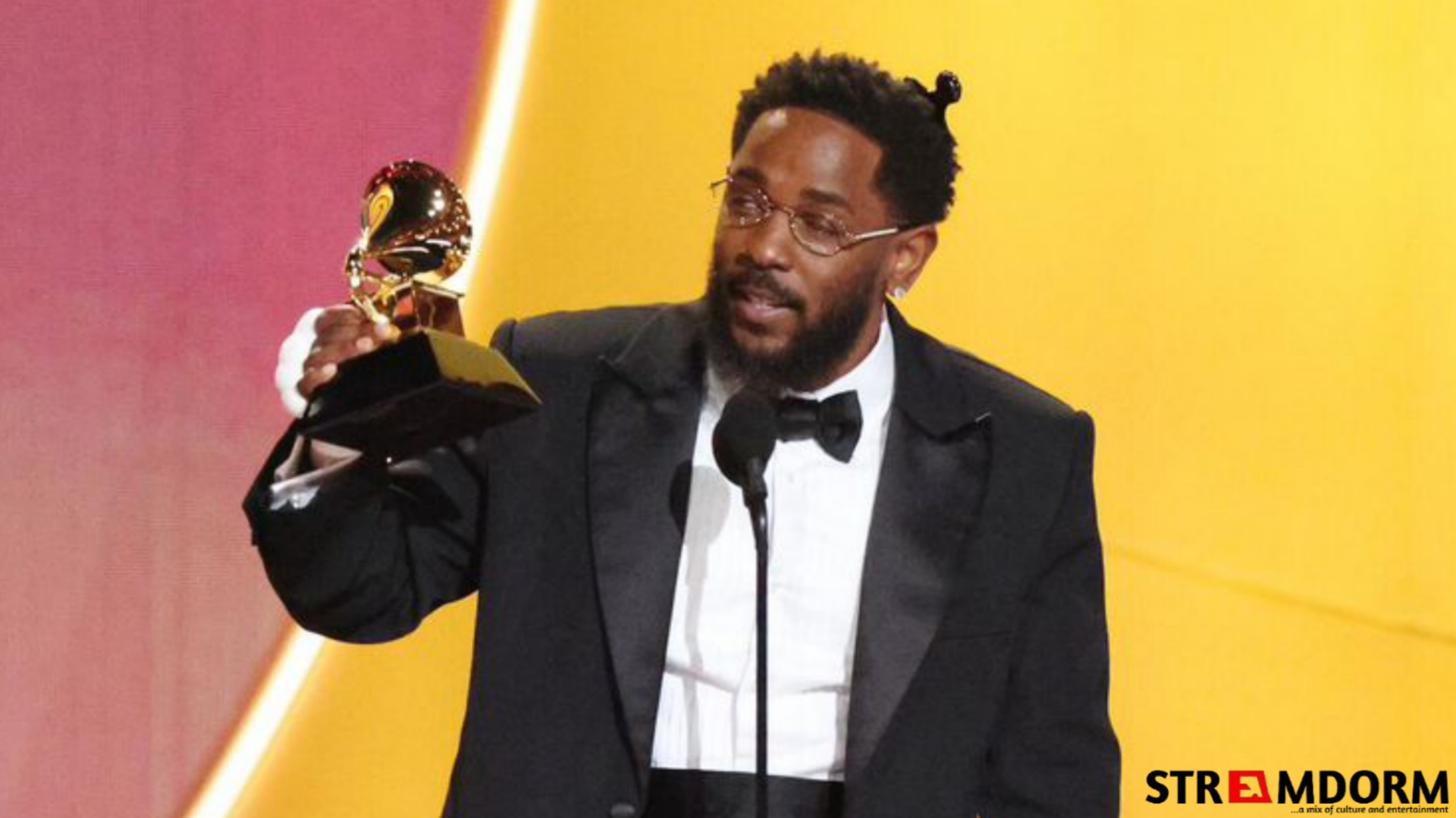
Hip-hop history was rewritten at the 68th Grammy Awards as Kendrick Lamar officially became the most awarded rapper in Grammy history, surpassing the long-standing record previously held by Jay-Z.
With multiple wins on the night, Kendrick Lamar pushed his career Grammy total to 27, moving him ahead of Jay-Z’s 25 and placing him alone at the top of rap’s all-time Grammy leaderboard. It is a landmark moment not just for Lamar, but for the genre itself.
The achievement capped off a dominant Grammy night for the Compton rapper, whose latest body of work GNX and its standout records continued his tradition of critical acclaim and industry recognition.
His wins on the night included:
Best Rap Album for GNX
Record of the Year for “Luther” (with SZA)
Best Rap Song for TV Off
Best Melodic Rap Performance for “Luther”
Best Rap Performance for his feature on Chains & Whips by Clipse
Jay-Z’s record had stood for years as a symbol of longevity, influence, and commercial power in hip-hop. Kendrick Lamar surpassing it represents something slightly different: a career built on concept-driven albums, social commentary, and a willingness to challenge both the audience and the industry. From good kid, m.A.A.d city through To Pimp a Butterfly, DAMN., and now GNX, Lamar has consistently treated rap as literature, protest, and personal reflection.
His rise to the top of the Grammy record books also signals how the Academy’s relationship with hip-hop has evolved. Once marginalized to a single televised category, rap is now regularly recognized across major fields, including general categories traditionally dominated by pop and rock. His repeated success in these spaces underscores that shift.
At 38, Kendrick Lamar is still very much in his creative prime. That reality makes the record even more significant. Unlike many historical milestones that mark the end of an era, this one feels ongoing. There is every indication that his total could grow further, especially as his work continues to balance cultural relevance with critical respect.
Importantly, Lamar’s achievement does not diminish Jay-Z’s legacy. Instead, it highlights a generational continuum in hip-hop from Jay-Z’s era of mogul rap and mainstream dominance to Kendrick Lamar’s era of introspection, narrative depth, and cultural critique. Both represent different peaks of the same mountain.
For fans, critics, and the industry alike, this moment stands as a reminder of what sustained artistic vision can achieve. In a genre defined by reinvention and competition, Kendrick Lamar has carved out a lane that rewards patience, substance, and intention.
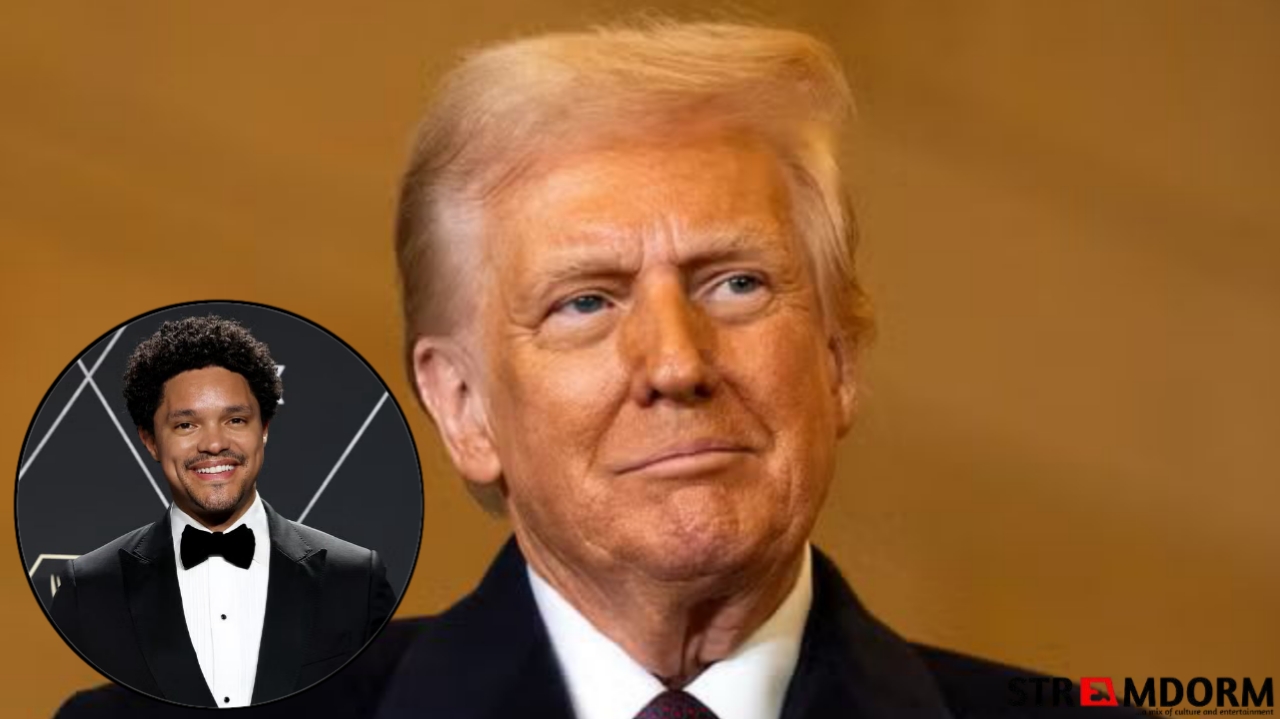
U.S. President Donald Trump has sharply criticized the 68th Annual GRAMMY Awards, branding the broadcast “virtually unwatchable” and threatening legal action against comedian and host Trevor Noah over a joke the President called false and defamatory. The unusual clash between a cultural event and national politics has quickly become one of the most talked‑about stories in entertainment and political news today.
During the live telecast on February 2, 2026, Trevor Noah; hosting the GRAMMYs for the sixth and final time delivered a mix of music commentary and political humor. After Billie Eilish and Finneas won the Song of the Year award, Noah said:
“There you have it, song of the year! Congratulations, Billie Eilish. Wow. That’s a Grammy that every artist wants… almost as much as Trump wants Greenland, which makes sense because Epstein’s island is gone, he needs a new one to hang out with Bill Clinton.”
As the audience reacted with gasps and laughter, Noah added:
“I told you, it’s my last year! What are you going to do about it?”
Shortly after the broadcast ended, Trump took to his social platform Truth Social with a forceful reaction. He began by dismissing the awards show itself as:
“the WORST, virtually unwatchable! CBS is lucky not to have this garbage litter their airwaves any longer.”
Turning his attention to Noah’s joke, Trump wrote that the comedian “INCORRECTLY” claimed Trump and Clinton had spent time on Epstein’s island:
“I can’t speak for Bill, but I have never been to Epstein Island, nor anywhere close, and until tonight’s false and defamatory statement, have never been accused of being there, not even by the Fake News Media.”
“It looks like I’ll be sending my lawyers to sue this poor, pathetic, talentless, dope of an M.C., and suing him for plenty$. Get ready Noah, I’m going to have some fun with you!”
Award shows like the GRAMMYs have long mixed humor with social commentary, but Noah’s line touched on a subject; Jeffrey Epstein and his connections to powerful figures that has been under renewed public scrutiny since large sets of Epstein files were released.
Trump’s response continues a pattern of reacting strongly to commentary he deems inaccurate or unfair. In his post, he even referenced past legal settlements with major networks, suggesting precedent for how such disputes have played out previously.
The 2026 GRAMMY Awards were already notable for politically charged moments, including artists wearing pins and referencing social and immigration policies during acceptance speeches. Amid that backdrop, Noah’s joke stood out as a comedic moment that crossed into political territory, prompting an unprecedented presidential reaction tied directly to an awards show broadcast.
A line meant as playful satire at one of music’s biggest nights spiraled into a political story dominating headlines across news and social media. At the intersection of comedy, culture, and politics, the Grammy moment underscores how quickly entertainment can become part of national discourse especially when public figures respond in forceful fashion.
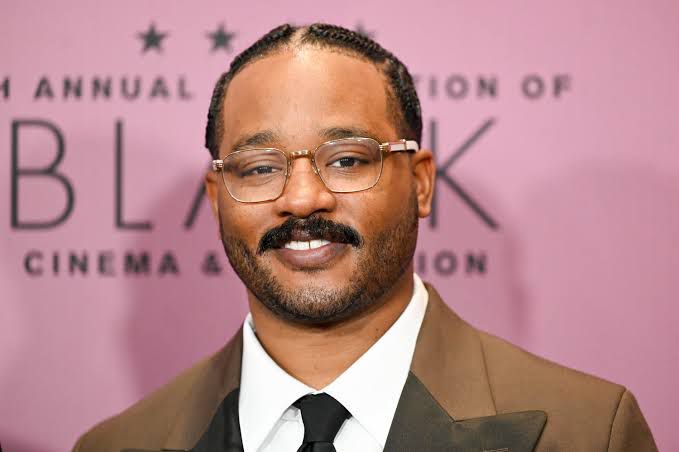
In a move that recognizes one of the most influential voices in contemporary cinema, Ryan Coogler has been named Creative of the Year by The Creative Collective, according to an exclusive report by Variety. This honor is a testament to Ryan Coogler’s remarkable career, which blends commercial success with cultural resonance, and underscores his role as a creative leader shaping the future of storytelling.
Ryan Coogler, a filmmaker who has consistently combined emotional depth with social relevance, first captured global attention with Fruitvale Station (2013), a harrowing, true-story drama about the last day of Oscar Grant’s life. The film premiered at Sundance and immediately established him as a storyteller unafraid to confront systemic injustice while maintaining a deeply human perspective.
He followed this with Creed (2015), a fresh take on the iconic Rocky saga, blending nostalgia with innovation. Creed not only revitalized a beloved franchise but also showcased Coogler’s skill in crafting character-driven narratives that resonate across generations.
Then came Black Panther (2018), a cultural phenomenon that became more than just a superhero blockbuster. Ryan Coogler transformed the Marvel film into a celebration of African heritage and identity, weaving themes of power, responsibility, and community into a narrative that captured hearts worldwide. The film’s success both critically and commercially established his reputation as a director capable of merging blockbuster appeal with profound social commentary.
Most recently, his directed Sinners (2025), which has been praised for its bold storytelling, rich character work, and willingness to explore complex social themes. The film’s creative team, including co-writer and producer Zinzi Coogler and producer Sev Ohanian, has been recognized alongside him for pushing boundaries in filmmaking.
The title of Creative of the Year from The Creative Collective is not just an award, it is a statement about Coogler’s influence. The Creative Collective celebrates individuals who push creative boundaries, redefine their industries, and inspire new ways of thinking. Ryan Coogler’s recognition is particularly significant in a landscape where representation, culture, and storytelling intersect with global influence.
For young filmmakers and creatives around the world, he now represents a model of how vision, cultural consciousness, and collaboration can elevate both art and society. His work is a reminder that commercial success need not come at the expense of authenticity or meaningful storytelling.
Beyond the box office, Ryan Coogler has shaped conversations about representation, identity, and social justice in media. Black Panther sparked global dialogue about African culture and the portrayal of Black excellence in mainstream cinema. His projects often highlight marginalized voices and explore nuanced narratives that challenge stereotypes, giving audiences stories that feel both relatable and revolutionary.
His approach extends to mentoring and collaboration, evident in his work on Sinners, which brought together emerging talent and experienced creatives to produce a film that is as socially engaging as it is artistically ambitious. These efforts reinforce the idea that creativity thrives not in isolation but through community and collaboration.
The Creative Collective is known for celebrating individuals who redefine their industries. Unlike conventional awards, it focuses on impact and innovation, spotlighting creators who influence culture, inspire peers, and push creative boundaries. Coogler’s selection highlights his status not just as a filmmaker, but as a cultural architect, someone shaping the narratives that define our era.
Recognition from such a body also signals the growing importance of filmmakers who balance artistry with social consciousness. In an era dominated by franchises, streaming platforms, and global audiences, creatives like Coogler show that meaningful storytelling still has the power to captivate and influence on a massive scale.