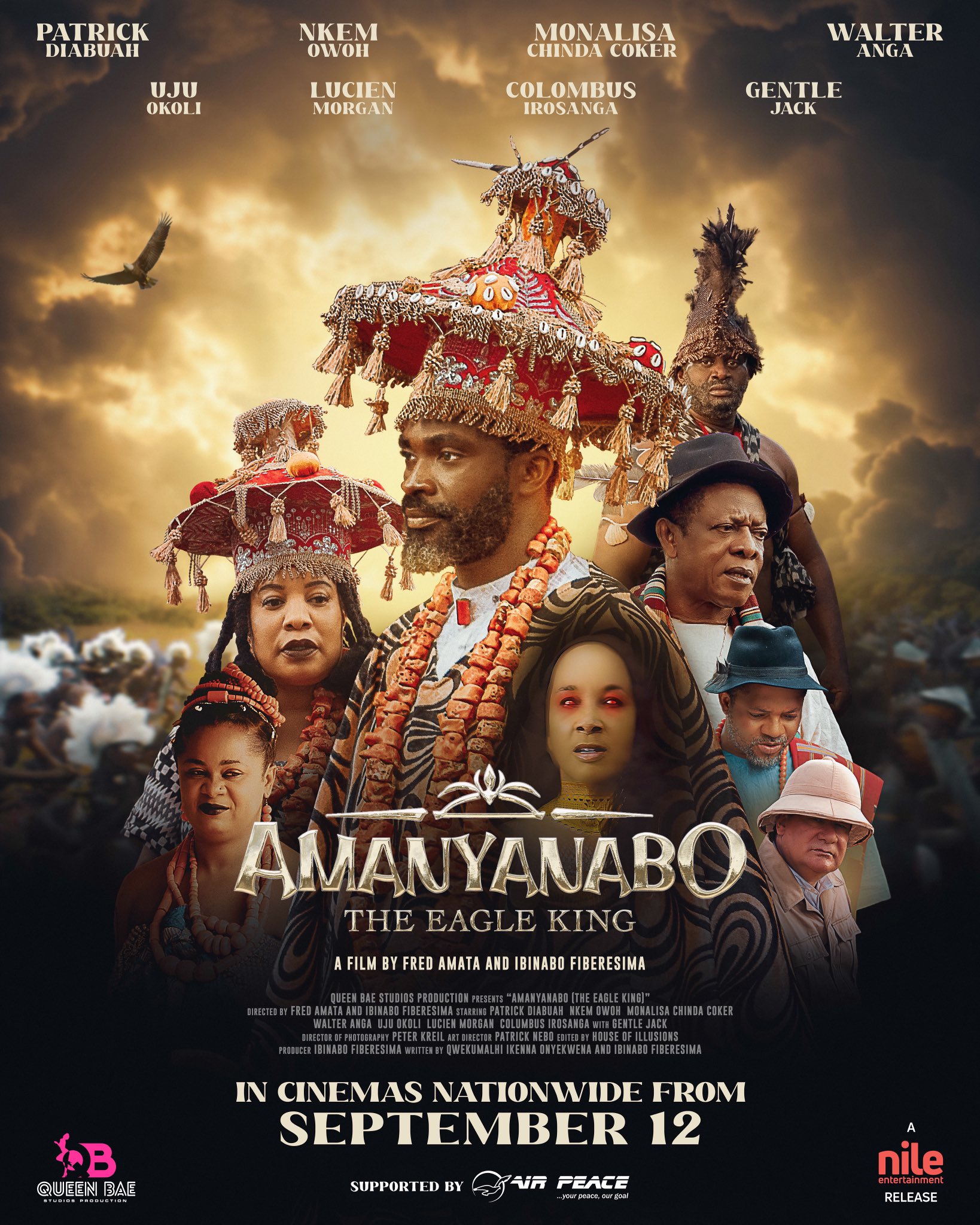
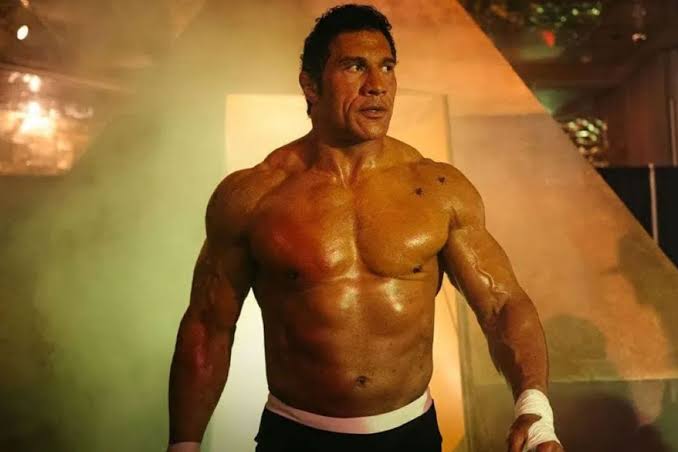
Nollywood’s latest historical epic, Amanyanabo: The Eagle King, is officially set to hit cinemas across Nigeria on September 12, 2025, marking one of the year’s most anticipated theatrical releases.
The film, directed by Fred Amata and Ibinabo Fiberesima, brings to life the story of King Ibanichuka (Ado VI), a 19th-century warrior of Okrika in the Niger Delta who was chosen by the goddess Tamunoba to become king. Drawing from Dr. Alfred S. Abam’s book ‘King Ibanichuka (Ado VI) 1816-1896’, the movie blends history, mythology, and drama, exploring themes of leadership, cultural identity, colonial resistance, and personal sacrifice.
Amanyanabo, the eagle king, a story of heritage, power, and destiny is coming to life on the big scree, from tomorrow, September 12.
The epic features a rich ensemble of Nollywood veterans and rising stars. Patrick Diabuah leads as King Ibanichuka, supported by Nkem Owoh as Chief Ogan, Monalisa Chinda Coker as Queen Mboro, Walter Anga as Chief Okpokiri, and Gentle Jack as Igbanibo Will-Braide. International actor Lucien Morgan also appears as Consul Ralph Moor, representing colonial interests in the story.
Themes of Power and Conflict
Amanyanabo: The Eagle King dives deep into the political, spiritual, and cultural struggles of its era. It portrays the clash between indigenous traditions and Christianity, the influence of colonial powers, and the burden of leadership placed on Ibanichuka as he navigates loyalty, betrayal, and divine expectation.
Release and Distribution
Following its Lagos premiere, the film will now roll out to cinemas nationwide, with distribution handled by The Nile. Producers say the release is a milestone in Nollywood’s commitment to telling African historical stories on a grand cinematic scale, pairing elaborate costumes and set designs with powerful performances.
Early reviews from critics following its August 29 premiere in UK, have praised the film’s ambition and visual richness, though some noted its theatrical pacing. Nonetheless, many see the September 12 release as a defining moment for Nollywood, especially in elevating stories rooted in Nigerian history and culture.
The iconic fighting game franchise Street Fighter is making its return to the big screen with a brand-new live-action adaptation scheduled to hit theaters on October 16, 2026. The film, directed by Kitao Sakurai, is being co-produced by Legendary Entertainment in partnership with Capcom, and distributed by Paramount Pictures under a three-year deal that underscores Hollywood’s growing commitment to video game adaptations.
A Tournament of Legends
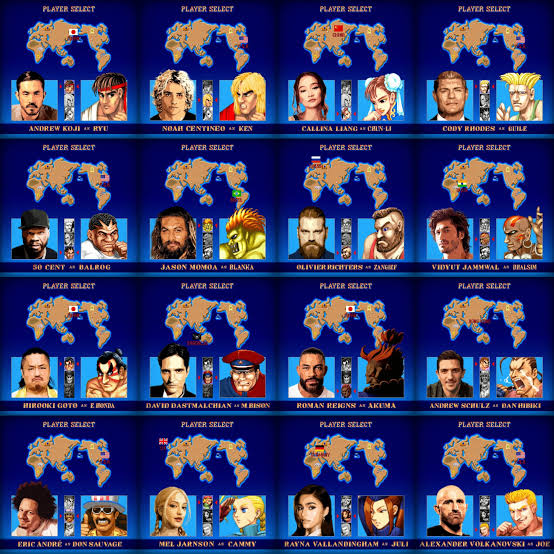
The film’s narrative is set in 1993, during the global rise of Street Fighter II: The World Warrior. It follows estranged martial artists Ryu (Andrew Koji) and Ken Masters (Noah Centineo), who are drawn into a brutal World Warrior Tournament organized by mysterious forces. With help from Chun-Li (Callina Liang), the fighters uncover dark conspiracies tied to their pasts, raising the stakes far beyond victory in the ring.
Production
Principal photography began in August 2025 at Disney Studios in Moore Park, Sydney, Australia. The film is expected to blend martial arts choreography with big-budget spectacle, aiming to please both fans of the classic arcade franchise and new audiences.
A Power-Packed Cast
The film boasts an ensemble lineup of global stars, wrestlers, and fighters, ensuring authenticity in both performance and combat sequences. – Andrew Koji as Ryu – Noah Centineo as Ken Masters – Callina Liang as Chun-Li – Jason Momoa as Blanka – Curtis “50 Cent” Jackson as Balrog – Cody Rhodes as Guile – David Dastmalchian as M. Bison – Roman Reigns as Akuma – Vidyut Jammwal as Dhalsim (Hollywood debut) – Guest appearance: Alexander Volkanovski on the first official poster Additional roles include Eric André, Orville Peck, Hirooki Goto, and Mel Jarnson, with several UFC and WWE stars making cameo appearances.
Fan Anticipation and Skepticism
While excitement is running high, fans remain cautiously optimistic. Previous Street Fighter adaptations, including the 1994 Jean-Claude Van Damme version, were criticized for failing to capture the essence of the beloved franchise. With Paramount and Legendary’s backing, however, expectations are that the 2026 version will bring the game’s energy, combat style, and mythology to life in a way that resonates with modern audiences.
The announcement comes amid a wave of successful video game adaptations, from The Super Mario Bros. Movie to HBO’s The Last of Us. Hollywood’s embrace of gaming IPs reflects a shift in entertainment, where nostalgic properties are reimagined for global audiences.
As fans count down to October 2026, one thing is certain: Street Fighter is preparing to deliver a cinematic “Hadoken” that could redefine how fighting games are adapted for the big screen.
Nigerian Afrobeats sensation Asake has taken a major step in his career, signing a new management deal with Double Eleven, the management and creative agency led by music executive Alexa Perkins.
The announcement, first highlighted in Billboard’s weekly signings roundup, signals a new era for the hitmaker following his split from long-time manager Stephen Nana, popularly known as Stevenator.
A Strategic Move for Global Growth
With more than 5.6 billion streams worldwide, Asake has become one of the most successful Afrobeats artists of his generation. His third studio album, Lungu Boy (2024), ranks among the top 20 most-streamed Nigerian albums of all time, while his latest project, MONEY, was released this summer under his independent imprint Giran Republic.
Under his new management, Asake is expected to expand his international footprint. Alexa Perkins, who heads Double Eleven, brings deep industry experience from her years working with major labels and distributors including Def Jam, Capitol Records, TuneCore, and EMPIRE. Her track record in artist development and global marketing is seen as a key asset in Asake’s transition from regional superstar to global brand.
Earlier this year, former manager Stephen Nana revealed that he stepped away from managing Asake because the singer’s rapid rise became overwhelming. Nana cited the constant travel demands and the toll on his family life as reasons for the split.
“Asake’s growth was so explosive that it became too much for me to balance with personal commitments,” he admitted in an interview with The Nation.
Building Independence
Despite his exit from Olamide’s YBNL Nation earlier this year, Asake has successfully built a foundation of independence. He owns his masters, runs his Giran Republic imprint, and continues to distribute his music through Empire, a partnership first established in 2022.
The new management deal complements this independence by adding professional oversight and global strategy. Already, Asake has begun making international moves, featuring recently on Gunna’s “Satisfaction” from the rapper’s The Last Wun album.
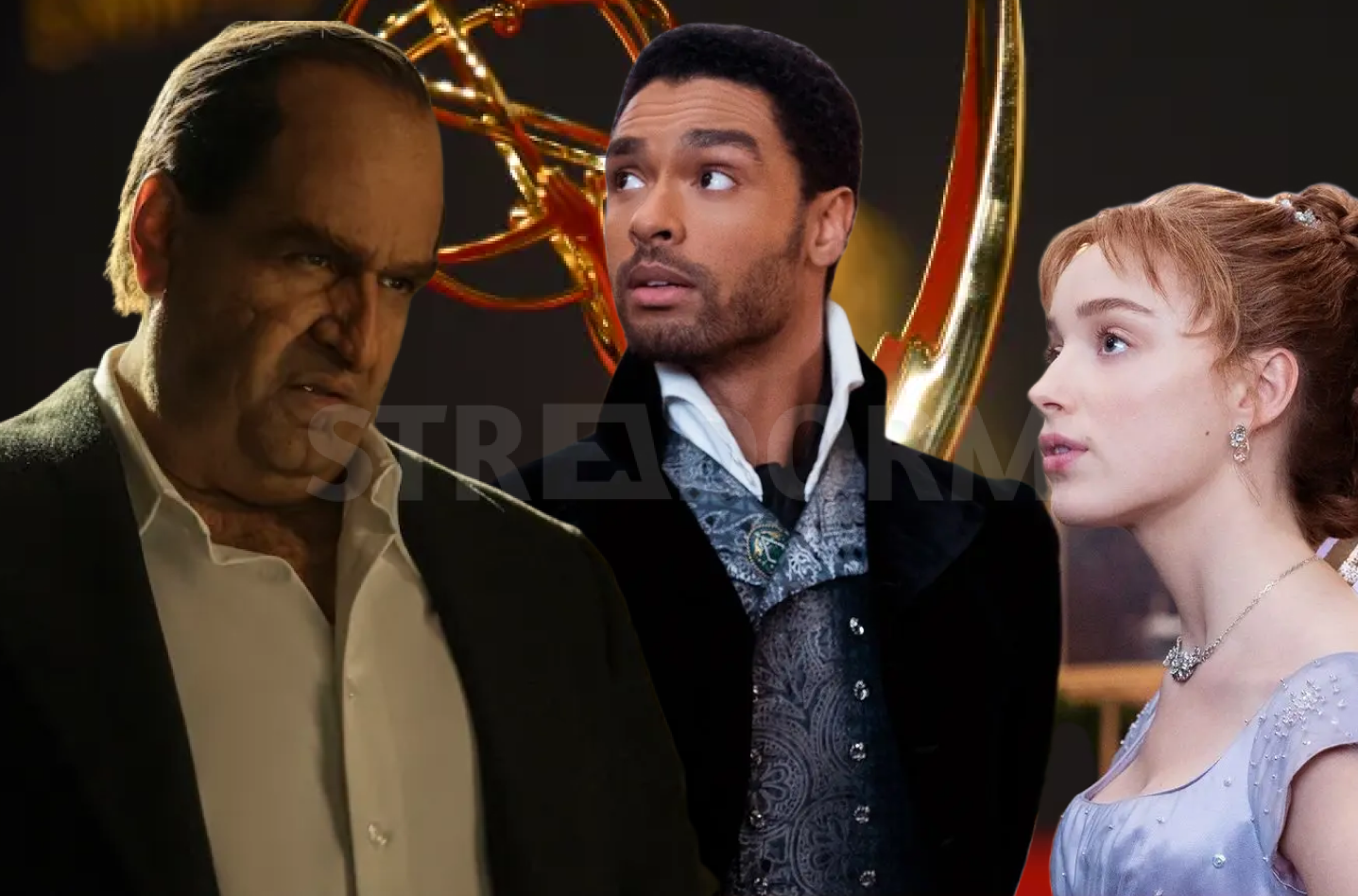
At the Peacock Theatre in Los Angeles, the 2025 Creative Arts Emmy Awards were held, celebrating television, arts, culture, and crafts. Over 100 films, creatives, and filmmakers were nominated across multiple categories, and a total of 50 awards were handed over.
The Penguin, Andor, and Bridgeton were among the top winners of the night. In acting, Bryan Cranston and Julianne Nicholson were both presented with an award as guest stars in Hacks and The Studio, respectively. Meanwhile, in animation, Arcane and Love, Death + Robots were big winners.
GUEST ACTRESS IN A COMEDY SERIES Julianne Nicholson, Hacks
CONTEMPORARY MAKEUP (NON-PROSTHETIC) The Penguin
PROSTHETIC MAKEUP The Penguin
PERIOD OR FANTASY/SCI-FI MAKEUP (NON-PROTHETIC) House of the Dragon
PERIOD COSTUMES Bridgerton
CONTEMPORARY COSTUMES FOR A SERIES The Studio
CONTEMPORARY COSTUMES FOR A LIMITED OR ANTHOLOGY SERIES, OR MOVIE The Penguin
FANTASY/SCI-FI COSTUMES Andor
PERIOD OR FANTASY/SCI-FI HAIRSTYLING Bridgerton
CONTEMPORARY HAIRSTYLING The Penguin PRODUCTION DESIGN FOR A NARRATIVE CONTEMPORARY PROGRAM (ONE HOUR OR MORE) Severance PRODUCTION DESIGN FOR A NARRATIVE PROGRAM (HALF-HOUR) The Studio
AD
PRODUCTION DESIGN FOR A NARRATIVE PERIOD OR FANTASY PROGRAM (ONE-HOUR OR MORE) Andor
CASTING FOR A DRAMA SERIES The Pitt
GUEST ACTOR IN A COMEDY SERIES Bryan Cranston, The Studio
CASTING FOR A COMEDY SERIES The Studio
CASTING FOR A LIMITED OR ANTHOLOGY SERIES OR MOVIE Adolescence
STUNT COORDINATION FOR COMEDY PROGRAMMING The Righteous Gemstones
STUNT COORDINATION FOR DRAMA PROGRAMMING The Boys
STUNT PERFORMANCE The Boys
ANIMATED PROGRAM Arcane
CHARACTER VOICE-OVER PERFORMANCE Julie Andrews, Bridgerton
INDIVIDUAL ACHIEVEMENT IN ANIMATION(juried) Arcane, background design Arcane, color Love, Death + Robots, Production Design Love, Death + Robots, Character Animation Love, Death + Robots, Character Design
CHOREOGRAPHY FOR SCRIPTED PROGRAMMING Étoile PICTURE EDITING FOR A SINGLE-CAMERA COMEDY SERIES The Studio
PICTURE EDITING FOR A MULTI-CAMERA COMEDY SERIES Frasier
GUEST ACTRESS IN A DRAMA SERIES Merritt Wever, Severance
PICTURE EDITING FOR A DRAMA SERIES Andor
PICTURE EDITING FOR A LIMITED OR ANTHOLOGY SERIES OR MOVIE Monsters: The Lyle & Erik Menendez Story
SPECIAL VISUAL EFFECTS IN A SEASON OR A MOVIE Andor
TITLE DESIGN Severance SPECIAL VISUAL EFFECTS IN A SINGLE EPISODE The Penguin
MOTION DESIGN(juried) Octopus!
SOUND EDITING FOR A COMEDY OR DRAMA SERIES The Last of Us
SOUND EDITING FOR A LIMITED OR ANTHOLOGY SERIES, MOVIE OR SPECIAL The Penguin SOUND EDITING FOR A COMEDY OR DRAMA SERIES (HALF-HOUR) The Studio
SOUND EDITING FOR AN ANIMATED PROGRAM Arcane
SOUND MIXING FOR A LIMITED OR ANTHOLOGY SERIES OR MOVIE The Penguin
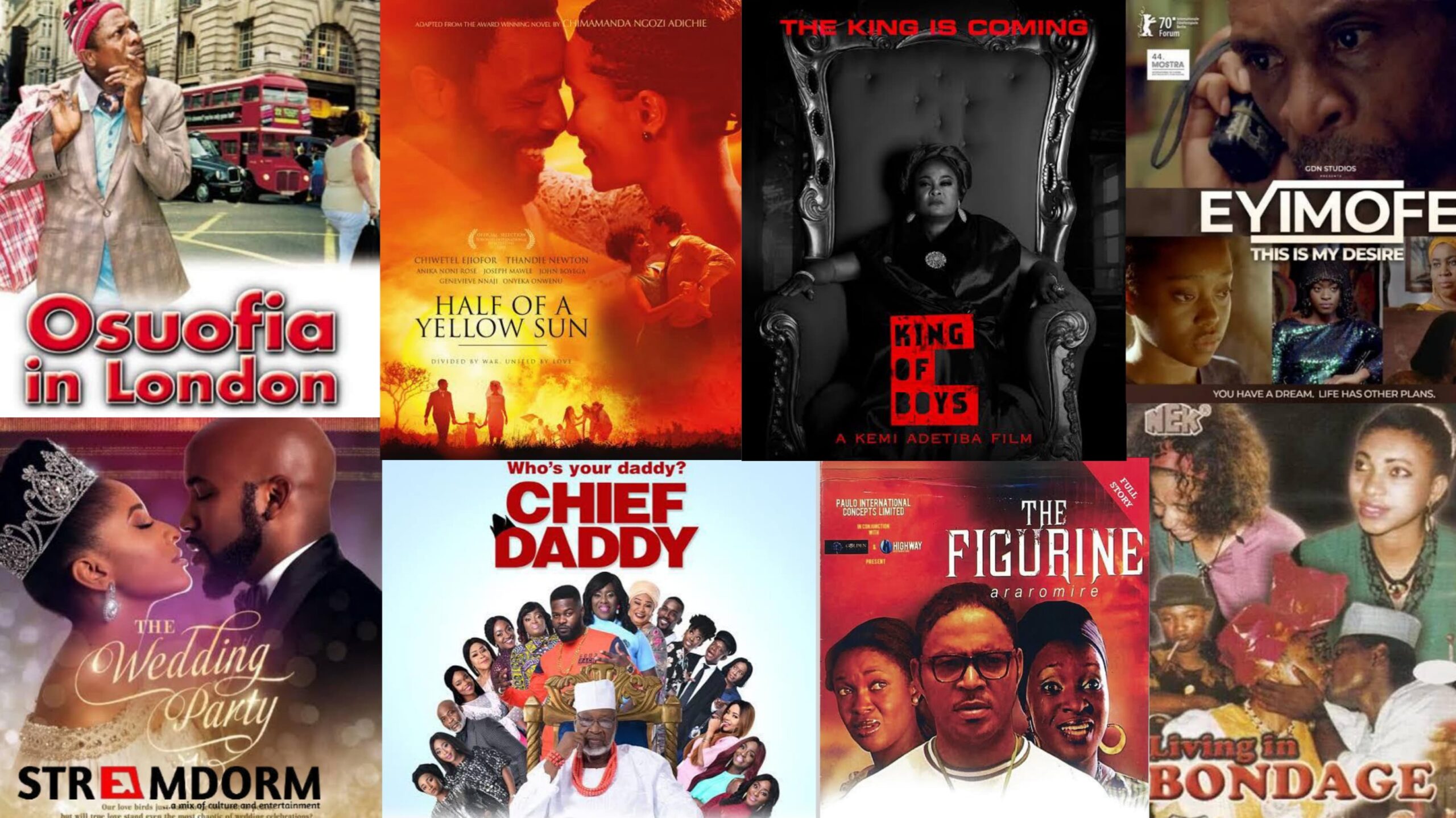
Nollywood, Nigeria’s film industry, has grown from grassroots video productions into one of the world’s largest film powerhouses. With thousands of releases every year, Nollywood tells stories that blend culture, history, comedy, and drama. But a few films stand out as milestones; either for their artistry, commercial impact, or influence on the industry. Below is a ranking of the 10 greatest Nollywood movies of all time, alongside an explanation of how the ranking was determined.
The Ranking
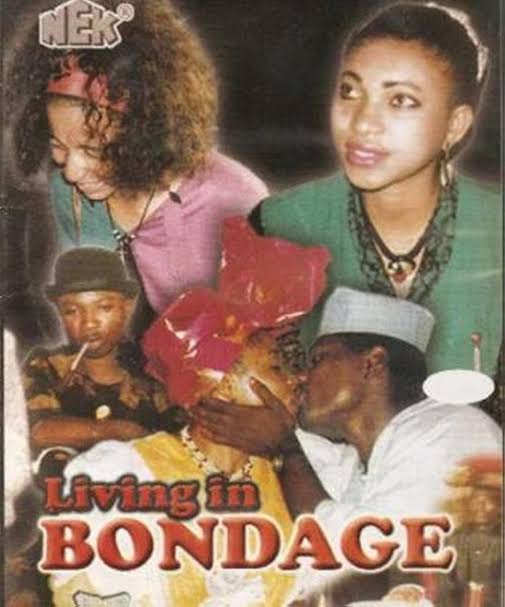
1. Living in Bondage (1992)
Widely regarded as the film that launched Nollywood’s video boom, it tells the story of a man who joins a secret cult in search of wealth, only to suffer tragic consequences. Its success marked a turning point for Nigerian cinema.
Summary: The film tells the story of Andy Okeke, who is lured into a money ritual cult. Though he becomes wealthy, the spiritual consequences destroy his life, leaving a cautionary legacy. It was a cultural reset that birthed Nollywood.
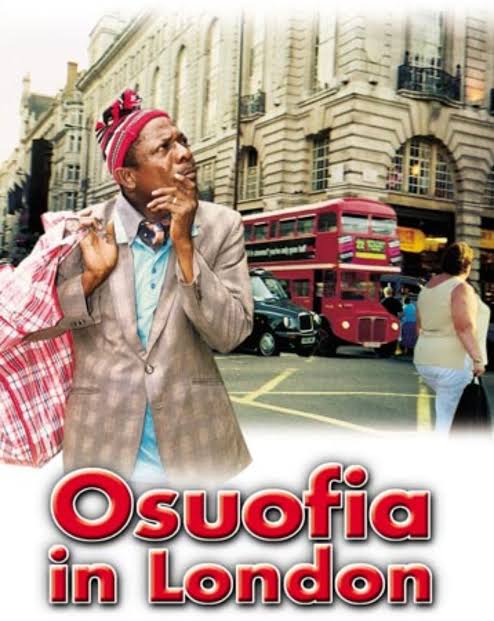
2. Osuofia in London (2003)
This comedy starring Nkem Owoh remains one of Nollywood’s most iconic films. It follows a naive villager who travels to London to claim an inheritance, blending Nigerian humor with cross-cultural themes.
Summary: Osuofia, a villager, travels to London to inherit his late brother’s property. His naive outlook collides with Western culture, creating comedic situations and showing the humor in cultural clashes.
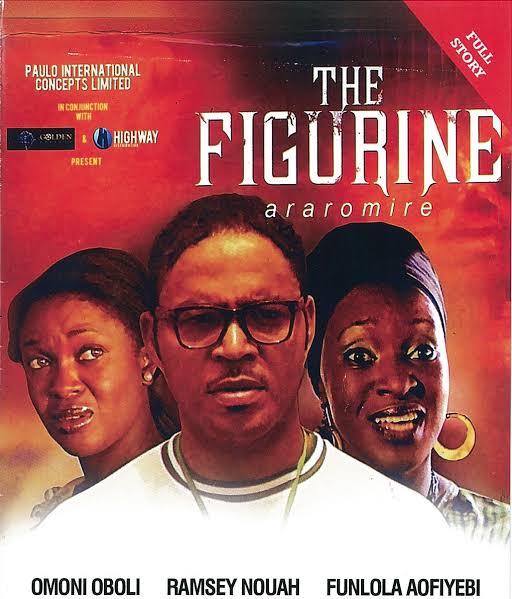
3. The Figurine (2009)
Directed by Kunle Afolayan, this psychological thriller won multiple African Movie Academy Awards. It is praised for its strong storytelling, cinematography, and for raising Nollywood’s technical standards.
Summary: Friends discover a mystical statue said to bring seven years of fortune, followed by seven years of doom. Their lives spiral as destiny, superstition, and human choices collide in this thriller.
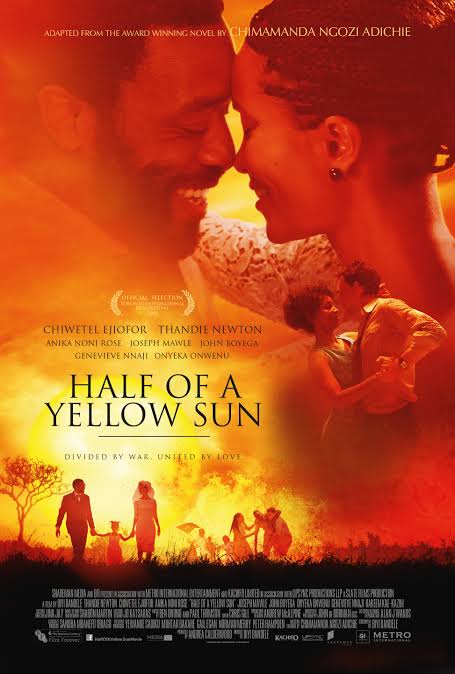
4. Half of a Yellow Sun (2013)
Based on Chimamanda Ngozi Adichie’s acclaimed novel, this historical drama explores love and loss during the Nigerian Civil War. With international stars like Chiwetel Ejiofor and Thandie Newton, it brought global attention to Nollywood storytelling.
Summary: Set during the Nigerian Civil War, the story follows twin sisters Olanna and Kainene as they navigate love, betrayal, and survival. It brings the human side of war to the big screen.
5. October 1 (2014)
Set just before Nigeria’s independence, Kunle Afolayan’s thriller follows a detective solving murders in a small town. It is both a gripping crime story and a reflection on colonial legacies.
Summary: A police detective from Lagos is sent to a rural town to solve a series of murders just before independence. As he uncovers the truth, the film explores themes of trauma, colonialism, and national identity.
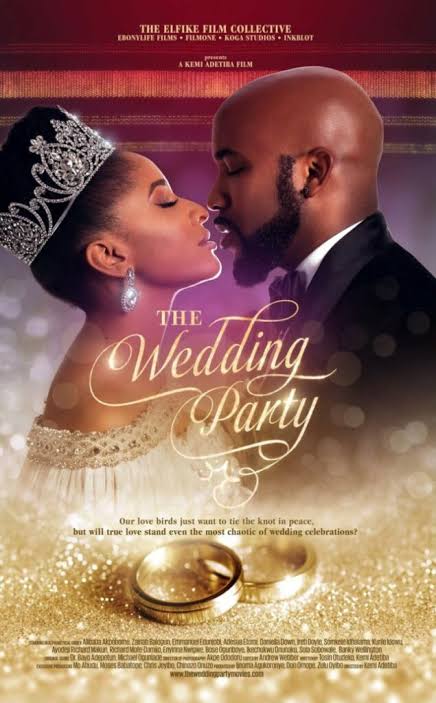
6. The Wedding Party (2016)
A romantic comedy that became Nigeria’s highest-grossing film at the time, grossing over ₦452 million. It captured the glamour, chaos, and humor of Nigerian weddings with mass audience appeal.
Summary: On the day of a high-society Nigerian wedding, chaos ensues as families clash, secrets spill, and love is tested. It’s a glamorous rom-com filled with laughter and cultural celebration.
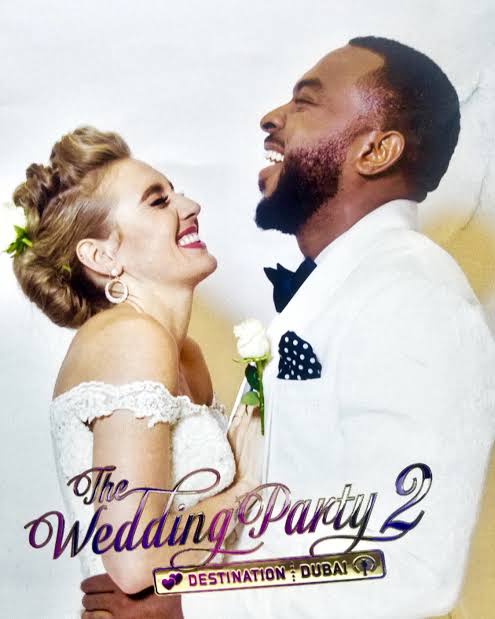
7. The Wedding Party 2: Destination Dubai (2017)
The sequel continued the success, this time set in Dubai. It reinforced Nollywood’s ability to deliver commercially successful, star-studded productions.
Summary: Picking up from the first film, this sequel follows a lavish wedding in Dubai. With drama, comedy, and exotic settings, it continues the spectacle that made the first movie a hit.
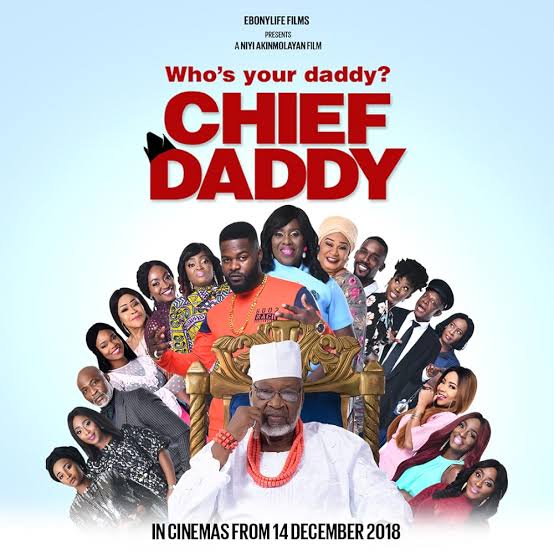
8. Chief Daddy (2018)
A family comedy about the chaos that follows a wealthy man’s death. With a star-studded cast, it was another major box office hit, earning about ₦387 million.
Summary: When a wealthy patriarch dies, his dysfunctional family scrambles to secure their inheritance. The film is a blend of humor and family drama, showing the chaos money leaves behind.
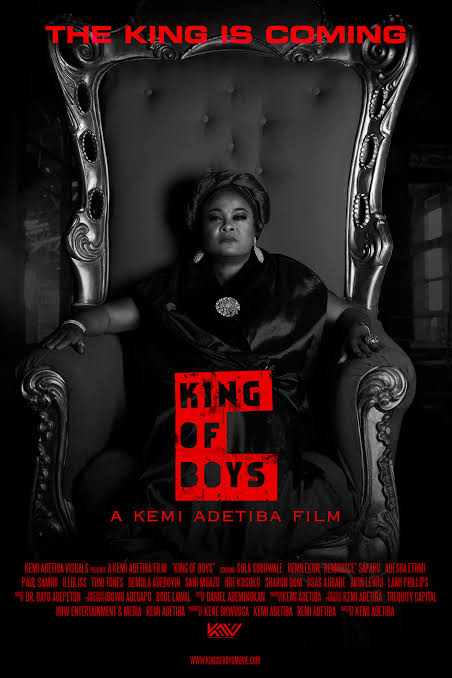
9. King of Boys (2018)
Directed by Kemi Adetiba, this political thriller follows a powerful woman navigating corruption and ambition. It received widespread acclaim for its storytelling and powerhouse performance by Sola Sobowale.
Summary: Eniola Salami, a powerful businesswoman with political ambitions, struggles to hold onto power. Betrayals, rivalries, and her own ruthlessness drive this intense political thriller.
10. Eyimofe (2020)
An internationally acclaimed drama that portrays everyday Lagosians striving for better lives. It premiered at the Berlin International Film Festival and became the first Nigerian film added to The Criterion Collection.
Summary: Split into two chapters ‘This is My Desire’ and ‘This is My Story’ the film follows Mofe, an engineer, and Rosa, a hairdresser. Both dream of leaving Nigeria for a better life, but face harsh realities of class and survival.
How This Ranking Was Done
This ranking was not based solely on box office numbers or popularity. Instead, it considered four main factors:
Historical Significance: Films that shaped Nollywood’s identity or marked a turning point in the industry.
Critical Acclaim & Awards: Recognition from film critics, African Movie Academy Awards, and international festivals.
Box Office Success & Popularity: Movies that broke records or captured mass audiences.
Cultural Impact & Longevity: Titles that influenced pop culture, inspired conversations, or remain classics.
By balancing these factors, this list highlights films that not only entertained but also elevated Nollywood’s reputation globally.
Nollywood continues to evolve, moving from grassroots productions to globally recognized cinema. The films on this list represent milestones in that journey whether through breaking box office records, winning international acclaim, or shaping cultural conversations. As Nollywood grows, future films may join or even surpass these greats, but their legacy will always remain part of Nigeria’s cinematic history.
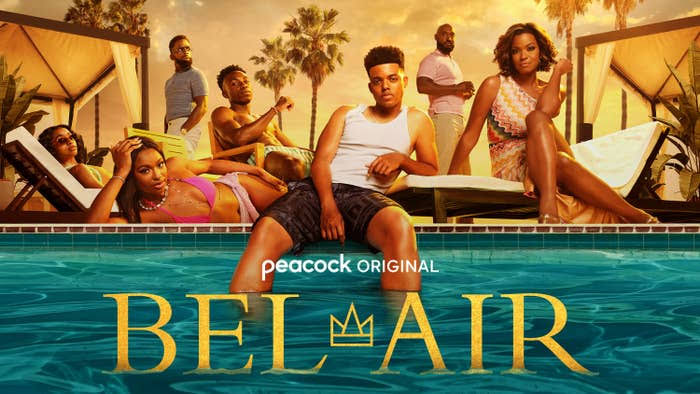
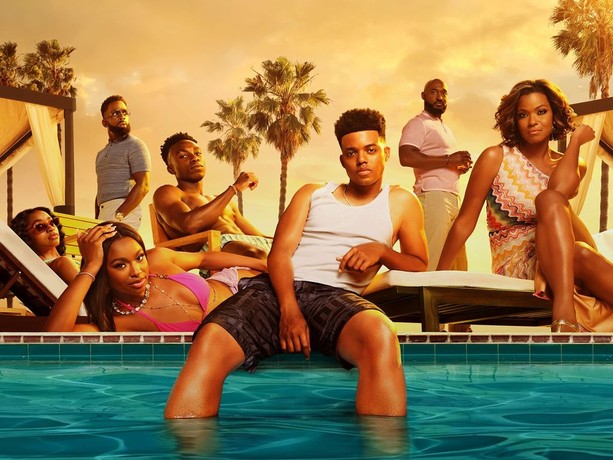
Peacock has officially announced that Bel-Air will return for its fourth and final season on Monday, November 24, 2025, marking the end of a groundbreaking reimagining of the classic sitcom The Fresh Prince of Bel-Air.
The streaming service revealed that the season will consist of eight episodes, delivering the final chapter of the dramatic series that has captivated audiences since its debut in 2022.
Created as a dramatic retelling of the 1990s comedy, Bel-Air reintroduced fans to Will Smith’s iconic story; a teenager from West Philadelphia sent to live with his wealthy relatives in Bel-Air after a run-in back home. Unlike its predecessor, the series took a darker, more grounded approach, exploring class, identity, race, and family dynamics in modern America.
Over three seasons, Bel-Air has earned critical acclaim for its ambitious storytelling and strong performances, particularly from Jabari Banks, who stepped into the role of Will, and Cassandra Freeman, who portrays Aunt Viv. The show has been praised for balancing nostalgia with fresh perspectives, making it both familiar and boldly original.
What to Expect in Season Four
While Peacock has not revealed full plot details, the final season promises to bring resolution to lingering conflicts among the Banks family, Will, and his friends. With only eight episodes to conclude the story, fans can expect high-stakes drama and emotional payoffs.
NBC Insider described the upcoming season as the “final chapter” of the series, hinting at a powerful conclusion to Will’s journey from West Philly to Bel-Air.
As the countdown begins, fans will be eager to see how Bel-Air closes its story and whether Will’s journey will end with the same sense of hope and resilience that made the original Fresh Prince unforgettable.
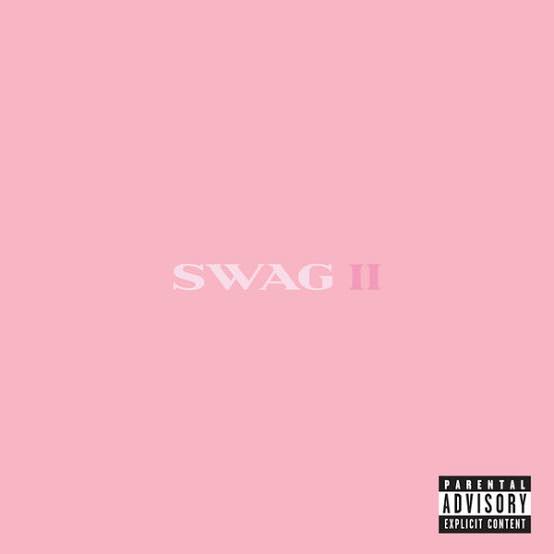
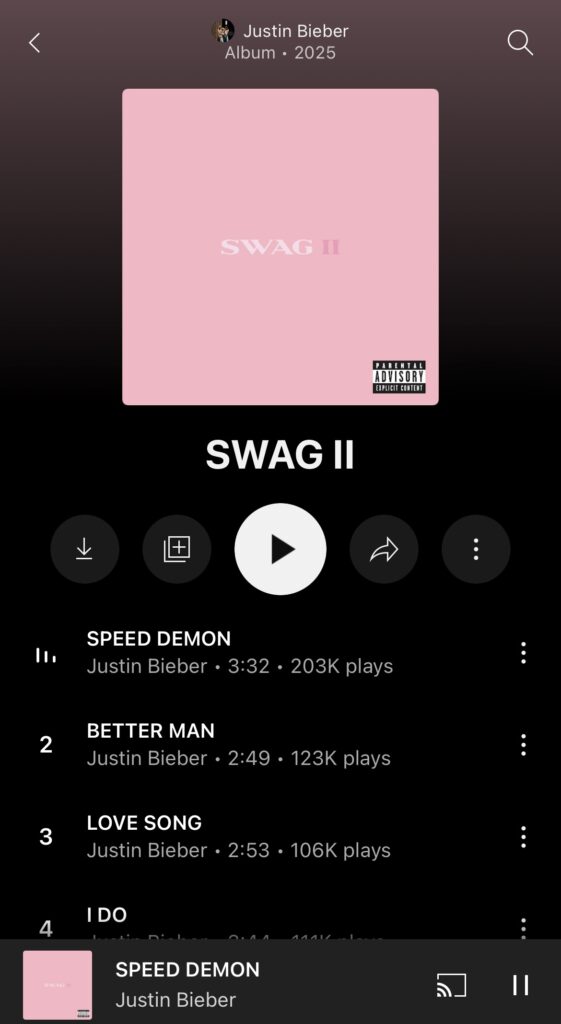
Pop superstar Justin Bieber has surprised fans yet again with the unexpected release of his eighth studio album, Swag II, on September 5, 2025. The project arrives less than two months after the launch of his previous album Swag, signaling one of the fastest turnarounds between albums in his career.
A Surprise Rollout
The album was announced in typical Bieber fashion; with cryptic billboards lighting up major cities including New York, London, Seoul, and Sydney, followed by a social media reveal just hours before release. However, some fans reported brief delays on streaming platforms, with the album appearing several hours later than its scheduled midnight debut.
Despite the hiccups, the rollout generated massive buzz online, amplified by the album’s striking pastel-pink cover art and a matching capsule collection from Bieber’s clothing brand SKYLRK.
A Double Album with 44 Tracks
Swag II arrives as a double album, featuring 23 brand-new songs alongside the 21 tracks from Swag. Together, the project runs for more than two hours, offering fans a marathon of Bieber’s evolving sound.
While Swag leaned heavily into R&B textures, its sequel embraces a more pop-oriented direction. Bieber’s vocal performances shift from soulful ballads to high-energy anthems, showing both his versatility and confidence as a performer.
Collaborations Across Genres
The new record is loaded with star-studded collaborations:
Tems brings her soulful Afro-fusion touch to “I THINK YOU’RE SPECIAL”.
Hurricane Chris injects Southern flair into “POPPIN’ MY S***”.
Eddie Benjamin delivers one of the most intimate moments on “OPEN UP YOUR HEART”.
Gunna, Cash Cobain, Bakar, Druski, Sexyy Red, Dijon, Lil B, and Marvin Winans all make appearances across various tracks.
The album’s production credits are equally diverse, with names like Mike Will Made It, Carter Lang, Dijon, Mk.gee, and Buddy Ross shaping its eclectic sound.
Beyond its collaborations, Swag II reflects Bieber’s current life stage; balancing global superstardom with his journey into fatherhood and self-discovery. Many songs highlight themes of intimacy, healing, and creative rebirth, contrasting with the swagger-heavy energy of its predecessor.
Despite release delays on certain platforms, Swag II is already climbing the charts and sparking discussions across social media.
Key Fact Box:
Artist: Justin Bieber
Album: Swag II
Release Date: September 5, 2025
Format: Double album (44 tracks, 2 hrs 11 mins)
Notable Features: Tems, Gunna, Bakar, Hurricane Chris, Eddie Benjamin, Sexyy Red
The Nigerian film industry is about to make history with the release of its first-ever full-length 3D animated musical, Gammy and the Living Things. Produced by Utricle Studios and distributed by FilmOne Entertainment, the landmark project will debut in cinemas nationwide on September 5, 2025, setting a new standard for local animation and storytelling.
The film follows Gammy, a redhead agama lizard with big dreams of becoming a music superstar. Determined to “blow,” he leaves his small town and embarks on a thrilling adventure to Lagos, the cultural capital of Nigeria. His journey blends humor, ambition, and self-discovery with electrifying music, dance, and unmistakable Naija energy.
Star-Studded Voice Cast
Adding depth and personality to the characters is an impressive lineup of Nigerian stars. Hip-hop legend Jude “MI” Abaga voices Gammy, while veteran actors Pete Edochie and Joke Silva bring their iconic voices to key roles. Popular comedian Bovi Ugboma and other well-known talents also feature in the cast, making it one of the most star-studded animated films in Nollywood history.
Industry Recognition and Anticipation
Even before its official release, Gammy and the Living Things has been praised as a milestone achievement. A private screening in Lagos in 2023, attended by then–Vice President Yemi Osinbajo, drew acclaim for its creative ambition and cultural relevance. Film analysts have described it as a defining moment for Nigerian animation, with the potential to open doors for more African stories told through world-class animated formats.
Beyond its musical spectacle, the film celebrates Nigerian creativity and resilience. Its use of popular Naija hits, energetic dance sequences, and familiar cultural expressions promises to resonate deeply with local audiences while also appealing to international viewers curious about African animation.
A New Era for Nollywood Animation
The release of Gammy and the Living Things signals more than just another movie premiere; it represents the coming of age of Nigerian animation. With Utricle Studios leading production and FilmOne Entertainment ensuring widespread distribution, the project is positioned to redefine how Nollywood is perceived globally.
Audiences across Nigeria can look forward to experiencing this historic production when it premieres in cinemas on September 5, 2025.
Cardi B has gone viral after a heated moment with a reporter. The Grammy-winning rapper was caught on camera throwing a pen at a journalist who subtly asked about the paternity of her rumored pregnancy.
The exchange happened outside a Los Angeles courthouse, where Cardi was leaving a hearing related to her assault trial. The reporter shouted:
Reporter: “Cardi, insiders are claiming that Offset is publicly bragging about getting you pregnant for the fourth time. Do you foresee any paternity issues with Stefon Diggs?”
The question struck a nerve. Cardi B reacted by throwing the marker she was holding at the reporter and sharply responded:
The reporter, attempting to defuse the tension, replied:
Reporter: “I still love you even though you just threw some stuff at me.”
Cardi B: “I don’t care. You’re disrespectful. Don’t do that. Do you see women asking those types of questions of me? Why do you, as a man, feel you get to ask me those types of questions? Act like you have some manners. Your momma taught you—respect women.”
As she walked away, she turned back to address the press pack, warning them about future access:
Cardi B: “Y’all are not going to see me after that, and you can thank him. I’m not playing around. I was very nice, I was very kind… Nobody’s going to get that no more.”
Fans React to Cardi B’s Outburst
The viral video has sparked divided opinions online. Many of Cardi B’s fans defended her response, arguing that questions about her alleged pregnancy cross personal boundaries. Others, however, felt the reaction was too extreme for a press event.
On social media, some users applauded her for standing her ground: “People need to respect boundaries. She’s not obligated to share everything.” “The media always pushes too far, and Cardi just snapped.”
Meanwhile, critics said the rapper could have handled the situation without escalating it “Reporters ask tough questions. Throwing things isn’t the answer.”
Benny Safdie’s The Smashing Machine debuted at the Venice Film Festival on September 1, 2025, and immediately set the tone as one of the most talked-about premieres of the year. Produced by A24, Seven Bucks Productions, and Out for the Count, the film adapts the turbulent real life of MMA pioneer Mark Kerr, who rose to fame in the late 1990s UFC era.
Dwayne Johnson takes on the role of Kerr in what critics are calling a career-defining performance. Shedding his Hollywood action-hero persona, Johnson undergoes a drastic physical transformation with the help of prosthetics and weight loss, and delivers a raw, vulnerable portrayal of an athlete both celebrated and broken. Opposite him, Emily Blunt stars as Dawn Staples-Kerr, Kerr’s on-again, off-again partner, whose presence anchors the emotional core of the narrative.
Shot partly on 16mm and 70mm IMAX film, Safdie crafts an unflinching, almost documentary-like vision of Kerr’s world, weaving together the adrenaline of the cage, the dark spiral of opioid addiction, and the fragility of his personal relationships. The film received a 15-minute standing ovation in Venice, leaving Johnson in tears, and has already sparked early Oscar buzz for both him and Blunt.
Theatrical release is set for October 3, 2025 worldwide.
Review: A Raw and Unrecognizable Rock
The Smashing Machine is not just another sports biopic; it’s a study of pain, masculinity, and survival. Safdie, known for his frenetic realism in Uncut Gems, strips away the gloss of UFC spectacle to show the body and mind of an athlete consumed by both triumph and trauma.
Johnson’s transformation is the film’s revelation. For perhaps the first time in his career, he disappears into a role. His Mark Kerr is not “The Rock” the entertainer, but a man burdened by pressure, numbed by painkillers, and desperate to keep love alive while battling his own self-destruction. Johnson is bruised, bloated, fragile and utterly convincing.
Emily Blunt is equally compelling. As Dawn, she brings empathy and sharp edges, refusing to be a one-note “supportive partner.” Their volatile relationship carries the film’s emotional weight, often more gripping than the fights themselves.
Stylistically, Safdie opts for a grainy, immersive aesthetic—blood, sweat, and needle marks are shown with uncomfortable intimacy. The fight sequences aren’t staged as crowd-pleasers; they’re brutal, exhausting, and at times difficult to watch, underscoring the toll on Kerr’s body and psyche.
At its best, The Smashing Machine recalls Raging Bull and The Wrestler but instead of glamorizing combat, it portrays the UFC’s early days as chaotic, lawless, and exploitative. Safdie’s pacing occasionally lingers too long on Kerr’s spirals, but this indulgence also mirrors the suffocating cycle of addiction.
The Smashing Machine is a career reset for Dwayne Johnson, a role that proves he can be more than a blockbuster icon. Benny Safdie delivers a film that is brutal, tender, and unrelenting in its honesty. It’s not a movie about winning fights; it’s a movie about losing oneself, and maybe clawing back fragments of humanity along the way.