Google AI Tools Begin Blocking Disney Prompts Following Legal Warning

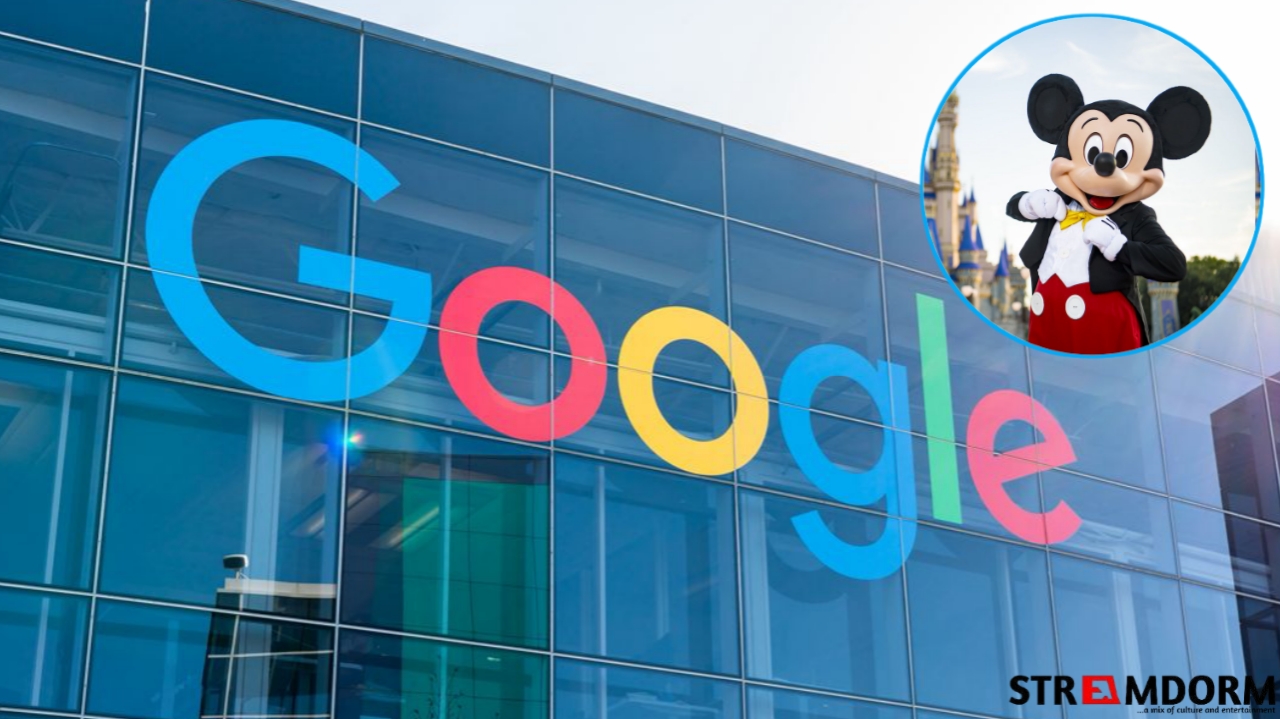
In a move that underscores the escalating battle between generative AI and intellectual property rights, Google has started blocking prompts related to Disney characters across its AI platforms, including its Gemini models. This change comes shortly after The Walt Disney Company issued a legal warning claiming that Google’s AI was producing unauthorized content featuring Disney’s iconic characters.

According to reports, Disney’s legal team argued that Google’s AI tools were capable of generating images, videos, and other content involving characters from franchises like Frozen, Marvel, and Star Wars without permission. The company described this as copyright infringement on a “massive scale,” warning that such content could mislead users and harm Disney’s brand reputation.

Since the warning, Google has adjusted its AI systems. Users attempting to generate content featuring popular Disney characters have reported receiving error messages or refusals from the AI, signaling at least a partial compliance with Disney’s demands. Attempts to generate images of Elsa, Iron Man, or other recognizable Disney and Marvel characters may now be blocked entirely.

While Disney is cracking down on unlicensed AI-generated content, the company is also taking a more collaborative approach with some AI firms. Disney recently struck a multi-million-dollar licensing deal with OpenAI, giving the company official access to Disney characters for AI applications. This contrast highlights a strategic dual approach: protecting intellectual property through legal enforcement while enabling controlled, licensed AI collaborations.

Experts see this development as a key moment in the ongoing debate over AI-generated content and copyright law. The restrictions from Google’s AI tools signal that tech companies may need to adapt their systems to respect intellectual property, while navigating the growing demand for AI creativity.

Google is not alone. Other AI companies, including image generators and character-based AI platforms, have received similar warnings. At the same time. 

Disney Appoints Josh D’Amaro as New CEO, Succeeding Bob Iger

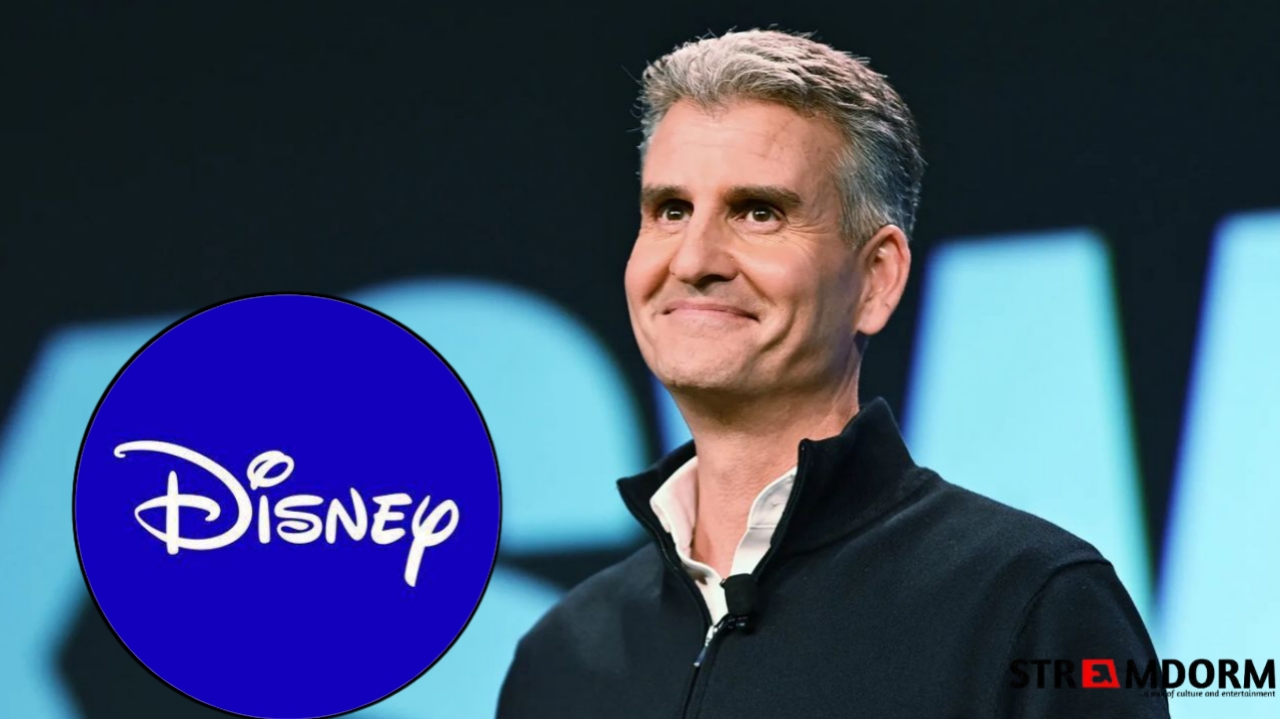
In latest updates, The Walt Disney Company has announced that Josh D’Amaro will take over as its Chief Executive Officer on March 18, 2026. This leadership transition marks the beginning of a new era for the entertainment powerhouse, following the legendary tenure of Bob Iger.

Disney’s decision comes after a thorough succession planning process, signaling the board’s confidence in D’Amaro’s ability to guide the company through an evolving media and entertainment landscape.

Josh D’Amaro has spent nearly 30 years at Disney, climbing the ranks from entry-level roles to become Chairman of Disney Experiences, the division that oversees theme parks, resorts, cruise lines, and merchandise. His leadership has been credited with driving significant growth across Disney’s largest business unit, including major expansions at Disneyland, Walt Disney World, and international parks.

D’Amaro’s operational expertise, particularly in the company’s most profitable segment, positions him to balance Disney’s diverse portfolio; from box office films to Disney+ streaming and immersive experiences.

Bob Iger, whose tenure reshaped Disney through blockbuster acquisitions like Pixar, Marvel, and Lucasfilm, will remain with the company as a senior advisor until his full retirement later this year. Under Iger, Disney became a global entertainment leader, launching Disney+ and cementing its presence in streaming, television, and theme parks.

Alongside D’Amaro’s appointment, Disney named Dana Walden as President and Chief Creative Officer. Walden will oversee Disney’s creative direction across film, television, and streaming content.

This dual leadership approach highlights Disney’s commitment to storytelling and innovation while maintaining operational excellence. It ensures that while Disney expands its parks and experiences, creative content remains at the heart of the brand.

Netflix to End Support on PlayStation 3 from March 2, 2026

Netflix will no longer be available on PlayStation 3.

After nearly two decades of streaming, Netflix is officially saying goodbye to the PlayStation 3. Starting March 2, 2026, the popular streaming app will no longer be accessible on Sony’s eighth-generation console, marking the end of an era for gamers and cord-cutters alike.

PS3 users who try to open Netflix after this date will see a message informing them that the app is no longer supported. The decision follows years of gradual app retirements on older devices, as streaming platforms shift focus to newer hardware that can support updated features, faster streaming, and improved security.

For PlayStation 3 owners, this change is a reminder of the console’s age. Originally released in 2006, the PS3 has outlived many of its contemporaries, maintaining a dedicated fan base that has relied on it for gaming and entertainment. Netflix has not provided an official explanation for the shutdown, but experts suggest that maintaining support for legacy systems is increasingly expensive and technically challenging.

The good news is that Netflix remains available on PlayStation 4, PlayStation 5, smart TVs, and mobile devices, ensuring that users can continue streaming their favorite shows and movies without interruption. For PS3 owners, it may be time to consider upgrading to a newer console or alternative streaming device to maintain uninterrupted access to Netflix.

While this move may disappoint long-time PS3 users, it’s part of a broader trend in the entertainment industry: older hardware is gradually phased out in favor of newer, more capable devices. Netflix has previously retired support on other legacy devices, including certain smart TVs and media players, and the PS3 is now the latest in this list.

For gamers who have relied on the PS3 as their entertainment hub, March 2, 2026, marks the end of a significant chapter. The console will still work for games, but streaming Netflix will no longer be an option. Those looking to continue their binge-watching experience are encouraged to explore alternative platforms that support the service, including PS4, PS5, PCs, and mobile devices.

Ifeyinwa Osime Appointed New Head of the Board at Access Bank

Access Bank Plc has announced the appointment of Ifeyinwa Osime as its new Chairman of the Board, confirming a key leadership transition at one of Nigeria’s most influential financial institutions.

The appointment follows the retirement of Paul Usoro, SAN, who stepped down after completing his regulatory tenure, in line with corporate governance requirements. The development was disclosed by Access Holdings Plc in a formal filing to the Nigerian Exchange Limited.

According to the disclosure, Osime’s appointment forms part of Access Bank’s broader succession and governance strategy, aimed at ensuring continuity at board level while maintaining regulatory compliance.

Group Chairman of Access Holdings, Aigboje Aig-Imoukhuede, described the transition as timely, noting that Osime’s experience and familiarity with the institution would support the bank’s long-term strategic objectives.

Her emergence as Board Chair comes at a period when Nigerian banks are navigating tightening regulations, evolving capital requirements, and increased scrutiny around governance and sustainability.

Ifeyinwa Osime is a seasoned legal practitioner with extensive experience in corporate governance and board oversight. She joined the Access Bank board in November 2019 as an Independent Non-Executive Director, giving her over six years of direct involvement in the bank’s governance structure.

During her time on the board, she chaired several critical committees, including the Board Human Resources and Sustainability Committee and the Board Governance, Nomination and Remuneration Committee; roles that placed her at the centre of leadership development, board evaluation, and succession planning within the institution.

Her committee work is widely viewed as a key factor in her elevation to the board’s highest leadership position.

Ifeyinwa Osime’s appointment signals Access Bank’s continued emphasis on institutional stability and governance continuity, rather than abrupt leadership shifts. As Chairman, she will oversee board strategy, risk oversight, and executive accountability at a time of growing competition within Nigeria’s banking sector and increased regional expansion by the Access brand.

Industry watchers note that her legal and governance background could strengthen board-level decision-making, particularly around compliance, sustainability frameworks, and long-term shareholder value.

With Ifeyinwa Osime now at the helm of the board, Access Bank enters its next phase of leadership with a chairman who combines institutional memory with governance expertise.

TikTok Says Outage Is Resolved After Week of Glitches and Censorship Claims 

Last week, millions of TikTok users in the United States and beyond faced a platform in chaos. Videos refused to upload, feeds stalled, and likes or view counts mysteriously dropped to zero. For many creators, it felt like a technical nightmare but for others, it sparked a deeper suspicion: had TikTok started censoring content?

On February 1, TikTok announced that the weeklong outage had been resolved. The company attributed the problem to a power outage at a U.S. data center, which triggered cascading failures across its servers. In a statement on X, TikTok emphasized that all services were fully restored and that no user content had been removed.

Yet the timing could not have been more sensitive. TikTok recently underwent a major U.S. ownership transition, handing 80% control of its American operations to Oracle, Silver Lake, and MGX, while ByteDance retained a 19.9% minority stake. Some users immediately connected the dots, suspecting the outage and glitches were a cover for content suppression, particularly around political topics like immigration enforcement.

While TikTok insists the disruptions were purely technical, the perception of censorship spread rapidly online. High-profile creators even deleted their accounts in protest, questioning whether algorithm changes under new ownership were quietly reshaping the platform’s content visibility.

The outage, while temporary, had tangible effects. Creators worried about lost engagement and interrupted monetization, advertisers questioned reach and analytics, and some users explored alternative apps in search of “uncensored” spaces. Despite the panic, broader usage metrics suggest TikTok remained resilient; daily engagement returned to normal once services were restored.

What this episode reveals is a delicate balancing act for global tech platforms. TikTok is not only navigating technical reliability but also public trust and political scrutiny. In today’s climate, even a simple data center failure can spark conversations about censorship and transparency, especially on platforms that influence culture and politics on a massive scale.

For now, TikTok is back online. But the questions raised during the outage about ownership, trust, and the nature of algorithms are most likely to stay. As millions of users scroll, like, and post, the platform’s challenge is clear: restoring faith in both the service and the system behind it.

YouTube Begins Removing Major “AI Slop” Channels After Billions of Views

YouTube appears to be taking its strongest action yet against low-quality AI-generated content, as several major channels accused of producing so-called “AI slop” have either disappeared or had their videos wiped from the platform.

According to research highlighted by video platform Kapwing, at least 16 high-performing AI-focused channels have been impacted, with their combined reach previously standing at around 4.7 billion views and roughly 35 million subscribers.

While YouTube has not publicly issued a detailed announcement confirming each removal, multiple tech outlets report that these channels are now either gone entirely or left with empty pages, suggesting a platform-wide cleanup effort is underway.

For creators and viewers alike, this could mark a turning point in how YouTube handles mass-produced AI content.

Not all AI content is considered a problem. Many creators use AI tools responsibly to edit videos, generate subtitles, or improve production quality.

But “AI slop” refers to something different.

The term is commonly used to describe low-effort, repetitive videos generated almost entirely by automated systems, usually produced at scale to exploit YouTube’s recommendation algorithm.

These videos often include:

  • Automated voiceovers
  • Repetitive storytelling formats
  • Stock or AI-generated visuals
  • Minimal human creativity or originality
  • Mass uploads designed purely to capture ad revenue

In short, they are designed to maximize clicks and watch time rather than provide genuine entertainment or value.

Over the past year, viewers have increasingly complained about seeing similar AI-produced videos flooding recommendations, sometimes pushing out original human-created content.

Kapwing’s research suggests that among the top AI-content channels on YouTube, 16 major players have recently been removed or stripped of content.

Some channels were reportedly deleted outright, while others still exist but no longer contain videos.

However, YouTube itself has not publicly listed the affected channels, so exact enforcement details remain partly unclear.

YouTube has been under growing pressure to maintain content quality as AI tools make video production faster and cheaper than ever.

Removing large AI slop networks may be YouTube’s way of protecting both viewer experience and legitimate creators.

Importantly, YouTube is not banning AI content itself.

The issue appears to be low-quality, mass-produced videos, not creators who responsibly use AI tools as part of their creative workflow.

For years, some operators built channels that relied on automation rather than storytelling, originality, or personality. AI tools allowed them to produce hundreds of videos quickly, often earning advertising revenue with minimal human effort.

Now, that model looks increasingly risky.

AI has made content creation accessible to more people than ever before, but it has also created an explosion of automated media designed purely to chase engagement.

TikTok, Instagram, and streaming platforms are all dealing with similar issues as AI content becomes easier to produce at scale.

YouTube’s current actions may only be the beginning of stricter moderation across platforms.

YouTube has not confirmed whether further removals are coming, but analysts expect moderation to increase throughout 2026 as the platform refines policies around AI content.

WhatsApp Introduces Strict Account Settings to Combat Scams and Account Takeovers

WhatsApp has launched a new privacy and security feature called Strict Account Settings, designed to better protect users from scams, cyberattacks, and account takeover attempts.

The update arrives as messaging apps increasingly become targets for fraudsters who exploit unsuspecting users through phishing links, scam calls, and malicious file sharing. With this new feature, WhatsApp aims to make account protection easier by allowing users to activate stronger security controls with a single switch.

Strict Account Settings is an optional privacy mode that automatically applies several high-security protections at once. Instead of adjusting multiple settings manually, users can enable stricter controls instantly.

The feature focuses on reducing interactions with unknown contacts and limiting common scam entry points that attackers use to reach users.

Once activated, Strict Account Settings adjusts how your account interacts with unknown users and suspicious activity. Key protections include:

  • Media and attachments from unknown contacts are blocked to reduce malware risks.
  • Calls from unsaved numbers are silenced to prevent scam or harassment calls.
  • Link previews are disabled to help users avoid deceptive URLs.
  • Message flooding from unknown accounts is limited to reduce spam.
  • Two-step verification is automatically enforced, adding an extra layer of login protection.
  • Profile details such as profile photo, About info, and Last Seen become visible only to saved contacts.
  • Group invitations from unknown users are restricted, preventing unwanted group additions.

Online scams continue to grow globally, with messaging platforms frequently used to trick users into sharing personal details or verification codes. While WhatsApp already offers end-to-end encryption, encryption alone cannot stop social engineering scams or phishing attempts.

Strict Account Settings addresses this gap by proactively limiting how attackers can contact users in the first place. It also simplifies security by removing the need for users to understand multiple privacy controls.

WhatsApp notes that the feature is particularly useful for people who may face higher risks, such as journalists, public figures, business owners, and users managing sensitive information. However, everyday users can benefit just as much.

How to Turn It On

To enable Strict Account Settings:

  1. Open WhatsApp and ensure your app is updated.
  2. Go to Settings.
  3. Tap Privacy.
  4. Open Advanced settings.
  5. Turn on Strict Account Settings.

The feature is rolling out gradually, so some users may see it before others.

For most users, enabling Strict Account Settings simply means fewer interruptions from unknown contacts and better protection against scams. The only trade-off may be reduced convenience when interacting with new contacts, but many users may find the added security worth it.

As messaging scams continue to evolve, WhatsApp’s latest update represents a move toward making stronger privacy protection easier and more accessible to everyone.

Meta Tests Premium Subscriptions on Instagram, Facebook, and WhatsApp: What Users Should Know

In a significant shift from its traditional ad-based model, Meta; the parent company of Instagram, Facebook, and WhatsApp  has announced plans to test premium subscription options across all three platforms in the coming months. According multiple reports from global news outlets, these subscription tiers will introduce exclusive features, enhanced tools, and expanded AI capabilities while keeping the core services free for all users. 

This publication explores what the subscriptions are, why they matter, what features are expected, and how they could affect everyday users and creators.

Meta confirmed that it will begin testing premium subscription tiers on Instagram, Facebook, and WhatsApp that give users access to exclusive and advanced features not available in the free versions. The company emphasised that basic functions like messaging, posting, and browsing will remain free for all users, and the paid options will be optional extras. 

Importantly, these premium plans will not be one single package across all apps. Each platform will have its own distinct set of features and bundles, reflecting how people use Instagram, Facebook, and WhatsApp differently. 

What Premium Features Might Include

While Meta has not released full details yet, industry reports based on leaks and platform code insights suggest some likely features:

Instagram

Subscribers may get tools aimed at creators and power users, including:

  • Unlimited audience lists for segmented engagement.
  • Follower insights showing who doesn’t follow you back.
  • Ability to view Stories anonymously without notifying the poster. 

Facebook

Details are still emerging, but premium features may focus on:

  • Enhanced content discovery tools
  • Better group and community management controls
  • More analytics for engagement and performance. 

WhatsApp

Premium plans for WhatsApp could include:

  • Advanced messaging controls
  • Tools aimed at business communication and automation
  • Possibly additional privacy and productivity options beyond the standard app. 

A central part of Meta’s subscription play involves artificial intelligence:

  • Meta plans to integrate Manus, a suite of advanced AI agents it recently acquired, into its subscription offerings. Users could access AI assistants for content creation, research, audience analysis, and more. 
  • Another AI feature is Vibes, an AI-powered short-form video creation tool. Vibes is currently free, but subscriptions may unlock more video creation options and capabilities each month. 

Meta already offers Meta Verified, a paid service focused on verification badges, support, and safety features for creators and businesses. The new premium subscriptions are separate and broader. They aren’t about verification status but about giving users functional advantages and advanced tools that could enhance creativity, productivity, privacy, and analytics.

Meta is expected to begin testing these subscriptions soon with availability likely rolling out gradually and varying by region. As users interact with premium tools, Meta will collect feedback and refine the offerings before any broader launch.

CBN Upgrades Opay, Moniepoint, Kuda and Other FinTechs to National Status

Nigeria’s fintech sector has entered a new phase.

The Central Bank of Nigeria (CBN) has officially upgraded the operating licences of several leading fintech companies and microfinance banks, including Opay, Moniepoint, Kuda Bank, PalmPay and Paga, granting them national operating status. While the announcement may appear administrative on the surface, it represents a significant shift in how Nigeria’s financial regulators now view fintechs no longer as peripheral disruptors, but as core players in the country’s financial system.

For years, these platforms have operated far beyond the limits of their original licences. Through mobile apps and vast agent networks, they already serve customers across all 36 states, powering everyday payments, savings, and business transactions. The CBN’s decision essentially aligns regulation with reality, formally recognising the nationwide reach these companies have long maintained.

By granting national status, the apex bank is also tightening oversight. Fintechs and microfinance banks at this level are subject to stronger regulatory requirements, including higher capital thresholds, more robust risk management standards, and stricter reporting obligations. The move is designed to reduce regulatory gaps as fintechs grow larger, handle more deposits, and play an increasingly important role in the financial lives of millions of Nigerians.

Consumer protection sits at the heart of this upgrade. Digital finance is no longer a convenience add-on; for many Nigerians, fintech apps are their primary banking tools. As usage grows, so do expectations around service reliability, dispute resolution, and data protection. National licensing gives the CBN clearer authority to enforce standards that safeguard users and promote system stability.

The decision also carries implications beyond regulation. Despite being digital-first, nationally licensed institutions are expected to maintain a physical presence in key locations. This could improve access to in-person support, particularly for users in informal sectors or regions where digital literacy and connectivity remain uneven. For small businesses and merchants who depend on platforms like Moniepoint and Opay for daily operations, the upgrade adds a layer of reassurance around continuity and accountability.

Agent banking, a major driver of financial inclusion in Nigeria, stands to benefit as well. With clearer national oversight, agent networks may become more structured and standardised, strengthening trust between fintech operators, agents, and the communities they serve.

More broadly, the CBN’s action signals a maturing financial ecosystem. The traditional divide between banks and fintechs continues to narrow as digital platforms expand into savings, lending, and business banking, while conventional banks deepen their digital offerings. By elevating fintechs to national status, regulators are acknowledging this convergence while reinforcing the need for responsibility at scale.

For users, the shift may come with gradual changes; updated policies, tighter verification processes, and clearer complaint channels. While regulation cannot eliminate all risks, it creates a stronger framework within which innovation and consumer protection can coexist.

Ultimately, the CBN’s upgrade of Opay, Moniepoint, Kuda, PalmPay, Paga and other financial institutions is more than a licence adjustment. It is a clear statement about the future of finance in Nigeria, one where fintechs are firmly embedded in the national system, innovation is balanced with accountability, and digital banking is treated as essential infrastructure rather than an experiment.

CBN Launches Aggressive Industry-Wide Crackdown on Digital Fraud, Sets 30-Minute Response Target

The Central Bank of Nigeria (CBN) has announced a sweeping, industry-wide offensive against the growing threat of digital fraud, introducing new measures aimed at slashing fraud response times across Nigeria’s financial system to under 30 minutes.

The initiative was unveiled at the Nigeria Electronic Fraud Forum (NeFF) Technical Kick-Off Session, bringing together regulators, commercial banks, fintech firms, payment service providers, and law enforcement agencies in a coordinated push to strengthen fraud prevention and response mechanisms nationwide.

At the heart of the new framework is speed. The CBN has directed financial institutions to significantly shorten the time it takes to detect, escalate, and respond to fraud incidents, warning that delays allow criminals to move stolen funds across multiple platforms before recovery efforts begin.

By enforcing a sub-30-minute response window, the apex bank aims to improve recovery rates, limit customer losses, and reduce systemic risk within Nigeria’s rapidly expanding digital payments ecosystem.

The initiative emphasizes deep collaboration across the financial ecosystem, requiring banks, fintechs, and payment processors to break down operational silos and share intelligence in real time. According to the CBN, coordinated monitoring and joint response protocols are now critical as fraud schemes become more sophisticated and cross-platform.

Stakeholders are also expected to align their internal systems with shared industry standards for fraud detection, reporting, and escalation.

Nigeria’s digital economy has expanded rapidly, driven by mobile banking, instant transfers, and fintech adoption. While recent reports indicate a moderation in electronic fraud cases, the CBN has stressed that cybercriminals continue to evolve, making proactive regulation and faster intervention essential.

The regulator reaffirmed its commitment to stronger identity verification frameworks, including the continued integration of Bank Verification Numbers (BVN) and National Identification Numbers (NIN), alongside advanced analytics and real-time transaction monitoring tools.

CBN officials signaled that compliance with the new response-time benchmark will be closely monitored. Banks and payment service providers are expected to invest in robust fraud prevention infrastructure and staff capacity to meet the regulator’s expectations.

The move reflects a firmer regulatory stance as the CBN seeks to protect consumer confidence, strengthen financial stability, and support long-term growth in Nigeria’s digital financial services sector.

By framing digital fraud as a collective industry challenge, the CBN’s latest initiative marks a strategic shift in how Nigeria confronts financial crime. If fully implemented, the sub-30-minute response target could redefine fraud management standards and significantly weaken the operating space for digital fraudsters.

Scroll to Top