Farooq Oreagba, Fashion, Horses & Heritage: Inside Ojude Oba 2026 (Full Highlight)

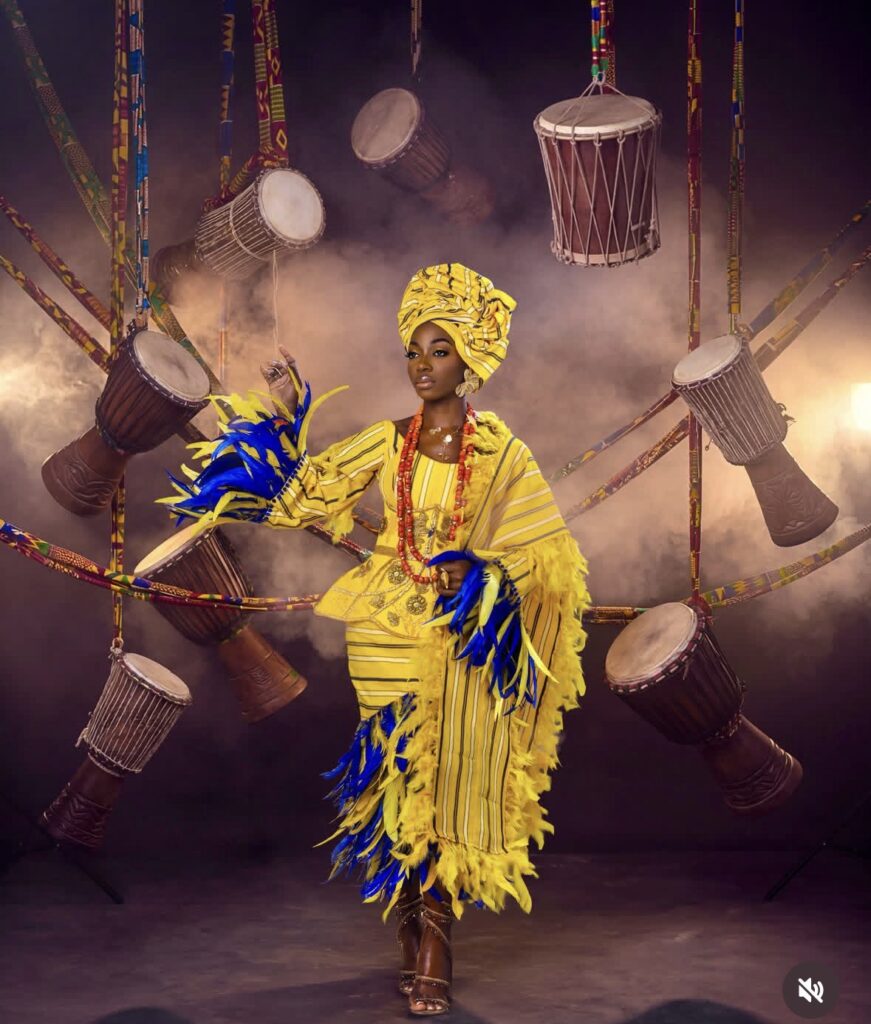
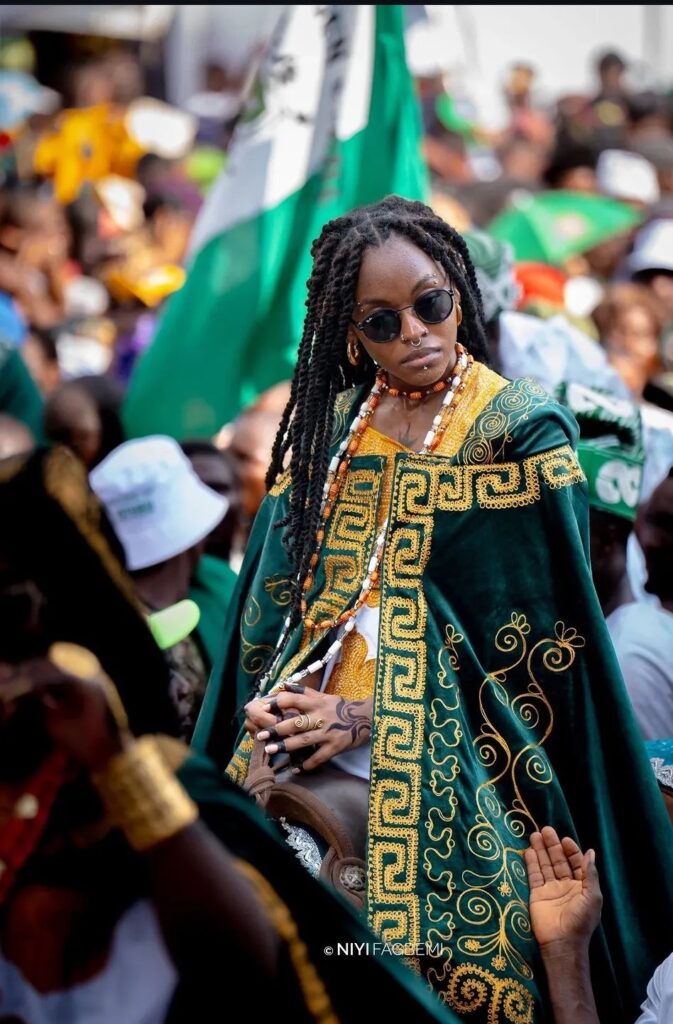
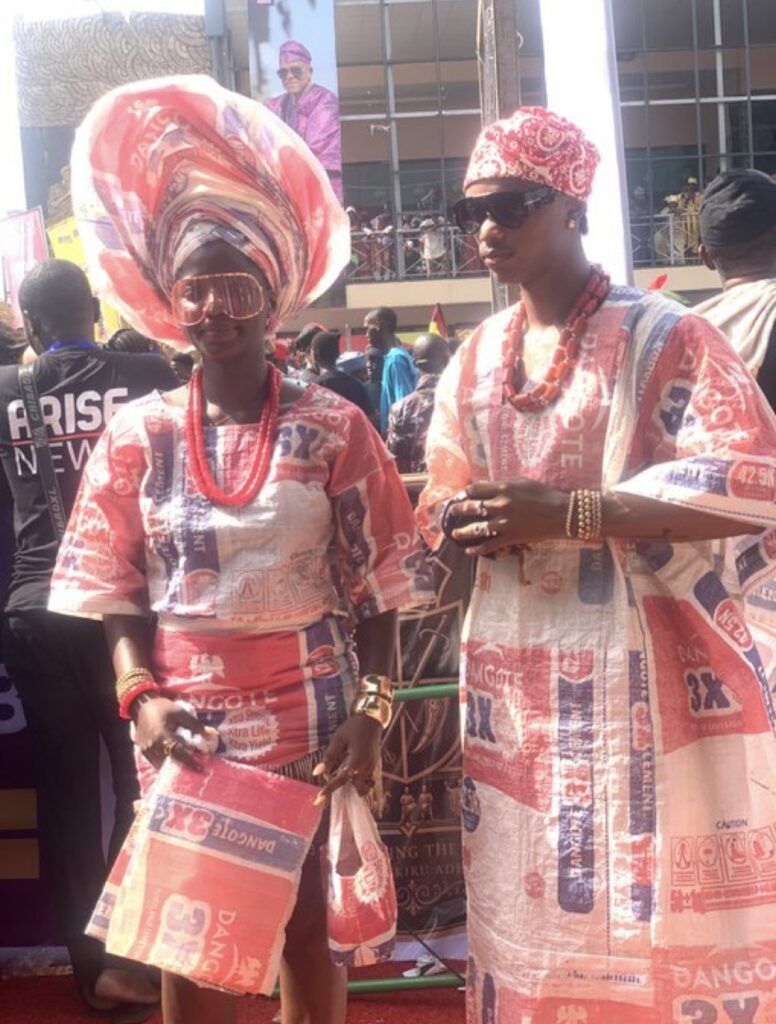
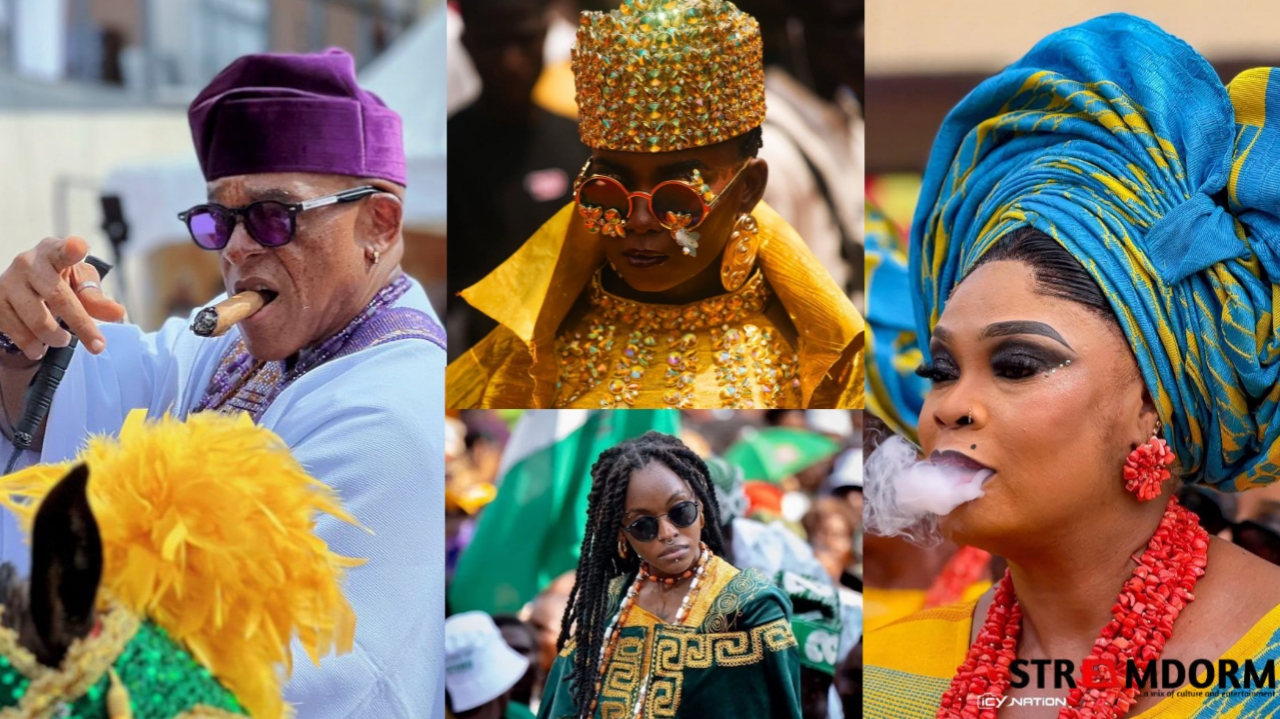
The 2026 edition of the Ojude Oba Festival once again transformed Ijebu-Ode into a living canvas of Yoruba heritage, fashion, and pageantry. Held on May 29, just days after Eid al-Kabir, the annual celebration at the heart of Ojude Oba Festival reaffirmed its status as one of West Africa’s most visually striking cultural gatherings.

From coordinated regberegbe processions to mounted horse displays and celebrity appearances, this year’s festival leaned heavily into tradition while still feeding the modern social media moment.

Ojude Oba, meaning “The King’s Forecourt,” is a centuries-old celebration held in honour of the Awujale of Ijebuland. This year’s edition carried added emotional weight, with tributes tied to the legacy of the late Oba Sikiru Kayode Adetona, whose reign helped elevate the festival into global cultural relevance.

The grounds of Itoro Centre and the Awujale Palace became the focal point as thousands gathered to witness a carefully choreographed display of Yoruba identity where history, faith, and community pride intersect.

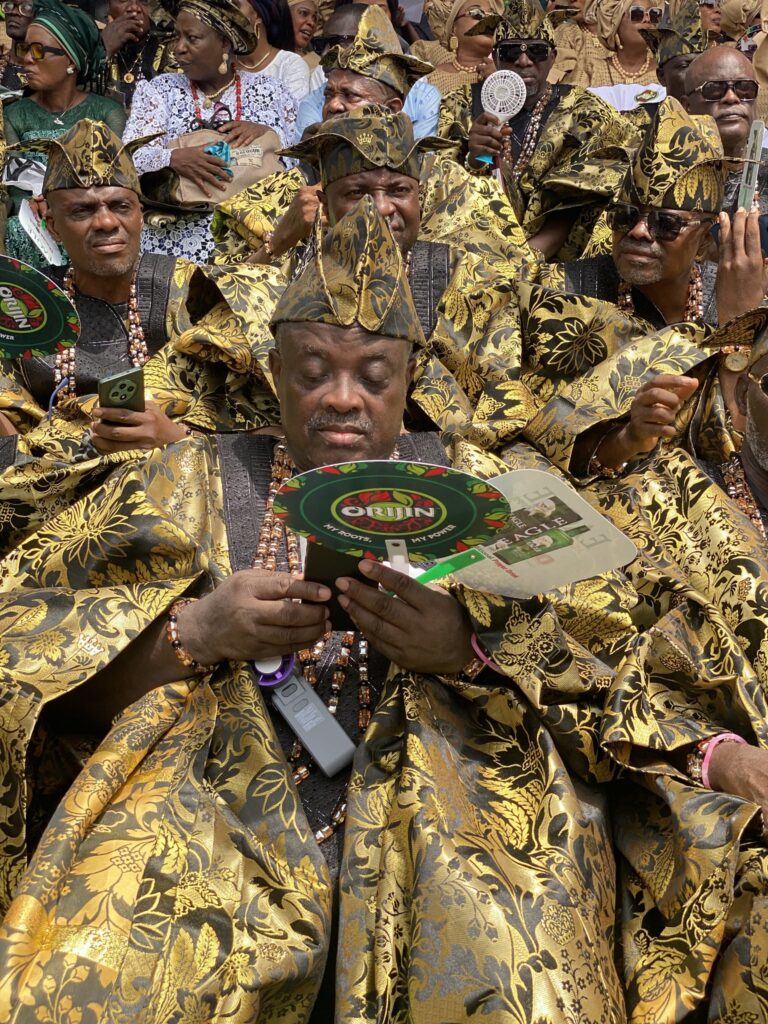
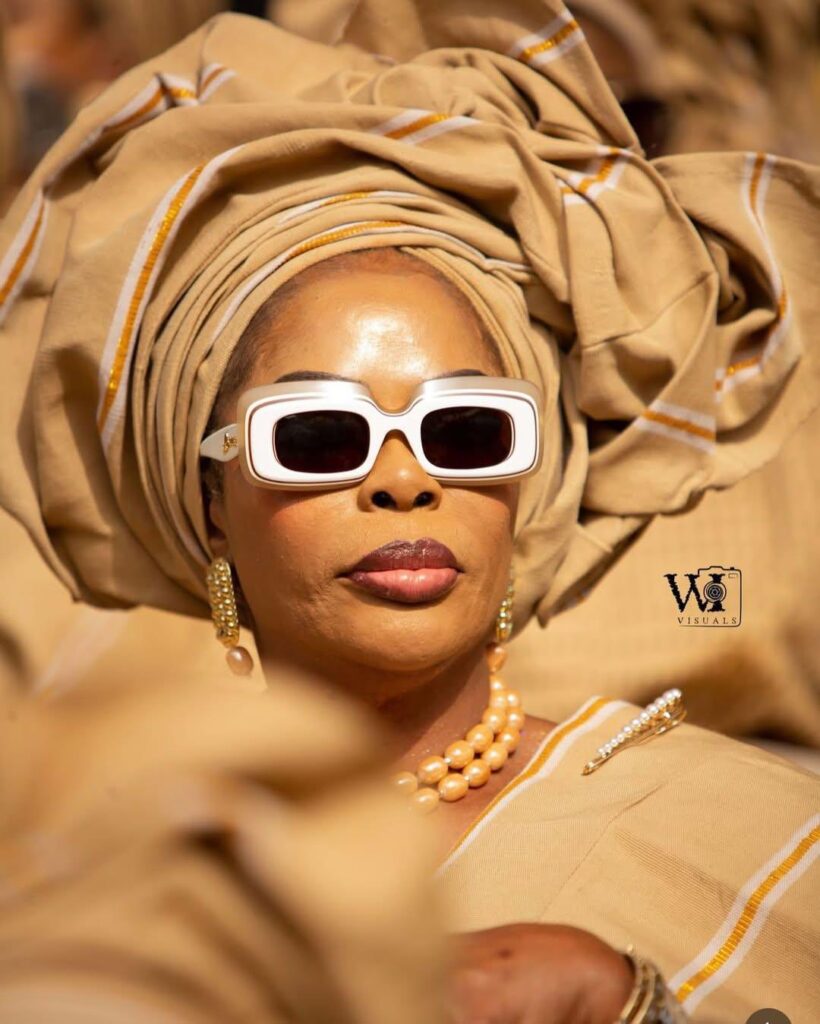
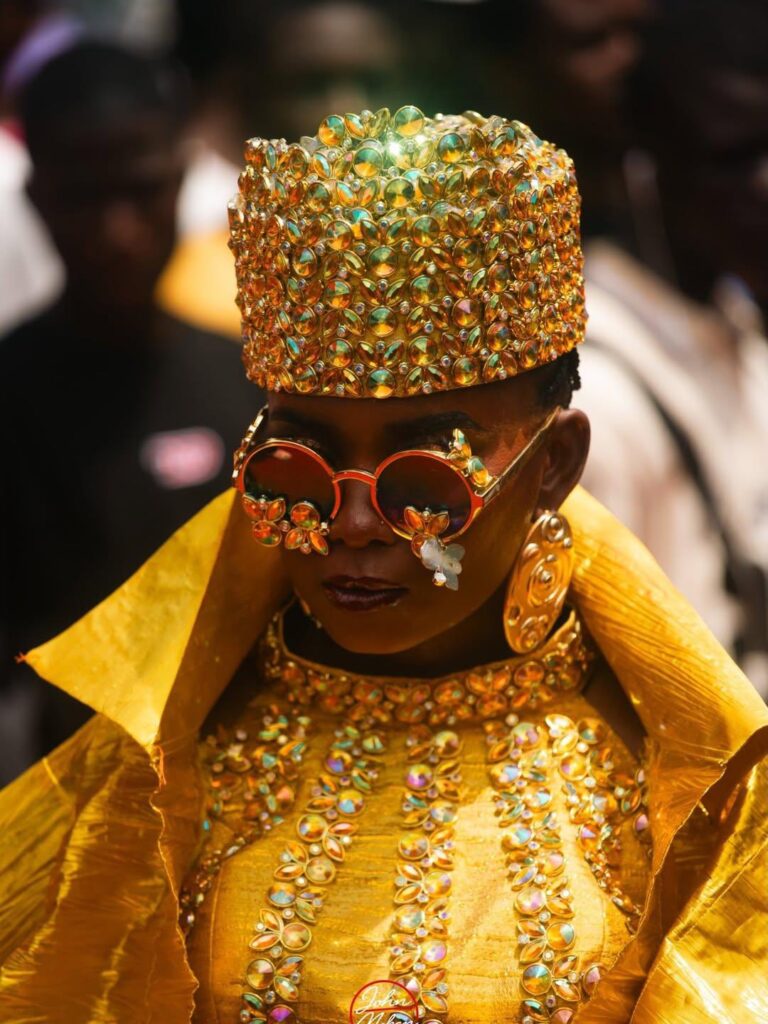
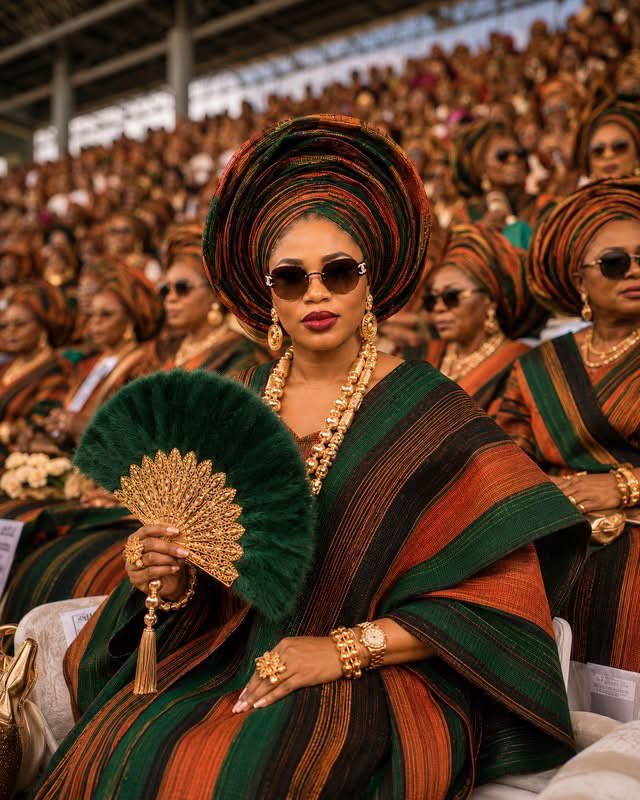
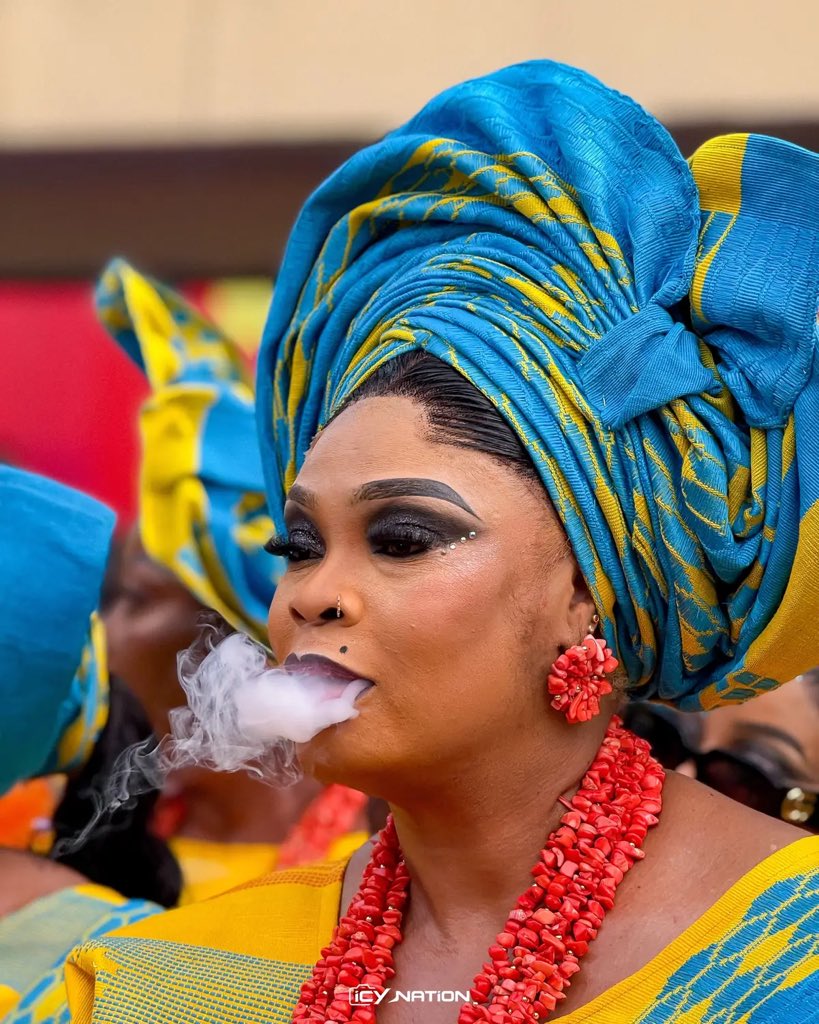
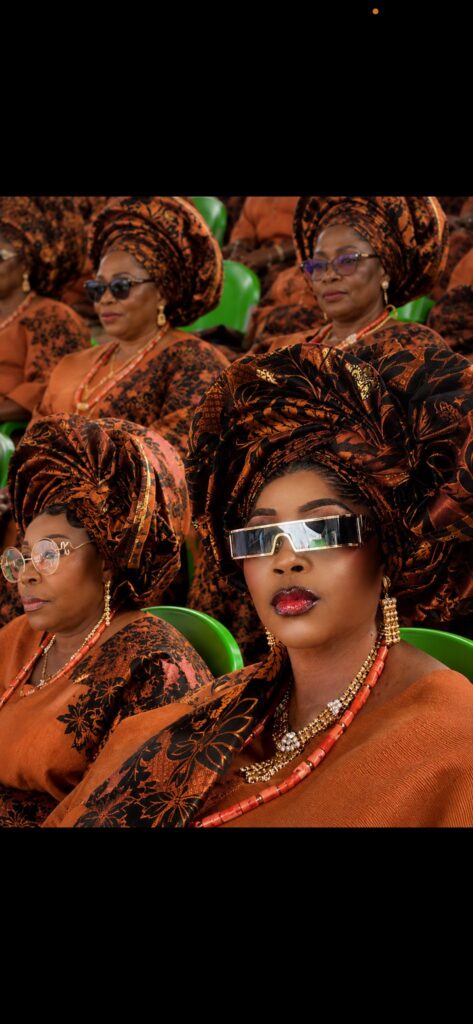
Over 90 regberegbe (age-grade) groups participated, each arriving in coordinated aso-oke, lace, beads, and elaborate geles. Their synchronized entrances, chants, and dances created a competitive yet unified atmosphere that has become the festival’s signature.

The Regberegbe Spectacle

If there is one element that defines Ojude Oba, it is the regberegbe system. These age-based groups turned the festival into a runway of cultural competition.

Each group attempted to outdo the next with:

  • Matching traditional outfits in rich fabrics and bold colour palettes
  • Highly choreographed processions
  • Musical accompaniment from local drummers and praise singers
  • Dramatic entrances designed for maximum crowd reaction and camera appeal

No moment defined Ojude Oba 2026 on social media more than the return of businessman and cultural personality Farooq Oreagba.

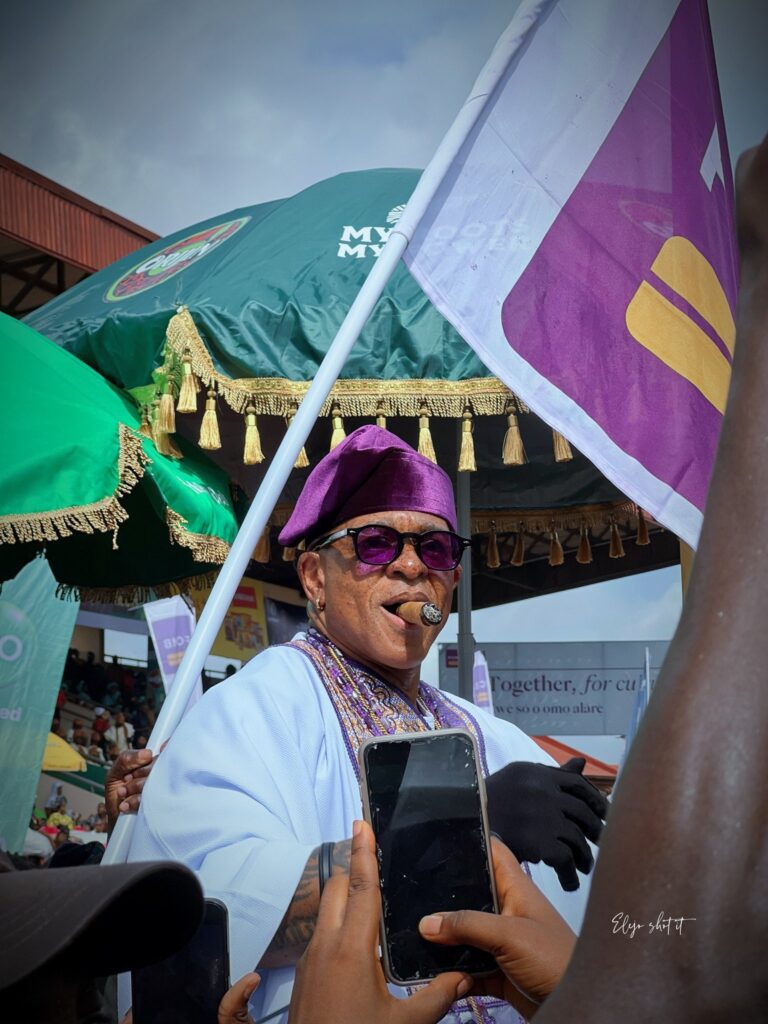
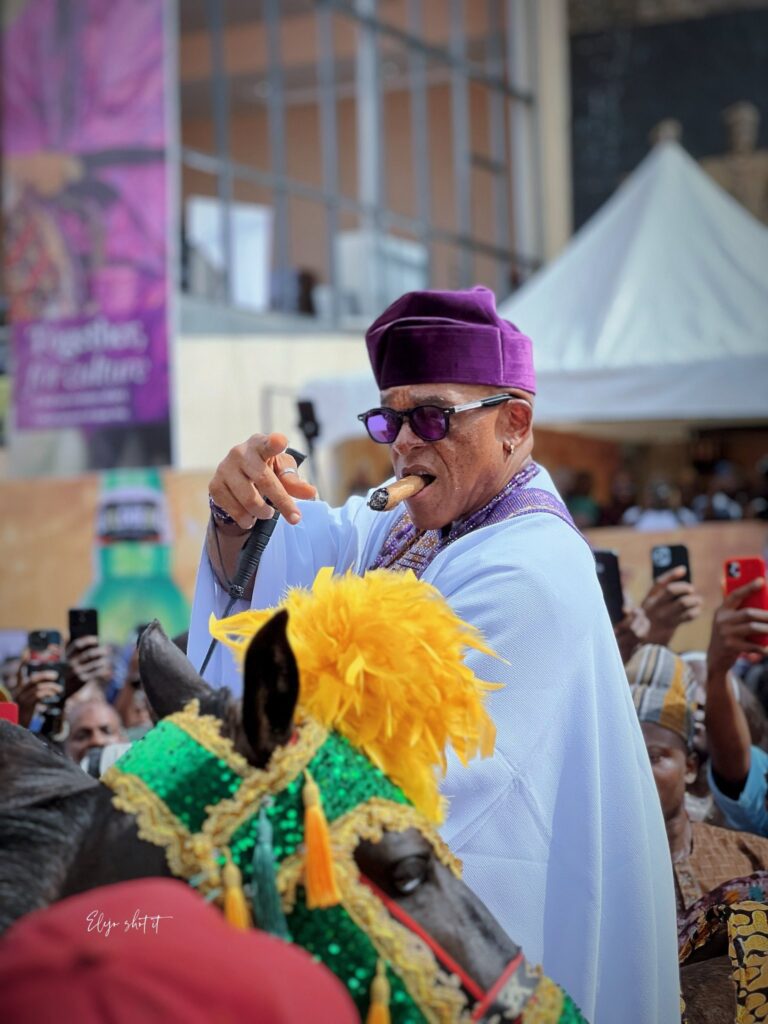
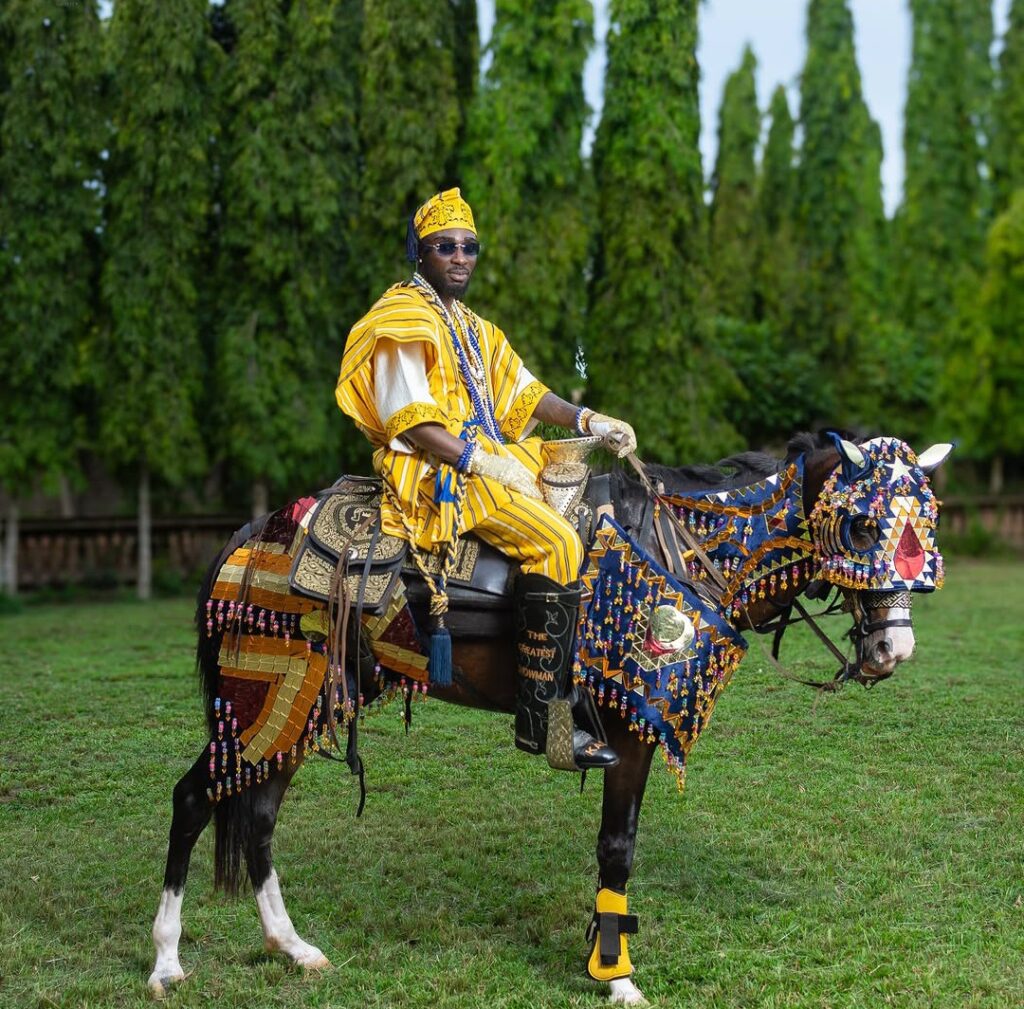
Riding through the grounds on a decorated horse, Oreagba appeared in a flowing white traditional agbada accented with purple embroidery, matched with a fila cap, sunglasses, and signature cigar. His horse, decorated with vibrant fabrics, tassels, and patterned coverings became part of the performance itself.

But beyond appearance, it was presence that carried the moment. Calm, composed, and fully aware of the cameras following him, Oreagba once again dominated online conversation, extending a reputation that has grown since his earlier viral appearances.

For many spectators, he has become an unofficial face of the modern Ojude Oba where tradition meets personal branding without losing cultural grounding.

The 2026 edition also attracted a strong lineup of public figures and celebrities.

Notable attendees included:

  • Ogun State Governor Dapo Abiodun
  • Deputy Governor Noimot Salako-Oyedele
  • Seyi Tinubu
  • Senator Solomon Olamilekan Adeola

Their presence reinforced the festival’s growing importance not just as a cultural gathering, but as a political and tourism focal point for Ogun State.

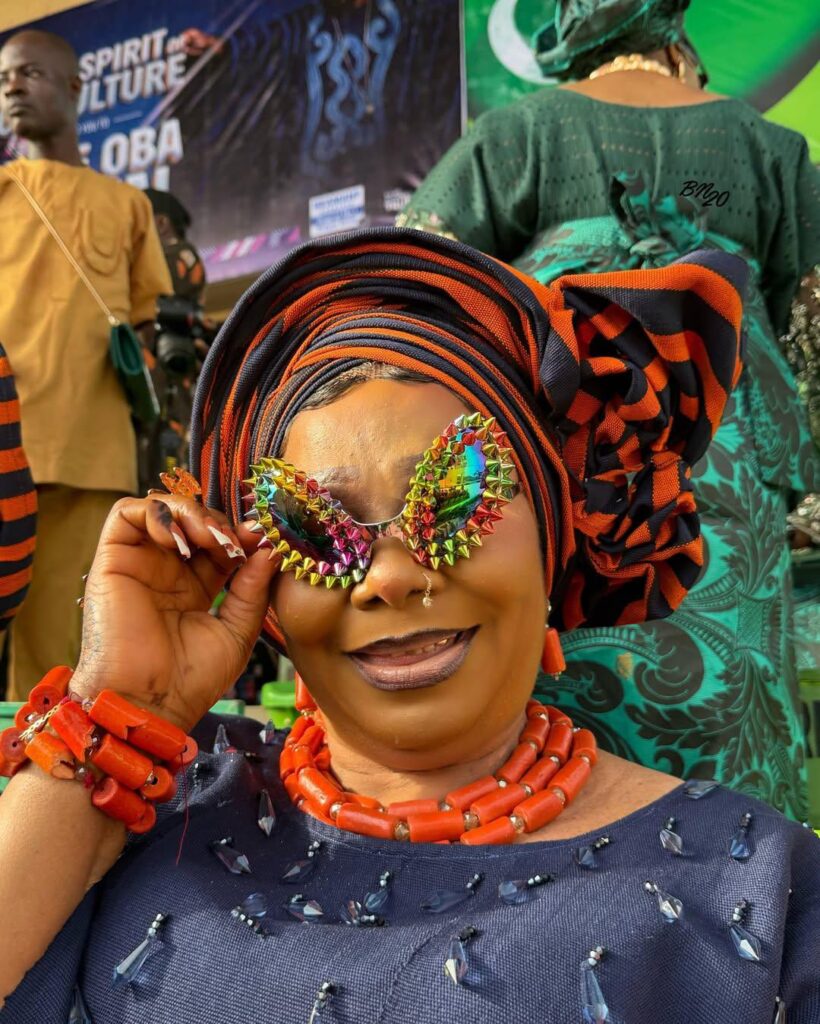
Beyond politics, Nollywood actors, musicians, influencers, and fashion personalities filled the grounds in a wave of colour and style. Social media timelines were flooded with clips of coordinated families, elaborate outfits, and high-energy horse riders, turning Ojude Oba into a trending digital spectacle.

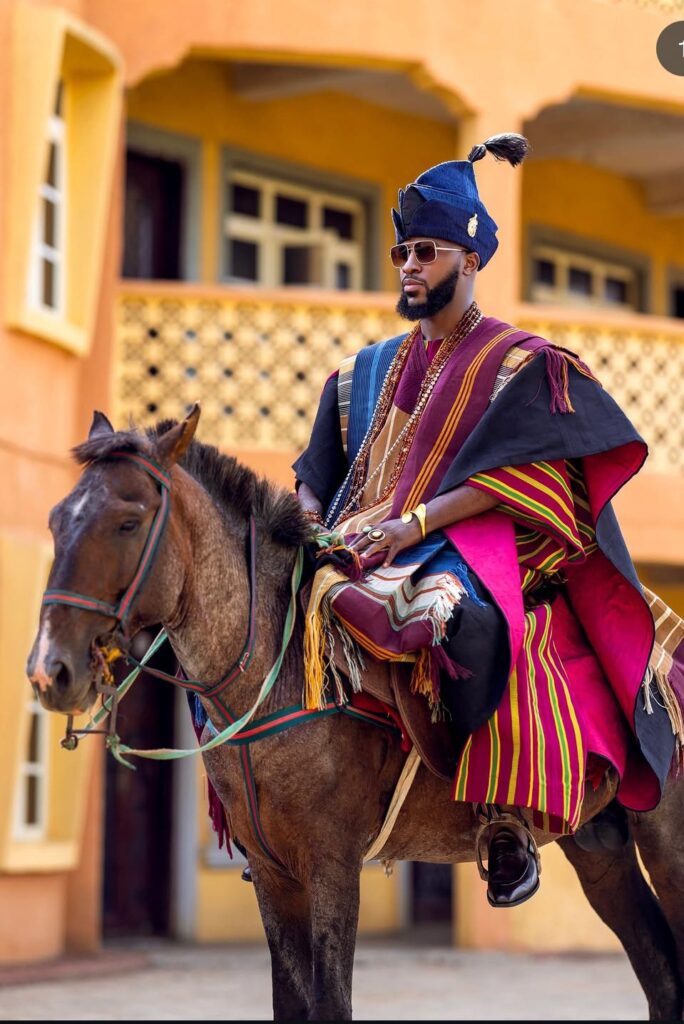
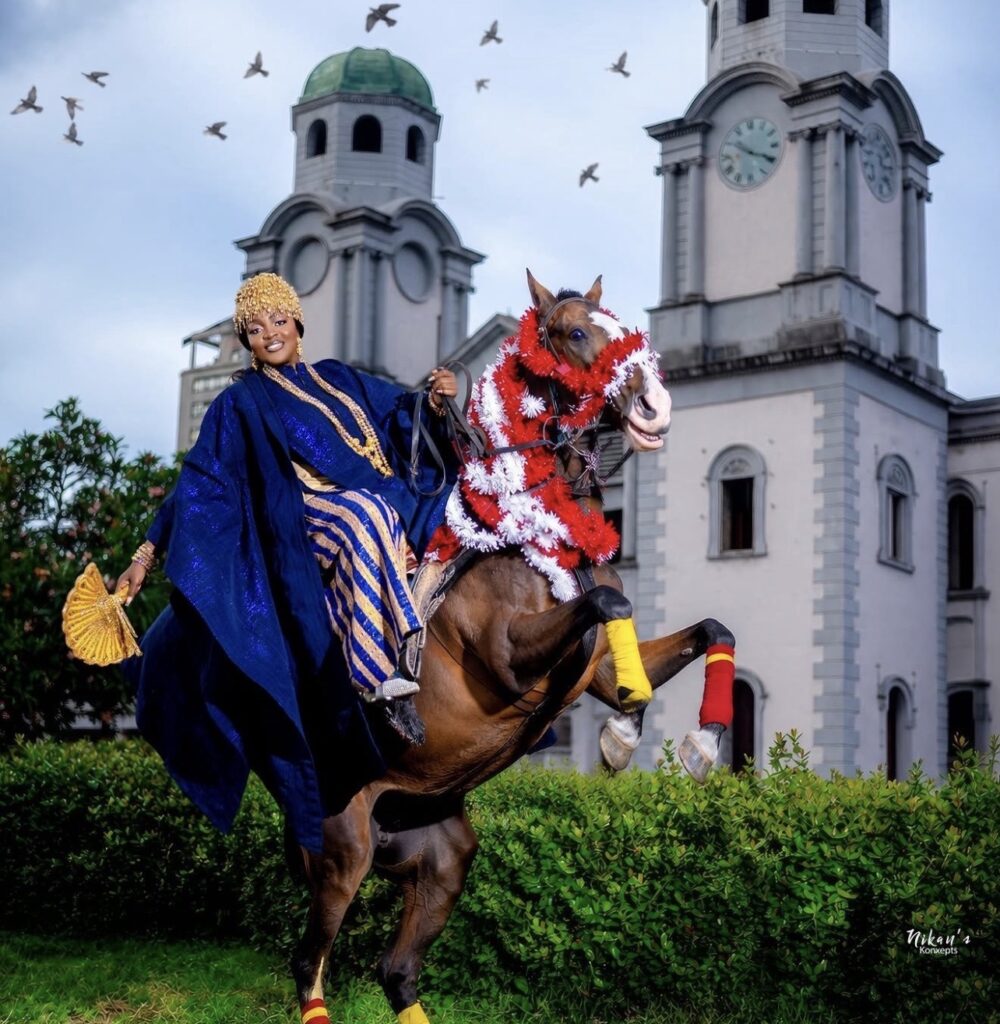
Another defining pillar of the festival remains the horse-riding families from Balogun lineages. Their decorated horses. Adorned with embroidered cloths, symbolic colours, and traditional regalia, carried riders through ceremonial displays that reflect centuries of warrior heritage.

The equestrian processions remain one of the most anticipated segments, symbolising status, history, and continuity within Ijebu culture.

Beyond the glamour, Ojude Oba continues to reflect deeper social themes: unity, identity, and resilience. While the festival celebrates wealth and style, it also highlights community cohesion across generations.
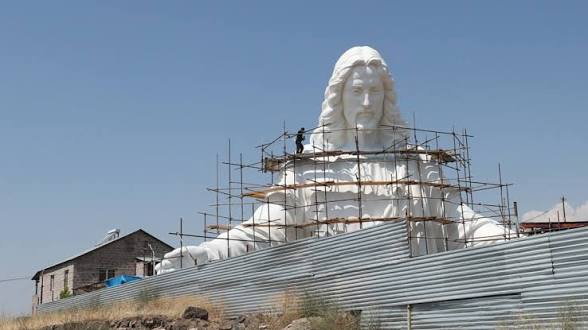
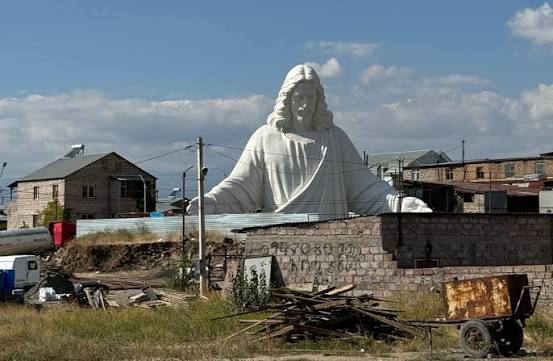
Armenia Builds World’s Tallest Jesus Statue on Mount Hatis – 77-Meter Monument (See Image)

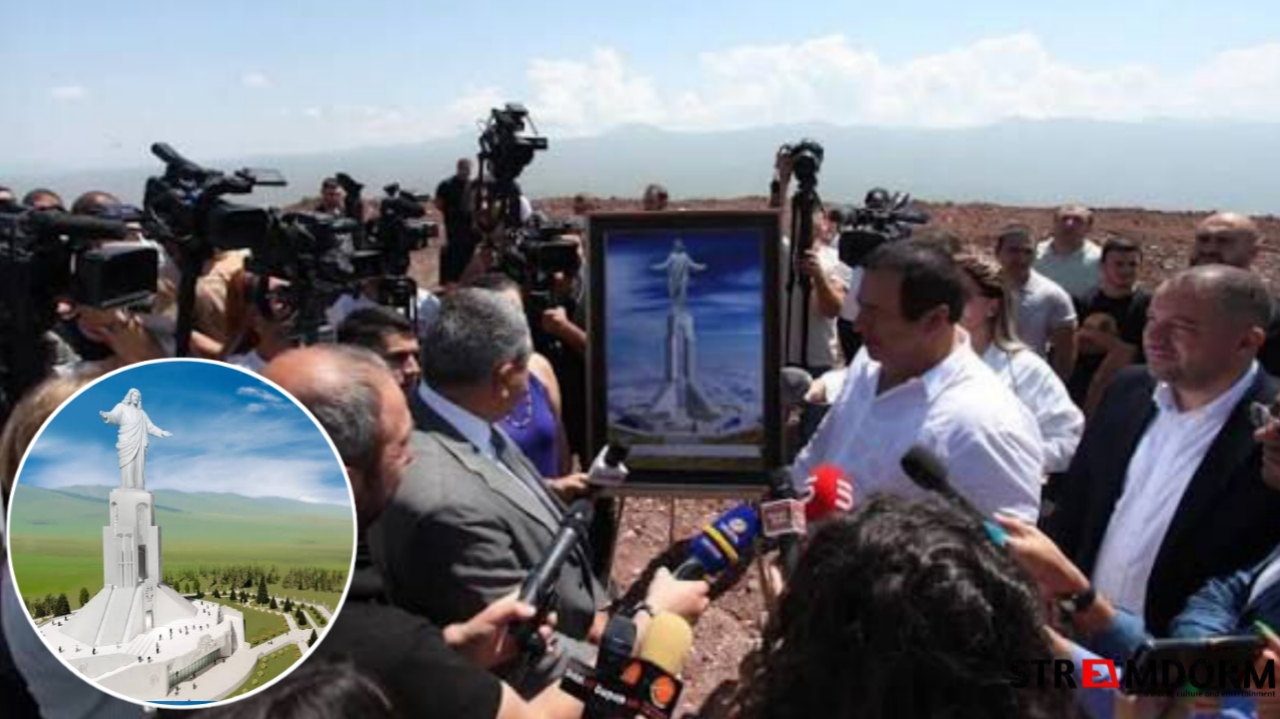
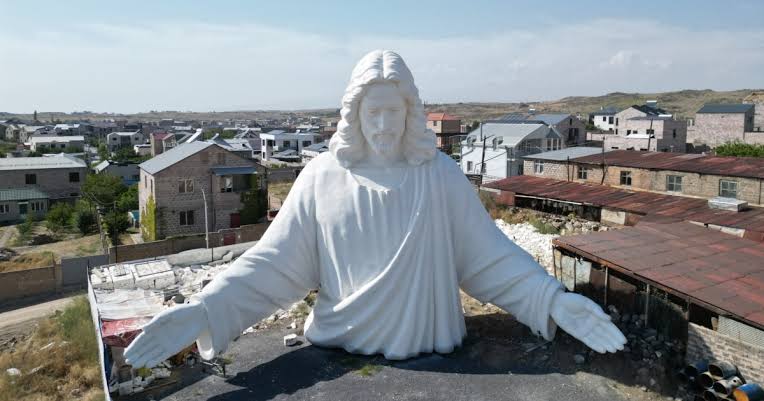
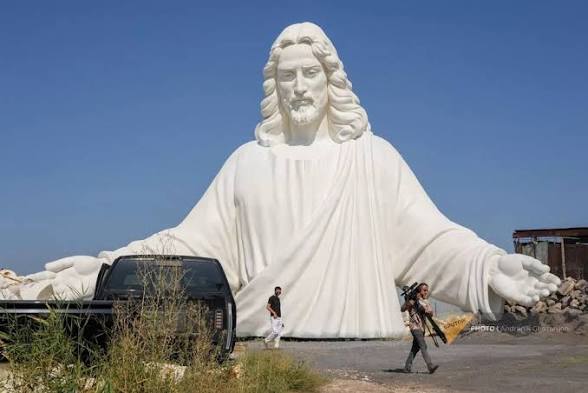
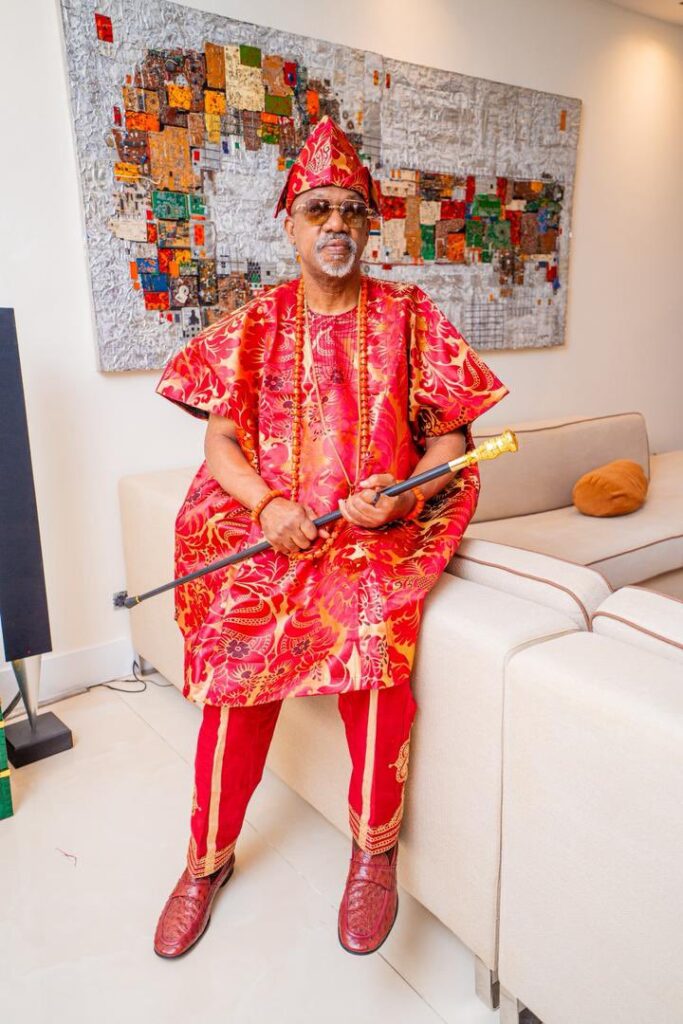
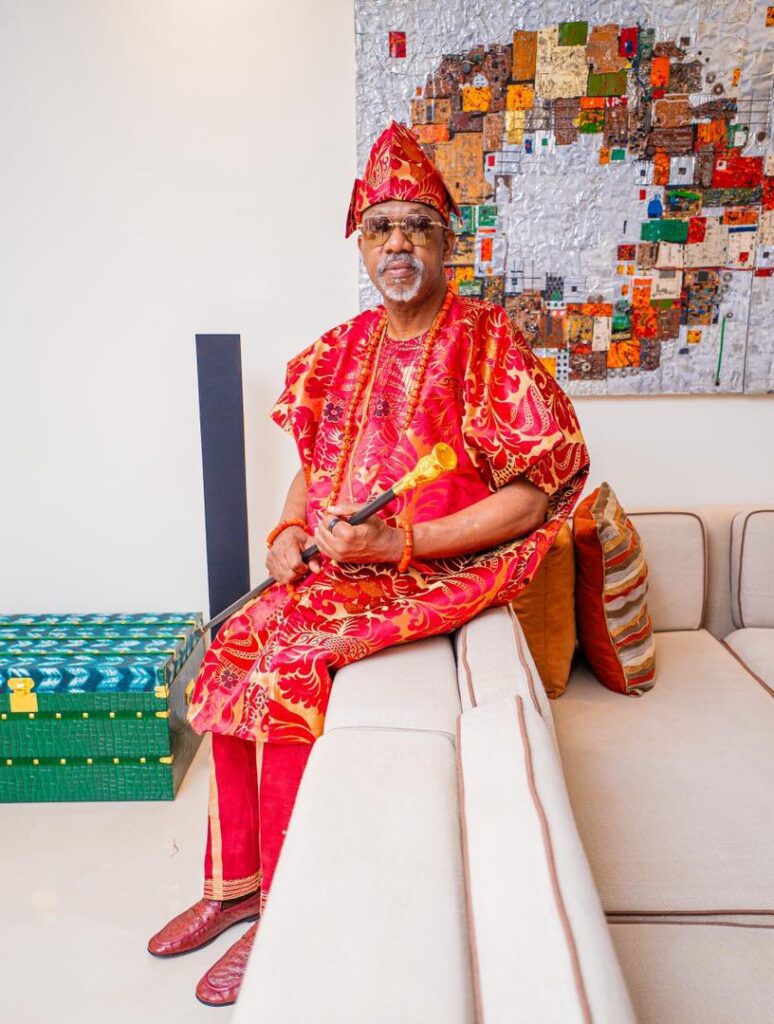
Armenia is currently constructing what is expected to become the world’s tallest statue of Jesus Christ, a massive monument planned for Mount Hatis near the capital city of Yerevan.

The project, which has drawn global attention, will stand at a total height of 77 meters (252 feet), including both the statue and its pedestal. Once completed, it is expected to surpass several iconic Christian monuments around the world, including the famous Christ the Redeemer statue in Rio de Janeiro.

The monument is being funded by Armenian businessman and politician Gagik Tsarukyan, while architect Armen Samvelyan designed the winning concept selected from more than 200 submitted entries.

Construction officially began in 2022 on Mount Hatis, a historic volcanic peak overlooking parts of Armenia. Supporters of the project say the statue will strengthen Armenia’s Christian heritage, attract international tourism, and become a major cultural landmark for the country.

However, the project has also sparked criticism and debate within Armenia. Environmental activists and some religious figures have expressed concerns about the impact construction could have on Mount Hatis’ natural landscape and historical significance. 

Armenia, recognized as the first nation to adopt Christianity as a state religion in 301 AD, sees the project as a symbol of faith and national identity. Despite the controversy, construction efforts are continuing as the country moves forward with one of the most ambitious religious monuments ever attempted.

Senegal Parliament Approves 10-Year Jail Term for Same Sex Unions

Senegal’s National Assembly has approved a controversial law that doubles the maximum prison sentence for consensual same-sex relationships from five to ten years, a move that has drawn both local support and international criticism.

The bill, passed on March 11, 2026, saw 135 lawmakers vote in favour, with no votes against and three abstentions. It now awaits the signature of President Bassirou Diomaye Faye to become law.

The legislation increases penalties for consensual same-sex sexual acts and also criminalises related activities, including promotion, financing, or advocacy of homosexuality. Convictions under the new law could attract hefty fines alongside prison terms.

Judges will be restricted from granting reduced or suspended sentences, and cases involving minors carry mandatory maximum sentences. Previously, sentences ranged from one to five years; the new law imposes 5–10 years in prison.

Prime Minister Ousmane Sonko, who introduced the bill, said the measure reflects Senegalese social and cultural values. Supporters argue that the law protects the family unit and aligns with the country’s conservative moral and religious norms.

In the weeks leading up to the vote, media reports indicated dozens of arrests related to anti-LGBT laws. Authorities have said the updated law will be strictly enforced once signed.

After presidential approval, the law will officially replace existing penal code provisions on same-sex relations.
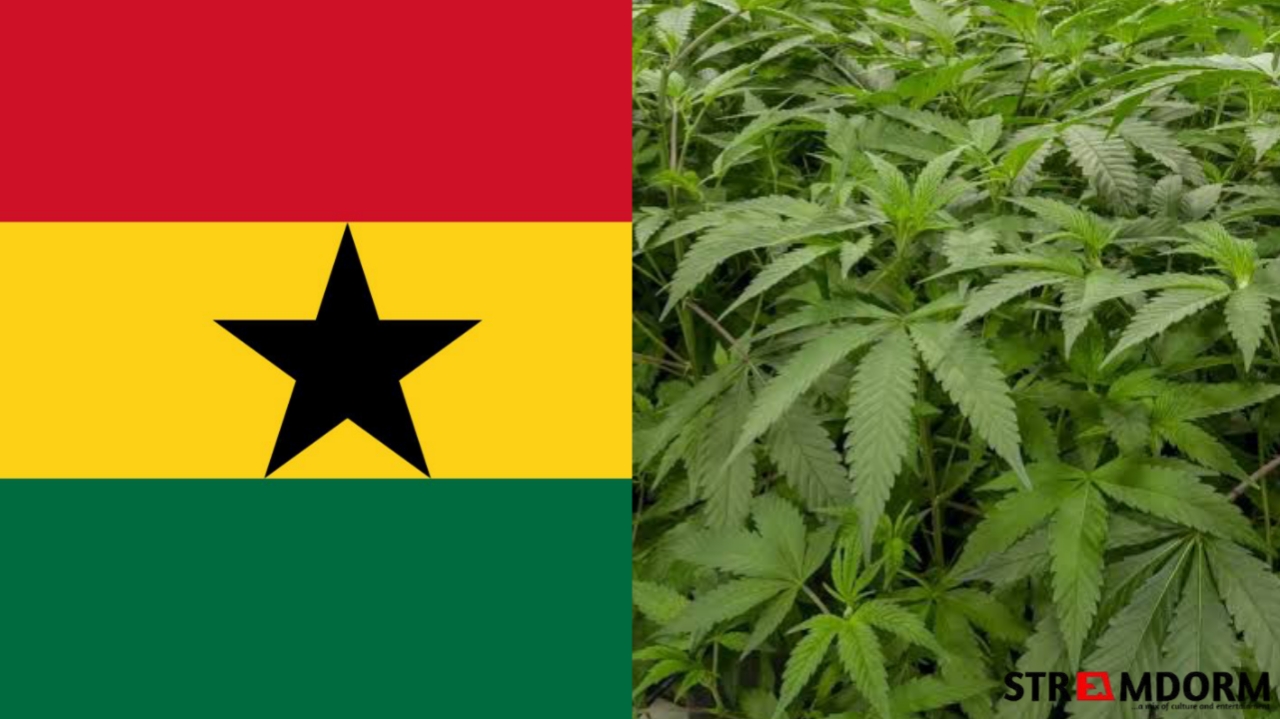
Ghana Joins South Africa Legalises Cannabis Cultivation for Industrial and Medicinal Use

The government of Ghana has officially legalized the cultivation of cannabis for industrial and medicinal purposes, opening the door for licensed individuals and corporations to participate in a new regulated sector.

The move is being implemented through the country’s drug regulatory authority, the Narcotics Control Commission, which will oversee the licensing process and ensure compliance with national laws governing the production and distribution of cannabis.

Under the new framework, applicants can obtain licenses that allow them to cultivate, process, transport, and manage cannabis plants for approved uses. The licenses will be available to both private individuals and corporate entities, provided they meet the strict regulatory and security requirements set by the government.

Authorities say the policy aims to create a controlled cannabis industry that supports economic development while preventing misuse.

However, the legalization applies only to low-THC cannabis varieties, commonly known as industrial hemp. These plants must contain no more than 0.3 percent tetrahydrocannabinol (THC), the chemical compound responsible for the psychoactive effects associated with marijuana.

Because of this restriction, the law does not permit recreational cannabis use, which remains illegal in Ghana.

Government officials believe the policy could create new opportunities in agriculture, pharmaceuticals, and research. Industrial hemp can be used to produce a wide range of products, including textiles, medical extracts, paper, cosmetics, and construction materials.

The introduction of legal cannabis cultivation is also expected to encourage investment and job creation in the agricultural and biotechnology sectors.

Officials have further indicated that the program could strengthen Ghana’s position in emerging global markets for medical cannabis and hemp-based products, which are expanding rapidly across several regions.

Ghana now joins a number of African countries that have introduced regulated cannabis industries for medical or industrial use. Nations such as South Africa, Lesotho, Morocco, and Zimbabwe have already adopted similar policies in recent years.

Across the continent, governments are increasingly exploring the economic potential of cannabis while maintaining strict controls over its cultivation and distribution.

Federal Government Bans Roadblocks for Tax and Levy Collection Nationwide

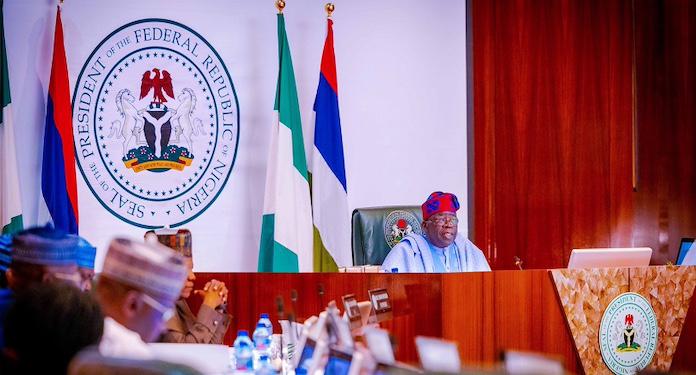
The Federal Government has taken a decisive step to eliminate unauthorized revenue collection on Nigerian highways by banning the use of roadblocks, checkpoints, and road stickers for tax and levy collection across the country. The directive, issued by the Joint Revenue Board (JRB), aims to strengthen tax administration, improve the ease of doing business, and curb harassment of motorists and transporters. 

The announcement followed the conclusion of the JRB’s 158th meeting, held on December 9–10, 2025, at the Transcorp Hilton in Abuja. According to the communiqué released at the end of the session, the board has outlawed the collection of road taxes, levies, rates and related charges at checkpoints, whether mounted by state actors or non‑state groups. Early reports today March 3, 2026 stated that formal implementation has began.

The board’s communique emphasized the outright abolition of road stickers and similar instruments that have been used to extract payments from road users. Such practices have long been criticised for contributing to multiple taxation, extortion, and disruptions to commercial transport activities. 

“The Board restates its commitment to eradicating the menace of non‑state actors in the nation’s revenue administration value chain,” the JRB said, urging Nigerians to refuse payment of levies at unauthorized checkpoints and to report offenders to the relevant security agencies. 

To ensure compliance with the ban, the JRB has called on key security bodies, including the Office of the National Security Adviser (ONSA) and the Nigeria Police Force to dismantle illegal roadblocks erected along major transport corridors and take action against those responsible for unlawful revenue collection. 

The ban aligns with the broader 2025 tax reform agenda of the Federal Government, which is introducing new tax laws and revenue administration frameworks intended to modernise Nigeria’s tax system. These reforms emphasise digital payments and structured collection mechanisms, reducing reliance on informal and arbitrary methods. 

The JRB also encouraged state governments to fast‑track the passage of the Harmonised Taxes and Levies (Approved List for Collection) Bill into law. This measure is expected to ensure greater uniformity in tax practices nationwide and eliminate overlapping taxes that undermine economic activity. 

This article is based on multiple verified reports from Nigerian news outlets.

Mayama Abubakar Usman Secures ₦1m, Two Cars After 59kg Win at 2026 Argungu Festival

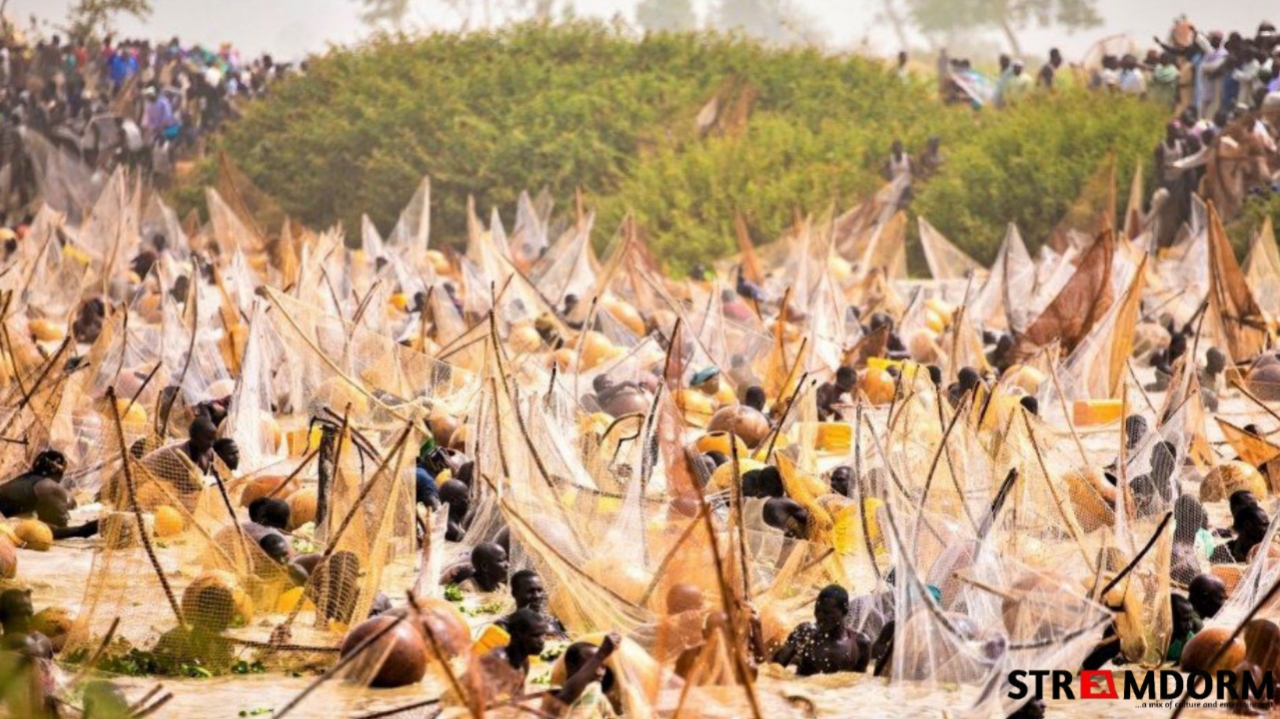
The 2026 edition of the Argungu International Fishing Festival delivered exactly what it has promised for decades;  spectacle, heritage, and a winner whose name will now be etched into the festival’s modern history.

This year, that name is Mayama Abubakar Usman.

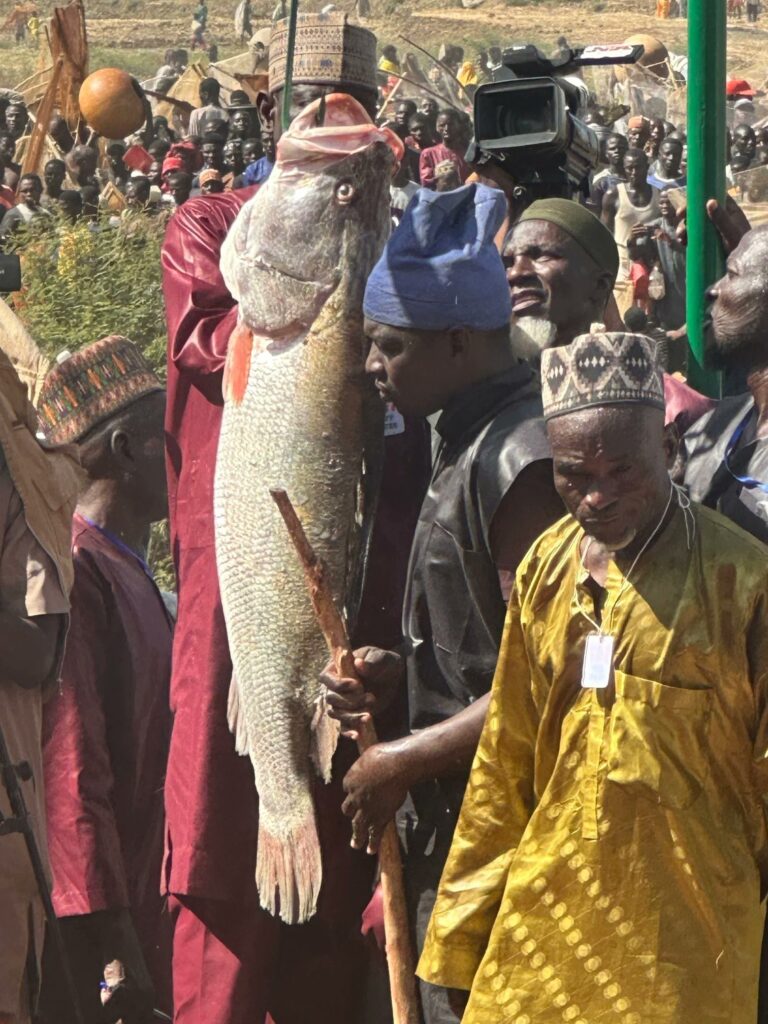
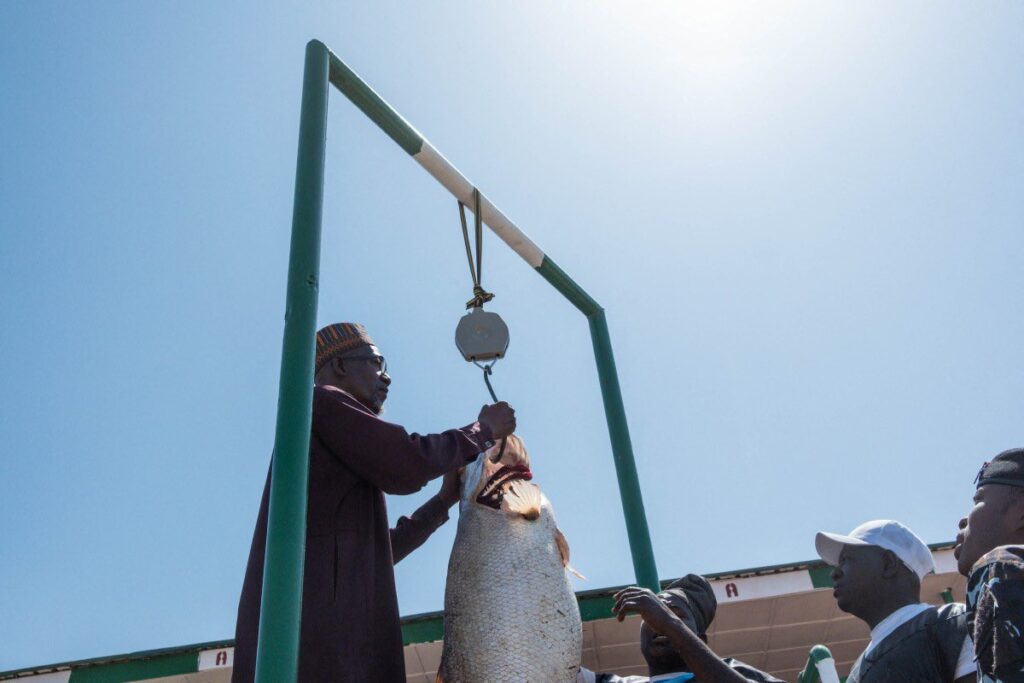
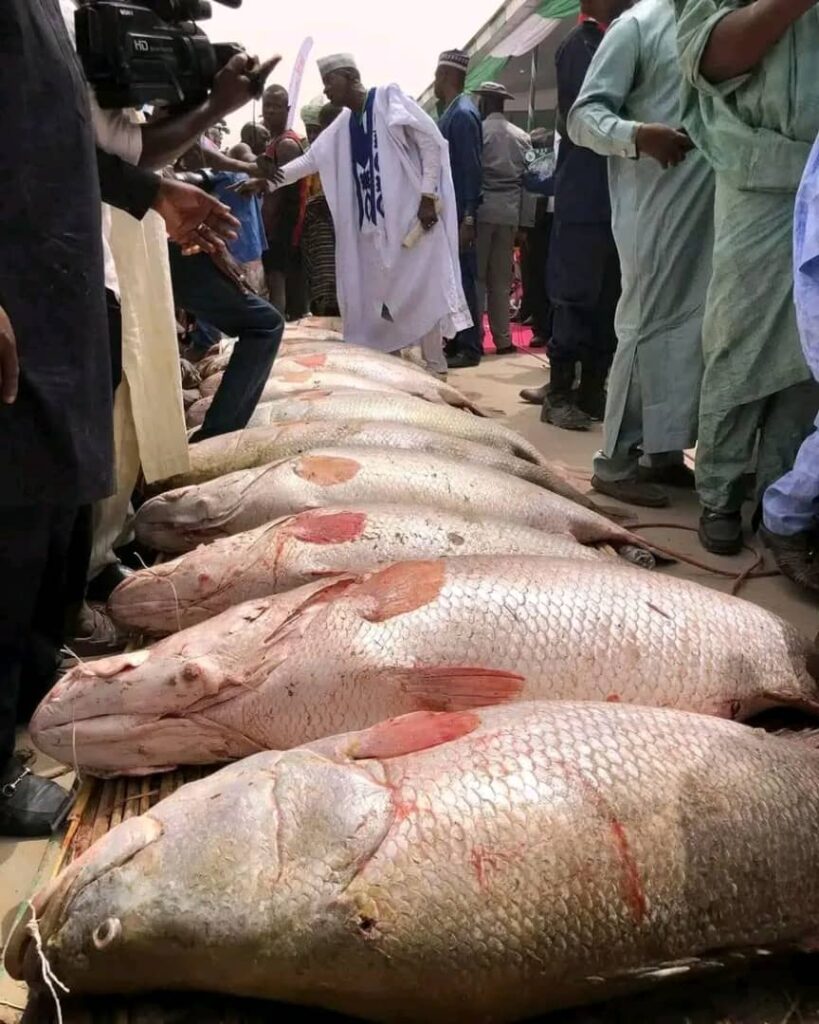
Competing alongside hundreds of fishermen in Argungu, Usman secured first place after landing a massive 59-kilogram fish, a catch heavier than a standard bag of cement and the defining image of this year’s competition.

Representing Maiyama Local Government Area in Kebbi State, Usman’s 59kg catch stood unmatched at the final weigh-in.

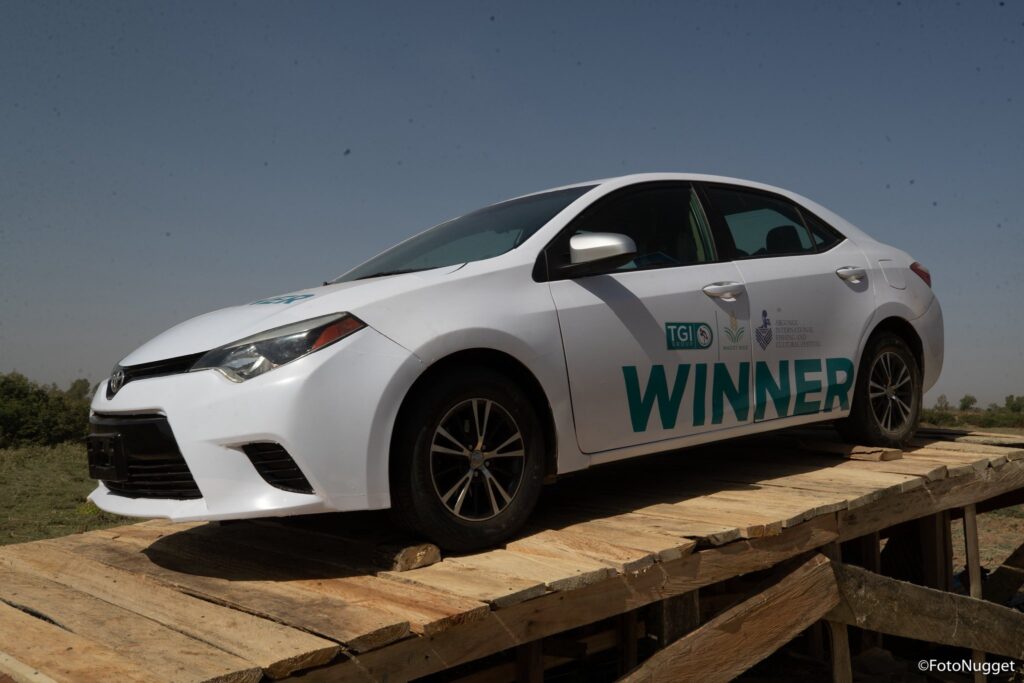
His reward reflected the scale of the achievement: ₦1 million in cash, Two brand-new cars and Official recognition as the 2026 champion.

The moment he hoisted the giant fish before cheering spectators quickly became the standout visual of the festival; a reminder of why Argungu remains one of Africa’s most iconic cultural sporting events.

The festival was attended by President Bola Tinubu, alongside state officials, traditional rulers, and thousands of visitors.

In a development that drew public attention, the first, second, and third-place fish were presented to the President during the ceremony. Event coverage indicated that the fish were to be handed over to Her Excellency, Remi Tinubu, to prepare what was described as “a special meal.”

While the winners retained their official prizes, the ceremonial presentation of the top fish added a symbolic layer to the event; blending sport, state presence, and cultural celebration.

The Argungu International Fishing Festival is not just about who catches the biggest fish. It is a longstanding cultural showcase that highlights northern Nigeria’s riverine traditions, boosts tourism in Kebbi State, and reinforces community identity.

For Mayama Abubakar Usman, it was a personal victory. For Argungu, it was another chapter in a tradition that refuses to fade.

Africa’s 10 Strongest Currencies in 2026 And Where Nigeria’s Naira Stands

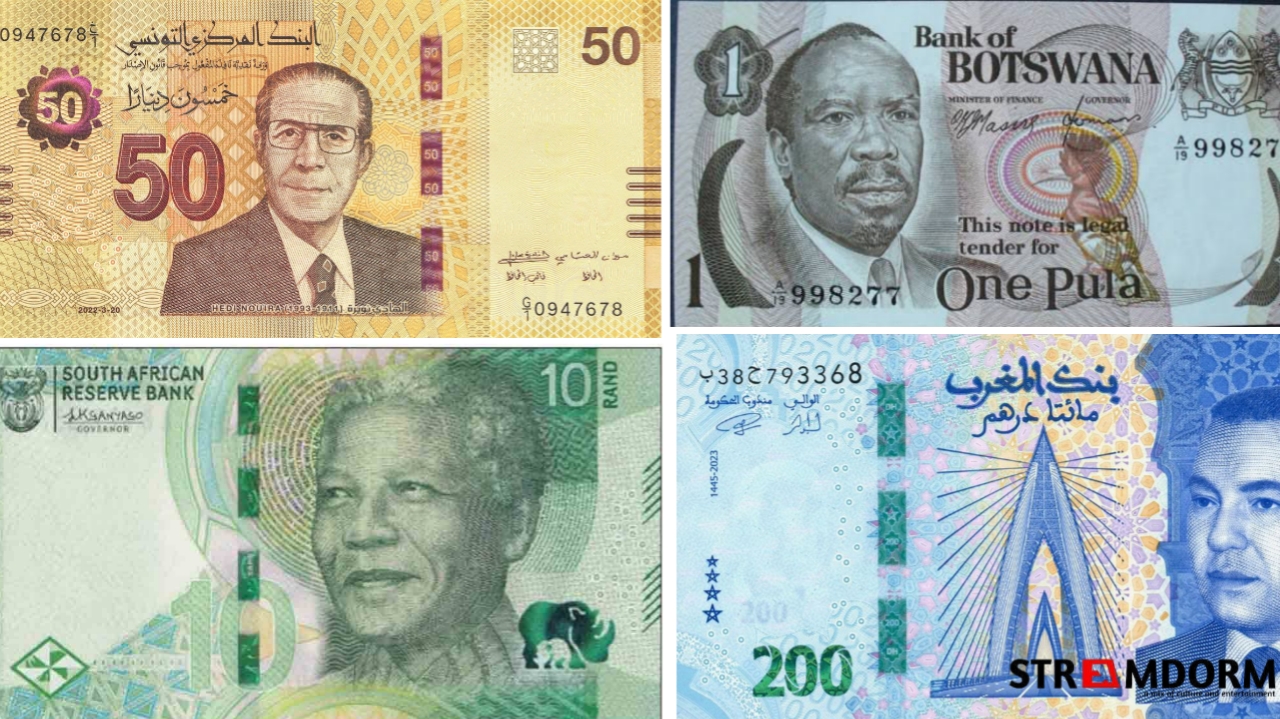
Currency strength is often misunderstood in Africa. A strong currency doesn’t necessarily mean a country is richer or more developed; it simply reflects how much value one unit of a currency holds against the U.S. dollar.

Using that measure, here’s a breakdown of Africa’s 10 strongest currencies as of January 2026, why they rank so highly, and why Nigeria’s naira is notably absent from the list.

1. Tunisian Dinar (TND) — Tunisia

The Tunisian dinar remains Africa’s strongest currency by exchange value, trading at under 3 dinars to the dollar. Its strength is largely driven by strict currency controls, which tightly regulate access to foreign exchange and limit speculation. While Tunisia faces economic challenges, the central bank’s tight grip on the dinar has helped preserve its nominal value, even when broader economic indicators suggest fragility.

2. Libyan Dinar (LYD) — Libya

Despite years of political instability, the Libyan dinar continues to rank among Africa’s strongest currencies. Libya’s oil-driven foreign exchange inflows play a major role here, providing the central bank with dollar liquidity to support the currency. Like Tunisia, Libya operates a managed FX system, meaning the dinar’s strength is less about market confidence and more about controlled supply.

3. Moroccan Dirham (MAD) — Morocco

Morocco’s dirham reflects a more balanced story. Backed by a diversified economy; spanning manufacturing, agriculture, tourism, and exports to Europe, the dirham benefits from relative macroeconomic stability. Morocco has gradually liberalized its exchange regime without allowing sharp volatility, helping the dirham maintain steady strength against the dollar.

4. Ghanaian Cedi (GHS) — Ghana

Ghana’s presence in the top four is notable given its recent debt restructuring and IMF-backed reforms. The cedi’s ranking reflects currency redenomination history and monetary restructuring, rather than pure economic dominance. While the cedi has experienced sharp swings in recent years, policy tightening and external support have helped stabilize its nominal value enough to keep it among Africa’s strongest by unit value.

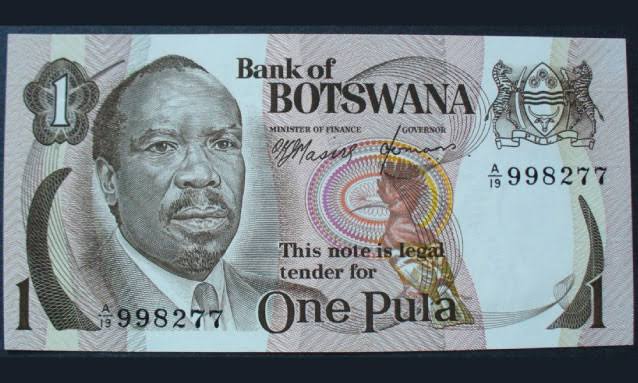
5. Botswana Pula (BWP) — Botswana

Botswana’s pula is one of Africa’s most respected currencies, supported by strong institutions, prudent fiscal management, and diamond exports. The country’s conservative monetary policy and low public debt have made the pula relatively stable over time. Unlike many peers, Botswana has avoided extreme FX volatility, reinforcing confidence in its currency.

6. Seychellois Rupee (SCR) — Seychelles

Seychelles’ rupee ranks high largely due to the country’s tourism-driven foreign exchange earnings. With tourism accounting for a significant share of GDP, steady inflows of dollars and euros help support the rupee. While the economy is small, its openness and reliance on foreign visitors give the currency a consistent FX lifeline.

7. Eritrean Nakfa (ERN) — Eritrea

The Eritrean nakfa’s strength is almost entirely policy-driven. Eritrea operates one of Africa’s most tightly controlled economies, with fixed exchange mechanisms and limited currency convertibility. As a result, the nakfa’s nominal value remains high; though this does not necessarily reflect market demand or economic openness.

8. South African Rand (ZAR) — South Africa

Africa’s most traded currency, the rand earns its place through deep financial markets and global liquidity, not tight controls. While the rand is volatile and sensitive to global risk sentiment, South Africa’s advanced banking system, capital markets, and export base help prevent extreme devaluation compared to many peers.

9. Lesotho Loti (LSL) — Lesotho

The Lesotho loti is pegged one to one with the South African rand, meaning it mirrors the rand’s movements almost exactly. Its ranking here is therefore less about Lesotho’s domestic economy and more about its monetary union with South Africa, which provides currency stability and predictability.

10. Namibian Dollar (NAD) — Namibia

Like Lesotho, Namibia’s dollar is also pegged to the South African rand, ensuring parity in value. This peg helps Namibia maintain currency stability, benefit from South Africa’s financial infrastructure, and avoid the FX shocks seen in more isolated economies.

Where Is Nigeria’s Naira?

Nigeria’s naira does not feature anywhere near Africa’s strongest currencies list.

As of late 2025 and early 2026, the naira traded around ₦1,400–₦1,500 to the U.S. dollar, placing it among the weaker currencies on the continent by exchange value.

Nigeria’s currency struggles reflect structural FX challenges, not economic irrelevance. Persistent dollar shortages, high inflation, heavy import dependence, and long-standing FX market distortions have weighed heavily on the naira. While recent reforms have improved transparency and reduced volatility, they haven’t yet translated into a stronger nominal exchange rate.

Some of Africa’s strongest currencies exist in tightly controlled or small economies. Meanwhile, larger economies like Nigeria and Egypt operate weaker currencies shaped by market forces, trade deficits, and reform cycles.

Despite Backlash and Past Setbacks, FG Moves Ahead With New GMO Cotton Seeds

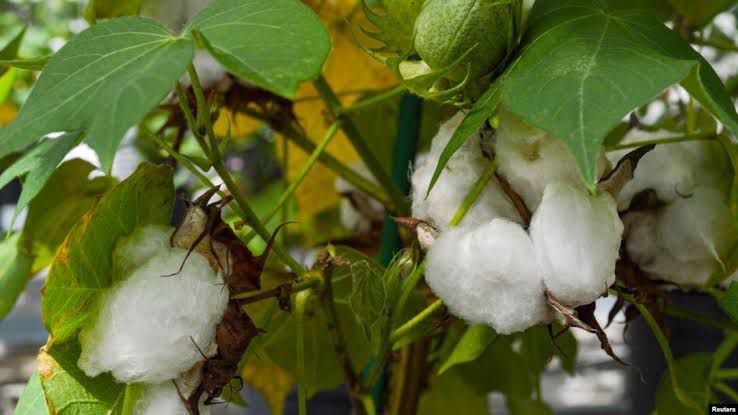
Nigeria’s Federal Government has pushed ahead with the rollout of genetically modified (GM) cotton seeds, launching two new varieties; Mahyco C567 BGII and Mahyco C571 BGII despite lingering backlash and the mixed performance of earlier GMO cotton initiatives.

The move signals a renewed commitment to biotechnology as a solution to Nigeria’s struggling cotton and textile industry, even as farmers, civil society groups and environmental advocates continue to question its long-term impact.

The new GM cotton varieties were unveiled through the National Agricultural Seeds Council (NASC) in partnership with Mahyco Nigeria. According to officials, both Mahyco C567 BGII and C571 BGII are engineered with Bt (Bacillus thuringiensis) technology, designed to protect cotton plants against bollworm infestations, one of the crop’s most destructive pests.

Government representatives say the seeds are capable of delivering significantly higher yields, estimating production levels of 3.5 to 4.4 tonnes per hectare, compared to Nigeria’s current average of under 1.5 tonnes per hectare using conventional cotton varieties.

Other promised benefits include:

  • Reduced pesticide use
  • Lower production costs
  • Improved fibre quality for textile manufacturing

Officials argue that widespread adoption could help revive dormant ginneries, support local textile mills and create jobs across the cotton value chain.

Nigeria’s renewed push for GM cotton comes against the backdrop of earlier GMO trials that failed to meet expectations.
In 2018, Nigeria approved commercial cultivation of Bt cotton, also developed by Mahyco. At the time, the seeds were promoted as a breakthrough that would transform cotton farming. However, several years later, industry stakeholders reported that yields remained low and that farmers saw limited economic improvement.

Critics argue that the government’s current approach risks repeating past mistakes by focusing heavily on seed technology while ignoring structural problems.

Beyond performance issues, the new GM cotton rollout has reignited broader debates around genetically modified organisms in Nigeria.

Civil society organisations and environmental groups have raised concerns about: Farmer dependence on proprietary seeds that cannot be replanted, Long-term environmental and biodiversity risks, Transparency in biosafety approvals and Insufficient independent impact assessments.

Some advocacy groups have called on lawmakers to suspend or restrict GMO approvals until stronger regulatory safeguards and long-term studies are made public.

The government, however, maintains that the seeds have passed biosafety reviews and insists that biotechnology is essential to achieving food security and agricultural competitiveness.

Nigeria once had a thriving cotton sector that supported a robust textile industry. Today, most textile mills operate far below capacity, while cotton production remains fragmented and underfunded.

The introduction of Mahyco C567 BGII and C571 BGII represents another attempt to reverse that decline. Whether these new varieties will deliver better results than earlier GMO cotton and whether farmers will see sustainable gains remains uncertain.

For now, Nigeria’s cotton revival strategy rests once again on genetically modified seeds, even as the debate over their effectiveness, safety and long-term impact continues.

Argungu International Fishing and Cultural Festival 2026: Kebbi State’s Celebration of Culture, Music, and Adventure

Kebbi State is set to welcome visitors from across Nigeria and the world as preparations intensify for the 2026 Argungu International Fishing and Cultural Festival. Slated to take place from February 11 to 14, 2026, this iconic festival promises to be a celebration of tradition, culture, and community, offering a vibrant showcase of Nigeria’s heritage to global audiences.

A Historic Celebration of Culture and Fishing

The Argungu Festival, held annually in the historic town of Argungu, is one of Nigeria’s most famous cultural events. Recognized by UNESCO on the Representative List of the Intangible Cultural Heritage of Humanity, the festival has grown from a local fishing competition into an international tourism and cultural event.

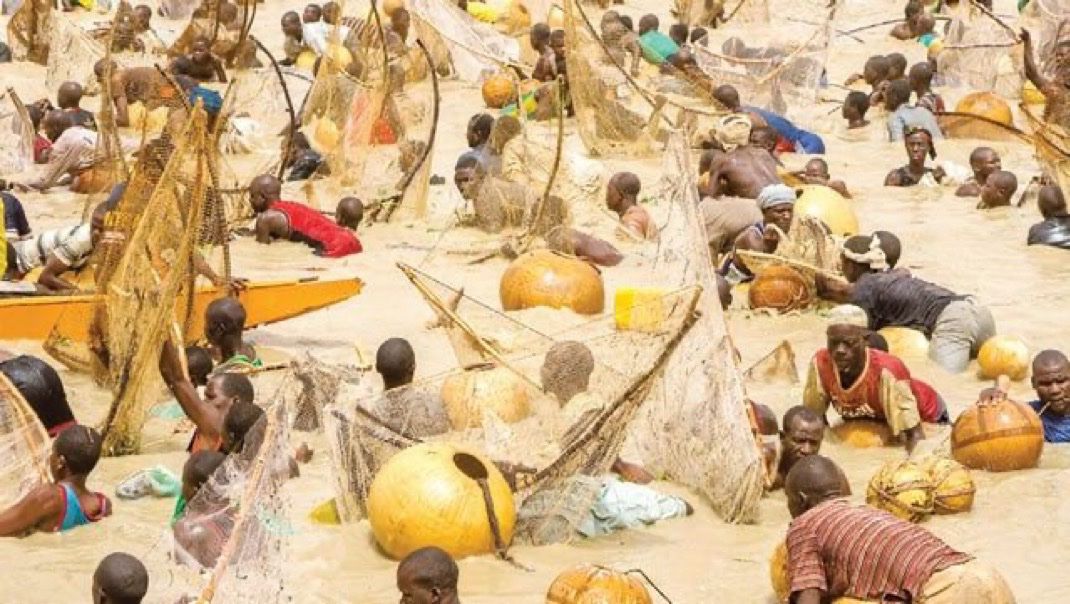
Central to the festival is the bare-hand fishing competition held in the Matan Fada River, where skilled fishermen race against time to catch the largest fish without nets or hooks. The competition, however, is just one element of a broader cultural celebration. Visitors can also expect:

  • Canoe races and water sports, showcasing the agility and teamwork of local participants.
  • Traditional music and dance, featuring performers in vibrant cultural attire.
  • Wrestling, boxing, and other athletic displays, reflecting the competitive spirit of the local communities.
  • Agricultural and trade exhibitions, highlighting Kebbi State’s farming innovations and local products.

For the 2026 edition, the Kebbi State Government has set ambitious plans to position the festival as a hub for tourism, culture, and investment. The Kebbi Investment Promotion Agency (KIPA) is leading the preparations, working on logistics, accommodation, security, and promotion to ensure the festival meets international standards.

Federal agencies, including the Ministry of Arts, Culture, Tourism and Creative Economy, the Federation of Tourism Associations of Nigeria (FTAN), the Nigerian Tourism Development Authority (NTDA), and the National Council for Arts and Culture (NCAC), have pledged support for the event. Their involvement aims to not only attract tourists but also to foster economic growth and cultural exchange.

Visitors attending the 2026 festival can anticipate four days of excitement and cultural immersion. Each day is expected to be packed with activities, from early morning fishing competitions to evening concerts and cultural displays. The festival also serves as a platform for entrepreneurs, artisans, and local farmers to showcase their products to a diverse audience, creating opportunities for trade and collaboration.

For Kebbi State, the festival is also a strategic tool for economic development. Tourism, hospitality, and local businesses all experience a surge during the festival, while the global spotlight helps attract investment in agriculture, trade, and cultural initiatives.

Nigeria Ranks Fourth Among Countries Granted UK Study Visas (September 2025 Data)

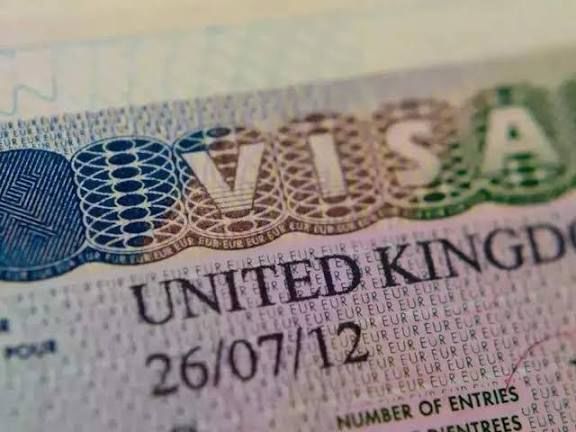
Nigeria has emerged as the fourth-largest source of international students granted UK study visas, according to official UK immigration data for the year ending September 2025.

The ranking places Nigeria behind India, China, and Pakistan, and ahead of countries such as the United States, Bangladesh, and Ghana, highlighting the country’s growing role in the UK’s international education pipeline.

UK Study Visas by Nationality (Year Ending September 2025)

Based on UK Home Office immigration statistics covering sponsored study visas issued to main applicants, the top nationalities are as follows:

  1. India – 101,229
  2. China – 89,656
  3. Pakistan – 39,497
  4. Nigeria – 36,839
  5. Nepal – 21,681
  6. United States – 16,702
  7. Bangladesh – 12,708
  8. Saudi Arabia – 6,256
  9. Turkey – 5,893
  10. Kuwait – 5,149

While exact figures may vary slightly across reporting summaries, the ranking order is consistent in official UK government data, confirming Nigeria’s fourth-place position globally for study visas issued during the period.

The figures refer specifically to sponsored study visas granted to main applicants. This means:

  • Students must have received a Confirmation of Acceptance for Studies (CAS) from a UK institution
  • The data excludes most dependants, following UK policy changes introduced in early 2024
  • The numbers reflect approved visas, not just applications

Recent UK immigration reforms have reshaped student migration patterns:

  • Restrictions on dependants reduced overall visa numbers but kept main applicant demand relatively stable
  • Increased scrutiny of student sponsorship and compliance affected some institutions
  • Greater emphasis on academic credibility and financial proof influenced application outcomes

Despite these changes, Nigeria maintained a strong presence in the rankings, indicating sustained interest and adaptability among Nigerian applicants to travel out.

Alongside India, China, and Pakistan, Nigeria is now firmly established as one of the core contributors to the UK’s international student population.

Scroll to Top