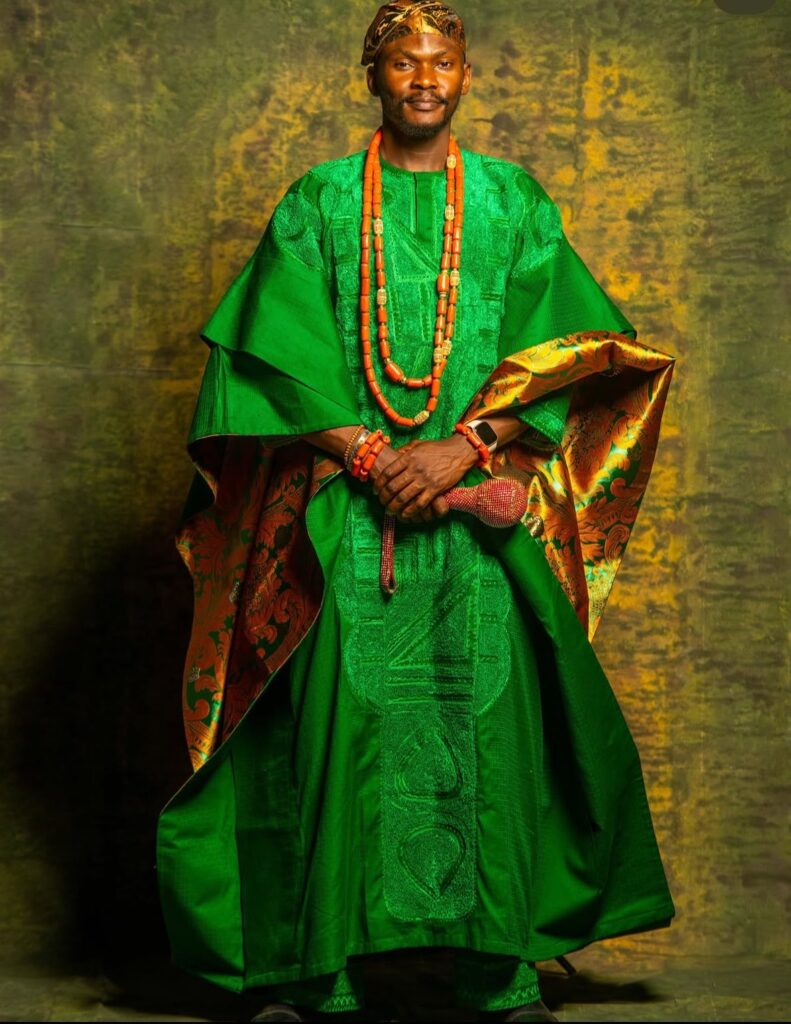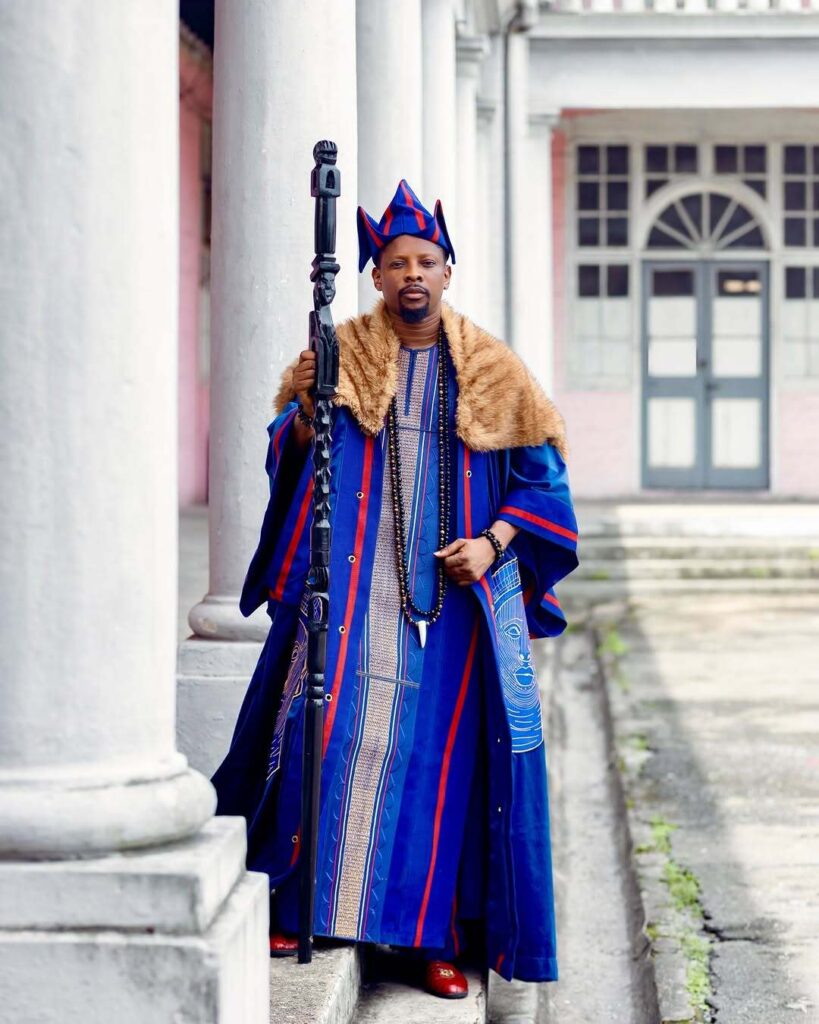
The 2026 edition of the Ojude Oba Festival once again transformed Ijebu-Ode into a living canvas of Yoruba heritage, fashion, and pageantry. Held on May 29, just days after Eid al-Kabir, the annual celebration at the heart of Ojude Oba Festival reaffirmed its status as one of West Africa’s most visually striking cultural gatherings.
From coordinated regberegbe processions to mounted horse displays and celebrity appearances, this year’s festival leaned heavily into tradition while still feeding the modern social media moment.
Ojude Oba, meaning “The King’s Forecourt,” is a centuries-old celebration held in honour of the Awujale of Ijebuland. This year’s edition carried added emotional weight, with tributes tied to the legacy of the late Oba Sikiru Kayode Adetona, whose reign helped elevate the festival into global cultural relevance.
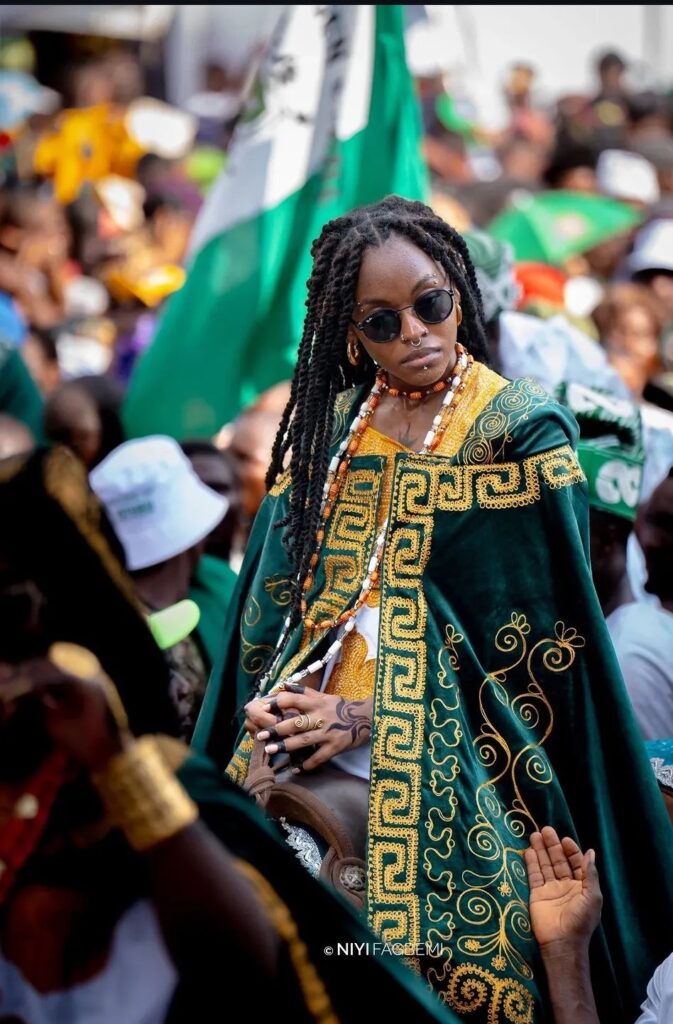
The grounds of Itoro Centre and the Awujale Palace became the focal point as thousands gathered to witness a carefully choreographed display of Yoruba identity where history, faith, and community pride intersect.
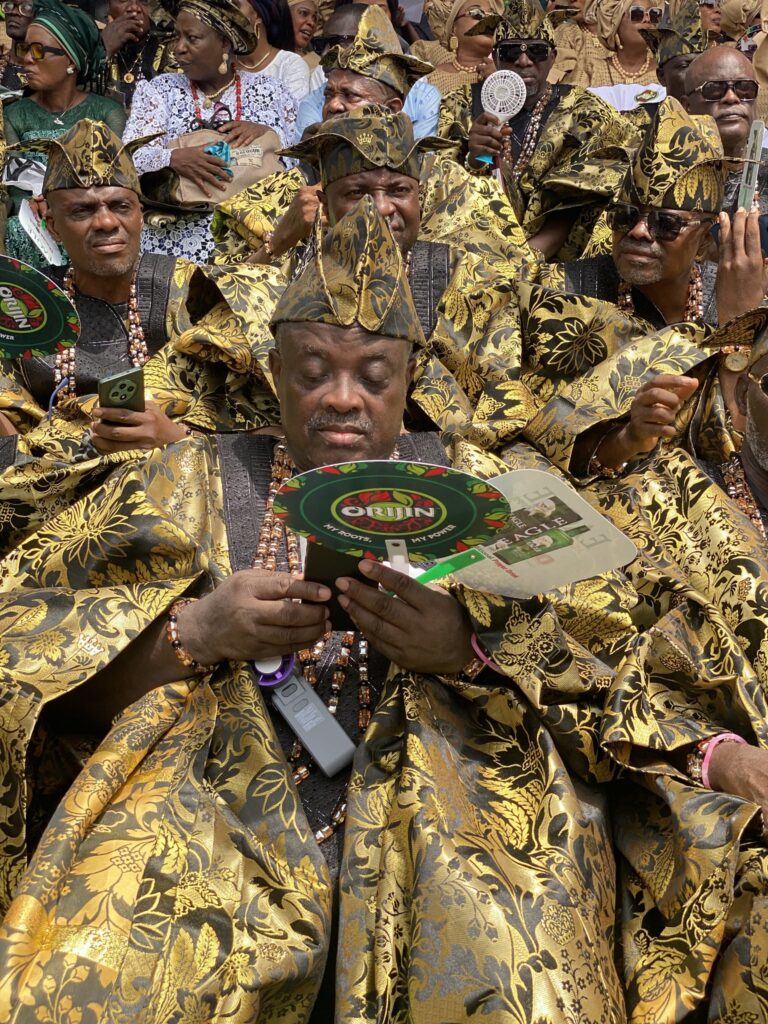
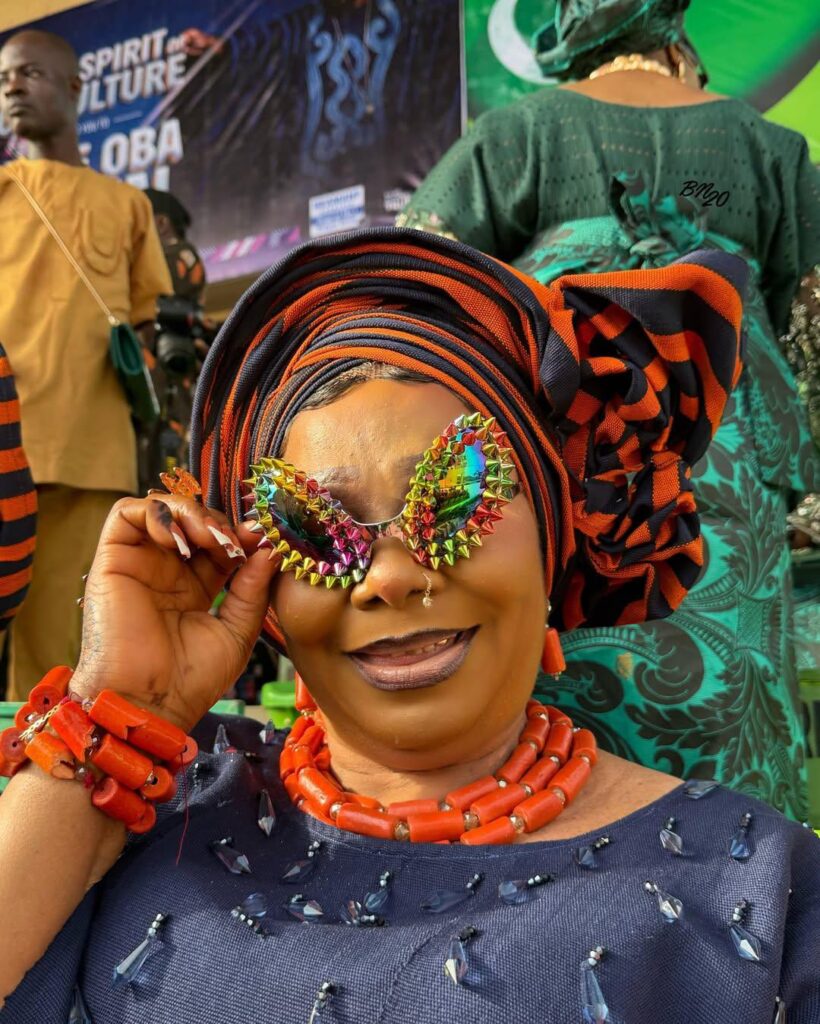
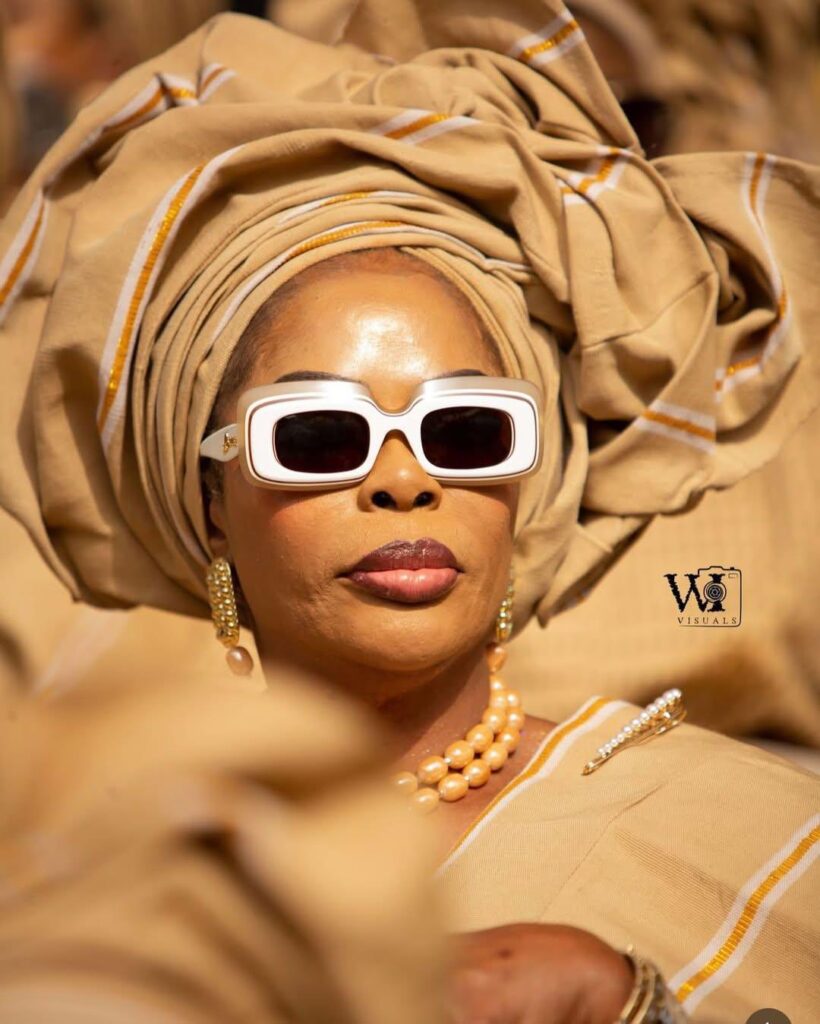
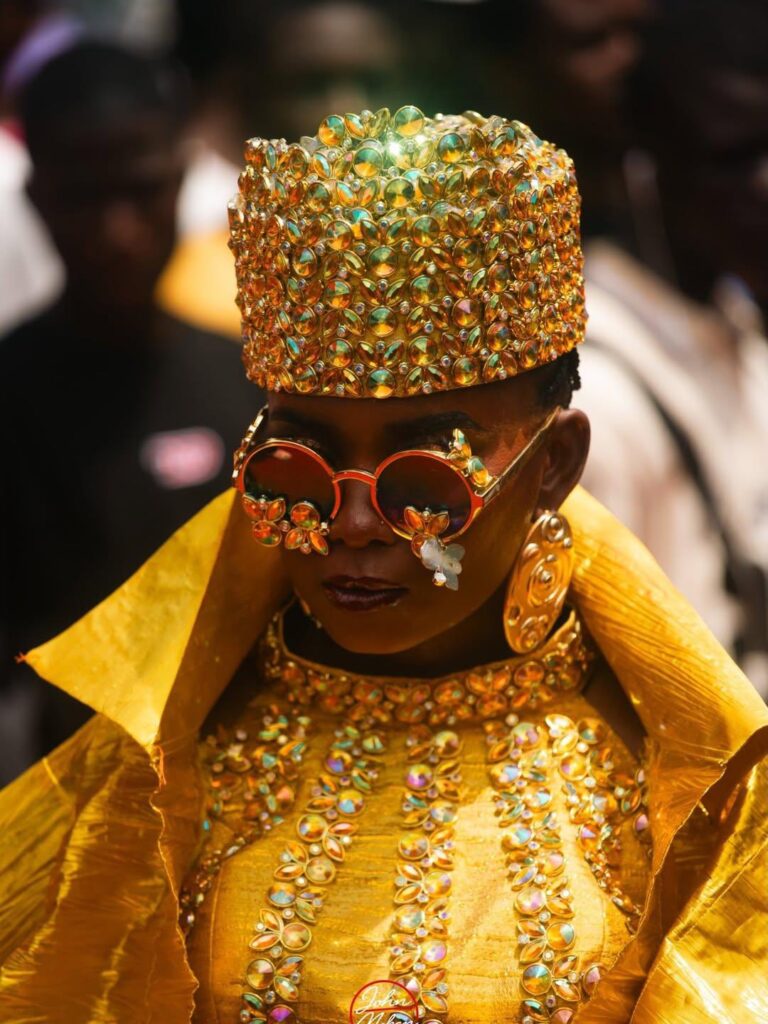
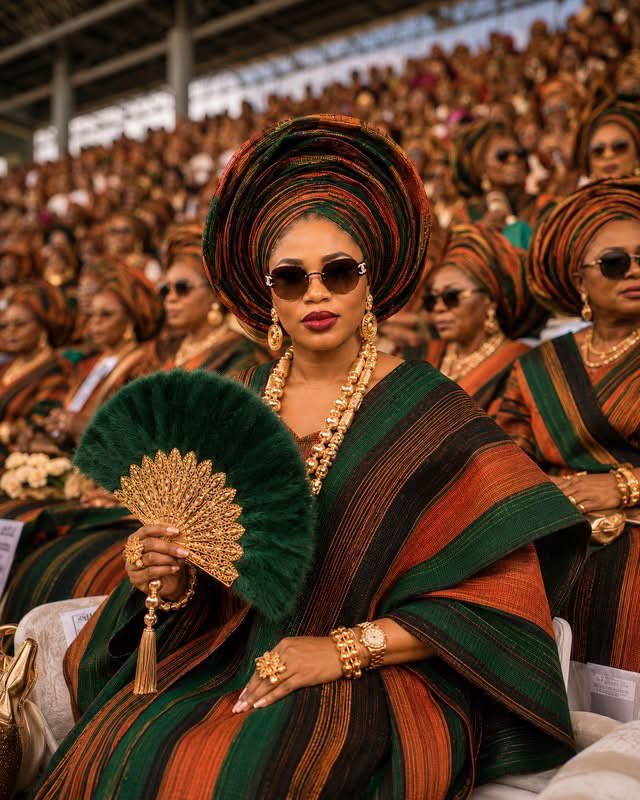
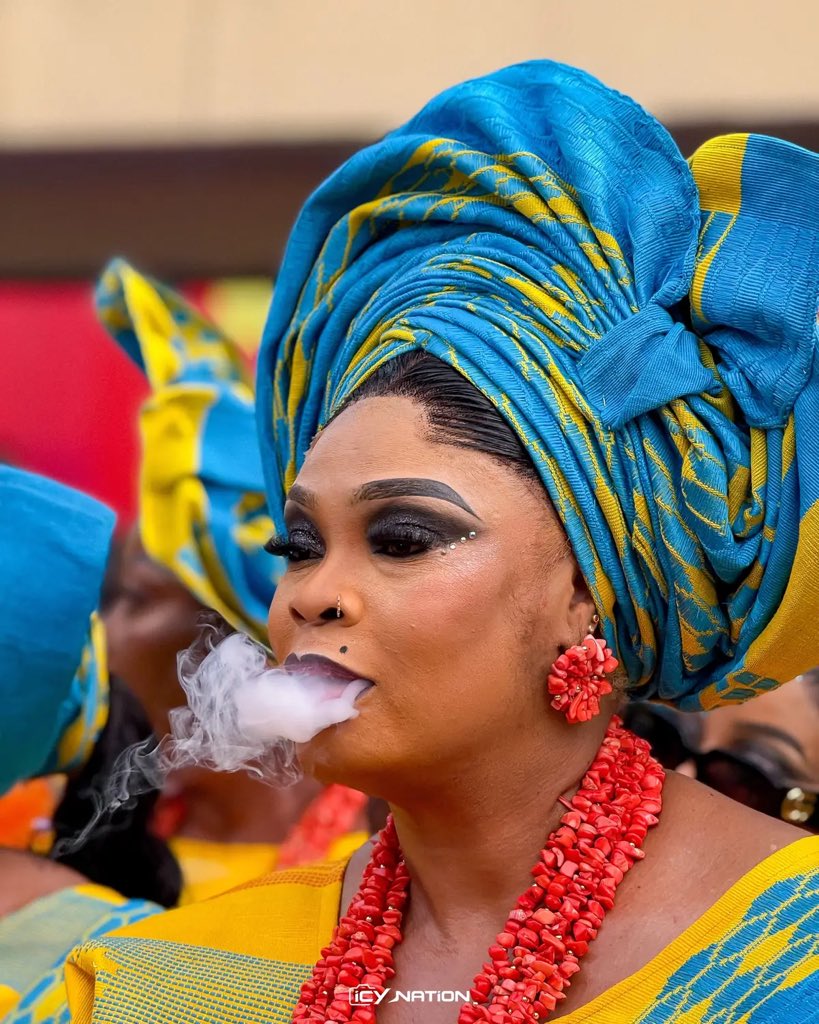
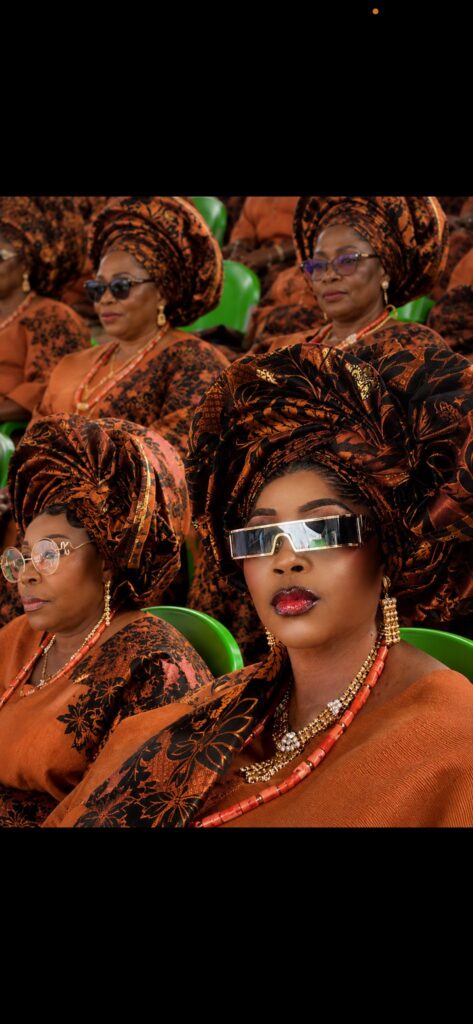
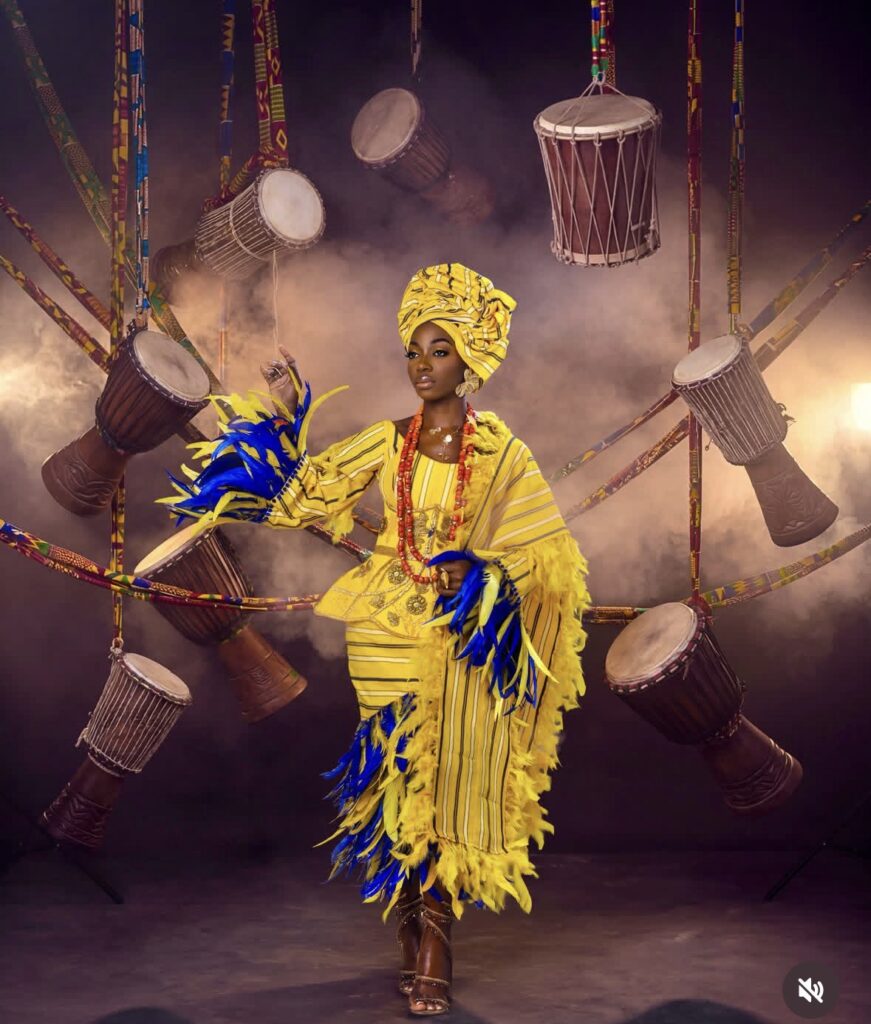
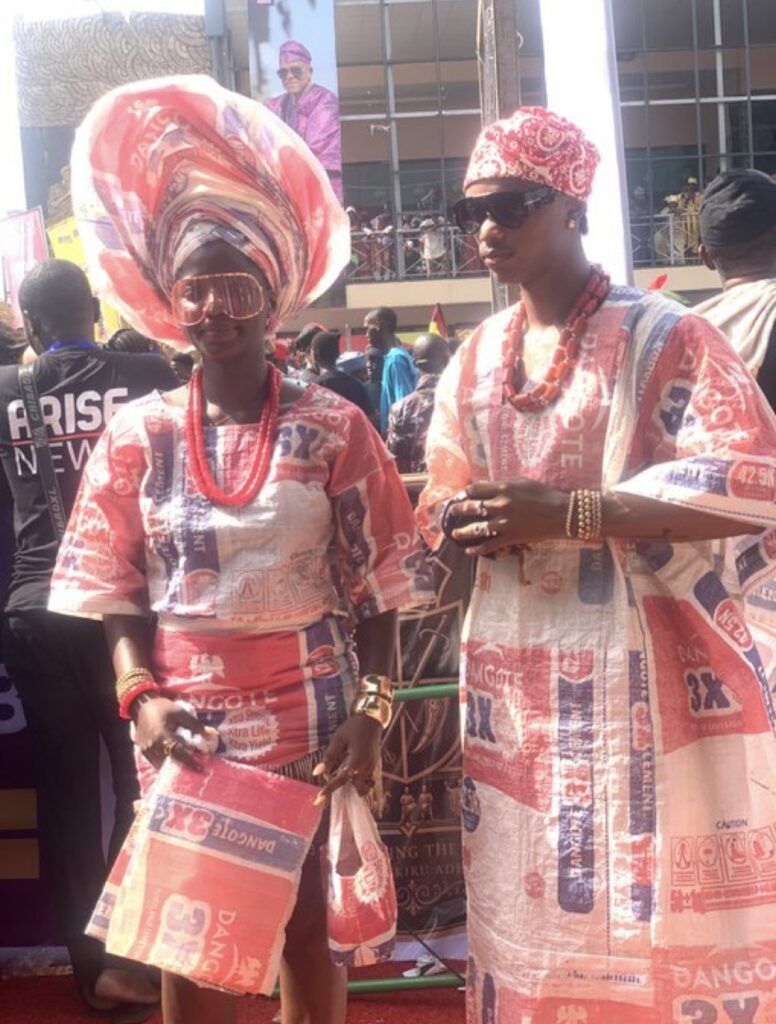
Over 90 regberegbe (age-grade) groups participated, each arriving in coordinated aso-oke, lace, beads, and elaborate geles. Their synchronized entrances, chants, and dances created a competitive yet unified atmosphere that has become the festival’s signature.
The Regberegbe Spectacle
If there is one element that defines Ojude Oba, it is the regberegbe system. These age-based groups turned the festival into a runway of cultural competition.
Each group attempted to outdo the next with:
- Matching traditional outfits in rich fabrics and bold colour palettes
- Highly choreographed processions
- Musical accompaniment from local drummers and praise singers
- Dramatic entrances designed for maximum crowd reaction and camera appeal
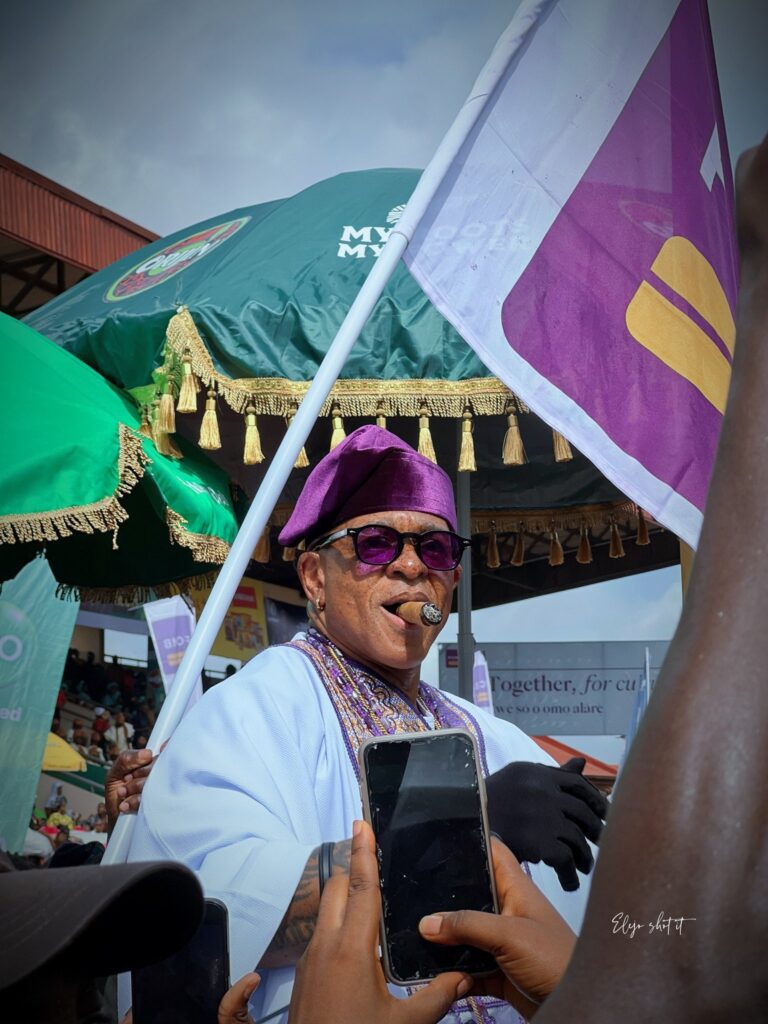
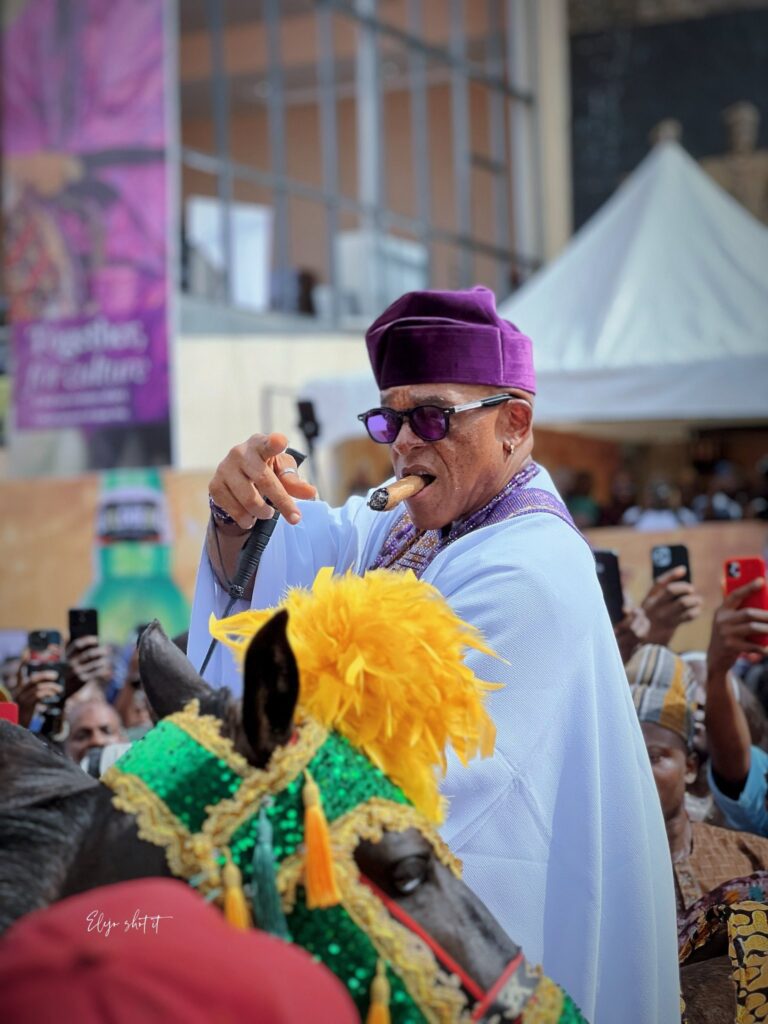
No moment defined Ojude Oba 2026 on social media more than the return of businessman and cultural personality Farooq Oreagba.
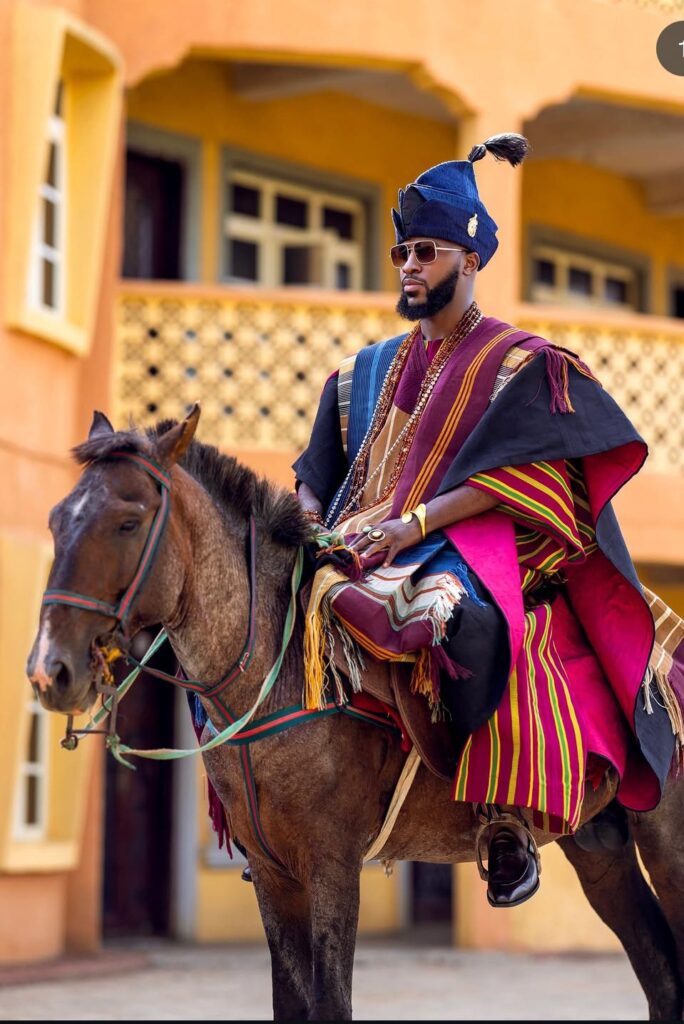
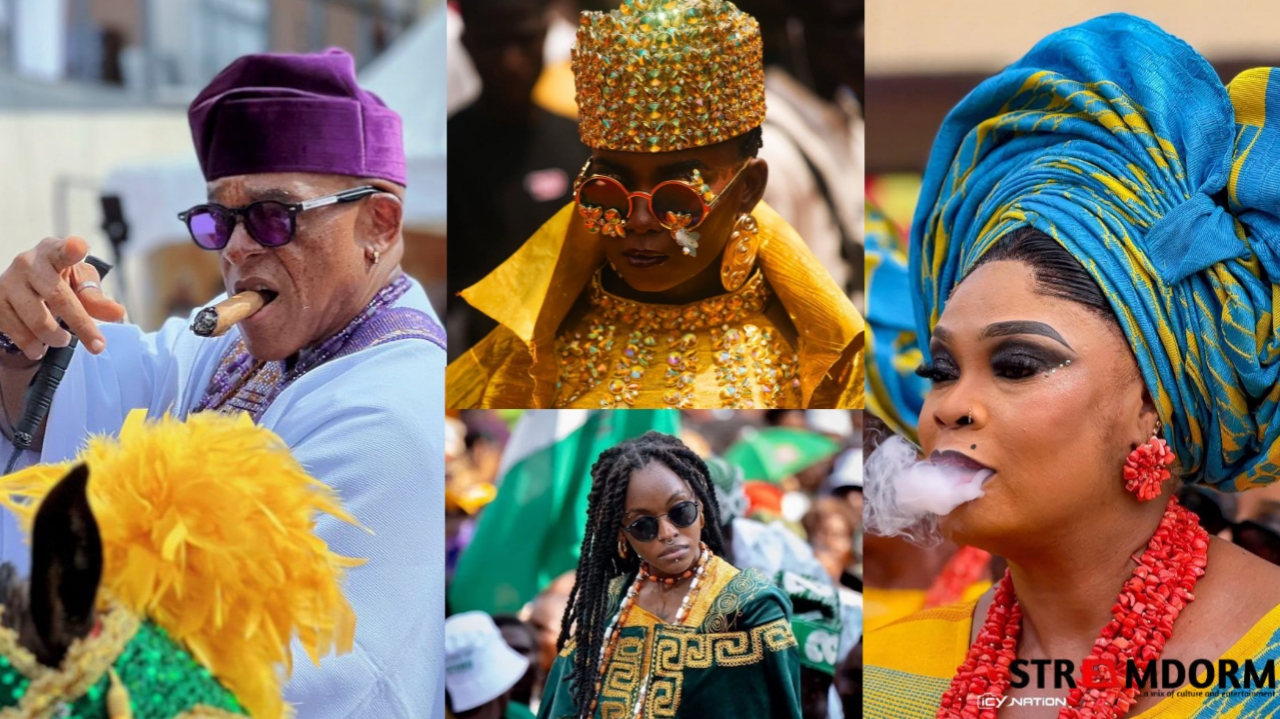
Riding through the grounds on a decorated horse, Oreagba appeared in a flowing white traditional agbada accented with purple embroidery, matched with a fila cap, sunglasses, and signature cigar. His horse, decorated with vibrant fabrics, tassels, and patterned coverings became part of the performance itself.
But beyond appearance, it was presence that carried the moment. Calm, composed, and fully aware of the cameras following him, Oreagba once again dominated online conversation, extending a reputation that has grown since his earlier viral appearances.
For many spectators, he has become an unofficial face of the modern Ojude Oba where tradition meets personal branding without losing cultural grounding.
The 2026 edition also attracted a strong lineup of public figures and celebrities.
Notable attendees included:
- Ogun State Governor Dapo Abiodun
- Deputy Governor Noimot Salako-Oyedele
- Seyi Tinubu
- Senator Solomon Olamilekan Adeola
Their presence reinforced the festival’s growing importance not just as a cultural gathering, but as a political and tourism focal point for Ogun State.
Beyond politics, Nollywood actors, musicians, influencers, and fashion personalities filled the grounds in a wave of colour and style. Social media timelines were flooded with clips of coordinated families, elaborate outfits, and high-energy horse riders, turning Ojude Oba into a trending digital spectacle.
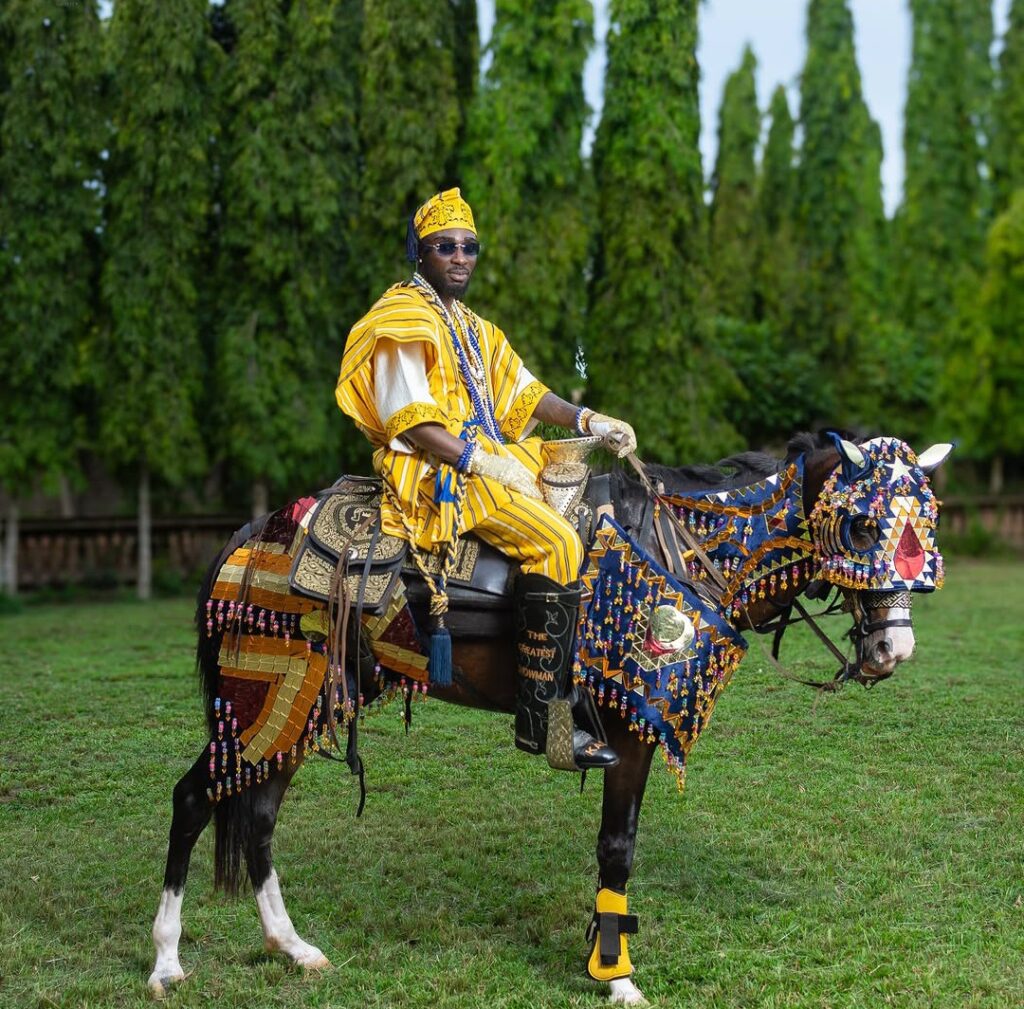
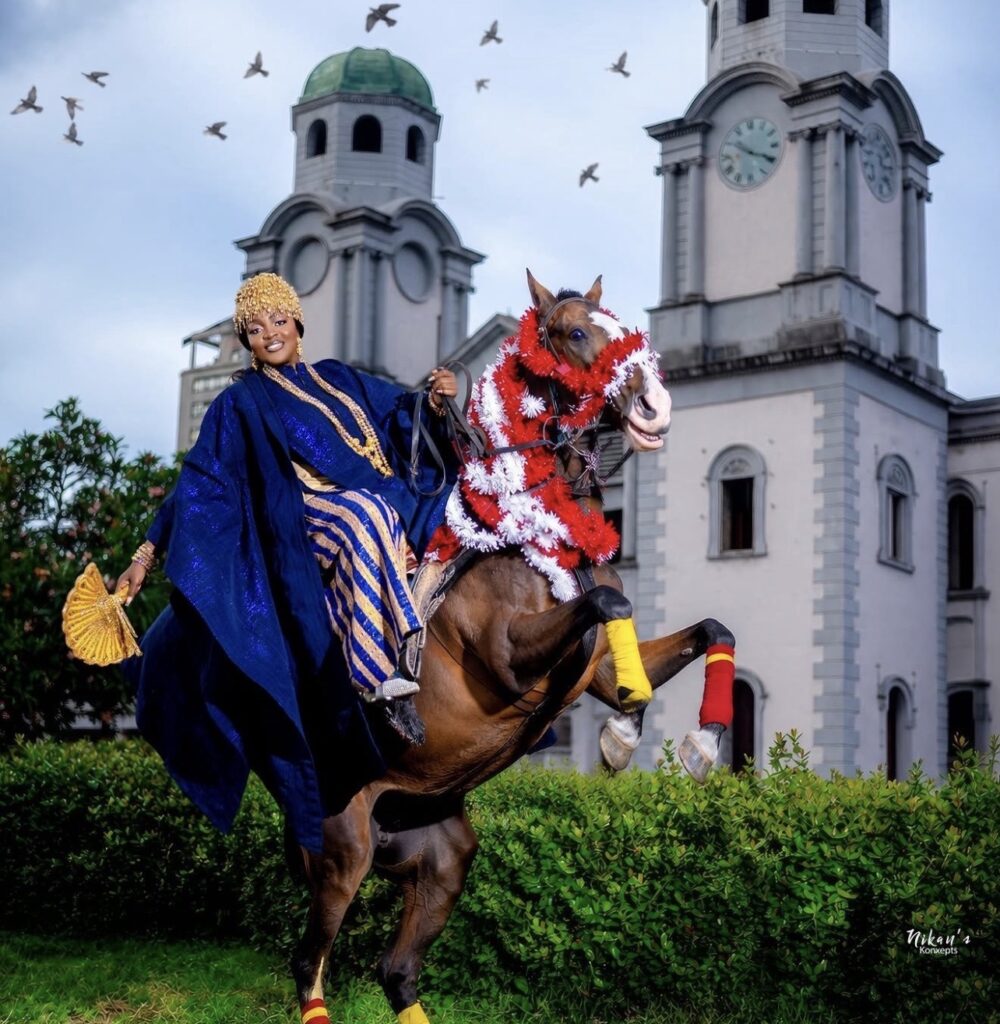
Another defining pillar of the festival remains the horse-riding families from Balogun lineages. Their decorated horses. Adorned with embroidered cloths, symbolic colours, and traditional regalia, carried riders through ceremonial displays that reflect centuries of warrior heritage.
The equestrian processions remain one of the most anticipated segments, symbolising status, history, and continuity within Ijebu culture.
Beyond the glamour, Ojude Oba continues to reflect deeper social themes: unity, identity, and resilience. While the festival celebrates wealth and style, it also highlights community cohesion across generations.