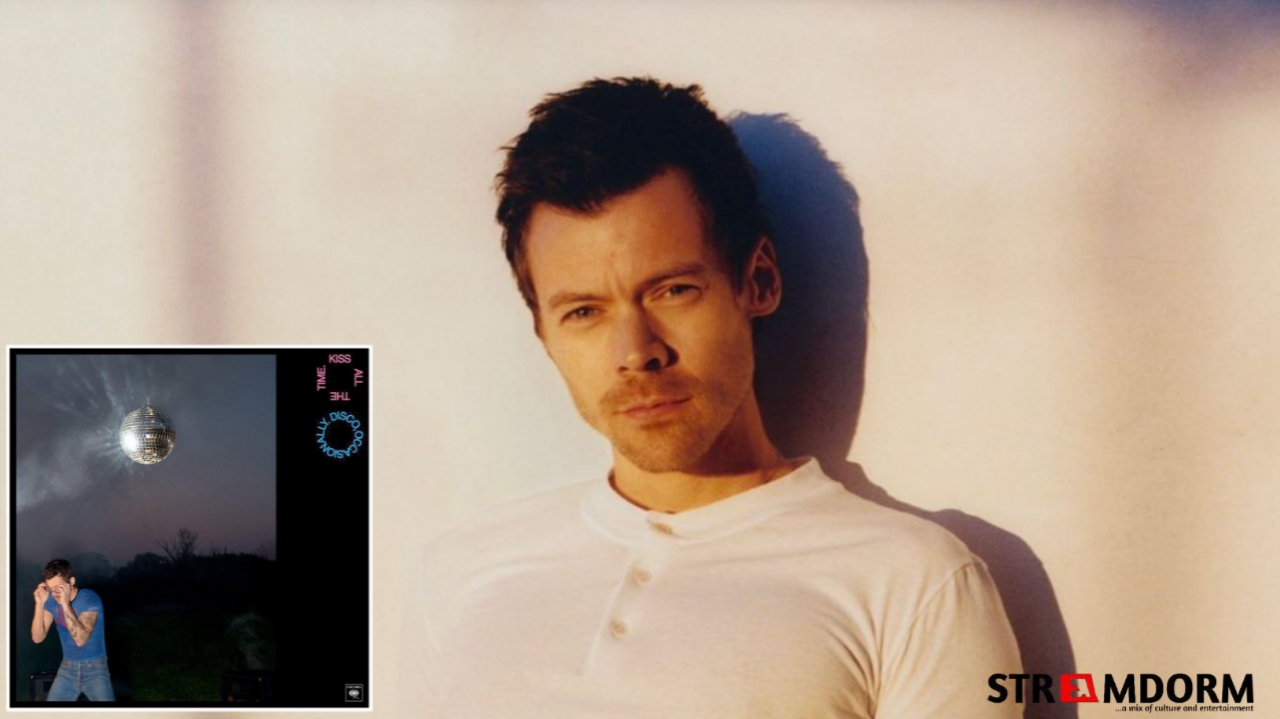
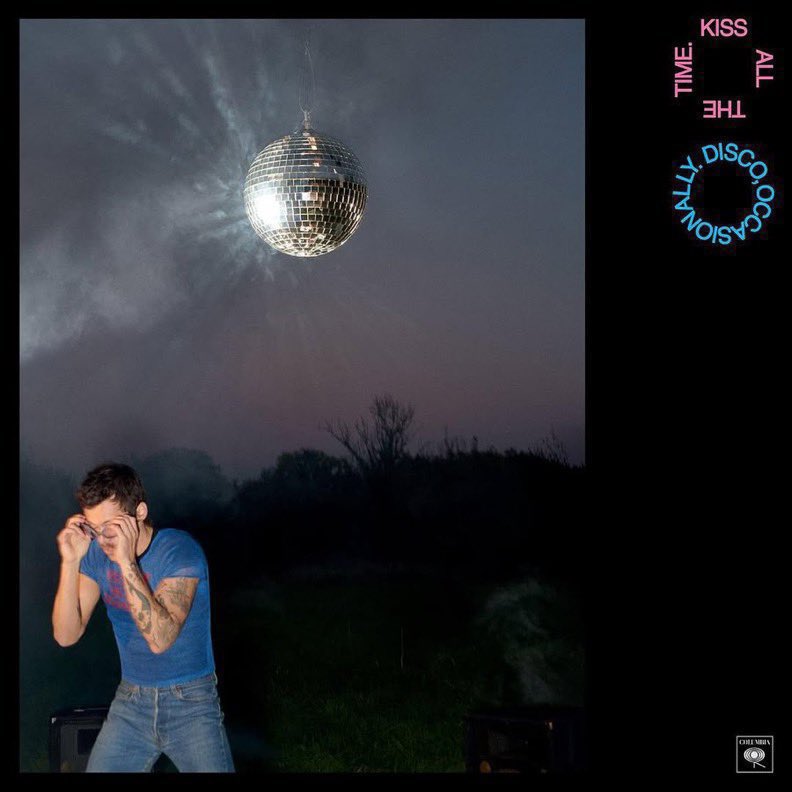
Harry Styles continues his lead run on the charts as his latest album, Kiss All the Time. Disco, Occasionally., secures a second consecutive week at No. 1 on the Billboard 200.
Released on March 6, 2026, the project moved 99,000 equivalent album units in its second week, maintaining the top position after a massive opening performance.
The album launched with over 400,000 units in its first week, marking one of the biggest debuts of 2026. The follow-up total of 99K represents a typical second-week drop for a major release but remains strong enough to still hold the lead.
With this achievement, Kiss All the Time. Disco, Occasionally. becomes Harry Styles’ fourth consecutive No. 1 album in the United States. This consistency places him among a select group of artists who have maintained a flawless streak at the top of the Billboard 200 in recent years.
Harry Styles is an English singer, songwriter, and actor who first rose to global fame as a member of the boy band One Direction. Following the group’s breakout, he launched a solo career that has been defined by artistic evolution and commercial success.
His previous albums including Harry Styles (2017), Fine Line (2019), and Harry’s House (2022), have all debuted at No. 1 in multiple countries, producing global hits and earning critical acclaim. Known for blending pop, rock, and retro influences, Harry Styles has established himself as one of the most influential artists of his generation.
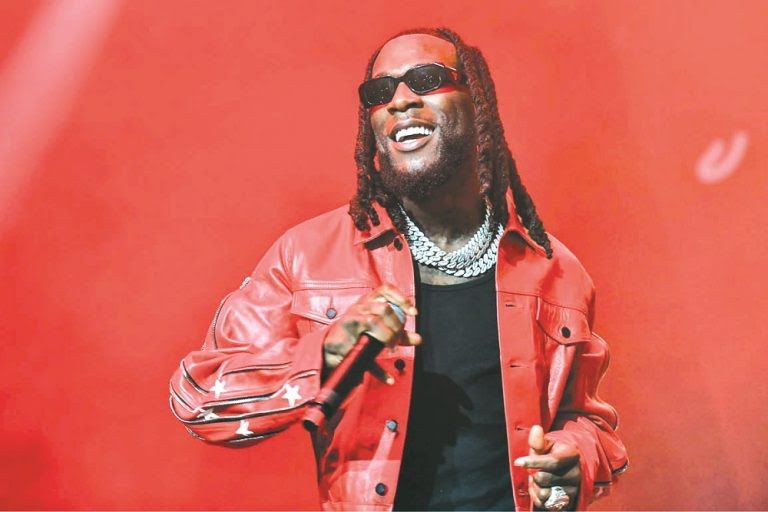
For six straight years, Burna Boy has found his way onto one of music’s most competitive charts. Now, the Nigerian global star has officially made history.
The Grammy-winning artist has become the first African musician to have at least one song appear on the Billboard Hot 100 for six consecutive years; spanning from 2021 to 2026. The milestone reinforces not just his dominance, but the sustained global expansion of Afrobeats.
According to chart data published by Billboard, Burna Boy’s streak began in 2021 and has continued every year since, without interruption.
The run started in 2021 with Loved By You. In 2022, Last Last became his biggest solo crossover hit to date, earning massive global streaming numbers and radio rotation in multiple territories.
In 2023, he returned with Sittin’ On Top Of The World and the remix of Talibans II, further strengthening his presence on the chart.
The momentum carried into 2024 with Just Like Me and We Pray, proving that his chart appearances were not accidental spikes but part of a sustained international run.
By 2025, WGFT kept the streak alive, and now in 2026, his new entry Only You officially extends the record to a sixth consecutive year.
While African artists have appeared on the Hot 100 before, maintaining entries across six straight calendar years is a different level of consistency. It signals not just viral success, but long-term global positioning.
Burna Boy’s achievement also reflects a wider shift in the music industry. Afrobeats is no longer treated as a regional sound breaking through occasionally. It is now a recurring presence in mainstream global charts, festivals, and award conversations. However, this particular milestone belongs solely to him.
What makes the feat even more impressive is that the entries span different eras of his sound, from emotionally reflective records to club-ready anthems and international collaborations. The consistency suggests a strategic evolution rather than repetition.
For Nigerian music and African pop culture at large, the moment feels symbolic. A decade ago, charting on the Hot 100 was rare. Today, one artist has turned it into an annual expectation.
With Only You now on the chart in 2026, the question shifts from whether Burna Boy can sustain global visibility to how long this historic streak can continue.
The U.S. Billboard Hot 100 remains the most competitive singles chart in global music; blending streaming numbers, radio airplay, and sales across the United States. For Nigerian artists, landing on the chart is more than just a milestone; it’s proof of Afrobeats’ growing mainstream power.
Over the last few years, Nigerian stars have moved from occasional breakthroughs to consistent chart presence with multiple artists now logging repeat entries on the Hot 100.
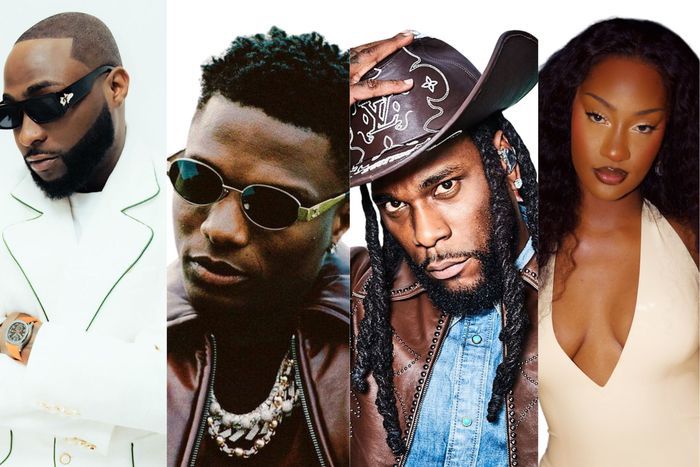
Here’s a breakdown of the Nigerian artists with the most confirmed Billboard Hot 100 entries based on widely reported chart data and recent releases as of early 2026.
Nigerian Artists With the Most Billboard Hot 100 Entries
Burna Boy: 7 Entries
Burna Boy currently holds the record among Nigerian artists for the most Billboard Hot 100 appearances. His chart presence has grown through a mix of solo hits and major international collaborations, reflecting his crossover appeal across Afrobeats, hip-hop, and pop audiences.
His growing list of Hot 100 entries highlights how he has transitioned from global festival favorite to a consistent chart contender.
Tems: 7 Entries
Tems remains one of the most impactful Nigerian voices on the U.S. charts. Her Billboard Hot 100 history includes high-profile collaborations and standout solo performances, most notably Wait For U (with Future & Drake), which debuted at No. 1. A historic moment for African artists on the chart.
Her steady run of entries positions her as one of Nigeria’s strongest international chart forces.
Tems has officially reached seven career entries on the U.S. Billboard Hot 100 following the debut of “What You Need,” making her the first African female artist to achieve the milestone.
Wizkid: 5 Entries
Wizkid’s influence on the Billboard Hot 100 era of Afrobeats cannot be overstated. From Drake’s One Dance to the global smash Essence, he helped define Afrobeats’ breakthrough into mainstream American pop culture.
His Hot 100 run reflects both early global collaborations and the international expansion of Nigerian pop music.
Rema: 2 Entries
Rema has officially entered the multi-entry category following a new chart appearance, bringing his total Billboard Hot 100 entries to two: Calm Down (Remix) with Selena Gomez: peaked at No. 3 and became one of the highest-charting Afrobeats songs ever. A recent feature appearance that marked his second Hot 100 entry.
Davido: 1 Entry
Davido secured his first Billboard Hot 100 appearance through Sensational (with Chris Brown & Lojay), marking a major milestone after years of international touring and global collaborations.
Fireboy DML: 1 Entry
Fireboy DML earned his Billboard Hot 100 debut with the global remix of Peru featuring Ed Sheeran; a crossover record that expanded his reach beyond Afrobeats audiences.
Lojay: 1 Entry
Lojay’s first Hot 100 entry also came via Sensational, placing him among the new generation of Nigerian artists making their first U.S. chart appearances.
A few years ago, a single Nigerian entry on the Billboard Hot 100 was headline-worthy. Today, multiple artists are building repeat chart runs; proving that Afrobeats is no longer a niche global genre but a sustained presence in mainstream music.
From Wizkid’s early crossover success to Burna Boy’s consistent entries and Rema’s rising global momentum, Nigerian artists are shaping the sound and direction of global pop culture.
When Wizkid and Asake announced REAL, Vol. 1, expectations were immediate and well anticipated. The collaboration brought together two artists operating at different but equally powerful ends of Afrobeats’ global spectrum; one a decade-long international force, the other one of the most dominant Nigerian hitmakers of the 2020s.
REAL, Vol. 1 has debuted at No. 6 on the Billboard World Albums chart, marking a major global chart moment for the joint EP and reinforcing Afrobeats’ sustained presence on international rankings.
The Billboard World Albums chart tracks the strongest-performing international projects in the United States each week. A Top 10 debut is significant particularly for a short collaborative EP because it reflects not only streaming traction, but real market penetration in one of music’s most competitive territories.
For REAL, Vol. 1 to open at No. 6 places it among the most successful African releases on the chart this year, and highlights the continued global appetite for Nigerian music beyond singles and playlist placements.
Rather than chasing crossover aesthetics, the project leans confidently into its Afrobeats foundation; a choice that appears to be resonating with listeners globally.
Released in January 2026, REAL, Vol. 1 is a concise four-track EP that thrives on chemistry and restraint. Wizkid’s melodic calm and Asake’s gritty, percussive delivery create a contrast that feels intentional rather than forced.
While REAL, Vol. 1 stands on its own, its Billboard entry also fits into a broader narrative around Wizkid’s relationship with the World Albums chart.
Since the release of Made in Lagos in 2020, Wizkid has remained a recurring presence on the chart through various projects, re-entries, and collaborative releases. With REAL, Vol. 1 charting in 2026, Wizkid has now recorded appearances on the Billboard World Albums chart across seven consecutive calendar years; a milestone that underscores his longevity and consistency on the global stage.
While Billboard does not always publish consolidated year-by-year streak summaries, the pattern of Wizkid’s chart activity across these years is well-documented through individual chart entries and reappearances.
For Asake, the EP adds another global credential to an already dominant run.
As African artists continue to chart, tour, and collaborate at global scale, releases like REAL, Vol. 1 feel less like exceptions and more like markers of a maturing ecosystem.
Rema has officially made history on the U.S. Billboard charts.
The Nigerian superstar’s debut album, Rave & Roses, has become the longest-charting African project on the Billboard World Albums Chart, spending 165 weeks on the ranking. The milestone sees Rema surpass Wizkid’s Made In Lagos, which previously held the record at 164 weeks.
The achievement further cements Rave & Roses as one of the most impactful African albums of the modern streaming era.
Released in March 2022, Rave & Roses has shown remarkable longevity on the Billboard World Albums Chart, an indicator of sustained international demand rather than short-term hype.
Crossing the 165-week mark means the album has remained relevant for over three years, a rare feat for any project, let alone a debut album from an African artist.
The record-breaking run reflects not just initial success, but consistent streaming, catalog growth, and global listener retention.
Before now, Wizkid’s Made In Lagos was the benchmark for African albums on the chart. Widely regarded as a defining Afrobeats project, the album spent 164 weeks on the Billboard World Albums Chart and played a major role in pushing the genre into mainstream global consciousness.
Rema overtaking that record highlights a generational shift where younger Afrobeats stars are building on the foundation laid by earlier global breakthroughs.
Much of the album’s longevity can be traced to its international appeal. Songs like “Calm Down”, which later gained even more momentum with a remix featuring Selena Gomez, helped push the project far beyond African borders.
The album blends Afrobeats, pop, trap, and alternative influences, making it accessible to diverse audiences while still rooted in African sound and identity.
Its success also reflects how streaming platforms have changed music consumption, allowing albums to grow steadily over time rather than peak and disappear.
For over 60 years, the Billboard Hot 100 has stood as the most important measure of commercial success in popular music. It reflects what people are listening to, buying, streaming, and requesting on radio at any given moment.
Reaching No. 1 on the chart is a major achievement. But doing it repeatedly and dominating an entire decade is something only a handful of artists have managed.
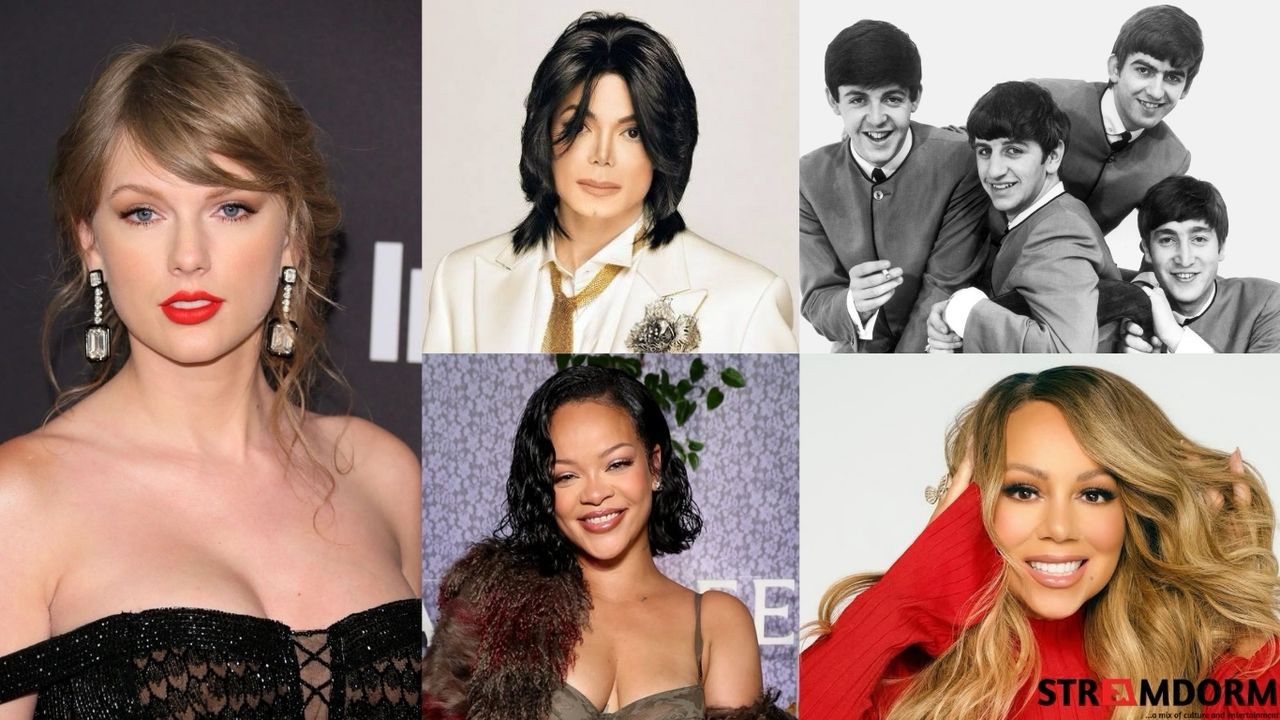
From the cultural earthquake caused by The Beatles in the 1960s to Taylor Swift’s streaming-era dominance in the 2020s, each decade has produced one artist who stood above the rest.
This article breaks down the artists with the most Billboard Hot 100 No. 1 hits in each decade, explains why they dominated, and shows how each era of music evolved through them.
Before diving into the decade-by-decade breakdown, it is important to understand why the Hot 100 still holds weight.
The Billboard Hot 100 combines:
Radio airplay
Physical sales
Digital downloads
Streaming data
While the formula has changed over time, its purpose has remained the same: to measure mainstream popularity in the United States.
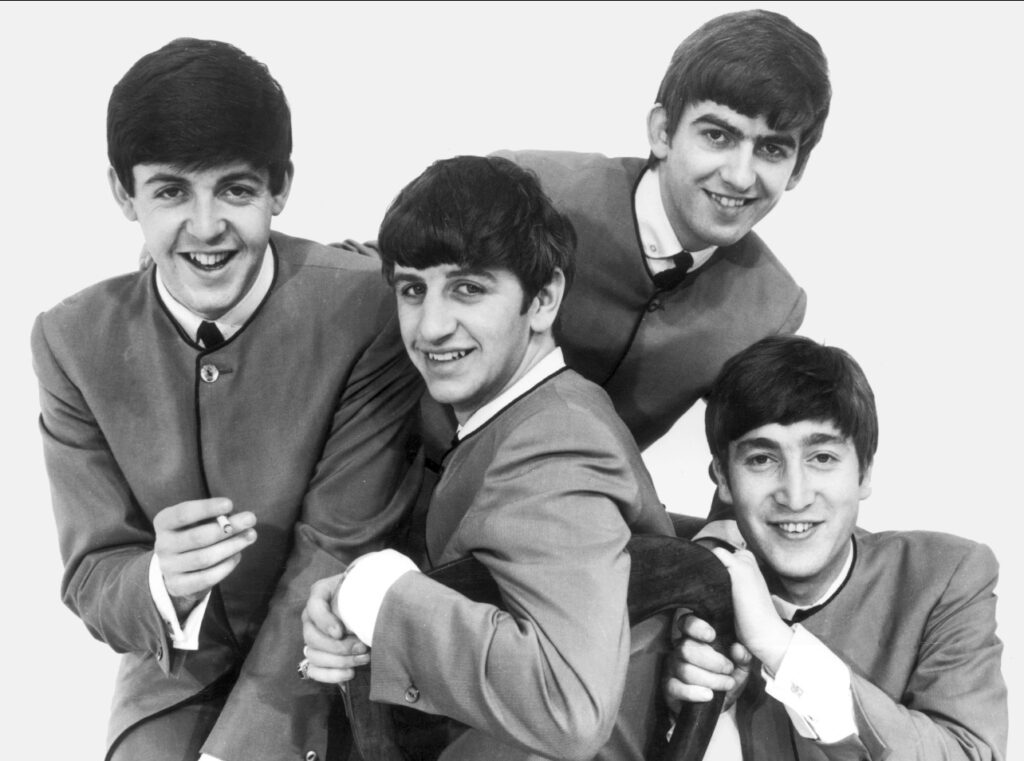
1960s: The Beatles (18 No. 1 Hits)
No artist has ever dominated a decade the way The Beatles dominated the 1960s.
Between 1962 and 1969, the band recorded 18 Billboard Hot 100 No. 1 singles, a record that remains unmatched for any single decade.
Their rise coincided with the British Invasion, a moment that completely reshaped American pop music. Before The Beatles, the charts were largely controlled by solo acts and traditional pop singers. After them, bands became the new standard.
Formed in Liverpool, England, The Beatles are widely regarded as the most influential band in music history. Consisting of John Lennon, Paul McCartney, George Harrison, and Ringo Starr, the group transformed pop music into a serious artistic force.
Their influence went beyond chart success, shaping songwriting, album structure, fashion, and youth culture.
The Beatles Era was Marked by:
Constant releases with strong songwriting
Global appeal beyond the U.S.
A devoted fan base that drove massive sales
Songs that crossed pop, rock, and experimental sounds
Hits like “I Want to Hold Your Hand,” “Hey Jude,” and “Let It Be” were not just popular; they became cultural moments.
By the end of the decade, The Beatles were no longer just chart leaders. They were the most influential music act in history.
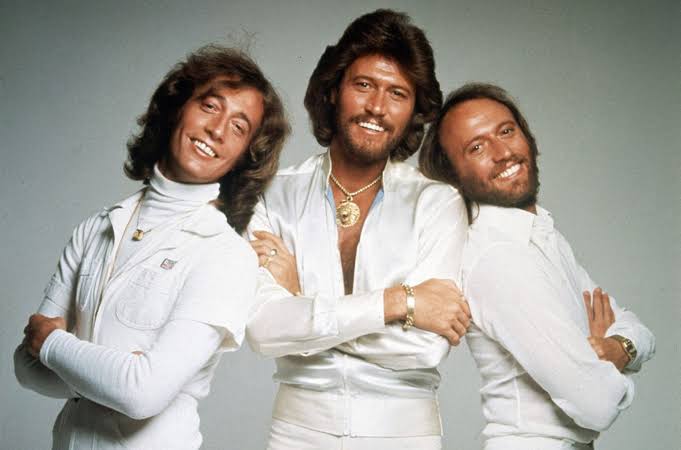
1970s: Bee Gees (9 No. 1 Hits)
The 1970s belonged to the Bee Gees, who earned nine Hot 100 No. 1 singles during the decade.
While they had success earlier, their dominance peaked in the late 1970s, during the disco explosion.
The Bee Gees, made up of brothers Barry, Robin, and Maurice Gibb, were known for their distinctive harmonies and falsetto vocals. While they explored several genres early in their career, they became global icons during the disco era.
Their songwriting success extended beyond their own performances, as they also wrote hit songs for other major artists, making them one of the most successful songwriting groups of all time.
The Disco Era Effect
The Bee Gees became the face of disco thanks to:
Their falsetto-driven sound
Danceable rhythms
Major contributions to the Saturday Night Fever soundtrack
Songs like “Stayin’ Alive,” “Night Fever,” and “How Deep Is Your Love” ruled radio, clubs, and charts simultaneously.
For a period, it was nearly impossible to escape the Bee Gees.
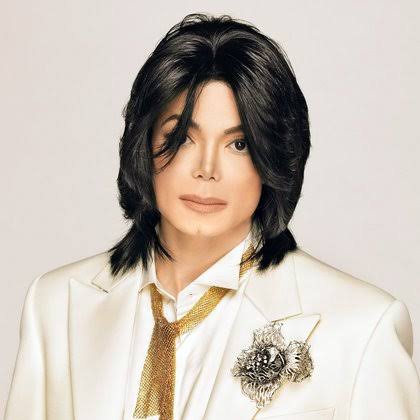
1980s: Michael Jackson (9 No. 1 Hits)
The 1980s introduced a level of global superstardom the music industry had never seen before, and Michael Jackson was at the center of it.
He recorded nine Billboard Hot 100 No. 1 hits during the decade, driven by the historic success of Thriller and Bad.
Often referred to as the King of Pop, Michael Jackson began his career as a child star with The Jackson 5 before becoming the most recognizable solo artist in the world.
His influence spans music, dance, fashion, and visual storytelling. Jackson set records that still stand today and helped turn pop music into a global, multimedia experience.
More Than Just Music
Michael Jackson’s dominance went beyond songs.
He:
Transformed music videos into major events
Broke racial barriers on MTV
Set new standards for album sales and promotion
Songs like “Billie Jean,” “Beat It,” and “Black or White” topped the charts while their visuals changed how music was consumed.
In the 1980s, being No. 1 did not just mean popularity. It meant global visibility, and no one commanded that better than Michael Jackson.
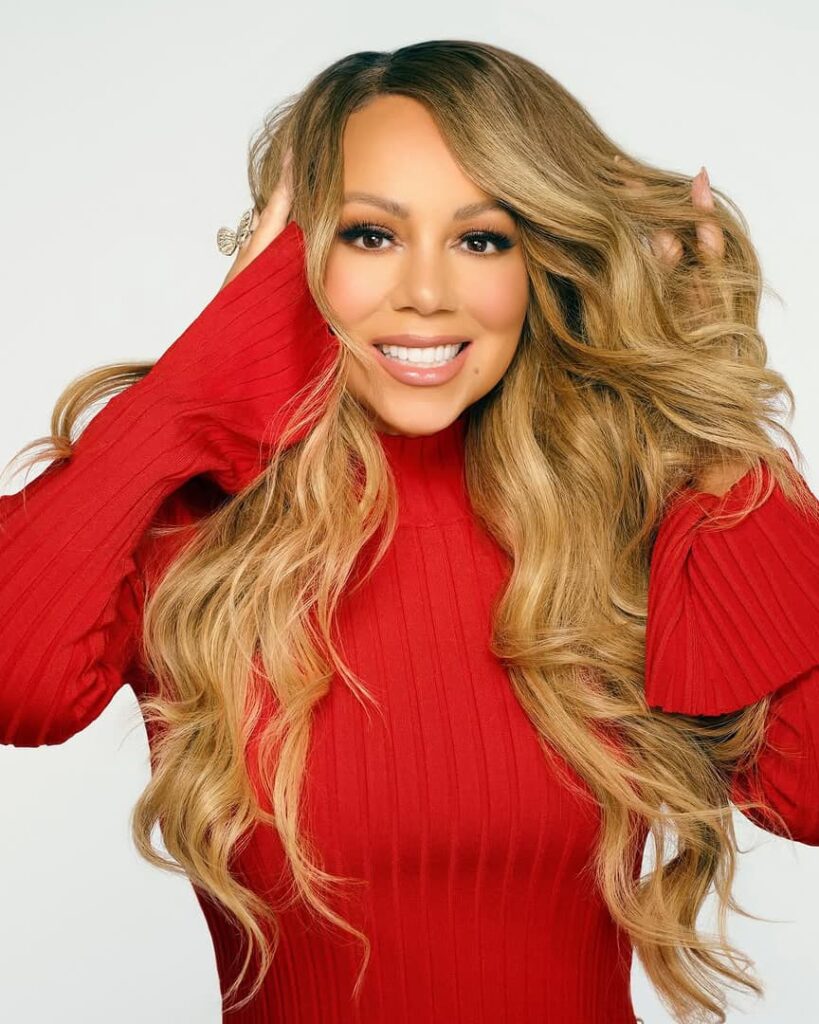
1990s: Mariah Carey (14 No. 1 Hits)
If one decade truly belonged to a single voice, it was the 1990s and that voice was Mariah Carey.
She recorded an astonishing 14 Billboard Hot 100 No. 1 singles during the decade, the highest total of any artist in the 1990s.
Mariah Carey is celebrated for her extraordinary vocal range and technical ability. She emerged in the early 1990s and quickly became one of the most successful female artists in chart history.
Beyond her vocal talent, Carey is also a songwriter and producer, playing a direct role in shaping many of her biggest hits. Her longevity and consistent chart success make her one of pop music’s most enduring figures.
Consistency at the Top
Mariah Carey’s success was built on:
Exceptional vocal ability
Strong pop songwriting
Smooth R&B influence
Seasonal hits that returned every year
From “Vision of Love” to “Fantasy” and “One Sweet Day,” she remained a constant presence on the charts.
Unlike many artists who peak briefly, Mariah Carey dominated year after year, making her the most successful singles artist of the 1990s.
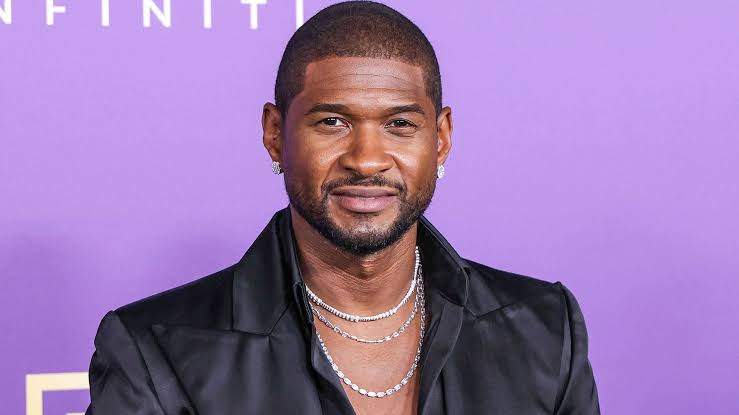
2000s: Usher (7 No. 1 Hits)
The 2000s marked a transition period for music, with digital downloads reshaping the industry. During this era, Usher emerged as the decade’s biggest Hot 100 performer.
He recorded seven No. 1 singles, more than any other artist in the 2000s.
Usher is one of the most influential R&B artists of the modern era. Rising to prominence in the late 1990s, he became a dominant force in the 2000s through smooth vocals, dance-driven records, and crossover appeal.
He also played a key role in mentoring and launching other successful artists, helping shape the sound of contemporary R&B and pop.
The Confessions Era
Usher’s dominance was powered by:
Massive radio support
Dance-driven R&B records
A run of back to back chart topping singles
His album Confessions produced multiple No. 1 hits, some of which stayed at the top for weeks.
In a decade where competition was fierce, Usher stood out as the defining male R&B star of the era.
2010s: Rihanna (9 No. 1 Hits)
The 2010s were shaped by rapid shifts in sound, platforms, and collaborations. No artist adapted better than Rihanna.
She recorded nine Billboard Hot 100 No. 1 hits during the decade, the highest total of any artist in the 2010s.
Born in Barbados, Rihanna rose to global fame through a steady evolution of sound and image. Rather than staying in one musical lane, she constantly reinvented herself, allowing her to remain relevant across changing trends.
Beyond music, Rihanna has expanded her influence into fashion and beauty, becoming one of the most successful artist-entrepreneurs of her generation.
Reinvention as a Strategy
Rihanna’s strength was versatility.
She moved effortlessly between:
Pop
Dance
R&B
Hip-hop collaborations
Rather than sticking to one formula, she followed the sound of the moment and often helped create it.
This flexibility allowed her to remain chart-relevant throughout the entire decade, even as trends changed.
2020s: Taylor Swift (8 No. 1 Hits So Far)
The 2020s are still unfolding, but one artist already leads the decade: Taylor Swift.
She currently holds eight Billboard Hot 100 No. 1 singles in the 2020s, more than any other artist so far.
Taylor Swift began her career as a country singer before transitioning into pop and later experimenting with alternative and folk-inspired sounds. Her ability to connect deeply with listeners through storytelling has been central to her success.
In the modern streaming era, Swift has redefined album rollouts, fan engagement, and chart performance, making her one of the most powerful figures in today’s music industry.
The Streaming and Fan Era
Taylor Swift’s dominance reflects a new music reality:
Streaming-driven charts
Album-focused rollouts
Extremely engaged fan communities
Her ability to generate massive first-week numbers and chart debuts has reshaped how success is measured in the modern era.
As the decade continues, her total may grow, but even now, she stands as the defining chart force of the 2020s.
In a significant shake-up for the global music industry, YouTube has announced it will stop providing its streaming data to Billboard’s U.S. music charts starting January 16, 2026. This decision ends a decade-long partnership that helped measure song popularity and influence chart positions for artists around the world.
The move arose from a dispute over how Billboard weights different types of streams, raising questions about digital consumption, fairness, and how chart success should be defined in the streaming era. Here’s a breakdown of what this change means for artists, fans, and the music business at large.
Why YouTube Pulled Back Its Data
At the heart of the split is a disagreement over Billboard’s chart methodology specifically, how it assigns different values to paid versus ad-supported streams:
Billboard currently gives more weight to paid or subscription streams (like Spotify Premium or Apple Music) than to free, ad-supported plays.
YouTube argues this system undervalues listening behaviour on its platform, where billions of users stream music for free with ads.
In response, Billboard updated its formula for 2026 to make ad-supported streams count more than they did before (reducing the number of streams needed to count toward the charts). However, paid streams still count significantly more than free streams, and YouTube says this doesn’t reflect how modern fans actually engage with music.
YouTube’s global head of music, Lyor Cohen, called Billboard’s formula “outdated” and insisted that all streams paid or free should be counted equally for chart calculations. Because Billboard would not adopt this approach, YouTube announced it will stop submitting its data for all Billboard charts, including the Billboard Hot 100 and Billboard 200.
Lyor Cohen
A Brief History of YouTube & Billboard Charts
YouTube began contributing data to Billboard’s Hot 100 in 2013, recognizing that video streams were a growing part of how people consume music. Later, its data was added to album charts like the Billboard 200.
Because YouTube reaches billions of listeners worldwide; especially in regions where paid subscriptions are less common, its inclusion historically helped songs chart higher based on popularity across video and music formats.
Now, with the partnership ending after January 16, 2026, YouTube streams will no longer factor into these official U.S. rankings unless the two organizations find a new agreement.
How Billboard’s New Chart Rules Work
For charts dated January 17, 2026 (tracking data from January 2-8), Billboard will adjust its streaming values:
1,000 paid/subscription on-demand streams = one album unit
2,500 ad-supported on-demand streams = one album unit
This narrows the difference between paid and free streams compared with previous years, but paid streams still count more per stream than ad-supported ones.
Under this system, a song must be streamed more times on a free tier to count the same as fewer paid streams, a key reason YouTube disagrees with the approach.
What this could mean for Artists
Chart Visibility Changes: Songs that used to climb based on huge YouTube view counts alone may now chart lower or not at all on Billboard charts.
Strategy Shifts: Labels may push artists toward platforms where plays still count fully for Billboard, such as Spotify, Apple Music, or other paid services.
Video Release Planning: Big-budget music videos might become less central to chart strategies, though they’ll still matter for engagement and reach.
Artists with strong YouTube performance particularly in genres like K-pop, hip-hop, Latin pop, and Afrobeats, may feel the biggest impact, as many of their fans use YouTube as a primary means of listening.
For Fans
Streaming Choices Matter More: Streaming on paid platforms may have more chart impact than listening on YouTube alone.
Billboard Chart Dynamics Change: Fans who boosted songs to the charts via YouTube views might see different results going forward.
What This Doesn’t Change
Music Industry Certifications: YouTube streams will still count toward certifications like RIAA Gold and Platinum, which have their own criteria separate from Billboard charts.
Luminate Reporting: YouTube continues to submit data to Luminate (a major industry analytics provider), so labels and artists will still see full YouTube consumption metrics.
YouTube’s move isn’t just a technical shift in how charts are calculated, it’s a cultural statement about what matters most in music consumption today. Whether this leads to new chart models or renewed negotiation between platforms and publishers remains to be seen.
Nigerian Afrobeats sensation Asake has taken a major step in his career, signing a new management deal with Double Eleven, the management and creative agency led by music executive Alexa Perkins.
The announcement, first highlighted in Billboard’s weekly signings roundup, signals a new era for the hitmaker following his split from long-time manager Stephen Nana, popularly known as Stevenator.
A Strategic Move for Global Growth
With more than 5.6 billion streams worldwide, Asake has become one of the most successful Afrobeats artists of his generation. His third studio album, Lungu Boy (2024), ranks among the top 20 most-streamed Nigerian albums of all time, while his latest project, MONEY, was released this summer under his independent imprint Giran Republic.
Under his new management, Asake is expected to expand his international footprint. Alexa Perkins, who heads Double Eleven, brings deep industry experience from her years working with major labels and distributors including Def Jam, Capitol Records, TuneCore, and EMPIRE. Her track record in artist development and global marketing is seen as a key asset in Asake’s transition from regional superstar to global brand.
Earlier this year, former manager Stephen Nana revealed that he stepped away from managing Asake because the singer’s rapid rise became overwhelming. Nana cited the constant travel demands and the toll on his family life as reasons for the split.
“Asake’s growth was so explosive that it became too much for me to balance with personal commitments,” he admitted in an interview with The Nation.
Building Independence
Despite his exit from Olamide’s YBNL Nation earlier this year, Asake has successfully built a foundation of independence. He owns his masters, runs his Giran Republic imprint, and continues to distribute his music through Empire, a partnership first established in 2022.
The new management deal complements this independence by adding professional oversight and global strategy. Already, Asake has begun making international moves, featuring recently on Gunna’s “Satisfaction” from the rapper’s The Last Wun album.
Billboard has officially released its list of the 50 greatest Afrobeats songs of all time, highlighting some of the most iconic and groundbreaking tracks that have shaped the genre. Afrobeats, which has its roots in Nigeria and Ghana, has now become a global sound influencing artists worldwide. The list features a mix of legendary classics and recent international smashes that propelled the genre beyond Africa.
Spotlight on the Top 10 Afrobeats Songs of All Time
1. African Queen – 2Face Idibia (2004) This timeless love ballad remains one of the most iconic songs in African music. 2Face’s “African Queen” put Nigerian music on the global map and is celebrated as a masterpiece that helped pave the way for Afrobeats’ worldwide success.
2. Ojuelegba – Wizkid (2014) Wizkid’s “Ojuelegba” tells the story of struggle and triumph, capturing the spirit of Lagos. The remix featuring Drake and Skepta further expanded its global reach, solidifying Wizkid as one of the biggest Afrobeats stars.
3. Nwa Baby (Ashawo Remix) – Flavour (2005) Flavour’s highlife-infused anthem became a cultural staple, known for its infectious rhythm and relatable lyrics. It cemented Flavour’s place as a household name in African music.
4. Calm Down – Rema (2022) Rema’s “Calm Down” took the world by storm, especially with the Selena Gomez remix. It became one of the most streamed Afrobeats songs globally, highlighting the new wave of Nigerian artists pushing Afrobeats into the mainstream.
5. Essence – Wizkid ft. Tems (2021) Dubbed the “song of the summer,” “Essence” is the first Nigerian song to chart on the Billboard Hot 100. Tems’ soulful delivery and Wizkid’s smooth style created a masterpiece that captured hearts worldwide.
6. Love Nwantiti – CKay (2019)Initially a slow-burn hit, “Love Nwantiti” exploded through TikTok, becoming one of the most remixed and viral Afrobeats songs of all time. It solidified CKay’s place in the global music scene.
7. Oliver Twist – D’banj (2012) A song that marked Afrobeats’ breakthrough into the UK charts, D’banj’s “Oliver Twist” was a game-changer. It proved Afrobeats could thrive on the international stage.
8. Fall – Davido (2017) “Fall” became one of the longest-charting Nigerian pop songs on Billboard. Its fusion of Afrobeats and international pop influences helped Davido gain worldwide recognition.
9. Ye – Burna Boy (2018) “Ye” is widely regarded as Burna Boy’s breakthrough international hit. With its catchy hook and relatable themes, it became an anthem that transcended borders and genres.
10. Chop My Money (Remix) – P-Square ft. Akon (2012) This collaboration between Nigerian duo P-Square and Akon showcased Afrobeats’ crossover appeal. The track gained massive popularity and became a fan favorite across Africa and beyond.
Full Ranking: Positions 11–50 (with Release Dates)
11
Olufunmi
Styl-Plus
2003
12
Gongo Aso
9ice
2008
13
Do Me
P-Square
2007
14
Dami Duro
Davido
2011
15
Johnny
Yemi Alade
2013
16
Fall in Love
D’banj
2008
17
Bumper to Bumper
Wande Coal
2008
18
Adonai
Sarkodie ft. Castro
2014
19
Azonto
Fuse ODG ft. Itz Tiffany
2012
20
Fada Fada
Phyno ft. Olamide
2016
21
Eminado
Tiwa Savage & Don Jazzy
2013
22
Last Last
Burna Boy
2022
23
Bobo
Olamide
2015
24
Drogba (Joanna)
Afro B
2018
25
Pakurumo
Wizkid
2011
26
Skin Tight
Mr Eazi ft. Efya
2015
27
Iskaba
Wande Coal & DJ Tunez
2016
28
Peru
Fireboy DML
2021
29
Sad Girlz Luv Money
Amaarae & Moliy
2020
30
Killin Dem
Burna Boy & Zlatan
2018
31
Rush
Ayra Starr
2022
32
Dorobucci
Mavins
2014
33
Mad Over You
Runtown
2016
34
Personally
P-Square
2013
35
Pana
Tekno
2016
36
Kontrol
Maleek Berry
2016
37
Ku Lo Sa
Oxlade
2022
38
Monalisa
Lojay & Sarz
2021
39
Shake Body
Skales
2014
40
UNAVAILABLE
Davido ft. Musa Keys
2023
41
Peace Be Unto You
Asake
2022
42
People
Libianca
2022
43
Buga
Kizz Daniel & Tekno
2022
44
Oleku
Ice Prince ft. Brymo
2010
45
Yahooze
Olu Maintain
2007
46
Soweto
Victony & Tempoe
2022
47
Raise Da Roof
Jazzman Olofin & Adewale Ayuba
2004
48
Dem Mama
Timaya
2005
49
Tonight
Nonso Amadi
2016
50
Ijoya
Weird MC
Billboard’s list of the 50 Best Afrobeats Songs of All Time is more than a ranking—it’s a history of Afrobeats itself. From 2Face Idibia’s classic African Queen to Rema’s global smash Calm Down, it captures how a genre rooted in African rhythms has become a universal language.
The diversity of the list, spanning pioneers like Weird MC and contemporary stars like Ayra Starr and Asake, proves that Afrobeats is not only here to stay but also destined to keep evolving as one of the world’s dominant genres.
Personally I will make some few changes to this List. Will you? Drop a comment