King Charles III Makes Surprise Appearance at London Fashion Week Show by Tolu Coker

In one of the most unexpected moments of London Fashion Week, King Charles III made a surprise front-row appearance at Tolu Coker’s Fall/Winter 2026 show, instantly elevating the atmosphere inside the venue at 180 Strand.

The monarch’s attendance was not pre-announced, leaving guests, editors, and buyers visibly stunned as he took his seat. According to reports, even Coker herself did not know the King would be present when preparing the collection .

The King’s appearance is being widely interpreted as a strong show of support for British fashion, particularly emerging and independent designers. Charles has long championed sustainability, craftsmanship, and heritage industries, and his presence at Coker’s show aligned with those values.

Tolu Coker, a British-Nigerian designer, is known for weaving themes of identity, migration, heritage, and contemporary London culture into her collections. Her work often blends sharp tailoring with storytelling rooted in personal and diasporic history; a perspective that has steadily earned her recognition within the UK fashion scene.

The King’s appearance came amid major royal headlines involving his younger brother, Andrew Mountbatten-Windsor. On the same day as the fashion show, Andrew was arrested on suspicion of misconduct in public office as part of an ongoing investigation linked to previously released files connected to Jeffrey Epstein. According to multiple international reports, the arrest was carried out by Thames Valley Police at his residence. Despite the unfolding developments, King Charles III proceeded with his scheduled public engagement at London Fashion Week, a move seen as signaling continuity and composure during a turbulent news cycle.

Royal attendance at fashion week is rare and often historic. When a reigning monarch attends a runway show, particularly one led by a rising designer, it reframes fashion not merely as entertainment, but as an important creative industry tied to national identity and economic impact.

For Tolu Coker, the moment could mark a turning point. Royal visibility often translates into international attention, stronger buyer interest, and long-term brand elevation.

Lassa Fever Hits Nigeria’s Health Workers: 15 Infected, 2 Dead – NCDC Issues Urgent Alert

The Nigeria Centre for Disease Control and Prevention (NCDC) has confirmed that 15 health workers have contracted Lassa fever, with two fatalities reported, amid the ongoing 2025/2026 seasonal outbreak. The agency has raised alarms over the increasing cases, stressing the critical need for strict infection prevention and control (IPC) measures in healthcare settings.

According to NCDC, the infected healthcare personnel were attending to suspected or confirmed Lassa fever patients in high-risk states including Ondo, Edo, Bauchi, Taraba, Ebonyi, and Benue. The two health workers who succumbed to the disease were reported to have been exposed while providing care without adequate protection, highlighting the vulnerability of frontline staff during outbreaks.

Health workers remain particularly at risk because Lassa fever is highly contagious in hospital environments when IPC protocols are not fully observed. The viral hemorrhagic disease, endemic in Nigeria, is primarily transmitted through contact with rodent urine or feces, and secondary human-to-human transmission can occur via bodily fluids.

In response, the NCDC has urged healthcare personnel to follow stringent safety protocols including proper use of personal protective equipment (PPE), early recognition of symptoms, and careful handling of infected patients. “Healthcare workers are the backbone of our response. Protecting them is vital to controlling the outbreak,” the agency stated.

The seasonal Lassa fever outbreak has already recorded significant national impact, with a surge in cases reported across multiple states. Early detection, isolation of patients, and adherence to IPC guidelines remain key strategies in preventing further spread.

The NCDC continues to monitor the situation closely and is coordinating with state health authorities to ensure that all medical personnel are adequately protected.

5 Natural Remedies for Healthy Teeth and Gums

Maintaining healthy teeth and gums goes beyond brushing and flossing. While proper dental hygiene remains essential, certain natural remedies can support oral health by reducing bacteria, soothing gum inflammation, and strengthening teeth. These remedies are simple, affordable, and easy to incorporate into your daily routine.

Here are five natural remedies that can help promote healthy teeth and gums.

1. Salt Water Rinse

Salt water is one of the oldest and most effective natural mouth cleansers. It helps reduce bacteria, ease gum swelling, and speed up the healing of minor mouth sores.

How to use: Mix half a teaspoon of salt in a cup of warm water. Rinse your mouth for about 30 seconds and spit it out. This can be done once or twice daily.

2. Coconut Oil (Oil Pulling)

Coconut oil contains natural antibacterial compounds that may help reduce plaque and harmful oral bacteria.

How to use: Swish one tablespoon of coconut oil around your mouth for 10–15 minutes, then spit it out and rinse with water. This is best done in the morning before brushing your teeth.

3. Aloe Vera Gel

Aloe vera is known for its soothing and anti-inflammatory properties. It may help calm irritated gums and reduce plaque buildup.

How to use: Apply a small amount of pure aloe vera gel directly to your gums. Leave it on for a few minutes, then rinse thoroughly. Use once daily.

4. Green Tea

Green tea is rich in antioxidants that support gum health and help fight harmful bacteria in the mouth.

How to use: Drink unsweetened green tea regularly. Avoid adding sugar, as it can counteract the benefits.

5. Crunchy Fruits and Vegetables

Foods like apples, carrots, and cucumbers help clean teeth naturally while stimulating saliva production. Saliva plays a key role in washing away food particles and neutralizing acids in the mouth.

Best options: Apples, carrots, celery, and cucumbers.

Natural remedies can be a helpful addition to your oral care routine, but they work best when combined with good dental habits.

Disclaimer

This article is for informational purposes only and does not replace professional dental care. Always brush twice daily with fluoride toothpaste, floss regularly, and visit a qualified dentist for routine check-ups and treatment.

Energy Drinks & Nigerian Youth: Experts Warn of Hidden Health Risks as Consumption Rises

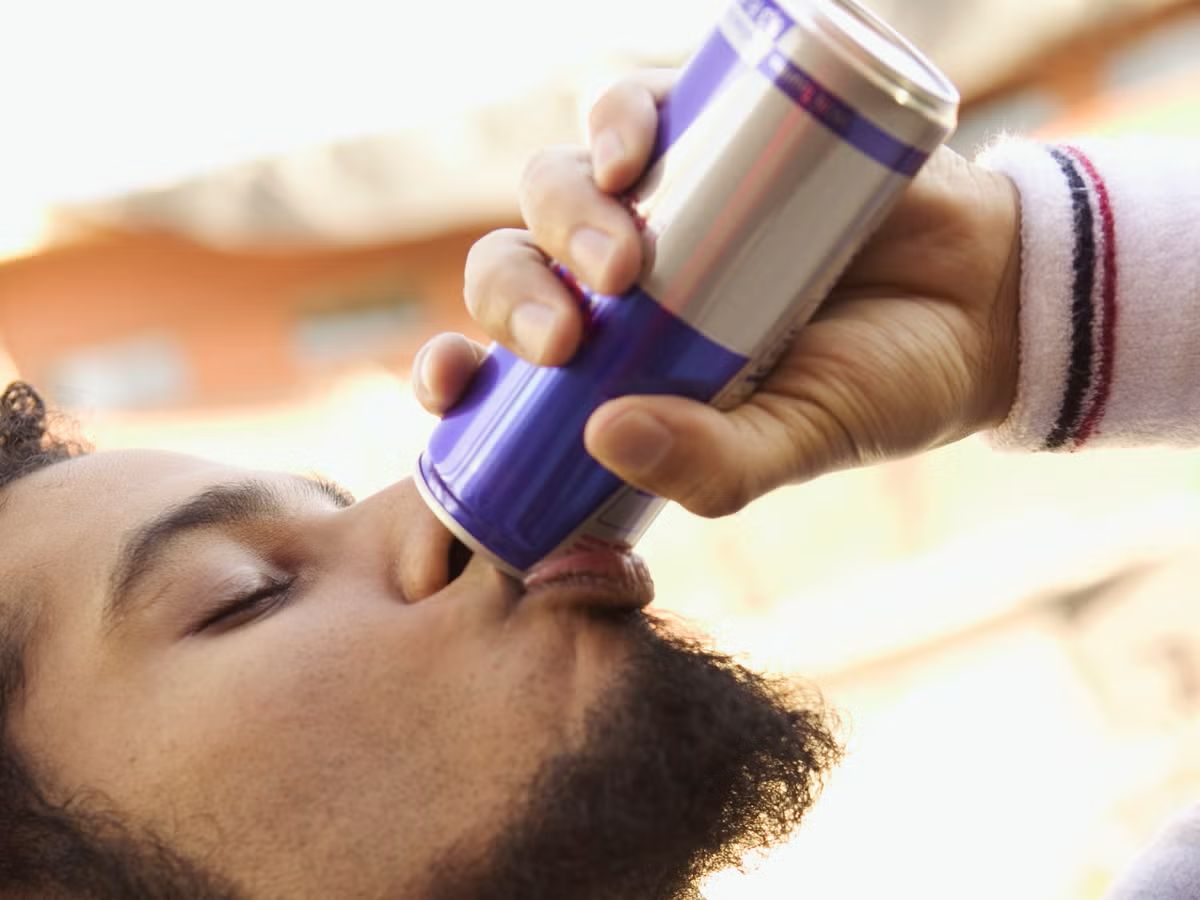
Across Nigeria’s campuses, gyms, gaming lounges, and late-night workspaces, energy drinks have quietly become part of everyday youth culture. They promise instant alertness, improved performance, and a boost strong enough to power through exams, work deadlines, workouts, and nightlife. For many young Nigerians juggling multiple responsibilities. 

But beneath the flashy marketing and bold flavours lies a growing public health conversation. Medical professionals and nutrition experts are increasingly raising concerns about how often young people consume these drinks, how early some begin, and how little most consumers actually understand about what they contain.

Energy drinks are not inherently harmful when consumed responsibly, but regular or excessive consumption can come with real health risks, especially for teenagers and young adults whose bodies are still developing. As Nigeria’s youth population continues to grow and health awareness expands, the question is no longer whether energy drinks are popular. The real question is what long-term effects may emerge from a culture built around constant stimulation.

This report explores the hidden health risks, common misconceptions, and what Nigerian youth need to know to make safer decisions.

Energy drinks have surged in popularity over the past decade, driven by aggressive marketing campaigns, celebrity endorsements, and lifestyle branding that links them to productivity, fitness, and nightlife. In major Nigerian cities such as Lagos, Abuja, Benin, and Port Harcourt, they are now widely available in supermarkets, roadside kiosks, gyms, and university campuses.

Many young Nigerians rely on them during late-night study sessions, demanding work schedules, gaming and streaming activities, workouts, long-distance travel, and social outings. Because they are easily accessible and relatively affordable compared to imported supplements, they have become a quick solution for fatigue. During exam periods, some students consume multiple cans daily, while others combine them with alcohol during social events, a trend that health professionals warn against.

The normalization of frequent consumption remains one of the biggest concerns highlighted by public health experts.

Most energy drinks contain a similar mix of ingredients despite differences in branding. High caffeine levels are one of the main components, sometimes equivalent to several cups of coffee. Many brands also include large amounts of sugar, which can exceed recommended daily intake levels. Additional stimulants such as taurine, guarana, and ginseng are commonly added to enhance alertness and perceived performance. Artificial flavours and preservatives are used to extend shelf life and create strong taste profiles that encourage repeated consumption.

The concern lies not only in individual ingredients but in the combined effects and the frequency with which these drinks are consumed.

High caffeine intake can raise heart rate and blood pressure, potentially leading to palpitations, dizziness, or feelings of anxiety. For young individuals with undiagnosed heart conditions or sensitivity to stimulants, the risks may be more significant. Over time, excessive consumption can place strain on the cardiovascular system.

Sleep disruption is another major concern. Many students use energy drinks to stay awake longer, but chronic lack of sleep can weaken memory, reduce academic performance, and increase stress levels. While the drinks may provide temporary alertness, long-term sleep deprivation can negatively affect mental clarity and overall health.

Mental health effects are also being discussed more frequently. Large amounts of stimulants may trigger restlessness, irritability, mood swings, or anxiety-like symptoms in some users. For young people already managing academic pressure or social stress, these effects may worsen emotional wellbeing.

Frequent intake of sugary energy drinks can contribute to weight gain, dental problems, and an increased risk of long-term metabolic issues. Because energy drinks are often consumed quickly, users may not fully realize how much sugar they are taking in.

The growing trend of mixing energy drinks with alcohol adds another layer of risk. Stimulants can mask the feeling of intoxication, causing individuals to consume more alcohol than they intended, which increases the likelihood of impaired judgment and health complications.

Several factors make Nigerian youth more likely to rely on energy drinks. Academic pressure and economic demands often push young people toward quick energy solutions. Hustle culture and the need to balance multiple income streams contribute to irregular sleep patterns. Limited awareness about nutrition labels and the influence of aggressive marketing also play a role. Digital habits and late-night social media use further reduce sleep quality, making stimulant drinks appear necessary for daily functioning.

A widespread misconception is that energy drinks are the same as sports drinks, even though sports drinks are typically designed for hydration during physical activity rather than stimulation. Another belief is that regular gym-goers require energy drinks to perform well, despite the fact that balanced meals and hydration are usually sufficient. Some young people assume that their age protects them from negative effects, yet tolerance to stimulants varies widely from person to person. There is also a growing belief that sugar-free versions are completely safe, even though they may still contain high levels of caffeine and other stimulants.

Health professionals generally encourage moderation and informed decision-making. Being aware of caffeine intake, paying attention to body reactions, and maintaining regular sleep patterns are often emphasized in public health discussions. Experts also caution against combining energy drinks with alcohol and encourage young people to view these beverages as occasional products rather than daily necessities. Natural hydration and balanced nutrition remain the most reliable ways to sustain energy levels over time.

As awareness grows, many experts believe schools and community organizations have an important role to play in educating young people about nutrition and stimulant use. Clearer labeling, responsible advertising practices, and public health campaigns could help consumers better understand what they are drinking. In a country with a large youth population like Nigeria, preventive education could be essential in shaping healthier lifestyle habits and reducing long-term health risks.

Energy drinks have become a defining symbol of modern hustle culture, offering quick stimulation in a fast-paced world. While they may provide temporary boosts in alertness, they also carry potential health risks that many young Nigerians are only beginning to recognize.

The discussion is not about fear or complete avoidance. It is about awareness, moderation, and informed choices. In a generation already navigating academic stress, economic pressure, and digital overload, sustainable habits may offer more lasting energy than any drink can provide.

Disclaimer

This article is for informational and educational purposes only and does not replace professional medical advice, diagnosis, or treatment. Readers are encouraged to consult a qualified healthcare professional regarding any health concerns or before making significant changes to their diet or lifestyle.

NAFDAC Says “The Ban Stays,” Dismisses Reports of FG Order to Suspend Sachet Alcohol Enforcement

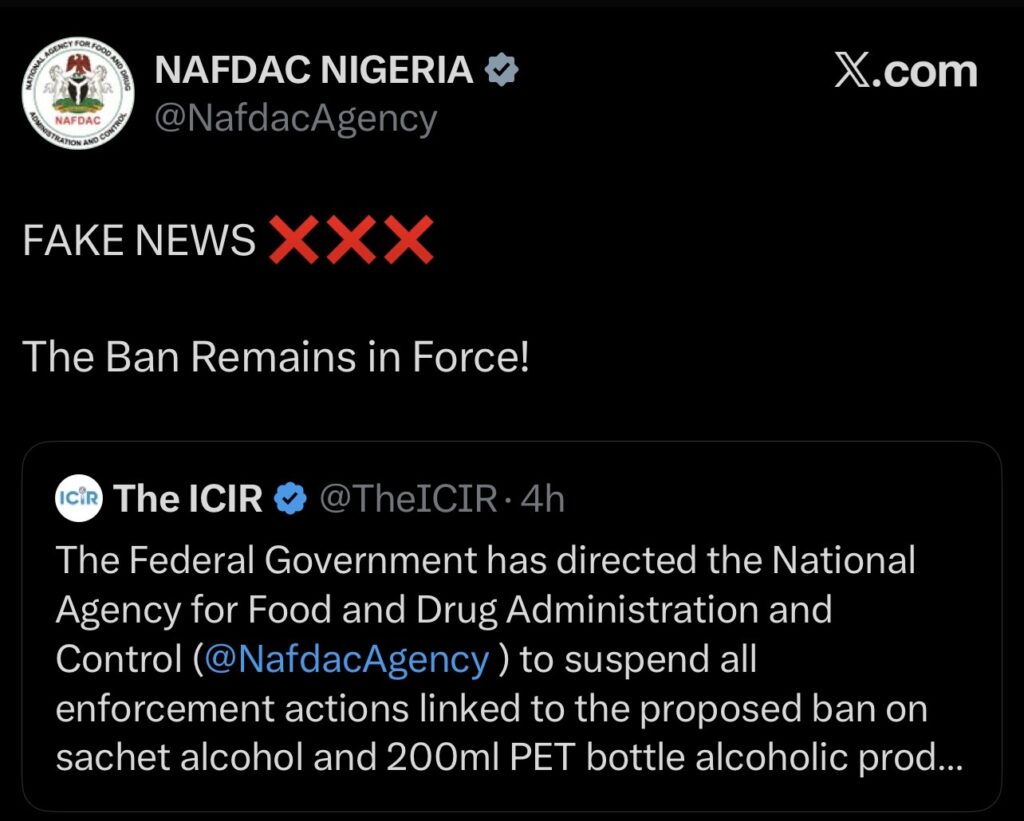
Just hours after reports circulated claiming the Federal Government had directed a pause on the sachet alcohol ban, the National Agency for Food and Drug Administration and Control (NAFDAC) has pushed back strongly, insisting that no such directive has been officially communicated and that the policy remains in force.

In a public statement released Wednesday, NAFDAC described the suspension claims as “false and misleading,” clarifying that it has not received any formal order instructing it to stop enforcement of regulations affecting alcohol sold in sachets and small-volume containers, including 200ml PET bottles.

The agency’s response comes amid growing confusion following earlier reports suggesting that federal authorities had asked regulators to suspend enforcement while broader consultations and policy reviews were underway. NAFDAC’s latest position introduces a direct contradiction, highlighting a widening gap between media reports and the agency’s official stance.

According to NAFDAC, any change in enforcement procedures would be communicated through formal government channels and verified agency platforms. Until then, regulatory activities will continue under existing laws and approved policy frameworks.

Screenshot

The sachet alcohol ban has remained one of Nigeria’s most contentious regulatory issues in recent years. Public health advocates have backed strict enforcement, arguing that cheap, widely accessible alcohol contributes to addiction risks, youth consumption, and broader social harm.

Industry stakeholders and labour groups, however, have warned that abrupt enforcement could threaten thousands of jobs and destabilise supply chains in the beverage and retail sectors. The debate intensified after enforcement actions reportedly affected factories and distribution networks in early 2026.

The disagreement over whether enforcement has been suspended also raises broader questions about communication and authority within Nigeria’s regulatory structure. Civil society organisations have already initiated legal challenges around government involvement in enforcement decisions, arguing that regulatory agencies must operate within clearly defined statutory boundaries.

As conflicting narratives continue to circulate, industry players, retailers, and consumers are left navigating uncertainty over compliance and future policy direction.

Earlier Reports

FG Orders NAFDAC to Suspend Enforcement of Sachet Alcohol Ban Amid Policy Review

Nigeria’s Federal Government has directed the National Agency for Food and Drug Administration and Control (NAFDAC) to immediately suspend enforcement of the controversial ban on sachet alcohol and small-pack alcoholic beverages, marking a significant policy pause in one of the country’s most debated public health regulations.

The directive halts ongoing enforcement activities, including factory shutdowns and warehouse sealings tied to alcoholic products packaged in sachets and containers below 200ml. The order was issued following consultations involving the Office of the Secretary to the Government of the Federation and national security authorities, who raised concerns about economic disruption and the absence of a fully harmonised national alcohol policy guiding implementation.

NAFDAC had begun enforcing the ban as part of a broader push to reduce alcohol abuse, particularly among young Nigerians and vulnerable populations. Regulators argued that low-cost sachet alcohol products made consumption more accessible and contributed to rising public health concerns.

However, the Federal Government’s intervention signals that enforcement may have moved ahead of broader policy coordination. Officials stated that the suspension would remain in place while the government reviews legislative, economic, and social implications of the ban and considers how it fits into a comprehensive National Alcohol Policy framework.

The decision does not cancel the ban outright but pauses enforcement pending further directives.

The sachet alcohol policy has been controversial since its early stages. Public health advocates have consistently supported strict regulation, arguing that cheap and widely available alcohol products contribute to addiction, social instability, and increased health risks.

Industry stakeholders and labour unions, however, have pushed back strongly. Manufacturers and distributors warned that a sudden ban could lead to widespread job losses, disrupt supply chains, and damage small businesses that rely heavily on low-cost alcohol products for income. Protests and public demonstrations had intensified in recent weeks as enforcement actions began affecting production and distribution networks.

Read our previously published article on earlier reports of the ban.

Nail Treatment and Care: The Everyday Grooming Essential Redefining Modern Beauty Culture

In modern fashion and lifestyle culture, the smallest details often make the biggest difference. While clothing and hairstyles attract immediate attention, nails have quietly become one of the strongest indicators of personal grooming. Clean, healthy nails now represent more than beauty; they signal hygiene, discipline, and self-awareness.

Across Nigeria’s growing beauty scene, nail treatment and care have shifted from occasional luxury to everyday maintenance. Whether someone prefers natural nails, polished finishes, or artistic designs, the focus is gradually moving toward consistent nail health rather than occasional styling.

A few years ago, many people only paid attention to their nails during special occasions. Weddings, birthdays, and major social events were the main reasons for salon visits. Today, social media and grooming culture have changed that mindset.

Daily self-care routines are now widely shared online, encouraging people to maintain neat nails regularly rather than waiting for special moments. Influencers, professionals, and creatives alike are embracing simple grooming habits that contribute to a polished everyday appearance.

This shift reflects a broader cultural change, people are investing in routines that support long-term confidence rather than short-term transformations.

Healthy nails are not only attractive; they also reflect good hygiene practices. Weak or neglected nails can become uneven, or uncomfortable. Frequent exposure to detergents, harsh chemicals, and everyday tasks can gradually weaken nail strength.

Simple treatment habits such as moisturizing cuticles, trimming nails regularly, and avoiding overly aggressive products help maintain durability. Consistent care supports both comfort and appearance.

Nail professionals often emphasize balance; enjoying stylish nail designs while allowing natural nails time to recover between heavy enhancements.

Artificial nails and extensions remain popular, especially within Nigerian beauty culture where creative expression is celebrated. Nail art continues to thrive across social media platforms, with designs becoming part of personal identity and fashion storytelling.

At the same time, minimalist nail trends are gaining attention. Short, clean nails in neutral shades are increasingly popular among students, professionals, and content creators who prefer practical, low-maintenance grooming.

Hygiene remains the most important aspect of nail treatment. Nails can easily collect dirt and bacteria if left unclean or overly long. Regular handwashing, cleaning underneath nails, and sanitizing nail tools help maintain overall health.

Well-maintained nails also influence first impressions. In professional settings, neat hands often communicate attention to detail and personal discipline. Even in casual social spaces, clean nails contribute to a sense of self-respect and confidence.

Consistency matters more than complexity. A basic weekly routine can keep nails strong and presentable without requiring expensive treatments.

Start by trimming nails to a comfortable length and gently filing rough edges. Wash hands thoroughly and apply moisturizer to both hands and cuticles. Allow nails to rest between heavy styling sessions, especially after long periods of wearing extensions or strong polish.

These small habits build long-term nail health and reduce the risk of breakage or discomfort.

Many people unknowingly damage their nails through everyday habits. Using overly harsh chemicals without protection can weaken nail structure. Ignoring dryness can lead to bad nails and painful cuticles. Excessive filing or aggressive removal of nail products may also cause long-term damage.

Another common mistake is prioritizing appearance over health. Constant heavy enhancements without rest periods can leave natural nails weak and sensitive. Balanced routines that combine styling with recovery time help maintain stronger nails.

Beyond grooming, nail treatment has become part of personal wellness routines. Many people now view manicures; whether at home or in salons, as moments of relaxation and mental reset. Small self-care rituals can improve mood, boost confidence, and create a sense of control during busy schedules.

Affordable home manicure tools have made nail care more accessible. With basic knowledge and simple routines, individuals can maintain neat nails without relying solely on professional services.

Male Grooming and Nail Care

Nail care is no longer seen as exclusive to women. Across Nigeria’s urban culture, more men are embracing basic grooming routines that include clean, trimmed nails and moisturized hands. This shift reflects a broader understanding that personal hygiene and neatness are universal standards rather than gender-specific practices.

Male grooming conversations continue to expand, with increasing visibility in fashion, entertainment, and corporate spaces.

As Nigeria’s beauty industry continues to grow, nail care is expected to remain a major part of everyday grooming. Social media education has made nail health knowledge more accessible, encouraging people to adopt sustainable routines that balance creativity with responsibility.

The future of nail care will likely focus on simplicity, consistency, and healthy practices, allowing individuals to express their style while maintaining strong, well-maintained nails.

In a world where details matter, nail treatment and care represent more than surface beauty. They reflect discipline, hygiene, and the everyday habits that build for everyday confidence.

World Cancer Day: Why the Way We Live Matters More Than We Realise

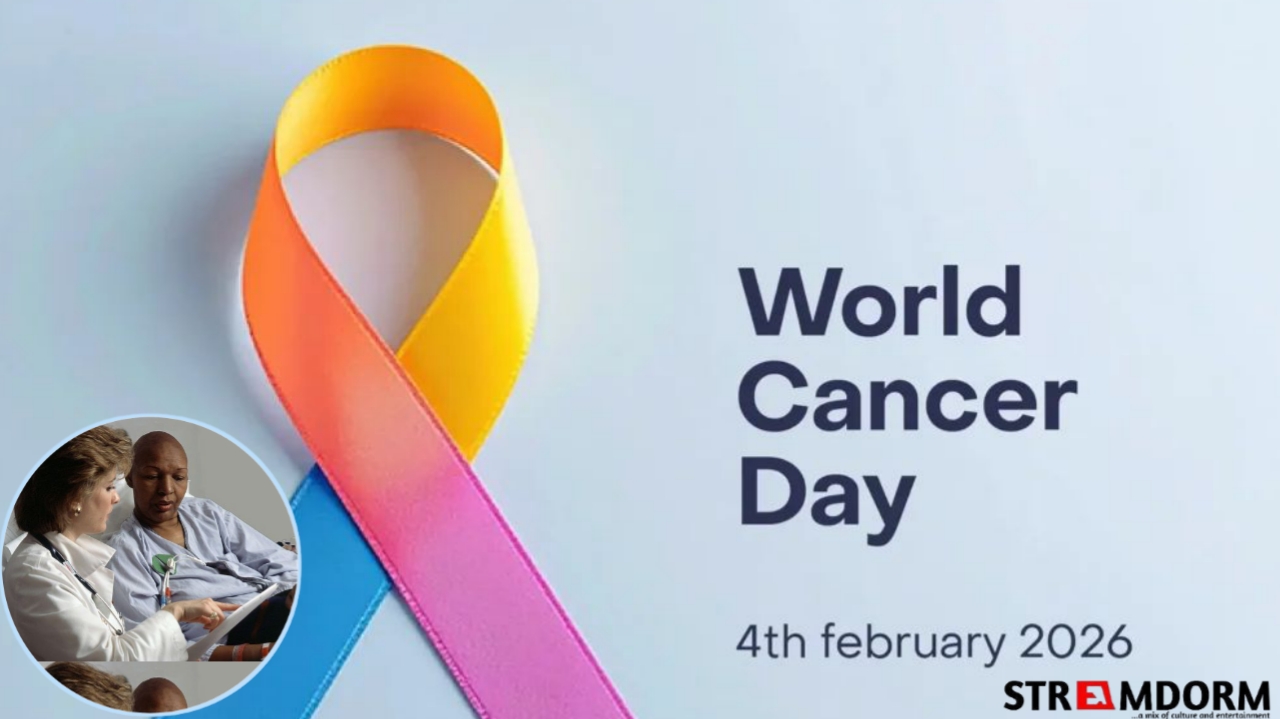
Every year on February 4, the world observes World Cancer Day. Beyond its medical significance, the day serves as a quiet but powerful reminder that health is not something we check on only when things go wrong. It is shaped gradually, through everyday routines, habits, and choices we often overlook.

Cancer remains one of the most pressing global health challenges of our time, affecting millions of people across different ages, regions, and backgrounds. Yet World Cancer Day is not designed to spread fear. Its purpose is to encourage awareness, early action, and a deeper understanding of how lifestyle and prevention intersect.

World Cancer Day was established in 2000 to unite individuals, communities, and institutions around a shared goal: reducing the global burden of cancer. Over the years, it has evolved from a purely health-focused observance into a broader cultural moment that challenges people to think more intentionally about how they live, care for their bodies, and support others navigating the disease.

At the heart of the conversation is lifestyle. While not all cancers can be prevented, medical research consistently points to the influence of daily habits on long-term health outcomes. What we eat, how often we move, how we manage stress, and whether we seek medical care early all play meaningful roles.

Nutrition, for instance, is less about strict rules and more about consistency. Diets rich in whole foods such as fruits, vegetables, legumes, and whole grains help support the body’s natural defense systems. Making simple adjustments, like choosing fresh meals more often or reducing heavily processed foods, can gradually improve overall wellbeing without the pressure of perfection.

Physical activity follows a similar principle. Movement does not need to be intense or complicated to be effective. Regular walking, stretching, or light exercise supports healthy weight, improves circulation, and boosts mental clarity. Even small amounts of daily activity can have a cumulative impact over time.

Another key lifestyle factor remains tobacco use. Smoking continues to be one of the most significant contributors to cancer risk globally. Avoiding tobacco entirely, or quitting where possible, remains one of the most powerful health decisions an individual can make. In the same way, being mindful of alcohol consumption can also reduce long-term risk, especially when moderation becomes a consistent habit rather than an occasional thought.

Skin health is another often overlooked aspect of cancer prevention. Daily sun protection, including the use of sunscreen and limiting excessive exposure, helps reduce the risk of skin cancer. These are small routines, but their effects add up over years.

Beyond prevention, World Cancer Day places strong emphasis on early detection. Many people delay routine checkups or screenings due to fear, cost, or busy schedules. However, early diagnosis remains one of the most effective ways to improve treatment outcomes. Choosing to prioritise regular health checks is not an act of anxiety, but one of responsibility and self-awareness.

Mental and emotional wellbeing also form a crucial part of the conversation. Chronic stress, sleep deprivation, and emotional burnout can weaken the body’s resilience over time. World Cancer Day highlights the importance of rest, emotional support, and community as essential components of a healthy life, not optional extras.

For younger people especially, the message is clear. Cancer awareness is not something to think about later in life. The habits formed in early adulthood often shape health outcomes decades down the line. World Cancer Day encourages proactive living, rooted in knowledge rather than fear.

Ultimately, World Cancer Day is not only about cancer. It is about how we live, how we care for ourselves, and how we look out for one another. It reminds us that health is built quietly, through ordinary decisions made consistently over time.

As the world marks February 4, the message remains simple and lasting: living well today is one of the most meaningful investments we can make in our future.

Disclaimer

This article is for informational purposes only and does not replace professional medical advice. Always consult a qualified healthcare professional for health-related decisions.

The Top 10 Richest People in the World in Feb. 2026: Forbes Report

The Top 10 Richest People in the World in Feb. 2026: Forbes Report

The February, 2026 Forbes ranking of the world’s billionaires highlights individuals whose wealth reflects the most influential industries today. From technology and AI to luxury and strategic investments, this list shows where global power and economic influence reside.

Notably, eight of the ten richest individuals are from the United States, reflecting the country’s dominance in technology and innovation, while Bernard Arnault is from France and Amancio Ortega is from Spain, representing luxury and retail sectors outside the U.S.

Elon Musk

Elon Musk tops the 2026 list with an estimated net worth of $775 billion. Musk’s wealth spans multiple ventures, including Tesla, SpaceX, and his AI-focused company, xAI. Tesla’s groundbreaking electric vehicles, combined with SpaceX’s commercial space contracts and Musk’s investments in artificial intelligence, have propelled him to the very top of global wealth rankings. His position highlights how technological innovation and risk-taking in emerging industries remain key drivers of extreme wealth in the 21st century.

Larry Page

Larry Page, co-founder of Google and Alphabet, holds the second spot with a net worth exceeding $200 billion. Page’s fortune comes primarily from Alphabet’s dominance in search, advertising, and cloud computing. Platforms like YouTube and the Android operating system have sustained Alphabet’s global reach and profitability, rewarding Page with one of the largest personal fortunes in history. His ranking underscores the value of founding companies that serve fundamental needs on a global scale.

Sergey Brin

Sergey Brin, Alphabet co-founder, ranks third with an estimated net worth of $190 billion. Brin’s wealth is tied to the same tech ecosystem as Page, including search, cloud services, and YouTube. Unlike some of his peers, Brin maintains a relatively private lifestyle, yet his fortune continues to grow due to the long-term value of Google’s market dominance. 

This year, Brin moved up one position compared to last year, overtaking Jeff Bezos, reflecting growth in Alphabet’s market value while Amazon stock experienced relative stagnation. His position illustrates that sustained ownership in global tech platforms can generate immense wealth even without public visibility.

Jeff Bezos

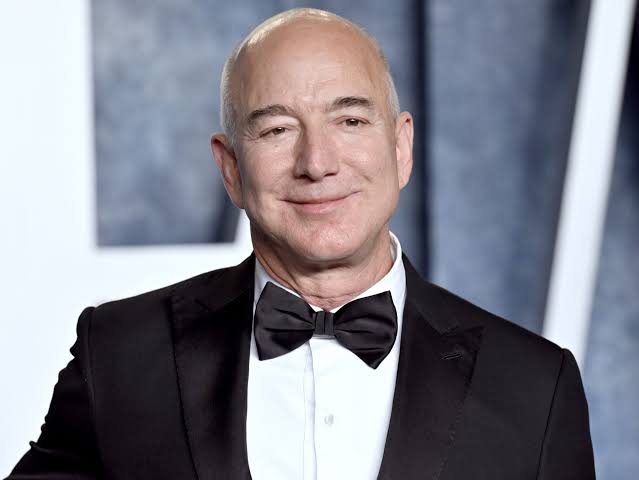
Jeff Bezos, founder of Amazon, sits fourth with a net worth exceeding $150 billion. Bezos continues to profit from Amazon’s global e-commerce operations and the highly lucrative Amazon Web Services cloud division.

Compared to 2025, Bezos has dropped one position, reflecting slower growth in Amazon stock relative to other tech companies like Nvidia and Alphabet. Even after stepping down as CEO, Bezos’ wealth reflects Amazon’s central role in modern retail and cloud computing, demonstrating the long-term financial rewards of pioneering digital marketplaces.

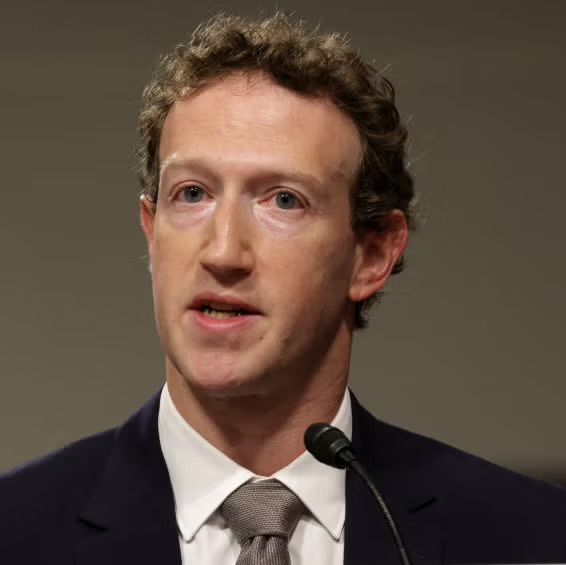
Mark Zuckerberg

Mark Zuckerberg ranks fifth, with a net worth around $140 billion. As CEO of Meta, he oversees Facebook, Instagram, and WhatsApp, platforms that dominate social networking and digital advertising worldwide. 

Zuckerberg’s ranking is unchanged from last year, despite challenges in user growth and regulatory scrutiny, Meta’s advertising business remains highly profitable, maintaining Zuckerberg’s status among the globe’s wealthiest. His presence shows how social networks continue to be powerful engines for wealth creation.

Larry Ellison

Larry Ellison, co-founder of Oracle, ranks sixth with an estimated net worth of $120 billion. Ellison built his fortune through enterprise software and cloud solutions that serve corporations worldwide. Oracle’s transition into cloud computing has preserved its relevance, and Ellison’s wealth highlights the enduring financial potential of software solutions that power business infrastructure globally.

Bernard Arnault

Bernard Arnault, chairman and CEO of LVMH, occupies the seventh spot with an estimated net worth of $115 billion. Arnault’s fortune comes from luxury brands such as Louis Vuitton, Dior, and Sephora, catering to high-end consumers worldwide. 

Arnault moved down one position compared to 2025, after a strong rise in tech stock valuations outpaced luxury gains. His ranking demonstrates that even in a tech-dominated era, luxury goods and cultural influence remain major sources of wealth.

Jensen Huang

Jensen Huang, CEO of Nvidia, ranks eighth with an estimated net worth of $110 billion. Huang’s leadership in AI hardware and semiconductors has positioned Nvidia at the center of the artificial intelligence revolution. 

This marks a significant rise compared to 2025, reflecting the explosive growth in AI and the increased demand for Nvidia GPUs powering AI and high-performance computing worldwide. Huang is one of the biggest gainers this year in the top ten.

Nvidia’s GPUs power AI models, data centers, and advanced computing applications, reflecting how technology beyond software; specifically AI infrastructure can create extraordinary wealth.

Amancio Ortega

Amancio Ortega, founder of Inditex and Zara, ranks ninth with a net worth of $85 billion. Ortega built a global retail empire through Zara’s fast-fashion model, emphasizing efficiency, rapid design cycles, and international expansion. His inclusion shows that traditional industries such as fashion and retail, when executed at scale, can generate wealth comparable to the largest technology companies.

Warren Buffett

Warren Buffett, chairman of Berkshire Hathaway, rounds out the top ten with an estimated net worth of $80 billion. Buffett’s fortune is the result of decades of strategic, long-term investing across diverse industries including insurance, retail, and energy. 

Buffett moved down one position compared to 2025, as tech and AI-related fortunes outpaced traditional investing. Nonetheless, his decades-long strategy of diversified investments continues to secure him a place in the world’s wealthiest.

His ranking emphasizes that wealth can be built and preserved not only through innovation but also through disciplined investment and portfolio management.

The 2026 Forbes top 10 richest people reveal several key trends. Technology and artificial intelligence dominate wealth creation, with six of the ten billionaires deriving their fortunes from tech ventures. Luxury and global retail industries remain powerful, as demonstrated by Bernard Arnault and Amancio Ortega. Long-term investing continues to produce significant wealth, as exemplified by Warren Buffett.

These individuals not only represent vast financial resources but also influence global industries, job creation, and market trends. Understanding their paths to wealth provides insight into where opportunity, innovation, and economic power are concentrated in the modern world.

Soft Life Saturdays: Light Cleaning, Comfort Food, and Stress-Free Weekend Routines

Weekends don’t have to be overwhelming to be fulfilling. In fact, the best Saturdays are often the quiet ones; days designed to recharge, refresh your home, and nurture yourself. Welcome to another weekend, this lifestyle piece is focused on calm weekends, light housekeeping, and simple, mindful pleasures.

Light Cleaning for a Calm Home Environment

Soft Life Saturdays start with easy weekend cleaning routines. This isn’t about deep scrubbing or overhauling your space, it’s about creating a home that feels fresh and breathable.

Focus on:

  • Making the bed and opening the windows for natural light
  • Wiping down surfaces and washing dishes
  • Tidying visible areas instead of full-scale cleaning

Even small housekeeping wins can dramatically boost your mood and make your weekend feel more restful.

Comfort Food: Simple, Relaxed, and Guilt-Free

Weekend meals should feel like a treat, not a chore. Soft Life Saturdays embrace easy, comforting food that nourishes your body and mind.

Try:

  • A leisurely breakfast instead of rushing into afternoon plans
  • Simple home-cooked meals you already enjoy
  • Ordering takeout without guilt

Eating mindfully helps you slow down and fully enjoy the weekend experience.

Move at Your Own Pace

Soft living means listening to your body. Whether it’s a short walk, gentle stretching, or simply staying in bed a little longer, it’s enough. There’s no productivity checklist here; just movement and rest that feel natural.

Create Space for Small Joys

A relaxed weekend leaves room for quiet, joyful moments:

  • Reading a few pages of your favorite book
  • Watching a comfort show or movie
  • Playing music while you tidy or cook

These simple acts of self-care can reduce stress and make your weekend feel intentional, even without a packed schedule.

The essence of Soft Life Saturdays is removing pressure. You’re not behind, and you’re not wasting time. Weekend self-care is essential, not optional, and this gentle approach allows you to recharge for the week ahead.

Scroll to Top