Understanding Breast Cancer: Awareness, Risks, and Prevention

Breast cancer is one of the most talked about health issues for women around the world, yet it remains a topic many people feel uncomfortable discussing. In Nigeria, thousands of women are diagnosed every year, but awareness about the disease, its warning signs, and how to prevent it is still limited though one can say this has improved in recent years. The reality is that breast cancer is serious, but it is also one of the most manageable cancers when detected early. Knowledge, vigilance, and timely action are key to survival.

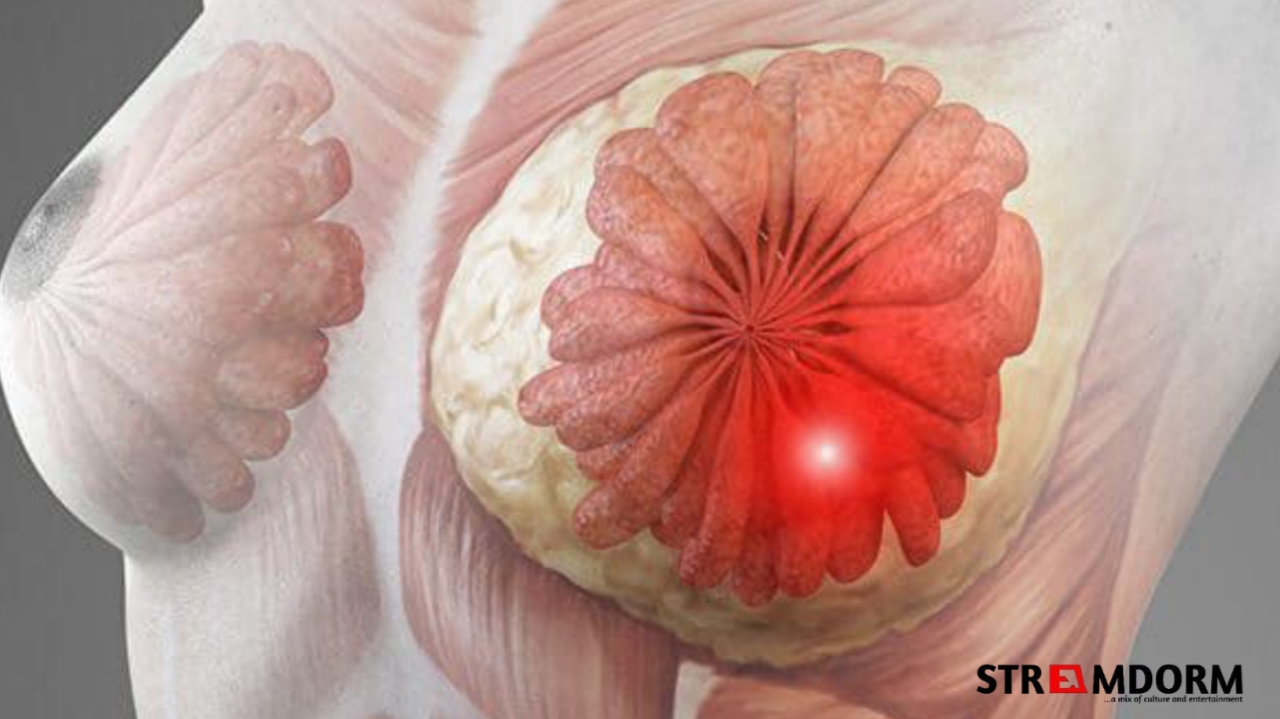
At its core, breast cancer happens when cells in the breast grow uncontrollably. These cells may form lumps or tumors, which can be either malignant or benign. The most common forms of breast cancer start in the milk ducts or the lobules, the parts of the breast that produce milk. What makes breast cancer particularly concerning is that it often develops silently, without pain, which is why paying attention to subtle changes in the body is important.

Some women are naturally at higher risk than others. Age plays a role, with the likelihood of developing breast cancer increasing after 40. Family history can also be a factor; women who have close relatives diagnosed with breast cancer may have a higher susceptibility. Certain genetic mutations, such as BRCA1 (Breast Cancer gene 1) and BRCA2 (Breast Cancer gene 2), further elevate risk. Lifestyle choices, like maintaining a healthy weight, staying physically active, and moderating alcohol intake, are also connected to overall risk. Even hormonal factors, such as early menstruation, late menopause, or long-term use of hormone therapy, can influence the likelihood of developing the disease.

Because early detection can make all the difference, recognizing warning signs is essential. Many women first notice a lump or thickening in the breast or underarm area. Changes in breast shape or size, dimpling of the skin, unusual nipple discharge, or persistent pain should never be ignored. While it can be frightening to notice something unusual, consulting a healthcare professional promptly can lead to early intervention and significantly better outcomes.

Diagnosing breast cancer involves several approaches. Mammograms (a special kind of X-ray for the breasts) remain a standard tool for spotting abnormalities, often paired with ultrasound for a closer look at lumps. In some cases, a biopsy is necessary to examine tissue for cancer cells. Advanced imaging, such as MRI, may be used in specific situations to provide a more detailed view. The main point remains that regular screenings, combined with self-awareness, can make a life saving difference.

Treatment for breast cancer has advanced tremendously. Surgery to remove tumors, radiation therapy, chemotherapy, hormone therapy, and targeted treatments offer multiple ways to fight the disease depending on its type and stage. The important thing to remember is that options exist, and the sooner treatment begins, the higher the chances of success.

While not every case of breast cancer can be prevented, certain habits can help reduce risk. Staying active, eating a balanced diet rich in fruits, vegetables, and whole grains, moderating alcohol intake, and attending routine check-ups are all ways to support long-term breast health. Self-awareness, regularly paying attention to how your body feels and noticing changes early is perhaps the most powerful tool in prevention and early detection.

Awareness, knowledge, and timely action save lives. Women should feel empowered to take control of their health, seek guidance when something feels off, and support one another in spreading awareness. Early detection is not just a medical strategy, rather it is a way to protect the future, preserve health, and ensure that breast cancer does not define the story of your life.

Disclaimer

This article is for informational and educational purposes only. It is not intended as medical advice, diagnosis, or treatment. Always consult a qualified healthcare professional for any concerns about your health or before making decisions regarding medical care.
Nail Treatment and Care: The Everyday Grooming Essential Redefining Modern Beauty Culture

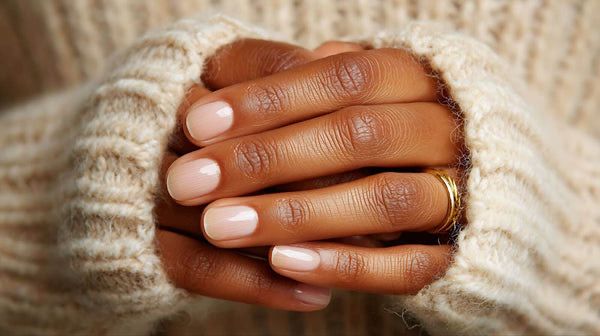
In modern fashion and lifestyle culture, the smallest details often make the biggest difference. While clothing and hairstyles attract immediate attention, nails have quietly become one of the strongest indicators of personal grooming. Clean, healthy nails now represent more than beauty; they signal hygiene, discipline, and self-awareness.

Across Nigeria’s growing beauty scene, nail treatment and care have shifted from occasional luxury to everyday maintenance. Whether someone prefers natural nails, polished finishes, or artistic designs, the focus is gradually moving toward consistent nail health rather than occasional styling.

A few years ago, many people only paid attention to their nails during special occasions. Weddings, birthdays, and major social events were the main reasons for salon visits. Today, social media and grooming culture have changed that mindset.

Daily self-care routines are now widely shared online, encouraging people to maintain neat nails regularly rather than waiting for special moments. Influencers, professionals, and creatives alike are embracing simple grooming habits that contribute to a polished everyday appearance.

This shift reflects a broader cultural change, people are investing in routines that support long-term confidence rather than short-term transformations.

Healthy nails are not only attractive; they also reflect good hygiene practices. Weak or neglected nails can become uneven, or uncomfortable. Frequent exposure to detergents, harsh chemicals, and everyday tasks can gradually weaken nail strength.

Simple treatment habits such as moisturizing cuticles, trimming nails regularly, and avoiding overly aggressive products help maintain durability. Consistent care supports both comfort and appearance.

Nail professionals often emphasize balance; enjoying stylish nail designs while allowing natural nails time to recover between heavy enhancements.

Artificial nails and extensions remain popular, especially within Nigerian beauty culture where creative expression is celebrated. Nail art continues to thrive across social media platforms, with designs becoming part of personal identity and fashion storytelling.

At the same time, minimalist nail trends are gaining attention. Short, clean nails in neutral shades are increasingly popular among students, professionals, and content creators who prefer practical, low-maintenance grooming.

Hygiene remains the most important aspect of nail treatment. Nails can easily collect dirt and bacteria if left unclean or overly long. Regular handwashing, cleaning underneath nails, and sanitizing nail tools help maintain overall health.

Well-maintained nails also influence first impressions. In professional settings, neat hands often communicate attention to detail and personal discipline. Even in casual social spaces, clean nails contribute to a sense of self-respect and confidence.

Consistency matters more than complexity. A basic weekly routine can keep nails strong and presentable without requiring expensive treatments.

Start by trimming nails to a comfortable length and gently filing rough edges. Wash hands thoroughly and apply moisturizer to both hands and cuticles. Allow nails to rest between heavy styling sessions, especially after long periods of wearing extensions or strong polish.

These small habits build long-term nail health and reduce the risk of breakage or discomfort.

Many people unknowingly damage their nails through everyday habits. Using overly harsh chemicals without protection can weaken nail structure. Ignoring dryness can lead to bad nails and painful cuticles. Excessive filing or aggressive removal of nail products may also cause long-term damage.

Another common mistake is prioritizing appearance over health. Constant heavy enhancements without rest periods can leave natural nails weak and sensitive. Balanced routines that combine styling with recovery time help maintain stronger nails.

Beyond grooming, nail treatment has become part of personal wellness routines. Many people now view manicures; whether at home or in salons, as moments of relaxation and mental reset. Small self-care rituals can improve mood, boost confidence, and create a sense of control during busy schedules.

Affordable home manicure tools have made nail care more accessible. With basic knowledge and simple routines, individuals can maintain neat nails without relying solely on professional services.

Male Grooming and Nail Care

Nail care is no longer seen as exclusive to women. Across Nigeria’s urban culture, more men are embracing basic grooming routines that include clean, trimmed nails and moisturized hands. This shift reflects a broader understanding that personal hygiene and neatness are universal standards rather than gender-specific practices.

Male grooming conversations continue to expand, with increasing visibility in fashion, entertainment, and corporate spaces.

As Nigeria’s beauty industry continues to grow, nail care is expected to remain a major part of everyday grooming. Social media education has made nail health knowledge more accessible, encouraging people to adopt sustainable routines that balance creativity with responsibility.

The future of nail care will likely focus on simplicity, consistency, and healthy practices, allowing individuals to express their style while maintaining strong, well-maintained nails.

In a world where details matter, nail treatment and care represent more than surface beauty. They reflect discipline, hygiene, and the everyday habits that build for everyday confidence.

Scroll to Top