Breast cancer is one of the most talked about health issues for women around the world, yet it remains a topic many people feel uncomfortable discussing. In Nigeria, thousands of women are diagnosed every year, but awareness about the disease, its warning signs, and how to prevent it is still limited though one can say this has improved in recent years. The reality is that breast cancer is serious, but it is also one of the most manageable cancers when detected early. Knowledge, vigilance, and timely action are key to survival.
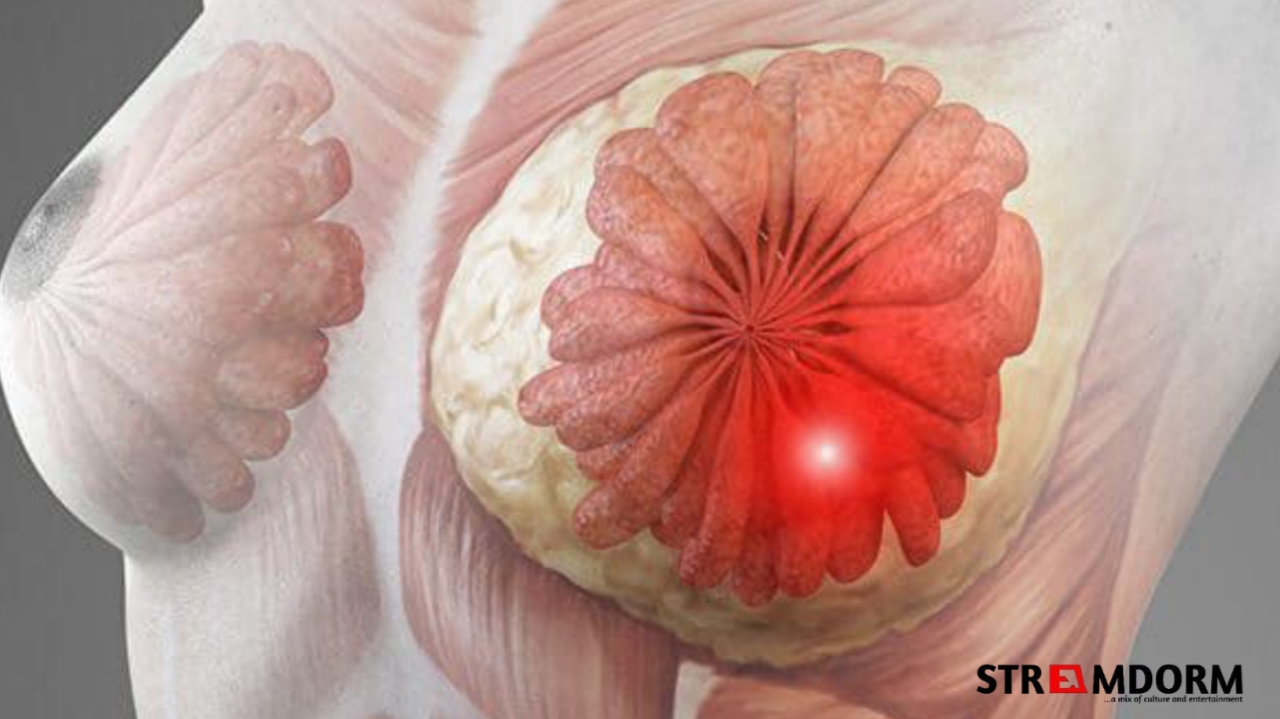
At its core, breast cancer happens when cells in the breast grow uncontrollably. These cells may form lumps or tumors, which can be either malignant or benign. The most common forms of breast cancer start in the milk ducts or the lobules, the parts of the breast that produce milk. What makes breast cancer particularly concerning is that it often develops silently, without pain, which is why paying attention to subtle changes in the body is important.
Some women are naturally at higher risk than others. Age plays a role, with the likelihood of developing breast cancer increasing after 40. Family history can also be a factor; women who have close relatives diagnosed with breast cancer may have a higher susceptibility. Certain genetic mutations, such as BRCA1 (Breast Cancer gene 1) and BRCA2 (Breast Cancer gene 2), further elevate risk. Lifestyle choices, like maintaining a healthy weight, staying physically active, and moderating alcohol intake, are also connected to overall risk. Even hormonal factors, such as early menstruation, late menopause, or long-term use of hormone therapy, can influence the likelihood of developing the disease.
Because early detection can make all the difference, recognizing warning signs is essential. Many women first notice a lump or thickening in the breast or underarm area. Changes in breast shape or size, dimpling of the skin, unusual nipple discharge, or persistent pain should never be ignored. While it can be frightening to notice something unusual, consulting a healthcare professional promptly can lead to early intervention and significantly better outcomes.
Diagnosing breast cancer involves several approaches. Mammograms (a special kind of X-ray for the breasts) remain a standard tool for spotting abnormalities, often paired with ultrasound for a closer look at lumps. In some cases, a biopsy is necessary to examine tissue for cancer cells. Advanced imaging, such as MRI, may be used in specific situations to provide a more detailed view. The main point remains that regular screenings, combined with self-awareness, can make a life saving difference.
Treatment for breast cancer has advanced tremendously. Surgery to remove tumors, radiation therapy, chemotherapy, hormone therapy, and targeted treatments offer multiple ways to fight the disease depending on its type and stage. The important thing to remember is that options exist, and the sooner treatment begins, the higher the chances of success.
While not every case of breast cancer can be prevented, certain habits can help reduce risk. Staying active, eating a balanced diet rich in fruits, vegetables, and whole grains, moderating alcohol intake, and attending routine check-ups are all ways to support long-term breast health. Self-awareness, regularly paying attention to how your body feels and noticing changes early is perhaps the most powerful tool in prevention and early detection.
Awareness, knowledge, and timely action save lives. Women should feel empowered to take control of their health, seek guidance when something feels off, and support one another in spreading awareness. Early detection is not just a medical strategy, rather it is a way to protect the future, preserve health, and ensure that breast cancer does not define the story of your life.
Disclaimer
This article is for informational and educational purposes only. It is not intended as medical advice, diagnosis, or treatment. Always consult a qualified healthcare professional for any concerns about your health or before making decisions regarding medical care.