The Smashing Machine (2025) – Report and Review

Report: The Film, Its Release, and Reception

Benny Safdie’s The Smashing Machine debuted at the Venice Film Festival on September 1, 2025, and immediately set the tone as one of the most talked-about premieres of the year. Produced by A24, Seven Bucks Productions, and Out for the Count, the film adapts the turbulent real life of MMA pioneer Mark Kerr, who rose to fame in the late 1990s UFC era.

Dwayne Johnson takes on the role of Kerr in what critics are calling a career-defining performance. Shedding his Hollywood action-hero persona, Johnson undergoes a drastic physical transformation with the help of prosthetics and weight loss, and delivers a raw, vulnerable portrayal of an athlete both celebrated and broken. Opposite him, Emily Blunt stars as Dawn Staples-Kerr, Kerr’s on-again, off-again partner, whose presence anchors the emotional core of the narrative.

Shot partly on 16mm and 70mm IMAX film, Safdie crafts an unflinching, almost documentary-like vision of Kerr’s world, weaving together the adrenaline of the cage, the dark spiral of opioid addiction, and the fragility of his personal relationships. The film received a 15-minute standing ovation in Venice, leaving Johnson in tears, and has already sparked early Oscar buzz for both him and Blunt.

Theatrical release is set for October 3, 2025 worldwide.

Review: A Raw and Unrecognizable Rock
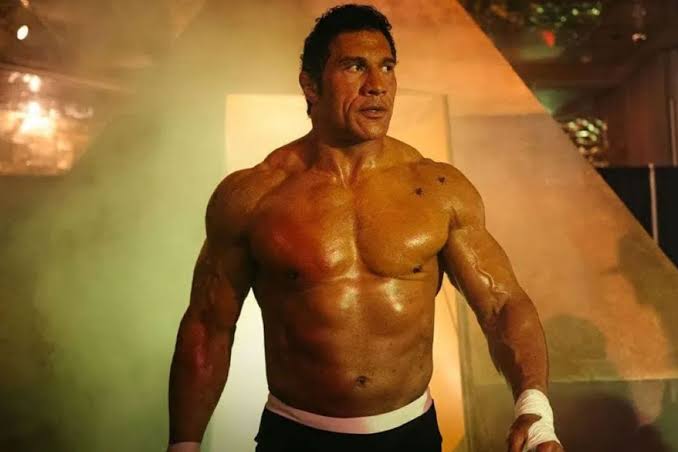
The Smashing Machine is not just another sports biopic; it’s a study of pain, masculinity, and survival. Safdie, known for his frenetic realism in Uncut Gems, strips away the gloss of UFC spectacle to show the body and mind of an athlete consumed by both triumph and trauma.

Johnson’s transformation is the film’s revelation. For perhaps the first time in his career, he disappears into a role. His Mark Kerr is not “The Rock” the entertainer, but a man burdened by pressure, numbed by painkillers, and desperate to keep love alive while battling his own self-destruction. Johnson is bruised, bloated, fragile and utterly convincing.

Emily Blunt is equally compelling. As Dawn, she brings empathy and sharp edges, refusing to be a one-note “supportive partner.” Their volatile relationship carries the film’s emotional weight, often more gripping than the fights themselves.

https://twitter.com/streamdorm_/status/1962520516406727039?s=46

Stylistically, Safdie opts for a grainy, immersive aesthetic—blood, sweat, and needle marks are shown with uncomfortable intimacy. The fight sequences aren’t staged as crowd-pleasers; they’re brutal, exhausting, and at times difficult to watch, underscoring the toll on Kerr’s body and psyche.

At its best, The Smashing Machine recalls Raging Bull and The Wrestler but instead of glamorizing combat, it portrays the UFC’s early days as chaotic, lawless, and exploitative. Safdie’s pacing occasionally lingers too long on Kerr’s spirals, but this indulgence also mirrors the suffocating cycle of addiction.

The Smashing Machine is a career reset for Dwayne Johnson, a role that proves he can be more than a blockbuster icon. Benny Safdie delivers a film that is brutal, tender, and unrelenting in its honesty. It’s not a movie about winning fights; it’s a movie about losing oneself, and maybe clawing back fragments of humanity along the way.
Rating: 4.5/5

The 10 Greatest Horror Movies of All Time

Horror films have always tapped into humanity’s deepest fears, whether through supernatural forces, psychological tension, or relentless killers. The genre has produced some of the most iconic and influential works in cinema history. Below is a ranking of the greatest horror movies of all time, complete with summaries, about-sections, and their lasting impact on the genre.

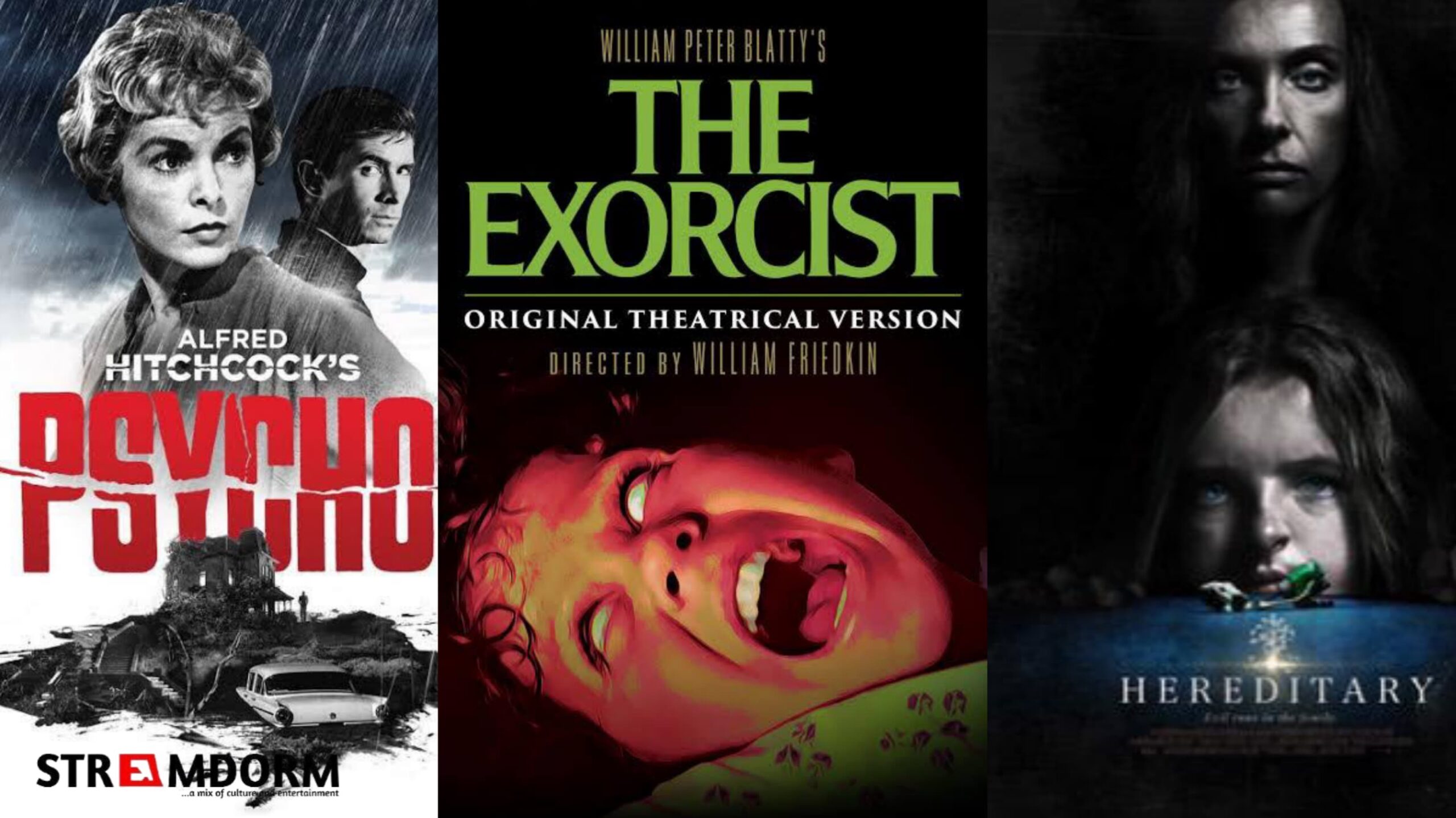
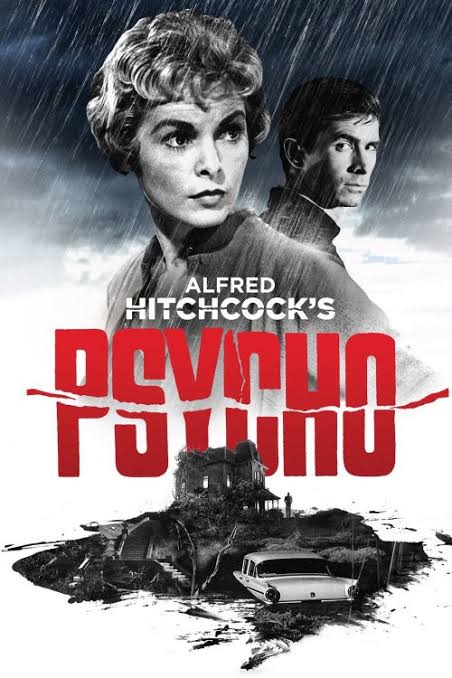
Psycho (1960, Alfred Hitchcock)

Summary: Marion Crane, on the run after stealing money, checks into the Bates Motel, where she meets Norman Bates, a seemingly shy innkeeper with a disturbing secret.

About the film: Hitchcock’s masterpiece shocked audiences with its bold violence and psychological depth. The infamous shower scene and Norman Bates’ dual personality redefined horror. Psycho is widely credited with creating the foundation for modern slasher films while elevating horror into serious cinema.

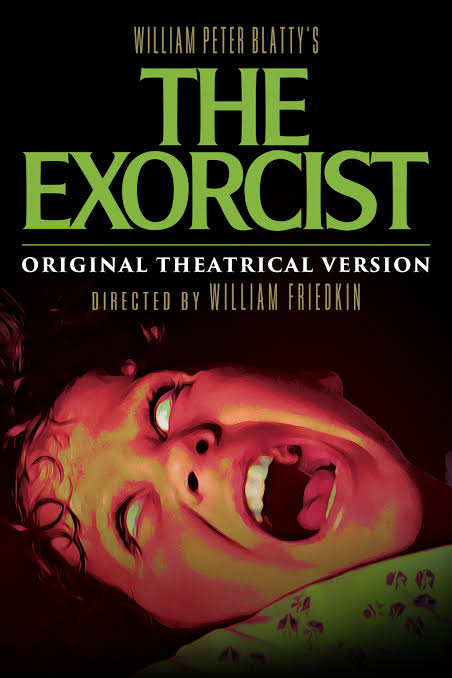
The Exorcist (1973, William Friedkin)

Summary: A young girl named Regan becomes possessed by a demonic entity, and two priests attempt a dangerous exorcism to save her.

About the film: The Exorcist was a cultural phenomenon, terrifying audiences with groundbreaking effects and disturbing imagery. Its exploration of faith, good versus evil, and human fragility gave it depth beyond its shocking visuals, making it one of the most influential horror films ever made.

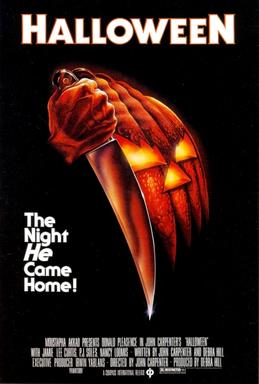
Halloween (1978, John Carpenter)

Summary: On Halloween night, masked killer Michael Myers escapes from an asylum and stalks babysitters in his hometown, targeting teenager Laurie Strode.

About the film: With a shoestring budget, Carpenter created a horror juggernaut. Its haunting score, minimalist approach, and suburban setting proved horror didn’t need gore to be terrifying. Halloween became the model for countless slashers and made Michael Myers an enduring horror icon.

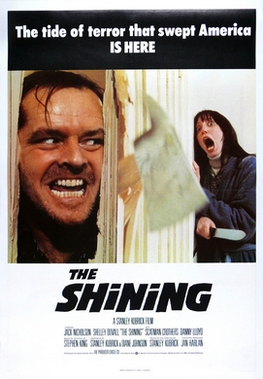
The Shining (1980, Stanley Kubrick)

Summary: Jack Torrance takes a caretaker job at the remote Overlook Hotel, where isolation and supernatural forces drive him into madness, threatening his family.

About the film: Kubrick’s meticulous direction and Jack Nicholson’s unforgettable performance turned The Shining into a chilling exploration of madness. Its use of symmetry, atmosphere, and ambiguity unsettles viewers decades later, cementing it as both a horror masterpiece and an art-house triumph.

Jaws (1975, Steven Spielberg)

Summary: A small beach town is terrorized by a massive great white shark, forcing the police chief, a fisherman, and a scientist to hunt it down.

About the film: Though often classified as a thriller, Jaws is horror at its core, striking primal fear of the unknown. Spielberg’s suspenseful pacing and John Williams’ two-note score created one of cinema’s most terrifying experiences. The film also birthed the modern summer blockbuster.

Rosemary’s Baby (1968, Roman Polanski)

Summary: Rosemary, a young woman, becomes suspicious that her pregnancy is part of a sinister plot involving her neighbors and a Satanic cult.

About the film: A slow-burn masterpiece, Rosemary’s Baby thrives on paranoia and suggestion rather than spectacle. Mia Farrow’s haunting performance and the film’s shocking conclusion left audiences unsettled. Its success proved that horror could thrive on psychological manipulation rather than gore.

Hereditary (2018, Ari Aster)

Summary: After her mother’s death, Annie and her family uncover horrifying secrets that tie their grief to a dark supernatural curse.

About the film: A modern classic, Hereditary blends family trauma with supernatural terror. Toni Collette’s emotionally raw performance elevated the film, while Ari Aster’s direction created some of the most shocking moments in recent horror. It has been hailed as redefining what 21st-century horror can achieve.

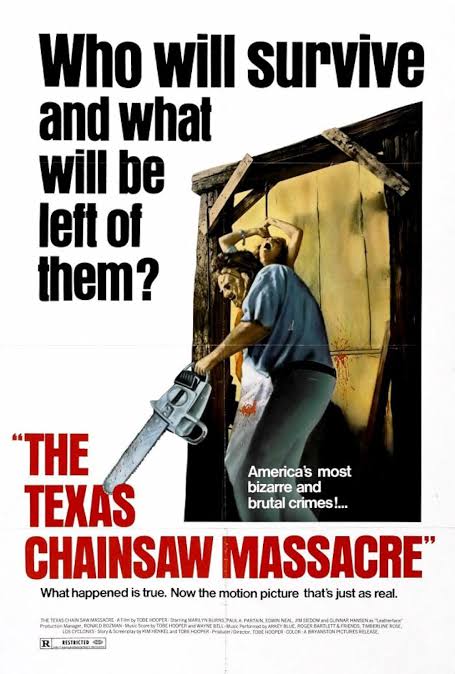
The Texas Chain Saw Massacre (1974, Tobe Hooper)

Summary: A group of friends stumble upon a farmhouse inhabited by a family of cannibals, including the chainsaw-wielding Leatherface.

About the film: With its documentary-like realism, gritty sound design, and oppressive atmosphere, The Texas Chain Saw Massacre remains one of the most disturbing films ever. Surprisingly low on gore, its horror lies in its relentless dread. Leatherface became a cultural icon of terror.

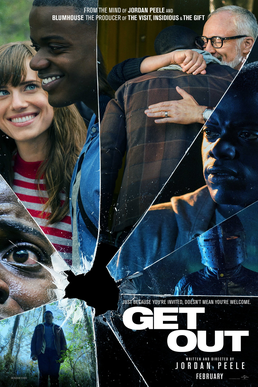
Get Out (2017, Jordan Peele)

Summary: Chris, a young Black man, visits his white girlfriend’s family estate, where he discovers a sinister plot beneath their welcoming façade.

About the film: Jordan Peele’s debut combined horror thrills with sharp social commentary, addressing racial dynamics in a way never before seen in the genre. Acclaimed for its symbolism, tension, and originality, Get Out redefined horror for modern audiences and won Peele an Academy Award.

Alien (1979, Ridley Scott)

Summary: The crew of the Nostromo spaceship encounter a deadly alien creature that stalks them one by one in deep space.

About the film: By blending science fiction and horror, Alien created one of the most terrifying monsters in cinema. The claustrophobic setting and the shocking chestburster scene cemented its legacy. Sigourney Weaver’s Ripley became an iconic heroine, changing the “final girl” archetype forever.

From Hitchcock’s Psycho to Peele’s Get Out, these films represent the pinnacle of horror storytelling. Each redefined fear for its time, shaping both the genre and popular culture. Horror is not just about scares—it’s about reflection, tension, and innovation. That’s why these ten movies remain the greatest horror films of all time.

10 Inspiring Movies About Career, Ambition, and Work-Life Struggles (Hollywood Edition)

Movies often reflect the struggles, ambitions, and dreams that define our professional lives. Whether it’s chasing success, surviving tough bosses, or questioning what really matters, films about careers give us more than just stories, they give us lessons.

Here are 10 unforgettable career movies, each one rich with insight and inspiration.

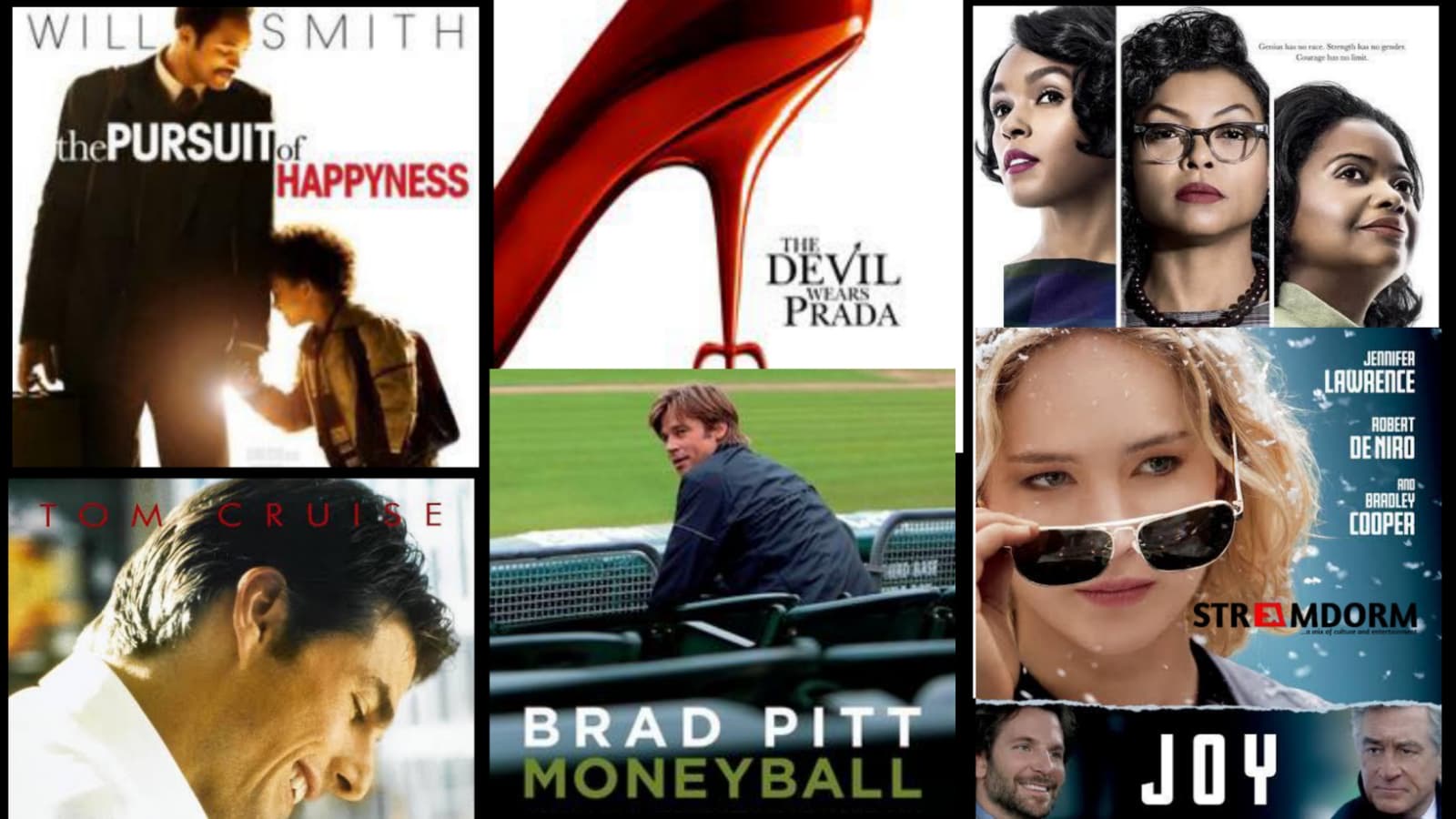
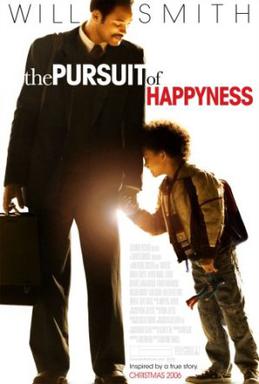
The Pursuit of Happyness (2006)

Will Smith plays Chris Gardner, a man struggling to survive after losing his home, his savings, and nearly everything else while raising his young son. Homeless but determined, Gardner fights his way into a competitive brokerage internship with the hope of building a better life. It’s a gut-punching reminder of how difficult chasing success can be when life keeps pushing you down. Yet, it’s also one of the most uplifting career films ever made, proving that persistence, even against impossible odds, can turn dreams into reality.
Career Lesson: Your circumstances don’t define you — perseverance does.

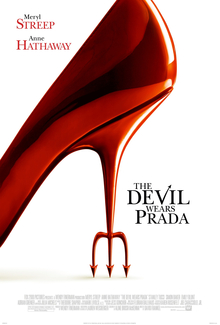
The Devil Wears Prada (2006)

Fresh out of college, Andy Sachs (Anne Hathaway) lands the “dream job” as assistant to Miranda Priestly (Meryl Streep), a legendary fashion editor. But she quickly discovers the cost of ambition in a cutthroat industry; long hours, impossible standards, and the erosion of her personal life. The movie brilliantly captures the toxic glamour of high-powered careers, where success often comes at the expense of identity. Streep’s icy performance as Miranda remains one of the most iconic portrayals of power in cinema.
Career Lesson: Define success on your own terms, not by someone else’s impossible expectations.

Moneyball (2011)

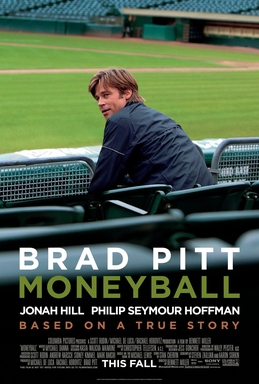
Brad Pitt stars as Billy Beane, general manager of the Oakland Athletics, who faces the impossible task of competing against big-budget baseball teams with a fraction of their resources. Instead of following tradition, he teams up with a young statistician (Jonah Hill) and pioneers a new system using data and analytics to recruit undervalued players. Beyond baseball, Moneyball is about disrupting old ways of thinking and having the courage to push innovation in a world that resists change.
Career Lesson: Success isn’t always about resources; sometimes it’s about daring to think differently.

Erin Brockovich (2000)

Based on a true story, Julia Roberts delivers an Oscar-winning performance as Erin Brockovich, a single mother who lands a job as a legal assistant with no law degree or formal training. What she lacks in credentials, she makes up for in passion and persistence, leading her to uncover a massive water contamination scandal caused by a powerful corporation. It’s a story about grit and the ability of ordinary individuals to create extraordinary impact.
Career Lesson: Your passion and drive can open doors that qualifications alone cannot.

The Intern (2015)

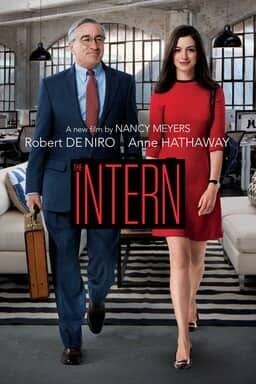
Robert De Niro plays Ben Whittaker, a 70-year-old widower who takes an internship at a fast-paced online fashion company. Initially seen as outdated, his wisdom, calm presence, and life experience quickly prove invaluable to the young CEO (Anne Hathaway). This heartwarming film challenges stereotypes about age and career, showing that reinvention and contribution are possible at any stage of life.
Career Lesson: Experience never goes out of style — every generation brings value to the workplace.

Up in the Air (2009)

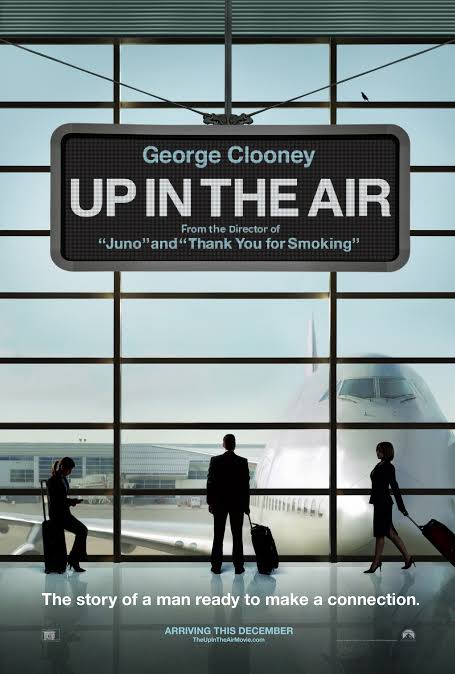
George Clooney portrays Ryan Bingham, a corporate downsizer whose job is to fire employees across the U.S. Constantly traveling, living out of a suitcase, and proud of his independence, Ryan seems to have it all figured out, until he begins questioning the emptiness of his personal life. The movie is a sobering look at careers that consume identity, leaving little room for human connection.
Career Lesson: A thriving career means little without relationships and purpose to ground it.

Joy (2015)

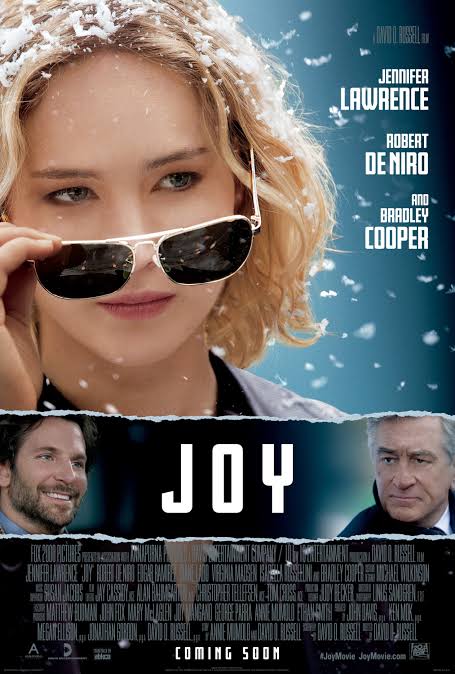
Jennifer Lawrence brings to life the struggles of Joy Mangano, an inventor who rises from family dysfunction and financial hardship to create a successful business empire. The film highlights the messy reality of entrepreneurship: betrayal, rejection, and failure at every turn. Yet, Joy’s resilience and vision propel her forward. This isn’t a glamorous take on success; it’s a raw portrayal of the sacrifices and grit required to build something lasting.

Career Lesson: Entrepreneurship isn’t just about ideas — it’s about persistence when the world doubts you.

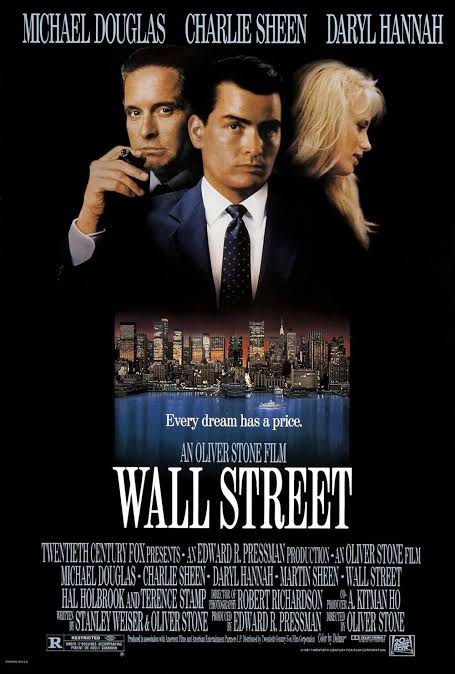
Wall Street (1987)

Oliver Stone’s classic captures the ruthless energy of 1980s finance. Charlie Sheen plays Bud Fox, a young stockbroker lured into the world of corporate greed by Gordon Gekko (Michael Douglas), who utters the infamous line, “Greed is good.” The movie seduces with the promise of wealth and power, but ultimately warns about the destructive consequences of unchecked ambition.
Career Lesson: Ambition without integrity is a hollow victory.

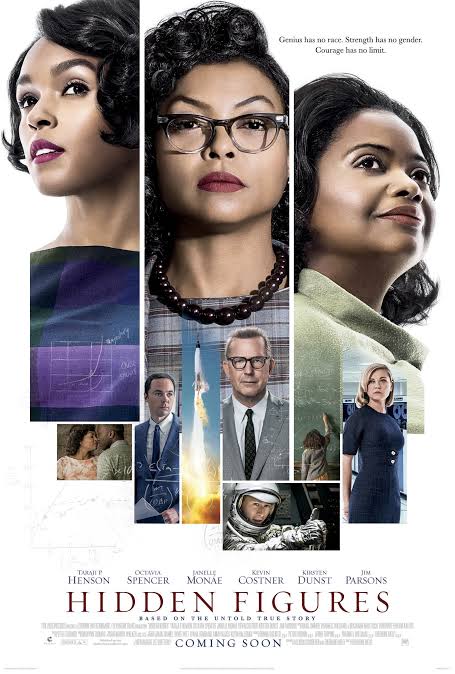
Hidden Figures (2016)

Taraji P. Henson, Octavia Spencer, and Janelle Monáe shine in this inspiring story of three African-American women mathematicians at NASA during the 1960s. Despite facing racial and gender barriers, their brilliance played a crucial role in America’s space missions. Hidden Figures is both a celebration of talent and a reminder of the systemic obstacles many face in their careers.
Career Lesson: Talent can break barriers, but courage and persistence are just as important.

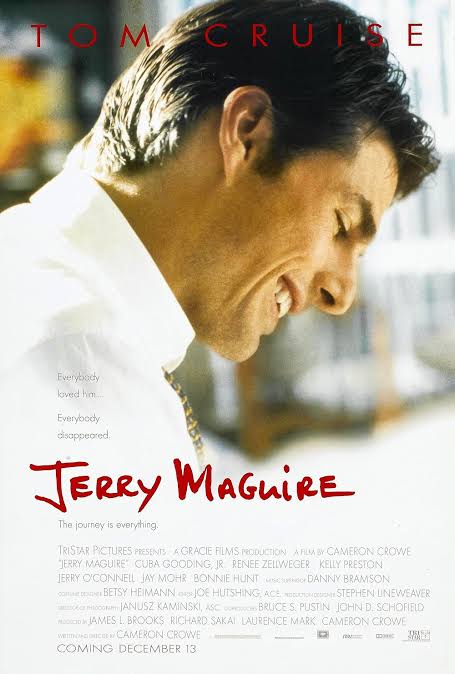
Jerry Maguire (1996)

Tom Cruise stars as Jerry, a sports agent who, after a crisis of conscience, leaves his high-paying job to start his own agency built on honesty and human connection. With just one loyal client (Cuba Gooding Jr.), he learns that true success comes not from chasing numbers but from building meaningful relationships. The film is both a critique of corporate greed and an ode to integrity in business.
Career Lesson: A fulfilling career is built on values, not just victories.

Why These Films Resonate

Each of these movies highlights a different facet of career life; ambition, sacrifice, ethics, innovation, and resilience. Together, they remind us that careers are not just about titles or paychecks, but about choices, values, and the legacy we leave behind.

Which of these films have you seen or look forward to seeing? Or do you have a favorite career-related movie that inspires you?
Drop your reply in the comment — we’d love to feature your picks in the next edition.

Retcon and Canon B**llsh*it of James Gunn’s DCU

I think the one thing haters and fans of the DCU can all agree on is that it’s hard to keep up with what is canon – and we’re just 3 projects in.

Many have argued that a full reboot of the DCEU would have better solved these issues, but if you were James Gunn, would you reboot your projects, especially when they are the most loved by the audience? The thought of the question would open another can of worms.

Hired in October 2022, James Gunn and Peter Safran were tasked with ushering in a new era of thriving and coherent DC content. Coming from the mess of the Snyderverse, the Gunnverse came with its own mess… “the not-so-reboot, reboot”.

James Gunn has been on a “tour” trying to explain the DC universe to new and old fans, but that is not enough, as I ask myself in the middle of the night… why not do a full reboot?

The new logic is similar to the logic used in comics. You see, in comics, the writer for the continuity of a project changes hands often, and most times the new writers dislike or forget the old logic, so what they do instead is create a new narrative and gaslight the audience into thinking that what’s always happened. You can take comic events like Jon Kent (Superman’s son) becoming 17 and 10 multiple times with no explanation, or switching from New 52 to Rebirth without explanation.

This, of course, has been discussed by studio execs but hasn’t really been tested on this scale. James Gunn is pushing the boundary and changing how we view superhero media. Take Superman, for example; it is a full-blown comic book movie, and now in Peacemaker, it uses comic book logic to explain to fans that this is a new universe.

The DCU maintains some of the actors and storylines of the DCEU, and this builds a new narrative for this DC Universe. The cast and characters of the DCEU Peacemaker season 1 return for season 2, which is set in the DCU. This caused a bit of a problem amongst the general audience: “Are Suicide Squad, The Suicide Squad, and Peacemaker now canon?” No and yes.

At the beginning of Peacemaker Season 2 Episode 1, we got “previously in the DCU,” an explanation on all thing DCU and what carries over into this new universe. We saw some details change, which include the inclusion of the Justic Gang at the butterfly battle ground on the farm and the green lantern joke. Why not reshoot theses scences? James Gunn explained to TV Insider, “unfortunately I’d have to change too many little things throughout Season 1, and it would cost too much money.” 

The beauty of this new DCU is you can always skip a project but if you choose to follow all, note that it becomes canon if and only if it is mentioned in this new project.

Sailing Beyond Sparrow: Disney’s Plans for a Pirates of the Caribbean Reboot

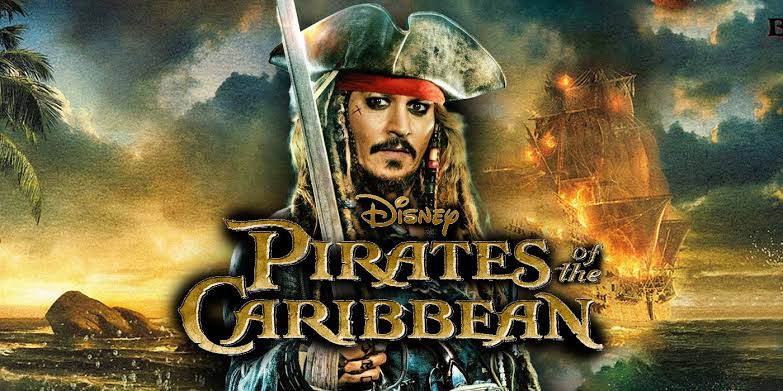
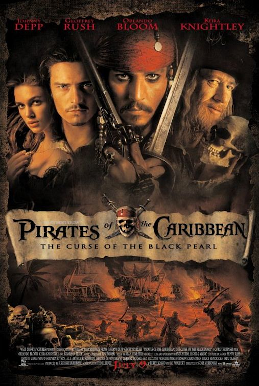
When Pirates of the Caribbean: The Curse of the Black Pearl hit cinemas in 2003, few expected it to spark a billion-dollar phenomenon. What started as a risky gamble; a film based on a Disneyland theme park ride quickly transformed into one of Disney’s most lucrative and enduring live-action franchises. Johnny Depp’s flamboyant and unpredictable performance as Captain Jack Sparrow not only earned him an Academy Award nomination but also redefined how audiences imagined pirates on screen. The success of that first adventure set the stage for a sprawling saga that would stretch across five films, exploring supernatural curses, legendary figures, and high-seas betrayals. Now, with Disney charting a bold new direction, the franchise once again stands at the brink of reinvention.

The Expanding Seas of the Sequels

The triumph of The Curse of the Black Pearl made sequels inevitable, and Disney wasted no time turning the swashbuckling hit into a trilogy. In 2006, Dead Man’s Chest arrived and expanded the lore with the terrifying figure of Davy Jones, master of the Flying Dutchman, whose tentacled face and heart locked away in a chest became iconic symbols of the series. The film not only deepened the mythology but also delivered grand spectacle, from the Kraken’s attacks to Sparrow’s frantic bargaining with fate. Audiences responded enthusiastically, propelling the film past the billion-dollar mark at the global box office, a milestone that cemented the franchise as more than just a novelty.

The following year, At World’s End attempted an even more ambitious narrative, weaving together multiple storylines of betrayal, sacrifice, and shifting alliances. With the introduction of the nine pirate lords and a climactic battle in a maelstrom, the film carried both the grandeur and the complexity of an operatic finale. Though critics were divided over its dense storytelling, fans were treated to one of the most visually spectacular finales of the 2000s, with Jack Sparrow, Will Turner, and Elizabeth Swann caught in the storm of destiny. For many, this marked the natural endpoint of the original saga, closing the arcs of its central characters while leaving the door slightly ajar for Sparrow’s continuing misadventures.

But Disney was not ready to dock the Black Pearl just yet. In 2011, the franchise returned with On Stranger Tides. With Gore Verbinski stepping away from directing and Rob Marshall at the helm, the film shifted toward a standalone adventure, introducing the infamous Blackbeard, played by Ian McShane, and a quest for the Fountain of Youth. Penélope Cruz brought fiery energy as Angelica, a woman from Sparrow’s past whose motives were as murky as the seas they sailed. Though critics found the story thinner and less charming than the original trilogy, the film once again proved the enduring appeal of the brand, grossing over a billion dollars worldwide.

The most recent entry, Dead Men Tell No Tales (2017), brought back a sense of legacy. Javier Bardem delivered a haunting performance as Captain Salazar, a vengeful ghost hunting Sparrow, while the film tied itself to earlier mythology by revisiting the cursed fate of Will Turner aboard the Flying Dutchman. It also introduced a new generation of adventurers in Henry Turner and Carina Smyth, setting up the possibility of passing the torch. Despite mixed reviews, the film rekindled nostalgia by reuniting audiences with Orlando Bloom and Keira Knightley, albeit briefly, reminding fans of the franchise’s emotional core.

Through these sequels, Pirates of the Caribbean became a rare blend of gothic fantasy, slapstick comedy, and mythmaking. It crafted a world where cursed treasure and ghost ships were as real as shifting allegiances and romantic entanglements, a formula that audiences around the globe could not resist.

New Horizons: Reboots and Spin-Offs

Now, nearly two decades after the first film, Disney is preparing to chart a new course for the franchise. Producer Jerry Bruckheimer has confirmed that the next entry will not be a continuation of Jack Sparrow’s adventures but a complete reboot. This means fresh characters, a brand-new storyline, and a creative attempt to reimagine the franchise for a new generation of audiences. Screenwriter Jeff Nathanson, who previously penned Dead Men Tell No Tales, is tasked with bringing this vision to life. Reports suggest that the script has been undergoing refinements, especially in its third act, as Disney aims to launch a saga that feels distinct yet still carries the adventurous spirit fans expect.

At the same time, Disney has been developing a separate spin-off project, one that could shift the franchise in a bold direction. Academy Award nominee Margot Robbie has been linked to the film, with Christina Hodson, known for Birds of Prey, attached as the screenwriter. Robbie herself revealed in 2022 that the project seemed to have been scrapped, but Bruckheimer has since stated that Disney remains committed to the idea. If realized, this spin-off would likely focus on a female-led pirate crew, opening up new narratives within the vast Caribbean seas and breaking away from the male-dominated stories of the past.

Still, one question looms larger than all others: will Johnny Depp ever return as Captain Jack Sparrow? His portrayal of the rum-loving trickster is inseparable from the franchise’s identity. While Depp’s tumultuous legal battles and estrangement from Disney once made a return unlikely, recent comments from Bruckheimer suggest that if the right script comes along and Depp agrees, a comeback could happen. Orlando Bloom, who played Will Turner, has also voiced that a successful revival would require bringing back “everybody,” emphasizing that the original crew remains the heart of the franchise. Whether Disney will balance this nostalgia with its plans for a reboot remains uncertain.

The Legacy of the Black Pearl

As Pirates of the Caribbean prepares for its next voyage, it faces the challenge of honoring its legacy while steering into new waters. For many fans, the franchise is not just about ghost ships or cursed coins, it is about the unhinged charm of Jack Sparrow, the sweeping romance of Will and Elizabeth, and the eerie grandeur of seafaring legends come to life. Any attempt to reboot the series must grapple with this weight of expectation, delivering something fresh without losing what made the films beloved in the first place.

Yet, Disney’s confidence in rebooting and expanding the franchise signals that the seas are far from quiet. The world of Pirates of the Caribbean is one rich with untold stories: hidden islands, legendary figures, and the eternal clash between freedom and order. Whether through a new generation of characters or a long-awaited reunion of the original cast, one thing remains certain, the horizon still holds treasure, and the adventures are far from over.


Devil Is a Liar Movie Review: Love, Betrayal, and the Price of Trust

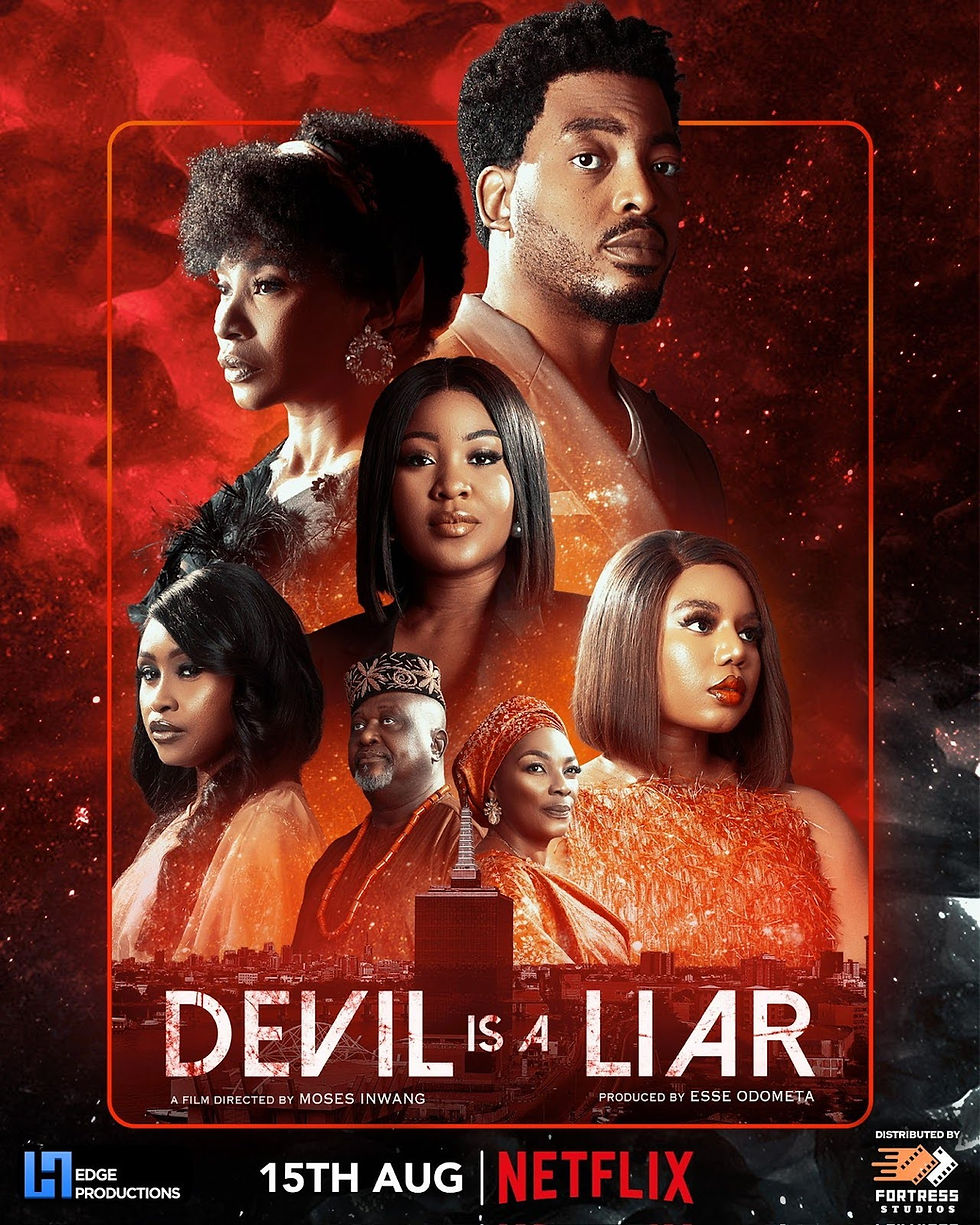
Nollywood has built a reputation for weaving tales of love, betrayal, and survival, and Devil Is a Liar, which premiered on Netflix on August 15, 2025, is no exception. Directed by Moses Inwang and written by Tunde Babalola, this suspense-filled drama brings together some of the industry’s finest actors, including Nse Ikpe-Etim, James Gardiner, Nancy Isime, Erica Nlewedim, Mercy Aigbe, and Tina Mba.

A Familiar Yet Gripping Plot

Set in Lagos, the film tells the story of Adaora, a wealthy, accomplished woman whose only missing piece is love. When she meets Jaiye, a charming younger stylist, sparks fly. Despite the age difference and raised eyebrows, she marries him, investing heavily in his fashion dreams and building a family she desperately yearns for.

But what starts as a fairytale quickly turns sinister. Jaiye’s insecurities and hidden agenda lead him to manipulate Adaora, pressure her into terminating pregnancies, and exploit her financially. When tragedy strikes with the loss of their daughter and Adaora faces imprisonment, Jaiye fakes his own death, leaving a trail of betrayal. The film climaxes with Adaora’s confrontation of her once-beloved husband, living up to the haunting title: Devil Is a Liar.

The Strength of Performances

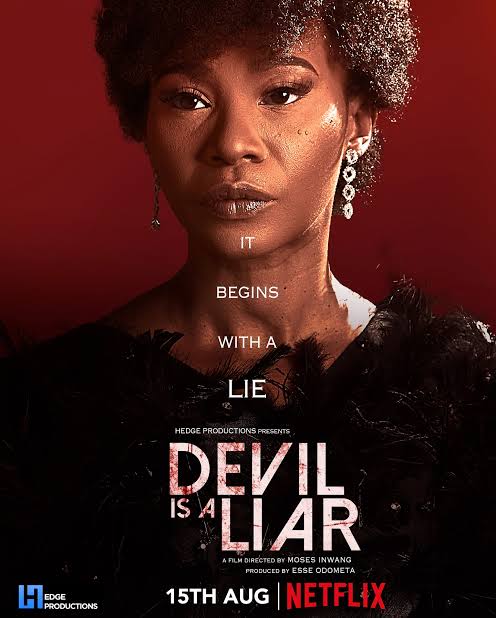
The standout performance is undoubtedly from Nse Ikpe-Etim, who embodies Adaora with depth, vulnerability, and quiet strength. Her portrayal anchors the film, making the character’s heartbreak and resilience resonate with viewers. The supporting cast, from Nancy Isime’s vibrant presence to Tina Mba’s matriarchal gravitas, enriches the narrative.

Unfortunately, the movie struggles where it matters most, which is the heart of the love story. The chemistry between Nse Ikpe-Etim and James Gardiner (Jaiye) is unconvincing, and Gardiner’s character feels underdeveloped. The script leans too much on melodramatic shortcuts and implausible twists, leaving the story both predictable and unrealistic.

Devil Is a Liar had the potential to be a memorable drama but instead falls into the trap of overused Nollywood formulas. Nse Ikpe-Etim’s stellar performance is the saving grace, yet it isn’t enough to rescue the film from its weak writing and unconvincing central relationship.

My Rating: 5/10

Watchable, but average. A film that proves talent can shine, but poor storytelling will always hold a project back.

YouTube Eyes the Oscars: Streaming Giant’s Interest Puts Spotlight on ABC’s Longstanding Deal

The Academy Awards, one of the most prestigious events in global entertainment, could soon find itself at the center of a broadcasting shake-up. According to fresh reports from Bloomberg and other outlets, YouTube has formally expressed interest in acquiring broadcast and streaming rights to the Oscars, positioning itself as a challenger to the traditional network dominance that has defined the ceremony for decades.

YouTube’s Ambition to Host the Oscars

YouTube, with its 2.7 billion monthly users, has long cemented its status as the world’s most influential video platform. Its recent inquiry into Oscars rights is being hailed by industry watchers as a bold move that could redefine how audiences experience live cultural events. The appeal is clear: while traditional television viewership has steadily declined, YouTube thrives among younger demographics who increasingly consume live events and highlights online rather than through cable television.

Analysts argue that the Oscars’ migration to YouTube. If this happens, it could inject the ceremony with fresh relevance. Features like live chat, polls, real-time audience engagement, and instant replay clips could make the show interactive in ways traditional TV cannot match.

ABC’s Standing Contract: A Barrier to Entry

However, YouTube’s ambitions face a significant hurdle. ABC currently holds exclusive U.S. broadcast rights to the Oscars through 2028, under a contract signed with the Academy of Motion Picture Arts and Sciences in 2016. This deal not only secures ABC’s coverage but also extends its global distribution partnerships.

The partnership between ABC and the Oscars is longstanding, dating back to 1976. While viewership has fluctuated over the years, hitting historic lows in the 2020s—ABC has retained the prestige of hosting Hollywood’s biggest night. For YouTube to step in, it would either need to negotiate terms for after 2028, or strike an unprecedented arrangement that coexists alongside ABC’s deal, which appears unlikely.

What This Means for the Oscars

The Oscars have battled declining TV ratings in recent years, prompting the Academy to explore new ways of reaching younger and global audiences. Moving to a digital-first platform like YouTube could potentially address both challenges:

  • Global Reach: YouTube’s international accessibility could expand the Oscars’ footprint beyond traditional TV markets.  
  • Youth Engagement: With Gen Z and millennials spending far more time on YouTube than cable, the ceremony could reclaim cultural relevance.
  • Interactivity: Live engagement features could transform a passive viewing experience into an active, social one.

On the other hand, such a move raises questions about prestige and tradition. Would streaming dilute the Oscars’ aura as a formal, televised event? Could the Academy risk alienating long-time audiences who still prefer the TV broadcast format?

For now, ABC’s standing contract means YouTube’s interest remains speculative. But the fact that YouTube is actively inquiring about rights signals a shifting tide in entertainment broadcasting. If the Oscars were to transition to YouTube in the future, it could mark one of the most significant cultural and technological shifts in awards-show history.
One thing is clear: the conversation about where the Oscars belong in the digital era has officially begun.

James Bond: The Movie Franchise Legacy — And Why Taron Egerton Isn’t Interested in Joining It

Few characters in cinema are as iconic as James Bond, the stylish MI6 agent known worldwide by his codename: 007. For over six decades, the Bond movie franchise has redefined the spy genre, influenced global pop culture, and brought audiences thrilling adventures steeped in danger, luxury, and mystery.

As the world prepares for a new Bond era following Daniel Craig’s departure, one actor, Taron Egerton has captured attention not for his interest, but for openly stepping away from the speculation. Before diving into his reasons, it’s essential to understand the powerful legacy he’s saying no to.

The James Bond Franchise: A Global Film Phenomenon

Launched in 1962 with Dr. No, the James Bond franchise is based on the novels by Ian Fleming, a British intelligence officer turned author. Bond quickly evolved from literary spy to global screen sensation, becoming one of the longest-running and most successful movie franchises of all time.

Franchise Highlights:

  • 25 official films (as of 2021)
  • Over $7 billion in global box office revenue
  • Produced by EON Productions under the Broccoli family
  • Known for legendary gadgets, globe-trotting locations, and iconic villains

The Men Behind the Tux: All Six Bond Actors

  • Sean Connery (1962–1967, 1971, 1983) – The original Bond, Connery brought unmatched charisma and masculine toughness.
  • George Lazenby (1969) – Delivered a one-time performance in On Her Majesty’s Secret Service.
  • Roger Moore (1973–1985) – Took a lighter, humorous approach, starring in seven films.
  • Timothy Dalton (1987–1989) – Gave Bond a serious, gritty edge in The Living Daylights and Licence to Kill.
  • Pierce Brosnan (1995–2002) – Modern, tech-savvy Bond who helped the franchise into the 21st century.
  • Daniel Craig (2006–2021) – Brought emotional realism and depth to Bond across five films.

Thematic Depth and Cultural Evolution

Bond films have reflected changing world politics, from the Cold War to modern terrorism. Recent entries explore mental health, aging, and institutional trust, evolving with modern audiences.

Bond Essentials: What Makes a 007 Film?

  • Style & Glamour: From Savile Row suits to Omega watches.
  • Gadgets & Cars: From invisible cars to exploding pens.
  • Villains: Blofeld, Goldfinger, Silva, and more.
  • Bond Women: Complex portrayals from Honey Ryder to Vesper Lynd.
  • Music: Theme songs by Adele, Billie Eilish, Sam Smith, and others.

Global Influence and Impact

James Bond has inspired countless spy spoofs, TV dramas, fashion trends, and boosted tourism in its filming locations. Bond isn’t just a movie—it’s a global cultural force.

The Next Bond: Who Will Take the Mantle?

Following No Time to Die, producers have teased a reinvention of Bond. Rumored actors include Aaron Taylor-Johnson, Henry Cavill, Regé-Jean Page, and Damson Idris. Taron Egerton, however, has taken himself out of the conversation.

Why Taron Egerton Isn’t Pursuing the Role

Despite fan enthusiasm, Taron Egerton has respectfully bowed out of the Bond race—and he has his reasons.

He Doesn’t See Himself as Bond

Egerton has said:

“I don’t think I’m the right choice for it.”

He believes Bond requires a certain aloofness and maturity he doesn’t naturally project. He’s charismatic, yes—but he leans more toward emotional depth and relatability than icy sophistication.

The Pressure Is Immense

Being Bond is more than just acting—it’s a decade-long commitment, intense media scrutiny, and the responsibility of carrying a beloved global brand. Egerton has voiced a preference for artistic freedom over franchise obligations.

He’s Already Played a Bond-Like Role

Egerton’s performance as Eggsy in Kingsman is already a cheeky, action-packed riff on Bond. Playing 007 after that could feel redundant—especially since Kingsman already pays tribute to the genre.

He Prefers Diverse, Emotional Roles

From playing Elton John in Rocketman to real-life entrepreneurs in Tetris, Egerton enjoys roles that stretch his dramatic muscles. Bond could box him into one cinematic persona for years.

He’s Guarding His Career Path

Egerton is building a résumé of varied, critically respected performances. Taking on Bond might elevate his fame, but possibly at the cost of his creative range.

Bond Will Continue—But Without Egerton

The James Bond franchise is a cinematic juggernaut that has endured for generations. Taron Egerton, while a strong actor, knows what Bond demands and has wisely chosen a different path. Whoever becomes the next Bond will not only inherit a role but a legacy.

Big Brother Naija Season 10: Meet the 29 Housemates Shaking Up the “10/10” Edition

Ten seasons in, and Big Brother Naija is only getting louder, bolder, and more unpredictable. This year’s milestone edition, dubbed the “10/10” season, has thrown open the doors to 29 housemates—a mixed bag of fiery creatives, corporate minds, street kings, and everyday dreamers ready to chase fame and ₦150 million in prize money. It’s a house bursting with talent, strategy, and drama before eviction even begins.

Split across two nights, the housemates were unveiled in two waves: 15 Women on Day 1, followed by 14 Men on Day 2. 

The Female Housemates

From royalty and law to DJ decks and beauty empires, these 15 Females aren’t just here to play—they came to dominate.

Zita (Elizabeth Oloruntola, 24 – Ogun State)
A visual artist and makeup creative with a confident streak. Zita brings youthful energy and strong opinions—an unfiltered firestarter in the making.

Mide (Ayomide Iwasokun, 23 – Ondo State)
A fashion entrepreneur with a sharp mind and a sharper tongue. She says she can spot lies from a mile away, and she’s not afraid to test her theory in the house.

Sultana (Farida Auduson, 25 – Adamawa State)
Plus-size model and unapologetic Gemini. She commands space with presence and pride, and isn’t here to play small.

Doris (Doris Okorie, 33 – Ogun State)
Actress, mother, and full-blown firecracker. Doris knows who she is, and she’s not scared to challenge egos or expectations.

Big Soso (Sonia Amako, 28 – Kaduna State)
A trained lawyer and chef, Sonia blends intellect with domestic flair. She’s passionate about advocacy and unbothered by house drama.

Tracy (Uchenna Ekwe, 27 – Anambra State)
A single mum and corporate trainee with a quiet storm brewing. She brings softness wrapped in steel and is likely to be underestimated.

Ivatar (Ifeyinwa Okafor, 37 – Anambra State)
The oldest female housemate, Ivatar is a media guru and tattoo-loving DJ with class, control, and a mysterious aura.

Sabrina (Sabrina Idukpaye, 32 – Edo State)
A literal princess with a London School of Economics Master’s degree. Beauty, brains, and boldness wrapped in royalty.

Gigi Jasmine (Nicole Simon-Ogan, 31 – Akwa Ibom/Lagos)
A Nigerian-American DJ, storyteller, and mother with quiet confidence and a touch of mystery.

Thelma Lawson (26 – Rivers State)
This skincare CEO doesn’t waste words. She’s classy, brutally honest, and on a mission to expand her brand under the BBNaija spotlight.

Imisi (Opeyemi Ayanwale, 23 – Oyo State)
She’s a rising fashion voice and actress who wears her emotions on her sleeve. Sweet, loud, and refreshingly real.

Ibifubara Davies (28 – Rivers State)
A mental health advocate with a background in psychology. Her presence is gentle, but her intentions are sharp.

Isabella (Esther Georgewill, 29 – Rivers State)
A spiritual entrepreneur and mom of a teenage daughter. Isabella radiates calm, seduction, and silent authority.

Joanna (Josephine Iwoh, 21 – Benue State)
A pageant queen-turned-designer with a fierce drive. She’s young, competitive, and fully aware of the power of glam.

Dede (Precious Ashiogwu, 23 – Delta State)
Drama magnet and self-proclaimed “problem.” She’s in the house to stir energy, not blend into the background.

The Male Housemates

The men of this season are walking contradictions—brawny and brainy, stylish yet strategic, streetwise but sensitive.

Koyin (Koyinsola Sanusi, 21 – Ogun State)
The youngest male contestant. A full-time model and street-styled Lagos boy with flair and fast-talking energy.

Danboskid (Daniel Olatunji, 25 – Ekiti State)
Model, actor, and pageant king who says he prefers being chased. Charming and clearly aware of his looks.

Bright Morgan (27 – Imo State)
Popular actor known for intense roles. He’s bringing Nollywood drama to the reality stage.

Rooboy (Olakunle Samuel, 30 – Ogun State)
Professional hype man with a rich personal story. Vibrant, sensitive, and driven to rewrite his narrative.

Faith (Faith Adewale, 25 – Osun State)
Doctor by training, AR creator by hustle. Charismatic, brilliant, and a low-key playboy.

Kaybobo (Kayode Oladele, 26 – Ekiti State)
Former American footballer who now doubles as a chef. He’s loud, confident, and determined to win.

Denari (Arinze Ekwenme, 27 – Anambra State)
Comedian and mimic artist with a strong sales background. The entertainer of the group.

Kayikunmi (Kayikunmi Ajibade, 25 – Ekiti State)
A proud twin and banker who blends street-smart moves with Yoruba royal confidence.

Victory (Victory Okokon, 28 – Akwa Ibom State)
A psychologist and the brooding philosopher of the group. He’s deep, reactive, and emotionally vulnerable.

Jason Jae (Ayomide James, 29 – Ondo State)
Creative director and choreographer. His energy is artsy, flirty, and visually captivating.

Kola (Kolapo Omotosho, 28 – Ekiti State)
Calm strategist, quality analyst by day and content creator by passion. His confidence is quiet, but commanding.

Otega (Oghenetega Eritomi, 32 – Delta State)
Chef and techie with an old soul. Reserved, deliberate, and deep-thinking.

Kuture (Unekwuojo Godswill Ameh, 27 – Kogi State)
Fashion designer and sailor, proudly repping Ajegunleenergy. Real, rugged, and street-approved.

Mensan (Mensan-Awaji James, 29 – Rivers State)
A budding lawyer with poetic charisma and unfiltered honesty. Strong-headed and unapologetically sharp.

What Makes This Season Different?

Big Brother didn’t just increase the prize money—he changed the rules. For the first time:

  • ₦150 million is to be earned gradually through weekly challenges and influence scores.
  • “Most Influential Housemate” will be announced weekly, giving strategic social gameplay a big reward.
  • New twists like “Monday Challenges,” immunity tags, “Most Valuable Player,” and even return tickets for evicted housemates have made it a game of endurance, not just survival.

With 29 highly diverse personalities and a rulebook that rewards more than just fan love, Season 10 is shaping up to be the most explosive yet. Whether you’re here for alliances, love triangles, fashion, kitchen chaos, or epic fights—you won’t be disappointed as a fan of the show.

To Kill a Monkey Review: Kemi Adetiba Delivers a Gritty, Cybercrime Thriller That Cuts Deep

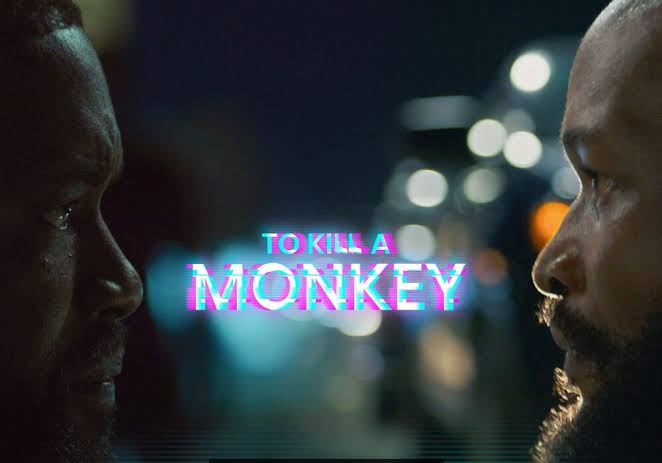
With To Kill a Monkey, filmmaker Kemi Adetiba returns with her most daring and socially confrontational work yet — a brooding, eight-part cybercrime thriller that swaps political theatrics for a deep dive into the moral compromises of survival in modern Nigeria. Streaming on Netflix as of July 18, 2025, the series is a raw and layered portrait of a man seduced by tech-enabled fraud, haunted by loss, and hunted by consequence.

Anchored by strong performances and atmospheric tension, To Kill a Monkey is as much about internet scams as it is about identity, desperation, and the haunting price of trying to outrun your past.

Plot Summary: Into the Heart of Digital Darkness

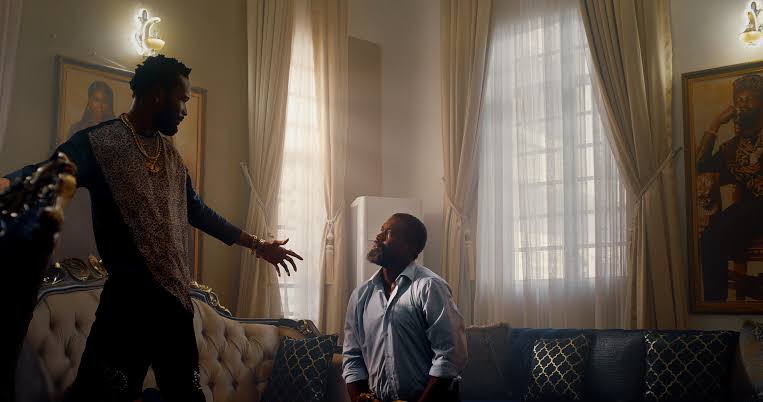
The story follows Efemini — simply “Efe” — a down-on-his-luck, intelligent young man played with controlled intensity by William Benson. Efe has lost everything that once grounded him: his job, his family, and most importantly, his sense of moral compass. Living in Lagos and trying to find his footing, he reconnects with Oboz (Bucci Franklin), a notorious cybercrime kingpin running a covert fraud syndicate.

The syndicate operates under the guise of “monkeys” — an ironic label for men who scam their way to wealth by pretending to be what they’re not. Efe, with his background in tech and artificial intelligence, quickly proves useful, building tools that help the gang target foreigners.

But beneath the wealth, women, and wild nights, the cracks begin to show. Efe’s inner world is fragile, riddled with grief, survivor’s guilt, and the slow realization that he’s spiraling into something unrecognizable.

On the other side of the hunt is Mo Ogunlesi (Bimbo Akintola), an emotionally scarred cybercrime officer determined to bring down the syndicate. As the lines blur between right and wrong, her pursuit of justice collides with Efe’s desperate need for escape.

Performance & Characterization: A Breakout and a Masterclass

William Benson is a revelation in the role of Efe. His performance is quiet, haunting, and deeply internal. Benson doesn’t play Efe as a one-note criminal but as a man struggling to survive the emotional wreckage of his life. His pain never screams — it simmers.

Bucci Franklin, as Oboz, brings charisma and controlled menace. The Edo accent, the swagger, the manipulative confidence — Franklin crafts a character that is seductive yet untrustworthy. Oboz is as much a metaphor for the streets as he is a reflection of its dangers: fast wealth, shallow loyalty, inevitable betrayal.

Bimbo Akintola returns to the screen with force. Her portrayal of Mo Ogunlesi — driven, grief-ridden, unshakably moral — offers the perfect foil to Efe’s morally gray journey. Their eventual face-off is among the most emotionally potent in the series.

Other cast members, including Stella Damasus, Chidi Mokeme, and Lilian Afegbai, deliver strong performances, though a few characters, especially within law enforcement, could have used more backstory and depth.

Direction & Writing: Kemi Adetiba’s Bold Evolution

This is Adetiba’s first major work since the King of Boys franchise, and it’s an intentional departure. Gone are the dramatic monologues and crown politics. In their place: subtlety, grit, and the silence of desperation.

As the creator, director, and writer, Adetiba shapes a story rooted in the here and now — from dating app scams to dark web forums. The dialogue is authentic, street-smart, and emotionally resonant. The writing captures both the banter of Lagos boys and the desperation of a generation trading dreams for survival hacks.

Still, the series isn’t without its flaws. At eight episodes, it occasionally lingers too long on scenes that don’t move the story forward. The mid-section, in particular, could’ve benefited from tighter pacing. But when the show finds its rhythm, it doesn’t let go.

Cinematography & Sound

Visually, To Kill a Monkey is a triumph. Shot by KC Obiajulu, the series uses deep shadows, neon backlights, and smartphone overlays to immerse viewers in the digital underworld. The use of screen graphics; messages, code, AI models, and is clever without feeling gimmicky.

Sound plays a crucial role too. The series hums with tension: the buzz of a hacked laptop, the ping of a notification just before betrayal, the muffled roar of Lagos nightlife. The soundtrack, blending ambient electronica with low-key Afrobeats, heightens both danger and emotion.

Costume & Styling: The Look of Fast Life

From knock-off designer belts to crisp kaftans and “big boy” jewelry, the costume design mirrors the delusion of luxury that defines the fraud world. Oboz is always overdressed, a walking ad for his own success story , while Efe’s style shifts from humble to gaudy, then back to broken as his inner world begins to collapse.

It’s in the subtle styling — the oversized shades, the loud watches, the new iPhones — that the show tells a silent story about aspiration and identity.

Themes & Symbolism

The title To Kill a Monkey is both literal and metaphorical. In Nigerian slang, it implies removing a nuisance — but here, it represents a deeper question: what does it mean to kill the part of yourself shaped by trauma, poverty, and anger?

The “monkey” is Efe’s alter ego — the face he wears to survive a system that failed him. Killing it isn’t just about walking away from crime; it’s about reclaiming his humanity. But can a man who’s benefited from darkness ever fully escape it?

Other powerful themes include:
– Grief and isolation
– Tech as both savior and curse
– The price of betrayal
– The thin line between survival and corruption

My Rating: 8/10

To Kill a Monkey is a sharp, emotionally resonant, and stylistically confident series. It’s not just about cybercrime; it’s about the personal cost of chasing shortcuts in a world that offers so few long roads.

With a career-defining performance from William Benson, a pitch-perfect villain in Bucci Franklin, and a director who continues to evolve and challenge herself, this is one of Nollywood’s most relevant thrillers in recent years.

In the world of the “monkeys,” survival is never free, and sometimes, the hardest person to escape is yourself.

Scroll to Top