How to Get into Nigeria’s Top Tech Internship Programs in 2025

Breaking into Nigeria’s tech space in 2025 has become both exciting and competitive. With startups springing up, global tech firms expanding into Africa, and digital skills becoming currency, internship opportunities are one of the best ways to launch your tech career.

However, landing a quality tech internship in Nigeria isn’t just about having a CV – it’s about strategy, skill, and knowing where to look. Whether you’re into software engineering, product design, data science, or digital marketing, here’s a practical guide to getting into Nigeria’s top tech internship programs in 2025.

Build Your Technical Skills Early

Before applying to any internship, it’s essential to learn the basics:

  • For coding roles: Learn HTML, CSS, JavaScript, Python, Git, SQL, etc.
  • For design: Master Figma, Adobe XD, design principles.
  • For data roles: Understand Excel, SQL, Power BI, Python, or R.
  • For product: Understand product lifecycle, roadmaps, user research tools.

There are free and paid platforms like Coursera, Udemy, AltSchool Africa, Zuri Training, and Datacamp to start with.

Join Competitions & Bootcamps

Tech programs like HNG Internship, Zuri Bootcamp, Ingressive for Good, and AltSchool Africa offer hands-on projects that mimic real-world experience. These platforms help you:

  • Build real portfolio
  • Gain mentorship
  • Collaborate in teams
  • Qualify for hiring referrals and internship pipelines

Target the Right Companies and Hubs

Here are some companies that have consistently offered tech internships in Nigeria:

  • Andela Launchpad (remote internships & learning for devs)
  • MTN Nigeria (tech, network, and digital intern roles)
  • Microsoft Nigeria Leap Program
  • CcHub (Co-Creation Hub) in Lagos – for startups and social impact tech
  • Leadpath Nigeria, Decagon, Genesys Tech Hub, Enyata, and Paystack (occasionally open internships for devs and product roles)
https://twitter.com/streamdorm_/status/1950125726813794690?s=46

Prepare Your Application Materials

Here’s what you’ll need:

  • A strong CV tailored to the internship
  • A LinkedIn profile that shows your work
  • GitHub or Behance portfolios (for devs and designers)
  • A short but tailored cover letter
  • Recommendation letters or testimonials (if possible)

Network with Tech Communities

Many tech internships in Nigeria are not publicly advertised. That’s why networking is key:

  • Join Slack/Telegram groups (e.g., DevCareers, TechNigeria, Code Clan)
  • Attend tech events and meetups (e.g., Google DevFest, Lagos Startup Week)
  • Follow Nigerian tech influencers and founders on Twitter/X and LinkedIn
  • Reach out to past interns for guidance and referrals

Apply Early and Keep Track

Internship programs often open once or twice a year. Use a tracker (Notion, Google Sheets, etc.) to keep track of deadlines. Apply early, follow up, and don’t be discouraged by rejections. Persistence pays.

Tech internships are more than job experiences, they’re stepping stones to full-time careers. With the right skills, networking, and persistence, you can secure a place in Nigeria’s top tech programs and be on your way to building a future-proof career.

In 2025, tech isn’t just the future — it’s the present. And it’s yours for the taking.

Big Brother Naija Season 10: Meet the 29 Housemates Shaking Up the “10/10” Edition

Ten seasons in, and Big Brother Naija is only getting louder, bolder, and more unpredictable. This year’s milestone edition, dubbed the “10/10” season, has thrown open the doors to 29 housemates—a mixed bag of fiery creatives, corporate minds, street kings, and everyday dreamers ready to chase fame and ₦150 million in prize money. It’s a house bursting with talent, strategy, and drama before eviction even begins.

Split across two nights, the housemates were unveiled in two waves: 15 Women on Day 1, followed by 14 Men on Day 2. 

The Female Housemates

From royalty and law to DJ decks and beauty empires, these 15 Females aren’t just here to play—they came to dominate.

Zita (Elizabeth Oloruntola, 24 – Ogun State)
A visual artist and makeup creative with a confident streak. Zita brings youthful energy and strong opinions—an unfiltered firestarter in the making.

Mide (Ayomide Iwasokun, 23 – Ondo State)
A fashion entrepreneur with a sharp mind and a sharper tongue. She says she can spot lies from a mile away, and she’s not afraid to test her theory in the house.

Sultana (Farida Auduson, 25 – Adamawa State)
Plus-size model and unapologetic Gemini. She commands space with presence and pride, and isn’t here to play small.

Doris (Doris Okorie, 33 – Ogun State)
Actress, mother, and full-blown firecracker. Doris knows who she is, and she’s not scared to challenge egos or expectations.

Big Soso (Sonia Amako, 28 – Kaduna State)
A trained lawyer and chef, Sonia blends intellect with domestic flair. She’s passionate about advocacy and unbothered by house drama.

Tracy (Uchenna Ekwe, 27 – Anambra State)
A single mum and corporate trainee with a quiet storm brewing. She brings softness wrapped in steel and is likely to be underestimated.

Ivatar (Ifeyinwa Okafor, 37 – Anambra State)
The oldest female housemate, Ivatar is a media guru and tattoo-loving DJ with class, control, and a mysterious aura.

Sabrina (Sabrina Idukpaye, 32 – Edo State)
A literal princess with a London School of Economics Master’s degree. Beauty, brains, and boldness wrapped in royalty.

Gigi Jasmine (Nicole Simon-Ogan, 31 – Akwa Ibom/Lagos)
A Nigerian-American DJ, storyteller, and mother with quiet confidence and a touch of mystery.

Thelma Lawson (26 – Rivers State)
This skincare CEO doesn’t waste words. She’s classy, brutally honest, and on a mission to expand her brand under the BBNaija spotlight.

Imisi (Opeyemi Ayanwale, 23 – Oyo State)
She’s a rising fashion voice and actress who wears her emotions on her sleeve. Sweet, loud, and refreshingly real.

Ibifubara Davies (28 – Rivers State)
A mental health advocate with a background in psychology. Her presence is gentle, but her intentions are sharp.

Isabella (Esther Georgewill, 29 – Rivers State)
A spiritual entrepreneur and mom of a teenage daughter. Isabella radiates calm, seduction, and silent authority.

Joanna (Josephine Iwoh, 21 – Benue State)
A pageant queen-turned-designer with a fierce drive. She’s young, competitive, and fully aware of the power of glam.

Dede (Precious Ashiogwu, 23 – Delta State)
Drama magnet and self-proclaimed “problem.” She’s in the house to stir energy, not blend into the background.

The Male Housemates

The men of this season are walking contradictions—brawny and brainy, stylish yet strategic, streetwise but sensitive.

Koyin (Koyinsola Sanusi, 21 – Ogun State)
The youngest male contestant. A full-time model and street-styled Lagos boy with flair and fast-talking energy.

Danboskid (Daniel Olatunji, 25 – Ekiti State)
Model, actor, and pageant king who says he prefers being chased. Charming and clearly aware of his looks.

Bright Morgan (27 – Imo State)
Popular actor known for intense roles. He’s bringing Nollywood drama to the reality stage.

Rooboy (Olakunle Samuel, 30 – Ogun State)
Professional hype man with a rich personal story. Vibrant, sensitive, and driven to rewrite his narrative.

Faith (Faith Adewale, 25 – Osun State)
Doctor by training, AR creator by hustle. Charismatic, brilliant, and a low-key playboy.

Kaybobo (Kayode Oladele, 26 – Ekiti State)
Former American footballer who now doubles as a chef. He’s loud, confident, and determined to win.

Denari (Arinze Ekwenme, 27 – Anambra State)
Comedian and mimic artist with a strong sales background. The entertainer of the group.

Kayikunmi (Kayikunmi Ajibade, 25 – Ekiti State)
A proud twin and banker who blends street-smart moves with Yoruba royal confidence.

Victory (Victory Okokon, 28 – Akwa Ibom State)
A psychologist and the brooding philosopher of the group. He’s deep, reactive, and emotionally vulnerable.

Jason Jae (Ayomide James, 29 – Ondo State)
Creative director and choreographer. His energy is artsy, flirty, and visually captivating.

Kola (Kolapo Omotosho, 28 – Ekiti State)
Calm strategist, quality analyst by day and content creator by passion. His confidence is quiet, but commanding.

Otega (Oghenetega Eritomi, 32 – Delta State)
Chef and techie with an old soul. Reserved, deliberate, and deep-thinking.

Kuture (Unekwuojo Godswill Ameh, 27 – Kogi State)
Fashion designer and sailor, proudly repping Ajegunleenergy. Real, rugged, and street-approved.

Mensan (Mensan-Awaji James, 29 – Rivers State)
A budding lawyer with poetic charisma and unfiltered honesty. Strong-headed and unapologetically sharp.

What Makes This Season Different?

Big Brother didn’t just increase the prize money—he changed the rules. For the first time:

  • ₦150 million is to be earned gradually through weekly challenges and influence scores.
  • “Most Influential Housemate” will be announced weekly, giving strategic social gameplay a big reward.
  • New twists like “Monday Challenges,” immunity tags, “Most Valuable Player,” and even return tickets for evicted housemates have made it a game of endurance, not just survival.

With 29 highly diverse personalities and a rulebook that rewards more than just fan love, Season 10 is shaping up to be the most explosive yet. Whether you’re here for alliances, love triangles, fashion, kitchen chaos, or epic fights—you won’t be disappointed as a fan of the show.

What to Expect at the 2025 Bole Festival: Food, Music, Culture & Commerce

Each year, the city of Port Harcourt transforms into a colourful playground of taste, sound, and street-style celebration and it’s all thanks to the Bole Festival. What started as a small food fair in 2016 has become one of Nigeria’s most anticipated cultural events. And in 2025, the Bole Festival returns even bigger, brighter, and bolder.

Whether you’re a first-timer or a long-time attendee, here’s everything you need to know about the 2025 edition of the Port Harcourt Bole Festival — from the food and music to the cultural vibes and commercial impact.

When and Where?

The 2025 Bole Festival is set to take place on August 30–31 at the Yakubu Gowon Stadium, Elekahia, Port Harcourt — a venue now synonymous with the Bole spirit. With over 35,000 guests expected, the stadium will once again become a hub of culinary explosions, music stages, art zones, and vendor booths.

The Food: Bole and Beyond

At the heart of the festival is Bole — roasted plantain, often served with spicy pepper sauce, roasted fish, yam, or potatoes. But the food lineup doesn’t stop there. You’ll find:
– Creative twists on bole — think plantain tacos, bole burgers, grilled suya wraps
– Local delicacies — from Rivers-style native soup to ukodo and nkwobi
– Snacks & sweets — chin chin, puff puff, local candy, palm wine
– Refreshing drinks — zobo cocktails, chapman, and cold brews
Whether you’re a foodie or a curious explorer, the Bole Festival offers a plate (or two) for everyone.

Image from previous Bole Festival

The Music: Live Vibes and Amapiano Heat

In true Port Harcourt fashion, music at the BolèFestival is loud, live, and unapologetically Nigerian. Over the years, stars like Ruger, Cavemen, and Nasboihave graced the stage. For 2025, expect:
– Top-tier Nigerian artists
– Rising Port Harcourt talents
– Live bands & DJs
– Dance battles and crowd contests
From Afrobeats to Amapiano, and highlife to street hop — the energy never dips.

The Culture & Commerce: More Than Just a Festival

Beyond food and music, the Bolè Festival has evolved into a cultural marketplace — a place where commerce meets creativity:

  • 100+ Small Vendors: Food vendors, artisans, clothing brands, skincare startups, and creatives showcase and sell their work.
  • Cultural Showcases: Indigenous dance troupes, street artists, spoken word poets, and fashion parades.
  • Community Vibes: Face painting, body art, kids’ games, DIY crafts, and local folklore storytelling.
  • Corporate Brand Experiences: From branded chill zones to drink lounges and interactive games hosted by sponsors like MTN, Tecno, La Casera, and Budweiser.

It’s a one-stop shop for expression, entrepreneurship, and entertainment.

What Should You Wear?

Come as you are, but come to slay. Expect to see streetwear drip, bold Ankara fits, and plenty of fashion statements. The Bolè Festival is an open runway — and Port Harcourt always delivers style with substance.

The Bolè Festival is more than just a food event — it’s a celebration of Southern Nigerian identity. It shines a spotlight on Port Harcourt’s vibrant street culture, supports local businesses, gives small vendors a platform to thrive, and offers youth an inclusive space to express themselves through food, fashion, music, and art.

In a country full of festivals, the Bolè Festival has carved its own lane — authentic, energetic, and proudly rooted in local flavour.

Top 10 Modeling Agencies in Nigeria to Launch Your Career in 2025

The modeling industry in Nigeria is evolving faster than ever. With global fashion brands and international scouts increasingly looking toward Africa for fresh talent, Nigeria has become a rising force in the world of modeling. Whether your dream is to walk the runway in Paris, appear in top magazine editorials, or feature in major commercial campaigns, choosing the right modeling agency is the first and most crucial step.

If you’re an aspiring model in 2025, here are 10 of the leading modeling agencies in Nigeria that can help you build a strong and successful career.

Beth Model Management

  • Location: Lagos
  • Founder: Elohor Aisien

Why Choose Beth: They focus on high-fashion runway models and have helped Nigerian talents secure placements with top brands and fashion weeks in Paris, Milan, and New York.

Few Models

  • Location: Lagos
  • Founder: Bolajo Fawehinmi

Why Choose Few: The agency is deeply invested in training, branding, and building international modeling careers. They’ve earned a reputation for professional management and global exposure.

Isis Models

  • Location: Lagos
  • Founder: Joan Okorodudu

Why Choose Isis: Isis offers a clear path from local training to international runways, making them one of the most globally connected agencies on the continent.

Catch 22 Model Management

  • Location: Lagos

Why Choose Catch: With their strong emphasis on editorial and advertising modeling, they are a great option for models looking for structured growth.

Zahara Models

  • Location: Abuja & Lagos

Why Choose Zahara: Their diverse roster includes fashion models, influencers, and commercial faces, making them ideal for models who want versatility in their careers.

Wave Model Management

  • Location: Lagos

Why Choose Wave: They offer mentorship programs and workshops that equip aspiring models with skills beyond the camera and runway.

Yray Models

  • Location: Lagos

Why Choose Yray: Yray is ideal for up-and-coming models looking for hands-on development, branding, and early career exposure.

Elite Model Look Nigeria

  • Location: Lagos
  • Founder: Affiliated with Elite World, Paris

Why Choose Elite: A perfect route for young talents seeking immediate global opportunities, with top-notch training and exposure built in.

Exquisite Models International

  • Location: Lagos

Why Choose Exquisite: They’re a great fit for models who are versatile and want to explore various sides of the modeling and entertainment industry.

Black Dove Models

  • Location: Lagos

Why Choose Black: They offer opportunities in fashion, acting, commercials, and promotional modeling. Great for talents who want to expand beyond traditional modeling.

Choosing the Right Agency

The right agency can determine how far your modeling career goes. It’s not just about looks anymore—it’s about professionalism, branding, and finding the right team to help you grow.

Here’s what to keep in mind before signing:

  • Attend open casting calls and model competitions.
  • Build a professional portfolio with quality photos.
  • Be cautious of scams— some individuals may pose as agencies and you for money
  • Maintain a strong social media presence, especially Instagram.
  • Understand your niche: fashion, commercial, editorial, or influencer modeling.

Nigeria is filled with modeling potential, and in 2025, these 10 agencies are leading the charge in turning dreams into global careers. If you’ve got the talent, discipline, and passion—this is your time.

Why More Young Nigerians Are Facing High Blood Pressure

For many years, high blood pressure (also called hypertension) was considered a “middle-age problem.” It was something we expected to see in our parents or grandparents, not in our peers or ourselves. But the reality in Nigeria, and across many African nations—is shifting. More young adults in their 20s and 30s are being diagnosed with high blood pressure, and often without warning.

This article explores why this is happening, what it means for the future of our health, and what young Nigerians can start doing about it today.

What Is High Blood Pressure?

High blood pressure is a medical condition where the force of blood against the artery walls is consistently too high. It’s often called a “silent killer” because it may not show obvious symptoms until it causes major health problems like stroke, heart failure, or kidney damage.

• Normal BP: 120/80 mmHg
• Elevated BP: 120–129/<80 mmHg
• Hypertension Stage 1: 130–139/80–89 mmHg
• Hypertension Stage 2: ≥140/90 mmHg

The Rise of Hypertension Among Young Nigerians

According to recent studies from Nigeria’s health sector, a growing number of adults between ages 25 and 40 are being diagnosed with hypertension. This is alarming, considering that this age group makes up a large portion of the country’s working population.

So, what’s causing this spike?

Main Causes of High Blood Pressure in Young Nigerians

1. Stress and Hustle Culture

Nigeria’s economic climate is not easy—most young people juggle side hustles, long commutes, toxic work environments, and financial pressure. Some young individuals these days even go as far as bragging about their not sleeping just to show their hustle spirit, thinking it’s a good thing to be proud of. Chronic stress raises cortisol levels, which in turn increases blood pressure over time.

2. Poor Diet Choices

Many Nigerians rely heavily on processed or salty foods like: Instant noodles, Packaged snacks, Excessive seasoning cubes, Sugary soft drinks. High salt and sugar intake contributes directly to high blood pressure.

3. Lack of Physical Activity

Between 9–5 jobs, traffic, and digital addiction, many young adults have become sedentary. A lack of daily movement weakens the heart and leads to weight gain—two major risk factors for hypertension.

4. Alcohol and Smoking

The rise in casual drinking, shisha, and cigarette smoking among the youth is another red flag. These habits can stiffen the arteries and raise blood pressure rapidly.

5. Family History

If hypertension runs in your family, you may be genetically predisposed—even if you live a relatively healthy lifestyle.

A Real Story: My Friend’s Wake-Up Call

A close friend of mine recently shared a shocking experience. At just 34 years old, she went to the hospital to run a general health check-up, thinking everything was fine. But when her blood pressure was taken, the nurse looked alarmed—it was extremely high.

The doctor’s advice was clear: “You need to start resting. You’re doing too much and worrying about everything.” She had been juggling work, family responsibilities, side hustles, and anxiety about the future—all without real rest or self-care. That hospital visit was her wake-up call.

Now, she’s learning to slow down, take breaks, prioritize her peace, and monitor her health more regularly.

Her story isn’t rare. It’s a growing reality for many Nigerians—especially women in their 30s.

Common Symptoms (If Any)

While many people don’t feel anything until it’s too late, some warning signs include:

  • Frequent headaches
  • Blurred vision
  • Chest pain
  • Shortness of breath
  • Fatigue or dizziness

But again, many cases have no symptoms at all—so regular blood pressure checks are crucial.

How to Prevent or Manage High Blood Pressure Early

1. Eat Clean, Local, and Balanced

Cut down on salt and seasoning cubes. Eat more fruits, vegetables, and whole grains. Opt for fresh fish, lean meat, and plant-based proteins like beans.

2. Get Active

Walk at least 30 minutes a day. Try home workouts, jump rope, or dance fitness. Take the stairs whenever possible.

3. Sleep and Rest Well

Aim for 7–8 hours of sleep each night. Chronic sleep deprivation can lead to higher blood pressure levels.

4. Reduce Stress

Meditation, journaling, or simply reducing screen time can help manage your mental load.

5. Check Your Blood Pressure Regularly

Many pharmacies and hospitals in Nigeria are available around you where you can easily check your BP. Make it a habit—especially if you have a family history.

High blood pressure is no longer a disease for “old people.” It’s here, it’s rising, and it’s affecting young, ambitious, urban Nigerians more than ever before. The earlier you detect and manage it, the better your chances of avoiding serious complications.

Taking care of your heart doesn’t mean stopping your hustle—it means making smart, preventive choices that will keep you going for a long time.

Disclaimer

I am not a licensed medical professional or cardiologist. This article has been written based on extensive research, publicly available health data, and expert reports to help raise awareness among young Nigerians. Always consult with a qualified doctor or healthcare provider for professional advice and diagnosis.

Mixtape Review; Tyla’s We Wanna Party (WWP)

South African star Tyla is clearly not here for one-dimensional artistry. Just a year after her self-titled debut album and a whirlwind global breakout with “Water,” she’s switching gears again and this time with a tight, bold, and experimental EP titled We Wanna Party, released under FAX and Epic Records.

The 4-track project is short, but far from small. It’s playful, confident, and rhythm-heavy — giving us a version of Tyla that isn’t trying to prove anything, just enjoying her growth in real time. If Tyla the album was her formal debut, We Wanna Party is her pulling up to the function in silk and sunglasses, telling us she’s not only ready to party — she’s hosting it.

The EP in Four Tracks

1. Dynamite ft. Wizkid

    This is the moment. “Dynamite” is smooth, slow, and sexy — the kind of track you want to put on repeat during a humid evening. Tyla and Wizkid deliver chemistry without doing too much. The beat doesn’t rush, the lyrics don’t beg, and the vibe is locked in. For fans of laid-back Afropop and effortless energy, this is gold.

    2. Mr. Media

    This track is Tyla at her cheekiest. She calls out gossip culture, online noise, and the obsession with image — all while sounding unbothered and fabulous. “Mr. Media” is fun and shady in the best way, with production that snaps and bounces like a digital catwalk. It’s a clapback, a wink, and a flex — all wrapped in one.

    3. Is It

    A more emotional, slowed-down moment. “Is It” has that late-night feel where the party fades and questions start rising. Tyla’s delivery is soft and vulnerable here, and the production gives space for that honesty. She doesn’t just sing — she questions, she hesitates, she wonders out loud. And we feel it.

    4. Bliss

    Ending the EP on a floaty, reflective note, “Bliss” lives up to its name. It’s dreamy and mellow, like the last scene in a coming-of-age movie. Tyla lets her vocals glide over airy production, giving us a gentle close that lingers after the beat fades. Not flashy — just beautifully calm.

    The Sound & Mood

    We Wanna Party isn’t trying to follow the same path as her debut album. Where Tyla was sleek and full of world-building, this Mixtape is more vibe-first, more experimental, and definitely less polished. 

    Why It Works

    Tyla has always known how to balance softness with strength, and We Wanna Party proves it again. She’s giving attitude without arrogance. She’s calling out the media, teasing desire, showing some emotional depth — all within four tracks. It’s cohesive without being predictable.

    And that Wizkid collab; Honestly, overdue because we all know Tyla is a big fan of Wizkid and has been looking forward to working with him. “Dynamite” feels like a natural meeting of two calm-but-commanding stars. No overproduction, no gimmicks — just quality.

    My Rating 8.5/10 

    It’s short, stylish, and quietly bold — exactly what an artist in her position should be dropping right now. She’s not doing too much, but she’s doing just enough to remind us: the party’s not stopping anytime soon.

    To Kill a Monkey Review: Kemi Adetiba Delivers a Gritty, Cybercrime Thriller That Cuts Deep

    With To Kill a Monkey, filmmaker Kemi Adetiba returns with her most daring and socially confrontational work yet — a brooding, eight-part cybercrime thriller that swaps political theatrics for a deep dive into the moral compromises of survival in modern Nigeria. Streaming on Netflix as of July 18, 2025, the series is a raw and layered portrait of a man seduced by tech-enabled fraud, haunted by loss, and hunted by consequence.

    Anchored by strong performances and atmospheric tension, To Kill a Monkey is as much about internet scams as it is about identity, desperation, and the haunting price of trying to outrun your past.

    Plot Summary: Into the Heart of Digital Darkness

    The story follows Efemini — simply “Efe” — a down-on-his-luck, intelligent young man played with controlled intensity by William Benson. Efe has lost everything that once grounded him: his job, his family, and most importantly, his sense of moral compass. Living in Lagos and trying to find his footing, he reconnects with Oboz (Bucci Franklin), a notorious cybercrime kingpin running a covert fraud syndicate.

    The syndicate operates under the guise of “monkeys” — an ironic label for men who scam their way to wealth by pretending to be what they’re not. Efe, with his background in tech and artificial intelligence, quickly proves useful, building tools that help the gang target foreigners.

    But beneath the wealth, women, and wild nights, the cracks begin to show. Efe’s inner world is fragile, riddled with grief, survivor’s guilt, and the slow realization that he’s spiraling into something unrecognizable.

    On the other side of the hunt is Mo Ogunlesi (Bimbo Akintola), an emotionally scarred cybercrime officer determined to bring down the syndicate. As the lines blur between right and wrong, her pursuit of justice collides with Efe’s desperate need for escape.

    Performance & Characterization: A Breakout and a Masterclass

    William Benson is a revelation in the role of Efe. His performance is quiet, haunting, and deeply internal. Benson doesn’t play Efe as a one-note criminal but as a man struggling to survive the emotional wreckage of his life. His pain never screams — it simmers.

    Bucci Franklin, as Oboz, brings charisma and controlled menace. The Edo accent, the swagger, the manipulative confidence — Franklin crafts a character that is seductive yet untrustworthy. Oboz is as much a metaphor for the streets as he is a reflection of its dangers: fast wealth, shallow loyalty, inevitable betrayal.

    Bimbo Akintola returns to the screen with force. Her portrayal of Mo Ogunlesi — driven, grief-ridden, unshakably moral — offers the perfect foil to Efe’s morally gray journey. Their eventual face-off is among the most emotionally potent in the series.

    Other cast members, including Stella Damasus, Chidi Mokeme, and Lilian Afegbai, deliver strong performances, though a few characters, especially within law enforcement, could have used more backstory and depth.

    Direction & Writing: Kemi Adetiba’s Bold Evolution

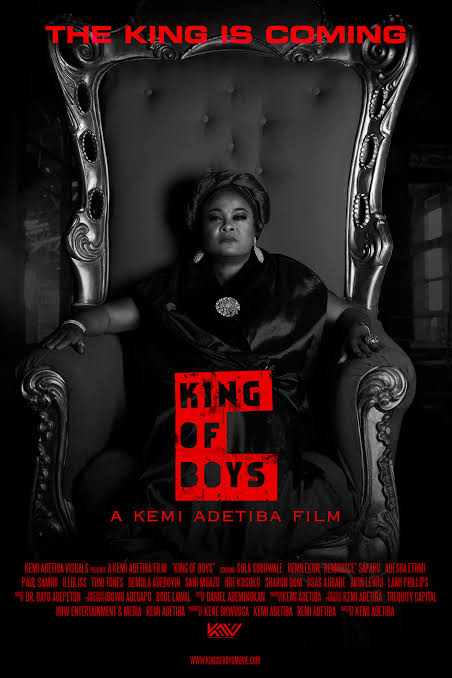
    This is Adetiba’s first major work since the King of Boys franchise, and it’s an intentional departure. Gone are the dramatic monologues and crown politics. In their place: subtlety, grit, and the silence of desperation.

    As the creator, director, and writer, Adetiba shapes a story rooted in the here and now — from dating app scams to dark web forums. The dialogue is authentic, street-smart, and emotionally resonant. The writing captures both the banter of Lagos boys and the desperation of a generation trading dreams for survival hacks.

    Still, the series isn’t without its flaws. At eight episodes, it occasionally lingers too long on scenes that don’t move the story forward. The mid-section, in particular, could’ve benefited from tighter pacing. But when the show finds its rhythm, it doesn’t let go.

    Cinematography & Sound

    Visually, To Kill a Monkey is a triumph. Shot by KC Obiajulu, the series uses deep shadows, neon backlights, and smartphone overlays to immerse viewers in the digital underworld. The use of screen graphics; messages, code, AI models, and is clever without feeling gimmicky.

    Sound plays a crucial role too. The series hums with tension: the buzz of a hacked laptop, the ping of a notification just before betrayal, the muffled roar of Lagos nightlife. The soundtrack, blending ambient electronica with low-key Afrobeats, heightens both danger and emotion.

    Costume & Styling: The Look of Fast Life

    From knock-off designer belts to crisp kaftans and “big boy” jewelry, the costume design mirrors the delusion of luxury that defines the fraud world. Oboz is always overdressed, a walking ad for his own success story , while Efe’s style shifts from humble to gaudy, then back to broken as his inner world begins to collapse.

    It’s in the subtle styling — the oversized shades, the loud watches, the new iPhones — that the show tells a silent story about aspiration and identity.

    Themes & Symbolism

    The title To Kill a Monkey is both literal and metaphorical. In Nigerian slang, it implies removing a nuisance — but here, it represents a deeper question: what does it mean to kill the part of yourself shaped by trauma, poverty, and anger?

    The “monkey” is Efe’s alter ego — the face he wears to survive a system that failed him. Killing it isn’t just about walking away from crime; it’s about reclaiming his humanity. But can a man who’s benefited from darkness ever fully escape it?

    Other powerful themes include:
    – Grief and isolation
    – Tech as both savior and curse
    – The price of betrayal
    – The thin line between survival and corruption

    My Rating: 8/10

    To Kill a Monkey is a sharp, emotionally resonant, and stylistically confident series. It’s not just about cybercrime; it’s about the personal cost of chasing shortcuts in a world that offers so few long roads.

    With a career-defining performance from William Benson, a pitch-perfect villain in Bucci Franklin, and a director who continues to evolve and challenge herself, this is one of Nollywood’s most relevant thrillers in recent years.

    In the world of the “monkeys,” survival is never free, and sometimes, the hardest person to escape is yourself.

    Visa-Free African Countries You Can Visit in 2025

    One of the biggest travel headaches for Nigerians is the visa application process — long queues, embassy drama, hidden costs, and, sometimes, heartbreaking rejections. But guess what? Things are changing fast, and for the better.

    In 2025, a growing number of African countries are throwing their borders wide open for fellow Africans. If you’ve got your green passport, there are now over 20 African countries you can visit without needing a visa beforehand.

    From vibrant cities to scenic coastlines, here’s your ultimate guide to where you can go visa-free, hassle-free, and full of vibes.

    Kenya

    Kenya made a bold move at the start of 2024 by scrapping visa requirements for all African citizens. For Nigerians, this means all you need is an online Electronic Travel Authorization (eTA), and you’re good to go.

    What to expect? From watching lions in Maasai Mara to sipping cocktails on Diani Beach, Kenya is full of jaw-dropping experiences. Nairobi gives Lagos a run for its money when it comes to nightlife and culture.

    Travel tip: Apply for your eTA at least 3–5 days before your flight. Make sure your passport has at least 6 months validity left.

    Rwanda

    Rwanda joined the visa-free league in early 2024, opening its gates to all African nationals. So yes, your Nigerian passport works just fine.

    Why visit? Kigali is believed to be one of the cleanest cities in Africa. It’s a great spot to unwind, with beautiful hills, art galleries, and calm vibes. Go gorilla trekking in Volcanoes National Park for a once-in-a-lifetime adventure.

    Stay duration: You can stay for up to 90 days without stress.

    Ghana

    Ghana officially removed visa requirements for African citizens in April 2025, and Nigeria’s ECOWAS connection already gives us visa-free access for up to 90 days.

    What’s hot? Accra is a vibe! Art, fashion, music, food — it’s got it all. Visit historic places like the Cape Coast Castle, walk the Kakum canopy bridge, or just enjoy beach parties.

    The Gambia

    As of January 1, 2025, The Gambia allows visa-free entry to all African Union citizens — including Nigerians.

    What to do there? This tiny West African country is full of surprises. Chill by the Atlantic, take a river cruise, or explore traditional villages.

    Heads-up: There’s a small entry fee (around $20), even though it’s visa-free. So keep some cash handy.

    Senegal

    Senegal offers visa-free access to Nigerians for up to 90 days — thanks to ECOWAS. Dakar is where Afrobeats meets mbalax, and the energy is unmatched.

    Don’t miss: The stunning Pink Lake (Lac Rose), the historic slave-trade site at Gorée Island, and bustling local markets.

    Cameroon

    Cameroon is another ECOWAS member that welcomes Nigerians for 90 days visa-free.

    What’s popping? From the buzzing city of Douala to hiking Mount Cameroon and chilling in Limbe — there’s nature, nightlife, and culture wrapped in one.

    Bonus: It’s one of the cheapest international trips you can take from Nigeria.

    Other ECOWAS Countries: No Visa, Just Vibes

    Thanks to the ECOWAS Free Movement Protocol, Nigerians can travel visa-free for up to 90 days in:
    – Togo
    – Sierra Leone
    – Liberia
    – Senegal
    – Guinea
    – Mali
    – Burkina Faso
    – Côte d’Ivoire
    – Niger
    – Cape Verde
    – Chad
    – Guinea-Bissau
    Each destination has its own story to tell — from cultural festivals to natural wonders and beach getaways.

    Seychelles: Island Bliss

    Seychelles offers Nigerians visa-free entry for up to 30 days (you’ll be issued a visitor’s permit on arrival).

    What to love? Think white-sand beaches, turquoise waters, and peaceful island life. It’s perfect for couples’ vacation or solo recharge trips.

    Be aware: There have been mixed reports about Nigerian travelers facing entry restrictions. Check with the airline or Seychelles immigration before booking.

    Before You Pack…

    • Make sure your passport is valid for at least 6 months from your travel date.
    • Some countries might ask for proof of accommodation or return tickets.
    • Even visa-free doesn’t always mean free — you might need to pay small entry or airport fees.
    • Double-check with each country’s embassy or official travel site before booking — just to be sure.

    This movement is bigger than tourism. It’s about Pan-African unity, and economic empowerment. So, if you’ve been itching to travel, 2025 might just be your year.

    High-Protein Nigerian Meals for Gym Lovers on a Budget

    For many Nigerians trying to build muscle, stay fit, or lose fat, the word “protein” often sounds expensive. With gym culture growing stronger in Nigeria—especially in urban areas like Lagos, Abuja, and Port Harcourt—more people are now paying attention to what they eat. But with rising food prices, eating a protein-rich diet might seem out of reach.

    The good news? You don’t need to break the bank to eat protein-rich meals in Nigeria. Our local markets are packed with affordable, high-protein foods that can help you build muscle and fuel your workouts—without expensive supplements or imported diets.

    This article will walk you through affordable high-protein Nigerian meals for gym enthusiasts who are working with a budget in 2025.

    Why Protein Matters for Gym Lovers

    If you’re lifting weights, doing cardio, or trying to stay lean, your muscles need protein to:

    • Repair and rebuild after workouts
    • Support fat loss while preserving lean muscle
    • Help recovery and reduce soreness
    • Maintain strength and energy levels

    According to health experts, the average active adult should aim for 1.2–2.0 grams of protein per kilogram of body weight depending on their fitness goals.

    Top Budget-Friendly High-Protein Nigerian Meals

    1. Beans
      – Protein: ~15g/serving
      – Additions: Boiled egg or fried plantain
    2. Moi Moi (Steamed Bean Pudding)
      – Protein: 10–15g/wrap
      – Tip: Blend in boiled egg, titus fish, or shrimp
    3. Boiled Eggs and Sweet Potatoes
      – Protein: ~6g/egg
      – Balanced with complex carbs
    4. Yam and Egg Sauce
      – Eggs: 12g protein (2 eggs)
      – Add sardines or titus fish
    5. Efo Riro with Semo or Fufu
      – Protein: Up to 20g (with meat/fish)
      – Add dry fish, stockfish, or assorted meat
    6. Akara and Pap
      – Protein: ~8g per 3–4 pieces
      – Affordable breakfast or post-workout snack
    7. Okra Soup with Fish and Swallow
      – Protein: 12–20g/serving
      – Combine with smoked fish, crayfish, or periwinkle

    Cheap Protein Boosters to Stock Up On

    Here are some everyday Nigerian protein sources that gym lovers should always keep on hand:
    Eggs, Beans, Groundnuts, Titus Fish, Sardines (canned), Dry Fish, Crayfish, Chicken (parts) 

    Tips for Staying Consistent on a Budget

    • Cook in bulk to reduce waste and save time
    • Meal prep on weekends to avoid constant spending
    • Use cheaper cuts like gizzard, liver, and wings
    • Drink water instead of soda or energy drinks
    • Avoid expensive, imported food trends—stick to local meals

    Final Word

    You don’t need fancy imported protein powders, supplements, or overly expensive diets to get the gains you want. Whether you’re trying to bulk up, tone your body, or just stay fit, there are plenty of protein-rich, affordable Nigerian meals that can get the job done.

    All it takes is planning, discipline, and knowing how to mix the right foods.

    Disclaimer

    I am not a certified nutritionist, personal trainer, or medical professional. This article is based on local knowledge and publicly available research to help inform Nigerians making healthier food choices. Always consult a healthcare provider or certified dietitian for personal advice.

    Everyone’s a Creator Now: The TikTok Boom, AI, and the Future of Video Content

    Today, we’re diving into one of the biggest cultural shifts of the decade: the rise of content creators, the dominance of TikTok, and how artificial intelligence is already shaping the next frontier of video content.

    Let’s get into it.

    Why Is Everyone Becoming a Content Creator?

    The answer is simple: access and attention.
    A smartphone and an internet connection are now all you need to become a “creator.” Platforms like TikTok, Instagram Reels, and YouTube Shorts have removed traditional barriers and made it possible for anyone with a camera and a spark of creativity to go viral.

    • Teenagers are building audiences bigger than mainstream TV networks.
    • Niche creators are monetizing micro-audiences through brand deals, affiliate marketing, and subscriptions.
    • Traditional celebrities are now playing catch-up with digital-first influencers.

    Content creation is no longer a side hustle or hobby — for many, it’s a career path and a personal brand platform.
    The TikTok Effect: Short, Fast, Viral

    Let’s be honest: TikTok changed everything.

    In under 60 seconds, a creator can tell a story, start a trend, review a product, or launch a movement. What Instagram did for photo culture, TikTok is doing for video storytelling.

    And the effect is massive:

    •  TikTok has over 1.5 billion users globally and growing.
    • Over 60% of users say they discover new music, products, and creators first on TikTok.
    • Creators like Khaby Lame, Charli D’Amelio, and Nigeria’s own Beauty Goddess have turned TikTok fame into global influence.


    In short: TikTok isn’t just a platform — it’s the main stage.


    Enter AI: The Next Wave of Content Creation

    Now, here’s where it gets wild.
    AI is no longer just writing captions or editing videos. It’s now creating them.

    • AI tools like Runway, Pika, and Sora can generate videos from text prompts — no camera needed.
    • Voice cloning and face animation tools are allowing creators to build virtual influencers and characters.
    • Editing, scripting, and even idea generation are becoming automated.

    What does this mean?

    • For creators: You don’t need a team or big budget anymore — you just need ideas and the right tools.
    •  For consumers: You may soon be watching content that was never touched by human hands, but still entertaining, emotional, and viral.

    What’s the Future?

    The future of content creation will likely be a mix of human creativity and machine efficiency. While AI may assist or even automate parts of the process, the best creators will be those who can tell authentic stories, adapt quickly to trends, and build trust with their audiences.

    We’re headed into an era where:

    • Content is faster to make, but harder to stand out.
    • Originality and authenticity will matter more than ever.
    • Creators will need to be more on their toes — editor, marketer, storyteller, community builder in general.

    Final Thought

    The question isn’t just “Who’s creating content now?” — it’s what counts as content, who gets to create it, and what role we play in consuming or curating it.

    One thing is for sure: we’re all in the content business now.


    What’s your take — is AI a tool, a threat, or the future of creativity?
    Hit reply and let us know. We might feature your thoughts in the next edition.

    Scroll to Top