To Kill a Monkey Review: Kemi Adetiba Delivers a Gritty, Cybercrime Thriller That Cuts Deep

With To Kill a Monkey, filmmaker Kemi Adetiba returns with her most daring and socially confrontational work yet — a brooding, eight-part cybercrime thriller that swaps political theatrics for a deep dive into the moral compromises of survival in modern Nigeria. Streaming on Netflix as of July 18, 2025, the series is a raw and layered portrait of a man seduced by tech-enabled fraud, haunted by loss, and hunted by consequence.

Anchored by strong performances and atmospheric tension, To Kill a Monkey is as much about internet scams as it is about identity, desperation, and the haunting price of trying to outrun your past.

Plot Summary: Into the Heart of Digital Darkness

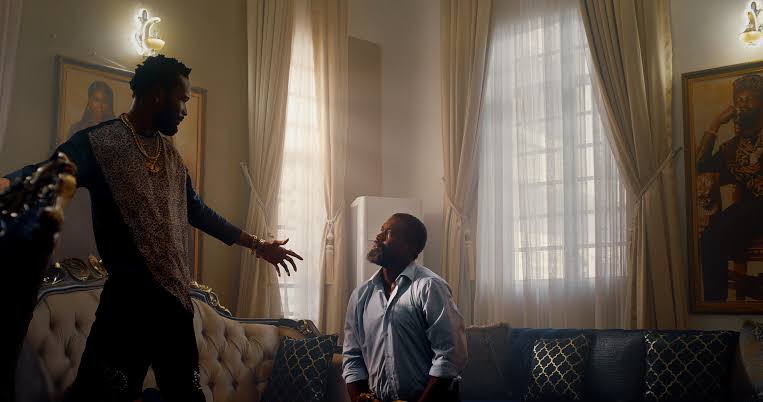
The story follows Efemini — simply “Efe” — a down-on-his-luck, intelligent young man played with controlled intensity by William Benson. Efe has lost everything that once grounded him: his job, his family, and most importantly, his sense of moral compass. Living in Lagos and trying to find his footing, he reconnects with Oboz (Bucci Franklin), a notorious cybercrime kingpin running a covert fraud syndicate.

The syndicate operates under the guise of “monkeys” — an ironic label for men who scam their way to wealth by pretending to be what they’re not. Efe, with his background in tech and artificial intelligence, quickly proves useful, building tools that help the gang target foreigners.

But beneath the wealth, women, and wild nights, the cracks begin to show. Efe’s inner world is fragile, riddled with grief, survivor’s guilt, and the slow realization that he’s spiraling into something unrecognizable.

On the other side of the hunt is Mo Ogunlesi (Bimbo Akintola), an emotionally scarred cybercrime officer determined to bring down the syndicate. As the lines blur between right and wrong, her pursuit of justice collides with Efe’s desperate need for escape.
Performance & Characterization: A Breakout and a Masterclass

William Benson is a revelation in the role of Efe. His performance is quiet, haunting, and deeply internal. Benson doesn’t play Efe as a one-note criminal but as a man struggling to survive the emotional wreckage of his life. His pain never screams — it simmers.

Bucci Franklin, as Oboz, brings charisma and controlled menace. The Edo accent, the swagger, the manipulative confidence — Franklin crafts a character that is seductive yet untrustworthy. Oboz is as much a metaphor for the streets as he is a reflection of its dangers: fast wealth, shallow loyalty, inevitable betrayal.

Bimbo Akintola returns to the screen with force. Her portrayal of Mo Ogunlesi — driven, grief-ridden, unshakably moral — offers the perfect foil to Efe’s morally gray journey. Their eventual face-off is among the most emotionally potent in the series.

Other cast members, including Stella Damasus, Chidi Mokeme, and Lilian Afegbai, deliver strong performances, though a few characters, especially within law enforcement, could have used more backstory and depth.

Direction & Writing: Kemi Adetiba’s Bold Evolution

This is Adetiba’s first major work since the King of Boys franchise, and it’s an intentional departure. Gone are the dramatic monologues and crown politics. In their place: subtlety, grit, and the silence of desperation.

As the creator, director, and writer, Adetiba shapes a story rooted in the here and now — from dating app scams to dark web forums. The dialogue is authentic, street-smart, and emotionally resonant. The writing captures both the banter of Lagos boys and the desperation of a generation trading dreams for survival hacks.

Still, the series isn’t without its flaws. At eight episodes, it occasionally lingers too long on scenes that don’t move the story forward. The mid-section, in particular, could’ve benefited from tighter pacing. But when the show finds its rhythm, it doesn’t let go.

Cinematography & Sound

Visually, To Kill a Monkey is a triumph. Shot by KC Obiajulu, the series uses deep shadows, neon backlights, and smartphone overlays to immerse viewers in the digital underworld. The use of screen graphics; messages, code, AI models, and is clever without feeling gimmicky.

Sound plays a crucial role too. The series hums with tension: the buzz of a hacked laptop, the ping of a notification just before betrayal, the muffled roar of Lagos nightlife. The soundtrack, blending ambient electronica with low-key Afrobeats, heightens both danger and emotion.

Costume & Styling: The Look of Fast Life

From knock-off designer belts to crisp kaftans and “big boy” jewelry, the costume design mirrors the delusion of luxury that defines the fraud world. Oboz is always overdressed, a walking ad for his own success story , while Efe’s style shifts from humble to gaudy, then back to broken as his inner world begins to collapse.

It’s in the subtle styling — the oversized shades, the loud watches, the new iPhones — that the show tells a silent story about aspiration and identity.

Themes & Symbolism

The title To Kill a Monkey is both literal and metaphorical. In Nigerian slang, it implies removing a nuisance — but here, it represents a deeper question: what does it mean to kill the part of yourself shaped by trauma, poverty, and anger?

The “monkey” is Efe’s alter ego — the face he wears to survive a system that failed him. Killing it isn’t just about walking away from crime; it’s about reclaiming his humanity. But can a man who’s benefited from darkness ever fully escape it?

Other powerful themes include:
– Grief and isolation
– Tech as both savior and curse
– The price of betrayal
– The thin line between survival and corruption

My Rating: 8/10

To Kill a Monkey is a sharp, emotionally resonant, and stylistically confident series. It’s not just about cybercrime; it’s about the personal cost of chasing shortcuts in a world that offers so few long roads.

With a career-defining performance from William Benson, a pitch-perfect villain in Bucci Franklin, and a director who continues to evolve and challenge herself, this is one of Nollywood’s most relevant thrillers in recent years.

In the world of the “monkeys,” survival is never free, and sometimes, the hardest person to escape is yourself.

Visa-Free African Countries You Can Visit in 2025

One of the biggest travel headaches for Nigerians is the visa application process — long queues, embassy drama, hidden costs, and, sometimes, heartbreaking rejections. But guess what? Things are changing fast, and for the better.

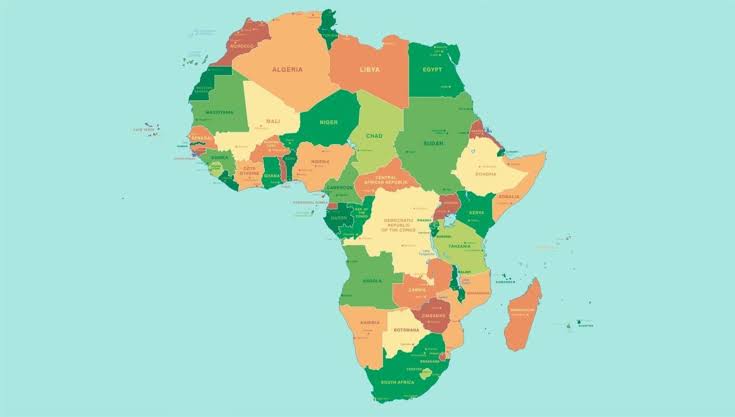
In 2025, a growing number of African countries are throwing their borders wide open for fellow Africans. If you’ve got your green passport, there are now over 20 African countries you can visit without needing a visa beforehand.

From vibrant cities to scenic coastlines, here’s your ultimate guide to where you can go visa-free, hassle-free, and full of vibes.

Kenya

Kenya made a bold move at the start of 2024 by scrapping visa requirements for all African citizens. For Nigerians, this means all you need is an online Electronic Travel Authorization (eTA), and you’re good to go.

What to expect? From watching lions in Maasai Mara to sipping cocktails on Diani Beach, Kenya is full of jaw-dropping experiences. Nairobi gives Lagos a run for its money when it comes to nightlife and culture.

Travel tip: Apply for your eTA at least 3–5 days before your flight. Make sure your passport has at least 6 months validity left.

Rwanda

Rwanda joined the visa-free league in early 2024, opening its gates to all African nationals. So yes, your Nigerian passport works just fine.

Why visit? Kigali is believed to be one of the cleanest cities in Africa. It’s a great spot to unwind, with beautiful hills, art galleries, and calm vibes. Go gorilla trekking in Volcanoes National Park for a once-in-a-lifetime adventure.

Stay duration: You can stay for up to 90 days without stress.

Ghana

Ghana officially removed visa requirements for African citizens in April 2025, and Nigeria’s ECOWAS connection already gives us visa-free access for up to 90 days.

What’s hot? Accra is a vibe! Art, fashion, music, food — it’s got it all. Visit historic places like the Cape Coast Castle, walk the Kakum canopy bridge, or just enjoy beach parties.

The Gambia

As of January 1, 2025, The Gambia allows visa-free entry to all African Union citizens — including Nigerians.

What to do there? This tiny West African country is full of surprises. Chill by the Atlantic, take a river cruise, or explore traditional villages.

Heads-up: There’s a small entry fee (around $20), even though it’s visa-free. So keep some cash handy.

Senegal

Senegal offers visa-free access to Nigerians for up to 90 days — thanks to ECOWAS. Dakar is where Afrobeats meets mbalax, and the energy is unmatched.

Don’t miss: The stunning Pink Lake (Lac Rose), the historic slave-trade site at Gorée Island, and bustling local markets.

Cameroon

Cameroon is another ECOWAS member that welcomes Nigerians for 90 days visa-free.

What’s popping? From the buzzing city of Douala to hiking Mount Cameroon and chilling in Limbe — there’s nature, nightlife, and culture wrapped in one.

Bonus: It’s one of the cheapest international trips you can take from Nigeria.

Other ECOWAS Countries: No Visa, Just Vibes

Thanks to the ECOWAS Free Movement Protocol, Nigerians can travel visa-free for up to 90 days in:
– Togo
– Sierra Leone
– Liberia
– Senegal
– Guinea
– Mali
– Burkina Faso
– Côte d’Ivoire
– Niger
– Cape Verde
– Chad
– Guinea-Bissau
Each destination has its own story to tell — from cultural festivals to natural wonders and beach getaways.

Seychelles: Island Bliss

Seychelles offers Nigerians visa-free entry for up to 30 days (you’ll be issued a visitor’s permit on arrival).

What to love? Think white-sand beaches, turquoise waters, and peaceful island life. It’s perfect for couples’ vacation or solo recharge trips.

Be aware: There have been mixed reports about Nigerian travelers facing entry restrictions. Check with the airline or Seychelles immigration before booking.

Before You Pack…

  • Make sure your passport is valid for at least 6 months from your travel date.
  • Some countries might ask for proof of accommodation or return tickets.
  • Even visa-free doesn’t always mean free — you might need to pay small entry or airport fees.
  • Double-check with each country’s embassy or official travel site before booking — just to be sure.

This movement is bigger than tourism. It’s about Pan-African unity, and economic empowerment. So, if you’ve been itching to travel, 2025 might just be your year.

High-Protein Nigerian Meals for Gym Lovers on a Budget

For many Nigerians trying to build muscle, stay fit, or lose fat, the word “protein” often sounds expensive. With gym culture growing stronger in Nigeria—especially in urban areas like Lagos, Abuja, and Port Harcourt—more people are now paying attention to what they eat. But with rising food prices, eating a protein-rich diet might seem out of reach.

The good news? You don’t need to break the bank to eat protein-rich meals in Nigeria. Our local markets are packed with affordable, high-protein foods that can help you build muscle and fuel your workouts—without expensive supplements or imported diets.

This article will walk you through affordable high-protein Nigerian meals for gym enthusiasts who are working with a budget in 2025.

Why Protein Matters for Gym Lovers

If you’re lifting weights, doing cardio, or trying to stay lean, your muscles need protein to:

  • Repair and rebuild after workouts
  • Support fat loss while preserving lean muscle
  • Help recovery and reduce soreness
  • Maintain strength and energy levels

According to health experts, the average active adult should aim for 1.2–2.0 grams of protein per kilogram of body weight depending on their fitness goals.

Top Budget-Friendly High-Protein Nigerian Meals

1. Beans
  – Protein: ~15g/serving
  – Additions: Boiled egg or fried plantain
2. Moi Moi (Steamed Bean Pudding)
  – Protein: 10–15g/wrap
  – Tip: Blend in boiled egg, titus fish, or shrimp
3. Boiled Eggs and Sweet Potatoes
  – Protein: ~6g/egg
  – Balanced with complex carbs
4. Yam and Egg Sauce
  – Eggs: 12g protein (2 eggs)
  – Add sardines or titus fish
5. Efo Riro with Semo or Fufu
  – Protein: Up to 20g (with meat/fish)
  – Add dry fish, stockfish, or assorted meat
6. Akara and Pap
  – Protein: ~8g per 3–4 pieces
  – Affordable breakfast or post-workout snack
7. Okra Soup with Fish and Swallow
  – Protein: 12–20g/serving
  – Combine with smoked fish, crayfish, or periwinkle

Cheap Protein Boosters to Stock Up On

Here are some everyday Nigerian protein sources that gym lovers should always keep on hand:
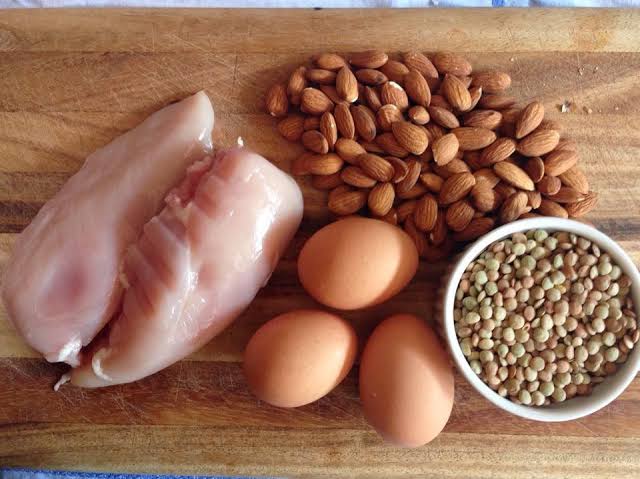
Eggs, Beans, Groundnuts, Titus Fish, Sardines (canned), Dry Fish, Crayfish, Chicken (parts) 

Tips for Staying Consistent on a Budget

  • Cook in bulk to reduce waste and save time
  • Meal prep on weekends to avoid constant spending
  • Use cheaper cuts like gizzard, liver, and wings
  • Drink water instead of soda or energy drinks
  • Avoid expensive, imported food trends—stick to local meals

Final Word

You don’t need fancy imported protein powders, supplements, or overly expensive diets to get the gains you want. Whether you’re trying to bulk up, tone your body, or just stay fit, there are plenty of protein-rich, affordable Nigerian meals that can get the job done.

All it takes is planning, discipline, and knowing how to mix the right foods.

Disclaimer

I am not a certified nutritionist, personal trainer, or medical professional. This article is based on local knowledge and publicly available research to help inform Nigerians making healthier food choices. Always consult a healthcare provider or certified dietitian for personal advice.

Vaginal Health Myths You Need to Stop Believing as a Woman in 2025

In today’s world where women are becoming more conscious of their health and well-being, vaginal care is still one of the least openly discussed topics, especially in Nigeria. Unfortunately, this silence has left room for myths, misinformation, and harmful cultural beliefs to thrive. Many women still receive more advice from peers and hearsay than from medical professionals when it comes to caring for their intimate health.

As we progress through 2025, it’s important to challenge these myths, encourage open and informed conversations, and prioritize scientifically backed vaginal care practices. This article uncovers some of the most widespread vaginal health myths among Nigerian women, explains why they are wrong, and offers clear, professional guidance on what women should actually do.

MYTH 1: The Vagina Must Be Washed Inside with Soap or Antiseptics

This is arguably the most common misconception. A significant number of women still believe that they must wash the inside of their vagina (not the external vulva) with soap, antiseptic liquids, or herbal concoctions to be “clean” or smell fresh. In some communities, this practice is even passed down as a traditional rite of hygiene or womanhood.

The Truth: The Vagina is Self-Cleaning

The vagina is an incredibly smart and self-regulating organ. It contains a delicate balance of good bacteria (primarily lactobacilli) and maintains an acidic pH that naturally prevents infections. When you introduce soap or antiseptics into the vagina, you risk destroying this natural balance. This can lead to:

  • Vaginal irritation or dryness
  • Bacterial vaginosis (BV)
  • Yeast infections
  • Unpleasant odors (ironically caused by imbalance)

Professional Advice:

Wash only the external part of your genitals (the vulva) using warm water and, if needed, a mild unscented soap. Never insert soaps, detergents, herbal mixtures, or antiseptics inside your vagina. Doing so causes more harm than good.

MYTH 2: Vaginal Discharge Is Always a Sign of Infection

In many Nigerian households, vaginal discharge is often seen as a red flag. Women panic at the sight of it, especially if they are unmarried, believing it’s unnatural or linked to sexual activity or infection.

The Truth: Discharge Is Normal and Necessary

Healthy vaginal discharge plays an essential role in keeping the vagina clean and lubricated. It helps remove dead cells and bacteria. Discharge can vary in consistency and color throughout your menstrual cycle.

Normal discharge is usually:

  • Clear or white
  • Odorless or mildly musky
  • Slippery, thick, or stretchy depending on hormonal levels

    Concerning discharge may be:
  • Yellow or green
  • Accompanied by a foul smell
  • Accompanied by itching, pain, or burning

Professional Advice:

Learn to recognize your own cycle and what’s normal for your body. If your discharge changes suddenly in color, smell, or texture, consult a medical professional, not social media.

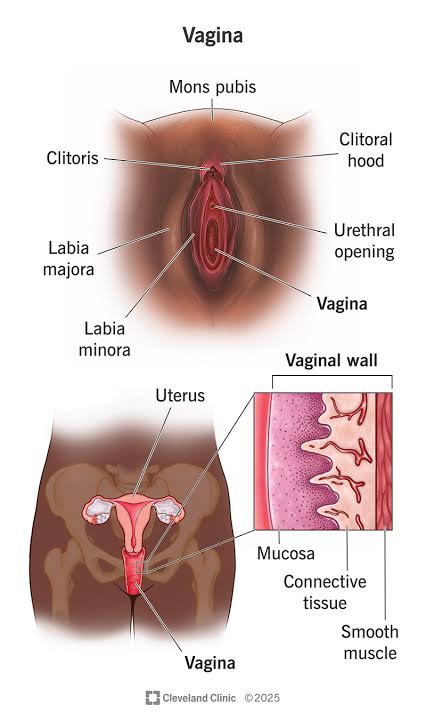
Image by Cleveland Clinic 2025

MYTH 3: You Should Smell Like Perfume or Scented Soap ‘Down There’

With the rise of beauty and hygiene marketing, many women have been made to believe that the vagina should smell like strawberries, flowers, or mint. As a result, the use of scented soaps, powders, and vaginal sprays has grown popular, even among teenagers.

The Truth: Vaginas Have a Natural Scent and It’s Normal

The vagina is not supposed to smell like a fragrance shop. It has its own mild, musky scent that reflects hormonal activity and bacterial balance. Attempting to mask this scent with perfume-based products can trigger irritation, inflammation, and even allergic reactions.

Professional Advice:

Avoid any feminine hygiene products that contain artificial fragrances. These include vaginal sprays, douching products, perfumed sanitary pads, or scented soaps. Your vagina does not need to be perfumed, it needs to be respected.

MYTH 4: Tight Jeans and Underwear Don’t Affect Vaginal Health

Fashion and comfort sometimes clash, and many women love tight jeans, body shapers, or nylon panties, unaware of the health risks associated with these clothing choices.

The Truth: Breathability Matters for Vaginal Health

Tight or synthetic underwear, especially in Nigeria’s hot and humid climate, can trap sweat and moisture. This creates a perfect breeding ground for yeast and bacteria. Over time, this may cause:

  • Recurrent yeast infections
  • Skin rashes or irritation
  • Unpleasant odors due to trapped moisture

Professional Advice:

Opt for 100% cotton underwear that allows airflow. At night, sleep without underwear if possible. When wearing jeans or tight clothes, do so in moderation and ensure they’re not overly restrictive.

MYTH 5: You Only Need a Gynecologist if You’re Pregnant or in Pain

In many Nigerian communities, women only consider visiting a gynecologist during pregnancy or when facing visible discomfort. Preventive care is often overlooked or seen as unnecessary.

The Truth: Regular Check-Ups Are Crucial

Just like you visit the dentist or go for an eye test, regular gynecological visits are part of responsible adult healthcare. These visits help detect:

  • Cervical cancer (via Pap smears)
  • STIs, even when asymptomatic
  • Hormonal imbalances
  • Reproductive health issues like fibroids or ovarian cysts

Professional Advice:

Every woman should see a gynecologist at least once a year, whether or not they’re sexually active or pregnant. Early detection can save lives, especially when it comes to diseases like cervical cancer.

Changing the Narrative: A Call for Education and Empowerment

Vaginal health is not a taboo. It is part of overall wellness and should be treated with the same respect and attention as any other aspect of your health. As we move forward in 2025, Nigerian women must replace harmful myths with facts. The more women are informed, the more empowered they become to take control of their bodies without shame or fear.

Final Words:

  • Your vagina doesn’t need to be washed with Dettol.
  • Discharge doesn’t mean you’re dirty.
  • A natural scent is normal.
  • Cotton underwear is not outdated; it’s healthy.
  • Seeing a gynecologist is not just for mothers.

Disclaimer: I am not a medical professional or gynecologist. This article was put together through careful research from reputable health sources to encourage awareness and promote responsible conversation around vaginal health. For any specific concerns or symptoms, please consult a licensed healthcare provider or gynecologist.

Most Instagrammable Places to Visit in Nigeria – July 2025 List

Let’s face it: in 2025, if you didn’t take a picture, did it even happen? Nigeria is bursting with scenic gems that are just waiting to light up your Instagram feed,whether you’re a content creator, travel blogger, or just someone who loves sharing good vibes with your followers. From cultural landmarks to natural wonders, this country is a playground for anyone looking to capture beauty, colour, and authenticity.

If you’re looking for Instagrammable spots that are trending right now, especially this July 2025, I’ve rounded up the best places where your phone (and your followers) will thank you. Ready to explore? Let’s dive into this unforgettable list.

Nike Art Gallery – Lagos

Step into a world of colour, creativity, and culture at Nike Art Gallery, one of the largest art galleries in West Africa. It’s a go-to spot for art lovers, culture enthusiasts, and influencers alike. The moment you walk in, you’re surrounded by stunning textile patterns, traditional paintings, sculptures, and even handmade jewelry.

But it’s not just the art. The building itself is an aesthetic wonder. From the bold white exteriors to the spiral staircase and the beautifully curated African-themed decor, it’s impossible not to snap a photo.

Kajuru Castle – Kaduna

This feels like something out of a storybook. Built in the 1980s in the style of a medieval European castle, Kajuru Castle is nestled among the mountains of Kaduna. It has dramatic stone towers, a crocodile pit, and a pool that overlooks miles of untouched landscape.

If you’re going for a luxury-meets-escapism aesthetic, this is it. It’s peaceful, private, and gives serious Game of Thrones kind of energy, only with Naija sunshine instead of snow.

Lekki Conservation Centre – Lagos

For nature lovers and adventure seekers, Lekki Conservation Centre is a must. It’s home to Africa’s longest canopy walkway, and the views from the top are something else. Think lush green treetops, light filtering through the leaves, and a perfect mix of serenity and thrill.

Zuma Rock – Niger State

Standing tall along the Abuja-Kaduna expressway, Zuma Rock is more than just a rock, it’s a natural wonder with a human-like face carved by nature. In 2025, more travelers are visiting not just for the view but for its cultural symbolism.

Wuse Market Murals – Abuja

Street art is taking over Abuja in 2025, especially around Wuse Market, which has become a spontaneous outdoor gallery. Artists are turning once-plain walls into vibrant murals that reflect modern Nigerian life, culture, and fashion.

Erin Ijesha Waterfalls – Osun State

Also known as Olumirin Waterfalls, this multi-level cascade is one of Nigeria’s most magical natural attractions. Every level offers unique views and natural pools surrounded by greenery.

Lagos Boardwalk – Victoria Island

Opened earlier this year, the Lagos Boardwalk is one of the city’s trendiest new hangouts. Located by the Atlantic, it features wooden paths, cozy spots, and incredible sunset views.

Jabi Lake Rooftop – Abuja

Jabi Lake Mall’s rooftop offers an unbeatable view of Abuja’s skyline and the calm lake below. Great for content creators who want that elevated, classy vibe.

Nigeria is full of magic, beauty, and style — and as more people explore, they’re realizing that this country is a content haven. Whether you’re chasing waterfalls, murals, castles, or city views, these spots will leave you with not just stunning photos, but unforgettable memories.

So grab your phone, charge your power bank, and hit the road — your next viral photo might just be waiting in one of these Instagrammable corners of Nigeria.

Drink at Your Own Risk: Top 10 Fake Liquors in Nigeria

In Nigeria, liquor is more than just a drink, it’s part of social life, celebrations, street culture, and nightlife. But in recent years, the rise in counterfeit alcohol has turned what should be a relaxing drink into a potential health hazard. From cheap spirits passed off as premium brands to dangerous home-brews sold in public places, fake liquor is everywhere.

The health risks are real and severe ranging from liver failure and blindness to coma and death. This article highlights the top 10 fake liquors often consumed in Nigeria and provides clear tips on how to identify original versions to help you protect yourself and others.

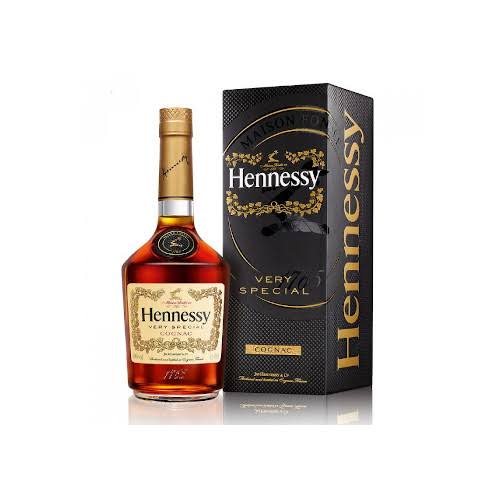
Fake Hennessy

Perhaps the most widely counterfeited liquor in Nigeria, fake Hennessy is everywhere, from clubs to beer parlors all over Nigeria cities. These imitations are often sold in refilled original bottles or poorly labelled copies. Hennessy is the go-to premium drink in Nigeria’s clubs and parties, making it a top target for counterfeiters.

How to Spot Fake Hennessy:

  • Fake versions often have unclear printing on the label.
  • The bottle cap might feel loose or have glue around it.
  • Genuine Hennessy has a unique seal and barcode you can verify via the official website or app.
  • The cork is high quality and embossed; fake ones often look cheap.

Health Risks: Headaches, blurred vision, liver failure, and poisoning due to harmful solvents.

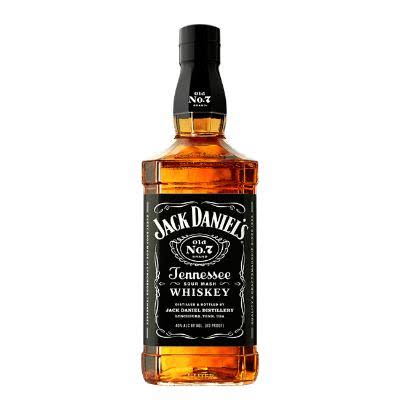
Fake Jack Daniel’s Whiskey

No jokes but original Jack Daniel’s is an expensive drink that can not be afforded by some clubs and bars where you buy the fake ones, making it a prime target for counterfeiters.

How to Spot Original Jack Daniel’s:

  • Original bottles have raised glass embossing and precise fonts.
  • The label should not peel or look faded.
  • Original bottles come with a laser-etched production code near the neck.
  • The whiskey should smell oaky and smooth, not chemically sharp.

Health Risks: Kidney damage, dizziness, or death due to industrial alcohol content in fakes.

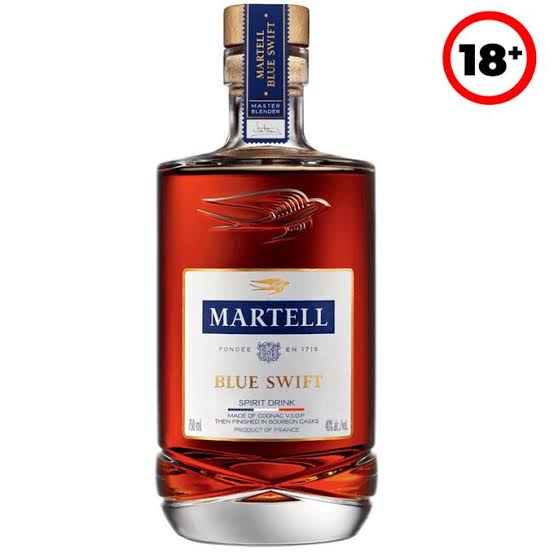
Fake Martell

In recent years in Nigeria, Martell has gained prominence as a result of one of Nigeria big stars promoting the cognac which has led a lot of people to want to have a taste of it, promoting a sense of wealth and class. Counterfeit Martell, another premium alcohol is usually distributed through unregulated channels such as open markets and roadside vendors. The packaging may look convincing but the seal and labelling are often poorly done. 

How to Spot Original Martell:

  • The bottle has a unique shape and heavy feel.
  • It includes a hologram sticker, lot number, and deep engravings on the bottle.
  • Original Martell has a deep amber color and a fruity aroma — fakes often smell like spirit mixed with flavoring.

Health Risks: Internal bleeding, organ failure, and long-term neurological damage.

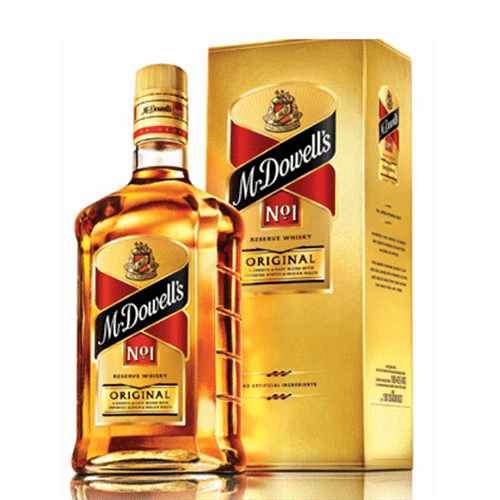
Fake McDowell’s

Popular in South-South and South-East Nigeria, fake McDowell’s is often sold in sachets or cheap plastic bottles. The production of these fake products is common in local spots operating without NAFDAC regulations.

How to Spot the Original:

  • Look for NAFDAC registration and an intact seal.
  • The original bottle is properly branded with clearly printed expiry dates.
  • The smell is smooth and alcoholic, not harsh or chemically.

Health Risks: Stomach ulcers, liver issues, hallucinations.

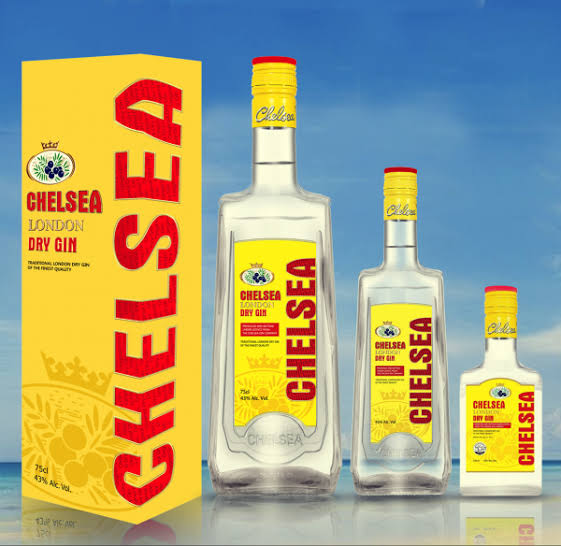
Fake Chelsea Dry Gin

One of the most dangerous locally faked liquors, fake Chelsea Dry Gin is especially popular in low-income areas and we see youths and even adults drinking them daily from motor parks to bars and on the street. 

How to Spot Original Chelsea:

  • Original Chelsea has a bright silver seal and barcode that is easily scannable.
  • Comes in a glass bottle, not a plastic one or sachet.
  • Label should not be peeling or crooked.

Health Risks: Blindness, heart irregularities, severe stomach pain.

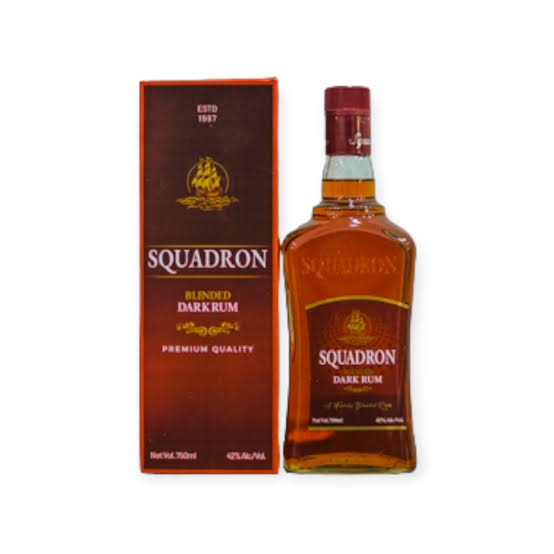
Fake Squadron Dark Rum

Squadron Dark Rum is often targeted because of its popularity among young Nigerians. Counterfeit versions are usually sold in bus parks and drinking joints at a cheap rate in sachets and plastic bottles.

How to Spot Original Squadron:

  • Real bottles are sealed tight with a unique branding code under the cap.
  • Liquid is dark, thick, and sweet-smelling — fakes are often watered down.
  • No floating particles should be inside.

Health Risks: Drowsiness, vomiting, memory loss.

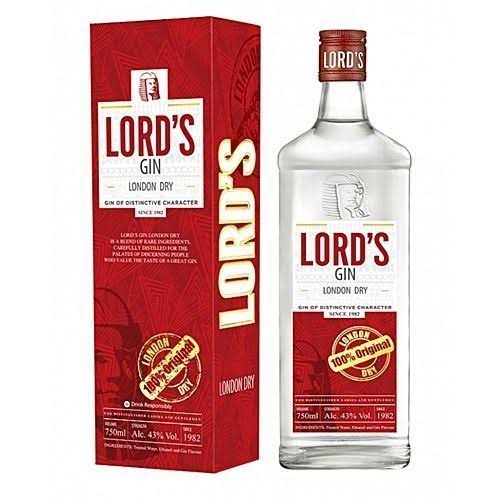
Fake Lord’s Dry Gin

This local brand has fallen victim to extensive counterfeiting as most of it we see daily at motor parks, bars, provision shops, etc are all fake. 

It is mostly used by many for ceremonies and occasions but often counterfeited due to its wide reach.

How to Spot Original Lord’s Gin:

  • Comes in a glass bottle with the green Lord’s eagle symbol.
  • The label should include a verifiable NAFDAC number and be waterproof.
  • The gin should be clear, not cloudy.

Health Risks: Heart failure, nausea, and respiratory problems.

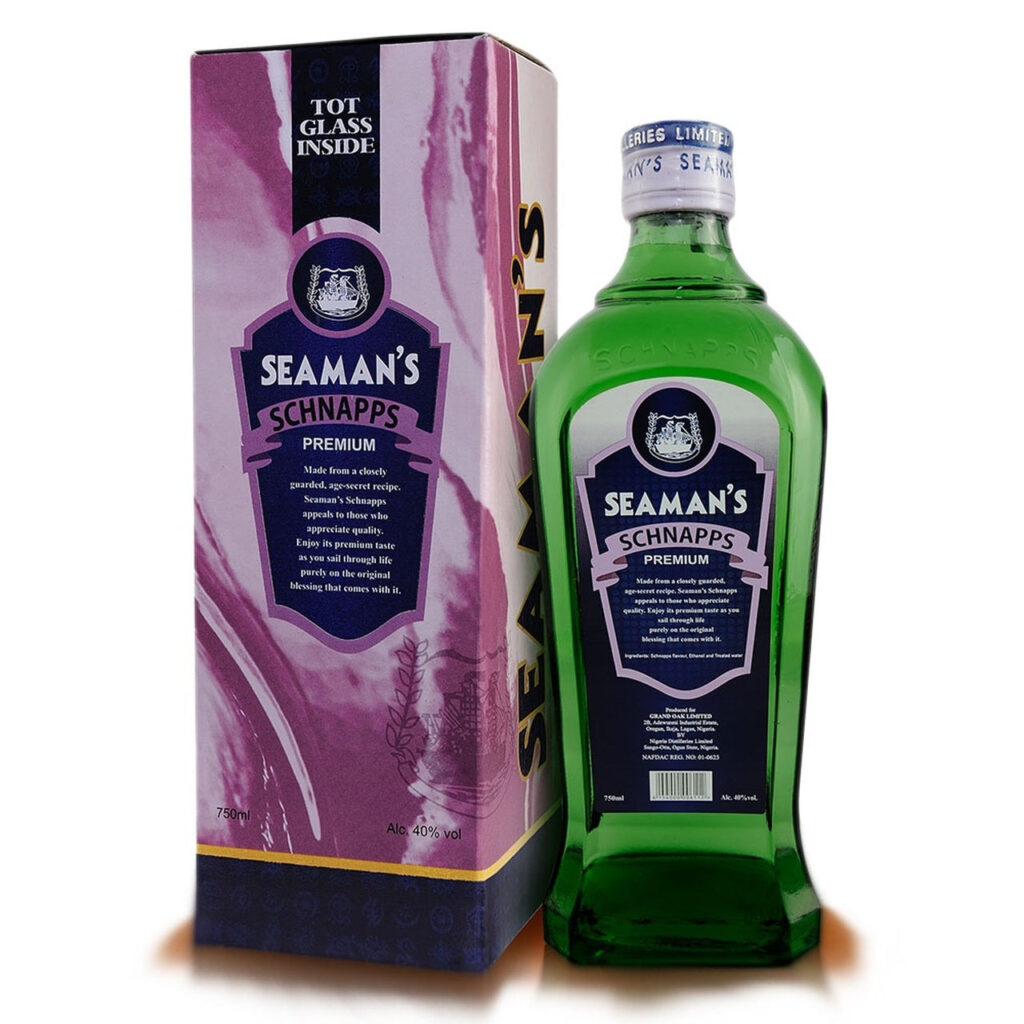
Fake Seaman’s Schnapps

Used often in traditional ceremonies and events, Seaman’s Schnapps has been heavily counterfeited in our societies. Fake versions are made with industrial ethanol and mixed with synthetic flavouring. 

How to Spot Original Seaman’s:

  • Genuine versions come with a tamper-proof gold seal.
  • The label has a deep green background with white and red texts — anything off-colored is likely fake.
  • The liquid is crystal clear and smells herbal.

Health Risks: Intoxication, loss of consciousness, body weakness.

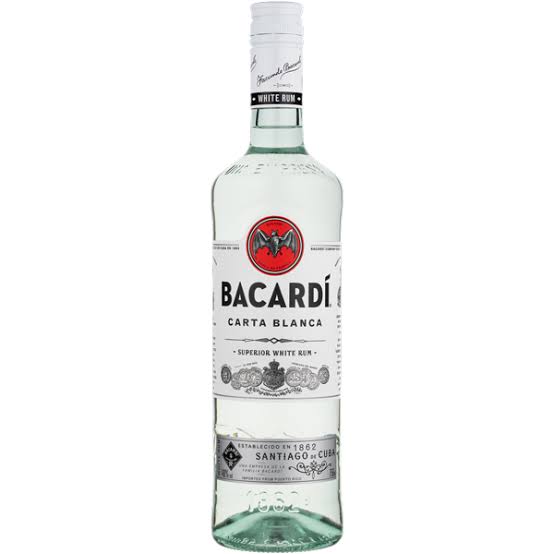
Fake Bacardi

This international rum brand is not spared either. In Nigeria, fake Bacardi is typically distributed through online sellers offering bonus sales, with no verifiable source of distribution.

Bacardi is a well-known international brand, often found at parties and lounges.

How to Spot Original Bacardi:

  • The original bottle has a bat symbol watermark and fine print quality.
  • It should have a smooth sweet smell and not be too harsh on the nose.

Health Risks: Brain fog, body tremors, alcohol poisoning.

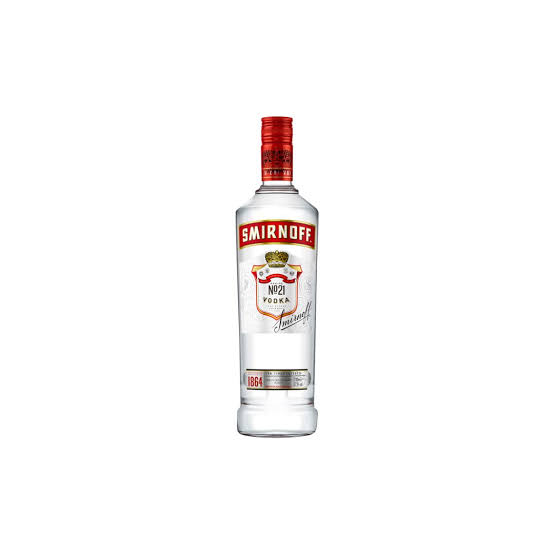
Fake Smirnoff Ice and Vodka

This drink is very common among young people in recent times, used for parties and get together. The fake versions of the Vodka and Ice variants are increasingly common in clubs and lounges. They are often filled with highly concentrated local spirits mixed with sweeteners and artificial flavouring. 

How to Spot the Original:

  • The label is shiny and properly glued to the bottle.
  • Cap has a clean seal; once broken, it cannot be reused.
  • Liquid is clear with no sediments. Smirnoff Ice should have a slight lemony aroma.

Health Risks: Digestive tract damage, mood swings, severe hangovers.

How to Protect Yourself from Fake Liquor in Nigeria

  1. Buy from trusted outlets only – supermarkets, licensed bars, or direct distributors.
  2. Look for the NAFDAC registration number and verify it online.
  3. Check for tampering signs – loose caps, broken seals, faded labels.
  4. Smell and inspect – if it smells too strong, metallic, or chemical-like, don’t drink it.
  5. Scan QR/barcodes – some original brands now have scannable authentication codes.
  6. Avoid cheap drinks you know within yourself the original is worth more than that but because you want to drink alcohol buy it all the same tampering with your health.

Note: I am not a professional on matters relating to alcohol neither am I a physician but this article has been put together with proper research. Prioritize your health and stay safe.

10 Affordable Christmas Gift Ideas for your Family and Friends  

Christmas in Nigeria is a time of joy, celebration, and sharing, but it doesn’t have to stretch your budget. With a little creativity and thoughtfulness, you can give meaningful gifts that will be appreciated without spending too much. Here are 10 affordable gift ideas to make your Christmas celebration with family and friends worthwhile without your overburdening yourself.

Locally Made Snacks or Treats

Food gifts are always appreciated. You can package locally made snacks like chin chin, puff-puff mix, groundnuts, plantain chips, or kilishi in decorative bags or containers. These are budget-friendly, delicious, and perfect for sharing.  

Ankara Accessories

Ankara fabric is versatile and affordable. You can gift small items like Ankara tote bags, headbands, scrunchies, wallets, or even a set of matching face masks. These items are stylish, practical, and showcase Nigerian culture.  

Custom Framed Photos

Printing and framing a memorable photo is an affordable and sentimental gift. Visit a local photo studio to print a favourite picture and pair it with an inexpensive but attractive frame. It’s a meaningful way to celebrate special memories.  

Recharge Cards or Data Bundles

Most friends and family spend a whole lot of their time either online or making phone calls on. Staying connected is essential, and gifting airtime or data is both practical and thoughtful. It’s a gift that everyone can use and appreciate, especially during the festive season when people love to connect with loved ones.  

Locally Sourced Beauty Products

There are many affordable, high-quality Nigerian-made beauty products, like shea butter, black soap, or essential oils. You can create a small care package of these items and present them as a pampering gift.  

A Mini Food Basket

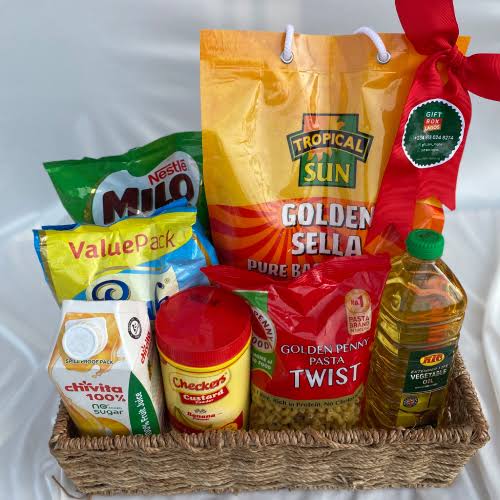
Put together a small food basket with everyday staples or festive treats. Items like rice, spices, seasoning cubes, palm oil, groundnut oil, pastes, salts, and canned drinks can make a thoughtful and practical gift for families.

Handmade Cards with Personal Messages

A heartfelt message can go a long way. Create handmade cards with your personal touch, using affordable craft supplies. Write meaningful notes expressing your love, gratitude, or best wishes for the new year.  

Rechargeable or Solar-Powered Gadgets

Affordable rechargeable lanterns or mini solar-powered lamps are practical gifts for Nigerian households, especially in areas with erratic electricity supply. They are useful, thoughtful, and will be appreciated for their functionality.  

Traditional Food Ingredients

Gifting fresh or packaged traditional food items, like crayfish, dried fish, spices, or a small pack of locally grown grains like beans or garri, can be a unique and thoughtful gesture. Wrap them in a festive way to make the gift more special. 

A DIY Hamper

Understanding the state of the economy, you don’t have to spend a lot to create a lovely hamper. Buy a small basket or bowl and fill it with affordable goodies like biscuits, chocolates, sachets of coffee or tea, and maybe a small bottle of zobo or kunu. Add a bow or ribbon for a festive touch. 

The value of a gift lies in the thought behind it, not its cost. Don’t do too much trying to impress friends or families and then end up breaking the bank. These affordable ideas cater to local tastes and needs, ensuring that your friends and family feel loved and appreciated without putting a strain on your finances. After all, Christmas is about the spirit of giving and sharing moments of joy with those who matter most.

10 Fashion Styles for the Festive Season for Women and Men

The festive season is a time to celebrate, and fashion plays a significant role in expressing the joy and excitement of the holidays. From glamorous parties to casual family gatherings, dressing up in style is essential for making an impression. Here are the top 10 festive season fashion styles for both men and women, combining elegance, tradition, and modern flair.  

For Women

Sequin Dresses

Nothing says festive like a sparkly sequin dress. These glamorous outfits are perfect for holiday parties and New Year’s Eve celebrations.  

Style Tip: Pair with metallic heels and a clutch for a chic look.  

Velvet Ensembles  

Velvet is a timeless fabric for the holidays, exuding luxury and warmth. Velvet dresses, jumpsuits, or blazers add sophistication to your festive wardrobe.  

Style Tip: Choose deep hues like emerald green, burgundy, or navy blue.  

Maxi Dresses with Festive Prints

Flowy maxi dresses with holiday-themed prints or embellishments are ideal for family gatherings or outdoor festivities.  

Style Tip: Accessorize with statement jewellery and a pair of strappy sandals.  

Tailored Pantsuits  

For a modern and powerful look, tailored pantsuits in bold colours like red, gold, or silver are on trend. They’re great for office holiday parties or upscale dinners.  

Style Tip: Pair with stilettos and a bold lip colour for a striking appearance.  

Dress from Elegant by Naifa

Traditional Attire with a Modern Twist

Traditional outfits such as Ankara dresses, kaftans, or sarees, styled with contemporary cuts or embellishments, bring a cultural touch to the season.  

Style Tip: Add modern accessories like a statement belt or clutch for a balanced look.  

Midi Skirts with Sparkly Tops  

A-line or pleated midi skirts paired with sequined or metallic tops create an effortlessly chic look for the holidays.  

Style Tip: Wear with ankle boots or heels for a complete outfit.  

Off-Shoulder Gowns

Off-shoulder gowns in elegant fabrics like satin or silk add a romantic flair to your festive wardrobe.  

Style Tip: Style with drop earrings and an updo for a polished look.  

Statement Jumpsuits  

Jumpsuits are perfect for those who want a sleek, modern alternative to dresses. Go for bold colours, festive embellishments, or wide-leg designs.  

Style Tip: Cinch your waist with a stylish belt for added definition.  

LBD (Little Black Dress)  

A classic black dress, updated with festive elements like lace, fringe, or sequins, is always in style for the season.  

Style Tip: Add pops of colour with accessories like red pumps or a green clutch. 

For Men

Classic Tuxedo

The tuxedo is a timeless option for formal holiday events. Black, midnight blue, or even velvet tuxedos add elegance to any gathering.  

Style Tip: Pair with a crisp white shirt, a bow tie, and patent leather shoes.  

Festive Blazers  

Patterned or colourful blazers in velvet or jacquard fabrics are great for adding a festive flair to your outfit.  

Style Tip: Wear over a turtleneck sweater or a classic button-down shirt.  

Traditional Wear  

Opt for cultural outfits like agbada, kaftans, or sherwanis for a traditional and stylish festive look.  

Style Tip: Accessorize with matching footwear and a stylish cap or turban.  

Rollneck Sweaters with Tailored Pants

A fitted turtleneck sweater paired with tailored pants is a sleek yet comfortable option for semi-formal gatherings.  

Style Tip: Add a blazer for an elevated look.  

Dress from Elegant by Naifa

Casual Festive Shirts  

Bold, festive-themed shirts with prints or patterns work well for relaxed gatherings. Go for plaids, florals, or geometric designs.  

Style Tip: Pair with chinos or dark denim and loafers.  

Double-Breasted Coats  

Stay stylish in colder weather with a double-breasted coat. It’s versatile and adds a polished look to any outfit.  

Style Tip: Wear over a suit or with a scarf for added flair.  

Statement Accessories

Upgrade your outfit with bold accessories like watches, cufflinks, or pocket squares in festive colours.  

Style Tip: A red or gold tie can add just the right amount of holiday spirit.  

Slim-Fit Suits  

A tailored slim-fit suit in bold colours like burgundy, green, or even patterned designs is perfect for modern men.  

Style Tip: Add a festive tie or pocket square to complete the look.  

Knitwear

Stylish knit sweaters with subtle patterns or festive colors are great for casual events.  

Style Tip: Pair with jeans or chinos and leather boots.  

Monochrome Looks  

Monochrome outfits in shades of black, white, or grey create a minimalist yet sophisticated look.  

Style Tip: Layer with a trench coat or blazer for added depth.  

The festive season is the perfect opportunity to experiment with your style and showcase your personality. Whether you prefer glamorous dresses or sharp suits, traditional attire or modern ensembles, these 10 fashion styles for men and women ensure you’ll be the centre of attention at any celebration. Embrace the joy of the holidays with outfits that make you look and feel your best!

ADVERTISEMENT

Elegant By Naifa

At Elegant by Naifa, we pride ourselves in offering a diverse selection of Luxury Clothes for Male and Female, Fashion Items, Jewellery Accessories and Beauty Products through Wholesale, Dropshipping, and Retail.

CONTACT US

WhatsApp: 09064241617

Facebook: Elegant by Naifa

Instagram: Elegant by Naifa

Did You Know? Top 10 Most Spoken Words in Nigeria

Nigeria, a nation celebrated for its rich cultural diversity, is home to over 500 languages and dialects. With English as the official language and Pidgin English as a widely spoken lingua franca, the linguistic landscape of Nigeria reflects its history, unity, and diversity. Amid this tapestry of tongues, some words have risen to prominence across various regions, transcending ethnic and linguistic barriers. Below are the top 10 most spoken words in Nigeria, their meanings, and why they hold such significance.  

Abi

A popular word in Nigerian Pidgin, abi is used to confirm or seek agreement. It translates roughly to “right?” or “isn’t it?” and is often added at the end of statements.  

Example: “You go come tomorrow, abi?” (You’ll come tomorrow, right?)  

Oga

Derived from Yoruba, oga means “boss” or “master.” It is used in both formal and informal settings to refer to someone in charge or a person of authority.  

Example: “Oga, abeg help me with this.” (Boss, please help me with this.)  

Wahala

Wahala means “trouble” or “problem” and is borrowed from Hausa. It is used across the country to describe difficult situations or challenges.  

Example: “No bring wahala come my side.” (Don’t bring trouble my way.)  

Ehen

This versatile exclamation has multiple meanings depending on the context, ranging from acknowledgment to surprise or seeking clarification.  

Example: “Ehen, so what happened?” (Oh, so what happened?)  

Example: “Ehen!” (I see!)  

Jollof

A reference to Nigeria’s iconic rice dish, jollof transcends food and has become a word that sparks pride and playful debates, especially with neighbouring country, Ghana.  

Example: “Nigerian jollof is the best!”  

Abeg

Abeg is a Nigerian Pidgin word meaning “please” or “I beg.” It’s a polite way to make requests or appeal to someone.  

Example: “Abeg, you fit borrow me your pen?” (Please, can I borrow your pen?)  

Naija

A slang term for Nigeria, Naija is a word that evokes national pride and identity. It’s often used in casual conversations and pop culture.  

Example: “Naija no dey carry last!” (Nigeria never comes last!)  

Sharp

Sharp refers to someone who is clever, quick-witted, or street-smart. It’s a term used to describe individuals who can think on their feet.  

Example: “That guy sharp well-well.” (That guy is very smart.)  

Chop

Chop means “to eat” but can also refer to gaining something, particularly money. It’s widely used in both literal and figurative contexts.  

Example: “I wan chop rice.” (I want to eat rice.)  

Example: “Dem chop the money.” (They embezzled the money.)  

Am

While literally referring to the first person singular in English language has also evolved in Nigerian slang to mean “money” or wealth or doing well.  

Example: “The guy dey chop am.” (The guy is making money or enjoying life)

The most spoken words in Nigeria offer a glimpse into the nation’s unique blend of languages, cultures, and shared experiences. These words, rooted in history and adapted for modern use, unite Nigerians across their diverse backgrounds, making everyday conversations dynamic, vibrant, and unmistakably Nigerian. Whether you’re in Lagos, Kano, or Enugu, these words are your keys to connecting with the heart of Nigeria.

Summary and Review of Nollywood Movie Hijack ’93

Hijack ’93 is a Nigerian historical drama based on the infamous October 1993 hijacking of a Nigerian Airways flight by four young men advocating for democracy during Nigeria’s military regime. Written by Musa Jeffery David and directed by Robert Peters, the movie dramatizes this real-life event while exploring themes of youthful idealism, disillusionment, and political resistance. The film debuted on Netflix in October 2024, marking a significant addition to Nollywood’s repertoire of historical thrillers.

The hijackers’ story centers on their desperate mission to bring attention to their democratic demands. Although the movie includes some fictional elements, such as altered character names and motivations, it retains the core of the event. It highlights the hijackers’ internal struggles, the tense interactions between passengers and captors, and the ultimate resolution through negotiations and force.

Strengths

Cinematography: The film excels visually, particularly in capturing the confined space of the airplane. The camera work during action sequences is commendable, enhancing the film’s intensity.

Themes: The exploration of tribalism, grief, and abuse offers relevant social commentary, reflecting issues still prevalent in Nigeria today. Historical Resonance: By revisiting a dark chapter in Nigerian history, the film prompts viewers to reflect on political struggles and societal change.

Weaknesses

Plot and Character Development: The film struggles with narrative cohesion, leading to flat emotional moments. Characters lack depth, and their motivations such as the hijackers’ transition from personal grievances to political activism are underexplored.

Dialogue and Acting: The script and performances fall short of delivering the tension and emotional stakes expected in such a high-stakes story.

Historical Authenticity: While visually modern, the film fails to convincingly portray the 1990s setting, with overly polished props and inconsistent period details detracting from the narrative’s credibility.

Sound Design: Inconsistent audio quality disrupts immersion, particularly during pivotal scenes.

Overall, while Hijack ’93 provides a gripping premise and impressive cinematography, it falters in execution, leaving its emotional and historical impact underwhelming. However, its bold attempt to tackle a complex historical event makes it a noteworthy, albeit imperfect, addition to Nollywood’s catalog.

Rating 5/10

The men behind the real Hijack visual by Premium Times Nigeria
Scroll to Top