Netflix to End Support on PlayStation 3 from March 2, 2026

Netflix will no longer be available on PlayStation 3.

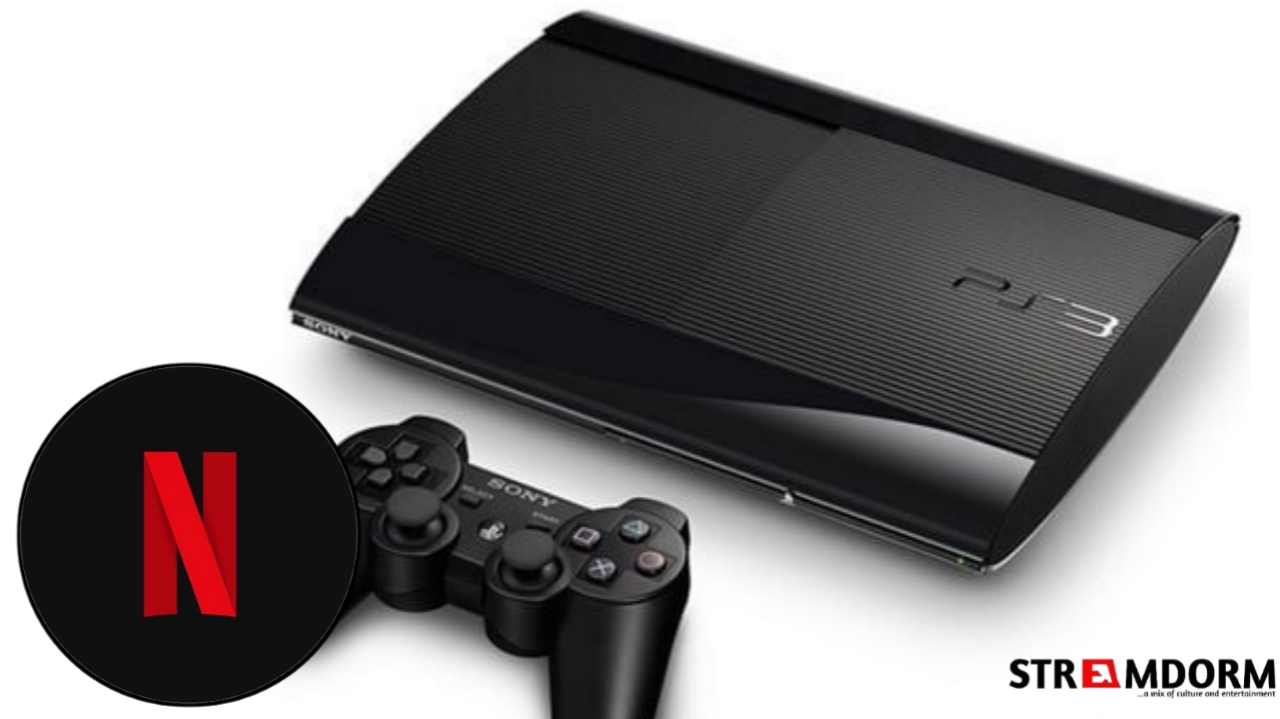
After nearly two decades of streaming, Netflix is officially saying goodbye to the PlayStation 3. Starting March 2, 2026, the popular streaming app will no longer be accessible on Sony’s eighth-generation console, marking the end of an era for gamers and cord-cutters alike.

PS3 users who try to open Netflix after this date will see a message informing them that the app is no longer supported. The decision follows years of gradual app retirements on older devices, as streaming platforms shift focus to newer hardware that can support updated features, faster streaming, and improved security.

For PlayStation 3 owners, this change is a reminder of the console’s age. Originally released in 2006, the PS3 has outlived many of its contemporaries, maintaining a dedicated fan base that has relied on it for gaming and entertainment. Netflix has not provided an official explanation for the shutdown, but experts suggest that maintaining support for legacy systems is increasingly expensive and technically challenging.

The good news is that Netflix remains available on PlayStation 4, PlayStation 5, smart TVs, and mobile devices, ensuring that users can continue streaming their favorite shows and movies without interruption. For PS3 owners, it may be time to consider upgrading to a newer console or alternative streaming device to maintain uninterrupted access to Netflix.

While this move may disappoint long-time PS3 users, it’s part of a broader trend in the entertainment industry: older hardware is gradually phased out in favor of newer, more capable devices. Netflix has previously retired support on other legacy devices, including certain smart TVs and media players, and the PS3 is now the latest in this list.

For gamers who have relied on the PS3 as their entertainment hub, March 2, 2026, marks the end of a significant chapter. The console will still work for games, but streaming Netflix will no longer be an option. Those looking to continue their binge-watching experience are encouraged to explore alternative platforms that support the service, including PS4, PS5, PCs, and mobile devices.

Netflix, Apple, Sony, and Warner Bros. Sit Out Super Bowl Film Marketing — Here’s What That Means

As Super Bowl LX approaches on February 8, 2026, Hollywood’s usual Big Game marketing frenzy looks different this year. Some of the biggest names in film; Netflix, Apple Original Films, Sony, and Warner Bros. etc  are reportedly opting out of traditional Super Bowl advertising for their upcoming releases.

The move is striking because for decades, the Super Bowl has been the ultimate stage to debut movie trailers, with over 100 million viewers tuning in worldwide. Traditionally, a well-timed Big Game spot can spark massive social media buzz, drive trailer views, and generate early ticket sales. But this year, these studios are taking a different path.

Reports confirm that Netflix is skipping Super Bowl ad slots for its upcoming films, while Apple Original Films is also sitting out, favoring other promotional channels. Sony Pictures will not be buying movie ad space during the Big Game, and Warner Bros. is absent as well, despite its history of high-profile Super Bowl campaigns. Instead of spending millions on 30-second TV spots, these studios are focusing on digital-first marketing, using online trailers, social media campaigns, and targeted fan events to reach audiences without the massive price tag.

Not all studios are sitting on the sidelines. Disney, Universal, and Paramount are expected to lead the Super Bowl film marketing charge this year, with trailers for major blockbusters. Fans can anticipate promos for Toy Story 5, The Mandalorian & Grogu, and Super Mario Galaxy, among others. This split shows a strategic divide in Hollywood, with some studios viewing the Super Bowl as an essential launchpad while others are betting on digital-first campaigns and extended hype-building.

Several factors explain the shift. Skyrocketing costs make a 30-second Super Bowl ad increasingly expensive, with average prices hitting $8 million, not including production or talent fees. Digital platforms like YouTube and social media allow studios to reach their audiences more precisely. Meanwhile, many franchises are adopting strategies that favor sustained hype through social campaigns, trailers, and exclusive previews rather than relying on a single broadcast moment.

Even without Netflix, Apple, Sony, and Warner Bros. participating, the Super Bowl will still feature high-profile trailers and teasers. For studios that do advertise, the game remains a chance to set the tone for their biggest releases of the year. The takeaway is clear: Hollywood is experimenting with where, when, and how to reach audiences. The Super Bowl remains important, but it is no longer the automatic marketing must-have for every studio.

Cinema vs Netflix: What the Funke Akindele–Kunle Afolayan Conversation Says About Nollywood’s Future

The Nigerian film industry is at a crossroads and the recent online conversation involving Funke Akindele and Kunle Afolayan has unintentionally brought that reality into sharp focus.

While social media see the moment as a personal “saga,” between the film makers, the substance of the discussion has little to do with rivalry. Instead, it exposes a fundamental divide in Nollywood’s production and release ecosystem: the growing tension between cinema-led filmmaking and streaming-first distribution, particularly via platforms like Netflix.

Funke Akindele and Kunle Afolayan represent two of Nollywood’s most successful yet structurally different approaches to filmmaking.

Funke Akindele’s recent run has been defined by cinema dominance. Her projects are built to thrive in theatres, relying on strong opening weekends, repeat viewership, and sustained audience attention over several weeks. This cinema-first model places heavy emphasis on visibility, demanding relentless promotion to keep films culturally relevant and commercially viable during their theatrical lifespan.

Kunle Afolayan’s recent body of work, by contrast, has leaned more toward platform-backed production, particularly through Netflix. In this system, films are often greenlit with clearer financial parameters, predefined distribution agreements, and a primary focus on content value rather than box-office optics. Promotion exists, but it is rarely as intense or personal as what cinema releases now demand.

At the centre of the debate is the burden of promotion.

Kunle Afolayan’s comments about the exhaustion that comes with modern film marketing echo a growing sentiment among filmmakers. 

It is draining. I want to make a film if you guarantee me that I don’t have to dance to sell that film

There’s no competition. I don’t want two billion in cinema, or even one billion, if I won’t make ten million from it.

Cinema releases in Nigeria increasingly require creators to act not just as directors or producers, but as full-scale digital entertainers  constantly producing skits, trends, behind-the-scenes content, and viral moments to sustain public interest.

Funke Akindele’s indirect response reframes the issue entirely. Her message is simple: every filmmaker must choose what works for them. Cinema success, in her case, is inseparable from aggressive marketing, audience engagement, and cultural presence. It is not a burden, it is the business.

If you can’t beat them or join them, create your own path. No allow jealousy burn you. The sky is so big for everybody to fly. Eyin Werey jojo!!!”

I’m not the one hindering your progress. Ka rin ka po, yiyeye ni n ye ni.” 

Go ahead and create alternative promotion or marketing strategies for promoting your business, or hire a company to handle it. You can do it! The opportunities are endless, and everyone has their own path. I’m focused on mine, and I have faith in God’s plan for me.” 

One reason this conversation resonates is because cinema and streaming measure success differently.

Cinema success is public and immediate: Ticket sales, Opening-weekend figures, Records broken and Audience turnout.

Streaming success is quieter and less transparent: Licensing value, Global reach, Completion rates and Long-term catalogue relevance.

Netflix productions do not need daily online performances from filmmakers to survive. Cinema films often do.

The Funke Akindele–Kunle Afolayan discourse highlights a larger shift happening across Nollywood. As streaming platforms reassess budgets and cinema costs continue to rise, filmmakers are being forced to make strategic choices earlier in the production process.

Neither path is wrong. But they are no longer the same road.

Nollywood is no longer unified by a single definition of success. The industry has matured into a space where cinema blockbusters and streaming originals coexist  sometimes uneasily under the same umbrella.

The current conversation is not about who is right or wrong. It is about what kind of industry Nollywood wants to be in the next decade.

The Funke Akindele–Kunle Afolayan moment matters because it captures Nollywood in transition. And how filmmakers respond to this divide may shape the future of Nigerian cinema more than any box-office record ever could.

Netflix Secures Live-Action GUNDAM Movie Starring Sydney Sweeney and Noah Centineo

Netflix is officially bringing one of anime’s most legendary franchises to global streaming audiences.

The platform has secured a deal to release the long-developing live-action Gundam movie, with Sydney Sweeney and Noah Centineo attached to star. The project, produced by Legendary Pictures in collaboration with Bandai Namco Filmworks, marks a major step forward for an adaptation fans have been waiting years to see.

With production now moving ahead, the announcement signals Netflix’s continued push into big-budget genre storytelling and global pop-culture franchises.

First launched in 1979, Mobile Suit Gundam helped redefine anime storytelling. Unlike traditional giant-robot shows focused purely on action, Gundam explored the political, emotional, and human consequences of war.

Over decades, the franchise has expanded into: Multiple anime series and films, Manga and novels, Video games and the globally popular Gunpla model kits.

Hollywood stars Sydney Sweeney and Noah Centineo are confirmed to lead the film, though character details remain under wraps.

The movie is being directed by Jim Mickle, known for character-driven genre projects, suggesting the adaptation may aim to balance spectacle with emotional storytelling.

Legendary Pictures is producing the film alongside Bandai Namco Filmworks, while Netflix will distribute it globally.

No release date has been announced yet, and filming timelines have not been confirmed.

While anime fans have long known Gundam, a Netflix release introduces the universe to millions of viewers who may never have watched the series.

Netflix continues to invest heavily in franchise-level productions capable of driving global conversation, following successes with anime adaptations and large-scale genre projects.

Hollywood studios are increasingly adapting anime properties, with mixed results. Successful projects like Netflix’s One Piece have shown it can work when handled with care.

Translating Gundam into live action won’t be easy. The franchise spans multiple timelines and story arcs, making it difficult to decide which direction the movie should take.

Early reactions online show cautious optimism.

Some fans are excited to see Gundam finally receive a large-scale Hollywood treatment, while others worry about whether the adaptation will respect the original material.

Still, anticipation remains high, especially with strong production backing and recognizable stars attached.

Netflix Switches to $82.7B All-Cash Deal for Warner Bros. Discovery to Beat Paramount

Netflix has officially revised its high-profile acquisition offer for Warner Bros. Discovery (WBD), switching from a stock-and-cash proposal to an all-cash deal valued at $82.7 billion. The amended offer sets the price at $27.75 per share, covering WBD’s studios, HBO, Max, DC, Harry Potter, and Game of Thrones libraries, among other key assets.

This move is seen as a strategic maneuver by Netflix to provide greater certainty to WBD shareholders while fending off a competing bid from Paramount.

Originally, Netflix’s bid included a mix of stock and cash. However, in high-stakes mergers, the uncertainty of stock-based offers can create hesitation among shareholders, especially when competing offers are on the table. By moving to a 100% cash offer, Netflix ensures that WBD shareholders receive a guaranteed payout, strengthening the appeal of their proposal.

The amended cash offer provides certainty and maximizes value for Warner Bros. Discovery shareholders,” WBD’s board stated.

In comparison, Paramount’s rival bid, reportedly up to $30 per share, has intensified the competition, forcing Netflix to rethink its strategy to retain a competitive edge.

The assets included in the acquisition are a significant addition to Netflix’s content library:

  • Warner Bros. Studios: Access to decades of film and television production.
  • HBO & Max: Premium streaming content, including iconic series like Succession, Euphoria, and Game of Thrones.
  • DC Universe: Superhero franchises including Batman, Superman, and Wonder Woman.
  • Harry Potter Franchise: The lucrative Wizarding World of movies and spin-offs.
  • Game of Thrones Library: One of the most popular television franchises globally.

Netflix vs Paramount: The Streaming Rivalry

Paramount’s interest in WBD escalated the bidding war. While details of Paramount’s offer vary, reports indicate the company is also pursuing an all-cash deal, intensifying the race to acquire one of the most valuable media libraries in the world.

Netflix’s cash-only strategy reduces uncertainty for WBD shareholders, giving it an advantage over offers that mix stock, which may fluctuate in value depending on market conditions.

If completed, the deal would mark a historic consolidation in the media and streaming sector. Netflix would gain a massive library of films, series, and franchises, dramatically expanding its content offerings and subscriber appeal.

For WBD, the deal provides a cash exit for shareholders, allowing the company to settle its operations with certainty amid growing competition in streaming.

Netflix’s switch to an all-cash $82.7B deal for Warner Bros. Discovery highlights the streaming giant’s commitment to content dominance in an increasingly competitive market. With Paramount also in the race, the coming months are set to define the future of global streaming, possibly giving Netflix unprecedented control over some of the most valuable media franchises in history.

Animation Guild Secures Key Union Wins at Netflix, DreamWorks and Ted

The Animation Guild (TAG), IATSE Local 839, has recorded a series of significant organizing victories after workers at Netflix Animation, DreamWorks Animation, and NBCUniversal’s Ted television series voted to unionize.

The successful votes expanded the guild’s representation across streaming animation, remote production teams, and television production, marking another major step in the ongoing labor rebalancing within Hollywood’s animation sector.

Feature production workers at Netflix Animation voted in favor of joining The Animation Guild following a National Labor Relations Board (NLRB) election.

The vote brings Netflix’s animation production staff under union representation, granting workers the right to collectively bargain for standardized pay, benefits, working hours, and job protections. The result reflects growing efforts by animation workers at streaming platforms to secure conditions comparable to those at traditional studios.

In a separate but equally notable result, remote production workers at DreamWorks Animation also voted to unionize with TAG.

The DreamWorks vote is particularly significant because it covers workers operating remotely across multiple U.S. locations, reinforcing the guild’s position that union protections should apply regardless of physical workplace. As remote work becomes increasingly common in animation production, the outcome establishes a precedent for organizing beyond studio campuses.

A smaller group of production workers on NBCUniversal’s Ted television series voted to unionize with The Animation Guild and the Editors Guild (IATSE Local 700).

The decision highlights a broader organizing push that includes production roles alongside artists and animators, reflecting the expanding scope of unionization efforts within animation-adjacent work.

With the elections concluded, the affected companies are legally required to recognize the union and begin collective bargaining. While the votes do not result in immediate changes to wages or contracts, they provide workers with formal representation and negotiating power moving forward.

The Animation Guild has described the wins as part of a wider effort to adapt labor protections to the realities of modern animation production, particularly in the streaming era.

The results come amid ongoing changes in Hollywood’s labor landscape, as workers across film, television, and animation push for clearer standards in pay, job security, and working conditions.

For streaming platforms like Netflix and established studios like DreamWorks, the votes signal a continued shift toward greater union presence in areas that were previously less organized.

WWE Signs Non-Exclusive Deal With Netflix as New U.S. Home for Content Library

WWE has officially partnered with Netflix in a non-exclusive deal that brings its historic content library to the streaming platform in the United States. The deal, effective immediately, allows Netflix subscribers to access WWE’s archive of premium live events held before September 2025, including some of the most iconic shows in wrestling history.

What’s Included in the Netflix Library

Under the agreement, Netflix subscribers in the U.S. can stream all WWE premium live events prior to September 2025, such as:

  • WrestleMania
  • SummerSlam
  • Royal Rumble
  • Survivor Series
  • Other major WWE pay-per-view events

In addition to the live event archive, the deal covers WWE documentaries and other library programming, giving fans access to decades of historic matches, storylines, and behind-the-scenes content.

The deal is non-exclusive, meaning WWE retains the rights to license its content to other platforms. This approach allows WWE to expand its reach while still leveraging Netflix’s U.S. subscriber base.

For fans, this deal is a significant upgrade in accessibility. Longtime followers and new viewers alike can now stream classic WWE events on-demand without subscribing to separate wrestling platforms. 

Disney’s “Black‑ish” Set to Stream on Netflix US for the First Time in January 2026

If you’ve been waiting to binge the Johnson family all in one place, your wait is almost over. Disney’s hit sitcom Black‑ish, created by Kenya Barris, is coming to Netflix US for the first time, starting Saturday, January 31, 2026. Fans can finally stream all eight seasons, totaling 176 episodes, without switching between multiple platforms.

The series, which aired from 2014 to 2022, follows Andre “Dre” Johnson and his family as they navigate life, identity, and culture with humor and heart. Praised for its clever writing and socially conscious storylines, Black‑ish has earned Emmy nominations and a devoted fanbase.

Previously, US viewers had to rely on Hulu or Disney+ to watch the series. Bringing Black‑ish to Netflix makes it more accessible to millions of new viewers, while giving longtime fans a convenient way to binge their favorite episodes. It’s a prime example of streaming platforms expanding their libraries with proven hits to attract audiences.

Created by Kenya Barris, Black‑ish stars Anthony Anderson as Dre and Tracee Ellis Ross as his wife, Rainbow. Together, they raise four children while juggling careers, family dynamics, and cultural identity. The show blends humor with social commentary, addressing issues like race, privilege, and generational differences. 

Its influence has been significant, inspiring spin-offs like Grown‑ish and Mixed‑ish, and establishing itself as a culturally important sitcom that resonates with viewers across generations.

Starting January 31, 2026, all eight seasons of Black‑ish will be available to stream on Netflix US.

Thomas Shelby Returns: Netflix Releases First Trailer for Peaky Blinders Movie (Watch Trailer)

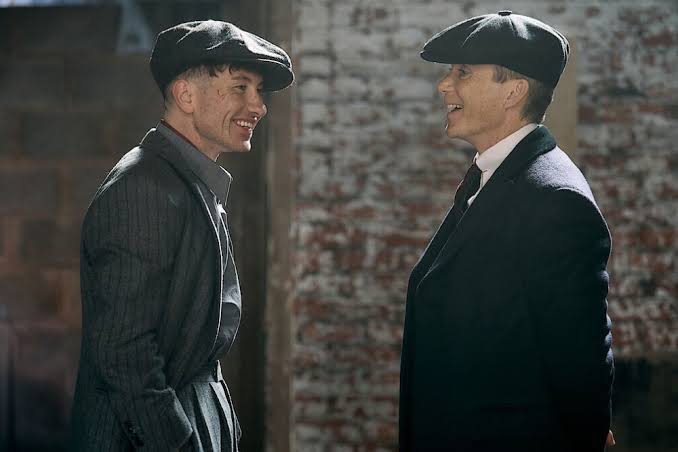
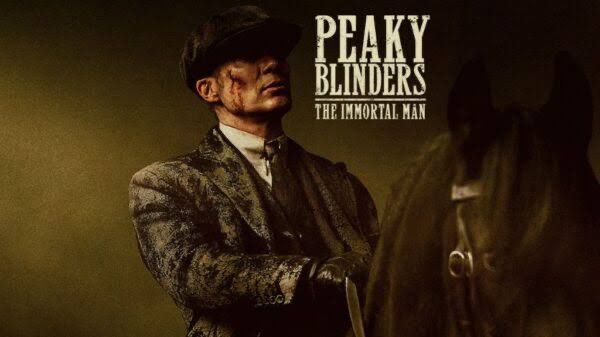
Netflix has officially released the first trailer for the highly anticipated Peaky Blinders movie, confirming that Thomas Shelby is returning to the screen. Mark your calendars: the movie will premiere on Netflix worldwide on March 20, 2026.

Titled Peaky Blinders: The Immortal Man, the film continues the saga of the Shelby family after the events of the critically acclaimed TV series. Cillian Murphy continues his iconic role as Tommy Shelby, bringing back the same cold, calculated, and charming gangster fans have loved since 2013.

The movie also sees the return of familiar faces like Sophie Rundle (Ada Shelby), Stephen Graham (Arthur Shelby), Tim Roth, Rebecca Ferguson, and introduces new characters played by Barry Keoghan, adding fresh energy and tension to the story.

The Trailer Teases What’s Coming

The first trailer offers a glimpse into Tommy’s world post-TV series. While Netflix has kept major plot points under wraps, we can expect:

  • High-stakes drama: Tommy is navigating a world filled with new enemies and old rivalries.
  • Dark and stylish cinematography: The movie keeps the series’ signature moody tone, with sharp suits, smoky streets, and tense confrontations.
  • Action-packed sequences: Explosions, gunfights, and fast-moving chases hint that the film will be bigger and more cinematic than the TV series.

The trailer ends on a chilling note, promising that the power struggles, betrayals, and Shelby-style cunning will be back in full force.

Release Dates

  • Limited Theatrical Release: March 6, 2026
  • Netflix Global Streaming: March 20, 2026

Netflix Reaffirm Warner Bros. Movies Will Stay in Theaters (What This Means for the Future of Warner Bros. Films)

Netflix has publicly stated that Warner Bros. movies will continue to be released in theaters, even as discussions and reports around a potential Netflix/Warner Bros. Discovery deal continue to dominate Hollywood conversations.

The announcement has sparked industry-wide debate, not because Netflix supports theatrical releases but because of how it plans to approach them, and what that approach could mean for the long-term future of Warner Bros. films.

Netflix’s Commitment to Theatrical Releases

Netflix executives, including co-CEO Ted Sarandos, have emphasized that the company has no intention of removing Warner Bros. movies from cinemas. According to Netflix, theatrical releases remain an important part of Warner Bros.’ identity and value as a studio.

This statement is significant. Netflix built its reputation on a streaming-first model, often giving films limited theatrical runs before moving quickly to digital release. Warner Bros., on the other hand, is one of Hollywood’s most historically theatrical studios, responsible for major cinema franchises and box-office-driven storytelling.

By committing to theatrical releases, Netflix is signaling that Warner Bros. movies will not become streaming-only titles.

What “Staying in Theaters” Really Means

While Netflix says Warner Bros. films will remain in cinemas, industry observers note that traditional theatrical windows may change.

Instead of long exclusive cinema runs lasting several months, Warner Bros. movies could follow a shorter theatrical window before becoming available on streaming. Netflix has previously described long windows as outdated and not consumer-friendly.

This suggests a future where:

  • Warner Bros. films still premiere in cinemas
  • Theaters remain part of the release strategy
  • Streaming access may arrive earlier than in the traditional model

For audiences, this could mean faster access at home. For cinemas, it raises questions about box-office sustainability.

What This Means for the Future of Warner Bros. Movies

1. Warner Bros. Keeps Its Big-Screen Identity

Warner Bros. has built its legacy on theatrical storytelling from franchise films to prestige cinema. Netflix’s position indicates that the studio’s cinematic DNA will remain intact, at least in the near future.

This matters for filmmakers who still design movies for the big screen and for audiences who value the theatrical experience.

2. A Hybrid Release Model Becomes the New Normal

Rather than choosing between theaters and streaming, Warner Bros. movies may increasingly follow a hybrid release strategy debuting in cinemas, then transitioning more quickly to Netflix.

This approach could redefine how success is measured, shifting focus from box-office totals alone to a combination of:

  • Theater performance
  • Streaming engagement
  • Global audience reach

3. Franchise Films Face a Turning Point

Major Warner Bros. properties  including long-running franchises  could be most affected. These films traditionally rely on extended theatrical runs to build cultural impact and revenue.

If theatrical windows shrink, Warner Bros. may need to rethink:

  • Marketing strategies
  • Budget expectations
  • How blockbuster success is defined in a streaming-driven era

A Defining Moment for Warner Bros. and Hollywood

Netflix’s pledge to keep Warner Bros. movies in theaters is more than a reassurance; it represents a transitional moment for Hollywood.

If the strategy succeeds, Warner Bros. could become the model for how legacy studios survive in a streaming-first world without abandoning cinema. If it fails, it may accelerate the decline of traditional theatrical dominance.

Either way, the future of Warner Bros. movies is likely to look different; not absent from theaters, but reshaped by a changing entertainment economy.

Scroll to Top