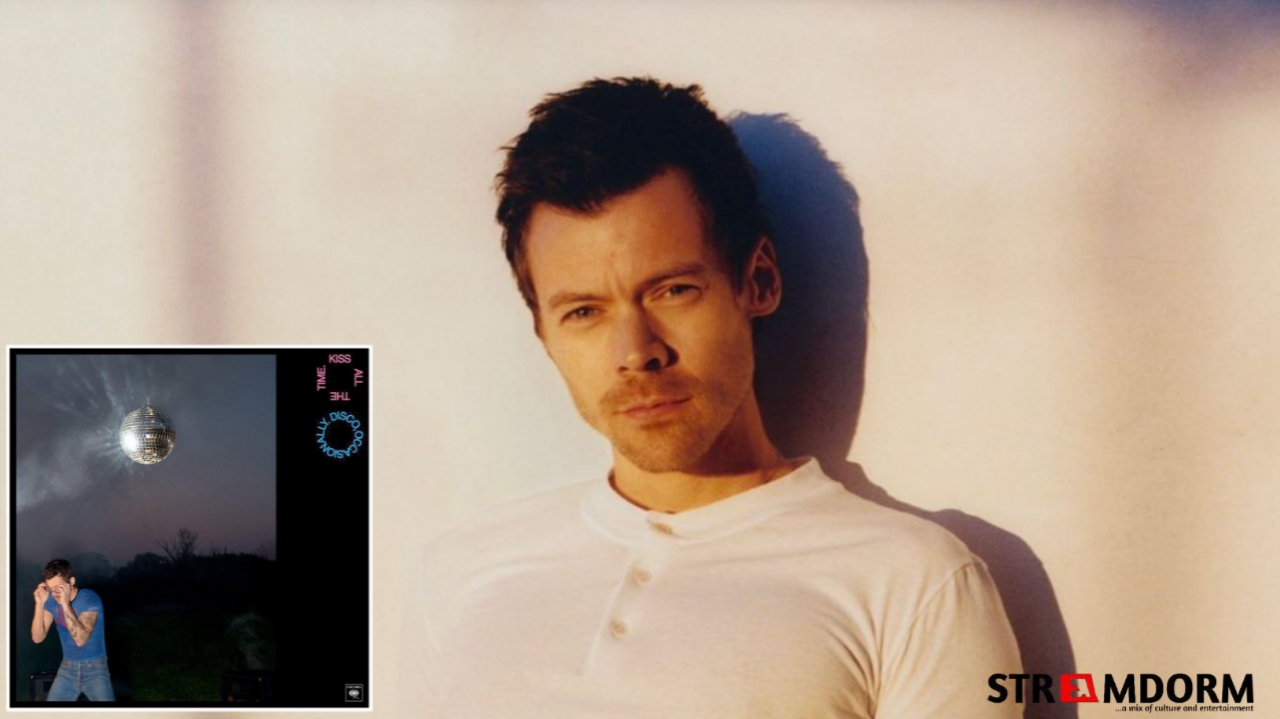
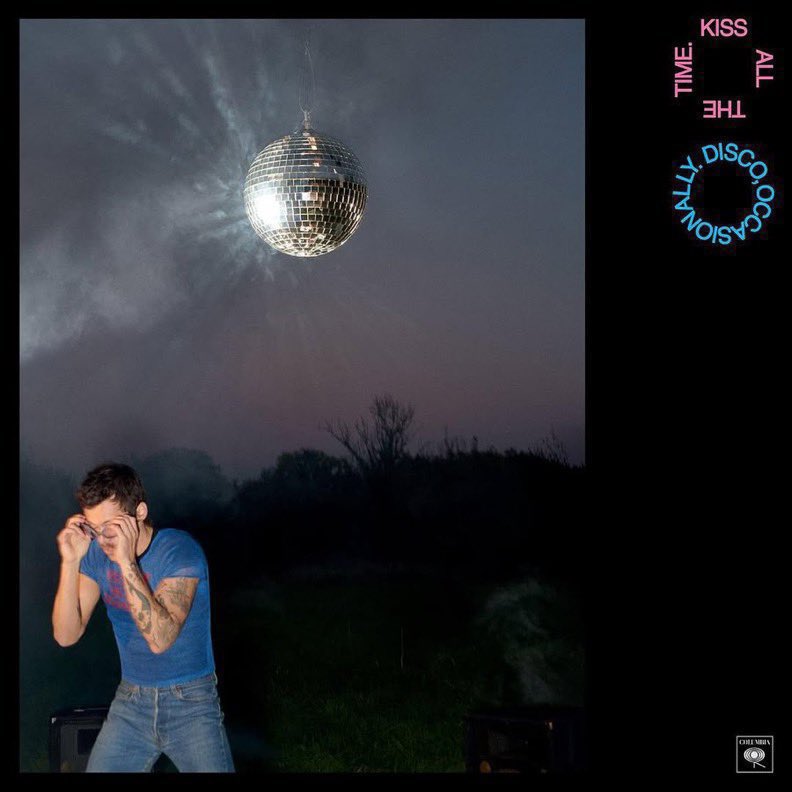
Harry Styles’ Kiss All the Time. Disco, Occasionally. Spends Second Week at No. 1 on Billboard 200

Harry Styles continues his lead run on the charts as his latest album, Kiss All the Time. Disco, Occasionally., secures a second consecutive week at No. 1 on the Billboard 200.

Released on March 6, 2026, the project moved 99,000 equivalent album units in its second week, maintaining the top position after a massive opening performance.

The album launched with over 400,000 units in its first week, marking one of the biggest debuts of 2026. The follow-up total of 99K represents a typical second-week drop for a major release but remains strong enough to still hold the lead. 

With this achievement, Kiss All the Time. Disco, Occasionally. becomes Harry Styles’ fourth consecutive No. 1 album in the United States. This consistency places him among a select group of artists who have maintained a flawless streak at the top of the Billboard 200 in recent years.
Harry Styles is an English singer, songwriter, and actor who first rose to global fame as a member of the boy band One Direction. Following the group’s breakout, he launched a solo career that has been defined by artistic evolution and commercial success.

His previous albums including Harry Styles (2017), Fine Line (2019), and Harry’s House (2022), have all debuted at No. 1 in multiple countries, producing global hits and earning critical acclaim. Known for blending pop, rock, and retro influences, Harry Styles has established himself as one of the most influential artists of his generation.
Burna Boy Becomes First African Artist to Chart on Billboard Hot 100 for Six Consecutive Years

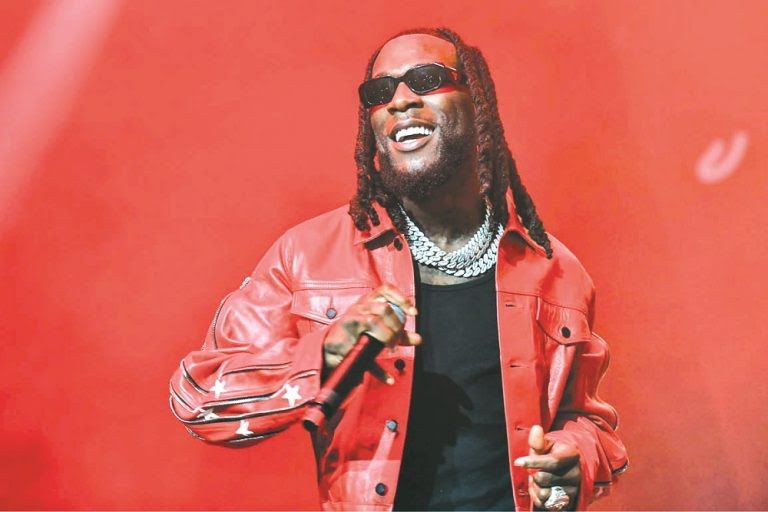
For six straight years, Burna Boy has found his way onto one of music’s most competitive charts. Now, the Nigerian global star has officially made history.

The Grammy-winning artist has become the first African musician to have at least one song appear on the Billboard Hot 100 for six consecutive years; spanning from 2021 to 2026. The milestone reinforces not just his dominance, but the sustained global expansion of Afrobeats.

According to chart data published by Billboard, Burna Boy’s streak began in 2021 and has continued every year since, without interruption.

The run started in 2021 with Loved By You. In 2022, Last Last became his biggest solo crossover hit to date, earning massive global streaming numbers and radio rotation in multiple territories.

In 2023, he returned with Sittin’ On Top Of The World and the remix of Talibans II, further strengthening his presence on the chart.

The momentum carried into 2024 with Just Like Me and We Pray, proving that his chart appearances were not accidental spikes but part of a sustained international run.

By 2025, WGFT kept the streak alive, and now in 2026, his new entry Only You officially extends the record to a sixth consecutive year.

While African artists have appeared on the Hot 100 before, maintaining entries across six straight calendar years is a different level of consistency. It signals not just viral success, but long-term global positioning.

Burna Boy’s achievement also reflects a wider shift in the music industry. Afrobeats is no longer treated as a regional sound breaking through occasionally. It is now a recurring presence in mainstream global charts, festivals, and award conversations. However, this particular milestone belongs solely to him.

What makes the feat even more impressive is that the entries span different eras of his sound, from emotionally reflective records to club-ready anthems and international collaborations. The consistency suggests a strategic evolution rather than repetition.

For Nigerian music and African pop culture at large, the moment feels symbolic. A decade ago, charting on the Hot 100 was rare. Today, one artist has turned it into an annual expectation.

With Only You now on the chart in 2026, the question shifts from whether Burna Boy can sustain global visibility to how long this historic streak can continue.

‘Stranger Things’ Star Joe Keery Dethrones Taylor Swift on Spotify Global Chart With ‘End of Beginning’

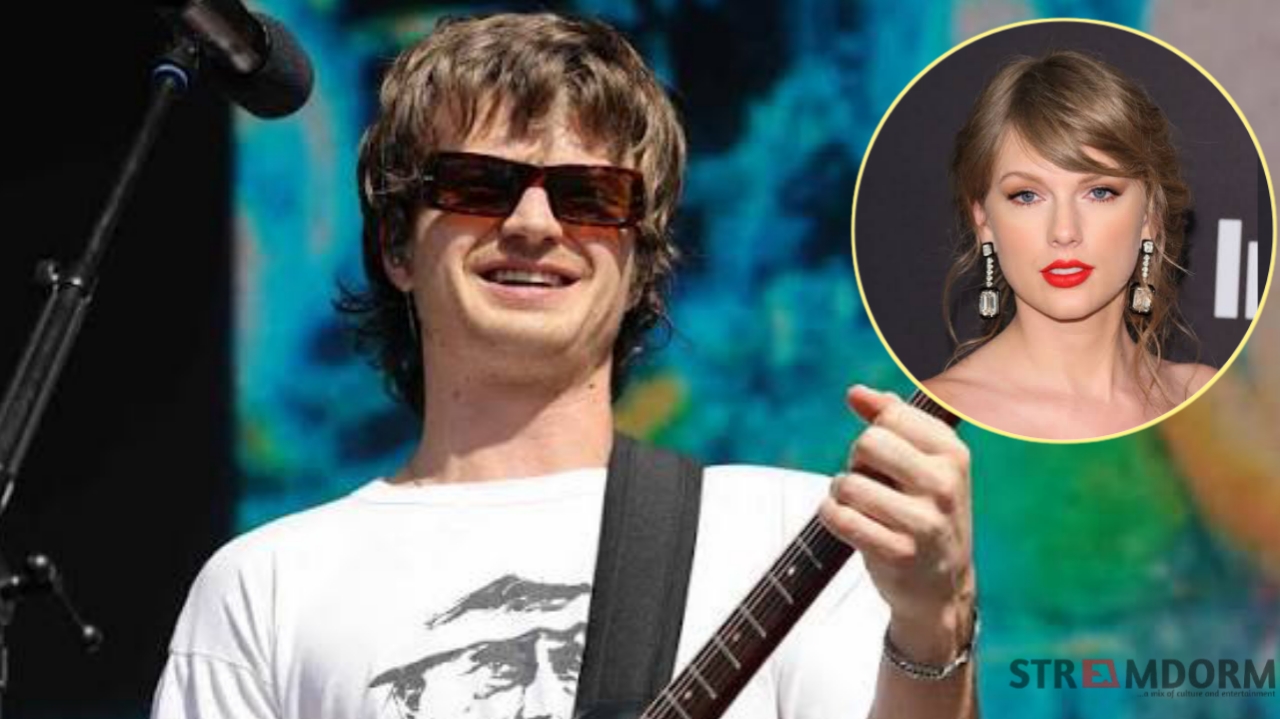
Joe Keery, best known globally for his role as Steve Harrington on Netflix’s Stranger Things, has reached a major music milestone. The actor turned musician has officially topped the Spotify Global chart with his song “End of Beginning,” displacing a track by pop superstar Taylor Swift from the No. 1 position.

The achievement marks a rare crossover moment where a television actor, performing under a separate music identity, outpaces one of the biggest artists in the world on the most competitive streaming chart.

Joe Keery’s Musical Identity as Djo

While many audiences know him from Stranger Things, Joe Keery has built a parallel career in music under the stage name Djo. His sound leans toward alternative pop and indie rock, drawing influence from synth-heavy production and introspective songwriting.

“End of Beginning” was originally released in 2022 as part of Djo’s album Decide. At the time, it received modest attention, largely within indie music circles. However, the track has since experienced multiple waves of resurgence first through social media virality, and now through renewed cultural relevance, which can be credited to the virality of Stranger Things. 

The song’s return to the top of the charts is closely linked to renewed interest in Stranger Things, particularly surrounding recent developments and discussions around the show’s conclusion. As fans revisited Joe Keery’s work, many discovered or rediscovered his music.

Streaming numbers surged rapidly, pushing “End of Beginning” past Taylor Swift’s chart-leading track and securing the No. 1 spot on Spotify’s Global chart, a ranking that reflects listening activity across all countries.

This is not the first time the song has performed strongly. It previously gained traction after going viral online, but this latest run represents its most significant commercial peak to date.

Taylor Swift’s Chart Run Interrupted

Taylor Swift has remained one of Spotify’s most dominant artists, frequently holding the top spot with extended chart runs. Her displacement by “End of Beginning,” even if temporary, highlights the unpredictable nature of streaming culture where moments of pop-culture relevance can dramatically reshape listening habits overnight.

The shift does not signal a decline in Swift’s popularity, but rather underscores how audience attention can pivot quickly when music intersects with film, television, and online trends.

Scroll to Top