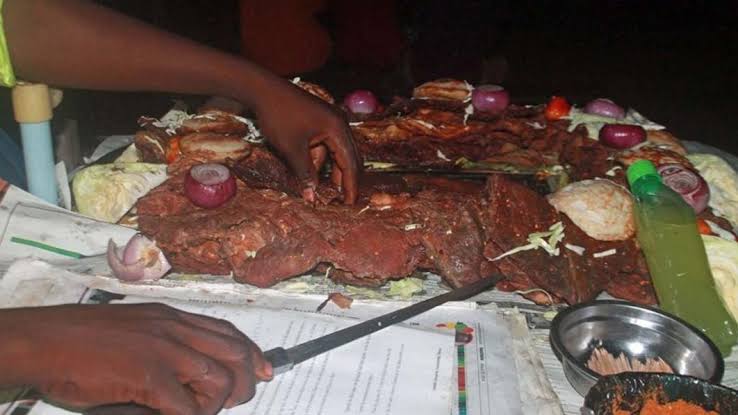
Have you ever met someone who tasted suya and walked away without buying? I haven’t. But I have met someone who walked away because the Mai Suya refused to give him a taste. That tiny piece of meat, handed over with a smile, carries more weight than most people realize. It’s not just about the flavour, it’s a subtle play of psychology, culture, and salesmanship.
1. The Law of Reciprocity
In psychology, people naturally feel obliged to return a favor. When the Mai Suya offers you that small piece for free, you subconsciously feel the need to “give back” by making a purchase. Even if you didn’t intend to buy suya at first, that little act can tip you into buying more than you intended.
2. Anchoring and Commitment
That first bite sets the standard. If it tastes delicious, your mind quickly locks in the thought: “I should get more of this.” The simple act of tasting makes you part of the transaction already, and psychologically, it becomes harder to walk away empty-handed.
3. Building Trust
Buying food from the roadside often comes with questions about hygiene or quality. By offering a taste upfront, the seller is essentially saying, “See? I have nothing to hide.” That small gesture builds immediate trust and reassures you about what you’re paying for.
4. Appetite Stimulation
Suya’s unique blend of pepper, spice, and smoky aroma is designed to awaken the senses. A small taste teases your appetite without satisfying it, triggering cravings that push you to order more. It’s the same logic behind supermarkets offering free food samples.
5. Cultural Warmth
Beyond business, suya tasting is also part of Nigeria’s communal food culture. That small bite makes the exchange feel less transactional and more like friendship. It’s a subtle way of saying, “You’re welcome here.” This emotional warmth builds loyalty, which is why many people keep returning to their favourite suya spots.
That tiny piece of suya isn’t just about taste, it’s a clever mix of psychology, culture, and salesmanship. Without knowing it, the Mai Suya is using the same principles that big marketers and global brands rely on to win customers.
So next time you get that first bite, enjoy it—but also smile knowing you’ve just been nudged by some street orientation.
Living a long, healthy life is a universal desire, but in Nigeria, the pressures of modern living, stress, processed foods, and urbanization often make it challenging. Interestingly, many of our elders in rural communities have naturally practiced habits similar to those found in the world’s “Blue Zones”—regions known for extraordinary longevity.
If you’ve ever traveled through villages—especially when entering Edo State, you’ve probably noticed obituary posters of elders who lived into their 90s or even past 100. It always makes me wonder: what did they do differently, and why do they seem to enjoy longer lifespans compared to urban dwellers? This reflection connects closely with the idea of Blue Zones; regions of the world where people consistently live longer, healthier lives due to their lifestyle and habits.
So, how can we adopt a Longevity Lifestyle that fits into our culture and everyday reality? Here are seven powerful habits to help you live longer and healthier.
Eat More Natural, Plant-Based Nigerian Foods
Traditional Nigerian diets are rich in beans, yam, plantain, vegetables, millet, and sorghum. These unprocessed foods provide fiber, vitamins, and minerals that promote long-term health.
Swap fast food for local options like beans porridge, moi-moi, okra soup, or millet pap. Treat meat as a side dish, not the main meal.
Stay Active Through Everyday Movement
You don’t need a gym to stay fit. Farming, walking, pounding yam, and market hustle kept past generations strong. Today, urban living makes many people sedentary.
Walk instead of taking keke/okada for short trips, climb stairs instead of using lifts, or do home-friendly exercises like skipping and squats.
Read more
Why More Young Nigerians Are Facing High Blood Pressure
Our elders often stayed active because they had responsibilities—farming, caring for grandchildren, or leading in the community. Purpose adds meaning and energy to life.
Even in retirement, stay engaged, mentor youths, volunteer in church/mosque, or start a small side project or farm.
Reduce Stress
From traffic jams to financial stress, life here can be overwhelming. But Nigerian traditions already provide stress relief—storytelling, prayer, communal gatherings, music, and dance.
Dedicate 10–15 minutes daily for prayer, meditation, or reflection. Socialize with friends and family to laugh and release tension.
Strengthen Family and Social Connections
Loneliness shortens life, but Nigeria’s communal culture helps. In villages, people share meals and support one another—reducing stress and depression. Call loved ones weekly, attend family gatherings, or host a simple get-together. A strong support system is key to living longer.
Many Nigerians overindulge at parties or with alcohol. In Blue Zone regions, moderation is a secret to long life.
Follow the “80% rule”—stop eating before you feel completely full. Limit alcohol, and try local, healthier drinks like zobo, kunu, or small portions of palm wine.
Hold on to Faith and Spirituality
Spirituality brings hope, reduces stress, and builds resilience. In Nigeria, faith, whether Christian, Muslim, or traditional is central to wellbeing.
Stay connected to your faith community, but also use spirituality for gratitude, peace of mind, and a positive outlook.
Building a Nigerian Longevity Lifestyle
Living longer in isn’t about expensive diets or luxury gyms. It’s about returning to the healthy, simple habits that our grandparents lived by. By eating clean, moving daily, managing stress, and nurturing relationships, we can create a Longevity Lifestyle that fits our culture and ensures a healthier future.
Longevity in Nigeria starts with small, intentional choices today.
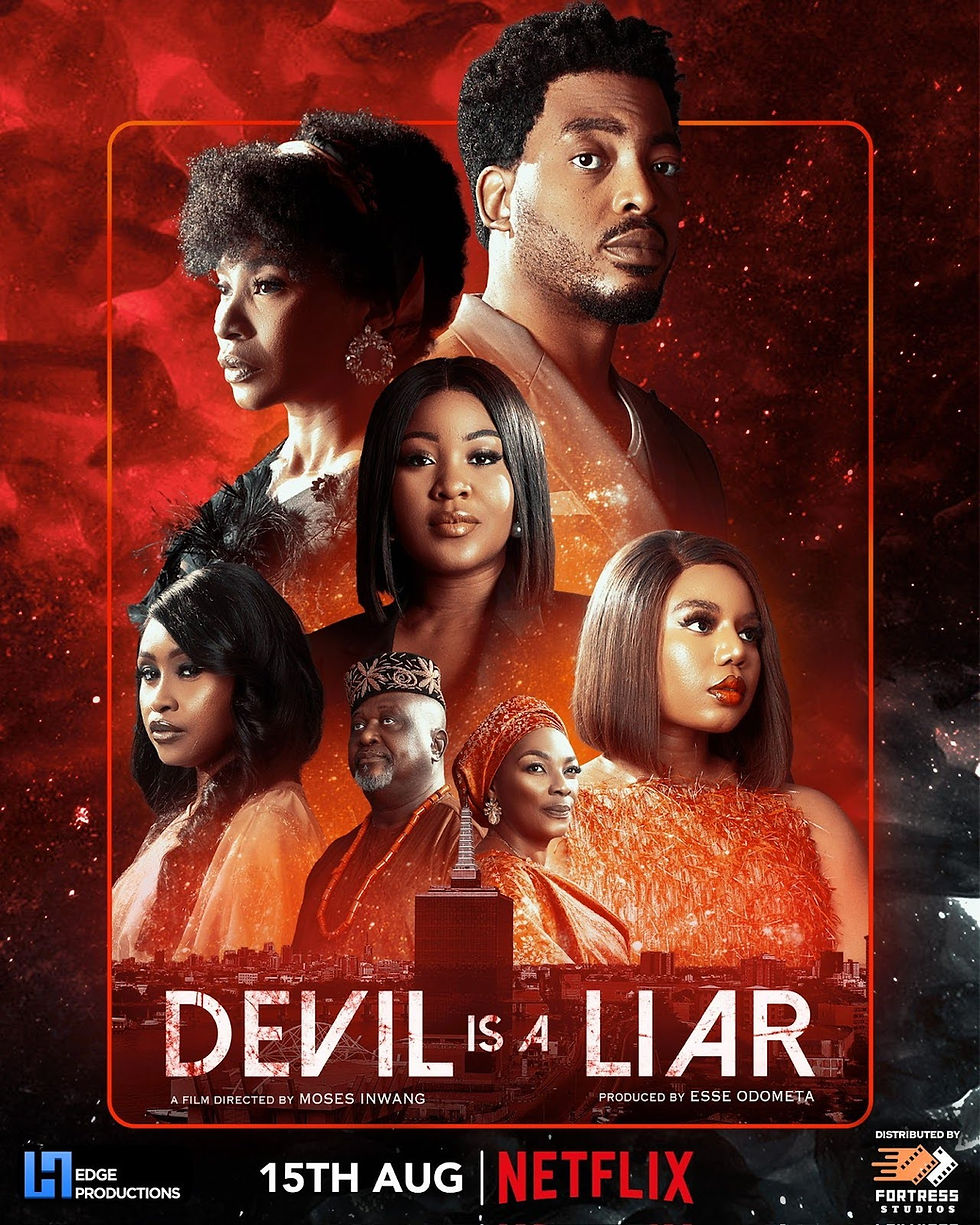
Nollywood has built a reputation for weaving tales of love, betrayal, and survival, and Devil Is a Liar, which premiered on Netflix on August 15, 2025, is no exception. Directed by Moses Inwang and written by Tunde Babalola, this suspense-filled drama brings together some of the industry’s finest actors, including Nse Ikpe-Etim, James Gardiner, Nancy Isime, Erica Nlewedim, Mercy Aigbe, and Tina Mba.
A Familiar Yet Gripping Plot
Set in Lagos, the film tells the story of Adaora, a wealthy, accomplished woman whose only missing piece is love. When she meets Jaiye, a charming younger stylist, sparks fly. Despite the age difference and raised eyebrows, she marries him, investing heavily in his fashion dreams and building a family she desperately yearns for.
But what starts as a fairytale quickly turns sinister. Jaiye’s insecurities and hidden agenda lead him to manipulate Adaora, pressure her into terminating pregnancies, and exploit her financially. When tragedy strikes with the loss of their daughter and Adaora faces imprisonment, Jaiye fakes his own death, leaving a trail of betrayal. The film climaxes with Adaora’s confrontation of her once-beloved husband, living up to the haunting title: Devil Is a Liar.
The Strength of Performances
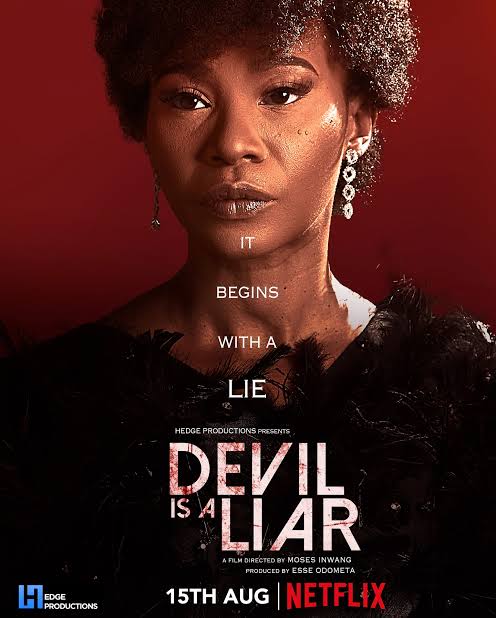
The standout performance is undoubtedly from Nse Ikpe-Etim, who embodies Adaora with depth, vulnerability, and quiet strength. Her portrayal anchors the film, making the character’s heartbreak and resilience resonate with viewers. The supporting cast, from Nancy Isime’s vibrant presence to Tina Mba’s matriarchal gravitas, enriches the narrative.
Unfortunately, the movie struggles where it matters most, which is the heart of the love story. The chemistry between Nse Ikpe-Etim and James Gardiner (Jaiye) is unconvincing, and Gardiner’s character feels underdeveloped. The script leans too much on melodramatic shortcuts and implausible twists, leaving the story both predictable and unrealistic.
Devil Is a Liar had the potential to be a memorable drama but instead falls into the trap of overused Nollywood formulas. Nse Ikpe-Etim’s stellar performance is the saving grace, yet it isn’t enough to rescue the film from its weak writing and unconvincing central relationship.
My Rating: 5/10
Watchable, but average. A film that proves talent can shine, but poor storytelling will always hold a project back.
Billboard has officially released its list of the 50 greatest Afrobeats songs of all time, highlighting some of the most iconic and groundbreaking tracks that have shaped the genre. Afrobeats, which has its roots in Nigeria and Ghana, has now become a global sound influencing artists worldwide. The list features a mix of legendary classics and recent international smashes that propelled the genre beyond Africa.
Spotlight on the Top 10 Afrobeats Songs of All Time
1. African Queen – 2Face Idibia (2004) This timeless love ballad remains one of the most iconic songs in African music. 2Face’s “African Queen” put Nigerian music on the global map and is celebrated as a masterpiece that helped pave the way for Afrobeats’ worldwide success.
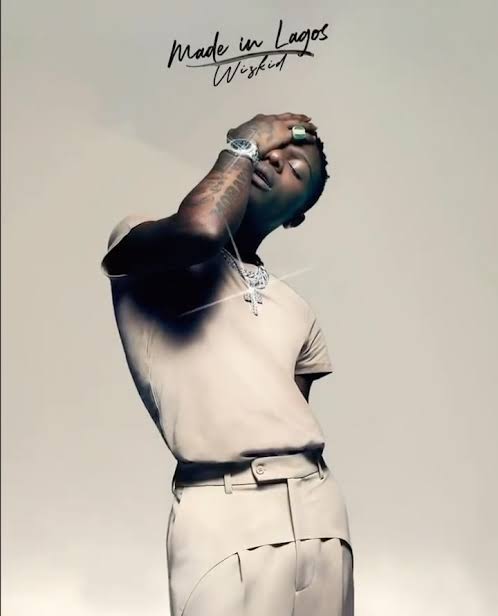
2. Ojuelegba – Wizkid (2014) Wizkid’s “Ojuelegba” tells the story of struggle and triumph, capturing the spirit of Lagos. The remix featuring Drake and Skepta further expanded its global reach, solidifying Wizkid as one of the biggest Afrobeats stars.
3. Nwa Baby (Ashawo Remix) – Flavour (2005) Flavour’s highlife-infused anthem became a cultural staple, known for its infectious rhythm and relatable lyrics. It cemented Flavour’s place as a household name in African music.
4. Calm Down – Rema (2022) Rema’s “Calm Down” took the world by storm, especially with the Selena Gomez remix. It became one of the most streamed Afrobeats songs globally, highlighting the new wave of Nigerian artists pushing Afrobeats into the mainstream.
5. Essence – Wizkid ft. Tems (2021) Dubbed the “song of the summer,” “Essence” is the first Nigerian song to chart on the Billboard Hot 100. Tems’ soulful delivery and Wizkid’s smooth style created a masterpiece that captured hearts worldwide.
6. Love Nwantiti – CKay (2019)Initially a slow-burn hit, “Love Nwantiti” exploded through TikTok, becoming one of the most remixed and viral Afrobeats songs of all time. It solidified CKay’s place in the global music scene.
7. Oliver Twist – D’banj (2012) A song that marked Afrobeats’ breakthrough into the UK charts, D’banj’s “Oliver Twist” was a game-changer. It proved Afrobeats could thrive on the international stage.
8. Fall – Davido (2017) “Fall” became one of the longest-charting Nigerian pop songs on Billboard. Its fusion of Afrobeats and international pop influences helped Davido gain worldwide recognition.
9. Ye – Burna Boy (2018) “Ye” is widely regarded as Burna Boy’s breakthrough international hit. With its catchy hook and relatable themes, it became an anthem that transcended borders and genres.
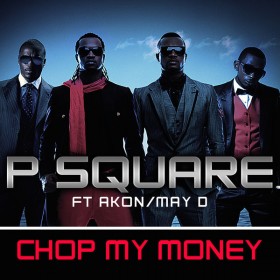
10. Chop My Money (Remix) – P-Square ft. Akon (2012) This collaboration between Nigerian duo P-Square and Akon showcased Afrobeats’ crossover appeal. The track gained massive popularity and became a fan favorite across Africa and beyond.
Full Ranking: Positions 11–50 (with Release Dates)
11
Olufunmi
Styl-Plus
2003
12
Gongo Aso
9ice
2008
13
Do Me
P-Square
2007
14
Dami Duro
Davido
2011
15
Johnny
Yemi Alade
2013
16
Fall in Love
D’banj
2008
17
Bumper to Bumper
Wande Coal
2008
18
Adonai
Sarkodie ft. Castro
2014
19
Azonto
Fuse ODG ft. Itz Tiffany
2012
20
Fada Fada
Phyno ft. Olamide
2016
21
Eminado
Tiwa Savage & Don Jazzy
2013
22
Last Last
Burna Boy
2022
23
Bobo
Olamide
2015
24
Drogba (Joanna)
Afro B
2018
25
Pakurumo
Wizkid
2011
26
Skin Tight
Mr Eazi ft. Efya
2015
27
Iskaba
Wande Coal & DJ Tunez
2016
28
Peru
Fireboy DML
2021
29
Sad Girlz Luv Money
Amaarae & Moliy
2020
30
Killin Dem
Burna Boy & Zlatan
2018
31
Rush
Ayra Starr
2022
32
Dorobucci
Mavins
2014
33
Mad Over You
Runtown
2016
34
Personally
P-Square
2013
35
Pana
Tekno
2016
36
Kontrol
Maleek Berry
2016
37
Ku Lo Sa
Oxlade
2022
38
Monalisa
Lojay & Sarz
2021
39
Shake Body
Skales
2014
40
UNAVAILABLE
Davido ft. Musa Keys
2023
41
Peace Be Unto You
Asake
2022
42
People
Libianca
2022
43
Buga
Kizz Daniel & Tekno
2022
44
Oleku
Ice Prince ft. Brymo
2010
45
Yahooze
Olu Maintain
2007
46
Soweto
Victony & Tempoe
2022
47
Raise Da Roof
Jazzman Olofin & Adewale Ayuba
2004
48
Dem Mama
Timaya
2005
49
Tonight
Nonso Amadi
2016
50
Ijoya
Weird MC
Billboard’s list of the 50 Best Afrobeats Songs of All Time is more than a ranking—it’s a history of Afrobeats itself. From 2Face Idibia’s classic African Queen to Rema’s global smash Calm Down, it captures how a genre rooted in African rhythms has become a universal language.
The diversity of the list, spanning pioneers like Weird MC and contemporary stars like Ayra Starr and Asake, proves that Afrobeats is not only here to stay but also destined to keep evolving as one of the world’s dominant genres.
Personally I will make some few changes to this List. Will you? Drop a comment
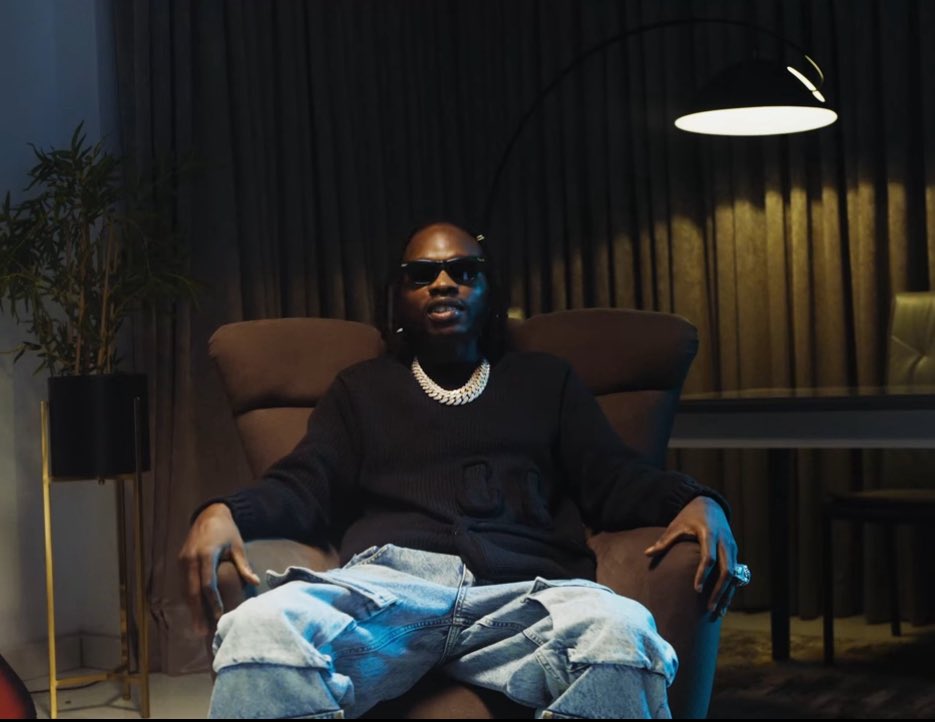
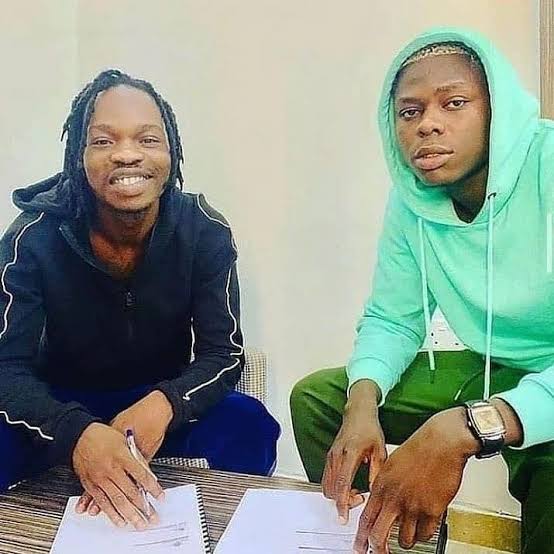
Naira Marley, Nigerian music executive and head of Marlian Music, has spoken extensively about the death of his former signee, Mohbad (Ilerioluwa Oladimeji Aloba), in a new video interview released on August 20, 2025. The Afrobeats star maintained his innocence while calling for a reinvestigation into the circumstances surrounding Mohbad’s passing, which remains one of the most controversial cases in Nigeria’s music industry.
Maintaining Innocence and Presenting Evidence
In the interview, Naira Marley insisted he had no hand in Mohbad’s death, which occurred on September 12, 2023. He presented evidence, including WhatsApp conversations, bank transactions, and other receipts, to show that he had a supportive relationship with Mohbad. Marley stated that he not only gave financial assistance to the late artist but also intervened to protect him on several occasions.
He addressed longstanding accusations of bullying, which have lingered since Mohbad’s exit from Marlian Music in 2022. While acknowledging tensions within the camp, Marley denied personally bullying Mohbad, adding that he often advised him against drug use and stressed the impact of mental health struggles on the young artist’s wellbeing.
Frustration Over Detention
The Marlian Music boss also recounted his two-month detention in 2023 by the Lagos State Police Command. He described the ordeal as unfair, pointing out that he was out of the country at the time of Mohbad’s death. According to Marley, his arrest was more about public outrage than solid evidence, and he expressed dismay that his passport was seized for months even after no case was established against him.
A Call for Re-arrest and Fresh Probe
In a move that has stirred further debate, Marley urged authorities to reopen the case and re-arrest everyone linked to Mohbad’s death, including himself, Sam Larry, and others previously accused. He specifically called for a trusted police officer to oversee the reinvestigation, citing mistrust in how the initial process was handled.
“I came back to Nigeria to support the police because I can see fingers pointing our ways. If they believe there is still doubt, then re-arrest us and let justice be done,” Marley said in the video.
Clarifying Financial Allegations
Marley also addressed rumors of financial exploitation. He explained that some of the funds he sent to Mohbad went into an account belonging to Mohbad’s mother-in-law at Mohbad’s own request, countering narratives that he diverted money for personal gain.
Additionally, he revealed that he has reached an agreement with Mohbad’s lawyer to transfer all royalties from the late artist’s works to a family member legally appointed by the court to manage his estate.
Public Reaction
The interview has sparked divided opinions online, particularly on X (formerly Twitter). Some users see Marley’s evidence as proof of his innocence and a demonstration of transparency. Others remain unconvinced, arguing that even if Marley was not directly responsible for Mohbad’s death, allegations of intimidation and a toxic label culture remain unresolved.
In February 2025, a Yaba Magistrate Court cleared Naira Marley, Sam Larry, and Prime Boy of direct responsibility in Mohbad’s death. The court instead charged an auxiliary nurse and an associate with reckless negligence. However, Mohbad’s father has since challenged the legal advice that discharged Marley and others, and a fresh hearing is still pending.
The autopsy conducted on Mohbad’s body provided inconclusive results due to decomposition, leaving the exact cause of death uncertain.
Two years after Mohbad’s death, the case continues to raise broader questions about accountability in the Nigerian music industry, particularly regarding artist welfare and record label dynamics. Marley’s latest remarks represent not just a personal defense but a renewed push for transparency in a case that has gripped public attention and continues to stir debate.
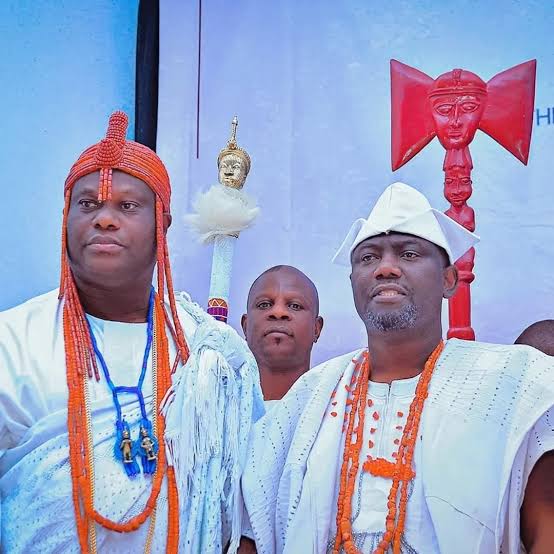
The long-standing rivalry between two of Yorubaland’s most powerful royal stools has resurfaced dramatically. On 19 August 2025, the Alaafin of Oyo, Oba Abimbola Akeem Owoade I, issued a 48-hour ultimatum to the Ooni of Ife, Oba Adeyeye Enitan Ogunwusi, Ọjàjá II, demanding he revoke a chieftaincy title recently bestowed on Ibadan businessman, Dotun Sanusi.
At the heart of this dispute lies not just a title, but the deeper question of who holds authority over Yoruba-wide honours—a matter steeped in history, culture, and law.
The Trigger: Okanlomo of Yorubaland Title
Earlier in August, the Ooni conferred the title Okanlomo of Yorubaland on Dotun Sanusi, popularly known as Ilaji. The move was celebrated in Ibadan, where Sanusi has strong influence, but it angered the Alaafin.
The Alaafin argued that such a Yorubaland-wide title exceeds the Ooni’s authority, citing a Supreme Court ruling which, according to him, reserves the power to confer such titles for the Alaafin of Oyo alone. He described the Ooni’s action as an “unconstitutional encroachment” and demanded a reversal within 48 hours—or risk “dire consequences.”
Ooni’s Response: Silence, Dismissal, and Defiance
The Ooni, through his spokesperson Moses Olafare, refused to directly respond to the ultimatum. Instead, the palace dismissed the order as nothing more than an “empty threat” from what it called “a dead empire.”
“We shall not dignify the Alaafin’s ultimatum with any formal reply. The Ooni has more pressing developmental commitments than to entertain jokers,” Olafare said.
Rather than backtrack, the Ooni has continued to focus on projects like the planned Ojaja Smart City in Ibadan, signaling he will not bow to the Alaafin’s pressure.
Reactions Across Yorubaland
The feud has stirred widespread debate and divided opinions among Yoruba traditional and cultural leaders and online users.
Ibadan traditional rulers condemned the ultimatum as an affront on Ibadanland, arguing that the Alaafin had no business challenging the Ooni’s decision. Oba Omotooyosi Akinleye, Olukosi of Ilukosi-Ijesa, stressed that the Alaafin’s authority ends in Oyo land, while the Ooni holds broader spiritual supremacy as custodian of Oduduwa’s throne. The Yoruba Council Worldwide expressed dismay at the public spat, warning that the dispute undermines Yoruba unity and respect for tradition.
Historical Tension Between Thrones
The Ooni of Ife is traditionally regarded as the spiritual head of the Yoruba people, based in Ile-Ife, the ancestral cradle of creation in Yoruba cosmology. The Alaafin of Oyo, on the other hand, historically commanded political and military power during the Oyo Empire’s height.
While both thrones today serve largely ceremonial roles, their historical prestige often leads to contests of authority, especially over matters that touch on Yorubaland at large.
What Next?
The 48-hour ultimatum has already began without compliance from the Ooni. With both palaces standing firm, the standoff is now being closely watched—not just by Yoruba people, but across Nigeria.
At stake is more than one chieftaincy title; it is the delicate balance of authority between two of Yorubaland’s greatest stools. If left unchecked, the rift risks deepening long-standing rivalries that many believe should be channeled instead toward fostering cultural unity and development.
The feud highlights the enduring tensions between the Ooni of Ife’s spiritual pre-eminence and the Alaafin of Oyo’s historical claim to political authority. While both monarchs hold immense cultural influence, their public clash raises urgent questions about Yoruba unity in today’s Nigeria.
Gift-giving is a timeless way to strengthen relationships, celebrate milestones, and show appreciation. In Nigeria today, many people want to buy thoughtful presents without spending too much. While perfume is a common go-to option, it can sometimes feel repetitive and expensive. The good news is that there are several other budget-friendly yet meaningful gift ideas that Nigerians can consider when celebrating friends or peers.
Customized Mugs or Water Bottles
Personalized mugs or water bottles are simple yet practical gifts. Many local printing shops in Nigeria offer customization services at affordable prices, allowing you to add names, photos, or motivational quotes. These items are useful for everyday life, whether at home, school, or the office.
Books and Journals
Books make excellent gifts, especially when chosen according to the recipient’s interests, whether it’s fiction, motivational reads, or professional guides. Journals and notebooks are also thoughtful, as they encourage productivity, organization, and creativity. Pairing them with a pen adds an extra touch.
Fashion Accessories
Affordable accessories such as wristwatches, bracelets, earrings, belts, or wallets are always appreciated. Many Nigerian markets and online stores offer stylish pieces at reasonable prices. These items add a touch of personality and can be used daily.
With the increasing reliance on smartphones and gadgets, small tech accessories make highly practical gifts. Options include earphones, phone holders, power banks, USB drives, or even affordable Bluetooth speakers. These items are not only budget-friendly but also extremely useful.
Personalized Keepsakes
Personalized gifts have sentimental value. Examples include framed photographs, engraved keychains, or custom-made phone cases. Such items are affordable and often hold more meaning than generic presents. They show effort and thoughtfulness, which many Nigerians appreciate.
Self-Care Packs
Affordable self-care items such as skincare products, bath salts, or lip balms are great for encouraging relaxation. In Nigeria, locally-made skincare products are widely available and budget-friendly, making this option accessible.
Food remains one of the most loved and practical gifts. From a small hamper of snacks, chocolates, and biscuits to locally packaged delicacies, food items are affordable and guaranteed to be appreciated. Even homemade treats can serve as thoughtful, budget-conscious gifts.
In Nigeria, where cost-consciousness often guides purchasing decisions, giving a meaningful gift does not have to be expensive. By considering the recipient’s lifestyle, preferences, and needs, you can choose from a wide range of affordable options beyond perfume. Ultimately, it is the thought, effort, and personal touch behind the gift that makes it memorable.
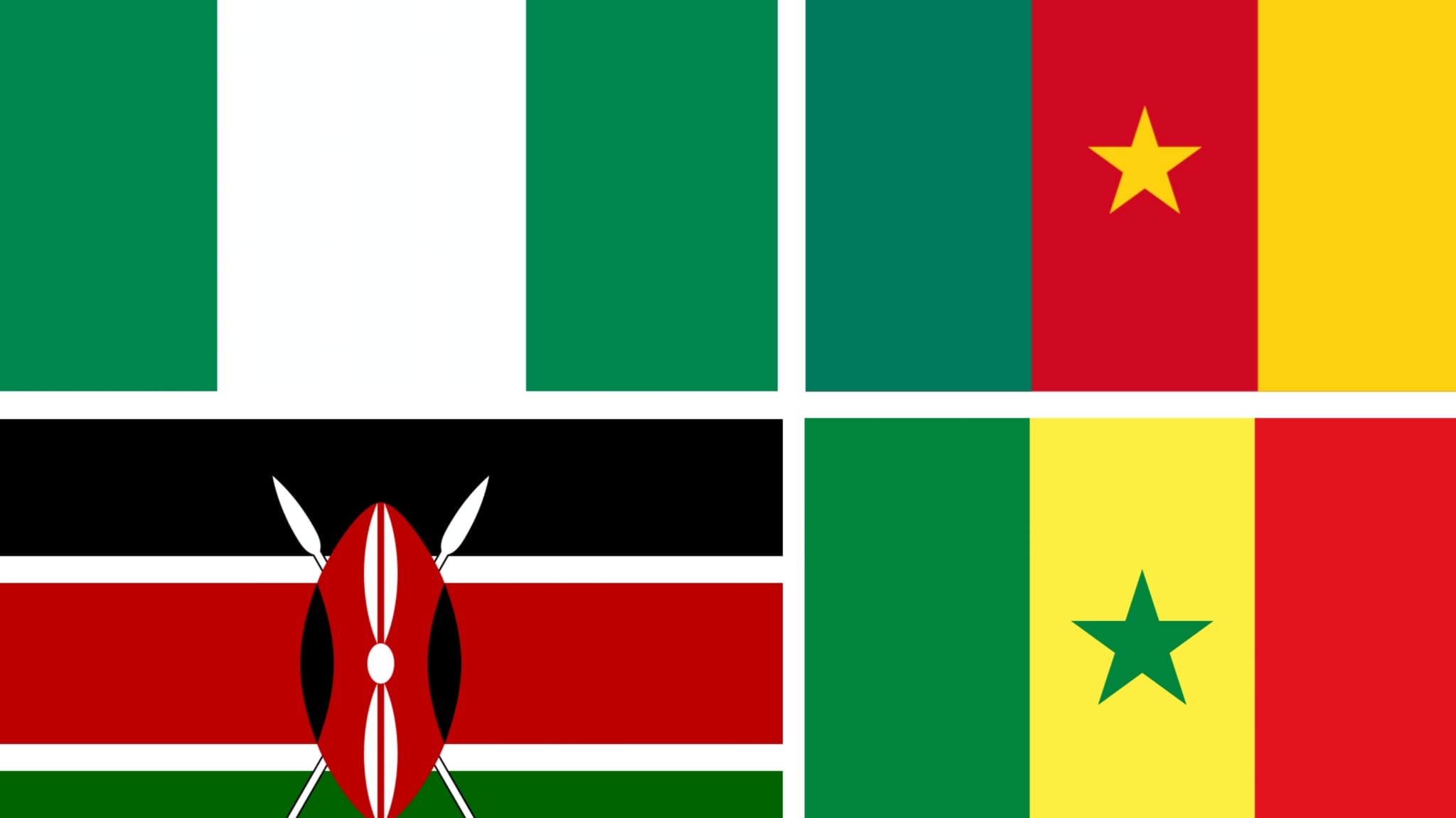
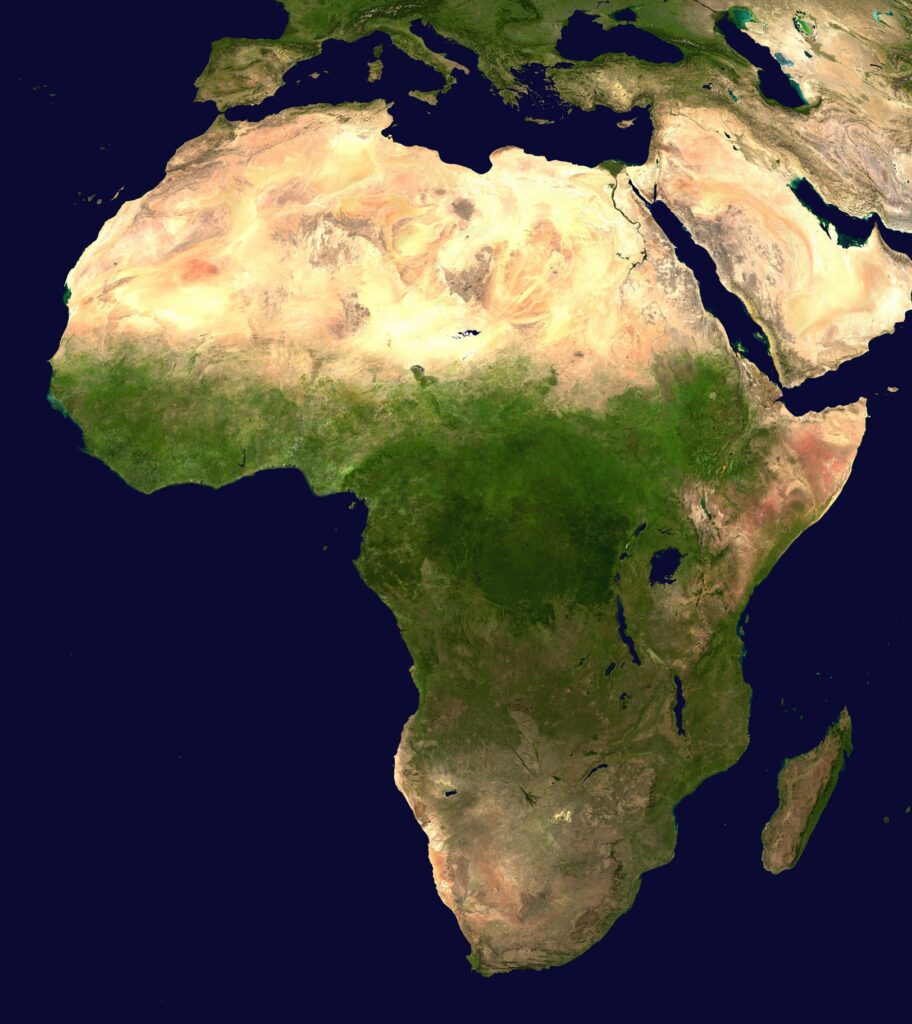
When African nations began gaining independence in the mid-20th century, many saw renaming as an important act of reclaiming identity. Countries such as the Gold Coast became Ghana (1957), Upper Volta became Burkina Faso (1984), and French Sudan became Mali (1960), all in a bid to restore indigenous pride.
However, not all states chose to abandon their colonial names. Some retained them due to global recognition, deep geographical links, or because the names were already widely accepted. Below is a look at African countries that kept their colonial-era names, with details on their independence year and colonial rulers.
Nigeria
Nigeria, Africa’s most populous country and one of its largest economies, was a key British colony in West Africa. Its name, however, was coined by a British journalist rather than drawn from indigenous origins.
Colonial Name: Nigeria (from ‘Niger Area,’ coined by Flora Shaw in 1897) Colonizer: Britain Independence: October 1, 1960
Kenya
Kenya, home to rich wildlife reserves and diverse ethnic groups, was a British colony that became a central hub of East Africa. Its name is tied to its highest peak, Mount Kenya.
Colonial Name: Kenya (derived from Mount Kenya, from Kikuyu ‘Kirinyaga’) Colonizer: Britain Independence: December 12, 1963
Uganda
Uganda, often called the ‘Pearl of Africa,’ was named after the Buganda Kingdom, one of its most influential pre-colonial states. The British mispronounced Buganda as Uganda, and the name stuck.
Cameroon’s name dates back to Portuguese explorers who discovered a river teeming with prawns and named it Rio dos Camarões. The territory later passed through German, French, and British control.
Colonial Name: Cameroon (from Portuguese ‘Rio dos Camarões’ – River of Prawns) Colonizer: Germany, Britain & France Independence: 1 January, 1960/ 1 October, 1961
Gabon
Gabon, situated along the Atlantic coast of Central Africa, derived its name from the Portuguese word for cloak, describing the estuary’s shape. It remained a French colony until independence.
Colonial Name: Gabon (from Portuguese ‘Gabão’ – cloak-shaped estuary) Colonizer: France Independence: August 17, 1960
Senegal
Senegal, with its strategic location on the Atlantic coast, was a major French colonial center. Its name comes from the Senegal River, a lifeline for the country’s people.
Colonial Name: Senegal (from Senegal River, Wolof origin, adapted by traders) Colonizer: France Independence: April 4, 1960
Chad
Chad, a landlocked nation in Central Africa, took its name from Lake Chad, one of Africa’s largest freshwater bodies. The French adopted the local Kanuri term ‘Tshad,’ meaning lake.
Colonial Name: Chad (from Lake Chad, ‘Tshad’ meaning ‘lake’ in Kanuri) Colonizer: France Independence: August 11, 1960
Niger
Niger, a Sahelian country named after the Niger River, was under French control until 1960. Like Nigeria, its colonial name was based on a major waterway.
Colonial Name: Niger (from River Niger, adopted by French) Colonizer: France Independence: August 3, 1960
Togo
Togo, a narrow stretch of land along the Gulf of Guinea, derived its name from a Ewe expression meaning ‘water shore.’ The Germans first adopted it during colonization, followed later by the French.
Colonial Name: Togo (from Ewe ‘to’ = water, ‘go’ = shore, adapted by Germans/French) Colonizer: Germany, France Independence: April 27, 1960
Tanzania
Tanzania emerged as a union between Tanganyika and Zanzibar in 1964. Both territories had colonial histories under Germany, Britain, and Oman. Their merger created a new name, but one built from colonial terms.
Colonial Name: Tanganyika (German/British), Zanzibar (Arab/British). Union formed Tanzania. Colonizer: Germany, Britain, Oman Independence: 1961/1963; Union 1964
Some Reasons Why These Countries Might Have Their Colonial Names
Geographical Recognition: Names tied to rivers, lakes, or mountains (Nigeria, Niger, Chad, Senegal, Kenya) felt neutral and descriptive rather than foreign impositions.
International Acceptance: By the 1960s, these names were already established in diplomacy, trade, and maps.
National Unity: Some leaders feared that changing names could reignite ethnic divisions, so they kept the colonial label to maintain cohesion.
While renaming was a powerful act of reclaiming African identity, not every country felt it necessary. For nations like Nigeria, Kenya, Uganda, and Cameroon, retaining colonial names was more about continuity, unity, and global recognition. These names, though European in origin, have since been indigenized and now carry African meaning and pride.
Scams are not new in Nigeria, but 2025 has ushered in a more sophisticated wave of fraud, blending traditional tricks with cutting-edge technology like AI, deepfakes, and digital blackmail. From fake e-commerce sites to sextortion networks, the methods are constantly evolving and staying informed is the first step to staying safe. Below, we break down the most prevalent scams Nigerians are facing today, how they work, and what you can do to avoid falling victim.
AI-Powered Fake E-Commerce and Loan Platforms
Fraudsters now use artificial intelligence to design convincing online stores and lending apps. These sites feature polished product listings, fake customer reviews, and even AI chatbots that mimic real customer service. Many Nigerians have lost money to platforms that vanish after collecting upfront payments or bogus loan “processing fees.”
How to protect yourself:
Only shop on verified sites with strong reputations.
Check that websites use secure domains (“https”).
Avoid apps or sites that demand money before offering loans, unless confirmed by the Central Bank of Nigeria or FCCPC.
Fake Bank Alerts and Phishing Messages
Scammers send cloned debit alerts or SMS messages that look like they came from your bank. In some cases, they direct victims to phishing websites that steal login details.
How to protect yourself:
Always confirm credits or debits via your bank’s official app or USSD code.
Never click suspicious links sent via SMS or WhatsApp.
Job and Recruitment Scams
Fake recruiters promise high-paying roles with well-known companies, but demand “training,” “ID card,” or “medical” fees before employment. Many of these fake ads spread on social media and WhatsApp groups.
How to protect yourself:
Genuine companies do not charge fees before hiring.
Verify job postings directly on official company websites.
Use trusted platforms like Jobberman or MyJobMag.
POS and Marketplace Scams
POS agents are increasingly being targeted with fake transfers and manipulated receipts, while on Instagram and Jiji, scammers collect payments for goods that are never delivered.
How to protect yourself:
For POS, always confirm transactions directly from your bank balance.
When shopping online, insist on payment on delivery or use escrow-protected platforms.
Avoid sellers without verifiable contact details.
Giveaway and Celebrity Impersonation Fraud
Scammers create fake accounts of celebrities or popular brands, promising giveaways. Victims are then asked to pay “processing fees” before receiving fake prizes.
How to protect yourself:
Official giveaways never require upfront payments.
Confirm verified social media handles with blue checks or official websites.
Referral Apps and Click-to-Earn Schemes
These schemes promise income by recruiting others or performing simple online tasks. They often collapse quickly, leaving users with losses.
How to protect yourself:
Avoid platforms with no clear business model.
Don’t provide personal or financial details to unverified apps.
Deepfake Investment Scams and Pig-Butchering
Scammers are using deepfake videos, AI-generated endorsements, and long-term relationship building (known as “pig-butchering”) to trick people into fake crypto or forex investments. Victims are “fattened up” with small initial profits before being defrauded of larger sums.
How to protect yourself:
Be cautious of unsolicited investment opportunities.
Check if the platform is registered with the SEC or CAC.
Stay away from “guaranteed” quick returns.
Sextortion and AI-Driven Blackmail
Perhaps the most disturbing trend in 2025 is sextortion. Networks like the “BM Boys” in Nigeria catfish teenagers and young adults, persuading them to share explicit images, then blackmailing them for money. Some scammers even use AI-generated fake news reports to pressure victims into paying.
How to protect yourself:
Never share intimate photos or videos online.
If threatened, cut off communication immediately and report to authorities.
Parents should educate teenagers about online safety.
Digital Arrest Scams
Scammers impersonate police, EFCC, or immigration officers via WhatsApp or video calls, accusing victims of crimes and demanding bribes for “release.”
How to protect yourself:
No genuine authority will demand money over the phone.
Always verify with official agencies through their public hotlines.
SIM Swap and Tech Support Frauds
With SIM swaps, fraudsters hijack your phone line to access bank accounts and OTPs. Others impersonate “Microsoft” or “Windows” support, tricking victims into installing apps that grant remote access.
How to protect yourself:
Enable SIM locks and two-factor authentication using authenticator apps, not SMS alone.
Never share OTPs or banking details over the phone.
Refuse unsolicited remote support requests.
Scammers are adapting to Nigeria’s digital and financial landscape at lightning speed. What used to be crude “419 emails” has now evolved into AI-powered platforms, deepfake blackmail, and sophisticated phishing schemes.
Always be skeptical of anything that sounds too good to be true. Verify everything. Protect your data.
By staying informed and cautious, you reduce your chances of becoming the next victim.
Sports betting has exploded into one of Nigeria’s most dominant forms of entertainment. From Bet9ja to SportyBet, BetKing, and 1xBet, millions of Nigerians log in daily to place wagers, mostly on football matches. On the surface, betting is marketed as fun, thrilling, and rewarding. Yet beneath the flashy adverts and quick payouts lies a growing crisis: sports betting is silently eroding mental health, financial stability, and social wellbeing across the country.
A Nation of Bettors
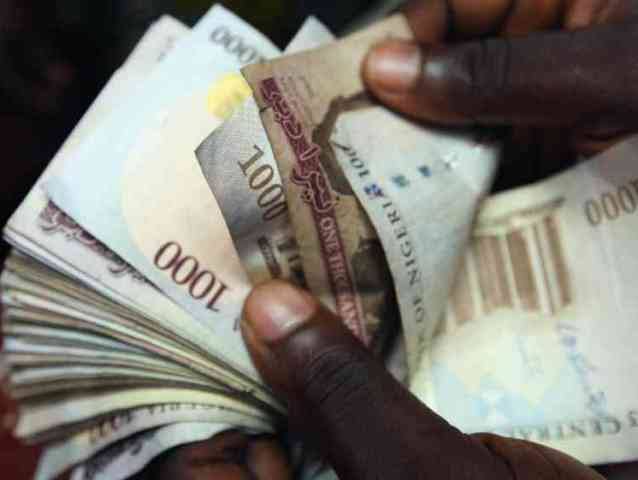
The numbers reveal the scale of the boom. Studies estimate that over 60 million Nigerians between 18 and 40 years old actively participate in betting. On average, they spend ₦3,000 daily, amounting to nearly ₦730 billion annually. In fact, Nigeria is now considered one of Africa’s largest betting markets, with betting shops and mobile apps dominating both urban and rural landscapes. What makes this rise even more striking is the context: a nation where over 40% of the population lives in poverty is also home to one of the highest rates of gambling participation in the world.
The Impact on Mental Health
The thrill of betting is tied to brain chemistry. Each wager triggers dopamine; the same chemical linked to pleasure and reward. But this excitement can quickly spiral into addiction. Many bettors report mood swings, sleepless nights, and constant anxiety. Losing streaks bring feelings of guilt and despair, while the urge to “chase losses” only deepens the cycle. A growing number of Nigerian psychologists now warn that sports betting has become a major driver of depression, anxiety, and even suicidal thoughts. In one heartbreaking case, a university student in Ilaro took his own life after losing his school fees to betting. In another, a man in Lagos ended his life after losing ₦2.5 million on virtual games. These stories, though shocking, are far from isolated.
Financial Ruin Disguised as Fun
The financial toll of sports betting is devastating. For many Nigerians, especially young men, betting is seen as a potential escape from unemployment and hardship. But instead of financial freedom, it often results in deeper poverty.
Research shows that:
62% of addicted bettors in Lagos borrow money to fund gambling.
28% fail to meet essential payments such as rent or school fees.
Some lose millions of naira within weeks, selling assets or borrowing heavily in the process.
The painful truth is that bookmakers always have the edge. Wins are temporary, but losses accumulate—leaving countless Nigerians trapped in debt cycles.
Social and Emotional Strain
Sports betting does not only harm individuals, it reshapes relationships. Families often suffer when breadwinners divert money meant for food, rent, or education into betting. Friends drift apart as shame and secrecy build. Among students, the impact is equally alarming. Studies show that 14% of Nigerian university students already suffer problem gambling, and nearly half of those who bet regularly display addictive behaviours. Academic performance suffers as money, time, and focus are swallowed by betting apps.
The Role of Betting Apps
Modern betting companies have perfected the art of addiction. Platforms like Bet9ja, SportyBet, NairaBet, 1xBet, and BetKing employ strategies designed to keep players hooked:
24/7 accessibility: With apps on smartphones, betting is available anytime, anywhere.
Flashy promotions: Welcome bonuses, odds boosts, and “free bets” encourage more spending.
Fast-play features: Virtual games and live betting deliver instant results, fueling compulsive behavior.
Psychological hooks: Near misses, bright visuals, and celebratory alerts simulate victory even in loss.
These features transform betting from occasional fun into compulsive daily habits, making it one of the fastest-growing addictions in Nigeria.
Why Betting Feels Unescapable
Experts describe sports betting in Nigeria as a perfect storm:
Economic desperation: With limited job opportunities, betting feels like a shortcut to wealth.
Passion for football: Tying wagers to beloved sports makes it socially acceptable.
Aggressive advertising: From billboards to Instagram feeds, betting brands flood media with success stories, rarely showing the ruin that follows.
One bettor who lost ₦10 million in two weeks described it bluntly: “It’s like a sect. Once you’re in, it’s extremely difficult to leave.”
Protecting Wellbeing
While sports betting is legal and often positioned as harmless entertainment, its impact on wellbeing is undeniable. To address this crisis:
Public awareness campaigns are needed to highlight the risks.
Limits and regulations should be enforced on betting advertisements and promotions.
Financial literacy and job creation must be prioritized to reduce dependence on gambling.
On a personal level, individuals must set strict betting limits, avoid chasing losses, and seek help when betting becomes uncontrollable.
Sports betting in Nigeria is no longer “just a game.” It is a powerful industry feeding off economic hardship, passion for football, and human vulnerability. While some may enjoy it casually, for millions it has become a trap—undermining mental health, draining finances, and tearing at the fabric of relationships. In the end, the question remains: is the thrill of a potential win worth the silent cost to wellbeing?
I await your comments
Subscribe to our newsletter for more articles like this.