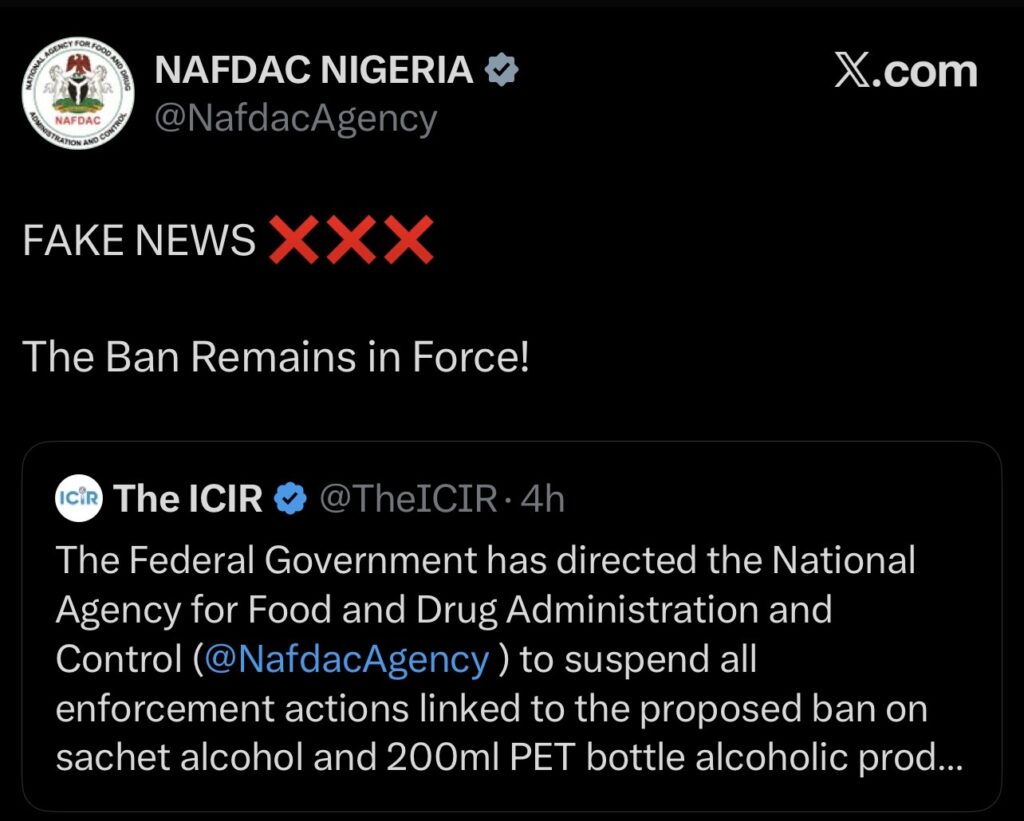
Just hours after reports circulated claiming the Federal Government had directed a pause on the sachet alcohol ban, the National Agency for Food and Drug Administration and Control (NAFDAC) has pushed back strongly, insisting that no such directive has been officially communicated and that the policy remains in force.
In a public statement released Wednesday, NAFDAC described the suspension claims as “false and misleading,” clarifying that it has not received any formal order instructing it to stop enforcement of regulations affecting alcohol sold in sachets and small-volume containers, including 200ml PET bottles.
The agency’s response comes amid growing confusion following earlier reports suggesting that federal authorities had asked regulators to suspend enforcement while broader consultations and policy reviews were underway. NAFDAC’s latest position introduces a direct contradiction, highlighting a widening gap between media reports and the agency’s official stance.
According to NAFDAC, any change in enforcement procedures would be communicated through formal government channels and verified agency platforms. Until then, regulatory activities will continue under existing laws and approved policy frameworks.
Screenshot
The sachet alcohol ban has remained one of Nigeria’s most contentious regulatory issues in recent years. Public health advocates have backed strict enforcement, arguing that cheap, widely accessible alcohol contributes to addiction risks, youth consumption, and broader social harm.
Industry stakeholders and labour groups, however, have warned that abrupt enforcement could threaten thousands of jobs and destabilise supply chains in the beverage and retail sectors. The debate intensified after enforcement actions reportedly affected factories and distribution networks in early 2026.
The disagreement over whether enforcement has been suspended also raises broader questions about communication and authority within Nigeria’s regulatory structure. Civil society organisations have already initiated legal challenges around government involvement in enforcement decisions, arguing that regulatory agencies must operate within clearly defined statutory boundaries.
As conflicting narratives continue to circulate, industry players, retailers, and consumers are left navigating uncertainty over compliance and future policy direction.
Nigeria’s Federal Government has directed the National Agency for Food and Drug Administration and Control (NAFDAC) to immediately suspend enforcement of the controversial ban on sachet alcohol and small-pack alcoholic beverages, marking a significant policy pause in one of the country’s most debated public health regulations.
The directive halts ongoing enforcement activities, including factory shutdowns and warehouse sealings tied to alcoholic products packaged in sachets and containers below 200ml. The order was issued following consultations involving the Office of the Secretary to the Government of the Federation and national security authorities, who raised concerns about economic disruption and the absence of a fully harmonised national alcohol policy guiding implementation.
NAFDAC had begun enforcing the ban as part of a broader push to reduce alcohol abuse, particularly among young Nigerians and vulnerable populations. Regulators argued that low-cost sachet alcohol products made consumption more accessible and contributed to rising public health concerns.
However, the Federal Government’s intervention signals that enforcement may have moved ahead of broader policy coordination. Officials stated that the suspension would remain in place while the government reviews legislative, economic, and social implications of the ban and considers how it fits into a comprehensive National Alcohol Policy framework.
The decision does not cancel the ban outright but pauses enforcement pending further directives.
The sachet alcohol policy has been controversial since its early stages. Public health advocates have consistently supported strict regulation, arguing that cheap and widely available alcohol products contribute to addiction, social instability, and increased health risks.
Industry stakeholders and labour unions, however, have pushed back strongly. Manufacturers and distributors warned that a sudden ban could lead to widespread job losses, disrupt supply chains, and damage small businesses that rely heavily on low-cost alcohol products for income. Protests and public demonstrations had intensified in recent weeks as enforcement actions began affecting production and distribution networks.
Read our previously published article on earlier reports of the ban.
In modern fashion and lifestyle culture, the smallest details often make the biggest difference. While clothing and hairstyles attract immediate attention, nails have quietly become one of the strongest indicators of personal grooming. Clean, healthy nails now represent more than beauty; they signal hygiene, discipline, and self-awareness.
Across Nigeria’s growing beauty scene, nail treatment and care have shifted from occasional luxury to everyday maintenance. Whether someone prefers natural nails, polished finishes, or artistic designs, the focus is gradually moving toward consistent nail health rather than occasional styling.
A few years ago, many people only paid attention to their nails during special occasions. Weddings, birthdays, and major social events were the main reasons for salon visits. Today, social media and grooming culture have changed that mindset.
Daily self-care routines are now widely shared online, encouraging people to maintain neat nails regularly rather than waiting for special moments. Influencers, professionals, and creatives alike are embracing simple grooming habits that contribute to a polished everyday appearance.
This shift reflects a broader cultural change, people are investing in routines that support long-term confidence rather than short-term transformations.
Healthy nails are not only attractive; they also reflect good hygiene practices. Weak or neglected nails can become uneven, or uncomfortable. Frequent exposure to detergents, harsh chemicals, and everyday tasks can gradually weaken nail strength.
Simple treatment habits such as moisturizing cuticles, trimming nails regularly, and avoiding overly aggressive products help maintain durability. Consistent care supports both comfort and appearance.
Nail professionals often emphasize balance; enjoying stylish nail designs while allowing natural nails time to recover between heavy enhancements.
Artificial nails and extensions remain popular, especially within Nigerian beauty culture where creative expression is celebrated. Nail art continues to thrive across social media platforms, with designs becoming part of personal identity and fashion storytelling.
At the same time, minimalist nail trends are gaining attention. Short, clean nails in neutral shades are increasingly popular among students, professionals, and content creators who prefer practical, low-maintenance grooming.
Hygiene remains the most important aspect of nail treatment. Nails can easily collect dirt and bacteria if left unclean or overly long. Regular handwashing, cleaning underneath nails, and sanitizing nail tools help maintain overall health.
Well-maintained nails also influence first impressions. In professional settings, neat hands often communicate attention to detail and personal discipline. Even in casual social spaces, clean nails contribute to a sense of self-respect and confidence.
Consistency matters more than complexity. A basic weekly routine can keep nails strong and presentable without requiring expensive treatments.
Start by trimming nails to a comfortable length and gently filing rough edges. Wash hands thoroughly and apply moisturizer to both hands and cuticles. Allow nails to rest between heavy styling sessions, especially after long periods of wearing extensions or strong polish.
These small habits build long-term nail health and reduce the risk of breakage or discomfort.
Many people unknowingly damage their nails through everyday habits. Using overly harsh chemicals without protection can weaken nail structure. Ignoring dryness can lead to bad nails and painful cuticles. Excessive filing or aggressive removal of nail products may also cause long-term damage.
Another common mistake is prioritizing appearance over health. Constant heavy enhancements without rest periods can leave natural nails weak and sensitive. Balanced routines that combine styling with recovery time help maintain stronger nails.
Beyond grooming, nail treatment has become part of personal wellness routines. Many people now view manicures; whether at home or in salons, as moments of relaxation and mental reset. Small self-care rituals can improve mood, boost confidence, and create a sense of control during busy schedules.
Affordable home manicure tools have made nail care more accessible. With basic knowledge and simple routines, individuals can maintain neat nails without relying solely on professional services.
Male Grooming and Nail Care
Nail care is no longer seen as exclusive to women. Across Nigeria’s urban culture, more men are embracing basic grooming routines that include clean, trimmed nails and moisturized hands. This shift reflects a broader understanding that personal hygiene and neatness are universal standards rather than gender-specific practices.
Male grooming conversations continue to expand, with increasing visibility in fashion, entertainment, and corporate spaces.
As Nigeria’s beauty industry continues to grow, nail care is expected to remain a major part of everyday grooming. Social media education has made nail health knowledge more accessible, encouraging people to adopt sustainable routines that balance creativity with responsibility.
The future of nail care will likely focus on simplicity, consistency, and healthy practices, allowing individuals to express their style while maintaining strong, well-maintained nails.
In a world where details matter, nail treatment and care represent more than surface beauty. They reflect discipline, hygiene, and the everyday habits that build for everyday confidence.
Every year on February 4, the world observes World Cancer Day. Beyond its medical significance, the day serves as a quiet but powerful reminder that health is not something we check on only when things go wrong. It is shaped gradually, through everyday routines, habits, and choices we often overlook.
Cancer remains one of the most pressing global health challenges of our time, affecting millions of people across different ages, regions, and backgrounds. Yet World Cancer Day is not designed to spread fear. Its purpose is to encourage awareness, early action, and a deeper understanding of how lifestyle and prevention intersect.
World Cancer Day was established in 2000 to unite individuals, communities, and institutions around a shared goal: reducing the global burden of cancer. Over the years, it has evolved from a purely health-focused observance into a broader cultural moment that challenges people to think more intentionally about how they live, care for their bodies, and support others navigating the disease.
At the heart of the conversation is lifestyle. While not all cancers can be prevented, medical research consistently points to the influence of daily habits on long-term health outcomes. What we eat, how often we move, how we manage stress, and whether we seek medical care early all play meaningful roles.
Nutrition, for instance, is less about strict rules and more about consistency. Diets rich in whole foods such as fruits, vegetables, legumes, and whole grains help support the body’s natural defense systems. Making simple adjustments, like choosing fresh meals more often or reducing heavily processed foods, can gradually improve overall wellbeing without the pressure of perfection.
Physical activity follows a similar principle. Movement does not need to be intense or complicated to be effective. Regular walking, stretching, or light exercise supports healthy weight, improves circulation, and boosts mental clarity. Even small amounts of daily activity can have a cumulative impact over time.
Another key lifestyle factor remains tobacco use. Smoking continues to be one of the most significant contributors to cancer risk globally. Avoiding tobacco entirely, or quitting where possible, remains one of the most powerful health decisions an individual can make. In the same way, being mindful of alcohol consumption can also reduce long-term risk, especially when moderation becomes a consistent habit rather than an occasional thought.
Skin health is another often overlooked aspect of cancer prevention. Daily sun protection, including the use of sunscreen and limiting excessive exposure, helps reduce the risk of skin cancer. These are small routines, but their effects add up over years.
Beyond prevention, World Cancer Day places strong emphasis on early detection. Many people delay routine checkups or screenings due to fear, cost, or busy schedules. However, early diagnosis remains one of the most effective ways to improve treatment outcomes. Choosing to prioritise regular health checks is not an act of anxiety, but one of responsibility and self-awareness.
Mental and emotional wellbeing also form a crucial part of the conversation. Chronic stress, sleep deprivation, and emotional burnout can weaken the body’s resilience over time. World Cancer Day highlights the importance of rest, emotional support, and community as essential components of a healthy life, not optional extras.
For younger people especially, the message is clear. Cancer awareness is not something to think about later in life. The habits formed in early adulthood often shape health outcomes decades down the line. World Cancer Day encourages proactive living, rooted in knowledge rather than fear.
Ultimately, World Cancer Day is not only about cancer. It is about how we live, how we care for ourselves, and how we look out for one another. It reminds us that health is built quietly, through ordinary decisions made consistently over time.
As the world marks February 4, the message remains simple and lasting: living well today is one of the most meaningful investments we can make in our future.
Disclaimer
This article is for informational purposes only and does not replace professional medical advice. Always consult a qualified healthcare professional for health-related decisions.
The Top 10 Richest People in the World in Feb. 2026: Forbes Report
The February, 2026 Forbes ranking of the world’s billionaires highlights individuals whose wealth reflects the most influential industries today. From technology and AI to luxury and strategic investments, this list shows where global power and economic influence reside.
Notably, eight of the ten richest individuals are from the United States, reflecting the country’s dominance in technology and innovation, while Bernard Arnault is from France and Amancio Ortega is from Spain, representing luxury and retail sectors outside the U.S.
Elon Musk
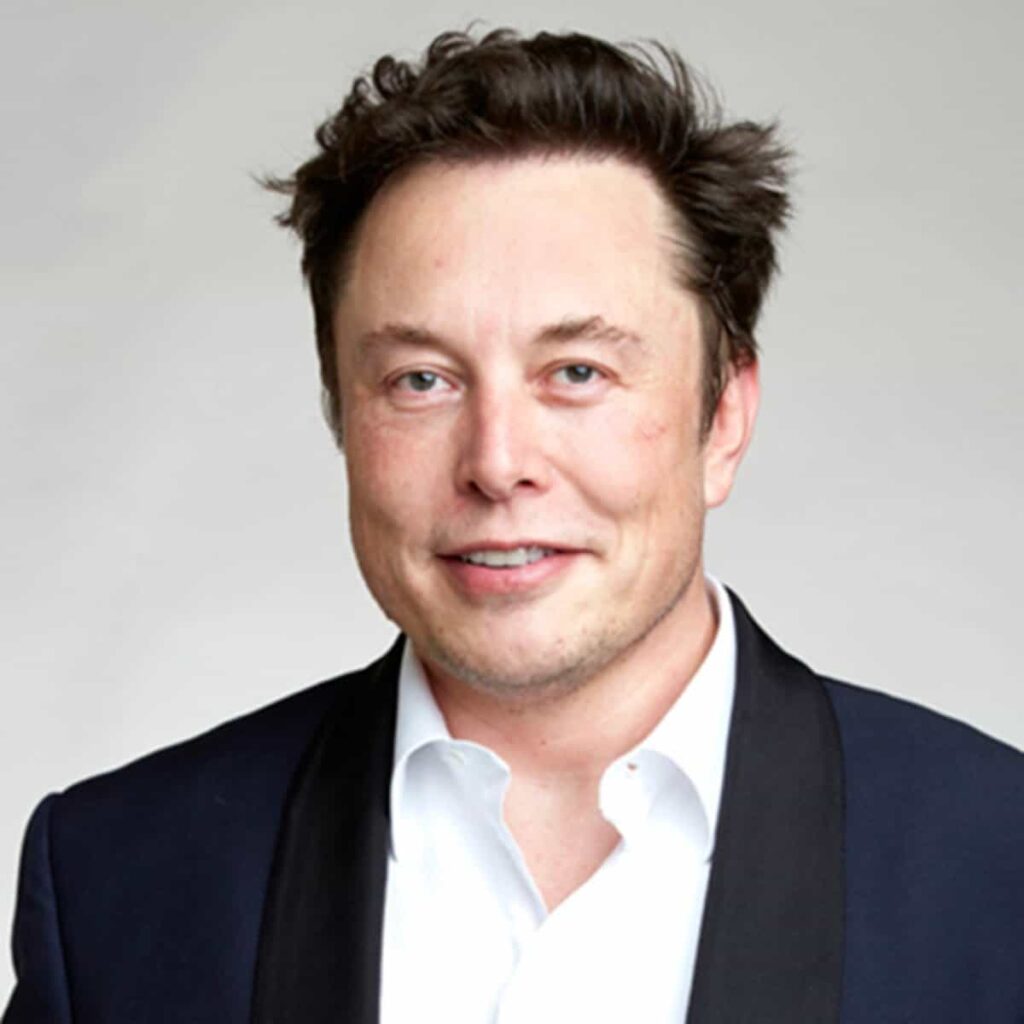
Elon Musk tops the 2026 list with an estimated net worth of $775 billion. Musk’s wealth spans multiple ventures, including Tesla, SpaceX, and his AI-focused company, xAI. Tesla’s groundbreaking electric vehicles, combined with SpaceX’s commercial space contracts and Musk’s investments in artificial intelligence, have propelled him to the very top of global wealth rankings. His position highlights how technological innovation and risk-taking in emerging industries remain key drivers of extreme wealth in the 21st century.
Larry Page
Larry Page, co-founder of Google and Alphabet, holds the second spot with a net worth exceeding $200 billion. Page’s fortune comes primarily from Alphabet’s dominance in search, advertising, and cloud computing. Platforms like YouTube and the Android operating system have sustained Alphabet’s global reach and profitability, rewarding Page with one of the largest personal fortunes in history. His ranking underscores the value of founding companies that serve fundamental needs on a global scale.
Sergey Brin
Sergey Brin, Alphabet co-founder, ranks third with an estimated net worth of $190 billion. Brin’s wealth is tied to the same tech ecosystem as Page, including search, cloud services, and YouTube. Unlike some of his peers, Brin maintains a relatively private lifestyle, yet his fortune continues to grow due to the long-term value of Google’s market dominance.
This year, Brin moved up one position compared to last year, overtaking Jeff Bezos, reflecting growth in Alphabet’s market value while Amazon stock experienced relative stagnation. His position illustrates that sustained ownership in global tech platforms can generate immense wealth even without public visibility.
Jeff Bezos
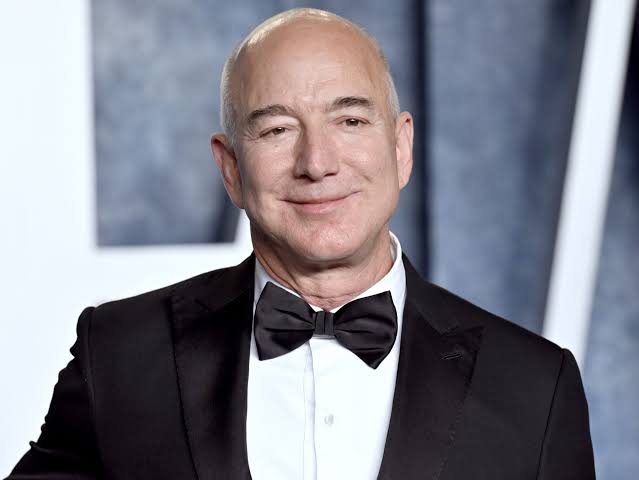
Jeff Bezos, founder of Amazon, sits fourth with a net worth exceeding $150 billion. Bezos continues to profit from Amazon’s global e-commerce operations and the highly lucrative Amazon Web Services cloud division.
Compared to 2025, Bezos has dropped one position, reflecting slower growth in Amazon stock relative to other tech companies like Nvidia and Alphabet. Even after stepping down as CEO, Bezos’ wealth reflects Amazon’s central role in modern retail and cloud computing, demonstrating the long-term financial rewards of pioneering digital marketplaces.
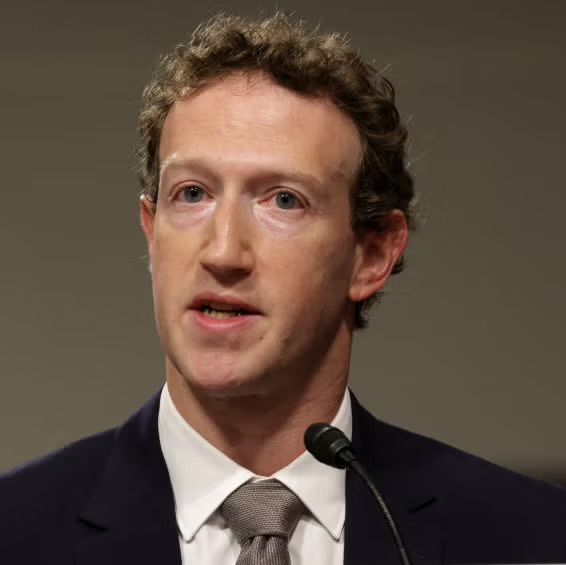
Mark Zuckerberg
Mark Zuckerberg ranks fifth, with a net worth around $140 billion. As CEO of Meta, he oversees Facebook, Instagram, and WhatsApp, platforms that dominate social networking and digital advertising worldwide.
Zuckerberg’s ranking is unchanged from last year, despite challenges in user growth and regulatory scrutiny, Meta’s advertising business remains highly profitable, maintaining Zuckerberg’s status among the globe’s wealthiest. His presence shows how social networks continue to be powerful engines for wealth creation.
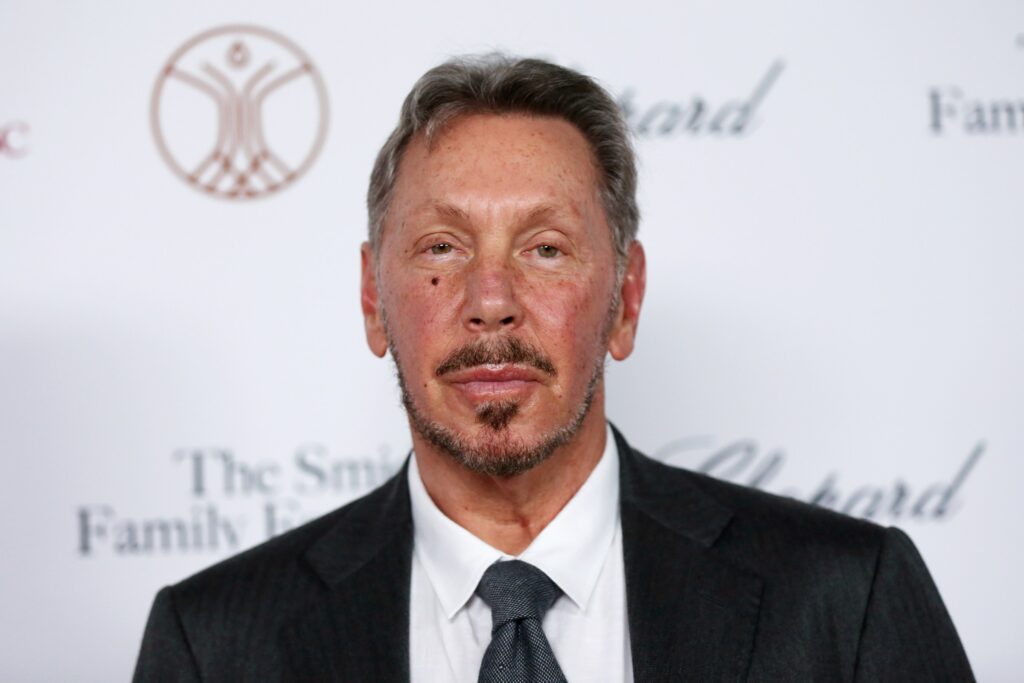
Larry Ellison
Larry Ellison, co-founder of Oracle, ranks sixth with an estimated net worth of $120 billion. Ellison built his fortune through enterprise software and cloud solutions that serve corporations worldwide. Oracle’s transition into cloud computing has preserved its relevance, and Ellison’s wealth highlights the enduring financial potential of software solutions that power business infrastructure globally.
Bernard Arnault
Bernard Arnault, chairman and CEO of LVMH, occupies the seventh spot with an estimated net worth of $115 billion. Arnault’s fortune comes from luxury brands such as Louis Vuitton, Dior, and Sephora, catering to high-end consumers worldwide.
Arnault moved down one position compared to 2025, after a strong rise in tech stock valuations outpaced luxury gains. His ranking demonstrates that even in a tech-dominated era, luxury goods and cultural influence remain major sources of wealth.
Jensen Huang
Jensen Huang, CEO of Nvidia, ranks eighth with an estimated net worth of $110 billion. Huang’s leadership in AI hardware and semiconductors has positioned Nvidia at the center of the artificial intelligence revolution.
This marks a significant rise compared to 2025, reflecting the explosive growth in AI and the increased demand for Nvidia GPUs powering AI and high-performance computing worldwide. Huang is one of the biggest gainers this year in the top ten.
Nvidia’s GPUs power AI models, data centers, and advanced computing applications, reflecting how technology beyond software; specifically AI infrastructure can create extraordinary wealth.
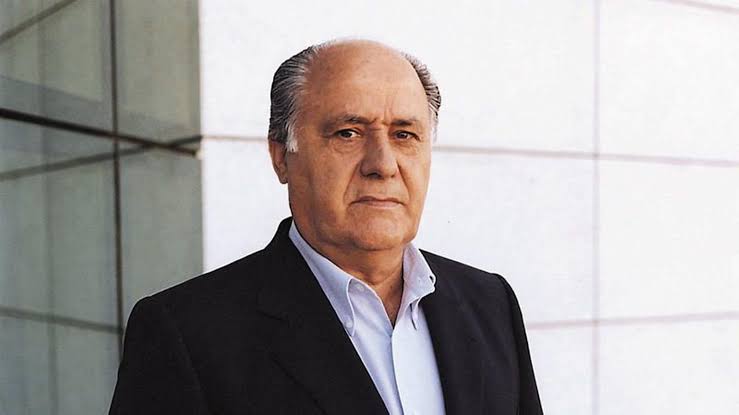
Amancio Ortega
Amancio Ortega, founder of Inditex and Zara, ranks ninth with a net worth of $85 billion. Ortega built a global retail empire through Zara’s fast-fashion model, emphasizing efficiency, rapid design cycles, and international expansion. His inclusion shows that traditional industries such as fashion and retail, when executed at scale, can generate wealth comparable to the largest technology companies.
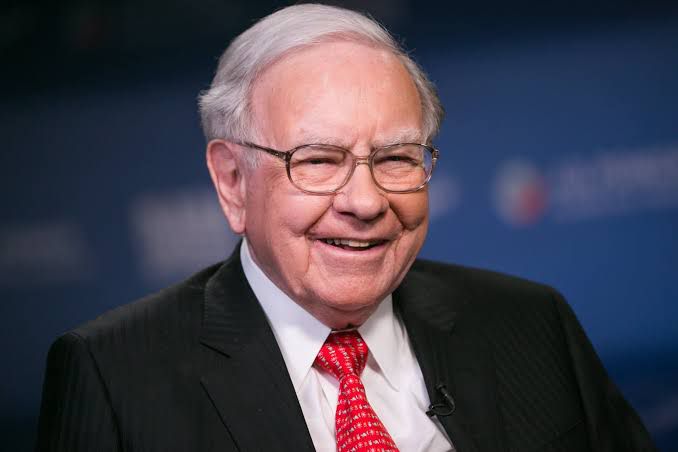
Warren Buffett
Warren Buffett, chairman of Berkshire Hathaway, rounds out the top ten with an estimated net worth of $80 billion. Buffett’s fortune is the result of decades of strategic, long-term investing across diverse industries including insurance, retail, and energy.
Buffett moved down one position compared to 2025, as tech and AI-related fortunes outpaced traditional investing. Nonetheless, his decades-long strategy of diversified investments continues to secure him a place in the world’s wealthiest.
His ranking emphasizes that wealth can be built and preserved not only through innovation but also through disciplined investment and portfolio management.
The 2026 Forbes top 10 richest people reveal several key trends. Technology and artificial intelligence dominate wealth creation, with six of the ten billionaires deriving their fortunes from tech ventures. Luxury and global retail industries remain powerful, as demonstrated by Bernard Arnault and Amancio Ortega. Long-term investing continues to produce significant wealth, as exemplified by Warren Buffett.
These individuals not only represent vast financial resources but also influence global industries, job creation, and market trends. Understanding their paths to wealth provides insight into where opportunity, innovation, and economic power are concentrated in the modern world.
Weekends don’t have to be overwhelming to be fulfilling. In fact, the best Saturdays are often the quiet ones; days designed to recharge, refresh your home, and nurture yourself. Welcome to another weekend, this lifestyle piece is focused on calm weekends, light housekeeping, and simple, mindful pleasures.
Light Cleaning for a Calm Home Environment
Soft Life Saturdays start with easy weekend cleaning routines. This isn’t about deep scrubbing or overhauling your space, it’s about creating a home that feels fresh and breathable.
Focus on:
Making the bed and opening the windows for natural light
Wiping down surfaces and washing dishes
Tidying visible areas instead of full-scale cleaning
Even small housekeeping wins can dramatically boost your mood and make your weekend feel more restful.
Comfort Food: Simple, Relaxed, and Guilt-Free
Weekend meals should feel like a treat, not a chore. Soft Life Saturdays embrace easy, comforting food that nourishes your body and mind.
Try:
A leisurely breakfast instead of rushing into afternoon plans
Simple home-cooked meals you already enjoy
Ordering takeout without guilt
Eating mindfully helps you slow down and fully enjoy the weekend experience.
Move at Your Own Pace
Soft living means listening to your body. Whether it’s a short walk, gentle stretching, or simply staying in bed a little longer, it’s enough. There’s no productivity checklist here; just movement and rest that feel natural.
Create Space for Small Joys
A relaxed weekend leaves room for quiet, joyful moments:
Reading a few pages of your favorite book
Watching a comfort show or movie
Playing music while you tidy or cook
These simple acts of self-care can reduce stress and make your weekend feel intentional, even without a packed schedule.
The essence of Soft Life Saturdays is removing pressure. You’re not behind, and you’re not wasting time. Weekend self-care is essential, not optional, and this gentle approach allows you to recharge for the week ahead.
Exercise is often reduced to weight loss or building muscle, but its true impact goes far beyond physical appearance. When practiced consistently, exercise reshapes how the body functions, how the brain processes emotions and stress, and how a person experiences daily life. From improving heart health to strengthening mental clarity and emotional balance, regular physical activity plays a central role in overall well-being.
1. How Exercise Transforms the Body
One of the most visible effects of exercise is its impact on the body, but many of its most important benefits happen beneath the surface.
Regular physical activity strengthens the heart, improves blood circulation, and helps regulate blood pressure. It supports healthy weight management by improving metabolism and helping the body use energy more efficiently. Exercise also strengthens muscles, bones, and joints, reducing the risk of injuries and age-related conditions such as weak bones or joint stiffness.
Beyond strength and endurance, consistent exercise improves posture, balance, and flexibility, making everyday movements easier and less taxing on the body.
2. The Impact of Exercise on Brain Health
Exercise does not only work the body; it actively reshapes the brain. Physical activity increases blood flow to the brain, delivering oxygen and nutrients that support better brain function.
Regular exercise has been linked to improved memory, sharper focus, and better learning ability. It also supports the release of chemicals in the brain that encourage the growth and survival of brain cells. Over time, this supports long-term cognitive health and mental performance.
3. Exercise and Mental Well-Being
One of the most powerful yet overlooked benefits of exercise is its effect on mental health. Physical activity helps regulate stress by lowering stress hormone levels while encouraging the release of endorphins; chemicals associated with positive mood and emotional balance.
People who exercise regularly often report better sleep quality, improved mood, and increased emotional resilience. Rather than serving as a temporary mood booster, consistent exercise supports long-term mental stability and psychological well-being.
4. How Exercise Improves Daily Life and Longevity
Exercise enhances quality of life in ways that extend beyond the gym or workout space. Improved energy levels make daily tasks feel less exhausting, while stronger physical health supports independence and mobility over time.
Consistent physical activity is associated with a reduced risk of several long-term health conditions. By supporting both physical strength and mental resilience, exercise contributes to a longer, healthier, and more active life.
5. Exercise Builds Discipline and Healthy Habits
Beyond physical and mental benefits, exercise plays a powerful role in shaping daily habits and personal discipline. Maintaining a regular workout routine encourages consistency, time management, and self-control, skills that often extend into other areas of life.
People who exercise consistently are more likely to adopt healthier routines around sleep, nutrition, and productivity. Over time, exercise becomes less about motivation and more about lifestyle, reinforcing a balanced and structured approach to personal well-being.
Exercise is not a quick fix or a short-term solution; it is a long-term investment in the body, brain, and overall well-being. Its benefits stretch from physical strength and brain health to emotional balance, discipline, and daily functionality. When practiced consistently, exercise becomes more than a routine; it becomes a foundation for a healthier, more balanced life.
Disclaimer
This article is for informational and educational purposes only and does not constitute medical or fitness advice. Exercise routines, intensity levels, and health outcomes may vary from person to person. Readers are advised to consult a qualified healthcare professional or fitness expert before starting any new exercise program, especially if they have existing medical conditions or health concerns.
The National Agency for Food and Drug Administration and Control (NAFDAC) has officially commenced enforcement of the long-standing ban on sachet alcohol and alcoholic beverages packaged in PET bottles below 200 ml across Nigeria.
The move marks the end of a multi-year grace period given to manufacturers and distributors and signals a decisive regulatory shift aimed at addressing growing public health and youth safety concerns.
The sachet alcohol ban was first introduced in 2018 following consultations between NAFDAC, the Federal Ministry of Health, the Federal Competition and Consumer Protection Commission (FCCPC), and industry stakeholders.
At the time, regulators cited the widespread availability of high-alcohol products in small, inexpensive packaging as a major risk factor for underage drinking, alcohol abuse, and unsafe consumption habits.
Manufacturers were initially granted a phase-out period, which was later extended multiple times. The final deadline for compliance was set for December 31, 2025, after which full enforcement was mandated.
Earlier this year, the Nigerian Senate directed NAFDAC to proceed with enforcement nationwide, ruling out any further extensions.
Speaking at a media briefing in Lagos, NAFDAC Director-General Prof. Mojisola Adeyeye confirmed that the agency has begun coordinated enforcement actions to halt the production, distribution, and sale of sachet alcohol and sub-200 ml PET-packaged alcoholic drinks.
According to NAFDAC, some of the banned products previously contained extremely high alcohol concentrations, in some cases exceeding levels considered safe for responsible consumption.
Public health advocates have largely welcomed the enforcement, arguing that sachet alcohol’s affordability and portability made it particularly appealing to minors and vulnerable groups.
However, industry stakeholders have raised concerns about the economic impact, warning that the ban could affect small-scale manufacturers, distributors, and retailers who rely heavily on sachet sales.
Some industry groups have also cautioned that enforcement without sufficient consumer education could drive demand toward unregulated or illicit alcohol products, a risk NAFDAC says it is monitoring closely.
NAFDAC has reiterated its commitment to public awareness campaigns while urging manufacturers and sellers to comply fully with the law.
Paris Fashion Week 2026 has once again reinforced the city’s position as the global capital of fashion, delivering a season defined by creative precision, heritage revival, and refined experimentation. The Fall/Winter 2026 menswear showcases brought together luxury houses, experimental designers, and industry insiders for a week that went beyond trends; pointing clearly toward where modern menswear is headed.
From immersive runway environments to collections rooted in craftsmanship, Paris Fashion Week 2026 reflected an industry in recalibration.
Louis Vuitton opened the week with one of the most closely watched shows of the season. Under Pharrell Williams, the brand presented its Fall/Winter 2026 menswear collection inside an architectural structure known as “Drophaus,” a transparent, house-like installation that blurred the lines between fashion, design, and spatial storytelling.
The collection itself leaned into discreet elegance. Long tailored coats, countryside-inspired textures, softened silhouettes, and muted colour palettes dominated the runway. Rather than relying on bold statements, the emphasis was placed on craft, proportion, and wearability.
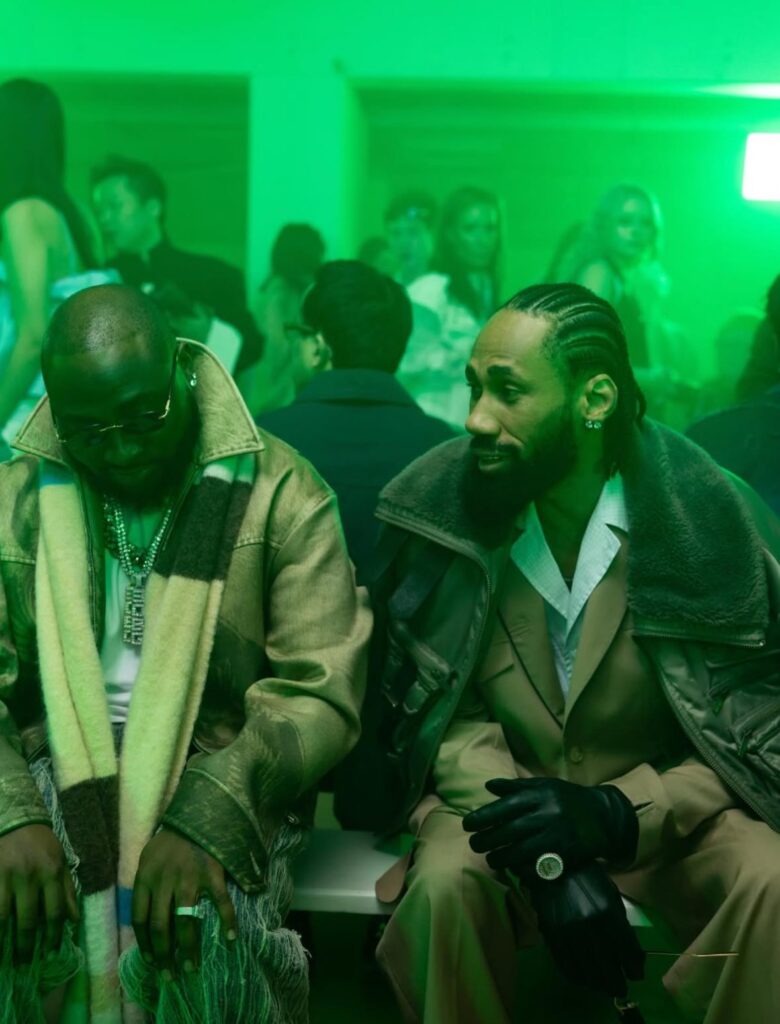
Davido and Phyno at Paris Fashion Week
Live orchestral and gospel elements added emotional depth, reinforcing the collection’s restrained yet expressive tone.
At Dior Homme, creative director Jonathan Anderson continued to push the house’s menswear evolution forward. His Fall/Winter 2026/27 collection balanced classic tailoring with artistic eccentricity, playing with proportion, texture, and historical references.
Structured outerwear, sculptural silhouettes, and layered compositions defined the runway. The collection suggested a return to formality without rigidity signaling traditional menswear codes can still feel contemporary, expressive, and intellectually engaging.
Dior’s presentation stood out for its confidence and clarity, reinforcing the brand’s status as one of the most creatively ambitious houses in Paris.
Across the runways and presentations, several clear themes emerged: Designers moved away from exaggerated proportions, favoring clean cuts, long coats, and refined silhouettes that emphasize structure and longevity.
Branding took a quieter approach this season. Muted tones, tactile materials, and thoughtful construction replaced overt logos and visual noise.
Paris Fashion Week 2026 signals a clear shift in menswear. The season reflects an industry moving away from shock value and trend-chasing, and toward intentional design, craftsmanship, and emotional resonance.
For decades, hard work was sold as the ultimate career formula. Put in the hours. Stay loyal. Do your job well. Wait your turn.
And for a long time, that advice worked.
But today’s job market has changed quietly, rapidly, and permanently. While hard work still matters, it is no longer enough on its own to guarantee growth, stability, or recognition. Many talented, dedicated professionals are discovering this the hard way.
The Job Market Is No Longer Linear
Careers used to follow a predictable path: entry-level, mid-level, senior role, retirement. Progress was slow but steady, and effort often translated directly into promotion.
Today, careers are fragmented.
People switch industries. Job roles evolve every few years. Entire professions disappear while new ones emerge overnight. In this environment, working hard at the wrong thing can leave you stuck not rewarded.
Effort without direction no longer guarantees progress.
Hard Work Is Now the Minimum Requirement
In today’s market, hard work is expected, not celebrated.
Most professionals are working longer hours, juggling multiple responsibilities, and constantly adapting. Employers now assume commitment as a baseline. What differentiates people is not how hard they work, but how valuable their work is.
Value comes from:
Relevant skills
Problem-solving ability
Speed of learning
Adaptability
Hard work without skill growth quickly becomes invisible.
Skills Now Matter More Than Effort
A hardworking employee with outdated skills will struggle against a moderately hardworking employee with in-demand skills.
Technology has reshaped almost every industry. Automation, AI tools, and digital platforms have reduced the need for sheer labour and increased the need for specialised knowledge.
This is why:
Degrees no longer guarantee jobs
Job descriptions change faster than curriculums
Self-learning has become a career survival skill
Today, effort must be paired with continuous learning to remain relevant.
Visibility Has Become a Career Currency
One of the hardest truths about modern careers is this: If no one sees your work, it may as well not exist.
In the past, managers closely observed effort. Today, remote work, large teams, and fast-paced environments mean visibility matters more than ever.
Many hardworking people remain stuck simply because their contributions are unseen.
Networks Often Outperform Merit Alone
This is uncomfortable, but real.
Opportunities now travel faster through networks than through formal systems. Jobs are shared in private groups, referrals carry more weight than CVs, and recommendations often open doors before effort is evaluated.
Hard work builds competence. Relationships build access.
Ignoring networking doesn’t make the system fairer, it only limits your reach.
The Rise of Strategy in Career Growth
Modern careers reward people who think strategically, not just diligently.
This includes:
Choosing roles with transferable skills
Positioning yourself in growing industries
Knowing when to stay and when to leave
Aligning effort with long-term goals
Hard work without strategy can lead to burnout instead of progress.
In today’s job market, success comes from working hard on the right things, at the right time, with the right positioning. Those who understand this early gain an unfair advantage. Those who don’t often feel confused, stuck, or overlooked despite doing everything “right.”