There was a time in Nigeria when fashion followed a clear part. Clothes were expected to be neat, fitted, and socially acceptable. Anything outside that structure was often dismissed as unserious or attention seeking.
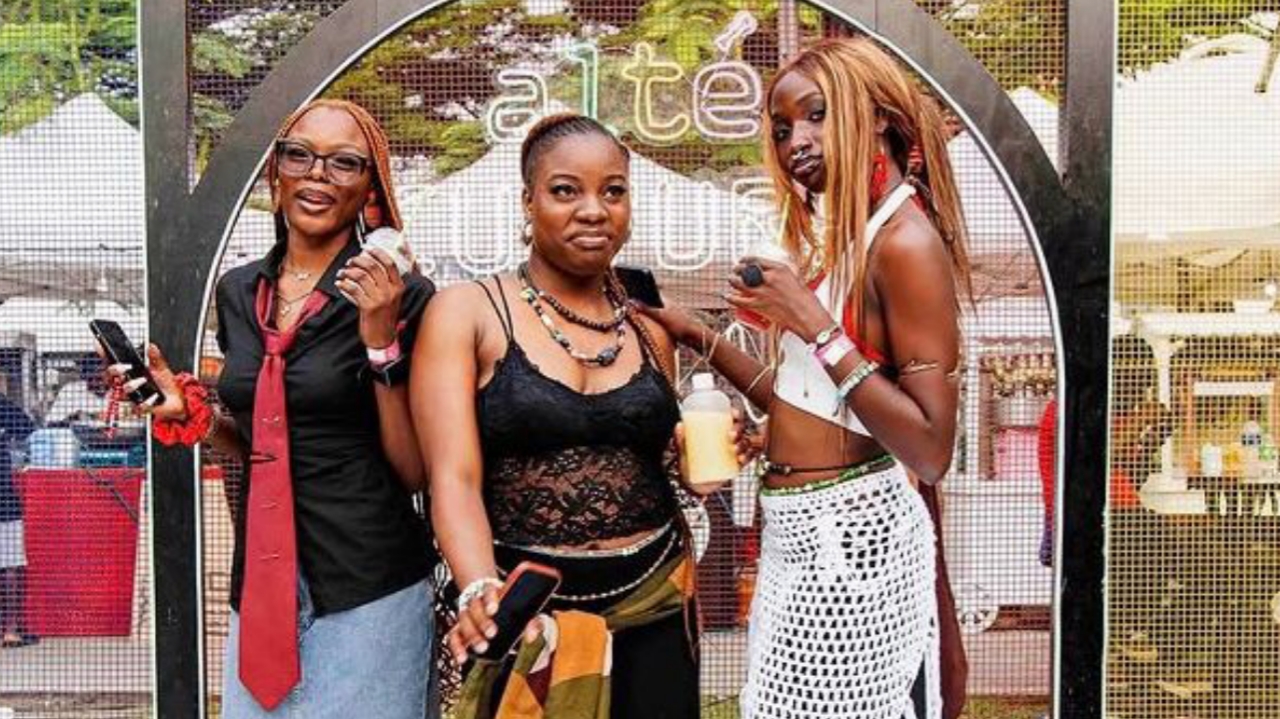
A generation started dressing not to impress, but to express. They mixed thrifted pieces with designer items, wore silhouettes that ignored gender expectations, and built identities through aesthetics that felt personal rather than approved, the Gen Z.
That shift would later be known as Alté.
What started as a fringe movement has since evolved into one of the most defining forces in Nigerian fashion. Its journey from underground culture to mainstream influence mirrors a broader global transformation.
Alté did not begin on runways or in fashion houses. It started in the margins within music, online communities, and creative circles that felt disconnected from the dominant culture.
Early contributors like DRB LasGidi helped establish a sonic identity that was relaxed, global, and intentionally different from the high-energy Afrobeats dominating the airwaves at the time. That sound created space for artists such as Odunsi (The Engine) and Prettyboy D-O, whose music, visuals, and personal style felt like extensions of a new cultural language.
Globally, this period aligned with the rise of internet-born subcultures. Platforms like Tumblr were shaping aesthetics in cities from London to New York, where fashion was becoming less about seasonal trends and more about identity. Alté existed within that same digital ecosystem, but with a distinctly Nigerian perspective.
What made Alté stand out was not just how it looked, but how it approached fashion itself.
For decades, the global fashion industry had been driven by structure; seasonal collections, trend cycles, and top-down influence from legacy houses like Chanel and Gucci.
Over time, thrifted clothing became central, not out of limitation but as a creative choice. This mirrors a wider global shift, where second hand fashion has gained new relevance, driven by both sustainability concerns and a growing rejection of mass produced identity.
At the same time, silhouettes became looser and more fluid. Traditional ideas of menswear and womenswear began to blur, echoing international movements led by designers like Virgil Abloh, who redefined streetwear’s place in high fashion, and Rei Kawakubo, whose work has long challenged the idea of what clothing should look like.
If Alté began in the margins, the internet pulled it into the light.
Social media did more than amplify the movement; it gave it form. Instagram feeds became digital lookbooks. Visual storytelling replaced traditional fashion gatekeeping. For the first time, young Nigerians could see themselves reflected in a style that felt authentic.
This shift coincided with a broader transformation in the fashion industry. Influence was no longer controlled solely by magazines or runway shows. It became decentralized, driven by creators, stylists, and everyday people documenting their lives.
As Alté aesthetics spread online, they began to shape how Nigerian youth approached fashion. The idea of dressing for approval started to lose relevance.
As Nigerian music gained global recognition, its visual identity evolved alongside it. Artists who carried elements of Alté culture began to reach wider audiences. Tems, for instance, introduced a style that felt understated yet distinct, rooted in simplicity, but resistant to conventional expectations of female celebrity fashion.
Gradually, the aesthetics that once felt niche began appearing in mainstream spaces. Fashion campaigns adopted a more relaxed, experimental tone. Stylists drew inspiration from Alté’s layered, unpredictable approach. Even commercial brands began incorporating elements that once belonged strictly to the underground.
As Alté aesthetics entered the mainstream, questions began to emerge about ownership and meaning.
This is not a new dilemma. Fashion history is filled with subcultures that were eventually absorbed into the mainstream; from punk to streetwear. What begins as rebellion often becomes influential in the fashion world.
Today, traces of Alté can be found across Nigerian fashion, even among those who may not identify with the movement itself.
Globally, fashion is moving in a similar direction. The industry is placing increasing value on authenticity, storytelling, and personal identity.