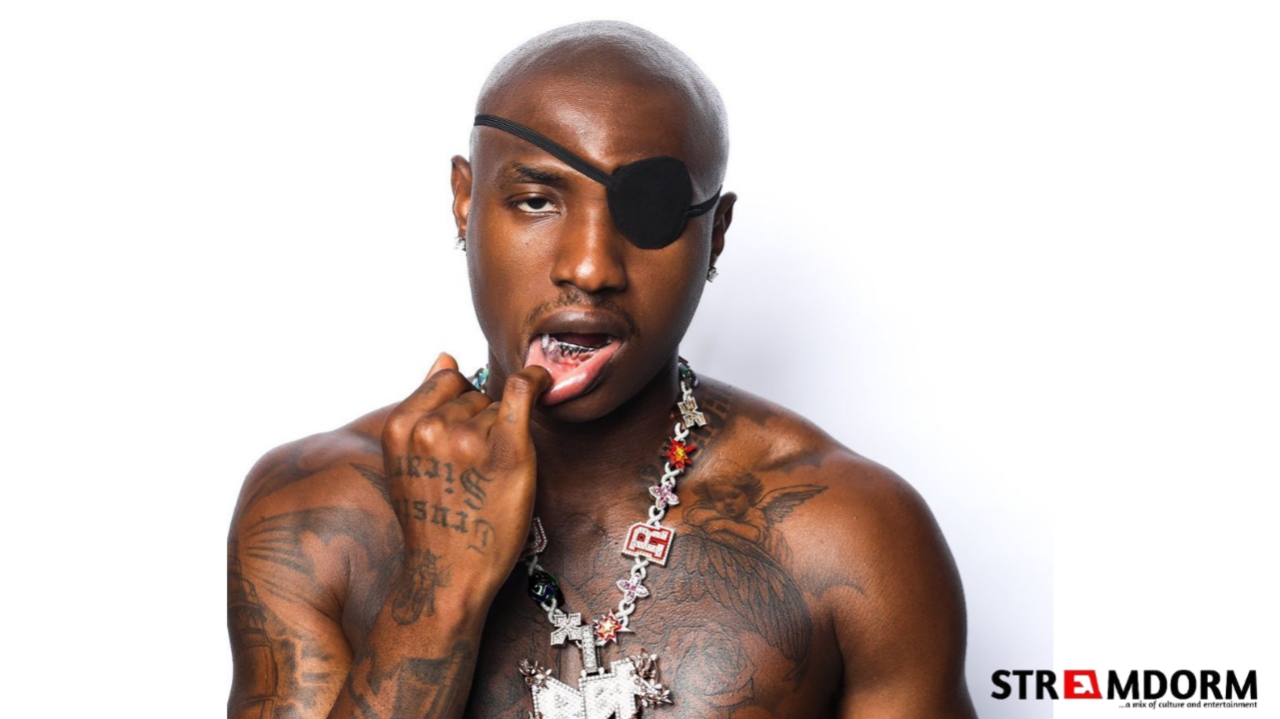
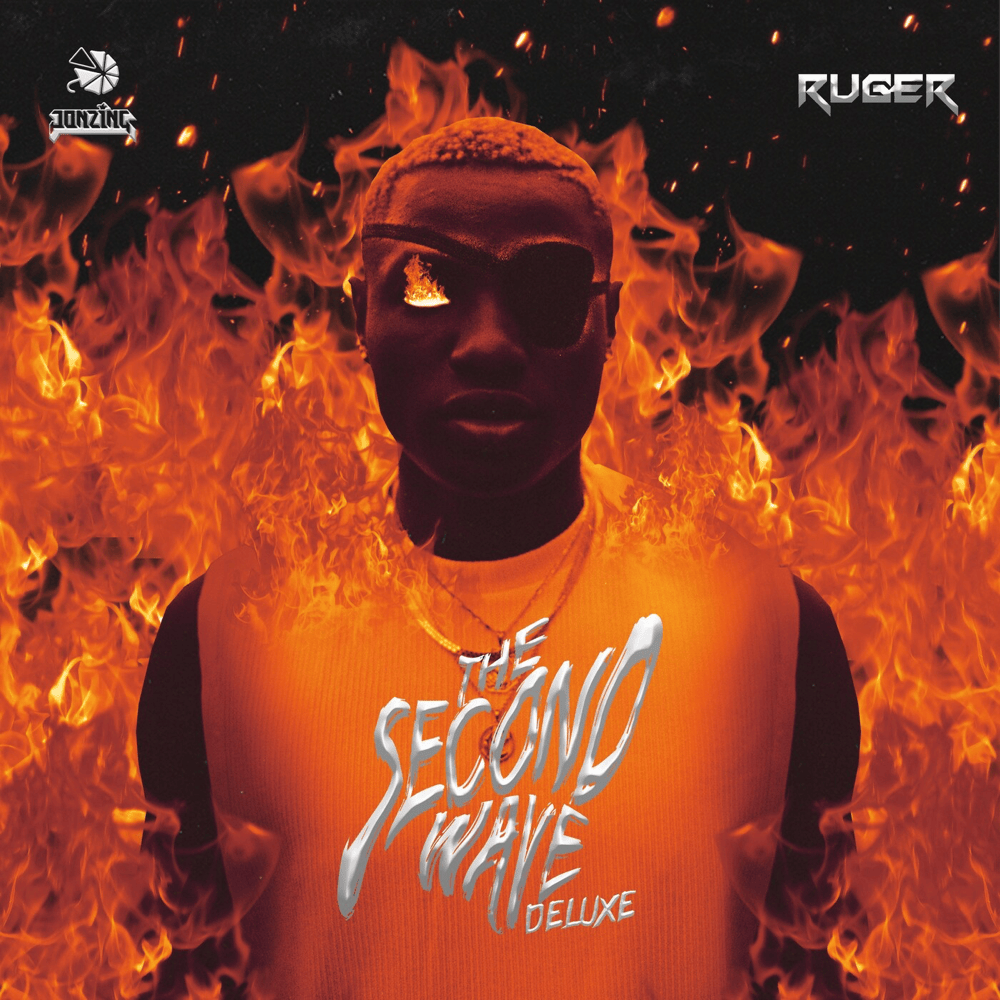
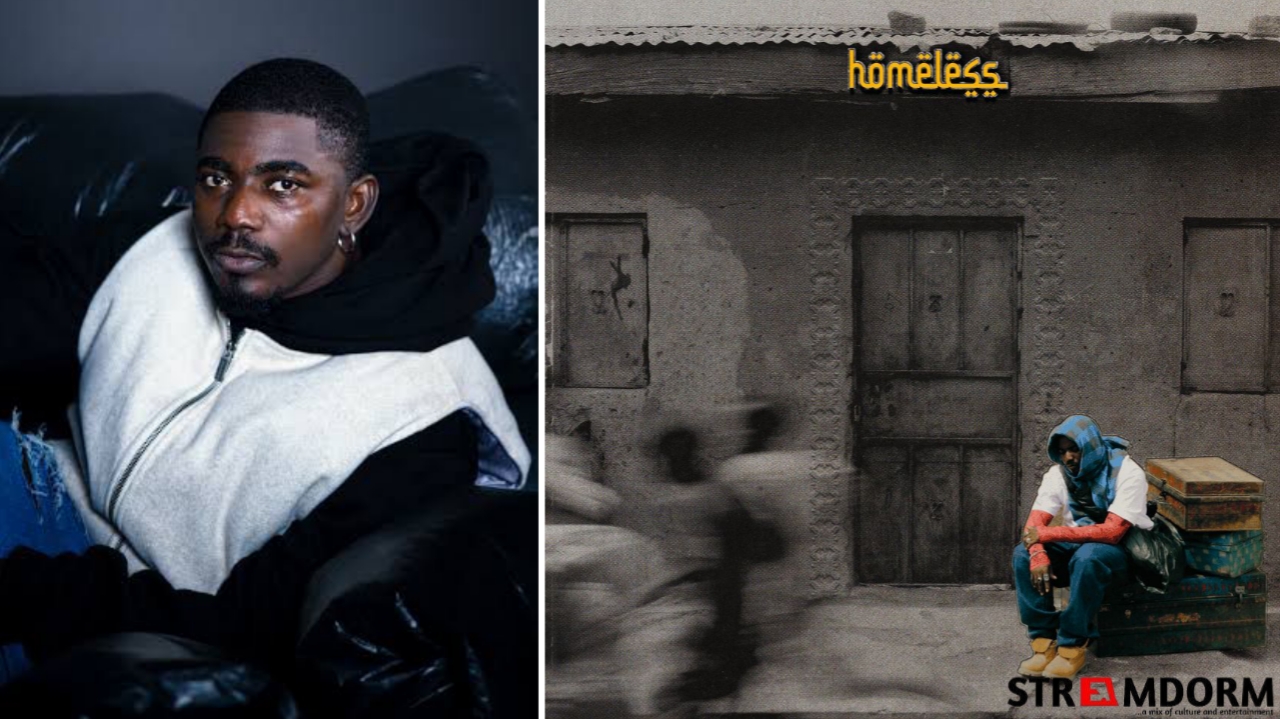
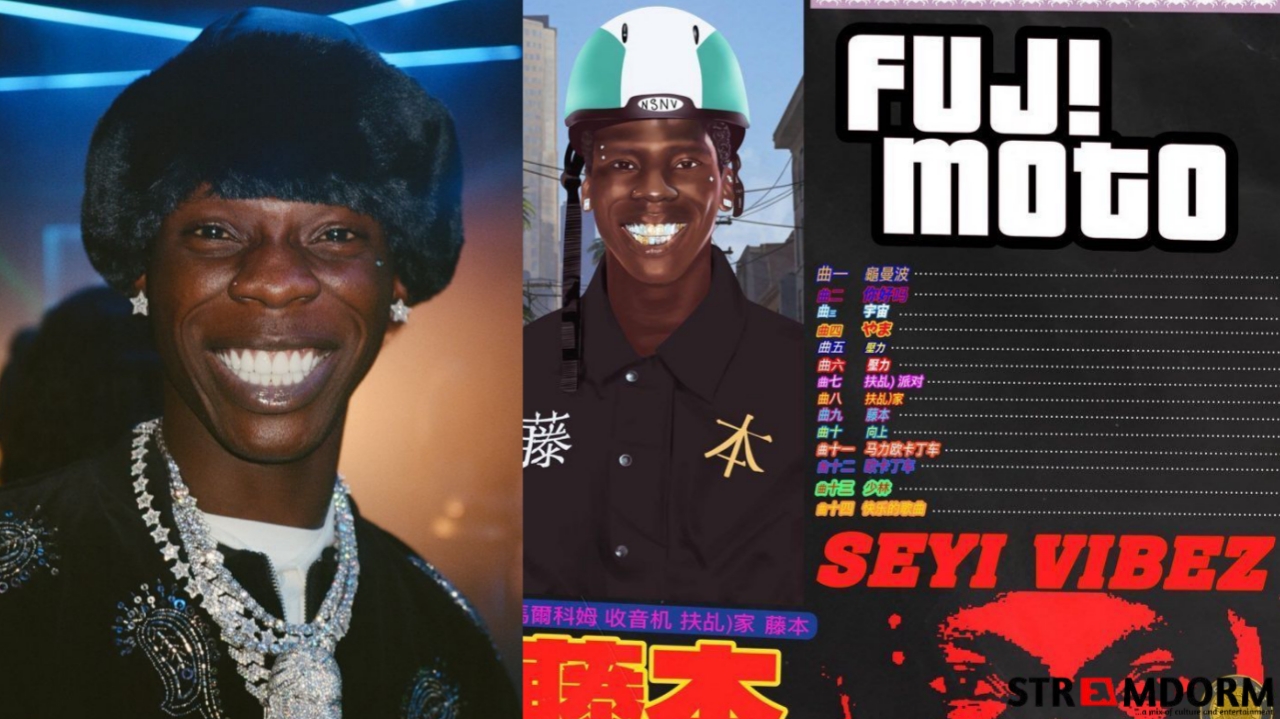
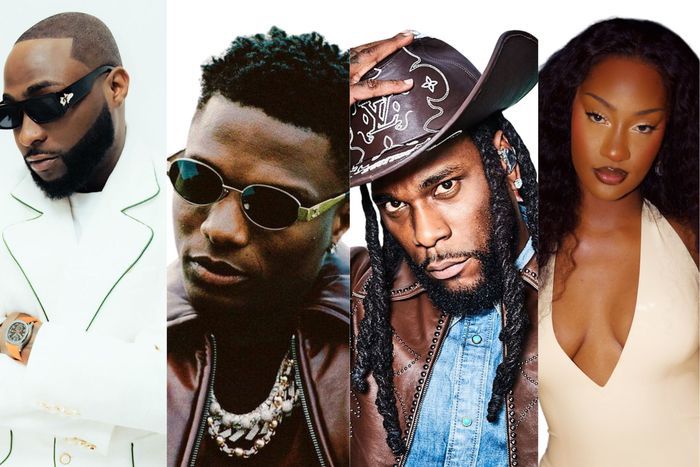
Wizkid and Asake are commanding attention far beyond local borders as their collaboration, “Turbulence,” makes an immediate impact on the global stage.
The song has debuted at No. 2 on the Spotify Top Songs Debut Global chart, ranking as one of the most streamed new releases worldwide during its opening tracking period. The strong entry highlights the growing global demand for Afrobeats and reinforces both artists’ positions as international streaming forces.
Turbulence is not the only song gaining traction globally. Two other tracks, “Alaye” and “Iskolodo,” also debuted on the Spotify Top Songs Debut Global chart at No. 6 and No. 8 respectively.
Having three songs debut simultaneously within the global top ten reflects a high level of listener engagement across multiple regions and platforms. It also signals the expanding reach of Nigerian music beyond Africa and into key international markets.
Wizkid’s continued presence on global charts further cements his legacy as one of Afrobeats’ most influential exports. His music consistently resonates with audiences across Europe, North America, and other parts of the world, years after his initial global breakthrough.
Asake’s rise has been equally remarkable. With back-to-back charting releases and strong streaming numbers, he has become one of the most listened-to African artists globally, representing a new generation of Afrobeats acts dominating digital platforms.
The global chart performance of Turbulence, Alaye, and Iskolodo is another clear indicator that Afrobeats has evolved into a truly global genre. Rather than crossing over occasionally, Nigerian artists are now debuting at the top end of worldwide charts alongside established international stars.
As streaming continues to shape global music consumption, milestones like this point to Afrobeats’ growing influence and staying power on the world stage.
Turbulence also debuted at No. 6 on the Spotify Top Songs Debut USA chart, further underlining its strong international reception.
Harry Styles has officially recorded the biggest streaming debut of 2026 so far.
The pop star’s new single, “Aperture,” debuted at No. 1 on Spotify’s Daily Global Chart, pulling 12.478 million streams in its first full day of release. The figure currently stands as the highest single-day streaming total recorded this year, according to global Spotify chart data.
The strong opening confirms Styles’ continued dominance on streaming platforms and marks one of the most successful first-day performances of his career in recent years.
“Aperture” arrived with heavy anticipation and immediately translated that momentum into numbers. Its 12.4 million-plus opening day streams were enough to secure the top position globally, ahead of all other releases across markets.
So far in 2026, no other song has matched or exceeded the track’s first-day total, making it the largest streaming debut of the year to date as of the time of this publication.
While “Aperture” does not surpass the historic debut numbers of Styles’ 2022 hit “As It Was,” its performance reinforces his reputation as one of the most high-impact artists in the streaming era. Few global pop acts continue to open new releases at this scale several album cycles into their career.
The debut also signals strong early momentum for Styles’ next musical phase, with industry observers expecting sustained chart performance in the days ahead.
Omah Lay has officially entered the upper echelon of Nigerian music artists on Spotify. The singer-songwriter now has 10 songs surpassing 100 million streams across all credits, joining a rare group that includes Burna Boy (20 songs), Wizkid (16), and Tems (13).
The milestone was sealed after Davido’s “With You”, featuring Omah Lay, crossed the 100 million streams mark on Spotify. The achievement marks Davido’s sixth track and Omah Lay’s tenth to hit this streaming benchmark, showcasing the growing influence of these artists both locally and internationally.
Spotify has become a key metric for measuring global music success, and Nigerian artists have increasingly dominated streaming charts. Here’s how the elite group currently stands:
Burna Boy: 20 tracks with 100M+ streams
Wizkid: 16 tracks with 100M+ streams
Tems: 13 tracks with 100M+ streams
Omah Lay: 10 tracks with 100M+ streams
Omah Lay’s presence on this list highlights not only his consistency but also the global reach of his music. Tracks like “Godly”, “Infinity”, and “Damn” have contributed to his growing international fanbase, making him one of the most streamed Nigerian acts of his generation.
Davido’s “With You”, featuring Omah Lay, was the track that pushed Omah Lay’s streaming count to double digits. Since its release, the song has resonated with listeners worldwide, blending Davido’s signature Afropop style with Omah Lay’s smooth vocals.
Omah Lay’s rise demonstrates the strength of emerging talent in the Afrobeats scene, while veterans like Burna Boy and Wizkid continue to set streaming benchmarks.
Nearly a decade after its release, One Dance is still souring.
The global hit by Drake featuring Wizkid and Kyla has officially surpassed 4 billion streams on Spotify, placing it as the 8th most-streamed song of all time on the platform. In an era where hits come and go at algorithm speed, One Dance stands as a rare example of music that refuses to age.
This milestone isn’t just a streaming achievement. It’s a cultural marker, one that highlights the early global rise of Afrobeats, the power of cross-continental collaboration, and the changing definition of longevity in modern music.
Released in 2016 as part of Drake’s Views album, One Dance was already rewriting the rulebook before streaming milestones became commonplace.
The track:
Became Spotify’s first song to reach 1 billion streams
Topped charts across North America, Europe, Africa, and beyond
Maintained a dominant presence in playlists years after its peak chart run
Most songs struggle to remain relevant beyond a single album cycle. Reaching 4 billion streams signals something far more significant.
Only a handful of tracks in Spotify’s history have crossed this threshold, placing One Dance firmly among the most influential records of the streaming era.
For Wizkid, One Dance remains a defining global moment. While he was already a superstar in Nigeria and across Africa, the song introduced his sound to mainstream Western audiences at scale. It arrived before Afrobeats became a global industry buzzword, a time when African music was still fighting for space on international charts.
Kyla’s sampled vocals from Do You Mind form the emotional backbone of One Dance. While she often receives less public recognition, her contribution remains central to the song’s identity.
As Drake continues to dominate global streaming, and Wizkid expands his international footprint, One Dance remains a defining checkpoint in both their career; a reminder of what happens when timing, culture, and creativity align.
South African music sensation Tyla continues to break records as her hit single “CHANEL” surpasses 200 million streams on Spotify. This milestone marks the song as her 6th track to reach this level, highlighting her growing influence on the global music scene.
Since its release, “CHANEL” has captivated fans worldwide with its signature Afro-pop rhythms and catchy hooks. Crossing 200 million streams signals not only the song’s viral appeal but also Tyla’s consistency in producing hits that resonate far beyond her home country.
Tyla’s 200M+ Spotify Hits
“CHANEL” now joins an elite group of Tyla’s most-streamed tracks:
Water – Over 1 billion streams, her biggest hit to date.
PUSH 2 START – Surpassed 300 million streams, a global favorite.
Jump – Over 200 million streams, showcasing her strong international fanbase.
Truth or Dare – Another 200M+ hit, reflecting her versatility.
Show Me Love – Crossed 200 million streams, proving her success in collaborations.
CHANEL – The latest addition, now her 6th track to hit this milestone.
Her energetic performances, viral music videos, and strategic releases ensure that she remains a key figure in Afro-pop’s global expansion
Tyla’s 200 million Spotify streams for “CHANEL” reflect her position as a global African music star, with multiple high-performing tracks confirming her status as one of the continent’s most exciting talents.
Afrobeats heavyweights Wizkid and Asake have officially released their highly anticipated collaborative project, REAL, Vol. 1, marking one of the most significant joint releases in Nigerian music in recent years.
The four-track EP brings together two of Africa’s most dominant hitmakers, blending Wizkid’s smooth, global Afrobeats sound with Asake’s raw, street-rooted energy
REAL, Vol. 1 is a compact but tightly curated EP that showcases both artists at their most confident. The project features the following tracks:
Turbulence
Jogodo
Iskolodo
Alaye
Screenshot
Rather than chasing trends, the EP leans into rhythm, melody, and atmosphere staying true to the distinct identities that have made Wizkid and Asake two of the most streamed African artists of the past decade.
“Jogodo” Sets the Tone for the Project
Leading the EP is “Jogodo,” the breakout single that had already ignited massive attention ahead of the project’s full release. Since dropping, the song has gone on to deliver one of the biggest commercial performances for a Nigerian collaboration in recent memory.
“Jogodo” recorded a historic debut on Spotify Nigeria, pulling in over 1.3 million streams within its first 24 hours, making it the biggest opening day ever for a collaborative track on the platform. The momentum didn’t slow down, as the record crossed 5 million streams within its first week, setting a new benchmark for weekly streaming in Nigeria.
Beyond streaming numbers, “Jogodo” quickly asserted its dominance across major platforms:
The track reached No. 1 on Apple Music Nigeria and Spotify Nigeria, maintaining a strong daily streaming pace.
Internationally, “Jogodo” entered the Spotify Global Daily Top 100, signalling growing global interest beyond Africa.
The song also gained traction on global Shazam charts, highlighting organic discovery outside its core market.
Wizkid, one of Afrobeats’ most influential global figures, and Asake, arguably the genre’s most disruptive force of the last three years, have aligned at the peak of their powers.
With “Jogodo” already setting records and the EP now fully available, REAL, Vol. 1 is expected to dominate conversations, playlists, and charts in the coming weeks further reinforcing Afrobeats’ global momentum in 2026.
Fela Anikulapo Kuti, born in 1938 in Abeokuta, Nigeria, remains one of the most influential figures in African music and culture. Known as the pioneer of Afrobeat, Fela’s life was a blend of revolutionary music, outspoken activism, and fearless challenges to political authority. Even decades after his passing in 1997, his legacy continues to resonate across music, politics, and African identity.
The Birth of Afrobeat
Fela Kuti’s journey into music began at a young age. Raised in a politically active family; his mother, Funmilayo Ransome-Kuti, was a feminist and activist. Fela was exposed early to the struggles of ordinary Nigerians. He studied music in London at the Trinity College of Music, where he learned classical piano and trumpet. But it was upon his return to Nigeria that he fused traditional African rhythms with jazz, funk, highlife, and soul to create Afrobeat.
Afrobeat was more than a music genre; it was a vehicle for social commentary. Through extended compositions, intricate horn sections, and polyrhythmic percussion, Fela delivered sharp critiques of corruption, military rule, and social injustice in Nigeria and across Africa. Hits like “Zombie” and “Sorrow, Tears and Blood” were not only musical masterpieces but also acts of resistance.
Activism and Political Influence
Fela’s music was inseparable from his activism. His lyrics openly criticized Nigeria’s military regimes and exposed the harsh realities of life under oppressive governments. His Kalakuta Republic commune served as both a home and a political haven, where artists, musicians, and activists collaborated to resist authoritarianism.
Fela endured repeated arrests, raids, and physical assaults. Despite this, he remained steadfast, using his international fame to draw global attention to Nigeria’s political struggles. His activism inspired countless musicians and activists worldwide to use art as a tool for social change.
Cultural Impact
Beyond music and politics, Fela Kuti reshaped African cultural identity. He challenged colonial mindsets by promoting African traditions, attire, and language in his performances. His stage shows were theatrical, often including dancers, elaborate costumes, and improvisational elements that celebrated African heritage.
Today, Fela’s influence is evident in the global rise of Afrobeat, which has evolved into a worldwide phenomenon. Artists such as Burna Boy, Wizkid, and Tiwa Savage credit Fela as a major inspiration. The genre has also crossed borders, influencing international musicians from Beyoncé to Major Lazer, bridging African sounds with global pop culture.
Fela Kuti’s Family Legacy
Fela’s legacy extends through his family, many of whom are accomplished artists and activists. His children, including Seun Kuti and Femi Kuti, continue to perform Afrobeat with the same political passion. The Fela Shrine in Lagos, now a museum and live music venue, keeps his memory alive, drawing fans from across the world to celebrate his music and message.
Fela’s life and impact have been immortalized through multiple mediums. The Broadway musical Fela! brought his story to international audiences, combining music, dance, and storytelling. Documentaries, films, and books continue to explore his influence, while Nigerian festivals and global Afrobeat events celebrate his contributions annually.
Fela’s fearless stance against injustice, combined with his artistic genius, created a blueprint for generations of musicians and activists. His influence on culture, politics, and music remains unparalleled, making him a symbol of resistance, creativity, and African pride.
Fela Kuti’s relevance persists because the struggles he highlighted; corruption, inequality, and political oppression still exist. His life reminds us of the power of art as a force for change and the importance of staying true to one’s convictions. In an age where African music dominates global charts, remembering Fela ensures that the roots of this cultural revolution are not forgotten.
Fela Kuti’s legacy is a reminder that music is more than entertainment; it can be a catalyst for awareness, unity, and transformation. His story is a call to celebrate African heritage, challenge injustices, and inspire future generations to use their voices boldly and not to be chasing unnecessary clout on social media.
What started as a warning directed at a fanbase has now turned into a full-blown clash between two of Nigeria’s most influential musical legacies.
The long-running tension between Seun Kuti and Wizkid FC officially crossed a new line after Wizkid broke his silence on social media, responding directly to the controversy for the first time. But this moment did not come out of nowhere.
It began weeks earlier with a pointed message from Seun Kuti; one that reignited debates around Fela Kuti’s legacy, celebrity worship, and fan culture in Nigeria.
The saga began when Seun Kuti publicly warned Wizkid FC to stop invoking Fela Anikulapo Kuti’s name in online debates and fan-driven arguments.
In his message, Seun made it clear that:
Fela’s legacy should not be used as ammunition in fanbase wars
Activism, resistance, and cultural critique should not be reduced to internet banter
His father’s name carried historical and political weight beyond pop culture arguments
The post quickly gained traction and was widely interpreted as a direct response to Wizkid fans who had repeatedly referenced Fela while defending the superstar against criticism.
While Wizkid himself did not respond at the time, Wizkid FC took the message personally, triggering days of online back and forth, insults, and ideological arguments.
Throughout this period, Wizkid remained silent, allowing the storm to play out between Seun Kuti and his fanbase.
That silence ended abruptly. This comes after Seun Kuti released another video hammering on Wizkid FC and stating that Wizkid didn’t care about them and that is why he is yet to say anything about the ongoing saga.
In a series of posts on X (formerly Twitter), Wizkid has started tweeting about the controversy and reposting tweets that talk about Seun Kuti, firing back in an unusually emotional and confrontational tone.
Afrobeats superstar Davido has been confirmed as one of the headline performers for Le Gala des Pièces Jaunes 2026, set to take place at the Paris La Défense Arena in France.
The charity concert, widely regarded as one of France’s most prestigious annual music events, will see Davido share the stage with global stars including A$AP Rocky, Future, Christina Aguilera, G-Dragon, Stray Kids, Gims, Bob Sinclar, Mika, and Charlotte Cardin, among others.
Official promotional material for the event lists Davido prominently in the lineup, further cementing his growing presence on major international stages. The concert brings together artists across pop, hip-hop, Afrobeats, K-pop, electronic, and classical music, accompanied by the Orchestre Lamoureux, conducted by Adrien Perruchon.
Le Gala des Pièces Jaunes is organized in support of the Fondation des Hôpitaux, raising funds to improve the living conditions of hospitalized children and teenagers across France. The event is known for blending entertainment with philanthropy, attracting a global audience each year.
The 2026 edition will be broadcast on France.tv on Friday, January 30, allowing viewers worldwide to experience the landmark concert.
Davido’s inclusion marks another significant milestone for Afrobeats on the global stage, highlighting the genre’s continued expansion into major European cultural events.
The Nigerian music industry is in mourning following the death of Afrobeat and Fuji‑inspired singer Afeez Adeshina, widely known as Destiny Boy. The 22‑year‑old artiste’s passing has triggered an outpouring of grief from fans, colleagues, and music lovers across social media and entertainment platforms.
Destiny Boy’s death was announced on Sunday, January 18, 2026, when investigative journalist Temilola Sobola shared the news on social media, writing, “Singer Destiny Boy has passed away. May his soul rest in peace.”
The singer had rapidly risen through Nigeria’s music scene, gaining attention for his energetic style and fusion of street pop and traditional influences. His journey from viral songs to becoming a recognized voice among young Afrobeats artists made him a promising presence in the industry.
In recent years, Destiny Boy celebrated personal milestones that endeared him further to fans. In November 2024, he welcomed his first child at the age of 20, a moment he shared with his growing online following. Earlier in 2024, he also made headlines for unexpectedly proposing to his partner with a diamond ring.
Following news of his death, tributes have poured in from fans and fellow artists on platforms such as Instagram and X (formerly Twitter), expressing sadness and reflecting on the impact Destiny Boy had in his short career. The young singer’s energy, ambition, and connection with fans have been highlighted in many of the messages shared online.
Though his career was still developing, Destiny Boy’s influence reached far beyond his age. He became known for blending cultural sounds with contemporary Afrobeats, helping him carve out a unique space among emerging Nigerian artists.
The singer’s sudden death marks a tragic moment for the entertainment community and leaves fans grieving his potential and contributions.