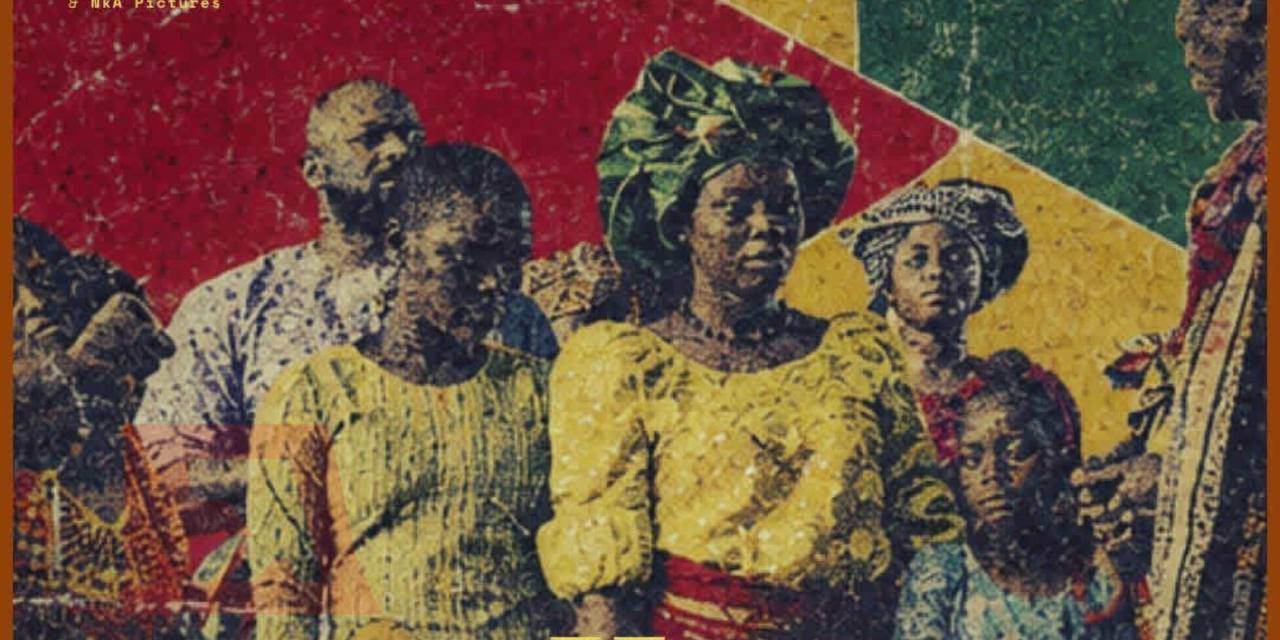
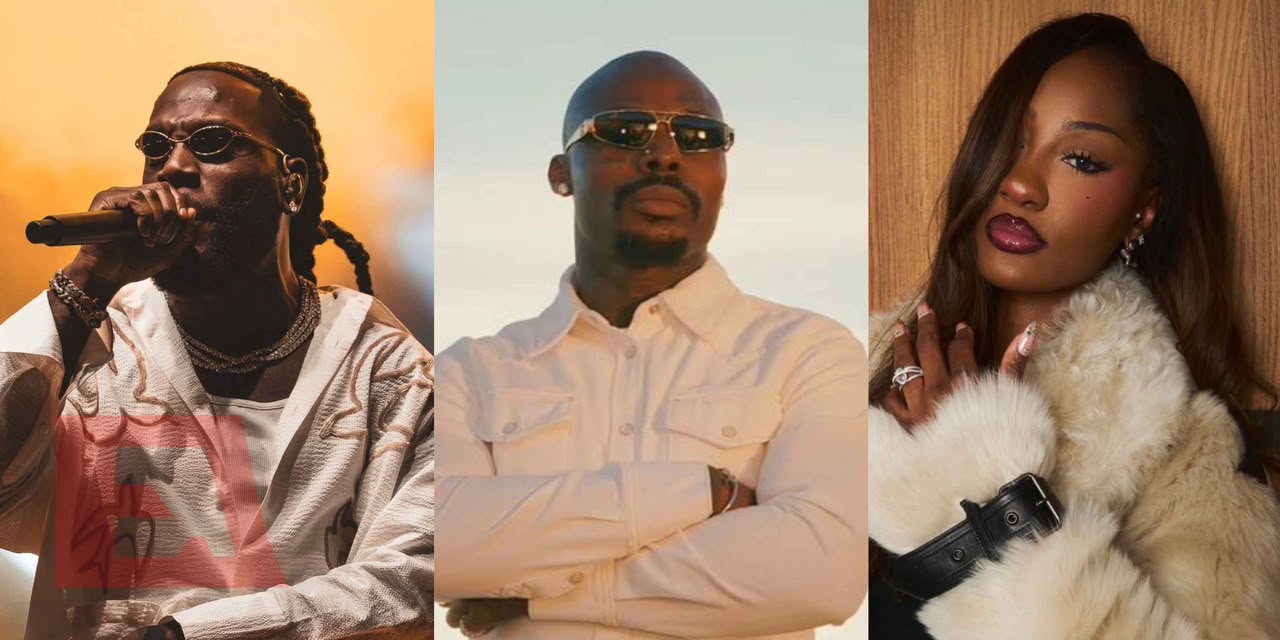
Nigerian rapper Blade Escobar recently released his long-awaited rap EP titled Hits Only, No Mrs. It contains 7 songs, including an interlude. The EP has a total run time of 33 minutes and features Kyoo Manen on ‘Whine for Me’, the 5th track.
On Streamdorm’s Starting Line, Blade Escobar discussed how Hits Only, No Mrs came to be and the inspiration behind the EP. Watch Here.
The Long Ass Intro by Blade Escobar
Yeah
Yeah
Ladies and gentlemen (Uh)
Uh
You are now in the Renaissance (Uh)
The new era (Yeah)
And right about that time (Uh)
I present to you (Uh)
Hits Only (Uh)
No Mrs (Blizzblade)
Yeah yeah yeah yeah (Blade Get ’em)
I am so unholy
But how is it I still dwell in Rap’s holy of holies
I’m deified, it can’t be denied
Two classic projects under my belt
Man, fuck the fame, I can’t be denied,
I can’t be defied
I can’t be defined
I’m an anomaly (facts)
New Wiz post “Made in Lagos”, you niggas comedy (facts)
Said what I said, man, fuck the harmony (ha)
If violence is the only way to peace, I’m Mr. Monopoly (Bitch)
Bar’s high, but the rhymes and the bars are stacked
Higher than the ladder to Al Jannah
All you niggas is Jahannam
We are nothing alike
I’m Nas, you’re Nasboy
And some of y’all Lil’ Nas X and mini Diddies allegedly according to Gistlover (haha)
But who am I to judge? (ha)
He without sin shall cast the first stone
I’d rather give that stone to Marc Jacob, tell him get my wrist froze
It’s only right I get my teeth froze
Cold blooded killer with the lyrics
Was seeing spirits as a teen who kissed the Green Spirit in school
Graduated to swimming in Spirit, when he should be deep in The Spirit after Sunday school (yeah)
Ditching sermons, instead he swimming in kitty, probably kick her back to the curb
A new girl every weekend complimenting my culinary, huh
You should probably thank that girl from last weekend (woo!)
Still end up in their deep ends (woo!)
Pockets far from deep and
They still let a nigga deep in (uh)
Some feining on the Opium of the Masses
They streaming Mass live after taking good lashing (uh)
Cabashing to Nathaniel Bassey, later come back for more nyashing
They like the atheists I’m smashing, it’s an irony they all kneel and worship this nutsack they sacrilegious, uh
The boy very spiritual but far from religious (yeah)
That’s why these rap gods, I don’t accord worship to ’em (yeah)
These other rappers, I’m a god to ’em (facts!)
If you ain’t M, Q, Modo or Boogey, I’m outrapping you
If you’re not Jesse Abaga, I’m outrapping you (yeah)
And for you Afrobeats wack niggas
If you’re not Burna Boy, David or Rema, I’m bout to whack niggas
If you’re not Victony or Omah Lay
When you see me, you should kneel and call me Jefe, bitch, I ain’t here to play (Boss, nigga!)
By the time he hits tracks 2, 3, 5 and 6
I swear to God, Wizkid will press replay
And wonder why he dropping mid after mid since 2020
Ha!
For me it’s hit after hit on this Extended Playlist (yeah)
Independent, but my shit sounds A-list
If God had Spotify, I’d be on His playlist
I was born to win, only time I’ll almost lose (uh)
Is the day Wizkid grows a strand on his chin (haha)
You shitted on the rap game and dropping mid after mid
Now a rapper ’bout to bury you in hit after hit
Bitch!
Let it breathe (uh)
Let it breathe (uh)
Yeah (yeah)
See, amma let it breathe, uh
So once upon a time, I was in the trap cooking all this crack
And my connect told me “Blade, you need to let the poor breathe”
Hahahaha
Uh
Yeah
The industry is so unholy (yeah)
The government is so unholy
As the leaders of the free world who
Exploit the hoi polloi and bury ’em in TikTok and algorithms
Got ’em dancing to the rhythms
While they trapped in they web (uh)
Blind to the fact
That they really far from freedom
Instead they languishing in a thraldom that’s so deep
As a straight male artist getting penetrated for fame
Now he a rich slave to the devil and to his own shame
Damn what a shame
Some rap gods tried to play God, they failed and they cursed His name (uh)
Lord forgive me for the days I pressed play and nodded to a man say Jay Hova was his name
Now I’m bout to slay these false idols, now I’ve seen inspiration (uh)
Today na today, I got rid of procrastination (yeah)
Tried to create but NEPA was the weapon fashioned against my life
They don take light again
God Damn!
I don go on gen, them bring light again
I off gen again, them take light again
This whole saga done repeated ten times until I saw that again
My screen turned blue, hard drive again
Na 30k for new hard drive, bar wey I no get plan to spend
Inspiration disappear, bítì National Grid
Presido and cabinet drowning in national greed
130 meter per senator, that’s national whips
The chief whip threw away his whip when he saw the new tear rubber
Rubber Stamp Senate fucked without lube (uh)
Me I had to skip meals, lost calories
And so I finally fixed my hard drive from my three figure dollar salary
Tried to download my beat, MTN happened ’cause of small rainfall, I couldn’t record and now I’m snapping
Told myself I’d do it tomorrow, tomorrow came
Plans changed, Lagos really fucked with my mind frame
They nearly move my phone for front seat of yellow bus
Conductor helped me with seatbelt, na so my pocket free
I come para, bus stop, I come give am blow for him front teeth
Searched the bloody thief, I see my phone for him boxers
Use another blow, scatter him teeth
He pick him teeth from the street
Jumped back into the bus, the driver sped off
I think I really tired of living inside this Lagos Where landlord and agent conspire to turn accommodation fees into chainsaw
Your neck go cut 1.5 mil for a mini flat, “no Yahoo Boys allowed” (Bitch)
But na Yahoo Boy go still take the house
‘Cause 92% of the Nigerian Labour Force be living like a mouse
Uh
Think about that
Yeah
Walking through the Valley of the Shadow of these Lekki babes with their BBL
Only thing they hate is stingy men
Selling coochie, packaging bougie
Spe-
Oya stop stop stop stop stop guy
See I told you
You’re here to entertain us enough of all this rap bullshit man
I might have to retract this deal if you don’t actually make something
Oya Retract am naw
Retract am!!!
Give me something, anything Afro even if it’s Afro Rap, Afro Commercial
Just something Afro (Afro kill your papa there idiot)
Take your fucking deal out my….
Guy wake up, guy wake up (mmmh…)
You don dey crash for this studio for the past five hours
Really?
Na your leave be this naw
Stand up, guy
I talk say I go flex you this holiday day naw
Make we go to that club where I don-
Oh, fuck, that shit, man.
Yeah, that shit, guy, that’s what I’m telling you, man
Guy, omo some fine ass bitches in that shit, man
Guy, who gives a fuck about Big Pharma?
You’ve been saying all that shit in your sleep.
Guy, really?
Guy, really, man
Guy make we dey go, abeg
Okay, man, for you, I’ll do this shit, man (Bad guy)
But you sef, you know the kind package wey I like, naw
All these mighty nyash (Ah no be you again?)
Wey dey be like say na water dey inside (You and nyash)
Wey be say if she waka like this, the nyash go want disintegrate
Guy, say less man, make we we ball
Oya, give me 30 seconds naw, make I go shower
Guy, you don bath already today now, make we go naw (Steeze gats dey on check naw)
Alright man I got you
Wekere (Ikebe Supa) by Blade Escobar
Blizzyblade
Going in
Yeah
Uh
Wekere Wekere (yeah yeah)
Wekere Wekere
Call me all night, oh baby, call me all night
Loving that body, on my body all night
When you come home tonight, girl, you be coming all night
I know you want it girl then come for the night
Cause that booty so big,
Yeah that booty so fat
When I’m on that booty, girl, I ain’t gon’ be tired
Coming home baby to that booty tonight
When you come home tonight, girl, you’ll be coming tonight (Yeah)
‘Cause the thing that you get it is
Wekere Wekere Wekere Wekerewe
In combat jeans it is
Wekere Wekere Wekere Wekerewe
When you in the bum short it is
Wekere Wekere Wekere Wekerewe
In tight and pant it is
Wekere Wekere Wekere Wekerewe
When you just minding your business it’s
Wekere Wekere Wekere Wekerewe
Even in the wrapper it is
Wekere Wekere Wekere Wekerewe
Everything on top it is
Wekere Wekere Wekere Wekerewe
Without even trying it’s
Wekere Wekere Wekere Wekerewe
Oh yeah yeah
Ikebe Supa, Baby mi wa je cucumber
Ikebe Supa, Baby mi wa je cucumber
Ikebe Supa, Baby mi wa je cucumber
Ikebe Supa, Baby mi wa je cucumber
Ikebe Supa, Baby mi wa je cucumber, ahhh (Wekere) (Uh)
Ikebe Supa, Baby mi wa je cucumber, ahhh (Wekere Wekere) (Yeah)
Ikebe Supa, Baby mi wa je cucumber, ahhh (Wekere Wekere Wekere) (Yeah)
Ikebe Supa, Baby mi wa je cucumber
(Blizzyblade) (Wekere)
Baby girl, your body is calling
So my goal is to answer, baby, I’m balling
No dulling
Baby girl, you’re prettier than Barbie
Matter of fact, baby, you can be my dear
Bambi
Pardon your boy for the wordplay
But this boy mean every goddamn word he gon’ say
Foreplay prolly make you come one time
Check the rollie on my arm, you can see it’s our time, baby
Sex O’clock, the clock has tocked
You a real bad chick you make the cock unlock
So baby girl don be acting like a chicken
No church worker baby girl, you make me wanna put the dick in
Then we get freaking
Baby what you thinking
I be swimming in the money, girl, we ain’t sinking
Phelps in this bitch yeah, truth be told
My gold chain stay flooded like Hurricane Katrina
Seen her the other day
Had a lot of good sex
Shawty is a naughty girl, tell her she go chop cane
How many strokes and rounds before she turns around
And switch strokes, she’s dope I’m choking
She’s smoking hot
Plus my baby High Fashion like her Gucci marijuana with the Louis and the Prada
She finer than Rihanna, but I treat her like a monkey
If she open that punana, amma give her that banana
She smoking hot
‘Cause my baby High Fashion like the Gucci marijuana with the Louis and the Prada
She finer than Rihanna, but I treat her like a monkey
If she open that punana, I’ma give her that banana (‘Cause the thing that you get it is)
Wekere Wekere Wekere Wekerewe
When you in them jeans, it is
Wekere Wekere Wekere Wekerewe
When you in the bum short, it is
Wekere Wekere Wekere Wekerewe
In combat jeans, it is
Wekere Wekere Wekere Wekerewe (ooh yeaaahhh)
Ah
Ikebe Supa, Baby mi wa je cucumber (yeah ooh yeah)
Ikebe Supa, Baby mi wa je cucumber (yeah yeah yeah)
Ikebe Supa, Baby mi wa je cucumber (ooh yeah)
Ikebe Supa, Baby mi wa je cucumber
Ikebe Supa, Baby mi wa je cucumber
Ahhh
Ikebe Supa, Baby mi wa je cucumber
Ahhh
Ikebe Supa, Baby mi wa je cucumber
Ahhh
Ikebe Supa, Baby mi wa je cucumber
It’s big like e
Like e Hotylioness
The baka is big, it’s bigger than Hotylioness
The baka is big, it’s bigger than Hotylioness
The baka is big, it’s bigger than Hotylioness
Ehhhhhhhhh (Ahhhh)
Ikebe Supa, Baby mi wa je cucumber (yeah, yeah)
Ikebe Supa, Baby mi wa je cucumber (ooh yeah)
Ikebe Supa, Baby mi wa je cucumber (yeah yeah)
Ikebe Supa, Baby mi wa je cucumber (oh yeah)
Ikebe Supa, Baby mi wa je cucumber (Wekere Wekere)
Ikebe Supa, Baby mi wa je cucumber (Wekere Wekere)
Ikebe Supa, Baby mi wa je cucumber (Wekere Wekere Wekere)
Ikebe Supa, Baby mi wa je cucumber
BLAH!
That girl is just standing there, but the ass is movingoneown!
It’s movingoneown!
Eyyy
Tonight by Blade Escobar
Yeah
Oh yeah
Yeah
Oh baby
Yeah
Oh yeah
Yeah
I see you girl
Right through the door
I see you through my Diors
The boy is a Christian, but I can picture me sinning
That ass got me hooked tonight
Gotta take a second look tonight
Oh baby
She don hit me with the look tonight
Now my stick don dey chook the nyash
The chick just dey shake the pim-pim-pim (yeah oh yeah)
And the thing just dey do me pim-pim-pim
She squeeze on my thing-thing-thing-thing-thing
With the heavy load gbim-gbim-gbim-gbim-gbim (yeah oh yeah)
VIP in the swimming thing-thing-things
Now we skinny dip, skinny dip-ping-ping (yeah oh yeah)
She feeling me, skinny with big things
Now she killing me with the big big things (yeah oh yeah)
Lean on me girl, put that thing on me, girl (yeah oh yeah)
Lean on me girl, sit that thing on me, girl (yeah oh yeah)
Lean on me girl, do that thing on me, girl (yeah oh yeah)
When we do that thing on me, girl
You gon’ squirt on me, girl (yeah oh yeah)
Tonight, girl
Amma do all the things that you like (yeah oh yeah)
Tonight, girl
Amma make you my wife for the night (yeah oh yeah)
Tonight, girl
You’ll forget you had that nigga in your life (yeah ooh yeah)
Tonight, girl
Girl, tonight, girl
Tonight, girl (Tonight)
Amma do all the things that you like (oh yeah)
Tonight, girl (Tonight)
Amma make you my wife for the night (Ooh baby)
Tonight, girl (Yeah)
You’ll forget you had that nigga in your life (Oh yeah)
Tonight, girl
Girl, tonight, girl (Ahhhh)
Óyá jùsílè, baby balance
Óyá tèsójúè, má wó pátá (yeah oh yeah)
Óyá gbàsíbè, o gallant
Mò gbè sínú ìdí è, o ràbàtà (yeah ooh yeah)
Óyá jùsílè, baby balance
Óyá tèsójúè, má wó pátá (yeah ooh yeah)
Óyá gbàsíbè, o gallant
Mò gbè sínú ìdí è, o ràbàtà
Óyá jùsílè, baby balance
Óyá tèsójúè, má wó pátá (yeah oh yeah)
Óyá gbàsíbè, o gallant (uh)
Mò gbè sínú ìdí è, o ràbàtà (yeah ooh yeah)
Óyá jùsílè, baby balance (uh)
Óyá tèsójúè, má wó pátá (yeah ooh yeah)
Óyá gbàsíbè, o gallant (uh)
Mò gbè sínú ìdí è, o ràbàtà
Look
Baby girl, I’m done staring at your hips tonight
They be doing me like kryptonite
Now I’m weak and I’m dazed, girl
That’s why you gotta creep tonight
To my crib tonight
And leave your man
‘Cause that boy a clerk, me, I got balls of steel
I know you’re wondering what else amma steal tonight (uh)
Cause I’m done stealing gazes of your ass and your eyes
Now the shine in your eyes tell me I done stole your heart (yeah)
Now it’s artwork the way that you whine
Girl, you a dime like Antwerp, the way that you shine it’s like astrology (yeah)
Two planets behind you when you turn around (wooh)
Yeah, that ass is in orbit when you make it bounce
Scratch
I meant to say two suns (uh)
We could start a new universe, give me two sons (yeah)
When we at the crib
I’ll make you come so hard, you’ll collapse more times than the National Grid
Tonight (Tonight, girl)
Amma do all the things that you like (yeah oh yeah)
Tonight, girl
Amma make you my wife for the night (yeah oh yeah)
Tonight, girl
You’ll forget you had that nigga in your life (yeah ooh yeah)
Tonight, girl (Tonight, girl)
Tonight, girl
Amma do all the things that you like (when you put that thing on me)
Tonight, girl
Amma make you my wife for the night (when you do that thing on me)
Tonight, girl
You’ll forget you had that nigga in your life (you’ll forget you had that thing)
Tonight, girl
Girl, tonight, girl (Ahhhh)
Óyá jùsílè, baby balance (oooooh)
Óyá tèsójúè, má wó pátá
Óyá gbàsíbè, o gallant (yeah oooooh)
Mò gbè sínú ìdí è, o ràbàtà
Óyá jùsílè, baby balance (yeah yeaaaah)
Óyá tèsójúè, má wó pátá (yeah yeah)
Óyá gbàsíbè, o gallant (oooooh)
Mò gbè sínú ìdí è, o ràbàtà (yeah yeah)
Óyá jùsílè, baby balance (oooooh)
Óyá tèsójúè, má wó pátá (yeah yeah)
Óyá gbàsíbè, o gallant (yeaaaah)
Mò gbè sínú ìdí è, o ràbàtà (yeah yeah)
Óyá jùsílè, baby balance (oooooh)
Óyá tèsójúè, má wó pátá (yeah yeah)
Óyá gbàsíbè, o gallant
Mò gbè sínú ìdí è, o ràbàtà (Girl, tonight girl)
Oh…
Hello
Precious!
Precious!
Pick up your…
Precious!
After that everything I’ve done everything for you!
I sent you to sch…
Precious!
The Wack Trap Song – Interlude by Blade Escobar
Grrrr
Grrrr
Hits Only No Mrs, you know what it is is (Grrrrr)
Yeah
Yeah
Yeah
Yeah (Uh)
Yah yah yah
Blizzyblade going hard on ’em (yeah)
Yeahhhhh
All my niggas stay hard by design (yeah)
Finna cop a Benz and a Lamb (yeah)
All my niggas stay hard by design (yeah)
All my niggas go hard for their slimes (yeah yeah)
No Diddy, Diddy, no lie (uh uh yeah yeah)
All my bitches go hard on the pipe (skrrr)
Three with the fourteens blowin’ opps (skrrr)
Kpai for a piece of the pie (wooo)
She don made you fall in love till you died
Ay (uh)
Yeah (uh uh)
I be the beast (yeah)
She want a piece (ayy)
She too greedy (yeah)
She wanna eat it (yeah)
She want the meat (yeah)
She not a vegan (yeah)
She want a ring (yeah yeah)
I cannot deal (yeah yeah)
She be on pills (Rrrrr)
That purple drank (yeah yeah)
Purple codeine (yeah yeah)
Promethazine (yeah yeah)
With Benylin (yeah yeah)
She call me Benny (yeah yeah)
Hop out the Benz (yeah yeah)
She call me Benny (yeah yeah)
Throwin’ her Benjies (yeah yeah)
I don’t do Fendi (yeah yeah)
I am not friendly (nah)
I don’t do Fendi (no nah)
She like the carats (ayy)
She like a bunny (ayy yeah yeah)
Ha ha ha ha ha
Haaaaaa
Blah blah blah blah (yeah)
Ha
Ya ya ya ya
Rrrrr blah
Skrrr skrrr skrrr
Yeah yeah
Turn it up, turn it up, turn it up
Yeah
Turn it up
Yeah nigga yeah nigga set it off (yeah yeah yeah)
Set it up, set it up, set it off (yeah yeah yeah yeah)
All of you niggas so wack (yeah yeah yeah)
That is what the fuck you rapping
That is what the fuck you rapping
Wack ass wack ass wack ass wack ass rap niggas (ayy)
Wack ass rap niggas (ayy) (skrrr)
Wack ass trap niggas (ayy)
Sending shots your way (yah yah yah)
Booze delivery (yah) (blah)
Nigga coming hard on your bitch everyday
Every day of the week I be coming hard (yeah yeah)
Coming hard coming hard, no homo nigga (yeah yeah)
No promo nigga (yeah yeah yeah)
Pop the fofo nigga
Chrome to ya dome, nigga, pop the fofo, nigga (blah)
Ayyyy
Fuck the popo, nigga (blah)
Money bag, money bag, money bag, money bag, money baaaaag
Ha ha ha ha
Haaaaaa (yeah yeah yeah yeah)
Yeah, yeah, yeah, yeah
Rrrr
Rrrr
Hits Only
Hits Only, Hits Only
Hits Only, Hits Only, Hits Only (No Mrs)
Hits Only, Hits Only, Hits Only
Hits Only, Hits Only, Hits Only
Yeah
Uh
Uh
Yeah
Rap in my genes (ayy)
This ain’t no denim (nah)
Yeah, rap like a deity (yeah)
Hop out the Demon (yeah)
Hop out the Benz (yeah)
Hop out the Bentley (yeah)
Yeah, your bitch is greedy (yeah)
She wanna eat it (yeah)
D got her feining (yeah)
Just like she pilling (yeah)
I cannot deal (yeah)
She be on lean (ayy)
Purple codeine (yeah)
Promethazine (yeah)
Pussy a savage (yeah)
I got her Fenty (yeah)
She be like Riri (yeah)
I got her Fenty (yeah)
Gave her the wee-wee (yeah)
I copped her Fendi (yeah)
I gave her semen (yeah)
I gave her semen (yeah)
After the weekend (yeah)
She cannot see me (yeah)
Ayy
Yeah
Yeah
Yeah
Yo Blade
Is it true you’re using ghostwriters?
Paparazzi still speaking
End
Whine For Me (Ft. Kyoo Manen) by Blade Escobar
Mmm mmm
Oh no no no no no
Ooh baby oh yeah
Oh no
You be you be rodo
Pepper them like rodo
Pepper all these niggas wey dey shine their eyes like choko
Whine it on me
Grind it on me
Put it on me
Oh no no
You be you be rodo
Pepper them like rodo
Pepper all these niggas wey dey shine their eyes like choko
Whine it on me
Grind it on me
Shake it on me
Oh no
Body to body
Baby, twerk on me
Baby, baby, grind it up on me
Baby, baby, put it up on me, me
Body to body
Baby twerk on it
Baby, baby, grind it up on me
Baby, baby, wind it up on me, me (oh no)
Baby I love the way you smile
Like you was made to shine
And when you turn 60, girl, you’ll still be in your prime
It’s been a while, still can’t get my eyes off your behind
Cause when you waka pass, e be like water dey inside
Be like say the thing want disintegrate comot your waist
And the way you shake dey stimulate all of my brain
Come to my place girl, let’s integrate with no delay
Cause a part of me wants to immigrate inside the place (hey)
Make we do am (eh)
Baby make we do am (eh)
Your Bakassi na problem, e go need the Peninsula (hey)
Make we do am (eh)
Baby, make we do am (eh)
Give her shakabula, four rounds men she feel am (yeah)
Now she don de shiver (uh)
Made her legs quiver (uh)
Said she can’t live hmm, me we dey shift her liver (yeah)
Back bigger than Molue, front be like trailer
All these niggas is friendzoned, na you be jailer
You be you be rodo (ayy)
Pepper them like rodo (ayy)
Pepper all these niggas wey dey shine their eyes like choko
Whine it on me (ayy)
Grind it on me (ayy)
Put it on me (uh)
Oh no no
You be you be rodo (ayy)
Pepper them like rodo (ayy)
Pepper all these niggas wey dey shine their eyes like choko (ayy)
Whine it on me (yeah)
Grind it on me (yeah)
Shake it on me (yeah)
Oh no
Body to body
Baby, twerk on me
Baby, baby, grind it up on me
Baby, baby, put it up on me, me
Body to body
Baby, twerk on it
Baby, baby, grind it up on me (uh)
Baby, baby, wind it up on me, me (oh no) (yeah)
After the four rounds, she fixed us a hot plate
Fufu and White Soup, I don down like four plates
She cleared the plates, then she told me “baby come and clear the place”
You had a couple plates, now come and have the plate
She hitting notes higher than the Fat Choir Mistress
She said that I’m a naughty boy, be my Head Mistress
Then I’m her Principal
Bless her with the principle
She was your girl bro, that evidence inadmissible
You go explain tire
Here, she don dey climb ladder
She be rider (yeah)
I get horse power, she be rough rider
She dey puff harder, ’cause the rod long like puff adder
She talk say when you rise, hmm, na Ofada (haha)
You no fit handle that bum bum, it’s like Osama (wooh)
It’s why I give her this Nim-Rod it’s like a tower (wooh)
The only babe wey fit chest this bulldozer (boom)
That cookie my apartment, I guess you can say I’m coming home (yeah)
You be you be rodo (ayy)
Pepper them like rodo (ayy)
Pepper all these niggas wey dey shine their eyes like choko
Whine it on me (uh)
Grind it on me (uh)
Put it on me
Oh no no
You be you be rodo (yeah)
Pepper them like rodo (yeah)
Pepper all these niggas wey dey shine their eyes like choko (uh)
Whine it on me (yeah)
Grind it on me (yeah)
Shake it on me
Oh no
Body to body
Baby, twerk on me
Baby, baby, grind it up on me
Baby, baby, put it up on me (me) (love the way you grind it baby)
Body to body (uh)
Baby, twerk on it
Baby, baby, grind it up on me (love the way you move it, girl, uh)
Baby, baby, wind it up on me, me (oh no) (I love the way you move it, girl, uh)
For your ears only
Haha
Blizzyblade
Uh
Hits Only, No Mrs
Yeah
Werey
Put It On Me by Blade Escobar
Babygirl
It’s Another One
Blizzyblade
Yeah
Oh oh oh oh (yeah yeah)
Yeah
Oh oh yeah (babygirl)
Yeah
The way you looking at me girl
The way you looking at me
Make me wanna put it in
The way you put it on me girl
The way you put it on me
Got me leaving her on read
The way you pushing on me girl
The way you push it on me
You gon’ end up with a kid
The way you put it on me girl
The way you put it on me
Make a nigga wanna ditch all my bitches
Wind for me baby (yeah)
Wind for me (yeah)
Grind on me baby
Climb on me baby (yeah yeah)
Ride on me
Grind on me girl
Cuz I’ve missed you
And I need you
When I’m with you
All you need do
Yeah
Grind for me baby
Wind for me
Wind for me baby
Climb on me baby (yeah)
Grind on me (yeah)
Grind on me girl
Cuz I’ve missed you
And I need you
When I’m with you
All you need do
Ahhhh
Funmi òpòlò, wa jókó
Ma se ólódó tón ràbàtà
See the kòkòrò, wá rì bá yì
Wá j’òkó jé sé ta ta ta
Funmi òpòlò, wa jókó
Ma se ólódó tón ràbàtà
See the kòkòrò, má sí mmmm
Wá j’òkó jé sé ta ta ta
Funmi òpòlò, wa jókó
Ma se ólódó tón ràbàtà
See the kòkòrò, wá rì bá yì
Wá j’òkó jé sé ta ta ta
Funmi òpòlò, wa jókó
Ma se ólódó tón ràbàtà
See the kòkòrò, má sí mmmm
Wá j’òkó jé sé ta ta ta
Yeah
Baby looking at me
Babygirl, the way you looking at me
Like you bout to steal a nigga heart, shawty Gon be crookin’ on me
So soft, put the cushion on me
So hard when she pushing on me
I be chooking on it
So wet my d be choking on it
Water falls when I’m stroking on it
Now I’m stroking in it
The house turn a battlefield
In the bathroom
Boom boom boom boom boom
In the bedroom
Boom boom boom boom boom
In the kitchen
Boom boom boom boom boom
Cuz I’m cooking that
Pum pum pum pum pum
In the living room
Boom boom boom boom boom
‘Cuz I live in that
Pum pum pum pum pum
In the balcony
Boom boom boom boom boom
On the staircase
Boom boom boom boom boom
In the shower
Boom boom boom boom boom
When she bending
Boom boom boom boom boom
When she standing
Boom boom boom boom boom
In panties
Boom boom boom boom boom
In public
Boom boom boom boom boom
In private
Boom boom boom boom boom
At the door post
Boom boom boom boom boom
On the sofa
Boom boom boom boom boom
Ahhh
Funmi òpòlò, wa jókó
Ma se ólódó tón ràbàtà
See the kòkòrò, wá rì bá yì
Wá j’òkó jé sé ta ta ta
Funmi òpòlò, wa jókó
Ma se ólódó tón ràbàtà
See the kòkòrò, má sí mmmm
Wá j’òkó jé sé ta ta ta
Funmi òpòlò, wa jókó
Ma se ólódó tón ràbàtà
See the kòkòrò, wá rì bá yì
Wá j’òkó jé sé ta ta ta
Funmi òpòlò, wa jókó
Ma se ólódó tón ràbàtà
See the kòkòrò, má sí mmmm
Wá j’òkó jé sé ta ta ta
Oh wow
So this is what you’ve been doing?
You didn’t pick the fucking call?
Like literally, you’ve got to be fucking kidding me right now nigga
Oh shit
Oh shit
All you men are scum
Like all of you literally are scum
So because I used you to cheat on my boyfriend, you’re using her to cheat on me too?
This shit is messy, nigga
A Satisfying Outro by Blade Escobar
Uh
Uh
Yeah
Uh
Yeah
Uh
Look
Gold halo floating over my head
Horns popping out my eyebrows
Megan Good’s face, the flow is highbrow
You Lil’ Bow Wow, I’m Top Dog, I feel like Anthony Tiffith
My last tape put me in the top four like Em, Biggie and Weezy
The Rushmore of the game
It’s best y’all niggas plead the fifth
Cause y’all bars and bucks got way too much in common, they all slim
Imaginary glocks is what y’all sling
Nothin’ to the tables what y’all bring
Except a couple fables bout y’all slingin’
Funded by these labels, now y’all fiening for sermons from your favorite false prophets
Now your soul beyond redemption as they make their false profits
Na office they open for your head
Your lot herds with your mentality
It’s insanity to me how in this day and age, you lot refuse to see they want the Black Man as a casualty
To the gun of his own brother
The generational curse repeats itself because his own mother
Only had herself and her God to rely on
To raise this man in these projects that’s home to wolves and lions
You either get
Shot by the opps or get shot by the cops
But the odds against you are more staggering
If you’re influenced by a fake gangster rapper who’s achieved nothing but increased the mortality rate in vivid imagination
The opps imaginary
The bodies imaginary
‘Cause how the fuck we still got all that space in the cemetery?
Too many self acclaimed GOATs, it’s Cap like January
Your flow wouldn’t hold water if you was born in February
So march along
March along or be devoured
‘Cause if we was both Pisces, I promise you’d be a flounder
And me a killer whale
Decimate he who is to you a killer on the mic and now that nigga pale
I’m unfazed
I grab the bull by the horn, Taurus
A nigga eye on the dollar, sometimes I feel like I’m Horus
A couple little wins the year prior
A nigga started ballin though far from having it all, I’m in a better place
A wordsmith who never got jaded through the hurdles
Held tight like a girdle
A king who transcended to a god in high places
Outer space undoubtedly the place my head is
I’m clearing up my shelf for where I’m trying to place my Headies
I’m floating in space and even if I drown, nigga, I’ll be sinking in the clouds, floating where the highest ave is
Uh
Flow cold, I can make it snow in hell, nigga
Throw me stones, amma turn it all to hail, nigga
Uh
I’m not woke, I’m awake, nigga
Fuck the fact that I’m broke, these bars will break niggas
Next I’m tryna go gold, Shabba the ranks on my neck and wrist
Go number one, scatter the ranks on the charts
Fuck your best rapper chatter, I’ll tamba my ass with your tracks
Then I get my account to scatter the bank
I’m tryna be the black Bill Gates before I see the Pearly Gates
Without funding no Big Pharma or funding them big farmers of viruses
Let me hold my peace there
But why the fuck is Dr. Sebi deceased here?
I guess we’ll never know
Back to the flow
Wrestle with the god, you finna have your back to the floor
The next rated, your faves hate it
The Blade one of the greats, just peep the sage cadence
Celestial bodies align soon as the blade playing
If God had Spotify, I’d dominate His playlist
I’m ever blazing for real
One of a kind, I’m hardcore but still give you
Hits only, No Mrs, and I did it single handed
Bitch
Yeah
Yeah I did it single handed
No diamonds on my ring finger
For real, get it?
I did it single handed
Blizzy Blade, you know what it is
Las Gidi, West Side repping all day, my nigga.
Let me see your hands in the sky
Y’all rap bitches.
Gatekeepers.
Give praise to the rap god one time, nigga.
Top 4 dead or alive, motherfucker, I said my shit, man, get at me, nigga.
Hits Only, No Mrs
BLAH!!!
Blade, I’ve changed my mind, I still have that deal for you
To be continued….
Listen to the full EP; click here.


![[Lyrics] Blade Escobar’s Hits Only, No Mrs (EP) – All Songs](https://streamdorm.com/wp-content/uploads/2026/10/images.jpg)