Home

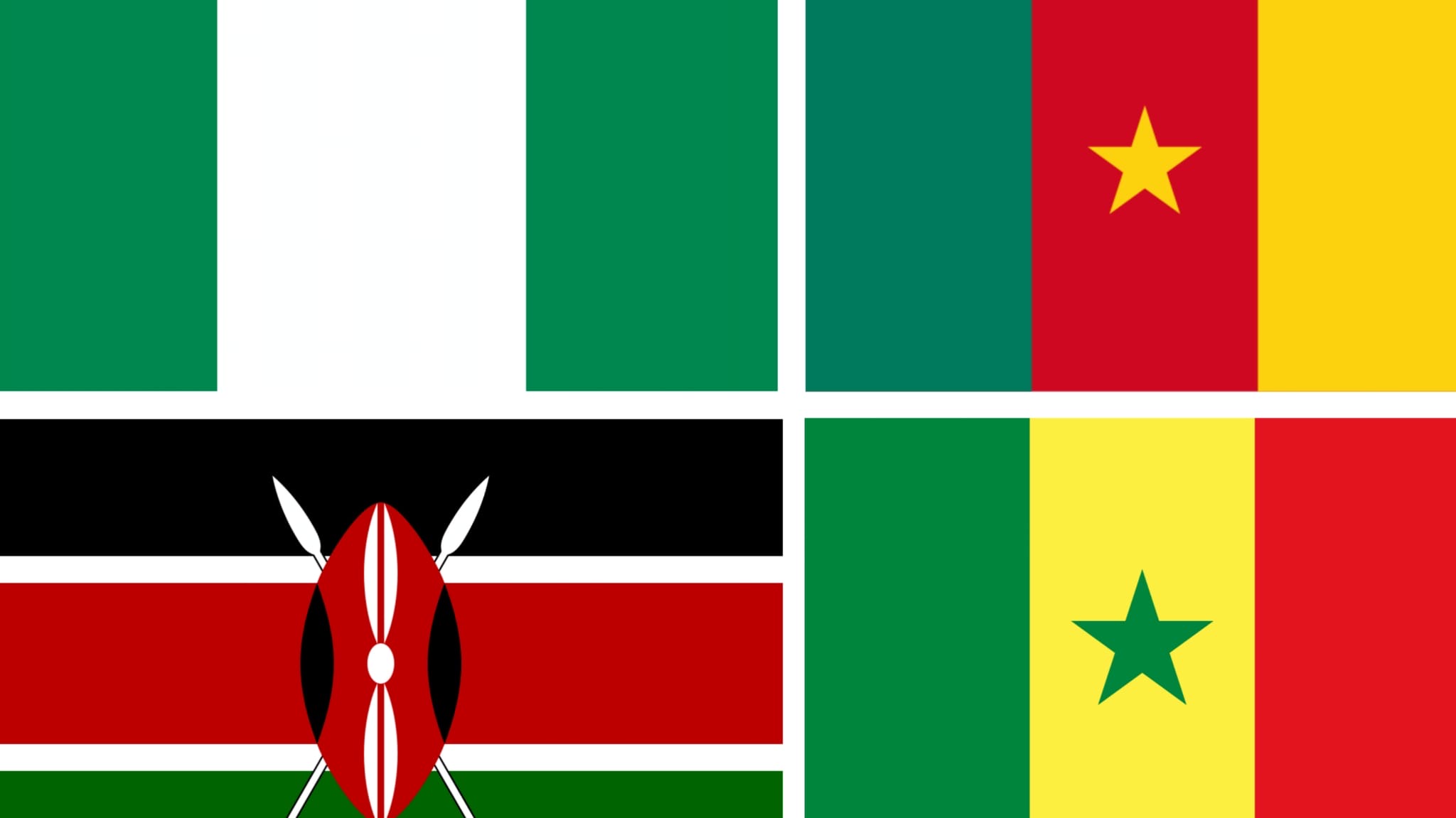
African Countries That Retained Their Colonial Names After Independence

When African nations began gaining independence in the mid-20th century, many saw renaming as an important act of reclaiming identity. Countries such as the Gold Coast became Ghana (1957), Upper Volta became Burkina Faso (1984), and French Sudan became Mali (1960), all in a bid to restore indigenous pride.

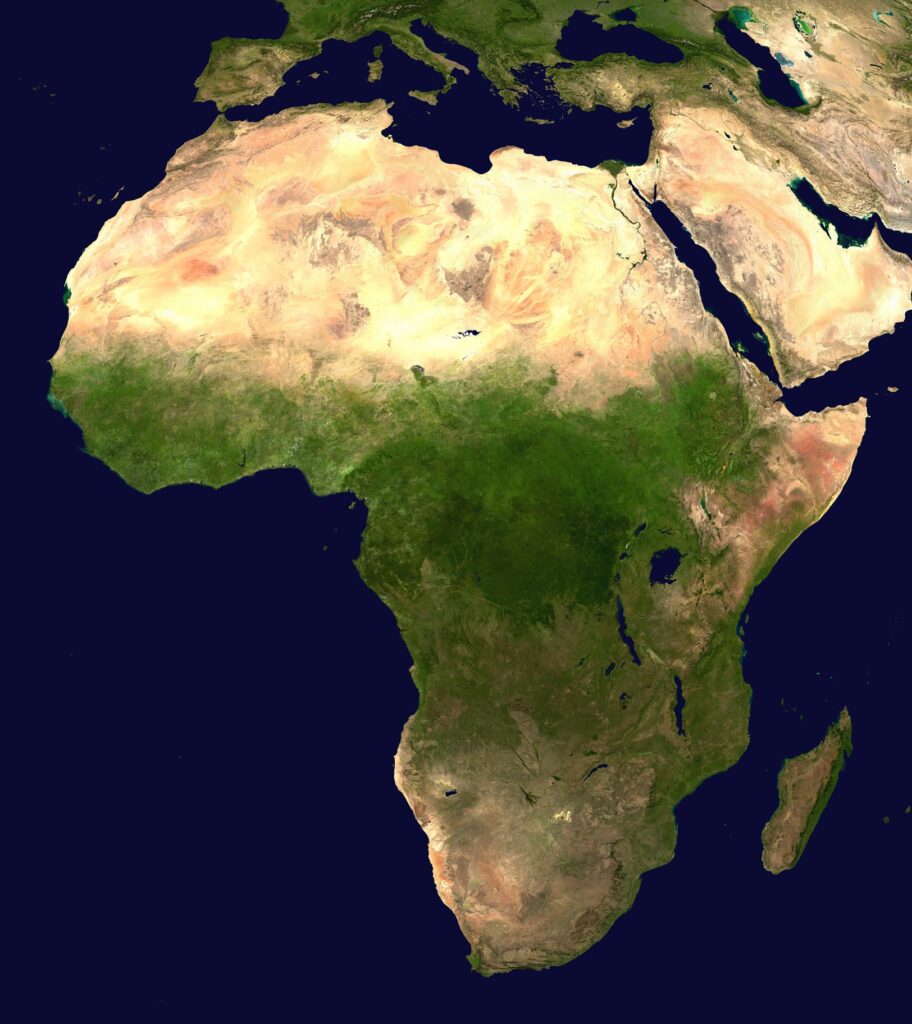
However, not all states chose to abandon their colonial names. Some retained them due to global recognition, deep geographical links, or because the names were already widely accepted. Below is a look at African countries that kept their colonial-era names, with details on their independence year and colonial rulers.

Nigeria

Nigeria, Africa’s most populous country and one of its largest economies, was a key British colony in West Africa. Its name, however, was coined by a British journalist rather than drawn from indigenous origins.

Colonial Name: Nigeria (from ‘Niger Area,’ coined by Flora Shaw in 1897)
Colonizer: Britain
Independence: October 1, 1960

Kenya

Kenya, home to rich wildlife reserves and diverse ethnic groups, was a British colony that became a central hub of East Africa. Its name is tied to its highest peak, Mount Kenya.

Colonial Name: Kenya (derived from Mount Kenya, from Kikuyu ‘Kirinyaga’)
Colonizer: Britain
Independence: December 12, 1963

Uganda

Uganda, often called the ‘Pearl of Africa,’ was named after the Buganda Kingdom, one of its most influential pre-colonial states. The British mispronounced Buganda as Uganda, and the name stuck.

Colonial Name: Uganda (from Buganda Kingdom)
Colonizer: Britain
Independence: October 9, 1962

Cameroon

Cameroon’s name dates back to Portuguese explorers who discovered a river teeming with prawns and named it Rio dos Camarões. The territory later passed through German, French, and British control.

Colonial Name: Cameroon (from Portuguese ‘Rio dos Camarões’ – River of Prawns)
Colonizer: Germany, Britain & France
Independence: 1 January, 1960/ 1 October, 1961 

Gabon

Gabon, situated along the Atlantic coast of Central Africa, derived its name from the Portuguese word for cloak, describing the estuary’s shape. It remained a French colony until independence.

Colonial Name: Gabon (from Portuguese ‘Gabão’ – cloak-shaped estuary)
Colonizer: France
Independence: August 17, 1960
Senegal

Senegal, with its strategic location on the Atlantic coast, was a major French colonial center. Its name comes from the Senegal River, a lifeline for the country’s people.

Colonial Name: Senegal (from Senegal River, Wolof origin, adapted by traders)
Colonizer: France
Independence: April 4, 1960

Chad

Chad, a landlocked nation in Central Africa, took its name from Lake Chad, one of Africa’s largest freshwater bodies. The French adopted the local Kanuri term ‘Tshad,’ meaning lake.

Colonial Name: Chad (from Lake Chad, ‘Tshad’ meaning ‘lake’ in Kanuri)
Colonizer: France
Independence: August 11, 1960

Niger

Niger, a Sahelian country named after the Niger River, was under French control until 1960. Like Nigeria, its colonial name was based on a major waterway.

Colonial Name: Niger (from River Niger, adopted by French)
Colonizer: France
Independence: August 3, 1960

Togo

Togo, a narrow stretch of land along the Gulf of Guinea, derived its name from a Ewe expression meaning ‘water shore.’ The Germans first adopted it during colonization, followed later by the French.

Colonial Name: Togo (from Ewe ‘to’ = water, ‘go’ = shore, adapted by Germans/French)
Colonizer: Germany, France
Independence: April 27, 1960

Tanzania

Tanzania emerged as a union between Tanganyika and Zanzibar in 1964. Both territories had colonial histories under Germany, Britain, and Oman. Their merger created a new name, but one built from colonial terms.

Colonial Name: Tanganyika (German/British), Zanzibar (Arab/British). Union formed Tanzania.
Colonizer: Germany, Britain, Oman
Independence: 1961/1963; Union 1964

Some Reasons Why These Countries Might Have Their Colonial Names

  1. Geographical Recognition: Names tied to rivers, lakes, or mountains (Nigeria, Niger, Chad, Senegal, Kenya) felt neutral and descriptive rather than foreign impositions.
  2. International Acceptance: By the 1960s, these names were already established in diplomacy, trade, and maps.
  3. National Unity: Some leaders feared that changing names could reignite ethnic divisions, so they kept the colonial label to maintain cohesion.

While renaming was a powerful act of reclaiming African identity, not every country felt it necessary. For nations like Nigeria, Kenya, Uganda, and Cameroon, retaining colonial names was more about continuity, unity, and global recognition. These names, though European in origin, have since been indigenized and now carry African meaning and pride.


The Most Common Scams in Nigeria (2025) and How to Avoid Them

Scams are not new in Nigeria, but 2025 has ushered in a more sophisticated wave of fraud, blending traditional tricks with cutting-edge technology like AI, deepfakes, and digital blackmail. From fake e-commerce sites to sextortion networks, the methods are constantly evolving and staying informed is the first step to staying safe.
Below, we break down the most prevalent scams Nigerians are facing today, how they work, and what you can do to avoid falling victim.

AI-Powered Fake E-Commerce and Loan Platforms

Fraudsters now use artificial intelligence to design convincing online stores and lending apps. These sites feature polished product listings, fake customer reviews, and even AI chatbots that mimic real customer service. Many Nigerians have lost money to platforms that vanish after collecting upfront payments or bogus loan “processing fees.”

How to protect yourself:

  • Only shop on verified sites with strong reputations.
  • Check that websites use secure domains (“https”).
  • Avoid apps or sites that demand money before offering loans, unless confirmed by the Central Bank of Nigeria or FCCPC.

Fake Bank Alerts and Phishing Messages

Scammers send cloned debit alerts or SMS messages that look like they came from your bank. In some cases, they direct victims to phishing websites that steal login details.

How to protect yourself:

  • Always confirm credits or debits via your bank’s official app or USSD code.
  • Never click suspicious links sent via SMS or WhatsApp.

Job and Recruitment Scams

Fake recruiters promise high-paying roles with well-known companies, but demand “training,” “ID card,” or “medical” fees before employment. Many of these fake ads spread on social media and WhatsApp groups.

How to protect yourself:

  • Genuine companies do not charge fees before hiring.
  • Verify job postings directly on official company websites.
  • Use trusted platforms like Jobberman or MyJobMag.

POS and Marketplace Scams

POS agents are increasingly being targeted with fake transfers and manipulated receipts, while on Instagram and Jiji, scammers collect payments for goods that are never delivered.

How to protect yourself:

  • For POS, always confirm transactions directly from your bank balance.
  • When shopping online, insist on payment on delivery or use escrow-protected platforms.
  • Avoid sellers without verifiable contact details.

Giveaway and Celebrity Impersonation Fraud

Scammers create fake accounts of celebrities or popular brands, promising giveaways. Victims are then asked to pay “processing fees” before receiving fake prizes.

How to protect yourself:

  • Official giveaways never require upfront payments.
  • Confirm verified social media handles with blue checks or official websites.

Referral Apps and Click-to-Earn Schemes

These schemes promise income by recruiting others or performing simple online tasks. They often collapse quickly, leaving users with losses.

How to protect yourself:

  • Avoid platforms with no clear business model.
  • Don’t provide personal or financial details to unverified apps.

Deepfake Investment Scams and Pig-Butchering

Scammers are using deepfake videos, AI-generated endorsements, and long-term relationship building (known as “pig-butchering”) to trick people into fake crypto or forex investments. Victims are “fattened up” with small initial profits before being defrauded of larger sums.

How to protect yourself:

  • Be cautious of unsolicited investment opportunities.
  • Check if the platform is registered with the SEC or CAC.
  • Stay away from “guaranteed” quick returns.

Sextortion and AI-Driven Blackmail

Perhaps the most disturbing trend in 2025 is sextortion. Networks like the “BM Boys” in Nigeria catfish teenagers and young adults, persuading them to share explicit images, then blackmailing them for money. Some scammers even use AI-generated fake news reports to pressure victims into paying.

How to protect yourself:

  • Never share intimate photos or videos online.
  • If threatened, cut off communication immediately and report to authorities.
  • Parents should educate teenagers about online safety.

Digital Arrest Scams

Scammers impersonate police, EFCC, or immigration officers via WhatsApp or video calls, accusing victims of crimes and demanding bribes for “release.”

How to protect yourself:

  • No genuine authority will demand money over the phone.
  • Always verify with official agencies through their public hotlines.

SIM Swap and Tech Support Frauds

With SIM swaps, fraudsters hijack your phone line to access bank accounts and OTPs. Others impersonate “Microsoft” or “Windows” support, tricking victims into installing apps that grant remote access.

How to protect yourself:

  • Enable SIM locks and two-factor authentication using authenticator apps, not SMS alone.
  • Never share OTPs or banking details over the phone.
  • Refuse unsolicited remote support requests.

Scammers are adapting to Nigeria’s digital and financial landscape at lightning speed. What used to be crude “419 emails” has now evolved into AI-powered platforms, deepfake blackmail, and sophisticated phishing schemes.

Always be skeptical of anything that sounds too good to be true. Verify everything. Protect your data.

By staying informed and cautious, you reduce your chances of becoming the next victim.

Your Sports Bets May Be Costing You More Than Money—Here’s the Truth

Sports betting has exploded into one of Nigeria’s most dominant forms of entertainment. From Bet9ja to SportyBet, BetKing, and 1xBet, millions of Nigerians log in daily to place wagers, mostly on football matches. On the surface, betting is marketed as fun, thrilling, and rewarding. Yet beneath the flashy adverts and quick payouts lies a growing crisis: sports betting is silently eroding mental health, financial stability, and social wellbeing across the country.

A Nation of Bettors

The numbers reveal the scale of the boom. Studies estimate that over 60 million Nigerians between 18 and 40 years old actively participate in betting. On average, they spend ₦3,000 daily, amounting to nearly ₦730 billion annually. In fact, Nigeria is now considered one of Africa’s largest betting markets, with betting shops and mobile apps dominating both urban and rural landscapes.
What makes this rise even more striking is the context: a nation where over 40% of the population lives in poverty is also home to one of the highest rates of gambling participation in the world.

The Impact on Mental Health

The thrill of betting is tied to brain chemistry. Each wager triggers dopamine; the same chemical linked to pleasure and reward. But this excitement can quickly spiral into addiction.
Many bettors report mood swings, sleepless nights, and constant anxiety. Losing streaks bring feelings of guilt and despair, while the urge to “chase losses” only deepens the cycle. A growing number of Nigerian psychologists now warn that sports betting has become a major driver of depression, anxiety, and even suicidal thoughts.
In one heartbreaking case, a university student in Ilaro took his own life after losing his school fees to betting. In another, a man in Lagos ended his life after losing ₦2.5 million on virtual games. These stories, though shocking, are far from isolated.

Financial Ruin Disguised as Fun

The financial toll of sports betting is devastating. For many Nigerians, especially young men, betting is seen as a potential escape from unemployment and hardship. But instead of financial freedom, it often results in deeper poverty.

Research shows that:

  • 62% of addicted bettors in Lagos borrow money to fund gambling.
  • 28% fail to meet essential payments such as rent or school fees.
  • Some lose millions of naira within weeks, selling assets or borrowing heavily in the process.

The painful truth is that bookmakers always have the edge. Wins are temporary, but losses accumulate—leaving countless Nigerians trapped in debt cycles.

Social and Emotional Strain

Sports betting does not only harm individuals, it reshapes relationships. Families often suffer when breadwinners divert money meant for food, rent, or education into betting. Friends drift apart as shame and secrecy build.
Among students, the impact is equally alarming. Studies show that 14% of Nigerian university students already suffer problem gambling, and nearly half of those who bet regularly display addictive behaviours. Academic performance suffers as money, time, and focus are swallowed by betting apps.

The Role of Betting Apps

Modern betting companies have perfected the art of addiction. Platforms like Bet9ja, SportyBet, NairaBet, 1xBet, and BetKing employ strategies designed to keep players hooked:

  • 24/7 accessibility: With apps on smartphones, betting is available anytime, anywhere.
  • Flashy promotions: Welcome bonuses, odds boosts, and “free bets” encourage more spending.
  • Fast-play features: Virtual games and live betting deliver instant results, fueling compulsive behavior.
  • Psychological hooks: Near misses, bright visuals, and celebratory alerts simulate victory even in loss.

These features transform betting from occasional fun into compulsive daily habits, making it one of the fastest-growing addictions in Nigeria.

Why Betting Feels Unescapable

Experts describe sports betting in Nigeria as a perfect storm:

  • Economic desperation: With limited job opportunities, betting feels like a shortcut to wealth.
  • Passion for football: Tying wagers to beloved sports makes it socially acceptable.
  • Aggressive advertising: From billboards to Instagram feeds, betting brands flood media with success stories, rarely showing the ruin that follows.

One bettor who lost ₦10 million in two weeks described it bluntly: “It’s like a sect. Once you’re in, it’s extremely difficult to leave.”

Protecting Wellbeing

While sports betting is legal and often positioned as harmless entertainment, its impact on wellbeing is undeniable. To address this crisis:

  • Public awareness campaigns are needed to highlight the risks.
  • Limits and regulations should be enforced on betting advertisements and promotions.
  • Financial literacy and job creation must be prioritized to reduce dependence on gambling.
  • On a personal level, individuals must set strict betting limits, avoid chasing losses, and seek help when betting becomes uncontrollable.

Sports betting in Nigeria is no longer “just a game.” It is a powerful industry feeding off economic hardship, passion for football, and human vulnerability. While some may enjoy it casually, for millions it has become a trap—undermining mental health, draining finances, and tearing at the fabric of relationships.
In the end, the question remains: is the thrill of a potential win worth the silent cost to wellbeing?

I await your comments 

Subscribe to our newsletter for more articles like this.

5 Habits That Will Transform Your Career in the Next 12 Months

In today’s fast-changing workplace, success is no longer about showing up and putting in the hours. It’s about building the right habits that help you stand out, adapt, and thrive in any environment. If you want to see real growth in your career within the next year, it won’t happen by luck. It will come from deliberate actions you repeat consistently.

Here are five powerful habits that can completely reshape your career in the next 12 months:

Invest in Continuous Learning

Industries are evolving faster than ever, and the skills that got you your current role may not be enough for the future. Developing a habit of learning, whether through online courses, certifications, workshops, or even self-study keeps you relevant and competitive.

Tip: Dedicate at least 30 minutes a day to professional learning. Platforms like Coursera, Udemy, and LinkedIn Learning offer courses tailored to every career path.

Build and Nurture Your Network

Opportunities often come through people, not job boards. A strong network can open doors to new roles, collaborations, mentorships, and career growth. Yet many professionals only reach out when they need something.

Tip: Make networking a habit. Set a goal to connect with at least two new people in your field each month and nurture existing relationships by engaging with their work or simply checking in.

Prioritize Time Management and Focus

Being busy is not the same as being productive. Many careers stall because people fail to manage their time effectively. Learning to prioritize high-value tasks over busywork can drastically increase your output and visibility at work.

Tip: Try the 80/20 rule (Pareto Principle)—focus on the 20% of tasks that deliver 80% of results. Tools like Trello, Notion, or even a simple to-do list can help you stay disciplined.

Seek Feedback and Act on It

Feedback is one of the most underused career growth tools. Many professionals avoid it because it can feel uncomfortable, but those who seek it regularly improve much faster than those who don’t. Constructive criticism helps you identify blind spots and sharpen your skills.

Tip: After completing major tasks or projects, ask colleagues, managers, or clients, ‘What’s one thing I could improve next time?’ Then apply that advice immediately.

Develop a Personal Brand

In the digital age, your reputation goes beyond your office walls. Building a personal brand through LinkedIn, industry events, or even publishing thought leadership content can establish you as an authority in your field. When opportunities arise, people will think of you first.

Tip: Start by consistently sharing insights, commenting on industry trends, or showcasing your expertise online instead of just consuming contents anytime you go online. Even small actions can grow your visibility over time.

The next 12 months could look completely different for your career if you commit to these five habits. By learning continuously, networking intentionally, managing your time, seeking feedback, and building your personal brand, you’re not just preparing for opportunities, you’re creating them.

Quote: Your career transformation isn’t about overnight success; it’s about daily habits that compound into extraordinary results. The best time to start was yesterday. The next best time is today.

YouTube Eyes the Oscars: Streaming Giant’s Interest Puts Spotlight on ABC’s Longstanding Deal

The Academy Awards, one of the most prestigious events in global entertainment, could soon find itself at the center of a broadcasting shake-up. According to fresh reports from Bloomberg and other outlets, YouTube has formally expressed interest in acquiring broadcast and streaming rights to the Oscars, positioning itself as a challenger to the traditional network dominance that has defined the ceremony for decades.

YouTube’s Ambition to Host the Oscars

YouTube, with its 2.7 billion monthly users, has long cemented its status as the world’s most influential video platform. Its recent inquiry into Oscars rights is being hailed by industry watchers as a bold move that could redefine how audiences experience live cultural events. The appeal is clear: while traditional television viewership has steadily declined, YouTube thrives among younger demographics who increasingly consume live events and highlights online rather than through cable television.

Analysts argue that the Oscars’ migration to YouTube. If this happens, it could inject the ceremony with fresh relevance. Features like live chat, polls, real-time audience engagement, and instant replay clips could make the show interactive in ways traditional TV cannot match.

ABC’s Standing Contract: A Barrier to Entry

However, YouTube’s ambitions face a significant hurdle. ABC currently holds exclusive U.S. broadcast rights to the Oscars through 2028, under a contract signed with the Academy of Motion Picture Arts and Sciences in 2016. This deal not only secures ABC’s coverage but also extends its global distribution partnerships.

The partnership between ABC and the Oscars is longstanding, dating back to 1976. While viewership has fluctuated over the years, hitting historic lows in the 2020s—ABC has retained the prestige of hosting Hollywood’s biggest night. For YouTube to step in, it would either need to negotiate terms for after 2028, or strike an unprecedented arrangement that coexists alongside ABC’s deal, which appears unlikely.

What This Means for the Oscars

The Oscars have battled declining TV ratings in recent years, prompting the Academy to explore new ways of reaching younger and global audiences. Moving to a digital-first platform like YouTube could potentially address both challenges:

  • Global Reach: YouTube’s international accessibility could expand the Oscars’ footprint beyond traditional TV markets.  
  • Youth Engagement: With Gen Z and millennials spending far more time on YouTube than cable, the ceremony could reclaim cultural relevance.
  • Interactivity: Live engagement features could transform a passive viewing experience into an active, social one.

On the other hand, such a move raises questions about prestige and tradition. Would streaming dilute the Oscars’ aura as a formal, televised event? Could the Academy risk alienating long-time audiences who still prefer the TV broadcast format?

For now, ABC’s standing contract means YouTube’s interest remains speculative. But the fact that YouTube is actively inquiring about rights signals a shifting tide in entertainment broadcasting. If the Oscars were to transition to YouTube in the future, it could mark one of the most significant cultural and technological shifts in awards-show history.
One thing is clear: the conversation about where the Oscars belong in the digital era has officially begun.

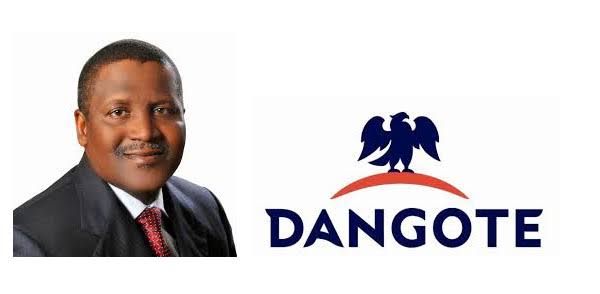
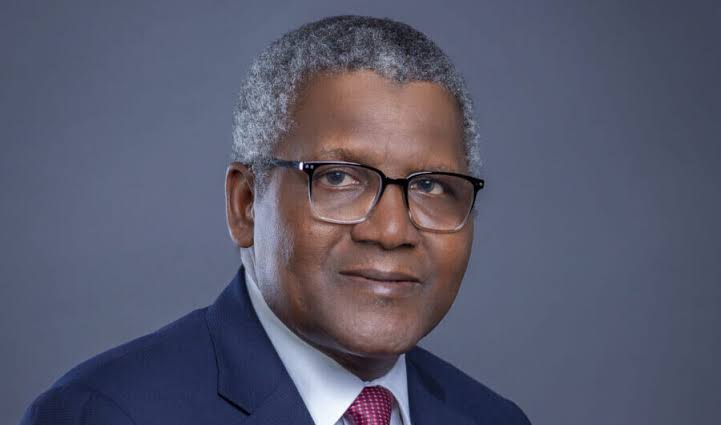
Dangote Group and the Burden of Truck-Related Accidents in Nigeria

The Dangote Group, Africa’s largest conglomerate and a dominant force in Nigeria’s manufacturing and logistics sectors, has built a vast network of cement, sugar, salt, and flour operations. However, alongside its industrial successes, the company’s heavy-duty truck operations have frequently made headlines for tragic reasons road accidents involving Dangote-branded vehicles. Over the years, these incidents have sparked national debate on corporate responsibility, road safety, and regulatory enforcement.

This article examines some of the most notable truck-related accidents linked to the Dangote Group, including the recent case involving a relative of a popular Nigerian reality TV star, and assesses the company’s responses over time.

The Recent Auchi Incident – August 2025

The most recent case involves Ruth Otabor, younger sister of BBNaija Season 7 winner, Ijeoma Josephina Otabor (popularly known as Phyna). On August 13, 2025, a Dangote truck struck Ruth in Auchi, Edo State, causing severe injuries that led to the amputation of one leg.

Following public outcry, the Dangote Group issued a statement pledging comprehensive medical care and appropriate compensation under its welfare policies. Senior company representatives, accompanied by insurance officials, visited both the accident site and Ruth’s family at the Irrua Specialist Teaching Hospital.

Talks are still ongoing on social media as users are still commenting and reacting to the issue and calling out the company. Even a popular X influencer, has called out for people who have been affected in the past by these accidents to come online to share their experiences and proof of the harms Dangote Group trucks has done in the past.

Ruth Otabor

Some Past Cases of Dangote Truck Accidents

Kogi State – February 2017

In early 2017, tragedy struck on the Lokoja–Abuja Highway when a Dangote truck collided head-on with a motorcycle carrying two young men, Caleb Idakwoand Prosper Ojodale. Both victims died instantly. The incident was further compounded by delayed emergency intervention due to a doctors’ strike in the state. The police impounded the truck while investigations were carried out.

Lagos–Ibadan Expressway (Arepo) – April 2017

Later that year, another Dangote truck made headlines when its driver, allegedly driving against traffic, ran over and killed three pedestrians near ItoriComprehensive High School in Arepo. The driver fled the scene but was apprehended by local residents before being handed over to the police.

Abuja–Lokoja Expressway – November 2017

A devastating crash involving a Dangote truck and a vehicle transporting cattle traders at Jamata village in Kogi State resulted in sixteen fatalities. The Dangote Group eventually provided ₦500,000 to each bereaved family, after an initial sum of ₦50,000, bringing the total payout to ₦8 million.

(Daily Trust, 2017: https://dailytrust.com/families-of-dangote-truck-accident-victims-get-n500-000-each/)

Umuchu, Anambra – 2018

In 2018, a Dangote cement truck lost control and plowed into the bustling Afo Ibughubu Market in Umuchu, Anambra State. The collision claimed at least three lives and injured seven others. Through its insurer, NEM Insurance Plc, the company paid ₦10 million in compensation to victims and their families.

(ThisDay, 2019: https://www.thisdaylive.com/index.php/2019/06/09/dangote-compensates-victims-of-anambra-truck-accident/)

Lagos–Abeokuta Expressway (Toll-Gate, Sango–Ota) – May 2020

A brake failure in a Dangote truck led to a chain collision involving multiple vehicles and motorcycles, killing two people and injuring seven others. The driver escaped the scene, while police and emergency agencies worked to prevent a mob from setting the truck ablaze.

Ota, Ogun State – February 2020

Just months earlier, another cement-laden Dangote truck was involved in a high-casualty crash on the Lagos–Abeokuta Expressway in Ota, Ogun State. The incident left seven people dead and ten injured. Enraged residents set the truck on fire before emergency responders arrived. Preliminary reports pointed to brake failure and excessive speeding as contributing factors.

Agbor, Delta State – April 2019

A pedestrian lost his life after being struck by a fully loaded Dangote truck along the Lagos–Asaba Expressway near Agbor. In retaliation, a mob burnt the truck to ashes before authorities could intervene.

Mosinmi–Sagun Road (Ogun State) & Lagos – August 2020

On the Mosinmi–Sagun Road in Ogun State, a Dangote truck ran over and killed a motorist and a female pedestrian. Around the same period in Lagos, another Dangote vehicle was involved in a separate fatal crash. No formal compensation was publicly reported for these incidents.

Adekunle Ajasin University, Ondo State – January 2021

A particularly harrowing incident occurred when a Dangote truck, reportedly experiencing brake failure, rammed into shops near the university gate in Akungba-Akoko. Eight students lost their lives. In response, the company provided ₦500,000 to each bereaved family and pledged additional support.

(Premium Times, 2021: https://www.premiumtimesng.com/news/top-news/445735-dangote-group-compensates-ondo-accident-victims-officials.html)

Patterns, Concerns, and Public Reaction

An analysis of these incidents reveals recurring factors:

  • Mechanical faults, particularly brake failure, feature prominently.
  • Driver behavior, including overspeeding and dangerous driving, has been cited repeatedly.
  • Public anger is a frequent outcome, with multiple instances of mobs destroying Dangote trucks after accidents.
  • Compensation policies appear inconsistent — ranging from no public acknowledgment to substantial payouts, often influenced by media coverage and public pressure.

Corporate Responsibility and the Road Ahead

The Dangote Group’s swift response in some cases, such as the Auchi incident and the Anambra market crash, shows a willingness to take responsibility. However, the persistence of such accidents raises questions about fleet maintenance, driver training, and enforcement of road safety standards.

Suggestions that could mitigate these tragedies by:

1.​Implementing stricter vehicle maintenance protocols.
2. ​Expanding driver safety training programs.
3. ​Introducing onboard vehicle monitoring systems to track speed and mechanical health.
4. ​Collaborating with government regulators to enforce higher safety standards for heavy-duty transport.

Given the Dangote Group’s prominence and influence in Nigeria’s economy, its approach to road safety could set the standard for other logistics-intensive companies. The hope is that the lessons from these repeated tragedies and the public scrutiny they attract will translate into long-term, systemic safety reforms.

Everyday Skincare Routine for Glowing Skin on a Budget

Glowing skin isn’t reserved for expensive products and luxury spa days. In 2025, more Nigerians are proving that you can achieve healthy, radiant skin without breaking the bank. With a consistent routine, affordable products, and smart choices, you can maintain a fresh, youthful glow—no matter your budget.

1. Understand Your Skin Type First

Before you start any skincare routine, you must know whether your skin is oily, dry, combination, or sensitive.

  • Oily skin: Produces excess sebum, often shiny and prone to acne.
  • Dry skin: Feels tight and may have visible flaking.
  • Combination skin: Oily in some areas (like the T-zone) and dry in others.
  • Sensitive skin: Easily irritated, reacts to harsh products.

Why this matters: Knowing your skin type ensures you choose products that work with your skin and not against it.

2. The Basic Budget-Friendly Routine

Step 1: Cleanse (Morning & Night)

A good cleanser removes dirt, sweat, and excess oil without stripping your skin.

  • Affordable options in Nigeria: Simple Refreshing Facial Wash, Garnier Micellar Cleansing Water, or mild African black soap (unscented).
    Tip: Avoid harsh soaps—they can make your skin dry and cause breakouts.

Step 2: Tone (Optional but Helpful)

Toners help balance skin pH and remove leftover dirt.

  • Budget options: Rose water, Witch hazel, or DIY green tea toner.
    Tip: Skip alcohol-based toners—they can irritate the skin.

Step 3: Moisturize (Always)

Even oily skin needs moisture to stay balanced.

  • Affordable moisturizers: Nivea Soft Cream, Dr. Rashel Vitamin C Cream, or Shea butter blended with coconut oil (lightly applied).
    Tip: Apply while your skin is still slightly damp to lock in hydration.

Step 4: Sunscreen (Morning Only)

UV rays are one of the main causes of premature aging and hyperpigmentation.

  • Budget-friendly sunscreens: Skin Doctor SPF 50, Gavia Sunblock SPF 50, or Nivea Sun UV Face.
    Tip: Use SPF daily—even on cloudy days.

3. Weekly Glow Boosters

  • Exfoliate once or twice a week to remove dead skin cells (sugar + honey scrub or Neutrogena Visibly Clear Scrub).
  • Face masks: Try natural masks like oatmeal + honey, turmeric + yogurt, or aloe vera gel.

4. Lifestyle Habits for Glowing Skin

Skincare is not just what you put on your face; t’s also about how you live:

  • Drink enough water daily.
  • Eat more fruits and vegetables rich in antioxidants (pawpaw, watermelon, carrots).
  • Get enough sleep; your skin repairs itself at night.
  • Manage stress; stress can cause breakouts and dullness.

5. Sample Budget Skincare Shopping List 

  • Cleanser
  • Toner
  • Moisturizer
  • Sunscreen
    With this, you have everything you need for a complete daily routine.

A glowing complexion isn’t about spending more. It’s about consistency, smart product choices, and healthy habits. Follow this simple, budget-friendly routine, and within weeks, your skin will start to look healthier, brighter, and more refreshed; without burning a hole in your pocket.

Leaked Messages Fuel Omah Lay’s Claim That Rema Took His Album Blueprint

In the ever-competitive world of Afrobeats, inspiration and imitation often walk a razor-thin line. Over the past week, Nigerian music fans have been consumed by a brewing controversy between two of the genre’s brightest stars; Omah Lay and Rema — following claims that one may have lifted the other’s creative blueprint.

The Spark: Omah Lay’s Revelation

The saga began when Omah Lay appeared on the Zach Sang Show in August 2024, revealing that he had shared the sonic direction and concept for his then-upcoming album Clarity of Mind with a fellow artist he trusted. According to him, about five months later, that artist released an album heavily echoing the very ideas he had disclosed. Feeling blindsided, Omah Lay said he scrapped large portions of his work and re-recorded the project from scratch.

While Omah Lay didn’t name the artist in that interview, the timing and sound of certain releases set fan speculation ablaze. On social media, names like Rema and Victony floated to the top of the suspect list — with Rema’s HEIS album drawing the most attention.

Screenshots and Social Media Fire

The controversy reached a boiling point on August 12, 2025, when an Instagram account believed to be linked to Omah Lay posted screenshots of what appeared to be an iMessage exchange from December 16, 2023. In the alleged conversation:

– Rema sent a track titled “Now I Know” (a song later appearing on HEIS).

– Omah Lay shared a file labeled “mara rough”, presumably containing his developing concept.

– The messages hinted at Rema showing interest in the idea and possibly collaborating on it.

These screenshots quickly made their way to blogs, Twitter threads, and WhatsApp groups, igniting intense debates over intellectual property, artistic integrity, and the blurred boundaries of “influence” in music.

Silence from Both Camps

Interestingly, neither Omah Lay nor Rema has officially addressed the leaked screenshots. Omah Lay has not confirmed whether the burner account belongs to him, while Rema has remained entirely silent on the matter. This vacuum of direct statements has only fueled fan theories and kept the issue trending across Nigerian entertainment spaces.

The Bigger Picture

Allegations of idea theft are not new to the music industry, but in the streaming era; where artists constantly share snippets, demos, and unfinished concepts with peers — the risk of creative overlap is higher than ever. Without clear public evidence beyond the screenshots, this saga exists in a murky space between perception and proof.

For now, fans are left dissecting lyrics, comparing sounds, and speculating about what really happened in those private exchanges. Whether the truth eventually emerges or fades into the background, the conversation it has sparked about ownership, originality, and collaboration in Afrobeats is unlikely to die down anytime soon.

Why Gen Z Is Rethinking Marriage and Long-Term Love in 2025

Marriage, once considered the hallmark of adulthood and stability, is being redefined by Generation Z, the most educated, digitally connected, and socially conscious demographic to date. In 2025, the attitudes of Gen Z Nigerians and the world as a whole toward marriage and long-term relationships reflect a cultural shift rooted in self-awareness, economic reality, and emotional intelligence. This is not a rejection of love—but a clear recalibration of how commitment is understood and pursued.

Marriage Is No Longer the Default Life Path

Unlike previous generations, Gen Z does not view marriage as a compulsory milestone. A 2024 report by The Future Africa Research Institute revealed that only 42% of urban Gen Z Nigerians aged 20–28 see marriage as a priority before age 30, compared to 70% of millennials at the same age range a decade ago.

This change is driven by:

  • Higher education levels among young Nigerians (with 60% enrollment increase in tertiary institutions between 2010 and 2023 — NUC data),
  • Greater global exposure through social media, and
  • A growing belief in personal fulfillment before partnership.

Marriage is increasingly seen as a choice, not a life requirement.

Economic Uncertainty Is Delaying Commitments

Gen Z is coming of age during one of the most volatile economic periods in Nigeria’s history. With youth unemployment at 33.6% as of Q1 2025 (NBS) and inflation driving up the cost of living, many young Nigerians are simply not in a position to consider marriage or child-rearing.

A wedding in urban Nigeria now averages ₦2.8 million, while setting up a home requires significant investment. As a result:

  • More couples are choosing long-term dating over legal marriage.
  • Cohabitation is quietly on the rise, even though culturally sensitive.
  • “Soft life” goals—financial freedom, travel, self-care—are taking precedence.

This isn’t fear of marriage. It’s financial realism.

Emotional Intelligence Is Non-Negotiable

Another defining trait of Gen Z is their emphasis on mental health and emotional clarity. This generation is more likely to seek therapy, practice mindfulness, and openly discuss emotional trauma.

Unlike older generations that often viewed relationship endurance as a virtue; regardless of emotional harm—Gen Z prefers healthy relationships over long ones.

Key trends include:

  • Increased relationship breakups when emotional needs aren’t met
  • Greater acceptance of boundaries and therapy as part of dating
  • Online discourse centered around healing and emotional literacy

The Role of Technology and Non-Traditional Relationships

Tech is another game-changer. Dating apps like Tinder, Badoo, and Bumble have normalized virtual dating and non-monogamous arrangements, creating more diverse relationship models.

Many Gen Z Nigerians are:

  • Open to long-distance and online relationships
  • Choosing non-traditional structures like open relationships, “talking stages,” or polyamory (still niche, but growing)
  • Using tech to build emotionally meaningful connections without societal pressure

These dynamics are part of a broader trend—flexibility over formality.

Redefining the Purpose of Marriage

It’s important to note that Gen Z is not necessarily discarding the idea of marriage altogether. Instead, they’re redefining its purpose.
Today’s Gen Z Nigerian wants:

  • Partnerships built on equality, not traditional gender roles
  • Transparent financial expectations (e.g., conversations about joint income, bills, and personal goals)
  • The freedom to choose if, when, and how they want to start a family (including child-free marriages or adoption)

Surveys conducted by She Leads Africa in 2024 showed that 61% of Gen Z women in Nigeria said they would only marry someone who supports their career and personal autonomy—a demand that reflects deep-rooted shifts in expectations.

Gen Z is not afraid of love. They’re simply more intentional, informed, and introspective than previous generations. With eyes wide open to the realities of modern life, they’re choosing relationships that reflect their values, support their growth, and respect their individuality and it goes for both male and female.

In 2025, marriage is no longer a finish line. For Gen Z, it’s just one of many ways to love; and only if it truly aligns with who they are becoming.

References

  • The Future Africa Research Institute (2024). ‘Youth and Marriage in Urban Nigeria’ – National Attitude Survey.
  • National Bureau of Statistics (2025). ‘Labour Force Report: Q1 2025’.
  • Nigerian Universities Commission (NUC). Tertiary Enrollment Growth Reports, 2010–2023.
  • She Leads Africa (2024). ‘Women, Work & Love: Aspirations of the Nigerian Gen Z Woman’ – Social Trends White Paper.
  • X (formerly Twitter), TikTok Nigeria Trends, Instagram Nigeria Explore Feed – 2024/2025 Social Media Observation.
  • Nigerian Wedding Cost Survey (2025). ‘Urban Wedding Planning Statistics in Lagos and Abuja’.
  • Online Dating & Relationship Trends Nigeria (2024). A Report by TechLife Weekly Nigeria.

Why Most Artists Drop New Music on Fridays: The Strategy Behind Music Friday

If you’ve ever noticed that your favorite Nigerian and international artists seem to release new tracks almost every Friday, you’re not alone. This pattern isn’t a coincidence it’s a global industry strategy. Welcome to the world of Music Friday, the unofficial launchpad for new music drops.

But why Friday? Why not Monday or even the weekend like Saturday?

Let’s break down the real reasons behind this popular music release trend and why Friday has become the industry’s favorite day to drop heat.

The Global Standardization of Release Days

In July 2015, the International Federation of the Phonographic Industry (IFPI) announced a global shift in music release schedules. From that point forward, Friday became the official global release day for new music in over 45 countries.

Before this move, countries had their own music release days—Tuesdays in the U.S., Mondays in the U.K., and Fridays in Australia. This lack of coordination led to staggered releases, early leaks, and piracy.

A global Friday release day helped:
– Combat piracy
– Synchronize promotion efforts worldwide
– Make tracking easier for streaming platforms and charts

It Maximizes Chart Performance

Most official music charts like Billboard, Apple Music Top 100, Spotify Nigeria, Boomplay Charts, and more—track activity from Friday through Thursday.

Dropping a song on a Friday gives artists and labels:
– 7 full days to accumulate streams, sales, and radio plays
– A better shot at debuting high on the charts
– More time for a song to go viral and gain traction before the next chart cycle

Releasing music midweek shortens this window—and could cost valuable charting points.

People Listen More on Weekends

There’s a reason why parties, club nights, weddings, and road trips spike from Friday to Sunday the weekend is when most people actually have time to vibe.

This consumer behaviour benefits artists because:
– Streaming increases on Fridays and weekends
– Fans are more likely to discover and share new music when they’re not working
– DJs, event planners, and radio hosts look for fresh songs for weekend sets

Dropping music on Friday means it has a better chance of becoming “that new jam” everyone’s playing by Saturday night.

Playlist Power: Catching the Friday Update Wave

Major streaming platforms like Spotify, Apple Music, Audiomack, Boomplay, and YouTube Music refresh their top playlists every Friday. These playlists include:
– New Music Friday
– Fresh Naija
– Africa Now
– Afrobeats Hits
– Hot Rotations

Artists who drop music on Fridays are more likely to be considered for playlist features, which can dramatically boost visibility and streaming numbers.

Marketing Works Better on Fridays

Labels and independent artists alike align their PR campaigns, interviews, press releases, and social media teasers to peak on Fridays.

A Friday release allows an artist to:
– Drop the music
– Post behind-the-scenes content over the weekend
– Build momentum with media and fans into the following week

From TikTok challenges to lyric breakdowns and music video teasers, the Friday launch creates a marketing rhythm that’s hard to beat.

In Nigeria: A Growing Tradition

In Nigeria, Music Friday is becoming a cultural habit:
– Afrobeats stars like Rema, Ayra Starr, Burna Boy, and Davido consistently schedule Friday drops
– Fans anticipate new releases every Friday—making the day a mini music holiday online
– Blogs, DJs, and music platforms curate Friday playlists, amplifying each new release’s reach

Music Friday is not just a trend; it’s a well-oiled global strategy. Releasing on Fridays means more eyes, more ears, better streaming numbers, and a solid shot at chart success. For artists, especially in the ever-competitive Nigerian music scene, timing can make all the difference—and Friday is the magic day.

Scroll to Top