Top 5 Islamic Movies to Watch on Eid: Inspiring Films for Sallah Celebrations

Eid, also known as Eid al-Fitr or Eid al-Adha, is a time for reflection, gratitude, family, and celebration. Beyond the food, gatherings, and prayers, it is also a perfect moment to enjoy films that align with the spirit of faith, sacrifice, and community.

There is a growing collection of movies that explore Muslim history, identity, and values in meaningful ways. Whether you want something educational, emotional, or inspiring, here are five Islamic movies worth watching this sallah.

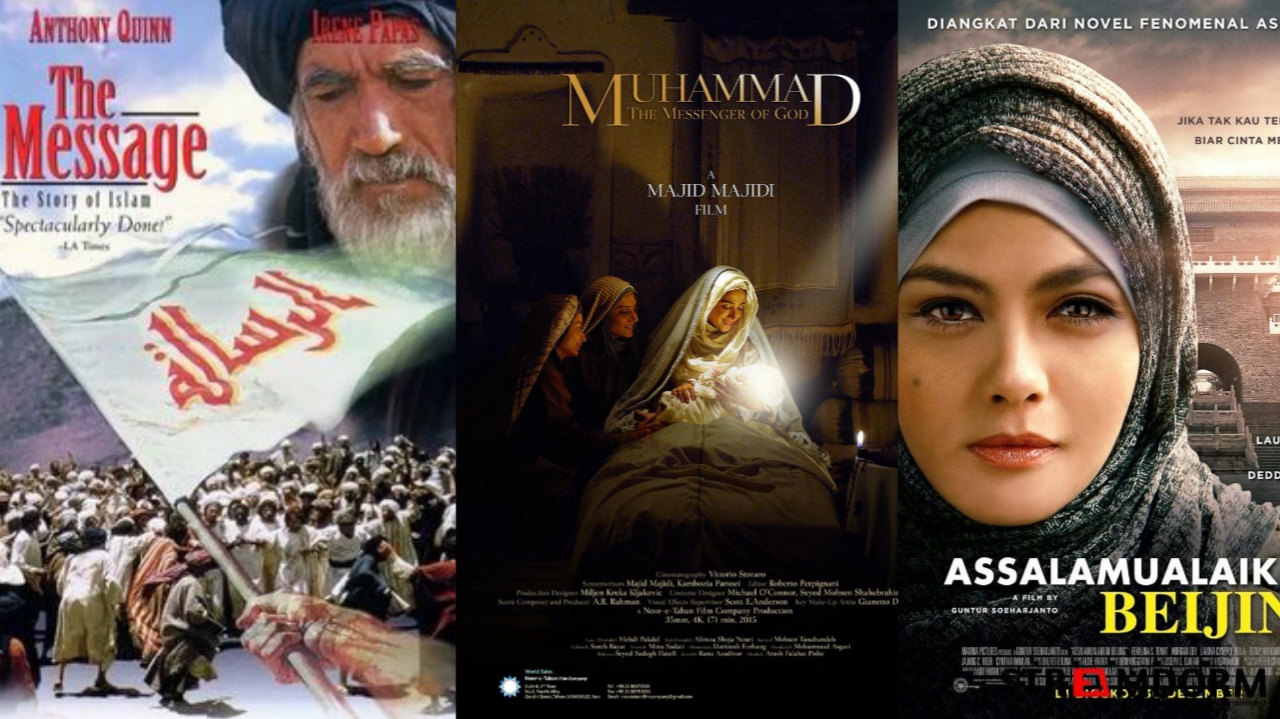
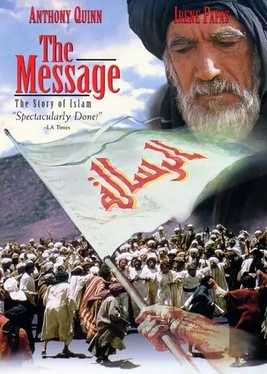
1. The Message (1976)

Often regarded as the most important Islamic film ever made, The Message tells the story of the early days of Islam and the spread of its message. Directed by Moustapha Akkad. The Message tells the story of the early rise of Islam in 7th-century Arabia. It follows the struggles of Prophet Muhammad’s early followers from persecution in Mecca to migration (Hijrah) and eventual establishment in Medina. The film respectfully avoids depicting the Prophet, instead telling the story through his companions.

Its storytelling, scale, and cultural significance make it a must-watch, especially during Eid when reflection on faith is central.

Major Cast

Anthony Quinn (Hamza)
Irene Papas (Hind)
Michael Ansara (Abu Sufyan)
Johnny Sekka (Bilal ibn Rabah)
Muhammad: The Messenger of God (2015)

This visually rich film focuses on the childhood of Prophet Muhammad (PBUH), offering a unique perspective rarely explored in cinema. Directed by Majid Majidi, the film blends spirituality with strong cinematography and emotional storytelling. Like The Message, it maintains religious sensitivity by not showing the Prophet directly.

It is an ideal choice for viewers who want something both educational and visually engaging during the holiday.

Major Cast

Mahdi Pakdel
Alireza Shoja Nouri
Mohsen Tanabandeh

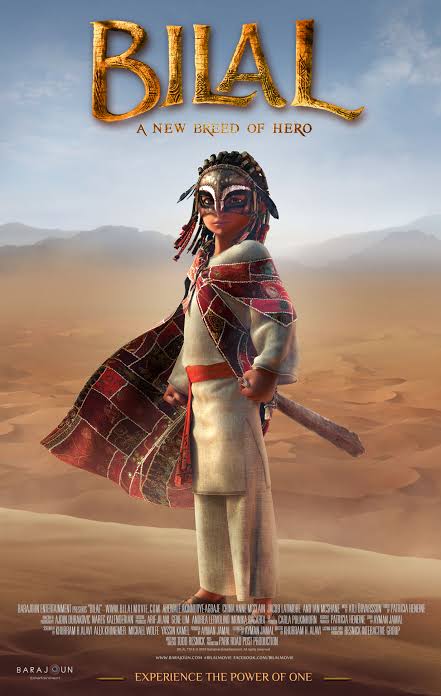
Bilal: A New Breed of Hero (2015)

For a more family-friendly option, Bilal: A New Breed of Hero tells the inspiring story of Bilal ibn Rabah, one of the most respected companions in Islamic history. It focuses on his courage, faith, and fight for freedom.

Directed by Khurram H. Alavi and Ayman Jamal

The animation brings the story to life in a way that is accessible to both younger audiences and adults, making it a perfect Eid watch for families. Beyond entertainment, it delivers powerful lessons about resilience, faith, and freedom. 

Major Voice Cast

Adewale Akinnuoye-Agbaje (Bilal)
Ian McShane (Umayyah)
China Anne McClain (Ghufaira)
Assalamualaikum Beijing (2014)

The film follows a young Muslim woman who travels to Beijing after a heartbreak. While documenting her journey, she meets a Chinese man who eventually converts to Islam. Their relationship is tested by illness and life challenges, making it a story about love, faith, and perseverance.

The film follows a young Muslim woman navigating life, relationships, and spirituality. It’s a softer, more relatable watch that still carries strong Islamic values.

Directed by Guntur Soeharjanto

Major Cast

Revalina S. Temat
Morgan Oey
Ibnu Jamil

The Muslims Are Coming! (2013)

If you’re looking for something light-hearted after a long day of celebrations, this comedy documentary provides a refreshing take on Muslim identity.

The documentary follows Muslim comedians touring the United States, using humor and real-life interactions to challenge stereotypes about Islam and Muslims.

Through humor and satire, the film challenges stereotypes and promotes understanding, making it both entertaining and thought-provoking, an unusual but fitting addition to your Eid watchlist. Directed by Negin Farsad and Dean Obeidallah

Major Cast / Appearances

Dean Obeidallah
Negin Farsad
Aasif Mandvi

Eid is not just about celebration, it is about reconnecting with faith, appreciating sacrifice, and strengthening bonds with family and community. These films reflect those values in different ways, from historical storytelling to modern-day experiences.

Eid Mubarak to all our Muslim readers. 
5 Underrated Romantic Movies Perfect for Valentine’s Day

Valentine’s Day movie lists often recycle the same titles, the big classics everyone has already seen like Titanic and The Notebook. But love on screen isn’t always about grand gestures or predictable happy endings. Some of the most meaningful romantic films live quietly outside mainstream conversation, offering deeper storytelling, realistic relationships, and emotional honesty.

If you’re looking for something different this Valentine’s season whether you’re watching alone, with a partner, or simply in the mood for thoughtful cinema, these underrated romantic films deliver powerful stories without the usual clichés.

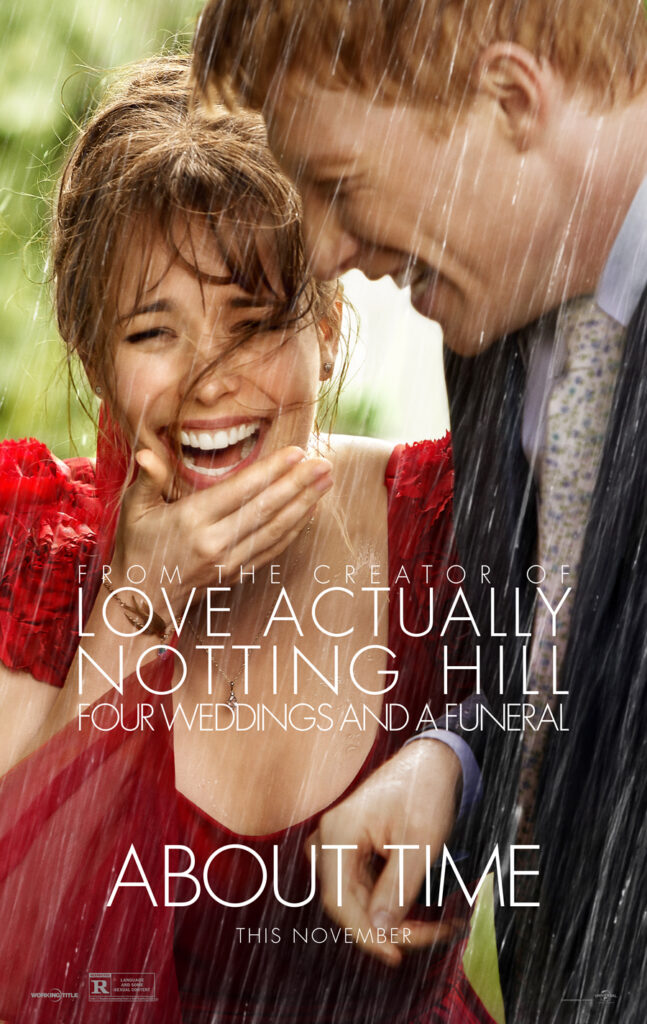
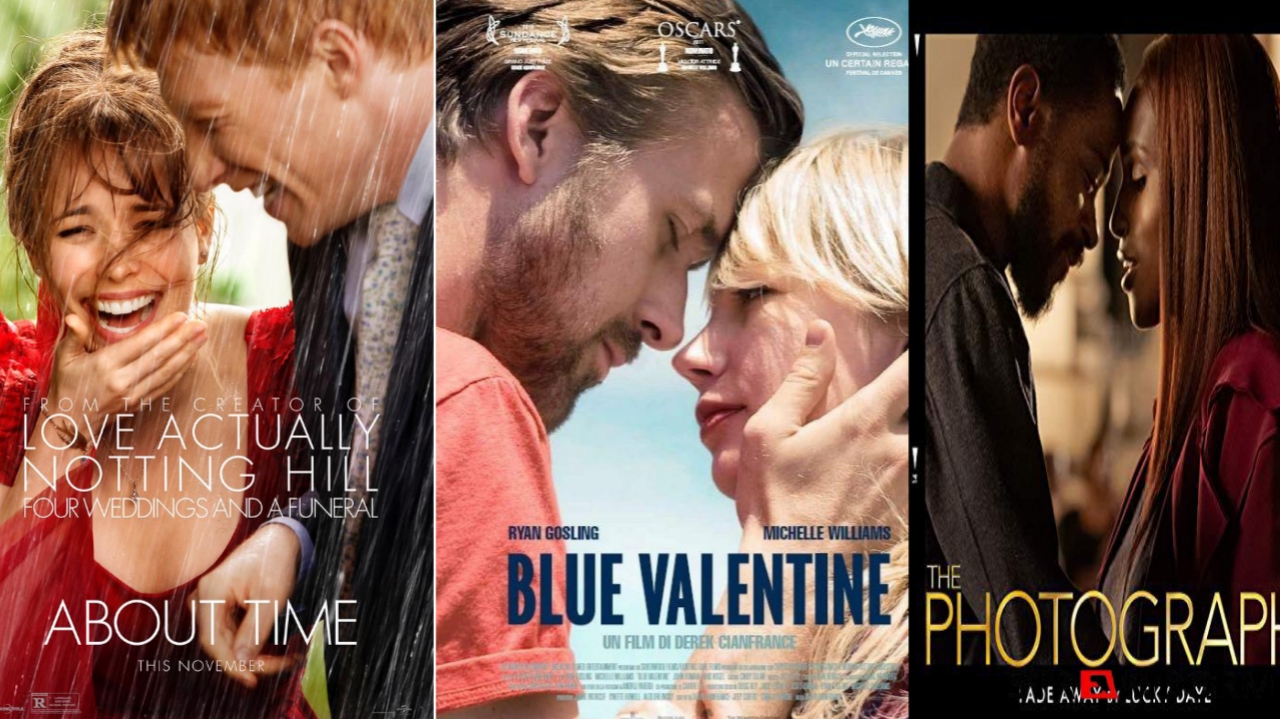
About Time

The story follows Tim, a young man who learns that the men in his family can travel through time. He uses this ability to improve his life and eventually pursue a meaningful relationship with Mary. As Tim navigates love, family, and personal growth, he learns that life’s beauty often lies in ordinary, everyday moments rather than extraordinary events. While the film carries a romantic core, it’s also a reflection on family, gratitude, and appreciating everyday experiences.

What makes it stand out for Valentine’s viewing is its emotional sincerity. Instead of relying solely on dramatic conflict, the story highlights how love grows through ordinary routines; shared breakfasts, small conversations, and quiet support. It’s warm, heartfelt, and surprisingly philosophical without losing its charm.

Blue Valentine

The film follows Dean and Cindy, a couple whose relationship is shown through two timelines; the early days of their passionate romance and the later stages of their struggling marriage. Through intimate moments and emotional conflicts, the story examines how love changes over time and how personal struggles can impact relationships.

Unlike traditional love stories, Blue Valentine presents a raw and honest portrayal of how relationships evolve over time. The film explores both the early excitement of falling in love and the challenges that emerge as life and expectations change.

Its strength lies in realism. The characters feel human; imperfect, vulnerable, and deeply emotional. While it may not be a light romantic comedy, it offers a powerful perspective on the complexity of love. For viewers who want something mature and grounded this Valentine’s Day, it provides a thoughtful alternative to idealized romance.

The Photograph

After the death of her mother, Mae begins to uncover hidden details about her mother’s past through photographs and letters. Along the way, she meets journalist Michael, and the two begin a quiet, evolving romance that mirrors the love story from the previous generation revealed through the memories she uncovers.

The Photograph tells a layered love story that moves between past and present, connecting two couples across different generations. The film is known for its calm pacing, elegant cinematography, and emotional depth rather than flashy storytelling.

One of its standout qualities is its focus on communication and emotional vulnerability. The characters take time to understand themselves and each other, creating a romance that feels genuine and intimate. It’s a great choice for viewers who appreciate slower narratives and character-driven storytelling.

Plus One

Ben and Alice are two single friends tired of attending weddings alone. They agree to be each other’s “plus one” for a series of events, hoping to avoid awkward questions and loneliness. As they navigate the wedding season together, their friendship is tested, and they begin to confront deeper emotions about love, commitment, and personal insecurities. What begins as a practical arrangement gradually turns into a deeper exploration of friendship, expectations, and romantic vulnerability.

Unlike many traditional rom-coms, the film embraces awkwardness and emotional honesty. The characters make mistakes, say the wrong things, and struggle with real-life insecurities which makes their journey feel relatable. It balances humor and sincerity in a way that feels fresh, making it perfect for viewers who want a Valentine’s movie that is both entertaining and emotionally grounded.

Before Sunrise

Jesse, an American traveler, meets Céline, a French student, on a train in Europe. On a whim, they decide to spend one night together exploring Vienna, sharing conversations about life, dreams, and love. As the hours pass, their connection deepens, creating an intimate and unforgettable experience shaped by fleeting time.

Before Sunrise is one of the most intimate romantic films ever made. Much of the film is built around conversations about dreams, fears, love, and life itself.

Its simplicity is its greatest strength. There are no elaborate plot twists or dramatic action scenes, just genuine human connection. For Valentine’s Day, it offers a calm, reflective viewing experience that reminds audiences how powerful meaningful conversations and shared moments can be.

Underrated romantic movies often provide a more authentic portrayal of relationships than mainstream blockbusters. They explore love in different forms; new beginnings, long-term commitment, emotional growth, and even difficult realities. For viewers tired of predictable storylines, these films bring fresh perspectives that feel closer to real life.

They also expand the definition of Valentine’s Day entertainment. Love stories don’t always have to be perfect or overly dramatic to be meaningful. Sometimes the most memorable films are the ones that quietly capture how people connect, communicate, and grow together.

If you’re planning a Valentine’s movie night and want something beyond the usual classics, these underrated romantic films offer depth, honesty, and originality. 

Happy Valentine’s Day!

Top 5 Movies About Power and Influence of All Time (Ranked)

Power has always been one of cinema’s most compelling subjects because it mirrors real life. Whether expressed through political authority, criminal dominance, financial control, or moral influence, films about power often reveal more about human nature than about leadership itself.

The greatest movies on power do not merely show who holds influence. They examine how power is acquired, how it is exercised, and what it ultimately costs. Across decades and genres, the films below stand out for their storytelling depth, cultural impact, and timeless insight into ambition and control.

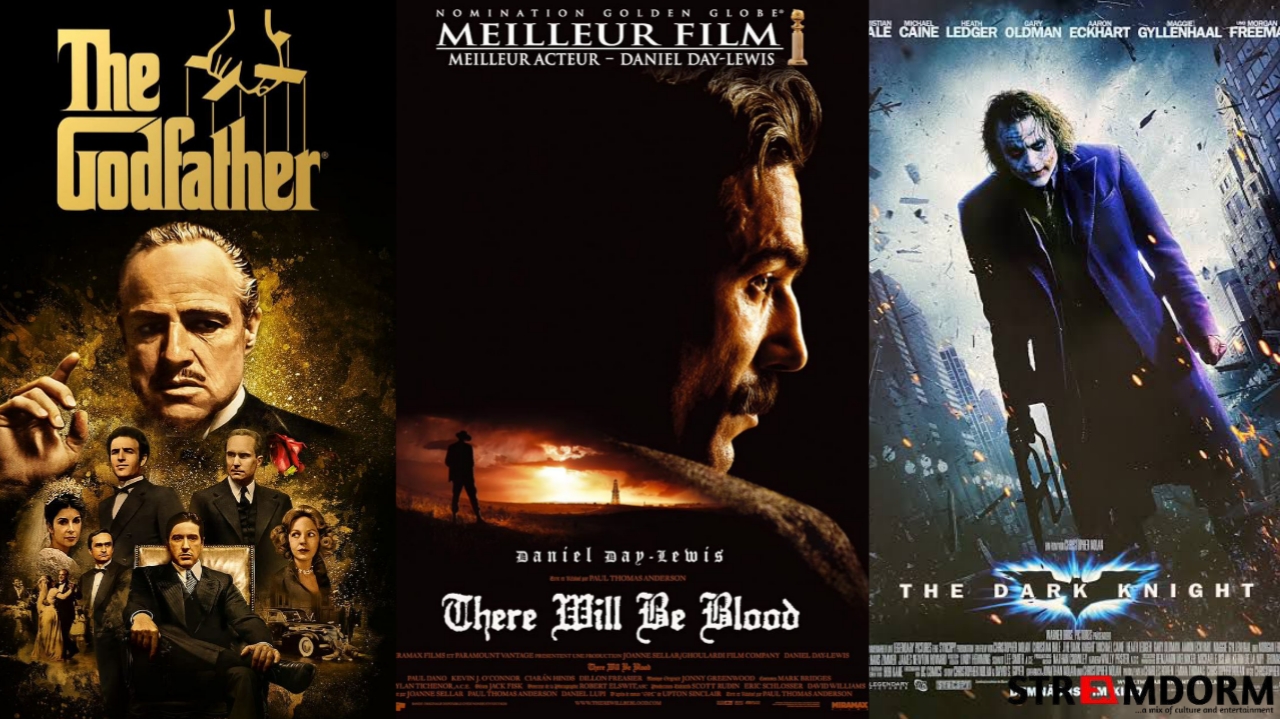
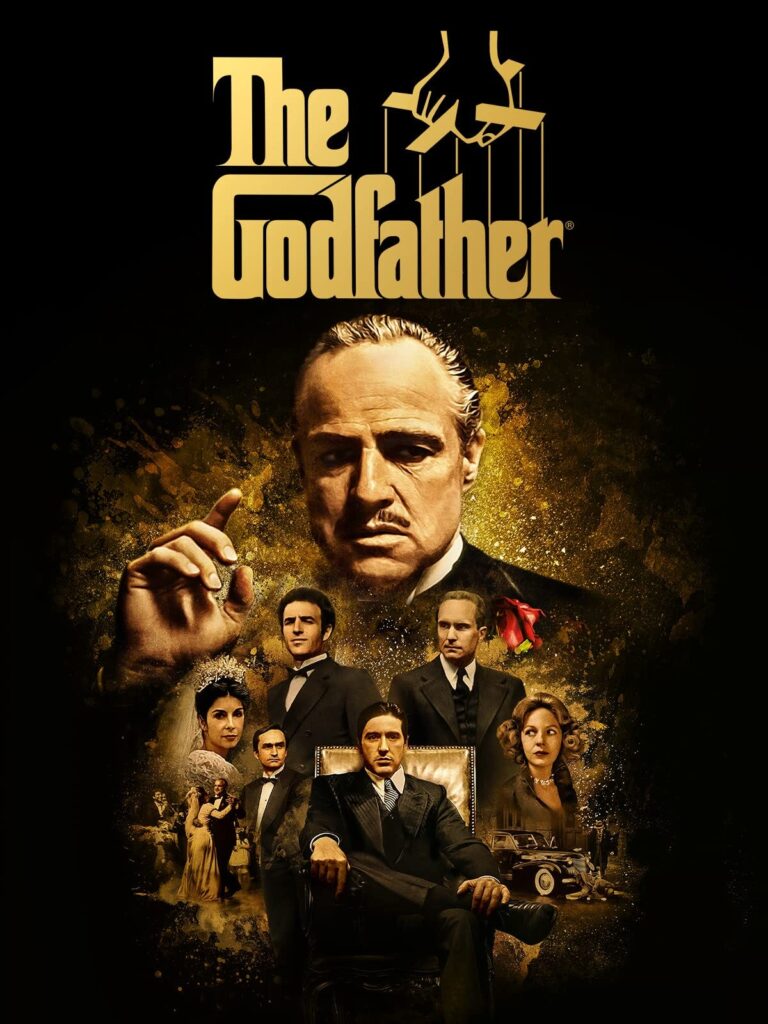
1. The Godfather (1972)

Director: Francis Ford Coppola

Theme: Power, legacy, loyalty, succession

The Godfather follows the Corleone family, one of the most powerful crime families in New York, led by Don Vito Corleone; a man whose influence is built not on chaos, but on respect, loyalty, and carefully negotiated relationships. Don Vito understands that real power is rarely loud; it is quiet, calculated, and deeply rooted in obligation.

As Don Vito’s health declines, attention shifts to his youngest son, Michael Corleone. Initially detached from the family business, Michael is gradually pulled into the world he once rejected. When external threats from rival families intensify, Michael makes a series of strategic decisions that transform him from a reluctant outsider into a ruthless leader.

By the film’s end, Michael has fully assumed control of the Corleone empire. He secures power and stability for the family but at the cost of his morality, emotional openness, and personal relationships.

The Godfather presents power as an inheritance that reshapes identity. It shows how influence is maintained through patience, silence, and long-term thinking, and how accepting power often means surrendering innocence.

No film explains the mechanics of power better; how it is earned, protected, transferred, and paid for.

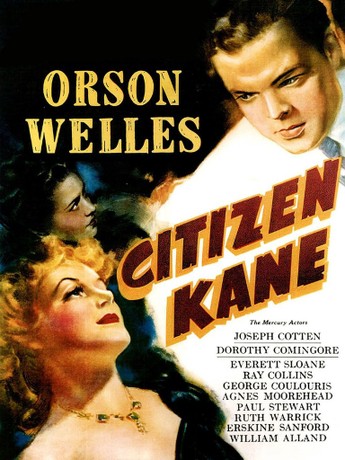
2. Citizen Kane (1941)

Director: Orson Welles

Theme: Media power, ambition, control

Citizen Kane chronicles the life of Charles Foster Kane, a newspaper magnate whose immense wealth allows him to shape public opinion on a national scale. The story unfolds through multiple perspectives as journalists attempt to decode the meaning of Kane’s final word: “Rosebud.”

As Kane builds his media empire, he uses newspapers as tools of influence; controlling narratives, manipulating public sentiment, and pursuing political power. His reach grows, but his personal life deteriorates. Relationships collapse under the weight of his ego and need for control.

Despite owning newspapers, mansions, and political leverage, Kane remains deeply unfulfilled. The film ultimately reveals that his hunger for influence was rooted in emotional loss. 

Citizen Kane frames influence not as victory, but as illusion. It argues that shaping the world does not guarantee mastery over oneself.

It exposes the emotional emptiness that can exist behind absolute influence.

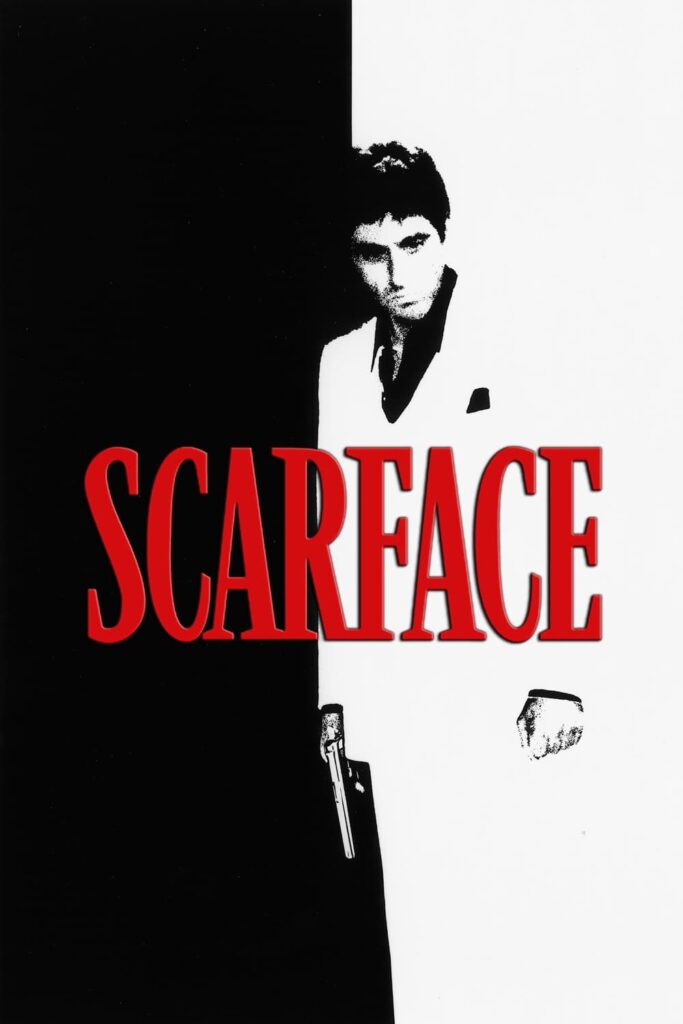
3. Scarface (1983)

Director: Brian De Palma

Theme: Ambition, fear-based power, excess

Scarface follows Tony Montana, a Cuban immigrant who arrives in Miami with nothing but ambition. Through violence, intimidation, and unfiltered desire, Tony rises rapidly within the drug trade, building an empire based on fear rather than loyalty.

Unlike structured power systems, Tony’s influence is unstable. As his wealth and reputation grow, so does his paranoia. He struggles to trust allies, refuses compromise, and reacts emotionally rather than strategically. His empire expands quickly but without discipline or restraint.

The film charts both Tony’s explosive rise and inevitable downfall, illustrating how power built purely on fear lacks durability. Tony does not lose power because he is weak; he loses it because he cannot manage it.

Scarface presents power as excess. Loud, reckless, and unsustainable.

It demonstrates how unchecked ambition turns influence into a weapon against oneself.

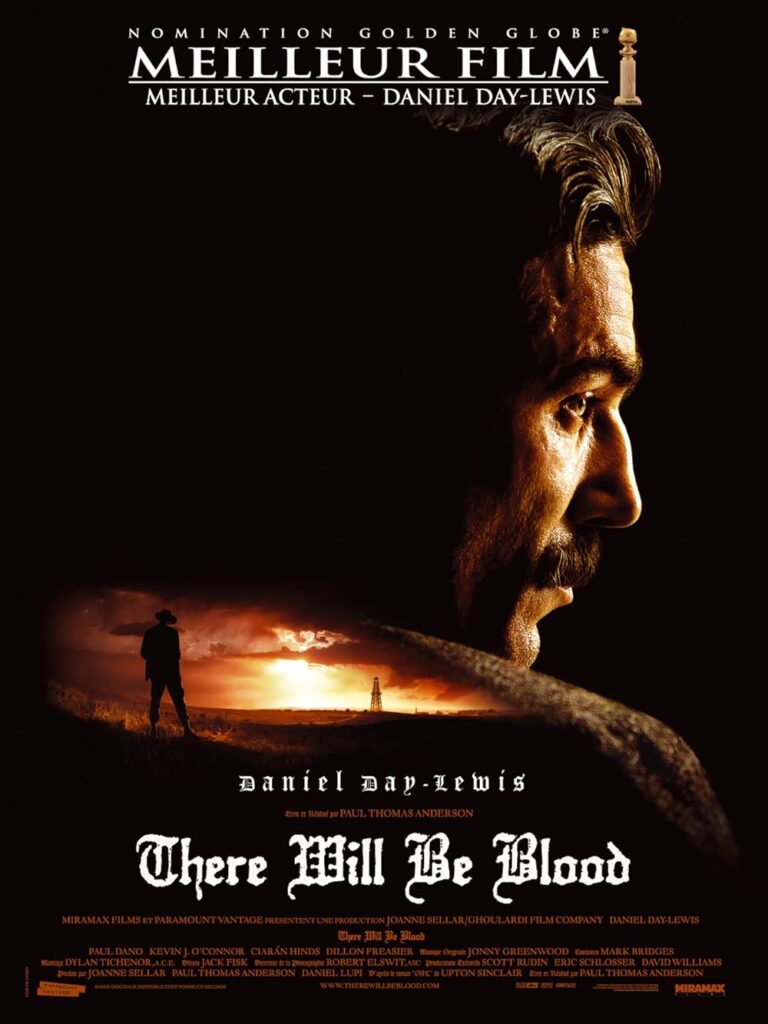
4. There Will Be Blood (2007)

Director: Paul Thomas Anderson

Theme: Capitalism, dominance, isolation

Set in early 20th-century America, There Will Be Blood centers on Daniel Plainview, an oil prospector whose pursuit of dominance is relentless. Plainview acquires land through manipulation, deception, and calculated charm, viewing people as obstacles or tools rather than partners.

As his wealth grows, his humanity diminishes. Relationships deteriorate, empathy disappears, and competition becomes personal obsession. Plainview’s power is not about public admiration; it is about control, superiority, and winning at any cost.

By the film’s conclusion, Plainview has achieved financial dominance but is completely isolated, emotionally hollow, and consumed by bitterness.

The film presents power as a corrosive force—one that does not explode outward, but eats away from within.

It portrays power as an obsession that strips away empathy, purpose, and connection.

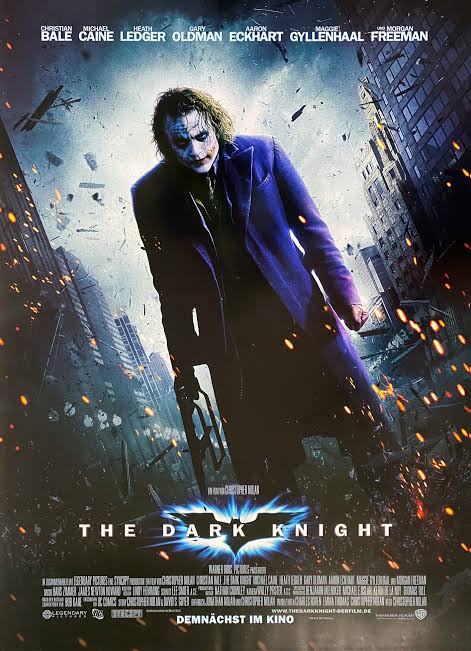
5. The Dark Knight (2008)

Director: Christopher Nolan

Theme: Moral authority, chaos, symbolic power

Though widely recognized as a superhero film, The Dark Knight is fundamentally a study of influence. Gotham City becomes a battleground of ideas rather than physical strength.

The Joker does not seek traditional power. Instead, he manipulates fear, uncertainty, and moral weakness to destabilize society. Batman represents authority through sacrifice, while Harvey Dent symbolizes public trust and institutional hope.

As the Joker’s influence spreads, Dent’s transformation exposes how fragile moral authority can be. The film argues that symbols of hope, fear, or justice can shape society more powerfully than laws or force.

The Dark Knight reframes power as belief. Whoever controls the narrative controls the city.

It proves that influence often exists in ideas, symbols, and fear. 

Power is not inherently evil, but cinema repeatedly shows that it is rarely neutral. These films endure because their lessons apply beyond the screen to politics, business, media, and personal ambition.

Ultimately, they remind us that power may elevate status, but it often erodes the very things that make life meaningful.

Top 5 Nollywood Movie Releases for January 2026

For new nollywood release observers, January is rarely the loudest month but 2026 opened with some good films. Instead of chasing spectacle, Nigerian cinema leaned into range; romance, genre experimentation, cultural drama, and commercial heavyweights that refused to fade with the new year.

While streaming platforms stayed relatively quiet, cinemas carried the momentum. These are the five films that defined Nollywood’s cinema conversation in January 2026.

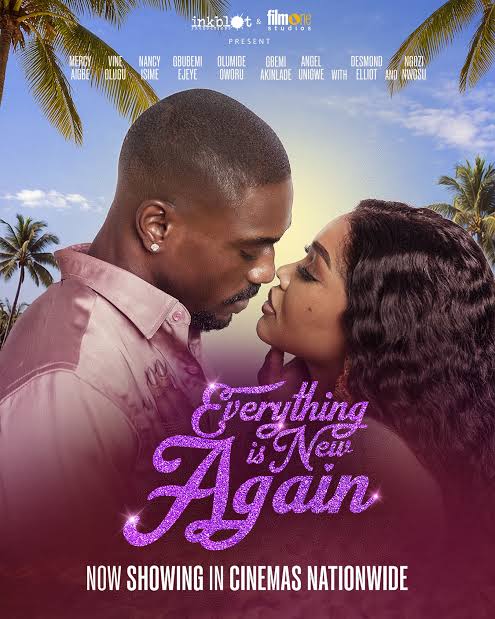
Everything Is New Again

Inkblot Productions and FilmOne Studios began the year with a romantic drama rooted in emotional familiarity rather than novelty. Everything Is New Again explores love through maturity, reflection, and timing; themes that resonate deeply with Nollywood’s core audience.

Storyline summary: The film follows two people forced to confront unfinished emotional business when their paths cross again. As past choices resurface, they must decide whether love deserves another chance and whether starting over is ever truly possible.

Released at the end of January, the film positioned itself as a steady, audience-friendly opener for the year, reinforcing Inkblot’s reputation for clean storytelling and commercial instincts.

Alive Till Dawn

Few January releases generated as much curiosity as Alive Till Dawn. A zombie thriller led by Uzor Arukwe, the film marked another step in Nollywood’s gradual but deliberate embrace of genre filmmaking.

Storyline summary: Set over one terrifying night, the story follows a small group fighting to survive as a sudden outbreak throws their world into chaos. With danger closing in from every direction, survival becomes a test of instinct, trust, and endurance until daybreak.

Rather than playing it safe, the film leaned into tension and suspense, offering audiences something distinctly different from Nollywood’s traditional drama-heavy slate.

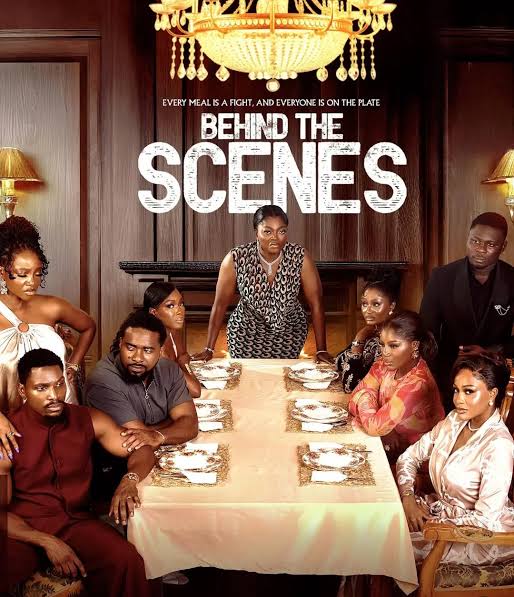
Behind The Scenes

Though released in December 2025, Behind The Scenes remained a dominant presence well into January 2026. Its extended cinema run and sustained audience interest made it one of the most visible Nollywood titles of the month.

Storyline summary: The film pulls back the curtain on ambition, power, and personal compromise within a high-pressure environment. As relationships fracture and hidden agendas emerge, the characters must confront the emotional cost of success.

Its continued relevance highlighted a larger trend: Nollywood hits no longer expire with the calendar year, but now carry cultural momentum across months.

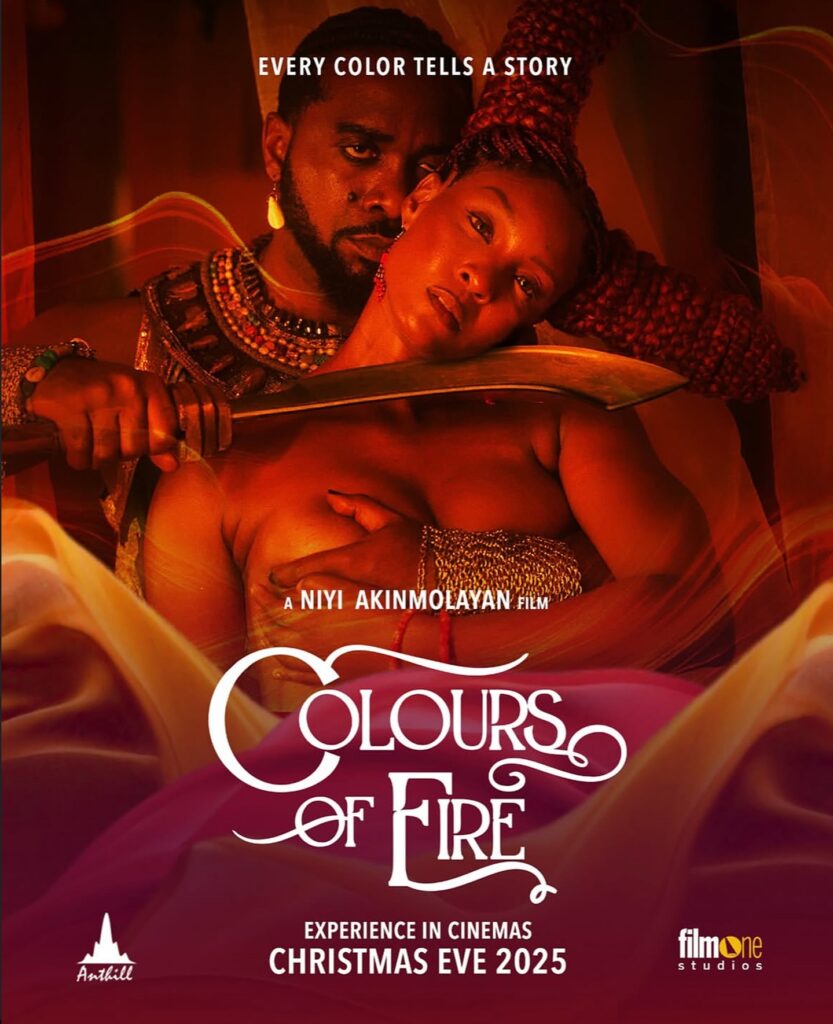
Colours Of Fire

Colours Of Fire leaned fully into Nollywood’s strength in epic, emotionally charged storytelling. Built around themes of forbidden love, tradition, and conflict, the film delivered scale without sacrificing intimacy.

Storyline summary: Against a backdrop of tradition and rivalry, two people fall in love where they are not supposed to. Their relationship ignites tension between families and communities, forcing difficult choices between duty, identity, and desire.

Released in late January, the film found its audience among viewers drawn to dramatic tension and culturally grounded narratives.

Gingerrr

Rounding out the list is Gingerrr, a stylish action-comedy heist film powered by an all-female ensemble cast. Fast-paced and playful, the film added levity to January’s cinema lineup.

Storyline summary: The story follows a bold, unconventional crew planning a risky operation. As the plan unfolds, personalities clash, loyalties are tested, and nothing goes exactly as expected, blending action with sharp humor.

Its inclusion reflects Nollywood’s growing interest in balance; films that entertain without heavy emotional weight, and stories that broaden the scope of mainstream Nigerian cinema.

Scroll to Top