Top 5 Movies About Power and Influence of All Time (Ranked)

Power has always been one of cinema’s most compelling subjects because it mirrors real life. Whether expressed through political authority, criminal dominance, financial control, or moral influence, films about power often reveal more about human nature than about leadership itself.

The greatest movies on power do not merely show who holds influence. They examine how power is acquired, how it is exercised, and what it ultimately costs. Across decades and genres, the films below stand out for their storytelling depth, cultural impact, and timeless insight into ambition and control.

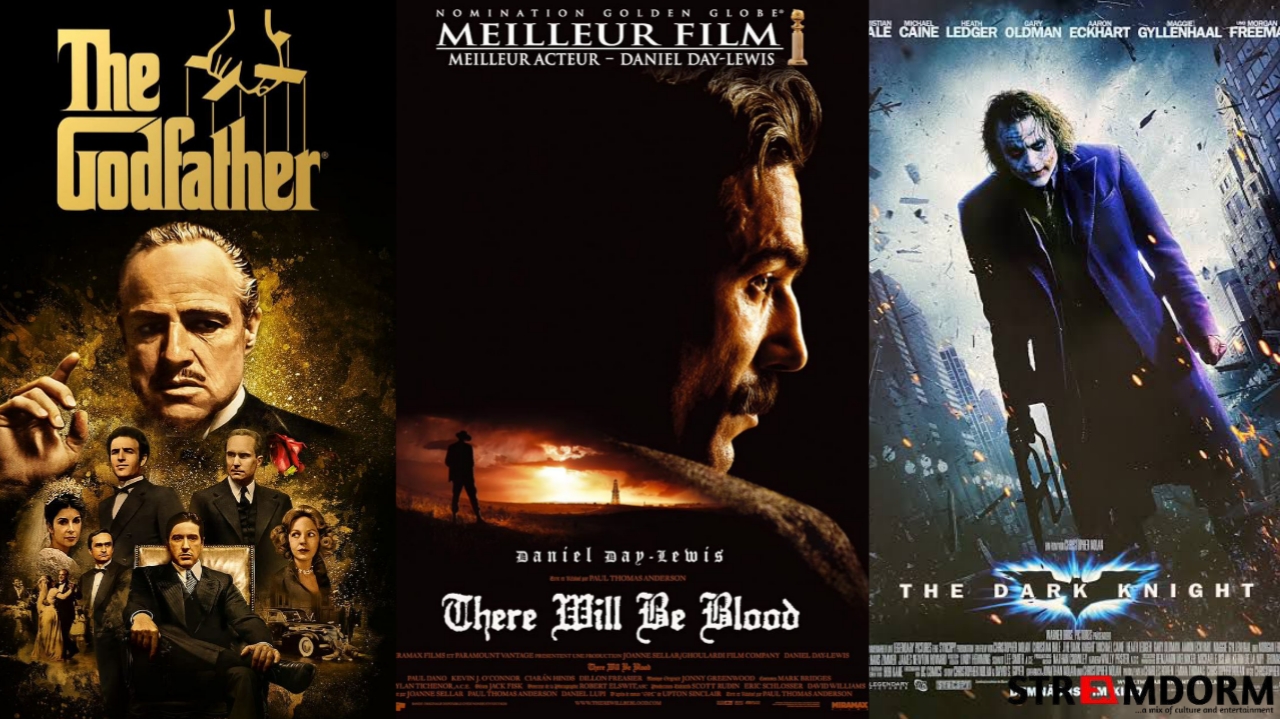
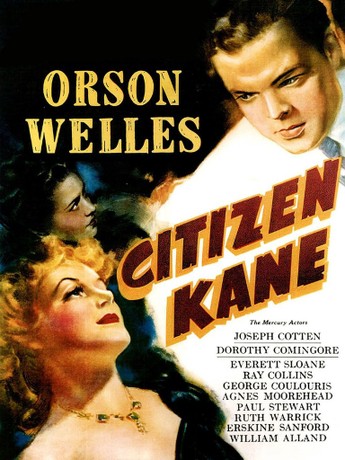
1. The Godfather (1972)

Director: Francis Ford Coppola

Theme: Power, legacy, loyalty, succession

The Godfather follows the Corleone family, one of the most powerful crime families in New York, led by Don Vito Corleone; a man whose influence is built not on chaos, but on respect, loyalty, and carefully negotiated relationships. Don Vito understands that real power is rarely loud; it is quiet, calculated, and deeply rooted in obligation.

As Don Vito’s health declines, attention shifts to his youngest son, Michael Corleone. Initially detached from the family business, Michael is gradually pulled into the world he once rejected. When external threats from rival families intensify, Michael makes a series of strategic decisions that transform him from a reluctant outsider into a ruthless leader.

By the film’s end, Michael has fully assumed control of the Corleone empire. He secures power and stability for the family but at the cost of his morality, emotional openness, and personal relationships.

The Godfather presents power as an inheritance that reshapes identity. It shows how influence is maintained through patience, silence, and long-term thinking, and how accepting power often means surrendering innocence.

No film explains the mechanics of power better; how it is earned, protected, transferred, and paid for.
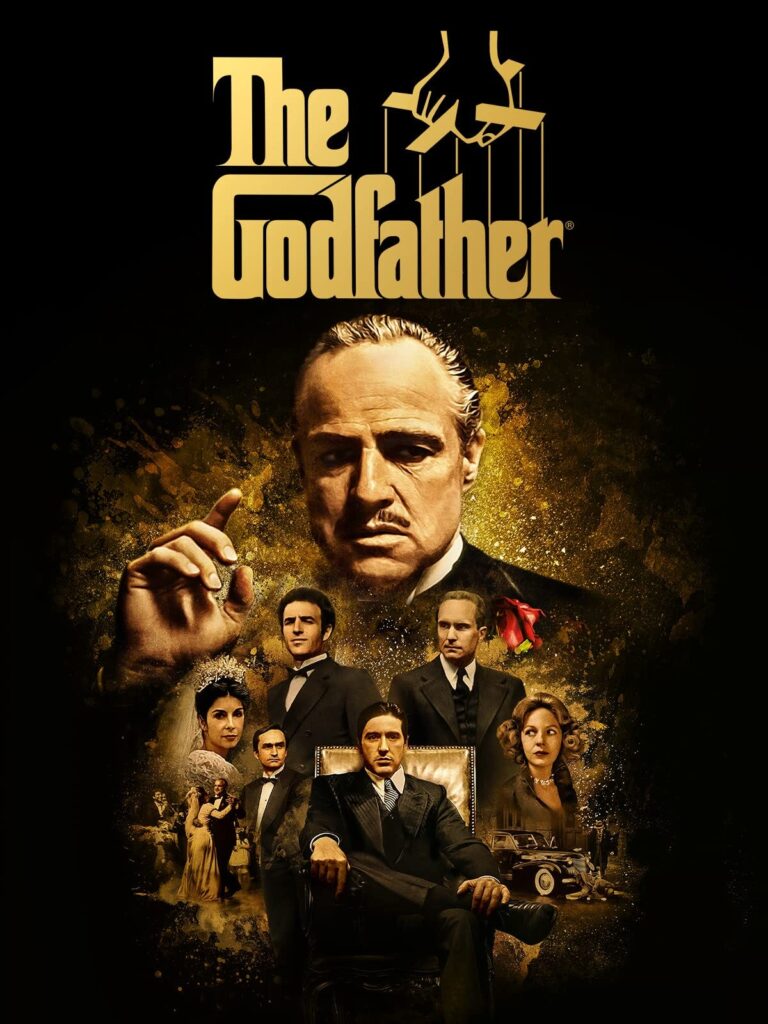
2. Citizen Kane (1941)

Director: Orson Welles

Theme: Media power, ambition, control

Citizen Kane chronicles the life of Charles Foster Kane, a newspaper magnate whose immense wealth allows him to shape public opinion on a national scale. The story unfolds through multiple perspectives as journalists attempt to decode the meaning of Kane’s final word: “Rosebud.”

As Kane builds his media empire, he uses newspapers as tools of influence; controlling narratives, manipulating public sentiment, and pursuing political power. His reach grows, but his personal life deteriorates. Relationships collapse under the weight of his ego and need for control.

Despite owning newspapers, mansions, and political leverage, Kane remains deeply unfulfilled. The film ultimately reveals that his hunger for influence was rooted in emotional loss. 

Citizen Kane frames influence not as victory, but as illusion. It argues that shaping the world does not guarantee mastery over oneself.

It exposes the emotional emptiness that can exist behind absolute influence.
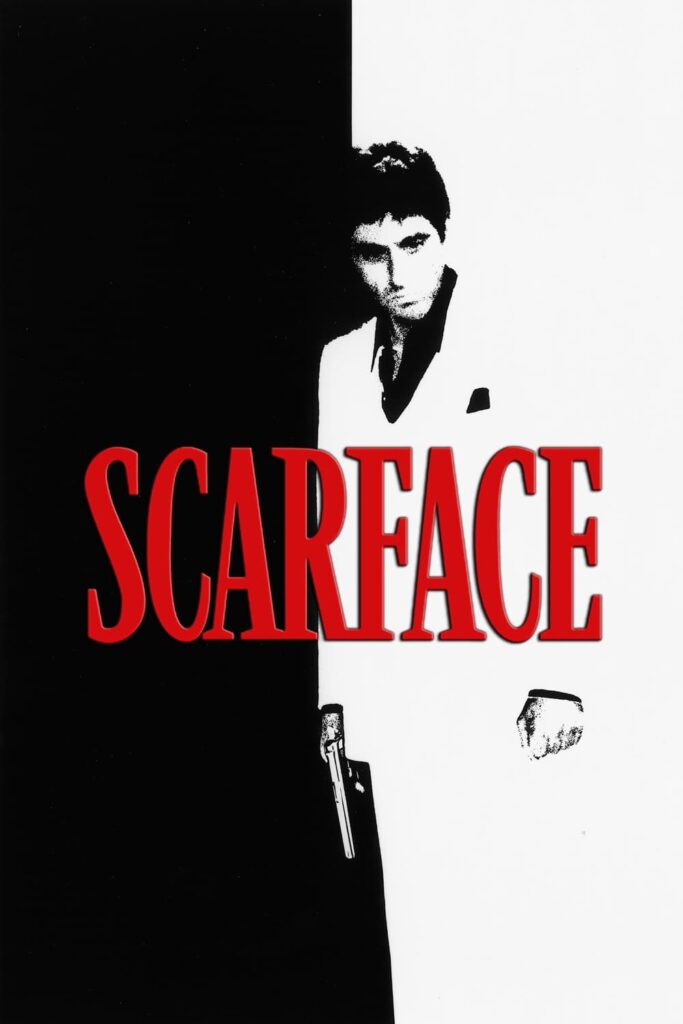
3. Scarface (1983)

Director: Brian De Palma

Theme: Ambition, fear-based power, excess

Scarface follows Tony Montana, a Cuban immigrant who arrives in Miami with nothing but ambition. Through violence, intimidation, and unfiltered desire, Tony rises rapidly within the drug trade, building an empire based on fear rather than loyalty.

Unlike structured power systems, Tony’s influence is unstable. As his wealth and reputation grow, so does his paranoia. He struggles to trust allies, refuses compromise, and reacts emotionally rather than strategically. His empire expands quickly but without discipline or restraint.

The film charts both Tony’s explosive rise and inevitable downfall, illustrating how power built purely on fear lacks durability. Tony does not lose power because he is weak; he loses it because he cannot manage it.

Scarface presents power as excess. Loud, reckless, and unsustainable.

It demonstrates how unchecked ambition turns influence into a weapon against oneself.
4. There Will Be Blood (2007)

Director: Paul Thomas Anderson

Theme: Capitalism, dominance, isolation

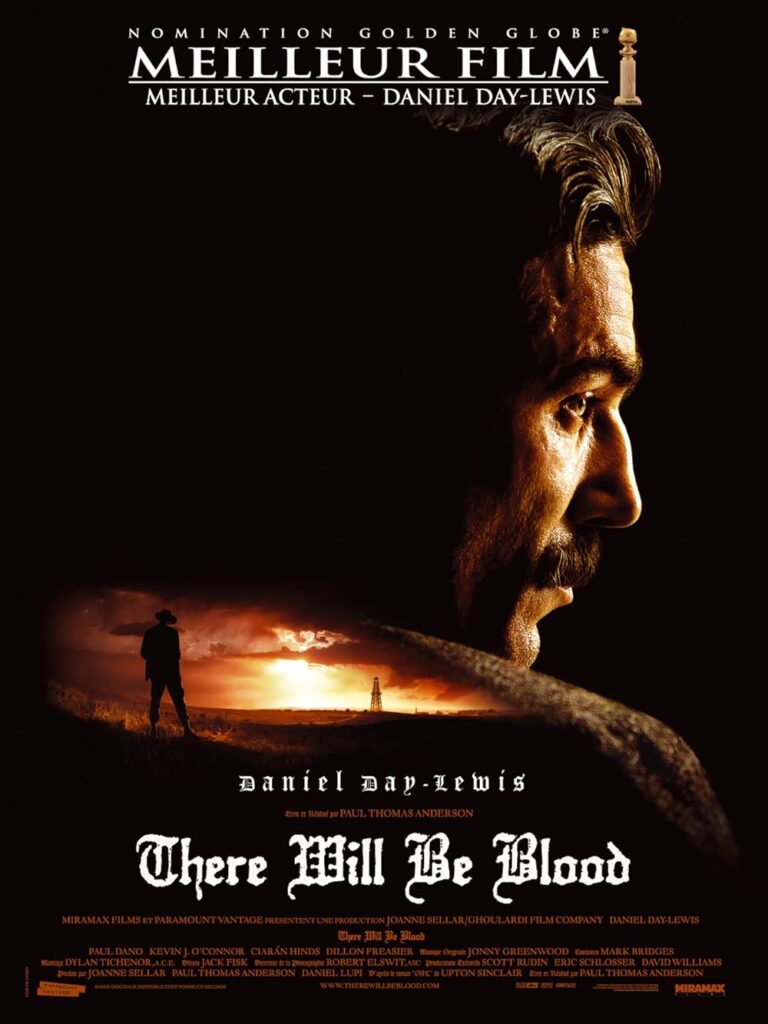
Set in early 20th-century America, There Will Be Blood centers on Daniel Plainview, an oil prospector whose pursuit of dominance is relentless. Plainview acquires land through manipulation, deception, and calculated charm, viewing people as obstacles or tools rather than partners.

As his wealth grows, his humanity diminishes. Relationships deteriorate, empathy disappears, and competition becomes personal obsession. Plainview’s power is not about public admiration; it is about control, superiority, and winning at any cost.

By the film’s conclusion, Plainview has achieved financial dominance but is completely isolated, emotionally hollow, and consumed by bitterness.

The film presents power as a corrosive force—one that does not explode outward, but eats away from within.

It portrays power as an obsession that strips away empathy, purpose, and connection.
5. The Dark Knight (2008)

Director: Christopher Nolan

Theme: Moral authority, chaos, symbolic power

Though widely recognized as a superhero film, The Dark Knight is fundamentally a study of influence. Gotham City becomes a battleground of ideas rather than physical strength.

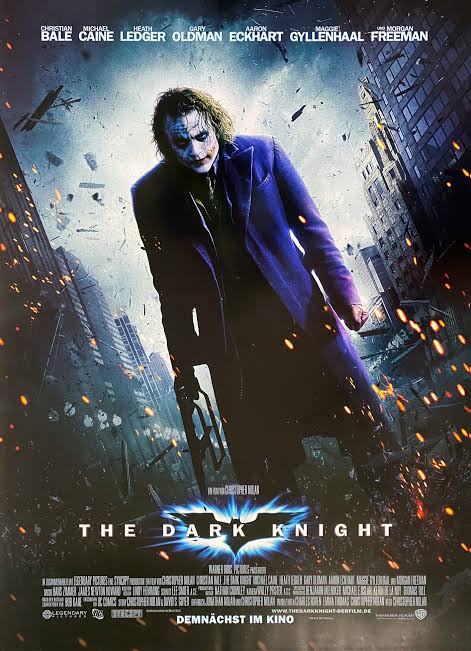
The Joker does not seek traditional power. Instead, he manipulates fear, uncertainty, and moral weakness to destabilize society. Batman represents authority through sacrifice, while Harvey Dent symbolizes public trust and institutional hope.

As the Joker’s influence spreads, Dent’s transformation exposes how fragile moral authority can be. The film argues that symbols of hope, fear, or justice can shape society more powerfully than laws or force.

The Dark Knight reframes power as belief. Whoever controls the narrative controls the city.

It proves that influence often exists in ideas, symbols, and fear. 
Power is not inherently evil, but cinema repeatedly shows that it is rarely neutral. These films endure because their lessons apply beyond the screen to politics, business, media, and personal ambition.

Ultimately, they remind us that power may elevate status, but it often erodes the very things that make life meaningful.
10 Greatest Nollywood Movies of All Time (Ranked)

Nollywood, Nigeria’s film industry, has grown from grassroots video productions into one of the world’s largest film powerhouses. With thousands of releases every year, Nollywood tells stories that blend culture, history, comedy, and drama. But a few films stand out as milestones; either for their artistry, commercial impact, or influence on the industry.
Below is a ranking of the 10 greatest Nollywood movies of all time, alongside an explanation of how the ranking was determined.

The Ranking

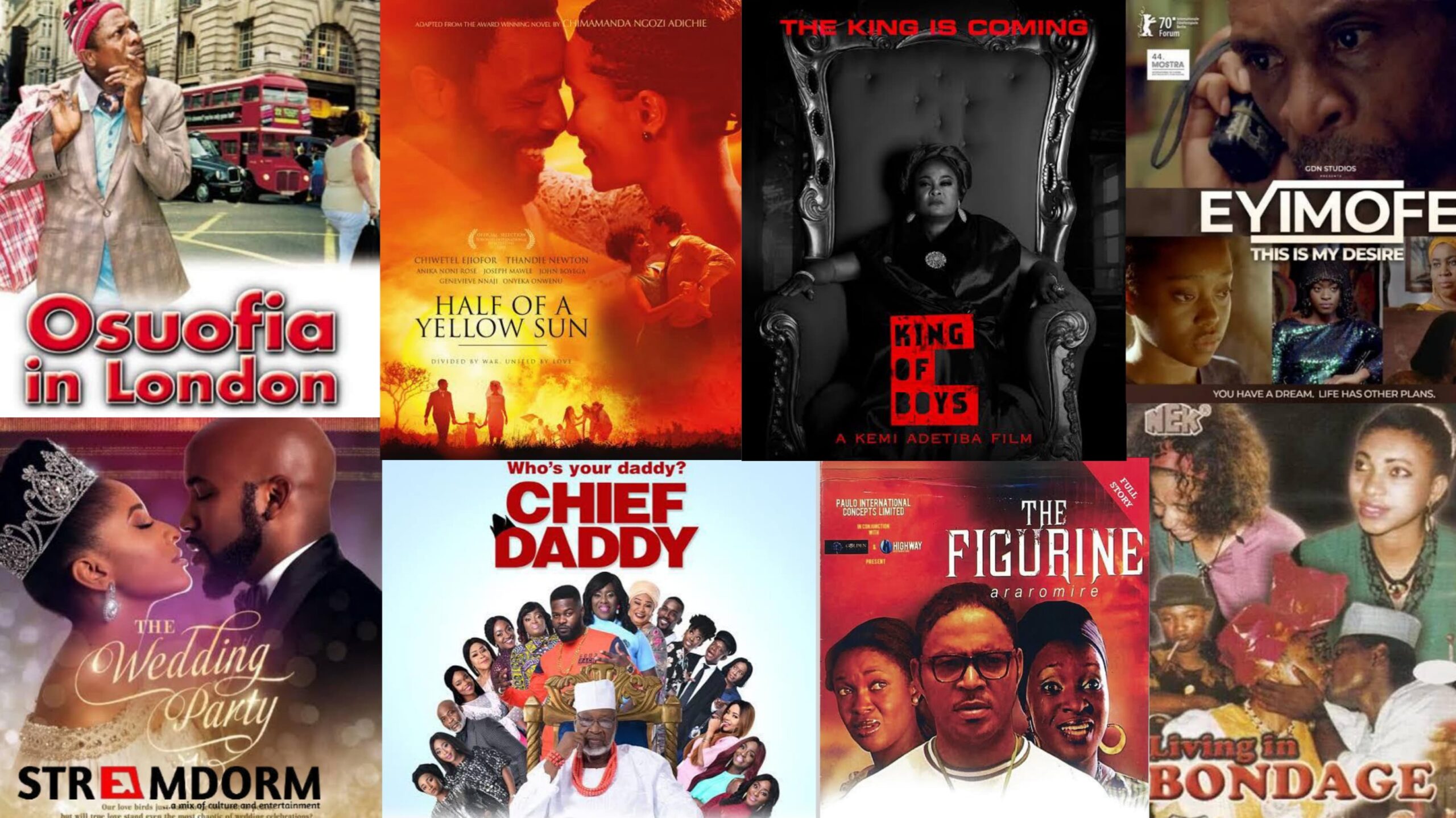
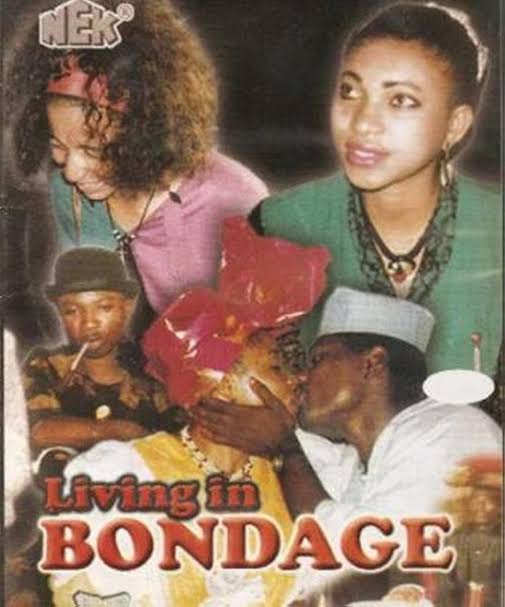
1. Living in Bondage (1992)

Widely regarded as the film that launched Nollywood’s video boom, it tells the story of a man who joins a secret cult in search of wealth, only to suffer tragic consequences. Its success marked a turning point for Nigerian cinema.

Summary: The film tells the story of Andy Okeke, who is lured into a money ritual cult. Though he becomes wealthy, the spiritual consequences destroy his life, leaving a cautionary legacy. It was a cultural reset that birthed Nollywood.

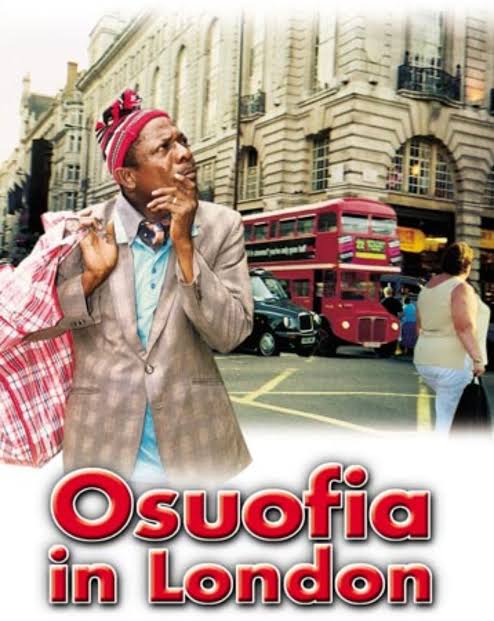
2. Osuofia in London (2003)

This comedy starring Nkem Owoh remains one of Nollywood’s most iconic films. It follows a naive villager who travels to London to claim an inheritance, blending Nigerian humor with cross-cultural themes.

Summary: Osuofia, a villager, travels to London to inherit his late brother’s property. His naive outlook collides with Western culture, creating comedic situations and showing the humor in cultural clashes.

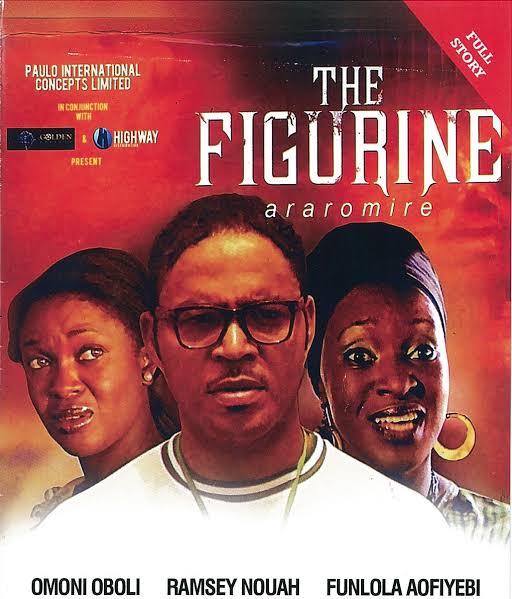
3. The Figurine (2009)

Directed by Kunle Afolayan, this psychological thriller won multiple African Movie Academy Awards. It is praised for its strong storytelling, cinematography, and for raising Nollywood’s technical standards.

Summary: Friends discover a mystical statue said to bring seven years of fortune, followed by seven years of doom. Their lives spiral as destiny, superstition, and human choices collide in this thriller.

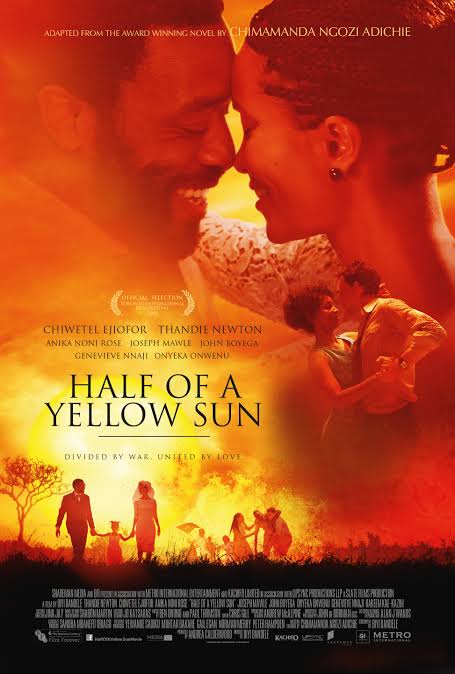
4. Half of a Yellow Sun (2013)

Based on Chimamanda Ngozi Adichie’s acclaimed novel, this historical drama explores love and loss during the Nigerian Civil War. With international stars like Chiwetel Ejiofor and Thandie Newton, it brought global attention to Nollywood storytelling.

Summary: Set during the Nigerian Civil War, the story follows twin sisters Olanna and Kainene as they navigate love, betrayal, and survival. It brings the human side of war to the big screen.

5. October 1 (2014)

Set just before Nigeria’s independence, Kunle Afolayan’s thriller follows a detective solving murders in a small town. It is both a gripping crime story and a reflection on colonial legacies.

Summary: A police detective from Lagos is sent to a rural town to solve a series of murders just before independence. As he uncovers the truth, the film explores themes of trauma, colonialism, and national identity.

6. The Wedding Party (2016)

A romantic comedy that became Nigeria’s highest-grossing film at the time, grossing over ₦452 million. It captured the glamour, chaos, and humor of Nigerian weddings with mass audience appeal.

Summary: On the day of a high-society Nigerian wedding, chaos ensues as families clash, secrets spill, and love is tested. It’s a glamorous rom-com filled with laughter and cultural celebration.

7. The Wedding Party 2: Destination Dubai (2017)

The sequel continued the success, this time set in Dubai. It reinforced Nollywood’s ability to deliver commercially successful, star-studded productions.

Summary: Picking up from the first film, this sequel follows a lavish wedding in Dubai. With drama, comedy, and exotic settings, it continues the spectacle that made the first movie a hit.

8. Chief Daddy (2018)

A family comedy about the chaos that follows a wealthy man’s death. With a star-studded cast, it was another major box office hit, earning about ₦387 million.

Summary: When a wealthy patriarch dies, his dysfunctional family scrambles to secure their inheritance. The film is a blend of humor and family drama, showing the chaos money leaves behind.

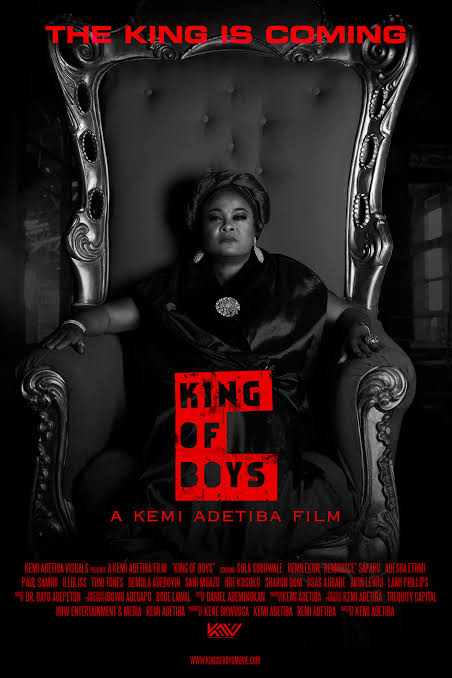
9. King of Boys (2018)

Directed by Kemi Adetiba, this political thriller follows a powerful woman navigating corruption and ambition. It received widespread acclaim for its storytelling and powerhouse performance by Sola Sobowale.

Summary: Eniola Salami, a powerful businesswoman with political ambitions, struggles to hold onto power. Betrayals, rivalries, and her own ruthlessness drive this intense political thriller.

10. Eyimofe (2020)

An internationally acclaimed drama that portrays everyday Lagosians striving for better lives. It premiered at the Berlin International Film Festival and became the first Nigerian film added to The Criterion Collection.

Summary: Split into two chapters ‘This is My Desire’ and ‘This is My Story’ the film follows Mofe, an engineer, and Rosa, a hairdresser. Both dream of leaving Nigeria for a better life, but face harsh realities of class and survival.

How This Ranking Was Done

This ranking was not based solely on box office numbers or popularity. Instead, it considered four main factors:

  1. Historical Significance: Films that shaped Nollywood’s identity or marked a turning point in the industry.
  2. Critical Acclaim & Awards: Recognition from film critics, African Movie Academy Awards, and international festivals.
  3. Box Office Success & Popularity: Movies that broke records or captured mass audiences.
  4. Cultural Impact & Longevity: Titles that influenced pop culture, inspired conversations, or remain classics.

By balancing these factors, this list highlights films that not only entertained but also elevated Nollywood’s reputation globally.

Nollywood continues to evolve, moving from grassroots productions to globally recognized cinema. The films on this list represent milestones in that journey whether through breaking box office records, winning international acclaim, or shaping cultural conversations. As Nollywood grows, future films may join or even surpass these greats, but their legacy will always remain part of Nigeria’s cinematic history.

Top 20 Yoruba Gospel Artists of All Time

Gospel music goes beyond the lyrics, beats, or rhythm; it is the connection to the soul. Being a gospel artist may not win you 20 awards in one year, but the impact will be felt for generations.

Traditional gospel artists combine English and their local language to produce the finest soul-touching songs. This article will highlight 20 of the greatest Yoruba gospel artists of all time, presented in no particular order.

Tope Alabi

Tope Alabi is a successful artist and actress. She has written and released hundreds of songs. Many of her songs are sung in numerous churches nationwide and are featured in films and television programs.

Before gospel music, she belonged to the Jesters International comedy troupe and has performed in various theatres in Nigeria. She has released over seven albums in her lifetime and over 350 soundtracks for films and series.

Lara George

Lara George is a respected and award-winning Gospel musician and producer, she was once a member of the group, KUSH before going solo. In 2008, she published her first studio album, Forever in My Heart featuring her hit single “Ijoba Orun.”

Sola Allyson

Sola Allyson-Obaniyi, born on September 24, 1971, is recognized as one of Nigeria’s most successful and accomplished soul and gospel musicians and composers. She gained recognition after the release of her album Eji Owuro in 2003, The album was made into a film and the tracks were made the official soundtrack for the film – Eji Owuro.

Others include:

Yinka Ayefele

Lanre Teriba

Ayo Vincent

Bola Are

Bidemi Olaoba

Dunni Olanrewaju

Tomi Favored

Sunmisola Agbebi

Funmi Aragbaye

TY Bello

Snatcha

Joseph Adebayo Adelakun

Joshua Mike-Bamiloye

Kunle Ajayi

Mega 99

Mr Gbera

Funke Bada

Scroll to Top