African Countries That Retained Their Colonial Names After Independence

When African nations began gaining independence in the mid-20th century, many saw renaming as an important act of reclaiming identity. Countries such as the Gold Coast became Ghana (1957), Upper Volta became Burkina Faso (1984), and French Sudan became Mali (1960), all in a bid to restore indigenous pride.

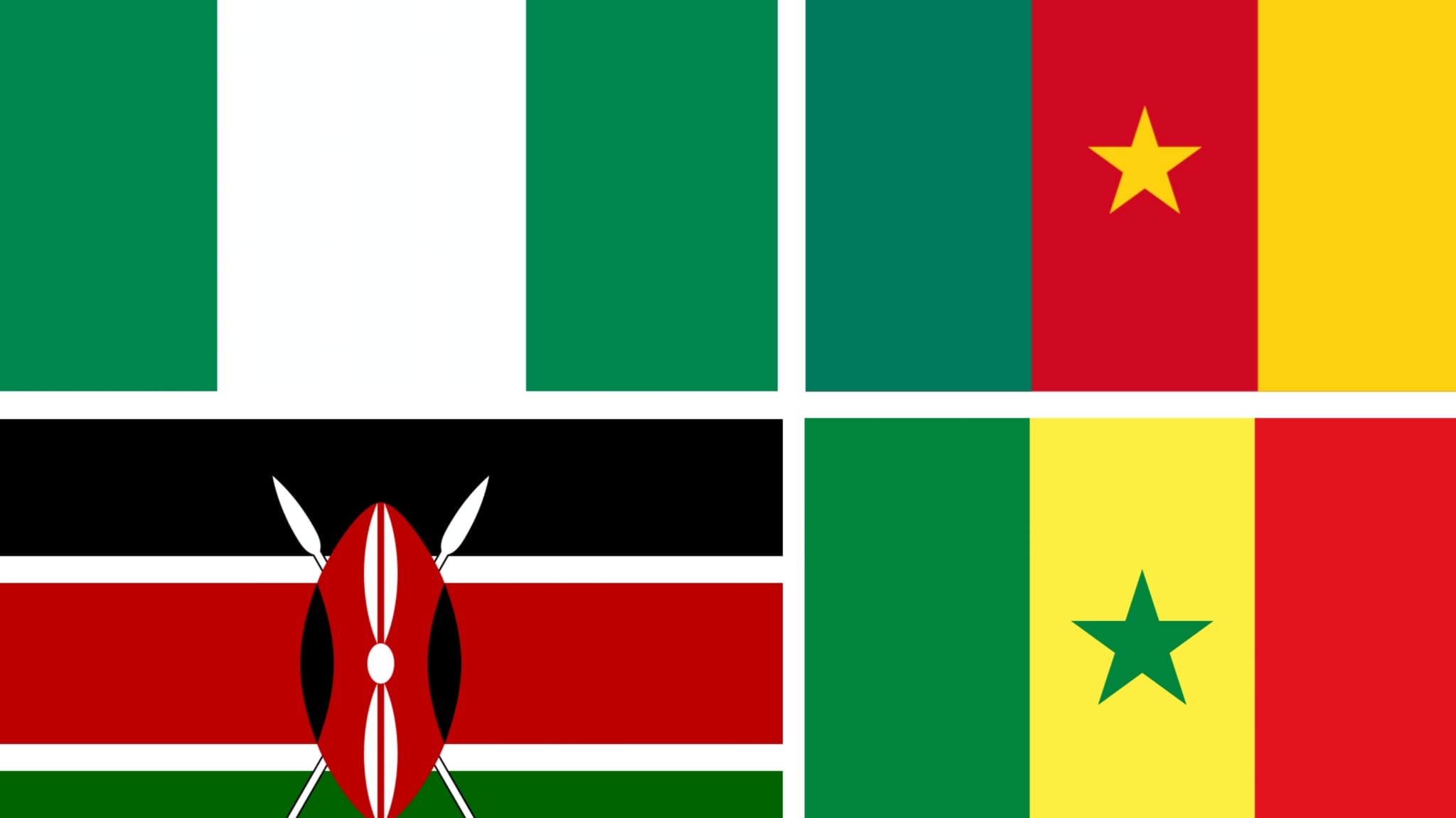
However, not all states chose to abandon their colonial names. Some retained them due to global recognition, deep geographical links, or because the names were already widely accepted. Below is a look at African countries that kept their colonial-era names, with details on their independence year and colonial rulers.

Nigeria

Nigeria, Africa’s most populous country and one of its largest economies, was a key British colony in West Africa. Its name, however, was coined by a British journalist rather than drawn from indigenous origins.

Colonial Name: Nigeria (from ‘Niger Area,’ coined by Flora Shaw in 1897)
Colonizer: Britain
Independence: October 1, 1960

Kenya

Kenya, home to rich wildlife reserves and diverse ethnic groups, was a British colony that became a central hub of East Africa. Its name is tied to its highest peak, Mount Kenya.

Colonial Name: Kenya (derived from Mount Kenya, from Kikuyu ‘Kirinyaga’)
Colonizer: Britain
Independence: December 12, 1963

Uganda

Uganda, often called the ‘Pearl of Africa,’ was named after the Buganda Kingdom, one of its most influential pre-colonial states. The British mispronounced Buganda as Uganda, and the name stuck.

Colonial Name: Uganda (from Buganda Kingdom)
Colonizer: Britain
Independence: October 9, 1962

Cameroon

Cameroon’s name dates back to Portuguese explorers who discovered a river teeming with prawns and named it Rio dos Camarões. The territory later passed through German, French, and British control.

Colonial Name: Cameroon (from Portuguese ‘Rio dos Camarões’ – River of Prawns)
Colonizer: Germany, Britain & France
Independence: 1 January, 1960/ 1 October, 1961 

Gabon

Gabon, situated along the Atlantic coast of Central Africa, derived its name from the Portuguese word for cloak, describing the estuary’s shape. It remained a French colony until independence.

Colonial Name: Gabon (from Portuguese ‘Gabão’ – cloak-shaped estuary)
Colonizer: France
Independence: August 17, 1960
Senegal

Senegal, with its strategic location on the Atlantic coast, was a major French colonial center. Its name comes from the Senegal River, a lifeline for the country’s people.

Colonial Name: Senegal (from Senegal River, Wolof origin, adapted by traders)
Colonizer: France
Independence: April 4, 1960

Chad

Chad, a landlocked nation in Central Africa, took its name from Lake Chad, one of Africa’s largest freshwater bodies. The French adopted the local Kanuri term ‘Tshad,’ meaning lake.

Colonial Name: Chad (from Lake Chad, ‘Tshad’ meaning ‘lake’ in Kanuri)
Colonizer: France
Independence: August 11, 1960

Niger

Niger, a Sahelian country named after the Niger River, was under French control until 1960. Like Nigeria, its colonial name was based on a major waterway.

Colonial Name: Niger (from River Niger, adopted by French)
Colonizer: France
Independence: August 3, 1960

Togo

Togo, a narrow stretch of land along the Gulf of Guinea, derived its name from a Ewe expression meaning ‘water shore.’ The Germans first adopted it during colonization, followed later by the French.

Colonial Name: Togo (from Ewe ‘to’ = water, ‘go’ = shore, adapted by Germans/French)
Colonizer: Germany, France
Independence: April 27, 1960

Tanzania

Tanzania emerged as a union between Tanganyika and Zanzibar in 1964. Both territories had colonial histories under Germany, Britain, and Oman. Their merger created a new name, but one built from colonial terms.

Colonial Name: Tanganyika (German/British), Zanzibar (Arab/British). Union formed Tanzania.
Colonizer: Germany, Britain, Oman
Independence: 1961/1963; Union 1964

Some Reasons Why These Countries Might Have Their Colonial Names

  1. Geographical Recognition: Names tied to rivers, lakes, or mountains (Nigeria, Niger, Chad, Senegal, Kenya) felt neutral and descriptive rather than foreign impositions.
  2. International Acceptance: By the 1960s, these names were already established in diplomacy, trade, and maps.
  3. National Unity: Some leaders feared that changing names could reignite ethnic divisions, so they kept the colonial label to maintain cohesion.

While renaming was a powerful act of reclaiming African identity, not every country felt it necessary. For nations like Nigeria, Kenya, Uganda, and Cameroon, retaining colonial names was more about continuity, unity, and global recognition. These names, though European in origin, have since been indigenized and now carry African meaning and pride.


The Most Common Scams in Nigeria (2025) and How to Avoid Them

Scams are not new in Nigeria, but 2025 has ushered in a more sophisticated wave of fraud, blending traditional tricks with cutting-edge technology like AI, deepfakes, and digital blackmail. From fake e-commerce sites to sextortion networks, the methods are constantly evolving and staying informed is the first step to staying safe.
Below, we break down the most prevalent scams Nigerians are facing today, how they work, and what you can do to avoid falling victim.

AI-Powered Fake E-Commerce and Loan Platforms

Fraudsters now use artificial intelligence to design convincing online stores and lending apps. These sites feature polished product listings, fake customer reviews, and even AI chatbots that mimic real customer service. Many Nigerians have lost money to platforms that vanish after collecting upfront payments or bogus loan “processing fees.”

How to protect yourself:

  • Only shop on verified sites with strong reputations.
  • Check that websites use secure domains (“https”).
  • Avoid apps or sites that demand money before offering loans, unless confirmed by the Central Bank of Nigeria or FCCPC.

Fake Bank Alerts and Phishing Messages

Scammers send cloned debit alerts or SMS messages that look like they came from your bank. In some cases, they direct victims to phishing websites that steal login details.

How to protect yourself:

  • Always confirm credits or debits via your bank’s official app or USSD code.
  • Never click suspicious links sent via SMS or WhatsApp.

Job and Recruitment Scams

Fake recruiters promise high-paying roles with well-known companies, but demand “training,” “ID card,” or “medical” fees before employment. Many of these fake ads spread on social media and WhatsApp groups.

How to protect yourself:

  • Genuine companies do not charge fees before hiring.
  • Verify job postings directly on official company websites.
  • Use trusted platforms like Jobberman or MyJobMag.

POS and Marketplace Scams

POS agents are increasingly being targeted with fake transfers and manipulated receipts, while on Instagram and Jiji, scammers collect payments for goods that are never delivered.

How to protect yourself:

  • For POS, always confirm transactions directly from your bank balance.
  • When shopping online, insist on payment on delivery or use escrow-protected platforms.
  • Avoid sellers without verifiable contact details.

Giveaway and Celebrity Impersonation Fraud

Scammers create fake accounts of celebrities or popular brands, promising giveaways. Victims are then asked to pay “processing fees” before receiving fake prizes.

How to protect yourself:

  • Official giveaways never require upfront payments.
  • Confirm verified social media handles with blue checks or official websites.

Referral Apps and Click-to-Earn Schemes

These schemes promise income by recruiting others or performing simple online tasks. They often collapse quickly, leaving users with losses.

How to protect yourself:

  • Avoid platforms with no clear business model.
  • Don’t provide personal or financial details to unverified apps.

Deepfake Investment Scams and Pig-Butchering

Scammers are using deepfake videos, AI-generated endorsements, and long-term relationship building (known as “pig-butchering”) to trick people into fake crypto or forex investments. Victims are “fattened up” with small initial profits before being defrauded of larger sums.

How to protect yourself:

  • Be cautious of unsolicited investment opportunities.
  • Check if the platform is registered with the SEC or CAC.
  • Stay away from “guaranteed” quick returns.

Sextortion and AI-Driven Blackmail

Perhaps the most disturbing trend in 2025 is sextortion. Networks like the “BM Boys” in Nigeria catfish teenagers and young adults, persuading them to share explicit images, then blackmailing them for money. Some scammers even use AI-generated fake news reports to pressure victims into paying.

How to protect yourself:

  • Never share intimate photos or videos online.
  • If threatened, cut off communication immediately and report to authorities.
  • Parents should educate teenagers about online safety.

Digital Arrest Scams

Scammers impersonate police, EFCC, or immigration officers via WhatsApp or video calls, accusing victims of crimes and demanding bribes for “release.”

How to protect yourself:

  • No genuine authority will demand money over the phone.
  • Always verify with official agencies through their public hotlines.

SIM Swap and Tech Support Frauds

With SIM swaps, fraudsters hijack your phone line to access bank accounts and OTPs. Others impersonate “Microsoft” or “Windows” support, tricking victims into installing apps that grant remote access.

How to protect yourself:

  • Enable SIM locks and two-factor authentication using authenticator apps, not SMS alone.
  • Never share OTPs or banking details over the phone.
  • Refuse unsolicited remote support requests.

Scammers are adapting to Nigeria’s digital and financial landscape at lightning speed. What used to be crude “419 emails” has now evolved into AI-powered platforms, deepfake blackmail, and sophisticated phishing schemes.

Always be skeptical of anything that sounds too good to be true. Verify everything. Protect your data.

By staying informed and cautious, you reduce your chances of becoming the next victim.

Dangote Group and the Burden of Truck-Related Accidents in Nigeria

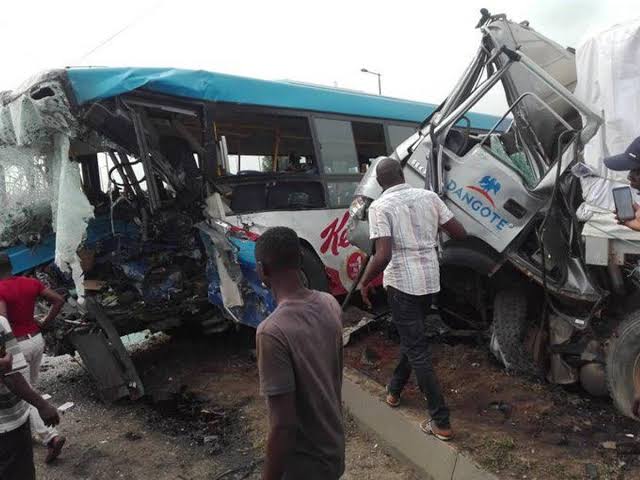
The Dangote Group, Africa’s largest conglomerate and a dominant force in Nigeria’s manufacturing and logistics sectors, has built a vast network of cement, sugar, salt, and flour operations. However, alongside its industrial successes, the company’s heavy-duty truck operations have frequently made headlines for tragic reasons road accidents involving Dangote-branded vehicles. Over the years, these incidents have sparked national debate on corporate responsibility, road safety, and regulatory enforcement.

This article examines some of the most notable truck-related accidents linked to the Dangote Group, including the recent case involving a relative of a popular Nigerian reality TV star, and assesses the company’s responses over time.

The Recent Auchi Incident – August 2025

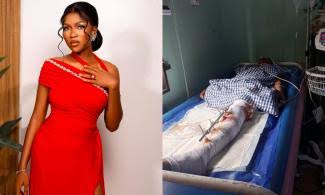
The most recent case involves Ruth Otabor, younger sister of BBNaija Season 7 winner, Ijeoma Josephina Otabor (popularly known as Phyna). On August 13, 2025, a Dangote truck struck Ruth in Auchi, Edo State, causing severe injuries that led to the amputation of one leg.

Following public outcry, the Dangote Group issued a statement pledging comprehensive medical care and appropriate compensation under its welfare policies. Senior company representatives, accompanied by insurance officials, visited both the accident site and Ruth’s family at the Irrua Specialist Teaching Hospital.

Talks are still ongoing on social media as users are still commenting and reacting to the issue and calling out the company. Even a popular X influencer, has called out for people who have been affected in the past by these accidents to come online to share their experiences and proof of the harms Dangote Group trucks has done in the past.

Ruth Otabor

Some Past Cases of Dangote Truck Accidents

Kogi State – February 2017

In early 2017, tragedy struck on the Lokoja–Abuja Highway when a Dangote truck collided head-on with a motorcycle carrying two young men, Caleb Idakwoand Prosper Ojodale. Both victims died instantly. The incident was further compounded by delayed emergency intervention due to a doctors’ strike in the state. The police impounded the truck while investigations were carried out.

Lagos–Ibadan Expressway (Arepo) – April 2017

Later that year, another Dangote truck made headlines when its driver, allegedly driving against traffic, ran over and killed three pedestrians near ItoriComprehensive High School in Arepo. The driver fled the scene but was apprehended by local residents before being handed over to the police.

Abuja–Lokoja Expressway – November 2017

A devastating crash involving a Dangote truck and a vehicle transporting cattle traders at Jamata village in Kogi State resulted in sixteen fatalities. The Dangote Group eventually provided ₦500,000 to each bereaved family, after an initial sum of ₦50,000, bringing the total payout to ₦8 million.

(Daily Trust, 2017: https://dailytrust.com/families-of-dangote-truck-accident-victims-get-n500-000-each/)

Umuchu, Anambra – 2018

In 2018, a Dangote cement truck lost control and plowed into the bustling Afo Ibughubu Market in Umuchu, Anambra State. The collision claimed at least three lives and injured seven others. Through its insurer, NEM Insurance Plc, the company paid ₦10 million in compensation to victims and their families.

(ThisDay, 2019: https://www.thisdaylive.com/index.php/2019/06/09/dangote-compensates-victims-of-anambra-truck-accident/)

Lagos–Abeokuta Expressway (Toll-Gate, Sango–Ota) – May 2020

A brake failure in a Dangote truck led to a chain collision involving multiple vehicles and motorcycles, killing two people and injuring seven others. The driver escaped the scene, while police and emergency agencies worked to prevent a mob from setting the truck ablaze.

Ota, Ogun State – February 2020

Just months earlier, another cement-laden Dangote truck was involved in a high-casualty crash on the Lagos–Abeokuta Expressway in Ota, Ogun State. The incident left seven people dead and ten injured. Enraged residents set the truck on fire before emergency responders arrived. Preliminary reports pointed to brake failure and excessive speeding as contributing factors.

Agbor, Delta State – April 2019

A pedestrian lost his life after being struck by a fully loaded Dangote truck along the Lagos–Asaba Expressway near Agbor. In retaliation, a mob burnt the truck to ashes before authorities could intervene.

Mosinmi–Sagun Road (Ogun State) & Lagos – August 2020

On the Mosinmi–Sagun Road in Ogun State, a Dangote truck ran over and killed a motorist and a female pedestrian. Around the same period in Lagos, another Dangote vehicle was involved in a separate fatal crash. No formal compensation was publicly reported for these incidents.

Adekunle Ajasin University, Ondo State – January 2021

A particularly harrowing incident occurred when a Dangote truck, reportedly experiencing brake failure, rammed into shops near the university gate in Akungba-Akoko. Eight students lost their lives. In response, the company provided ₦500,000 to each bereaved family and pledged additional support.

(Premium Times, 2021: https://www.premiumtimesng.com/news/top-news/445735-dangote-group-compensates-ondo-accident-victims-officials.html)

Patterns, Concerns, and Public Reaction

An analysis of these incidents reveals recurring factors:

  • Mechanical faults, particularly brake failure, feature prominently.
  • Driver behavior, including overspeeding and dangerous driving, has been cited repeatedly.
  • Public anger is a frequent outcome, with multiple instances of mobs destroying Dangote trucks after accidents.
  • Compensation policies appear inconsistent — ranging from no public acknowledgment to substantial payouts, often influenced by media coverage and public pressure.

Corporate Responsibility and the Road Ahead

The Dangote Group’s swift response in some cases, such as the Auchi incident and the Anambra market crash, shows a willingness to take responsibility. However, the persistence of such accidents raises questions about fleet maintenance, driver training, and enforcement of road safety standards.

Suggestions that could mitigate these tragedies by:

1.​Implementing stricter vehicle maintenance protocols.
2. ​Expanding driver safety training programs.
3. ​Introducing onboard vehicle monitoring systems to track speed and mechanical health.
4. ​Collaborating with government regulators to enforce higher safety standards for heavy-duty transport.

Given the Dangote Group’s prominence and influence in Nigeria’s economy, its approach to road safety could set the standard for other logistics-intensive companies. The hope is that the lessons from these repeated tragedies and the public scrutiny they attract will translate into long-term, systemic safety reforms.

Why Gen Z Is Rethinking Marriage and Long-Term Love in 2025

Marriage, once considered the hallmark of adulthood and stability, is being redefined by Generation Z, the most educated, digitally connected, and socially conscious demographic to date. In 2025, the attitudes of Gen Z Nigerians and the world as a whole toward marriage and long-term relationships reflect a cultural shift rooted in self-awareness, economic reality, and emotional intelligence. This is not a rejection of love—but a clear recalibration of how commitment is understood and pursued.

Marriage Is No Longer the Default Life Path

Unlike previous generations, Gen Z does not view marriage as a compulsory milestone. A 2024 report by The Future Africa Research Institute revealed that only 42% of urban Gen Z Nigerians aged 20–28 see marriage as a priority before age 30, compared to 70% of millennials at the same age range a decade ago.

This change is driven by:

  • Higher education levels among young Nigerians (with 60% enrollment increase in tertiary institutions between 2010 and 2023 — NUC data),
  • Greater global exposure through social media, and
  • A growing belief in personal fulfillment before partnership.

Marriage is increasingly seen as a choice, not a life requirement.

Economic Uncertainty Is Delaying Commitments

Gen Z is coming of age during one of the most volatile economic periods in Nigeria’s history. With youth unemployment at 33.6% as of Q1 2025 (NBS) and inflation driving up the cost of living, many young Nigerians are simply not in a position to consider marriage or child-rearing.

A wedding in urban Nigeria now averages ₦2.8 million, while setting up a home requires significant investment. As a result:

  • More couples are choosing long-term dating over legal marriage.
  • Cohabitation is quietly on the rise, even though culturally sensitive.
  • “Soft life” goals—financial freedom, travel, self-care—are taking precedence.

This isn’t fear of marriage. It’s financial realism.

Emotional Intelligence Is Non-Negotiable

Another defining trait of Gen Z is their emphasis on mental health and emotional clarity. This generation is more likely to seek therapy, practice mindfulness, and openly discuss emotional trauma.

Unlike older generations that often viewed relationship endurance as a virtue; regardless of emotional harm—Gen Z prefers healthy relationships over long ones.

Key trends include:

  • Increased relationship breakups when emotional needs aren’t met
  • Greater acceptance of boundaries and therapy as part of dating
  • Online discourse centered around healing and emotional literacy

The Role of Technology and Non-Traditional Relationships

Tech is another game-changer. Dating apps like Tinder, Badoo, and Bumble have normalized virtual dating and non-monogamous arrangements, creating more diverse relationship models.

Many Gen Z Nigerians are:

  • Open to long-distance and online relationships
  • Choosing non-traditional structures like open relationships, “talking stages,” or polyamory (still niche, but growing)
  • Using tech to build emotionally meaningful connections without societal pressure

These dynamics are part of a broader trend—flexibility over formality.

Redefining the Purpose of Marriage

It’s important to note that Gen Z is not necessarily discarding the idea of marriage altogether. Instead, they’re redefining its purpose.
Today’s Gen Z Nigerian wants:

  • Partnerships built on equality, not traditional gender roles
  • Transparent financial expectations (e.g., conversations about joint income, bills, and personal goals)
  • The freedom to choose if, when, and how they want to start a family (including child-free marriages or adoption)

Surveys conducted by She Leads Africa in 2024 showed that 61% of Gen Z women in Nigeria said they would only marry someone who supports their career and personal autonomy—a demand that reflects deep-rooted shifts in expectations.

Gen Z is not afraid of love. They’re simply more intentional, informed, and introspective than previous generations. With eyes wide open to the realities of modern life, they’re choosing relationships that reflect their values, support their growth, and respect their individuality and it goes for both male and female.

In 2025, marriage is no longer a finish line. For Gen Z, it’s just one of many ways to love; and only if it truly aligns with who they are becoming.

References

  • The Future Africa Research Institute (2024). ‘Youth and Marriage in Urban Nigeria’ – National Attitude Survey.
  • National Bureau of Statistics (2025). ‘Labour Force Report: Q1 2025’.
  • Nigerian Universities Commission (NUC). Tertiary Enrollment Growth Reports, 2010–2023.
  • She Leads Africa (2024). ‘Women, Work & Love: Aspirations of the Nigerian Gen Z Woman’ – Social Trends White Paper.
  • X (formerly Twitter), TikTok Nigeria Trends, Instagram Nigeria Explore Feed – 2024/2025 Social Media Observation.
  • Nigerian Wedding Cost Survey (2025). ‘Urban Wedding Planning Statistics in Lagos and Abuja’.
  • Online Dating & Relationship Trends Nigeria (2024). A Report by TechLife Weekly Nigeria.

Why Most Artists Drop New Music on Fridays: The Strategy Behind Music Friday

If you’ve ever noticed that your favorite Nigerian and international artists seem to release new tracks almost every Friday, you’re not alone. This pattern isn’t a coincidence it’s a global industry strategy. Welcome to the world of Music Friday, the unofficial launchpad for new music drops.

But why Friday? Why not Monday or even the weekend like Saturday?

Let’s break down the real reasons behind this popular music release trend and why Friday has become the industry’s favorite day to drop heat.

The Global Standardization of Release Days

In July 2015, the International Federation of the Phonographic Industry (IFPI) announced a global shift in music release schedules. From that point forward, Friday became the official global release day for new music in over 45 countries.

Before this move, countries had their own music release days—Tuesdays in the U.S., Mondays in the U.K., and Fridays in Australia. This lack of coordination led to staggered releases, early leaks, and piracy.

A global Friday release day helped:
– Combat piracy
– Synchronize promotion efforts worldwide
– Make tracking easier for streaming platforms and charts

It Maximizes Chart Performance

Most official music charts like Billboard, Apple Music Top 100, Spotify Nigeria, Boomplay Charts, and more—track activity from Friday through Thursday.

Dropping a song on a Friday gives artists and labels:
– 7 full days to accumulate streams, sales, and radio plays
– A better shot at debuting high on the charts
– More time for a song to go viral and gain traction before the next chart cycle

Releasing music midweek shortens this window—and could cost valuable charting points.

People Listen More on Weekends

There’s a reason why parties, club nights, weddings, and road trips spike from Friday to Sunday the weekend is when most people actually have time to vibe.

This consumer behaviour benefits artists because:
– Streaming increases on Fridays and weekends
– Fans are more likely to discover and share new music when they’re not working
– DJs, event planners, and radio hosts look for fresh songs for weekend sets

Dropping music on Friday means it has a better chance of becoming “that new jam” everyone’s playing by Saturday night.

Playlist Power: Catching the Friday Update Wave

Major streaming platforms like Spotify, Apple Music, Audiomack, Boomplay, and YouTube Music refresh their top playlists every Friday. These playlists include:
– New Music Friday
– Fresh Naija
– Africa Now
– Afrobeats Hits
– Hot Rotations

Artists who drop music on Fridays are more likely to be considered for playlist features, which can dramatically boost visibility and streaming numbers.

Marketing Works Better on Fridays

Labels and independent artists alike align their PR campaigns, interviews, press releases, and social media teasers to peak on Fridays.

A Friday release allows an artist to:
– Drop the music
– Post behind-the-scenes content over the weekend
– Build momentum with media and fans into the following week

From TikTok challenges to lyric breakdowns and music video teasers, the Friday launch creates a marketing rhythm that’s hard to beat.

In Nigeria: A Growing Tradition

In Nigeria, Music Friday is becoming a cultural habit:
– Afrobeats stars like Rema, Ayra Starr, Burna Boy, and Davido consistently schedule Friday drops
– Fans anticipate new releases every Friday—making the day a mini music holiday online
– Blogs, DJs, and music platforms curate Friday playlists, amplifying each new release’s reach

Music Friday is not just a trend; it’s a well-oiled global strategy. Releasing on Fridays means more eyes, more ears, better streaming numbers, and a solid shot at chart success. For artists, especially in the ever-competitive Nigerian music scene, timing can make all the difference—and Friday is the magic day.

Why Nigerians Are Searching Remote Jobs & Work-from-Home Opportunities

In 2025, more Nigerians than ever before are searching for ‘remote jobs’ and ‘work-from-home opportunitiesand the reasons run deeper than just convenience. From economic shifts to the global digital revolution, the desire for flexible, location-independent work is shaping a new employment culture in Nigeria.

A Surge in Remote Work Searches

According to Google Trends and job boards like LinkedIn, Jobberman, and Remote OK, Nigeria has seen a steady spike in interest in remote work terms, especially among Gen Z, recent graduates, and professionals looking to switch careers. Whether it’s freelance, contract-based, or full-time remote employment, Nigerians are actively exploring work-from-home options across tech, marketing, content creation, customer service, and more.

Why Are Nigerians So Invested in Remote Jobs?

The Rising Cost of Living

From fuel prices to transportation costs, commuting to a physical office has become expensive. Working remotely eliminates daily costs like transport, food, and office wear. In a country where inflation continues to bite, saving money while earning is a big win.

Global Job Access

Remote work gives Nigerians access to global job markets. A developer in Lagos can now work for a startup in Berlin or a design agency in Toronto, earning in dollars or euros. Platforms like Upwork, Toptal, Fiverr, and Deel are making this possible.

Flexibility and Work-Life Balance

Many Nigerians, especially women, are seeking ways to juggle family and work life. Remote roles offer more control over schedules, fewer hours commuting, and the flexibility to manage both professional and personal demands.

The Rise of the Tech and Digital Economy

With the tech boom in Africa, many startups and tech companies now operate virtually. Roles in software engineering, UI/UX design, digital marketing, data entry, and customer support are increasingly remote-first.

Influence of the Pandemic and Global Shifts

COVID-19 normalized remote work globally, and many Nigerian companies were forced to adapt. While the world has largely reopened, the mindset shift remains. Even traditional firms now offer hybrid models, and young Nigerians are demanding flexibility as part of the employment package.

What Types of Remote Jobs Are Most in Demand?

  • Tech Roles (Developers, DevOps, Product Managers)
  • Virtual Assistants
  • Content Writers & Copywriters
  • Social Media Managers & Digital Marketers
  • Graphic Designers & UI/UX Designers
  • Online Tutors & Customer Support Reps

Where Nigerians Are Finding These Jobs

  • Global platforms: Upwork, LinkedIn, Remote.co, Indeed, We Work Remotely
  • Nigerian-specific sites: Jobberman, MyJobMag, and remote job groups on Twitter and Telegram
  • Tech programs like AltSchool Africa, Ingressive for Good, and HNG Internship also connect participants with remote opportunities after training

Remote work isn’t just a trend—it’s becoming a lifestyle and a necessity in Nigeria. With internet access expanding and digital skills in demand, more Nigerians are discovering that they don’t need to leave home or the country to earn a global income.

The future of work in Nigeria is hybrid, borderless, and remote-ready. And for many, the search for remote jobs isn’t just about work—it’s about freedom, sustainability, and a chance to thrive on their own terms.

Top Nigerian Fashion Brands Dominating 2025

In 2025, the Nigerian fashion industry is not just booming—it’s breaking boundaries, redefining aesthetics, and taking center stage globally. Nigerian designers are showcasing their creativity with bold patterns, cultural storytelling, and Afrocentric elegance, all while building fashion empires that blend tradition with innovation.

From Lagos to London Fashion Week, these homegrown labels are raising the bar, shaping the narrative of African fashion, and winning over both local and international markets. Here are 10 Nigerian fashion brands that are leading the game this year:

Orange Culture

Founded by Adebayo Oke-Lawal, Orange Culture continues to be a pioneer in gender-fluid fashion. In 2025, the brand has expanded its global reach with collections featured in Paris and high-profile collaborations that mix Nigerian streetwear with fine tailoring.

Kenneth Ize

Known for reviving traditional Aso Oke weaving, Kenneth Ize’s collections are all about rich textures and cultural luxury. In 2025, his pieces have graced international catwalks and are now stocked by global retailers like SSENSE and MatchesFashion.

Andrea Iyamah

Andrea Iyamah is the go-to for resort wear and statement swimwear. Designed by Dumebi Iyamah, the brand’s 2025 collection includes elegant silhouettes inspired by African art and mythology, gaining traction in luxury vacation markets across Europe and the US.

Banke Kuku

Nicknamed the ‘Queen of Silk’, Banke Kuku has turned her vibrant prints into a household name. Her 2025 loungewear and ready-to-wear collections are being worn by celebrities and lifestyle influencers alike.

Maxivive

Maxivive, under Papa Oyeyemi, is known for its avant-garde designs and unorthodox campaigns. This year, the brand launched a digital fashion experience blending VR with fashion, making it one of the most innovative brands to watch.

Lisa Folawiyo Studio

Lisa Folawiyo is famous for her embellished Ankara pieces and elegant designs. Her 2025 showcase at Lagos Fashion Week featured a fusion of modern cuts and hand-beading that wowed both critics and audiences.

Ejiro Amos Tafiri

Ejiro Amos Tafiri continues to deliver sophisticated, feminine pieces that cater to the working-class Nigerian woman. The brand’s latest line focuses on fluidity and comfort, reflecting the evolving needs of today’s fashion-conscious woman.

Ashluxe

A streetwear powerhouse, Ashluxe is the pulse of Nigerian youth fashion. With limited edition drops, bold branding, and a cult following, 2025 sees Ashluxe expanding into footwear and launching in Johannesburg and Accra.

T.I. Nathan

T.I. Nathan brings contemporary menswear to life with its clean cuts and refined designs. The 2025 capsule collection plays with texture and color in unexpected ways, offering stylish alternatives to everyday wear.

Lanre Da Silva Ajayi

Lanre Da Silva Ajayi’s luxury label remains iconic for its Victorian-inspired silhouettes and intricate embellishments. In 2025, the brand leans into heritage with regal looks designed for high society events and red carpets.

Nigerian fashion has always been rooted in culture, colour, and character. What sets 2025 apart is how these brands are not just creating clothing—they’re creating movements. They are embracing technology, sustainability, and storytelling to build globally recognized fashion identities.

Whether you’re looking for traditional elegance or urban edge, these ten fashion brands prove that Nigeria is—and will continue to be—a major player on the global style stage.

What to Expect at the 2025 Bole Festival: Food, Music, Culture & Commerce

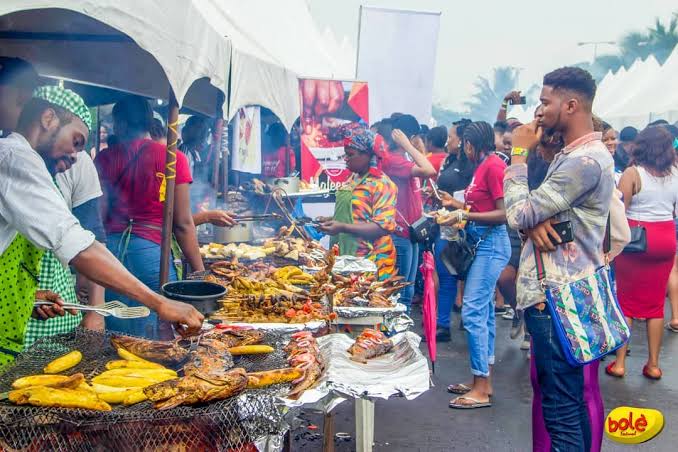
Each year, the city of Port Harcourt transforms into a colourful playground of taste, sound, and street-style celebration and it’s all thanks to the Bole Festival. What started as a small food fair in 2016 has become one of Nigeria’s most anticipated cultural events. And in 2025, the Bole Festival returns even bigger, brighter, and bolder.

Whether you’re a first-timer or a long-time attendee, here’s everything you need to know about the 2025 edition of the Port Harcourt Bole Festival — from the food and music to the cultural vibes and commercial impact.

When and Where?

The 2025 Bole Festival is set to take place on August 30–31 at the Yakubu Gowon Stadium, Elekahia, Port Harcourt — a venue now synonymous with the Bole spirit. With over 35,000 guests expected, the stadium will once again become a hub of culinary explosions, music stages, art zones, and vendor booths.

The Food: Bole and Beyond

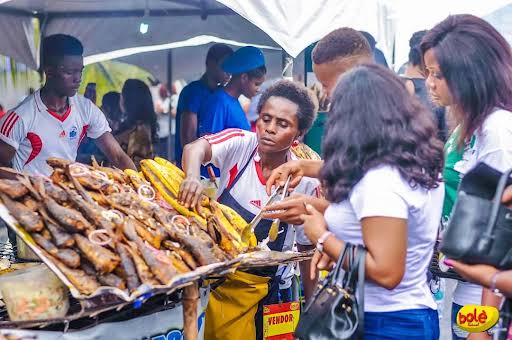
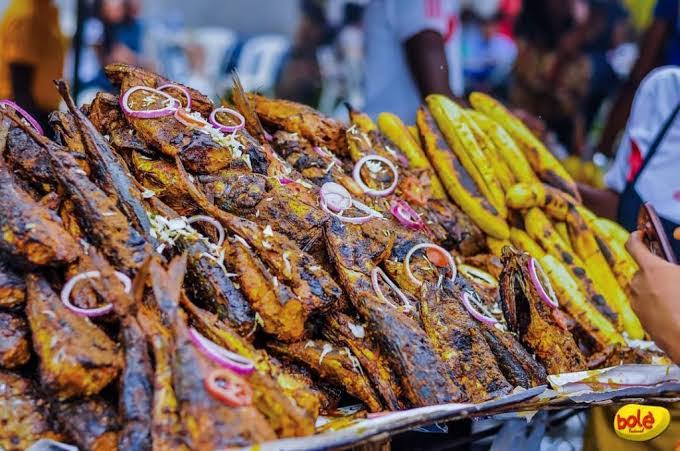
At the heart of the festival is Bole — roasted plantain, often served with spicy pepper sauce, roasted fish, yam, or potatoes. But the food lineup doesn’t stop there. You’ll find:
– Creative twists on bole — think plantain tacos, bole burgers, grilled suya wraps
– Local delicacies — from Rivers-style native soup to ukodo and nkwobi
– Snacks & sweets — chin chin, puff puff, local candy, palm wine
– Refreshing drinks — zobo cocktails, chapman, and cold brews
Whether you’re a foodie or a curious explorer, the Bole Festival offers a plate (or two) for everyone.

Image from previous Bole Festival

The Music: Live Vibes and Amapiano Heat

In true Port Harcourt fashion, music at the BolèFestival is loud, live, and unapologetically Nigerian. Over the years, stars like Ruger, Cavemen, and Nasboihave graced the stage. For 2025, expect:
– Top-tier Nigerian artists
– Rising Port Harcourt talents
– Live bands & DJs
– Dance battles and crowd contests
From Afrobeats to Amapiano, and highlife to street hop — the energy never dips.

The Culture & Commerce: More Than Just a Festival

Beyond food and music, the Bolè Festival has evolved into a cultural marketplace — a place where commerce meets creativity:

  • 100+ Small Vendors: Food vendors, artisans, clothing brands, skincare startups, and creatives showcase and sell their work.
  • Cultural Showcases: Indigenous dance troupes, street artists, spoken word poets, and fashion parades.
  • Community Vibes: Face painting, body art, kids’ games, DIY crafts, and local folklore storytelling.
  • Corporate Brand Experiences: From branded chill zones to drink lounges and interactive games hosted by sponsors like MTN, Tecno, La Casera, and Budweiser.

It’s a one-stop shop for expression, entrepreneurship, and entertainment.

What Should You Wear?

Come as you are, but come to slay. Expect to see streetwear drip, bold Ankara fits, and plenty of fashion statements. The Bolè Festival is an open runway — and Port Harcourt always delivers style with substance.

The Bolè Festival is more than just a food event — it’s a celebration of Southern Nigerian identity. It shines a spotlight on Port Harcourt’s vibrant street culture, supports local businesses, gives small vendors a platform to thrive, and offers youth an inclusive space to express themselves through food, fashion, music, and art.

In a country full of festivals, the Bolè Festival has carved its own lane — authentic, energetic, and proudly rooted in local flavour.

Top 10 Modeling Agencies in Nigeria to Launch Your Career in 2025

The modeling industry in Nigeria is evolving faster than ever. With global fashion brands and international scouts increasingly looking toward Africa for fresh talent, Nigeria has become a rising force in the world of modeling. Whether your dream is to walk the runway in Paris, appear in top magazine editorials, or feature in major commercial campaigns, choosing the right modeling agency is the first and most crucial step.

If you’re an aspiring model in 2025, here are 10 of the leading modeling agencies in Nigeria that can help you build a strong and successful career.

Beth Model Management

  • Location: Lagos
  • Founder: Elohor Aisien

Why Choose Beth: They focus on high-fashion runway models and have helped Nigerian talents secure placements with top brands and fashion weeks in Paris, Milan, and New York.

Few Models

  • Location: Lagos
  • Founder: Bolajo Fawehinmi

Why Choose Few: The agency is deeply invested in training, branding, and building international modeling careers. They’ve earned a reputation for professional management and global exposure.

Isis Models

  • Location: Lagos
  • Founder: Joan Okorodudu

Why Choose Isis: Isis offers a clear path from local training to international runways, making them one of the most globally connected agencies on the continent.

Catch 22 Model Management

  • Location: Lagos

Why Choose Catch: With their strong emphasis on editorial and advertising modeling, they are a great option for models looking for structured growth.

Zahara Models

  • Location: Abuja & Lagos

Why Choose Zahara: Their diverse roster includes fashion models, influencers, and commercial faces, making them ideal for models who want versatility in their careers.

Wave Model Management

  • Location: Lagos

Why Choose Wave: They offer mentorship programs and workshops that equip aspiring models with skills beyond the camera and runway.

Yray Models

  • Location: Lagos

Why Choose Yray: Yray is ideal for up-and-coming models looking for hands-on development, branding, and early career exposure.

Elite Model Look Nigeria

  • Location: Lagos
  • Founder: Affiliated with Elite World, Paris

Why Choose Elite: A perfect route for young talents seeking immediate global opportunities, with top-notch training and exposure built in.

Exquisite Models International

  • Location: Lagos

Why Choose Exquisite: They’re a great fit for models who are versatile and want to explore various sides of the modeling and entertainment industry.

Black Dove Models

  • Location: Lagos

Why Choose Black: They offer opportunities in fashion, acting, commercials, and promotional modeling. Great for talents who want to expand beyond traditional modeling.

Choosing the Right Agency

The right agency can determine how far your modeling career goes. It’s not just about looks anymore—it’s about professionalism, branding, and finding the right team to help you grow.

Here’s what to keep in mind before signing:

  • Attend open casting calls and model competitions.
  • Build a professional portfolio with quality photos.
  • Be cautious of scams— some individuals may pose as agencies and you for money
  • Maintain a strong social media presence, especially Instagram.
  • Understand your niche: fashion, commercial, editorial, or influencer modeling.

Nigeria is filled with modeling potential, and in 2025, these 10 agencies are leading the charge in turning dreams into global careers. If you’ve got the talent, discipline, and passion—this is your time.

Why More Young Nigerians Are Facing High Blood Pressure

For many years, high blood pressure (also called hypertension) was considered a “middle-age problem.” It was something we expected to see in our parents or grandparents, not in our peers or ourselves. But the reality in Nigeria, and across many African nations—is shifting. More young adults in their 20s and 30s are being diagnosed with high blood pressure, and often without warning.

This article explores why this is happening, what it means for the future of our health, and what young Nigerians can start doing about it today.

What Is High Blood Pressure?

High blood pressure is a medical condition where the force of blood against the artery walls is consistently too high. It’s often called a “silent killer” because it may not show obvious symptoms until it causes major health problems like stroke, heart failure, or kidney damage.

• Normal BP: 120/80 mmHg
• Elevated BP: 120–129/<80 mmHg
• Hypertension Stage 1: 130–139/80–89 mmHg
• Hypertension Stage 2: ≥140/90 mmHg

The Rise of Hypertension Among Young Nigerians

According to recent studies from Nigeria’s health sector, a growing number of adults between ages 25 and 40 are being diagnosed with hypertension. This is alarming, considering that this age group makes up a large portion of the country’s working population.

So, what’s causing this spike?

Main Causes of High Blood Pressure in Young Nigerians

1. Stress and Hustle Culture

Nigeria’s economic climate is not easy—most young people juggle side hustles, long commutes, toxic work environments, and financial pressure. Some young individuals these days even go as far as bragging about their not sleeping just to show their hustle spirit, thinking it’s a good thing to be proud of. Chronic stress raises cortisol levels, which in turn increases blood pressure over time.

2. Poor Diet Choices

Many Nigerians rely heavily on processed or salty foods like: Instant noodles, Packaged snacks, Excessive seasoning cubes, Sugary soft drinks. High salt and sugar intake contributes directly to high blood pressure.

3. Lack of Physical Activity

Between 9–5 jobs, traffic, and digital addiction, many young adults have become sedentary. A lack of daily movement weakens the heart and leads to weight gain—two major risk factors for hypertension.

4. Alcohol and Smoking

The rise in casual drinking, shisha, and cigarette smoking among the youth is another red flag. These habits can stiffen the arteries and raise blood pressure rapidly.

5. Family History

If hypertension runs in your family, you may be genetically predisposed—even if you live a relatively healthy lifestyle.

A Real Story: My Friend’s Wake-Up Call

A close friend of mine recently shared a shocking experience. At just 34 years old, she went to the hospital to run a general health check-up, thinking everything was fine. But when her blood pressure was taken, the nurse looked alarmed—it was extremely high.

The doctor’s advice was clear: “You need to start resting. You’re doing too much and worrying about everything.” She had been juggling work, family responsibilities, side hustles, and anxiety about the future—all without real rest or self-care. That hospital visit was her wake-up call.

Now, she’s learning to slow down, take breaks, prioritize her peace, and monitor her health more regularly.

Her story isn’t rare. It’s a growing reality for many Nigerians—especially women in their 30s.

Common Symptoms (If Any)

While many people don’t feel anything until it’s too late, some warning signs include:

  • Frequent headaches
  • Blurred vision
  • Chest pain
  • Shortness of breath
  • Fatigue or dizziness

But again, many cases have no symptoms at all—so regular blood pressure checks are crucial.

How to Prevent or Manage High Blood Pressure Early

1. Eat Clean, Local, and Balanced

Cut down on salt and seasoning cubes. Eat more fruits, vegetables, and whole grains. Opt for fresh fish, lean meat, and plant-based proteins like beans.

2. Get Active

Walk at least 30 minutes a day. Try home workouts, jump rope, or dance fitness. Take the stairs whenever possible.

3. Sleep and Rest Well

Aim for 7–8 hours of sleep each night. Chronic sleep deprivation can lead to higher blood pressure levels.

4. Reduce Stress

Meditation, journaling, or simply reducing screen time can help manage your mental load.

5. Check Your Blood Pressure Regularly

Many pharmacies and hospitals in Nigeria are available around you where you can easily check your BP. Make it a habit—especially if you have a family history.

High blood pressure is no longer a disease for “old people.” It’s here, it’s rising, and it’s affecting young, ambitious, urban Nigerians more than ever before. The earlier you detect and manage it, the better your chances of avoiding serious complications.

Taking care of your heart doesn’t mean stopping your hustle—it means making smart, preventive choices that will keep you going for a long time.

Disclaimer

I am not a licensed medical professional or cardiologist. This article has been written based on extensive research, publicly available health data, and expert reports to help raise awareness among young Nigerians. Always consult with a qualified doctor or healthcare provider for professional advice and diagnosis.

Scroll to Top