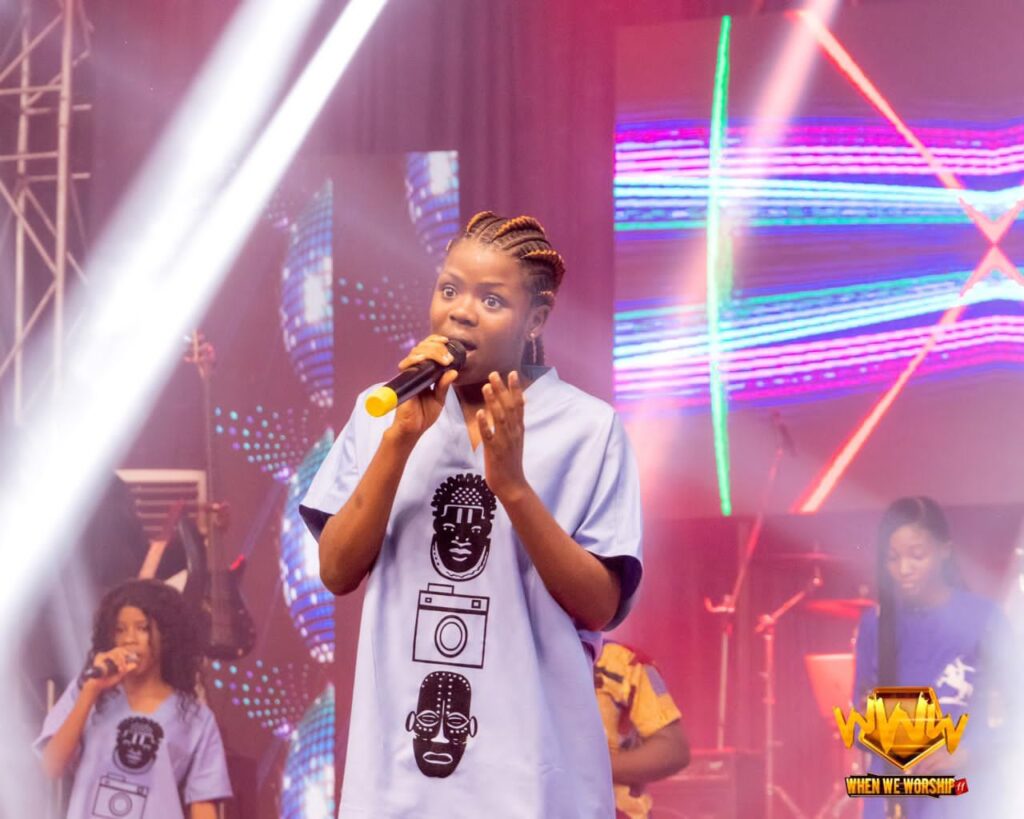
Exclusive: An Interview of Adeogheosa And The Afro Benin Show On 19th July, 2024.

The Nigerian music industry is filled with great talents. Those who have by it made it to the big stage and gained limelight and those who can be termed the “underdogs” or as many would say upcoming artist. These people are despite the fact that they have not gotten to that big stage they desire are relentless in doing what they love and know how to do best and one of those people is who we would be looking at today due to her coming show on the 19th of July, 2024 in the University of Benin.

Adegheosa or Ade is a young talented Nigeria music artist who has captivated and captured the minds of her listeners with her melodious voice and unique way of dishing out her songs in her indigenous language, the Bini or Benin Language.
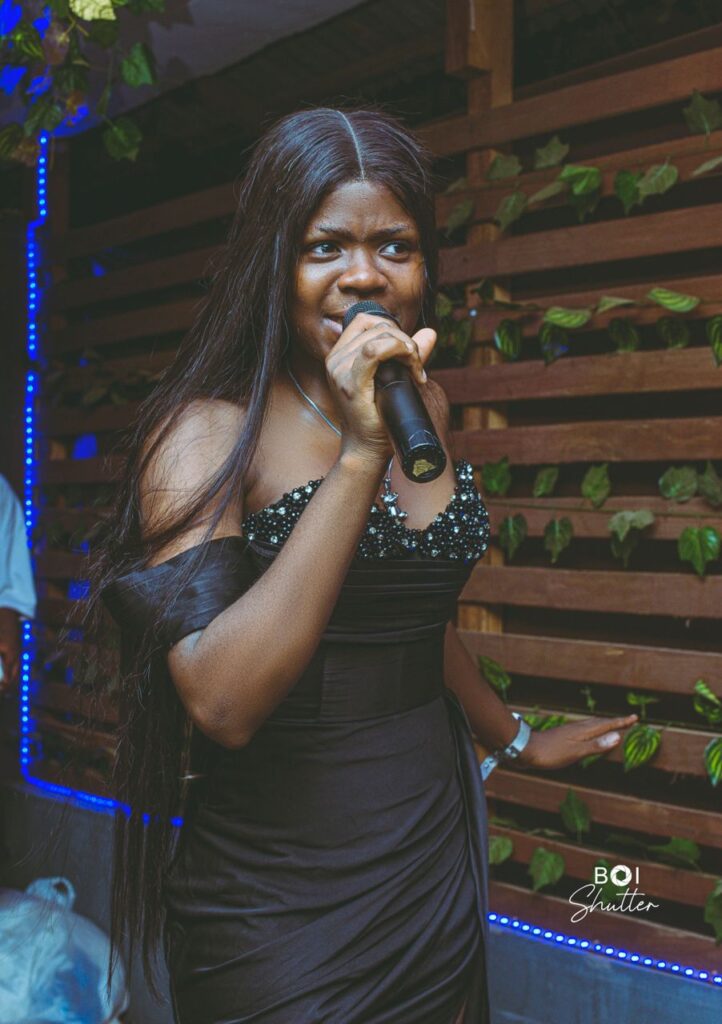
Adegheosa

The artist recently announced that she would be hosting a show themed “Afro Benin” and as a result of this show is why this exclusive interview was organised by Streamdorm.

WHO IS ADEGHEOSA?

My name is Enehikhare ADEGHEOSA Gift, and I’m the second of six children born to Mr. And Mrs. Isaac Enehikhare in Edo State, Nigeria. Born in the early 2000s, I began singing at a young age and was nicknamed “little Ade.” With the guidance of my pastor, Pastor Isaac Ossai, I officially entered the music industry at age 8, performing in churches. In 2020, I met my mentor, Influence Akaba, after a cover of his song I did went viral in 2019. He provided me with my first stage experience and financial support, and I joined his team. However, I had to leave due to school commitments. Despite facing criticism for singing Edo songs, my supportive family encouraged me to continue. Now, I’m a renowned female artist in Edo State and a final-year student at the University of Benin, studying Special Education. I’m excited for the opportunities awaiting me after graduation.”

Do you consider yourself a Gospel or a Secular Artist?

I’m fully in music ministry, the industry part”

Let’s talk about your show “Afro Benin” What’s the motivation behind you wanting to host this event in the University?

“I want to create awareness about my culture in Uni before graduating”

Talking about the criticism from doing your own thing in your own style, which is awesome by the way. Do you ever think of shifting from an Edo indigenous singer to like the English side of singing or even mixing it up for the bigger stage and audience?

No! I don’t see myself doing it”

TRACKS BY ADEGHEOSA

  • Urhuese
  • Obanosoba
  • Owegie
  • Ekpomwen
  • Oduwa – 01

AUDIOMACK – @adegheosa

About your coming show, “Afro Benin” I know it’s going to be an awesome experience. Can you give us like a tip of the iceberg on what to expect on that day?

I will reply with a video”

ADEGHEOSA LIVE IN UNIBEN – AFRO BENIN
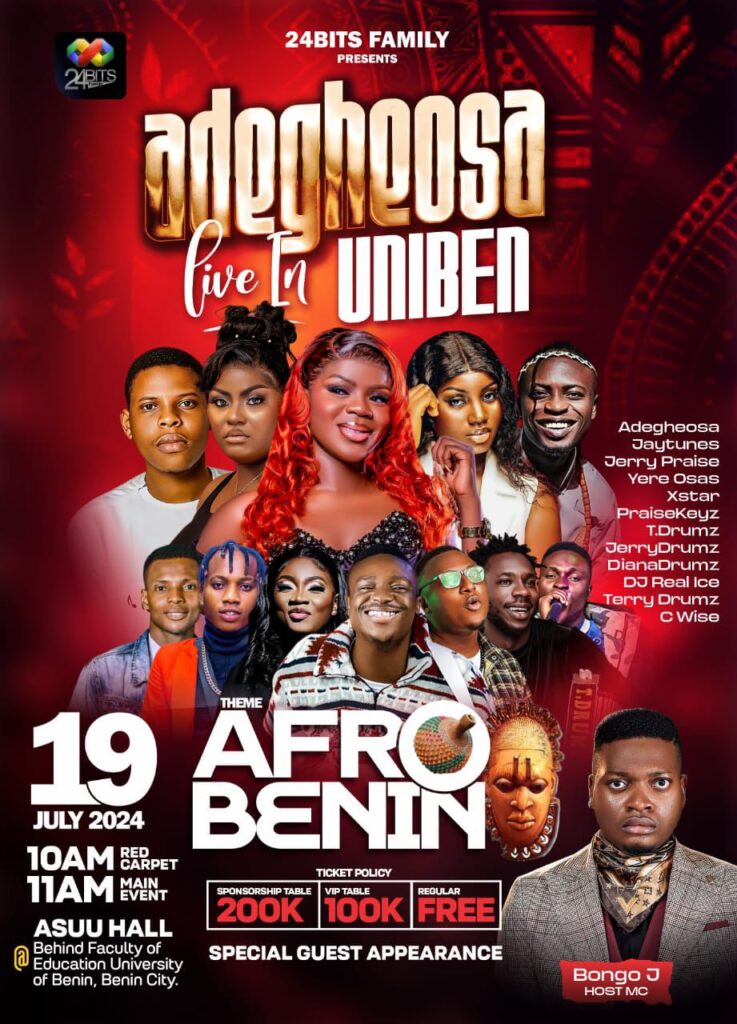
  • Date – 19th, July, 2024.
  • Time – 10am (Red Carpet) 11am (Main Event)
  • Venue – ASUU Hall, Behind Faculty of Education University of Benin, Benin City.

Guest Artists

  • Adegheosa
  • Jaytunes
  • Jerry Praise
  • Yere Osas
  • Xstar
  • PraiseKeyz
  • T.Drumz
  • JerryDrumz
  • DianaDrumz
  • DJ Real Ice
  • Terry Drumz
  • C Wise

Host MC

  • Bongo J

Come experience a thrilling and captivating show…

Nigeria as an African country is a country with a vast cultural heritage and a part of this heritage includes our unique music. Before the advent of Afrobeat and all other modern day beat and pattern of singing, there has been what we would call indigenous music of every community and society in Nigeria. In today’s world little or no attention is paid to our indigenous music system. There has been a shift to the secular and modern day king of music. Our indigenous singers and artist needs to be more celebrated and appreciated.

Biker Riding From Kenya To Nigeria Arrives Lagos After 118 Days

Udo Ebaide Joy, a Nigerian motorbiker took on the mantle of solo riding from Mumbasa, Kenya to Lagos Nigeria. After 118 days, Ebaide finally arrived at her destination, Lagos Nigeria.

Why? In a conversation she had with BBC Africa she said her riding journey was inspired by her will to live her life to the fullest, and for her it’s travelling and riding her motorbike.

Ebaide travelled through Kenya, Uganda, Rwanda, Tanzania, Zambia, Angola, Cameroon and then Nigeria. She describes the eery feeling she got travelling alone in the forest “I was so scared,” but remembers the joyous moments of travelling through those countries.

When she arrived in Lagos, to her surprise she was welcomed with a warm crowd singing and dancing.

In a post via Instagram, she said completing the cross-border solo ride challenge has positively changed her mindset.

To every biker who waited to welcome and ride with me to the venue, THANK YOU VERY MUCH.

Achieving this has caused a big shift in my mind. Suddenly, I have a myriad of things I want to do and I’m so sure will work, because I have achieved something I once thought was too hard to dare.
I want to PLAN, START and EXECUTE new things.
There is a part of my brain that believes anything I try will succeed, because I have the tenacity and resilience to see it through.

I am NOT the same person.
I have changed in the most positive ways.
I feel so privileged to have achieved this.

I can’t wait for many more exciting challenges I’ll go headlong into.
There has never been a better time to feel this alive!
It feels good to be here.

Udo Ebaide Joy who began her trip on March 8 will begin another solo trip in August from Nigeria to Morocco. The motorbiker made the trip on a two-wheeler she named “Rory”.

Biggest First day Streams on Spotify Nigeria

Being referred to as an African artist has come a long way. Once upon a time, we were considered underlings on the global stage, but in the past decade, we’ve broken that barrier. Artists like D’Banj, PSquare, Wizkid, and Davido fought for global dominance.

On streaming, Wizkid’s ‘More Love, Less Ego’ proved to Nigerians that our music can break the language barrier with 1.21 million streams on the first day. This year, Shalipoppi’s ‘Shakespopi’ earned over 1.5 million streams on Spotify, making it the biggest first-day stream of the year, followed by Mavin’s queen, Ayra Starr (1.27 million).

Here’s a full list of the biggest first-day stream on Spotify:

1. Davido – “Timeless” (4.91M)

2. Burna Boy – “I Told Them” (2.93M)

3. Asake – “Work Of Art” (2.27M)

4. Wizkid – “S2” EP (2.08M)

5. Olamide – “Unruly” (1.81M)

6. Shallipopi – “Shakespopi” (1.59M)

7. Burna Boy – “Love, Damini” (1.36M)

8. Ayra Starr – “The Year I Turned 21” (1.27M)

9. Wizkid – “More Love, Less Ego” (1.21M)

10. BNXN – “Sincerely, Benson” (1.17M)

Social Media and Celebrities: Using Nigerian Celebrities as a Case Study

Social media has become an integral part of our daily lives, and it has had a tremendous impact on the world of celebrities. Nigerian celebrities have not been left behind in the use of social media, with many of them leveraging it to connect with fans and promote their careers.

In this article, we’ll take a closer look at how Nigerian celebrities are using social media, the upsides, and downsides of online fame, and how they can navigate the complexities of social media.

Social media has revolutionized the way we communicate and interact with each other, and it has no doubt had a significant impact on the world of celebrities, influencers, Artists, Actors and Actresses etc.

With platforms like Twitter, Instagram, Facebook and TikTok, celebrities can now connect with fans around the world, share updates on their lives and careers, and even build their own personal brands.

In the past, celebrities relied on traditional media outlets like magazines and TV shows to promote their work and interact with fans. With social media, they can now communicate directly with fans in real-time, sharing updates and news about their lives, and engaging with fans in ways that were previously impossible.

Social media has also given celebrities the ability to build their own personal brands and establish themselves as influencers in their own right. By sharing their experiences and opinions on various topics, celebrities can develop a loyal following and use their platforms to promote products, brands and other ventures.

How Nigerian Celebrities are Using Social Media

Nigerian celebrities are no strangers to social media, and they are leveraging it in different ways to connect with fans and promote their work. From Instagram to Twitter/X, Facebook, and TikTok, Nigerian celebrities are using social media platforms to share their experiences, opinions, and interact with fans.

One of the most significant ways Nigerian celebrities are using social media is by building their personal brands. Many Nigerian celebrities have established themselves as influencers on social media by sharing their experiences and opinions on various topics, promoting products, and creating viral content that resonates with their audience.

Another way Nigerian celebrities are using social media is to give fans a glimpse into their lives. Many celebrities share photos and videos of their day-to-day activities, including their families, pets, and hobbies, which helps to humanize them and create a stronger bond with fans.

The Upsides of Social Media for Nigerian Celebrities

Social media has opened up new opportunities for Nigerian celebrities to connect with fans and promote their careers. By building their personal brands on social media, they can reach a wider audience, engage with fans directly, and promote their work in a more targeted way.

The way people interact through social media has given these celebrities the opportunity to engage their fans, build their career, and ultimately grow their fame.

One of the most notable impacts of social media on celebrity all over the world, Nigerian celebrities inclusive is the Media visibility. In the past, celebrities were often distant and inaccessible to their fans. In this light, social media has birthed a more direct and easy connection between celebrities and fans. It has also given opportunity to a new breed of “social media celebrities” who have achieved fame and influence through their online presence, often altering the lines between traditional fame and internet stardom.

Another important benefit of Social media to Nigerian celebrities is the rise of influencer marketing and brand partnerships online. Celebrities now have the opportunity to monetize their online fame by collaborating with brands as their ambassadors and promoting products directly to their followers. This has also blurred the lines between the regular traditional advertising as we know and personal endorsements for these celebrities.

Moreover, social media has given Nigerian celebrities the ability to control their narrative and manage their public image. With traditional media outlets, celebrities have limited control over how their stories are portrayed, but with social media, they can share their side of the story directly with fans.

The Downsides of Social Media for Nigerian Celebrities

However, social media has also created new challenges and risks for Nigerian celebrities. One of the most significant downsides is dealing with the constant scrutiny and criticism that comes with online fame. Nigerian celebrities are often the target of online hate and trolling, with fans and critics alike using social media to express their opinions and sometimes even attack their personal lives.

Moreover, social media can expose Nigerian celebrities to negative publicity and scandals. In some cases, Nigerian celebrities have made missteps on social media that have damaged their reputations or led to public backlash. It’s essential for Nigerian celebrities to be mindful of their social media presence and use their platforms responsibly.

EFCC Crackdown: Unveiling the Inside Story of Nigeria’s Battle Against Corruption

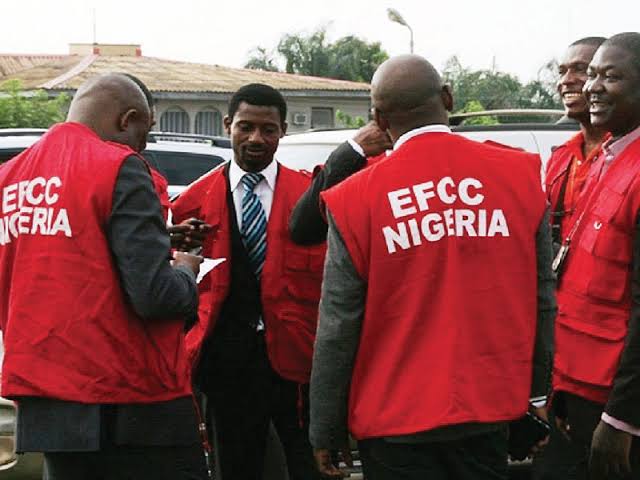
As we all know, Nigeria’s battle against corruption has been a long and yet unyielding journey since the very beginning. Different vices and methods has been employed by different government administrations to win the war against corruption and one of these ways includes the creation of the Economic and Financial Crimes Commission (EFCC).

The Economic and Financial Crimes Commission (EFCC)

Established in 2003, the EFCC was created in response to the rampant corruption that plagued Nigeria’s political and economic landscape. The agency is tasked with investigating and prosecuting financial crimes offenders, the agency has gained prominence in the past years.

EFCC operates under the leadership of a chairman appointed by the President of Nigeria, with support from dedicated staff and investigators. Additionally, collaboration with other government agencies, such as the Independent Corrupt Practices Commission (ICPC), is crucial in ensuring effective enforcement of anti-corruption laws.

Challenges Faced by the EFCC

Despite its mandate, the EFCC faces numerous challenges in its fight against corruption.

CORRUPTION

Corruption in Nigeria is a big factor that has eaten into majority of the population. From the upper chamber of the country to the grassroots is rooted in corrupt practices. Even among the EFCC agency its self corruption exist.

On July 6, 2020, Magu, the acting chairman of the agency appointed by President Muhammadu Buhari was arrested by officers of the Department of State Services (DSS) and the Nigeria Police Force (NPF) and taken to the Presidential Villa where he was questioned on alleged corruption against him. He was detained and on July 7th was suspended from his position as chairman of the agency.

APPOINTMENT OF THE CHAIRMAN OF THE AGENCY

Another major reason I believe serve as a hindrance to the EFCC is the fact that the Chairman of the agency has to be appointed by the President of the Nation. Take for example, a corrupt President gains power into office, such a person when appointing the chairman for the agency will look for someone who will follow in his footsteps.

EFCC chairman Waziri was dismissed by former President Goodluck Jonathan on 23rd November 2011 and replaced him with Ibrahim Lamorde as Acting Chairman, who was confirmed on the 15th February 2012 by the Nigerian Senate.

When Goodluck Jonathan left office, Lamorde was sacked by President Muhammadu Buhari on November 9th, 2015, and replaced with Ibrahim Magu. But then, the Nigerian Senate refused to confirm Magu as chairman of the agency due to security reports by law enforcement agencies against him. It is a good thing that the Nigeria Senate is vetoed with the power to clear individuals appointed by the President, thereby reducing the chances of corrupt Presidents appointing corrupt chairman.

Other challenges includes; lengthy court proceedings and inadequate legislation, often hamper the agency’s ability to secure convictions. Furthermore, political interference and lack of sufficient resources pose significant obstacles to the EFCC’s operations.

Success and Profile Cases by the EFCC

Over the years, the EFCC has investigated and prosecuted a multitude of high-profile corruption cases involving politicians, public officials, and business leaders.

The most recent of these cases is the arrest of Social Media personality Idris aka Bobrisky over Naira mutilation and abuse and was sentenced to 6 months in prison by the law court, Cubana Chief Priest over mutilation also and was later bailed on a 10 million naira charges. The agency has recently declared the Former Governor of Kogi State, Yahaya Bello as wanted for money laundering of over 80.2 Billion Naira.

All these shows the extent to which the agency in fighting corruption and other financial related crimes under the New President Bola Ahmed Tinubu.

While the EFCC has achieved notable successes in recovering stolen assets and securing convictions, it has also faced criticism for its perceived inefficiencies and selective prosecution.

An Insight into Tunde Onakoya, the Nigerian Chess Master

Tunde Onakoya is a name well known for his mastery in the realm of chess, not just in Nigeria but also on the international stage. Founder of Chess in Slums Africa. He has organized a number of interventions programs for children across slums across Lagos in places like, Ikorodu, Makoko and recently, Oshodi.

Early Life and Passion

Tunde Onakoya was born on 6th October, 1994 aged 29, in Ikorodu , Lagos Nigeria. He has a diploma in computer science from Yaba College of Technology where he was a gold medalist who represented the school in Nigeria Polytechnic Games and also at the RCCG Chess Championship.He is also a board member of the New York City-based non-profit The Gift of Chess.

With a passion for the game that ignited in his early years, Onakoya’s journey to becoming a chess master is one marked by dedication, perseverance, and a relentless pursuit of greatness.

Though from a humble beginning, hence his popular saying “It is possible to do great things from a small place” Tunde Onakoya discovered his love for chess at a tender age. Encouraged by supportive family members and mentors, Onakoya honed his skills through hours of practice and study, laying the foundation for his future success.

Rise to Prominence in Nigerian Chess

As Onakoya’s proficiency in chess grew, so did his reputation within the Nigerian chess community. His strategic brilliance and unwavering determination propelled him to the forefront of national competitions, where he consistently demonstrated his prowess against formidable opponents. With each victory, Onakoya solidified his status as a rising star in Nigerian chess circles, inspiring admiration and respect among his peers.

Onakoya’s journey to mastery reached new heights as he began to compete on the international stage. Representing Nigeria with pride and distinction, he showcased his exceptional talent in various prestigious tournaments across the globe.

Beyond his individual achievements, Onakoya has made significant contributions to the growth and development of chess in Nigeria. Through coaching, mentoring, and grassroots initiatives, he seeks to inspire the next generation of chess enthusiasts and nurture talent within the country.

Guinness World Record

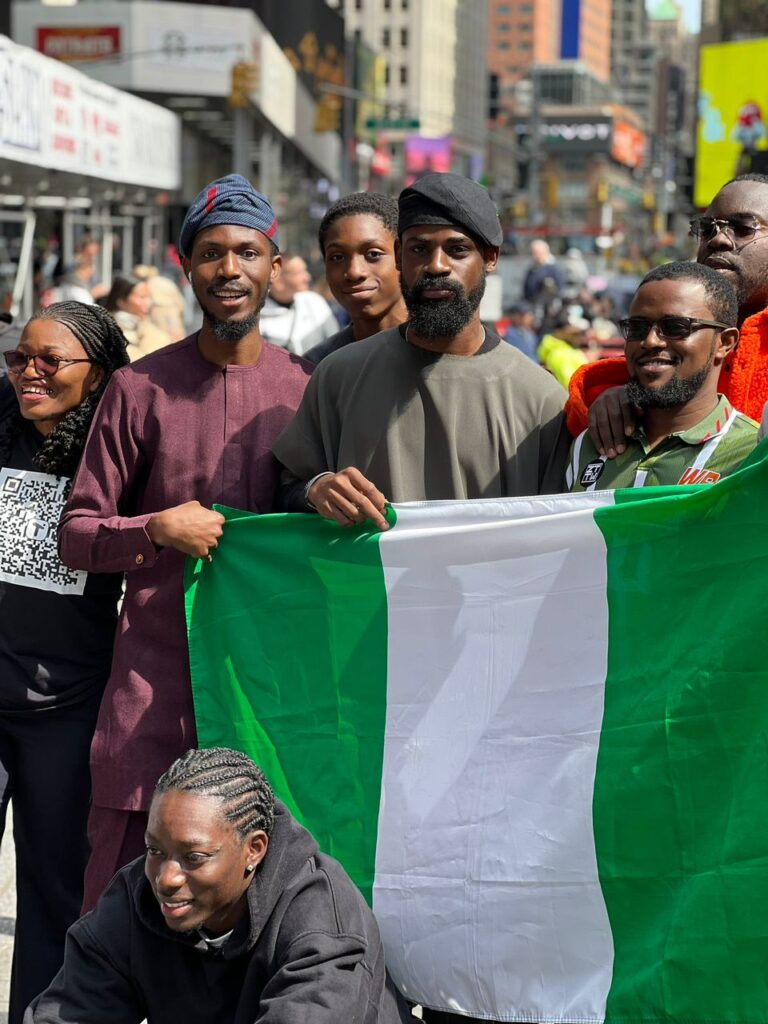
Tunde Onakoya is currently trying to break the Guinness world record for the longest chess marathon. He is playing his games in the open air in Manhattan. This is a great achievement for him as well as his country Nigeria. With much support from supporters in and outside the country, Tunde Onakoya is still riding strong in his attempt to break this record.

Updates from the Game

5 Nigerian Celebrities Who Passed Away In The First Quarter of 2024

The first three months of 2024 have not been easy, despite the hardship the country has been hit with multiple death announcements of the deaths of some of our stars and icons. Nigerians will not forget the death of these icons.

Today we say tribute to them. Here are five Nigerian celebrities who died in the first quarter of 2024:

Amaechi Muonagor

Amaechi died on March 24th, 2024 aged 61. The Nollywood actor died after battling kidney disease. A few days before his death, there was a video circulating the internet in which he requested financial assistance from Nigerians to enable him to travel abroad for a kidney transplant.

He joined the Nigerian movie industry Nollywood in 1998 and starred in many movies including Taboo 1 (1989), Aki and PawpawKarishika (1998), and Aki na Ukwa (2002), to mention just a few.

Ethel Aderemi-Ekpe

She’s a well-known veteran actress and media personality known for her role as Segi in the show Basi and Company, a sitcom that ran on Nigerian Television Authority (NTA). She passed away on February 7, 2024, after a long battle with cancer in Lagos.

The Wigwes

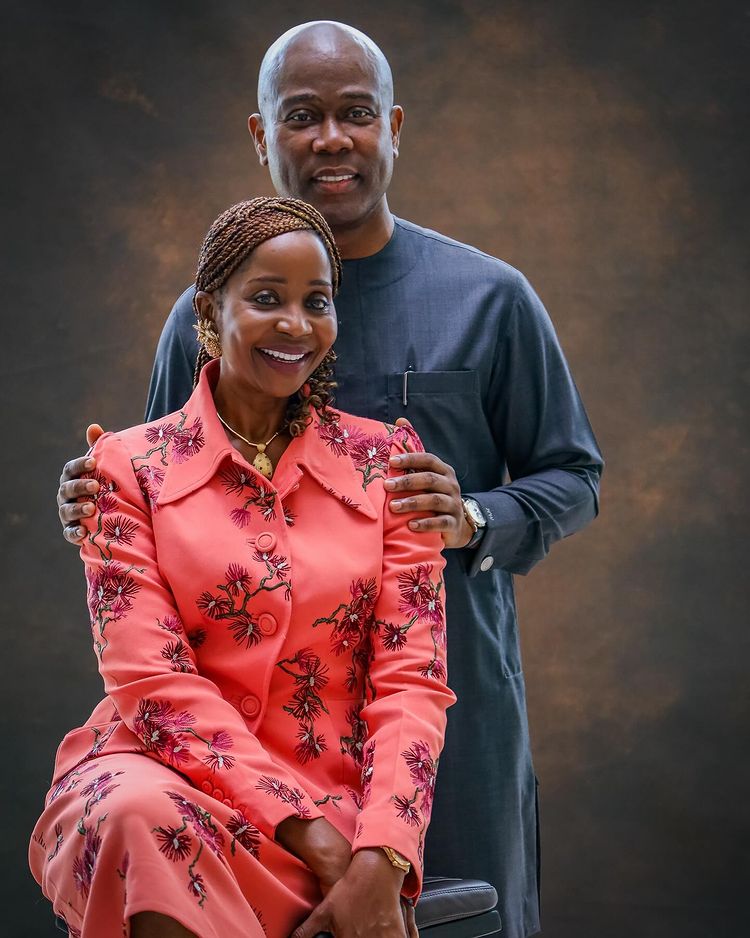
On the 9th of February, Nigerians were shocked to hear the death of business mogul, managing director and CEO of Access Bank, Hebert Wigwe. He died in a helicopter crash alongside his wife, his first son and three others.

https://twitter.com/Streamdorm/status/1756644794565013886

The passing of Hebert Wigwe leaves behind four children.

Sisi Quadri

Known for his roles in Seniyan Seranko (2004), Ebudola (2020), and Aníkúlápó: Rise of the Spectre (2024), Sisi Quadri has proved himself to be a lovable and relatable character in movies. The Yoruba Nolly actor died on March 1, months after his 44th birthday on December 25, 2023. Sisi Quadri is named Tolani Quadri Oyebamiji.

Announcing his death, Nollywood actress, Abiola Bayo wrote via Instagram, “You will be greatly missed, Sisi Quadri. May your soul rest in perfect peace.”

Everything in the world is according to the will of Allah. From Allah we have come and unto Him we shall return. May God bless, rest your soul, bro,” said Tunde Yusuf.

Mr. Ibu

A day after the death of Sisi Quadri the demise of arguably the most popular Nigerian comedic actor, John Okafor, known as Mr Ibu broke out. He passed away at the age of 62 due to a cardiac arrest. Africa still mourn his death.

Understanding and Curbing the Challenges: States in Nigeria with Highest Number of Out-of-School Children

Education is the cornerstone of development, empowering individuals and societies to thrive. It is the process by which the younger generation are prepared for the future and the passing down of the moral values of the society from one generation to another. 

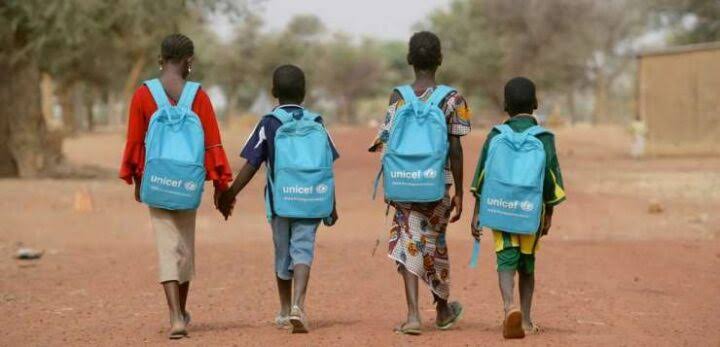
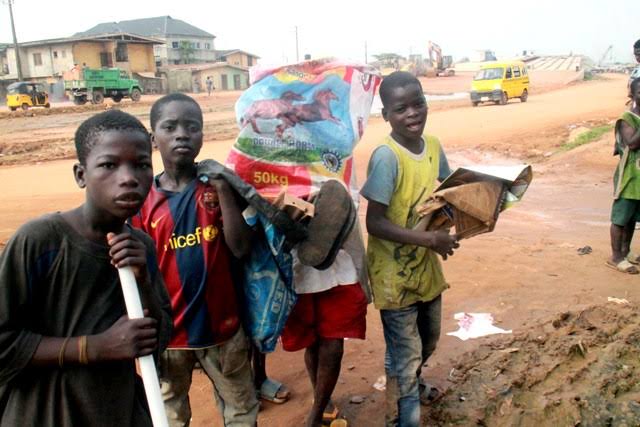
However, in Nigeria, the issue of out-of-school children poses a significant challenge to this fundamental right. Via this article, we will be looking into the state in Nigeria with the highest number of out-of-school children, exploring the factors contributing to this phenomenon and the efforts undertaken to address it.

Education plays a pivotal role in shaping the future of individuals and communities. It not only enhances cognitive abilities but also fosters critical thinking and problem-solving skills essential for socio-economic development.

Factors Contributing to Out-of-School Children

Several factors contribute to the high number of out-of-school children in Nigeria, including poverty, cultural norms, insecurity, and inadequate infrastructure. These challenges greatly affect marginalized communities, hindering access to quality Education.

Here is a list of Ten states in Nigeria with the highest rate of out of school children.

  1. Kebbi: 67.6%
  2. Sokoto: 66.4%
  3. Yobe: 62.9%
  4. Zamfara: 61.3%
  5. Bauchi: 55.7%
  6. Borno: 54.2%
  7. Jigawa: 51.1%
  8. Gombe: 48%
  9. Katsina: 45.9%
  10. Niger: 42.8%
  11. Kano: 39.2%
  12. Taraba: 28.8%
  13. Nasarawa: 25.4%
  14. Plateau: 23.2%
  15. Kwara: 22%
  16. Kaduna: 21.9%
  17. Adamawa: 21.7%
  18. Oyo: 20.9%
  19. Ogun: 20.5%
  20. Benue: 18.4%
  21. Ebonyi: 16.7%
  22. Ondo: 13.8%
  23. Osun: 12.8%
  24. FCT: 12.8%
  25. Edo: 11.3%
  26. Akwa Ibom: 10.6%
  27. Kogi: 10.2%
  28. Delta: 9.3%
  29. Rivers: 7.7%
  30. Cross River: 7.6%
  31. Enugu: 7.5%
  32. Bayelsa: 7.4%
  33. Lagos: 6.4%
  34. Abia: 5.6%
  35. Ekiti: 5.1%
  36. Imo: 5.1%
  37. Anambra: 2.9%

Why is it important to address this issue?

Ensuring that every child has access to education is not just a moral obligation but also a crucial step towards building a better society. Education empowers children, equips them with essential skills, and opens up opportunities for a brighter future. By addressing the issue of out-of-school children, we can break the cycle of poverty, reduce social inequalities, and foster economic growth.

Finding Solutions to this problem;

Governments, non-governmental organizations, communities, and individuals must come together to address the barriers to education and create an inclusive and accessible learning environment.

Remember, education is a powerful tool that can transform lives and build a brighter future. Together, we can work towards reducing the number of out-of-school children and creating a society where every child has the opportunity to learn and thrive.

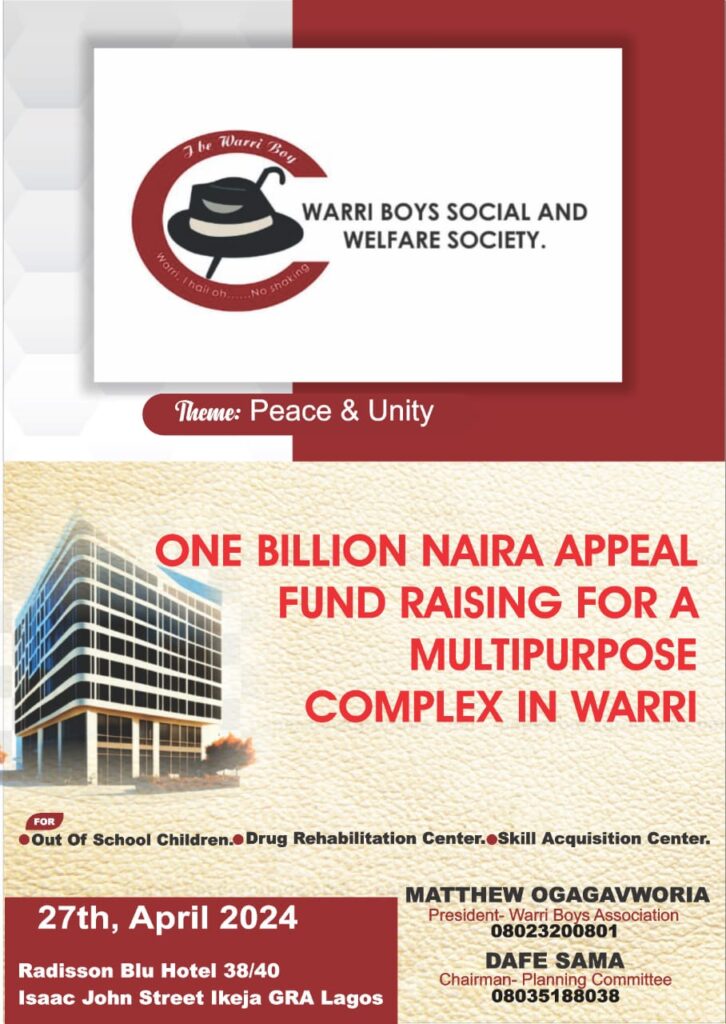
Amongst the numerous ways of finding solution to this grave problem that has been affecting the Nigerian society, an event is being held to curb this problem and some other issues affecting Nigeria at large.

Warri Boys Association

On the 27th April, 2024, Warri Boys Association will be hosting an event to raise one billion naira to help out of school children, rehabilitate drug abusers, skill acquisition and for its multipurpose complex. Location: Radisson Blu Hotel, GRA, Lagos. Call the numbers in the flyer for more info.

For More Information Follow on Twitter

https://twitter.com/WarriBoyzAss/status/1775937983385899404?t=jVzSHhj6PYmzGd8U3MThAg&s=09

Facebook

https://www.facebook.com/share/p/6CbY56QDwAhwqdtv/?mibextid=qi2Omg

10 African Countries with the Lowest Life Expectancy According to World Bank, Nigeria sits at No. 2

According to the Advanced English dictionary, Life Expectancy refers to an expected time to live as calculated on the basis of statistical probabilities.

Human life expectancy has increased in the past years, but irrespective of this increase, huge disparities exist. Sadly, many African countries find themselves on the lower end of this spectrum. While the average life expectancy for humans has increased significantly on a global scale, there’s still a noticeable gap in average life expectancies between different countries and largely among African countries.

RankCountryLife Expectancy
1Chad52.5 Years
2Nigeria52.7 Years
3Central African Republic 53.9 Years
4South Sudan55.0 Years
5Somalia55.3 Years
6Eswatini57.1 Years
7Mali58.9 Years
8Guinea58.9 Years
9Congo, Dem Rep59.2 Years
10Mozambique59.3 Years
Table showing Top 10 African Countries with Lowest Life Expectancy

According to the above table, Chad has the lowest life expectancy at 52.5 years, followed by the most populated black country in the world, Nigeria at 52.7 years, and the Central African Republic at 53.9 years.

It is not just luck that determines life expectancy, factors like race, how much money you have, gender, and where you live all play a crucial role in determining your life expectancy.

According to the World Bank, research has it that countries that spend more on healthcare tend to have higher rates of life expectancy. To increase healthy living and increase these expectancies, many countries have emphasized primary health care, including immunization, sanitation, access to safe drinking water, and safe motherhood initiatives.
From the research findings, it was discovered that in Africa, life expectancy varied widely across different countries in the continent due to factors like access to healthcare, economic development, and prevalence of diseases in those countries.

Countries with the Highest Life Expectancy in the World

The countries ranked with the longest expected life spans were countries in Asia and Europe, with Japan, Lichtenstein, Switzerland and South Korea all topping the list at 84 years.

Crossdressing is Not Illegal in Nigeria, Police PRO

According to the Public Relations Officer (PRO) of the Nigerian Police Force, Muyiwa Adejobi, crossdressing is not illegal, to the best of his knowledge.

Seun Okinbaloye of Channel TV asked him why crossdressers are yet to be prosecuted, he claimed he does not know crossdressing is against the law.

Muyiwa Adejobito told Seun that cases of crossdressing have to be attached to a concrete crime before being prosecuted. Sighting rape as a case study, Muyiwa Adejobi said the court can dismiss these kinds of cases.

Indeed, the Nigerian constitution does not address cross-dressing, but it condemns homosexuality. Lawmakers are also working on laws to address whether or not cross-dressing should be illegal.

The question we should be asking now is, should crossdressing be made illegal?

Watch the video here:

https://twitter.com/dammiedammie35/status/1775245683324248091?s=20

Scroll to Top