NAFDAC Begins Enforcement of Sachet Alcohol Ban Across Nigeria

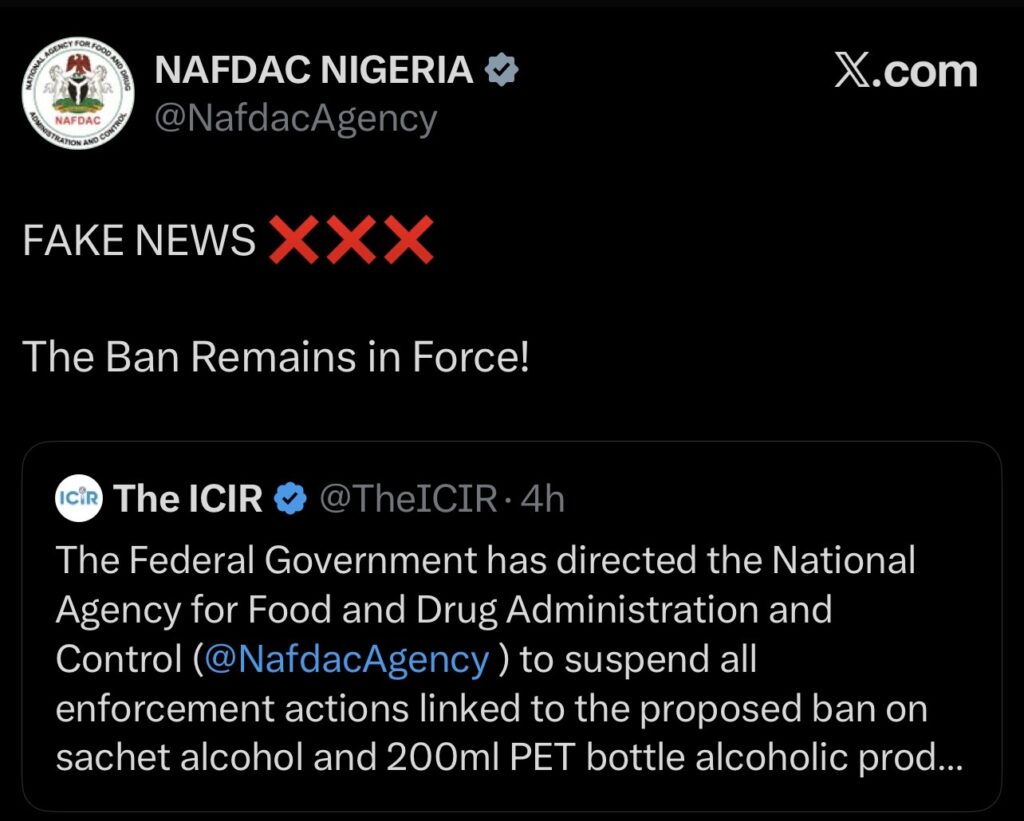
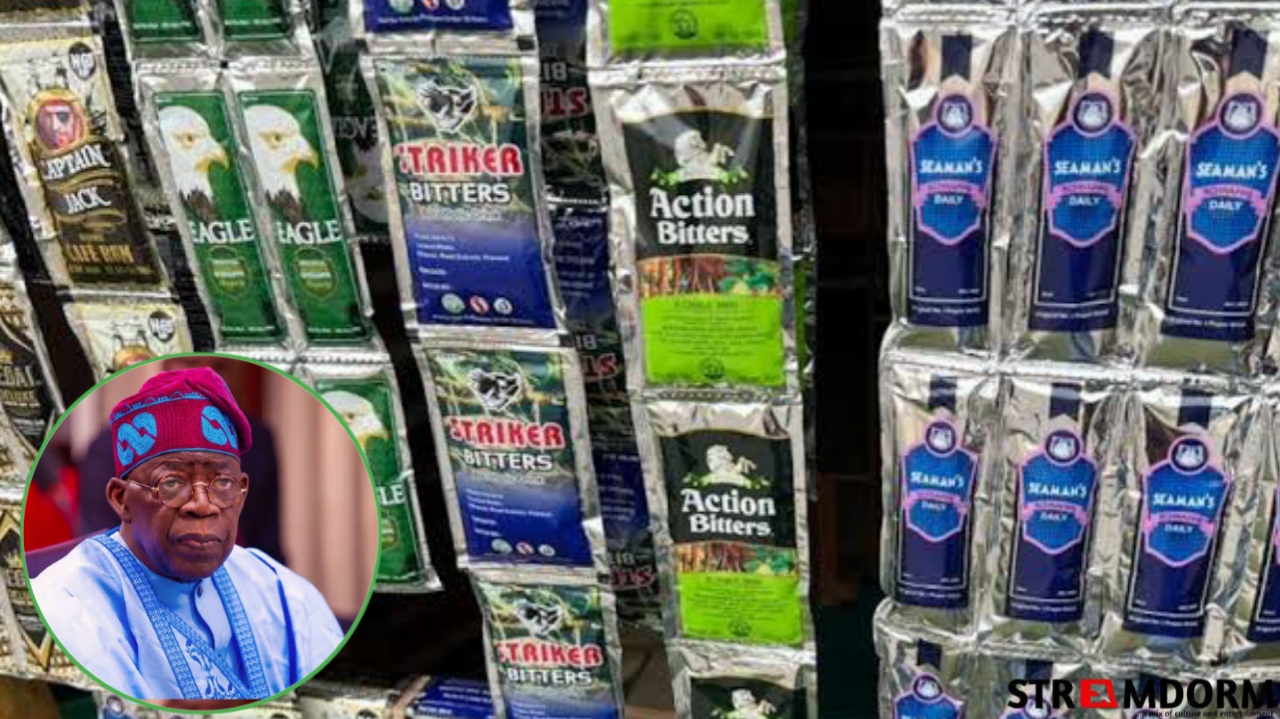
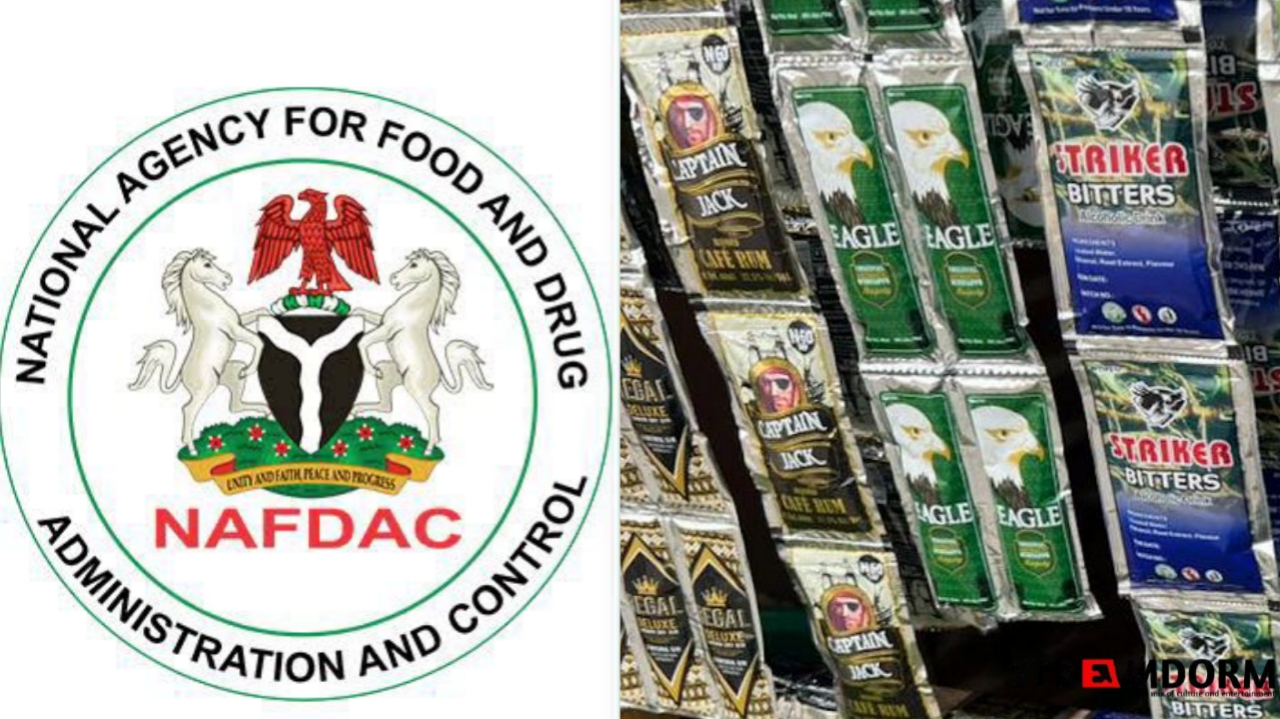
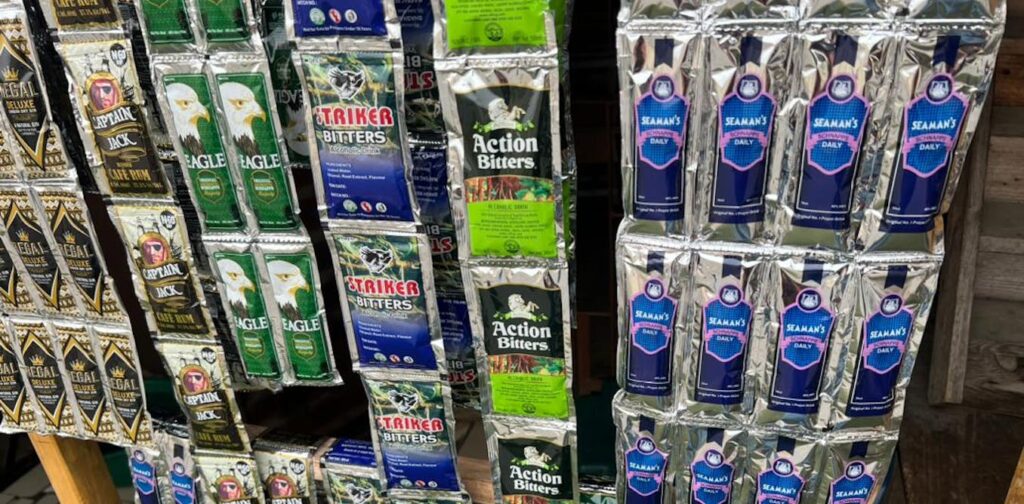
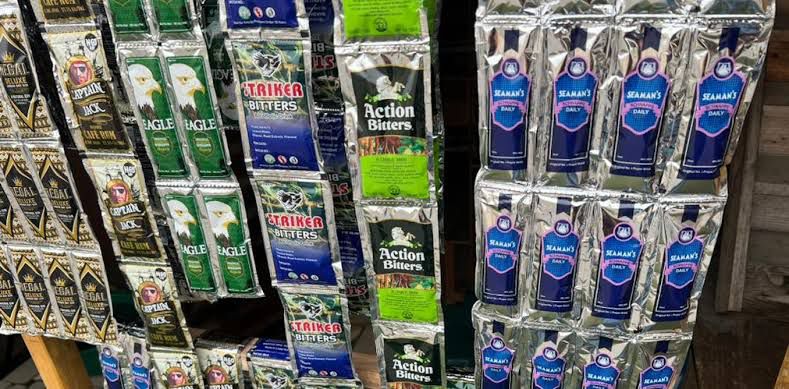
The National Agency for Food and Drug Administration and Control (NAFDAC) has officially commenced enforcement of the long-standing ban on sachet alcohol and alcoholic beverages packaged in PET bottles below 200 ml across Nigeria.

The move marks the end of a multi-year grace period given to manufacturers and distributors and signals a decisive regulatory shift aimed at addressing growing public health and youth safety concerns.

The sachet alcohol ban was first introduced in 2018 following consultations between NAFDAC, the Federal Ministry of Health, the Federal Competition and Consumer Protection Commission (FCCPC), and industry stakeholders.

At the time, regulators cited the widespread availability of high-alcohol products in small, inexpensive packaging as a major risk factor for underage drinking, alcohol abuse, and unsafe consumption habits.

Manufacturers were initially granted a phase-out period, which was later extended multiple times. The final deadline for compliance was set for December 31, 2025, after which full enforcement was mandated.

Earlier this year, the Nigerian Senate directed NAFDAC to proceed with enforcement nationwide, ruling out any further extensions.

Speaking at a media briefing in Lagos, NAFDAC Director-General Prof. Mojisola Adeyeye confirmed that the agency has begun coordinated enforcement actions to halt the production, distribution, and sale of sachet alcohol and sub-200 ml PET-packaged alcoholic drinks.

According to NAFDAC, some of the banned products previously contained extremely high alcohol concentrations, in some cases exceeding levels considered safe for responsible consumption.

Public health advocates have largely welcomed the enforcement, arguing that sachet alcohol’s affordability and portability made it particularly appealing to minors and vulnerable groups.

However, industry stakeholders have raised concerns about the economic impact, warning that the ban could affect small-scale manufacturers, distributors, and retailers who rely heavily on sachet sales.

Some industry groups have also cautioned that enforcement without sufficient consumer education could drive demand toward unregulated or illicit alcohol products, a risk NAFDAC says it is monitoring closely.

NAFDAC has reiterated its commitment to public awareness campaigns while urging manufacturers and sellers to comply fully with the law.

NAFDAC Issues Urgent Warning on Counterfeit Kiss Condoms Flooding Nigerian Markets

Nigeria’s public health system faces a new threat as the National Agency for Food and Drug Administration and Control (NAFDAC) issues a critical warning over the widespread circulation of counterfeit Kiss Condoms across the country. The alert, numbered 042/2025 and dated December 18, 2025, emphasizes the dangers these fake products pose, as they fail to provide proper protection against unintended pregnancies and sexually transmitted infections (STIs).

The warning comes via DKT International Nigeria, an NGO focused on affordable family planning and HIV/AIDS prevention tools. Reports indicate that these counterfeit condoms have infiltrated major markets, including Onitsha, Idumota, Trade Fair, Kano, Abuja, Uyo, Gombe, Enugu, and beyond.

This incident underscores a growing concern in Nigeria over substandard and falsified products, which have been linked to severe health complications, hospitalizations, and even deaths.

Kiss Condoms, manufactured by DKT International, are widely used for sexual protection, helping prevent unintended pregnancies and STIs such as HIV, gonorrhea, and syphilis. Their popularity has made them a target for counterfeiters, who produce inferior versions mimicking the packaging but failing in quality and safety.

These fakes are not just ineffective, they are hazardous. Poor manufacturing standards, lack of sterilization, and absence of regulatory oversight increase the risk of condom breakage, allergic reactions, and unintended pregnancies. Users may experience a false sense of security, unaware that they are unprotected.

How to Spot Counterfeit Kiss Condoms

NAFDAC has provided a detailed guide to help Nigerians distinguish genuine products from fakes.

Box Packaging (Front Side)

  • Genuine: Features instructions like “Please read the instructions carefully,” single-use warnings, medical device certification (MDSS GmbH, Hannover, Germany), condom image, English and French details, and correct address (Plot 4, Block E, Isolo Industrial Layout, Oshodi-Apapa Expressway). Storage and caution info are included.
  • Fake: Lacks instructions or certification, darker packaging, no condom image, incorrect address (42 Montgomery Road, Yaba, Lagos), and missing caution details.

Condom Pack

  • Genuine: Light red with “Kiss” printed closely on six lines.
  • Fake: Dark red with “Kiss” loosely spaced on five lines; strip is longer than the original.

Wallet Packaging (Outer)

  • Genuine: Light red, full description, correct Oshodi-Apapa address, hidden flap with revision date, medical device info, and caution statements.
  • Fake: Dark red, wrong Yaba address, incomplete details, inconsistent barcode, missing medical device info.

Wallet Packaging (Inner)

  • Genuine: Detailed instructions with eight bullet points.
  • Fake: Summarized info with only six bullet points.

The Condom Itself

  • Genuine: Larger, oval-shaped, large teat end, well-lubricated.
  • Fake: Thinner, round-shaped, smaller teat end, less lubricated.

NAFDAC’s Action and Public Guidance

NAFDAC has mobilized zonal directors and state coordinators for nationwide surveillance to remove falsified products. Distributors, retailers, healthcare professionals, and consumers are advised to:

  1. Source products only from licensed suppliers.
  2. Verify product authenticity before purchase.
  3. Report suspicious products or adverse effects immediately to the nearest NAFDAC office.
  4. Call the toll-free hotline: 0800-162-3322 or email sf.alert@nafdac.gov.ng.
  5. Use the Med-safety app or pharmacovigilance@nafdac.gov.ng for reporting.

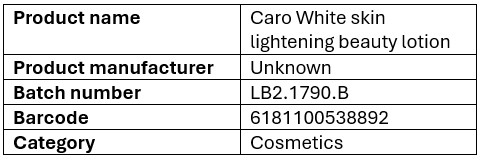
NAFDAC alerts the public of Europe’s recall of Caro White

The European Union (EU) Rapid Alert System for Dangerous Non-Food Products (RAPEX) recently recalled Caro White Skin Lightening Beauty Lotion, and the National Agency for Food and Drug Administration and Control, NAFDAC, has issued a public notification.

Caro White was recalled because it did not comply with the EU Cosmetic Products Regulation, which mandates a maximum of 1% kojic acid, as concluded by the EU Scientific Committee on Consumer Safety (SCCS).

Kojic acid plays a significant role in skin-lightening beauty lotions because it inhibits melanin production, the pigment that gives skin its colour.

The high concentration of Kojic Acid raises concerns about its potential endocrine-disrupting properties.

NAFDAC advises importers, distributors, retailers, and consumers to be cautious and vigilant regarding the product. Although the product is not listed in its database, NAFDAC advises careful authentication of the product and an assessment of its physical condition. 

The public is advised to report any inexperience through the use of the product to the nearest NAFDAC office or send an email via pharmacovigilance@nafdac.gov.ng.

Source: Nairametrics

Scroll to Top