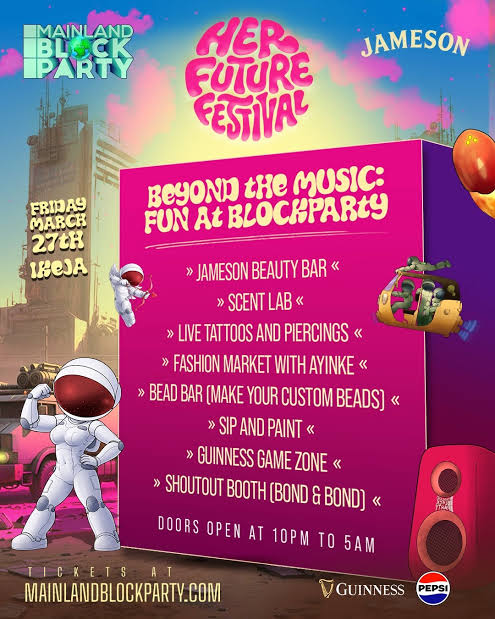
Mainland BlockParty has announced its first ever all-female festival edition, Her Future Festival, set to take place on March 27, 2026, in Ikeja, Lagos.
Her Future Festival represents a structural shift in how festivals are curated and held in Nigeria placing women at the centre not only as performers, but as organizers, creators, and economic drivers.
At the heart of the festival is a strong and diverse lineup of female artists, headlined by:
Niniola Fave M.I.A.
The extended lineup includes:
GoodGirl LA Smur Lee Fimi with the Flow Wanni x Handi
What sets Her Future Festival apart is its commitment to going beyond surface-level inclusion.
According to organisers, the event is designed as a fully female-powered ecosystem, including:
An all-female DJ lineup Women-led vendor and marketplace spaces Female creatives and professionals driving production and operations.
In an industry where women often dominate cultural influence but remain underrepresented in decision-making roles, this move signals a deliberate effort to rebalance opportunity.
Since its inception, Mainland BlockParty has evolved into one of the most influential youth-driven event platforms in Lagos.
Known for its energetic fusion of music, fashion, and street culture, the platform has consistently attracted large audiences and top-tier talent. Rather than treating gender inclusion as an add-on, the organisers are embedding it into the core structure of the event.
Even more significant is the announcement that this will become a permanent Women’s Month edition, returning every March. This signals a long-term commitment rather than a one-off statement.
If executed at scale, it could mark the beginning of a new era where inclusion is not a theme, but a standard.
And in a city like Lagos, where culture moves fast and influence travels even faster, that kind of shift rarely goes unnoticed.
Reports gathered from online source and credit The Cables.
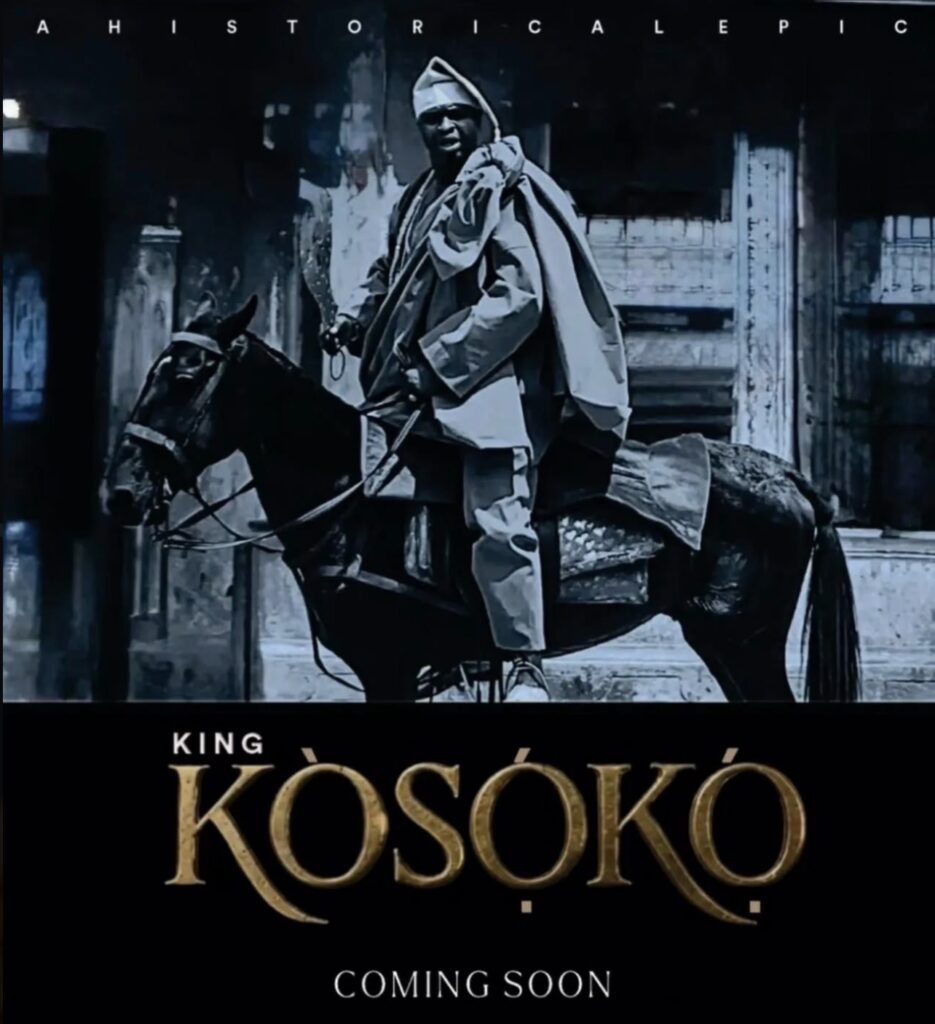
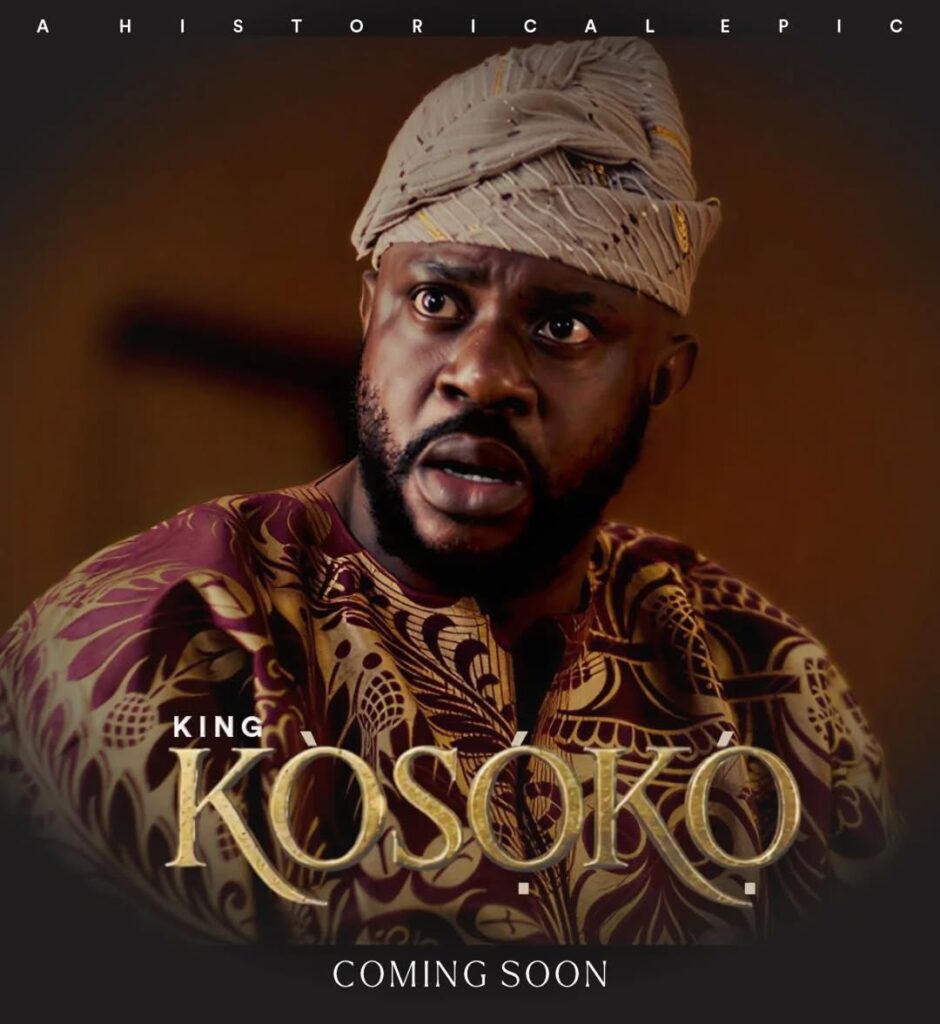
Nollywood’s historical renaissance is showing no signs of slowing down. With large-scale productions increasingly revisiting Nigeria’s pre-colonial and early colonial past, a new epic is now commanding attention: King Kosoko: The Battle for Lagos.
Set for release in 2026, the film dramatizes the turbulent reign of Oba Kosoko, who ruled Lagos between 1845 and 1851. His leadership unfolded during one of the most decisive moments in the city’s history; a period marked by political rivalry, resistance, and eventual confrontation with British colonial forces.
Historically, Oba Kosoko’s reign was defined by internal succession disputes and mounting tensions with the British, who sought to expand their influence along the West African coast.
The 1851 bombardment; often linked to what is known as the “Salt Water War” (Ogun Olomiro), became a turning point in Lagos history. The confrontation ultimately paved the way for increased British intervention and would later influence the eventual annexation of Lagos in 1861.
By bringing this chapter to the screen, the filmmakers are revisiting a defining moment in Nigeria’s historical trajectory, one that continues to spark scholarly and cultural discussion.
Award-winning actor Femi Adebayo leads the project in the title role. Known for his commanding screen presence and emotional range, Femi Adebayo’s casting signals the scale and seriousness of the production.
Early promotional materials suggest a performance grounded in authority and intensity; a portrayal likely to balance royal dignity with political defiance.
Joining him is a heavyweight ensemble cast that reflects Nollywood’s upper tier:
Jide Kosoko
Femi Branch
Faithia Williams
Gabriel Afolayan
Odunlade Adekola (in a key supporting role)
The film is directed by Adebayo Tijani, a filmmaker associated with large-scale Yoruba historical storytelling. His previous works include Jagun Jagun and Olori Ogun, both noted for elaborate costuming, stylized battle sequences, and strong cultural detailing.
Producers Ayo Ajayi and Segun Olojo Kosoko are attached to the project, with the latter’s surname drawing attention due to its historic ties to the Kosoko lineage; a detail that has fueled conversations about authenticity and cultural consultation.
King Kosoko: The Battle for Lagos arrives amid a renewed appetite for Nigerian historical epics. Films like Jagun Jagun and Lisabi: A Legend Is Born have demonstrated that audiences are eager for stories rooted in indigenous history, folklore, and resistance narratives.
This resurgence marks an important evolution in Nollywood’s storytelling identity. For decades, contemporary dramas and comedies dominated the industry. Now, filmmakers are investing in: Cultural reclamation, Pre-colonial political narratives, Traditional aesthetics and language and Higher production value
For Nollywood, it represents something bigger: a growing confidence in telling African stories with epic scale and historical depth.
If executed with the care and ambition suggested by its early details, King Kosoko: The Battle for Lagos could become one of 2026’s defining Nigerian films.
Streamdorm will continue to update this story as trailers, confirmed release dates, and additional production details emerge.
A routine filming day turned tragic in Lekki Phase 1 after two Nollywood production crew members were found dead inside a parked vehicle at a movie location, sparking a full-scale police investigation.
The victims have been identified as Godstime Imeh, a lighting director and CEO of GeeTee Light, and Walter Odediran, a creative director widely known in industry circles as Director Carrinqton. Both men were part of the technical team working on a film project at the time of the incident.
According to reports from colleagues on set, Imeh and Odediran arrived early on Saturday, February 7, 2026, to handle lighting arrangements ahead of the day’s shoot. After completing their setup, they reportedly remained inside Imeh’s Nissan vehicle, which was parked within the filming premises.
Sources say the car’s air conditioning system was running while the pair rested inside. Around midday, breakfast was delivered to them; the last confirmed interaction anyone had with the two men.
Concerns were raised later in the evening when repeated phone calls went unanswered. Crew members eventually approached the vehicle and discovered both men unresponsive inside. Emergency services were alerted, and authorities were called to the scene.
The Lagos State Police Command confirmed that an investigation has commenced. The case has since been transferred to the State Criminal Investigation Department in Yaba for further forensic examination.
Investigators are reportedly exploring multiple angles, including toxicology testing, mechanical inspection of the vehicle, environmental factors, and interviews with individuals present on the set earlier in the day. CCTV footage from the premises and surrounding areas is also being reviewed.
As of the time of filing this report, authorities have not confirmed a cause of death. Officials say findings from autopsies and laboratory analyses will be critical in determining what happened.
The news has sent shockwaves through the Nollywood production community, particularly among technical crew members who form the backbone of the industry’s daily operations. Tributes have begun pouring in from colleagues describing both men as dedicated professionals committed to their craft.
While speculation continues online, law enforcement authorities have urged the public to allow the investigation to run its course. For now, the deaths of Godstime Imeh and Walter Odediran remain under official review, with the film community and the public awaiting clarity.
We will continue to monitor developments and provide updates as confirmed information emerges.
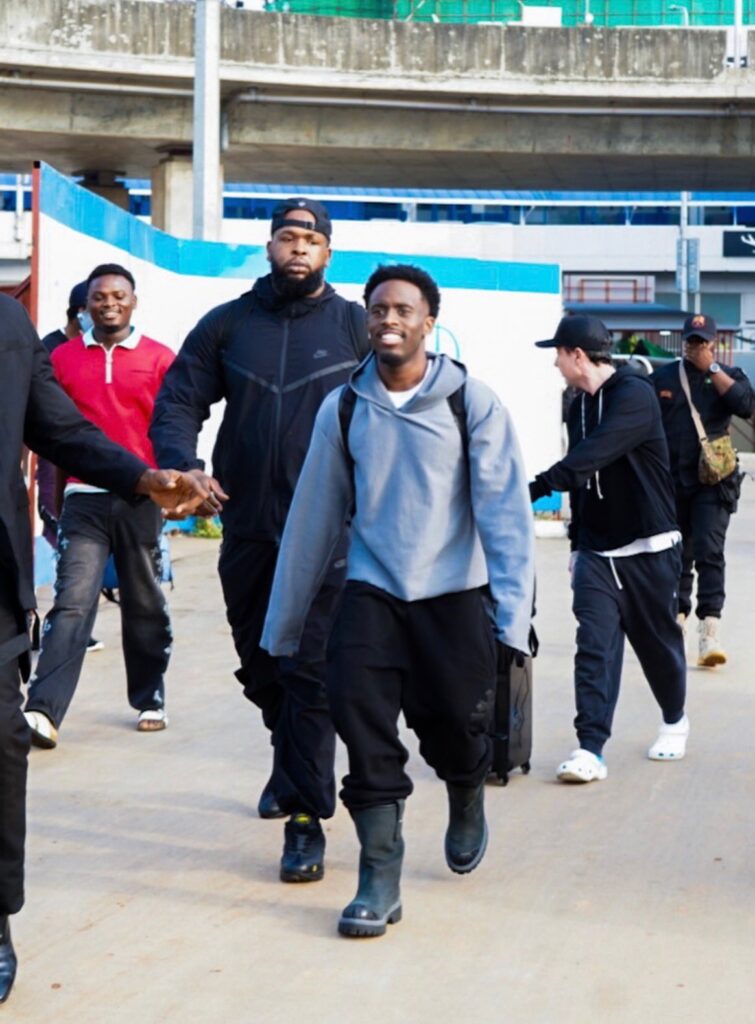
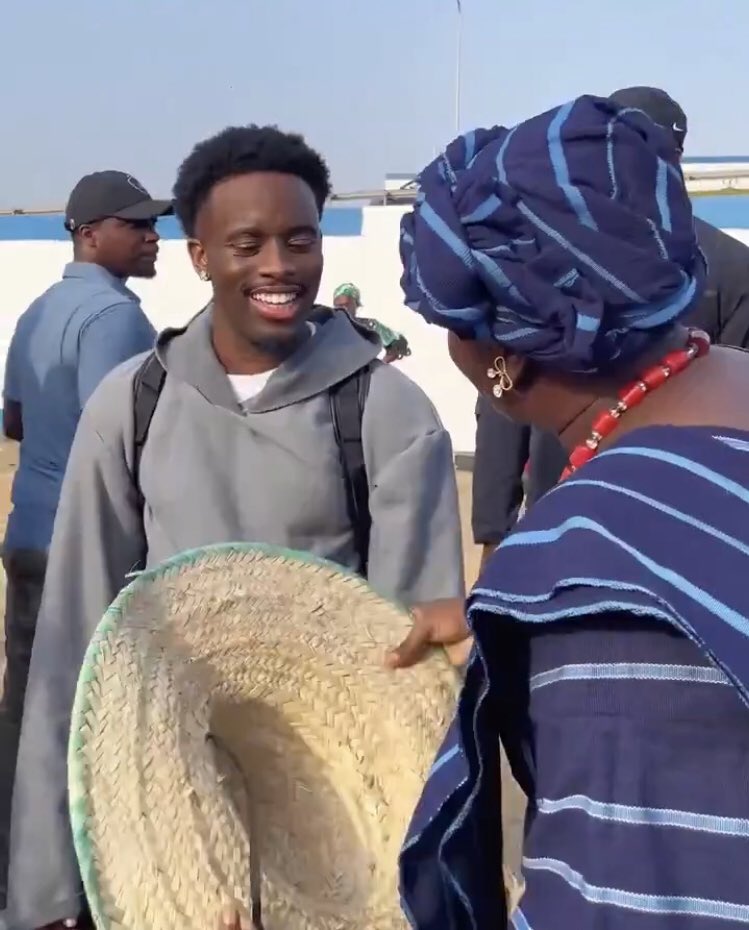
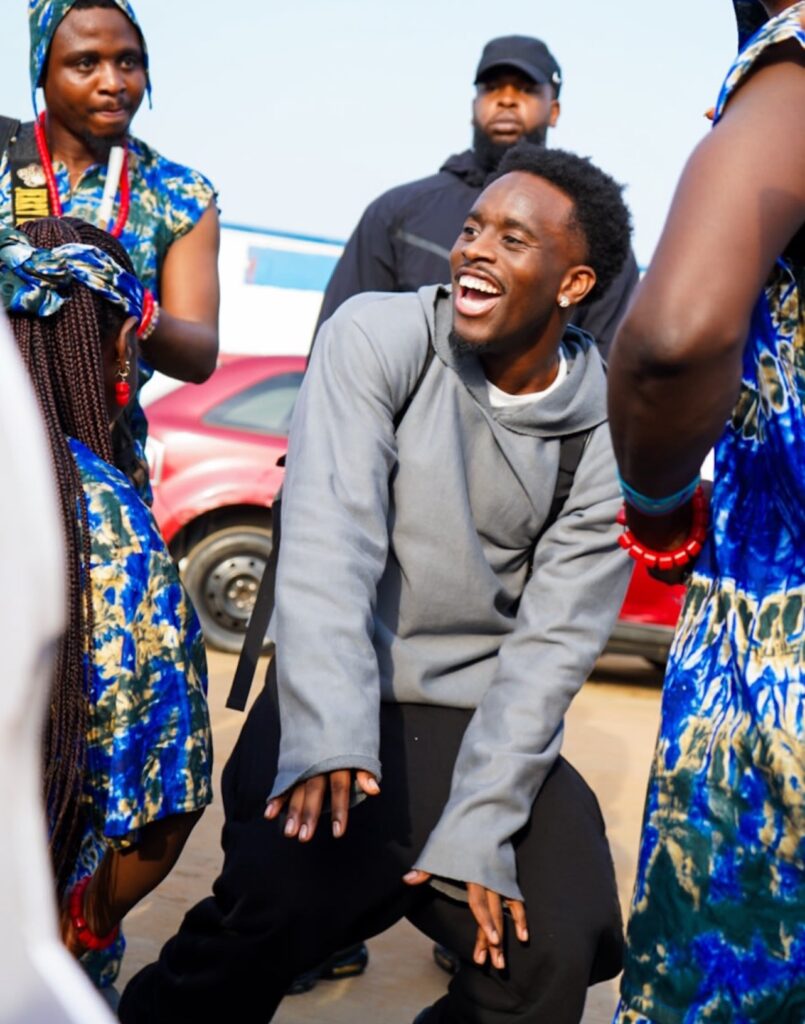
When American streaming superstar Kai Cenat landed in Lagos again in early hours of today, February 4, 2026, it didn’t feel like a typical influencer visit. The buzz around his return wasn’t driven by collaborations or nightlife content; it was tied to a promise that has followed him since his first trip to Nigeria: helping to build a school connected to the Makoko community.
His second visit has reopened a conversation that has been growing for nearly two years one that mixes internet fame, charity promises, community expectations, and the difficult reality of turning online influence into long-term physical infrastructure.
The foundation of this entire story goes back to Kai Cenat’s first trip to Nigeria in 2024. During that visit, he toured parts of Lagos and eventually visited a school and orphanage within Makoko; a waterfront settlement known for its dense population and limited infrastructure.
Images and videos from that visit showed crowded classrooms and buildings struggling with structural limitations. The experience clearly affected him, and shortly afterward he publicly stated that he wanted to help build or significantly upgrade an educational facility that could better serve children in the community.
The announcement quickly spread online. Supporters saw it as an example of global creators using their platform for impact. Critics, however, immediately questioned whether a streamer-driven charity project could realistically deliver something as complex as a full school.
Unlike traditional charity drives backed by large NGOs, Cenat’s funding model came directly from the creator economy. During several high-profile livestream events, including marathon subscription streams known as Mafiathons, he announced that a portion of the revenue would be directed toward the Nigeria school project.
He also spoke about forming a nonprofit structure to manage donations and coordinate the building process. The total value mentioned across various updates has been placed around multi-million-dollar investment levels, although exact audited figures and spending breakdowns have not been publicly released in full detail.
This funding model attracted global attention because it represented a new form of philanthropy, one where fans and digital communities essentially contribute to real-world infrastructure through entertainment.
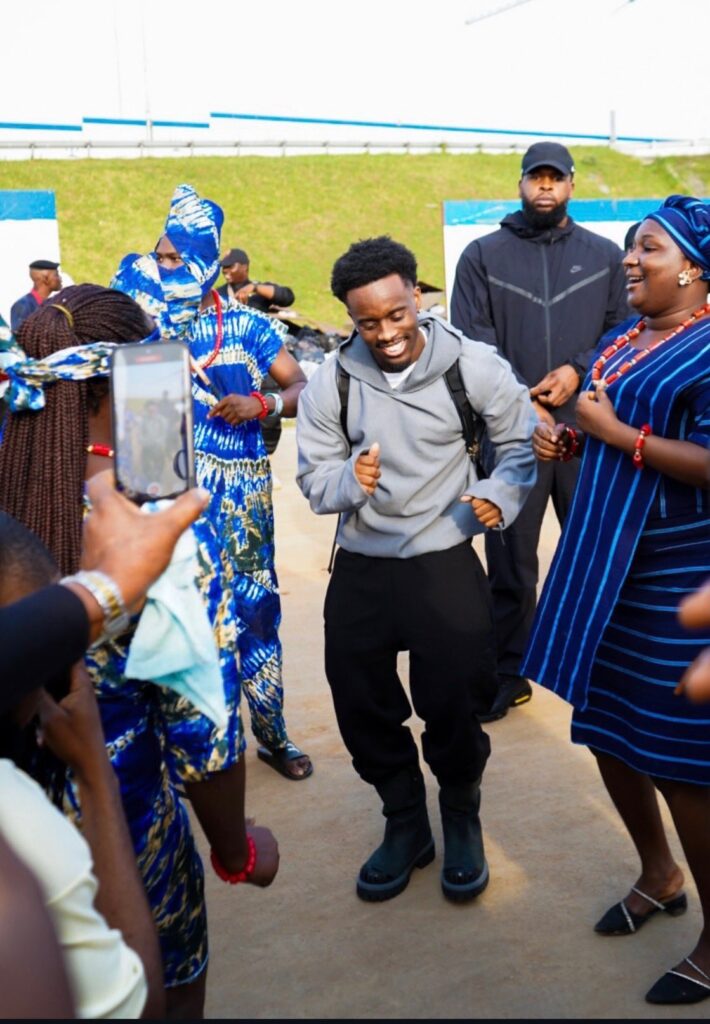
Moment Kai Cenat arrived in Lagos, Nigeria
However, it also increased expectations. Once audiences hear large funding numbers attached to a project, they expect visible results and fast.
One of the biggest questions surrounding the Makoko school promise is simple: if millions were raised, why isn’t the school already completed?
Makoko itself presents serious construction complications. Much of the community is built over water, and major infrastructure projects require specialized engineering solutions. Building directly within the area is significantly more complex than constructing on conventional land.
Because of these challenges, discussions reportedly shifted toward building a facility in a nearby area of Lagos where land is more stable while still serving children connected to Makoko.
Beyond location issues, there are also administrative steps that slow projects like this down. Land acquisition, government approvals, regulatory compliance, and long-term sustainability planning all add layers of time. A school is not just a building; it requires teachers, curriculum approval, safety certifications, and operational planning.
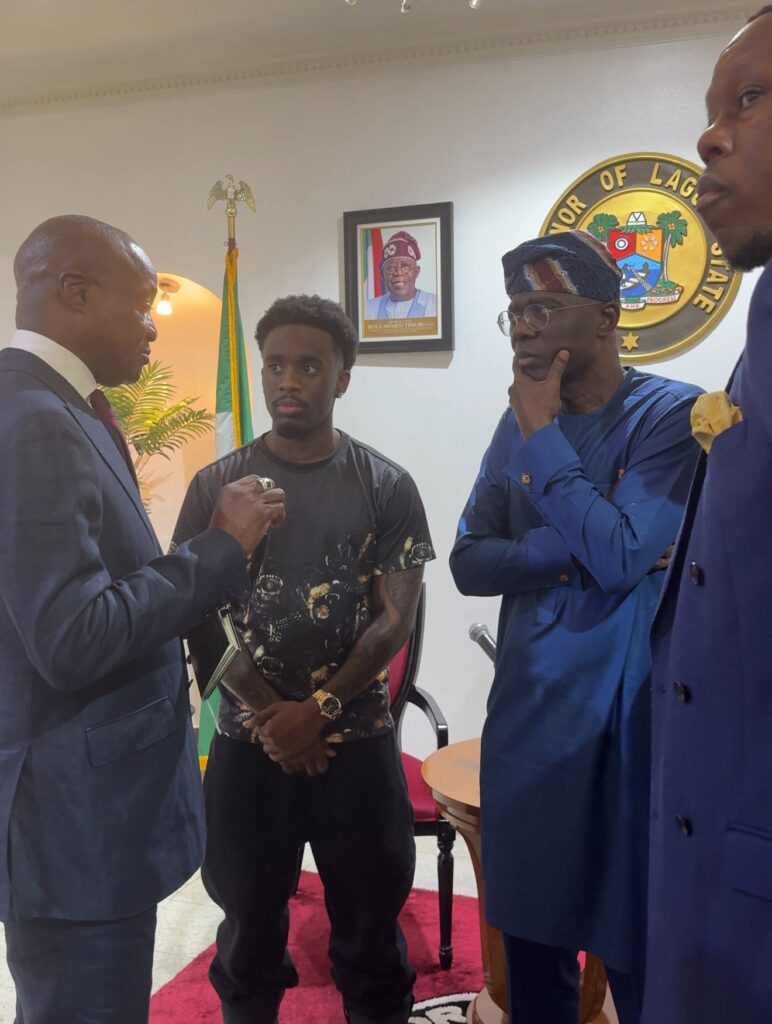
Kai Cenat alongside the Lagos State Governor, Babajide Sandi-Olu and others
Local reports and circulating footage have suggested that early construction or renovation work began after smaller initial donations. There have also been claims that Cenat supported existing educational facilities with resources such as equipment and technology while larger construction plans were being developed.
However, it is important to state clearly that as of now there is no widely confirmed report of a fully completed, operational school building linked directly to the project. This distinction matters because social media narratives often jump ahead of verified outcomes.
His second visit to Lagos has therefore been interpreted by many observers as an attempt to push the project forward physically and demonstrate progress more visibly.
Supporters argue that regardless of delays, the attention alone has highlighted educational inequality and brought global eyes to a community that rarely receives sustained international focus. They see his efforts as genuine, especially considering that many celebrities make promises without ever returning.
Critics, on the other hand, have grown increasingly vocal. Online discussions frequently ask for clearer updates, transparent financial breakdowns, and physical proof of construction progress. Some community voices have expressed concern that the story has generated more headlines than measurable outcomes.
Kai Cenat’s return to Nigeria carries symbolic weight. Unlike a one-time publicity visit, coming back suggests an ongoing commitment to the project and the country.
More importantly, this return places the spotlight back on the children and communities that were the original focus of the project. The story is no longer just about a streamer; it is about whether a globally publicized education project can actually deliver lasting infrastructure.
The Makoko school initiative is becoming a case study in how digital influence translates into physical change. If successful, it could inspire more creator-led community projects globally.
As of February 2026, the confirmed reality is this: Kai Cenat is back in Lagos for a second visit, and the Makoko school project remains ongoing but incomplete.
This article is based on publicly available reports, creator statements, and verified news coverage as of February 2026. Some details about construction progress, total funding allocation, and final school location remain unclear or unconfirmed publicly. We will update this report as more verified information becomes available.
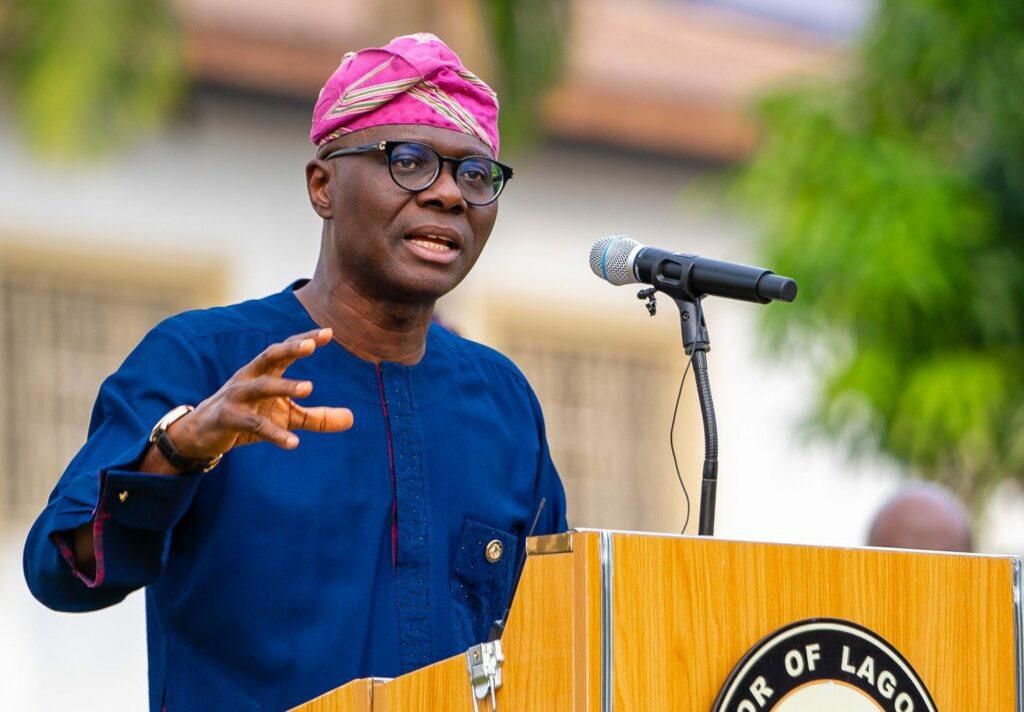
In a surprising turn of events, the Lagos State Government has announced the cancellation of the much-anticipated Greater Lagos Fiesta 2025, scheduled to take place today (December 31, 2025). Instead of the usual concerts, fireworks and public gatherings, Governor Babajide Sanwo-Olu has urged Lagosians to spend the final hours of the year in private and collective prayer; praying for prosperity, good leadership, peace, productivity and the overall wellbeing of the state and the nation.
For years, the Greater Lagos Fiesta also known as the Countdown to the New Year has been one of Lagos’s most vibrant cultural celebrations. It traditionally brings together thousands of people from across Nigeria and beyond for music performances, carnival-like atmosphere, fireworks and entertainment across multiple locations in the state. The event has become a staple for residents and visitors looking to usher in the New Year with high energy and festive spirit.
The 2025 edition was no different in anticipation until the cancellation was announced just hours before it was set to begin.
In a statement released on Tuesday by Mr. Gboyega Akosile, the Special Adviser on Media and Publicity to the governor, Sanwo-Olu approved the cancellation of the event. The decision was communicated as a directive that instead of large gatherings, Lagosians should devote time to spiritual reflection and prayer for their families, their communities and the future of the state.
According to the statement, residents were specifically encouraged to pray for:
Continued prosperity and economic growth
Effective and wise leadership
Peace and social harmony
Productivity and personal wellbeing
The overall general wellbeing of Lagosians
However, the governor’s message focused on optimism about the year ahead, describing 2026 as a year of promise for Lagos State and expressing confidence that the state government will continue to work hard to deliver progress and development.
The Greater Lagos Fiesta cancellation marks a significant shift from the usual festive custom. Over the years, the event has not only served as entertainment but has also driven local tourism, small business sales and hospitality activities around the New Year period.
At the same time, the focus on prayer and introspection highlights a growing trend among leaders and citizens to blend cultural celebration with spiritual meaning, especially during transitions such as entering a new year.
Governor Sanwo-Olu ended his statement with a message of hope and goodwill. He extended warm New Year wishes to all Lagos residents and expressed confidence that 2026 will bring better opportunities, growth and peace for Lagos State and Nigeria as a whole.
“On behalf of my family, I wish every resident of our dear state a happy and prosperous New Year,” the governor said. “I want to assure you all that the year 2026 will be a better year for us in the state, as our administration is determined to work twice as hard to deliver the good for the residents of the state.”
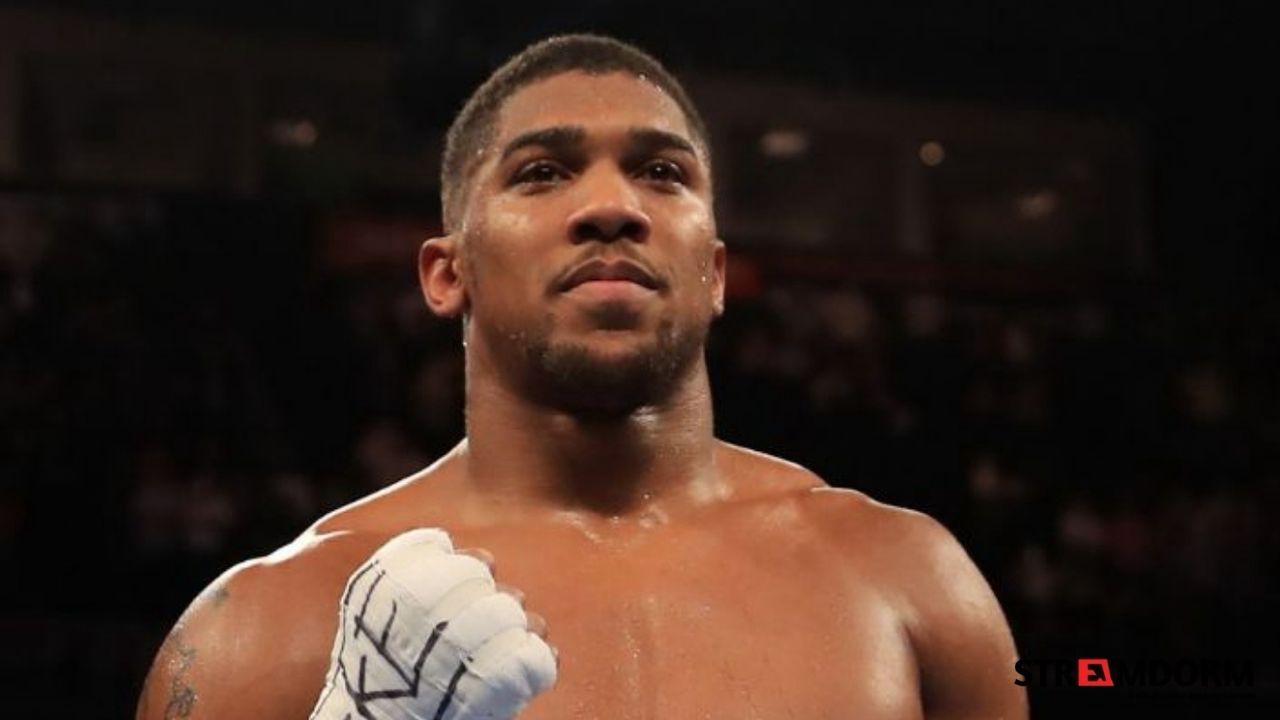
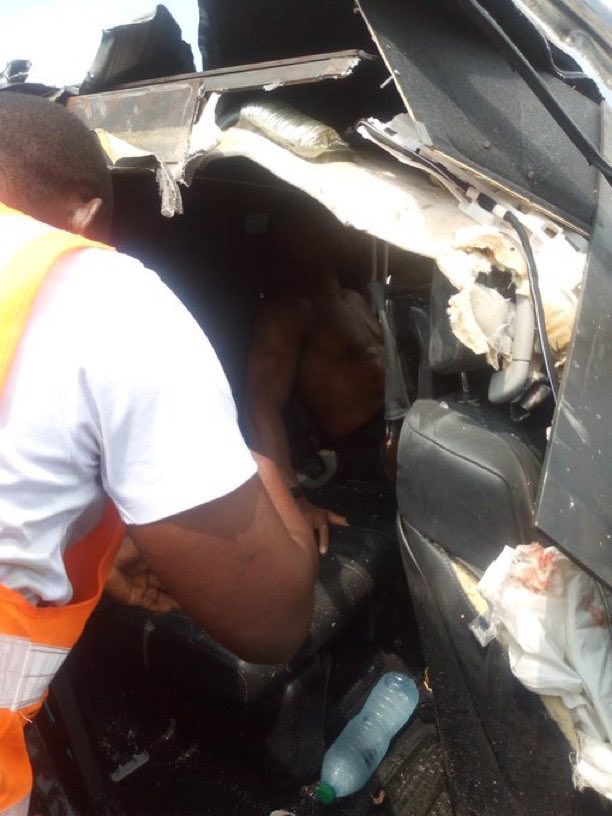
World heavyweight boxing star Anthony Joshua was involved in a serious car accident on the Lagos-Ibadan Expressway in Ogun State earlier today, local reports and eyewitness accounts confirm. Two people have been reported dead at the scene, while Joshua sustained only minor injuries and is currently stable.
This incident has sparked major reactions on social media and Nigerian news platforms as fans and observers follow developments involving the British-Nigerian fighter.
According to eyewitnesses and local reports, the crash took place shortly after 11 a.m. on the busy Lagos-Ibadan Expressway near Makun, close to the Sagamu Interchange in Ogun State.
The Lexus SUV carrying Joshua, reportedly with registration number KRD 850 HN, collided with a stationary truck under circumstances that remain under investigation by authorities.
Emergency responders and bystanders were the first to reach the scene, assisting with rescue efforts and helping to manage traffic along the busy artery.
Police and traffic officials have confirmed that Anthony Joshua received minor injuries and was able to leave the wreckage with help from responders before being taken for medical evaluation.
Tragically, two people died at the crash site, according to multiple eyewitness accounts and reports from local news outlets.
Details about the victims have not yet been released, and authorities are continuing their investigation into both the cause of the crash and the identities of those who died.
At 36 years old, Anthony Joshua is one of the most recognized figures in boxing, known for his two-time world heavyweight championships and Olympic gold medal performance. The fighter has a strong connection to Nigeria due to his family roots in Sagamu, Ogun State, which partly explains his presence in the country during this period.
This crash comes just days after Joshua’s highly publicized knockout win over Jake Paul in Miami, a bout that drew massive global viewership on streaming platforms and renewed discussions about his next career steps.
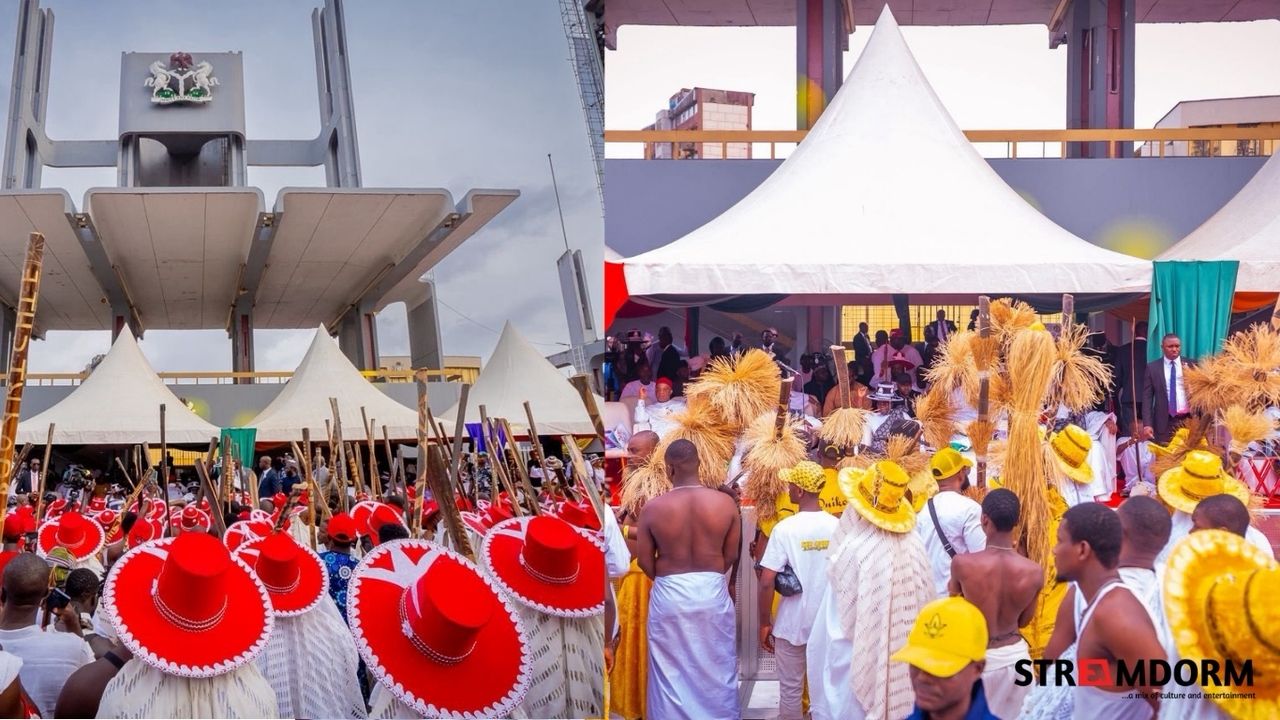
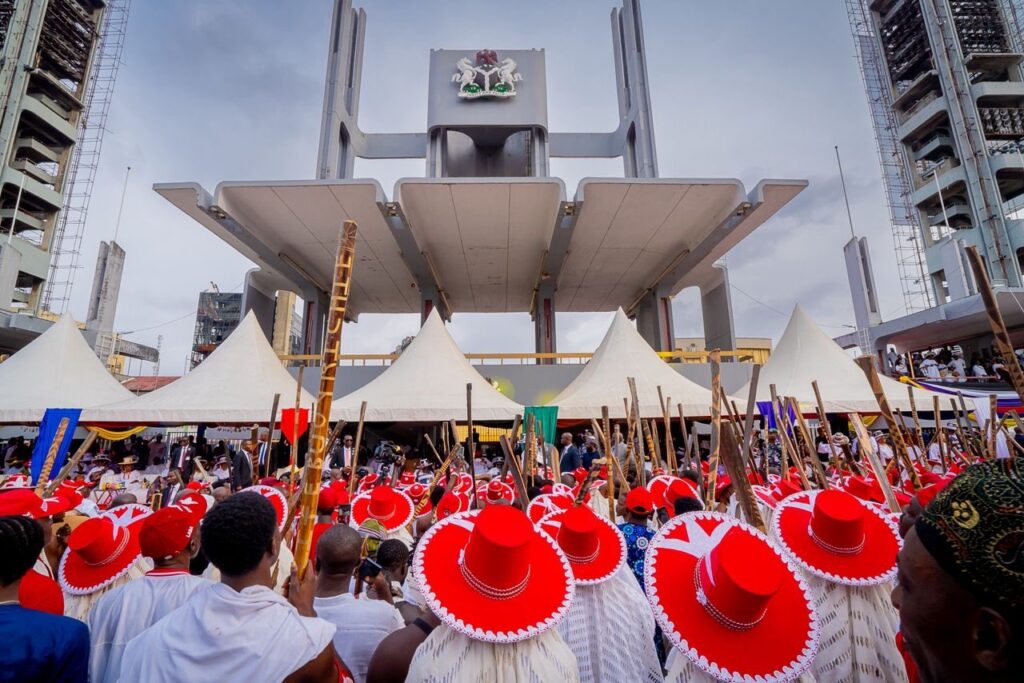
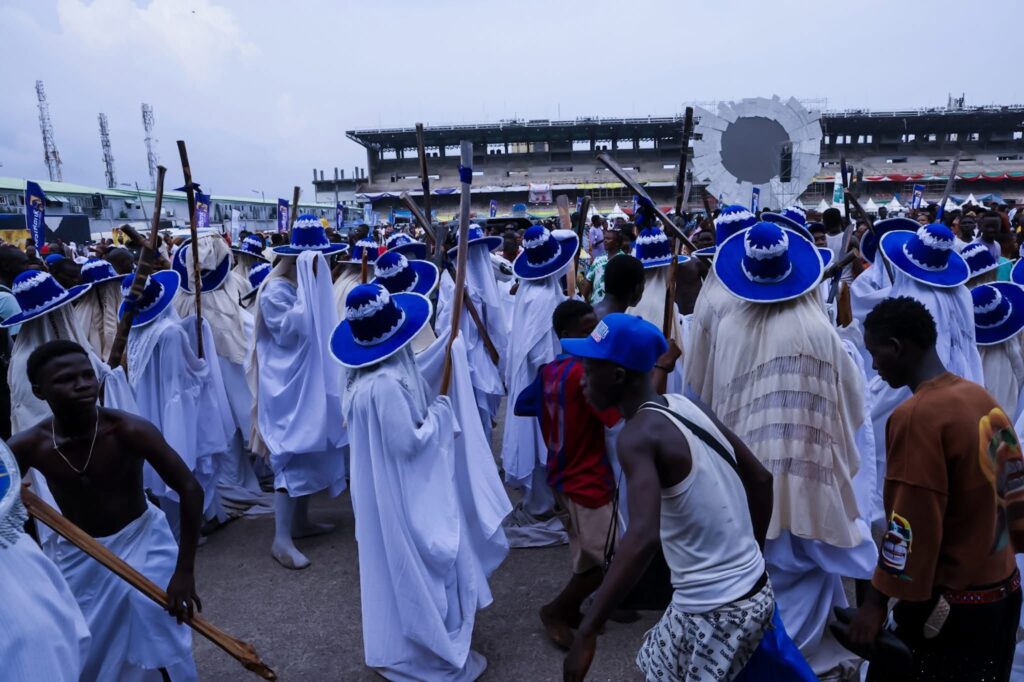
Lagos Island once again became the centre of culture and tradition as the Eyo Festival 2025 returned after an eight-year break. Known as one of Nigeria’s most iconic cultural celebrations, the festival attracted thousands of spectators, including locals, diaspora Nigerians, and international visitors, cementing its reputation as a global symbol of Yoruba heritage.
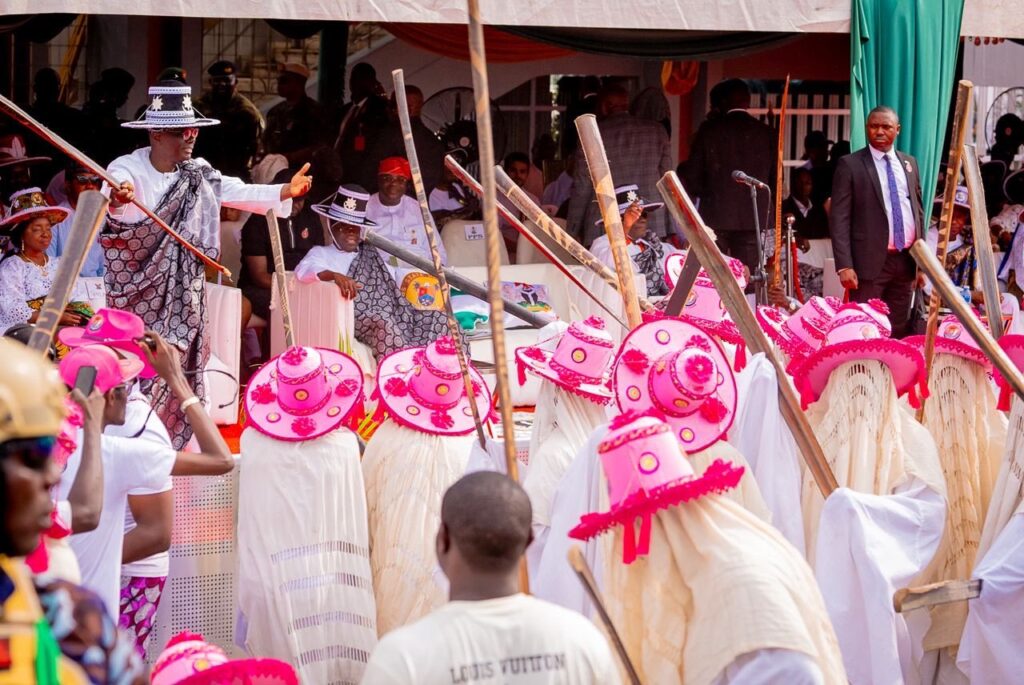
The highlight of the festival is the Eyo masquerade procession, a breathtaking display of Yoruba tradition. Hundreds of participants dressed in flowing white robes and veiled hats moved gracefully through Lagos Island, carrying long palm staffs (Opambata) that signify ancestral blessings and authority.
The streets around Marina, CMS, and Broad Street were closed to traffic, transforming the city into a massive cultural stage. Spectators lined the roads to witness the rhythmic drumming, traditional chants, and colourful spectacle that make the Eyo Festival unlike any other cultural event in Nigeria.
Honouring Lagos’ Legendary Figures
The 2025 festival paid tribute to four iconic Lagos personalities whose contributions shaped the state’s history:
Alhaja Abibatu Mogaji, Iyaloja General and mother of President Bola Ahmed Tinubu
Brigadier-General Mobolaji Johnson, first Military Governor of Lagos
Alhaji Lateef Kayode Jakande, first civilian Governor of Lagos
Sir Michael Otedola, former Governor of Lagos State
Music and dance form the heart of the Eyo Festival. Traditional Yoruba drumming, chants, and songs fill the streets, blending ceremony with celebration. The performances are not only entertaining; they are spiritual, connecting the present generation with ancestors and keeping cultural heritage alive.
The Five Eyo Groups
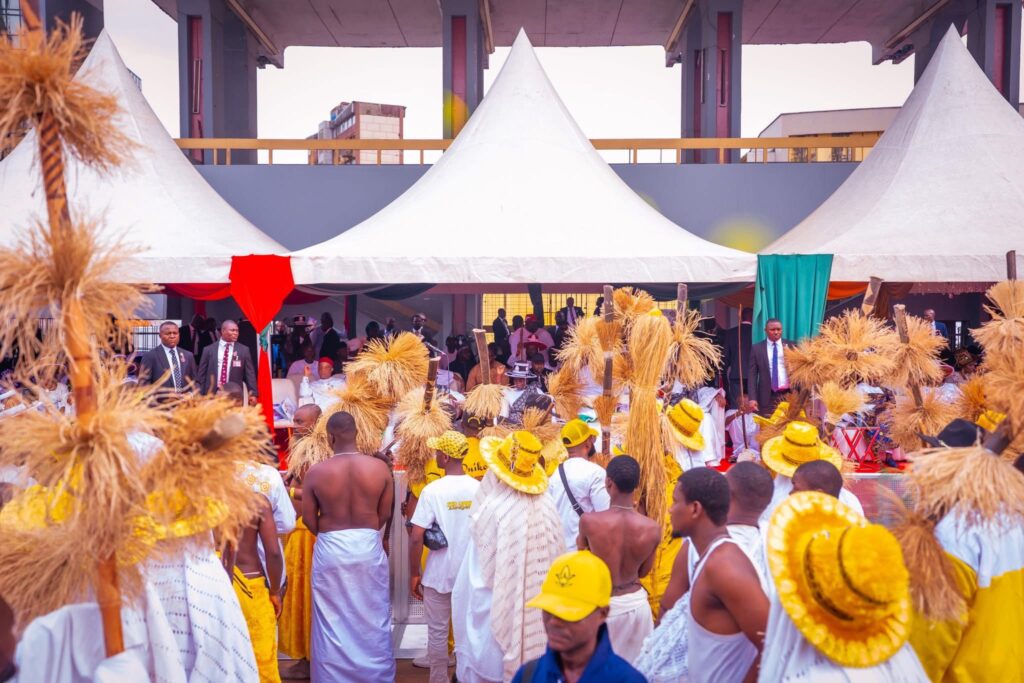
The festival’s masquerades are organised into five principal groups, each identified by the colour of their hats:
Adimu (Black) – Highest-ranking group
Laba (Red) – Festival enforcers
Oniko (Yellow) – Symbolising cleansing
Ologede (Green) – Representing peace and prosperity
Agere (Purple) – Known for theatrical flair
The 2025 edition saw President Bola Ahmed Tinubu participate in the procession, highlighting the festival’s national significance. Officials emphasised the Eyo Festival as a symbol of cultural pride, unity, and Lagos’ potential as a global cultural destination.
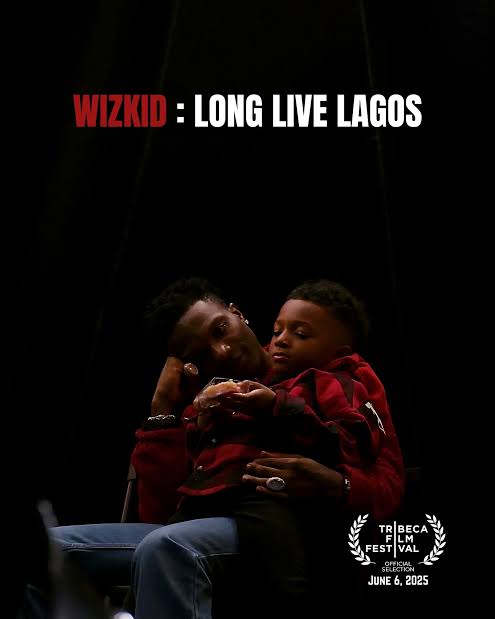
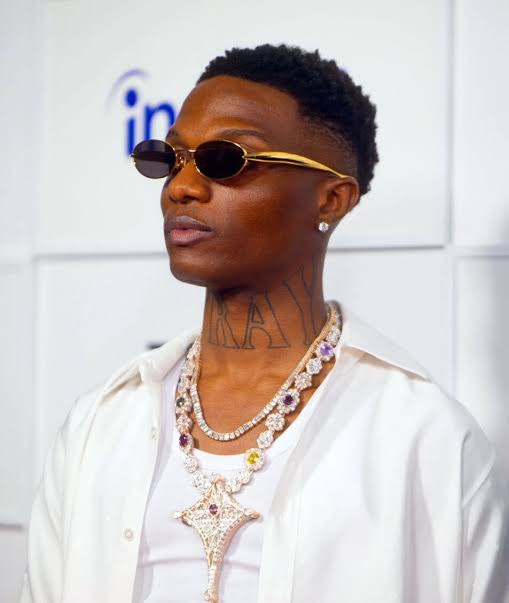
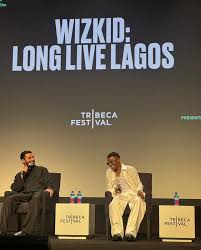
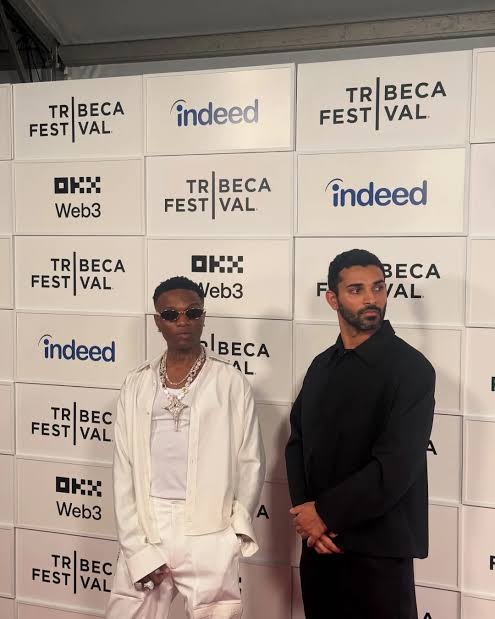
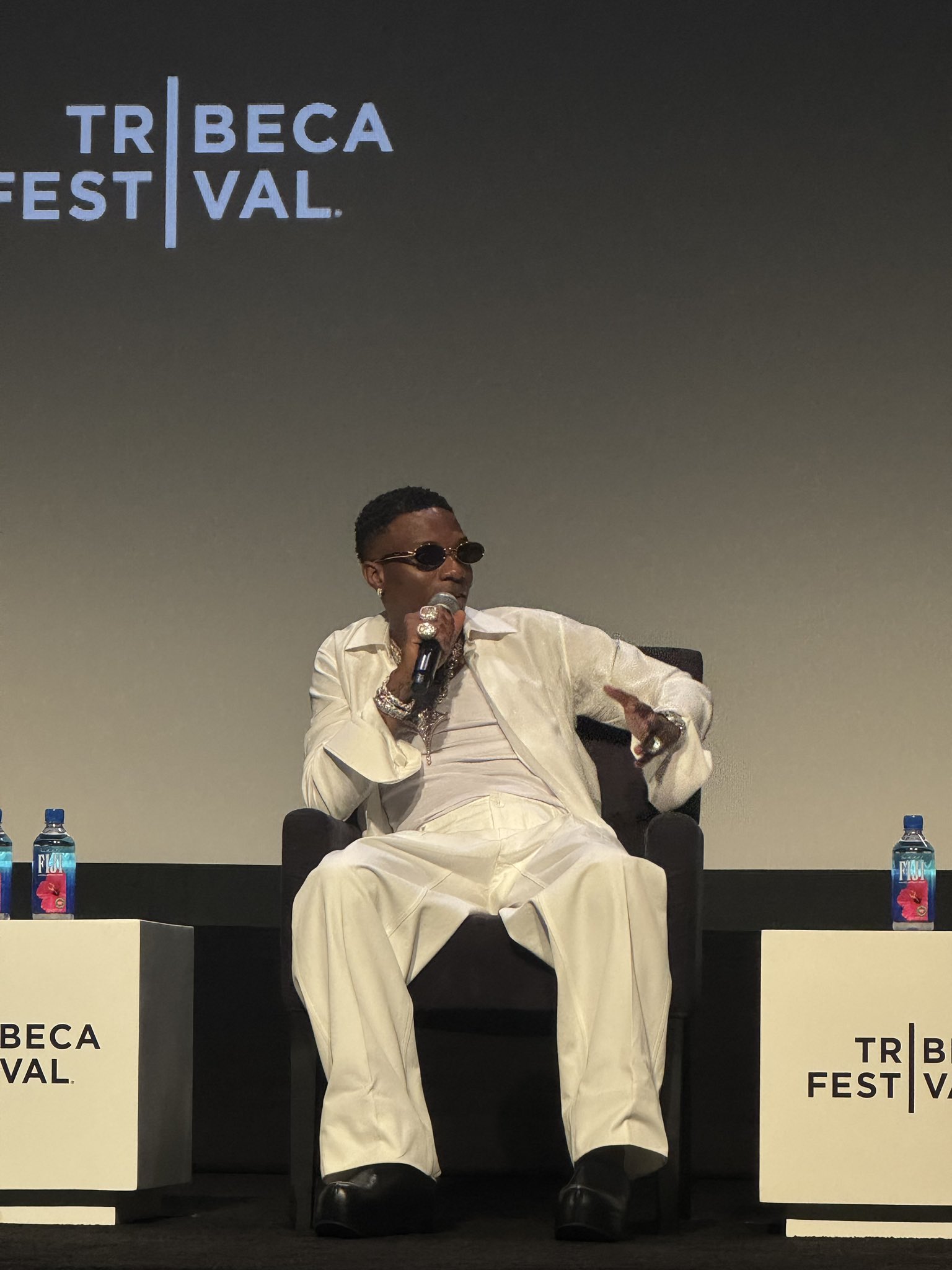
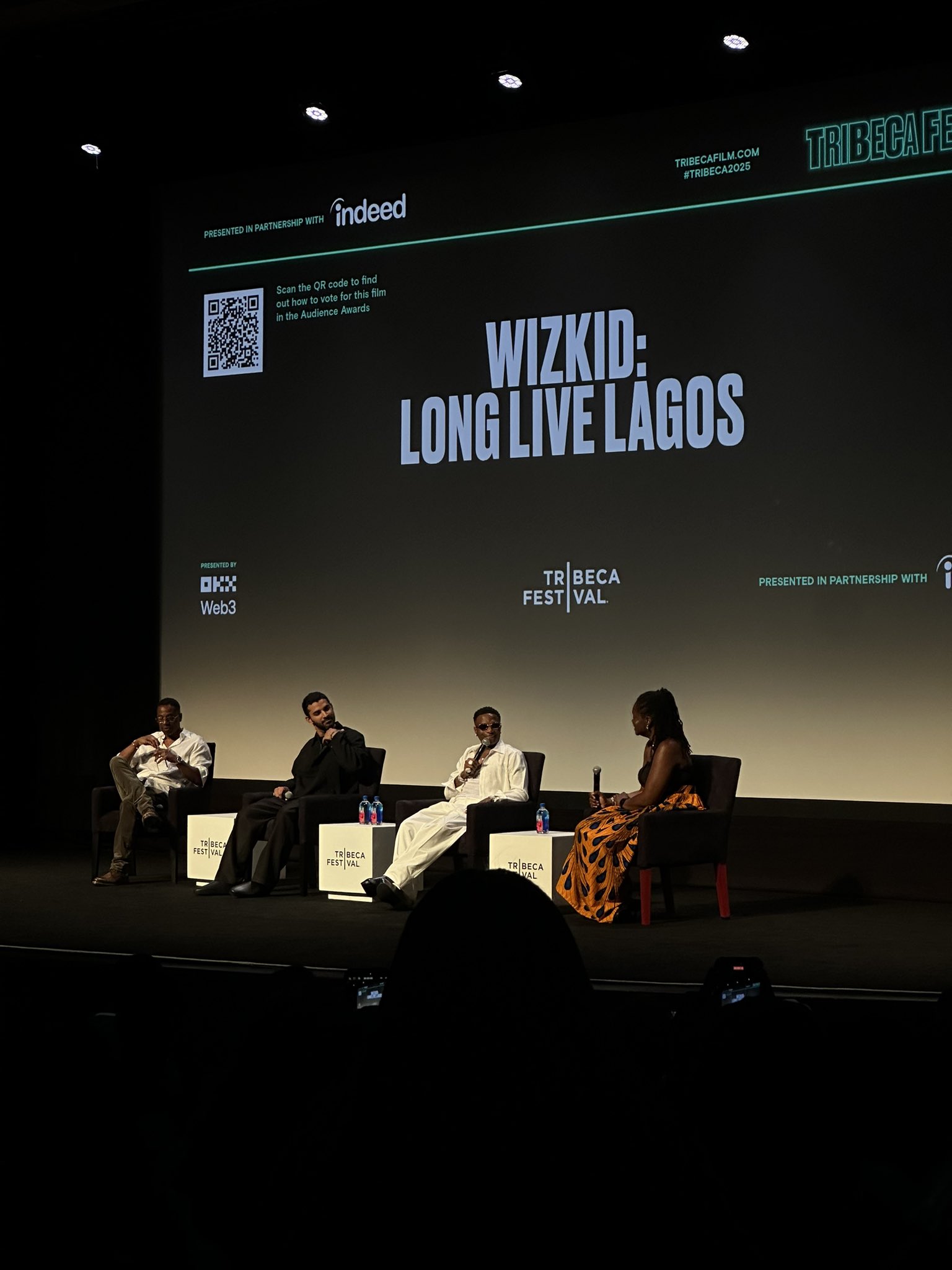
In 2025, Wizkid: Long Live Lagos made its grand debut at the Tribeca Film Festival in New York, marking a special moment in both African music and global storytelling. More than just a documentary, the film is a celebration of Lagos culture, the rise of Afrobeats, and the life of one of Nigeria’s most iconic artists, Ayodeji Ibrahim Balogun, popularly known as Wizkid.
A Cinematic Tribute to Wizkid
Directed by Karam Gill and produced alongside Daniel Malikyar, Long Live Lagos is a full-length documentary that takes fans on an emotional and cinematic journey through Wizkid’s life. From his early days in Surulere, Lagos, to the bright lights of international stardom, the film unpacks not only his success but also the spiritual and cultural roots that shaped him. It isn’t just about music; it’s about legacy, identity, and the city that birthed a global movement.
Inside the Film: What to Expect
The documentary offers never-before-seen footage of Wizkid’s life — intimate family moments, studio sessions, and electrifying performances. It’s an unfiltered look at the man behind the music, revealing his vulnerabilities, growth, and deep connection to Lagos.
Featuring appearances and commentary from influential voices such as:
Femi Kuti – Afrobeat legend and cultural icon
Jada Pollock – Wizkid’s longtime manager and partner
Sunday Are – Veteran manager and music executive
Julie Adenuga – British-Nigerian media personality and radio host
These voices help narrate Wizkid’s evolution and the role he’s played in reshaping how African talent and Afrobeat as a whole is seen around the world.
A Landmark Premiere at Tribeca
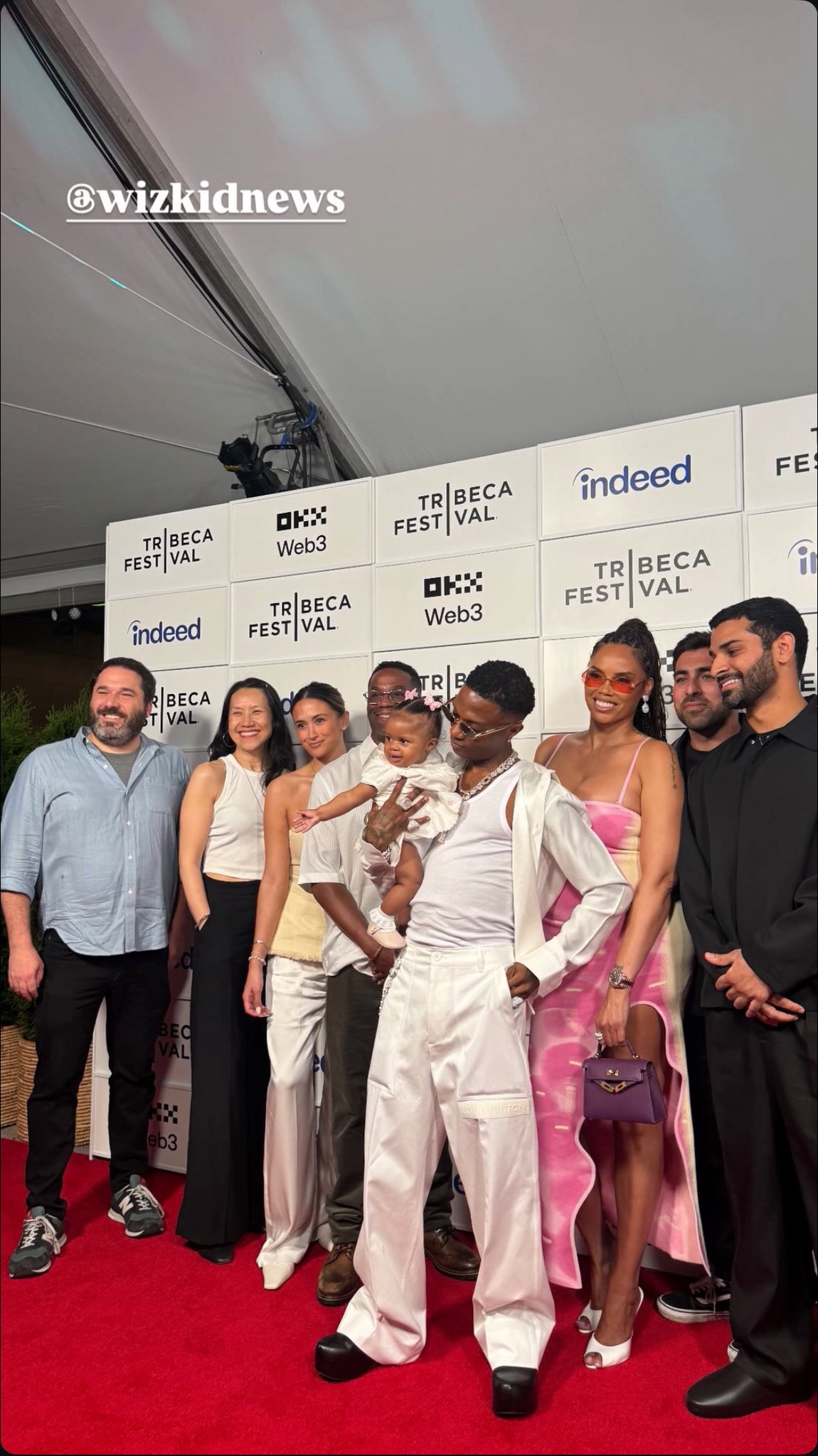
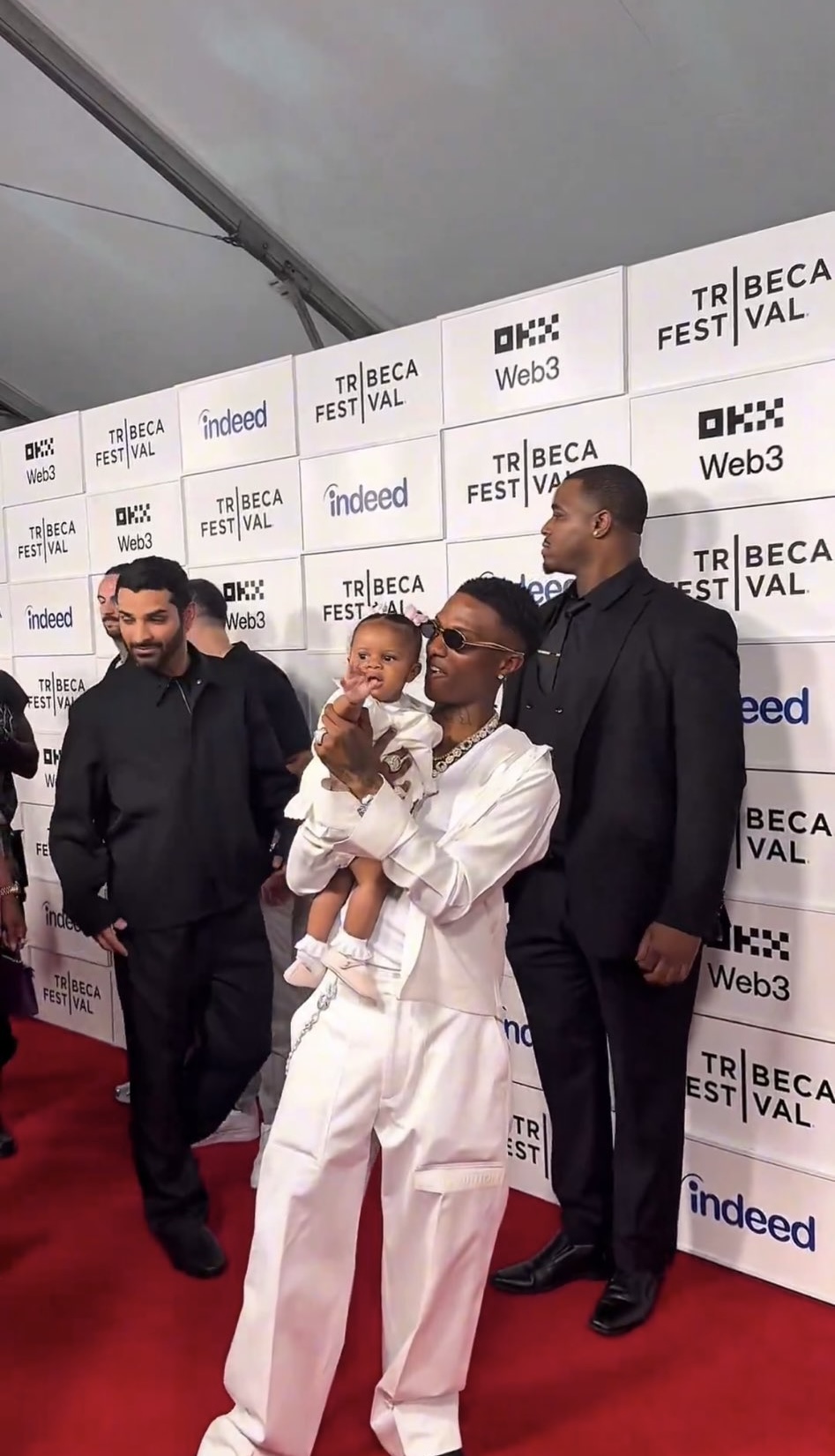
Long Live Lagos was part of Tribeca Film Festival’s Spotlight+ category — a prestigious slot that included films on Billy Joel and Miley Cyrus. The premiere was powerful, personal, and unforgettable. Wizkid attended with his young daughter, providing an emotional glimpse into his life as a father and artist. During the post-screening Q&A, he admitted the decision to let cameras into his private life was tough. “It wasn’t easy,” he said, “but I want my fans to see the real me.”
The Broader Message: Lagos as a Creative Force
Beyond Wizkid’s personal story, Long Live Lagos is a love letter to the city that raised him. It captures the essence of Lagos. Its hustle, creativity, rhythm and positions it has as a central player in the global entertainment scene. The documentary doesn’t just follow a superstar’s rise; it also talks about how a city gave birth to a sound that changed the world.
Previous Documentaries vs. Long Live Lagos
While Wizkid has appeared in other documentaries before, like Lagos to London (2018), A Day in the Live of Wizkid (2020), and A Superstar Made in Lagos (2021), this is his most complete and personal documentary to date.
Where & When to Watch
Currently, Long Live Lagos is available only through screenings at Tribeca Film Festival (June 4–15, 2025). However, because of its ties to HBO Documentary Films, it is expected to be released on HBO Max or similar streaming platforms soon. Follow Streamdorm on all major social media to get updates on possible HBO announcements, or festival updates for global release dates.
Are you a true Wizkid fan?
For fans, this film is more than a biography. It’s a mirror into Wizkid’s soul, his journey, and the impact he has had on a generation. It’s also a powerful reminder of how far Afrobeats has come and how Lagos remains its beating heart. Wizkid: Long Live Lagos is not just a music documentary, it’s a cultural moment. It blends emotion, history, and the magic of Lagos to tell a story that fans across the world will connect with. Whether you’ve followed him since Superstar or you’re just discovering his music, this film is a must-watch celebration of one of Africa’s big three.