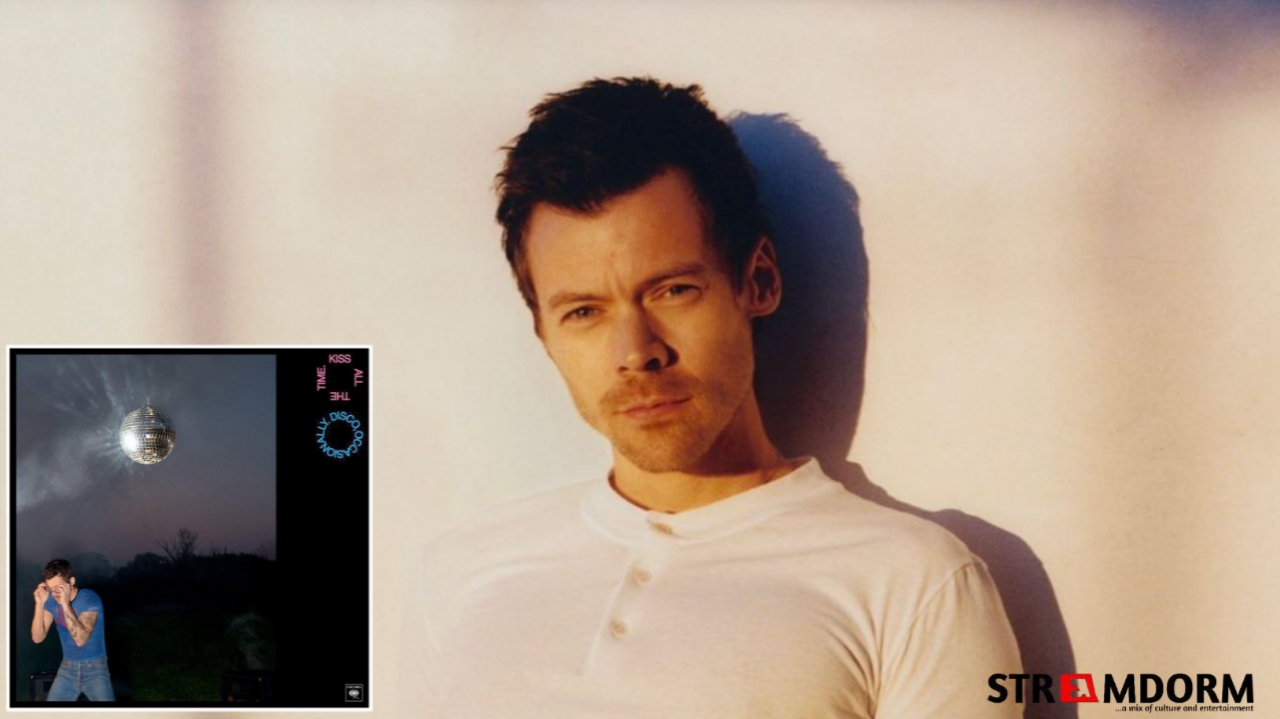
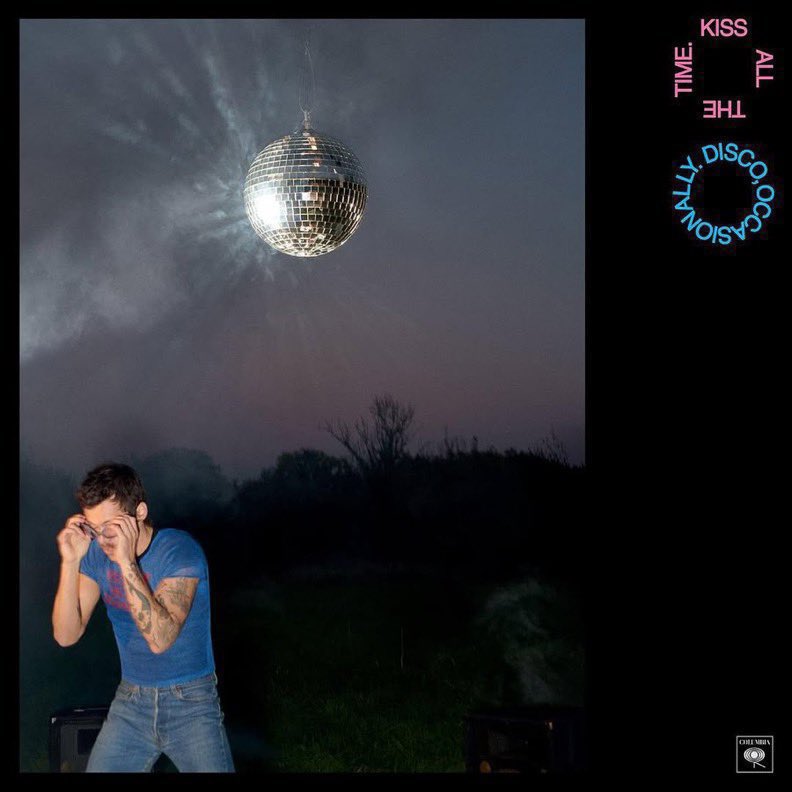
Harry Styles continues his lead run on the charts as his latest album, Kiss All the Time. Disco, Occasionally., secures a second consecutive week at No. 1 on the Billboard 200.
Released on March 6, 2026, the project moved 99,000 equivalent album units in its second week, maintaining the top position after a massive opening performance.
The album launched with over 400,000 units in its first week, marking one of the biggest debuts of 2026. The follow-up total of 99K represents a typical second-week drop for a major release but remains strong enough to still hold the lead.
With this achievement, Kiss All the Time. Disco, Occasionally. becomes Harry Styles’ fourth consecutive No. 1 album in the United States. This consistency places him among a select group of artists who have maintained a flawless streak at the top of the Billboard 200 in recent years.
Harry Styles is an English singer, songwriter, and actor who first rose to global fame as a member of the boy band One Direction. Following the group’s breakout, he launched a solo career that has been defined by artistic evolution and commercial success.
His previous albums including Harry Styles (2017), Fine Line (2019), and Harry’s House (2022), have all debuted at No. 1 in multiple countries, producing global hits and earning critical acclaim. Known for blending pop, rock, and retro influences, Harry Styles has established himself as one of the most influential artists of his generation.
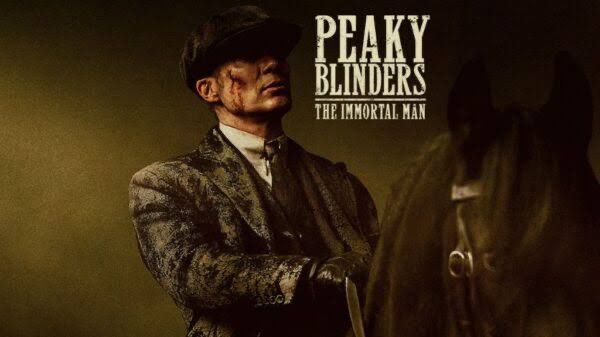
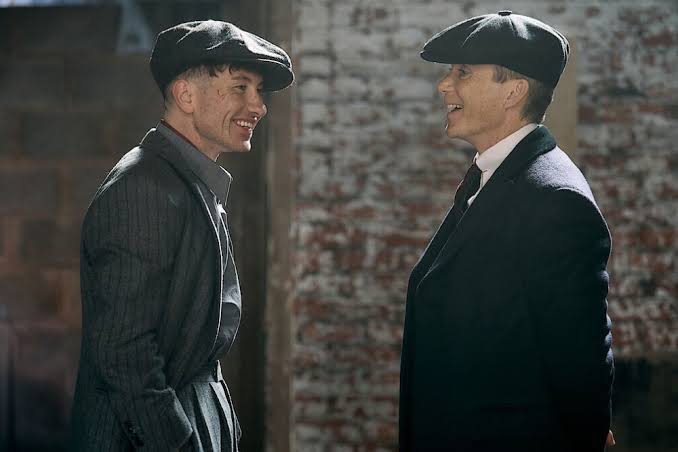
When Peaky Blinders: The Immortal Man was announced, the expectation was simple: a movie conclusion to one of television’s most beloved crime drama series. But as the film arrives, it becomes clear that this is not just about ending a story, it is about reworking how stories end in today’s entertainment landscape.
For a series that began as a gritty, character-driven drama on BBC, Peaky Blinders has grown into a global brand, a cultural reference point.
The Immortal Man follows Tommy Shelby as he emerges from exile during the turbulence of World War II. Drawn back into the streets of Birmingham, he confronts threats both new and old, navigating dangerous alliances, family obligations, and the shadows of his past. The film delves into his tactical mind, exploring how he maneuvers through a city caught between war, crime, and political intrigue, while also introducing new characters who challenge and complicate the world viewers have come to know.
For years, television finales followed a familiar pattern, often building toward a final season that carefully wrapped up every storyline. Peaky Blinders chose a different route.
Rather than extending the narrative into another season, creator Steven Knight opted for a film to close the chapter.
Streaming platforms, especially Netflix, have made it possible for stories to move fluidly across formats. A series can end on television and conclude on a global streaming stage, reaching audiences in ways traditional broadcasting could not achieve.
At the center of it all is Tommy Shelby, portrayed with quiet intensity by Cillian Murphy.
Tommy is not a traditional hero. He is calculated, emotionally guarded, and often morally ambiguous, yet he remains one of the most compelling characters of modern television.
His appeal lies in contradiction. He is a war hero shaped by trauma, a businessman driven by control, and a leader constantly at war with himself. This complexity is what keeps audiences invested.
Viewers over the years have had a change in taste and are no longer drawn to perfect protagonists; they are drawn to layered, conflicted individuals. The antihero has become the defining figure of modern storytelling, and Peaky Blinders played a significant role in shaping that evolution.
Long before Peaky Blinders captured global attention, there was a gang by the same name roaming the streets of Birmingham, England. Active in the late 19th and early 20th centuries, the real Peaky Blinders were a group of working-class young men who made a name for themselves through petty crime, illegal betting, and street violence.
The gang earned their nickname from a dangerous fashion choice: they allegedly sewed razor blades into the peaks of their flat caps, which could be used as weapons in fights. Despite their criminal activity, they were also known for dressing sharply, a style that would inspire the iconic suits, coats, and peaked caps seen on screen today.
Unlike the Shelby family empire in the series, the historical Peaky Blinders were much smaller in scale. Their influence remained mostly local, and while they caused fear in Birmingham neighborhoods, there is no evidence they reached the levels of national or international power depicted in the TV show.
Still, the series captures the spirit of the era. The tension of post-industrial Britain, the struggles of working-class life, and the charisma of young men carving out power in a harsh world. In that sense, the fictional Shelby clan is a modern retelling of a gritty, dangerous, and stylish reality.
When Peaky Blinders concluded its sixth season, it did not feel like a conventional ending. There were unresolved tensions, lingering questions, and a sense that the story still had more to say.
Instead of forcing a complete resolution within the constraints of a television season, the creators preserved narrative weight for a larger stage. The film format allows the story to become more focused while also expanding its scale and emotional impact.
At the same time, this shift introduces a new kind of pressure. A season allows for gradual character development and narrative depth, while a film demands precision and efficiency. Every moment must carry meaning.
There are already indications that the story may continue beyond this film, suggesting that The Immortal Man could be less of a conclusion and more of a transition point.
— Streamdorm | Film & TV News (@Streamdorm_) March 21, 2026
Beyond its storytelling, the series has shaped fashion, influenced music curation, and built a global fanbase that stretches far beyond its British origins.
In Countries like Nigeria, its influence is particularly visible. The show’s aesthetic, its tone, and its sense of identity have resonated with audiences in a way that goes beyond simple viewership. It has become a reference point in style, content creation, and even branding. Many people over the years have used Tommy’s gangster dress style as their go to custome for their ‘Custome Day’ in tertiary institutions and other social gathering that warrants it.
At the center of it all remains Tommy Shelby, a character who continues to embody that more. Much like the world around him, he resists simple conclusions.
Mainland BlockParty has announced its first ever all-female festival edition, Her Future Festival, set to take place on March 27, 2026, in Ikeja, Lagos.
Her Future Festival represents a structural shift in how festivals are curated and held in Nigeria placing women at the centre not only as performers, but as organizers, creators, and economic drivers.
At the heart of the festival is a strong and diverse lineup of female artists, headlined by:
Niniola Fave M.I.A.
The extended lineup includes:
GoodGirl LA Smur Lee Fimi with the Flow Wanni x Handi
What sets Her Future Festival apart is its commitment to going beyond surface-level inclusion.
According to organisers, the event is designed as a fully female-powered ecosystem, including:
An all-female DJ lineup Women-led vendor and marketplace spaces Female creatives and professionals driving production and operations.
In an industry where women often dominate cultural influence but remain underrepresented in decision-making roles, this move signals a deliberate effort to rebalance opportunity.
Since its inception, Mainland BlockParty has evolved into one of the most influential youth-driven event platforms in Lagos.
Known for its energetic fusion of music, fashion, and street culture, the platform has consistently attracted large audiences and top-tier talent. Rather than treating gender inclusion as an add-on, the organisers are embedding it into the core structure of the event.
Even more significant is the announcement that this will become a permanent Women’s Month edition, returning every March. This signals a long-term commitment rather than a one-off statement.
If executed at scale, it could mark the beginning of a new era where inclusion is not a theme, but a standard.
And in a city like Lagos, where culture moves fast and influence travels even faster, that kind of shift rarely goes unnoticed.
Reports gathered from online source and credit The Cables.
Jehovah’s Witnesses, the international Christian religious movement known for its strict stance against blood transfusions, has announced a significant change to its long held medical policy. For the first time in decades, the organization is allowing members to store and use their own blood, a practice called autologous blood transfusion for planned surgical procedures if they choose.
For more than 70 years, Jehovah’s Witnesses leaders have strictly prohibited members from accepting blood transfusions, including storing their own blood for later use. The religious belief was built on a particular interpretation of biblical commands to “abstain from blood,” which the group applied not only to donor transfusions but also to practices like pre‑depositing one’s own blood before surgery.
On March 20, 2026, the faith’s Governing Body described the change as a “clarification” of their doctrine, affirming that individual members may now decide, after prayerful consideration, whether to have their own blood drawn, stored, and later reinfused during a surgical procedure.
“This includes whether to allow his own blood to be removed, stored, and then given back to him,” said Governing Body member Gerrit Lösch in a statement shared by the denomination.
While this update represents an important shift, Jehovah’s Witnesses still prohibit receiving blood from other donors, a medical practice that is widely used in emergency care and major trauma cases. This prohibition remains rooted in the religion’s interpretation of scripture.
The organization emphasized that its core belief in the sacredness of blood remains unchanged, even as it expands members’ individual choice over certain medical treatments.
Autologous blood donation is a medically accepted practice in many healthcare systems. Before a scheduled surgery, a patient can have units of their own blood collected and stored so that it can be given back to them if needed during or after the operation. This can reduce the risk of reactions and infection associated with donor blood.
However, this procedure is only useful in planned surgeries, not emergencies, and requires facilities capable of storing blood properly.
This blood policy adjustment marks one of the most talked‑about changes in Jehovah’s Witnesses medical doctrine in decades. It reflects a delicate balance between maintaining religious beliefs and adapting to modern medical practices.
Eid, also known as Eid al-Fitr or Eid al-Adha, is a time for reflection, gratitude, family, and celebration. Beyond the food, gatherings, and prayers, it is also a perfect moment to enjoy films that align with the spirit of faith, sacrifice, and community.
There is a growing collection of movies that explore Muslim history, identity, and values in meaningful ways. Whether you want something educational, emotional, or inspiring, here are five Islamic movies worth watching this sallah.
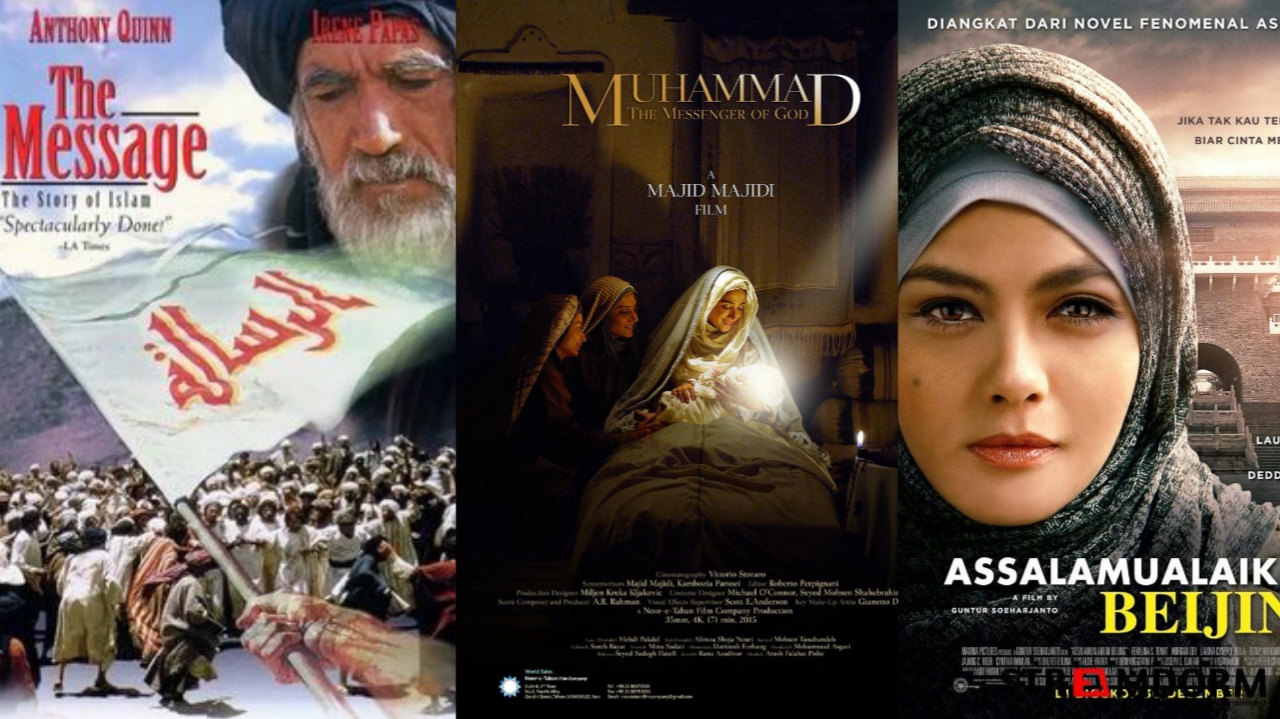
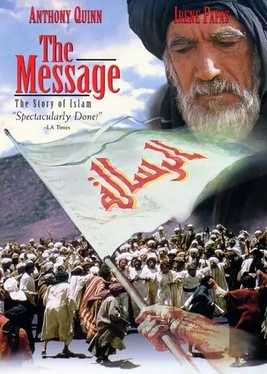
1. The Message (1976)
Often regarded as the most important Islamic film ever made, The Message tells the story of the early days of Islam and the spread of its message. Directed by Moustapha Akkad. The Message tells the story of the early rise of Islam in 7th-century Arabia. It follows the struggles of Prophet Muhammad’s early followers from persecution in Mecca to migration (Hijrah) and eventual establishment in Medina. The film respectfully avoids depicting the Prophet, instead telling the story through his companions.
Its storytelling, scale, and cultural significance make it a must-watch, especially during Eid when reflection on faith is central.
Major Cast
Anthony Quinn (Hamza) Irene Papas (Hind) Michael Ansara (Abu Sufyan) Johnny Sekka (Bilal ibn Rabah)
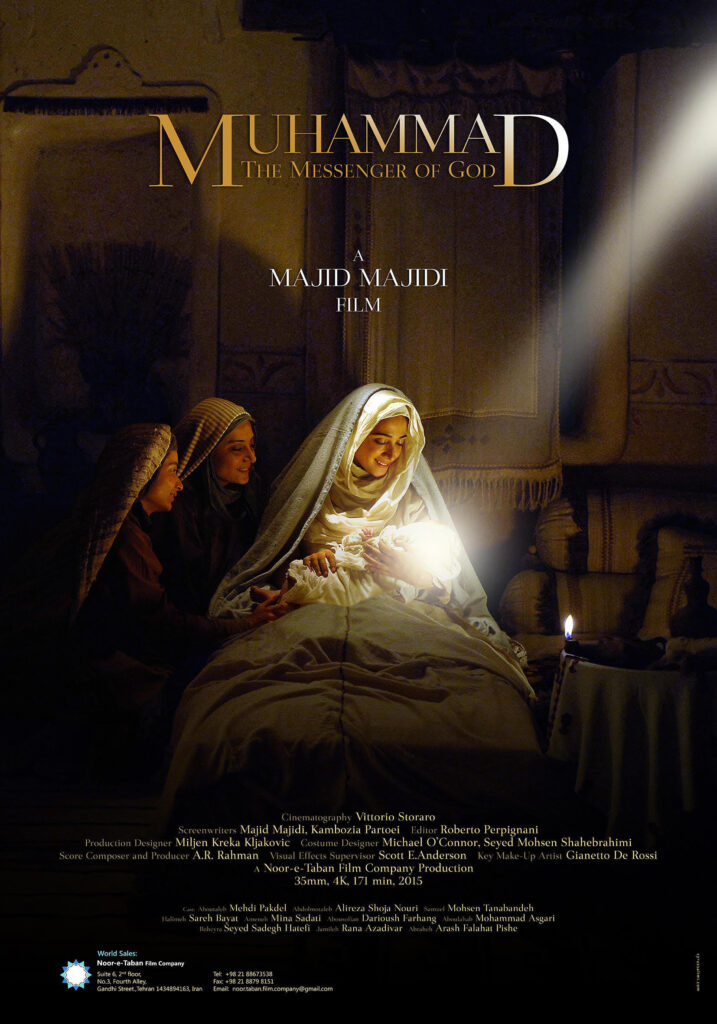
Muhammad: The Messenger of God (2015)
This visually rich film focuses on the childhood of Prophet Muhammad (PBUH), offering a unique perspective rarely explored in cinema. Directed by Majid Majidi, the film blends spirituality with strong cinematography and emotional storytelling. Like The Message, it maintains religious sensitivity by not showing the Prophet directly.
It is an ideal choice for viewers who want something both educational and visually engaging during the holiday.
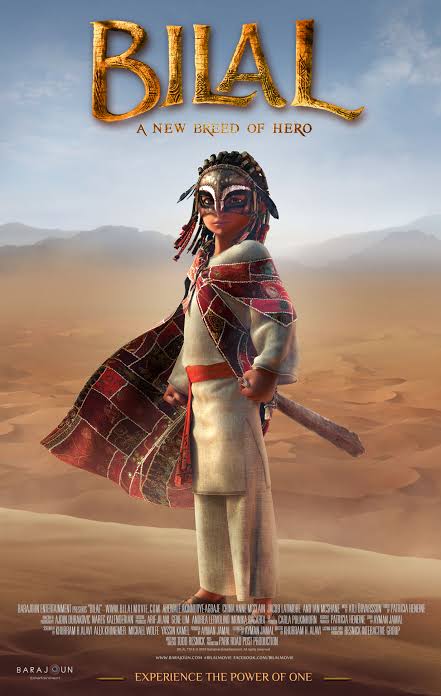
For a more family-friendly option, Bilal: A New Breed of Hero tells the inspiring story of Bilal ibn Rabah, one of the most respected companions in Islamic history. It focuses on his courage, faith, and fight for freedom.
Directed by Khurram H. Alavi and Ayman Jamal
The animation brings the story to life in a way that is accessible to both younger audiences and adults, making it a perfect Eid watch for families. Beyond entertainment, it delivers powerful lessons about resilience, faith, and freedom.
Major Voice Cast
Adewale Akinnuoye-Agbaje (Bilal) Ian McShane (Umayyah) China Anne McClain (Ghufaira)
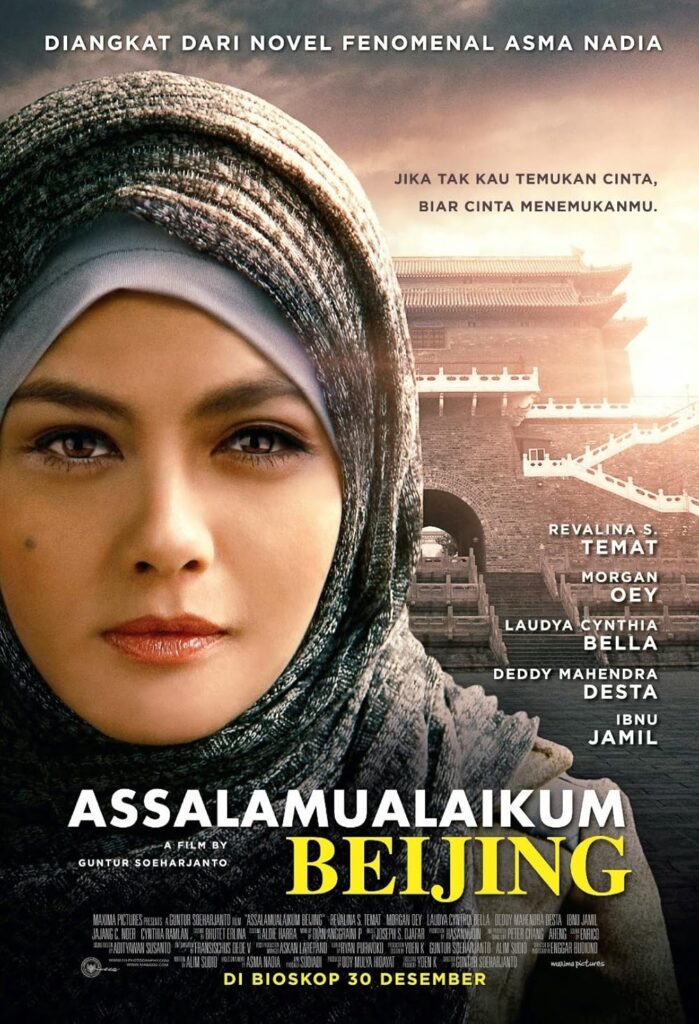
Assalamualaikum Beijing (2014)
The film follows a young Muslim woman who travels to Beijing after a heartbreak. While documenting her journey, she meets a Chinese man who eventually converts to Islam. Their relationship is tested by illness and life challenges, making it a story about love, faith, and perseverance.
The film follows a young Muslim woman navigating life, relationships, and spirituality. It’s a softer, more relatable watch that still carries strong Islamic values.
Directed by Guntur Soeharjanto
Major Cast
Revalina S. Temat Morgan Oey Ibnu Jamil
The Muslims Are Coming! (2013)
If you’re looking for something light-hearted after a long day of celebrations, this comedy documentary provides a refreshing take on Muslim identity.
The documentary follows Muslim comedians touring the United States, using humor and real-life interactions to challenge stereotypes about Islam and Muslims.
Through humor and satire, the film challenges stereotypes and promotes understanding, making it both entertaining and thought-provoking, an unusual but fitting addition to your Eid watchlist. Directed by Negin Farsad and Dean Obeidallah
Major Cast / Appearances
Dean Obeidallah Negin Farsad Aasif Mandvi
Eid is not just about celebration, it is about reconnecting with faith, appreciating sacrifice, and strengthening bonds with family and community. These films reflect those values in different ways, from historical storytelling to modern-day experiences.
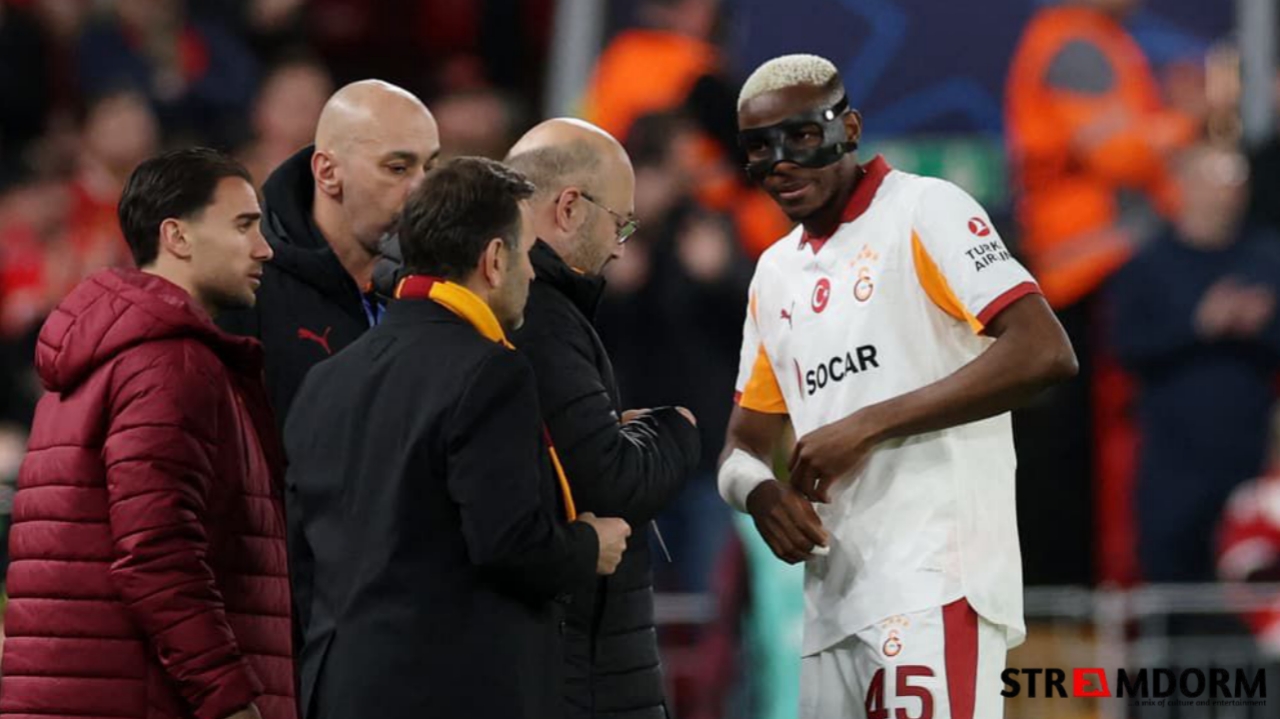
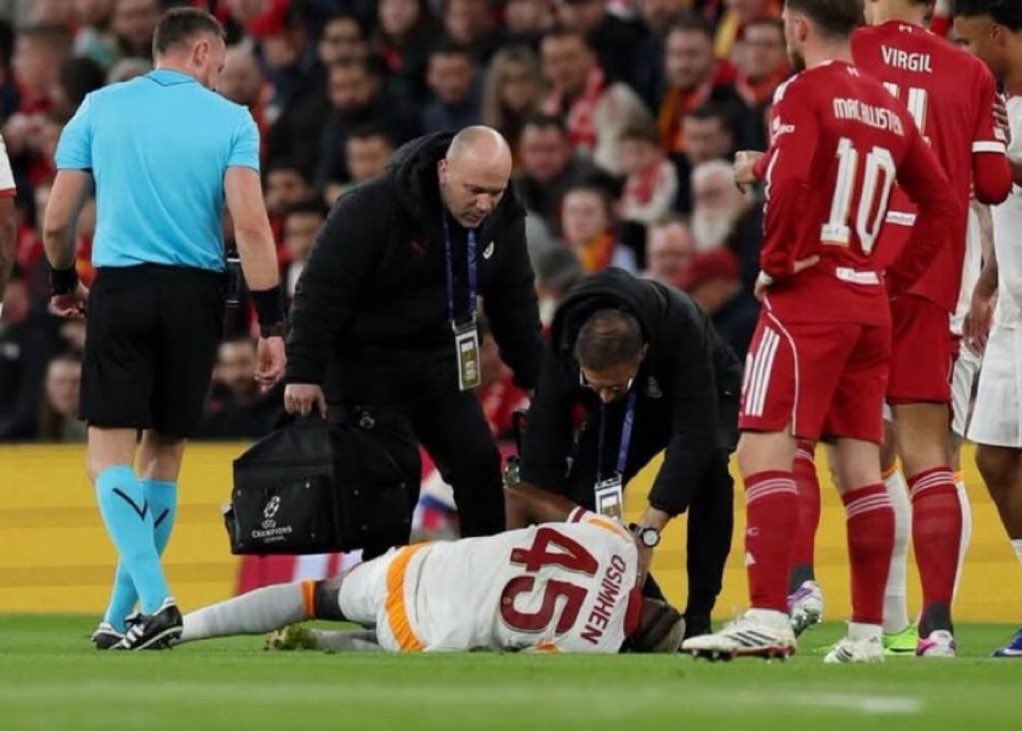
Nigerian striker Victor Osimhen is expected to undergo surgery after suffering an arm fracture during Galatasaray S.K.’s UEFA Champions League clash against Liverpool FC.
The unfortunate incident occurred in the first half of the high-intensity encounter at Anfield, where Osimhen collided with Liverpool defender Ibrahima Konaté while contesting an aerial ball. The impact left the Nigerian forward in visible discomfort, clutching his arm as medical staff rushed onto the pitch.
Despite the severity of the injury, Osimhen showed remarkable resilience by continuing to play for the remainder of the first half, with his arm heavily strapped. However, further assessment during the halftime break confirmed fears of a serious issue, forcing his withdrawal before the second half resumed.
Subsequent medical examinations revealed a fracture in his right forearm. The injury has since been immobilized in a cast, and reports indicate that surgery is now the most likely course of action, pending final medical clearance.
The injury capped off a difficult night for Galatasaray, who suffered a heavy defeat to Liverpool, crashing out of the UEFA Champions League Round of 16. Beyond the result, the loss of Osimhen represents a major blow for the Turkish side, given his importance to their attacking setup this season.
Osimhen’s situation also raises concerns for the Nigerian national team, as his recovery timeline could affect his availability for upcoming international fixtures. The length of his absence will largely depend on the outcome of the surgery and the rehabilitation process that follows.
More updates are expected in the coming days as the club provides further clarity on the procedure and his expected return timeline.
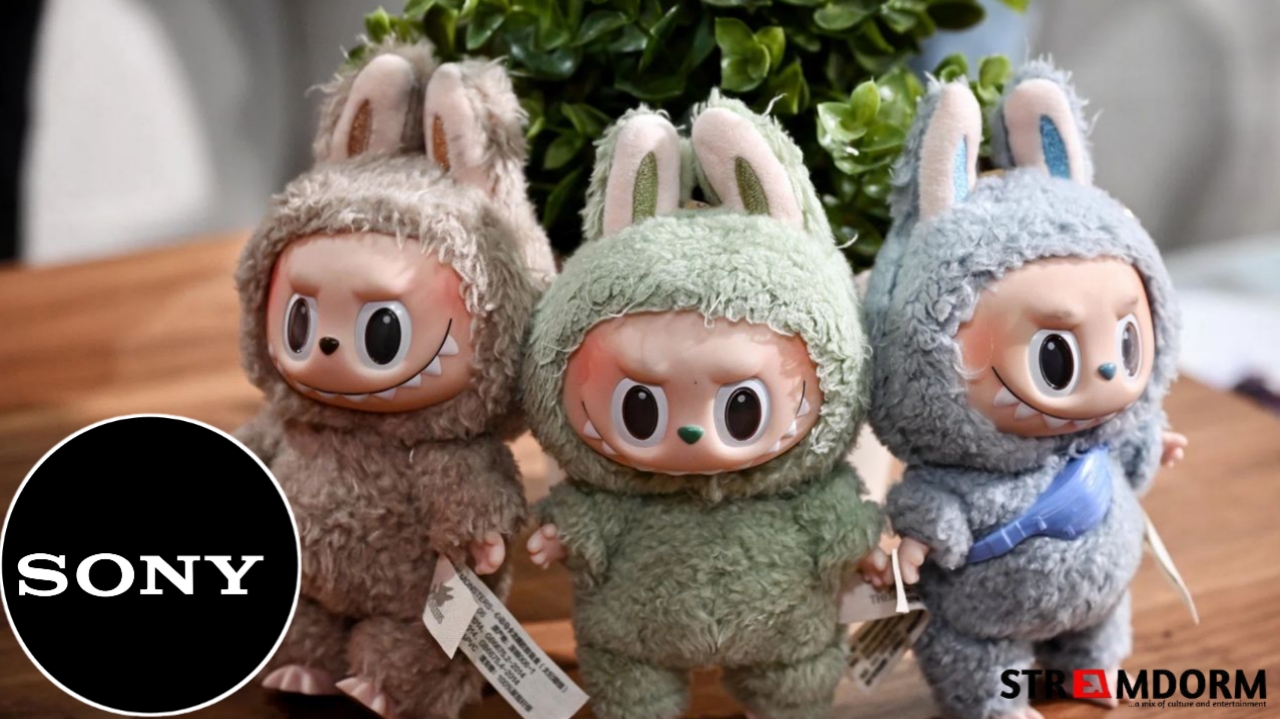
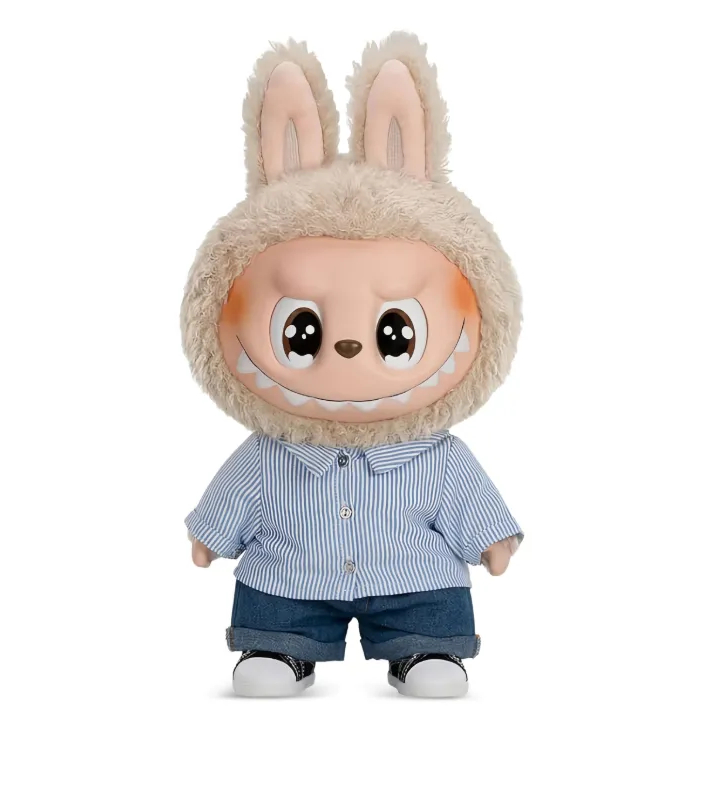
The global toy trend that took social media by storm is set to make its Hollywood debut. Pop Mart, the Chinese company behind the viral Labubu series, is partnering with Sony Pictures Entertainment to develop a feature film based on the franchise. The movie is currently in early development, focusing on planning and writing, with no release date announced yet.
The project will be a hybrid of live action and CGI, translating the mischievous Labubu characters from toy shelves to the big screen. Paul King, director of family hits like Paddington and Wonka, is set to helm the project and co-write the screenplay with award-winning playwright Steven Levenson. Pop Mart’s founder, Kasing Lung, will serve as executive producer, ensuring that the film stays true to the original vision of the Labubu universe.
Labubu originated in 2015 as a line of collectible plush and vinyl toys created by Kasing Lung, a Hong Kong-based illustrator. The toys feature playful “ugly-cute” monsters with wide eyes, pointy ears, and toothy grins. Sold mostly in blind boxes, where buyers don’t know which figure they’ll get until they open it, the surprise element has made collecting addictive and fueled a global craze.
Though Labubu has been around for years, its popularity skyrocketed in 2024 and 2025, particularly in Asia and mostly through social media. The character became a viral phenomenon across TikTok, Instagram, and other platforms. Celebrity exposure also played a role; Notably, BLACKPINK’s Lisa was photographed with a Labubu keychain, sparking waves of posts and videos showcasing the toy worldwide.
Forward to 2026, the frenzy around Labubu is no longer just online. Rare figures often sell for premium prices in the resale market, and the toy has inspired exhibitions, parades, and themed events in multiple countries. Its mix of humor, design charm, and collectible appeal has made it a recognizable cultural icon for Gen Z and collectors alike.
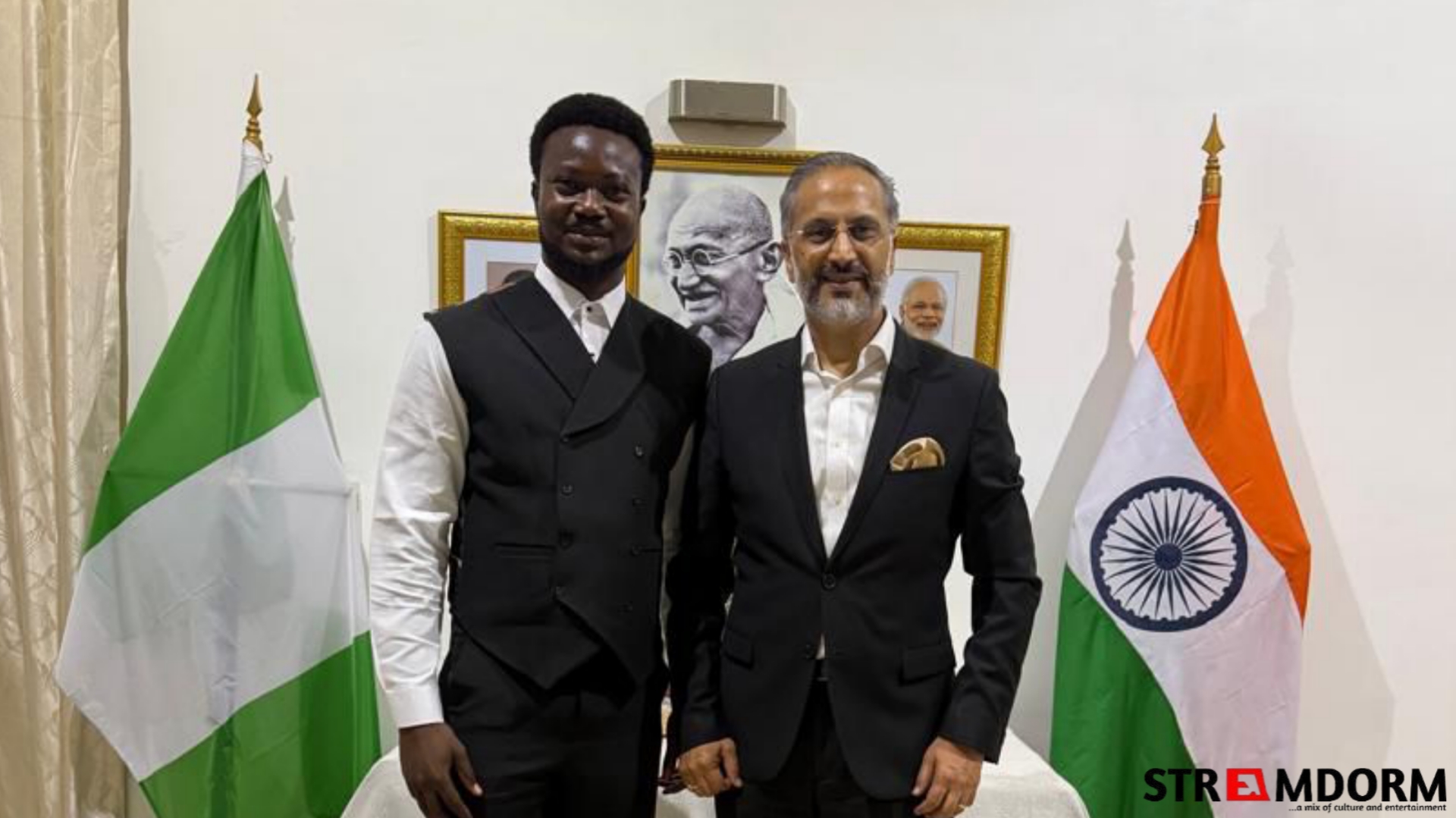
Nigerian trumpeter Joshua Olusanya, popularly known as The Trumpet Influencer, continues to capture global attention with his extraordinary talent and dedication to instrumental music. In a notable display of cultural diplomacy, Olusanya has met with India’s High Commissioner to Nigeria, Abhishek Singh, at the Indian High Commission in Abuja, highlighting growing creative collaboration between the two countries.
Discussions according to the reports on the official X account of the Commission of India and Nigeria, focused on potential arts and culture collaborations, including joint musical performances between Indian and Nigerian artists, positioning Olusanya as a rising cultural ambassador for Nigeria.
Olusanya’s most remarkable achievement remains his Guinness World Record for the longest marathon trumpet performance. On May 9, 2025, at Terra Kulture, Lagos, he played continuously for 25 hours, 30 minutes, and 36 seconds, the first-ever record in this category.
Olusanya had to attempt the feat twice after an initial effort was disqualified. Under Guinness rules, only brief five-minute breaks were allowed at set intervals, requiring near-constant performance for more than a full day. The physical challenge was immense: his legs shook, fingers cramped, and lips bled as he pushed through exhaustion.
In interviews with outlets including The Guardian, he emphasized that the record was a way to inspire young musicians and advocate for greater recognition of instrumental artists worldwide.
Olusanya has used his record-breaking platform to inspire the next generation through initiatives like the Joshua Olusanya Empowerment Tour (JOMET), performing at schools and community events to promote music education. His dedication resonates in the arts community and also among faith-based groups in Nigeria, such as Mountain of Fire and Miracles Ministries (MFM), who celebrate his journey as an example of perseverance and divine guidance.
High Commissioner @AmbAbhishekIFS received Nigerian-born trumpeter Joshua Olusanya, fondly known as The Trumpet Influencer, who holds the Guinness World Records for the longest marathon trumpet performance, which lasted for 25 hours, 30 minutes, and 36 seconds. HC discussed… pic.twitter.com/sDykm2igv9
— India in Nigeria (and Benin & ECOWAS) (@india_nigeria) March 19, 2026
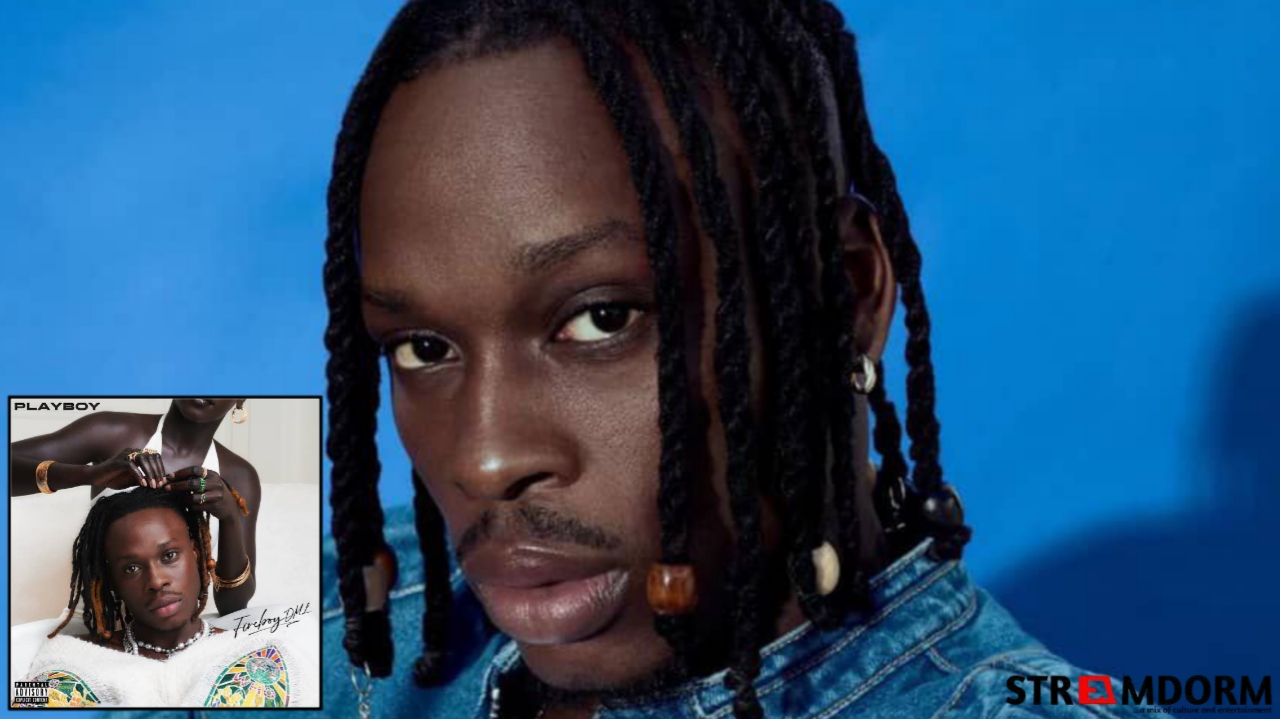
Fireboy DML has reached another career defining milestone, as his third studio album Playboy officially surpasses 1 billion streams on Spotify.
Released in 2022, Playboy represented a shift, a more assured, internationally aware version of Fireboy, without losing the melodic identity that first set him apart. It was an album built on intention.
Standout tracks like “Bandana” featuring Asake and the global hit “Peru” boosted further by its remix with Ed Sheeran, played a central role in the album’s worldwide reach. But beyond the hits, Playboy has thrived on consistency, with multiple tracks contributing to its steady rise in streams.
Now, it joins one of the most exclusive benchmarks in Nigerian music today.
Nigerian Projects With Over 1 Billion Spotify Streams
The billion-stream mark has increasingly become a measure of global impact for Nigerian artists. With Playboy crossing that threshold, it now sits alongside some of the most successful Afrobeats projects of the streaming era:
Rave & Roses (Ultra) — 3.26B (Rema) Love, Damini — 1.59B (Burna Boy) The Year I Turned 21 — 1.3B (Ayra Starr) Boy Alone (Deluxe) — 1.3B (Omah Lay) African Giant — 1.24B (Burna Boy) Made in Lagos (Deluxe) — 1.16B (Wizkid) CKay The First (EP) — 1.04B (CKay)
Unlike projects driven purely by viral moments, Playboy success has been gradual and sustained. More broadly, the growing number of Nigerian projects hitting this mark underscores a larger shift which is becoming a norm in the Nigerian music industry.
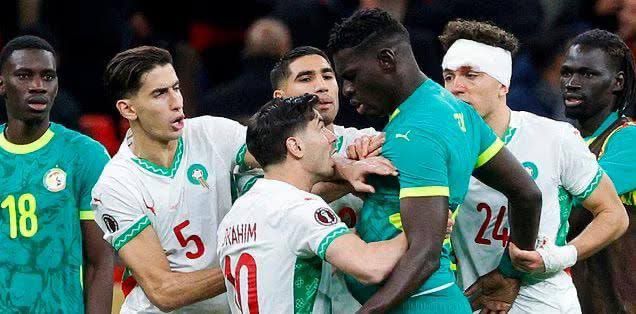
In a surprising and unprecedented decision, the Confederation of African Football (CAF) has officially overturned the result of the 2025 Africa Cup of Nations (AFCON) final, awarding the title to Morocco national football team following a successful appeal.
The ruling sees Senegal national football team stripped of the title they initially secured on the pitch, with the final result now recorded as a 3–0 forfeiture in favour of Morocco.
The decision was confirmed after Morocco filed a formal complaint to CAF’s disciplinary committee, challenging the events that unfolded during the final. After reviewing the case, the committee ruled that Senegal’s actions constituted a breach of competition regulations, leading to the forfeiture.
At the center of the controversy was a dramatic moment during the final when Senegal players reportedly left the pitch in protest following a disputed decision. According to CAF’s regulations, any team that abandons a match without authorization is subject to disciplinary action, including automatic forfeiture.
CAF stated that violations of its competition rules in delivering the verdict, concluding that Senegal’s conduct warranted the nullification of the original result. As a result, Morocco have now been retrospectively crowned AFCON 2025 champions.
The ruling effectively erases Senegal’s 1–0 victory after extra time, replacing it with a 3–0 administrative win for Morocco. It marks one of the most controversial decisions in the history of the tournament and is expected to generate widespread debate across the football world.
While CAF has finalized its position, the situation may not yet be fully resolved. Senegal are expected to explore further legal options, including a possible appeal to the Court of Arbitration for Sport, as they seek to challenge the decision and reclaim the title.
The CAF Appeal Board decided that in application of Article 84 of the Regulations of the CAF Africa Cup of Nations (AFCON), the Senegal National Team is declared to have forfeited the Final Match of the TotalEnergies CAF Africa Cup of Nations (AFCON) Morocco 2025 (“the Match”),…