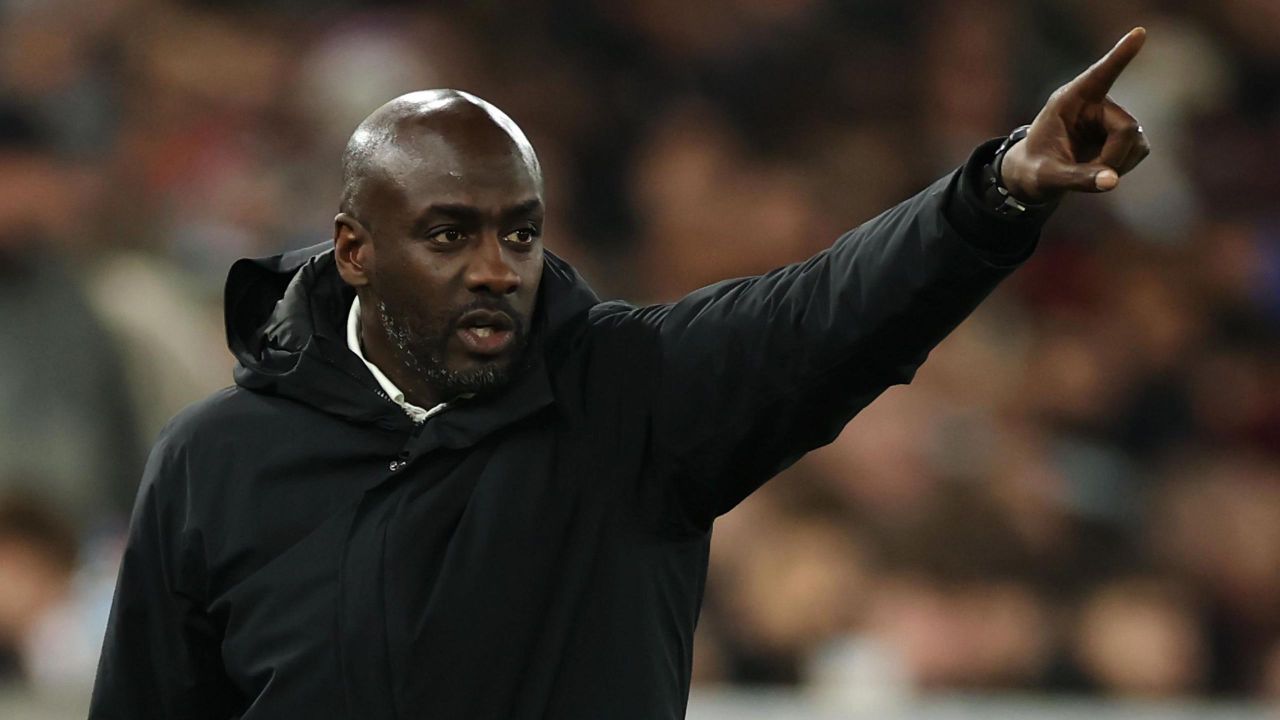
Ghana Sack Coach Otto Addo Just Less Than 3 Months Before 2026 World Cup

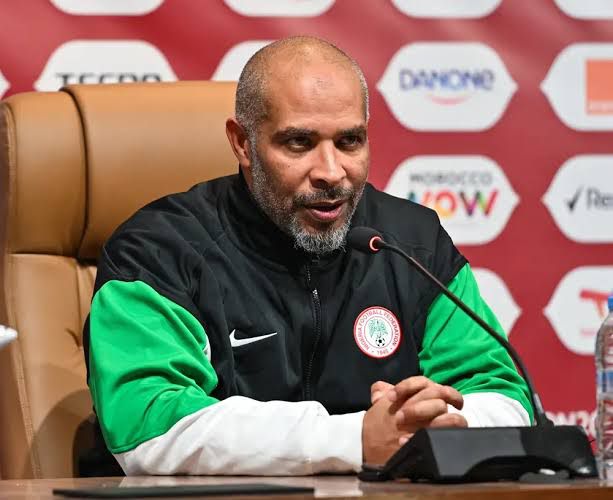
In a shocking and rather expected turn of events, the Ghana Football Association (GFA) has dismissed head coach Otto Addo just 72 days ahead of the 2026 FIFA World Cup. The decision follows a string of disappointing friendly results, leaving fans, analysts and trolls questioning Ghana’s readiness for the world stage.

Otto Addo, 50, a former Ghanaian international and ex-Bundesliga player, returned as Black Stars coach in March 2024. He led Ghana to a successful qualification campaign for the 2026 World Cup but struggled in warm-up games. Most recently, the team endured four consecutive friendly defeats, including a 5–1 loss to Austria and a recent 2–1 defeat to Germany, raising doubts about tactics, cohesion, and morale.

Despite earlier successes, the GFA decided that a change was necessary to give the team the best chance at competing in North America. In a statement, the association thanked Addo for his contributions but confirmed he would not continue in his role.

This decision, coming in less than three months before Ghana faces England, Croatia, and Panama in the World Cup, has drawn criticism and concern. 

Ghana’s squad, featuring key players such as Mohammed Kudus and Antoine Semenyo, will now need to adapt quickly to a new coaching approach. The GFA is expected to be exploring potential replacements, with names like Kwasi Appiah already being discussed as candidates.

During his second spell, Addo guided Ghana to the World Cup but also left behind mixed results in friendlies and African qualifiers. His overall record stood at eight wins, five draws, and nine losses in 22 matches. While he achieved the crucial objective of qualification, recent performances suggested the team was struggling to find consistency.

The Black Stars now face a short, intense window of preparation. The incoming coach will have less than ten weeks to finalize tactics, boost team morale, and solidify a starting lineup capable of competing against some of the world’s best.

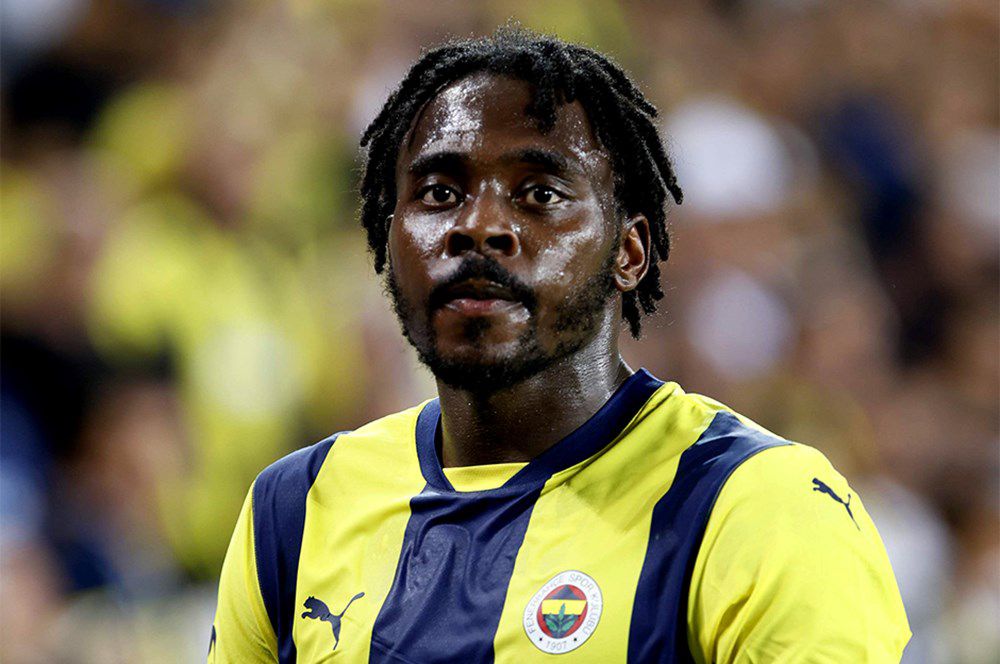
Bright Osayi-Samuel Found Guilty by Turkish Court Over Trabzon Pitch Invasion Incident

A Turkish court has found Bright Osayi-Samuel guilty of assault following the chaotic pitch invasion that ended a Turkish Süper Lig clash between Trabzonspor and Fenerbahçe in March 2024.

The ruling comes more than a year after one of the most controversial moments in recent Turkish football, when home supporters stormed the pitch after Trabzonspor’s 3–2 defeat to Fenerbahçe, confronting opposition players in scenes that drew attention.

According to the court’s decision, Osayi-Samuel was convicted of “simple assault” for striking a pitch invader during the incident. He was issued a fine of approximately 6,000 Turkish Lira.

However, the sentence has been suspended for five years, meaning the Nigerian international will not face immediate legal consequences unless he commits another offence within that period. The ruling also ensures the conviction will not be permanently recorded, provided there are no further infractions.

The altercation occurred at the final whistle, as tensions spilled over from the stands onto the pitch. Fenerbahçe players were confronted by a group of aggressive supporters, leading to physical clashes.

During the chaos, Osayi-Samuel was captured on video punching one of the invading fans. The player has maintained that his actions were in self-defence, citing the immediate threat posed by the invading supporters and the lack of adequate security at the time.

At the time of the incident in March 2024, Osayi-Samuel was still a player for Fenerbahçe, which explains his direct involvement in the match.

He has since moved on from the Turkish club, leaving in 

The court also handed fines to Osayi-Samuel’s teammates, including Jayden Oosterwolde and İrfan Can Eğribayat, for their roles in the incident.

Victor Osimhen Set for Surgery After Arm Fracture in Galatasaray’s Defeat to Liverpool

Nigerian striker Victor Osimhen is expected to undergo surgery after suffering an arm fracture during Galatasaray S.K.’s UEFA Champions League clash against Liverpool FC.

The unfortunate incident occurred in the first half of the high-intensity encounter at Anfield, where Osimhen collided with Liverpool defender Ibrahima Konaté while contesting an aerial ball. The impact left the Nigerian forward in visible discomfort, clutching his arm as medical staff rushed onto the pitch.

Despite the severity of the injury, Osimhen showed remarkable resilience by continuing to play for the remainder of the first half, with his arm heavily strapped. However, further assessment during the halftime break confirmed fears of a serious issue, forcing his withdrawal before the second half resumed.

Subsequent medical examinations revealed a fracture in his right forearm. The injury has since been immobilized in a cast, and reports indicate that surgery is now the most likely course of action, pending final medical clearance.

The injury capped off a difficult night for Galatasaray, who suffered a heavy defeat to Liverpool, crashing out of the UEFA Champions League Round of 16. Beyond the result, the loss of Osimhen represents a major blow for the Turkish side, given his importance to their attacking setup this season.

Osimhen’s situation also raises concerns for the Nigerian national team, as his recovery timeline could affect his availability for upcoming international fixtures. The length of his absence will largely depend on the outcome of the surgery and the rehabilitation process that follows.

More updates are expected in the coming days as the club provides further clarity on the procedure and his expected return timeline.

CAF Overturns AFCON Final Result, Awards Morocco 3–0 Victory as Senegal Stripped of Title

In a surprising  and unprecedented decision, the Confederation of African Football (CAF) has officially overturned the result of the 2025 Africa Cup of Nations (AFCON) final, awarding the title to Morocco national football team following a successful appeal.

The ruling sees Senegal national football team stripped of the title they initially secured on the pitch, with the final result now recorded as a 3–0 forfeiture in favour of Morocco.

The decision was confirmed after Morocco filed a formal complaint to CAF’s disciplinary committee, challenging the events that unfolded during the final. After reviewing the case, the committee ruled that Senegal’s actions constituted a breach of competition regulations, leading to the forfeiture.

At the center of the controversy was a dramatic moment during the final when Senegal players reportedly left the pitch in protest following a disputed decision. According to CAF’s regulations, any team that abandons a match without authorization is subject to disciplinary action, including automatic forfeiture.

CAF stated that violations of its competition rules in delivering the verdict, concluding that Senegal’s conduct warranted the nullification of the original result. As a result, Morocco have now been retrospectively crowned AFCON 2025 champions.

The ruling effectively erases Senegal’s 1–0 victory after extra time, replacing it with a 3–0 administrative win for Morocco. It marks one of the most controversial decisions in the history of the tournament and is expected to generate widespread debate across the football world.

While CAF has finalized its position, the situation may not yet be fully resolved. Senegal are expected to explore further legal options, including a possible appeal to the Court of Arbitration for Sport, as they seek to challenge the decision and reclaim the title.

Congolese Football Federation President Jean-Guy Blaise Mayolas Sentenced to Life for Embezzling $1.3 Million

Jean‑Guy Blaise Mayolas, the president of the Congolese Football Federation, has been sentenced to life imprisonment after a court found him guilty of embezzling about $1.3 million in football development funds.

The funds were reportedly provided by FIFA to support football development projects in the Republic of the Congo. Investigators concluded that the money was instead diverted through a series of fraudulent financial transactions.

According to prosecutors, the embezzled funds were meant to support grassroots football programmes, infrastructure development, and administrative improvements within the federation. However, the court found that the money had been misappropriated through falsified documents and irregular bank transfers.

Following an investigation that has lasted several months, the court convicted Mayolas on multiple counts, including embezzlement, document forgery, and financial mismanagement related to the handling of FIFA development funds.

The ruling extended beyond the federation president. The court also sentenced Mayolas’s wife and son to life imprisonment, after determining they played key roles in the scheme used to move and conceal the misappropriated funds.

Authorities said financial records linked the family members to accounts and transactions connected to the diverted money.

The case also implicated other senior figures within the football federation. Badji Mombo Wantete, the federation’s general secretary, was sentenced to five years in prison and Raoul Kanda, the federation’s treasurer, also received a five-year prison sentence.

Both men were found guilty of participating in financial misconduct linked to the misuse of federation funds.

Eric Chelle Makes Francis Uzoho Super Eagles No.1 as Stanley Nwabali Remains Clubless

Nigeria’s goalkeeping hierarchy has officially changed.

Head coach Eric Chelle has named Francis Uzoho as the new first-choice goalkeeper of the Nigeria national football team, a decisive move that reshapes competition in one of the team’s most scrutinized positions.

The decision comes at a crucial moment for the Super Eagles as preparations intensify for upcoming international fixtures. 

The 27-year-old has spent years in the national team setup, experiencing both the highs of major tournaments and the lows of public criticism.

While he lost his starting role in recent cycles, Chelle’s latest decision suggests renewed confidence in his experience, leadership, and understanding of the team’s defensive structure.

The biggest casualty of the shake-up is Stanley Nwabali, who had in recent times established himself as Nigeria’s first-choice goalkeeper during the last international cycle and impressed many fans at the 2025 Africa Cup of Nations.

Nwabali is currently without a club following his departure from South African side Chippa United. For international managers, club inactivity is a major red flag; especially for goalkeepers, whose sharpness relies heavily on consistent match action.

In elite football, form is temporary but match fitness is essential. Chelle’s decision appears rooted in that practical reality.

Meanwhile, Maduka Okoye remains on the fringes of the current setup. Once projected as Nigeria’s long-term solution in goal, Okoye’s relationship with the national team has been turbulent in recent years.

With Uzoho reinstated and Chelle making a clear statement about availability and readiness, Okoye’s immediate path back to the starting XI appears uncertain.

Despite Uzoho’s reinstatement, the goalkeeper position is far from sealed for the long term. The potential integration of Arthur Okonkwo, who is exploring his international future with Nigeria, could introduce fresh competition once eligibility matters are finalized.

CJNG Cartel Violence in Mexico Sparks World Cup Security Concerns Ahead of 2026 Tournament

On 22 February 2026, Mexican security forces successfully killed Nemesio “El Mencho” Oseguera, the notorious leader of the Jalisco New Generation Cartel (CJNG), one of the country’s most powerful and dangerous criminal organizations. The operation, while a significant victory for law enforcement, immediately triggered a wave of violent retaliation across several states, drawing global attention just months before the 2026 FIFA World Cup.

The city of Guadalajara, one of Mexico’s main World Cup host cities, experienced some of the most intense unrest. On the night of 22 February and the following days, residents reported blocked roads, burned vehicles, and suspended public transportation as CJNG members clashed with security forces. Airports and highways were temporarily affected, prompting travel advisories from several foreign governments, including the Indian and U.S. embassies, which urged citizens to exercise caution and avoid non-essential travel in affected areas.

The 2026 FIFA World Cup, co-hosted by Mexico, the United States, and Canada, is scheduled to begin in June. Guadalajara is slated to host several group-stage matches, which makes the recent unrest a matter of significant concern for both fans and organizers. Despite the chaos following 22 February, FIFA and Mexican authorities have not canceled or relocated any matches.

The immediate effects of the unrest were felt in Mexican football. On 23–24 February 2026, several Liga MX and lower-division matches near Guadalajara were postponed or canceled due to safety concerns. These disruptions highlight the unpredictable consequences of sudden escalations in violence and why authorities are taking every precaution ahead of the World Cup.

Although these local cancellations are limited in scope, they demonstrate the challenges organizers face when hosting international events in regions affected by organized crime.

Mexican authorities have emphasized that the operation against El Mencho aims to restore public safety and dismantle organized crime networks. Security forces continue to patrol major cities and key transportation routes, while the federal government reassures residents and visitors of ongoing efforts to maintain order.

International governments have issued guidance to travelers and their citizens in the country, advising caution in areas affected by cartel retaliation. These advisories, while precautionary, reflect the global attention drawn to Mexico’s security situation ahead of the World Cup.

The CJNG has long been a formidable network, and the sudden elimination of its leader can create power vacuums, triggering temporary insecurity in affected regions. The events of 22 February 2026 and the days following serve as a reminder of how crime, governance, and international events intersect on a global stage.

While the recent unrest has raised legitimate concerns, it is important to note that the 2026 FIFA World Cup remains on schedule in Mexico, with heightened security and ongoing monitoring to ensure that fans, players, and visitors can safely enjoy the tournament unless later updates report otherwise.

Super Eagles Controversy: Gara-Gombe Warns NFF Against Reported $130,000 Salary for Eric Chelle

Nigeria’s beloved national football team, the Super Eagles, is facing an unexpected off-field controversy, and it’s not about match results or tournament outcomes. Instead, the spotlight is on head coach Eric Chelle and reports that he requested a $130,000 monthly salary, a figure that has drawn criticism from football stakeholders and fans alike.

According to reports, Chelle, who guided Nigeria to a respectable finish at the 2025 Africa Cup of Nations, submitted a 19-point proposal to the Nigeria Football Federation (NFF), seeking an increase in his monthly salary from $50,000 to $130,000 (about ₦174 million).

But the proposal reportedly went beyond just a pay rise. Sources say Chelle’s package included:

  • A secure official residence with uninterrupted power supply
  • A private SUV with a driver and security detail
  • Flight allowances for family members
  • Autonomy over team selection and friendly matches
  • Salaries for his technical staff and personal assistant

Former Gombe State FA chairman and football administrator Ahmed Shuaibu Gara-Gombe has been one of the loudest critics of the reported package. He warned that the NFF could regret agreeing to such terms.

“The Super Eagles brand elevated Chelle, not the other way around. Demanding such figures at this stage is almost blackmail,” Gara-Gombe said, describing the proposal as excessive and disconnected from the realities of Nigerian football. Via Africa Soccer

Critics argue that such financial expectations could undermine the team’s stability and shift focus away from player development and performance.

The NFF has since denied that Chelle formally demanded $130,000 monthly. According to a federation spokesperson, the figures circulating in the media are speculative and not part of official negotiations.

Whether the reports are exaggerated or accurate, the controversy underscores the tension between perception and reality in Nigerian football governance.

For the NFF, the challenge is clear: negotiate a fair deal, maintain team focus, and preserve public trust. The decisions made now will influence not just the next season, but the long-term direction of Nigerian football.

CAF Reaffirms Morocco as Host of WAFCON 2026

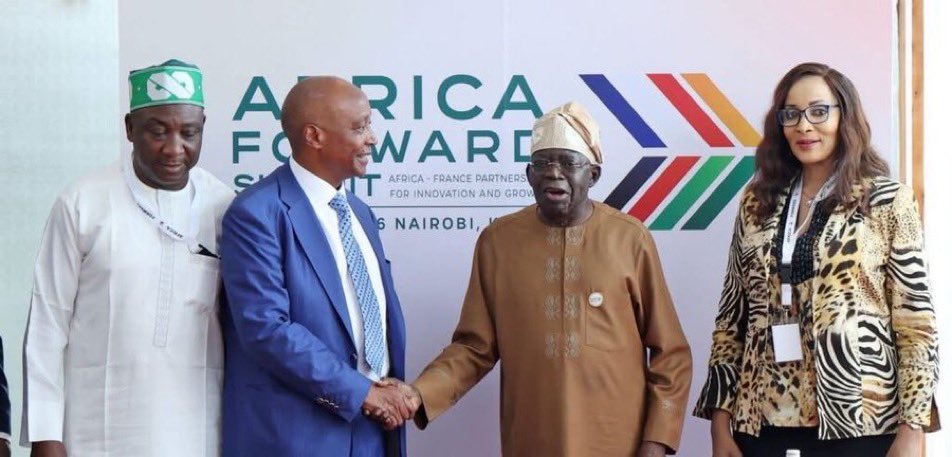
The Confederation of African Football (CAF) has officially confirmed that Morocco will host the 2026 Women’s Africa Cup of Nations (WAFCON), putting to rest recent speculation about a possible relocation or postponement of the tournament.

CAF President Patrice Motsepe emphasized that Morocco remains fully committed and prepared to stage the tournament, which is scheduled to take place from 17 March to 3 April 2026. The decision ensures that the tournament, which also serves as a qualifying event for the 2027 FIFA Women’s World Cup, will proceed as planned.

This announcement comes after discussions in some quarters about the potential for a change of host nation. CAF clarified that Morocco had met all organizational requirements and that there were no obstacles to continuing as hosts.

The 2026 edition of WAFCON will see teams from across Africa compete for continental glory, building on Morocco’s successful hosting of the 2022 WAFCON. CAF’s reaffirmation signals confidence in Morocco’s ability to deliver a world-class tournament, complete with top-notch stadiums, facilities, and fan engagement.

In the first days of February 2026, reports circulated in African media and social channels suggesting that Morocco had withdrawn from hosting WAFCON 2026, and that South Africa might take over. These claims were amplified after South Africa’s Deputy Minister of Sport, Arts and Culture, Peace Mabe, publicly stated that South Africa would host the tournament, implying Morocco could no longer stage it. 

This assertion quickly made headlines and sparked debate across sports outlets and social media but it had no formal backing from CAF at the time. Instead, it emerged from contradictory statements within South African government ranks, where the deputy minister’s comments were later refuted by the South African Sports Minister’s office, which clarified that they were speaking about willingness to assist, not a confirmed hosting change. 

For African women’s football, this is a crucial milestone. With increased investment and visibility, WAFCON continues to grow as a platform that showcases the continent’s talent and inspires the next generation of female footballers. Morocco’s hosting is expected to bring in fans from across Africa and beyond, further cementing the tournament’s prestige and influence in global women’s football.

CAF’s statement underscores that the countdown to WAFCON 2026 is on, and Morocco is ready to welcome the continent’s best teams to a festival of football, passion, and empowerment.

UEFA to Review VAR Use at End of Season: What Fans Should Expect

European football’s governing body, UEFA, has officially announced a review of Video Assistant Referee (VAR) usage at the end of the 2025/26 season. The move comes amid growing debates about how VAR is applied in big matches and whether it sometimes interrupts the flow of the game. 

VAR was originally introduced to correct clear and obvious mistakes on the pitch, such as offsides, mistaken identity, and disputed goals. Its purpose was to support referees without taking over the game. However, UEFA’s head of refereeing, Roberto Rosetti, has expressed concern that VAR may now be overused, particularly in subjective decisions like handballs or fouls. He warns that the system risks becoming too “microscopic,” focusing on minor details rather than major, match-changing incidents. 

Roberto Rosetti explained that interventions in minor situations can slow down matches and frustrate players, coaches, and fans. While factual calls like offsides are generally handled accurately, subjective decisions often lead to inconsistency and debate, reducing trust in the system.

UEFA plans to conduct a formal review at the end of the season, focusing on streamlining VAR interventions, concentrating on clear and obvious errors, and ensuring consistency across European competitions. The review will also look at improving training and protocols for VAR officials. This could reshape how referees and video officials work together, affecting both domestic leagues and UEFA tournaments like the Champions League and Europa League.

VAR has undoubtedly improved fairness in football by correcting major errors. Yet, when overused, it can disrupt the flow of the game and take away from the excitement that fans expect. UEFA’s review signals that change may be coming, aiming to balance accuracy with the natural rhythm and drama of football. For fans, the key takeaway is clear: expect fewer interruptions for minor incidents and a stronger focus on decisions that truly affect match outcomes.

Scroll to Top